AB 1724: Court operations.
- Session Year: 2025-2026
- House: Assembly
- Latest Version Date: 2026-04-09
Current Status:
In Progress
(2026-05-14: In committee: Held under submission.)
Introduced
In Committee
Awaiting First Chamber Vote
Passed First Chamber
In Committee
Awaiting Second Chamber Vote
Passed Second Chamber
Enacted
Existing law requires the clerk of a court in which a person was convicted of a violation of the Vehicle Code or other specified provisions, to prepare and forward an abstract of the record of conviction to the Department of Motor Vehicles (DMV), as specified. Existing law authorizes the Judicial Council to perform audits, reviews, and investigations of superior court operations and records, as specified.
This bill would require the Judicial Council, when performing an audit of superior court records, to include a review of compliance with these deadlines for transmitting records to the DMV when a person is convicted of a violation relating to the safe operation of a vehicle. commencing on January 1, 2028, and every 3 years thereafter, to prepare and submit a report to the Legislature regarding superior court compliance with specified deadlines for transmitting an abstract of the record of conviction to the DMV, for certain violations, including vehicular manslaughter and driving under the influence of alcohol, pursuant to the above-described provisions.
Existing law requires the clerk of a court in which a person was convicted of a violation of the Vehicle Code or other specified provisions, to prepare and forward an abstract of the record of conviction to the Department of Motor Vehicles (DMV), as specified. Existing law authorizes the Judicial Council to perform audits, reviews, and investigations of superior court operations and records, as specified.
This bill would require the Judicial Council, when performing an audit of superior court records, to include a review of compliance with these deadlines for transmitting records to the DMV when a person is convicted of a violation relating to the safe operation of a vehicle.
Commencing on January 1, 2028, and every three years thereafter, the Judicial Council shall, in compliance with Section 9795, prepare and submit a report to the Legislature summarizing the compliance of each superior court with applicable deadlines for transmitting an abstract of the record to the Department of Motor Vehicles, pursuant to Section 1803 of the Vehicle Code, for all of the following violations:
(a)Sections 23109, 23109.1, 23152, and 23153 of the Vehicle Code.
(b)Subdivision (a) of Section 192.5 of the Penal Code.
SECTION 1.Section 77009 of the Government Code is amended to read:77009.(a)The Judicial Council may establish bank accounts for the superior courts and require the courts to deposit moneys for trial court operations, and any other moneys under the control of the courts, into those accounts. Deposits to these accounts shall include, but are not limited to, the following:(1)Moneys appropriated in the Budget Act and allocated or reallocated to the superior court by the Judicial Council.(2)Moneys held in trust.(3)Other moneys as deemed necessary or appropriate.(b)Subdivision (a) shall not apply to payments from a party or a defendant received by the superior court for any criminal fees, fines, or forfeitures. However, the court and county may enter into a contract for the court to provide depository services in an account established by the Judicial Council for criminal fees, fines, and forfeitures, with the approval of the Administrative Director of the Courts. The contract shall identify the scope of service, method of service delivery, term of agreement, anticipated service outcomes, and the cost of the service. The amount of any indirect or overhead costs shall be individually stated with the method of calculation of the indirect or overhead costs.(c)Moneys deposited into a bank account established pursuant to subdivision (a) for the Trial Court Operations Fund that are appropriated in the Budget Act and allocated or reallocated to the superior court by the Judicial Council shall be payable only for the purposes set forth in Sections 77003 and 77006.5, and for services purchased by the court pursuant to subdivisions (b) and (c) of Section 77212.(d)(1)All moneys received by a superior court from any source for court operating and program purposes shall be deposited into a bank account established pursuant to subdivision (a) and accounted for in the Trial Court Operations Fund. Moneys that are received to fulfill the requirements of Article 4 (commencing with Section 4250) of Chapter 2 of Part 2 of Division 9 and Division 14 (commencing with Section 10000) of the Family Code shall be identified and maintained in a separate account established in the fund for this purpose.(2)All other moneys deposited into a bank account established pursuant to subdivision (a) and accounted for in the Trial Court Operations Fund that are received for purposes other than court operations, as defined in Section 77003 and Rule 10.810 of the California Rules of Court, shall be identified and maintained in separate accounts in the fund.(3)This subdivision shall not apply to either of the following:(A)Moneys received by the courts pursuant to paragraph (2) of subdivision (a) of this section and Section 68084, if those moneys are not for court operating or program purposes.(B)Payments from a party or a defendant received by the county for any fees, fines, or forfeitures; moneys collected by the superior court under Chapter 5.8 (commencing with Section 70600); or fees and fines to which Section 68085.1 applies.(e)The presiding judge of the superior court, or his or her designee, shall authorize and direct all expenditures by the court for operating and program purposes from any account established under subdivision (b) or (c).(f)The Judicial Council, in consultation with the Controllers office, shall establish procedures to implement this section and to provide for payment of trial court operations expenses, as described in Sections 77003 and 77006.5, incurred on July 1, 1997, and thereafter.(g)(1)If the Judicial Council has not established bank accounts pursuant to subdivision (a), the court shall contract with the county for fiscal services. Each board of supervisors shall maintain in the county treasury a Trial Court Operations Fund, which will operate as an agency fund. All moneys appropriated in the Budget Act and allocated and reallocated to the superior court in the county by the Judicial Council shall be deposited into the fund.(2)Moneys deposited into the fund that are appropriated for the Trial Court Operations Fund in the Budget Act and allocated or reallocated to the superior court by the Judicial Council shall be payable only for the purposes set forth in Sections 77003 and 77006.5, and for services purchased by the court pursuant to subdivisions (b) and (c) of Section 77212. The presiding judge of the superior court, or his or her designee, shall authorize and direct expenditures from the fund and the county auditor-controller shall make payments from the funds as directed. Approval of the board of supervisors is not required for expenditure from this fund.(3)All moneys received by a superior court from any source for court operating and program purposes shall be deposited in the fund, except as provided in this subdivision. Moneys that are received to fulfill the requirements of Article 4 (commencing with Section 4250) of Chapter 2 of Part 2 of Division 9 and Division 14 (commencing with Section 10000) of the Family Code shall be identified and maintained in a separate account established in the fund for this purpose. All other moneys that are received for purposes other than court operations, as defined in Section 77003 and Rule 10.810 of the California Rules of Court, shall be identified and maintained in one or more separate accounts established in the fund pursuant to procedures adopted by the Judicial Council. This subdivision shall only apply to moneys received by the courts for operating and program purposes. This subdivision shall not apply to either of the following:(A)Moneys received by the courts pursuant to Section 68084, if those funds are not for court operating or program purposes.(B)Payments from a party or a defendant received by the county for any fees, fines, or forfeitures; moneys collected by the superior court under Chapter 5.8 (commencing with Section 70600); or fees and fines to which Section 68085.1 applies.(4)Interest received by a county that is attributable to investment of moneys, which interest is required by this subdivision to be deposited in the superior courts fund, shall be deposited in the fund and shall be used for trial court operations purposes.(5)In no event shall interest be charged to the superior courts fund, except as provided in Section 77009.1.(6)Reasonable administrative expenses incurred by the county associated with the operation of this fund shall be charged to the superior court.(7)A county, or city and county, may bill the superior court within its jurisdiction for costs for services provided by the county, or city and county, as described in Sections 77003 and 77212, including indirect costs as described in paragraph (7) of subdivision (a) of Section 77003 and Section 77212. The costs billed by the county, or the city and the county, pursuant to this subdivision shall not exceed the costs incurred by the county, or the city and the county, of providing similar services to county departments or special districts.(8)Pursuant to Section 77206, the Controller, at the request of the Legislature, may perform financial and fiscal compliance audits of this fund. The Judicial Council or its representatives may perform audits, reviews, and investigations of this fund wherever the records may be located.(h)(1)The Judicial Council or its representatives may perform audits, reviews, and investigations of superior court operations and records wherever they may be located.(2)Audits performed pursuant to this subdivision shall include a review of compliance with applicable deadlines for transmitting records to the Department of Motor Vehicles when a person is convicted of a violation relating to the safe operation of a vehicle.(a)The Judicial Council may establish bank accounts for the superior courts and require the courts to deposit moneys for trial court operations, and any other moneys under the control of the courts, into those accounts. Deposits to these accounts shall include, but are not limited to, the following:
(1)Moneys appropriated in the Budget Act and allocated or reallocated to the superior court by the Judicial Council.
(2)Moneys held in trust.
(3)Other moneys as deemed necessary or appropriate.
(b)Subdivision (a) shall not apply to payments from a party or a defendant received by the superior court for any criminal fees, fines, or forfeitures. However, the court and county may enter into a contract for the court to provide depository services in an account established by the Judicial Council for criminal fees, fines, and forfeitures, with the approval of the Administrative Director of the Courts. The contract shall identify the scope of service, method of service delivery, term of agreement, anticipated service outcomes, and the cost of the service. The amount of any indirect or overhead costs shall be individually stated with the method of calculation of the indirect or overhead costs.
(c)Moneys deposited into a bank account established pursuant to subdivision (a) for the Trial Court Operations Fund that are appropriated in the Budget Act and allocated or reallocated to the superior court by the Judicial Council shall be payable only for the purposes set forth in Sections 77003 and 77006.5, and for services purchased by the court pursuant to subdivisions (b) and (c) of Section 77212.
(d)(1)All moneys received by a superior court from any source for court operating and program purposes shall be deposited into a bank account established pursuant to subdivision (a) and accounted for in the Trial Court Operations Fund. Moneys that are received to fulfill the requirements of Article 4 (commencing with Section 4250) of Chapter 2 of Part 2 of Division 9 and Division 14 (commencing with Section 10000) of the Family Code shall be identified and maintained in a separate account established in the fund for this purpose.
(2)All other moneys deposited into a bank account established pursuant to subdivision (a) and accounted for in the Trial Court Operations Fund that are received for purposes other than court operations, as defined in Section 77003 and Rule 10.810 of the California Rules of Court, shall be identified and maintained in separate accounts in the fund.
(3)This subdivision shall not apply to either of the following:
(A)Moneys received by the courts pursuant to paragraph (2) of subdivision (a) of this section and Section 68084, if those moneys are not for court operating or program purposes.
(B)Payments from a party or a defendant received by the county for any fees, fines, or forfeitures; moneys collected by the superior court under Chapter 5.8 (commencing with Section 70600); or fees and fines to which Section 68085.1 applies.
(e)The presiding judge of the superior court, or his or her designee, shall authorize and direct all expenditures by the court for operating and program purposes from any account established under subdivision (b) or (c).
(f)The Judicial Council, in consultation with the Controllers office, shall establish procedures to implement this section and to provide for payment of trial court operations expenses, as described in Sections 77003 and 77006.5, incurred on July 1, 1997, and thereafter.
(g)(1)If the Judicial Council has not established bank accounts pursuant to subdivision (a), the court shall contract with the county for fiscal services. Each board of supervisors shall maintain in the county treasury a Trial Court Operations Fund, which will operate as an agency fund. All moneys appropriated in the Budget Act and allocated and reallocated to the superior court in the county by the Judicial Council shall be deposited into the fund.
(2)Moneys deposited into the fund that are appropriated for the Trial Court Operations Fund in the Budget Act and allocated or reallocated to the superior court by the Judicial Council shall be payable only for the purposes set forth in Sections 77003 and 77006.5, and for services purchased by the court pursuant to subdivisions (b) and (c) of Section 77212. The presiding judge of the superior court, or his or her designee, shall authorize and direct expenditures from the fund and the county auditor-controller shall make payments from the funds as directed. Approval of the board of supervisors is not required for expenditure from this fund.
(3)All moneys received by a superior court from any source for court operating and program purposes shall be deposited in the fund, except as provided in this subdivision. Moneys that are received to fulfill the requirements of Article 4 (commencing with Section 4250) of Chapter 2 of Part 2 of Division 9 and Division 14 (commencing with Section 10000) of the Family Code shall be identified and maintained in a separate account established in the fund for this purpose. All other moneys that are received for purposes other than court operations, as defined in Section 77003 and Rule 10.810 of the California Rules of Court, shall be identified and maintained in one or more separate accounts established in the fund pursuant to procedures adopted by the Judicial Council. This subdivision shall only apply to moneys received by the courts for operating and program purposes. This subdivision shall not apply to either of the following:
(A)Moneys received by the courts pursuant to Section 68084, if those funds are not for court operating or program purposes.
(B)Payments from a party or a defendant received by the county for any fees, fines, or forfeitures; moneys collected by the superior court under Chapter 5.8 (commencing with Section 70600); or fees and fines to which Section 68085.1 applies.
(4)Interest received by a county that is attributable to investment of moneys, which interest is required by this subdivision to be deposited in the superior courts fund, shall be deposited in the fund and shall be used for trial court operations purposes.
(5)In no event shall interest be charged to the superior courts fund, except as provided in Section 77009.1.
(6)Reasonable administrative expenses incurred by the county associated with the operation of this fund shall be charged to the superior court.
(7)A county, or city and county, may bill the superior court within its jurisdiction for costs for services provided by the county, or city and county, as described in Sections 77003 and 77212, including indirect costs as described in paragraph (7) of subdivision (a) of Section 77003 and Section 77212. The costs billed by the county, or the city and the county, pursuant to this subdivision shall not exceed the costs incurred by the county, or the city and the county, of providing similar services to county departments or special districts.
(8)Pursuant to Section 77206, the Controller, at the request of the Legislature, may perform financial and fiscal compliance audits of this fund. The Judicial Council or its representatives may perform audits, reviews, and investigations of this fund wherever the records may be located.
(h)(1)The Judicial Council or its representatives may perform audits, reviews, and investigations of superior court operations and records wherever they may be located.
(2)Audits performed pursuant to this subdivision shall include a review of compliance with applicable deadlines for transmitting records to the Department of Motor Vehicles when a person is convicted of a violation relating to the safe operation of a vehicle.
|
Date
|
Status
|
|---|---|
| May 14, 2026 | In committee: Held under submission. |
| May 6, 2026 | In committee: Set, first hearing. Referred to APPR. suspense file. |
| Apr 13, 2026 | Re-referred to Com. on APPR. |
| Apr 9, 2026 | Read second time and amended. |
| Apr 8, 2026 | From committee: Amend, and do pass as amended and re-refer to Com. on APPR. with recommendation: To Consent Calendar. (Ayes 12. Noes 0.) (April 7). |
| Mar 3, 2026 | In committee: Set, first hearing. Hearing canceled at the request of author. |
| Feb 23, 2026 | Referred to Com. on JUD. |
| Feb 6, 2026 | From printer. May be heard in committee March 8. |
| Feb 5, 2026 | Read first time. To print. |
|
Date
|
Description
|
Location
|
Votes
|
|
|---|---|---|---|---|
| Apr 7, 2026 | Do pass as amended, and be re-referred to the Committee on [Appropriations] with recommendation: To Consent Calendar | Assembly Standing Committee on Judiciary |
Passed |
This list shows positions taken on this bill by organizations on the date displayed, which is linked to the original source.
Positions by individuals are not included.
|
Organization
|
Position
|
Date
|
|---|---|---|
| Conor Lynch Foundation | ** Support | |
| Mothers Against Drunk Driving | ** Support | |
| Socal Families for Safe Streets | ** Support |
Date of Hearing: May 6, 2026
ASSEMBLY COMMITTEE ON APPROPRIATIONS
Buffy Wicks, Chair
ABPCA Bill Id:AB 1724
Author:(Ellis) – As Amended Ver:April 9, 2026
Policy Committee: | Judiciary | Vote: | 12 - 0 |
|
| ||
|
|
Urgency: No State Mandated Local Program: No Reimbursable: No
SUMMARY:
This bill requires the Judicial Council, commencing January 1, 2028, and every three years thereafter, to prepare and submit a report to the Legislature summarizing each superior court’s compliance with the deadlines in Vehicle Code Section 1803 for transmitting abstracts of the record to the Department of Motor Vehicles (DMV) for specified DUI, street racing, and vehicular manslaughter convictions.
FISCAL EFFECT:
The Judicial Council reports costs of an unknown, but potentially significant amount (Trial Court Trust Fund, General Fund) for staff time to coordinate with the 58 superior courts, analyze compliance data, and prepare the triennial report. The Judicial Council indicates that legislative reports are generally absorbable, but notes it is unclear whether all superior courts can retrieve abstract transmission dates from their case management systems through a simple query, or whether system modifications would be required. To the extent case management system modifications are needed at one or more superior courts to produce reliable compliance data, potentially significant one-time IT costs could arise.
Although courts are not funded on the basis of workload, increased pressure on the Trial Court Trust Fund may create a demand for increased funding for courts from the General Fund. The state budget provides annual General Fund backfills to the Trial Court Trust Fund to offset revenue reductions, totaling approximately $117.3 million in 2025-26.
The Legislative Analyst’s Office recently warned of General Fund structural deficits of around $35 billion per year beginning in the 2027-28 fiscal year.
COMMENTS:
- Purpose. According to the author:
For years, California has allowed drivers convicted of serious offenses [to] continue to operate on the road, putting the lives of others at risk. Due to California courts failing to report convictions of vehicular manslaughter to DMV within 5 days of conviction as required by state law, several hundreds of drivers with convictions have been able to keep their driving privileges when they should have been revoked.
- Background. Vehicle Code Section 1803 requires superior court clerks, within five days after conviction of specified vehicle- and boating-related offenses, to prepare and transmit an abstract of the record to the DMV. The DMV uses these abstracts to update driver records and, where appropriate, initiate license suspension or revocation. Timely transmission is necessary both for license actions and for insurers' access to driving record information. A 2025 CalMatters investigative series reported that, between 2019 and 2024, at least 400 driving-related convictions — including DUIs, street racing offenses, and gross vehicular manslaughter convictions — were not posted to defendants’ DMV records. The series attributed the gaps to a combination of case management system limitations, inconsistent court practices, and the fact that not all driving-related offenses are prosecuted as Vehicle Code violations (making the transmission trigger less straightforward). This bill responds by requiring the Judicial Council to assess and report on superior court compliance with the Section 1803 transmission requirement for a defined set of high-priority offenses.
The DMV already produces an annual report to the Legislature — the California DUI Management Information System Report, required under AB 757 (Chapter 450, Statutes of 1989) — that includes county-level data on DUI arrests, convictions, post-conviction sanctions, and license suspension or revocation actions. The Judicial Council has flagged that the DUI-specific components of this bill (Vehicle Code Sections 23152 and 23153) would be duplicative of information already reported by the DMV.
The bill tracks Vehicle Code Section 1803, which expressly enumerates subdivision (a) of Penal Code Section 192.5 — vehicular manslaughter while operating a vessel. The author’s statement and the policy committee analysis, however, describe the bill as addressing gross vehicular manslaughter while intoxicated, which is codified at Penal Code Section 191.5. Section 191.5 is not among the offenses specifically enumerated in Vehicle Code Section 1803; those convictions instead reach the DMV under Section 1803’s general catch-all for “any other statute relating to the safe operation of vehicles.”
Analysis Prepared by: Shiran Zohar / APPR. / (916) 319-2081
Date of Hearing: April 7, 2026
ASSEMBLY COMMITTEE ON JUDICIARY
Ash Kalra, Chair
ABPCA Bill Id:AB 1724
Author:(Ellis) – As Introduced Ver:February 5, 2026
PROPOSED CONSENT (As Proposed to be Amended)
SUBJECT: Court operations
KEY ISSUE: should the judicial council be required to report to the legislature about the judiciary’s complaince with existing law that requires the courts to transmit specified conviction information to the department of motor vehicles?
SYNOPSIS
In order to ensure that dangerous drivers are taken off of California streets, existing law requires the courts to transmit data regarding specified traffic-related convictions to the Department of Motor Vehicles within five days. The existing law is designed to permit the Department of Motor Vehicles to update driver records in a timely manner and initiate proceedings to suspend or revoke a defendant’s driving privileges when appropriate. However, a 2025 investigative series by Cal Matters discovered that in hundreds of cases over the last five years, the courts have failed to transmit conviction data to the Department of Motor Vehicles, thus permitting dangerous drivers to remain on California roadways.
This bill, as proposed to be amended, would require the Judicial Council to submit to the Legislature a report regarding the court’s compliance with the existing Department of Motor Vehicle notice laws. The report would be required to be produced every three years and focus on conviction data related to driving under the influence, street racing, and gross vehicular manslaughter.
This non-controversial measure is supported by a coalition of traffic safety and victims’ advocates. The supporters note that California has seen an unacceptable increase in arrests for driving under the influence in recent years and argue that the courts must assist the Department of Motor Vehicles in proactively removing dangerous drivers from California roadways. This bill has no registered opposition.
SUMMARY: Requires the Judicial Council, every three years, to report to the Legislature about compliance with transmitting specified conviction information to the Department of Motor Vehicles. Specifically, this bill:
- Requires, every three years, the Judicial Council report to the Legislature regarding superior court compliance with applicable deadlines for transmitting an abstract of the record to the Department of Motor Vehicles for when a person is convicted of a violation relating to:
- Driving under the influence of alcohol;
- Driving under the influence of alcohol and causing bodily injury;
- Engaging in a motor vehicle speed contest on a highway or in an offstreet parking facility;
- Engaging in a motor vehicle speed contest causing bodily injury; and
- Gross vehicular manslaughter while intoxicated.
EXISTING LAW:
- Requires the clerk of a superior court to prepare an abstract of the record of the court covering a case within five days after conviction and immediately forward that abstract to the Department of Motor Vehicle’s office in Sacramento if a person is convicted on any of the following vehicle-related offenses:
- A violation of the Vehicle Code;
- A violation of provisions of the Harbors and Navigation Code pertaining to a mechanically propelled vessel except for a water ski, an aquaplane, or similar device;
- A violation of the Harbors and Navigation Code for any violation of operating a watercraft when underage;
- Vehicular manslaughter;
- Operating as a charter-party carrier of passengers without proper licensure from the Public Utilities Commission;
- Operating a vehicle while under a controlled substance;
- A felony offense committed when operating a commercial motor vehicle; and
- Any other statute relating to the safe operation of vehicles. (Vehicle Code Section 1803 (a).)
- Requires the clerk of the court, within five days of an order terminating or revoking probation for driving under the influence, to notify the Department of Motor Vehicles. (Vehicle Code Section 1803 (d).)
- Requires the clerk of the court to notify the Department of Motor Vehicles of any reversal in a judgment within 30 days of the date the judgment of reversal becoming final. (Vehicle Code Section 1803.3.)
- Provides that it is unlawful for a person who is under the influence of any alcoholic beverage to drive a vehicle. (Vehicle Code Section 23152.)
- Provides that it is unlawful for a person, while under the influence of any alcoholic beverage, to drive a vehicle and concurrently do any act forbidden by law, or neglect any duty imposed by law in driving the vehicle, which act or neglect proximately causes bodily injury to any person other than the driver. (Vehicle Code Section 23153.)
- Prohibits a person from engaging in a motor vehicle speed contest on a highway or in an offstreet parking facility. (Vehicle Code Section 23109.)
- Specifies the punishment for a person convicted of violating 6) and causing bodily injury, as specified. (Vehicle Code Section 23109.1.)
- Defines gross vehicular manslaughter while intoxicated as the unlawful killing of a human being without malice aforethought, in the driving of a vehicle, where the driving was in specified provisions of the Vehicle Code related to driving under the influence, and the killing was either the proximate result of the commission of an unlawful act, not amounting to a felony, and with gross negligence, or the proximate result of the commission of a lawful act that might produce death, in an unlawful manner, and with gross negligence. (Penal Code Section 191.5.)
FISCAL EFFECT: As currently in print this bill is keyed fiscal.
COMMENTS: Existing law requires the California courts to transmit to the Department of Motor Vehicles information regarding specific driving offenses that, upon conviction, may lead to the defendant losing their driving privileges in this state. However, media reports indicate that the courts have not consistently met the statutory deadline for informing the Department of Motor Vehicles about these offenses. Accordingly, the Department of Motor Vehicles is not revoking or suspending the licenses of persons convicted of vehicle-related crimes in a timely manner, as the Department is not aware of some convictions. In support of this bill to require the Judicial Council to report to the Legislature regarding its compliance with existing law, the author states:
For years, California has allowed drivers convicted of serious offenses continue to operate on the road, putting the lives of others at risk. Due to California courts failing to report convictions of vehicular manslaughter to DMV within 5 days of conviction as required by state law, several hundreds of drivers with convictions have been able to keep their driving privileges when they should have been revoked. AB 1724 would require the Judicial Council to review and report to the Legislature, superior court compliance with deadlines for transmitting records to the DMV when a person is convicted of vehicular manslaughter, DUI, or engaging in a speed contest, ensuring that California’s courts are complying with state law.
In order to protect the driving public, California courts are required to inform the Department of Motor Vehicles regarding driving related convictions. Dangerous driving can pose a serious risk to the health and safety of all Californians. Accordingly, existing law requires the California courts to quickly transmit information regarding persons convicted of specified crimes involving vehicles to the Department of Motor Vehicles. The Department must then take steps to suspend or revoke the license of the convicted driver, if necessary. For example, Vehicle Code Section 1803 requires courts to transmit conviction information for various vehicle and boating offenses to the Department of Motor Vehicles within five days of the conviction. Not only does this information help the Department determine if a driver’s license should be suspended or revoked but it also serves as the means by which insurers can obtain information about a driver’s record. The failure to transmit this information in a timely manner may result in dangerous drivers remaining on the streets and insurers unable to properly set rates in California.
While one would assume the judicial branch would fulfill its legal obligations, a 2025 series by Cal Matters highlights that, far too often, the court is failing to transmit critical conviction data to the Department of Motor Vehicles. For example, in 2023, a Los Angeles man was convicted of “gunn[ing]his car, los[ing] control and slam[ing] into a tree,” which resulted in the death of the vehicle’s passenger. (Lauren Helper & Robert Lewis, They were convicted of killing with their cars. No one told the California DMV, CalMatters (June 25, 2025) available at: https://calmatters.org/investigation/2025/06/california-courts-dmv/?series=license-to-kill.) Despite their legal obligation to do so, records indicated that the Los Angeles County Superior Court failed to transmit the conviction data to the Department of Motor Vehicles which would have been legally obligated to immediately suspend the defendant’s license for three years. As a result of the defendant maintaining their license, in the two months following their conviction, the same defendant was issued two speeding tickets and was involved in another vehicle collision. (Ibid.)
The Cal Matters investigation noted this was not an isolated incident. In fact, between 2019 and 2024, reporting discovered at least 400 driving related convictions that were not posted to the defendant’s Department of Motor Vehicle records. (Ibid.) However, due to system inoperability and the fact that not all driving related offenses are vehicle code violations, case data does not always get transferred from a court clerk to the Department of Motor Vehicles, resulting too many dangerous drivers retaining their licenses.
Recognizing that some conviction data appears not to have been transferred to the Department of Motor Vehicles in a timely manner, this bill would require the Judicial Council to report to the Legislature regarding its compliance with existing law. The aforementioned Cal Matters report also highlighted that some courts have no or incomplete data regarding what information is transferred to the Department of Motor Vehicles. Without a more complete picture of court operations, it is impossible for the Legislature to know how widespread the court’s failure to transmit conviction data to the Department of Motor Vehicles is in reality. To that end, as proposed to be amended, this bill would mandate that the Judicial Council report to the Legislature information regarding court compliance with transmitting conviction data to the Department of Motor Vehicle for offenses related to driving under the influence, street racing, and gross vehicular manslaughter. The bill proposes for this report to be produced every three years.
Proposed authors amendments revise and recast this bill to move away from an audit to a reporting requirement. As currently in print this bill would have required the courts, when conducting financial audits, to also audit the effectiveness of their programs for transmitting conviction data to the Department of Motor Vehicles. Indeed, the audit provisions were drafted into a code section that made the audit both voluntary for the courts and appeared to be linked to outdated provisions of law. Accordingly, in order to make this bill more effective, the author is proposing to strike the bill in print and replace the current language with the reporting requirement described above. Accordingly, the bill now will create a new Government Code Section 72404 to read as follows:
(a) Every three years, the Judicial Council shall, in compliance with Section 9795, report to the Legislature regarding superior court compliance with applicable deadlines for transmitting an abstract of the record to the Department of Motor Vehicles for when a person is convicted of a violation relating to:
- Section 23152 of the Vehicle Code
- Section 23153 of the Vehicle Code
- Section 23109 of the Vehicle Code
- Section 23109.1 of the Vehicle Code
- Section 191.5 of the Penal Code
Although no formal position has been expressed to the Committee regarding this bill, the above amendments should make this bill relatively easy for the Judicial Council to implement.
ARGUMENTS IN SUPPORT: This bill is supported by several traffic safety and victim’s advocacy organizations. Writing in support of the bill, Mothers Against Drunk Driving notes:
AB 1723 ensures drivers convicted of vehicular manslaughter do not have a reduced
revocation period of their driving privileges due to administrative delays. AB 1723 clarifies that the “date of revocation” refers to the date the DMV revokes a person’s driving privileges, not the date of conviction.
AB 1724 ensures courts are complying with state law. AB 1724 requires Judicial Council to report on superior court operations including a review of transmittal of records to the DMV when a person is convicted of a violation relating to the safe operation of a vehicle
Drunk driving is a problem in California and AB 1723 and AB 1724 will help to ensure justice in the system. Since the pandemic, drunk driving deaths spiked. Since 2019, according to the National Highway Traffic Safety Administration (NHTSA), drunk driving deaths in California have increased 40% resulting in 1,355 preventable deaths in 2023.
REGISTERED SUPPORT / OPPOSITION:
Support
Conor Lynch Foundation
Mothers Against Drunk Driving
SoCal Families for Safe Streets
Opposition
None on file
Analysis Prepared by: Nicholas Liedtke / JUD. / (916) 319-2334
Bill Author
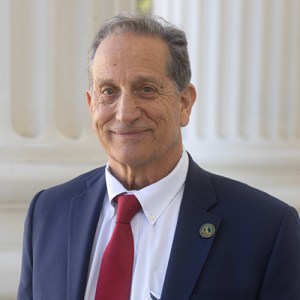
Bill Co-Author(s):