SB 112: California Veterans’ Bill of Rights.
- Session Year: 2015-2016
- House: Senate
- Latest Version Date: 2016-01-13
Existing law establishes within state government a Department of Veterans Affairs. Existing law provides for a variety of state benefits to veterans, including those relating to educational assistance and farm and home purchases, as specified.
This bill would establish a California Veterans Bill of Rights. The bill would proclaim the rights of veterans in the State of California, including, among others, that veterans have the right to be treated with dignity, understanding, and respect, and have the right to housing, education, job training, and physical and mental health services, as prescribed.
Existing law establishes within state government a Department of Veterans Affairs. Existing law provides for a variety of state benefits to veterans, including those relating to educational assistance and farm and home purchases, as specified.
This bill would establish a California Veterans Bill of Rights. The bill would proclaim the rights of veterans in the State of California, including, among others, that veterans have the right to be treated with dignity and respect, and have the right to housing, education, job training, and physical and mental health services, as prescribed.
Existing law requires the Department of Veterans Affairs, by July 1, 2016, to create a prioritized list of unused or underutilized nonresidential real property owned by the department, and to propose one or more potential uses that will benefit California veterans, as specified.
This bill would make a technical, nonsubstantive change to those provisions.
The Legislature hereby finds and declares all of the following:
(a)With over two million veterans, California has the highest veteran population of any state in the union. Californias veteran population faces disproportionately high levels of homelessness and unemployment. Many veterans suffer from the effects of combat injuries, and many others suffer from combat-related psychological trauma that manifests itself in mental health disorders.
(b)Veterans are deserving of our highest gratitude for their selfless service and sacrifice. sacrifice, and are further deserving of the utmost treatment and care upon returning home. Upon discharge, the initial period of transition to civilian life is critical to successful reintegration, and identifying active duty military service members who are transitioning to civilian life in California is important to actively increasing the standard of living for current and future veterans in need of assistance.
(c)To that end, it is necessary that the Legislature establish a California Veterans Bill of Rights.
SEC. 2.Chapter 6 (commencing with Section 1860) is added to Division 8 of the Military and Veterans Code, to read:6.California Veterans Bill of Rights1860.There is hereby established a California Veterans Bill of Rights, as set forth in this chapter.
1862.Veterans in the State of California shall have all of the following rights:
(a)Veterans shall have the right to be treated with dignity and respect and to receive accurate, courteous, and timely service in all of their contacts with the Department of Veterans Affairs. Affairs and any other state agency that administers programs that serve veterans.
(b)Veterans shall have the right to receive fair and equal treatment, irrespective of rank, position, or status, and shall be treated with tact, comprehension, and understanding. understanding in their contacts with government agencies or private entities contracted with government entities to provide services to veteran populations.
(c)Veterans shall have the right to be involved in the decisions affecting their care and the formulation of programs and benefits that affect their daily lives.
(d)Veterans, both current and transitioning active duty military service members members, who are likely to be California veterans, shall have the right to be informed of all programs and benefits for which they are eligible.
(e)Veterans shall have the right to file an application for benefits at any time and shall have the right to receive a written notice and explanation of the approval or denial of their application for benefits.
(f)Veterans shall have the right to be provided with equal benefits in any part of the state in which they, their spouses, domestic partners, or their dependents reside. Geographical location shall not determine the quality or level of service or care provided.
(g)Veterans (1)When housed in state or local veterans housing or housing provided by private groups contracting to receive state funds for housing veterans, veterans shall have the right to adequate, safe, and reliable housing.
(2)Veterans shall have the right to housing that provides adequate and appropriate mental health and transitional support services, including counseling, employment training, and substance abuse treatment.
(h)Veterans shall have the right to the education and job training they require to secure gainful civilian employment.
(i)Veterans shall have the right to receive the physical and mental health services they require as a result of their service. Veterans shall have a right to receive these services free from fear of retaliation or stigma. Physical and mental health services shall not be negatively impacted or withheld from a person due solely to his or her veteran status. State and local mental health services shall not be negatively impacted or withheld from a person due to his or her veteran status.
(j)Veterans shall have the right to refuse receive services or benefits without fear of retaliation or stigma. In that respect, no veteran shall be compelled to decline services or benefits against his or her will, and every reasonable effort shall be made to connect veterans with the services and benefits to which they are rightfully entitled.
1864.The rights prescribed pursuant to this chapter are not exhaustive, and nothing in this chapter shall be construed to limit the rights of veterans. Instead, the rights prescribed pursuant to this chapter shall establish the minimum rights every veteran shall enjoy as a resident of the State of California. When applicable, veterans spouses, domestic partners, and dependents shall also be entitled to these rights.
The Legislature hereby finds and declares all of the following:
(a)California has the highest veteran population of any state in the union.
(b)Veterans are deserving of our highest gratitude for their selfless service and sacrifice.
(c)To that end, it is necessary that the Legislature establish a California Veterans Bill of Rights.
SEC. 2.Chapter 6 (commencing with Section 1860) is added to Division 8 of the Military and Veterans Code, to read:6.California Veterans Bill of Rights1860.There is hereby established a California Veterans Bill of Rights, as set forth in this chapter.
1862.Veterans in the State of California shall have all of the following rights:
(a)Veterans shall have the right to be treated with dignity and respect and to receive accurate, courteous, and timely service in all of their contacts with the Department of Veterans Affairs.
(b)Veterans shall have the right to receive fair and equal treatment, irrespective of rank, position, or status, and shall be treated with tact, comprehension, and understanding.
(c)Veterans shall have the right to be involved in the decisions affecting their care and the formulation of programs and benefits that affect their daily lives.
(d)Veterans, both current and transitioning active duty military service members who are likely to be California veterans, shall have the right to be informed of all programs and benefits for which they are eligible.
(e)Veterans shall have the right to file an application for benefits at any time and shall have the right to receive a written notice and explanation of the approval or denial of their application for benefits.
(f)Veterans shall have the right to be provided with equal benefits in any part of the state in which they, their spouses, domestic partners, or their dependents reside. Geographical location shall not determine the quality or level of service or care provided.
(g)Veterans shall have the right to adequate, safe, and reliable housing.
(h)Veterans shall have the right to the education and job training they require to secure gainful civilian employment.
(i)Veterans shall have the right to receive the physical and mental health services they require as a result of their service. Veterans shall have a right to receive these services free from fear of retaliation or stigma. State and local mental health services shall not be negatively impacted or withheld due to veteran status.
(j)Veterans shall have the right to refuse services or benefits without fear of retaliation or stigma. In that respect, no veteran shall be compelled to decline services or benefits against his or her will, and every reasonable effort shall be made to connect veterans with the services and benefits to which they are rightfully entitled.
1864.The rights prescribed pursuant to this chapter are not exhaustive, and nothing in this chapter shall be construed to limit the rights of veterans. Instead, the rights prescribed pursuant to this chapter shall establish the minimum rights every veteran shall enjoy as a resident of the State of California. When applicable, veterans spouses, domestic partners, and dependents shall also be entitled to these rights.
SECTION 1.Section 713 of the Military and Veterans Code is amended to read:713.(a)By July 1, 2016, the department shall do both of the following:
(1)Create a list of unused or underutilized nonresidential real property owned by the department, including property on or near the premises of existing department facilities.
(2)Propose one or more potential uses of those properties that will benefit California veterans and make a preferred recommendation for use of each property, and in doing so, consider uses including, but not limited to, the following services for veterans:
(A)Housing.
(B)Supportive services.
(C)Health care and mental health care.
(b)When identifying the unused or underutilized nonresidential real properties, the department shall consider its inventory of properties as an integrated system, and shall address how prospective uses of the properties could complement each other.
(c)The list of options shall be structured as a prioritized list of projects determined by the department to constitute appropriate uses for the properties identified in the list.
(d)The Legislature finds and declares that after a use option for a given location is identified pursuant to this section, further study and evaluation may be necessary in order to fully determine the feasibility of that use option and take steps toward its implementation.
(a)By July 1, 2016, the department shall do both of the following:
(1)Create a list of unused or underutilized nonresidential real property owned by the department, including property on or near the premises of existing department facilities.
(2)Propose one or more potential uses of those properties that will benefit California veterans and make a preferred recommendation for use of each property, and in doing so, consider uses including, but not limited to, the following services for veterans:
(A)Housing.
(B)Supportive services.
(C)Health care and mental health care.
(b)When identifying the unused or underutilized nonresidential real properties, the department shall consider its inventory of properties as an integrated system, and shall address how prospective uses of the properties could complement each other.
(c)The list of options shall be structured as a prioritized list of projects determined by the department to constitute appropriate uses for the properties identified in the plan. list.
(d)The Legislature finds and declares that after a use option for a given location is identified pursuant to this section, further study and evaluation may be necessary in order to fully determine the feasibility of that use option and take steps toward its implementation.
|
Date
|
Status
|
|---|---|
| Jan 12, 2015 | Introduced. Read first time. To Com. on RLS. for assignment. To print. |
| Jan 13, 2015 | From printer. May be acted upon on or after February 12. |
| Feb 5, 2015 | Referred to Com. on RLS. |
| Apr 27, 2015 | From committee with author's amendments. Read second time and amended. Re-referred to Com. on RLS. |
| Apr 27, 2015 | Re-referred to Com. on V.A. |
| Apr 30, 2015 | Set for hearing May 12. |
| May 5, 2015 | May 12 hearing postponed by committee. |
| Jan 4, 2016 | Set for hearing January 12. |
| Jan 12, 2016 | From committee: Do pass as amended. (Ayes 5. Noes 0. Page 2887.) (January 12). |
| Jan 13, 2016 | Read second time and amended. Ordered to third reading. |
| Jan 25, 2016 | Read third time. Passed. (Ayes 38. Noes 0. Page 2941.) Ordered to the Assembly. |
| Jan 26, 2016 | In Assembly. Read first time. Held at Desk. |
| Apr 28, 2016 | Referred to Com. on V.A. |
|
Date
|
Description
|
Location
|
Votes
|
|
|---|---|---|---|---|
| Jan 25, 2016 | Senate 3rd Reading SB112 Roth | Senate Floor |
Passed |
|
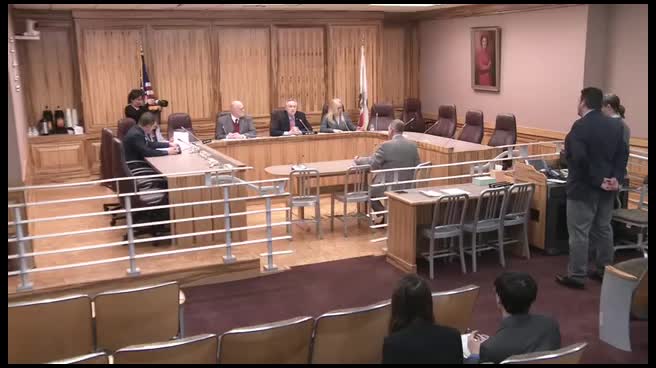
| Jan 12, 2016 | Do pass as amended | Senate Standing Committee on Veterans Affairs |
Passed |
This list shows positions taken on this bill by organizations on the date displayed, which is linked to the original source.
Positions by individuals are not included.
|
Organization
|
Position
|
Date
|
|---|---|---|
| American Legion - Department of California | ** Support | Jan 25, 2016 |
| AMVETS - Department of California | ** Support | Jan 25, 2016 |
| California Association Of County Veterans Service Officers | ** Support | Jan 25, 2016 |
| California State Commanders Veteran Council | ** Support | Jan 25, 2016 |
| Veterans of Foreign Wars - Department of California | ** Support | Jan 25, 2016 |
| Vietnam Veterans of American - California State Council | ** Support | Jan 25, 2016 |
Office of Senate Floor Analyses (916) 651-1520 Fax: (916) 327-4478 | SB |
THIRD READING
Bill No: SB 112
: 1/13/16
SENATE VETERANS AFFAIRS COMMITTEE: 5-0, 1/12/16
AYES: Nielsen, Hueso, Allen, Nguyen, Roth
DIGEST: This bill establishes the California Veterans’ Bill of Rights, which specifies certain rights for military veterans residing in the State of California.
Existing federal law:
- Provides a broad range of benefits and services to qualified military veterans and family members, primarily, but not exclusively, through the United States Department of Veterans Affairs (USDVA).
- Protects veterans from discrimination, on the basis of their veteran status, by federal contractors, when making decisions involving the hiring, firing, pay, benefits, job assignments, promotions, layoffs, and training.
Existing state law:
- Provides certain positive benefits and services to qualified military veterans, primarily, but not exclusively through the California Department of Veterans Affairs (CalVet).
- Protects veterans from discrimination and harassment – on the basis of their veteran status – in matters relating to employment or housing.
This bill:
- Makes findings and declarations regarding the size and needs of California’s military veteran population and the state’s obligation to express gratitude.
- Establishes the California Veterans’ Bill of Rights, which, provides that veterans in the State of California possess the following rights:
- To be treated with dignity and respect and to receive courteous, timely service from CalVet and other state agencies that deliver veterans programs.
- To receive fair and equal treatment, irrespective of rank, position, or status, and to be treated with tact, comprehension, and understanding in their contacts with government agencies or private entities that contract with government to provides services to veterans.
- To be involved in the decisions affecting their care and the formulation of programs and benefits that affect their daily lives.
- For current and transitioning active duty military service members who are likely to be California veterans, to be informed of all programs and benefits for which they are eligible.
- To file an application for benefits at any time and shall have the right to receive a written notice and explanation of the approval or denial of their application for benefits.
- To be provided with equal benefits in any part of the state in which they, their spouses, domestic partners, or their dependents reside. Geographical location shall not determine the quality or level of service or care provided.
- When housed in state or local veterans housing or housing provided by private contractors receiving state funds for housing veterans:
- To adequate, safe, and reliable housing.
- To housing that provides adequate and appropriate mental health and transitional support services, including counseling, employment training, and substance abuse treatment.
- To the education and job training required to secure civilian employment.
- To receive – free from the fear of retaliation or stigma – the physical and mental health services they require as a result of their service.
- Provides that physical and mental health services shall not be negatively impacted or withheld from a person solely due to his or her veteran status.
- Provides that state and local mental health services shall not be negatively impacted or withheld solely due to his or her veteran status.
- To receive services or benefits without fear of retaliation or stigma. In that respect, no veteran shall be compelled to decline services or benefits against his or her will, and every reasonable effort shall be made to connect veterans with the services and benefits to which they are rightfully entitled.
- Provides:
- That the above rights are not exhaustive, and nothing in these new provisions shall be construed to limit the rights of veterans.
- That these rights shall establish the minimum rights every veteran shall enjoy as a resident of California. When applicable, veterans’ spouses, domestic partners, and dependents shall also be entitled to these rights.
Background
Veterans’ benefits fall into two categories: direct services and anti-discrimination provisions.
Federal Benefits. Federal law provides a broad range of positive benefits and services to qualified military veterans and family members, primarily, but not exclusively through the USDVA, including:
- Education & training (including the GI Bill)
- Vocational rehabilitation & employment
- Disability compensation & pension
- Health care
- Home loan guarantee
- Life insurance
- Burial in a veterans cemetery
- Military honors at burial
Approximately 15 percent of California veterans receive federal disability compensation and pension benefits.
Other federal benefits flow through different federal agencies, such as veterans job training and employment assistance funds administered by the U.S. Department of Labor in coordination with state employment development departments.
Federal Law Prohibiting Discrimination. The Office of Federal Contract Compliance Programs (OFCCP) enforces the affirmative action provisions of the Vietnam Era Veterans’ Readjustment Assistance Act of 1974 [38 U.S. Code §4212(a)(2)(A)].
Sometimes referred to as VEVRAA or Section 4212, this law requires employers doing business with the federal government to take steps to recruit, hire, and promote protected veterans. It also makes it illegal for these companies to discriminate against protected veterans when making employment decisions on hiring, firing, pay, benefits, job assignments, promotions, layoffs, training, and other employment related activities.
State Benefits. The State of California helps veterans acquire their federal benefits, primarily through the assistance of county veterans service officers.
California also provides direct services to veterans, such as:
- Business license, tax and fee waiver
- California college tuition fee waiver
- Disabled veteran license plates
- Disabled Veterans Business Enterprise (DVBE) entrepreneurship opportunities
- Employment and unemployment services
- California farm and home loans
- Fishing and hunting licenses
- Motor vehicle registration fees waiver
- Property tax exemptions
- State park and recreation passes
- Residence in state veterans homes
- Veterans preference in California civil service exams
- Property tax exemptions
State Law Prohibiting Discrimination. The California Department of Fair Employment and Housing (DFEH) enforces laws that protect employees from illegal discrimination and harassment in employment based on specified personal characteristics, whether actual or perceived, including military or veteran status.
Most of the relevant law is found in the California Fair Employment and Housing Act (Government Code sections 12900 through 12996) and its implementing regulations (California Code of Regulations, title 2, sections 7285.0 through 8504),
Other Veterans’ Bills of Rights. The State of Massachusetts established a “Veterans Bill of Rights” that frames the provision of services by that state’s Department of Veterans’ Services. The document essentially is a restated collection of preexisting rights, benefits, and protections established elsewhere in statute and state regulation.
Canada has a national Veterans Bill of Rights, which self-describes as follows:
(I)s an expression of the rights Veterans have long identified as important. It is a comprehensive declaration of rights for all war-service Veterans, Veterans and serving members of the Canadian Forces (Regular and Reserve), members and former members of the Royal Canadian Mounted Police, spouses, common-law partners, survivors and primary caregivers, other eligible dependents and family members, and other eligible clients.
The Canadian Veterans Bill of Rights was developed in consultation with veterans' stakeholder organizations and sets out the rights of veterans and clients in accessing programs and services from Veterans Affairs Canada.
Related/Prior Legislation
- AJR 38 (Salas, Resolution Chapter 99, Statutes of 2014) Requests the Congress to pass and the President to sign Senate Bill 1281 and House Resolution 2654, related to veterans and military servicemembers employment and housing rights, and encourages the members of the California Congressional Delegation to join as coauthors on those measures.
- AB 556 (Salas, Chapter 691, Statutes of 2013) prohibits employment discrimination against all active duty military and veterans of the Armed Services.
FISCAL EFFECT: Appropriation: Fiscal Com.: Local:
American Legion - Department of California
AMVETS - Department of California
California Association of County Veterans Service Officers
California State Commanders Veteran Council
Military Officers Association of America - California Council of Chapters
Veterans of Foreign Wars - Department of California
Vietnam Veterans of American - California State Council
OPPOSITION: (Verified 1/13/16)
None received
1/14/16 15:22:36
**** END ****
SENATE COMMITTEE ON VETERANS AFFAIRS
Senator Jim Nielsen, Chair
2015 - 2016 Regular
Bill No: SB 112 Hearing Date: 1/12/16
Author: | |||
Version: | 4/27/15 | ||
Urgency: | No | Fiscal: | No |
Consultant: | Wade Cooper Teasdale | ||
Subject: Veterans
DESCRIPTION
Summary:
Establishes the California Veterans’ Bill of Rights, which specifies certain rights for military veterans in California.
Existing law:
- Federal:
- Provides a broad range of positive benefits and services to qualified military veterans (and family members), primarily, but not exclusively, through the United States Department of Veterans Affairs (USDVA).
- Protects veterans from being discriminated against – on the basis of their veteran status – by federal contractors, when making decisions involving the potential hiring, firing, pay, benefits, job assignments, promotions, layoffs, training, and other employment-related activities.
- State:
- Provides certain positive benefits and services to qualified military veterans, primarily, but not exclusively through the California Department of Veterans Affairs (CalVet).
- Protects veterans from discrimination and harassment – on the basis of their veteran status – in matters relating to employment or housing.
This bill:
- Generally, establishes the California Veterans’ Bill of Rights.
- Finds and declares:
- California has the highest veteran population of any state in the union.
- Veterans are deserving of our highest gratitude for their selfless service and sacrifice.
- To that end, it is necessary that the Legislature establish a California Veterans’ Bill of Rights.
- Specifically, proclaims that veterans in the State of California possess specified rights, including, among others:
- To be treated with dignity and respect and to receive courteous, timely service from CalVet.
- To receive fair and equal treatment, irrespective of rank, position, or status, and shall be treated with tact, comprehension, and understanding.
- To be involved in the decisions affecting their care and the formulation of programs and benefits that affect their daily lives.
- For both current and transitioning active duty military service members who are likely to be California veterans, to be informed of all programs and benefits for which they are eligible.
- To file an application for benefits at any time and shall have the right to receive a written notice and explanation of the approval or denial of their application for benefits.
- To be provided with equal benefits in any part of the state in which they, their spouses, domestic partners, or their dependents reside. Geographical location shall not determine the quality or level of service or care provided.
- To adequate, safe, and reliable housing.
- To the education and job training required to secure civilian employment.
- To receive the physical and mental health services they require as a result of their service. Veterans shall have a right to receive these services free from fear of retaliation or stigma. State and local mental health services shall not be negatively impacted or withheld due to veteran status.
- To refuse services or benefits without fear of retaliation or stigma. In that respect, no veteran shall be compelled to decline services or benefits against his or her will, and every reasonable effort shall be made to connect veterans with the services and benefits to which they are rightfully entitled.
- Provides:
- That the above rights are not exhaustive, and nothing in these new provisions shall be construed to limit the rights of veterans.
- That these rights shall establish the minimum rights every veteran shall enjoy as a resident of the State of California. When applicable, veterans’ spouses, domestic partners, and dependents shall also be entitled to these rights.
BACKGROUND
Generally, veterans’ benefits fall into two categories: positive benefits providing direct services and provisions that protect veterans from discrimination on the basis of their status as a veteran.
Federal Benefits
Federal law provides a broad range of positive benefits and services to qualified military veterans and family members, primarily, but not exclusively through the USDVA, including:
- Education & training (including the GI Bill)
- Vocational rehabilitation & employment
- Disability compensation & pension
- Health care
- Home loan guarantee
- Life insurance
- Burial in a veterans cemetery
- Military honors at burial
Eligibility for most USDVA benefits is based upon discharge from active military service under other than dishonorable conditions. Active service means full-time service, other than active duty for training, as a member of the Army, Navy, Air Force, Marine Corps, Coast Guard, or as a commissioned officer of the Public Health Service, Environmental Science Services Administration or National Oceanic and Atmospheric Administration, or its predecessor, the Coast and Geodetic Survey.
Dishonorable and bad conduct discharges issued by general courts-martial may bar USDVA benefits. Veterans in prison must contact VA to determine eligibility. USDVA benefits will not be provided to any Veteran or dependent wanted for an outstanding felony warrant. Certain USDVA benefits require service during specified periods of war.
Approximately 15 percent of California veterans receive federal disability compensation and pension benefits.
Other federal benefits flow through different federal agencies, such as the veterans job training and employment assistance funds administered by the U.S. Department of Labor in coordination with state employment development departments.
Federal Law Prohibiting Discrimination
The Office of Federal Contract Compliance Programs (OFCCP) enforces the affirmative action provisions of the Vietnam Era Veterans’ Readjustment Assistance Act of 1974 [38 U.S. Code §4212(a)(2)(A)].
Sometimes referred to as VEVRAA or Section 4212, this law requires employers doing business with the federal government to take steps to recruit, hire and promote protected veterans. It also makes it illegal for these companies to discriminate against protected veterans when making employment decisions on hiring, firing, pay, benefits, job assignments, promotions, layoffs, training, and other employment related activities.
Under Section 4212, a “protected veteran” falls into one of the following categories:
- Disabled Veteran: A veteran who served on active duty in the U.S. military and is entitled to disability compensation (or who but for the receipt of military retired pay would be entitled to disability compensation) under laws administered by the Secretary of Veterans Affairs, or was discharged or released from active duty because of a service-connected disability.
- Other Protected Veteran: A veteran who served on active duty in the U.S. military during a war, or in a campaign or expedition for which a campaign badge was authorized under the laws administered by the Department of Defense.
- Recently Separated Veteran: A veteran separated during the three-year period beginning on the date of the veteran’s discharge or release from active duty in the U.S. military.
- Armed Forces Service Medal Veteran: A veteran who, while serving on active duty in the U.S. military, participated in a U.S. military operation that received an Armed Forces service medal.
State Benefits
The State of California helps veterans acquire their federal benefits, primarily through the assistance of county veterans service officers.
California also provides direct services to veterans, such as:
- Business license, tax and fee waiver
- California college tuition fee waiver
- Disabled veteran license plates
- Disabled Veterans Business Enterprise (DVBE) entrepreneurship opportunities
- Employment and unemployment services
- California farm and home loans
- Fishing and hunting licenses
- Motor vehicle registration fees waiver
- Property tax exemptions
- State park and recreation passes
- Residence in state veterans homes
- Veterans preference in California civil service exams
- Property tax exemptions
State Law Prohibiting Discrimination.
The California Department of Fair Employment and Housing (DFEH) enforces laws that protect employees from illegal discrimination and harassment in employment based on specified personal characteristics, whether actual or perceived, one of which is military or veteran status.
Most of the relevant law is found in the California Fair Employment and Housing Act (Government Code sections 12900 through 12996) and its implementing regulations (California Code of Regulations, title 2, sections 7285.0 through 8504),
Other Veterans’ Bills of Rights
The State of Massachusetts established a “Veterans Bill of Rights” that frames the provision of services by that state’s Department of Veterans’ Services. The document essentially is a restated collection of preexisting rights, benefits, and protections established elsewhere in statute and state regulation.
Canada has a national Veterans Bill of Rights, which states:
(I)s an expression of the rights Veterans have long identified as important. It is a comprehensive declaration of rights for all war-service Veterans, Veterans and serving members of the Canadian Forces (Regular and Reserve), members and former members of the Royal Canadian Mounted Police, spouses, common-law partners, survivors and primary caregivers, other eligible dependents and family members, and other eligible clients.
The Canadian Veterans Bill of Rights was developed in consultation with veterans' stakeholder organizations and sets out the rights of veterans and clients in accessing programs and services from Veterans Affairs Canada.
COMMENT
- Related Legislation
AB 556 (Salas, Chapter 691, Statutes of 2013) prohibits employment discrimination against all active duty military and veterans of the Armed Services.
AJR 38 (Salas, Resolution Chapter 99, Statutes of 2014) Requests the Congress to pass and the President to sign Senate Bill 1281 and House Resolution 2654, related to veterans and military servicemembers employment and housing rights, and encourages the members of the California Congressional Delegation to join as coauthors on those measures.
- Author’s Amendments
The author’s office has indicated the author’s intention to present amendments to the committee during the hearing, which would modify the existing bill as follows:
- Adds findings and declarations
- California’s veteran population faces disproportionately high levels of homelessness and unemployment. Many veterans suffer from the effects of combat injuries. Many others suffer from combat related psychological trauma that manifests itself in mental health disorders.
- “(V)eterans are deserving of our highest gratitude for their selfless service and sacrifice, and are further deserving of the utmost treatment and care upon returning home. Upon discharge, the initial period of transition to civilian life is critical to successful reintegration, and identifying active duty military service members who are transitioning to civilian life in California is important to actively increasing the standard of living for current and future veterans in need of assistance.”
- Clarifies that veterans have “the right to courteous, timely service from all state agencies that provide services to veteran populations. Veterans shall have the right to be treated with dignity and line 19 respect and to receive accurate, courteous, and timely service in all of their contacts with the Department of Veterans Affairs and any other state agency that administers programs that serves veterans.“
- Clarifies that veterans have the right to receive fair and equal treatment, irrespective of rank, position, or status, and shall be treated with tact, comprehension, and understanding in their contacts with government agencies, or private entities contracted with government entities to provide services to veteran populations.
- Expands and clarifies the “housing right” to read:
- When housed in state or local veterans housing or housing provided by private groups contracting to receive state funds for housing veterans, veterans shall have the right to adequate, safe, and reliable housing.
- Veterans shall have the right to housing that provides adequate and appropriate mental health and transitional support services, including counseling, employment training, and substance abuse treatment.
- With regard to the right to health services:
- Adds that “Physical and mental health services shall not be negatively impacted or withheld from a person due solely to his or her veteran status.”
- Clarifies that “(s)tate and local mental health services shall not be negatively impacted or withheld from a person due to his or her veteran status.”
- Modifies existing language as follows:
“Veterans shall have the right to refuse receive services or benefits without fear of retaliation or stigma.”
POSITIONS
Sponsor: Author.
Support:
American Legion - Department of California
AMVETS - Department of California
California Association of County Veterans Service Officers
California State Commanders Veteran Council
Military Officers Association of America - California Council of Chapters
Veterans of Foreign Wars - Department of California
Vietnam Veterans of American - California State Council
Oppose: None on file.
-- END --
Discussed in Hearing
View Older Hearings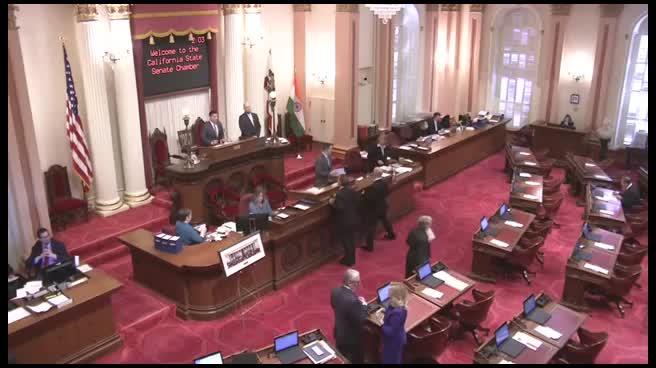
Bill Author

Bill Co-Author(s):