SB 1426: Alcoholic beverage control: tied-house restrictions: compensation.
- Session Year: 2015-2016
- House: Senate
- Latest Version Date: 2016-05-31
Existing law generally restricts certain alcoholic beverage licensees from paying, crediting, or compensating a retailer for advertising in connection with the advertising and sale of alcoholic beverages and expressly authorizes exceptions to this prohibition.
This bill would authorize, until January 1, 2022, a person, as defined, who has an ownership interest in a an on-sale retail license, license, subject to a numerical limitation, to be compensated by an authorized licensee, as defined, for promotional or marketing services of the authorized licensees products subject to the specified conditions, including that the compensation be based solely on the promotional and marketing activities. The bill would also make create several new crimes, including that an authorized licensee who, through coercion or other illegal means, induces the holder of a wholesalers license to provide compensation pursuant to these provisions guilty of a misdemeanor. The bill would additionally make an authorized licensee or a person who violates these provisions guilty of a misdemeanor.
The California Constitution requires the state to reimburse local agencies and school districts for certain costs mandated by the state. Statutory provisions establish procedures for making that reimbursement.
This bill would provide that no reimbursement is required by this act for a specified reason.
Existing law generally restricts certain alcoholic beverage licensees from paying, crediting, or compensating a retailer for advertising in connection with the advertising and sale of alcoholic beverages and expressly authorizes exceptions to this prohibition.
This bill would authorize, until January 1, 2022, a person, as defined, who has an ownership interest in a retail license, to be compensated by an authorized licensee, as defined, for promotional or marketing services of the authorized licensees products subject to the specified conditions, including that the compensation be based solely on the promotional and marketing activities. The bill would also make an authorized licensee who, through coercion or other illegal means, induces the holder of a wholesalers license to provide compensation pursuant to these provisions guilty of a misdemeanor. The bill would additionally make an authorized licensee or a person who violates these provisions guilty of a misdemeanor.
The California Constitution requires the state to reimburse local agencies and school districts for certain costs mandated by the state. Statutory provisions establish procedures for making that reimbursement.
This bill would provide that no reimbursement is required by this act for a specified reason.
(a)For purposes of this section:
(1)Authorized licensee means a manufacturer, winegrower, manufacturers agent, rectifier, California winegrowers agent, beer manufacturer, holder of an out-of-state beer manufacturers certificate, distilled spirits manufacturer, holder of a distilled spirits rectifier, rectifiers general license, distilled spirits manufacturers agent, brandy manufacturer, brandy importer, holder of an out-of-state distilled spirits shippers certificate, holder of a distilled spirits importers general license, distilled spirits importer, or craft distiller.
(2)Person means a natural person 21 years of age or older. older who does not hold an ownership interest in more than five California on-sale retail licenses.
(b)Notwithstanding any other provision of this division, an authorized licensee may compensate a person with ownership interest in a an on-sale retail license for promotional or marketing services of the authorized licensees products, subject to the following conditions:
(1)Any compensation agreement with the person shall be in the form of a written contract and include the conditions outlined in this section.
(2)The authorized licensee may have written contracts regarding compensation authorized pursuant to this section with no more than five persons at any given time.
(2)
(3)The person shall not be directly or indirectly involved in the retailers purchasing exclusively responsible for the on-sale retail licensees decisions of the brands of alcoholic beverages owned by the authorized licensee compensating the person.
(3)
(4)The authorized licensee compensating the person shall not utilize the person to conduct promotional and marketing activities to promote or market alcoholic beverages on the premises of the retailer engage in any endorsement or promotional or marketing activity for alcoholic beverages on the premises of the on-sale retail licensee in which the person has an ownership interest.
(4)
(5)All compensation the authorized licensee pays to the person shall be based solely on the persons promotional and marketing activities and shall not be related directly or indirectly to the sale of alcoholic beverages by the retailer on-sale retail licensee in which the person has an ownership interest.
(6)The person shall not personally serve any alcoholic beverages while on the premises of an on-sale retail licensee. This paragraph shall not apply to an event held at an unlicensed venue under a caterers permit.
(7)The on-sale retail licensee in which a person holds an ownership interest shall offer for sale, and serve, alcoholic beverages that compete with the brands of the authorized licensee compensating the person for promotional or marketing services.
(5)
(8)The name, image, and brand of the retailer on-sale retail licensee in which the person has an ownership interest shall not in any way be featured or referenced in any way in any advertising of brands sold by the authorized licensee compensating the person. person, except the name and address of an on-sale retail licensee in which the person has an ownership interest may be advertised when promoting specific events at which the compensated person does not provide services.
(6)
(9)The person shall not be involved in the decisions by the authorized license licensee regarding the selection of retailers on-sale retail licensees that will offer for sale the brands the person is compensated to promote and market.
(c)An on-sale retail licensee in which the compensated person has an ownership interest that solicits or receives any compensation from an authorized licensee for any unlawful activity relating to promotional or marketing services shall be guilty of a misdemeanor and shall be punished by imprisonment in the county jail not exceeding six months, or by a fine in an amount of ten thousand dollars ($10,000), or by both imprisonment and fine.
(c)
(d)A licensee that is not an authorized license shall not licensee shall not compensate a person under this section and shall not directly or indirectly underwrite, share in, or contribute to the costs of compensation authorized by this section.
(d)
(e)Any officer, director, or agent of an authorized licensee that is compensated by that authorized licensee for promotional or marketing services of the authorized licensees products shall not be subject to the conditions of subdivision (b), notwithstanding the fact that the authorized licensee, or any officer, director, or agent of that authorized licensee, holds an ownership interest in a an on-sale retail license.
(e)
(f)(1)An authorized licensee who, through coercion or other illegal means, induces, directly or indirectly, a holder of a wholesalers license to provide compensation to a person pursuant to this section shall be guilty of a misdemeanor and shall be punished by imprisonment in the county jail not exceeding six months, or by a fine in an amount of ten thousand dollars ($10,000), or by both imprisonment and fine.
(2)An on-sale retail licensee who, through coercion or other illegal means, induces or conditions, directly or indirectly, the purchase or sale of alcoholic beverages upon an authorized licensees decision about the promotional or marketing services of a person compensated by the authorized licensee shall be guilty of a misdemeanor and shall be punished by imprisonment in the county jail not exceeding six months, or by a fine in an amount of ten thousand dollars ($10,000), or by both imprisonment and fine.
(2)
(3)An authorized licensee or person who violates any provision of this section shall be guilty of a misdemeanor and shall be punished by imprisonment in the county jail not exceeding six months, or by a fine in the amount of ten thousand dollars ($10,000), or by both imprisonment and fine.
(f)
(g)Nothing in this section shall limit the activities authorized under Section 25503.1.
(g)
(h)The Legislature finds and declares both of the following:
(1)That it is necessary and proper to require a separation between manufacturing interests, wholesale interests, and retail interests in the production and distribution of alcoholic beverages in order to prevent suppliers from dominating local markets through vertical integration and to prevent excessive sales of alcoholic beverages produced by overly aggressive marketing techniques.
(2)Any exception established by the Legislature to the general prohibition against tied interests must be limited to the express terms of the exception so as to not undermine the general prohibitions.
(h)
(i)This section will remain in effect only until January 1, 2022, and as of that date is repealed.
SEC. 2.No reimbursement is required by this act pursuant to Section 6 of Article XIIIB of the California Constitution because the only costs that may be incurred by a local agency or school district will be incurred because this act creates a new crime or infraction, eliminates a crime or infraction, or changes the penalty for a crime or infraction, within the meaning of Section 17556 of the Government Code, or changes the definition of a crime within the meaning of Section 6 of Article XIIIB of the California Constitution.
(a)For purposes of this section:
(1)Authorized licensee means a manufacturer, winegrower, manufacturers agent, rectifier, California winegrowers agent, beer manufacturer, holder of an out-of-state beer manufacturers certificate, distilled spirits manufacturer, distilled spirits rectifier, distilled spirits manufacturers agent, or craft distiller.
(2)Person means a natural person 21 years of age or older.
(b)Notwithstanding any other provision of this division, an authorized licensee may compensate a person with ownership interest in a retail license for promotional or marketing services of the authorized licensees products, subject to the following conditions:
(1)Any compensation agreement with the person shall be in the form of a written contract and include the conditions outlined in this section.
(2)The person shall not be directly or indirectly involved in the retailers purchasing decisions of the brands of alcoholic beverages owned by the authorized licensee compensating the person.
(3)The authorized licensee compensating the person shall not utilize the person to conduct promotional and marketing activities to promote or market alcoholic beverages on the premises of the retailer in which the person has an ownership interest.
(4)All compensation the authorized licensee pays to the person shall be based solely on the persons promotional and marketing activities and shall not be related directly or indirectly to the sale of alcoholic beverages by the retailer in which the person has an ownership interest.
(5)The name, image, and brand of the retailer in which the person has an ownership interest shall not be featured or referenced in any way in any advertising of brands sold by the authorized licensee compensating the person.
(6)The person shall not be involved in the decisions by the authorized license regarding the selection of retailers that will offer for sale the brands the person is compensated to promote and market.
(c)A licensee that is not an authorized license shall not shall not compensate a person under this section and shall not directly or indirectly underwrite, share in, or contribute to the costs of compensation authorized by this section.
(d)Any officer, director, or agent of an authorized licensee that is compensated by that authorized licensee for promotional or marketing services of the authorized licensees products shall not be subject to the conditions of subdivision (b), notwithstanding the fact that the authorized licensee, or any officer, director, or agent of that authorized licensee, holds an ownership interest in a retail license.
(e)(1)An authorized licensee who, through coercion or other illegal means, induces, directly or indirectly, a holder of a wholesalers license to provide compensation to a person pursuant to this section shall be guilty of a misdemeanor and shall be punished by imprisonment in the county jail not exceeding six months, or by a fine in an amount of ten thousand dollars ($10,000), or by both imprisonment and fine.
(2)An authorized licensee or person who violates any provision of this section shall be guilty of a misdemeanor and shall be punished by imprisonment in the county jail not exceeding six months, or by a fine in the amount of ten thousand dollars ($10,000), or by both imprisonment and fine.
(f)Nothing in this section shall limit the activities authorized under Section 25503.1.
(g)The Legislature finds and declares both of the following:
(1)That it is necessary and proper to require a separation between manufacturing interests, wholesale interests, and retail interests in the production and distribution of alcoholic beverages in order to prevent suppliers from dominating local markets through vertical integration and to prevent excessive sales of alcoholic beverages produced by overly aggressive marketing techniques.
(2)Any exception established by the Legislature to the general prohibition against tied interests must be limited to the express terms of the exception so as to not undermine the general prohibitions.
(h)This section will remain in effect only until January 1, 2022, and as of that date is repealed.
SEC. 2.No reimbursement is required by this act pursuant to Section 6 of Article XIIIB of the California Constitution because the only costs that may be incurred by a local agency or school district will be incurred because this act creates a new crime or infraction, eliminates a crime or infraction, or changes the penalty for a crime or infraction, within the meaning of Section 17556 of the Government Code, or changes the definition of a crime within the meaning of Section 6 of Article XIIIB of the California Constitution.
|
Date
|
Status
|
|---|---|
| May 2, 2016 | May 2 hearing: Placed on APPR. suspense file. |
| Jun 30, 2016 | June 30 hearing postponed by committee. |
| Jun 22, 2016 | June 22 hearing postponed by committee. |
| Jun 9, 2016 | Referred to Com. on G.O. |
| Jun 2, 2016 | In Assembly. Read first time. Held at Desk. |
| Jun 1, 2016 | Read third time. Passed. (Ayes 32. Noes 4.) Ordered to the Assembly. |
| Jun 1, 2016 | Read third time. Passed. (Ayes 32. Noes 4. Page 4110.) Ordered to the Assembly. |
| May 31, 2016 | Read second time and amended. Ordered to third reading. |
| May 27, 2016 | From committee: Do pass as amended. (Ayes 6. Noes 1.) (May 27). |
| May 27, 2016 | From committee: Do pass as amended. (Ayes 6. Noes 1. Page 4010.) (May 27). |
| May 20, 2016 | Set for hearing May 27. |
| Feb 19, 2016 | Introduced. To Com. on RLS. for assignment. To print. |
| Apr 26, 2016 | Set for hearing May 2. |
| Apr 25, 2016 | April 25 hearing postponed by committee. |
| Apr 15, 2016 | Set for hearing April 25. |
| Apr 12, 2016 | From committee: Do pass and re-refer to Com. on APPR. (Ayes 8. Noes 0.) (April 12). Re-referred to Com. on APPR. |
| Apr 12, 2016 | From committee: Do pass and re-refer to Com. on APPR. (Ayes 8. Noes 0. Page 3494.) (April 12). Re-referred to Com. on APPR. |
| Mar 15, 2016 | Set for hearing April 12. |
| Mar 10, 2016 | Referred to Com. on G.O. |
| Feb 22, 2016 | Read first time. |
| Feb 22, 2016 | From printer. May be acted upon on or after March 23. |
|
Date
|
Description
|
Location
|
Votes
|
|
|---|---|---|---|---|
| Jun 1, 2016 | Senate 3rd Reading SB1426 Hall | Senate Floor |
Passed |
|
| May 27, 2016 | Do pass as amended | Senate Standing Committee on Appropriations |
Passed |
|
| May 2, 2016 | Placed on suspense file | Senate Standing Committee on Appropriations |
Passed |
|
| Apr 12, 2016 | Do pass, but first be re-referred to the Committee on [Appropriations] | Senate Standing Committee on Governmental Organization |
Passed |
This list shows positions taken on this bill by organizations on the date displayed, which is linked to the original source.
Positions by individuals are not included.
|
Organization
|
Position
|
Date
|
|---|---|---|
| Anheuser-Busch | ** Support | Jun 1, 2016 |
| California Beer and Beverage Distributors | ** Against | Jun 1, 2016 |
| California Teamsters Public Affairs Counsel | ** Against | Jun 1, 2016 |
| Diageo | ** Support | Jun 1, 2016 |
| Family Winemakers Of California | ** Support | Jun 1, 2016 |
| Wine Institute | ** Support | Jun 1, 2016 |
Date of Hearing: June 30, 2016
ASSEMBLY COMMITTEE ON GOVERNMENTAL ORGANIZATION
Adam Gray, Chair
SBPCA Bill Id:SB 1426
Author:(Hall) – As Amended Ver:May 31, 2016
SENATE VOTE: 32-4
SUBJECT: Alcoholic beverage control: tied-house restrictions: compensation
SUMMARY: Establishes a new tied-house exception in the Alcoholic Beverage Control Act (Act) that authorizes, until January 1, 2022, a person who does not hold an ownership interest in more than five California on-sale retail licenses, to be compensated by an alcoholic beverage supplier for promotional or marketing services subject to specified conditions. Specifically, this bill:
- Defines “authorized licensee” for purposes of this bill to mean a manufacturer, winegrower, manufacturer’s agent, rectifier, California winegrower's agent, beer manufacturer, holder of an out-of-state beer manufacturer's certificate, distilled spirits manufacturer, holder of a distilled spirits rectifier’s general license, distilled spirits manufacturer's agent, brandy manufacturer, brandy importer, holder of an out-of-state distilled spirits shipper’s certificate, holder of a distilled spirits importer’s general license, distilled spirits importer, or craft distiller.
- Provides that an authorized licensee may compensate a person who does not hold an ownership interest in more than five California on-sale retail licenses for promotional or marketing services of the authorized licensee’s products, subject to the following conditions:
- Any compensation agreement with the person must be in the form of a written contract and include the conditions outlined in this bill.
- The authorized licensee may have written contracts regarding compensation authorized by this bill with no more than five persons at any given time.
- The person shall not be exclusively responsible for the on-sale retail licensee’s purchasing decisions of the brands of alcoholic beverages owned by the authorized licensee compensating the person.
- The authorized licensee compensating the person shall not utilize the person to engage in any endorsement or promotional or marketing activity for alcoholic beverages on the premises of the on-sale retail licensee in which the person has an ownership interest.
- All compensation the authorized licensee pays to the person must be based solely on the person’s promotional and marketing activities and shall not be related directly or indirectly to the sale of alcoholic beverages by the on-sale retail licensee in which the person has an ownership interest.
- The person shall not personally serve any alcoholic beverages while on the premises of an on-sale retail licensee. (This prohibition does not apply to an event held at an unlicensed venue under a caterer’s permit.)
- The on-sale retail licensee in which the person holds an ownership interest in must offer for sale, and serve, alcoholic beverages that compete with the brands of the authorized licensee compensating the person for promotional or marketing services.
- Prohibits the name, image, and brand of the on-sale retail licensee in which the person has an ownership interest from being featured or referenced in any advertising of the brands sold by the authorized licensee compensating the person except the name and address of the on-sale retail licensee in which the person has an ownership interest may be advertised when promoting specific events at which the compensated person does not provide services.
- Prohibits the person from being involved in the decisions by the authorized licensee regarding the selection of on-sale retail licensees that will offer for sale the brands the person is compensated to promote and market.
- Any compensation agreement with the person must be in the form of a written contract and include the conditions outlined in this bill.
- States that a licensee that is not an authorized licensee shall not compensate a person under this bill and shall not directly or indirectly underwrite, share in, or contribute to the costs of compensation authorized by this bill.
- Provides that any officer, director, or agent of an authorized licensee that is compensated by that authorized licensee for promotional or marketing services of the authorized licensee’s products shall not be subject to the conditions outlined in item #2 above (a-i).
- States that an on-sale retail licensee in which the compensated person holds an ownership interest that solicits, or receives any compensation from an authorized licensee for any unlawful activity relating to promotion or marketing services shall be guilty of a misdemeanor punishable by up to six months imprisonment, by a fine of $10,000, or by both.
- Provides that an authorized licensee who, through coercion or other illegal means, induces, directly or indirectly, a holder of a wholesaler’s license to provide compensation to a person pursuant to this bill shall be guilty of a misdemeanor punishable by up to six months imprisonment, by a fine of $10,000, or by both.
- Provides that an authorized licensee or person who violates any provision of this bill shall be guilty of a misdemeanor punishable by up to six months imprisonment, by a fine of $10,000, or by both. Also, establishes a similar misdemeanor and fine for an on-sale retail licensee who, through coercion or other illegal means, induces or conditions, directly or indirectly, the purchase or sale of alcoholic beverages upon an authorized licensee’s selection or decision about the promotional or marketing services of a person compensated by the authorized licensee.
- Contains legislative findings and declarations that it is necessary and proper to require a separation between manufacturing interests, wholesale interests, and retail interests in the production and distribution of alcoholic beverages in order to prevent suppliers from dominating local markets through vertical integration and to prevent excessive sales of alcoholic beverages produced by overly aggressive marketing techniques. Any exception established by the Legislature to the general prohibition against tied interests must be limited to the express terms of the exception so as to not undermine the general prohibitions.
- Contains a January 1, 2022 sunset provision.
EXISTING LAW:
1) Establishes ABC and grants it exclusive authority to administer the provisions of the ABC Act in accordance with laws enacted by the Legislature. This involves licensing individuals and businesses associated with the manufacture, importation and sale of alcoholic beverages in this state and the collection of license fees.
2) Existing law, known as the "Tied-house" law, separates the alcoholic beverage industry into three component parts of manufacturer, wholesaler, and retailer. The original policy rationale for this body of law was to prohibit the vertical integration of the alcohol industry and to protect the public from predatory marketing practices. Generally, other than exemptions granted by the Legislature, the holder of one type of license is not permitted to do business as another type of licensee within the "Three-tier" system.
3) Restricts certain alcoholic beverage licensees from paying, crediting, or compensating a retailer for advertising in connection with the advertising and sale of alcoholic beverages and expressly authorizes exceptions to this prohibition.
4) Prohibits specified licensees from furnishing, giving, or lending money or other things of value, directly or indirectly, to a person engaged in operating, owning, or maintaining an off-sale licensed premises.
5) Prohibits the ABC from imposing a dollar limit of less than $5 for consumer advertising specialties furnished by a distilled spirits supplier to a retailer or the general public. Allows beer manufacturers to give adult consumers promotional advertising items valued up to $5. Existing law provides that consumer-advertising specialties furnished by a wine supplier to a retailer or to the general public shall not exceed $1 per unit original cost to the supplier who purchased it.
6) Authorizes the holder of a winegrower’s license, a beer manufacturer, a distilled spirits rectifier, a distilled spirits manufacturer, and a distilled spirits manufacturer’s agent, to purchase advertising space and time from, or on behalf of, an on-sale retail licensee, under certain conditions, if the on-sale retail licensee is the owner, manager, agent of the owner, assignee of the owner’s advertising rights, or major tenant of specified facilities.
7) Permits, until January 1, 2016, the appearance of a person employed or engaged by an "authorized licensee," as defined, at a promotional event held at the premises of an off-sale retail licensee for the purpose of providing autographs under specified conditions.
8) Defines an “on-sale” license as authorizing the sale of all types of alcoholic beverages: namely, beer, wine and distilled spirits, for consumption on the premises (such as at a restaurant or bar). An “off-sale” license authorizes the sale of all types of alcoholic beverages for consumption off the premises in original, sealed containers.
FISCAL EFFECT: Unknown
COMMENTS:
Background: The enactment of the 21st Amendment to the U.S. Constitution in 1933 repealed the 18th Amendment and ended the era of Prohibition. Accordingly, states were granted the authority to establish alcoholic beverage laws and administrative structures to regulate the sale and distribution of alcoholic beverages.
California’s tied-house laws restrict wineries, breweries and distilled spirits manufacturers from compensating any retailer for advertising the sale of their alcoholic beverages. Over time, the Legislature has enacted numerous exceptions to the state’s tied-house laws. For instance:
° Business and Professions (B&P) Code Section 25503.11 permits a manufacturer to own stock in a publicly traded retail licensee or serve on the board of a publicly traded retail off- sale licensee.
° B&P Code Section 25502.2 permits a person employed or engaged by a manufacturer to appear at a promotional event at the premises of an off-sale retail licensee for the purposes of providing autographs to consumers.
° B&P Code Section 25503.8 permits an alcoholic beverage manufacturer to purchase advertising space at large stadiums and arenas that sell their products.
° B&P Code Sections 25503.15(b) and 25503.30 allow winegrowers to own an interest in on-sale licenses, with limitations.
Purpose of the bill: The author’s office notes that under this bill, and for a period of five years only, a supplier would be able to retain the services of a spokesperson that has an ownership interest in no more than five on-sale retail licenses. Additionally, the author’s office states that this bill contains certain protections to assure that the promotional activity does not happen on the retail premise or influence the retail decisions.
Pending litigation: On January 7, 2016, the U. S. Court of Appeals for the Ninth Circuit issued a decision that may open the door to relaxing the laws restricting supplier-paid advertising in retail establishments. In the case, Retail Digital Network LLC v. Jacob Appelsmith, as the Director of ABC, the Court overturned a 29-year-old precedent, which held that those portions of the ABC Act prohibiting alcoholic beverage suppliers and wholesalers from paying for the privilege of advertising at a retail establishment did not violate the First Amendment. The Court applied recent U.S. Supreme Court jurisprudence to require a heightened scrutiny standard on state-imposed limitations of non-deceptive commercial speech whereby alcohol beverage suppliers and wholesalers are prohibited from, directly or indirectly, giving anything of value to retailers for advertising their products. In doing so, the Court remanded the case to the lower court that had upheld the earlier precedence for it to reconsider using a heightened scrutiny standard rather than the intermittent scrutiny standard that it had used in its ruling.
In support: Writing in support, Diageo states, “For decades, spokespersons have been used to promote alcohol brands. For example, Frank Sinatra did commercials for Budweiser in the 1960’s; Dave Matthews partners with Constellation on Dreaming Tree Wine; Mila Kunis and Neil Patrick Harris currently promote Jim Beam and Heineken, respectively; and Diageo’s brands are promoted by Jimmy Kimmel. When an individual becomes an influencer, companies often engage that person to market their products. This is common practice not only in alcohol but also with sporting goods, snack foods and pharmaceuticals. In recent years, there has been an explosion of celebrities entering the restaurant business. Unfortunately, an individual who happens to have an interest in a restaurant or nightclub is prohibited from using their established celebrity status to serve in a promotional capacity for an alcoholic beverage manufacturer. In short, the individual has become a licensee and California law prohibits, except where the Legislature makes an exemption, a manufacturer from employing or making payments to a licensee.”
The Distilled Spirits Council supports this common sense bill "because it has appropriate safeguards, while allowing manufacturers to benefit from the promotional services of spokespersons, like celebrities, that can influence consumers' buying decisions."
Family Winemakers of California states, “For years, spokespersons have been utilized in the promotion of various alcohol brands. However, due to California’s tied-house restrictions, a person with an interest in a restaurant or similar venue is excluded from employing their celebrity status to operate in a promotional manner for a manufacturer of alcoholic beverages. This bill will inaugurate a new tied-house exemption that will authorize a manufacturer to maintain and utilize the work of a spokesperson that has ownership interest in a retail license.”
The Wine Institute states, “This bill contains many safeguards that will enable wineries to benefit from promotional services offered by various celebrity spokespersons to connect with consumers and expand their business.”
In opposition: Writing in opposition, the California Beer and Beverage Distributors (CBBD) state that, “SB 1426 would legalize the practice, now banned in California and across the nation, of alcohol beverage manufacturers being permitted to pay retailers for promotion and marketing of manufacturers’ products. Legalizing manufacturer payments to retailers is contrary to the State’s public policy interest in assuring a level playing field and equal access to the marketplace for all breweries, wineries and distillers operating in California – the biggest alcohol market in the country and home to the most breweries and wineries in the United States. It could also affect pending litigation and prejudicially affect the State of California’s position in that case.” [Retail Digital Network, LLC v. Jacob Appelsmith, as the Director of the ABC (2016).]
CBBD notes that, “bills such as SB 1426, have the potential for allowing dominant corporations in California to exert greater influence over the retail sector through payments for promotions and marketing to selected retailers. Originally touted as a bill to permit payments to celebrity spokespeople the bill has become a vehicle to allow any person who is at least 21 years old and has an ownership interest in more than five California on-sale retail licenses to be compensated for undefined ‘promotional and marketing activities’ on behalf of an alcohol beverage manufacturer’s brands.”
CBBD argues that the conditions set forth in SB 1426, “ostensibly to preserve retailer independence from a manufacturer’s control, are illusory protections and that the so-called firewalls do not prevent pay to play by manufacturers.” In addition, CBBD states that SB 1426 “would be the first instance in which a tied-house exception is created for the benefit of an individual as opposed to current exceptions allowing paid advertising to a retail licensee in public venues such as a stadium, sports arena, theme park, racetracks, and exposition parks. For the current exceptions, there were public policy considerations involved, such as promoting a desirable economic activity in the venue and providing a funding source for public entities when they owned or operated the venue. With respect to SB 1426, no similar policy considerations are apparent to support this new broadly written exception.”
Also writing in opposition, the California Teamsters state, “this bill would allow those with significant market power to dominate the industry and we are concerned that such domination of the marketplace would jeopardize the jobs of our members who work in all aspects of the alcoholic beverage industry.”
Related legislation: AB 866 (Garcia) of 2016. Extends an existing “tied-house” exception in the ABC Act pertaining to the general prohibition against advertising arrangements between retail, wholesale and manufacturer licensees to include an outdoor stadium with a fixed seating capacity of at least 46,000 seats located in the City of San Diego (Petco Park – home of the San Diego Padres). (Pending in the Senate Appropriations Committee)
AB 1767 (Bigelow, 2016). Expands the specified conditions under which designated alcoholic beverage licensees may purchase advertising space or time in connection with events held on the premises of an exposition, park, stadium or arena owned by the on-sale licensee to include circumstances in which the premises are “leased” by the on-sale licensee. (Pending in Senate Governmental Organization Committee)
Prior legislation: SB 557 (Hall), Chapter 420, Statutes of 2015. Extended an existing tied-house exception pertaining to the general prohibition against advertising arrangements between retail, wholesale and manufacturer licensees to include a fairgrounds with a horse racetrack and equestrian and sports facilities located in the County of San Diego.
SB 462 (Wolk), Chapter 315, Statutes of 2015. Among other things, extended an existing tied-house exception pertaining to the general prohibition against advertising arrangements between retail, wholesale and manufacturer licensees to include a specified entertainment complex, known as the Green Music Center, located on the campus of Sonoma State University.
AB 600 (Bonta, Chapter 139, Statutes of 2014). Extended an existing tied-house exception pertaining to the general prohibition against advertising arrangements between retail, wholesale and manufacturer licensees to include an outdoor stadium with a fixed seating capacity of at least 68,000 seats located in the City of Santa Clara (Levi’s Stadium – new home of the San Francisco 49ers).
AB 2184 (Hall), Chapter 480, Statutes of 2012. Created a new tied-house exception in the Act that authorized wine, beer and spirits producers to participate in promotional events held at an off-sale retail licensed location for the purpose of providing autographs on bottles or other items to consumers.
AB 605 (Portantino), Chapter 230, Statutes of 2010. Created a new type of license (instructional tasting license) that allows the tasting of beer, wine, and distilled spirits at off-sale licensed premises.
AB 2293 (De Leon), Chapter 638, Statutes of 2008. Added a new provision to the Act that permits a manufacturer of distilled spirits, winegrower, rectifier, or distiller, or its authorized agent to provide their product, as well as entertainment and food to consumers over 21 years of age during invitation-only events (free of charge), as specified. The events must occur on premises for which a caterer's permit authorization has been issued.
AB 1245 (Torrico), Chapter 629, Statutes of 2008. Modified an existing provision of the Act to allow beer manufacturers to give adult consumers promotional advertising items valued up to $3.
REGISTERED SUPPORT / OPPOSITION:
Support
Diageo
Distilled Spirits Council
Family Winemakers of California
Wine Institute
Opposition
Alcohol Justice
California Beer and Beverage Distributors
California Craft Brewers Association
California Teamsters Public Affairs Council
Analysis Prepared by: Eric Johnson / G.O. / (916) 319-2531
Office of Senate Floor Analyses (916) 651-1520 Fax: (916) 327-4478 | SB |
THIRD READING
Bill No: SB 1426
: 5/31/16
SENATE GOVERNMENTAL ORG. COMMITTEE: 8-0, 4/12/16
AYES: Hall, Block, Glazer, Hernandez, Hueso, Lara, McGuire, Vidak
NO VOTE RECORDED: Berryhill, Gaines, Galgiani, Hill, Runner
SENATE APPROPRIATIONS COMMITTEE: 6-1, 5/27/16
AYES: Lara, Bates, Beall, Hill, McGuire, Mendoza
NOES: Nielsen
DIGEST: This bill creates a new tied-house exception in the Alcoholic Beverage Control (ABC) Act that authorizes, until January 1, 2022, a person who does not hold an ownership interest in more than five California on-sale retail licenses, to be compensated by an alcoholic beverage supplier for promotional or marketing services subject to specified conditions.
ANALYSIS:
Existing law:
- Establishes the Department of ABC and grants it exclusive authority to administer the provisions of the ABC Act in accordance with laws enacted by the Legislature. This involves licensing individuals and businesses associated with the manufacture, importation and sale of alcoholic beverages in this state and the collection of license fees.
- Separates the alcoholic beverage industry into three component parts of manufacturer, wholesaler, and retailer. The original policy rationale for this body of law was to prohibit the vertical integration of the alcohol industry and to protect the public from predatory marketing practices. Generally, other than exemptions granted by the Legislature, the holder of one type of license is not permitted to do business as another type of licensee within the “three-tier” system. This is known as the “tied-house” law.
- Restricts certain alcoholic beverage licensees from paying, crediting, or compensating a retailer for advertising in connection with the advertising and sale of alcoholic beverages and expressly authorizes exceptions to this prohibition.
- Authorizes the holder of a winegrower’s license, a beer manufacturer, a distilled spirits rectifier, a distilled spirits manufacturer, and a distilled spirits manufacturer’s agent, to purchase advertising space and time from, or on behalf of, an on-sale retail licensee, under certain conditions, if the on-sale retail licensee is the owner, manager, agent of the owner, assignee of the owner’s advertising rights, or major tenant of specified facilities.
- Defines an “on-sale” license as authorizing the sale of all types of alcoholic beverages: namely, beer, wine and distilled spirits, for consumption on the premises (such as at a restaurant or bar). An “off-sale” license authorizes the sale of all types of alcoholic beverages for consumption off the premises in original, sealed containers.
This bill:
- Defines “authorized licensee” for purposes of this bill to mean a manufacturer, winegrower, manufacturer’s agent, rectifier, California winegrower's agent, beer manufacturer, holder of an out-of-state beer manufacturer's certificate, distilled spirits manufacturer, holder of a distilled spirits rectifier’s general license, distilled spirits manufacturer's agent, brandy manufacturer, brandy importer, holder of an out-of-state distilled spirits shipper’s certificate, holder of a distilled spirits importer’s general license, distilled spirits importer, or craft distiller.
- Provides that an authorized licensee may compensate a person who does not hold an ownership interest in more than five California on-sale retail licenses for promotional or marketing services of the authorized licensee’s products, subject to the following conditions:
- Any compensation agreement with the person must be in the form of a written contract and include the conditions outlined in this bill.
- The authorized licensee may have written contracts regarding compensation authorized by this bill with no more than five persons at any given time.
- The person shall not be exclusively responsible for the on-sale retail licensee’s purchasing decisions of the brands of alcoholic beverages owned by the authorized licensee compensating the person.
- The authorized licensee compensating the person shall not utilize the person to engage in any endorsement or promotional or marketing activity for alcoholic beverages on the premises of the on-sale retail licensee in which the person has an ownership interest.
- All compensation the authorized licensee pays to the person must be based solely on the person’s promotional and marketing activities and shall not be related directly or indirectly to the sale of alcoholic beverages by the on-sale retail licensee in which the person has an ownership interest.
- The person shall not personally serve any alcoholic beverages while on the premises of an on-sale retail licensee. (This prohibition does not apply to an event held at an unlicensed venue under a caterer’s permit.)
- The on-sale retail licensee in which the person holds an ownership interest in must offer for sale, and serve, alcoholic beverages that compete with the brands of the authorized licensee compensating the person for promotional or marketing services.
- Prohibits the name, image, and brand of the on-sale retail licensee in which the person has an ownership interest from being featured or referenced in any advertising of the brands sold by the authorized licensee compensating the person except the name and address of the on-sale retail licensee in which the person has an ownership interest may be advertised when promoting specific events at which the compensated person does not provide services.
- Prohibits the person from being involved in the decisions by the authorized licensee regarding the selection of on-sale retail licensees that will offer for sale the brands the person is compensated to promote and market.
- Any compensation agreement with the person must be in the form of a written contract and include the conditions outlined in this bill.
- Stipulates that a licensee that is not an authorized licensee shall not compensate a person under this bill and shall not directly or indirectly underwrite, share in, or contribute to the costs of compensation authorized by this bill.
- Provides that any officer, director, or agent of an authorized licensee that is compensated by that authorized licensee for promotional or marketing services of the authorized licensee’s products shall not be subject to the conditions outlined in item #2 above (a-i).
- Provides that an on-sale retail licensee in which the compensated person holds an ownership interest that solicits, or receives any compensation from an authorized licensee for any unlawful activity relating to promotion or marketing services shall be guilty of a misdemeanor punishable by up to six months imprisonment, by a fine of $10,000, or by both.
- Provides that an authorized licensee who, through coercion or other illegal means, induces, directly or indirectly, a holder of a wholesaler’s license to provide compensation to a person pursuant to this bill shall be guilty of a misdemeanor punishable by up to six months imprisonment, by a fine of $10,000, or by both.
- Provides that an authorized licensee or person who violates any provision of this bill shall be guilty of a misdemeanor punishable by up to six months imprisonment, by a fine of $10,000, or by both. Also, establishes a similar misdemeanor and fine for an on-sale retail licensee who, through coercion or other illegal means, induces or conditions, directly or indirectly, the purchase or sale of alcoholic beverages upon an authorized licensee’s selection or decision about the promotional or marketing services of a person compensated by the authorized licensee.
- Contains a January 1, 2022 sunset provision.
- Contains legislative findings and declarations that it is necessary and proper to require a separation between manufacturing interests, wholesale interests, and retail interests in the production and distribution of alcoholic beverages in order to prevent suppliers from dominating local markets through vertical integration and to prevent excessive sales of alcoholic beverages produced by overly aggressive marketing techniques. Any exception established by the Legislature to the general prohibition against tied interests must be limited to the express terms of the exception so as to not undermine the general prohibitions.
Background
The enactment of the 21st Amendment to the U.S. Constitution in 1933 repealed the 18th Amendment and ended the era of Prohibition. Accordingly, states were granted the authority to establish alcoholic beverage laws and administrative structures to regulate the sale and distribution of alcoholic beverages.
California’s tied-house laws restrict wineries, breweries and distilled spirits manufacturers from compensating any retailer for advertising the sale of their alcoholic beverages. Over time, the Legislature has enacted numerous exceptions to the state’s tied-house laws. For instance:
- Business and Professions (B&P) Code Section 25503.11 permits a manufacturer to own stock in a publicly-traded retail licensee or serve on the board of a publicly-traded retail off-sale licensee.
- B&P Code Sections 25503.15(b) and 25503.30 allow winegrowers to own an interest in on-sale licenses, with limitations.
- B&P Code Section 25502.2 permits a person employed or engaged by a manufacturer to appear at a promotional event at the premises of an off-sale retail licensee for the purposes of providing autographs to consumers.
- B&P Code Section 25503.8 permits an alcoholic beverage manufacturer to purchase advertising space at large stadiums and arenas that sell their products.
The author’s office notes that under this bill, and for a period of five years only, a supplier would be able to retain the services of a spokesperson that has an ownership interest in no more than five on-sale retail licenses. Additionally, the author’s office states that this bill contains certain protections to assure that the promotional activity does not happen on the retail premise or influence the retail decisions.
Pending litigation. On January 7, 2016, the U. S. Court of Appeals for the Ninth Circuit issued a decision that may open the door to relaxing the laws restricting supplier-paid advertising in retail establishments. In the case, Retail Digital Network LLC v. Jacob Appelsmith, as the Director of ABC, the Court overturned a 29-year-old precedent which held that those portions of the ABC Act prohibiting alcoholic beverage suppliers and wholesalers from paying for the privilege of advertising at a retail establishment did not violate the First Amendment. The Court applied recent U.S. Supreme Court jurisprudence to require a heightened scrutiny standard on state-imposed limitations of non-deceptive commercial speech whereby alcohol beverage suppliers and wholesalers are prohibited from, directly or indirectly, giving anything of value to retailers for advertising their products. In doing so, the Court remanded the case to the lower court that had upheld the earlier precedence for it to reconsider using a heightened scrutiny standard rather than the intermittent scrutiny standard that it had used in its ruling.
Related/Prior Legislation
AB 866 (Garcia, 2016) extends an existing “tied-house” exception in the ABC Act pertaining to the general prohibition against advertising arrangements between retail, wholesale and manufacturer licensees to include an outdoor stadium with a fixed seating capacity of at least 46,000 seats located in the City of San Diego (Petco Park – home of the San Diego Padres). (Pending in the Senate Appropriations Committee)
AB 600 (Bonta, Chapter 139, Statutes of 2014) extended an existing “tied-house” exception in the ABC Act pertaining to the general prohibition against advertising arrangements between retail, wholesale and manufacturer licensees to include an outdoor stadium with a fixed seating capacity of at least 68,000 seats located in the City of Santa Clara (Levi’s Stadium – new home of the San Francisco 49ers).
AB 2184 (Hall, Chapter 480, Statutes of 2012) created a new tied-house exception in the ABC Act that authorized wine, beer and spirits producers to participate in promotional events held at an off-sale retail licensed location for the purpose of providing autographs on bottles or other items to consumers.
FISCAL EFFECT: Appropriation: No Fiscal Com.: Yes Local: Yes
According to Senate Appropriations Committee, unknown, potentially significant enforcement costs to the Department of ABC Fund.
SUPPORT:
(Verified 5/31/16)
Diageo (source)
Anheuser-Busch
Family Winemakers of California
The Distilled Spirits Council
Wine Institute
OPPOSITION: (Verified 5/31/16)
California Beer and Beverage Distributors
California Teamsters Public Affairs Counsel
ARGUMENTS IN SUPPORT: Writing in support, Diageo states, “For decades, spokespersons have been used to promote alcohol brands. For example, Frank Sinatra did commercials for Budweiser in the 1960’s; Dave Matthews partners with Constellation on Dreaming Tree Wine; Mila Kunis and Neil Patrick Harris currently promote Jim Beam and Heineken, respectively; and Diageo’s brands are promoted by Jimmy Kimmel. When an individual becomes an influencer, companies often engage that person to market their products. This is common practice not only in alcohol but with sporting goods, snack foods and pharmaceuticals. In recent years, there has been an explosion of celebrities entering the restaurant business. Unfortunately, an individual who happens to have an interest in a restaurant or nightclub is prohibited from using their established celebrity status to serve in a promotional capacity for an alcoholic beverage manufacturer. In short, the individual has become a licensee and California law prohibits, except where the Legislature makes an exemption, a manufacturer from employing or making payments to a licensee.”
Also writing in support, Anheuser-Busch states, “With provisions requiring a written contract between the manufacturer and the retailer, as well as strict penalties for illegal activity, we believe that SB 1426 provides appropriate precautions against abuse and illicit behavior. This legislation will help manufacturers that would like to engage a paid spokesperson to market a product, as is common practice with other segments of the food and beverage industry.”
The Wine Institute states, “This bill contains many safeguards that will enable wineries to benefit from promotional services offered by various celebrity spokespersons to connect with consumers and expand their business.”
Family Winemakers of California states, “For years, spokespersons have been utilized in the promotion of various alcohol brands. However, due to California’s tied-house restrictions, a person with an interest in a restaurant or similar venue is excluded from employing their celebrity status to operate in a promotional manner for a manufacturer of alcoholic beverages. This bill will inaugurate a new tied-house exemption that will authorize a manufacturer to maintain and utilize the work of a spokesperson that has ownership interest in a retail license.”
ARGUMENTS IN OPPOSITION: Writing in opposition, the California Beer and Beverage Distributors (CBBD) state that, “SB 1426 would legalize the practice, now banned in California and across the nation, of alcohol beverage manufacturers being permitted to pay retailers for promotion and marketing of manufacturers’ products. Legalizing manufacturer payments to retailers is contrary to the State’s public policy interest in assuring a level playing field and equal access to the marketplace for all breweries, wineries and distillers operating in California – the biggest alcohol market in the country and home to the most breweries and wineries in the United States. It could also affect pending litigation and prejudicially affect the State of California’s position in that case.” [Retail Digital Network, LLC v. Jacob Appelsmith, as the Director of the ABC (2016).]
CBBD notes that, “bills such as SB 1426, have the potential for allowing dominant corporations in California to exert greater influence over the retail sector through payments for promotions and marketing to selected retailers. Originally touted as a bill to permit payments to celebrity spokespeople the bill has become a vehicle to allow any person who is at least 21 years old and has an ownership interest in more than five California on-sale retail licenses to be compensated for undefined ‘promotional and marketing activities’ on behalf of an alcohol beverage manufacturer’s brands.”
CBBD argues that the conditions set forth in SB 1426, “ostensibly to preserve retailer independence from a manufacturer’s control, are illusory protections and that the so-called firewalls do not prevent pay to play by manufacturers.” Also, CBBD states that SB 1426 “would be the first instance in which a tied-house exception is created for the benefit of an individual as opposed to current exceptions allowing paid advertising to a retail licensee in public venues such as a stadium, sports arena, theme park, racetracks, and exposition parks. For the current exceptions, there were public policy considerations involved, such as promoting a desirable economic activity in the venue and providing a funding source for public entities when they owned or operated the venue. With respect to SB 1426, no similar policy considerations are apparent to support this new broadly written exception.”
Also writing in opposition, the California Teamsters state, “this bill would allow those with significant market power to dominate the industry and we are concerned that such domination of the marketplace would jeopardize the jobs of our members who work in all aspects of the alcoholic beverage industry.”
5/31/16 21:52:00
**** END ****
SENATE COMMITTEE ON
Senator Ricardo Lara, Chair
2015 - 2016 Regular Session
SB 1426 (Hall) - Alcoholic beverage control: tied-house restrictions: compensation
Version: | Policy Vote: |
Urgency: | Mandate: |
Hearing Date: | Consultant: |
This bill meets the criteria for referral to the Suspense File.
Bill Summary:
SB 1426 would create a new tied-house exemption in the Alcoholic Beverage Control (ABC) Act until January 1, 2022 that authorizes an alcoholic beverage supplier to provide compensation for promotional or marketing services to a person who has an interest in a retail license, as specified.
Fiscal Impact:
Unknown, potentially significant enforcement costs to the Department of Alcoholic Beverage Control (Alcoholic Beverage Control Fund). See staff comments.
Background:
Existing law, known as the “tied-house” law, separates the alcoholic beverage industry into three component parts, or tiers, of manufacturer (including breweries, wineries, and distilleries), wholesaler, and retailer (both on-sale and off-sale). Generally the holder of one type of license is not permitted to do business as another type of licensee within the tiers, unless a specific exemption is specified.
Existing law also provides that no licensee shall, directly or indirectly, give any premium, gift, free goods, or other thing of value in connection with the sale, distribution, or sale and distribution of alcoholic beverages, and no retailer shall, directly or indirectly, receive any premium, gift, free goods or other thing of value from a supplier of alcoholic beverages, except as authorized by the Department of Alcoholic Beverage Control.
Existing law restricts certain alcoholic beverage licensees from paying, crediting, or compensating a retailer for advertising in connection with the advertising and the sale of alcoholic beverages, with specified express exceptions.
Proposed Law:
SB 1426 would do the following:
- Permit, until January 1, 2022, an “authorized licensee,” as defined, to compensate a “person” with ownership interest in a retail license for promotional or marketing services of the authorized licensees products, subject to the following conditions:
- Any compensation agreement must be in the form of a written contract that includes these conditions.
- The person must not be directly or indirectly involved in the retailer’s purchasing decisions of the brands of alcoholic beverages owned by the authorized licensee.
- The licensee must not use the person for promotional or marketing activities on the premises of the retailer in which the person has an ownership interest.
- All compensation the licensee pays to the person must be based solely on the person’s promotional and marketing activities, and not directly or indirectly related to the sale of alcoholic beverages by the retailer in which the person has an ownership interest.
- The name, image, and brand of the retailer in which the person has an ownership interest must not be featured or referenced in any advertising of the brands sold by the licensee.
- The person must not be involved in the decisions by the licensee regarding the selection of retailers that will offer for sale the brands the person is compensated to promote and market.
- Stipulates that a licensee other than an “authorized licensee” is prohibited from compensating a person under this bill, and must not directly or indirectly underwrite, share in, or contribute to the costs of compensation authorized by this bill.
- Provides that any officer, director, or agent of an authorized licensee that is compensated by that licensee for promotional or marketing services of the licensee’s products is not subject to the conditions specified above.
- Makes it a misdemeanor, punishable by a fine of $10,000 or six months in county jail, or both, for an authorized licensee to, through coercion or other illegal means, induce, directly or indirectly, a holder of a wholesaler’s license to provide compensation to a person pursuant to this bill.
- Makes it a misdemeanor, punishable by a fine of $10,000 or six months in county jail, or both, for an authorized licensee or person to violate any provision of this bill.
- Defines “authorized licensee” to mean a manufacturer, winegrower, manufacturer’s agent, rectifier, California winegrower’s agent, beer manufacturer, holder of an out-of-state beer manufacturer’s certificate, distilled spirits manufacturer, distilled spirits rectifier, distilled spirits manufacturer’s agent, or craft distiller.
- Defines a “person” as a natural person 21 years of age or older.
Staff Comments:
The Department of Alcoholic Beverage Control reports that there are currently over 40,000 wholesaler and manufacturer licensees, and over 74,000 retail licensees. This bill would allow any “person” with an ownership interest in a retail license to enter into a contract with an “authorized licensee” who supplies alcoholic beverages for marketing and promotional services for compensation, as specified. While the bill allows a supplier to retain the services of a spokesperson with some celebrity status who also has an ownership interest in an off-sale or on-sale retail license, it is broadly drafted to allow paid relationships between any supplier and any person with an interest in a retailer license, subject to the specified conditions. Previous tied-house exemptions authorized by the Legislature have typically been targeted to allowing certain activities under very limited circumstances (for instance at certain venues, for a specified number of events, or for a limited purpose). Rather than providing an exception to the tied-house rules, this bill could be interpreted as a broader authorization to have members of different tiers enter into paid relationships.
Exact administrative and enforcement costs to the Department of Alcoholic Beverage Control (ABC) are unknown and will in part be dependent on the number of contractual relationships entered into as a result of the bill. ABC currently has 140 authorized enforcement personnel, and enforcement is primarily complaint-driven. The Trade Enforcement Unit (TEU) conducts approximately 3,500 enforcement investigations annually that are tied-house related. Staff estimates that at least two additional PY of TEU staff could be necessary to investigate any increased complaints and conduct enforcement actions as a result of the bill. For illustrative purposes, the TEU gained two staff agents following the passage of a tied-house exception that allowed certain alcoholic beverage producers to hold private, free-of-charge, invitational-only promotional events at specified locations.
-- END --
SENATE COMMITTEE ON GOVERNMENTAL ORGANIZATION
Senator Isadore Hall, III
Chair
2015 - 2016 Regular
Bill No: 1426 Hearing Date: 4/12/2016
Author: | |||
Version: | 2/19/2016 Introduced | ||
Urgency: | No | Fiscal: | Yes |
Consultant: | Arthur Terzakis | ||
SUBJECT: Alcoholic beverage control: tied-house restrictions: compensation
DIGEST: This bill creates a new tied-house exception in the Alcoholic Beverage Control (ABC) Act that authorizes, until January 1, 2022, a person who has an ownership interest in a retail license, to be compensated by an alcoholic beverage supplier for promotional or marketing services subject to specified conditions.
ANALYSIS:
Existing law:
- Establishes the Department of ABC and grants it exclusive authority to administer the provisions of the ABC Act in accordance with laws enacted by the Legislature. This involves licensing individuals and businesses associated with the manufacture, importation and sale of alcoholic beverages in this state and the collection of license fees.
- Separates the alcoholic beverage industry into three component parts of manufacturer, wholesaler, and retailer. The original policy rationale for this body of law was to prohibit the vertical integration of the alcohol industry and to protect the public from predatory marketing practices. Generally, other than exemptions granted by the Legislature, the holder of one type of license is not permitted to do business as another type of licensee within the “three-tier” system. This is known as the “tied-house” law.
- Restricts certain alcoholic beverage licensees from paying, crediting, or compensating a retailer for advertising in connection with the advertising and sale of alcoholic beverages and expressly authorizes exceptions to this prohibition.
- Authorizes the holder of a winegrower’s license, a beer manufacturer, a distilled spirits rectifier, a distilled spirits manufacturer, and a distilled spirits manufacturer’s agent, to purchase advertising space and time from, or on behalf of, an on-sale retail licensee, under certain conditions, if the on-sale retail licensee is the owner, manager, agent of the owner, assignee of the owner’s advertising rights, or major tenant of specified facilities.
- Defines an “on-sale” license as authorizing the sale of all types of alcoholic beverages: namely, beer, wine and distilled spirits, for consumption on the premises (such as at a restaurant or bar). An “off-sale” license authorizes the sale of all types of alcoholic beverages for consumption off the premises in original, sealed containers.
This bill:
- Defines “authorized licensee” for purposes of this bill to mean a manufacturer, winegrower, manufacturer’s agent, rectifier, California winegrower's agent, beer manufacturer, holder of an out-of-state beer manufacturer's certificate, distilled spirits manufacturer, distilled spirits rectifier, distilled spirits manufacturer's agent, or craft distiller.
- Provides that an authorized licensee may compensate a person with ownership interest in a retail license for promotional or marketing services of the authorized licensee’s products, subject to the following conditions:
- Any compensation agreement with the person must be in the form of a written contract and include the conditions outlined in this bill.
- The person shall not be directly or indirectly involved in the retailer’s purchasing decisions of the brands of alcoholic beverages owned by the authorized licensee compensating the person.
- The authorized licensee compensating the person shall not utilize the person to conduct promotional and marketing activities to promote or market alcoholic beverages on the premises of the retailer in which the person has an ownership interest.
- All compensation the authorized licensee pays to the person must be based solely on the person’s promotional and marketing activities and shall not be related directly or indirectly to the sale of alcoholic beverages by the retailer in which the person has an ownership interest.
- Prohibits the name, image, and brand of the retailer in which the person has an ownership interest from being featured or referenced in any fashion in any advertising of brands sold by the authorized licensee compensating the person.
- Prohibits the person from being involved in the decisions by the authorized licensee regarding the selection of retailers that will offer for sale the brands the person is compensated to promote and market.
- Any compensation agreement with the person must be in the form of a written contract and include the conditions outlined in this bill.
- Stipulates that a licensee that is not an authorized licensee shall not compensate a person under this bill and shall not directly or indirectly underwrite, share in, or contribute to the costs of compensation authorized by this bill.
- Provides that any officer, director, or agent of an authorized licensee that is compensated by that authorized licensee for promotional or marketing services of the authorized licensee’s products shall not be subject to the conditions outlined in item #2 above (a-f).
- Provides that an authorized licensee who, through coercion or other illegal means, induces, directly or indirectly, a holder of a wholesaler’s license to provide compensation to a person pursuant to this bill shall be guilty of a misdemeanor punishable by up to six months imprisonment, by a fine of $10,000, or by both.
- Provides that an authorized licensee or person who violates any provision of this bill shall be guilty of a misdemeanor punishable by up to six months imprisonment, by a fine of $10,000, or by both.
- Contains a January 1, 2022 sunset provision.
- Contains legislative findings and declarations that it is necessary and proper to require a separation between manufacturing interests, wholesale interests, and retail interests in the production and distribution of alcoholic beverages in order to prevent suppliers from dominating local markets through vertical integration and to prevent excessive sales of alcoholic beverages produced by overly aggressive marketing techniques. Any exception established by the Legislature to the general prohibition against tied interests must be limited to the express terms of the exception so as to not undermine the general prohibitions.
Background
The enactment of the 21st Amendment to the U.S. Constitution in 1933 repealed the 18th Amendment and ended the era of Prohibition. Accordingly, states were granted the authority to establish alcoholic beverage laws and administrative structures to regulate the sale and distribution of alcoholic beverages.
California’s tied-house laws restrict wineries, breweries and distilled spirits manufacturers from compensating any retailer for advertising the sale of their alcoholic beverages. Over time, the Legislature has enacted numerous exceptions to the state’s tied-house laws. For instance:
- B&P Code Section 25503.11 permits a manufacturer to own stock in a publicly-traded retail licensee or serve on the board of a publicly-traded retail off-sale licensee.
- B&P Code Section Sections 25503.15(b) and 25503.30 allow winegrowers to own an interest in on-sale licenses, with limitations.
- B&P Code Section 25502.2 permits a person employed or engaged by a manufacturer to appear at a promotional event at the premises of an off-sale retail licensee for the purposes of providing autographs to consumers.
- B&P Code Section 25503.8 permits an alcoholic beverage manufacturer to purchase advertising space at large stadiums and arenas that sell their products.
The author’s office notes that under this bill, and for a period of five years only, a supplier would be able to retain the services of a spokesperson that also has an ownership interest in an off-sale or on-sale retail license. Additionally, the author’s office states that this bill contains certain protections to assure that the promotional activity does not happen on the retail premise or influence the retail decisions.
Suggested Amendments. The author may wish to consider the following:
- Add a provision stipulating the on-sale retail licensee must offer/serve other competing brands of the manufacturer that is paying the person to be their spokesperson.
- Clarify the bill only applies to a person with an interest in an on-sale license and prohibit an off-sale license holder from being a spokesperson.
- Include a provision prohibiting such an arrangement (a paid spokesperson) if they hold an ownership interest in more than five on-sale retail licenses.
Pending Litigation. On January 7, 2016, the U. S. Court of Appeals for the Ninth Circuit issued a decision that may open the door to relaxing the laws restricting supplier-paid advertising in retail establishments. In the case, Retail Digital Network LLC v. Jacob Appelsmith, as the Director of ABC, the Court overturned a 29-year-old precedent which held that those portions of the ABC Act prohibiting alcoholic beverage suppliers and wholesalers from paying for the privilege of advertising at a retail establishment did not violate the First Amendment. The Court applied recent U.S. Supreme Court jurisprudence to require a heightened scrutiny standard on state-imposed limitations of non-deceptive commercial speech whereby alcohol beverage suppliers and wholesalers are prohibited from, directly or indirectly, giving anything of value to retailers for advertising their products. In doing so, the Court remanded the case to the lower court that had upheld the earlier precedence for it to reconsider using a heightened scrutiny standard rather than the intermittent scrutiny standard that it had used in its ruling.
Prior/Related Legislation
AB 866 (Garcia, 2016) extends an existing “tied-house” exception in the ABC Act pertaining to the general prohibition against advertising arrangements between retail, wholesale and manufacturer licensees to include an outdoor stadium with a fixed seating capacity of at least 46,000 seats located in the City of San Diego (Petco Park – home of the San Diego Padres). (Pending in this committee)
AB 600 (Bonta, Chapter 139, Statutes of 2014) extended an existing “tied-house” exception in the ABC Act pertaining to the general prohibition against advertising arrangements between retail, wholesale and manufacturer licensees to include an outdoor stadium with a fixed seating capacity of at least 68,000 seats located in the City of Santa Clara (Levi’s Stadium – new home of the San Francisco 49ers).
AB 2184 (Hall, Chapter 480, Statutes of 2012) created a new tied-house exception in the ABC Act that authorized wine, beer and spirits producers to participate in promotional events held at an off-sale retail licensed location for the purpose of providing autographs on bottles or other items to consumers.
FISCAL EFFECT: Appropriation: Fiscal Com.: Local:
SUPPORT:
Diageo (source)
Anheuser-Busch
Family Winemakers of California
Wine Institute
OPPOSITION:
California Beer and Beverage Distributors
California Teamsters Public Affairs Counsel
ARGUMENTS IN SUPPORT: Writing in support, Diageo states, “For decades, spokespersons have been used to promote alcohol brands. For example, Frank Sinatra did commercials for Budweiser in the 1960’s; Dave Matthews partners with Constellation on Dreaming Tree Wine; Mila Kunis and Neil Patrick Harris currently promote Jim Beam and Heineken, respectively; and Diageo’s brands are promoted by Jimmy Kimmel. When an individual becomes an influencer, companies often engage that person to market their products. This is common practice not only in alcohol but with sporting goods, snack foods and pharmaceuticals. In recent years, there has been an explosion of celebrities entering the restaurant business. Unfortunately, an individual who happens to have an interest in a restaurant or nightclub is prohibited from using their established celebrity status to serve in a promotional capacity for an alcoholic beverage manufacturer. In short, the individual has become a licensee and California law prohibits, except where the Legislature makes an exemption, a manufacturer from employing or making payments to a licensee.”
Also writing in support, Anheuser-Busch states, “With provisions requiring a written contract between the manufacturer and the retailer, as well as strict penalties for illegal activity, we believe that SB 1426 provides appropriate precautions against abuse and illicit behavior. This legislation will help manufacturers that would like to engage a paid spokesperson to market a product, as is common practice with other segments of the food and beverage industry.”
The Wine Institute states, “This bill contains many safeguards that will enable wineries to benefit from promotional services offered by various celebrity spokespersons to connect with consumers and expand their business.”
Family Winemakers of California states, “For years, spokespersons have been utilized in the promotion of various alcohol brands. However, due to California’s tied-house restrictions, a person with an interest in a restaurant or similar venue is excluded from employing their celebrity status to operate in a promotional manner for a manufacturer of alcoholic beverages. This bill will inaugurate a new tied-house exemption that will authorize a manufacturer to maintain and utilize the work of a spokesperson that has ownership interest in a retail license.”
ARGUMENTS IN OPPOSITION: Writing in opposition, the California Beer and Beverage Distributors (CBBD) state that, “SB 1426 would legalize the practice, now banned in California and across the nation, of alcohol beverage manufacturers being permitted to pay retailers for promotion and marketing of manufacturers’ products. Legalizing manufacturer payments to retailers is contrary to the State’s public policy interest in assuring a level playing field and equal access to the marketplace for all breweries, wineries and distillers operating in California – the biggest alcohol market in the country and home to the most breweries and wineries in the United States. It could also affect pending litigation and prejudicially affect the State of California’s position in that case.” [Retail Digital Network, LLC v. Jacob Appelsmith, as the Director of the ABC (2016).]
CBBD notes that, “bills such as SB 1426, have the potential for allowing dominant corporations in California to exert greater influence over the retail sector through payments for promotions and marketing to selected retailers. Originally touted as a bill to permit payments to celebrity spokespeople the bill has become a vehicle to allow any person who is at least 21 years old and has any ownership interest in a retail licensee to be compensated for undefined ‘promotional and marketing activities’ on behalf of an alcohol beverage manufacturer’s brands.”
CBBD argues that the conditions set forth in SB 1426, “ostensibly to preserve retailer independence from a manufacturer’s control, are illusory protections and that the so-called firewalls do not prevent pay to play by manufacturers.” Also, CBBD states that SB 1426 “would be the first instance in which a tied-house exception is created for the benefit of an individual as opposed to current exceptions allowing paid advertising to a retail licensee in public venues such as a stadium, sports arena, theme park, racetracks, and exposition parks. For the current exceptions, there were public policy considerations involved, such as promoting a desirable economic activity in the venue and providing a funding source for public entities when they owned or operated the venue. With respect to SB 1426, no similar policy considerations are apparent to support this new broadly written exception.”
Also writing in opposition, the California Teamsters state, “this bill would allow those with significant market power to dominate the industry and we are concerned that such domination of the marketplace would jeopardize the jobs of our members who work in all aspects of the alcoholic beverage industry.”
Discussed in Hearing
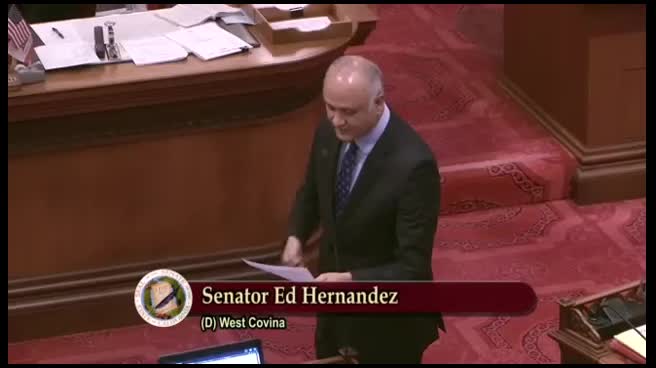 3MIN
Senate Floor
 7MIN
Senate Standing Committee on Governmental Organization
Bill Author
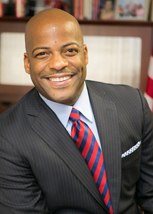
Bill Co-Author(s):