SB 313: Local government: zoning ordinances: school districts.
- Session Year: 2015-2016
- House: Senate
- Latest Version Date: 2016-06-02
Existing law requires the governing board of a school district to make specified findings before commencing the acquisition of real property for a new schoolsite in an area designated in a city, county, or city and county general plan for agricultural use and zoned for agricultural production, including a finding that the school district has notified and consulted with the city, county, or city and county within which the prospective schoolsite is to be located and that the school district will attempt to minimize any public health and safety issues resulting from the neighboring agricultural uses that may affect the pupils and employees at the schoolsite.
This bill would require the school district to include within its findings that it has notified and consulted with the city, county, or city and county, including, but not limited to, the county agricultural commissioner. The bill would additionally require the school district to make a finding that the school district will attempt to minimize any land use incompatibilities that may arise when using a portion of land in an area zoned for agricultural production for a purpose other than agricultural use.
Existing law authorizes the governing board of a school district, by a 2/3 vote of its members, to render a city or county zoning ordinance inapplicable to a proposed use of school district property, except if the proposed use is for nonclassroom facilities.
This bill would additionally condition this authorization upon compliance with a notice requirement regarding a schoolsite on agricultural land, and would require the governing board to notify the city or county, in writing, of the reason the governing board intends to take that vote at least 30 days prior to the vote. The bill would also require that vote to be based upon written findings that a zoning ordinance fails to accommodate the need to renovate and expand an existing public school or locate a new public school within the city or county.
Existing law authorizes the governing board of a school district, by a 2/3 vote of its members, to render a city or county zoning ordinance inapplicable to a proposed use of school district property, except when if the proposed use is for nonclassroom facilities.
This bill would additionally condition this authorization upon compliance with a notice requirement regarding a schoolsite on agricultural land, and would require the governing board to notify the city or county, in writing, of the reason the governing board intends to take that vote at least 30 days prior to the vote. The bill would also require that vote to be based upon written findings that a zoning ordinance fails to accommodate the need to renovate and expand an existing public school or locate a new public school within the city or county.
Existing law authorizes the governing board of a school district, by a 2/3 vote of its members, to render a city or county zoning ordinance inapplicable to a proposed use of school district property, except when the proposed use is for nonclassroom facilities.
This bill would additionally condition this authorization upon compliance with a notice requirement regarding a schoolsite on agricultural land, and would require the governing board to notify the city or county, in writing, of the reason the governing board intends to take that vote at least 90 30 days prior to the vote. The bill would also require that vote to be based upon written findings on the record that contain substantial evidence that a zoning ordinance fails to accommodate the need to renovate and expand an existing public school or locate a new public school within the city or county.
Existing law authorizes the governing board of a school district, by a 2/3 vote of its members, to render a city or county zoning ordinance inapplicable to a proposed use of school district property, except when the proposed use is for nonclassroom facilities.
This bill would additionally condition this authorization upon compliance with a notice requirement regarding a schoolsite on agricultural land, and would require the governing board to notify the city or county, in writing, of the reason the governing board intends to take that vote at least 90 days prior to the vote. The bill would also require that vote to be based upon written findings on the record that contain substantial evidence that a zoning ordinance fails to accommodate the need to renovate and expand an existing public school or locate a new public school within the city or county.
Existing law requires each local agency to comply with all applicable building and zoning ordinances of the county or city in which the territory of the local agency is situated. Existing law provides that each local agency and each school district whose school buildings are subject to inspection by a county or city are subject to the payment of any applicable fees, but that those fees may not exceed the amount charged to nongovernmental agencies for the same services or permits.
This bill would make technical, nonsubstantive changes to these provisions.
(a)Prior to commencing the acquisition of real property for a new schoolsite in an area designated in a city, county, or city and county general plan for agricultural use and zoned for agricultural production, the governing board of a school district shall make all of the following findings:
(1)The school district has notified and consulted with the city, county, or city and county, including, but not limited to, the county agricultural commissioner, within which the prospective schoolsite is to be located.
(2)The final site selection has been evaluated by the governing board of the school district based on all factors affecting the public interest and not limited to selection on the basis of the cost of the land.
(3)The school district will attempt do both of the following:
(A)Attempt to minimize any public health and safety issues resulting from the neighboring agricultural uses that may affect the pupils and employees at the schoolsite.
(B)Attempt to minimize any land use incompatibilities that may arise when using a portion of land in an area zoned for agricultural production for a purpose other than agricultural use.
(b)Subdivision (a) shall not apply to any schoolsite approved by the State Department of Education prior to January 1, 1997.
SECTION 1.SEC. 2.Section 53094 of the Government Code is amended to read:53094.(a)Notwithstanding any other provision of this article, this article does not require a school district to comply with the zoning ordinances of a county or city unless the zoning ordinance makes provision for the location of public schools and unless the city or county has adopted a general plan.
(b)(1)Notwithstanding subdivision (a), the governing board of a school district, that has complied with Section 65352.2, Section 21151.2 of the Public Resources Code, and Section 17215.5 of the Education Code, by a vote of two-thirds of its members taken at least 30 days after the governing board has notified the city or county, in writing, of the reason the governing board intends to take action pursuant to this subdivision, and based upon written findings that a zoning ordinance fails to accommodate the need to renovate and expand an existing public school or locate a new public school within the city or county, Code may render a city or county zoning ordinance inapplicable to a proposed use of property by the school district. The governing board of the school district shall not take this action if the proposed use of the property by the school district is for nonclassroom facilities, including, but not limited to, warehouses, administrative buildings, and automotive storage and repair buildings.
(2)The governing board of a school district that chooses to render a city or county zoning ordinance inapplicable for a proposed use of property on agriculturally zoned land, pursuant to paragraph (1), shall take the required vote of two-thirds of its members at least 30 days after the governing board has notified the city or county, in writing, of the reason the governing board intends to take this action, and based upon written findings that a zoning ordinance fails to accommodate the need to renovate and expand an existing public school or locate a new public school within the city or county.
(c)The governing board of the school district shall, within 10 days of its vote, notify the city or county concerned of any action taken pursuant to subdivision (b). If the governing board has taken such an action, the city or county may commence an action in the superior court of the county whose zoning ordinance is involved or in which is situated the city whose zoning ordinance is involved, seeking a review of the action of the governing board of the school district to determine whether it was arbitrary and capricious pursuant to Section 1094.5 of the Code of Civil Procedure. The city or county shall cause a copy of the complaint to be served on the board. If the court determines that the action was arbitrary and capricious, it shall declare it to be of no force and effect, and the zoning ordinance in question shall be applicable to the use of the property by the school district.
(a)Notwithstanding any other provision of this article, this article does not require a school district to comply with the zoning ordinances of a county or city unless the zoning ordinance makes provision for the location of public schools and unless the city or county has adopted a general plan.
(b)Notwithstanding subdivision (a), the governing board of a school district, that has complied with the requirements of Section 65352.2, Section 21151.2 of the Public Resources Code, and Section 17215.5 of the Education Code, by a vote of two-thirds of its members taken at least 30 days after the governing board has notified the city or county, in writing, of the reason the governing board intends to take action pursuant to this subdivision, and based upon written findings that a zoning ordinance fails to accommodate the need to renovate and expand an existing public school or locate a new public school within the city or county, may render a city or county zoning ordinance inapplicable to a proposed use of property by the school district. The governing board of the school district may shall not take this action when if the proposed use of the property by the school district is for nonclassroom facilities, including, but not limited to, warehouses, administrative buildings, and automotive storage and repair buildings.
(c)The governing board of the school district shall, within 10 days of its vote, notify the city or county concerned of any action taken pursuant to subdivision (b). If the governing board has taken such an action, the city or county may commence an action in the superior court of the county whose zoning ordinance is involved or in which is situated the city whose zoning ordinance is involved, seeking a review of the action of the governing board of the school district to determine whether it was arbitrary and capricious pursuant to Section 1094.5 of the Code of Civil Procedure. The city or county shall cause a copy of the complaint to be served on the board. If the court determines that the action was arbitrary and capricious, it shall declare it to be of no force and effect, and the zoning ordinance in question shall be applicable to the use of the property by the school district.
(a)Notwithstanding any other provision of this article, this article does not require a school district to comply with the zoning ordinances of a county or city unless the zoning ordinance makes provision for the location of public schools and unless the city or county has adopted a general plan.
(b)Notwithstanding subdivision (a), the governing board of a school district, that has complied with the requirements of Section 65352.2, Section 21151.2 of the Public Resources Code, and Section 17215.5 of the Education Code, by a vote of two-thirds of its members taken at least 30 days after the governing board has notified the city or county, in writing, of the reason the governing board intends to take action pursuant to this subdivision, and based upon written findings that a zoning ordinance fails to accommodate the need to renovate and expand an existing public school or locate a new public school within the city or county, may render a city or county general plan or zoning ordinance inapplicable to a proposed use of property by the school district. The governing board of the school district may not take this action when the proposed use of the property by the school district is for nonclassroom facilities, including, but not limited to, warehouses, administrative buildings, and automotive storage and repair buildings.
(c)The governing board of the school district shall, within 10 days of its vote, notify the city or county concerned of any action taken pursuant to subdivision (b). If the governing board has taken such an action, the city or county may commence an action in the superior court of the county whose zoning ordinance is involved or in which is situated the city whose zoning ordinance is involved, seeking a review of the action of the governing board of the school district to determine whether it was arbitrary and capricious pursuant to Section 1094.5 of the Code of Civil Procedure. The city or county shall cause a copy of the complaint to be served on the board. If the court determines that the action was arbitrary and capricious, it shall declare it to be of no force and effect, and the zoning ordinance in question shall be applicable to the use of the property by the school district.
(a)Notwithstanding any other provision of this article, this article does not require a school district to comply with the zoning ordinances of a county or city unless the zoning ordinance makes provision for the location of public schools and unless the city or county has adopted a general plan.
(b)Notwithstanding subdivision (a), the governing board of a school district, that has complied with the requirements of Section 65352.2, Section 21151.2 of the Public Resources Code, and Section 17215.5 of the Education Code, by a vote of two-thirds of its members taken at least 90 30 days after the governing board has notified the city or county, in writing, of the reason the governing board intends to take action pursuant to this subdivision, and based upon written findings on the record that contain substantial evidence that a zoning ordinance fails to accommodate the need to renovate and expand an existing public school or locate a new public school within the city or county, may render a city or county general plan or zoning ordinance inapplicable to a proposed use of property by the school district. The governing board of the school district may not take this action when the proposed use of the property by the school district is for nonclassroom facilities, including, but not limited to, warehouses, administrative buildings, and automotive storage and repair buildings.
(c)The governing board of the school district shall, within 10 days of its vote, notify the city or county concerned of any action taken pursuant to subdivision (b). If the governing board has taken such an action, the city or county may commence an action in the superior court of the county whose zoning ordinance is involved or in which is situated the city whose zoning ordinance is involved, seeking a review of the action of the governing board of the school district to determine whether it was arbitrary and capricious based upon substantial evidence in the public record pursuant to Section 1094.5 of the Code of Civil Procedure. The city or county shall cause a copy of the complaint to be served on the board. If the court determines that the action was arbitrary and capricious, it shall declare it to be of no force and effect, and the zoning ordinance in question shall be applicable to the use of the property by the school district.
(a)Notwithstanding any other provision of this article, this article does not require a school district to comply with the zoning ordinances of a county or city unless the zoning ordinance makes provision for the location of public schools and unless the city or county has adopted a general plan.
(b)Notwithstanding subdivision (a), the governing board of a school district, that has complied with the requirements of Section 65352.2 of this code and 65352.2, Section 21151.2 of the Public Resources Code, and Section 17215.5 of the Education Code, by a vote of two-thirds of its members taken at least 90 days after the governing board has notified the city or county, in writing, of the reason the governing board intends to take action pursuant to this subdivision, and based upon written findings on the record that contain substantial evidence that a zoning ordinance fails to accommodate the need to renovate and expand an existing public school or locate a new public school within the city or county, may render a city or county general plan or zoning ordinance inapplicable to a proposed use of property by the school district. The governing board of the school district may not take this action when the proposed use of the property by the school district is for nonclassroom facilities, including, but not limited to, warehouses, administrative buildings, and automotive storage and repair buildings.
(c)The governing board of the school district shall, within 10 days of its vote, notify the city or county concerned of any action taken pursuant to subdivision (b). If the governing board has taken such an action, the city or county may commence an action in the superior court of the county whose zoning ordinance is involved or in which is situated the city whose zoning ordinance is involved, seeking a review of the action of the governing board of the school district to determine whether it was arbitrary and capricious based upon substantial evidence in the public record pursuant to Section 1094.5 of the Code of Civil Procedure. The city or county shall cause a copy of the complaint to be served on the board. If the court determines that the action was arbitrary and capricious, it shall declare it to be of no force and effect, and the zoning ordinance in question shall be applicable to the use of the property by the school district.
SECTION 1.Section 53091 of the Government Code is amended to read:53091.(a)Each local agency shall comply with all applicable building ordinances and zoning ordinances of the county or city in which the territory of the local agency is situated.
(b)On projects for which state school building aid is requested by a local agency for construction of school facilities, the county or city planning commission in which the local agency is located shall consider in its review for approval information relating to attendance area enrollment, adequacy of the site upon which the construction is proposed, safety features of the site and proposed construction, and present and future land utilization, and report thereon to the State Allocation Board. If the local agency is situated in more than one city or county or partly in a city and partly in a county, the local agency shall comply with the ordinances of each county or city with respect to the territory of the local agency that is situated in the particular county or city, and the ordinances of a county or city shall not be applied to any portion of the territory of the local agency that is situated outside the boundaries of the county or city. Notwithstanding the preceding provisions of this section, this section does not require a school district or the state when acting under the State Contract Act (Article 1 (commencing with Section 10100) of Chapter 1 of Part 2 of Division 2 of the Public Contract Code) to comply with the building ordinances of a county or city.
(c)Each local agency required to comply with building ordinances and zoning ordinances pursuant to this section and each school district whose school buildings are inspected by a county or city pursuant to Section 53092 shall be subject to the applicable ordinances of a county or city requiring the payment of fees, but the amount of those fees charged to a local agency or school district shall not exceed the amount charged under the ordinance to a nongovernmental agency for the same services or permits.
(d)Building ordinances of a county or city shall not apply to the location or construction of facilities for the production, generation, storage, treatment, or transmission of water, wastewater, or electrical energy by a local agency.
(e)Zoning ordinances of a county or city shall not apply to the location or construction of facilities for the production, generation, storage, treatment, or transmission of water, or for the production or generation of electrical energy, facilities that are subject to Section 12808.5 of the Public Utilities Code, or electrical substations in an electrical transmission system that receives electricity at less than 100,000 volts. Zoning ordinances of a county or city shall apply to the location or construction of facilities for the storage or transmission of electrical energy by a local agency, if the zoning ordinances make provision for those facilities.
(a)Each local agency shall comply with all applicable building ordinances and zoning ordinances of the county or city in which the territory of the local agency is situated.
(b)On projects for which state school building aid is requested by a local agency for construction of school facilities, the county or city planning commission in which the local agency is located shall consider in its review for approval information relating to attendance area enrollment, adequacy of the site upon which the construction is proposed, safety features of the site and proposed construction, and present and future land utilization, and report thereon to the State Allocation Board. If the local agency is situated in more than one city or county or partly in a city and partly in a county, the local agency shall comply with the ordinances of each county or city with respect to the territory of the local agency that is situated in the particular county or city, and the ordinances of a county or city shall not be applied to any portion of the territory of the local agency that is situated outside the boundaries of the county or city. Notwithstanding the preceding provisions of this section, this section does not require a school district or the state when acting under the State Contract Act (Article 1 (commencing with Section 10100) of Chapter 1 of Part 2 of Division 2 of the Public Contract Code) to comply with the building ordinances of a county or city.
(c)Each local agency required to comply with building ordinances and zoning ordinances pursuant to this section and each school district whose school buildings are inspected by a county or city pursuant to Section 53092 shall be subject to the applicable ordinances of a county or city requiring the payment of fees, but the amount of those fees charged to a local agency or school district shall not exceed the amount charged under the ordinance to a nongovernmental agencies agency for the same services or permits.
(d)Building ordinances of a county or city shall not apply to the location or construction of facilities for the production, generation, storage, treatment, or transmission of water, wastewater, or electrical energy by a local agency.
(e)Zoning ordinances of a county or city shall not apply to the location or construction of facilities for the production, generation, storage, treatment, or transmission of water, or for the production or generation of electrical energy, facilities that are subject to Section 12808.5 of the Public Utilities Code, or electrical substations in an electrical transmission system that receives electricity at less than 100,000 volts. Zoning ordinances of a county or city shall apply to the location or construction of facilities for the storage or transmission of electrical energy by a local agency, if the zoning ordinances make provision for those facilities.
|
Date
|
Status
|
|---|---|
| May 12, 2015 | Read second time and amended. Ordered to third reading. |
| Jun 15, 2016 | June 15 set for first hearing canceled at the request of author. |
| Jun 2, 2016 | From committee with author's amendments. Read second time and amended. Re-referred to Com. on ED. |
| Apr 28, 2016 | Referred to Coms. on ED. and L. GOV. |
| Jan 26, 2016 | In Assembly. Read first time. Held at Desk. |
| Jan 25, 2016 | Read third time. Passed. (Ayes 29. Noes 3. Page 2944.) Ordered to the Assembly. |
| Jan 21, 2016 | Read second time. Ordered to third reading. |
| Jan 20, 2016 | Read second time and amended. Ordered to second reading. |
| Jan 20, 2016 | Ordered to second reading. |
| Jan 20, 2016 | From inactive file. |
| Jun 2, 2015 | Ordered to inactive file on request of Senator Galgiani. |
| Feb 23, 2015 | Introduced. Read first time. To Com. on RLS. for assignment. To print. |
| May 11, 2015 | From committee: Do pass as amended. (Ayes 7. Noes 0.) (May 6). |
| May 11, 2015 | From committee: Do pass as amended. (Ayes 7. Noes 0. Page 919.) (May 6). |
| May 1, 2015 | Set for hearing May 6. |
| Apr 29, 2015 | Read second time and amended. Re-referred to Com. on GOV. & F. |
| Apr 28, 2015 | From committee: Do pass as amended and re-refer to Com. on GOV. & F. with recommendation: To consent calendar. (Ayes 9. Noes 0. Page 722.) (April 22). |
| Apr 10, 2015 | Set for hearing April 22. |
| Apr 9, 2015 | Re-referred to Coms. on ED. and GOV. & F. |
| Apr 6, 2015 | From committee with author's amendments. Read second time and amended. Re-referred to Com. on RLS. |
| Mar 5, 2015 | Referred to Com. on RLS. |
| Feb 24, 2015 | From printer. May be acted upon on or after March 26. |
|
Date
|
Description
|
Location
|
Votes
|
|
|---|---|---|---|---|
| Jan 25, 2016 | Senate 3rd Reading SB313 Monning | Senate Floor |
Passed |
|
| May 6, 2015 | Do pass as amended | Senate Standing Committee on Governance and Finance |
Passed |
|
| Apr 22, 2015 | Do pass as amended, but first amend, and re-refer to the Committee on [Governance and Finance] with the recommendation: To Consent Calendar | Senate Standing Committee on Education |
Passed |
This list shows positions taken on this bill by organizations on the date displayed, which is linked to the original source.
Positions by individuals are not included.
|
Organization
|
Position
|
Date
|
|---|---|---|
| American Planning Association, California Chapter | ** Support | Jan 25, 2016 |
| California Building Industry Association | ** Against | Jan 25, 2016 |
| California Farm Bureau Federation | ** Support | Jan 25, 2016 |
| California State Association Of Counties | ** Support | Jan 25, 2016 |
| Coalition For Adequate School Housing | ** Against | Jan 25, 2016 |
| Contra Costa Board of Supervisors | ** Support | Jan 25, 2016 |
| Contra Costa County | * Indeterminate | May 6, 2015 |
| u None received. | ** Against | May 6, 2015 |
Date of Hearing: June 22, 2016
ASSEMBLY COMMITTEE ON EDUCATION
Patrick O'Donnell, Chair
SBPCA Bill Id:SB 313
Author:(Monning) – As Amended Ver:June 2, 2016
[Note: This bill is doubled referred to the Assembly Local Government Committee and will be heard by that Committee as it relates to issues under its jurisdiction.]
SENATE VOTE: 29-3
SUBJECT: Local government: zoning ordinances: school districts
SUMMARY: Imposes additional requirements on the governing board of a school district that chooses to render a city or county zoning ordinance inapplicable for a proposed use of property on agriculturally zoned land. Specifically, this bill:
- Requires a school district to, prior to commencing the acquisition of real property for a new schoolsite in an area designated for agricultural use, do the following:
- Notify and consult with the county agricultural commissioner.
- Attempt to minimize any land use incompatibilities that may arise when using a portion of land in an area zoned for agricultural production for a purpose other than agricultural use.
- Strikes the 2/3 vote requirement for a governing board of a school district to render a city or county zoning ordinance inapplicable to a proposed use of property by a school district.
- Requires the governing board of a school district that chooses to render a city or county zoning ordinance inapplicable for a proposed use of property on agriculturally zoned land to take the required vote of 2/3 of its members at least 30 days after the governing board has notified the city or county, in writing, of the reason the governing board intends to take this action, and based upon written findings that a zoning ordinance fails to accommodate the need to renovate and expand an existing public school or locate a new public school within the city or county.
- Specifies that the authority of a city or county to commence an action in the superior court seeking a review of the action of the governing board of a school district to determine whether the action was arbitrary and capricious shall be conducted pursuant to Section 1094.5 of the Code of Civil Procedure.
EXISTING LAW:
- Authorizes the governing board of a school district that has complied with the notification requirements to the local planning commission, by a vote of 2/3 of its members, to render a city or county zoning ordinance inapplicable to a proposed use of property by the school district. Specifies that the governing board of the school district may not take this action when the proposed use of the property by the school district is for nonclassroom facilities, including, but not limited to, warehouses, administrative buildings, and automotive storage and repair buildings. (Government Code Section 53094)
- Requires the governing board of the school district to, within 10 days, notify the city or county concerned of any action taken. Provides that if the governing board has taken such an action, the city or county may commence an action in the superior court of the county whose zoning ordinance is involved or in which is situated the city whose zoning ordinance is involved, seeking a review of the action of the governing board of the school district to determine whether it was arbitrary and capricious. Requires the city or county to cause a copy of the complaint to be served on the board. Provides that if the court determines that the action was arbitrary and capricious, it shall declare it to be of no force and effect, and the zoning ordinance in question shall be applicable to the use of the property by the school district. (Government Code Section 53094)
- Requires a governing board of a school district, prior to acquiring real property for a new schoolsite in an area designated in a city, county, or city and county general plan for agricultural use and zoned for agricultural production, to make all of the following findings:
- The school district has notified and consulted with the city, county, or city and county within which the prospective schoolsite is to be located.
- The final site selection has been evaluated by the governing board of the school district based on all factors affecting the public interest and not limited to selection on the basis of the cost of the land.
- The school district will attempt to minimize any public health and safety issues resulting from the neighboring agricultural uses that may affect the pupils and employees at the schoolsite. (Education Code Section 17215.5)
- Requires the governing board of a school district to, prior to commencing the acquisition of real property for a new schoolsite or an addition to an existing schoolsite, evaluate the property at a public hearing using the site selection standards established by the California Department of Education (CDE). (Education Code Section 17211)
FISCAL EFFECT: None. This bill is keyed non-fiscal by the Legislative Counsel.
COMMENTS: Background. Under current law, the governing board of a school district, after complying with notification requirements to local planning agencies, is authorized to override local city or county zoning ordinances by a 2/3 vote of the governing board for school facilities. Existing law prohibits this override for any nonclassroom facilities, including, but not limited to, warehouses, administrative buildings, and automotive storage and repair buildings. The governing board of a school district is required to notify the city or county within 10 days of such an action. Existing law gives a city or county the authority to take action in the superior court seeking a review if it determines that the override was arbitrary and capricious.
This bill adds additional requirements for governing boards seeking to render a zoning ordinance inapplicable on land zoned for agricultural purposes. This bill requires the governing board of a school district to do the following prior to waiving a zoning ordinance designated for agricultural production:
- Notify and consult with the county agricultural commissioner.
- Attempt to minimize any land use incompatibilities that may arise when using a portion of land in an area zoned for agricultural production.
- Notify the city and county, at least 30 days prior to taking the required 2/3 vote, in writing, of the reason the governing board intends to waive an agriculturally zoned land and based upon written findings that a zoning ordinance fails to accommodate the need to renovate and expand an existing public school or locate a new public school within the city or county.
Purpose of the bill. The author states, "Placing schools in exclusively agricultural production zones not only removes limited agricultural land from production, but also raises important public health concerns about exposing students to pesticide drift and contamination. While there are existing notification requirements that a school board must follow before siting a school outside a local general plan, there is still a glaring need for greater awareness by cities, counties, and the public as to why existing zoning is inadequate for school construction."
Siting of schools is a complicated process. Siting schools is not an easy process. Existing law and state regulations require school districts seeking state bond funds to avoid siting schools near freeways or airports, hazardous or solid waste disposal sites, or where there are underground pipelines, and require school districts to comply with California Environmental Quality Act (CEQA) requirements, review by the Department of Toxic Substances Control, and approval by the CDE. Other challenges include objections by neighbors who do not want schools sited near their properties or insufficient available land requiring school districts to take property through eminent domain.
Current law already requires notification. Current law already requires several layers of notification to cities and counties of school facilities plans. The Education Code specifically requires notification prior to acquiring property zoned for agricultural production and requires the governing board of a school district to make specified findings, including that the governing board had evaluated all factors affecting the public interest and that the site was not selected solely because of the cost of the land. Public Resources Code Section 21151.2 requires school districts to notify local planning commissions of a proposed acquisition and prohibits acquiring title of the property until a report from the planning commission has been received. A school district is prohibited from acquiring title to the property until 30 days after the commission's report has been received if the report does not favor acquisition of the property. Government Code Section 65352.2 requires a school district, in conducting a school facility needs analysis or other long-range plan that may result in expansions of schoolsites or the need to acquire additional schoolsites, to provide information to the planning commission at least 45 days prior to completing the needs analysis or long-range plan. Current law under Education Code Section 17211, also requires the governing board of a school district, prior to acquiring property, to evaluate the property at a public hearing. It is unclear how or why these current requirements are not sufficient in ensuring that a planning commission is notified and has opportunities to weigh in on school district plans for school facilities.
Requirements unclear and may lead to litigation. This bill requires a school district to attempt to minimize any land use incompatibilities when using a portion of land zoned for agricultural production. It is unclear what "incompatibility" means and how school districts are to "minimize" the incompatibility. For example, does the fact that the land is zoned for agriculture make it incompatible? Is it still incompatible if the site is a future growth area under the general plan? If a proposed schoolsite is next to existing farmland, does that make it incompatible? Who would determine whether the proposed schoolsite is incompatible? Given that the motivation behind the bill appears to be to reduce or halt siting of schools on agricultural land, there are strong concerns that this language could lead to potential litigation. Can the owner of a neighboring farmland sue the school district claiming incompatibility or that the school district did not take sufficient action to minimize incompatibilities?
According to the sponsor, the California Farm Bureau Federation, and the author's office, incompatibilities may include issues around lack of infrastructure, roads, sewers, sidewalk, transportation, safe-routes to school and planning issues. Most of these issues are addressed through the CEQA and CDE's site approval processes. Acquisition of schoolsites requires CEQA review and school districts are required to develop mitigations in response to issues raised through the CEQA process. As such, staff recommends striking this language and instead authorizing the topic to be discussed with the agricultural commissioner.
This bill prohibits a governing board of a school district from waiving an agriculturally zoned ordinance until 30 days after it submits written findings to the city or county of the reason it intends to take the action and that a zoning ordinance fails to accommodate expansion of a schoolsite or locate a new school within the city or county. This requirement appears to require the governing board of a school district to justify in writing both why it is choosing a site as well as why it is not choosing other locations identified for schools in a general plan. Requiring a school district to identify all potential schoolsite locations in a general plan and provide an explanation as to why each location is not chosen appears to insinuate that school siting is an either/or option. It is not.
Compulsory education law requires all children aged 18 and under to attend school and school districts to ensure that all children are adequately housed. As mentioned previously, schoolsiting is not an easy process and takes a long time. Completing a school facility project from start to finish may take five years or more. School districts need the flexibility to determine appropriate locations of schoolsites in order to adequately house existing and incoming children. If the intent is to encourage more collaboration than is already required, staff recommends an amendment to require written notification only if a school district fails to request a meeting pursuant to Government Code Section 65352.2(b). This will provide an incentive for school districts to work with planning commissions earlier.
Pesticides regulations. Part of the motivation for the bill involves proposed regulations being considered by the Department of Pesticide Regulation. Proposed regulations require increasing notifications to schools regarding intended applications of certain pesticides and impose additional restrictions on applications. The supporters of the bill fear that anti-pesticide advocates will seek future regulations establishing no-spray zones around schools, thereby putting farmlands near schools in jeopardy. The Committee may wish to consider whether the answer is to make it difficult to site schools on agricultural land, especially if a city or county's general plan intends for those lands to be residential in the future. With growth, school districts will need schools in those areas to accommodate incoming students.
2/3 vote requirement eliminated. This bill eliminates the 2/3 vote requirement for governing boards of school districts to waive a zoning ordinance. According to the author, this was a drafting error. Staff recommends reinstating this requirement.
Related legislation. AB 1344 (Jones), held by the author in this Committee, authorizes county offices of education (COE) to render a city or county zoning ordinance inapplicable to a proposed use of property by COEs, and requires the governing board of a school district or county office to render a city or county zoning ordinance inapplicable at the request of a charter school for a charter school facility.
Arguments in support. A joint letter by most of the supporters listed below states, "School locations can have many impacts on traffic patterns, housing location, expansion of sewers, waterlines, roads, and sidewalks, other basic infrastructure, and the overall quality-of-life of a community. Instead of schools being an anchor for communities, they instead are being built on the urban fringe and incur more 'vehicles miles travelled' and have a deleterious air quality impact. There is also push for further pesticide regulations around schools despite air monitoring and soil sample studies that document school children are safe and not being exposed to pesticides. If schools want buffers zones around them, they should consider that before they site the school near a working farm, not after the school is built and then expect a farmer to take their land out of production without any fair justification or compensation."
Arguments in opposition. The Association of California School Administrators (ACSA) states, "We are concerned that the provisions of SB 313 will result in potential legal challenges whereby a city or county authorities try to leverage a school district into completing additional site work or forcing a governing board to use a site that benefits the city or county but not the school district or students we serve. ACSA believes the current process for the placement of school sites provides the necessary notification and justification through the Brown Act and CEQA."
REGISTERED SUPPORT / OPPOSITION:
Support
Alameda County Farm Bureau
Agricultural Council of California
American Planning Association, California Chapter
Association of California Egg Farmers
California Agricultural Commissioners and Sealers Association
California Association of Wheat Growers
California Association of Winegrape Growers
California Farm Bureau Federation
California Grain and Feed Association
California Pear Growers Association
California Seed Association
California State Association of Counties
California State Floral Association
California Fresh Fruit Association
Contra Costa County Farm Bureau
El Dorado County Farm Bureau
Monterey County Farm Bureau
Napa County Board of Supervisors
Orange County Farm Bureau
Riverside County Farm Bureau
Sacramento County Farm Bureau
San Benito County Farm Bureau
San Diego County Farm Bureau
San Mateo County Farm Bureau
San Joaquin County Farm Bureau
Santa Clara County Farm Bureau
Santa Cruz County Farm Bureau
Solano County Farm Bureau
Stanislaus County Farm Bureau
Western Growers Association
Yolo County Farm Bureau
Opposition
Association of California School Administrators
California Association of School Business Officials
California Building Industry Association
Central Valley Education Coalition
Coalition for Adequate School Housing
Kern County Superintendent of Schools
Analysis Prepared by: Sophia Kwong Kim / ED. / (916) 319-2087
Date of Hearing: June 15, 2016
ASSEMBLY COMMITTEE ON EDUCATION
Patrick O'Donnell, Chair
SBPCA Bill Id:SB 313
Author:(Monning) – As Amended Ver:June 2, 2016
[Note: This bill is doubled referred to the Assembly Local Government Committee and will be heard by that Committee as it relates to issues under its jurisdiction.]
SENATE VOTE: 29-3
SUBJECT: Local government: zoning ordinances: school districts
SUMMARY: Imposes additional requirements on the governing board of a school district that chooses to render a city or county zoning ordinance inapplicable for a proposed use of property on agriculturally zoned land. Specifically, this bill:
- Requires a school district to, prior to commencing the acquisition of real property for a new schoolsite in an area designated for agricultural use, do the following:
- Notify and consult with the county agricultural commissioner.
- Attempt to minimize any land use incompatibilities that may arise when using a portion of land in an area zoned for agricultural production for a purpose other than agricultural use.
- Strikes the 2/3 vote requirement for a governing board of a school district to render a city or county zoning ordinance inapplicable to a proposed use of property by a school district.
- Requires the governing board of a school district that chooses to render a city or county zoning ordinance inapplicable for a proposed use of property on agriculturally zoned land to take the required vote of 2/3 of its members at least 30 days after the governing board has notified the city or county, in writing, of the reason the governing board intends to take this action, and based upon written findings that a zoning ordinance fails to accommodate the need to renovate and expand an existing public school or locate a new public school within the city or county.
- Specifies that the authority of a city or county to commence an action in the superior court seeking a review of the action of the governing board of a school district to determine whether the action was arbitrary and capricious shall be conducted pursuant to Section 1094.5 of the Code of Civil Procedure.
EXISTING LAW:
- Authorizes the governing board of a school district that has complied with the notification requirements to the local planning commission, by a vote of 2/3 of its members, to render a city or county zoning ordinance inapplicable to a proposed use of property by the school district. Specifies that the governing board of the school district may not take this action when the proposed use of the property by the school district is for nonclassroom facilities, including, but not limited to, warehouses, administrative buildings, and automotive storage and repair buildings. (Government Code Section 53094)
- Requires the governing board of the school district to, within 10 days, notify the city or county concerned of any action taken. Provides that if the governing board has taken such an action, the city or county may commence an action in the superior court of the county whose zoning ordinance is involved or in which is situated the city whose zoning ordinance is involved, seeking a review of the action of the governing board of the school district to determine whether it was arbitrary and capricious. Requires the city or county to cause a copy of the complaint to be served on the board. Provides that if the court determines that the action was arbitrary and capricious, it shall declare it to be of no force and effect, and the zoning ordinance in question shall be applicable to the use of the property by the school district. (Government Code Section 53094)
- Requires a governing board of a school district, prior to acquiring real property for a new schoolsite in an area designated in a city, county, or city and county general plan for agricultural use and zoned for agricultural production, to make all of the following findings:
- The school district has notified and consulted with the city, county, or city and county within which the prospective schoolsite is to be located.
- The final site selection has been evaluated by the governing board of the school district based on all factors affecting the public interest and not limited to selection on the basis of the cost of the land.
- The school district will attempt to minimize any public health and safety issues resulting from the neighboring agricultural uses that may affect the pupils and employees at the schoolsite. (Education Code Section 17215.5)
- Requires the governing board of a school district to, prior to commencing the acquisition of real property for a new schoolsite or an addition to an existing schoolsite, evaluate the property at a public hearing using the site selection standards established by the California Department of Education (CDE). (Education Code Section 17211)
FISCAL EFFECT: None. This bill is keyed non-fiscal by the Legislative Counsel.
COMMENTS: Background. Under current law, the governing board of a school district, after complying with notification requirements to local planning agencies, is authorized to override local city or county zoning ordinances by a 2/3 vote of the governing board for school facilities. Existing law prohibits this override for any nonclassroom facilities, including, but not limited to, warehouses, administrative buildings, and automotive storage and repair buildings. The governing board of a school district is required to notify the city or county within 10 days of such an action. Existing law gives a city or county the authority to take action in the superior court seeking a review if it determines that the override was arbitrary and capricious.
This bill adds additional requirements for governing boards seeking to render a zoning ordinance inapplicable on land zoned for agricultural purposes. This bill requires the governing board of a school district to do the following prior to waiving a zoning ordinance designated for agricultural production:
- Notify and consult with the county agricultural commissioner.
- Attempt to minimize any land use incompatibilities that may arise when using a portion of land in an area zoned for agricultural production.
- Notify the city and county, at least 30 days prior to taking the required 2/3 vote, in writing, of the reason the governing board intends to waive an agriculturally zoned land and based upon written findings that a zoning ordinance fails to accommodate the need to renovate and expand an existing public school or locate a new public school within the city or county.
Purpose of the bill. The author states, "Placing schools in exclusively agricultural production zones not only removes limited agricultural land from production, but also raises important public health concerns about exposing students to pesticide drift and contamination. While there are existing notification requirements that a school board must follow before siting a school outside a local general plan, there is still a glaring need for greater awareness by cities, counties, and the public as to why existing zoning is inadequate for school construction."
Siting of schools is a complicated process. Siting schools is not an easy process. Existing law and state regulations require school districts seeking state bond funds to avoid siting schools near freeways or airports, hazardous or solid waste disposal sites, or where there are underground pipelines, and require school districts to comply with California Environmental Quality Act (CEQA) requirements, review by the Department of Toxic Substances Control, and approval by the CDE. Other challenges include objections by neighbors who do not want schools sited near their properties or insufficient available land requiring school districts to take property through eminent domain.
Current law already requires notification. Current law already requires several layers of notification to cities and counties of school facilities plans. The Education Code specifically requires notification prior to acquiring property zoned for agricultural production and requires the governing board of a school district to make specified findings, including that the governing board had evaluated all factors affecting the public interest and that the site was not selected solely because of the cost of the land. Public Resources Code Section 21151.2 requires school districts to notify local planning commissions of a proposed acquisition and prohibits acquiring title of the property until a report from the planning commission has been received. A school district is prohibited from acquiring title to the property until 30 days after the commission's report has been received if the report does not favor acquisition of the property. Government Code Section 65352.2 requires a school district, in conducting a school facility needs analysis or other long-range plan that may result in expansions of schoolsites or the need to acquire additional schoolsites, to provide information to the planning commission at least 45 days prior to completing the needs analysis or long-range plan. Current law under Education Code Section 17211, also requires the governing board of a school district, prior to acquiring property, to evaluate the property at a public hearing. It is unclear how or why these current requirements are not sufficient in ensuring that a planning commission is notified and has opportunities to weigh in on school district plans for school facilities.
Requirements unclear. This bill requires a school district to attempt to minimize any land use incompatibilities when using a portion of land zoned for agricultural production. It is unclear what "incompatibility" means and how school districts are to "minimize" the incompatibility. For example, does the fact that the land is zoned for agriculture make it incompatible? Is it still incompatible if the site is a future growth area under the general plan? If a proposed schoolsite is next to existing farmland, does that make it incompatible? Who would determine whether the proposed schoolsite is incompatible? Given that the motivation behind the bill appears to be to reduce or halt siting of schools on agricultural land, there are strong concerns that this language could lead to potential litigation. Can the owner of a neighboring farmland sue the school district claiming incompatibility or that the school district did not take sufficient action to minimize incompatibilities?
According to the sponsor, the California Farm Bureau Federation, and the author's office, incompatibilities may include issues around lack of infrastructure, roads, sewers, sidewalk, transportation, safe-routes to school and planning issues. Most of these issues are addressed through the CEQA and CDE's site approval processes. Acquisition of schoolsites requires CEQA review and school districts are required to develop mitigations in response to issues raised through the CEQA process. As such, staff recommends striking this language. Alternatively, the Committee may wish to consider language requiring school districts to ensure that CEQA mitigations address general plan provisions.
This bill prohibits a governing board of a school district from waiving an agriculturally zoned ordinance until 30 days after it submits written findings to the city or county of the reason it intends to take the action and why a zoning ordinance fails to accommodate expansion of a schoolsite or locate a new school within the city or county. This requirement appears to require the governing board of a school district to justify in writing both why it is choosing a site as well as why it is not choosing other locations identified for schools in a general plan. Requiring a school district to identify all potential schoolsite locations in a general plan and provide an explanation as to why each location is not chosen seems onerous. Compulsory education law requires all children aged 18 and under to attend school and school districts to ensure that all children are adequately housed. As mentioned previously, schoolsiting is not an easy process and school districts need the flexibility to determine appropriate locations of schoolsites in order to adequately house existing and incoming children. Staff recommends striking the requirement that a governing board justify why it is not choosing other locations.
Pesticides regulations. Part of the motivation for the bill involves proposed regulations being considered by the Department of Pesticide Regulation. Proposed regulations require increasing notifications to schools regarding intended applications of certain pesticides and impose additional restrictions on applications. The supporters of the bill fear that anti-pesticide advocates will seek future regulations establishing no-spray zones around schools, thereby putting farmlands near schools in jeopardy. The Committee may wish to consider whether the answer is to make it difficult to site schools on agricultural land, especially if a city or county's general plan intends for those lands to be residential in the future. With growth, school districts will need schools in those areas to accommodate incoming students.
2/3 vote requirement eliminated. This bill eliminates the 2/3 vote requirement for governing boards of school districts to waive a zoning ordinance. According to the author, this was a drafting error. Staff recommends reinstating this requirement.
Related legislation. AB 1344 (Jones), held by the author in this Committee, authorizes county offices of education (COE) to render a city or county zoning ordinance inapplicable to a proposed use of property by COEs, and requires the governing board of a school district or county office to render a city or county zoning ordinance inapplicable at the request of a charter school for a charter school facility.
Arguments in support. A joint letter by most of the supporters listed below states, "School locations can have many impacts on traffic patterns, housing location, expansion of sewers, waterlines, roads, and sidewalks, other basic infrastructure, and the overall quality-of-life of a community. Instead of schools being an anchor for communities, they instead are being built on the urban fringe and incur more 'vehicles miles travelled' and have a deleterious air quality impact. There is also push for further pesticide regulations around schools despite air monitoring and soil sample studies that document school children are safe and not being exposed to pesticides. If schools want buffers zones around them, they should consider that before they site the school near a working farm, not after the school is built and then expect a farmer to take their land out of production without any fair justification or compensation."
Arguments in opposition. The Association of California School Administrators (ACSA) states, "We are concerned that the provisions of SB 313 will result in potential legal challenges whereby a city or county authorities try to leverage a school district into completing additional site work or forcing a governing board to use a site that benefits the city or county but not the school district or students we serve. ACSA believes the current process for the placement of school sites provides the necessary notification and justification through the Brown Act and CEQA."
REGISTERED SUPPORT / OPPOSITION:
Support
Alameda County Farm Bureau
Agricultural Council of California
American Planning Association, California Chapter
Association of California Egg Farmers
California Agricultural Commissioners and Sealers Association
California Association of Wheat Growers
California Association of Winegrape Growers
California Farm Bureau Federation
California Grain and Feed Association
California Pear Growers Association
California Seed Association
California State Association of Counties
California State Floral Association
California Fresh Fruit Association
Contra Costa County Farm Bureau
El Dorado County Farm Bureau
Monterey County Farm Bureau
Napa County Board of Supervisors
Orange County Farm Bureau
Riverside County Farm Bureau
Sacramento County Farm Bureau
San Benito County Farm Bureau
San Diego County Farm Bureau
San Mateo County Farm Bureau
San Joaquin County Farm Bureau
Santa Clara County Farm Bureau
Santa Cruz County Farm Bureau
Solano County Farm Bureau
Stanislaus County Farm Bureau
Western Growers Association
Yolo County Farm Bureau
Opposition
Association of California School Administrators
California Association of School Business Officials
California Building Industry Association
Coalition for Adequate School Housing
Analysis Prepared by: Sophia Kwong Kim / ED. / (916) 319-2087
Office of Senate Floor Analyses (916) 651-1520 Fax: (916) 327-4478 | SB |
THIRD READING
Bill No: SB 313
:
SENATE EDUCATION COMMITTEE: 9-0, 4/22/15
AYES: Liu, Runner, Block, Hancock, Leyva, Mendoza, Monning, Pan, Vidak
SENATE GOVERNANCE & FIN. COMMITTEE: 7-0, 5/6/15
AYES: Hertzberg, Nguyen, Beall, Hernandez, Lara, Moorlach, Pavley
SOURCE: California Farm Bureau Federation
DIGEST: This bill expands the requirements to be met by a school district governing board in order to declare a zoning ordinance inapplicable to a proposed use of land for classroom facilities.
Senate Floor Amendments of 1/20/16 change the author of the bill to Senator Monning, add Senator Galgiani as a principal coauthor, and make technical changes.
Existing law:
- Requires a school district to comply with city and county zoning ordinances if the zoning ordinance makes provision for the location of public schools and if the city/county has adopted a general plan.
- Authorizes a school district governing board, by a two-thirds vote of its members, to render a city or county zoning ordinance inapplicable to proposed use of property by the school district if it has complied with requirements to notify the planning commission in writing before acquiring title to the property (Public Resources Code § 21151.2), and it participates in notification and meeting requirements that are intended to foster improved communication and coordination between cities, counties, and school districts related to planning for school siting (Government Code § 65352.2). The school district governing board is prohibited from taking such action if the proposed use of the property is for non-classroom facilities.
- Authorizes the city or county to commence an action in the applicable county superior court seeking review of the board’s action to determine whether it was arbitrary and capricious, in which case the court can declare it to have no force and effect and the school district is required to comply with the zoning ordinance. (Government Code § 53094)
- Requires, for school sites approved January 1, 1997 and thereafter, that prior to commencing with the acquisition of land designated in a city/county general plan for agricultural use and zoned for agricultural production, a school district governing board makes findings that:
- The school district has consulted with the city/county on the proposed location.
- Final site selection was evaluated by the board based on all public interest factors and not limited to selection on the basis of land cost.
- The school district will try to minimize public health and safety issues from neighboring agricultural uses that might affect students and employees. (Education Code §17215.5)
This bill expands the requirements to be met by a school district governing board in order to declare a zoning ordinance inapplicable to a proposed use of land for classroom facilities. Specifically it:
- Requires the governing board to comply with specified Education Code provisions regarding the acquisition of agricultural land.
- Requires that the vote of the board be taken at least 30 days after notifying, the city/county in writing of its reasons for intending to take such action and based upon written findings on the record.
Comments
Current law already requires a school district governing board to notify and seek the recommendation of the local planning commission prior to land acquisition and to notify and meet with cities and counties regarding school siting before it can exercise its authority to render a zoning ordinance inapplicable. This bill clarifies existing process which governing boards must follow, including cross referencing existing requirements that the board make specified findings prior to the acquisition of land zoned for agricultural use and production and clarifying that a school board must notify a city or county in writing at least 30 days before it exercises this authority.
FISCAL EFFECT: Appropriation: Fiscal Com.: Local:
California Farm Bureau Federation (source)
American Planning Association, California Chapter
California State Association of Counties
Contra Costa Board of Supervisors
OPPOSITION: (Verified 1/22/16)
California Building Industry Association
Coalition for Adequate School Housing
Contra Costa County Superintendents’ Coalition
1/22/16 12:40:52
**** END ****
SB 313
Page 3
|
Office of Senate Floor Analyses (916) 651-1520 Fax: (916) 327-4478 |
THIRD READING
Bill No: SB 313
Amended: 5/12/15
SENATE EDUCATION COMMITTEE: 9-0, 4/22/15
AYES: Liu, Runner, Block, Hancock, Leyva, Mendoza, Monning, Pan, Vidak
SENATE GOVERNANCE & FIN. COMMITTEE: 7-0, 5/6/15
AYES: Hertzberg, Nguyen, Beall, Hernandez, Lara, Moorlach, Pavley
SUBJECT: Local government: zoning ordinances: school districts
SOURCE: California Farm Bureau Federation
DIGEST: This bill expands the requirements to be met by a school district governing board in order to declare a zoning ordinance inapplicable to a proposed use of land for classroom facilities.
Existing law:
Requires a school district to comply with city and county zoning ordinances if the zoning ordinance makes provision for the location of public schools and if the city/county has adopted a general plan.
Authorizes a school district governing board, by a two-thirds vote of its members, to render a city or county zoning ordinance inapplicable to proposed use of property by the school district if it has complied with requirements to notify the planning commission in writing before acquiring title to the property (Public Resources Code § 21151.2), and it participates in notification and meeting requirements that are intended to foster improved communication and coordination between cities, counties, and school districts related to planning for school siting (Government Code § 65352.2). The school district governing board is prohibited from taking such action if the proposed use of the property is for non-classroom facilities.
Authorizes the city or county to commence an action in the applicable county superior court seeking review of the board’s action to determine whether it was arbitrary and capricious, in which case the court can declare it to have no force and effect and the school district is required to comply with the zoning ordinance. (Government Code § 53094)
Requires, for school sites approved January 1, 1997 and thereafter, that prior to commencing with the acquisition of land designated in a city/county general plan for agricultural use and zoned for agricultural production, a school district governing board makes findings that:
The school district has consulted with the city/county on the proposed location.
Final site selection was evaluated by the board based on all public interest factors and not limited to selection on the basis of land cost.
The school district will try to minimize public health and safety issues from neighboring agricultural uses that might affect students and employees. (Education Code §17215.5)
This bill expands the requirements to be met by a school district governing board in order to declare a zoning ordinance inapplicable to a proposed use of land for classroom facilities. Specifically it:
Requires the governing board to comply with specified Education Code provisions regarding the acquisition of agricultural land.
Requires that the vote of the board be taken at least 30 days after notifying, the city/county in writing of its reasons for intending to take such action and based upon written findings on the record.
Comments
Current law already requires a school district governing board to notify and seek the recommendation of the local planning commission prior to land acquisition and to notify and meet with cities and counties regarding school siting before it can exercise its authority to render a zoning ordinance inapplicable. This bill clarifies existing process which governing boards must follow, including cross referencing existing requirements that the board make specified findings prior to the acquisition of land zoned for agricultural use and production and clarifying that a school board must notify a city or county in writing at least 30 days before it exercises this authority.
FISCAL EFFECT: Appropriation: No Fiscal Com.: No Local: No
California Farm Bureau Federation (source)
American Planning Association, California Chapter
California State Association of Counties
Contra Costa Board of Supervisors
OPPOSITION: (Verified 5/27/15)
California Building Industry Association
Coalition for Adequate School Housing
Contra Costa County Superintendents’ Coalition
Prepared by: Kathleen Chavira / ED. / (916) 651-4105
5/27/15 14:43:10
**** END ****
SB 313
Page 3
|
Office of Senate Floor Analyses (916) 651-1520 Fax: (916) 327-4478 |
THIRD READING
Bill No: SB 313
Amended: 5/12/15
SENATE EDUCATION COMMITTEE: 9-0, 4/22/15
AYES: Liu, Runner, Block, Hancock, Leyva, Mendoza, Monning, Pan, Vidak
SENATE GOVERNANCE & FIN. COMMITTEE: 7-0, 5/6/15
AYES: Hertzberg, Nguyen, Beall, Hernandez, Lara, Moorlach, Pavley
SUBJECT: Local government: zoning ordinances: school districts
SOURCE: California Farm Bureau Federation
DIGEST: This bill expands the requirements to be met by a school district governing board in order to declare a zoning ordinance inapplicable to a proposed use of land for classroom facilities.
Existing law:
Requires a school district to comply with city and county zoning ordinances if the zoning ordinance makes provision for the location of public schools and if the city/county has adopted a general plan.
Authorizes a school district governing board, by a two-thirds vote of its members, to render a city or county zoning ordinance inapplicable to proposed use of property by the school district if it has complied with requirements to notify the planning commission in writing before acquiring title to the property (Public Resources Code § 21151.2), and it participates in notification and meeting requirements that are intended to foster improved communication and coordination between cities, counties, and school districts related to planning for school siting (Government Code § 65352.2). The school district governing board is prohibited from taking such action if the proposed use of the property is for non-classroom facilities.
Authorizes the city or county to commence an action in the applicable county superior court seeking review of the board’s action to determine whether it was arbitrary and capricious, in which case the court can declare it to have no force and effect and the school district is required to comply with the zoning ordinance. (Government Code § 53094)
Requires, for school sites approved January 1, 1997 and thereafter, that prior to commencing with the acquisition of land designated in a city/county general plan for agricultural use and zoned for agricultural production, a school district governing board makes findings that:
The school district has consulted with the city/county on the proposed location.
Final site selection was evaluated by the board based on all public interest factors and not limited to selection on the basis of land cost.
The school district will try to minimize public health and safety issues from neighboring agricultural uses that might affect students and employees. (Education Code §17215.5)
This bill expands the requirements to be met by a school district governing board in order to declare a zoning ordinance inapplicable to a proposed use of land for classroom facilities. Specifically it:
Requires the governing board to comply with specified Education Code provisions regarding the acquisition of agricultural land.
Requires that the vote of the board be taken at least 30 days after notifying, the city/county in writing of its reasons for intending to take such action and based upon written findings on the record.
Comments
Current law already requires a school district governing board to notify and seek the recommendation of the local planning commission prior to land acquisition and to notify and meet with cities and counties regarding school siting before it can exercise its authority to render a zoning ordinance inapplicable. This bill clarifies existing process which governing boards must follow, including cross referencing existing requirements that the board make specified findings prior to the acquisition of land zoned for agricultural use and production and clarifying that a school board must notify a city or county in writing at least 30 days before it exercises this authority.
FISCAL EFFECT: Appropriation: No Fiscal Com.: No Local: No
California Farm Bureau Federation (source)
American Planning Association, California Chapter
OPPOSITION: (Verified 5/15/15)
California Building Industry Association
Coalition for Adequate School Housing
Prepared by: Kathleen Chavira / ED. / (916) 651-4105
5/15/15 15:30:40
**** END ****
SB 313
Page 3
|
Office of Senate Floor Analyses (916) 651-1520 Fax: (916) 327-4478 |
THIRD READING
Bill No: SB 313
Amended: 5/12/15
SENATE EDUCATION COMMITTEE: 9-0, 4/22/15
AYES: Liu, Runner, Block, Hancock, Leyva, Mendoza, Monning, Pan, Vidak
SENATE GOVERNANCE & FIN. COMMITTEE: 7-0, 5/6/15
AYES: Hertzberg, Nguyen, Beall, Hernandez, Lara, Moorlach, Pavley
SUBJECT: Local government: zoning ordinances: school districts
DIGEST: This bill expands the requirements to be met by a school district governing board in order to declare a zoning ordinance inapplicable to a proposed use of land for classroom facilities.
Existing law:
Requires a school district to comply with city and county zoning ordinances if the zoning ordinance makes provision for the location of public schools and if the city/county has adopted a general plan.
Authorizes a school district governing board, by a two-thirds vote of its members, to render a city or county zoning ordinance inapplicable to proposed use of property by the school district if it has complied with requirements to notify the planning commission in writing before acquiring title to the property (Public Resources Code § 21151.2), and it participates in notification and meeting requirements that are intended to foster improved communication and coordination between cities, counties, and school districts related to planning for school siting (Government Code § 65352.2). The school district governing board is prohibited from taking such action if the proposed use of the property is for non-classroom facilities.
Authorizes the city or county to commence an action in the applicable county superior court seeking review of the board’s action to determine whether it was arbitrary and capricious, in which case the court can declare it to have no force and effect and the school district is required to comply with the zoning ordinance. (Government Code § 53094)
Requires, for school sites approved January 1, 1997 and thereafter, that prior to commencing with the acquisition of land designated in a city/county general plan for agricultural use and zoned for agricultural production, a school district governing board makes findings that:
The school district has consulted with the city/county on the proposed location.
Final site selection was evaluated by the board based on all public interest factors and not limited to selection on the basis of land cost.
The school district will try to minimize public health and safety issues from neighboring agricultural uses that might affect students and employees. (Education Code §17215.5)
This bill expands the requirements to be met by a school district governing board in order to declare a zoning ordinance inapplicable to a proposed use of land for classroom facilities. Specifically it:
Requires the governing board to comply with specified Education Code provisions regarding the acquisition of agricultural land.
Requires that the vote of the board be taken at least 30 days after notifying, the city/county in writing of its reasons for intending to take such action and based upon written findings on the record.
Comments
Current law already requires a school district governing board to notify and seek the recommendation of the local planning commission prior to land acquisition and to notify and meet with cities and counties regarding school siting before it can exercise its authority to render a zoning ordinance inapplicable. This bill clarifies existing process which governing boards must follow, including cross referencing existing requirements that the board make specified findings prior to the acquisition of land zoned for agricultural use and production and clarifying that a school board must notify a city or county in writing at least 30 days before it exercises this authority.
FISCAL EFFECT: Appropriation: No Fiscal Com.: No Local: No
None received
OPPOSITION: (Verified 5/12/15)
None received
Prepared by: Kathleen Chavira / ED. / (916) 651-4105
5/13/15 17:32:07
**** END ****
SB 313 (Galgiani) 4/29/15 Page 3 of 3
SENATE COMMITTEE ON GOVERNANCE AND FINANCE
Senator Robert M. Hertzberg, Chair
2015 - 2016 Regular
Bill No: |
SB 313 |
Hearing Date: |
5/6/15 |
Author: |
Galgiani |
Tax Levy: |
No |
Version: |
4/29/15 |
Fiscal: |
No |
Consultant: |
Favorini-Csorba |
||
LOCAL GOVERNMENT: ZONING ORDINANCES: SCHOOL DISTRICTS
Requires a school district governing board to comply with specified requirements before declaring a zoning ordinance inapplicable to a proposed school site.
Background and Existing Law
Cities and counties must adopt general plans that include seven elements. The land use element must designate the location of various land uses, including education. When drafting their general plans, cities and counties must consult with other public agencies, including school districts. Public agencies have 45 days to comment on proposed plans or plan amendments.
When building public works projects, cities and counties must follow their own general plans. All other local governments—including school districts—must submit their proposed public works projects so that city or county planners can see if the projects are consistent with general plans. Planners have up to 40 days to review another local government's proposed public works projects. If a project does not conform, the other local agency can overrule the general plan with a majority vote.
Cities and counties' zoning ordinances must be consistent with their general plans. School districts do not have to comply with local zoning unless the zoning ordinance provides sites for public schools. However, a school district can override that zoning on a two-thirds vote of its governing board if the district has:
Notified the local planning commission or agency 45 days before the district completes a long range plan to expand or acquire new school sites, such as a school facility needs analysis.
Notified the local planning commission 30 days before the district acquires property that will be the future site of school facilities. If the planning commission does not favor the site, the school district must wait 30 days before it can acquire the property.
The affected city or county can challenge the school district’s action to override local zoning in court. If the court determines that the school district's action was arbitrary and capricious, the local zoning ordinance applies.
In addition, a school district that plans to acquire property for a new school site on land that is zoned for agricultural production must make three findings that it:
Notified and consulted with the city, county, or city and county within which the prospective school site is to be located.
Chose the prospective site after considering all the factors in the public interest and not only the cost of the land.
Will attempt to minimize any public health and safety issues resulting from the neighboring agricultural uses that may affect the pupils and employees at the school site.
The Department of Finance projects that over the next ten years, many of the counties with the highest growth rates in school enrollment will be in the Central Valley and other areas with significant agricultural presence. These areas are more likely than urbanized areas to experience greenfield development, rather than infill development that is more consistent with current land use planning ideals.
Some local agencies are concerned that the ability of school districts to override zoning ordinances can result in schools being located on agricultural land on the outskirts of urbanized areas, with associated impacts to nearby communities and farming operations.
Proposed Law
Senate Bill 313 expands the requirements that school districts must meet in order to declare that a local zoning ordinance does not apply to a proposed school site. Specifically, SB 313 requires school districts to notify the relevant city or county government 30 days before a vote to make a zoning ordinance inapplicable to a proposed school site. This notice must:
Include the reason why the school district intends to take the action.
Be based on written findings that the ordinance fails to meet the school district’s needs for school facilities in that city or county.
SB 313 also specifies that a school district may follow the same procedure to make a general plan inapplicable to a prospective school site.
SB 313 also requires a school district to comply with the existing requirement to make specified findings when acquiring agricultural land for a school before it can override a local zoning ordinance.
State Revenue Impact
No estimate.
Comments
1. Purpose of the bill. 1. Purpose of the bill. SB 313 improves coordination between school districts and local governments that have land use authority, which will help California achieve its goals for developing sustainable communities. Cities and counties have planning agencies with staff that view specific land uses—such as for school sites—within the larger context of their community. As a result, these agencies are well-suited to offer suggestions to school districts on how school district siting affects nearby communities. For example, many planners prefer to have schools in locations that are located in existing communities or near existing housing and transportation infrastructure. The 30-day notice established by SB 313 provides planners with an opportunity to provide input to school districts as those districts consider prospective school sites.
2. One size fits all? SB 313 arose out of concern that school districts are purchasing agricultural land away from urban centers, thereby enabling development. However, the additional requirements in SB 313 apply to any vote that a school district takes to override local zoning, regardless of where the prospective school site is located. Because they will lead to different types of development, it makes sense to treat school district decisions to override local zoning in agricultural and urban areas differently. SB 313’s modest notification requirements are unlikely to significantly deter school districts from siting schools on agricultural land. As such, stronger measures (such as a higher vote requirement to override ordinances and general plans that zone an area for agricultural production) may be necessary.
3. Best laid plans. Current law allows a local agency—such as a school district—to overrule a city or county general plan that applies to a public works project with a majority vote of its governing board, but requires a two-thirds vote for a school district to override a zoning ordinance. Because a local government’s zoning ordinances must be consistent with its general plan, it’s illogical to have different thresholds for overriding general plans and zoning ordinances. In addition, SB 313 includes language that authorizes a school district to make a general plan inapplicable to a prospective school site with a two-thirds vote. However, since school districts can already override general plans with a majority vote, this provision is in conflict with existing law. The Committee may wish to consider amending SB 313 to remove this confusing provision and harmonizing the different thresholds for overriding general plans vs. zoning ordinances.
4. Timing is everything. Current law gives local planners 40 days to review proposals for new school sites while SB 313 gives local governments 30 days before a school district can vote to make local zoning inapplicable. The Committee may wish to increase the deadline in SB 313 to 40 days.
5. Double-referral. Because SB 313 addresses some aspects of where schools may be located as well as local land use authority, Senate Rules Committee ordered the bill to be referred to the Senate Education Committee, where it passed by a vote of 9-0 in a hearing on April 22, 2015, prior to being referred to the Senate Governance and Finance Committee.
Support and Opposition
(4/30/15)
Support: California Farm Bureau Federation, Contra Costa County Board of Supervisors.
Opposition: Unknown.
-- END --
SB 313 (Galgiani) Page 4 of 4
SENATE COMMITTEE ON EDUCATION
Senator Carol Liu, Chair
2015 - 2016 Regular
Bill No: SB 313
Author: |
Galgiani |
||
Version: |
April 6, 2015 Hearing Date: April 22, 2015 |
||
Urgency: |
No |
Fiscal: |
No |
Consultant: |
Kathleen Chavira |
||
Note: This bill has been referred to both the Senate Education and Governance and ……….Finance Committees. A “do pass” motion should include a referral to the Senate ……….Governance and Finance Committee.
Subject: Local government: zoning ordinances: school districts
SUMMARY
This bill expands the requirements to be met by a school district governing board in order to declare a zoning ordinance inapplicable to a proposed use of land for classroom facilities and increases the standard to be met for such action from “arbitrary and capricious” to one of “substantial evidence”.
BACKGROUND
Existing law requires a school district to comply with city and county zoning ordinances if the zoning ordinance makes provision for the location of public schools and if the city/county has adopted a general plan.
Existing law authorizes a school district governing board, by a two-thirds vote of its members, to render a city or county zoning ordinance inapplicable to proposed use of property by the school district if it has complied with requirements to notify the planning commission in writing before acquiring title to the property (Public Resources Code § 21151.2), and it participates in notification and meeting requirements that are intended to foster improved communication and coordination between cities, counties, and school districts related to planning for school siting (Government Code § 65352.2). The school district governing board is prohibited from taking such action if the proposed use of the property is for non-classroom facilities.
Existing law authorizes the city or county to commence an action in the applicable county superior court seeking review of the board’s action to determine whether it was arbitrary and capricious, in which case the court can declare it to have no force and effect and the school district is required to comply with the zoning ordinance. (Government Code § 53094)
For school sites approved January 1, 1997 and thereafter, existing law requires that, prior to commencing with the acquisition of land designated in a city/county general plan for agricultural use and zoned for agricultural production, a school district governing board makes findings that:
The school district has consulted with the city/county on the proposed location.
Final site selection was evaluated by the board based on all public interest factors and not limited to selection on the basis of land cost.
The school district will try to minimize public health and safety issues from neighboring agricultural uses that might affect students and employees. (Education Code §17215.5)
ANALYSIS
This bill expands the requirements to be met by a school district governing board in order to declare a zoning ordinance inapplicable to a proposed use by the school district. Specifically it:
Requires the governing board to comply with specified Education Code provisions regarding the acquisition of agricultural land.
Requires that the vote of the board be taken at least 90 days after notifying, the city/county in writing of its reasons for intending to take such action and based upon written findings on the record.
Expands the authority of a court’s review of the board’s action to determine whether the action was arbitrary and capricious to include whether it was based upon “substantial evidence” in the public record pursuant to specified law.
STAFF
COMMENTS
Rationale for the bill. According to the author, the siting of schools outside of the local general plan negatively affects farmers and ranchers located in exclusive agricultural zones. When a new school is built on agricultural-zoned land, neighboring farmers are required to maintain pesticide application buffer zones to prevent possible contamination or drift onto school property. According to the author, while this is necessary to protect the health and safety of schoolchildren and residents, the remaining agricultural properties may experience revenue losses due to restricted farming practices. The author opines that, regardless, school districts continue to site new school facilities on agricultural zoned land.
The committee was not provided with any information regarding the magnitude of school sites being constructed on agricultural land or the extent of the use of existing authority to render zoning ordinances inapplicable by school boards.
Broad applicability. It appears to be the intent of the author and sponsor to affect the ability of school districts to declare zoning ordinances inapplicable to school facility projects specifically on agricultural land. As currently drafted, the bill would add a reference to Education Code provisions regarding the use of agricultural land for school siting. The expanded requirements would apply to all school districts for all potential school sites, whether or not the land is zoned for agricultural purposes.
Status of school facilities construction. Amid concerns about the complexity and structure of the current school facilities construction program and the state's increasing debt service obligations, the Governor has proposed significant changes to the way school facilities are funded. In order to allow districts to better meet their facilities needs at the local level, the Governor's 2015-16 budget proposes to:
Expand revenue generation tools at the local level by expanding local funding capacity and increasing caps on local bond indebtedness;
Restructure developer fees to set one level for all projects at a level between existing Level II and Level III fees subject to local negotiation; and
Expand allowable uses of Routine Restricted Maintenance Funding to authorize the pooling of these funds over multiple years for modernization and new construction projects.
On February 18, 2015, this committee held a joint informational hearing with the Budget Subcommittee on Education on K-12 SCHOOL FACILITY PROGRAM: HISTORY, CURRENT STATUS, AND FUTURE OPTIONS to review the Governor’s school facilities proposals. Among other things, the committee heard testimony that, while the state’s growing debt service is of concern, it was unclear whether local districts have the capacity to generate sufficient revenue at the local level to meet their ongoing facility needs for deferred maintenance, modernization and new construction.
Could this bill create yet additional challenges for school districts attempting to meet their facility needs at the local level?
Is there a problem? Current law already requires a school district governing board to notify and seek the recommendation of the local planning commission prior to land acquisition and to notify and meet with cities and counties regarding school siting before it can exercise its authority to render a zoning ordinance inapplicable. It is unclear why the expanded requirements established by the bill are necessary due to the absence of evidence that school districts are ignoring these requirements or abusing their authority. At the same time, some elements of the bill do clarify existing process which governing boards must follow; including cross referencing existing requirements that the board make specified findings prior to the acquisition of land zoned for agricultural use and production
Staff recommends the bill be amended to reduce the 90 day notification requirement to 30 days, and to delete “on the record that contain substantial evidence” on page 2, line 15 and “based on substantial evidence in the public record pursuant to Section 1094.5 of the Code of Civil Procedure” on page 3 beginning on line 2.
SUPPORT
California Farm Bureau Federation
OPPOSITION
None received.
-- END --
Discussed in Hearing
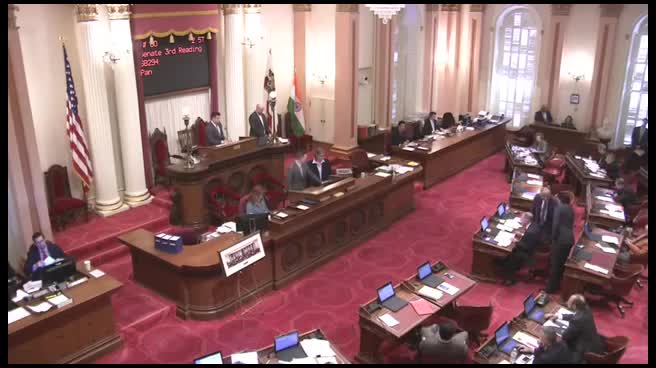 4MIN
Senate Floor
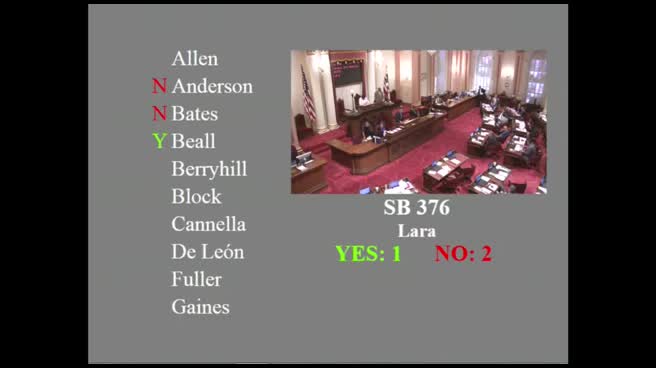 4MIN
Senate Floor
 20MIN
Senate Standing Committee on Governance and Finance


Bill Co-Author(s):