SB 871: California Collaborative for Educational Excellence: professional development training: pilot program.
- Session Year: 2015-2016
- House: Senate
- Latest Version Date: 2016-05-31
Existing law, on or before July 1, 2014, requires the governing board of each school district and each county board of education to adopt a local control and accountability plan and requires the governing board of each school district and each county board of education to update its local control and accountability plan on or before July 1 of each year. Existing law requires the local control and accountability plan to include certain elements, and requires the charter for a charter school to include some of those same elements. Existing law requires the State Board of Education, on or before October 1, 2016, to adopt evaluation rubrics to, among other things, assist a school district, county office of education, or charter school in evaluating its strengths, weaknesses, and areas that require improvement. Existing law establishes the California Collaborative for Educational Excellence for purposes of advising and assisting school districts, county superintendents of schools, and charter schools in achieving the goals set forth in a local control and accountability plan.
This bill would require the collaborative, commencing with the 201617 fiscal year, to establish a statewide infrastructure process to provide professional development training to school districts, county offices of education, and charter schools for the purpose of successfully utilizing the evaluation rubrics adopted by the state board. board and would encourage school districts, county offices of education, and charter schools that participate in professional development training to include in the training all stakeholders that are involved in the development of a local control and accountability plan, as provided. The bill would require the professional development training to include, among other things, information on how the evaluation rubrics are used for the development and implementation of the local control and accountability plans and those similar elements in charter petitions, and information on how the evaluation rubrics will be used, in conjunction with local control and accountability plans, to establish a system of continuous improvement. The bill would require the collaborative to ensure that the professional development training is provided in each region of the state and is available to all school districts, county offices of education, and charter schools. The bill would require the collaborative to submit an implementation plan to the relevant policy and fiscal committees of the Legislature, the Director of Finance, and the Legislative Analysts Office within 30 days of the state boards adoption of the evaluation rubrics, as specified. The bill also would require the collaborative, during the 201718 fiscal year, to conduct a survey of school districts, county offices of education, and charter schools on how they used the evaluation rubrics. The bill would authorize the collaborative to contract with one or more entities to develop, administer, monitor, and analyze the survey.
The bill would require the collaborative, during the 201617 and 201718 fiscal years, to implement a pilot program that will inform its long-term efforts to advise and assist school districts, county superintendents of schools, and charter schools in improving pupil outcomes. The bill would require the Superintendent of Public Instruction to assign the collaborative to assist school districts, county offices of education, and charter schools in the pilot program, as provided, but participation in the pilot program by a local educational agency would be voluntary. The bill would require the governing board of the collaborative to submit to the relevant policy and fiscal committees of the Legislature, the Director of Finance, and the Legislative Analysts Office, an implementation plan for the pilot program on or before August 15, 2016, as specified, and a report about lessons learned from the pilot program and its implications for the ongoing work of the collaborative on or before November 1, 2018.
The bill would make the implementation of its provisions contingent upon funds being appropriated for its purposes in the annual Budget Act or another enacted statute.
Existing law, on or before July 1, 2014, requires the governing board of each school district and each county board of education to adopt a local control and accountability plan and requires the governing board of each school district and each county board of education to update its local control and accountability plan on or before July 1 of each year. Existing law requires the local control and accountability plan to include certain elements, and requires the charter for a charter school to include some of those same elements. Existing law requires the State Board of Education, on or before October 1, 2016, to adopt evaluation rubrics to, among other things, assist a school district, county office of education, or charter school in evaluating its strengths, weaknesses, and areas that require improvement. Existing law establishes the California Collaborative for Educational Excellence for purposes of advising and assisting school districts, county superintendents of schools, and charter schools in achieving the goals set forth in a local control and accountability plan.
This bill would require the collaborative, commencing with the 201617 fiscal year, to establish a statewide infrastructure to provide professional development training to school districts, county offices of education, and charter schools for the purpose of successfully implementing utilizing the evaluation rubrics adopted by the state board. The bill would require the professional development training to include, among other things, information of on how the evaluation rubrics are used for the development and implementation of the local control and accountability plans and those similar elements in charter petitions, and information on how the evaluation rubrics will be used, in conjunction with local control and accountability plans, to establish a system of continuous improvement. The bill would require the collaborative to ensure that the professional development training is provided in each region of the state and is available to all school districts, county offices of education, and charter schools. The bill would require the collaborative to submit an implementation plan to the relevant policy and fiscal committees of the Legislature, the Director of Finance, and the Legislative Analysts Office within 30 days of the state boards adoption of the evaluation rubrics, as specified. The bill also would require the collaborative, during the 201718 fiscal year, to conduct a survey of school districts, county offices of education, and charter schools on how they used the evaluation rubrics.
The bill would require the collaborative, during the 201617 and 201718 fiscal years, to implement a pilot program that will inform its long-term efforts to advise and assist school districts, county superintendents of schools, and charter schools in improving pupil achievement. outcomes. The bill would require the Superintendent of Public Instruction to assign the collaborative to assist school districts, county offices of education, and charter schools in the pilot program, as provided, but participation in the pilot program by a local educational agency would be voluntary. The bill would require the governing board of the collaborative to submit to the relevant policy and fiscal committees of the Legislature, the Director of Finance, and the Legislative Analysts Office, an implementation plan by for the pilot program on or before August 15, 2016, as specified, and a report about lessons learned from the pilot program and its implications for the ongoing work of the collaborative by on or before November 1, 2018.
The bill would make the implementation of its provisions contingent upon funds being appropriated for its purposes in the annual Budget Act or another enacted statute.
Existing law, on or before July 1, 2014, requires the governing board of each school district and each county board of education to adopt a local control and accountability plan and requires the governing board of each school district and each county board of education to update its local control and accountability plan on or before July 1 of each year. Existing law requires the local control and accountability plan to include certain elements, and requires the charter for a charter school to include some of those same elements. Existing law requires the State Board of Education, on or before October 1, 2016, to adopt evaluation rubrics to, among other things, assist a school district, county office of education, or charter school in evaluating its strengths, weaknesses, and areas that require improvement. Existing law establishes the California Collaborative for Educational Excellence for purposes of advising and assisting school districts, county superintendents of schools, and charter schools in achieving the goals set forth in a local control and accountability plan.
This bill would require the collaborative, commencing with the 201617 fiscal year, to establish a statewide infrastructure to provide professional development training to school districts, county offices of education, and charter schools for the purpose of successfully implementing the evaluation rubrics adopted by the state board. The bill would require the professional development training to include, among other things, information of how the evaluation rubrics are used for the development and implementation of the local control and accountability plans and those similar elements in charter petitions, and information on how the evaluation rubrics will be used, in conjunction with local control and accountability plans, to establish a system of continuous improvement. The bill would require the collaborative to ensure that the professional development training is provided in each region of the state and is available to all school districts, county offices of education, and charter schools. The bill also would require the collaborative, during the 201718 fiscal year, to conduct a survey of school districts, county offices of education, and charter schools on how they used the evaluation rubrics.
The bill would require the collaborative, during the 201617 and 201718 fiscal years, to implement a pilot program that will inform its long-term efforts to advise and assist school districts, county superintendents of schools, and charter schools in improving pupil achievement. The bill would require the Superintendent of Public Instruction to assign the collaborative to assist school districts, county offices of education, and charter schools in the pilot program, as provided, but participation in the pilot program by a local educational agency would be voluntary. The bill would require the governing board of the collaborative to submit to the relevant policy and fiscal committees of the Legislature, the Director of Finance, and the Legislative Analysts Office, an implementation plan by on or before August 15, 2016, as specified, and a report about lessons learned from the pilot program and its implications for the ongoing work of the collaborative by on or before November 1, 2018.
The bill would make the implementation of its provisions contingent upon funds being appropriated for its purposes in the annual Budget Act or another enacted statute.
(a)(1)Commencing with the 201617 fiscal year, the California Collaborative for Educational Excellence shall establish a statewide infrastructure process to provide professional development training to school districts, county offices of education, and charter schools for the purpose of successfully utilizing the evaluation rubrics adopted by the state board pursuant to Section 52064.5.
(2)School districts, county offices of education, and charter schools that participate in professional development training are encouraged to include in the training all stakeholders that are involved in the development of a local control and accountability plan, including, but not limited to, teachers, principals, administrators, other school personnel, local bargaining units of the school district or county office of education, parents, pupils, and members of the community, as required pursuant to subdivision (e) of Section 47606.5, subdivision (g) of Section 52060, Section 52062, subdivision (g) of Section 52066, and Section 52068.
(b)The professional development training shall include, but shall not be limited to, all of the following:
(1)Information on how the evaluation rubrics are used for the development and implementation of the local control and accountability plans required pursuant to Sections 52060 and 52066, and the requirements of subparagraph (A) of paragraph (5) of subdivision (b) of Section 47605 and subparagraph (A) of paragraph (5) of subdivision (b) of Section 47605.6.
(2)Information on how the evaluation rubrics will be used to improve pupil outcomes, with emphasis on closing the achievement gap for unduplicated pupils, as defined in Section 42238.02, and the pupil subgroups identified in Section 52052.
(3)The role of statewide and local data in using the evaluation rubrics to inform the development of local control and accountability plans and to communicate with stakeholders.
(4)Information on how the evaluation rubrics will be used, in conjunction with local control and accountability plans, to establish a system of continuous improvement, as identified in subdivision (c) of Section 52064.5.
(c)The California Collaborative for Educational Excellence shall ensure that the professional development training is provided in each region of the state and available to all school districts, county offices of education, and charter schools. The California Collaborative for Educational Excellence may contract with one or more entities to provide the professional development training.
(d)(1)The California Collaborative for Educational Excellence shall submit an implementation plan to the relevant policy and fiscal committees of the Legislature, the Director of Finance, and the Legislative Analysts Office within 30 days of the state boards adoption of the evaluation rubrics. The plan shall include relevant expenditure and provider information, and a timeline to commence training by no later than October 15, 2016.
(2)The implementation plan shall also include information on how the California Collaborative for Educational Excellence will determine the appropriate sequence of which local educational agencies will receive the professional development training.
(e)(1)During the 201718 fiscal year, the California Collaborative for Educational Excellence shall conduct a survey of school districts, county offices of education, and charter schools on how they used the evaluation rubrics to develop and implement their most recent local control and accountability plan, or meet the requirements of subparagraph (A) of paragraph (5) of subdivision (b) of Section 47605 or subparagraph (A) of paragraph (5) of subdivision (b) of Section 47605.6, as applicable.
(2)The California Collaborative for Educational Excellence may contract with one or more entities to develop, administer, monitor, and analyze the survey.
(f)This section shall not be implemented unless funding is provided for its purposes in the annual Budget Act or another enacted statute.
SEC. 2.Section 52074.6 is added to the Education Code, to read:52074.6.(a)(1)During the 201617 and 201718 fiscal years, the California Collaborative for Educational Excellence shall implement a pilot program that will inform its long-term efforts to advise and assist school districts, county superintendents of schools, and charter schools in improving pupil outcomes pursuant to Section 52074.
(2)It is the intent of the Legislature that this pilot program be used to advise the governing board of the California Collaborative for Educational Excellence in their efforts to provide research based, quality advice and assistance to local educational agencies. Nothing in this section prohibits the California Collaborative for Educational Excellence from continuing to meet the requirements of Section 52074 in the 201617 fiscal year or in future fiscal years.
(b)On or before August 15, 2016, the governing board of the California Collaborative for Educational Excellence shall submit a plan for implementing the pilot program to the relevant policy and fiscal committees of the Legislature, the Director of Finance, and the Legislative Analysts Office. At a minimum, the plan shall describe all of the following:
(1)The goals of the pilot program, including, but not limited to, improving pupil outcomes related to the state priorities identified in Sections 52060 and 52066.
(2)The major implementation activities of the pilot program and the means for assessing whether the goals are met.
(3)An implementation timeline and a program budget, with anticipated expenditures and funding sources.
(c)(1)The Superintendent shall assign the California Collaborative for Educational Excellence to assist school districts, county offices of education, and charter schools in the pilot program. In making those assignments, the Superintendent shall consider input from the collaborative and any requests from school districts, county superintendents of schools, or charter schools to participate in the pilot program.
(2)To the extent possible, the pilot program shall include school districts, county offices of education, and charter schools from urban, suburban, and rural areas representing all regions of the state, as well as those with enrollment of unduplicated pupils, as defined in Section 42238.02, and the pupil subgroups identified in Section 52052.
(3)Participation by a local educational agency in the pilot program is voluntary and, notwithstanding Sections 52071 and 52071.5, participating local educational agencies shall not pay for any assistance provided pursuant to the pilot program.
(d)On or before November 1, 2018, the governing board of the California Collaborative for Educational Excellence shall report to the relevant policy and fiscal committees of the Legislature, the Director of Finance, and the Legislative Analysts Office about lessons learned from the pilot program and its implications for the ongoing work of the California Collaborative for Educational Excellence.
(e)This section shall not be implemented unless funding is provided for its purposes in the annual Budget Act or another enacted statute.
(a)Commencing with the 201617 fiscal year, the California Collaborative for Educational Excellence shall establish a statewide infrastructure to provide professional development training to school districts, county offices of education, and charter schools for the purpose of successfully implementing utilizing the evaluation rubrics adopted by the state board pursuant to Section 52064.5.
(b)The professional development training shall include, but shall not be limited to, all of the following:
(1)Information of on how the evaluation rubrics are used for the development and implementation of the local control and accountability plans required pursuant to Sections 52060 and 52066, and the requirements of subparagraph (A) of paragraph (5) of subdivision (b) of Section 47605 and subparagraph (A) of paragraph (5) of subdivision (b) of Section 47605.6.
(2)Information on how the evaluation rubrics will be used to increase academic achievement, improve pupil outcomes, with emphasis on closing the achievement gap for unduplicated pupils, as defined in Section 42238.02, and the pupil subgroups identified in Section 52052.
(3)The role of statewide and local data in using the evaluation rubrics to inform the development of local control and accountability plans and to communicate with stakeholders.
(4)Information on how the evaluation rubrics will be used, in conjunction with local control and accountability plans, to establish a system of continuous improvement, as identified in subdivision (c) of Section 52064.5.
(c)The California Collaborative for Educational Excellence shall ensure that the professional development training is provided in each region of the state and available to all school districts, county offices of education, and charter schools. The California Collaborative for Educational Excellence may contract with one or more entities to provide the professional development training.
(d)(1)The California Collaborative for Educational Excellence shall submit an implementation plan to the relevant policy and fiscal committees of the Legislature, the Director of Finance, and the Legislative Analysts Office on or before August 15, 2016. within 30 days of the state boards adoption of the evaluation rubrics. The plan shall include relevant expenditure and provider information, and a timeline to commence training by no later than October 1, 15, 2016.
(2)The implementation plan shall also include information on how the California Collaborative for Educational Excellence will determine the appropriate sequence of which local educational agencies will receive the professional development training.
(e)During the 201718 fiscal year, the California Collaborative for Educational Excellence shall conduct a survey of school districts, county offices of education, and charter schools on how they used the evaluation rubrics to develop and implement their most recent local control and accountability plan, or meet the requirements of subparagraph (A) of paragraph (5) of subdivision (b) of Section 47605 or subparagraph (A) of paragraph (5) of subdivision (b) of Section 47605.6, as applicable.
(f)This section shall not be implemented unless funding is provided for its purposes in the annual Budget Act or another enacted statute.
SEC. 2.Section 52074.6 is added to the Education Code, to read:52074.6.(a)(1)During the 201617 and 201718 fiscal years, the California Collaborative for Educational Excellence shall implement a pilot program that will inform its long-term efforts to advise and assist school districts, county superintendents of schools, and charter schools in improving pupil achievement outcomes pursuant to Section 52074.
(2)It is the intent of the Legislature that this pilot program be used to advise the governing board of the California Collaborative for Educational Excellence in their efforts to provide research based, quality advice and assistance to local educational agencies. Nothing in this section prohibits the California Collaborative for Educational Excellence from continuing to meet the requirements of Section 52074 in the 201617 fiscal year or in future fiscal years.
(b)On or before August 15, 2016, the governing board of the California Collaborative for Educational Excellence shall submit a plan for implementing the pilot program to the relevant policy and fiscal committees of the Legislature, the Director of Finance, and the Legislative Analysts Office. At a minimum, the plan shall describe all of the following:
(1)The goals of the pilot program, including, but not limited to, improving pupil outcomes related to the state priorities identified in Sections 52060 and 52066.
(2)The major implementation activities of the pilot program and the means for assessing whether the goals are met.
(3)An implementation timeline and a program budget, with anticipated expenditures and funding sources.
(c)(1)The Superintendent shall assign the California Collaborative for Educational Excellence to assist school districts, county offices of education, and charter schools in the pilot program. In making those assignments, the Superintendent shall consider input from the collaborative and any requests from school districts, county superintendents of schools, or charter schools to participate in the pilot program.
(2)To the extent possible, the pilot program shall include school districts, county offices of education, and charter schools from urban, suburban, and rural areas representing all regions of the state, as well as those with enrollment of unduplicated pupils, as defined in Section 42238.02, and the pupil subgroups identified in Section 52052.
(3)Participation by a local educational agency in the pilot program is voluntary and, notwithstanding Sections 52071 and 52071.5, participating local educational agencies shall not pay for any assistance provided pursuant to the pilot program.
(d)On or before November 1, 2018, the governing board of the California Collaborative for Educational Excellence shall report to the relevant policy and fiscal committees of the Legislature, the Department Director of Finance, and the Legislative Analysts Office about lessons learned from the pilot program and its implications for the ongoing work of the California Collaborative for Educational Excellence.
(e)This section shall not be implemented unless funding is provided for its purposes in the annual Budget Act or another enacted statute.
(a)Commencing with the 201617 fiscal year, the California Collaborative for Educational Excellence shall establish a statewide infrastructure to provide professional development training to school districts, county offices of education, and charter schools for the purpose of successfully implementing the evaluation rubrics adopted by the state board pursuant to Section 52064.5.
(b)The professional development training shall include, but shall not be limited to, all of the following:
(1)Information of how the evaluation rubrics are used for the development and implementation of the local control and accountability plans required pursuant to Sections 52060 and 52066, and the requirements of subparagraph (A) of paragraph (5) of subdivision (b) of Section 47605 and subparagraph (A) of paragraph (5) of subdivision (b) of Section 47605.6.
(2)Information on how the evaluation rubrics will be used to increase academic achievement, with emphasis on closing the achievement gap for unduplicated pupils, as defined in Section 42238.02, and the pupil subgroups identified in Section 52052.
(3)The role of statewide and local data in using the evaluation rubrics to inform the development of local control and accountability plans and to communicate with stakeholders.
(4)Information on how the evaluation rubrics will be used, in conjunction with local control and accountability plans, to establish a system of continuous improvement, as identified in subdivision (c) of Section 52064.5.
(c)The California Collaborative for Educational Excellence shall ensure that the professional development training is provided in each region of the state and available to all school districts, county offices of education, and charter schools. The California Collaborative for Educational Excellence may contract with one or more entities to provide the professional development training.
(d)The California Collaborative for Educational Excellence shall submit an implementation plan to the relevant policy and fiscal committees of the Legislature, the Director of Finance, and the Legislative Analysts Office on or before August 15, 2016. The plan shall include relevant expenditure and provider information, and a timeline to commence training by no later than October 1, 2016.
(e)During the 201718 fiscal year, the California Collaborative for Educational Excellence shall conduct a survey of school districts, county offices of education, and charter schools on how they used the evaluation rubrics to develop and implement their most recent local control and accountability plan, or meet the requirements of subparagraph (A) of paragraph (5) of subdivision (b) of Section 47605 or subparagraph (A) of paragraph (5) of subdivision (b) of Section 47605.6, as applicable.
(f)This section shall not be implemented unless funding is provided for its purposes in the annual Budget Act or another enacted statute.
SEC. 2.Section 52074.6 is added to the Education Code, to read:52074.6.(a)(1)During the 201617 and 201718 fiscal years, the California Collaborative for Educational Excellence shall implement a pilot program that will inform its long-term efforts to advise and assist school districts, county superintendents of schools, and charter schools in improving pupil achievement pursuant to Section 52074.
(2)It is the intent of the Legislature that this pilot program be used to advise the governing board of the California Collaborative for Educational Excellence in their efforts to provide research-based, quality advice and assistance to local educational agencies. Nothing in this section prohibits the California Collaborative for Educational Excellence from continuing to meet the requirements of Section 52074 in the 201617 fiscal year or in future fiscal years.
(b)On or before August 15, 2016, the governing board of the California Collaborative for Educational Excellence shall submit a plan for implementing the pilot program to the relevant policy and fiscal committees of the Legislature, the Director of Finance, and the Legislative Analysts Office. At a minimum, the plan shall describe all of the following:
(1)The goals of the pilot program, including, but not limited to, improving pupil outcomes related to the state priorities identified in Sections 52060 and 52066.
(2)The major implementation activities of the pilot program and the means for assessing whether the goals are met.
(3)An implementation timeline and a program budget, with anticipated expenditures and funding sources.
(c)(1)The Superintendent shall assign the California Collaborative for Educational Excellence to assist school districts, county offices of education, and charter schools in the pilot program. In making those assignments, the Superintendent shall consider input from the collaborative and any requests from school districts, county superintendents of schools, or charter schools to participate in the pilot program.
(2)To the extent possible, the pilot program shall include school districts, county offices of education, and charter schools from urban, suburban, and rural areas representing all regions of the state, as well as those with enrollment of unduplicated pupils, as defined in Section 42238.02, and the pupil subgroups identified in Section 52052.
(3)Participation by a local educational agency in the pilot program is voluntary and, notwithstanding Sections 52071 and 52071.5, participating local educational agencies shall not pay for any assistance provided pursuant to the pilot program.
(d)On or before November 1, 2018, the governing board of the California Collaborative for Educational Excellence shall report to the relevant policy and fiscal committees of the Legislature, the Department of Finance, and the Legislative Analysts Office about lessons learned from the pilot program and its implications for the ongoing work of the California Collaborative for Educational Excellence.
(e)This section shall not be implemented unless funding is provided for its purposes in the annual Budget Act or another enacted statute.
|
Date
|
Status
|
|---|---|
| May 20, 2016 | Set for hearing May 27. |
| Jun 22, 2016 | June 22 set for first hearing canceled at the request of author. |
| Jun 9, 2016 | Referred to Com. on ED. |
| Jun 2, 2016 | In Assembly. Read first time. Held at Desk. |
| Jun 1, 2016 | Read third time. Passed. (Ayes 39. Noes 0.) Ordered to the Assembly. |
| Jun 1, 2016 | Read third time. Passed. (Ayes 39. Noes 0. Page 4090.) Ordered to the Assembly. |
| May 31, 2016 | Read second time and amended. Ordered to third reading. |
| May 27, 2016 | From committee: Do pass as amended. (Ayes 6. Noes 1.) (May 27). |
| May 27, 2016 | From committee: Do pass as amended. (Ayes 6. Noes 1. Page 3998.) (May 27). |
| Jan 14, 2016 | Introduced. Read first time. To Com. on RLS. for assignment. To print. |
| Apr 11, 2016 | April 11 hearing: Placed on APPR. suspense file. |
| Apr 1, 2016 | Set for hearing April 11. |
| Mar 15, 2016 | Read second time and amended. Re-referred to Com. on APPR. |
| Mar 14, 2016 | From committee: Do pass as amended and re-refer to Com. on APPR. (Ayes 8. Noes 0. Page 3200.) (March 9). |
| Feb 25, 2016 | Set for hearing March 9. |
| Jan 28, 2016 | Referred to Com. on ED. |
| Jan 15, 2016 | From printer. May be acted upon on or after February 14. |
|
Date
|
Description
|
Location
|
Votes
|
|
|---|---|---|---|---|
| Jun 1, 2016 | Senate 3rd Reading SB871 Liu | Senate Floor |
Passed |
|
| May 27, 2016 | Do pass as amended | Senate Standing Committee on Appropriations |
Passed |
|
| Apr 11, 2016 | Placed on suspense file | Senate Standing Committee on Appropriations |
Passed |
|
| Mar 9, 2016 | Do pass as amended, but first amend, and re-refer to the Committee on [Appropriations] | Senate Standing Committee on Education |
Passed |
This list shows positions taken on this bill by organizations on the date displayed, which is linked to the original source.
Positions by individuals are not included.
|
Organization
|
Position
|
Date
|
|---|---|---|
| Association Of California School Administrators | * Support | Mar 9, 2016 |
| California Association Of School Business Officials | ** Support | Jun 1, 2016 |
| California Federation Of Teachers | ** Support | Jun 1, 2016 |
| Edvoice | ** Support | Mar 9, 2016 |
| Los Angeles County Office Of Education | ** Support | Jun 1, 2016 |
| Los Angeles Unified School District | ** Support | Jun 1, 2016 |
| Public Advocates | ** Support | Jun 1, 2016 |
| u None received. | ** Against | Mar 9, 2016 |
Office of Senate Floor Analyses (916) 651-1520 Fax: (916) 327-4478 | SB |
THIRD READING
Bill No: SB 871
:
SENATE EDUCATION COMMITTEE: 8-0, 3/9/16
AYES: Liu, Block, Hancock, Leyva, Mendoza, Monning, Pan, Vidak
NO VOTE RECORDED: Runner
SENATE APPROPRIATIONS COMMITTEE: 6-1, 5/27/16
AYES: Lara, Bates, Beall, Hill, McGuire, Mendoza
NOES: Nielsen
DIGEST: This bill requires the California Collaborative for Educational Excellence to establish a statewide infrastructure to implement a pilot program of technical assistance to inform its long-term efforts to advise and assist local educational agencies (LEAs) in improving student achievement, and to provide professional development to LEAs.
Existing law:
- Establishes the California Collaborative for Educational Excellence (CCEE) for the purpose of advising and assisting school districts, county superintendent of schools, and charter schools in achieving the goals set forth in a local control and accountability plan (LCAP). (Education Code § 52074)
- Authorizes the Superintendent of Public Instruction (SPI) to direct the CCEE to advise and assist a school district, county superintendent of schools, or charter school in any of the following circumstances:
- If the governing board of a school district, county board of education, or governing body or a charter school requests the advice and assistance of the CCEE.
- If the county superintendent of schools determines, following the provision of technical assistance, that the advice and assistance of the CCEE is necessary to help the district or charter school accomplish the goals described in the LCAP.
- If the SPI determines that the advice and assistance of the CCEE is necessary to help the school district, county superintendent of schools, or charter school accomplish the goals set forth in the LCAP. (EC § 52074)
- Requires the State Board of Education (SBE) to adopt evaluation rubrics, by October 1, 2016, for all of the following purposes:
- To assist a school district, county office of education or charter school in evaluating its strengths, weaknesses, and areas that require improvement.
- To assist a county superintendent of schools in identifying school districts and charter schools in need of technical assistance, and the specific priorities upon which the technical assistance should be focused.
- To assist the SPI in identifying school districts for which intervention is warranted. (EC § 52064.5)
- Requires the evaluation rubrics to reflect a holistic, multidimensional assessment of school districts and individual schoolsite performance and include all of the state priorities. Existing law requires, as part of the evaluation rubrics, the SBE to adopt standards for school district and individual schoolsite performance and expectations for improvement in regard to each of the state priorities. (EC § 52064.5)
This bill:
Pilot program
- Requires the CCEE, during the 2016-17 and 2017-18 fiscal years, to implement a pilot program that will inform its long-term efforts to advise and assist school districts, county superintendents of schools, and charter schools in improving student outcomes.
- Requires the SPI to assign the CCEE to assist school districts, county offices of education, and charter schools in the pilot program. This bill requires the SPI, in making those assignments, to consider input from the CCEE and any requests from school districts, county superintendents of schools, or charter schools to participate in the pilot program.
- Provides that participation by an LEA in the pilot program is voluntary and participating LEAs shall not pay for any assistance provided pursuant to the pilot program (notwithstanding existing law that requires LEAs to pay for assistance provided by the CCEE).
- Requires the governing board of the CCEE, by August 15, 2016, to submit a plan for implementing the pilot program to the relevant policy and fiscal committees of the Legislature, the Director of Finance, and the Legislative Analyst’s Office.
- Requires the implementation plan to describe, at a minimum, all of the following:
- The goals of the pilot program, including but not limited to, improving student outcomes related to the state priorities.
- The major implementation activities of the pilot program and the means for assessing whether the goals are met.
- An implementation timeline and a program budget, with anticipated expenditures and funding sources.
- Requires the pilot program, to the extent possible, to include school districts, county offices of education, and charter schools from urban, suburban, and rural areas representing all regions of the state, as well as those with enrollment of unduplicated students and the student subgroups.
- Requires the governing board of the CCEE, by November 1, 2018, to report to the relevant policy and fiscal committees of the Legislature, the Director of Finance, and the Legislative Analyst’s Office about lessons learned from the pilot program and its implications of the ongoing work of the CCEE.
- States legislative intent that the pilot program be used to advise the governing board of the CCEE in their efforts to provide research-based, quality advice and assistance to LEAs.
- Provides that nothing in this bill prohibits the CCEE from continuing to meet the requirements of existing law (advising and assisting LEAs) in the 2016-17 fiscal year or in future fiscal years.
Professional development
- Requires the CCEE, beginning with the 2016-17 school year, to establish a statewide process to provide professional development training to school districts, county offices of education, and charter schools.
- States that the purpose of the professional development is to successfully utilize the evaluation rubrics, and encourages participating LEAs to include in the training all stakeholders that are involved in the development of a LCAP, as specified.
- Requires the professional development training to include, but not be limited to, all of the following:
- Information on how the evaluation rubrics are used for the development and implementation of the LCAPs, and the related requirements for charter schools.
- Information on how the evaluation rubrics will be used to improve student outcomes, with emphasis on closing the achievement gap for unduplicated students and the student subgroups.
- The role of statewide and local data in using the evaluation rubrics to inform the development of LCAPs and to communicate with stakeholders.
- Information on how the evaluation rubrics will be used, in conjunction with LCAPs, to establish a system of continuous improvement.
- Requires the CCEE to submit an implementation plan to the relevant policy and fiscal committees of the Legislature, the Director of Finance, and the Legislative Analyst’s Office, within 30 days of adoption of the evaluation rubrics by the SBE.
- Requires the implementation plan to include relevant expenditure and provider information, and a timeline to begin training, by October 15, 2016, and requires the implementation plan to include information on how the CCEE will determine the appropriate sequence of which local educational agencies will receive the professional development training.
- Requires the CCEE to ensure that the professional development training is provided in each region of the state and available to all school districts, county offices of education, and charter schools.
- Authorizes the CCEE to contract with one or more entities to provide the professional development training.
- Requires the CCEE to conduct a survey of school districts, county offices of education, and charter schools on how they used the evaluation rubrics to develop and implement their LCAPs, or meet the related requirements for charter schools. This bill authorizes the CCEE to contract with one or more entities to develop, administer, monitor, and analyze the survey.
Both provisions of this bill
- Provides that the professional development provisions and pilot program provisions of this bill are not to be implemented unless funding is providing for those purposes in the annual Budget Act or another enacted statute.
Comments
Need for the bill. According to the author, “The exact details of the state’s new accountability system have not been finalized, yet major themes have been determined, including ensuring the new system emphasizes a culture of continuous support and on-going learning. In order to build a strong accountability infrastructure, the state must make strategic investments to build local and state capacity to support a culture of continuous improvement. The CCEE is in the initial stages of organization and the evaluation rubrics are not yet completed, but some schools know they need assistance now. This is a perfect opportunity for the CCEE to pilot technical assistance delivery, which will in turn better inform development of a statewide system of technical assistance.
“Some school districts and county offices of education faced challenges in in developing their LCAPs. The evaluation rubrics now being developed by the State Board of Education (SBE) should be used to drive updates to LCAPs and as a basis for establishing systems of continuous improvement. Schools need ways to capitalize on lessons learned and share best practices to accelerate learning. The State needs to provide a system of professional development for both county and school personnel to ensure they have the tools necessary to use data, the evaluation rubrics and their local control and accountability plans (LCAPs) to implement a system of continuous improvement.”
Role of the Collaborative. Existing law authorizes the SP) to direct the CCEE to advise and assist a school district, county superintendent of schools, or charter school in specific circumstances, including when an LEA requests the advice and assistance of the CCEE. While existing law provides that LEAs may request the advice and assistance of the CCEE, this bill establishes a pilot program to enable the CCEE to begin to assist LEAs and to inform its long-term work to provide technical assistance on a statewide basis. Existing law provides that a school district or county board of education that requests technical assistance is to be paid for by the requesting LEA. This bill provides that volunteering LEAs do not have to pay for the advice and assistance of the CCEE.
FISCAL EFFECT: Appropriation: Fiscal Com.: Local:
According to the Senate Appropriations Committee analysis, this bill would impose costs pressure in the low to mid tens of millions over the 2016-17 and 2017-18 fiscal years depending on the level of services provided to LEAs (Proposition 98). The Collaborative roughly estimates costs to be $23.5 million in the 2016-17 fiscal year and $24.5 million in the 2017-18 fiscal year, though if this bill were enacted, the actual implementation of its requirements could take numerous forms, thus changing the costs incurred.
Staff notes that the Senate Budget Subcommittee on Education recently acted to provide $45 million in one-time Proposition 98 funding to the California Collaborative for Educational Excellence to conduct statewide training on the evaluation rubrics and their use to inform the local control and accountability plan with a focus on improving student outcomes and closing the achievement gap. The funds would also be used to establish a pilot program to provide technical assistance and support to LEAs that volunteer to participate.
California Association of School Business Officials
California Federation of Teachers
Los Angeles County Office of Education
Los Angeles Unified School District
Public Advocates
OPPOSITION: (Verified 5/27/16)
None received
6/1/16 8:31:38
**** END ****
SENATE COMMITTEE ON APPROPRIATIONS
Senator Ricardo Lara, Chair
2015 - 2016 Regular Session
SB 871 (Liu) - California Collaborative for Educational Excellence: professional development training: pilot program
Version: March 15, 2016 | Policy Vote: ED. 8 - 0 |
Urgency: No | Mandate: No |
Hearing Date: May 27, 2016 | Consultant: Jillian Kissee |
Bill Summary:
Contingent upon funding provided in the budget or another enacted statute, this bill requires the California Collaborative for Educational Excellence (Collaborative) to establish a statewide infrastructure to provide professional development training to local educational agencies (LEAs) to successfully implement forthcoming evaluation rubrics to be adopted by the State Board of Education. In addition, it requires the Collaborative to implement a pilot program that will inform its long-term efforts to advise and assist LEAs in achieving the goals set forth in their local control and accountability plans.
*********** ANALYSIS ADDENDUM – SUSPENSE FILE ***********
The following information is revised to reflect amendments
adopted by the committee on May 27, 2016
Fiscal Impact:
Costs pressure in the mid tens of millions over the 2016-17 and 2017-18 fiscal years. Costs would ultimately depend upon the level of services provided to LEAs. (Proposition 98)
Author Amendments:
Amend per author to encourage inclusion of stakeholders, as specified, in training; provide contracting-out authority to administer the survey; and make other technical amendments.
-- END --
SENATE COMMITTEE ON
Senator Ricardo Lara, Chair
2015 - 2016 Regular Session
SB 871 (Liu) - California Collaborative for Educational Excellence: professional development training: pilot program
Version: | Policy Vote: |
Urgency: | Mandate: |
Hearing Date: | Consultant: |
This bill meets the criteria for referral to the Suspense File.
Bill Summary:
Contingent upon funding provided in the budget or another enacted statute, this bill requires the California Collaborative for Educational Excellence (Collaborative) to establish a statewide infrastructure to provide professional development training to local educational agencies (LEAs) to successfully implement forthcoming evaluation rubrics to be adopted by the State Board of Education (Board). In addition, it requires the Collaborative to implement a pilot program that will inform its long-term efforts to advise and assist LEAs in achieving the goals set forth in their local control and accountability plans (LCAP).
Fiscal Impact:
Costs pressure in the low to mid tens of millions over the 2016-17 and 2017-18 fiscal years depending on the level of services provided to LEAs. (Proposition 98) (See Staff Comments)
Background:
The Budget Act of 2013 established a new formula to allocate funding to LEAs. The formula consolidated most of the state’s numerous separate funding streams for prescribed purposes and removed most of these funding restrictions. The formula instead allocates additional funding beyond the base amount, based on the number and concentration of English learners, low income students, and foster youth. In addition to a new formula, the budget established a new system for school accountability. Under this system, the Board was charged with developing and adopting an LCAP template which LEAs must complete describing an LEA’s annual goals and progress towards achieving goals in eight state priority areas.
The Board is also required to adopt evaluation rubrics by October 1, 2016 to assist LEAs in evaluating their own strengths, weaknesses, and areas that require improvement and for county offices of education in identifying school districts and charter schools in need of technical assistance. The rubrics will also assist the California Department of Education in identifying school districts for which intervention is warranted.
The new accountability system also establishes an entity to provide support and intervention through the Collaborative. Its purpose is to provide advice and assistance to LEAs to achieve the goals specified in their LCAPs. Existing law requires, at the direction of the Collaborative, the fiscal agent to contract with individuals, LEAs, or organizations with the expertise, experience, and a record of success to assist LEAs in meeting their goals.
In addition to the significant changes in the state accountability system, changes at the federal level through the recent enactment of the federal Every Student Succeeds Act (ESSA) provide an opportunity to create a coherent accountability system and one of continuous improvement. According to the Board’s March 2016 meeting, each part of the emerging system will align with the LCFF to support continuous learning and improvement, equity, and transparency. According to the Collaborative’s February board meeting, Title I of the ESSA requires a seven percent increase in the required set-aside of federal funds for school improvement interventions and technical assistance.
Proposed Law:
This bill requires, beginning in the 2016-17 fiscal year, the Collaborative to establish a statewide infrastructure to provide professional development training to LEAs so that the evaluation rubrics adopted by the Board, are used successfully. The Collaborative is required to ensure that this training is provided in each region of the state and available to all LEAs. The Collaborative is required to submit an implementation plan, including a timeline to commence training no later than October 15, 2016 and relevant expenditure and provider information, to the Legislature, Director of Finance, and the Legislative Analyst’s Office within 30 days of the Board’s adoption of the evaluation rubrics.
This bill also requires the Collaborative to implement a pilot program that will inform its long-term efforts to advise and assist LEAs in achieving the goals set forth in their LCAPs, consistent with its purpose outlined in existing law. The Superintendent is required to assign the Collaborative to assist LEAs in the pilot program. The bill specifies the Legislature’s intent that this pilot program be used to advise the Collaborative in their efforts to provide research-based, quality advice and assistance to LEAs. The Collaborative is required to submit an implementation plan that includes the goals of the pilot, a timeline, and a program budget, to the Legislature, Director of Finance, and the Legislative Analyst’s Office by August 15, 2016. By November 1, 2018, the Collaborative is required to report on lessons learned from the pilot program.
Finally, this bill also requires the Collaborative to conduct a survey in the 2017-18 fiscal year on how LEAs used evaluation rubrics to develop and implement their most recent LCAP. Implementation of this bill is contingent upon funding provided in the annual state budget or another enacted statute.
Staff Comments:
The Collaborative roughly estimates costs to be $23.5 million in the 2016-17 fiscal year and $24.5 million in the 2017-18 fiscal year, though if this bill were enacted, the actual implementation of its requirements could take numerous forms, thus changing the costs incurred.
This estimate assumes that the professional development statewide infrastructure could require extensive travel across the state to ensure each region of the state is provided training and would be available to all roughly 2,000 LEAs. It could also include the establishment of an online infrastructure to make various resources available to all LEAs. The Collaborative would likely use the authority in this bill to contract out for providing professional development training to LEAs. According to the author’s office, this professional development training requirement is intended to be one-time.
The costs for the pilot would likely vary depending on a number of factors including the number of LEAs assigned by the Superintendent of Public Instruction, their size, and their unique characteristics and challenges they face. According to the Collaborative, the services provided through the pilot would likely be more intensive than through the professional development infrastructure. Ultimately, the scope of the bill’s implementation would depend upon whether and at what level of funding is made available for this purpose.
Staff notes that the Budget Act of 2013 appropriated $10 million to establish the Collaborative. It is estimated that of this funding, about $2 million has been spent, not including expenditures planned for the 2016-17 fiscal year. The Collaborative has through the 2016-17 fiscal year to liquidate these funds. Ongoing funding will be considered through the budget process.
-- END --
SENATE COMMITTEE ON EDUCATION
Senator Carol Liu, Chair
2015 - 2016 Regular
Bill No: SB 871
Author: | |||
Version: | January 14, 2016 Hearing Date: March 9, 2016 | ||
Urgency: | No | Fiscal: | Yes |
Consultant: | Lynn Lorber | ||
Subject: California Collaborative for Educational Excellence: professional development training: pilot program
SUMMARY
This bill requires the California Collaborative for Educational Excellence to establish a statewide infrastructure to implement a pilot program of technical assistance to inform its long-term efforts to advise and assist local educational agencies (LEAs) in improving student achievement, and to provide professional development to LEAs.
BACKGROUND
Existing law:
- Establishes the California Collaborative for Educational Excellence (CCEE) for the purpose of advising and assisting school districts, county superintendent of schools, and charter schools in achieving the goals set forth in a local control and accountability plan (LCAP). (Education Code § 52074)
- Requires the county superintendent of schools to provide technical assistance, including any of the following, if the county superintendent does not approve a LCAP or annual update of a school district, or if the governing board of a school district requests technical assistance:
- Identification of the school district’s strengths and weaknesses in regard to the state priorities.
- Assignment of an academic expert or team to assist the school district in identifying and implementing effective programs that are designed to improve the outcomes for all student subgroups.
- Request that the Superintendent of Public Instruction (SPI) assign the CCEE to provide advice and assistance to the school district.
- Identification of the school district’s strengths and weaknesses in regard to the state priorities.
(EC § 52071)
- Requires the SPI to provide technical assistance, including any of the following, if the SPI does not approve a local control and accountability plan (LCAP) or annual update of a county office of education, or if the county board of education requests technical assistance:
- Identification of the county board of education’s strengths and weaknesses in regard to the state priorities.
- Assignment of an academic expert or team, or the California Collaborative for Educational Excellence (CCEE), to assist in identifying and implementing effective programs that are designed to improve the outcomes for all student subgroups. (EC § 52071.5)
- Identification of the county board of education’s strengths and weaknesses in regard to the state priorities.
- Authorizes the Superintendent of Public Instruction (SPI) to direct the CCEE to advise and assist a school district, county superintendent of schools, or charter school in any of the following circumstances:
- If the governing board of a school district, county board of education, or governing body or a charter school requests the advice and assistance of the CCEE.
- If the county superintendent of schools determines, following the provision of technical assistance, that the advice and assistance of the CCEE is necessary to help the district or charter school accomplish the goals described in the LCAP.
- If the SPI determines that the advice and assistance of the CCEE is necessary to help the school district, county superintendent of schools, or charter school accomplish the goals set forth in the LCAP. (EC § 52074)
- If the governing board of a school district, county board of education, or governing body or a charter school requests the advice and assistance of the CCEE.
- Requires the governing board of each school district and each county board of education to adopt an LCAP, and to update the plan annually. Existing law requires LCAPs to include both of the following:
- A description of the annual goals, for all students and each subgroup of students, to be achieved for each of the state priorities and for any additional local priorities identified by the governing board.
- A description of the specific actions the school district will take during each year of the LCAP to achieve the goals, including the enumeration of any specific actions necessary for that year to correct any deficiencies in regard to the state priorities. (EC § 52060 and § 52066)
- A description of the annual goals, for all students and each subgroup of students, to be achieved for each of the state priorities and for any additional local priorities identified by the governing board.
- Prohibits a school district or county board of education from denying a petition for the establishment of a charter school unless it makes certain findings, including that the petition does not contain reasonably comprehensive descriptions of, among other things, the educational program and the annual goals for the charter
school for all students and for each subgroup of students to be achieved in the state priorities, and specific annual actions to achieve those goals.
(EC § 47605 and § 47605.6)
- Requires the State Board of Education to adopt evaluation rubrics, by October 1, 2016, for all of the following purposes:
- To assist a school district, county office of education or charter school in evaluating its strengths, weaknesses, and areas that require improvement.
- To assist a county superintendent of schools in identifying school districts and charter schools in need of technical assistance, and the specific priorities upon which the technical assistance should be focused.
- To assist the Superintendent of Public Instruction in identifying school districts for which intervention is warranted. (EC § 52064.5)
- To assist a school district, county office of education or charter school in evaluating its strengths, weaknesses, and areas that require improvement.
- Requires the evaluation rubrics to reflect a holistic, multidimensional assessment of school districts and individual schoolsite performance and include all of the state priorities. Existing law requires, as part of the evaluation rubrics, the SBE to adopt standards for school district and individual schoolsite performance and expectations for improvement in regard to each of the state priorities.
(EC § 52064.5)
ANALYSIS
This bill requires the California Collaborative for Educational Excellence (CCEE) to establish a statewide infrastructure to implement a pilot program of technical assistance to inform its long-term efforts to advise and assist local educational agencies (LEAs) in improving student achievement, and to provide professional development to LEAs. Specifically, this bill:
Pilot program
- Requires the CCEE, during the 2016-17 and 2017-18 fiscal years, to implement a pilot program that will inform its long-term efforts to advise and assist school districts, county superintendents of schools, and charter schools in improving student achievement.
- Requires the Superintendent of Public Instruction (SPI) to assign the CCEE to assist school districts, county offices of education, and charter schools in the pilot program. This bill requires the SPI, in making those assignments, to consider input from the CCEE and any requests from school districts, county superintendents of schools, or charter schools to participate in the pilot program.
- Provides that participation by an LEA in the pilot program is voluntary and participating LEAs shall not pay for any assistance provided pursuant to the pilot program (notwithstanding existing law that requires LEAs to pay for assistance provided by the CCEE).
- Requires the governing board of the CCEE, by August 15, 2016, to submit a plan for implementing the pilot program to the relevant policy and fiscal committees of the Legislature, the Director of Finance, and the Legislative Analyst’s Office.
- Requires the implementation plan to describe, at a minimum, all of the following:
- The goals of the pilot program, including but not limited to, improving student outcomes related to the state priorities.
- The major implementation activities of the pilot program and the means for assessing whether the goals are met.
- An implementation timeline and a program budget, with anticipated expenditures and funding sources.
- The goals of the pilot program, including but not limited to, improving student outcomes related to the state priorities.
- Requires the pilot program, to the extent possible, to include school districts, county offices of education, and charter schools from urban, suburban, and rural areas representing all regions of the state, as well as those with enrollment of unduplicated students and the student subgroups.
- Requires the governing board of the California Collaborative for Educational Excellence (CCEE), by November 1, 2018, to report to the relevant policy and fiscal committees of the Legislature, the Department of
Finance, and the Legislative Analyst’s Office about lessons learned from the pilot program and its implications of the ongoing work of the CCEE.
- States legislative intent that the pilot program be used to advise the governing board of the CCEE in their efforts to provide research-based, quality advice and assistance to local educational agencies (LEAs).
- Provides that nothing in this bill prohibits the CCEE from continuing to meet the requirements of existing law (advising and assisting LEAs) in the 2016-17 fiscal year or in future fiscal years.
Professional development
- Requires the CCEE, beginning with the 2016-17 school year, to establish a statewide infrastructure to provide professional development training to school districts, county offices of education, and charter schools.
- States that the purpose of the professional development is to successfully implement the evaluation rubrics.
- Requires the professional development training to include, but not be limited to, all of the following:
- Information on how the evaluation rubrics are used for the development and implementation of the local control and accountability plans (LCAPs), and the related requirements for charter schools.
- Information on how the evaluation rubrics will be used to increase academic achievement, with emphasis on closing the achievement gap for unduplicated students and the student subgroups.
- The role of statewide and local data in using the evaluation rubrics to inform the development of local control and accountability plans (LCAPs) and to communicate with stakeholders.
- Information on how the evaluation rubrics will be used, in conjunction with LCAPs, to establish a system of continuous improvement.
- Information on how the evaluation rubrics are used for the development and implementation of the local control and accountability plans (LCAPs), and the related requirements for charter schools.
- Requires the California Collaborative for Educational Excellence (CCEE) to submit an implementation plan to the relevant policy and fiscal committees of the Legislature, the Director of Finance, and the Legislative Analyst’s Office, by August 15, 2016.
- Requires the implementation plan to include relevant expenditure and provider information, and a timeline to begin training, by October 1, 2016.
- Requires the CCEE to ensure that the professional development training is provided in each region of the state and available to all school districts, county offices of education, and charter schools.
- Authorizes the CCEE to contract with one or more entities to provide the professional development training.
- Requires the CCEE to conduct a survey of school districts, county offices of education, and charter schools on how they used the evaluation rubrics to develop and implement their LCAPs, or meet the related requirements for charter schools.
Both provisions of the bill
- Provides that the professional development provisions and pilot program provisions of this bill are not to be implemented unless funding is providing for those purposes in the annual Budget Act or another enacted statute.
STAFF COMMENTS
- Need for the bill. According to the author, “The exact details of the state’s new accountability system have not been finalized, yet major themes have been determined, including ensuring the new system emphasizes a culture of continuous support and on-going learning. In order to build a strong accountability infrastructure, the state must make strategic investments to build local and state capacity to support a culture of continuous improvement. The CCEE is in the initial stages of organization and the evaluation rubrics are not yet completed, but some schools know they need assistance now. This is a perfect opportunity for the CCEE to pilot technical assistance delivery, which will in turn better inform development of a statewide system of technical assistance.
“Some school districts and county offices of education faced challenges in in developing their LCAPs. The evaluation rubrics now being developed by the State Board of Education (SBE) should be used to drive updates to LCAPs and as a basis for establishing systems of continuous improvement. Schools need ways to capitalize on lessons learned and share best practices to accelerate learning. The State needs to provide a system of professional development for both county and school personnel to ensure they have the tools necessary to use data, the evaluation rubrics and their local control and accountability plans (LCAPs) to implement a system of continuous improvement.”
- Author’s amendments. The author wishes to amend this bill as follows:
- Change the timeline by which the CCEE is to submit an implementation plan for the professional development training from August 15, 2016, to 30 days after the SBE adopts the evaluation rubrics. (Page 3, line 33)
- Require the professional development implementation plan to include information on how the CCEE will determine the appropriate sequence of which local educational agencies will receive professional development training. (Page 3, line 35)
- Change the date by which the professional development training is to begin from October 1, 2016, to October 15, 2016. (Page 3, line 36)
- Change “implementing the evaluation rubrics” to “utilizing the evaluation rubrics” with regard to the stated purpose of the professional development training. (Page 3, line 3)
- Change “increase academic achievement” to “improve pupil outcomes” with regard information to be included in the professional development training. (Page 3, line 14)
- Change “academic achievement” to “pupil outcomes” with regard to the goal of the pilot program. (Page 4, line 14)
- Change “Department of Finance” to “Director of Finance.” (Page 5, line 17)
- On page 3, line 7, strike “of” and insert “on.”
- Change the timeline by which the CCEE is to submit an implementation plan for the professional development training from August 15, 2016, to 30 days after the SBE adopts the evaluation rubrics. (Page 3, line 33)
- Role of the Collaborative. Existing law authorizes the Superintendent of Public Instruction (SPI) to direct the CCEE to advise and assist a school district, county superintendent of schools, or charter school in specific circumstances, including when an LEA requests the advice and assistance of the CCEE. While existing law provides that LEAs may request the advice and assistance of the CCEE, this bill establishes a pilot program to enable the CCEE to begin to assist LEAs and to inform its long-term work to provide technical assistance on a statewide basis. Existing law provides that a school district or county board of education that requests technical assistance is to be paid for by the requesting LEA. This bill provides that volunteering LEAs do not have to pay for the advice and assistance of the CCEE.
- Who will provide professional development? This bill requires the CCEE to establish a statewide infrastructure to provide professional development training, and specifically authorizes the CCEE to contract with one or more entities to provide the professional development training. According to the author, the goal of creating a statewide infrastructure is to ensure the professional development is high-quality, comprehensive, and calibrated across all LEAs.
- Who will receive professional development? This bill requires the California Collaborative for Educational Excellence (CCEE) to ensure that the professional development training is provided in each region of the state and available to all school districts. This bill is silent with regard to which types of local educational agencies (LEAs), and which types of staff, should be first to receive professional development. Some stakeholders believe that county offices of education should receive professional development before school districts and charter schools, considering the role of county offices in approving school districts local control and accountability plans (LCAPs). The author believes that it’s also crucial for school district personnel to receive professional development considering their role in developing LCAPs and to help prevent districts from needing technical assistance or intervention.
The author is proposing an amendment, specified in Comment #2(b), to require the CCEE’s implementation plan for the professional development training to include information on how the CCEE will determine the appropriate sequence of which LEAs will receive professional development training. - Fiscal impact. This bill would impose unknown costs for professional development training and assistance provided via the pilot program. This bill provides that LEAs participating in the pilot program will not be required to pay for their participation in the pilot program. A trailer bill to the 2013 Budget Act appropriated $10 million for support of the CCEE; to date, approximately $2 million of that appropriation has been expended.
- Related legislation. AB 1206 (Chu) among other things, authorizes the Superintendent of Public Instruction to direct the CCEE to advise and assist a LEA if a state-appointed trustee or administrator of a school district requests the advice and assistance of the CCEE. AB 1206 was never heard and has been returned to the Chief Clerk of the Assembly pursuant to Joint Rule 56.
SUPPORT
EdVoice
OPPOSITION
None received.
-- END --
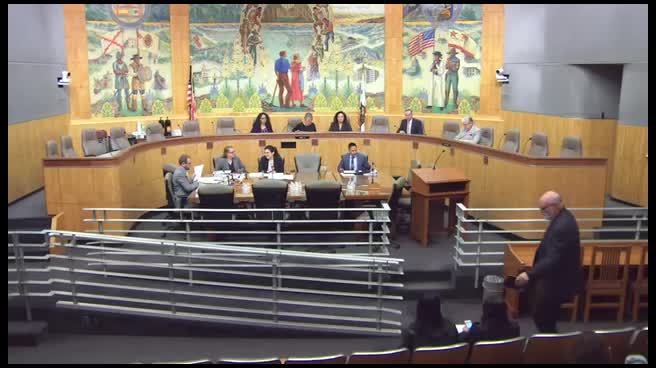
Discussed in Hearing
View Older Hearings

Bill Co-Author(s):