AB 1898: State highways: property leases.
- Session Year: 2017-2018
- House: Assembly
- Latest Version Date: 2018-04-17
Existing law provides that the Department of Transportation has full possession and control of the state highway system, including associated property. Existing law authorizes the department to lease certain property, including the area above or below a state highway, and certain property held for future highway purposes, to public agencies under specified terms and conditions, including specific provisions governing leases of airspace and other property in the City and County of San Francisco for purposes of an emergency shelter or feeding program, and at a lease cost of $1 per month and payment of an administrative fee not to exceed $500 per year.
Existing law also requires that a lease be offered on a right of first refusal by the department to the city and county or a political subdivision of the city and county and authorizes leases of property for park, recreational, or open-space purposes, subject to certain additional terms and conditions, including a requirement for the department to lease property located within a priority development area to the city and county for up to 10 parcels, at a specified below market value lease amount, and a requirement, applicable to all leases, for the lessee to be responsible for all associated maintenance costs. Existing law also requires that a lease authorize the lessee to subsidize its maintenance costs through a limited revenue generation model, with any revenues generated above the maintenance costs to be shared with the state and requires the City and County of San Francisco or a political subdivision of the city and county, in consultation with the department, to follow all applicable health, environmental, safety, design, and engineering standards.
This bill would similarly require authorize the department to offer a lease on a right of first refusal basis of any airspace under a freeway, or real property acquired for highway purposes, located in a disadvantaged community, that is not excess property to the city or county in which the disadvantaged community is located for purposes of an emergency shelter or feeding program, or for park, recreational, or open-space purposes for a rental amount of $1 per month, subject to certain conditions. The bill would also authorize the department to lease up to 10 parcels in any city, or in the unincorporated area of any county, in which the disadvantaged community is located for park, recreational, or open-space purposes at an amount equal to 30% of the fair market lease value of the applicable parcel.
Existing law provides that the Department of Transportation has full possession and control of the state highway system, including associated property. Existing law authorizes the department to lease certain property, including the area above or below a state highway, and certain property held for future highway purposes, to public agencies under specified terms and conditions, including specific provisions governing leases of airspace and other property in the City and County of San Francisco for purposes of an emergency shelter or feeding program, and at a lease cost of $1 per month and payment of an administrative fee not to exceed $500 per year.
Existing law also requires that a lease be offered on a right of first refusal by the department to the city and county or a political subdivision of the city and county and authorizes leases of property for park, recreational, or open-space purposes, subject to certain additional terms and conditions, including a requirement for the department to lease property located within a priority development area to the city and county for up to 10 parcels, at a specified below market value lease amount, and a requirement, applicable to all leases, for the lessee to be responsible for all associated maintenance costs. Existing law also requires that a lease authorize the lessee to subsidize its maintenance costs through a limited revenue generation model, with any revenues generated above the maintenance costs to be shared with the state and requires the City and County of San Francisco or a political subdivision of the city and county, in consultation with the department, to follow all applicable health, environmental, safety, design, and engineering standards.
This bill would similarly require the department to offer a lease on a right of first refusal basis of any airspace under a freeway, or real property acquired for highway purposes, located in a disadvantaged community, that is not excess property to the city or county in which the disadvantaged community is located for purposes of an emergency shelter or feeding program, or for park, recreational, or open-space purposes for a rental amount of $1 per month, subject to certain conditions.
This bill would make these provisions applicable to any airspace under a freeway or real property acquired for highway purposes located in a disadvantaged community, as specified.Existing law provides that the Department of Transportation has full possession and control of the state highway system, including associated property. Existing law authorizes the department to lease certain property, including the area above or below a state highway, and certain property held for future highway purposes, to public agencies under specified terms and conditions, including specific provisions governing leases of airspace and other property in the City and County of San Francisco for purposes of an emergency shelter or feeding program, and at a lease cost of $1 per month and payment of an administrative fee not to exceed $500 per year.
Existing law also requires that a lease be offered on a right of first refusal by the department to the city and county or a political subdivision of the city and county and authorizes leases of property for park, recreational, or open-space purposes, subject to certain additional terms and conditions, including a requirement for the department to lease property located within a priority development area to the city and county for up to 10 parcels, at a specified below market value lease amount, and a requirement, applicable to all leases, for the lessee to be responsible for all associated maintenance costs. Existing law also requires that a lease authorize the lessee to subsidize its maintenance costs through a limited revenue generation model, with any revenues generated above the maintenance costs to be shared with the state and requires the City and County of San Francisco or a political subdivision of the city and county, in consultation with the department, to follow all applicable health, environmental, safety, design, and engineering standards.
This bill would make these provisions applicable to any airspace under a freeway or real property acquired for highway purposes located in a disadvantaged community, as specified.
(a)Any airspace under a freeway, or real property acquired for highway purposes, in a disadvantaged community as defined in Section 79505.5 of the Water Code, which is not excess property, shall may be offered for lease on a right of first refusal by the department to the city or county in which the disadvantaged community is located, for purposes of an emergency shelter or feeding program, or for park, recreational, or open-space purposes.
(b)(1)The lease amount for emergency shelter or feeding programs shall be for one dollar ($1) per month.
(2)The For up to 10 parcels in any city, or in the unincorporated area of any county, the lease amount for park, recreational, or open-space purposes shall be 30 percent of the fair market lease value of the applicable parcel.
(3)The lease amount may be paid in advance of the term covered in order to reduce the administrative costs associated with the payment of the monthly rental fee. The lease shall require the payment of an administrative fee not to exceed five hundred dollars ($500) per year, unless the department determines that a higher administrative fee is necessary, for the departments cost of administering the lease.
(c)In the case of a lease for park, recreational, or open-space purposes, in order to offset any potential loss of revenue, the department may include parcels leased pursuant to this section in a mitigation bank to be used to advance future development projects or highway projects within the disadvantaged community.
(d)The city or county in which the disadvantaged community is located, in consultation with the department, shall follow all applicable health, environmental, safety, design, and engineering standards.
(e)Any lease shall require the lessee to fund and construct all associated infrastructure, and to accept full responsibility for liability related to those uses. The lease shall require the lessee to be responsible for all maintenance costs associated with those uses, except as otherwise provided in the lease. The lease shall authorize the lessee to subsidize its associated maintenance costs through generation of revenue under a limited revenue generation model, such as from limited parking facilities located on the leased property, if any revenues generated that exceed the associated maintenance costs are shared with the state, at a rate not less than 50 percent of those excess revenues, with that amount to be deposited in the State Highway Account.
(f)The Legislature finds and declares that the lease of real property pursuant to this section serves a public purpose.
(a)Any airspace under a freeway, or real property acquired for highway purposes, in a disadvantaged community as defined in Section 79505.5 of the Water Code, which is not excess property, shall be offered for lease on a right of first refusal by the department to the city or county in which the disadvantaged community is located, for purposes of an emergency shelter or feeding program, or for park, recreational, or open-space purposes.
(b)(1) The lease amount for emergency shelter or feeding programs shall be for one dollar ($1) per month.
(2)The lease amount for park, recreational, or open-space purposes shall be 30 percent of the fair market lease value of the applicable parcel.
(3)The lease amount may be paid in advance of the term covered in order to reduce the administrative costs associated with the payment of the monthly rental fee. The lease shall require the payment of an administrative fee not to exceed five hundred dollars ($500) per year, unless the department determines that a higher administrative fee is necessary, for the departments cost of administering the lease.
(c)In the case of a lease for park, recreational, or open-space purposes, in order to offset any potential loss of revenue, the department may include parcels leased pursuant to this section in a mitigation bank to be used to advance future development projects or highway projects within the disadvantaged community.
(d)The city or county in which the disadvantaged community is located, in consultation with the department, shall follow all applicable health, environmental, safety, design, and engineering standards.
(e)Any lease shall require the lessee to fund and construct all associated infrastructure, and to accept full responsibility for liability related to those uses. The lease shall require the lessee to be responsible for all maintenance costs associated with those uses, except as otherwise provided in the lease. The lease shall authorize the lessee to subsidize its associated maintenance costs through generation of revenue under a limited revenue generation model, such as from limited parking facilities located on the leased property, if any revenues generated that exceed the associated maintenance costs are shared with the state, at a rate not less than 50 percent of those excess revenues, with that amount to be deposited in the State Highway Account.
(f)The Legislature finds and declares that the lease of real property pursuant to this section serves a public purpose.
SECTION 1.Section 104.16 of the Streets and Highways Code is amended to read:104.16.(a)Any airspace under a freeway, or real property acquired for highway purposes, in the City and County of San Francisco or in a disadvantaged community as defined in Section 79505.5 of the Water Code, that is not excess property, shall be offered for lease on a right of first refusal by the department to the City and County of San Francisco or to the city or county in which the disadvantaged community is located or a political subdivision of the city and county, for purposes of an emergency shelter or feeding program, or for park, recreational, or open-space purposes.(b)(1)The lease amount for emergency shelter or feeding programs shall be for one dollar ($1) per month.(2)For up to 10 parcels, the lease amount for park, recreational, or open-space purposes shall be 30 percent of the fair market lease value of the applicable parcel.(3)Any property leased pursuant to paragraph (2) shall be located within a priority development area.(4)The lease amount may be paid in advance of the term covered in order to reduce the administrative costs associated with the payment of the monthly rental fee. The lease shall require the payment of an administrative fee not to exceed five hundred dollars ($500) per year, unless the department determines that a higher administrative fee is necessary, for the departments cost of administering the lease.(c)In the case of a lease for park, recreational, or open-space purposes, in order to offset any potential loss of revenue, the department may include parcels leased pursuant to this section in a mitigation bank to be used to advance future development projects or highway projects within the City and County of San Francisco or the disadvantaged community.(d)The City and County of San Francisco or a political subdivision of the city and county or the disadvantaged community, in consultation with the department, shall follow all applicable health, environmental, safety, design, and engineering standards.(e)Any lease shall require the lessee to fund and construct all associated infrastructure, and to accept full responsibility for liability related to those uses. The lease shall require the lessee to be responsible for all maintenance costs associated with those uses, except as otherwise provided in the lease. The lease shall authorize the lessee to subsidize its associated maintenance costs through generation of revenue under a limited revenue generation model, such as from limited parking facilities located on the leased property, if any revenues generated that exceed the associated maintenance costs are shared with the state, at a rate not less than 50 percent of those excess revenues, with that amount to be deposited in the State Highway Account.(f)As used in this section, priority development area means an area identified in a sustainable communities strategy developed pursuant to Section 65080 of the Government Code.(g)The Legislature finds and declares that the lease of real property pursuant to this section serves a public purpose.(a)Any airspace under a freeway, or real property acquired for highway purposes, in the City and County of San Francisco, Francisco or in a disadvantaged community as defined in Section 79505.5 of the Water Code, that is not excess property, shall be offered for lease on a right of first refusal by the department to the city and county City and County of San Francisco or to the city or county in which the disadvantaged community is located or a political subdivision of the city and county, for purposes of an emergency shelter or feeding program, or for park, recreational, or open-space purposes.
(b)(1)The lease amount for emergency shelter or feeding programs shall be for one dollar ($1) per month.
(2)For up to 10 parcels, the lease amount for park, recreational, or open-space purposes shall be 30 percent of the fair market lease value of the applicable parcel.
(3)Any property leased pursuant to paragraph (2) shall be located within a priority development area.
(4)The lease amount may be paid in advance of the term covered in order to reduce the administrative costs associated with the payment of the monthly rental fee. The lease shall require the payment of an administrative fee not to exceed five hundred dollars ($500) per year, unless the department determines that a higher administrative fee is necessary, for the departments cost of administering the lease.
(c)In the case of a lease for park, recreational, or open-space purposes, in order to offset any potential loss of revenue, the department may include parcels leased pursuant to this section in a mitigation bank to be used to advance future development projects or highway projects within the city and county. City and County of San Francisco or the disadvantaged community.
(d)The city and county City and County of San Francisco or a political subdivision of the city and county, county or the disadvantaged community, in consultation with the department, shall follow all applicable health, environmental, safety, design, and engineering standards.
(e)Any lease shall require the lessee to fund and construct all associated infrastructure, and to accept full responsibility for liability related to those uses. The lease shall require the lessee to be responsible for all maintenance costs associated with those uses, except as otherwise provided in the lease. The lease shall authorize the lessee to subsidize its associated maintenance costs through generation of revenue under a limited revenue generation model, such as from limited parking facilities located on the leased property, if any revenues generated that exceed the associated maintenance costs are shared with the state, at a rate not less than 50 percent of those excess revenues, with that amount to be deposited in the State Highway Account.
(f)As used in this section, priority development area means an area identified in a sustainable communities strategy developed pursuant to Section 65080 of the Government Code.
(g)The Legislature finds and declares that the lease of real property pursuant to this section serves a public purpose.
|
Date
|
Status
|
|---|---|
| May 25, 2018 | In committee: Held under submission. |
| May 9, 2018 | In committee: Set, first hearing. Referred to APPR. suspense file. |
| Apr 24, 2018 | From committee: Do pass and re-refer to Com. on APPR. (Ayes 13. Noes 0.) (April 23). Re-referred to Com. on APPR. |
| Apr 18, 2018 | Re-referred to Com. on TRANS. |
| Apr 17, 2018 | From committee chair, with author's amendments: Amend, and re-refer to Com. on TRANS. Read second time and amended. |
| Apr 16, 2018 | In committee: Set, first hearing. Failed passage. Reconsideration granted. |
| Mar 20, 2018 | Re-referred to Com. on TRANS. |
| Mar 19, 2018 | From committee chair, with author's amendments: Amend, and re-refer to Com. on TRANS. Read second time and amended. |
| Feb 5, 2018 | Referred to Com. on TRANS. |
| Jan 23, 2018 | From printer. May be heard in committee February 22. |
| Jan 22, 2018 | Read first time. To print. |
|
Date
|
Description
|
Location
|
Votes
|
|
|---|---|---|---|---|
| Apr 23, 2018 | Do pass and be re-referred to the Committee on [Appropriations] | Assembly Standing Committee on Transportation |
Passed |
|
| Apr 16, 2018 | Reconsideration. | Assembly Standing Committee on Transportation |
Passed |
|
| Apr 16, 2018 | Do pass and be re-referred to the Committee on [Appropriations] | Assembly Standing Committee on Transportation |
Failed |
This list shows positions taken on this bill by organizations on the date displayed, which is linked to the original source.
Positions by individuals are not included.
Date of Hearing: May 9, 2018
ASSEMBLY COMMITTEE ON APPROPRIATIONS
Lorena Gonzalez Fletcher, Chair
ABPCA Bill Id:AB 1898
Author:(Mathis) – As Amended Ver:April 17, 2018
Policy Committee: | Transportation | Vote: | 14 - 0 |
Transportation | 3 - 9 | ||
Transportation | 13 - 0 |
Urgency: No State Mandated Local Program: No Reimbursable: No
SUMMARY:
This bill authorizes the California Department of Transportation (Caltrans) to lease at a discount to a city or county any airspace under a freeway or other real property in a disadvantaged community for various purposes. Specifically, this bill:
- Authorizes Caltrans to lease for $1 per month any airspace or real property in a disadvantaged community for an emergency shelter or feeding program.
- Authorizes Caltrans to lease for 30% of fair market value up to 10 parcels in each city or unincorporated county area defined as “disadvantaged” by this bill for park, recreational, or open-space purposes.
- Requires Caltrans to include in a lease let under this authority an administrative fee up to $500 annually unless Caltrans determines a higher fee is necessary.
- Authorizes the lessee to pay the lease amount in advance in order to reduce the administrative costs associated with the payment of a monthly rental fee.
- In the case of a lease for park, recreational, or open-space purposes, requires the lessee to fund and construct associated infrastructure, to accept full liability related to the infrastructure, and to fund all maintenance costs associated with the use.
- Requires the lease to authorize the lessee to subsidize its associated maintenance costs by generating revenue under a "limited revenue generation model" so long as at least half of any excess revenue is shared with Caltrans.
- Defines “disadvantaged community” as a community with an annual median household income that is less than 80% of the statewide annual median household income through reference to the definition included in a 2002 California Ballot Proposition for water bonds.
FISCAL EFFECT:
Significant potential revenue loss up to about $10 million by replacing certain market rate airspaces leases with discounted leases. Revenues from airspaces leases are used to offset transportation debt service costs to the benefit of the GF, meaning this revenue loss is equivalent to a loss of up to $10 million in GF revenue.
COMMENTS:
- Background. Current law authorizes Caltrans to enter into airspace leases at market rates. In addition, various statutory exceptions to the fair-market-rate requirement allow Caltrans to lease airspace or unused parcels of land below market rates to various cities and counties for the purposes of emergency shelters and feeding programs, or for parks and open space.
- Purpose. The author introduced this bill because he believes Caltrans owns numerous unused parcels of land, many of which are located in disadvantaged communities. These communities often lack the financial resources to provide homeless services, food assistance, and parks for their residents.
- Related legislation.
AB 2629 (Eggman), of the current legislative session, eliminates the renewal conditions of Caltrans’ airspace lease to the City of Stockton for emergency shelter or feeding program purposes. AB 2629 is pending hearing in this committee.
AB 3139 (Bonta), of the current legislative session, authorizes Caltrans to lease airspace under a freeway or other real property to the City of Oakland for emergency shelter or feeding programs. AB 3139 is pending hearing in this committee.
- Prior legislation. AB 857 (Ting), Chapter 822, Statutes of 2017, directs Caltrans to lease to San Francisco up to 10 parcels of airspace under a freeway at 30% of fair market lease value for park, recreational, or open-space purposes.
Analysis Prepared by: Jessica Peters / APPR. / (916) 319-2081
Date of Hearing: April 23, 2018
ASSEMBLY COMMITTEE ON TRANSPORTATION
Jim Frazier, Chair
ABPCA Bill Id:AB 1898 (
Author:Mathis) – As Amended Ver:April 17, 2018
FOR VOTE ONLY
SUBJECT: State highways: property leases
SUMMARY: Authorizes the California Department of Transportation (Caltrans) to lease at a discount to a city or county any airspace under a freeway or other real property in a disadvantaged community for various purposes, under specific terms and conditions. Specifically, this bill:
- Authorizes Caltrans to lease for $1 per month any airspace or real property in a disadvantaged community for emergency shelter or feeding programs.
- Authorizes Caltrans to lease for 30% of fair market lease value, up to 10 parcels to each city or unincorporated county, any airspace or real property in a disadvantaged community for park, recreational, or open-space purposes.
- Declares that a lease let under this authority serves a public purpose.
- Requires Caltrans to include in a lease let under this authority an administrative fee not to exceed $500 per year unless Caltrans determines a higher fee is necessary.
- Authorizes the lessee to pay the lease amount in advance in order to reduce the administrative costs associated with the payment of a monthly rental fee.
- In the case of a lease for park, recreational, or open-space purposes, requires the lessee to fund and construct associated infrastructure, to accept full liability related to the infrastructure, and to fund all maintenance costs associated with the use.
- Requires the lease to authorize the lessee to subsidize its associated maintenance costs by generating revenue under a "limited revenue generation model" so long as at least half of any excess revenue is shared with Caltrans.
- Defines “disadvantaged community” as a community with an annual median household income that is less than 80% of the statewide annual median household income through reference to the definition included in a 2002 California Ballot Proposition for water bonds.
EXISTING LAW:
- Grants Caltrans broad authority to acquire by eminent domain any property necessary for state highway purposes.
- Authorizes Caltrans to lease to public agencies or private entities the use of areas above or below state highways. Generally, leases to private entities have to be made on the basis of competitive bids and at fair market value.
- Authorizes Caltrans to make land or airspace available, with or without charge, to a public entity to accommodate needed passenger, commuter, or high-speed rail, magnetic levitation systems, and highway and non-highway mass transit facilities.
- Authorizes Caltrans to lease to a local agency for park purposes all or any portion of land outside the boundary of a highway system when such use will preserve its view, appearance, light, air, and usefulness.
- Authorizes Caltrans to lease to San Francisco, or a political subdivision, any airspace under a freeway or property for an emergency shelter or feeding program at a rate of $1 per month.
- Directs Caltrans to lease to San Francisco, or a political subdivision, up to 10 parcels of airspace under a freeway or property at 30% of fair market lease value for park, recreational, or open-space purposes.
- Authorizes Caltrans to lease non-operating right-of-way areas to municipalities or other local agencies for public purposes, and allows Caltrans to contribute toward the cost of developing local parks and other recreational facilities on such areas. The lease may provide that the municipality or other local agency can offset the cost of the lease by providing maintenance or landscaping that would otherwise be the responsibility of the state.
8) Requires the California Environmental Protection Agency to identify disadvantaged communities based on geographic, socioeconomic, public health, and environmental hazard criteria including, but not limited to, the following:
- Areas disproportionately affected by environmental pollution and other hazards that can lead to negative public health effects, exposure, or environmental degradation.
- Areas with concentrations of people that are of low income, high unemployment, low levels of homeownership, high rent burden, sensitive populations, or low levels of educational attainment.
FISCAL EFFECT: Unknown
COMMENTS: The authority for Caltrans to enter into airspace leases is in existing law, but Caltrans is generally obligated to secure fair market value lease rates for airspace under freeways or other available parcels, based on the estimated highest and best use of the property. Notable exceptions to the fair market value requirement authorizes Caltrans to lease unused parcels of land below market rates to various cities and counties for the purposes of emergency shelters and feeding programs. In each of these exceptions, the Legislature has found that submarket rate leases for these particular uses serves a public purpose.
The author introduced this bill because he believes Caltrans owns numerous unused parcels of land, many of which are located in disadvantaged communities. These communities often lack the financial resources to provide homeless services, food assistance, and parks for their residents. Furthermore, the author states that these communities are likely to be home to larger numbers of homeless populations per capita.
Committee Comments:
- This bill failed passage on April 16, 2018, due to concerns related to the wasteful requirement in the bill for Caltrans to identify all parcels within disadvantaged communities throughout the state and actively contact cities and counties about their interest in leasing those parcels for the stated reasons. Since that hearing, the author has worked with the committee to amend the Caltrans requirement from a “shall” to a “may,” which will effectively accomplish the aim of the bill without forcing Caltrans to waste significant amounts of resources. In addition, cities and counties are now limited to 10 parcels for parks or open space under this bill, further reducing the costs of the bill.
- This bill is not without precedence. Existing law provides a number of examples wherein Caltrans is authorized to lease airspace at below market rate, and there are a number of instances where these leases exist. In the instances where Caltrans has entered into below market rate leases for emergency shelters, feeding programs, or other public purposes, statute authorizing them to do so has led Caltrans to provide the designated airspace lease to the local community. While this bill may provide much needed emergency housing or space for feeding programs in disadvantaged communities, it may result in some lost state revenue. It is worth noting that the revenue generated by airspace leases currently flows to the General Fund, and therefore this bill could result in reducing resources for programs that currently benefit the very communities the bill aims to help.
- This bill’s definition of disadvantaged community is problematic for a number of reasons. First, while annual median income is one indicator of disadvantage, the state has refined its definition since 2002 and takes into account a number of other environmental factors when it considers whether a community is disadvantaged. Reverting back to this simplified definition may not capture the Legislature’s contemporary perspective on which communities are “disadvantaged” and therefore not reflect this Legislature’s current expectations.
Second, this bill is ambiguous concerning what constitutes a “community” and therefore it is unclear how Caltrans might implement this bill. As currently written, Caltrans is to offer the lease to a city or county in which the disadvantaged community is located, but it is not clear if the community is to be measured at the census tract level, by zip code, the city- or county-wide level, or in some other definable jurisdiction. This ambiguity will make implementation of this bill difficult.
Related Legislation: AB 2629 (Eggman), eliminates the renewal conditions of Caltrans’ airspace lease to the City of Stockton for emergency shelter or feeding program purposes. AB 2629 passed out of this committee on April 16, 2018.
AB 3139 (Bonta), authorizes Caltrans to lease airspace under a freeway or other real property to the City of Oakland for emergency shelter or feeding programs. AB 3139 passed out of this committee on April 16, 2018.
Prior Legislation: AB 857 (Ting), Chapter 822, Statutes of 2017, directs Caltrans to lease to San Francisco up to 10 parcels of airspace under a freeway at 30% of fair market lease value for park, recreational, or open-space purposes.
SB 535 (de León), Chapter 830, Statutes of 2012, requires the California Environmental Protection Agency to identify disadvantaged communities based on geographic, socioeconomic, public health, and environmental hazard criteria.
SB 120 (Kopp), Chapter 750, Statutes of 1993, authorizes Caltrans to lease to San Francisco any airspace under a freeway or property for an emergency shelter or feeding program at a rate of $1 per month.
REGISTERED SUPPORT / OPPOSITION:
Support
None on file
Opposition
None on file
Analysis Prepared by: Eric Thronson / TRANS. / (916) 319-2093
Date of Hearing: April 16, 2018
ASSEMBLY COMMITTEE ON TRANSPORTATION
Jim Frazier, Chair
ABPCA Bill Id:AB 1898 (
Author:Mathis) – As Amended Ver:March 19, 2018
SUBJECT: State highways: property leases
SUMMARY: Requires the California Department of Transportation (Caltrans) to offer to lease at a discount to a city or county any airspace under a freeway or other real property in a disadvantaged community for various purposes, under specific terms and conditions. Specifically, this bill:
- Requires Caltrans to offer to lease on a right of first refusal for $1 per month any airspace or real property in a disadvantaged community for emergency shelter or feeding programs.
- Requires Caltrans to offer to lease on a right of first refusal for 30% of fair market lease value any airspace or real property in a disadvantaged community for park, recreational, or open-space purposes.
- Declares that a lease let under this authority serves a public purpose.
- Requires Caltrans to include in a lease let under this authority an administrative fee not to exceed $500 per year unless Caltrans determines a higher fee is necessary.
- Authorizes the lessee to pay the lease amount in advance in order to reduce the administrative costs associated with the payment of a monthly rental fee.
- In the case of a lease for park, recreational, or open-space purposes, requires the lessee to fund and construct associated infrastructure, to accept full liability related to the infrastructure, and to fund all maintenance costs associated with the use.
- Requires the lease to authorize the lessee to subsidize its associated maintenance costs by generating revenue under a "limited revenue generation model" so long as at least half of any excess revenue is shared with Caltrans.
- Defines “disadvantaged community” as a community with an annual median household income that is less than 80% of the statewide annual median household income through reference to the definition included in a 2002 California Ballot Proposition for water bonds.
EXISTING LAW:
- Grants Caltrans broad authority to acquire by eminent domain any property necessary for state highway purposes.
- Authorizes Caltrans to lease to public agencies or private entities the use of areas above or below state highways. Generally, leases to private entities have to be made on the basis of competitive bids and at fair market value.
- Authorizes Caltrans to make land or airspace available, with or without charge, to a public entity to accommodate needed passenger, commuter, or high-speed rail, magnetic levitation systems, and highway and non-highway mass transit facilities.
- Authorizes Caltrans to lease to a local agency for park purposes all or any portion of land outside the boundary of a highway system when such use will preserve its view, appearance, light, air, and usefulness.
- Authorizes Caltrans to lease to San Francisco, or a political subdivision, any airspace under a freeway or property for an emergency shelter or feeding program at a rate of $1 per month.
- Directs Caltrans to lease to San Francisco, or a political subdivision, up to 10 parcels of airspace under a freeway or property at 30% of fair market lease value for park, recreational, or open-space purposes.
- Authorizes Caltrans to lease non-operating right-of-way areas to municipalities or other local agencies for public purposes, and allows Caltrans to contribute toward the cost of developing local parks and other recreational facilities on such areas. The lease may provide that the municipality or other local agency can offset the cost of the lease by providing maintenance or landscaping that would otherwise be the responsibility of the state.
8) Requires the California Environmental Protection Agency to identify disadvantaged communities based on geographic, socioeconomic, public health, and environmental hazard criteria including, but not limited to, the following:
- Areas disproportionately affected by environmental pollution and other hazards that can lead to negative public health effects, exposure, or environmental degradation.
- Areas with concentrations of people that are of low income, high unemployment, low levels of homeownership, high rent burden, sensitive populations, or low levels of educational attainment.
FISCAL EFFECT: Unknown
COMMENTS: While the authority to enter into airspace leases is already in existing law, the challenge, apparently, is that Caltrans is generally obligated to secure fair market value lease rates for airspace under freeways or other available parcels, based on the estimated highest and best use of the property. Notable exceptions to the fair market value requirement authorizes Caltrans to lease unused parcels of land below market rates to various cities and counties for emergency shelters and feeding programs. In each of these exceptions, the Legislature has found that submarket rate leases for these particular uses serves a public purpose.
This bill requires Caltrans to offer to lease every unused parcel of land in a disadvantaged community at below market rate to cities and counties for the purposes of emergency shelters and feeding programs, as well as park space. Ultimately, the author claims, this bill aims to ease the financial burden for disadvantaged communities and puts vacant land to good use at a nominal cost.
The author introduced this bill because he believes Caltrans owns numerous unused parcels of land, many of which are located in disadvantaged communities. These communities often lack the financial resources to provide homeless services, food assistance, and parks for their residents. Furthermore, the author states that these communities are likely to be home to larger numbers of homeless populations per capita.
Committee concerns:
- This bill is not without precedence. Existing law provides a number of examples wherein Caltrans is authorized to lease airspace at below market rate, and there are a number of instances where these leases exist. It is unprecedented, however, to require Caltrans to administratively define every parcel of airspace that could be within a disadvantaged community, contact the city or county within which that community is located, and offer to lease that airspace for these specific purposes. This would include not only currently unused airspace, but also, as currently leased space comes up for renewal, offering that space to the city or county with the right of first refusal before renewing for its existing purpose. Requiring Caltrans to do this could lead to significant administrative costs, as well as significant reductions in state revenue from market rate leases if they are converted to other purposes pursuant to this bill.
In the instances where Caltrans has entered into below market rate leases for emergency shelters, feeding programs, or other public purposes, statute authorizing them to do so (as opposed to requiring them) has led Caltrans to provide the designated airspace lease to the local community. There is no need to require Caltrans to do this; when the Legislature enacts language stating that a below market rate lease serves a public purpose, that is all Caltrans needs to accommodate the identified and specific need.
- This bill’s definition of disadvantaged community is problematic for a number of reasons. First, while annual median income is one indicator of disadvantage, the state has refined its definition since 2002 and takes into account a number of other environmental factors when it considers whether a community is disadvantaged. Reverting back to this simplified definition may not capture the Legislature’s contemporary perspective on which communities are “disadvantaged” and therefore not reflect this Legislature’s current expectations.
Second, this bill is ambiguous concerning what constitutes a “community” and therefore it is unclear how Caltrans might implement this bill. As currently written, Caltrans is to offer the lease to a city or county in which the disadvantaged community is located, but it is not clear if the community is to be measured at the census tract level, by zip code, the city- or county-wide level, or in some other definable jurisdiction. This ambiguity will make implementation of this bill difficult.
- Depending on how Caltrans interprets what community level is appropriate to determine disadvantaged status, this bill could encompass a large amount of the state and therefore impact a number of existing market rate airspace leases. For example, 23 of the state’s 58 counties have annual median household incomes 80 percent or less than the statewide median. Given the potentially broad application of this bill, it may provide much needed emergency housing or parks in disadvantaged communities throughout the state, but would likely result in a significant amount of lost revenue. It is worth noting that the revenue generated by airspace leases currently flows to the General Fund, and therefore this bill could result in a reduction in resources for programs that currently benefit the very communities the bill aims to help.
Related legislation: AB 2629 (Eggman), eliminates the renewal conditions of Caltrans’ airspace lease to the City of Stockton for emergency shelter or feeding program purposes. AB 2629 is set to be heard by this committee on April 16, 2018.
AB 3139 (Bonta), authorizes Caltrans to lease airspace under a freeway or other real property to the City of Oakland for emergency shelter or feeding programs. AB 3139 is set to be heard by this committee on April 16, 2018.
Prior legislation: AB 857 (Ting), Chapter 822, Statutes of 2017, directs Caltrans to lease to San Francisco up to 10 parcels of airspace under a freeway at 30% of fair market lease value for park, recreational, or open-space purposes.
SB 535 (de León), Chapter 830, Statutes of 2012, requires the California Environmental Protection Agency to identify disadvantaged communities based on geographic, socioeconomic, public health, and environmental hazard criteria.
SB 120 (Kopp), Chapter 750, Statutes of 1993, authorizes Caltrans to lease to San Francisco any airspace under a freeway or property for an emergency shelter or feeding program at a rate of $1 per month.
REGISTERED SUPPORT / OPPOSITION:
Support
None on file
Opposition
None on file
Analysis Prepared by: Eric Thronson / TRANS. / (916) 319-2093
Discussed in Hearing
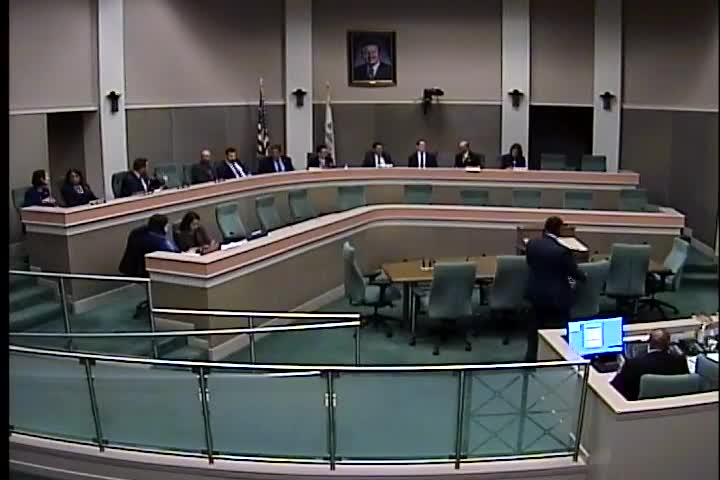 8MIN
Assembly Standing Committee on Transportation
Bill Author


