AB 1949: Explosives: flamethrowing devices.
- Session Year: 2017-2018
- House: Assembly
- Latest Version Date: 2018-04-18
Existing law prohibits a person from using or possessing a flamethrowing device without a valid flamethrowing device permit, as issued by the State Fire Marshal if specified conditions are met. Existing law provides that any person who uses or possesses any flamethrowing device without a valid flamethrowing device permit is guilty of a public offense, as provided. Existing law defines a flamethrowing device as any nonstationary and transportable device designed or intended to emit or propel a burning stream of combustible or flammable liquid a distance of at least 10 feet.
This bill would instead define a Tier I flamethrowing device as any nonstationary and transportable device designed or intended to emit or propel a burning stream of combustible or flammable liquid a distance of at least 10 feet and would require additional conditions to be met before the State Fire Marshal could issue or renew a permit to use and possess this type of a Tier I flamethrowing device, including that the applicant or permitholder have a valid pyrotechnic operator license. The bill would also define a Tier II flamethrowing device as either any stationary, nonstationary, or transportable device designed or intended to emit or propel a burning stream of combustible or flammable liquid a distance of at least 2 feet, but not exceeding 10 feet, or any stationary, nonstationary, or transportable device designed or intended to emit or propel a burning stream of combustible or flammable gas a distance of at least 10 feet. The bill would require specified conditions to be met before the State Fire Marshal could issue or renew a permit to use and possess a Tier II flamethrowing device, including that the applicant or permitholder have a valid pyrotechnic operator license. The bill would prohibit a seller of a Tier I or Tier II flamethrowing device, subject to criminal penalty, from selling the device to a person without the applicable who does not possess a valid Tier I flamethrowing device permit. By expanding the scope of a crime, the bill would create a state-mandated local program. The bill would provide that, would, as of January 1, 2018, a manufacturer of a Tier I or Tier II flamethrowing device sold in this state, whose product is used to perpetuate negligent property damage or bodily harm or death, shall be held strictly liable for costs incurred by the local or state governments or damages sought by victims or family members of victims, in addition to any other damages available under existing law. The bill would, after January 1, 2019, exempt from criminal liability, for using or possessing a flamethrowing device without a valid flamethrowing device permit, a person who purchased or possessed a Tier II flamethrowing device before January 1, 2019. prohibit a person from distributing, selling, or offering for sale a Tier II flamethrowing device in California unless the device bears a specified safety warning. The bill would also provide that a person who sells a flamethrowing device in violation of these provisions is jointly and severally liable in any civil action for damages caused by that device. The bill would also make conforming changes.
The California Constitution requires the state to reimburse local agencies and school districts for certain costs mandated by the state. Statutory provisions establish procedures for making that reimbursement.
This bill would provide that no reimbursement is required by this act for a specified reason.
Existing law prohibits a person from using or possessing a flamethrowing device without a valid flamethrowing device permit permit, as issued by the State Fire Marshal. Marshal if specified conditions are met. Existing law provides that any person who uses or possesses any flamethrowing device without a valid flamethrowing device permit is guilty of a public offense, as provided. Existing law defines a flamethrowing device as any nonstationary and transportable device designed or intended to emit or propel a burning stream of combustible or flammable liquid a distance of at least 10 feet.
This bill would instead define a Tier I flamethrowing device as any nonstationary and transportable device designed or intended to emit or propel a burning stream of combustible or flammable gas or liquid a distance of at least 2 feet. 10 feet and would require additional conditions to be met before the State Fire Marshal could issue or renew a permit to use and possess this type of device, including that the applicant or permitholder have a valid pyrotechnic operator license. The bill would also define a Tier II flamethrowing device as either any stationary, nonstationary, or transportable device designed or intended to emit or propel a burning stream of combustible or flammable liquid a distance of at least 2 feet, but not exceeding 10 feet, or any stationary, nonstationary, or transportable device designed or intended to emit or propel a burning stream of combustible or flammable gas a distance of at least 10 feet. The bill would require specified conditions to be met before the State Fire Marshal could issue or renew a permit to use and possess a Tier II flamethrowing device, including that the applicant or permitholder have a valid pyrotechnic operator license. The bill would prohibit a seller of a Tier I or Tier II flamethrowing device, subject to criminal penalty, from selling the device to a person without a the applicable valid flamethrowing device permit. By expanding the scope of a crime, the bill would create a state-mandated local program. The bill would provide that, as of January 1, 2018, a manufacturer of a Tier I or Tier II flamethrowing device sold in this state, whose product is used to perpetuate negligent property damage or bodily harm or death, shall be held strictly liable for costs incurred by the local or state governments or damages sought by victims or family members of victims, in addition to any other damages available under existing law. The bill would, after January 1, 2019, exempt from criminal liability, for using or possessing a flamethrowing device without a valid flamethrowing device permit, a person who purchased or possessed a Tier II flamethrowing device before January 1, 2019. The bill would also make conforming changes.
The California Constitution requires the state to reimburse local agencies and school districts for certain costs mandated by the state. Statutory provisions establish procedures for making that reimbursement.
This bill would provide that no reimbursement is required by this act for a specified reason.
Existing law prohibits a person from using or possessing a flamethrowing device without a valid flamethrowing device permit issued by the State Fire Marshal. Existing law provides that any person who uses or possesses any flamethrowing device without a valid flamethrowing device permit is guilty of a public offense, as provided. Existing law defines a flamethrowing device as any nonstationary and transportable device designed or intended to emit or propel a burning stream of combustible or flammable liquid a distance of at least 10 feet.
This bill would instead define a flamethrowing device as any nonstationary and transportable device designed or intended to emit or propel a burning stream of combustible or flammable gas or liquid a distance of at least 2 feet. The bill would prohibit a seller of a flamethrowing device, subject to criminal penalty, from selling the device to a person without a valid flamethrowing device permit. By expanding the scope of a crime, the bill would create a state-mandated local program. The bill would provide that, as of January 1, 2018, a manufacturer of a flamethrowing device sold in this state, whose product is used to perpetuate negligent property damage or bodily harm or death, shall be held strictly liable for costs incurred by the local or state governments or damages sought by victims or family members of victims, in addition to any other damages available under existing law.
The California Constitution requires the state to reimburse local agencies and school districts for certain costs mandated by the state. Statutory provisions establish procedures for making that reimbursement.
This bill would provide that no reimbursement is required by this act for a specified reason.
Existing law, the California Residential Care Facilities for the Elderly Act, provides for the licensure and regulation of residential care facilities for the elderly by the State Department of Social Services. Existing law requires the department to adopt regulations for residential care facilities for the elderly that care for people with a major neurocognitive disorder to authorize a facility to utilize secured perimeter fences or locked exit doors according to the regulations.This bill would make technical, nonsubstantive changes to that provision.Existing law, the California Residential Care Facilities for the Elderly Act, provides for the licensure and regulation of residential care facilities for the elderly by the State Department of Social Services. Existing law requires the department to adopt regulations for residential care facilities for the elderly that care for people with a major neurocognitive disorder to authorize a facility to utilize secured perimeter fences or locked exit doors according to the regulations.
This bill would make technical, nonsubstantive changes to that provision.
(a)For purposes of this part, the following definitions shall apply:
(1)Tier I flamethrowing device means any nonstationary and transportable device designed or intended to emit or propel a burning stream of combustible or flammable liquid a distance of at least 10 feet.
(2)Tier II flamethrowing device means either of the following:
(A)Any stationary, nonstationary, or transportable device designed or intended to emit or propel a burning stream of combustible or flammable liquid a distance of at least two feet, but not exceeding 10 feet.
(B)Any stationary, nonstationary, or transportable device designed or intended to emit or propel a burning stream of combustible or flammable gas a distance of at least 10 feet.
(3)Permitholder means a person who holds a flamethrowing device permit issued pursuant to this part.
(b)This part does not apply to any stationary, nonstationary, or transportable device designed or intended to emit or propel a burning stream of combustible or flammable liquid or gas a distance of less than two feet.
SEC. 2.Section 12755 of the Health and Safety Code is amended to read:12755.(a)No A person shall not use or possess a Tier I or Tier II flamethrowing device, and no seller of a Tier I or Tier II flamethrowing device shall sell the device to a person in the state, device without a valid flamethrowing device permit issued by the State Fire Marshal pursuant to this part. part, and a person shall not sell a Tier I flamethrowing device to a person who does not possess a valid Tier I flamethrowing device permit issued pursuant to this part.
(b)As of January 1, 2018, a manufacturer of a Tier I or Tier II flamethrowing device sold in this state, whose product is used to perpetuate negligent property damage or bodily harm or death, shall be held strictly liable for costs incurred by the local or state governments or damages sought by victims or family members of victims, in addition to any other damages available under existing law.(b)As of January 1, 2018, a person shall not distribute, sell, or offer for sale a Tier II flamethrowing device in California unless the device bears the following safety warning: STATE OF CALIFORNIA SAFETY WARNING: This is an inherently dangerous device. Users must comply with all established rules, laws, and regulations from all applicable fire and law enforcement agencies. Modification of this device and/or failure to comply with open flame laws is subject to punishment according to the California Penal Code and/or liability provisions outlined in the California Health and Safety Code.
(c)A person who sells a flamethrowing device in violation of subdivision (a) or (b) shall be jointly and severally liable in any civil action for damages caused by that device.
SEC. 3.Section 12756 of the Health and Safety Code is amended to read:12756.The State Fire Marshal shall adopt regulations to administer this part and establish standards for the background investigation of an applicant for, and holder of, a flamethrowing device permit, and for the use, storage, and transportation of a Tier I or Tier II flamethrowing device. In adopting these regulations, the State Fire Marshal shall consult with the Department of Justice regarding regulations for the use and possession of destructive devices (Chapter 12.5 (commencing with Section 970) of Division 1 of Title 11 of the California Code of Regulations). These regulations for the use and possession of destructive devices may provide suggestions for potential methods to utilize in developing standards and shall serve as guidance only.
SEC. 4.Section 12757 of the Health and Safety Code is amended to read:12757.(a)The State Fire Marshal may issue or renew a permit to use and possess a Tier I or Tier II flamethrowing device only if both of the following conditions are met:(1)The applicant or permitholder is not addicted to any controlled substance.(2)The applicant or permitholder meets the other standards specified in regulations adopted pursuant to Section 12756.(b)In addition to the requirements in subdivision (a), the State Fire Marshal may issue or renew a permit to use and possess a Tier I flamethrowing device only if all of the following conditions are met:(1)The applicant or permitholder has a valid certificate of eligibility issued by the Department of Justice pursuant to Section 26710 of the Penal Code.(2)The applicant or permitholder has a valid pyrotechnic operator license from the State Fire Marshal pursuant to Section 12578.(3)The applicant or permitholder has any necessary permits from all applicable fire and law enforcement agencies, if required.(c)In addition to the requirements in subdivision (a), the State Fire Marshal may issue or renew a permit to use and possess a Tier II flamethrowing device only if both of the following conditions are met:(1)The applicant or permitholder has a valid pyrotechnic operator license from the State Fire Marshal pursuant to Section 12578.(2)The applicant or permitholder has any necessary permits from all applicable fire and law enforcement agencies, if required.SEC. 5.Section 12761 of the Health and Safety Code is amended to read:12761.(a)Any person who uses or possesses any Tier I or Tier II flamethrowing device, and any seller of a Tier I or Tier II flamethrowing device who sells the device to a person in the state, without a valid flamethrowing device permit issued pursuant to this part is guilty of a public offense and, upon conviction, shall be punished by imprisonment in the county jail for a term not to exceed one year, or in the state prison, or by a fine not to exceed ten thousand dollars ($10,000), or by both imprisonment and fine.(b)Any person who purchased or possessed a Tier II flamethrowing device before January 1, 2019, shall not be held criminally liable pursuant to subdivision (a) after January 1, 2019.SEC. 4.Section 12757 of the Health and Safety Code is amended to read:12757.The State Fire Marshal may issue or renew a permit to use and possess a Tier I flamethrowing device only if all of the following conditions are met:
(a)The applicant or permitholder is not addicted to any controlled substance.
(b)The applicant or permitholder meets the other standards specified in regulations adopted pursuant to Section 12756.
(b)(c)The applicant or permitholder possesses a current, has a valid certificate of eligibility issued by the Department of Justice pursuant to subdivisions (a) to (c), inclusive, of Section 26710 of the Penal Code.
(c)The applicant or permitholder meets the other standards specified in regulations adopted pursuant to Section 12756.(d)The applicant or permitholder has a valid pyrotechnic operator license from the State Fire Marshal pursuant to Section 12578.
(e)The applicant or permitholder has any necessary permits from all applicable fire and law enforcement agencies, if required.
SEC. 5.Section 12761 of the Health and Safety Code is amended to read:12761.Any person who uses or possesses any a Tier I flamethrowing device without a valid flamethrowing device permit issued by the State Fire Marshal pursuant to this part, and any person who sells a Tier I flamethrowing device to a person who does not possess a permit issued by the State Fire Marshal pursuant to this part, is guilty of a public offense and, upon conviction, shall be punished by imprisonment in the county jail for a term not to exceed one year, or in the state prison, or by a fine not to exceed ten thousand dollars ($10,000), or by both imprisonment and fine.
SEC. 6.No reimbursement is required by this act pursuant to Section 6 of Article XIIIB of the California Constitution because the only costs that may be incurred by a local agency or school district will be incurred because this act creates a new crime or infraction, eliminates a crime or infraction, or changes the penalty for a crime or infraction, within the meaning of Section 17556 of the Government Code, or changes the definition of a crime within the meaning of Section 6 of Article XIIIB of the California Constitution.
(1)Tier I flamethrowing device means any nonstationary and transportable device designed or intended to emit or propel a burning stream of combustible or flammable gas or liquid a distance of at least two 10 feet.
(2)Tier II flamethrowing device means either of the following:
(A)Any stationary, nonstationary, or transportable device designed or intended to emit or propel a burning stream of combustible or flammable liquid a distance of at least two feet, but not exceeding 10 feet.
(B)Any stationary, nonstationary, or transportable device designed or intended to emit or propel a burning stream of combustible or flammable gas a distance of at least 10 feet.
(b)(3)Permitholder means a person who holds a flamethrowing device permit issued pursuant to this part.
(b)This part does not apply to any stationary, nonstationary, or transportable device designed or intended to emit or propel a burning stream of combustible or flammable liquid or gas a distance of less than two feet.
SEC. 2.Section 12755 of the Health and Safety Code is amended to read:12755.(a)No person shall use or possess a Tier I or Tier II flamethrowing device, and no seller of a Tier I or Tier II flamethrowing device shall sell the device to a person in the state, without a valid flamethrowing device permit issued by the State Fire Marshal pursuant to this part.
(b)As of January 1, 2018, a manufacturer of a Tier I or Tier II flamethrowing device sold in this state, whose product is used to perpetuate negligent property damage or bodily harm or death, shall be held strictly liable for costs incurred by the local or state governments or damages sought by victims or family members of victims, in addition to any other damages available under existing law.
SEC. 3.Section 12756 of the Health and Safety Code is amended to read:12756.The State Fire Marshal shall adopt regulations to administer this part and establish standards for the background investigation of an applicant for, and holder of, a flamethrowing device permit, and for the use, storage, and transportation of a Tier I or Tier II flamethrowing device. In adopting these regulations, the State Fire Marshal shall consult with the Department of Justice regarding regulations for the use and possession of destructive devices (Chapter 12.5 (commencing with Section 970) of Division 1 of Title 11 of the California Code of Regulations). These regulations for the use and possession of destructive devices may provide suggestions for potential methods to utilize in developing standards and shall serve as guidance only. At a minimum, the regulations adopted by the State Fire Marshal shall require a permitholder to possess a current, valid certificate of eligibility issued by the Department of Justice pursuant to subdivisions (a) to (c), inclusive, of Section 26710 of the Penal Code.
SEC. 4.Section 12757 of the Health and Safety Code is amended to read:12757.(a)The State Fire Marshal may issue or renew a permit to use and possess a Tier I or Tier II flamethrowing device only if all both of the following conditions are met:
(a)(1)The applicant or permitholder is not addicted to any controlled substance.
(b)The applicant or permitholder possesses a current, valid certificate of eligibility issued by the Department of Justice pursuant to subdivisions (a) to (c), inclusive, of Section 26710 of the Penal Code.(c)(2)The applicant or permitholder meets the other standards specified in regulations adopted pursuant to Section 12756.
(b)In addition to the requirements in subdivision (a), the State Fire Marshal may issue or renew a permit to use and possess a Tier I flamethrowing device only if all of the following conditions are met:
(1)The applicant or permitholder has a valid certificate of eligibility issued by the Department of Justice pursuant to Section 26710 of the Penal Code.
(2)The applicant or permitholder has a valid pyrotechnic operator license from the State Fire Marshal pursuant to Section 12578.
(3)The applicant or permitholder has any necessary permits from all applicable fire and law enforcement agencies, if required.
(c)In addition to the requirements in subdivision (a), the State Fire Marshal may issue or renew a permit to use and possess a Tier II flamethrowing device only if both of the following conditions are met:
(1)The applicant or permitholder has a valid pyrotechnic operator license from the State Fire Marshal pursuant to Section 12578.
(2)The applicant or permitholder has any necessary permits from all applicable fire and law enforcement agencies, if required.
SEC. 3.SEC. 5.Section 12761 of the Health and Safety Code is amended to read:12761.(a)Any person who uses or possesses any Tier I or Tier II flamethrowing device, and any seller of a Tier I or Tier II flamethrowing device who sells the device to a person in the state, without a valid flamethrowing device permit issued pursuant to this part is guilty of a public offense and, upon conviction, shall be punished by imprisonment in the county jail for a term not to exceed one year, or in the state prison, or by a fine not to exceed ten thousand dollars ($10,000), or by both imprisonment and fine.
(b)Any person who purchased or possessed a Tier II flamethrowing device before January 1, 2019, shall not be held criminally liable pursuant to subdivision (a) after January 1, 2019.
SEC. 4.SEC. 6.No reimbursement is required by this act pursuant to Section 6 of Article XIIIB of the California Constitution because the only costs that may be incurred by a local agency or school district will be incurred because this act creates a new crime or infraction, eliminates a crime or infraction, or changes the penalty for a crime or infraction, within the meaning of Section 17556 of the Government Code, or changes the definition of a crime within the meaning of Section 6 of Article XIIIB of the California Constitution.
For purposes of this part, the following definitions shall apply:
(a)Flamethrowing device means any nonstationary and transportable device designed or intended to emit or propel a burning stream of combustible or flammable gas or liquid a distance of at least 10 two feet.
(b)Permitholder means a person who holds a flamethrowing device permit issued pursuant to this part.
SEC. 2.Section 12755 of the Health and Safety Code is amended to read:12755.(a)No person shall use or possess a flamethrowing device, and no seller of a flamethrowing device shall sell the device to a person in the state, without a valid flamethrowing device permit issued by the State Fire Marshal pursuant to this part.
(b)As of January 1, 2018, a manufacturer of a flamethrowing device sold in this state, whose product is used to perpetuate negligent property damage or bodily harm or death, shall be held strictly liable for costs incurred by the local or state governments or damages sought by victims or family members of victims, in addition to any other damages available under existing law.
SEC. 3.Section 12761 of the Health and Safety Code is amended to read:12761.Any person who uses or possesses any flamethrowing device, and any seller of a flamethrowing device who sells the device to a person in the state, without a valid flamethrowing device permit issued pursuant to this part is guilty of a public offense and, upon conviction, shall be punished by imprisonment in the county jail for a term not to exceed one year, or in the state prison, or by a fine not to exceed ten thousand dollars ($10,000), or by both imprisonment and fine.
SEC. 4.No reimbursement is required by this act pursuant to Section 6 of Article XIIIB of the California Constitution because the only costs that may be incurred by a local agency or school district will be incurred because this act creates a new crime or infraction, eliminates a crime or infraction, or changes the penalty for a crime or infraction, within the meaning of Section 17556 of the Government Code, or changes the definition of a crime within the meaning of Section 6 of Article XIIIB of the California Constitution.
SECTION 1.Section 1569.698 of the Health and Safety Code is amended to read:1569.698.(a)The State Fire Marshal has proposed that the California Building Standards Commission adopt building standards to provide for locked and secured perimeters in residential care facilities for the elderly that care for persons with major neurocognitive disorder:(1)It is acknowledged that these building standards will not become effective until October 1, 1996.(2)It is the policy of the California Building Standards Commission that building standards be adopted exclusively into the California Building Standards Code and not into state statute.(3)However, in recognition of the immediate need of residential care facilities for the elderly caring for persons with major neurocognitive disorder to provide a secured environment, it is the intent of the Legislature that the building standards for locked and secured perimeters proposed by the State Fire Marshal for adoption in the 1994 California Building Standards Code, as set forth in Section 1569.699, be effective October 4, 1995.(b)(1)Upon the filing of emergency regulations with the Secretary of State pursuant to subdivision (c), a residential care facility for the elderly that cares for people with major neurocognitive disorder may utilize secured perimeter fences or locked exit doors if it meets the requirements for additional safeguards required by those regulations.(2)For the purposes of this article, major neurocognitive disorder includes Alzheimers disease and related disorders, diagnosed by a physician, that increase the tendency to wander and that decrease hazard awareness and the ability to communicate.(3)It is the intent of the Legislature in enacting this article that residential care facilities for the elderly have options for the security of persons with major neurocognitive disorder who are residents of those facilities that are in addition to existing security exceptions made for individual residents. It is the further intent of the Legislature that these additional options shall include the use of waivers of certain building standards relating to fire safety, to be issued by the state department with the approval of the State Fire Marshal, to permit the care of a target group of persons with major neurocognitive disorder by means of secured perimeter fences, or the use of locked exterior doors. A waiver request shall include a facility plan of operation that addresses elements of care to be identified by the department in regulations and demonstrates the facilitys ability to meet the safety needs of persons with major neurocognitive disorder.(4)The department shall adopt regulations that ensure that staff for secured perimeter facilities receive appropriate and adequate training in the care of residents with major neurocognitive disorder.(5)This section is not intended to prohibit residential care facilities for the elderly from accepting or retaining persons with major neurocognitive disorder whose needs can be fully met using care options permitted by existing law and regulations.(6)It is not the intent of the Legislature to authorize an increase in the level of care provided in a residential care facility for the elderly or to establish a supplemental rate structure based on the services provided in the facility.(7)All admissions to residential care facilities for the elderly shall continue to be voluntary on the part of the resident or with the lawful consent of the residents legal conservator.(c)The department shall adopt regulations to implement subdivision (b) in accordance with those provisions of the Administrative Procedure Act contained in Chapter 3.5 (commencing with Section 11340) of Part 1 of Division 3 of Title 2 of the Government Code. The initial adoption of any emergency regulations following October 4, 1995, shall be deemed to be an emergency and necessary for the immediate preservation of the public peace, health and safety, or general welfare. Emergency regulations adopted pursuant to this subdivision shall remain in effect for no more than 180 days.(d)In addition to the security options authorized by subdivision (b), residential care facilities for the elderly that accept or retain as residents persons with major neurocognitive disorder, and that choose to utilize the security options of egress-control devices of the time-delay type in addition to secured perimeter fences or locked exit doors, shall comply with Section 1569.699, or regulations adopted by the California Building Standards Commission, whichever is operative.(e)A residential care facility for the elderly shall not utilize special egress-control devices of the time-delay type, secured perimeter fences, or locked exit doors unless the facility meets the requirements of Section 1569.699 or the California Building Standards Commission adopts building standards to implement this section.(f)A person who is not a conservatee and is entering a locked or secured perimeter facility pursuant to this section shall sign a statement of voluntary entry. The facility shall retain the original statement and shall send a copy of the statement to the department.(a)The State Fire Marshal has proposed that the California Building Standards Commission adopt building standards to provide for locked and secured perimeters in residential care facilities for the elderly that care for persons with major neurocognitive disorder:
(1)It is acknowledged that these building standards will not become effective until October 1, 1996.
(2)It is the policy of the California Building Standards Commission that building standards be adopted exclusively into the California Building Standards Code and not into state statute.
(3)However, in recognition of the immediate need of residential care facilities for the elderly caring for persons with major neurocognitive disorder to provide a secured environment, it is the intent of the Legislature that the building standards for locked and secured perimeters proposed by the State Fire Marshal for adoption in the 1994 California Building Standards Code, as set forth in Section 1569.699, be effective October 4, 1995.
(b)(1)Upon the filing of emergency regulations with the Secretary of State pursuant to subdivision (c), a residential care facility for the elderly that cares for people with major neurocognitive disorder may utilize secured perimeter fences or locked exit doors if it meets the requirements for additional safeguards required by those regulations.
(2)For the purposes of this article, major neurocognitive disorder includes Alzheimers disease and related disorders, diagnosed by a physician, that increase the tendency to wander and that decrease hazard awareness and the ability to communicate.
(3)It is the intent of the Legislature in enacting this article that residential care facilities for the elderly have options for the security of persons with major neurocognitive disorder who are residents of those facilities that are in addition to existing security exceptions made for individual residents. It is the further intent of the Legislature that these additional options shall include the use of waivers of certain building standards relating to fire safety, to be issued by the state department with the approval of the State Fire Marshal, to permit the care of a target group of persons with major neurocognitive disorder by means of secured perimeter fences, or the use of locked exterior doors. Each A waiver request shall include a facility plan of operation that addresses elements of care to be identified by the department in regulations and demonstrates the facilitys ability to meet the safety needs of persons with major neurocognitive disorder.
(4)The department shall adopt regulations that ensure that staff for secured perimeter facilities receive appropriate and adequate training in the care of residents with major neurocognitive disorder.
(5)Nothing in this section is This section is not intended to prohibit residential care facilities for the elderly from accepting or retaining persons with major neurocognitive disorder whose needs can be fully met using care options permitted by existing law and regulations.
(6)It is not the intent of the Legislature to authorize an increase in the level of care provided in a residential care facility for the elderly or to establish a supplemental rate structure based on the services provided in the facility.
(7)All admissions to residential care facilities for the elderly shall continue to be voluntary on the part of the resident or with the lawful consent of the residents legal conservator.
(c)The department shall adopt regulations to implement subdivision (b) in accordance with those provisions of the Administrative Procedure Act contained in Chapter 3.5 (commencing with Section 11340) of Part 1 of Division 3 of Title 2 of the Government Code. The initial adoption of any emergency regulations following October 4, 1995, shall be deemed to be an emergency and necessary for the immediate preservation of the public peace, health and safety, or general welfare. Emergency regulations adopted pursuant to this subdivision shall remain in effect for no more than 180 days.
(d)In addition to the security options authorized by subdivision (b), residential care facilities for the elderly that accept or retain as residents persons with major neurocognitive disorder, and that choose to utilize the security options of egress-control devices of the time-delay type in addition to secured perimeter fences or locked exit doors, shall comply with Section 1569.699, or regulations adopted by the California Building Standards Commission, whichever is operative.
(e)A residential care facility for the elderly shall not utilize special egress-control devices of the time-delay type, secured perimeter fences, or locked exit doors unless the facility meets the requirements of Section 1569.699 or the California Building Standards Commission adopts building standards to implement this section.
(f)Any A person who is not a conservatee and is entering a locked or secured perimeter facility pursuant to this section shall sign a statement of voluntary entry. The facility shall retain the original statement and shall send a copy of the statement to the department.
|
Date
|
Status
|
|---|---|
| May 25, 2018 | In committee: Held under submission. |
| May 2, 2018 | In committee: Set, first hearing. Referred to APPR. suspense file. |
| Apr 19, 2018 | Re-referred to Com. on APPR. |
| Apr 18, 2018 | Read second time and amended. |
| Apr 17, 2018 | From committee: Amend, and do pass as amended and re-refer to Com. on APPR. (Ayes 9. Noes 1.) (April 17). |
| Apr 10, 2018 | From committee: Do pass and re-refer to Com. on JUD. (Ayes 6. Noes 1.) (April 10). Re-referred to Com. on JUD. |
| Apr 9, 2018 | Re-referred to Com. on PUB. S. |
| Apr 5, 2018 | From committee chair, with author's amendments: Amend, and re-refer to Com. on PUB. S. Read second time and amended. |
| Mar 19, 2018 | Re-referred to Com. on PUB. S. |
| Mar 15, 2018 | Referred to Coms. on PUB. S. and JUD. |
| Jan 30, 2018 | From printer. May be heard in committee March 1. |
| Jan 29, 2018 | Read first time. To print. |
|
Date
|
Description
|
Location
|
Votes
|
|
|---|---|---|---|---|
| Apr 17, 2018 | Do pass as amended and be re-referred to the Committee on [Appropriations] | Assembly Standing Committee on Judiciary |
Passed |
|
| Apr 10, 2018 | Do pass and be re-referred to the Committee on [Judiciary] | Assembly Standing Committee on Public Safety |
Passed |
This list shows positions taken on this bill by organizations on the date displayed, which is linked to the original source.
Positions by individuals are not included.
|
Organization
|
Position
|
Date
|
|---|---|---|
| California Professional Firefighter'S Association | ** Support | Apr 9, 2018 |
| California State Firefighters' Association | * Support | Apr 10, 2018 |
| California Statewide Law Enforcement Association | ** Support | Apr 15, 2018 |
| Firearms Policy Coalition | ** Against | Apr 9, 2018 |
| Fraternal Order of Police | ** Support | Apr 9, 2018 |
Date of Hearing: May 2, 2018
ASSEMBLY COMMITTEE ON APPROPRIATIONS
Lorena Gonzalez Fletcher, Chair
ABPCA Bill Id:AB 1949
Author:(Santiago) – As Amended Ver:April 18, 2018
Policy Committee: | Public Safety | Vote: | 6 - 1 |
Judiciary | 9 - 1 | ||
|
|
Urgency: No State Mandated Local Program: Yes Reimbursable: No
SUMMARY:
This bill adds a second category of flamethrowing device, defined as a “Tier II” device, to existing law and imposes restrictions on the sale and use of a Tier II flamethrowing device. In addition, this bill expands the existing requirements related to the sale and use of a flamethrowing device, which is redefined as a “Tier I” device under this bill. Specifically, this bill:
- Creates in state law a second category of flamethrowing device, known as a Tier II device. Specifically, a Tier II device means either: (1) a stationary or nonstationary device designed to emit a burning stream of flammable liquid a distance of between two feet and 10 feet, or (2) a stationary or nonstationary device designed to emit a burning stream of flammable gas a distance of at least 10 feet.
- Redefines the existing statutory definition of a flamethrowing device as a Tier I device. Specifically, the definition of a Tier I flamethrowing device is a nonstationary device designed to emit a burning stream of flammable liquid a distance of at least 10 feet.
- Expands restrictions on redefined Tier I devices to prohibits a person from selling a Tier I device to any person who does not possess a valid flamethrowing permit issued by the State Fire Marshall (SFM).
- Prohibits a person from selling or distributing a Tier II flamethrowing device in California unless the device bears a specified safety warning.
- Requires the SFM to adopt regulations to establish standards for the background investigation of an applicant for a flamethrowing device permit and the use of a Tier I or Tier II flamethrowing device.
- Specifies minimum requirements for applicants to meet to be eligible for the SFM to issue a Tier I flamethrowing device permit.
- Extends the existing criminal penalty of up to one year in jail and a fine of up to $10,000 to anyone who sells a Tier I flamethrowing device to a person who does not possess a permit issued by the SFM. (This criminal penalty continues to apply to individuals who possess a Tier I flamethrowing device, as redefined by this bill, without a permit issued by the SFM.)
FISCAL EFFECT:
- Significant one-time GF costs, likely in the hundreds of thousands of dollars, for SFM to develop regulations and potentially a permitting process, for Tier II flamethrowing devices.
- Potential ongoing GF costs, likely between $100,000 and $200,000 for at least one staff person to handle workload related to permits for Tier II flamethrowing devices.
- Minor onetime GF costs for SFM to update regulations and permitting process related to Tier I flamethrowing devices.
- Minor costs to the Department of Justice related to arrest records and fingerprints because this bill creates a new crime.
COMMENTS:
- Background. Existing law defines "flamethrowing device" to mean any nonstationary and transportable device designed or intended to emit or propel a burning stream of combustible or flammable liquid a distance of at least 10 feet. Under current law, the SFM adopts regulations and issues permits for the use and possession of a flamethrowing device. Current law does not regulate a flamethrowing device that emits a burning stream less than 10 feet.
- Purpose. According to the author, this bill was prompted by reports earlier this year that the inventor Elon Musk had offered to sell up to 2,000 flamethrowers to the general public for $500 each. Reportedly, Mr. Musk's company received orders for all 2,000 of the devices within a few days. While the author acknowledges that there are legitimate uses for these devices, such as by licensed and trained persons, the marketing by Mr. Musk's company implied that there were many "fun" and recreational uses for flamethrowers. The author fears that widespread and recreational use of such devices could pose a serious environmental and public safety danger.
Analysis Prepared by: Jessica Peters / APPR. / (916) 319-2081
Date of Hearing: April 17, 2018
ASSEMBLY COMMITTEE ON
, Chair
ABPCA Bill Id:
Author:() – As Ver:
As Proposed to be Amended
SUBJECT:
KEY ISSUE: Should the EXISTING RESTRICTIONS on the use of Flamethrowing Devices be strengthened by, among other things, creating additional permit requirements, PROHIBITING the sale of devices to persons who do not possess a permit, and imposing liability on sellers who violate the law?
SYNOPSIS
Existing law prohibits a person from using or possessing a flamethrowing device that emits a flame of at least ten feet, unless the person obtains a permit from the State Fire Marshall (SFM). Common blowtorches could fit the definition of a "flamethrower device," insofar that they emit a flame; but they typically do not emit a flame anywhere near ten feet in length. Larger flamethrower devices are generally only used for pyrotechnic displays or firefighting purposes (which are exempt from the limitations of existing law and this bill). Under existing law, the SFM establishes criteria for issuing permits, but at a minimum, an applicant cannot obtain a permit without a valid "certificate of eligibility," issued by the Department of Justice, showing that the applicant is not prohibited by law from possessing, receiving, owning, or purchasing a firearm. SFM permitting ensures that potentially dangerous flamethrowing devices – especially in fire-prone California – are used only for legitimate purposes by trained and licensed persons, and that they are not used for mere recreational purposes. However, as the author notes, the inventor and entrepreneur Elon Musk recently developed a large flamethrowing device and offered it for sale online to the general public, apparently for recreational purposes. This bill seeks to mitigate threats that such flamethrowers pose to public safety by strengthening existing law in several ways. To begin with, the bill distinguishes between "Tier I" flamethrowers that emit a flame of at least ten feet, and "Tier II" flamethrowers that emit a flame between two and ten feet. Specifically, this bill would prohibit the sale of Tier I devices to persons who do not possess a permit, require a safety warning for all Tier II devices, establish additional criteria for the issuing of a Tier I permit, and impose joint and several liability on sellers who violate the provisions of this bill, if a device that they improperly sold causes damage to persons or property. The author will amend the bill to require a safety warning on Tier II devices sold within the state. The author will also remove a provision that would have imposed strict liability on the manufacturer of flamethrowing devices and make other clarifying amendments. The amendments are reflected in the bill summary and analysis below. The bill is supported by California Statewide Law Enforcement Association. There is no registered opposition to this bill. Although the Firearms Policy Coalition opposed this bill in the Assembly Public Safety Committee, it has not submitted a letter of opposition to this Committee. It is uncertain if the organization still opposes this bill.
SUMMARY: Modifies the existing definition of a "flamethrowing device" to create a two-tier system, establish additional criteria for obtaining a flamethrowing device permit, and imposes restrictions and requirements on persons who sell flamethrowing devices. Specifically, this bill:
- Defines two tiers of flamethrowing devices, as follows:
- A "Tier I" flamethrowing device means any stationary, nonstationary, or transportable device designed to emit or propel a burning stream of combustible or flammable liquid a distance of ten feet.
- A "Tier II" flamethrowing device means either (1) a stationary, nonstationary, or transportable device designed to emit or propel a burning stream of combustible or flammable liquid a distance between two and ten feet, or (2) a stationary, nonstationary, or transportable device designed to emit or propel a burning stream of combustible or flammable gas a distance of at least ten feet.
- Prohibits a person from using or possessing a Tier I flamethrowing device without a valid flamethrowing device permit issued by State Fire Marshal (SFM) and prohibits a person from selling a Tier I device to any person who does not possess a valid flamethrowing permit issued by the SFM.
- Prohibits a person from selling, distributing, or offering to sell a Tier II flamethrowing device in California unless the device bears a prescribed safety warning which reads: “STATE OF CALIFORNIA SAFETY WARNING: This is an inherently dangerous device. Users must comply with all established rules, laws, and regulations from all applicable fire and law enforcement agencies. Modification of this device and/or failure to comply with open flame laws is subject to punishment according to the California Penal Code and/or liability provisions outlined in the California Health and Safety Code.”
- Provides that a person who sells a flamethrowing device in violation of 2) and 3) above shall be jointly and severally liable in any civil action for damages caused by that device.
- Permits the SFM to issue a permit to use or possess a Tier I flamethrowing device permit only if the following conditions are met:
- The applicant or permit holder is not addicted to any controlled substance.
- The applicant or permit holder has a certificate of eligibility issued by the Department of Justice showing that the person is not prohibited by any law from possessing, receiving, owning, or purchasing a firearm.
- The applicant or permit holder has a valid pyrotechnic operator license.
- The applicant or permit holder meets all other requirements established by the SFM and has necessary permits from all applicable fire and law enforcement agencies.
- Provides that any person who uses or possesses any Tier I flamethrowing device without a valid flamethrowing device permit issued by the SFM, or any person who sells a Tier I flamethrowing device to a person who does not possess a valid permit, is guilty of a public offense and, upon conviction, shall be punished by imprisonment in a county jail for a term not to exceed one year, or in the state prison, or by a fine not to exceed $10,000, or both imprisonment and fine. Authorizes the SFM to seize any flamethrowing device in possession of any person who does not have a valid flamethrowing device permit.
EXISTING LAW:
- Provides that any person who uses or possesses any flamethrowing device without a valid flamethrowing device permit issued by the State Fire Marshall (SFM) is guilty of a public offense, and upon conviction, shall be punished by imprisonment in a county jail for a term not to exceed one year, or in the state prison, or by a fine not to exceed $10,000, or both imprisonment and fine. Authorizes the SFM to seize any flamethrowing device in possession of any person who does not have a valid flamethrowing device permit. (Health & Safety Code Section 12760 to 12761; all subsequent sections refer to this code.)
- Requires the SFM to adopt and administer regulations relating to flamethrowing devices and establish standards for issuing flamethrower device permits. Specifies that the SFM may issue or renew a permit to use and possess a flamethrowing device if all of the following conditions are met:
- The applicant or permit holder is not addicted to a controlled substance.
- The applicant or permit holder possesses a current, valid, certificate of eligibility issued by the Department of Justice, showing that the person is not prohibited by any law from possessing, receiving, owning, or purchasing a firearm.
- The applicant or permit holder meets other standards specified in regulations adopted by the SFM. (Sections 12756 to 12757.)
- Permits the SFM to deny, refuse to renew, or revoke a flamethrowing device permit, as specified, but the applicant or permit holder is entitled to a hearing, as specified. (Section 12758.)
- Specifies that the above provisions do not apply to persons employed as a firefighter by a fire department or any local, district, state, or federal firefighting agency and who is on duty and acting within the scope of their duties. (Section 12751.)
- Defines "flamethrowing device" to mean any nonstationary and transportable device designed or intended to emit or propel a burning stream of combustible or flammable liquid a distance of at least ten feet. (Section 12750.)
FISCAL EFFECT: As currently in print this bill is keyed fiscal.
COMMENTS: According to the author, this bill was prompted by reports earlier this year that the inventor Elon Musk had offered to sell a $500 flamethrower to the general public through various social media. Reportedly, Mr. Musk's company sold orders for all 2,000 of the devices within a few days. While the author acknowledges that there are legitimate uses for these devices, such as by licensed and trained persons, the marketing by Mr. Musk's company implied that there were many "fun" and recreational uses for flamethrowers. The author fears that widespread and recreational use of such devices could pose a serious environmental and public safety danger. The author believes that this proactive measure will mitigate some of these public safety concerns and "alleviate stresses on our firefighters rebounding from the worst year of wildfires in state history."
Existing law prohibits a person from using or possessing any flamethrowing device that emits a burning stream of flammable liquid a distance of at least ten feet, unless the person obtains a permit from the State Fire Marshall (SFM). Common blowtorches could fit the definition of a "flamethrower device," insofar that they emit a flame; but they typically do not emit a flame anywhere near ten feet in length. Larger flamethrower devices are generally only used for firefighting purposes (an activity that is exempt from existing law) or for pyrotechnic displays. Under existing law, the SFM establishes criteria for issuing permits, but at a minimum applicants cannot obtain a permit unless they possess a valid "certificate of eligibility" issued by the Department of Justice, showing that they are not prohibited by any law from possessing, receiving, owning, or purchasing a firearm. SFM permitting ensures that large and potentially dangerous flamethrowing devices – especially in fire-prone California – are used only for legitimate purposes by trained and licensed persons, and that they are not used merely for recreational purposes.
This bill, the author contends, will strengthen existing law in several ways. To begin with, the bill distinguishes between "Tier I" flamethrowers that emit a flame of at least ten feet, and "Tier II" flamethrowers that emit a flame between two and ten feet. Specifically, this bill would prohibit the sale of Tier I devices to persons who do not possess a permit, require a safety warning for all Tier II devices, establish additional criteria for the issuing of Tier I permits, and impose joint and several liability on sellers who violate the provisions of this bill, if a device that they improperly sold is used in a manner that causes damage to persons or property. The major changes made by this bill will affect the sellers of these devices: they are prohibited from selling a Tier I device to any person who does not possess a permit; they must provide a safety notice with an Tier II device; and they are now subject to a criminal penalty and liability for damages caused by unlawfully sold devices.
The author will take a number of clarifying amendments in this Committee, add a provision that requires a safety warning on devices that do not require a permit, and remove a provision that would have imposed strict liability on the manufacturer of flamethrowing devices for damage cause by the device.
ARGUMENTS IN SUPPORT: In support of this bill, the author writes that, in "February of this year, billionaire inventor Elon Musk announced his intention to sell a $500 flamethrower to the public via several social media outlets" and "garnered 2,000 orders (selling out) and over $10 million in presales in only a few days." The author notes that "under current law, Mr. Musk’s product is legal within the State of California. AB 1949 seeks to change that to mitigate any future public safety problems. . . Fire officials and experts tend to also generally agree that there is no known need for members of the public to have use of a blowtorch that propels a flame over 2 feet. While there are absolutely a number of legitimate environmental, agricultural, and industrial uses for large blowtorches, those tools have never been mass marketed toward a wider audience as 'fun' or 'weapons,' as they are now."
The California Statewide Law Enforcement Association (CSLEA) supports AB 1949 in order to "address recent sales of flamethrowing devices to consumers without a proper permit." CSLEA notes that "these devices are a potential harm to the public's safety, particularly in California where wildfire risk is high. Further, our peace officers are at risk when the public can acquire these devices without a permit."
PROPOSED AUTHOR AMENDMENTS: The author will take the following amendments in this Committee:
- On page 3, delete lines 23 to 34 and insert:
12755. (a) No person shall use or possess a Tier I flamethrowing device without a flamethrowing device permit issued by the State Fire Marshal pursuant to this part, and no person shall sell a Tier I flamethrowing device to a person who does not possess a valid Tier I flamethrowing device permit issued pursuant to this part.
(b) As of January 1, 2018, a person shall not distribute, sell, or offer for sale a Tier II flamethrowing device in California unless the device bears the following safety warning: “STATE OF CALIFORNIA SAFETY WARNING: This is an inherently dangerous device. Users must comply with all established rules, laws, and regulations from all applicable fire and law enforcement agencies. Modification of this device and/or failure to comply with open flame laws is subject to punishment according to the California Penal Code and/or liability provisions outlined in the California Health and Safety Code.”
(c) A person who sells a flamethrowing device in violation of subdivision (a) or (b) shall be jointly and severally liable in any civil action for damages caused by that device.
On page 4, delete lines 27 to 39 and insert:
12757. The State Fire Marshal may issue or renew a permit to use and possess a Tier I flamethrowing device only if all of the following conditions are met:
- The applicant or permitholder is not addicted to any controlled substance.
- The applicant or permitholder meets the other standards specified in regulations adopted pursuant to Section 12756.
- The applicant or permitholder has a valid certificate of eligibility issued by the Department of Justice pursuant to Section 26710 of the Penal Code.
- The applicant or permitholder has a valid pyrotechnic operation license from the State Fire Marshall pursuant to Section 12578.
- The applicant or permitholder has any necessary permits from all applicable fire and law enforcement agencies, if required.
- On page 5 delete lines 1 to 10.
- On page 5 delete lines 13 to 23 and insert:
2761. Any person who uses or possesses a Tier I flamethrowing device without a Tier I flamethrowing device issued by the State Fire Marshall pursuant to this part, and any person who sells a Tier I flamethrowing device to a person who does not possess a permit issued by the State Fire Marshall pursuant to this part, is guilty of a public offense and, upon conviction, shall be punished by imprisonment in the county jail for a term not to exceed one year, or in the state prison, or by a fine not to exceed ten thousand dollars ($10,000), or by both imprisonment and fine.
REGISTERED SUPPORT / OPPOSITION:
Support
California Statewide Law Enforcement Association
Opposition
None on file
Analysis Prepared by:
Date of Hearing:
Counsel: Matthew Fleming
ASSEMBLY COMMITTEE ON PUBLIC SAFETY
Reginald Byron Jones-Sawyer, Sr., Chair
ABPCA Bill Id:AB 1949
Author:(Santiago) – As Amended Ver:April 5, 2018
SUMMARY:
Creates two tiers of flamethrowing devices depending on the length of flame that they emit and type of fuel that they use, and imposes permitting requirements for each tier with corresponding civil liability and criminal penalties for improper use, possession, or sale without the permits. Specifically, this bill:
- Redefines a flamethrowing device as follows:
- A “tier 1” flamethrowing device is a nonstationary and transportable device designed or intended to emit a flame of ten feet or more of flammable liquid; and
- A “tier 2” device is a stationary, nonstationary, or transportable device designed or intended to either:
- Emit a stream between two and ten feet long of flammable liquid; or
- Emit a stream greater than ten feet of flammable gas.
- Emit a stream between two and ten feet long of flammable liquid; or
- A “tier 1” flamethrowing device is a nonstationary and transportable device designed or intended to emit a flame of ten feet or more of flammable liquid; and
- Exempts any stationary, nonstationary, or transportable device designed or intended to emit a stream of flammable gas or liquid less than two feet.
- Requires a Department of Justice (DOJ) certificate of eligibility, a pyrotechnic operator’s license from the State Fire Marshal as well as all applicable permits from local fire and law enforcement to use, possess, or sell a tier 1 device;
- Requires the State Fire Marshal to adopt regulations for the sale of tier 2 devices;
- Requires the State Fire Marshal to issue or renew permits for tier 2 devices;
- Specifies that in addition to existing requirements, the State Fire Marshal must ensure that the following conditions are met prior to issuing or renewing a permit for a tier 1 flamethrower:
- The applicant has a valid certificate of eligibility issued by the DOJ;
- The applicant has a valid pyrotechnic operator license from the State Fire Marshal; and,
- The applicant has any necessary permits from applicable fire and law enforcement agencies, if required.
- The applicant has a valid certificate of eligibility issued by the DOJ;
- Specifies that in addition to existing requirements, the State Fire Marshal must ensure that the following conditions are met prior to issuing or renewing a permit for a tier 2 flamethrower:
- The applicant has a valid pyrotechnic operator license from the State Fire Marshal; and
- The applicant has any necessary permits from applicable fire and law enforcement agencies, as required.
- The applicant has a valid pyrotechnic operator license from the State Fire Marshal; and
- Holds a manufacturer of a tier 1 or tier 2 flamethrowing device strictly liable for the costs incurred by local governments, victims, and family members of victims, as a result of negligent property damage, bodily harm, or death caused by one of their devices.
- Makes it a misdemeanor or a felony to use or possess a tier 1 or tier 2 flamethrowing device without the required permits, punishable by up to one year in jail or up to three years in prison, and/or a fine of up to $10,000.
- Exempts from criminal liability any person who purchased or possessed a tier 2 flamethrowing device prior to January 1, 2019 (grandfather clause).
EXISTING LAW:
- Defines a “flamethrowing device” as a transportable device designed or intended to create a burning stream of flammable liquid a distance of at least ten feet. (Health and Saf. Code, § 12750.)
- States that no person shall use or possess a “flamethrowing device” without a valid flamethrowing device permit which is issued by the State Fire Marshal. (Health and Saf. Code, § 12755.)
- Requires the State Fire Marshal to consult with the DOJ and adopt regulations for the sale of flamethrowing devices that include a valid DOJ certificate of eligibility (Pen. Health and Saf. Code, § 12756.)
- Requires the State Fire Marshal to ensure that the applicant of a permit who uses and possesses a flamethrowing device meets all the following conditions:
- Is not addicted to any controlled substance;
- Possesses a valid DOJ certificate of eligibility;
- Meets other State Fire Marshal standards, as specified. (Health and Saf. Code, § 12757.)
- Is not addicted to any controlled substance;
- Makes it a misdemeanor to use or possess a “flamethrowing device” without a valid permit, punishable by up to one year in jail or prison and a fine up to $10,000. (Health and Saf. Code § 12761.)
- States that a person can request a certificate of eligibility for firearm ownership to determine whether the applicant is prohibited from possessing, receiving, owning, or purchasing a firearm. (Pen. Code, § 26710.)
FISCAL EFFECT:
Unknown
COMMENTS:
- Author's Statement: According to the author, “In February of this year, billionaire inventor Elon Musk announced his intention to sell a $500 flamethrower to the public via several social media outlets. Mr. Musk’s The Boring Company garnered 2,000 orders (selling out) and over $10 million in presales in only a few days.
“On both Instagram and Twitter, Mr. Musk is shown running around with a The Boring Company flamethrower and chasing after a cameraman. He also calls the item ‘fun’ and mentions it as a tool for the ‘impending zombie apocalypse.’ At the same time, perhaps as a defense to Mr. Musk’s sale, the Firearms Policy Coalition, a gun owners advocacy organization in California, sent out messages and tweets identifying Mr. Musk’s product as a possible ‘weapon.’
“Indeed, law enforcement officials in California would agree. In a letter to former Senator Pete Knight in 2004, then California Attorney General Bill Lockyer, expressed that:
“‘…these devices and/or products thereof can be weapons of a highly effective nature that could be used to inflict massive injury/death on at least the same scale as an assault weapon, machine gun, or other destructive device…’
“Fire officials and experts tend to also generally agree that there is no known need for members of the public to have use of a blowtorch that propels a flame over 2 feet. While there are absolutely a number of legitimate environmental, agricultural, and industrial uses for large blowtorches, those tools have never been mass marketed toward a wider audience as ‘fun’ or ‘weapons,’ as they are now.”
- Elon Musk Presold 20,000 Flamethrowers: Elon Musk has sold 20,000 devices advertised as flamethrowers through his company known as “The Boring Company,” which appear to produce a flame of several feet. It is not clear exactly how the devices operate and Mr. Musk has not made that information public.
CBS Los Angeles ran story on the flame throwers sold my Musk’s company on February 2, 2018. As part of that story, they talked to Orange County Fire Authority Captain Larry Kurtz about the potential fire danger of posed by the Musk flamethrowers.
“When people have a product like this I’m sure that they don’t intend on burning anyone or anything or destroying any property with it,” says Orange County Fire Authority Capt. Larry Kurtz. “But unfortunately accidents do happen and with a product that’s so easily transportable and creates a two-foot length flame, it’s only a matter of time until we really have a tragedy unfortunately that’s going to unfold here.”
(http://losangeles.cbslocal.com/2018/02/01/fire-experts-elon-musk-flamethrower/) - Flamethrowers and Propane Torches: Typical handheld flamethrowers consist of two tanks, one holding the flammable liquid mix and one for the pressurized gas propelling the flame, a gun housing and an ignition system. Gas from the pressurized tank exerts pressure on the combustible in the other tank and forces it through a hose and into the gun housing. At the same time, part of the gas (usually butane) is redirected to the tip of the gun housing to maintain the flame when the flamethrower is in standby. (http://news.softpedia.com/news/How-Flamethrowers-Work-89891.shtml)
The ignition system can vary widely, but the simplest and most used type consists of a high resistance wire brought to incandescence when electric current is pumped through it.
The flamethrower is brought into standby by opening the ignition valve that delivers butane to the tip of the gun housing and lighting it with the help of the ignition system. This creates a small flame that remains lit as long as it is supplied with gas from the pressurized gas tank.When the trigger is pushed pressurized fuel from the tank is released by a valve into the fuel hose and into the gun housing, and then ejected into the atmosphere in the form of a burning combustible stream that catches fire from the small flame at the tip of the gun. (Id.)
Propane torches are regularly available at your local home improvement store. Something like a 500,000 BTU torch is capable of matching the flame shown in Boring Company's videos, and they can be had for around $50. These tools are great for burning weeds, quickly lighting charcoal grills, and for bonding modified bitumen panels to the top of a roof. (https://arstechnica.com/gadgets/2018/01/elon-musks-flamethrower-looks-like-its-a-propane-torch-inside-an-airsoft-gun/).
Gas vs. Liquid Stream: California law currently regulates the use, possession, and sale of devices that produce a flame in excess of 10 feet using a flammable liquid. (Health and Saf. Code, § 12750.) Liquid streams are most commonly used in weaponized flamethrowers, because flammable liquid is much more difficult to put out and has a tendency to stick to its target. Gas, by contrast, is easier to extinguish and does not tend to stick.
Despite the fact that a flammable gas stream may not be quite as dangerous as its liquid counterpart, it still may be important to impose some form of regulation on gas flamethrowers. This is especially true since the devices appear to be gaining in commercial popularity. This bill seeks to expand the definition of what constitutes a flamethrowing device and imposes new regulations on the expanded definition. This bill would also ensure that persons who purchased a flamethrowing device that is not regulated under current law, but would be regulated under this bill, are not criminally punished.
- Argument in Support: According to the California Professional Firefighter’s: “AB 1949 would ensure public safety by limiting the sale of flamethrowers in California. This important measure is carefully crafted to protect legitimate uses of blowtorches and flamethrowers while limiting the sale of products that could place the public’s safety at risk.
Every year in California, catastrophic wildfires put thousands of firefighters and millions of our citizens in harm’s way. In 2017, California experienced the deadliest and most destructive wildfires in an already fire-ravaged history: Thousands of homes destroyed, dozens of lives lost.
“In February of 2018, an investor announced sale of a new flamethrower via social media and quickly sold out inventory of the devices. The social media posts promoting the device appeared to joke that the devise can be used for a ‘zombie apocalypse’ or other uses. Flamethrowers, especially those that can send a flame over 10 feet should only be used by trained professionals. Misuse of these devises can quickly ignite a fire and result in tragedy.
“At a time when the risk of catastrophic fire just keeps getting worse, the last thing we need in California is a mass-market fire starter, no matter how benign it may seem. California strictly limits most flame throwers – they can only be used by permit and for fire suppression under controlled situations. The reason is simple: Flamethrowers are dangerous and can start big fires, especially in inexperienced hands.
“The women and men of the fire service face unique and increasing challenges every day. The vast majority of fires are caused by humans, whether intentionally or by accident. The sale of a mass-market flamethrower just adds to the fire safety risks already faced by our firefighters and the people they serve.
“AB 1949 seeks to protect public safety by limiting the sale of these devises and providing an important tool to mitigate any impacts of misuse of these devises.”
- Argument in Opposition: According to the Firearms Policy Coalition: “This unnecessary and paternalistic bill would amend the Health and Safety Code to re-define ‘flamethrowing device,’ create a new strict liability clause, and add yet more crimes to the State’s already overwhelming arsenal of life-changing prosecutorial powers. Evidently, California’s prison crisis and dealing with actual violent criminals is not enough. Instead, AB 1949 indicates that criminalizing more and more devices, and more and more non-violent conduct, is the legislative heroin that some members of this august body just can’t quit.
“Additionally troubling to us is that AB 1949 is not a measure grounded in any evidence, studies, history, social needs, or even common sense. No, AB 1949 is little more than an Internet ‘flame war’ turned into a cheap public relations stunt with a Legislative Counsel-assigned RN number – on the taxpayer’s dime and at the cost of significant legislative resources, we would add. Given this, we must ask: What’s next? Would the Legislature propose a ban on large containers of dihydrogen monoxide because someone on Facebook suggests one could die from consuming too much of it? This bill represents the worst kind of policymaking and a lack of legislative self-control.
“The potential for abuse with AB 1949 is almost impossible to overstate. And, in fact, AB 1949 is itself a manifestation of legislative abuse. This bill should be torched.”
- Prior Legislation:
- SB 238 (Perata) Chapter 499, Statutes of 2003, added flamethrowing devices, defined as any device designed or intended to emit or propel a burning stream of combustible or flammable liquid a distance of 10 feet or more, to the list of destructive devices regulated by the DOJ.
- SB 1781 (Knight) Chapter 496, Statutes of 2004 removed flamethrowing devices from the purview of the DOJ and placed them under the regulatory processes of the State Fire Marshal.
- SB 238 (Perata) Chapter 499, Statutes of 2003, added flamethrowing devices, defined as any device designed or intended to emit or propel a burning stream of combustible or flammable liquid a distance of 10 feet or more, to the list of destructive devices regulated by the DOJ.
REGISTERED SUPPORT / OPPOSITION:
Support
California Professional Firefighter’s Association
Fraternal Order of Police
Opposition
Firearms Policy Coalition
Analysis Prepared by:
Matthew Fleming / PUB. S. / (916) 319-3744
Discussed in Hearing
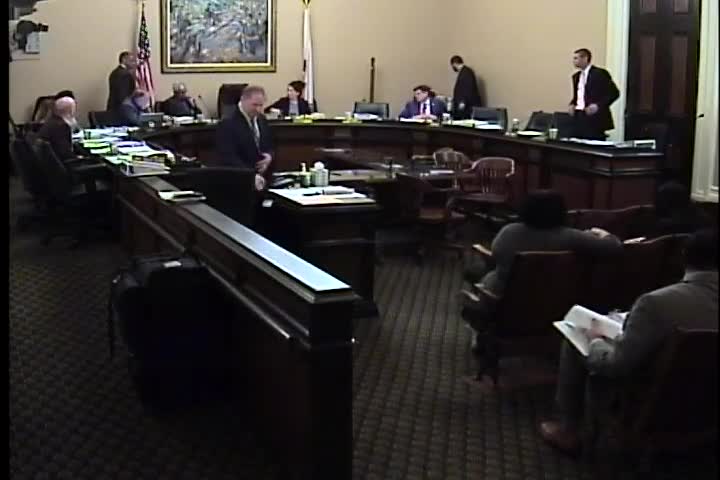 2MIN
Assembly Standing Committee on Public Safety
Bill Author

Bill Co-Author(s):