SB 535: Greenhouse gases: wildfires and forest fires: air emissions.
- Session Year: 2019-2020
- House: Senate
- Latest Version Date: 2019-06-27
|
Date
|
Status
|
|---|---|
| Aug 30, 2019 | August 30 hearing: Held in committee and under submission. |
| Aug 14, 2019 | August 14 set for first hearing. Placed on APPR. suspense file. |
| Jun 27, 2019 | Read second time and amended. Re-referred to Com. on APPR. |
| Jun 26, 2019 | From committee: Do pass as amended and re-refer to Com. on APPR. (Ayes 9. Noes 1.) (June 24). |
| May 30, 2019 | Referred to Com. on NAT. RES. |
| May 21, 2019 | In Assembly. Read first time. Held at Desk. |
| May 20, 2019 | In Assembly. Read first time. Held at Desk. |
| May 20, 2019 | Read third time. Passed. (Ayes 38. Noes 0.) Ordered to the Assembly. |
| May 14, 2019 | Read second time. Ordered to third reading. |
| May 13, 2019 | From committee: Be ordered to second reading pursuant to Senate Rule 28.8. |
| May 3, 2019 | Set for hearing May 13. |
| Apr 29, 2019 | Read second time and amended. Re-referred to Com. on APPR. |
| Apr 25, 2019 | From committee: Do pass as amended and re-refer to Com. on APPR. (Ayes 7. Noes 0.) (April 24). |
| Mar 15, 2019 | Set for hearing April 24. |
| Mar 7, 2019 | Referred to Com. on EQ. |
| Feb 22, 2019 | From printer. May be acted upon on or after March 24. |
| Feb 21, 2019 | Introduced. Read first time. To Com. on RLS. for assignment. To print. |
|
Date
|
Description
|
Location
|
Votes
|
|
|---|---|---|---|---|
| Jun 24, 2019 | Do pass as amended and be re-referred to the Committee on [Appropriations] | Assembly Standing Committee on Natural Resources |
Passed |
|
| May 20, 2019 | Senate 3rd Reading SB535 Moorlach | Senate Floor |
Passed |
|
| Apr 24, 2019 | Do pass as amended, but first amend, and re-refer to the Committee on [Appropriations] | Senate Standing Committee on Environmental Quality |
Passed |
This list shows positions taken on this bill by organizations on the date displayed, which is linked to the original source.
Positions by individuals are not included.
Date of Hearing: August 14, 2019
ASSEMBLY COMMITTEE ON APPROPRIATIONS
Lorena Gonzalez, Chair
SBPCA Bill Id:SB 535
Author:(Moorlach) – As Amended Ver:June 27, 2019
Policy Committee: | Natural Resources | Vote: | 9 - 1 |
|
| ||
|
|
Urgency: No State Mandated Local Program: No Reimbursable: No
SUMMARY:
This bill requires the Air Resources Board (ARB) to submit a report, on or before December 31, 2020, and every three years thereafter, assessing the GHG emissions associated with wildfires every three years, as specified, and to identify information contained in the report to be included in future iterations of the AB 32 scoping plan.
FISCAL EFFECT:
ARB estimates this bill requires $1.53 million for contracts and equipment and one permanent position for the first year and, $179,000 ongoing and $100,000 in contract funds every three years to increase the frequency of its reporting and integrate the specified information into the Assembly Bill 32 scoping plan (Cost of Implementation Account).
COMMENTS:
- Purpose. This bill increases how frequently ARB must report wildfire GHG emissions, from every five years to every three years, and adds additional pollutants to the emissions included in the report. The bill requires the report to include, to the extent feasible, an assessment of the increased severity of wildfires and wildfire emissions due to climate change. Finally, the bill requires ARB to identify any information in the report that should be included in the AB 32 Scoping Plan. According to the author:
Senate Bill 535 does not intend to set up compliance standards for our forest and timber stewards. I simply want to ensure that when there are human-related catastrophic fires, we are measuring the large scale emissions, recognizing them in our high-level planning documents and appropriately mitigating wildfires and their impact on California in the future.
- Background. Existing law requires ARB to prepare and approve a scoping plan to achieve the GHG reductions pursuant to the state's climate goals. Existing law also requires the ARB to submit a report on or before December 31, 2020, and every five years thereafter, assessing the GHG emissions with wildfire and forest management activities.
SB 901 (Dodd) Chapter 626, Statutes of 2018 (SB 901) requires ARB to: (a) identify a historic baseline of GHG emissions from wildfires associated with the state's natural fire regime prior to the implementation of modern fire suppression practices; (b) develop a standardized system for quantifying the direct carbon emissions from fuel reduction activities for the purposes of meeting the accounting requirements for Greenhouse Gas Reduction Fund (GGRF) expenditures; and (c) produce a report to the Legislature on or before December 31, 2020, and every five years thereafter, on emissions related to wildfires and forest management activities.
It is unclear why the current requirement information and frequency of reporting is insufficient.
Analysis Prepared by: Jennifer Galehouse / APPR. / (916) 319-2081
Date of Hearing: June 24, 2019
ASSEMBLY COMMITTEE ON NATURAL RESOURCES
Laura Friedman, Chair
SBPCA Bill Id:SB 535
Author:(Moorlach) – As Amended Ver:April 29, 2019
SENATE VOTE: 38-0
SUBJECT: Wildfires and forest fires: air emissions
SUMMARY: Requires the Air Resources Board (ARB) to submit an annual report to the Legislature on wildfires including information on emission from greenhouse gases (GHGs) and other pollutants, and the impacts of climate change on wildfires.
EXISTING LAW:
- Requires the Air Resources Board (ARB), pursuant to the California Global Warming Solutions Act of 2006 [AB 32 (Núñez), Chapter 488, Statutes of 2006], to adopt a GHG emissions limit equivalent to 1990 levels by 2020 and adopt regulations to achieve maximum technologically feasible and cost-effective GHG emission reductions. AB 32 authorizes ARB to permit the use of market-based compliance mechanisms to comply with GHG reduction regulations once specified conditions are met. Requires ARB to approve a statewide GHG emissions limit equivalent to 40% below the 1990 level by 2030.
- Establishes the Greenhouse Gas Reduction Fund (GGRF) and requires all moneys, except for fines and penalties, collected by ARB from the auction or sale of allowances pursuant to a market-based compliance mechanism (i.e., the cap-and-trade program adopted by ARB under AB 32) to be deposited in the GGRF and available for appropriation by the Legislature.
- Requires ARB, in consultation with the Department of Forestry and Fire Protection (CAL FIRE), to develop the following:
- A system for quantifying the GHG impact of fuel reduction activities;
- A historic baseline of GHG emissions from California’s natural fire regime reflecting conditions before modern fire suppression; and
- A report, on or before December 31, 2020, and once every five years thereafter, that assesses GHG emissions associated with wildfire and forest management activities.
- Requires ARB to prepare and approve a scoping plan, on or before January 1, 2009, and once every five years thereafter, for achieving the maximum technologically feasible and cost-effective reductions in GHG emissions from sources or categories of sources of GHGs by 2020.
THIS BILL:
- Requires ARB to submit a report to the Legislature, in consultation with CAL FIRE, that includes, but is not limited to:
- The GHG, criteria air pollutant, and short-lived climate pollutant emissions from wildfires.
- An assessment, to the extent feasible, of the increased severity and emissions of wildfires due to the impacts of climate change.
- Requires the report pursuant to this bill to be submitted no later than May 1, 2020, and annually thereafter.
FISCAL EFFECT: According to the Senate Appropriations Committee, pursuant to Senate Rule 28.8, negligible state costs.
COMMENTS:
- Author’s statement:
Senate Bill 535 does not intend to set up compliance standards for our forest and timber stewards. I simply want to ensure that when there are human-related catastrophic fires, we are measuring the large scale emissions, recognizing them in our high-level planning documents and appropriately mitigating wildfires and their impact on California in the future.
- Background. In 2017, over 1.3 million acres burned in high-severity wildfires and over 10,000 structures were destroyed. In 2018, over 1.8 million acres burned and over 22,700 structures were destroyed. Over one hundred Californians have died from wildfires over the last two years. CAL FIRE keeps records of the largest and most destructive wildfires in the state’s history. Each year those records continue to be broken.
Fire has always been present in California landscapes either occurring by lightning strikes or used by Native American tribes to preserve certain useful plants and prevent larger fires. Low-intensity fires have clear ecological benefits, such as creating habitat and assisting in the regeneration of certain species of plants and trees. Low-intensity fire also reduces surface fuel, which decreases future wildfire intensity.
A century of suppressing low intensity fires, logging of older growth and more fire-resistant trees, and a significant five-year drought has increased the size and severity of California’s fires. Climate change has also contributed to wildfire risk by reducing humidity and precipitation and increasing temperatures.
California’s forests have become overstocked and unhealthy. In the Stanislaus National Forest, a team of UC Berkeley researchers found a density of 400 trees per acre in 2013, compared with 60-90 trees per acre found in historical reports from 1911. In addition, the researchers found more undergrowth species, and a smaller average tree size than in 1911. From 2014 to 2018 over 147 million trees have died due to a combination of drought and bark beetles. New research by UC Berkeley states “these dead trees have created unprecedented levels of fuel, which could create dangerous wildfires in the near future that are beyond the predictive capacity of current fire models.”
The use of targeted mechanical vegetation management, prescribed fire, and managed wildfire reduces the accumulated high fuel loads, promoting healthier, more resilient forests, reducing the risk of high-severity wildfires.
Senate Bill 901 (Dodd), Chapter 626, Statutes of 2018, committed $1 billion for CAL FIRE’s Forest Health Grant Program and fire prevention grant program and dedicated fuel reduction crews over the next five years. The funds will be used to do significant fuel reduction work near communities and in forested watersheds, and many projects will include a biomass utilization component.
On March 5, 2019, CAL FIRE released a 45-day report to Governor Newsom. According to CAL FIRE the report systematically identified high priority fuel reduction projects and other measures to immediately begin to protect over 200 of California’s most wildfire-vulnerable communities and put the state on a path toward long-term wildfire prevention and forest health. CAL FIRE’s report identified more than 30 strategically defined local projects that can be completed in partnership with communities in time to make a difference this wildfire season. Examples include removal of hazardous dead trees, vegetation clearing, creation of fuel breaks and community defensible spaces, and creation of ingress and egress corridors.
- California Global Warming Solutions Act of 2006. Pursuant to AB 32, ARB is required to approve a statewide GHG emissions limit, equal to the 1990 level, to be achieved by 2020 by adopting regulations to achieve maximum technologically feasible and cost-effective GHG emission reductions. SB 32 (Pavley), Chapter 249, Statutes of 2016, updated the emissions limit for 2030 by setting a target of 40% below 1990 levels. ARB is required to prepare and update every five years a Scoping Plan that describes the approach to reducing GHGs to achieve the emission goals.
- GHG emissions reporting. In order to meet the state’s long-term emission targets, ARB is required to prepare, adopt, and update California’s GHG inventory. The ARB GHG inventory program establishes historical emission trends and tracks California’s progress in reducing GHGs. The inventory provides estimates of anthropogenic GHG emissions within California, as well as emissions associated with imported electricity; natural sources are not included in the inventory. The inventory includes estimates for carbon dioxide (CO2), methane (CH4), nitrous oxide (N2O), and fluorinated gases with high global warming potentials (High-GWP) which includes hydrofluorocarbons (HFCs), perfluorocarbons (PFCs), sulfur hexafluoride (SF6), and nitrogen trifluoride (NF3). The ARB uses an inventory scope and framework consistent with international and national GHG inventory practices. An updated emission inventory is published annually to include additional years for historical trends and improved estimation methods.
- Emissions from wildfires. According to a research paper published by the United States Forest Service in 2014[1]:
Increasing wildfire activity in recent decades, partially related to extended droughts, along with concern over potential impacts of future climate change on fire activity has resulted in increased attention on fire–climate interactions. Fires are projected to increase in many regions of the globe under a changing climate due to the greenhouse effect. Burned areas in the western United States could increase by more than 50% by the middle of this century. Increased fire activity is not simply an outcome of the changing climate, but also a participant in the change … leading to regional climate effects including reduction in surface temperature, suppression of cloud and precipitation, and enhancement of climate anomalies such as droughts.
Wildfire emissions contain both GHGs—such as CO2, carbon monoxide (CO), and CH4—and particulate matter (PM)—such as black carbon (BC) and organic carbon (OC). Fire smoke PM is comprised of approximately 5-10% BC and 50-60% OC.
- Short-Lived Climate Pollutants (SLCPs). SLCPs are powerful climate forcers that remain in the atmosphere for a much shorter period of time than longer-lived climate pollutants, such as carbon-dioxide (CO2). They include CH4, fluorinated gases including HFCs, and BC. Their relative potency, when measured in terms of how they heat the atmosphere, can be tens, hundreds, or even thousands of times greater than that of CO2. SLCPs are harmful air pollutants and the impacts of SLCPs are especially strong over the short term. Reducing these emissions can make an immediate beneficial impact on climate change and improve public health.
SB 605 (Lara), Chapter 523, Statutes of 2014, directed ARB to develop a comprehensive SLCP strategy, in coordination with other state agencies and local air quality management and air pollution control districts to reduce emissions of SLCPs. SB 1383 (Lara), Chapter 395, Statutes of 2016 directed the ARB to approve and begin implementing the plan by January 1, 2018, and set statewide 2030 emission reduction targets for methane, HFCs, and anthropogenic BC.
The forestry category of BC data includes non-agricultural prescribed burning and wildfire emissions. Emissions from these activities exhibit high year-to-year variability and large uncertainty in current and future emissions, and are not included in the SLCP black carbon reduction target. To provide a more representative view of emissions without large year-to-year variability driven by natural forces, forestry emissions are calculated as a 10-year average.
- Reporting on wildfire emissions. Pursuant to SB 901, ARB is required to submit a report on December 31, 2020, and every five years thereafter, a report that assesses GHG emissions associated with wildfire and forest management activities. This report is created by using data obtained from CAL FIRE in May of each year. As part of this report, ARB is required to create a historic baseline of GHG emissions from the state’s wildfires. This baseline would be necessary to make any inferences about the impact that climate change and fire treatment techniques are having on California’s wildfires.
The wildfire report from Governor Newsom’s Strike Force highlights the historic incidence of wildfires in California and estimates the additional acres burned due to wildfires amplified by climate change. The report addresses the growing risk of wildfires and outlines steps that various state and local entities must adopt in order to address this growing risk. The report also highlights the importance of maintaining the state’s commitment to mitigating climate change and continue its transition to clean energy since climate change is the, “core driver of heightened wildfire risk.”
The ARB report pursuant to this bill, due by May 31, 2020, would preempt the SB 901 ARB report to be released on December 31, 2020. It would also have significant areas of overlap. It is not clear that there is a need for two separate ARB wildfire reports with slightly different reporting requirements and schedules that significantly overlap with one another. There is concern that additional redundant requirements imposed by this bill would divert resources from the more important mission of mitigating climate change and reducing the risk of future wildfires. Furthermore, it is not clear what purpose the additional wildfire report would serve. The state has significantly increased funding and resources to address the growing risk of wildfires and climate change and it is unclear how this report would be beneficial in enhancing the state’s long-term strategy.
- Suggested amendments. Should the committee pass this bill, the committee may wish to amend the bill as follows:
- Remove Section 38535 and incorporate the reporting requirements specified in this bill as additional information, if feasible, to be included in the SB 901 report [Health and Safety Code Section 38535].
- Increase the frequency of the SB 901 report to every three years.
REGISTERED SUPPORT / OPPOSITION:
Support
California Chamber of Commerce
California Forestry Association
Rural County Representatives of California
San Gabriel Valley Economic Partnership
Southwest California Legislative Council
Opposition
None on file
Analysis Prepared by: Achintya Madduri / NAT. RES. /
“Wildland fire emissions, carbon, and climate: Wildfire–climate interactions”, Forest Ecology and Management. 317: 80-96, Lie, Y, Goodrick, S, Heilman W. ↑
Office of Senate Floor Analyses (916) 651-1520 Fax: (916) 327-4478 | SB 535 |
THIRD READING
Bill No: SB 535
Amended: 4/29/19
SENATE ENVIRONMENTAL QUALITY COMMITTEE: 7-0, 4/24/19
AYES: Allen, Bates, Hill, Skinner, Stern, Stone, Wieckowski
SENATE APPROPRIATIONS COMMITTEE: Senate Rule 28.8
SUBJECT: California Global Warming Solutions Act of 2006: scoping plan
DIGEST:
This bill requires the Air Resources Board to submit a report to the Legislature that includes the greenhouse gas, criteria air pollutant, and short-lived climate pollutant emissions from wildfires and forest fires, as specified.
ANALYSIS: Existing federal law sets, through the Federal Clean Air Act (FCAA) and its implementing regulations, National Ambient Air Quality Standards (NAAQS) for six criteria pollutants and designates air basins that do not achieve NAAQS as nonattainment. (42 U.S.C. §7401 et seq.)
Existing state law:
- Establishes the Air Resources Board (ARB) as the air pollution control agency in California and requires ARB, among other things, to control emissions from a wide array of mobile sources and coordinate, encourage, and review the efforts of all levels of government as they affect air quality. (Health and Safety Code (HSC) §39500 et seq.)
- Requires, under the California Global Warming Solutions Act of 2006 (also known as AB 32), ARB to (a) determine the 1990 statewide greenhouse gas (GHG) emissions level and approve a statewide GHG emissions limit that is equivalent to that level to be achieved by 2020; (b) ensure that statewide GHG emissions are reduced to at least 40% below the 1990 level by December 31, 2030 (i.e., SB 32); and (c) adopt regulations, until December 31, 2030, that utilize a market-based compliance mechanism (i.e., the cap-and-trade program) to reduce GHG emissions. (HSC §38500 et seq.)
- Requires ARB to develop and implement a strategy to reduce emissions of short-lived climate pollutants (SLCPs), as specified. (HSC §§39730, 39730.5)
This bill requires ARB, no later than May 1, 2020, and annually thereafter, to submit a report to the Legislature that includes the GHG, criteria air pollutant, and SLCP emissions from wildfires and forest fires, an assessment of the increased severity of wildfires and forest fires from the impacts of climate change, and a calculation of the increase in the emissions of criteria air pollutants, GHGs, and SLCPs based on the increased severity of wildfires and forest fires assessed, as specified.
Background
- Implementing AB 32: The California Global Warming Solutions Act of 2006. In 2006, AB 32 (Núñez and Pavley, Chapter 488, Statutes of 2006) was signed into law, which requires ARB to determine the 1990 statewide GHG emission level and achieve a reduction in GHG emissions to that level by 2020. In addition to calling on ARB to inventory GHGs in California (including carbon dioxide, methane, nitrous oxide, hydrofluorocarbons (HFCs), perfluorocarbons, and sulfur hexafluoride) and approve the aforementioned statewide GHG emissions limit.
AB 32 also requires ARB to (a) implement regulations that achieve the maximum technologically feasible and cost-effective reduction of GHG emissions; (b) identify and adopt regulations for discrete early-action measures; and (c) prepare and approve a scoping plan, to be updated at least once every five years, to achieve the maximum technologically feasible and cost-effective reduction of GHG emissions. Due to a variety of factors, most importantly being the great recession that started in 2008, California will achieve the goals of AB 32 in advance of the 2020 deadline.
In 2016, the Legislature approved, and the Governor signed, SB 32 (Pavley, Chapter 249, Statutes of 2016), which required ARB to ensure that statewide GHG emissions are reduced to at least 40% below the 1990 level by December 31, 2030. This new goal is known as the SB 32 target.
The following year, AB 398 (E. Garcia, Chapter 135, Statutes of 2017) was enacted to extend the authority of ARB to implement a cap-and-trade program to reduce GHG emissions throughout the state. AB 398 specified a variety of requirements for the post-2020 cap-and-trade program, most notable are (a) requiring the banking of allowances from the current cap-and-trade program into the post-2020 program; (b) requiring ARB to evaluate and address concerns related to the overallocation of available allowances in the program for years 2021 to 2030; and (c) the adoption of a price ceiling in the program, at which point an unlimited number of allowances must be made available for purchase.
- Air quality standards. The FCAA passed in 1963 and has been revised many times thereafter. The FCAA and its implementing regulations are intended to protect public health and environmental quality by limiting and reducing pollution from various sources. Under the FCAA, the United States Environmental Protection Agency (US EPA) establishes NAAQS that apply to outdoor air throughout the country.
In 1969 and 1971, ARB set the first air quality standards for ozone, Particulate Matter (PM), oxides of nitrogen (NOx), oxides of sulfur (SOx), and carbon monoxide due to their negative impacts on public health above specified concentrations.
The federal government followed suit and set NAAQS for six “criteria pollutants.” These included ground-level ozone, PM, NOx, SOx, and carbon monoxide, and added lead. Now, the US EPA reviews each NAAQS at five-year intervals to ensure that the standards are based on the most recent scientific information.
Regions that do not meet the national standards for any one of the standards are designated “nonattainment areas.” The FCAA sets deadlines for attainment based on the severity of nonattainment and requires states to develop comprehensive plans, known as the state implementation plan, to attain and maintain air-quality standards for each area designated nonattainment for NAAQS.
- Health impacts of air pollution. When not adequately controlled, air pollution has dire consequences on the health and safety of both people and the environment. Poor air quality causes the lungs to constrict, resulting in wheezing, shortness of breath and chest tightness, especially during exercise or physical activity.
It is well known that air pollution causes asthma. According to the Centers for Disease Control and Prevention, nationwide 7.4% of adults and 8.6% of children have been diagnosed with asthma. In California, the numbers are significantly higher: 13.1% of adults and 12.5% of children have been diagnosed with asthma. Lower income and minority groups are disproportionately affected by asthma due to their increased exposure to air pollution.
Depending on exposure, air pollution alone can cause an increased risk of cardiovascular and respiratory illness, lung disease, cancerous tumors, birth defects, premature births, developmental disorders, central nervous system damage, intellectual disability, persistent memory impairments, epilepsy, dementia, and premature death.
The Lancet, a U.K.-based medical journal, published that nine million people died in 2015 from all sources of pollution, which cost $4.6 trillion in economic damage. Air pollution accounted for approximately 6.5 million of the nine million deaths.
A June 2017 study published by Harvard researchers in the New England Journal of Medicine found that there is no safe level of long-term exposure to PM 2.5 (PM that is less than 2.5 micrometers in diameter) and ozone below which there is no risk of premature death. The study followed over 60 million Americans over 65 years old for seven years. Two studies from September and November of 2018 published in the journals Environmental Epidemiology and JAMA Pediatrics, respectively, suggest that rising autism rates might be connected at least in part to air pollution from traffic. They are not the first to show a link between exposure to pollutants during pregnancy and the diagnosis of autism spectrum disorders, but both studies looked at large populations and found a link with relatively low levels of pollutants. An April 2018 study published in PLOS ONE found that long-term exposure to ambient air pollution was a risk factor of a wide range of potential mental health disorders.
- Short-Lived Climate Pollutant (SLCP) strategy. GHGs such as carbon dioxide work to warm the earth by trapping solar radiation in the earth’s atmosphere. Depending on the molecule, these pollutants can vary greatly in their ability to trap heat, which is termed their global warming potential (GWP), and the length of time they remain in the atmosphere. Carbon dioxide remains in the atmosphere for centuries, which makes it one of the most critical GHGs to reduce in order to limit long-term climate change. However, climate pollutants including methane, tropospheric ozone, HFCs, and soot (black carbon), are relatively short-lived (anywhere from a few days to a few decades), but when measured in terms of how they heat the atmosphere, their effect can be tens, hundreds, or even thousands of times greater than that of carbon dioxide. These are SLCPs.
Because SLCPs remain in the atmosphere for a relatively short period of time, but have a much higher GWP than carbon dioxide, efforts aimed at reducing their emissions in their near term would result in more immediate climate, air quality, and public health benefits, rather than a strategy focused solely on carbon dioxide. According to ARB’s Web site, “while the climate impacts of CO2 reductions take decades or more to materialize, cutting emissions of SLCPs can immediately slow global warming and reduce the impacts of climate change.” Recent research estimates that SLCPs are responsible for about 40% of global warming to date and that actions to reduce SLCP emissions could cut the amount of warming that would occur over the next few decades by half.
SB 605 (Lara and Pavley, Chapter 523, Statutes of 2014) directed ARB to develop a comprehensive SLCP strategy by January 1, 2016. In developing the SLCP strategy, ARB was required to complete an inventory of sources and emissions of SLCPs in the state based on available data, identify research needs to address data gaps and existing and potential new control measures to reduce emissions. ARB approved the SLCP strategy in March 2017, which set statewide 2030 emission reduction targets for methane, HFCs, and anthropogenic black carbon.
FISCAL EFFECT: Appropriation: No Fiscal Com.: Yes Local: No
California Chamber of Commerce
Rural County Representatives of California
OPPOSITION: (Verified 5/13/19)
Prepared by: David Ernest García / E.Q. / (916) 651-4108
5/15/19 16:25:43
SENATE COMMITTEE ON ENVIRONMENTAL QUALITY
Senator Allen, Chair
2019 - 2020 Regular
Bill No: SB 535
Author: | Moorlach | ||
Version: | 2/21/2019 | Hearing Date: | 4/24/2019 |
Urgency: | No | Fiscal: | Yes |
Consultant: | David Ernest García | ||
SUBJECT: California Global Warming Solutions Act of 2006: scoping plan
DIGEST: This bill requires the Air Resources Board to include greenhouse gas emissions from wildfires and forest fires in its scoping plan, as specified.
ANALYSIS:
Existing law:
- Establishes the Air Resources Board (ARB) as the air pollution control agency in California. (Health and Safety Code (HSC) §39500 et seq.)
- Requires, under the California Global Warming Solutions Act of 2006 (also known as AB 32), ARB to (1) determine the 1990 statewide greenhouse gas (GHG) emissions level and approve a statewide GHG emissions limit that is equivalent to that level to be achieved by 2020; (2) ensure that statewide GHG emissions are reduced to at least 40% below the 1990 level by December 31, 2030 (i.e., SB 32); and (3) adopt regulations, until December 31, 2030, that utilize a market-based compliance mechanism (i.e., the cap-and-trade program) to reduce GHG emissions. (HSC §38500 et seq.)
- Requires ARB to prepare and approve a scoping plan to achieve maximum technologically feasible and cost-effective reductions in GHG emissions at least once every five years, as specified. (HSC §38561)
- Requires all GHG rules and regulations adopted by ARB be consistent with the updated scoping plan. (HSC § 38592.5)
This bill:
Requires ARB to include GHG emissions from wildfires and forest fires in the scoping plan, as specified.
Background
- Implementing AB 32: The California Global Warming Solutions Act of 2006. In 2006, AB 32 (Núñez and Pavley, Chapter 488, Statutes of 2006) was signed into law, which requires ARB to determine the 1990 statewide GHG emission level and achieve a reduction in GHG emissions to that level by 2020. In addition to calling on ARB to inventory GHGs in California (including carbon dioxide, methane, nitrous oxide, hydrofluorocarbons, perfluorocarbons, and sulfur hexafluoride) and approve the aforementioned statewide GHG emissions limit.
AB 32 also requires ARB to (1) implement regulations that achieve the maximum technologically feasible and cost-effective reduction of GHG emissions; (2) identify and adopt regulations for discrete early-action measures; and (3) prepare and approve a scoping plan, to be updated at least once every five years, to achieve the maximum technologically feasible and cost-effective reduction of GHG emissions. Due to a variety of factors, most importantly being the great recession that started in 2008, California will achieve the goals of AB 32 in advance of the 2020 deadline.
In 2016, the Legislature approved, and the Governor signed, SB 32 (Pavley, Chapter 249, Statutes of 2016), which requires ARB to ensure that statewide GHG emissions are reduced to at least 40% below the 1990 level by December 31, 2030. This new goal is known as the SB 32 target.
The following year, AB 398 (E. Garcia, Chapter 135, Statutes of 2017) was enacted to extend the authority of ARB to implement a cap-and-trade program to reduce GHG emissions throughout the state. AB 398 specified a variety of requirements for the post-2020 cap-and-trade program, most notable are (1) requiring the banking of allowances from the current cap-and-trade program into the post-2020 program; (2) requiring ARB to evaluate and address concerns related to the overallocation of available allowances in the program for years 2021 to 2030; and (3) the adoption of a price ceiling in the program, at which point an unlimited number of allowances must be made available for purchase.
Additionally, AB 398 requires all GHG rules and regulations adopted by ARB to be consistent with ARB’s scoping plan that outlines how to achieve maximum technologically feasible and cost-effective reductions in GHG emissions.
Comments
- Purpose of Bill. According to the author, “Wildfires in California have been a natural occurrence over the centuries. In fact, they should occur on occasion, especially in our forests. Every 70 years is an appropriate burn cycle, but not every 7 years, which seems to be the new normal. Why? Because of human interaction with otherwise pristine wilderness areas, thanks to sparks from vehicles and electrical transmission equipment, among other things, is causing more fires.
“This higher frequency of human-caused wildfires dramatically contributes to the production of greenhouse gases and this needs to be addressed if Sacramento is really serious about climate change. In the past several years, I have tried my best to help my fellow legislators to quantify greenhouse gases and include this information in analyses so that we can appropriately fund and mitigate these issues.
“In hindsight, my previous legislative efforts -- including SB 1463 in 2016 and 2018 -- could have made a difference in the tragic fires of 2017 and 2018. It’s a shame that environmental leaders do not focus on all the components of manmade greenhouse gas emissions, thus miscalculating and essentially ignoring the impacts of wildfires and their emissions on the atmosphere.
“I acknowledge that previous legislation has required some minimal tracking of emissions produced by wildfires, including SB 859 (Budget, Chapter 368, Statutes of 2016) and SB 901 (Dodd, Chapter 626, Statutes of 2018). As important as that information provides, it is more of an asterisk in an otherwise mountain of emission research. Unless policy makers actually include all greenhouse gas emissions in the AB 32 Scoping Plan, our state’s planning document which drives our approach to reducing emissions, it will do us little good in the long-run to continue championing marginal emission reduction alternatives.
“Senate Bill 535 does not intend to set up compliance standards for our forest and timber stewards. I simply want to ensure that when there are human-related catastrophic fires, we are measuring the large scale emissions, recognizing them in our high-level planning documents and appropriately mitigating wildfires and their impact on California in the future.” - GHG emissions from wildfires and forest fires. In California’s 2017 Climate Change Scoping Plan, ARB wrote that they have “developed a statewide emission inventory for black carbon in support of the [Short Lived Climate Pollutant (SLCP)] Strategy, which is reported in two categories: non-forestry (anthropogenic) sources and forestry sources. The black carbon inventory will help support implementation of the SLCP Strategy, but is not part of the State’s GHG Inventory that tracks progress towards the State’s climate targets.”
Given state law relating to reducing SLCPs, tracking black carbon in the scoping plan is appropriate.
That being said, the reason GHG emissions from these kinds of events are not included in the state’s GHG emissions inventory is nuanced, but still relatively simple.
First, natural disasters that emit GHGs (such as wildfires and forest fires) occurred before climate change, will continue to occur as the climate continues to change, and will persist even if mankind ultimately solves the problem of climate change.
As such, while science can now conclusively (1) attribute individual extreme events to climate change and (2) determine what types of events are made worse by climate change, it is important to recognize that extreme events like the record-breaking wildfires in California are a symptom of climate change, not the cause.
The overwhelming consensus of climate scientists is that climate change is anthropogenic, meaning human activity has caused the rising GHG concentrations in the atmosphere and, therefore, increasing average global temperatures and the extreme version of events climate change causes.
The fundamental scientific understanding that human activity is responsible for climate change precludes including GHG emissions from natural disasters in the state’s inventory that tracks progress towards California’s climate goals, even ones that are made worse by climate change.
By including new and highly variable sources of GHG emissions, such as wildfires and forest fires, in the state’s inventory, caps would need to be adjusted according to uncertain sources of emissions. This could make the program unworkable for those industries currently covered under cap-and-trade because the program would be over supplied with allowances until a wildfire or forest fire occurred. At that point, the market would then tighten due to the unexpected need for allowances, which could cause huge price spikes for businesses as the supply of allowances in the program falls.
Moreover, a question arises as to whom would actually be responsible to pay for the allowances necessary to cover a wildfire or forest fire. Would a utility have to pay for the allowances to cover the GHG emissions from a wildfire if they are ultimately determined to be responsible? Who would pay for the allowances if that utility went bankrupt? California taxpayers? What if an individual is found to be responsible? And then declares bankruptcy? Are California taxpayers still on the hook to cover the cost of those emissions?
Additionally, as noted in the background, state law requires all GHG rules and regulations adopted by ARB to be consistent with the scoping plan. Including natural disasters, like wildfires and forest fires, in the scoping plan would shift the focus from the true cause of climate change—human activity—to sources of GHG emissions that, while individually large, are not responsible for long-term climate change. This could significantly impede the state’s ability to address climate change.
It is well known that California is only responsible for approximately 1% of global GHG emissions. As such, climate change policy experts in the state have opined that the reason California has implemented aggressive climate policies is (1) to prove that it is possible to reduce the anthropogenic sources of GHG emissions that are responsible for climate change without harming California’s economy; (2) to demonstrate that California is willing to do its part in the global fight against climate change by addressing the anthropogenic sources of GHG emissions that are responsible for climate change; and (3) to design successful policies that can be exported to the rest of the world so that climate change can eventually be stopped.
In this regard, California has been wildly successful. Despite—or, perhaps, because of—our aggressive climate change policies, the California economy has grown to be the fifth largest economy in the world. This proves to the rest of the world that California’s policies are effective and can be replicated across the globe and that doing so will not only protect the environment, but will bolster the global economy.
That being said, if California were to include sources of GHG emissions in the scoping plan that are not the underlying cause of climate change—such as those from wildfires and forest fires—and ARB had to focus on reducing those emissions because of other provisions in state law (e.g., that ARB must focus on cost-effective GHG emissions reductions), California’s policies would no longer be exportable to other jurisdictions that do not face the wildfire and forest fire problems that California does. Such an outcome would diminish California’s role as a leader on climate change and the world would lose the innovative and actionable climate change policies that California currently creates.
Moreover, if California chose to focus on wildfire and forest fire GHG emissions that are not the underlying cause of global climate change, jurisdictions that mostly or only have anthropogenic sources of GHG emissions may refuse to enact policies to reduce their GHG emissions because doing so would put their businesses at an economic disadvantage to California businesses.
Finally, wildfires and forest fires release biomass carbon into the atmosphere in the form of carbon dioxide, methane is emitted due to incomplete combustion of biomass, and nitrous oxide is a product of combustion. In an effort to contextualize the GHG emissions from fires, ARB publishes that data on their website. In fact, the available numbers and graphs were updated as recently as March 5, 2019. Given that this information is already available and up to date, a question arises as to the necessity of this bill.
For the reasons outlined in this comment, the Committee may wish to consider holding this measure.
SOURCE:
Author
SUPPORT:
CalChamber
Calforests
OPPOSITION:
None received
-- END --
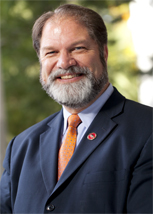
Bill Author
Bill Co-Author(s):