AB 1424: Corrections.
- Session Year: 2025-2026
- House: Assembly
- Latest Version Date: 2025-03-24
Current Status:
Failed
(2026-02-02: From committee: Filed with the Chief Clerk pursuant to Joint Rule 56.)
Introduced
In Committee
Awaiting First Chamber Vote
Passed First Chamber
In Committee
Awaiting Second Chamber Vote
Passed Second Chamber
Enacted
Under existing law, the California Occupational Safety and Health Act of 1973, the Division of Occupational Safety and Health investigates complaints that a workplace is not safe and may issue orders necessary to ensure employee safety. Under existing law, certain violations of those provisions or a standard, order, or special order authorized by those provisions are a crime.
Existing law establishes the Department of Corrections and Rehabilitation and sets forth its powers and duties regarding the administration of correctional facilities and the care and custody of inmates. Existing law establishes the Office of Emergency Services within the office of the Governor and requires the office to be responsible for the states emergency and disaster response services for natural, technological, or manmade disasters and emergencies.
This bill would require the division, by December 1, 2026, to submit a rulemaking proposal for the Occupational Safety and Health Standards Boards review and adoption, specifically applicable to workers in any prison or institution under the jurisdiction of the Department of Corrections and Rehabilitation, as specified.
This bill would require the Department of Corrections and Rehabilitation to comply with these provisions and any order, rule, or regulation adopted by the Occupational Safety and Health Standards Board pursuant to them. Because this bill would expand the definition of an existing crime, this bill would impose a state-mandated local program.
This bill would require the Department of Corrections and Rehabilitation to take various actions relating to climate control and working conditions in prisons, including, among other things, ensuring that facilities are equipped with adequate cooling systems, adding shade structures, ensuring that facilities install temperature monitoring systems, as specified, and establishing and regularly updating an emergency response and evacuation plan for each correctional facility to protect the safety of incarcerated individuals during extreme weather events. The bill would require the department to implement an annual training for all staff on preventing, identifying, and managing heat-related illnesses. The bill would require the department to create a working group, as specified, to ensure regular maintenance, upkeep, accessibility of use, and implementation of these actions related to climate control and working conditions. The bill would require the department, on January 1, 2027, and each January 1 thereafter, to submit a report to the Governor, the Legislature, and the Office of Emergency Services, detailing the progress in implementation of these measures.
The California Constitution requires the state to reimburse local agencies and school districts for certain costs mandated by the state. Statutory provisions establish procedures for making that reimbursement.
This bill would provide that no reimbursement is required by this act for a specified reason.
Existing law regulates the terms and conditions of home equity sales contracts, and requires those contracts to meet specified requirements, including, among other things, that the contract be written in the same language principally used by the equity purchaser and equity seller to negotiate the sale of the residence in foreclosure.This bill would make a nonsubstantive change to the provision specifying the contract requirements.Existing law regulates the terms and conditions of home equity sales contracts, and requires those contracts to meet specified requirements, including, among other things, that the contract be written in the same language principally used by the equity purchaser and equity seller to negotiate the sale of the residence in foreclosure.
This bill would make a nonsubstantive change to the provision specifying the contract requirements.
The Legislature finds and declares all of the following:
(a)Climate change has led to increased extreme weather events, including excessive heat, cold snaps, wildfires, floods, and poor air quality, all of which disproportionately affect vulnerable populations, including incarcerated individuals.
(b)Incarcerated individuals are often confined in facilities with outdated infrastructure and limited access to adequate ventilation, cooling, heating, or clean air, which can exacerbate the impacts of extreme weather.
(c)Incarcerated people in California are amongst the most vulnerable to heat-related illnesses, injuries, and death.
(d)Incarcerated people have few options to reduce the impact of hazardous heat, and these marginalized communities are often disproportionately susceptible to the effect of heat exposure, given preexisting health conditions.
(e)Structural racism manifests in persistently higher proportions and rates of incarcerated people being people of color.
(f)It is the responsibility of the State of California, through the Department of Corrections and Rehabilitation (CDCR), to ensure the health, safety, and humane treatment of incarcerated individuals while in custody, especially as climate change escalates the frequency of inclement and dangerous weather.
(g)Incarcerated workers are protected by health and safety rights under Title 8 of the California Code of Regulations. The Division of Occupational Safety and Health can and has cited state prisons for occupational safety and health standards violations.
(h)Incarcerated workers may file complaints to the division if their health and safety rights are violated. This process is governed by Article 9 (commencing with Section 344.40) of Chapter 3.2 of Division 1 of Title 8 of the California Code of Regulations.
(i)The National Employment Law Project 2022 report, Workers Doing Time Must Be Protected by Safety Laws, found that incarcerated workers face numerous hazards, including heat-related illnesses. It is unacceptable that California is effectively excluding one of the most vulnerable populations from basic worker protections.
(j)The purpose of this act is to require CDCR to implement safety protocols and infrastructure improvements to protect the health and well-being of incarcerated individuals from the effects of extreme weather events related to climate change.
SEC. 2.Section 6720.1 is added to the Labor Code, to read:6720.1.(a)By December 1, 2026, the division shall submit a rulemaking proposal to the standards board for the boards review and adoption, specifically applicable to workers in any prison or institution under the jurisdiction of the Department of Corrections and Rehabilitation.
(b)In preparing the proposed regulations, the division shall consider all of the following:
(1)The standards proposed and adopted pursuant to subdivision (a) shall be consistent with the requirements described in Chapter 19 (commencing with Section 7470) of Title 7 of Part 3 of the Penal Code and, as appropriate, may draw from, or build upon, the heat illness prevention standards set forth in Sections 3395 and 3396 of Title 8 of the California Code of Regulations.
(2)Maximum and minimum indoor temperatures.
(3)Installation of heating, ventilation, and air conditioning infrastructure.
(4)Protocols for the division to monitor indoor temperatures, inspect facilities, investigate heat-related incidents, and assess compliance with required standards.
(5)Emergency response protocols for immediate action during extreme weather events, including hazard assessments, evacuation, and strategies to protect workers from exposure to harsh conditions.
(6)Investigation and documentation of heat-related illness incidents among workers.
(7)Staff training and resources.
(8)Appropriate and necessary worker hydration requirements.
(9)Protocols for medical intervention.
(10)Annual reporting of heat-related illness incidents to the division.
(11)Protocols for the division to make recommendations for corrective actions to improve the safety of working conditions and work areas.
(c)The division shall consider requiring the Department of Corrections and Rehabilitation to keep heat incident log records for every heat-related incident where the information in the log shall include all of the following:
(1)The date, time, and location of the incident.
(2)A description of the heat illness or injury.
(3)A detailed description of the incident.
(d)The division shall consider requiring that the Department of Corrections and Rehabilitation maintain comprehensive records of indoor climate condition monitoring, hydration provisions, and health assessments for incarcerated workers, making these records available for review during inspections by the division.
(e)The division shall consider requiring that the Department of Corrections and Rehabilitation submit an annual report summarizing incidents of heat-related illnesses, cold exposure incidents, hydration efforts, and health monitoring practices to the division for evaluation and compliance verification.
(f)The Department of Corrections and Rehabilitation shall comply with this section and any order, rule, or regulation adopted by the Occupational Safety and Health Standards Board pursuant to this section.
(g)For the purposes of this section, the following terms have the following meanings:
(1)Heat illness means a serious medical condition resulting from the bodys inability to cope with a particular heat load. It includes heat cramps, heat exhaustion, heat syncope, and heat stroke.
(2)Indoor means a space under a ceiling or overhead covering that restricts airflow and is enclosed along its entire perimeter by walls, doors, windows, dividers, or other barriers that restrict airflow, whether open or closed. All work areas that are not indoor are considered outdoor.
SEC. 3.Chapter 19 (commencing with Section 7470) is added to Title 7 of Part 3 of the Penal Code, to read:19.Climate Justice in Prisons Emergency Response Act7470.For the purposes of this chapter, the following terms have the following meanings:
(a)Climate resilience measures means policies, procedures, and infrastructure upgrades that aim to reduce the adverse effects of climate change-related extreme weather on incarcerated individuals.
(b)Excessive weather means weather conditions such as, but not limited to, extreme heat, extreme cold, wildfire smoke, flooding, or other weather-related events exacerbated by climate change.
(c)Incarcerated individual means any person confined in a state prison or other facility under the jurisdiction of the Department of Corrections and Rehabilitation.
7471.(a)The Department of Corrections and Rehabilitation shall do all of the following:
(1)Ensure that all living quarters, work areas, and recreational spaces at correctional facilities are equipped with adequate cooling systems, including, but not limited to, air conditioning and proper ventilation.
(2)Consider issuing appropriate clothing during summer months, including issuing shorts as part of a standard uniform.
(3)Install temperature monitoring systems, prioritizing sensors that continuously measure and transmit data in all living quarters, work areas, and recreational spaces.
(4)Add shade structures to every yard at each facility, prison, or institution under the jurisdiction of the department.
(5)Allow incarcerated individuals increased access to showers and increased access to personal fans. Fans shall not count towards an incarcerated persons appliance limit and multiple fans shall be allowed for each individual during extreme heat or wildfire events.
(6)(A)(i)Establish a working group consisting of at least two representatives of community-based organizations who work with currently or formerly incarcerated individuals, a representative from the Office of the Inspector General, a representative from the Division of Occupational Safety and Health, a representative of an incarcerated person advisory council, and the Secretary of the Department of Corrections and Rehabilitation to ensure regular maintenance, upkeep, accessibility of use, and implementation of this chapter.
(ii)The department shall, on January 1, 2027, and each year thereafter, submit an annual report to the Governor, the Legislature, and the Office of Emergency Services, detailing the progress in implementing climate resilience measures, the effectiveness of those measures and evacuation plans in response to extreme weather events, the number of climate hazards experienced at each facility under the jurisdiction of the department, and any additional resources required to protect incarcerated individuals from excessive weather. A report to be submitted pursuant to this paragraph shall be submitted in compliance with Section 9795 of the Government Code.
(b)The department shall ensure that all correctional facilities update heating, ventilation, and air conditioning systems, and issue appropriate accommodations for colder climates.
(c)The department shall implement protocols to monitor air quality during wildfire events and other air quality emergencies. Facilities shall have transparent air filtration systems to provide clean air to incarcerated individuals during poor air quality events.
(d)The department shall develop and implement a comprehensive flood and storm preparedness plan for all facilities, particularly those in flood-prone areas. This plan shall include provisions for evacuation, emergency shelter, and access to clean water.
(e)The department shall establish and regularly update, at least every five years, an emergency response and evacuation plan for each correctional facility to protect the safety of incarcerated individuals during extreme weather events. The evacuation plan shall include procedures for the safe and timely evacuation of incarcerated individuals in the event of natural disasters, including, but not limited to, wildfires, floods, and severe storms.
(f)(1)Medical staff shall conduct regular health assessments to identify individuals at greater risk for heat-related illnesses, including, but not limited to, the elderly or those with preexisting health conditions, and those on heat medications.
(2)Medical staff shall monitor symptoms of heat-related illnesses among incarcerated individuals and provide prompt medical attention as necessary.
(3)Medical staff shall establish a protocol for documenting any heat-related illness, including the affected individuals symptoms and treatment received.
(g)(1)The department shall develop and implement annual training for all staff on preventing, identifying, and managing heat-related illnesses.
(2)This training shall include, but not be limited to, all of the following:
(A)Recognizing the signs and symptoms of heat-related illness.
(B)Protocols for responding to heat-related emergencies.
(C)Best practices for maintaining safe conditions during extreme heat.
(D)Reporting procedures.
(h)Incarcerated individuals or their legal representatives may file a grievance with the Office of the Inspector General regarding unsafe conditions related to extreme weather events or noncompliance with the evacuation plan requirements.
7472.The Department of Corrections and Rehabilitation shall establish a monitoring system for the purposes of this chapter.
SEC. 4.No reimbursement is required by this act pursuant to Section 6 of Article XIIIB of the California Constitution because the only costs that may be incurred by a local agency or school district will be incurred because this act creates a new crime or infraction, eliminates a crime or infraction, or changes the penalty for a crime or infraction, within the meaning of Section 17556 of the Government Code, or changes the definition of a crime within the meaning of Section 6 of Article XIIIB of the California Constitution.
SECTION 1.Section 1695.2 of the Civil Code is amended to read:1695.2.Every contract shall be written in letters of a size equal to 10-point bold type, in the same language principally used by the equity purchaser and equity seller to negotiate the sale of the residence in foreclosure, and shall be fully completed and signed and dated by the equity seller and equity purchaser prior to the execution of any instrument of conveyance of the residence in foreclosure.Every contract shall be written in letters of a size equal to 10-point bold type, in the same language principally used by the equity purchaser and equity seller to negotiate the sale of the residence in foreclosure foreclosure, and shall be fully completed and signed and dated by the equity seller and equity purchaser prior to the execution of any instrument of conveyance of the residence in foreclosure.
|
Date
|
Status
|
|---|---|
| Feb 2, 2026 | From committee: Filed with the Chief Clerk pursuant to Joint Rule 56. |
| Jan 31, 2026 | Died pursuant to Art. IV, Sec. 10(c) of the Constitution. |
| May 23, 2025 | In committee: Hearing postponed by committee. |
| May 7, 2025 | In committee: Set, first hearing. Referred to APPR. suspense file. |
| Apr 24, 2025 | From committee: Do pass and re-refer to Com. on APPR. (Ayes 5. Noes 1.) (April 23). Re-referred to Com. on APPR. |
| Apr 9, 2025 | From committee: Do pass and re-refer to Com. on L. & E. (Ayes 6. Noes 2.) (April 8). Re-referred to Com. on L. & E. |
| Mar 25, 2025 | Re-referred to Com. on PUB. S. |
| Mar 24, 2025 | From committee chair, with author's amendments: Amend, and re-refer to Com. on PUB. S. Read second time and amended. |
| Mar 24, 2025 | Referred to Coms. on PUB. S. and L. & E. |
| Feb 24, 2025 | Read first time. |
| Feb 22, 2025 | From printer. May be heard in committee March 24. |
| Feb 21, 2025 | Introduced. To print. |
|
Date
|
Description
|
Location
|
Votes
|
|
|---|---|---|---|---|
| Apr 23, 2025 | Do pass and be re-referred to the Committee on [Appropriations] | Assembly Standing Committee on Labor and Employment |
Passed |
|
| Apr 8, 2025 | Do pass and be re-referred to the Committee on [Labor and Employment] | Assembly Standing Committee on Public Safety |
Passed |
This list shows positions taken on this bill by organizations on the date displayed, which is linked to the original source.
Positions by individuals are not included.
|
Organization
|
Position
|
Date
|
|---|---|---|
| All of Us or None | ** Support | |
| All Of Us Or None Orange County | ** Support | |
| California for Safety and Justice | ** Support | |
| California Public Defenders Association | ** Support | |
| California Rural Legal Assistance Foundation | ** Support | |
| Californians for Safety and Justice | ** Support | |
| Caravan 4 Justice | ** Support | |
| Carceral Ecologies | ** Support | |
| Communities United for Restorative Youth Justice | ** Support | |
| Courage California | ** Support | |
| Ella Baker Center For Human Rights | ** Support | |
| Fair Chance Project | ** Support | |
| Families Inspiring Reentry & Reunification 4 Everyone | ** Support | |
| Individual | ** Support | |
| Initiate Justice Action | ** Support | |
| Justice2jobs Coalition | ** Support | |
| LA Defensa | ** Support | |
| Land Together | ** Support | |
| Legal Services for Prisoners with Children | ** Support | |
| Numerous individuals | ** Support | |
| Riverside All of Us or None | ** Support | |
| Rubicon Programs | ** Support | |
| Starting Over Inc. | ** Support | |
| The Change Parallel Project | ** Support | |
| Transformative Programming Works | ** Support | |
| Ucla Heat Lab | ** Support | |
| Worksafe | ** Support | |
| Youth Forward | ** Support |
Date of Hearing: May 7, 2025
ASSEMBLY COMMITTEE ON APPROPRIATIONS
Buffy Wicks, Chair
ABPCA Bill Id:AB 1424
Author:(Celeste Rodriguez) – As Amended Ver:March 24, 2025
Policy Committee: | Public Safety | Vote: | 6 - 2 |
Labor and Employment | 5 - 1 | ||
|
|
Urgency: No State Mandated Local Program: Yes Reimbursable: No
SUMMARY:
This bill requires the California Department of Corrections and Rehabilitation (CDCR) to make numerous infrastructure upgrades to mitigate the effects of extreme weather in its facilities, and requires the Division of Safety and Health (Cal/OSHA) to submit a rulemaking proposal to the Occupational Safety and Health Standards Board (Board) pertaining to indoor and outdoor heat illness prevention standards for workers in CDCR facilities.
FISCAL EFFECT:
- Costs (General Fund) to CDCR, likely in the billions of dollars. CDCR preliminarily estimates costs of $10 billion to $20 billion for facility improvements to housing units and ancillary buildings, installation of temperature monitoring systems, installation and updating of heating and cooling systems, and installation of air filtration systems, among other required capital improvements. In addition, the department will incur significant ongoing costs for staffing to conduct monitoring, health assessments, and recordkeeping, and to update and implement policies in compliance with the bill. If Cal/OSHA regulations are approved, CDCR will likely also incur unknown but significant costs for compliance with the workplace standards established in the regulations.
- Costs (Occupational Safety and Health Fund) to Cal/OSHA, likely in the low hundreds of thousands of dollars annually in staffing to complete the required rulemaking. The Department of Industrial Relations estimates costs to Cal/OSHA of approximately $250,000 in the first year of implementation and $180,000 annually ongoing until the rulemaking is adopted. Cal/OSHA also expected unknown future litigation costs if the regulations are challenged after adoption.
- Costs (General Fund) of an unknown amount to the Office of the Inspector General to receive and evaluate grievances related to extreme weather conditions and evacuation plans.
COMMENTS:
After years of development, in June 2024, the Board approved regulations that establish a heat illness prevention standard for indoor workplaces in California. The regulations apply to most workplaces where the indoor temperature reaches 82 degrees Fahrenheit, and require employers covered by the regulations to prevent worker exposure to the risk of heat illness. However, these regulations do not apply to CDCR facilities. According to reporting by CalMatters, just before the regulations were expected to be approved, the Department of Finance withheld its approval for the regulations because the department revised its estimates and determined it would cost “billions of dollars” for CDCR to comply with the regulations. The Board exempted CDCR from the 2024 regulations, and indicated it would undertake a separate rulemaking process to set heat standards for prisons and jails.
This bill requires Cal/OSHA to submit a rulemaking proposal to the Board regarding heat standards for workers in CDCR facilities, and lists numerous factors that must be considered by Cal/OSHA in drafting the proposal. For example, the bill requires Cal/OSHA to consider requiring CDCR to maintain heat incident logs and comprehensive records of indoor climate condition monitoring, hydration provisions, and health assessments for incarcerated workers, and to complete annual reporting for evaluation and compliance verification. The bill requires CDCR to comply with any order, rule, or regulation adopted by the Board as a result of this proposed rulemaking.
The bill also requires CDCR to take many immediate steps to upgrade its facilities to mitigate the effects of extreme weather related to climate change. Specifically, among other requirements, the bill requires CDCR to ensure that all living quarters, work areas, and recreational spaces are equipped with adequate cooling systems, install temperature monitoring systems, and add shade structures to every yard at each facility within CDCR’s jurisdiction. The bill requires CDCR to establish protocols to monitor air quality during wildfire events and develop a comprehensive flood and storm preparedness plan, including provisions for evacuation, emergency shelter, and access to clean water. The bill requires medical staff in CDCR to conduct regular health assessments to identify incarcerated people who are at greater risk for heat-related illnesses, monitor symptoms of heat-related illnesses in the incarcerated population, and develop a related documentation protocol. The bill also allows an incarcerated person or their legal representative to file a grievance with the Office of the Inspector General about unsafe conditions related to extreme weather events or CDCR’s noncompliance with evacuation protocols. The bill does not include a timeline for implementation or indicate a level of priority for CDCR’s obligations.
CDCR operates 31 prisons across the state. According to the department:
Most of CDCR’s institutions were built at a time in which the comfort level of the incarcerated population was not a consideration or priority. As such, many housing units and support buildings throughout the state were originally equipped with only air handling units or evaporative cooling systems; neither of which are sufficient to provide adequate relief from excessive heat during summer months.
The Governor’s 2025 budget proposal includes $23.6 million one-time General Fund in 2025-26 and $45.4 million one-time General Fund in 2026-27 to start a pilot program at four prisons to evaluate the effectiveness of various air cooling alternatives.
Analysis Prepared by: Annika Carlson / APPR. / (916) 319-2081
Date of Hearing: April 23, 2025
ASSEMBLY COMMITTEE ON LABOR AND EMPLOYMENT
Liz Ortega, Chair
ABPCA Bill Id:AB 1424 (
Author:Celeste Rodriguez) – As Amended Ver:March 24, 2025
SUBJECT: Corrections
SUMMARY: Requires, by December 1, 2026, the Division of Safety and Health (Cal/OSHA) to submit a rulemaking proposal for the Occupational Safety and Health Standards Board’s (standards board) review and adoption, specifically applicable to workers in any prison or institution under the jurisdiction of the Department of Corrections and Rehabilitation (CDCR), as specified, as well as requires CDCR to make infrastructure upgrades to its facilities to mitigate the effects of excessive weather and natural disasters. Specifically, this bill:
Labor Code Sections:
- Requires, by December 1, 2026, Cal/OSHA to submit a rulemaking proposal to the standards board for the board’s review and adoption, specifically applicable to workers in any prison or institution under the jurisdiction of the CDCR.
- Requires Cal/OSHA, in preparing the proposed regulations, to consider all of the following:
- The standards proposed and adopted pursuant to 1) above shall be consistent with the requirements described in 10)-21) below and, as appropriate, may draw from, or build upon, the indoor and outdoor heat illness prevention standards. (See 5) and 6) below in existing law.)
- Maximum and minimum indoor temperatures.
- Installation of heating, ventilation, and air conditioning infrastructure.
- Protocols for Cal/OSHA to monitor indoor temperatures, inspect facilities, investigate heat-related incidents, and assess compliance with required standards.
- Emergency response protocols for immediate action during extreme weather events, including hazard assessments, evacuation, and strategies to protect workers from exposure to harsh conditions.
- Investigation and documentation of heat-related illness incidents among workers.
- Staff training and resources.
- Appropriate and necessary worker hydration requirements.
- Protocols for medical intervention.
- Annual reporting of heat-related illness incidents to Cal/OSHA.
- Protocols for Cal/OSHA to make recommendations for corrective actions to improve the safety of working conditions and work areas.
- Requires Cal/OSHA to consider requiring the CDCR to keep heat incident log records for every heat-related incident where the information in the log shall include all of the following:
- The date, time, and location of the incident.
- A description of the heat illness or injury.
- A detailed description of the incident.
- Requires Cal/OSHA to consider requiring that the CDCR maintain comprehensive records of indoor climate condition monitoring, hydration provisions, and health assessments for incarcerated workers, making these records available for review during inspections by Cal/OSHA.
- Requires Cal/OSHA to consider requiring that the CDCR submit an annual report summarizing incidents of heat-related illnesses, cold exposure incidents, hydration efforts, and health monitoring practices to Cal/OSHA for evaluation and compliance verification.
- Requires the CDCR to comply with the above provisions and any order, rule, or regulation adopted by the standards board pursuant to the above provisions.
- Defines “heat illness” to mean a serious medical condition resulting from the body’s inability to cope with a particular heat load. It includes heat cramps, heat exhaustion, heat syncope, and heat stroke.
- Defines “indoor” to mean a space under a ceiling or overhead covering that restricts airflow and is enclosed along its entire perimeter by walls, doors, windows, dividers, or other barriers that restrict airflow, whether open or closed. All work areas that are not indoor are considered outdoor.
- Makes related declarations and findings.
Penal Code sections:
- Requires the CDCR to do all of the following:
- Ensure that all living quarters, work areas, and recreational spaces at correctional facilities are equipped with adequate cooling systems, including, but not limited to, air conditioning and proper ventilation.
- Consider issuing appropriate clothing during summer months, including issuing shorts as part of a standard uniform.
- Install temperature monitoring systems, prioritizing sensors that continuously measure and transmit data in all living quarters, work areas, and recreational spaces.
- Add shade structures to every yard at each facility, prison, or institution under the jurisdiction of the department.
- Allow incarcerated individuals increased access to showers and increased access to personal fans. Fans shall not count towards an incarcerated person’s appliance limit and multiple fans shall be allowed for each individual during extreme heat or wildfire events.
- Establish a working group consisting of at least two representatives of community-based organizations who work with currently or formerly incarcerated individuals, a representative from the Office of the Inspector General, a representative from Cal/OSHA, a representative of an incarcerated person advisory council, and the Secretary of the CDCR to ensure regular maintenance, upkeep, accessibility of use, and implementation of the provisions of this bill.
- On January 1, 2027, and each year thereafter, submit an annual report to the Governor, the Legislature, and the Office of Emergency Services, detailing the progress in implementing climate resilience measures, the effectiveness of those measures and evacuation plans in response to extreme weather events, the number of climate hazards experienced at each facility under the jurisdiction of the CDCR, and any additional resources required to protect incarcerated individuals from excessive weather, as specified.
- Requires the CDCR to ensure that all correctional facilities update heating, ventilation, and air conditioning systems, and issue appropriate accommodations for colder climates.
- Requires the CDCR to implement protocols to monitor air quality during wildfire events and other air quality emergencies, and requires facilities to have transparent air filtration systems to provide clean air to incarcerated individuals during poor air quality events.
- Requires the CDCR to develop and implement a comprehensive flood and storm preparedness plan for all facilities, particularly those in flood-prone areas, and requires the plan to include provisions for evacuation, emergency shelter, and access to clean water.
- Requires the CDCR to establish and regularly update, at least every five years, an emergency response and evacuation plan for each correctional facility to protect the safety of incarcerated individuals during extreme weather events. Requires the evacuation plan to include procedures for the safe and timely evacuation of incarcerated individuals in the event of natural disasters, including, but not limited to, wildfires, floods, and severe storms.
- Requires medical staff to do the following:
- Conduct regular health assessments to identify individuals at greater risk for heat-related illnesses, including, but not limited to, the elderly or those with preexisting health conditions, and those on heat medications.
- Monitor symptoms of heat-related illnesses among incarcerated individuals and provide prompt medical attention as necessary.
- Establish a protocol for documenting any heat-related illness, including the affected individual’s symptoms and treatment received.
- Requires the CDCR to develop and implement annual training for all staff on preventing, identifying, and managing heat-related illnesses, and requires the training to include, but not be limited to, all of the following:
- Recognizing the signs and symptoms of heat-related illness.
- Protocols for responding to heat-related emergencies.
- Best practices for maintaining safe conditions during extreme heat.
- Reporting procedures.
- Authorizes incarcerated individuals or their legal representatives to file a grievance with the Office of the Inspector General regarding unsafe conditions related to extreme weather events or noncompliance with the evacuation plan requirements.
- Requires the CDCR to establish a monitoring system for the purposes of the above provisions.
- Defines “climate resilience measures” to mean policies, procedures, and infrastructure upgrades that aim to reduce the adverse effects of climate change-related extreme weather on incarcerated individuals.
- Defines “excessive weather” to mean weather conditions such as, but not limited to, extreme heat, extreme cold, wildfire smoke, flooding, or other weather-related events exacerbated by climate change.
- Defines “incarcerated individual” to mean any person confined in a state prison or other facility under the jurisdiction of the CDCR.
EXISTING LAW:
- Establishes Cal/OSHA within the Department of Industrial Relations (DIR) to, among other things, propose, administer, and enforce occupational safety and health standards. Labor Code § 6300 et seq.
- Establishes the standards board, within DIR, to promote, adopt, and maintain reasonable and enforceable standards that will ensure a safe and healthful workplace for workers. Labor Code § 140-147.6.
- Requires all employers to provide safe and healthful workplaces and working conditions, and allows for citations to be levied against employers that violate this requirement, as specified. Labor Code § 6400 et seq.
- Requires employers, with some exceptions, to establish, implement and maintain an effective Injury and Illness Prevention Program (IIPP) that includes, among other things, the following:
- A system for identifying workplace hazards, including scheduled periodic inspections to identify unsafe conditions and practices, as well as methods and procedures for correcting these in a timely manner;
- A training program designed to instruct employees in general safe and healthy work practices;
- A system for communicating with employees, including provisions that encourage employees to inform employers of hazards at the worksite without fear of reprisal. Labor Code § 6401.7.
- Requires, under the Cal/OSHA Heat Illness Prevention regulations (CA Code of Regulations, Title 8 §3395), all employers with outdoor worksites to take the following steps to protect their employees from heat illnesses:
- Provide heat illness prevention training to all employees, including supervisors.
- Provide enough fresh water free of charge so that each employee can drink at least one quart per hour, or four eight-ounce glasses, for the entire shift.
- Provide access to shade and encourage employees to take a cool-down rest period in the shade for at least five minutes when an employee believes he or she needs a preventive recovery period.
- Develop and implement written procedures for complying with the heat illness prevention standard.
- Requires, under the Cal/OSHA Heat Illness Prevention in Indoor Places of Employment regulations (CA Code of Regulations, Title 8 § 3396), most employers with workplaces where the indoor temperature reaches 82 degrees Fahrenheit to take steps to protect their employees from heat illness:
- Providing employees with access to potable drinking water that is fresh, pure and suitably cool, and free of charge.
- Maintain one or more cool-down areas at all times when employees are present, and encourage employees to take preventative cool-down rests in a cool-down area when employees feel the need to do so to protect themselves from overheating.
- Measuring the temperature and heat index and recording whichever is greater, as well as identifying and evaluating all other environmental risk factors for heat illness.
- Implementing effective training and emergency response procedures.
- Establishing, implementing and maintaining an effective Heat Illness Prevention Plan, as specified.
FISCAL EFFECT: Unknown
COMMENTS: Note: this analysis only considers the Labor Code provisions. Please see the Assembly Public Safety Committee analysis for information about the Penal Code provisions.
In California, employers are required to take steps to protect workers from heat illness in both indoor and outdoor workplaces. Employers may be covered under both the indoor and outdoor heat illness prevention standards if they have both indoor and outdoor workplaces.
California’s heat illness prevention standard for outdoor workplaces was adopted in 2005. This standard requires employers to protect outdoor workers from heat-related illnesses by, among other things, providing water, shade, rest, and training.
In 2024, California adopted its heat illness prevention standard for indoor workplaces, which applies to most workplaces where the indoor temperature reaches 82 degrees Fahrenheit, and establishes required safety measures to prevent worker exposure to risk of heat illness. Notably, the indoor heat illness prevention standard does not apply to the CDCR.
In 2024 when the standards board was finalizing its indoor heat standard, the Department of Finance estimates indicated that implementing the standard at the CDCR’s facilities would cost the state billions of dollars. As a result, the CDCR’s facilities were exempted from the final regulation.
Although the indoor heat standard requirements do not apply to the CDCR, all employers are still required to prevent hazardous exposure to high indoor temperatures under the IIPP standard. All IIPPs must include effective procedures for hazard identification, evaluation and control, hazard correction, investigation of employee injuries and illnesses, and communication with employees about health and safety matters.
There is currently no specific standard applicable to indoor or outdoor temperatures below a certain degree on either the state or federal level. However, in California, employers have a general duty to provide a safe workplace, including protecting employees from the hazards of extreme cold.
Author’s Statements:
According to the author, “AB 1424 seeks to preserve health and safety for employees and persons incarcerated in state correctional facilities. As California faces increasing threats from floods, wildfires, heatwaves, and severe storms, the California Department of Corrections and Rehabilitation’s facilities are not immune from the impacts of climate change, in fact, they are more vulnerable. AB 1424 will establish critical temperature safety standards, provide access to cooling mechanisms during extreme heat, and implement emergency response protocols for climate-related disasters.”
The author adds that the bill promotes equity solutions in that “Incarcerated individuals are marginalized because they face systemic barriers that exclude them from full participation in society, both while in prison and after release. Many come from already disadvantaged backgrounds, including poverty, lack of education, and racial discrimination. The criminal justice system disproportionately targets communities of color, particularly Black and Latino populations, reflecting broader patterns of systemic racism. Incarcerated people often experience inhumane living conditions. Upon release, they face significant obstacles to employment, housing, and education due to their criminal records, perpetuating their marginalized standing.”
Arguments in Support
Legal Services for Prisoners with Children, co-sponsor of this measure, states that “As climate-related emergencies such as extreme heat, wildfire smoke, and severe storms grow more frequent and intense, incarcerated individuals—many of whom are people of color, low-income, or medically vulnerable—remain confined in outdated facilities with little to no access to cooling systems, clean air, or responsive emergency infrastructure. This is an urgent public health issue and a moral imperative.
AB 1424 enacts a comprehensive, systemic response by:
- Directing Cal/OSHA to adopt heat illness prevention standards specific to incarcerated workers, a population uniquely exposed to hazardous labor conditions.
- Mandating infrastructure upgrades in CDCR facilities to include functioning cooling and air quality systems in living, working, and recreational spaces, as well as temperature monitoring.
- Establishing climate emergency protocols, including staff training and facility-specific evacuation plans to protect lives during extreme events.
- Creating an oversight working group and requiring annual reporting to ensure implementation is transparent, accountable, and data-driven.
- Empowering incarcerated individuals and their legal representatives to file grievances for unsafe conditions and noncompliance—ensuring that those most affected have a formal mechanism to advocate for safety and health.”
Arguments in Opposition
None on file.
Prior and Related Legislation
SB 1167 (Mendoza), Chapter 839, Statutes of 2016 required Cal/OSHA, by January 1, 2019, to propose to the standards board for the board’s review and adoption, a heat illness and injury prevention standard applicable to workers working in indoor places of employment, as specified.
AB 838 (Swanson) of 2009 would have required the standards board, by July 1, 2011, to adopt a standard for controlling the risk of occurrence of heat illness where employees work indoors. Vetoed by Governor Schwarzenegger.
AB 1045 (Richardson) of 2007 would have required the standards board to adopt a standard to protect workers from being exposed to excessive heat indoors. Vetoed by Governor Schwarzenegger.
AB 805 (Chu) of 2005 would have required the standards board to adopt two heat illness standards – an occupational safety and health standard for all employees at risk of heat illness by Dec. 1, 2007; and a second standard for heat illness prevention and response for workers subject to specified wage orders by Dec. 1, 2006. Died in the Senate Appropriations Committee.
REGISTERED SUPPORT / OPPOSITION:
Support
All of Us or None (HQ) (Co-Sponsor)
Legal Services for Prisoners With Children (Co-Sponsor)
All of Us or None Orange County
California for Safety and Justice
California Public Defenders Association
California Rural Legal Assistance Foundation (crla Foundation)
Californians for Safety and Justice
Caravan 4 Justice
Carceral Ecologies
Communities United for Restorative Youth Justice
Courage California
Ella Baker Center for Human Rights
Fair Chance Project
Families Inspiring Reentry & Reunification 4 Everyone
Individual
Initiate Justice Action
Justice2jobs Coalition
LA Defensa
Land Together
Numerous Individuals
Riverside All of US or None
Rubicon Programs
Starting Over INC.
The Change Parallel Project
Transformative Programming Works
UCLA Heat Lab
Worksafe
Youth Forward
Opposition
None on file.
Analysis Prepared by: Erin Hickey / L. & E. /
Date of Hearing:
Chief Counsel: Andrew Ironside
ASSEMBLY COMMITTEE ON PUBLIC SAFETY
Nick Schultz, Chair
ABPCA Bill Id:AB 1424
Author:(Celeste Rodriguez) – As Amended Ver:March 24, 2025
SUMMARY:
Requires the California Department of Corrections and Rehabilitation (CDCR) to make infrastructure upgrades to CDCR facilities to mitigate the effects of excessive weather and natural disasters. Specifically, this bill:
- Requires CDCR to do all of the following:
- Ensure that all living quarters, work areas, and recreational spaces at correctional facilities are equipped with adequate cooling systems, including, but not limited to, air conditioning and proper ventilation;
- Consider issuing appropriate clothing during summer months, including issuing shorts as part of a standard uniform;
- Install temperature monitoring systems, prioritizing sensors that continuously measure and transmit data in all living quarters, work areas, and recreational spaces;
- Add shade structures to every yard at each facility, prison, or institution;
- Allow incarcerated individuals increased access to showers and to personal fans;
- Establish a working group, as specified, to ensure regular maintenance, upkeep, accessibility of use, and implementation of this bill’s provisions.
- Ensure that all living quarters, work areas, and recreational spaces at correctional facilities are equipped with adequate cooling systems, including, but not limited to, air conditioning and proper ventilation;
- Requires CDCR, on January 1, 2027, and each year thereafter, to submit an annual report to the Governor, the Legislature, and the Office of Emergency Services, detailing the progress in implementing climate resilience measures, the effectiveness of those measures and evacuation plans in response to extreme weather events, the number of climate hazards experienced at each facility, and any additional resources required to protect incarcerated individuals from excessive weather.
- Provides that fans shall not count towards an incarcerated person’s appliance limit and multiple fans shall be allowed for each individual during extreme heat or wildfire events.
- Requires CDCR to ensure that all correctional facilities update heating, ventilation, and air conditioning systems, and issue appropriate accommodations for colder climates.
- Requires CDCR to implement protocols to monitor air quality during wildfire events and other air quality emergencies.
- Requires CDCR facilities to have transparent air filtration systems to provide clean air to incarcerated individuals during poor air quality events.
- Requires CDCR to develop and implement a comprehensive flood and storm preparedness plan for all facilities, particularly those in flood-prone areas, that includes provisions for evacuation, emergency shelter, and access to clean water.
- Requires CDCR to establish and regularly update, at least every five years, an emergency response and evacuation plan for each correctional facility to protect the safety of incarcerated individuals during extreme weather events.
- Requires the evacuation plan to include procedures for the safe and timely evacuation of incarcerated individuals in the event of natural disasters, including, but not limited to, wildfires, floods, and severe storms.
- Requires medical staff to conduct regular health assessments to identify individuals at greater risk for heat-related illnesses, including, but not limited to, the elderly or those with preexisting health conditions, and those on heat medications.
- Requires medical staff to monitor symptoms of heat-related illnesses among incarcerated individuals and to provide prompt medical attention as necessary.
- Requires medical staff to establish a protocol for documenting any heat-related illness, including the affected individual’s symptoms and treatment received.
- Requires CDCR to develop and implement annual training for all staff on preventing, identifying, and managing heat-related illnesses, and requires the training to include, but not be limited to, all of the following:
- Recognizing the signs and symptoms of heat-related illness;
- Protocols for responding to heat-related emergencies;
- Best practices for maintaining safe conditions during extreme heat; and,
- Reporting procedures.
- Recognizing the signs and symptoms of heat-related illness;
- Authorizes incarcerated individuals or their legal representatives to file a grievance with the Office of the Inspector General regarding unsafe conditions related to extreme weather events or noncompliance with the evacuation plan requirements.
- Requires CDCR to establish a monitoring system for the purposes of this chapter.
- Defines “climate resilience measures” as policies, procedures, and infrastructure upgrades that aim to reduce the adverse effects of climate change-related extreme weather on incarcerated individuals.
- Defines “excessive weather” as weather conditions such as, but not limited to, extreme heat, extreme cold, wildfire smoke, flooding, or other weather-related events exacerbated by climate change.
- Defines “incarcerated individual” as any person confined in a state prison or other facility under the jurisdiction of CDCR.
- Requires, by December 1, 2026, the Division of Occupational Safety and Health (CalOSHA) to submit a rulemaking proposal to the standards board for the board’s review and adoption, specifically applicable to workers in any prison or institution under the jurisdiction of CDCR.
- Requires CalOSHA, in preparing the proposed regulations, to consider all of the following:
- The standards proposed and adopted pursuant to the above provisions shall be consistent with existing laws and regulations, as specified.
- Maximum and minimum indoor temperatures;
- Installation of heating, ventilation, and air conditioning infrastructure;
- Protocols for CalOSHA to monitor indoor temperatures, inspect facilities, investigate heat-related incidents, and assess compliance with required standards;
- Emergency response protocols for immediate action during extreme weather events, including hazard assessments, evacuation, and strategies to protect workers from exposure to harsh conditions;
- Investigation and documentation of heat-related illness incidents among workers;
- Staff training and resources;
- Appropriate and necessary worker hydration requirements;
- Protocols for medical intervention;
- Annual reporting of heat-related illness incidents to CalOSHA; and,
- Protocols for CalOSHA to make recommendations for corrective actions to improve the safety of working conditions and work areas.
- The standards proposed and adopted pursuant to the above provisions shall be consistent with existing laws and regulations, as specified.
- Requires CalOSHA to consider requiring CDCR to keep heat incident log records for every heat-related incident where the information in the log shall include all of the following:
- The date, time, and location of the incident;
- A description of the heat illness or injury; and,
- A detailed description of the incident.
- The date, time, and location of the incident;
- Requires CalOSHA to consider requiring CDCR to maintain comprehensive records of indoor climate condition monitoring, hydration provisions, and health assessments for incarcerated workers, making these records available for review during inspections by CalOSHA.
- Requires CalOSHA to consider requiring that CDCR submit an annual report summarizing incidents of heat-related illnesses, cold exposure incidents, hydration efforts, and health monitoring practices to the division for evaluation and compliance verification.
- Requires CDCR to comply with this section and any order, rule, or regulation adopted by the Occupational Safety and Health Standards Board, as specified.
- Defines “heat illness” as a serious medical condition resulting from the body’s inability to cope with a particular heat load, including heat cramps, heat exhaustion, heat syncope, and heat stroke.
- Defines “indoor” as a space under a ceiling or overhead covering that restricts airflow and is enclosed along its entire perimeter by walls, doors, windows, dividers, or other barriers that restrict airflow, whether open or closed.
- Contains legislative findings and declarations.
EXISTING LAW:
- Prohibits cruel and unusual punishment. (Cal. Const., art. I, § 17.)
- States that a person sentenced to imprisonment in a state prison may be deprived of such rights, and only such rights, as is reasonably related to legitimate penological interests. (Pen. Code, § 2600, subd. (a).)
- Provides that it shall be unlawful to use in the prisons, any cruel, corporal or unusual punishment or to inflict any treatment or allow any lack of care whatever which would injure or impair the health of the prisoner, inmate or person confined. (Pen. Code, § 2652.)
- Requires CDCR to provide each prisoner with a bed, sufficient covering of blankets, and with garments of substantial material and of distinctive manufacture, and with sufficient plain and wholesome food of such variety as may be most conducive to good health and that shall include the availability of plant-based meals. (Pen. Code, § 2084, subd. (a).)
- Allows CDCR wardens to make temporary rules and regulations, in case of emergency, to remain in force until CDCR otherwise provides. (Pen. Code, § 2086.)
- Requires CDCR to develop a voluntary work program and prescribe the rules and regulations regarding work and programming assignments for individuals incarcerated in facilities operated by CDCR. (Pen. Code, § 2700.)
FISCAL EFFECT:
Unknown
COMMENTS:
- Author's Statement: According to the author, "AB 1424 seeks to preserve health and safety for employees and persons incarerated in state correctional facilities. As California faces increasing threats from floods, wildfires, heatwaves, and severe storms, the California Department of Corrections and Rehabilitation’s facilities are not immune from the impacts of climate change, in fact, they are more vulnerable. AB 1424 will establish critical temperature safety standards, provide access to cooling mechanisms during extreme heat, and implement emergency response protocols for climate-related disasters.”
- Need for this Bill: This bill would require CDCR to make infrastructure upgrades to CDCR facilities to mitigate the effects of excessive weather. The bill defines “excessive weather” as weather conditions such as, but not limited to, extreme heat, extreme cold, wildfire smoke, flooding, or other weather-related events exacerbated by climate change.
CDCR’s current infrastructure is inadequate to protect the persons in its custody from extreme weather. “Incarcerated people are distinctly vulnerable to climate hazards because they are entirely reliant upon CDCR for preparedness, response, and recovery.”[1] Last year, an incarcerated person at Central California Women’s Facility in Chowchilla died during a heat wave.[2] According to CDCR,
Most of CDCR’s institutions were built at a time in which the comfort level of the incarcerated population was not a consideration or priority. As such, many housing units and support buildings throughout the state were originally equipped with only air handling units or evaporative cooling systems; neither of which are sufficient to provide adequate relief from excessive heat during summer months. Although there have been efforts to retrofit several housing units and various buildings used for rehabilitative program at multiple institutions over the years, a significant number remain that require air-cooling upgrades or other alternatives to address rising indoor temperatures.[3]
Many CDCR facilities are located in locations where extreme weather and natural disasters are not uncommon.[4] Indeed, a number of factors make California prisons “uniquely unprepared for climate change.”[5] According to CDCR’s most recent annual report,
The 2025 Governor’s Budget includes a request for $23.6 million General Fund in 2025-26 and $45.4 million General Fund in 2026-27 for a pilot program to install and evaluate air cooling alternatives to improve indoor environments at CCWF, CMF, KVSP, and LAC. A subsequent analysis of the alternative used at the identified institutions will assist CDCR in developing a statewide effort to address the indoor temperatures at buildings that severely impact incarcerated individuals and staff.[6]
But CDCR’s actions may be insufficient. A recent report by the UCLA Luskin School of Public Affairs identified eight facilities that were prone to excessive heat.[7] In a survey of 600 people, “Eighty-seven percent of respondents said the yard they use most frequently has no shade covering, while 60% said they have never had access to air-conditioned rooms during extremely hot days. About half, 47%, said they never had increased access to showers during heat events.” [8]
This bill would require CDCR, among other things, to ensure that all living quarters, work areas, and recreational spaces at correctional facilities are equipped with adequate cooling systems, including, but not limited to, air conditioning and proper ventilation; install temperature monitoring systems, prioritizing sensors that continuously measure and transmit data in all living quarters, work areas, and recreational spaces; add shade structures to every yard at each facility, prison, or institution; and allow incarcerated individuals increased access to showers and to personal fans. It would also require medical staff to conduct regular health assessments to identify individuals at greater risk for heat-related illnesses, including, but not limited to, the elderly or those with preexisting health conditions, and those on heat medications; and to monitor symptoms of heat-related illnesses among incarcerated individuals and provide prompt medical attention as necessary.
- Constitutional Prohibition Against Cruel and Unusual Punishment: The Eighth Amendment’s prohibition against cruel and unusual punishment protects prisoners from inhumane conditions of confinement. (Farmer v. Brennan (1994) 511 U.S. 825, 832.) Prison officials therefore have a “duty to ensure that prisoners are provided with adequate shelter, food, clothing, sanitation, medical care, and personal safety.” (Johnson v. Lewis (9th Cir. 2000) 217 F.3d 726, 731.)
Although routine discomforts in prison are inadequate to show a violation of the Eighth Amendment, “those deprivations denying the minimal civilized measure of life’s necessities are sufficiently grave to form the basis of an Eighth Amendment violation.” (Hudson v. McMillian (1992) 503 U.S. 1, 9.) “The circumstances, nature, and duration of a deprivation of these necessities must be considered in determining whether a constitutional violation has occurred.” (Johnson v. Lewis, supra, 217 F.3d at p. 731.)
As temperatures become more extreme, it is possible that the failure to upgrade CDCR facilities in the near future with, among other things, adequate heating and cooling systems will result in a court ruling that conditions in CDCR facilities violate the Eighth Amendment.[9] - Argument in Support: According to Worksafe, one of the bill’s sponsors: “As climate-related emergencies such as extreme heat, wildfire smoke, and severe storms grow more frequent and intense, incarcerated individuals—many of whom are people of color, low-income, or medically vulnerable—remain confined in outdated facilities with little to no access to cooling systems, clean air, or responsive emergency infrastructure. This is an urgent public health issue and a moral imperative.
“AB 1424 enacts a comprehensive, systemic response by:
- Directing Cal/OSHA to adopt heat illness prevention standards specific to incarcerated workers, a population uniquely exposed to hazardous labor conditions.
- Mandating infrastructure upgrades in CDCR facilities to include functioning cooling and air quality systems in living, working, and recreational spaces, as well as temperature monitoring.
- Establishing climate emergency protocols, including staff training and facility-specific evacuation plans to protect lives during extreme events.
- Creating an oversight working group and requiring annual reporting to ensure implementation is transparent, accountable, and data-driven.
- Empowering incarcerated individuals and their legal representatives to file grievances for unsafe conditions and noncompliance—ensuring that those most affected have a formal mechanism to advocate for safety and health.
“This bill is not just reactive—it’s proactive. It lays the foundation for a more just and resilient prison system that treats incarcerated people as human beings deserving of basic rights and protections. It is a critical step toward climate justice, racial equity, and humane incarceration.”
- Related Legislation: AB 701 (Ortega) would require the Department of Justice (DOJ) to study the use of solitary confinement in all jails, prisons, and private detention facilities operating within the State of California. AB 701 is pending a hearing in the Assembly Appropriations Committee.
- Prior Legislation:
- AB 280 (Holden), of the 2023-2024 Legislative Session, would have required all detention facilities to impose no limitation on services, treatment, or basic needs such as bedding, clothing and food for individuals in segregated confinement. AB 280 died on the inactive file in the Assembly.
- AB 353 (Jones-Sawyer), Chapter 429, Statutes of 2023, would require incarcerated persons to be permitted to shower at least every other day, unless access to a shower is prohibited as specified.
- AB 2321 (Jones-Sawyer), Chapter 781, Statutes of 2022, limits the use of juvenile room confinement and ensures that minors and wards confined at juvenile facilities are provided reasonable access to toilets at all hours.
- AB 2632 (Holden), of the 2021-2022 Legislative Session, would have required all detention facilities to impose no limitation on services, treatment, or basic needs such as bedding, clothing and food for individuals in segregated confinement. AB 2632 was vetoed.
- AB 280 (Holden), of the 2023-2024 Legislative Session, would have required all detention facilities to impose no limitation on services, treatment, or basic needs such as bedding, clothing and food for individuals in segregated confinement. AB 280 died on the inactive file in the Assembly.
REGISTERED SUPPORT / OPPOSITION:
Support
All of Us or None (HQ)
All of Us or None Orange County
California Public Defenders Association
Californians for Safety and Justice
Caravan 4 Justice
Carceral Ecologies
Communities United for Restorative Youth Justice
Ella Baker Center for Human Rights
Families Inspiring Reentry & Reunification 4 Everyone
Individual
Justice2jobs Coalition
LA Defensa
Legal Services for Prisoners With Children
Numerous Individuals
Starting Over INC.
The Change Parallel Project
Ucla Heat Lab
Worksafe
Youth Forward
Opposition
None
Analysis Prepared by:
Andrew Ironside / PUB. S. / (916) 319-3744
https://ellabakercenter.org/wp-content/uploads/2023/06/Hidden-Hazards-Report-FINAL.pdf ↑
https://www.sacbee.com/news/california/article289867299.html ↑
CDCR, Master Plan: Annual Report For Calendar Year 2024 (Jan. 2025) at pp. 9-10. ↑
https://www.cdcr.ca.gov/green/cdcr-green/climate-change-adaptation/ ↑
California prisons remain unprepared for extreme heat - Los Angeles Times ↑
CDCR, Master Plan: Annual Report For Calendar Year 2024 (Jan. 2025) at pp. 9-10. ↑
California prisons remain unprepared for extreme heat - Los Angeles Times ↑
California prisons remain unprepared for extreme heat - Los Angeles Times ↑
Note, Violations of the Eighth Amendment: How Climate Change Is Creating Cruel and Unusual Punishment, 22 Hastings Environment L.J. 213 (Summer 2022). ↑
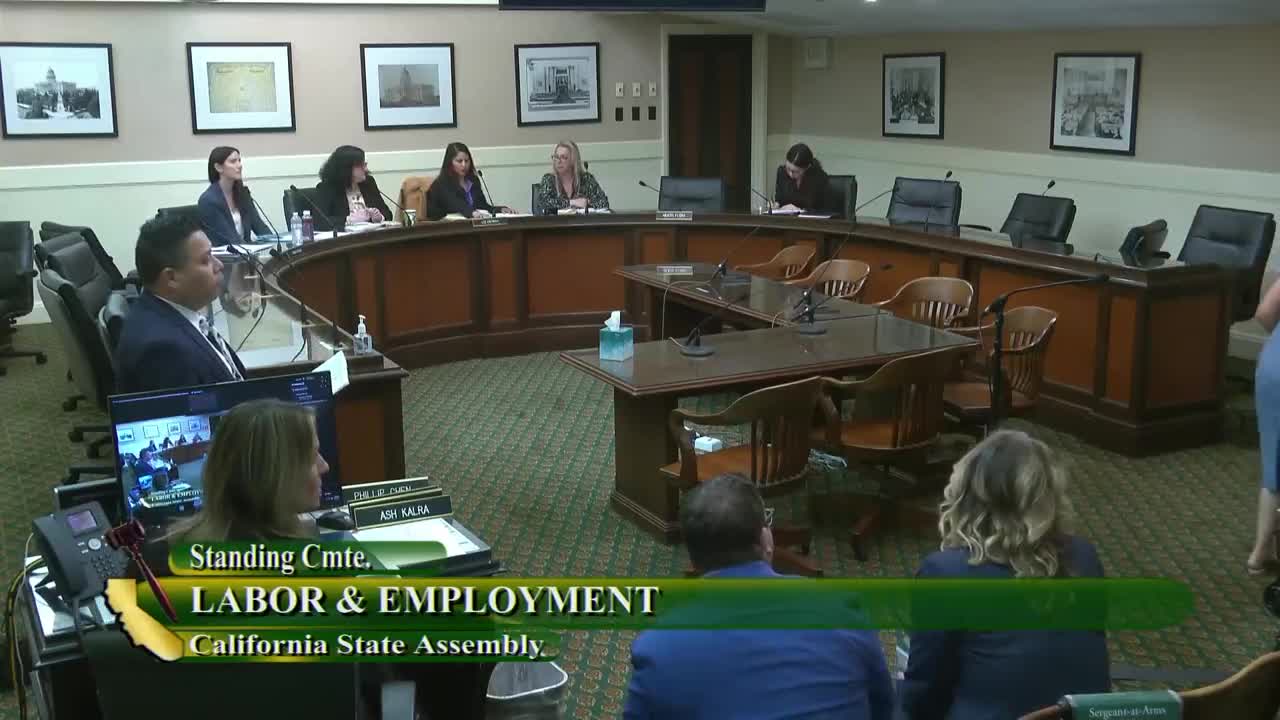
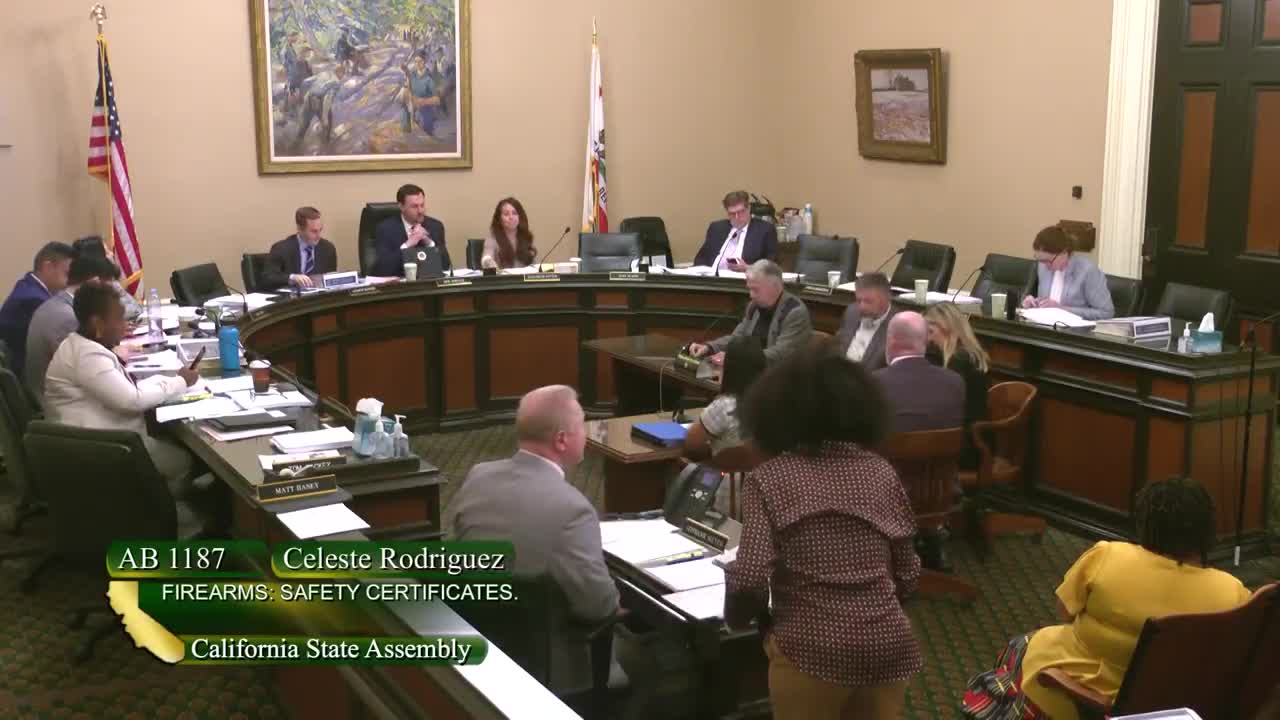
Discussed in Hearing
 11MIN
Assembly Standing Committee on Labor and Employment
 19MIN
Assembly Standing Committee on Public Safety
Bill Author

Bill Co-Author(s):