AB 255: Veterans: Internal Audits for Veterans Affairs.
- Session Year: 2015-2016
- House: Assembly
- Latest Version Date: 2015-05-11
Existing law establishes the Department of Veterans Affairs and designates the Secretary of Veterans Affairs as the chief administrative officer of the department. Existing law also establishes the California Veterans Board, and requires the board to advise the department and secretary on policies for operations of the department. Existing law provides for veterans programs, including the veterans farm and home purchase programs, and provides for veterans homes.
This bill would create the office of Internal Audits for Veterans Affairs, the chief auditor of which would be subject to the direction of the secretary within the department. The bill would require the chief auditor to be appointed by the Governor, subject to Senate confirmation. The chief auditor would be responsible for reviewing and investigating, at the request of the secretary or other members of senior management of the department, the operations and financial condition of each California veterans home, each veterans farm and home purchase program, and other department programs and functions. Beginning January 1, 2017, and each year thereafter, the bill would require the chief auditor to submit a summary report to the board and the appropriate committees of the Legislature providing information about the offices activities and recommendations that lead to departmental efficiencies and improvements.
The bill would authorize the chief auditor to receive communications from any individual who believes he or she may have information that warrants a review or investigation of a veterans program. The bill would require the chief auditor to establish a toll-free telephone number to report alleged wrongdoing regarding veterans programs.
The bill would repeal the provisions described above on January 1, 2020.
Existing constitutional provisions require that a statute that limits the right of access to the meetings of public bodies or the writings of public officials and agencies be adopted with findings demonstrating the interest protected by the limitation and the need for protecting that interest.
This bill would make legislative findings to that effect.
Existing law establishes the Department of Veterans Affairs and designates the Secretary of Veterans Affairs as the chief administrative officer of the department. Existing law also establishes the California Veterans Board, and requires the board to advise the department and secretary on policies for operations of the department. Existing law provides for veterans programs, including the veterans farm and home purchase programs, and provides for veterans homes.
This bill would create the office of Inspector General Internal Audits for Veterans Affairs, who the chief auditor of which would be subject to the direction of the Governor, secretary within the department. The bill would require the inspector general chief auditor to be appointed by the Governor, subject to Senate confirmation. The inspector general chief auditor would be responsible for reviewing and investigating, at the request of the secretary or other members of senior management of the department, the operations and financial condition of each California veterans home, each veterans farm and home purchase program, and all other veterans department programs supported by the state. and functions. Beginning January 1, 2017, and each year after, thereafter, the bill would require the inspector general chief auditor to submit a summary report to the board and the appropriate committees of the Legislature and make any providing information about the offices activities and recommendations he or she deems necessary for improving the operations of the veterans programs. that lead to departmental efficiencies and improvements.
The bill would authorize the inspector general chief auditor to receive communications from any individual who believes he or she may have information that warrants a review or investigation of a veterans program. The bill would authorize, and in some instances require, the inspector general to conduct a review or investigation. The bill would also require the establishment of require the chief auditor to establish a toll-free telephone number to report alleged wrongdoing regarding veterans programs.
The bill would repeal the provisions described above on January 1, 2020.
Existing constitutional provisions require that a statute that limits the right of access to the meetings of public bodies or the writings of public officials and agencies be adopted with findings demonstrating the interest protected by the limitation and the need for protecting that interest.
This bill would make legislative findings to that effect.
Existing law establishes the Department of Veterans Affairs and designates the Secretary of Veterans Affairs as the chief administrative officer of the department. Existing law also establishes the California Veterans Board, and requires the board to advise the department and secretary on policies for operations of the department. Existing law provides for veterans programs, including the veterans farm and home purchase programs, and provides for veterans homes.
This bill would create the office of Inspector General for Veterans Affairs, who would be subject to the direction of the Governor, within the department. The bill would require the inspector general to be appointed by the Governor, subject to Senate confirmation. The inspector general would be responsible for reviewing the operations and financial condition of each California veterans home, each veterans farm and home purchase program, and all other veterans programs supported by the state. Beginning January 1, 2017, and each year after, the bill would require the inspector general to submit a report to the board and the Legislature and make any recommendations he or she deems necessary for improving the operations of the veterans programs.
The bill would authorize the inspector general to receive communications from any individual who believes he or she may have information that warrants a review or investigation of a veterans program. The bill would authorize, and in some instances require, the inspector general to conduct a review or investigation. The bill would also require the establishment of a toll-free telephone number to report alleged wrongdoing regarding veterans programs.
The bill would repeal the provisions described above on January 1, 2020.
Existing constitutional provisions require that a statute that limits the right of access to the meetings of public bodies or the writings of public officials and agencies be adopted with findings demonstrating the interest protected by the limitation and the need for protecting that interest.
This bill would make legislative findings to that effect.
(a)(1)There is hereby created the office of Internal Audits for Veterans Affairs within the department.
(2)The chief auditor shall be appointed by the Governor, subject to Senate confirmation.
(3)The chief auditor shall be subject to the direction of the secretary.
(b)The chief auditor shall conduct reviews and investigations at the request of the secretary or other members of senior management of the department with the intent of increasing efficiencies, improving operations, and reducing fraud, waste, and abuse. The chief auditors work shall include, but not be limited to, both of the following:
(1)Reviewing the operations and financial condition of each California veterans home and each veterans farm and home purchase program, and other department programs and functions.
(2)Investigating allegations of department employee misconduct and reporting any findings of misconduct directly to the secretary, for further action that the secretary may deem necessary.
(c)To ensure the independence of the audit function, the department and chief auditor are subject to the requirements set forth in subdivision (a) of Section 13887 of, and Sections 13887.5 and 13888 of, the Government Code.
(d)Beginning January 1, 2017, and each year thereafter, the chief auditor shall submit a summary report to the board and the appropriate committees of the Legislature providing information about the offices activities and identifying recommendations that lead to departmental efficiencies and improvements.
(e)This section shall remain in effect only until January 1, 2020, and as of that date is repealed, unless a later enacted statute, that is enacted before January 1, 2020, deletes or extends that date.
SEC. 2.Section 73.6 is added to the Military and Veterans Code, to read:73.6.(a)The chief auditor may receive communications from any individual, including, but not limited to, a participant in a veterans farm and home purchase program or a resident of a California veterans home, who believes he or she may have information that warrants a review or investigation of a department veterans program. If requested, the identity of the person providing the information shall be held as confidential by the chief auditor and may be disclosed only to the secretary or senior management of the department when necessary to resolve the complaint.
(b)(1)To enhance accountability, the chief auditor shall establish a toll-free public telephone number for the purpose of identifying any alleged wrongdoing regarding the department or its programs. This telephone number shall be posted at every California veterans home and throughout all department and county veterans service offices, in clear view of all veterans home residents, employees, and the public. In addition, the The telephone number shall be issued to every participant of a home purchase program. When
(2)When deemed appropriate by the chief auditor, he or she shall initiate a review or investigation of any alleged wrongdoing. The request shall be confidential and is not subject to disclosure under the California Public Records Act (Chapter 3.5 (commencing with Section 6250) of Division 7 of Title 1 of the Government Code).
(c)The identity of the person providing the information that initiated the review or investigation shall not be disclosed without that persons written permission, except in response to a court order or to a law enforcement agency in the furtherance of its duties.
(d)This section shall remain in effect only until January 1, 2020, and as of that date is repealed, unless a later enacted statute, that is enacted before January 1, 2020, deletes or extends that date.
SEC. 3.The Legislature finds and declares that Section 2 of this act, which adds Section 73.6 of the Military and Veterans Code, imposes a limitation on the publics right of access to the meetings of public bodies or the writings of public officials and agencies within the meaning of Section 3 of Article I of the California Constitution. Pursuant to that constitutional provision, the Legislature makes the following findings to demonstrate the interest protected by this limitation and the need for protecting that interest:
In order to protect the privacy of persons who provide information of alleged wrongdoing by or complaints against veterans programs to the Chief Auditor for Veterans Affairs, the limitations on the publics right of access imposed by Section 2 of this act are necessary.
(a)(1)There is hereby created the office of Inspector General Internal Audits for Veterans Affairs within the department.
(2)The inspector general chief auditor shall be appointed by the Governor, subject to Senate confirmation.
(3)(A)The inspector general The chief auditor shall be subject to the direction of the Governor. secretary.
(B)The inspector general shall provide ongoing and independent advice to the board regarding any issue that is being considered by the board.
(b)The inspector general shall be responsible for all of the following:
(b)The chief auditor shall conduct reviews and investigations at the request of the secretary or other members of senior management of the department with the intent of increasing efficiencies, improving operations, and reducing fraud, waste, and abuse. The chief auditors work shall include, but not be limited to, both of the following:
(1)Reviewing the operations and financial condition of each California veterans home and veterans farm and home purchase program. For the purposes of reviewing the operations of each veterans home, the Veterans Home Allied Council and home residents shall have unfettered access to the inspector general. program, and other department programs and functions.
(2)Reviewing the operation and financial condition of all other veterans programs supported by the state, including, but not limited to, county veterans service offices and veterans memorials.
(3)
(2)Investigating any allegations of department employee misconduct and reporting any findings of misconduct directly to the secretary, for further action that the secretary may deem necessary.
(c)(1)The inspector general shall conduct a review or investigation, as specified in subdivision (b), if requested to do so by the Governor, any member of the board, or the secretary. In addition, the inspector general may conduct a review or investigation, as specified in subdivision (b), as he or she deems necessary or if requested by any Member of the Legislature or any member of the public.
(2)Whenever the inspector general conducts a review or investigation pursuant to a request of any Member of the Legislature, the inspector general shall submit a report of his or her findings to that member.
(c)To ensure the independence of the audit function, the department and chief auditor are subject to the requirements set forth in subdivision (a) of Section 13887 of, and Sections 13887.5 and 13888 of, the Government Code.
(d)(1)Beginning January 1, 2017, and each year after, the inspector general thereafter, the chief auditor shall submit a summary report to the board and the appropriate committees of the Legislature and make any recommendations he or she deems necessary for improving the operations of the veterans programs. providing information about the offices activities and identifying recommendations that lead to departmental efficiencies and improvements.
(2)A report submitted to the Legislature pursuant to paragraph (1) shall comply with Section 9795 of the Government Code.
(e)This section shall remain in effect only until January 1, 2020, and as of that date is repealed, unless a later enacted statute, that is enacted before January 1, 2020, deletes or extends that date.
SEC. 2.Section 73.6 is added to the Military and Veterans Code, to read:73.6.(a)The inspector general chief auditor may receive communications from any individual, including, but not limited to, a participant in a farm and home purchase program or a resident of a California veterans home, who believes he or she may have information that warrants a review or investigation of a department veterans program that is supported by the state. The program. If requested, the identity of the person providing the information shall be held as confidential by the inspector general chief auditor and may be disclosed only to the Governor, any member of the board, any Member of the Legislature, or the secretary, as the inspector general deems appropriate and in the furtherance of his or her duties. secretary or senior management of the department when necessary to resolve the complaint.
(b)In order to properly respond to any allegation, the inspector general To enhance accountability, the chief auditor shall establish a toll-free public telephone number for the purpose of identifying any alleged wrongdoing regarding veterans the department or its programs. This telephone number shall be posted at every California veterans home and throughout all department and county veterans service offices, in clear view of all veterans home residents, employees, and the public. In addition, the telephone number shall be issued to every participant of a home purchase program. When deemed appropriate by the inspector general, chief auditor, he or she shall initiate a review or investigation of any alleged wrongdoing. However, any request to conduct an investigation shall be in writing. The request shall be confidential and is not subject to disclosure under the California Public Records Act (Chapter 3.5 (commencing with Section 6250) of Division 7 of Title 1 of the Government Code).
(c)The identity of the person providing the information that initiated the review or investigation shall not be disclosed without that persons written permission, except in response to a court order or to a law enforcement agency in the furtherance of its duties.
(d)This section shall remain in effect only until January 1, 2020, and as of that date is repealed, unless a later enacted statute, that is enacted before January 1, 2020, deletes or extends that date.
SEC. 3.The Legislature finds and declares that Section 2 of this act, which adds Section 73.6 of the Military and Veterans Code, imposes a limitation on the publics right of access to the meetings of public bodies or the writings of public officials and agencies within the meaning of Section 3 of Article I of the California Constitution. Pursuant to that constitutional provision, the Legislature makes the following findings to demonstrate the interest protected by this limitation and the need for protecting that interest:
In order to protect the privacy of persons who provide information of alleged wrongdoing by or complaints against veterans programs to the Inspector General Chief Auditor for Veterans Affairs, the limitations on the publics right of access imposed by Section 2 of this act are necessary.
(a)(1)There is hereby created the office of Inspector General for Veterans Affairs within the department.
(2)The inspector general shall be appointed by the Governor, subject to Senate confirmation.
(3)(A)The inspector general shall be subject to the direction of the Governor.
(B)The inspector general shall provide ongoing and independent advice to the board regarding any issue that is being considered by the board.
(b)The inspector general shall be responsible for all of the following:
(1)Reviewing the operations and financial condition of each California veterans home and veterans farm and home purchase program. For the purposes of reviewing the operations of each veterans home, the Veterans Home Allied Council and home residents shall have unfettered access to the inspector general.
(2)Reviewing the operation and financial condition of all other veterans programs supported by the state state, including, but not limited to, county veterans service offices and veterans memorials.
(3)Investigating any allegations of department employee misconduct and reporting any findings of misconduct directly to the secretary, for further action that the secretary may deem necessary.
(c)(1)The inspector general shall conduct a review or investigation, as specified in subdivision (b), if requested to do so by the Governor, any member of the board, or the secretary. In addition, the inspector general may conduct a review or investigation, as specified in subdivision (b), as he or she deems necessary or if requested by any Member of the Legislature or any member of the public.
(2)Whenever the inspector general conducts a review or investigation pursuant to a request of any Member of the Legislature, the inspector general shall submit a report of his or her findings to that member.
(d)(1)Beginning January 1, 2017, and each year after, the inspector general shall submit a report to the board and the Legislature and make any recommendations he or she deems necessary for improving the operations of the veterans programs.
(2)A report submitted to the Legislature pursuant to paragraph (1) shall comply with Section 9795 of the Government Code.
(e)This section shall remain in effect only until January 1, 2020, and as of that date is repealed, unless a later enacted statute, that is enacted before January 1, 2020, deletes or extends that date.
SEC. 2.Section 73.6 is added to the Military and Veterans Code, to read:73.6.(a)The inspector general may receive communications from any individual, including, but not limited to, a participant in a farm and home purchase program or a resident of a California veterans home, who believes he or she may have information that warrants a review or investigation of a veterans program that is supported by the state. The identity of the person providing the information shall be held as confidential by the inspector general and may be disclosed only to the Governor, any member of the board, any Member of the Legislature, or the secretary, as the inspector general deems appropriate and in the furtherance of his or her duties.
(b)In order to properly respond to any allegation, the inspector general shall establish a toll-free public telephone number for the purpose of identifying any alleged wrongdoing regarding veterans programs. This telephone number shall be posted at every California veterans home and throughout all department and county veterans service offices, in clear view of all veterans home residents, employees, and the public. In addition, the telephone number shall be issued to every participant of a home purchase program. When deemed appropriate by the inspector general, he or she shall initiate a review or investigation of any alleged wrongdoing. However, any request to conduct an investigation shall be in writing. The request shall be confidential and is not subject to disclosure under the California Public Records Act (Chapter 3.5 (commencing with Section 6250) of Division 7 of Title 1 of the Government Code).
(c)The identity of the person providing the information that initiated the review or investigation shall not be disclosed without that persons written permission, except to a law enforcement agency in the furtherance of its duties.
(d)This section shall remain in effect only until January 1, 2020, and as of that date is repealed, unless a later enacted statute, that is enacted before January 1, 2020, deletes or extends that date.
SEC. 3.The Legislature finds and declares that Section 2 of this act, which adds Section 73.6 of the Military and Veterans Code, imposes a limitation on the publics right of access to the meetings of public bodies or the writings of public officials and agencies within the meaning of Section 3 of Article I of the California Constitution. Pursuant to that constitutional provision, the Legislature makes the following findings to demonstrate the interest protected by this limitation and the need for protecting that interest:
In order to protect the privacy of persons who provide information of alleged wrongdoing by or complaints against veterans programs to the Inspector General for Veterans Affairs, the limitations on the publics right of access imposed by Section 2 of this act are necessary.
(a)(1)There is hereby created the office of Inspector General for Veterans Affairs within the department.
(2)The inspector general shall be appointed by the Governor, subject to Senate confirmation.
(3)(A)The inspector general shall be subject to the direction of the Governor.
(B)The inspector general shall provide ongoing and independent advice to the board regarding any issue that is being considered by the board.
(b)The inspector general shall be responsible for all of the following:
(1)Reviewing the operations and financial condition of each California veterans home and veterans farm and home purchase program. For the purposes of reviewing the operations of each veterans home, the Veterans Home Allied Council and home residents shall have unfettered access to the inspector general.
(2)Reviewing the operation and financial condition of all other veterans programs supported by the state including, but not limited to, county veterans service offices and veterans memorials.
(3)Investigating any allegations of department employee misconduct and reporting any findings of misconduct directly to the secretary, for further action that the secretary may deem necessary.
(c)(1)The inspector general shall conduct a review or investigation, as specified in subdivision (b), if requested to do so by the Governor, any member of the board, or the secretary. In addition, the inspector general may conduct a review or investigation, as specified in subdivision (b), as he or she deems necessary or if requested by any Member of the Legislature or any member of the public.
(2)Whenever the inspector general conducts a review or investigation pursuant to a request of any Member of the Legislature, the inspector general shall submit a report of his or her findings to that member.
(d)(1)Beginning January 1, 2017, and each year after, the inspector general shall submit a report to the board and the Legislature and make any recommendations he or she deems necessary for improving the operations of the veterans programs.
(2)A report submitted to the Legislature pursuant to paragraph (1) shall comply with Section 9795 of the Government Code.
(e)This section shall remain in effect only until January 1, 2020, and as of that date is repealed, unless a later enacted statute, that is enacted before January 1, 2020, deletes or extends that date.
SEC. 2.Section 73.6 is added to the Military and Veterans Code, to read:73.6.(a)The inspector general may receive communications from any individual, including, but not limited to, a participant in a farm and home purchase program or a resident of a California veterans home, who believes he or she may have information that warrants a review or investigation of a veterans program that is supported by the state. The identity of the person providing the information shall be held as confidential by the inspector general and may be disclosed only to the Governor, any member of the board, any Member of the Legislature, or the secretary, as the inspector general deems appropriate and in the furtherance of his or her duties.
(b)In order to properly respond to any allegation, the inspector general shall establish a toll-free public telephone number for the purpose of identifying any alleged wrongdoing regarding veterans programs. This telephone number shall be posted at every California veterans home and throughout all department and county veterans service offices, in clear view of all veterans home residents, employees, and the public. In addition, the telephone number shall be issued to every participant of a home purchase program. When deemed appropriate by the inspector general, he or she shall initiate a review or investigation of any alleged wrongdoing. However, any request to conduct an investigation shall be in writing. The request shall be confidential and is not subject to disclosure under the California Public Records Act (Chapter 3.5 (commencing with Section 6250) of Division 7 of Title 1 of the Government Code).
(c)The identity of the person providing the information that initiated the review or investigation shall not be disclosed without that persons written permission, except to a law enforcement agency in the furtherance of its duties.
(d)This section shall remain in effect only until January 1, 2020, and as of that date is repealed, unless a later enacted statute, that is enacted before January 1, 2020, deletes or extends that date.
SEC. 3.The Legislature finds and declares that Section 2 of this act, which adds Section 73.6 of the Military and Veterans Code, imposes a limitation on the publics right of access to the meetings of public bodies or the writings of public officials and agencies within the meaning of Section 3 of Article I of the California Constitution. Pursuant to that constitutional provision, the Legislature makes the following findings to demonstrate the interest protected by this limitation and the need for protecting that interest:
In order to protect the privacy of persons who provide information of alleged wrongdoing by or complaints against veterans programs to the Inspector General for Veterans Affairs, the limitations on the publics right of access imposed by Section 2 of this act are necessary.
|
Date
|
Status
|
|---|---|
| Feb 9, 2015 | Read first time. To print. |
| Feb 10, 2015 | From printer. May be heard in committee March 12. |
| Feb 17, 2015 | Referred to Coms. on V.A. and A. & A.R. |
| Apr 15, 2015 | From committee: Amend, and do pass as amended and re-refer to Com. on A. & A.R. (Ayes 8. Noes 1.) (April 14). |
| Apr 16, 2015 | Read second time and amended. |
| Apr 20, 2015 | Re-referred to Com. on A. & A.R. |
| Apr 23, 2015 | From committee chair, with author's amendments: Amend, and re-refer to Com. on A. & A.R. Read second time and amended. |
| Apr 27, 2015 | Re-referred to Com. on A. & A.R. |
| Apr 29, 2015 | From committee: Do pass and re-refer to Com. on APPR. (Ayes 9. Noes 0.) (April 29). Re-referred to Com. on APPR. |
| May 11, 2015 | From committee chair, with author's amendments: Amend, and re-refer to Com. on APPR. Read second time and amended. |
| May 12, 2015 | Re-referred to Com. on APPR. |
| May 13, 2015 | In committee: Set, first hearing. Referred to APPR. suspense file. |
| May 28, 2015 | In committee: Held under submission. |
| Jan 31, 2016 | Died pursuant to Article IV, Sec. 10(c) of the Constitution. |
| Feb 1, 2016 | From committee: Filed with the Chief Clerk pursuant to Joint Rule 56. |
|
Date
|
Description
|
Location
|
Votes
|
|
|---|---|---|---|---|
| Apr 29, 2015 | Do pass and be re-referred to the Committee on [Appropriations] | Assembly Standing Committee on Accountability and Administrative Review |
Passed |
|
| Apr 14, 2015 | Do pass as amended and be re-referred to the Committee on [Accountability and Administrative Review] | Assembly Standing Committee on Veterans Affairs |
Passed |
This list shows positions taken on this bill by organizations on the date displayed, which is linked to the original source.
Positions by individuals are not included.
|
Organization
|
Position
|
Date
|
|---|---|---|
| American Veterans | * Support | Apr 14, 2015 |
| Military Officer's Association | * Support | Apr 14, 2015 |
AB 255
Page 2
Date of Hearing: May 13, 2015
ASSEMBLY COMMITTEE ON APPROPRIATIONS
Jimmy Gomez, Chair
AB 255
(Irwin) – As Amended April 23, 2015
Policy Committee: |
Veterans Affairs |
Vote: |
8 - 1 |
|
Accountability and Administrative Review |
|
9 - 0 |
|
|
|
|
Urgency: No State Mandated Local Program: No Reimbursable: No
SUMMARY:
This bill creates the office of Internal Audits for Veterans Affairs within the California Department of Veterans Affairs (CalVet). Specifically, this bill:
Establishes the office, led by the chief auditor (auditor), who would be subject to appointment by the Governor and confirmation by the Senate.
Requires the auditor to report to the CalVet secretary (secretary) and conduct reviews and investigations at the request of the secretary or other members of senior management.
Requires the auditor to report findings of employee misconduct to the secretary.
Subjects the auditor to specified sections of Government Code related to internal auditors' independence and responsibilities.
Allows the auditor to initiate a review or investigation of an alleged wrongdoing.
Requires the auditor, beginning January 1, 2017, and each year thereafter, to submit an annual summary report to the California Veterans Board and relevant policy committees of the Legislature.
Includes a January 1, 2020 sunset.
FISCAL EFFECT:
Moderate ongoing costs, in the range of $500,000 to $750,000 (GF), to CalVets to staff an audit unit. and submit the required reports.
COMMENTS:
Purpose. According to the author, the intent of this bill is for the auditor to work with CalVet leadership to improve the department's operations and efficiency while providing additional accountability.
Background. While the department does not have an internal audit office, it has had an inspector general (IG) in the past. The IG was established in 1999, but it was eliminated in 2004 Budget Act. According to analyses of that Budget Act, some of the oversight functions of the IG were expected to be performed by other state entities, including the Bureau of State Audits and Department of Finance. While both entities have conducted several audits of CalVet programs and issues, there is not an internal audit function at CalVet that reviews the department's programs and operations on an ongoing basis.
This bill will establish an internal auditor's office within CalVet. The auditor will be appointed by the Governor subject to Senate confirmation, report to the secretary, and conduct reviews and investigations at the discretion of the secretary and senior management.
Analysis Prepared by: Pedro R. Reyes / APPR. / (916) 319-2081
AB 255
Page 2
Date of Hearing: April 29, 2015
ASSEMBLY COMMITTEE ON ACCOUNTABILITY AND ADMINISTRATIVE REVIEW
Rudy Salas, Chair
AB 255
Irwin – As Amended April 23, 2015
SUBJECT: Veterans: Inspector General for Veterans Affairs
SUMMARY: Creates the office of Internal Audits for Veterans Affairs within the California Department of Veterans Affairs (CalVet). Specifically, this bill:
Establishes the office, led by the chief auditor (auditor), who would be subject to appointment by the Governor and confirmation by the Senate.
Requires the auditor to report to the CalVet secretary (secretary) and conduct reviews and investigations at the request of the secretary or other members of senior management.
Sets the intent and scope of the auditor's reviews and investigations.
Requires the auditor to report findings of employee misconduct to the secretary.
Subjects the auditor to specified sections of Government Code related to internal auditors' independence and responsibilities.
Requires the auditor to establish a toll-free public telephone number for receiving complaints of possible wrongdoing.
Allows the auditor to initiate a review or investigation of an alleged wrongdoing.
Protects the identity of a person providing information that results in a review or investigation, with some exceptions.
Requires the auditor to submit annual summary reports to the California Veterans Board and relevant policy committees of the Legislature.
Includes a January 1, 2020 sunset.
EXISTING LAW establishes reporting and independence requirements for internal auditors of state agencies.
FISCAL EFFECT: Unknown
COMMENTS: This bill will establish an internal auditor's office within CalVet. The auditor will be appointed by the Governor subject to Senate confirmation, report to the secretary, and conduct reviews and investigations at the discretion of the secretary and senior management.
While the department does not have an internal audit office, it has had an inspector general (IG) in the past. The IG was established in 1999 and eliminated by a budget bill in 2004. According to analyses of that budget bill, some of the oversight function of the IG was expected to be performed by other state entities, including the Bureau of State Audits and Department of Finance. While both entities have conducted several audits of CalVet programs and issues, there is not an internal audit function at CalVet that reviews the department's programs and operations on an ongoing basis.
According to the author, the intent of this bill is for the auditor to work with CalVet leadership to improve the department's operations and efficiency while providing additional accountability.
This bill states that the auditor shall work with the "intent of increasing efficiencies, improving operations, and reducing fraud, waste, and abuse." The auditor would be charged with reviewing the operations and financial conditions of California veterans homes, the veterans farm and home purchase program, as well as other CalVet programs and operations.
Additionally, the auditor would be allowed to receive communications from any individual, including CalVet program participants and veteran home residents. The auditor would be required to establish a toll-free public telephone number for the purpose of receiving complaints about potential wrongdoing and he or she would be authorized to investigate allegations.
This bill specifies that CalVet and the auditor will be subject to Government Code sections related to internal audits at state departments. These sections set reporting structures for the auditor to enhance independence and specify methods to report concerns to authorities outside of the department if necessary.
Under this bill, the auditor would be required to submit an annual summary report to the California Veterans Board and the relevant committees of the Legislature. The report must include information about the auditor's activities as well as recommendations that led to efficiencies, and improvements.
This bill sunsets the auditor's office on January 1, 2020.
REGISTERED SUPPORT / OPPOSITION:
Support
None on file
Opposition
None on file
Analysis Prepared by: Scott Herbstman / A. & A.R. / (916) 319-3600
AB 255
Page 3
Date of Hearing:
ASSEMBLY COMMITTEE ON VETERANS AFFAIRS
Jacqui Irwin, Chair
AB 255
(Irwin) – As Introduced February 9, 2015
SUBJECT: Veterans: Inspector General for Veterans Affairs
SUMMARY: Recreates the office of Inspector General in the California Department of Veterans Affairs (department). Specifically, this bill:
Creates the office of Inspector General (IG) for Veterans Affairs, who would be subject to the direction of the Governor, within the department.
Requires the IG to be appointed by the Governor, subject to Senate confirmation.
Assigns responsibility to the IG for reviewing the operations and financial condition of each California veterans home, the veterans farm and home purchase program, and all other veterans programs supported by the state.
Directs that beginning January 1, 2017, and each year after, the Inspector General shall submit a report to the board and the Legislature and make any recommendations he or she deems necessary for improving the operations of the veterans programs.
Authorizes the Inspector General to receive communications from any individual who believes he or she may have information that warrants a review or investigation of a veterans program.
Authorizes, and in some instances requires, the IG to conduct a review or investigation.
Mandates the establishment of a toll-free telephone number to report alleged wrongdoing regarding veterans programs.
Repeals the provisions described above on January 1, 2020.
EXISTING LAW:
Military and Veterans code section 78.5 refers to the IG, "The secretary shall conduct audits as required by Section 13402 of the Government Code, on internal controls of the department, that shall be provided to the inspector general." The department had an IG but the position, which was created in 1999, was eliminated by budget action in 2004.
Creates the California Veterans Board (Board). Members of the Board are appointed by the Governor. The Board advises the department and secretary on policies for operations of the department. The Board has access to all documents and employees of the department.
Creates the California State Auditor's office with broad authority. The State Auditor promotes the efficient and effective management of public funds and programs by providing to citizens and the State independent, objective, accurate, and timely evaluations of state and local governments' activities.
FISCAL EFFECT: Unknown at this time.
COMMENTS: There is not an Inspector General within the department. State correctional agencies have an Inspector General. Most federal agencies have an Inspector
General. The Military Department has an Inspector General.
Previous to the passage of AB 92, the department had an internal auditor position. The Inspector General position was created by AB 92 (Floyd) then eliminated in 2004 by SB 1111, a budget bill.
This bill is largely modeled on AB 92. The Senate Committee on Veterans Affairs analysis of AB 92 from June of 1999 contains this:
The author states that a lack of oversight over the California Department of Veterans Affairs has resulted in major problems in the administration of the Cal-Vet farm and home loan program and the operation of the two state veterans homes.
Unfortunately, though the focus has shifted away from the Farm and Home Loan Program, the rationale, that there is a lack of internal oversight at CalVet which has resulted in inefficiencies, cost overruns, and mis-management concerns, is still valid.
Moreover, since 1999, the world has changed tremendously and, in particular, for most of the first decade of the 2000's the United States has been in protracted armed conflict in Iraq and Afghanistan as well as in shorter conflicts throughout the world. These conflicts have and continue to produce many veterans who reside in California, currently approximately 1.8 million.
Keeping pace so that it might continue to serve California veterans well, the department has also grown. In particular, the then two state veterans homes have grown to a system of eight, The Veterans Homes range in size from 60 residents on 20 acre campuses to over 1,000 residents on a 500 acre campus. Each Home is distinctive within its region and offers its own unique environment, levels of care combinations. Furthermore, there are now two state veterans cemeteries operated by CalVet and a third site is being evaluated.
There are far too many activities the department performs to list them all. However, some of the larger roles are: Approving schools' eligibility for GI Bill funds, the CalVet Homeless Veteran Outreach Support Program, the California Veterans Registry, the DVBE Advisory Council, programs for incarcerated veterans. a Veterans Services division which performs many functions including administering funding for the County Veteran Service Officers, programs to reach women, Lesbian, Gay, Bi-Sexual, and Transgender (LGBT) Veterans, and Minority Veterans. In summary, the department is extremely active and supporting veterans in a host of ways.
Unfortunately the department has been scrutinized for issues including administration of Morale Welfare, and Recreation funds, cost overruns on the Enterprise Wide Veteran Healthcare Information System, questions concerning Veterans Homes' not being at full capacity, the lack of the requisite kitchen at the West Los Angeles Home (including a series of several pieces in the Los Angeles Times), the overall cost of the Homes, a dearth of implementing regulations, and other matters.
There have been multiple recent changes in executive level leadership at the department including the departure of the previous Secretary and Undersecretary. Most recently a new Acting Secretary was appointed. The Acting Secretary has publicly shared that her mission is one of organizational change and her goals include improving the administration and improving efficiencies at the department.
The IG concept is to have an internal person authorized to investigate most or all matters, but having that person be able or required to report outside the chain of command as necessary. This allows the IG to both internally assist, in this case the Secretary within the organization, and to report externally, directly to the Governor or Legislature, when necessary. Given the growth in the department's role and number of the programs it supports, the rapid growth of the Homes System, and the questions on various issues outlined above, the IG seems warranted here. This bill contains a sunset provision so that the utility of the IG will be reevaluated by the Legislature.
There is recent precedent in the California Military Department. In response to a series of negative incidents, in 2012 SB 921 (Lieu) the California Military Whistleblower Protection Act, signed by the Governor September 28, 2012, created an inspector general in the California Military Department at a time when a new Adjutant General was being appointed with the mission of organizational change.
REGISTERED SUPPORT / OPPOSITION:
Support
None on File.
Opposition
None on File.
Analysis Prepared by: John Spangler / V.A. / (916) 319-3550
Discussed in Hearing
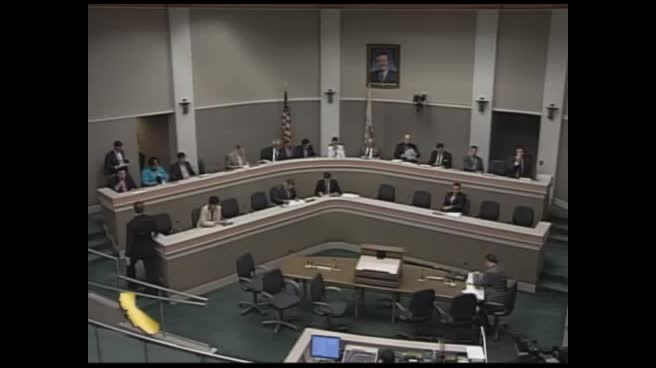 2MIN
Assembly Standing Committee on Appropriations
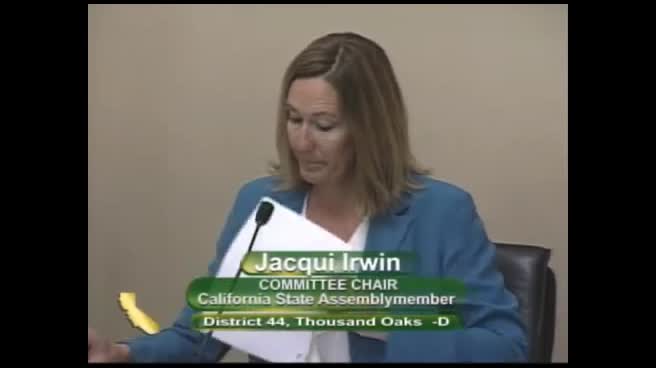 11MIN
Assembly Standing Committee on Veterans Affairs
Bill Author




