SB 640: Sales and use taxes: claim for refund: customer refunds.
- Session Year: 2015-2016
- House: Senate
- Latest Version Date: 2015-08-18
Under the Sales and Use Tax Law, any amount collected or paid in excess of what is due under that law is required to be credited by the State Board of Equalization against any other amounts due and payable from the person from whom the excess amount was collected or by whom it was paid, and the balance refunded to the person, as provided. Under existing law, when an amount represented by a person to a customer as constituting reimbursement for taxes due under the Sales and Use Tax Law is computed upon an amount that is not taxable or is in excess of the taxable amount and is actually paid by the customer to the person, the amount paid is required to be returned by the person to the customer upon notification by the board or by the customer that this excess has been ascertained.
This bill would authorize a person that has paid the tax to make an irrevocable election to assign to allow the customer the right to file a claim for refund to receive the amount that would be refunded to the person, person that paid the tax provided specified conditions are met, including that the amount be $1,000 or more. This bill would authorize require the board to make a payment to the customer of the balance of any excess amount collected or paid, after any amounts due and payable from the person or customer are credited against that excess amount. This bill would also require an amount subject to refund that is credited to the person that paid the tax and not refunded to the customer to be paid by that person directly to the customer.
Under the Sales and Use Tax Law, any amount collected or paid in excess of what is due under that law is required to be credited by the State Board of Equalization against any other amounts due and payable from the person from whom the excess amount was collected or by whom it was paid, and the balance refunded to the person, as provided. Under existing law, when an amount represented by a person to a customer as constituting reimbursement for taxes due under the Sales and Use Tax Law is computed upon an amount that is not taxable or is in excess of the taxable amount and is actually paid by the customer to the person, the amount paid is required to be returned by the person to the customer upon notification by the board or by the customer that this excess has been ascertained.
This bill would authorize a person that has paid the tax to make an irrevocable election to assign to the customer the right to file a claim for refund to receive the amount that would be refunded to the person, provided specified conditions are met, including that the amount be $50,000 $1,000 or more. This bill would authorize the board to make a payment to the customer of the balance of any excess amount collected or paid, after any amounts due and payable from the person or customer are credited against that excess amount. This bill would also require an amount subject to refund that is credited to the person that paid the tax and not refunded to the customer to be paid by that person directly to the customer.
Under the Sales and Use Tax Law, any amount collected or paid in excess of what is due under that law is required to be credited by the State Board of Equalization against any other amounts due and payable from the person from whom the excess amount was collected or by whom it was paid, and the balance refunded to the person, as provided. Under existing law, when an amount represented by a person to a customer as constituting reimbursement for taxes due under the Sales and Use Tax Law is computed upon an amount that is not taxable or is in excess of the taxable amount and is actually paid by the customer to the person, the amount paid is required to be returned by the person to the customer upon notification by the board or by the customer that this excess has been ascertained.
This bill would authorize a person that has paid the tax to make an irrevocable election to assign to the customer the right to file a claim for refund to receive the amount that would be refunded to the person, provided specified conditions are met, including that the amount be $50,000 or more. This bill would authorize the board to make a payment to the customer of the balance of any excess amount collected or paid, after any amounts due and payable from the person or customer are credited against that excess amount. This bill would also require an amount subject to refund that is credited to the person that paid the tax and not refunded to the customer to be paid by that person directly to the customer.
Under the Sales and Use Tax Law, any amount collected or paid in excess of what is due under that law is required to be credited by the State Board of Equalization against any other amounts due and payable from the person from whom the excess amount was collected or by whom it was paid, and the balance refunded to the person, as provided. Under existing law, when an amount represented by a person to a customer as constituting reimbursement for taxes due under the Sales and Use Tax Law is computed upon an amount that is not taxable or is in excess of the taxable amount and is actually paid by the customer to the person, the amount paid is required to be returned by the person to the customer upon notification by the board or by the customer that this excess has been ascertained.
This bill would authorize a person that has paid the tax to make an irrevocable election to assign to the customer the right to file a claim for refund to receive the amount that would be refunded to the person, provided specified conditions are met, including that the amount be $50,000 or more. This bill would authorize the board to make a payment to the customer of the balance of any excess amount collected or paid, after any amounts due and payable from the person or customer are credited against that excess amount. This bill would also require an amount subject to refund that is credited to the person that paid the tax and not refunded to the customer to be paid by that person directly to the customer.
(a)If the board determines that any amount, penalty, or interest has been paid more than once or has been erroneously or illegally collected or computed, the board shall set forth that fact in the records of the board and shall certify the amount collected in excess of the amount legally due and the person from whom it was collected or by whom paid. The excess amount collected or paid shall be credited by the board on any amounts then due and payable from the person from whom the excess amount was collected or by whom it was paid under this part, and the balance shall be refunded to the person, or his or her successors, administrators, or executors, or customers, as provided in subdivision (b), if a determination by the board is made in any of the following cases:
(1)Any amount of tax, interest, or penalty was not required to be paid.
(2)Any amount of prepayment of sales tax, interest, or penalty paid pursuant to Article 1.5 (commencing with Section 6480) of Chapter 5 was not required to be paid.
(3)Any amount that is approved as a settlement pursuant to Section 7093.5.
(b)(1)When an amount represented by a person to a customer as constituting reimbursement for taxes due under this part is computed upon an amount that is not legally due, that is paid by the customer to the person, and that is remitted by the person to the board, the person that paid the tax may make an irrevocable election to assign to the customer shall have the right to file a claim for refund and receive the amount refunded if all of the following conditions are met:
(A)The entire amount represents excess tax reimbursement that is required to be paid by the single person that paid the tax to a single customer under Section 6901.5.
(B)The amount to be refunded is one thousand dollars ($1,000) or more.
(C)The irrevocable election to assign to the customer the right to file a claim for refund and receive the amount refunded is evidenced by a statement, signed by the person and the customer, that authorizes that customer to file a claim for refund and receive the amount refunded.
(D)The signed statement is submitted to the board in conjunction with the claim for refund.
(2)The person that paid the tax and collected the excess tax reimbursement shall make the records to verify the refund available for inspection by the board, and no refund shall be payable until the board verifies by audit or other means that the amounts are properly due for refund.
(3)The excess amount collected or paid shall be credited by the board on any amounts then due and payable from the person that paid the tax or amounts for which a notice of determination has been issued to the person that paid the tax, and amounts due and payable from the customer from which the excess tax reimbursement was collected. The balance shall be refunded to the customer that paid the excess tax reimbursement. An amount subject to refund that is credited to the person that paid the tax and not refunded to the customer that paid the excess tax reimbursement shall be paid by the person that paid the tax directly to the customer. In the event the person does not make that payment, the credit that was on the amount due from the person shall be reversed.
(c)Any overpayment of the use tax by a purchaser to a retailer who is required to collect the tax and who gives the purchaser a receipt therefor pursuant to Article 1 (commencing with Section 6201) of Chapter 3 shall be credited or refunded by the state to the purchaser.
(d)Any proposed determination by the board pursuant to this section with respect to an amount in excess of fifty thousand dollars ($50,000) shall be available as a public record for at least 10 days prior to the effective date of that determination.
(e)As used in this section, the following definitions shall apply:
(1)Person that paid the tax means a single person as defined in Section 6005.
(2)Customer means a single person as defined by Section 6005.
(a)If the board determines that any amount, penalty, or interest has been paid more than once or has been erroneously or illegally collected or computed, the board shall set forth that fact in the records of the board and shall certify the amount collected in excess of the amount legally due and the person from whom it was collected or by whom paid. The excess amount collected or paid shall be credited by the board on any amounts then due and payable from the person from whom the excess amount was collected or by whom it was paid under this part, and the balance shall be refunded to the person, or his or her successors, administrators, or executors, or customers, as provided in subdivision (b), if a determination by the board is made in any of the following cases:
(1)Any amount of tax, interest, or penalty was not required to be paid.
(2)Any amount of prepayment of sales tax, interest, or penalty paid pursuant to Article 1.5 (commencing with Section 6480) of Chapter 5 was not required to be paid.
(3)Any amount that is approved as a settlement pursuant to Section 7093.5.
(b)(1)When an amount represented by a person to a customer as constituting reimbursement for taxes due under this part is computed upon an amount that is not legally due, that is paid by the customer to the person, and that is remitted by the person to the board, the person that paid the tax may make an irrevocable election to assign to the customer the right to file a claim for refund and receive the amount refunded if all of the following conditions are met:
(A)The entire amount represents excess tax reimbursement that is required to be paid by the single person that paid the tax to a single customer under Section 6901.5.
(B)The amount to be refunded is fifty thousand dollars ($50,000) one thousand dollars ($1,000) or more.
(C)The irrevocable election to assign to the customer the right to file a claim for refund and receive the amount refunded is evidenced by a statement, signed by the person and the customer, that authorizes that customer to file a claim for refund and receive the amount refunded.
(D)The signed statement is submitted to the board in conjunction with the claim for refund.
(2)The person that paid the tax and collected the excess tax reimbursement shall make the records to verify the refund available for inspection by the board, and no refund shall be payable until the board verifies by audit or other means that the amounts are properly due for refund.
(3)The excess amount collected or paid shall be credited by the board on any amounts then due and payable from the person that paid the tax or amounts for which a notice of determination has been issued to the person that paid the tax, and amounts due and payable from the customer from which the excess tax reimbursement was collected. The balance shall be refunded to the customer that paid the excess tax reimbursement. An amount subject to refund that is credited to the person that paid the tax and not refunded to the customer that paid the excess tax reimbursement shall be paid by the person that paid the tax directly to the customer. In the event the person does not make that payment, the credit that was on the amount due from the person shall be reversed.
(c)Any overpayment of the use tax by a purchaser to a retailer who is required to collect the tax and who gives the purchaser a receipt therefor pursuant to Article 1 (commencing with Section 6201) of Chapter 3 shall be credited or refunded by the state to the purchaser.
(d)Any proposed determination by the board pursuant to this section with respect to an amount in excess of fifty thousand dollars ($50,000) shall be available as a public record for at least 10 days prior to the effective date of that determination.
(e)As used in this section, the following definitions shall apply:
(1)Person that paid the tax means a single person as defined in Section 6005.
(2)Customer means a single person as defined by Section 6005.
(a)If the board determines that any amount, penalty, or interest has been paid more than once or has been erroneously or illegally collected or computed, the board shall set forth that fact in the records of the board and shall certify the amount collected in excess of the amount legally due and the person from whom it was collected or by whom paid. The excess amount collected or paid shall be credited by the board on any amounts then due and payable from the person from whom the excess amount was collected or by whom it was paid under this part, and the balance shall be refunded to the person, or his or her successors, administrators, or executors, or customers, as provided in subdivision (b), if a determination by the board is made in any of the following cases:
(1)Any amount of tax, interest, or penalty was not required to be paid.
(2)Any amount of prepayment of sales tax, interest, or penalty paid pursuant to Article 1.5 (commencing with Section 6480) of Chapter 5 was not required to be paid.
(3)Any amount that is approved as a settlement pursuant to Section 7093.5.
(b)(1)When an amount represented by a person to a customer as constituting reimbursement for taxes due under this part is computed upon an amount that is not legally due, that is paid by the customer to the person, and that is remitted by the person to the board, the person that paid the tax may make an irrevocable election to assign to the customer the right to file a claim for refund and receive the amount refunded if all of the following conditions are met:
(A)The entire amount represents excess tax reimbursement that is required to be paid by the single person that paid the tax to a single customer under Section 6901.5.
(B)The amount to be refunded is fifty thousand dollars ($50,000) or more.
(C)The irrevocable election to assign to the customer the right to file a claim for refund and receive the amount refunded is evidenced by a statement, signed by the person and the customer, that authorizes that customer to file a claim for refund and receive the amount refunded.
(D)The signed statement is submitted to the board in conjunction with the claim for refund.
(2)The person that paid the tax and collected the excess tax reimbursement shall make the records to verify the refund available for inspection by the board, and no refund shall be payable until the board verifies by audit or other means that the amounts are properly due for refund.
(3)The excess amount collected or paid shall be credited by the board on any amounts then due and payable from the person that paid the tax or amounts for which a notice of determination has been issued to the person that paid the tax, and amounts due and payable from the customer from which the excess tax reimbursement was collected. The balance shall be refunded to the customer that paid the excess tax reimbursement. An amount subject to refund that is credited to the person that paid the tax and not refunded to the customer that paid the excess tax reimbursement shall be paid by the person that paid the tax directly to the customer. In the event the person does not make that payment, the credit that was on the amount due from the person shall be reversed.
(c)Any overpayment of the use tax by a purchaser to a retailer who is required to collect the tax and who gives the purchaser a receipt therefor pursuant to Article 1 (commencing with Section 6201) of Chapter 3 shall be credited or refunded by the state to the purchaser.
(d)Any proposed determination by the board pursuant to this section with respect to an amount in excess of fifty thousand dollars ($50,000) shall be available as a public record for at least 10 days prior to the effective date of that determination.
(e)As used in this section, the following definitions shall apply:
(1)Person that paid the tax means a single person as defined in Section 6005.
(2)Customer means a single person as defined by Section 6005.
(a)If the board determines that any amount, penalty, or interest has been paid more than once or has been erroneously or illegally collected or computed, the board shall set forth that fact in the records of the board and shall certify the amount collected in excess of the amount legally due and the person from whom it was collected or by whom paid. The excess amount collected or paid shall be credited by the board on any amounts then due and payable from the person from whom the excess amount was collected or by whom it was paid under this part, and the balance shall be refunded to the person, or his or her successors, administrators, or executors, or customers, as provided in subdivision (b), if a determination by the board is made in any of the following cases:
(a)
(1)Any amount of tax, interest, or penalty was not required to be paid.
(b)
(2)Any amount of prepayment of sales tax, interest, or penalty paid pursuant to Article 1.5 (commencing with Section 6480) of Chapter 5 was not required to be paid.
(c)
(3)Any amount that is approved as a settlement pursuant to Section 7093.5.
(b)(1)When an amount represented by a person to a customer as constituting reimbursement for taxes due under this part is computed upon an amount that is not legally due, that is paid by the customer to the person, and that is remitted by the person to the board, the person that paid the tax may make an irrevocable election to assign to the customer the right to file a claim for refund and receive the amount refunded if all of the following conditions are met:
(A)The entire amount represents excess tax reimbursement that is required to be paid by the person to a single customer under Section 6901.5.
(B)The amount to be refunded is fifty thousand dollars ($50,000) or more.
(C)The irrevocable election to assign to the customer the right to file a claim for refund and receive the amount refunded is evidenced by a statement, signed by the person and the customer, that authorizes that customer to file a claim for refund and receive the amount refunded.
(D)The signed statement is submitted to the board in conjunction with the claim for refund.
(2)The person that paid the tax and collected the excess tax reimbursement shall make the records to verify the refund available for inspection by the board, and no refund shall be payable until the board verifies by audit or other means that the amounts are properly due for refund.
(3)The excess amount collected or paid shall be credited by the board on any amounts then due and payable from the person that paid the tax or amounts for which a notice of determination has been issued to the person that paid the tax, and amounts due and payable from the customer from which the excess tax reimbursement was collected. The balance shall be refunded to the customer that paid the excess tax reimbursement. An amount subject to refund that is credited to the person that paid the tax and not refunded to the customer that paid the excess tax reimbursement shall be paid by the person that paid the tax directly to the customer. In the event the person does not make that payment, the credit that was on the amount due from the person shall be reversed.
Any
(c)Any overpayment of the use tax by a purchaser to a retailer who is required to collect the tax and who gives the purchaser a receipt therefor pursuant to Article 1 (commencing with Section 6201) of Chapter 3 shall be credited or refunded by the state to the purchaser. Any
(d)Any proposed determination by the board pursuant to this section with respect to an amount in excess of fifty thousand dollars ($50,000) shall be available as a public record for at least 10 days prior to the effective date of that determination.
|
Date
|
Status
|
|---|---|
| Jun 2, 2015 | Read second time and amended. Ordered to third reading. |
| Aug 11, 2016 | August 11 hearing. Held in committee and under submission. |
| Aug 3, 2016 | August 3 set for second hearing. Placed on APPR. suspense file. |
| Aug 26, 2015 | August 26 set for first hearing canceled at the request of author. |
| Aug 18, 2015 | Read second time and amended. Re-referred to Com. on APPR. |
| Aug 17, 2015 | From committee: Do pass as amended and re-refer to Com. on APPR. (Ayes 9. Noes 0.) (July 13). |
| Aug 17, 2015 | (Received at desk July 17 pursuant to JR 61(a)(10)) |
| Jul 13, 2015 | July 13 set for first hearing. Placed on REV. & TAX. suspense file. |
| Jun 18, 2015 | Referred to Com. on REV. & TAX. |
| Jun 4, 2015 | In Assembly. Read first time. Held at Desk. |
| Jun 3, 2015 | Read third time. Passed. (Ayes 40. Noes 0.) Ordered to the Assembly. |
| Jun 3, 2015 | Read third time. Passed. (Ayes 40. Noes 0. Page 1299.) Ordered to the Assembly. |
| Feb 27, 2015 | Introduced. To Com. on RLS. for assignment. To print. |
| Jun 1, 2015 | From committee: Do pass as amended. (Ayes 7. Noes 0.) (May 28). |
| Jun 1, 2015 | From committee: Do pass as amended. (Ayes 7. Noes 0. Page 1157.) (May 28). |
| May 23, 2015 | Set for hearing May 28. |
| May 4, 2015 | May 4 hearing: Placed on APPR. suspense file. |
| Apr 24, 2015 | Set for hearing May 4. |
| Apr 21, 2015 | Read second time and amended. Re-referred to Com. on APPR. |
| Apr 20, 2015 | From committee: Do pass as amended and re-refer to Com. on APPR. (Ayes 7. Noes 0. Page 619.) (April 15). |
| Mar 27, 2015 | Set for hearing April 15. |
| Mar 12, 2015 | Referred to Com. on GOV. & F. |
| Mar 2, 2015 | Read first time. |
| Mar 2, 2015 | From printer. May be acted upon on or after April 1. |
|
Date
|
Description
|
Location
|
Votes
|
|
|---|---|---|---|---|
| Jul 13, 2015 | Do pass as amended and be re-referred to the Committee on [Appropriations] | Assembly Standing Committee on Revenue and Taxation |
Passed |
|
| Jun 3, 2015 | Senate 3rd Reading SB640 Beall | Senate Floor |
Passed |
|
| May 28, 2015 | Do pass as amended | Senate Standing Committee on Appropriations |
Passed |
|
| May 4, 2015 | Placed on suspense file | Senate Standing Committee on Appropriations |
Passed |
|
| Apr 15, 2015 | Do pass as amended, but first amend, and re-refer to the Committee on [Appropriations] | Senate Standing Committee on Governance and Finance |
Passed |
This list shows positions taken on this bill by organizations on the date displayed, which is linked to the original source.
Positions by individuals are not included.
|
Organization
|
Position
|
Date
|
|---|---|---|
| California Chamber Of Commerce | ** Support | Jun 3, 2015 |
| California Retailers Association | ** Support | Jun 3, 2015 |
| California State Board of Equalization | ** Support | Jun 3, 2015 |
| California Taxpayers' Association | ** Support | Jun 3, 2015 |
| Matson Inc. | ** Support | Jun 3, 2015 |
| TechAmerica | ** Support | Jun 3, 2015 |
| Technet | ** Support | Jun 3, 2015 |
Date of Hearing: August 3, 2016
ASSEMBLY COMMITTEE ON APPROPRIATIONS
Lorena Gonzalez, Chair
SBPCA Bill Id:SB 640
Author:(Beall) – As Amended Ver:August 18, 2015
Policy Committee: | Revenue and Taxation | Vote: | 9 - 0 |
Urgency: No State Mandated Local Program: No Reimbursable: No
SUMMARY:
This bill authorizes a customer to file a claim for refund of excess sales and use tax paid by the customer in an amount of $1,000 or greater, allowing the Board of Equalization (BOE) to make a direct refund to the customer. The bill requires merchants to make records available to BOE for purposes of excess tax payment verification and requires BOE to publish any proposed determination with respect to amounts in excess of $50,000 prior to final determination.
FISCAL EFFECT:
1) Estimated one-time administrative costs of $5.4 million in FY 2016-17, and ongoing annual administrative costs of approximately $6.6 million thereafter to create and modify systems to track and issue refunds, likely General Fund.
2) Unknown, but potentially significant GF revenue decreases as a result of additional refunds.
COMMENTS:
1) Purpose. According to the author, this bill streamlines the process by which a customer can file and receive a refund of excess sales tax. Current law requires BOE to refund any excess sales tax to the retailer that collected and remitted the tax, even though retailers pass the tax costs to the consumers. As a result, customers who have a legitimate claim to sales tax refund are not able to access it unless the retailer is willing or able to file a claim on their behalf. This bill allows a customer to apply directly to BOE for sales tax refunds in instances where the excess tax paid is $1,000 or more, which the author believes will improve access and shorten the refund process.
Supporters state the bill will also improve business efficiency by eliminating the need for retailers to respond to customer refund requests and inquiries and process and issue refund payments.
3) Who benefits? SB 640 is partly a response to a California Supreme Court decision that held customers cannot challenge a retailer's sales tax determination because the retailer, and not the customer, is the legal taxpayer.
This bill provides customers an opportunity to apply directly for a refund, but it limits the opportunity to instances in which the excess sales tax exceeds $1,000 and the entire claim amount is owed to a single customer. As a result, the bill specifically excludes everyday customers and ordinary transactions, and may limit retailers' ability to claim refunds for excess taxes relating to multiple customers. Instead, this bill is likely to most benefit businesses that make purchases generating substantial sales tax, like capital equipment.
- New workload for BOE. SB 640 will lead to significant new workload and administrative requirements for BOE. This new workload primarily comes from the need to validate a customer’s claim for a refund: BOE will need to review each claim and then confirm with the retailer that the tax was paid in the first place. This process requires additional documentation such as returns and sales invoice information in order to verify that the claim is valid.
Analysis Prepared by: Luke Reidenbach / APPR. / (916) 319-2081
Date of Hearing: August 26, 2015
ASSEMBLY COMMITTEE ON APPROPRIATIONS
Jimmy Gomez, Chair
SB 640
(Beall) – As Amended August 18, 2015
Policy Committee: |
Revenue and Taxation |
Vote: |
9 - 0 |
Urgency: No State Mandated Local Program: No Reimbursable: No
SUMMARY:
This bill authorizes a customer to file a claim for refund of excess sales and use tax paid by the customer in an amount of $1,000 or greater, allowing the Board of Equalization (BOE) to make a direct refund to the customer. The bill requires merchants to make records available to BOE for purposes of excess tax payment verification and requires BOE to publish any proposed determination with respect to amounts in excess of $50,000 prior to final determination.
FISCAL EFFECT:
1) Estimated one-time administrative costs of $5.4 million in FY 2015-16, and ongoing annual administrative costs of approximately $6.6 million thereafter to create and modify systems to track and issue refunds, likely General Fund.
2) Unknown, but potentially significant GF revenue decreases as a result of additional refunds.
COMMENTS:
1) Purpose. According to the author, this bill streamlines the process by which a customer can file and receive a refund of excess sales tax. Current law requires BOE to refund any excess sales tax to the retailer that collected and remitted the tax, even though retailers pass the tax costs to the consumers. As a result, customers who have a legitimate claim to sales tax refund are not able to access it unless the retailer is willing or able to file a claim on their behalf. This bill allows a customer to apply directly to BOE for sales tax refunds in instances where the excess tax paid is $1,000 or more, which the author believes will improve access and shorten the refund process.
Supporters, led by the California Taxpayers Association, argue the bill will also improve business efficiency by eliminating the need for retailers to respond to customer refund requests and inquiries and process and issue refund payments.
2) Retailer Participation Still Required. Though this bill expedites the process by which customers may request sales tax refunds, and arguably improves the alignment of interests of the ultimate bearer of sales tax with the refund process, the bill still requires BOE to access retailer records in order to verify payment of the tax and ensure the customer has not been refunded by the retailer. Since customer records are not normally sent to BOE as part of remitting sales tax, the process will require BOE to request additional retailer data instead of relying on retailer remittance data to verify tax payments. Furthermore, retailers can currently claim refunds on behalf of multiple customers, allowing BOE to adjudicate many potential claims in one process. As a result, the efficiency gains anticipated by allowing customers to request sales tax refunds directly may be limited.
3) Business Benefit. This bill began as a response, at least in part, to a California Supreme Court decision that held customers cannot challenge a retailer's sales tax determination because the retailer, and not the customer, is the legal taxpayer. In the case, Target had not sought a determination from BOE on whether hot coffee purchased "to go" was subject to sales tax, but had charged and remitted sales tax on the beverages. The court held only Target could apply for a refund under current law.
While this bill provides customers an opportunity to apply directly for a refund, it limits the opportunity to instances in which the excess sales tax exceeds $1,000 and the entire claim amount is owed to a single customer. As a result, the bill specifically excludes everyday customers and ordinary transactions, and may limit retailers' ability to claim refunds for excess taxes relating to multiple customers.
Instead, this bill benefits businesses that make purchases generating substantial sales tax (like capital equipment). While business customers are certainly entitled to swift resolution of improper overpayments of tax, it is less clear whether the current retailer-controlled system is insufficient to resolve these cases. Many business customers are important, repeat clients to retailers, and therefore the incentives for those retailers to resolve improper tax payments are arguably much greater than for retailers seeking refunds on behalf of individual shoppers.
Analysis Prepared by: Joel Tashjian / APPR. / (916) 319-2081
SB 640
Page 6
Date of Hearing: July 13, 2015
ASSEMBLY COMMITTEE ON REVENUE AND TAXATION
Philip Ting, Chair
SB 640
(Beall) – As Amended June 2, 2015
Majority vote. Fiscal committee.
SENATE VOTE: 40-0
SUBJECT: Sales and use taxes: claim for refund: customer refunds.
SUMMARY: Authorizes a person (i.e., retailer) to make an irrevocable election to assign the right to file a claim for refund of excess tax reimbursement in the amount of $1,000 or greater to a single customer so that the Board of Equalization (BOE) may make a direct refund to the customer. Specifically, this bill:
Allows a retailer that paid the tax to make an irrevocable election to assign to the customer the right to file a claim for refund and receive the amount refunded if all of the following conditions are met:
The entire amount represents excess tax reimbursement that is required to be paid by the retailer to a single customer;
The amount to be refunded is $1,000 or more;
The irrevocable election to assign to the customer the right to file a claim for refund and receive the amount refunded is evidenced by a statement, signed by the retailer and the customer that authorizes that customer to file a claim for refund, and receive the amount refunded; and,
The signed statement is submitted to the BOE in conjunction with the claim for refund.
Requires the retailer that paid the tax and collected the excess tax reimbursement to make the records available for inspection by the BOE to verify the refund, and no refund shall be payable until the BOE verifies by audit or other means that the amounts are properly due for refund.
Provides that the excess amount collected or paid shall be credited on amounts due and payable from the retailer that paid the tax or for amounts for which a notice of determination has been issued to the retailer that paid the tax, and amounts due and payable from the customer from which the excess tax reimbursement was collected. The balance shall be refunded to the customer that paid the excess tax reimbursement.
Requires that the amount subject to refunded that is credited to the retailer that paid the tax and not refunded to the customer that paid the excess tax reimbursement be paid by the retailer directly to the customer. If the retailer does not make that payment, the credit that was on the amount due from the retailer shall be reversed.
Defines a “person that paid the tax” as a single “person” as defined under Revenue and Taxation Code (R&TC) Section 6005.
Defines a “customer” as a single “person” as defined by R&TC Section 6005.
EXISTING LAW:
Imposes a sales tax on retailers for the privilege of selling tangible personal property (TPP), absent a specific exemption. The tax is based upon the retailer's gross receipts from TPP sales in California.
Imposes a complementary use tax on the storage, use, or other consumption in this state of TPP purchased from any retailer. The use tax is imposed on the purchaser, and unless the purchaser pays the use tax to a retailer registered to collect the California use tax, the purchaser remains liable for the tax, unless the use is exempted. The use tax is set at the same rate as the state's sales tax and must generally be remitted to the BOE.
Provides that any amount collected or paid in excess of what is due under the Sales and Use Tax (SUT) Law must be credited by the BOE against any other amounts due from the person from whom the excess amount was collected or by whom it was paid, and the balance refunded, as specified.
Provides that, when an amount represented to a customer as SUT reimbursement is computed upon an amount that is not taxable or is in excess of the taxable amount and is actually paid by the customer, the amount paid must be returned to the customer upon notification by the BOE or by the customer that this excess has been ascertained.
Provides that if the BOE determines that the retailer has paid any amount of sales tax more than once or has erroneously or illegally collected or computed the sales tax, the BOE must note the amount in its records, credit the amount to the retailer’s other BOE liabilities, and refund the balance to the retailer, or to the retailer’s successor, administrator, or executor. To obtain a sales tax refund, the retailer must submit a claim for refund to the BOE. The BOE is required to refund any overpayment of use tax directly to the purchaser, even though the retailer collected and remitted the tax. In sum, while the statute allows the BOE to refund excess use tax directly to the purchaser, the BOE may issue a refund for excess sales tax reimbursement only to the retailer.
Provides that the BOE may refund to the retailer excess sales tax reimbursement upon submission of sufficient evidence that the excess tax reimbursement has been or will be returned to the customer. If a retailer has not refunded excess tax reimbursement to the customer, but would rather do so than incur an obligation to the state, the retailer must: (a) inform the customer in writing that excess tax reimbursement was collected and that the excess amount will be refunded or credited to the customer; and (b) obtain and retain for verification by the BOE an acknowledgement from the customer that the customer has received notice of the amount of indebtedness of the retailer to the customer
FISCAL EFFECT: According to the BOE, “[a]ctual revenue impact is indeterminable. However, to the extent that additional claims involving excess sales tax reimbursement would be filed, this could result in a significant state and local revenue loss.”
COMMENTS:
Author’s Statement: The author has provided the following statement:
SB 640 would streamline the process by which a customer files for and receives a refund of excess sales tax from the [BOE]. Currently, the [R&TC] requires the BOE to refund any overpayment of use tax directly to the purchaser, even though the retailer collected and remitted the tax. This process is different for excess sales tax reimbursement. Current statute requires the BOE to refund excess sales tax only to the retailer that collected and reported the tax. This creates a situation where the retailer serves as the middleman between customers and the BOE. Unfortunately, customers who are rightfully owed a sales tax refund are not able to access it if the retailer is not willing or able to file a claim for the refund on their behalf. Additionally, there have been instances where customers were not given the refunds once the retailer received them from the BOE. SB 640 would allow, under limited circumstances, a retailer to assign to a customer the right to access their sales tax refund directly from the BOE. This would shorten the refund process by approximately two to three months and eliminate processing by the retailer as the middleman. This bill will enable customers to receive refunds in a more expeditious fashion and ease the workload of certain retailers who will no longer be required to issue refund checks themselves, nor file a claim for refund on the customer’s behalf. SB 640 is a common sense measure that increases government efficiency and gets California business the money they are owed in a timely manner
Arguments in Support: According to the California Taxpayer’s Association, “[u]nder existing law, the [BOE] may only issue refunds to the retailer, and the retailer is then required to return the excess tax reimbursement to the customer separately. Allowing a direct refund to the customer would reduce the time period for processing and refunding payment by two to three months because the retailer would not have to do additional processing of the refund claims.” Additionally, the California Taxpayer’s Association states that “[b]ecause retailers will not have to issue refund checks, answer customer calls and e-mails, or maintain as many records of their transactions, they will be able to spend more time focusing on more important aspects of running their business efficiently and effectively.”
Third Time a Charm:
AB 1412 (Assembly Committee on Revenue and Taxation), Chapter 546, Statutes of 2013, authorizes a retailer to make an irrevocable election to assign the right to receive a refund payment of excess tax reimbursement in the amount of $50,000 or more to a single customer. AB 1412 was amended to prohibit contingency fees that are charged or paid in connection with the election, assignment, or claim for refund relating to an irrevocable election to assign the right to receive a specified refund.
AB 43 (Bocanegra), of the 2013-14 Legislative Session, which was almost identical to AB 1412, permitted a retailer to assign the right to file a claim for excess tax reimbursement in the amount of $50,000 or more to the customer, and not simply the right to receive refund payment. These amendments increased BOE’s administrative costs considerably and AB 43 was held in the Senate Appropriations Committee.
Purpose of the Bill: According to the author, “[v]endor assignment would shorten the refund process by approximately two to three months and eliminate processing by the retailer as the middleman. This bill will enable customers to receive refunds in a more expeditious fashion and ease the workload of certain retailers who will no longer be required to issue refund checks themselves, nor file a claim for refund on the customer’s behalf.” Additionally, allowing retailers to assign the right to file a claim for refund to the customer addresses instances where a customer was not given a refund from the retailer even after the retailer received the refund from the BOE.
Who are We Helping? The author’s office has provided a total of one example where the provisions of this bill would aid a customer in obtaining a refund. In their example, The Gap, Inc., a clothing store, was seeking a refund of taxes paid from a photographer. The photographer filed a claim for refund from the BOE but instead of forwarding the refund to the Gap, the photographer kept the amount, which was more than $700,000. Although it is unclear as to why the photographer failed to refund the sales tax to the Gap, fraud or a dispute between the two parties is believed to have played a role. Unfortunately, this bill would have done little to aid the Gap in retrieving its refund because the right to file a claim must first be given by the photographer. Assuming fraud or a dispute existed between the existed between the two parties, it is unlikely that such an assignment would have occurred.
Retailer Participation: The author states that the bill would expedite the refund process by eliminating the middleman (i.e., retailer). It appears, however, that access to the retailer’s records is required to verify payment. According to the BOE’s analysis of this bill, before providing a refund, the BOE would have to first request documents from the customer to determine that the sales tax reimbursement was paid and then verify that the tax was paid to the BOE. In order to satisfy the second requirement, BOE staff would still need to contact the retailer to obtain the necessary documentation, and would need to review of the retailers records to ensure that the credit for the excess tax reimbursement was not provided by the retailer to the customer on a subsequent transaction. In some cases, this could involve setting up appointments to visit the retailer’s place of business.
Expedited Process: In addition to removing the retailer from the refund process, the author’s office states that this bill would shorten the time of the refund by two to three months. Again, the BOE’s analysis presents a number of issues that may substantially lengthen the time needed to issue a refund. As explained above, BOE staff is still required to obtain records from the retailer, which may include large volumes of records. The examination of large volumes of records would likely have to take place at the retailer’s place of business, which could further delay the refund process. Additionally, not all customers hold a permit with the BOE and, thus, may not have the required documentation to verify a refund. Finally, under existing law, a retailer may claim a refund for excess taxes that relate to multiple customers. In these situations, BOE staff conducts a single audit of the retailer’s records and refunds a single amount for refunds claims relating to every customer. This bill may result in BOE staff conducting separate examinations of the retailer’s records for each individual customer, barring the BOE from addressing several issues at one time.
Taxability of Coffee: In a 4-3 decision, the California Supreme Court held that the reach of state consumer protection laws does not extend to sales tax disputes. Specifically, the Court found that customers have no recourse to challenge a retailer’s sales tax determination because only the retailer, who is the taxpayer, can seek an official determination of whether sales tax is actually owed. In Loeffler v. Target, Target had charged its customers sales tax reimbursement on all sales of coffee even though, arguably, not all sales were subject to tax. (58 Cal. 4th 1081 (2014).) Specifically, Target did not seek a determination from the BOE on whether “to go” coffee was subject to sales tax. Instead, Target paid the BOE the sales tax on all hot coffee sold in its stores, and then charged all of its customers a sales tax reimbursement. The Court stated that California’s tax laws provide for exclusive remedy to address tax disputes. Specifically, once a retailer, who is considered the taxpayer because the sales tax is imposed on the retailer and not the purchaser, has remitted a customer’s sales tax reimbursement to the BOE, the retailer is the only individual that can claim a refund. Existing law does not allow a customer the right to dispute the application of sales tax.
At first glance, it appears that this bill might provide some recourse to customers who have unknowingly been charged excess sales tax reimbursement. However, two things specifically bar most customers, and those in the Target case, from seeking relief: a) excess sales tax must exceed $1,000, and b) the entire claim amount must represent excess sales tax reimbursement that must be paid by the retailer to a single customer. These limitations appear to specifically exclude everyday customers.
The author’s office states that the limitations are set in place to reduce administrative costs. Unfortunately, the requirement that the excess tax reimbursement be paid by the retailer to a single customer may have the opposite effect. Existing law allows a retailer to claim a refund for excess taxes that relate to multiple customers, which allows BOE staff to conduct a single examination of records instead of conducting separate examinations for each individual claim. This specifically prevents the BOE from resolving issues like those found in Loeffler v. Target where the same legal issues applied to thousands of customers.
Vendor Assignment: The stated benefits of this bill hinge on a retailer’s willingness to assign the right to a refund to a customer. However, a retailer may refuse to assign the right to a customer for a number of reasons. The retailer may be in contractual disputes with the customer, the retailer may be worried that an examination may interrupt business operations, and the retailer may not want to be found liable for inadvertently miscalculating a sales tax. Additionally, this bill provides no remedy to a customer that is unable obtain an assignment other that what existing law already provides. As such, the Committee may wish to allow a customer to move forward with the claim for refund if the retailer has refused to assign the right to the customer.
The BOE has outlined the following issues in their analysis:
Statute of Limitations: First, the customer may not realize that a purchase transaction is outside the statute of limitations for issuing a refund (generally three years from the due date of the return for which the overpayment was made). In the case where a customer has been assigned the right to claim a refund of $1,000 or more from more than one vendor, the auditor would issue a separate audit report or field investigation report for each retailer. Separate reporting is necessary because BOE must amend each retailer’s return or returns.
Appeals Rights: When a retailer assigns its right to file a claim for refund to its customer, the customer will have appeal rights. The customer must file a separate appeal for each vendor/retailer from which it receives an assignment. Under current law, if the BOE denies a retailer’s claim for refund (which can include multiple customers), the retailer files one appeal encompassing the multiple transactions.
Timeliness: BOE audit staff anticipates issues related to the calculation of the $1,000 threshold. For example, if a large farmer makes five purchases of farm equipment paying $200 in tax on each purchase over a two-year period, and one purchase is outside the statute of limitations, then the farmer will not meet the $1,000 threshold.
Record Keeping and Access: Some customers may not hold a permit with the BOE. If the customer does not have the documentation for BOE to validate and approve a refund, the BOE must inspect the retailer’s records. Thus, the retailer still must make all the necessary records available for audit as needed, as these records will not be in the customer’s possession. This could result in significant delays to schedule the audit or investigation. (National retailers often are audited by many different states. Scheduling audit appointments may take months to coordinate with other audit requests of that retailer.)
Workload Increase. If a customer receives an assignment from multiple vendors and makes refund claims for each, further complications may occur. The process could dramatically increase BOE audit staff workload. Under current law, if a single retailer is entitled to a refund relating to multiple customers who paid $1,000 or more in tax reimbursement, an auditor conducts a single examination of the retailer’s records, and then makes one payment to the retailer. Under this bill, staff would conduct a separate examination of each customer, as well as an examination of the single retailer’s records.
Duplication. A retailer assigning its right to file a claim for refund to the customer creates the possibility of duplicate tax refunds. A database to track refunds would be required.
REGISTERED SUPPORT / OPPOSITION:
Support
Ryan (Sponsor)
California Chamber of Commerce
California Manufacturers & Technology Association
California Retailers Association
California Taxpayers Association
TechAmerica
Opposition
None on File
Analysis Prepared by: Carlos Anguiano / REV. & TAX. / (916) 319-2098
SB 640
Page 3
|
Office of Senate Floor Analyses (916) 651-1520 Fax: (916) 327-4478 |
THIRD READING
Bill No: SB 640
Amended: 6/2/15
SENATE GOVERNANCE & FIN. COMMITTEE: 7-0, 4/15/15
AYES: Hertzberg, Nguyen, Bates, Beall, Hernandez, Lara, Pavley
SENATE APPROPRIATIONS COMMITTEE: 7-0, 5/28/15
AYES: Lara, Bates, Beall, Hill, Leyva, Mendoza, Nielsen
SUBJECT: Sales and use taxes: claim for refund: customer refunds
DIGEST: This bill authorizes a retailer to make an irrevocable election to assign the right to file a claim for refund of excess sales tax reimbursement in the amount of $1,000 or greater to a single customer so that the Board of Equalization (BOE) may directly refund the amount to the customer.
ANALYSIS: Existing law allows BOE to issue a refund for excess sales tax reimbursement only to the retailer that collected and reported the tax.
This bill:
Authorizes BOE to refund excess sales tax reimbursement to the customer who was overcharged upon the retailer’s irrevocable assignment of the right to file a claim for refund and to receive the refund.
Only allows refunds of $1,000 or more to a single customer.
Requires the retailer and the customer to sign the irrevocable assignment and submit it to the BOE with the customer’s claim for refund.
Background
State law imposes a sales tax on retailers for the privilege of selling tangible personal property, absent a specific exemption. The tax is based upon the retailer’s gross receipts from sales in this state. BOE must credit against any other amounts due from the person from whom the excess amount was collected or, by whom it was paid.
When a customer remits sales tax to a retailer, but the transaction is either not taxable or is in excess of the taxable amount, the retailer must return the amount paid to the customer or remit it to the state. The customer cannot obtain a refund directly from BOE.
FISCAL EFFECT: Appropriation: No Fiscal Com.: Yes Local: No
According to the Senate Appropriations Committee, BOE would likely incur costs in the hundreds of thousands of dollars annually to implement the provisions of the bill.
California Chamber of Commerce
California Manufacturers & Technology Association
California Retailers Association
California Society of CPAs
California State Board of Equalization
California Taxpayers Association
Matson Inc.
Ryan
TechAmerica
TechNet
OPPOSITION: (Verified 5/29/15)
None received
ARGUMENTS IN SUPPORT: According to the author, “SB 640 would streamline the process by which a customer files for and receives a refund of excess sales tax from the Board of Equalization (BOE). Currently, the Revenue and Taxation Code requires the BOE to refund any overpayment of use tax directly to the purchaser, even though the retailer collected and remitted the tax. This process is different for excess sales tax reimbursement. Current statute requires the BOE to refund excess sales tax only to the retailer that collected and reported the tax. This creates a situation where the retailer serves as the middleman between customers and the BOE. Unfortunately, customers who are rightfully owed a sales tax refund are not able to access it if the retailer is not willing or able to file a claim for the refund on their behalf. Additionally, there have been instances where customers were not given the refunds once the retailer received them from the BOE. SB 640 would allow, under limited circumstances, a retailer to assign to a customer the right to access their sales tax refund directly from the BOE. This would shorten the refund process by approximately two to three months and eliminate processing by the retailer as the middleman. This bill will enable customers to receive refunds in a more expeditious fashion and ease the workload of certain retailers who will no longer be required to issue refund checks themselves, nor file a claim for refund on the customer’s behalf. SB 640 is a common sense measure that increases government efficiency and gets California businesses the money they are owed in a timely manner.”
Prepared by: Myriam Bouaziz / GOV. & F. / (916) 651-4119
6/2/15 15:28:58
**** END ****
SB 640 (Beall) Page 3 of 3
SENATE COMMITTEE ON APPROPRIATIONS
Senator Ricardo Lara, Chair
2015 - 2016 Regular Session
SB 640 (Beall) - Sales and use taxes: claim for refund: customer refunds
|
|
Version: April 21, 2015 |
Policy Vote: GOV. & F. 7 - 0 |
Urgency: No |
Mandate: No |
Hearing Date: May 4, 2015 |
Consultant: Robert Ingenito |
SUSPENSE FILE. AS AMENDED.
Bill Summary: SB 640 would authorize a retailer to make an irrevocable election to assign the right to file a claim for refund of excess sales tax reimbursement in the amount of $50,000 or greater to a single customer so that the Board of Equalization (BOE) may directly refund the amount to the customer.
Fiscal Impact (as approved on May 28, 2015):
BOE would likely incur costs in the hundreds of thousands of dollars annually to implement the provisions of the bill.
As noted above, under the bill, customers would be able to file a claim for refund; consequently, the number of claims filed could increase, resulting in loss of revenue to the State and localities. However, the resulting decrease in revenue represents funds initially overcollected relative to current sales and use tax (SUT) law.
Background: Under current law, BOE may refund excess use tax directly to a purchaser; however, the same is not true with respect to sales tax. Instead, current law allows BOE to issue a refund for excess sales tax reimbursement only to the retailer that collected and reported the tax. Thus, when a customer overpays sales tax to a retailer, the customer must obtain a refund directly from the retailer. The customer cannot obtain a refund directly from BOE.
Proposed Law: This bill would authorize BOE to refund excess sales tax reimbursement to the customer who was overcharged upon the retailer’s irrevocable assignment of the right to file a claim for refund and to receive the refund. BOE’s direct refund to a customer would only be allowed for refunds of $50,000 or more to a single customer. The retailer and the customer would both need to sign the irrevocable assignment and submit it to the BOE with the customer’s claim for refund.
In addition, the bill would (1) require that the retailer retain records to verify the refund available for inspection by BOE, and (2) specify that no refund will be payable until BOE verifies by audit or other means that the amounts are properly due for refund.
Related Legislation: In 2013, this Committee considered AB 1412 (Bocanegra and Gatto, as amended July 10th). The version of that bill before this Committee would have (1) authorized a retailer to make an irrevocable election to assign the right to receive a refund payment of excess tax reimbursement in the amount of $50,000 or more to a single customer, but (2) prohibited contingency fees that are charged or paid in connection with the election, assignment, or claim for refund relating to an irrevocable election to assign the right to receive a specified refund. That version of the bill was ascertained by BOE program staff to have minor costs; consequently, the bill was moved directly to the Senate Floor pursuant to Senate Rule 28.8. Before it came to a full Senate vote, however, the bill’s authors gutted and amended it with provisions related to the personal income tax.
In 2014, this Committee considered AB 43 (Bocanegra). This bill was originally identical to AB 1412 minus the language prohibiting contingency fees. However, while the bill was in this Committee, it was amended on August 5, 2014, to permit a retailer to assign the right to file a claim for excess tax reimbursement in the amount of $50,000 or more to the customer, and not simply the right to receive refund payment. This amendment would have increased BOE’s workload and related administrative costs considerably (as detailed below) and the bill was placed on the Committee’s suspense file and ultimately held under submission.
Staff Comments: SB 640 is similar to both AB 1412 and AB 43. It does not include the contingency prohibition language, but does once more permit the customer to file the claim for refund. To implement the current version of the bill, BOE’s processes and related workload would be as follows:
BOE audit staff would develop an assignment form, as part of BOE’s Claim for Refund Form BT-101.
The retailer would complete and sign the assignment form, but the customer would file the claim for refund (including the assignment form) with BOE.
A BOE auditor would request the necessary documentation from the customer to determine that it paid sales tax. But in order to verify that the tax was paid to BOE, and that the items sold were non-taxable, staff would still contact the retailer to obtain the necessary documentation (sales journal pages, sales tax working papers, returns, and possibly sales invoice information). The auditor would also review the retailer’s records to ensure that a credit for the excess tax reimbursement was not provided by the retailer to the customer on a subsequent transaction. Large volumes of records may require a BOE auditor to conduct the examination at the retailer’s place of business. This could result in delays to obtain documentation and/or schedule an appointment to visit the retailer’s place of business.
Audit staff would verify that neither the retailer nor the customer have an outstanding liability to the BOE against which to credit the excess amount prior to issuing a refund. Staff would examine the books and records of the retailer, to avoid issuing a refund while the retailer has outstanding liabilities.
BOE’s analysis for SB 640 notes costs between $500,000 and $600,000 resulting from the bill, and included (1) the creation of a database to track refund activity and avoid duplicity, (2) programming costs related to its main computer system, and (3) four positions to handle the various increased workload activity.
Subsequent to the release of the staff analysis, the Board Members discussed taking a formal position on this bill (and several others) at its meeting on April 29th, 2015. At that meeting, Board Members appeared to direct agency staff not to request additional resources from the Legislature to cover the additional costs resulting from implementing SB 640 (though no formal action was taken to this effect). The Board Members’ decision for doing so centered on a BOE-related bill from 15 years ago, AB 599 (Lowenthal, Chapter 600, Statutes of 2000). SB 599 impacted a different SUT program within BOE, but the BOE staff analysis for that bill noted increased costs; the Board in place at the time instead instructed agency staff to not request resources to administer the new workload resulting from SB 599. This workload turned out to be much larger than originally envisioned, and required redirection of existing resources from other activities.
Staff notes the Legislature adopts the Budget Act every year based on workload assumptions and legislative priorities for spending. The Appropriations Committee cannot assume that additional workload (especially of the magnitude associated with this bill) can be undertaken within existing resources without displacing other activities the Legislature has explicitly or implicitly recognized in adopting the annual Budget Act. In addition, as most departments have experienced budget reductions and staff furloughs in recent years, it has become more difficult for state agencies to undertake additional responsibilities within existing resources.
A court case that the Commission on State Mandates used in a determination of a school district case cited the Department of Finance State Administrative Manual definition of “cost.” “Costs are all additional expenses for which either supplemental financing or the redirection of existing staff and/or resources (with or without the need for supplemental funding) is required.”
If the provisions of SB 640 were to be performed by BOE agency staff without requesting a budget augmentation, it is unclear what current workload would not be performed instead. Some of this foregone workload could have been revenue generating. Thus, while it is not entirely clear to the Committee that four new positions would be required to implement the provisions of the bill, the requirements of SB 640 would nevertheless result in costs in the hundreds of thousands of dollars annually.
Committee amendments reduce the bill’s threshold from $50,000 to $1,000.
SB 640 (Beall) Page 3 of 3
SENATE COMMITTEE ON APPROPRIATIONS
Senator Ricardo Lara, Chair
2015 - 2016 Regular Session
SB 640 (Beall) - Sales and use taxes: claim for refund: customer refunds
|
|
Version: April 21, 2015 |
Policy Vote: GOV. & F. 7 - 0 |
Urgency: No |
Mandate: No |
Hearing Date: May 4, 2015 |
Consultant: Robert Ingenito |
This bill meets the criteria for referral to the Suspense File.
Bill Summary: SB 640 would authorize a retailer to make an irrevocable election to assign the right to file a claim for refund of excess sales tax reimbursement in the amount of $50,000 or greater to a single customer so that the Board of Equalization (BOE) may directly refund the amount to the customer.
Fiscal Impact:
BOE would incur costs in the hundreds of thousands of dollars annually to implement the provisions of the bill (See Staff Comments).
As noted above, under the bill, customers would be able to file a claim for refund; consequently, the number of claims filed could increase, resulting in loss of revenue to the State and localities. However, the resulting decrease in revenue represents funds initially overcollected relative to current sales and use tax (SUT) law.
Background: Under current law, BOE may refund excess use tax directly to a purchaser; however, the same is not true with respect to sales tax. Instead, current law allows BOE to issue a refund for excess sales tax reimbursement only to the retailer that collected and reported the tax. Thus, when a customer overpays sales tax to a retailer, the customer must obtain a refund directly from the retailer. The customer cannot obtain a refund directly from BOE.
Proposed Law: This bill would authorize BOE to refund excess sales tax reimbursement to the customer who was overcharged upon the retailer’s irrevocable assignment of the right to file a claim for refund and to receive the refund. BOE’s direct refund to a customer would only be allowed for refunds of $50,000 or more to a single customer. The retailer and the customer would both need to sign the irrevocable assignment and submit it to the BOE with the customer’s claim for refund.
In addition, the bill would (1) require that the retailer retain records to verify the refund available for inspection by BOE, and (2) specify that no refund will be payable until BOE verifies by audit or other means that the amounts are properly due for refund.
Related Legislation: In 2013, this Committee considered AB 1412 (Bocanegra and Gatto, as amended July 10th). The version of that bill before this Committee would have (1) authorized a retailer to make an irrevocable election to assign the right to receive a refund payment of excess tax reimbursement in the amount of $50,000 or more to a single customer, but (2) prohibited contingency fees that are charged or paid in connection with the election, assignment, or claim for refund relating to an irrevocable election to assign the right to receive a specified refund. That version of the bill was ascertained by BOE program staff to have minor costs; consequently, the bill was moved directly to the Senate Floor pursuant to Senate Rule 28.8. Before it came to a full Senate vote, however, the bill’s authors gutted and amended it with provisions related to the personal income tax.
In 2014, this Committee considered AB 43 (Bocanegra). This bill was originally identical to AB 1412 minus the language prohibiting contingency fees. However, while the bill was in this Committee, it was amended on August 5, 2014, to permit a retailer to assign the right to file a claim for excess tax reimbursement in the amount of $50,000 or more to the customer, and not simply the right to receive refund payment. This amendment would have increased BOE’s workload and related administrative costs considerably (as detailed below) and the bill was placed on the Committee’s suspense file and ultimately held under submission.
Staff Comments: SB 640 is similar to both AB 1412 and AB 43. It does not include the contingency prohibition language, but does once more permit the customer to file the claim for refund. To implement the current version of the bill, BOE’s processes and related workload would be as follows:
BOE audit staff would develop an assignment form, as part of BOE’s Claim for Refund Form BT-101.
The retailer would complete and sign the assignment form, but the customer would file the claim for refund (including the assignment form) with BOE.
A BOE auditor would request the necessary documentation from the customer to determine that it paid sales tax. But in order to verify that the tax was paid to BOE, and that the items sold were non-taxable, staff would still contact the retailer to obtain the necessary documentation (sales journal pages, sales tax working papers, returns, and possibly sales invoice information). The auditor would also review the retailer’s records to ensure that a credit for the excess tax reimbursement was not provided by the retailer to the customer on a subsequent transaction. Large volumes of records may require a BOE auditor to conduct the examination at the retailer’s place of business. This could result in delays to obtain documentation and/or schedule an appointment to visit the retailer’s place of business.
Audit staff would verify that neither the retailer nor the customer have an outstanding liability to the BOE against which to credit the excess amount prior to issuing a refund. Staff would examine the books and records of the retailer, to avoid issuing a refund while the retailer has outstanding liabilities.
BOE’s analysis for SB 640 notes costs between $500,000 and $600,000 resulting from the bill, and included (1) the creation of a database to track refund activity and avoid duplicity, (2) programming costs related to its main computer system, and (3) four positions to handle the various increased workload activity.
Subsequent to the release of the staff analysis, the Board Members discussed taking a formal position on this bill (and several others) at its meeting on April 29th, 2015. At that meeting, Board Members appeared to direct agency staff not to request additional resources from the Legislature to cover the additional costs resulting from implementing SB 640 (though no formal action was taken to this effect). The Board Members’ decision for doing so centered on a BOE-related bill from 15 years ago, AB 599 (Lowenthal, Chapter 600, Statutes of 2000). SB 599 impacted a different SUT program within BOE, but the BOE staff analysis for that bill noted increased costs; the Board in place at the time instead instructed agency staff to not request resources to administer the new workload resulting from SB 599. This workload turned out to be much larger than originally envisioned, and required redirection of existing resources from other activities.
Staff notes the Legislature adopts the Budget Act every year based on workload assumptions and legislative priorities for spending. The Appropriations Committee cannot assume that additional workload (especially of the magnitude associated with this bill) can be undertaken within existing resources without displacing other activities the Legislature has explicitly or implicitly recognized in adopting the annual Budget Act. In addition, as most departments have experienced budget reductions and staff furloughs in recent years, it has become more difficult for state agencies to undertake additional responsibilities within existing resources.
A court case that the Commission on State Mandates used in a determination of a school district case cited the Department of Finance State Administrative Manual definition of “cost.” “Costs are all additional expenses for which either supplemental financing or the redirection of existing staff and/or resources (with or without the need for supplemental funding) is required.”
If the provisions of SB 640 were to be performed by BOE agency staff without requesting a budget augmentation, it is unclear what current workload would not be performed instead. Some of this aforegone workload could have been revenue generating. Thus, while it is not entirely clear to the Committee that four new positions would be required to implement the provisions of the bill, the requirements of SB 640 would nevertheless result in costs in the hundreds of thousands of dollars annually.
SB 640 (Beall) 2/27/15 Page 3 of 3
SENATE COMMITTEE ON GOVERNANCE AND FINANCE
Senator Robert Hertzberg, Chair
2015 - 2016 Regular
Bill No: |
SB 640 |
Hearing Date: |
4/15/15 |
Author: |
Beall |
Tax Levy: |
No |
Version: |
2/27/15 |
Fiscal: |
Yes |
Consultant: |
Bouaziz |
||
SALES AND USE TAXES: CLAIM FOR REFUND: CUSTOMER REFUND
Authorizes a person to irrevocably assign to a customer the right to file for and receive a refund under the Sales and Use Tax.
Background and Existing Law
State law imposes a sales tax on retailers for the privilege of selling tangible personal property, absent a specific exemption. The tax is based upon the retailer's gross receipts from sales in this state. The Board of Equalization (BOE) must credit against any other amounts due from the person from whom the excess amount was collected or, by whom it was paid.
When a customer remits sales tax to a retailer, but the transaction is either not taxable or is in excess of the taxable amount, the retailer must return the amount paid to the customer or remit it to the state. The customer cannot obtain a refund directly from BOE.
Proposed Law
Senate Bill 640 authorizes a person to irrevocably assign a customer the right to file a claim for and receive a refund under the Sales and Use Tax law. A retailer may make an irrevocable election to assign a customer the right to file for and receive the refund if all of the following conditions are met:
The amount is in excess of the actual tax owed.
An irrevocable election to assign to the customer the ability to file for and receive a refund, memorialized in a signed statement.
A signed statement is submitted to BOE in conjunction with the customer’s claim for refund.
The amount refunded is $50,000 or greater.
State Revenue Impact
According to the BOE, the impact is indeterminable. To the extent that additional claims involving excess sales tax reimbursement would be filed, this could result in a state and local revenue loss.
Comments
1. Purpose of the bill. According to the author, “SB 640 would streamline the process by which a customer files for and receives a refund of excess sales tax from the Board of Equalization (BOE). Currently, the Revenue and Taxation Code requires the BOE to refund any overpayment of use tax directly to the purchaser, even though the retailer collected and remitted the tax. This process is different for excess sales tax reimbursement. Current statute requires the BOE to refund excess sales tax only to the retailer that collected and reported the tax. This creates a situation where the retailer serves as the middleman between customers and the BOE. Unfortunately, customers who are rightfully owed a sales tax refund are not able to access it if the retailer is not willing or able to file a claim for the refund on their behalf. Additionally, there have been instances where customers were not given the refunds once the retailer received them from the BOE. SB 640 would allow, under limited circumstances, a retailer to assign to a customer the right to access their sales tax refund directly from the BOE. This would shorten the refund process by approximately two to three months and eliminate processing by the retailer as the middleman. This bill will enable customers to receive refunds in a more expeditious fashion and ease the workload of certain retailers who will no longer be required to issue refund checks themselves, nor file a claim for refund on the customer’s behalf. SB 640 is a common sense measure that increases government efficiency and gets California businesses the money they are owed in a timely manner.”
2. Contingency fees. This bill sets up a refund mechanism for customers who are due large sales tax refunds. There is no question that BOE should refund amounts, and the bill ensures direct and expedited refunds to these customers. However, authorizing a customer the right to file for and collect the tax directly may have unintended consequences. Much like the cottage industry that emerged in connection with enterprise zone tax credits, whereby a third-party received a large portion of the credit for filing amended tax returns on contingency for the work done, a similar industry may emerge in connection with filing a claim for a sales tax refunds.
3. Third time’s a charm. In 2013, AB 1412 (Bocanegra, Gatto), as amended May 24, 2013, would have authorized a retailer to make an irrevocable election to assign the right to receive a refund payment of excess tax reimbursement of $50,000 or more to a single customer. The bill was amended in this Committee to prohibit contingency fees that are charged or paid in connection with the election, assignment, or claim for refund relating to an irrevocable election to assign the right to receive a specified refund. The bill unanimously passed out of this Committee, but on September 6, 2013, AB 1412 was gutted and amended with provisions related to personal income taxation.
In 2014, AB 43 (Bocanegra) passed out of the Assembly and the Senate Governance and Finance Committee unanimously. The bill was amended on August 5, 2014, to allow a retailer to assign the right to file a claim for excess tax reimbursement of $50,000 or more. The bill was held in the Senate Appropriations Committee.
SB 640 is largely identical to AB 43 (Bocanegra) as amended August 5, 2014. The bill permits a retailer to assign a customer the right to both file a claim and directly receive a tax reimbursement of $50,000 or more.
4. What about the little guys? SB 640 only applies to customers entitled to refunds of $50,000 or more, so small businesses and individual consumers would not be entitled to file a claim for or receive refunds. Instead, businesses and individuals with claims below $50,000 would continue to be required to request that the retailer that incorrectly collected the sales tax file a claim on their behalf, wait for the retailer to receive the refund, and then wait for the retailer to refund the customer. The Committee may wish to consider lowering or eliminating the minimum threshold to allow more customers to directly receive refunds entitled by law.
5. Let’s get technical. The BOE has proposed the following clarifying amendments:
On page 3, line 2, after “paid by the” add “single” and after “person” add “that paid the tax”
On page 4, add new subdivision (e) after line 2 as follows:
(e)(1) As used in this section, the “person that paid the tax” means a single “person” as defined by Section 6005.
(2) As used in this section, a “customer” means a single “person” as defined by Section 6005.
Support and Opposition
(4/9/15)
Support: California Chamber of Commerce; California Manufacturers & Technology Association; California Retailers Association; California Taxpayers Association; Ryan; TechAmerica; TechNet.
Opposition: Unknown
-- END --
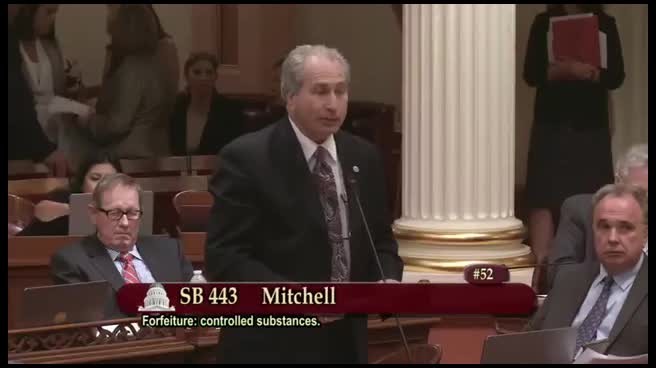
Bill Author