SCA 14: Legislative procedure.
- Session Year: 2015-2016
- House: Senate
- Latest Version Date: 2016-06-17
The California Constitution requires that the proceedings of each house of the Legislature and the committees thereof be open and public, except as specified.
This measure, the California Legislature Transparency Act, would require the Legislature, commencing January 1, 2018, to make audiovisual recordings of the open and public proceedings of each house of the Legislature and the committees thereof, as prescribed. prescribed, and to authorize members of the public who attend those proceedings to make recordings of and to broadcast the proceedings, as prescribed. The measure would require the Legislature to provide these its recordings to the Legislative Counsel for purposes of making the recordings promptly available to the public and would require that the recordings remain reasonably accessible to the public for not less than 20 years. The measure would require the Legislature to enact laws to implement these provisions, provided that the bills enacting such laws would be required to be published in final form on the Internet for at least 12 days prior to the final vote in each house.
The California Constitution prohibits either house from passing a bill until certain requirements are met, including that a committee or house not hear or act on the bill until the 31st day after it is introduced and that the bill with amendments has been printed and distributed to the Members of the Legislature.
This measure would additionally prohibit the Legislature from passing a bill unless the bill has been published on the Internet in its final form for at least 72 hours prior to the final vote in the second house. This measure would require the house of origin to pass a bill by a second rollcall vote following the final vote in the second house if the bill, as first passed in the house of origin, had not been published on the Internet in its final form for at least 72 hours prior to that vote and was not amended thereafter in the second house. The
This measure would authorize a committee to hear or act on a bill on the 16th day after the bill is introduced. The measure would also prohibit a bill from being passed in either house until the bill, in the form to be voted on, has been made available to the public by publishing it on the Internet for at least 72 hours before the vote. The measure would authorize the Legislature to waive these requirements, as prescribed, if specified requirements are met with respect to a state of emergency declared by the Governor.
The California Constitution requires that the proceedings of each house of the Legislature and the committees thereof be open and public, except as specified.
This measure, the California Legislature Transparency Act, would require the Legislature, commencing January 1, 2018, to make audiovisual recordings of the open and public proceedings of each house of the Legislature and the standing committees thereof, if those proceedings are required to be open and public. as prescribed. The measure would require the Legislature to provide these recordings to the Legislative Counsel for purposes of making the recordings promptly available to the public and would require that the recordings remain reasonably accessible to the public for not less than 20 years. The measure would require the Legislature to enact laws to implement these provisions, provided that the bills enacting such laws would be required to be published in final form on the Internet for at least 12 days prior to the final vote in each house.
The California Constitution prohibits either house from passing a bill until certain requirements are met, including that the bill with amendments has been printed and distributed to the Members of the Legislature.
This measure would additionally prohibit the Legislature from passing a bill unless the bill has been published on the Internet in its final form for at least 72 hours prior to the final vote in the second house unless specified requirements are met with respect to a state of emergency declared by the Governor. house. This measure would require the house of origin to pass a bill by a second rollcall vote following the final vote in the second house if the bill, as first passed in the house of origin, had not been published on the Internet in its final form for at least 72 hours prior to that vote and was not amended thereafter in the second house. The measure would authorize the Legislature to waive these requirements, as prescribed, if specified requirements are met with respect to a state of emergency declared by the Governor.
The California Constitution requires that the proceedings of each house of the Legislature and the committees thereof be open and public, except as specified.
This measure, the California Legislature Transparency Act, would require the Legislature, commencing January 1, 2018, to make audiovisual recordings of the proceedings of each house of the Legislature and the standing committees thereof, if those proceedings are required to be open and public.
The California Constitution prohibits either house from passing a bill until certain requirements are met, including that the bill with amendments has been printed and distributed to the Members of the Legislature.
This measure, the California Legislature Transparency Act, would prohibit voting on a bill until the bill, with any amendments, has been printed, distributed to the members, and published on the Internet, in its final form, for at least 72 hours before the vote, except for certain bills that address a state of emergency declared by the Governor.
This measure would additionally prohibit the Legislature from passing a bill unless the bill has been published on the Internet in its final form for at least 72 hours prior to the final vote in the second house unless specified requirements are met with respect to a state of emergency declared by the Governor.
The California Constitution prohibits either house from passing a bill until the bill with amendments has been printed and distributed to the Members of the Legislature.
This measure, the California Legislature Transparency Act, would prohibit voting on a bill until the bill, with any amendments, has been printed, distributed to the members, and published on the Internet, in its final form, for at least 72 hours before the vote, except for certain bills that address a state of emergency declared by the Governor.
Resolved by the Senate, the Assembly concurring, That the Legislature of the State of California at its 201516 Regular Session commencing on the first day of December 2014, two-thirds of the membership of each house concurring, hereby proposes to the people of the State of California that the Constitution of the State be amended as follows:
The people of the State of California find and declare all of the following:
(a)It is essential to the maintenance of a democratic society that public business be performed in an open and public manner, and highly desirable that citizens be given the opportunity to review fully every bill and express to their elected representatives their views regarding a bills merits before it is passed.
(b)Morever, complex bills are often passed before Members of the Legislature have any realistic opportunity to review or debate them, resulting in ill-considered legislation.
(c)Further, although the California Constitution currently provides that the proceedings of each house of the Legislature and the committees thereof shall be open and public, few citizens have the ability to attend legislative proceedings in person, and many legislative proceedings go completely unobserved by the public and press, often leaving no record of what was said.
(d)Yet, with the availability of modern recording technology, there is no reason why public legislative proceedings should remain relatively inaccessible to the public.
In enacting this measure, the people of the State of California intend the following:
(a)To enhance the ability of the people of the State of California to observe what is happening and has happened at the Legislatures public proceedings so as to obtain the information necessary to participate in the political process.
(b)To give the people of the State of California and their elected representatives the necessary time to evaluate carefully the strengths and weaknesses of the final version of a bill before a vote occurs by imposing a 72-hour public notice period between the time that the final version is published on the Internet for review by the Legislature and the public and the time that the final votes are taken, except in cases of a state of emergency declared by the Governor. the bill, in the form to be voted on, has been made available to the public by publishing it on the Internet and the time that the bill is passed in either house.
(a)Commencing January 1, 2018, the Legislature shall do all of the following with respect to its open and public proceedings:
(1)Cause audiovisual recordings to be made of all floor sessions of each house of the Legislature, the committee proceedings thereof at which a vote is taken or other action is recorded, and the committee proceedings thereof held in the State Capitol Building regardless of whether a vote is taken or an action is recorded.
(2)Make reasonable efforts to cause audiovisual recordings to be made of all committee proceedings held outside of the State Capitol Building at which no vote is taken and no action is recorded.
(3)Make reasonable efforts to broadcast to the public, in real time, all proceedings of the Legislature and the committees thereof that are held in the State Capitol Building.
(4)Authorize members of the public who attend the proceedings of the Legislature and the committees thereof to make recordings of those proceedings, subject to reasonable restrictions such as those necessary to ensure public safety and prevent disruption of the proceedings, and to broadcast those recordings.
(b)The Legislature shall provide all of its audiovisual recordings made pursuant to this section to the Legislative Counsel, who shall make the recordings promptly available to the public. The recordings shall remain reasonably accessible to the public for not less than 20 years.
(c)The Legislature shall enact laws to implement this section, provided that, notwithstanding paragraph (3) of subdivision (b) of Section 8, after the 201516 Regular Session of the Legislature, a bill implementing this section shall not be passed or ultimately become a statute unless the bill is published in its final form on the Internet for at least 12 days prior to the final vote in each house.
(d)(1)Expenditures made in furtherance of paragraphs (1) to (3), inclusive, of subdivision (a) are not subject to Section 7.5.
(2)The Legislature shall make sufficient funds available to carry out the purposes of this section.
(a)At regular sessions no bill other than the budget bill may be heard or acted on by committee or either house until the 31st day after the bill is introduced unless the house dispenses with this requirement or by a committee thereof until the 16th day after the bill is introduced. The house may dispense with these requirements by rollcall vote entered in the journal, three-fourths of the membership concurring.
(b)(1)The Legislature may make no law except by statute and may enact no statute except by bill. No bill may be passed unless it is read by title on three days in each house except that the house may dispense with this requirement by rollcall vote entered in the journal, two-thirds of the membership concurring.
(2)No bill may be passed until it has been printed and distributed, with amendments, to the Members.
(3)(A)No bill may be passed until it has been published on the Internet in its final form for at least 72 hours prior to the final vote in the second house.
(B)If a bill is passed by the house of origin without having been published on the Internet in its final form for at least 72 hours prior to that vote and the bill is not amended thereafter in the second house, then the bill may not be passed except by a second rollcall vote in the house of origin following the final vote in the second house.
(3)(A)No bill may be passed in either house until the bill, in the form to be voted on, has been made available to the public by publishing it on the Internet for at least 72 hours before the vote in that house.
(C)
(B)Upon a rollcall vote, two-thirds of the membership concurring, the requirements of this paragraph may be waived for a bill if the Governor has declared a state of emergency, as defined in paragraph (2) of subdivision (c) of Section 3 of Article XIII B, and has submitted a written statement to the Legislature identifying the bill as necessary to address the emergency.
(D)
(C)No bill shall become a statute that fails to comply with the requirements of subparagraphs subparagraph (A) and (B) and for which no waiver is obtained pursuant to subparagraph (C). (B) shall become a statute.
(4)No bill may be passed unless, by rollcall vote entered in the journal, a majority of the membership of each house concurs.
(c)(1)Except as provided in paragraphs (2) and (3) of this subdivision, a statute enacted at a regular session shall go into effect on January 1 next following a 90-day period from the date of enactment of the statute and a statute enacted at a special session shall go into effect on the 91st day after adjournment of the special session at which the bill was passed.
(2)A statute, other than a statute establishing or changing boundaries of any legislative, congressional, or other election district, enacted by a bill passed by the Legislature on or before the date the Legislature adjourns for a joint recess to reconvene in the second calendar year of the biennium of the legislative session, and in the possession of the Governor after that date, shall go into effect on January 1 next following the enactment date of the statute unless, before January 1, a copy of a referendum petition affecting the statute is submitted to the Attorney General pursuant to subdivision (d) of Section 10 of Article II, in which event the statute shall go into effect on the 91st day after the enactment date unless the petition has been presented to the Secretary of State pursuant to subdivision (b) of Section 9 of Article II.
(3)Statutes calling elections, statutes providing for tax levies or appropriations for the usual current expenses of the State, and urgency statutes shall go into effect immediately upon their enactment.
(d)Urgency statutes are those necessary for immediate preservation of the public peace, health, or safety. A statement of facts constituting the necessity shall be set forth in one section of the bill. In each house the section and the bill shall be passed separately, each by rollcall vote entered in the journal, two-thirds of the membership concurring. An urgency statute may not create or abolish any office or change the salary, term, or duties of any office, or grant any franchise or special privilege, or create any vested right or interest.
In the event that this measure and another measure that imposes transparency requirements on the Legislature, such as requirements to make audiovisual recordings of legislative proceedings proceedings, to authorize members of the public to record or broadcast legislative proceedings, or to specify the amount of time a bill must be publicly available before it may be passed, appear on the same statewide ballot, the provisions of the other measure or measures shall be deemed to be in conflict with this measure. In the event that this measure receives a greater number of affirmative votes than a measure deemed to be in conflict with it, the provisions of this measure shall prevail in their entirety, and the other measure or measures shall be null and void in their entirety.
Resolved by the Senate, the Assembly concurring, That the Legislature of the State of California at its 201516 Regular Session commencing on the first day of December 2014, two-thirds of the membership of each house concurring, hereby proposes to the people of the State of California that the Constitution of the State be amended as follows:
This measure shall be known, and may be cited, as the California Legislature Transparency Act.
The people of the State of California find and declare all of the following:
(a)It is essential to the maintenance of a democratic society that public business be performed in an open and public manner, and highly desirable that citizens be given the opportunity to review fully every bill and express to their elected representatives their views regarding a bills merits before it is passed.
(b)Morever, complex bills are often passed before Members of the Legislature have any realistic opportunity to review or debate them, resulting in ill-considered legislation.
(c)Further, although the California Constitution currently provides that the proceedings of each house of the Legislature and the committees thereof shall be open and public, few citizens have the ability to attend legislative proceedings in person, and many legislative proceedings go completely unobserved by the public and press, often leaving no record of what was said.
(d)Yet, with the availability of modern recording technology, there is no reason why public legislative proceedings should remain relatively inaccessible to the public.
In enacting this measure, the people of the State of California intend the following:
(a)To enhance the ability of the people of the State of California to observe what is happening and has happened at the Legislatures public proceedings so as to obtain the information necessary to participate in the political process.
(b)To give the people of the State of California and their elected representatives the necessary time to evaluate carefully the strengths and weaknesses of the final version of a bill before a vote occurs by imposing a 72-hour public notice period between the time that the final version is published on the Internet for review by the Legislature and the public and the time that the final vote in the second house is votes are taken, except in cases of a state of emergency declared by the Governor.
(a)Commencing January 1, 2018, the Legislature shall do all of the following with respect to its open and public proceedings:
(1)Cause audiovisual recordings to be made of all floor sessions of each house of the Legislature, the committee proceedings thereof at which a vote is taken or other action is recorded, and the committee proceedings thereof held in the State Capitol Building regardless of whether a vote is taken or an action is recorded.
(2)Make reasonable efforts to cause audiovisual recordings to be made of all committee proceedings held outside of the State Capitol Building at which no vote is taken and no action is recorded.
(3)Make reasonable efforts to broadcast to the public, in real time, all proceedings of the Legislature and the committees thereof that are held in the State Capitol Building.
(b)The Legislature shall provide all audiovisual recordings made pursuant to this section to the Legislative Counsel, who shall make the recordings promptly available to the public. The recordings shall remain reasonably accessible to the public for not less than 20 years.
(c)The Legislature shall enact laws to implement this section, provided that, notwithstanding paragraph (3) of subdivision (b) of Section 8, after the 201516 Regular Session of the Legislature, a bill implementing this section shall not be passed or ultimately become a statute unless the bill is published in its final form on the Internet for at least 12 days prior to the final vote in each house.
(d)(1)Expenditures made in furtherance of subdivision (a) are not subject to Section 7.5.
(2)The Legislature shall make sufficient funds available to carry out the purposes of this section.
(a)At regular sessions no bill other than the budget bill may be heard or acted on by committee or either house until the 31st day after the bill is introduced unless the house dispenses with this requirement by rollcall vote entered in the journal, three-fourths of the membership concurring.
(b)(1)The Legislature may make no law except by statute and may enact no statute except by bill. No bill may be passed unless it is read by title on three days in each house except that the house may dispense with this requirement by rollcall vote entered in the journal, two-thirds of the membership concurring.
(2)No bill may be passed until it has been printed and distributed, with amendments, to the Members.
(3)No bill may be passed until it has been published on the Internet in its final form for at least 72 hours prior to the final vote in the second house. Upon a rollcall vote, two-thirds of the membership concurring, the requirement of this paragraph may be waived for a bill if the Governor has declared a state of emergency, as defined in paragraph (2) of subdivision (c) of Section 3 of Article XIII B, and has submitted a written statement to the Legislature identifying the bill as necessary to address the emergency.
(3)(A)No bill may be passed until it has been published on the Internet in its final form for at least 72 hours prior to the final vote in the second house.
(B)If a bill is passed by the house of origin without having been published on the Internet in its final form for at least 72 hours prior to that vote and the bill is not amended thereafter in the second house, then the bill may not be passed except by a second rollcall vote in the house of origin following the final vote in the second house.
(C)Upon a rollcall vote, two-thirds of the membership concurring, the requirements of this paragraph may be waived for a bill if the Governor has declared a state of emergency, as defined in paragraph (2) of subdivision (c) of Section 3 of Article XIII B, and has submitted a written statement to the Legislature identifying the bill as necessary to address the emergency.
(D)No bill shall become a statute that fails to comply with the requirements of subparagraphs (A) and (B) and for which no waiver is obtained pursuant to subparagraph (C).
(4)No bill may be passed unless, by rollcall vote entered in the journal, a majority of the membership of each house concurs.
(c)(1)Except as provided in paragraphs (2) and (3) of this subdivision, a statute enacted at a regular session shall go into effect on January 1 next following a 90-day period from the date of enactment of the statute and a statute enacted at a special session shall go into effect on the 91st day after adjournment of the special session at which the bill was passed.
(2)A statute, other than a statute establishing or changing boundaries of any legislative, congressional, or other election district, enacted by a bill passed by the Legislature on or before the date the Legislature adjourns for a joint recess to reconvene in the second calendar year of the biennium of the legislative session, and in the possession of the Governor after that date, shall go into effect on January 1 next following the enactment date of the statute unless, before January 1, a copy of a referendum petition affecting the statute is submitted to the Attorney General pursuant to subdivision (d) of Section 10 of Article II, in which event the statute shall go into effect on the 91st day after the enactment date unless the petition has been presented to the Secretary of State pursuant to subdivision (b) of Section 9 of Article II.
(3)Statutes calling elections, statutes providing for tax levies or appropriations for the usual current expenses of the State, and urgency statutes shall go into effect immediately upon their enactment.
(d)Urgency statutes are those necessary for immediate preservation of the public peace, health, or safety. A statement of facts constituting the necessity shall be set forth in one section of the bill. In each house the section and the bill shall be passed separately, each by rollcall vote entered in the journal, two-thirds of the membership concurring. An urgency statute may not create or abolish any office or change the salary, term, or duties of any office, or grant any franchise or special privilege, or create any vested right or interest.
In the event that this measure and another measure that imposes transparency requirements on the Legislature, such as requirements to make audiovisual recordings of legislative proceedings or to specify the amount of time a bill must be publicly available before it may be passed, appear on the same statewide ballot, the provisions of the other measure or measures shall be deemed to be in conflict with this measure. In the event that this measure receives a greater number of affirmative votes than a measure deemed to be in conflict with it, the provisions of this measure shall prevail in their entirety, and the other measure or measures shall be null and void in their entirety.
Resolved by the Senate, the Assembly concurring, That the Legislature of the State of California at its 201516 Regular Session commencing on the first day of December 2014, two-thirds of the membership of each house concurring, hereby proposes to the people of the State of California that the Constitution of the State be amended as follows:
This measure shall be known, and may be cited, as the California Legislature Transparency Act.
The people of the State of California find and declare both all of the following:
(a)It is essential to the maintenance of a democratic society that public business be performed in an open and public manner, and highly desirable that citizens be given the opportunity to fully review fully every bill and express to their elected representatives their views regarding the a bills merits to their elected representatives, before it is passed.
(b)Morever, complex bills are often passed before members Members of the Legislature have any realistic opportunity to review or debate them, resulting in ill-considered legislation.
(c)Further, although the California Constitution currently provides that the proceedings of each house of the Legislature and the committees thereof shall be open and public, few citizens have the ability to attend legislative proceedings in person, and many legislative proceedings go completely unobserved by the public and press, often leaving no record of what was said.
(d)Yet, with the availability of modern recording technology, there is no reason why public legislative proceedings should remain relatively inaccessible to the public.
In enacting this measure, the people of the State of California intend the following:
(a)To enhance the ability of the people of the State of California to observe what is happening and has happened at the Legislatures public proceedings so as to obtain the information necessary to participate in the political process.
(b)To give the people of the State of California and their elected representatives the necessary time to evaluate carefully the strengths and weaknesses of the final version of a bill before a vote occurs by imposing a 72-hour public notice period between the time that the final version is published on the Internet for review by the Legislature and the public and the time that the final vote in the second house is taken, except in cases of a state of emergency declared by the Governor.
Commencing January 1, 2018, the Legislature shall cause audiovisual recordings to be made of the proceedings of each house of the Legislature and the standing committees thereof, if those proceedings are required to be open and public pursuant to subdivision (c) of Section 7. Expenditures made in furtherance of this section are not subject to Section 7.5.
(a)At regular sessions no bill other than the budget bill may be heard or acted on by committee or either house until the 31st day after the bill is introduced unless the house dispenses with this requirement by rollcall vote entered in the journal, three fourths three-fourths of the membership concurring.
(b)(1)The Legislature may make no law except by statute and may enact no statute except by bill. No bill may be passed unless it is read by title on 3 three days in each house except that the house may dispense with this requirement by rollcall vote entered in the journal, two thirds two-thirds of the membership concurring. No bill may be passed until the bill with amendments has been printed and distributed to the members. No bill may be passed unless, by rollcall vote entered in the journal, a majority of the membership of each house concurs.
(2)No bill may be passed until it has been printed and distributed, with amendments, to the Members.
(3)No bill may be passed until it has been published on the Internet in its final form for at least 72 hours prior to the final vote in the second house. Upon a rollcall vote, two-thirds of the membership concurring, the requirement of this paragraph may be waived for a bill if the Governor has declared a state of emergency, as defined in paragraph (2) of subdivision (c) of Section 3 of Article XIII B, and has submitted a written statement to the Legislature identifying the bill as necessary to address the emergency.
(4)No bill may be passed unless, by rollcall vote entered in the journal, a majority of the membership of each house concurs.
(c)(1)Except as provided in paragraphs (2) and (3) of this subdivision, a statute enacted at a regular session shall go into effect on January 1 next following a 90-day period from the date of enactment of the statute and a statute enacted at a special session shall go into effect on the 91st day after adjournment of the special session at which the bill was passed.
(2)A statute, other than a statute establishing or changing boundaries of any legislative, congressional, or other election district, enacted by a bill passed by the Legislature on or before the date the Legislature adjourns for a joint recess to reconvene in the second calendar year of the biennium of the legislative session, and in the possession of the Governor after that date, shall go into effect on January 1 next following the enactment date of the statute unless, before January 1, a copy of a referendum petition affecting the statute is submitted to the Attorney General pursuant to subdivision (d) of Section 10 of Article II, in which event the statute shall go into effect on the 91st day after the enactment date unless the petition has been presented to the Secretary of State pursuant to subdivision (b) of Section 9 of Article II.
(3)Statutes calling elections, statutes providing for tax levies or appropriations for the usual current expenses of the State, and urgency statutes shall go into effect immediately upon their enactment.
(d)Urgency statutes are those necessary for immediate preservation of the public peace, health, or safety. A statement of facts constituting the necessity shall be set forth in one section of the bill. In each house the section and the bill shall be passed separately, each by rollcall vote entered in the journal, two thirds two-thirds of the membership concurring. An urgency statute may not create or abolish any office or change the salary, term, or duties of any office, or grant any franchise or special privilege, or create any vested right or interest.
In the event that this measure and another measure that imposes transparency requirements on the Legislature, such as requirements to make audiovisual recordings of legislative proceedings or to specify the amount of time a bill must be publicly available before it may be passed, appear on the same statewide ballot, the provisions of the other measure or measures shall be deemed to be in conflict with this measure. In the event that this measure receives a greater number of affirmative votes than a measure deemed to be in conflict with it, the provisions of this measure shall prevail in their entirety, and the other measure or measures shall be null and void in their entirety.
Resolved by the Senate, the Assembly concurring, That the Legislature of the State of California at its 201516 Regular Session commencing on the first day of December 2014, two-thirds of the membership of each house concurring, hereby proposes to the people of the State of California that the Constitution of the State be amended as follows:
This measure shall be known, and may be cited, as the California Legislature Transparency Act.
The people of the State of California find and declare both of the following:
(a)It is essential to the maintenance of a democratic society that public business be performed in an open and public manner, and highly desirable that citizens be given the opportunity to fully review every bill and express their views regarding the bills merits to their elected representatives, before it is passed.
(b)Morever, complex bills are often passed before members of the Legislature have any realistic opportunity to review or debate them, resulting in ill-considered legislation.
In enacting this measure, the people of the State of California intend to give the people of the State of California and their elected representatives the necessary time to carefully evaluate the strengths and weaknesses of the final version of a bill before a vote occurs by imposing a 72-hour public notice period between the time that the final version is made available to the Legislature and the public and the time that a vote is taken, except in cases of a true emergency declared by the Governor.
(a)At regular sessions no bill other than the budget bill may be heard or acted on by committee or either house until the 31st day after the bill is introduced unless the house dispenses with this requirement by rollcall vote entered in the journal, three fourths of the membership concurring.
(b)(1)The Legislature may make no law except by statute and may enact no statute except by bill. No bill may be passed unless it is read by title on 3 days in each house except that the house may dispense with this requirement by rollcall vote entered in the journal, two thirds of the membership concurring. No
(2)No bill may be passed until or ultimately become a statute unless the bill bill, with amendments any amendments, has been printed and printed, distributed to the members. members, and published on the Internet, in its final form, for at least 72 hours before the vote, except that this notice period may be waived if the Governor has submitted to the Legislature a written statement that dispensing with this notice period for that bill is necessary to address a state of emergency, as defined in paragraph (2) of subdivision (c) of Section 3 of Article XIIIB, that has been declared by the Governor, and the house considering the bill thereafter dispenses with the notice period for that bill by a separate rollcall vote entered in the journal, two thirds of the membership concurring, prior to the vote on the bill. No
(3)No bill may be passed unless, by rollcall vote entered in the journal, a majority of the membership of each house concurs.
(c)(1)Except as provided in paragraphs (2) and (3) of this subdivision, a statute enacted at a regular session shall go into effect on January 1 next following a 90-day period from the date of enactment of the statute and a statute enacted at a special session shall go into effect on the 91st day after adjournment of the special session at which the bill was passed.
(2)A statute, other than a statute establishing or changing boundaries of any legislative, congressional, or other election district, enacted by a bill passed by the Legislature on or before the date the Legislature adjourns for a joint recess to reconvene in the second calendar year of the biennium of the legislative session, and in the possession of the Governor after that date, shall go into effect on January 1 next following the enactment date of the statute unless, before January 1, a copy of a referendum petition affecting the statute is submitted to the Attorney General pursuant to subdivision (d) of Section 10 of Article II, in which event the statute shall go into effect on the 91st day after the enactment date unless the petition has been presented to the Secretary of State pursuant to subdivision (b) of Section 9 of Article II.
(3)Statutes calling elections, statutes providing for tax levies or appropriations for the usual current expenses of the State, and urgency statutes shall go into effect immediately upon their enactment.
(d)Urgency statutes are those necessary for immediate preservation of the public peace, health, or safety. A statement of facts constituting the necessity shall be set forth in one section of the bill. In each house the section and the bill shall be passed separately, each by rollcall vote entered in the journal, two thirds of the membership concurring. An urgency statute may not create or abolish any office or change the salary, term, or duties of any office, or grant any franchise or special privilege, or create any vested right or interest.
|
Date
|
Status
|
|---|---|
| Jun 13, 2016 | From committee: Be adopted. (Ayes 5. Noes 2.) (June 13). |
| Aug 1, 2016 | Ordered to inactive file on request of Assembly Member Calderon. |
| Jun 23, 2016 | Read second time. Ordered to third reading. |
| Jun 22, 2016 | From committee: Be adopted. (Ayes 14. Noes 5.) (June 22). |
| Jun 21, 2016 | From committee: Be adopted and re-refer to Com. on APPR. (Ayes 7. Noes 2.) (June 21). Re-referred to Com. on APPR. |
| Jun 17, 2016 | From committee with author's amendments. Read second time and amended. Re-referred to Com. on RLS. |
| Jun 16, 2016 | Referred to Com. on RLS. |
| Jun 16, 2016 | Read third time. Passed. (Ayes 27. Noes 8.) Ordered to the Assembly. |
| Jun 16, 2016 | In Assembly. Read first time. Held at Desk. |
| Jun 16, 2016 | Assembly Rule 56 suspended. (Ayes 51. Noes 27. Page 5405.) |
| Jun 16, 2016 | Assembly Rule 56 suspended. |
| Jun 14, 2016 | Read second time. Ordered to third reading. |
| Jun 13, 2016 | Motion to place on APPR. suspense file failed. |
| Apr 21, 2016 | Introduced. Read first time. To Com. on RLS. for assignment. To print. |
| Jun 13, 2016 | From committee: Be adopted. (Ayes 5. Noes 2. Page 4265.) (June 13). |
| Jun 13, 2016 | (Ayes 2. Noes 5.) (June 13) |
| Jun 13, 2016 | (Ayes 2. Noes 5. Page 4265.) (June 13) |
| Jun 10, 2016 | Set for hearing June 13. |
| Jun 9, 2016 | From committee: Be adopted and re-refer to Com. on APPR. (Ayes 4. Noes 1.) (June 8). Re-referred to Com. on APPR. |
| Jun 9, 2016 | From committee: Be adopted and re-refer to Com. on APPR. (Ayes 4. Noes 1. Page 4235.) (June 8). Re-referred to Com. on APPR. |
| Jun 9, 2016 | From committee with author's amendments. Read second time and amended. Re-referred to Com. on APPR. |
| Jun 2, 2016 | Set for hearing June 8. |
| Jun 1, 2016 | From committee with author's amendments. Read second time and amended. Re-referred to Com. on E. & C.A. |
| May 12, 2016 | Referred to Com. on E. & C.A. |
| Apr 22, 2016 | From printer. May be acted upon on or after May 22. |
|
Date
|
Description
|
Location
|
Votes
|
|
|---|---|---|---|---|
| Jun 22, 2016 | Be adopted. | Assembly Standing Committee on Appropriations |
Passed |
|
| Jun 21, 2016 | Be adopted and re-referred to the Committee on [Appropriations] | Assembly Standing Committee on Rules |
Passed |
|
| Jun 16, 2016 | Senate 3rd Reading SCA14 Wolk | Senate Floor |
Passed |
|
| Jun 13, 2016 | Be adopted | Senate Standing Committee on Appropriations |
Passed |
|
| Jun 13, 2016 | Placed on suspense file | Senate Standing Committee on Appropriations |
Failed |
|
| Jun 8, 2016 | Be adopted, but first be re-referred to the Committee on [Appropriations] | Senate Standing Committee on Elections and Constitutional Amendments |
Passed |
This list shows positions taken on this bill by organizations on the date displayed, which is linked to the original source.
Positions by individuals are not included.
|
Organization
|
Position
|
Date
|
|---|---|---|
| California Common Cause | * Neutral | Jun 8, 2016 |
| California Labor Federation, Afl-Cio | * Neutral | Jun 8, 2016 |
| California Legislature Transparency Act | * Indeterminate | Jun 22, 2016 |
| California Newspaper Publishers Association | * Indeterminate | Jun 22, 2016 |
| Californians Aware | * Against | Jun 21, 2016 |
| First Amendment Coalition | ** Against | Jun 16, 2016 |
| Former California State Legislator | * Against | Jun 8, 2016 |
| Howard Jarvis Taxpayers Association | * Against | Jun 21, 2016 |
| League Of California Cities | * Neutral | Jun 8, 2016 |
| League Of Women Voters Of California | * Neutral | Jun 8, 2016 |
| National Federation Of Independent Business | * Indeterminate | Jun 22, 2016 |
| Rural County Representatives of California | ** Support | Jun 21, 2016 |
SENATE THIRD READING
STR Bill Id:SCA 14
Author:(Wolk)
As Amended Ver:June 17, 2016
2/3 vote
SENATE VOTE: 27-8
Committee | Votes | Ayes | Noes |
Rules | 7-2 | Gordon, Arambula, Cooley, Gomez, Holden, Quirk, Rodriguez | Jones, Waldron |
Appropriations | 14-5 | Gonzalez, Bloom, Bonilla, Bonta, Calderon, Daly, Eggman, Eduardo Garcia, Roger Hernández, Holden, Quirk, Santiago, Weber, Wood | Bigelow, Gallagher, Jones, Obernolte, Wagner |
SUMMARY: Prohibits the Legislature from passing a bill in either house until the bill has been available to the public for at least 72 hours before the vote, and requires the Legislature to make audiovisual recordings of public legislative proceedings including floor sessions and committee hearings. Specifically, this bill:
- Requires, beginning January 1, 2018, that the Legislature make audiovisual recordings of all floor sessions of each house of the Legislature and the standing committees thereof at which a vote is taken or other action is recorded. Also, requires that the Legislature make audiovisual recordings of public committee proceedings held in the State Capitol Building, such as an informational hearing, where no vote is taken or action is recorded.
- Requires, beginning January 1, 2018, that the Legislature make reasonable efforts to audio visually record all public committee proceedings held outside of the State Capitol Building.
- Requires, beginning January 1, 2018, that the Legislature make reasonable efforts to broadcast, in real time, all public proceedings of the Legislature and the committees thereof that are held in the State Capitol Building.
- Requires, beginning January 1, 2018, that the Legislature authorize members of the public who attend public legislative proceedings to make and broadcast recordings of the proceedings, subject to reasonable restrictions that ensure public safety and prevent disruption of the proceedings.
- Requires the Legislature to provide all of its audiovisual recordings to the Legislative Counsel, who shall make the recordings promptly available to the public. The recordings shall remain reasonably accessible to the public for not less than 20 years.
- Requires the Legislature to enact laws necessary to implement the provisions of this measure and provides that the necessary expenditures made in furtherance of the requirements in this measure are not subject to existing limitations on the Legislature's budget that were enacted by Proposition 140 of 1990.
- Reduces the period of time that an introduced bill must be in print before a committee may hear or act on that bill from 30 days to 15 days. Retains the 30-day in-print requirement for bills to be heard or acted on by the floor of either house.
- Prohibits a bill from being passed in either house until the bill, in the form to be voted on, has been made available to the public by publishing it on the Internet for at least 72 hours before the vote in that house. This requirement may be waived by a two-thirds vote, if the Governor has declared a state of emergency and submitted a written statement to the Legislature identifying the bill as necessary to address the emergency.
- Provides that in the event that this measure and another measure that imposes transparency requirements on the Legislature appear on the same statewide ballot, the provisions of the other measure or measures shall be deemed to be in conflict with this measure. In the event that this measure receives a greater number of affirmative votes than a measure deemed to be in conflict with it, the provisions of this measure shall prevail in their entirety, and the other measure or measures shall be null and void in their entirety.
EXISTING LAW:
- Requires, pursuant to California Constitution Article IV Section 7, that the proceedings of each house of the Legislature and the committees thereof be open and public, except as specified.
- Prohibits, pursuant to California Constitution Article IV Section 8, a bill other than the budget bill to be heard or acted on by a committee or either house until the 31st day after the bill is introduced, except by a three-fourths vote.
- Prohibits, pursuant to California Constitution Article IV Section 8, either house from passing a bill until the bill, with amendments, has been printed and distributed to the Members.
- Prohibits, pursuant to statute, a television signal generated by the Assembly from being used for any political or commercial purpose. This restriction does not limit use of the signal by an accredited news organization or nonprofit organization for educational or public affairs programming.
- Requires, pursuant to statute, the Legislative Counsel to make specified information available to the public in electronic form, including: the schedule of legislative committee hearings; a list of matters pending on the floors of both houses; the text, analysis, bill history, and vote information of each bill; and, all statutes enacted on or after January 1, 1993.
FISCAL EFFECT: According to the Senate Appropriations Committee:
- The Legislature would incur one-time General Fund costs of up to $2 million to purchase audiovisual recording equipment, and approximately $1 million in ongoing General Fund costs related to personnel and storage of the audiovisual recordings. This bill excludes these costs from the Legislature's annual budget, which is subject to the limits established in 1990 by Proposition 140. This bill, however, requires that the Legislature make sufficient funding available for these purposes.
- One-time General Fund costs ranging from $414,000 to $552,000 to the Secretary of State for printing and mailing costs associated with placing the measure on the ballot in the next statewide election.
COMMENTS:
- Purpose: In support of this bill, the author states:
SCA 14 would amend the California Constitution to prohibit the Legislature from approving a bill unless the bill, with any amendments, has been published on the Internet for at least 72 hours prior to the vote in that house. The 72-hour requirement would apply to all bills except those necessary to address an emergency declared by the Governor and with a 2/3 vote in each house concurring prior to the vote on the bill.
Historically, there have been many occasions when significant legislation has been voted upon and approved with little time for legislators, the press, and the public at large, to read, review, analyze, and comment on the merits of the bill.
SCA 14, if approved by the voters in November of 2016, would provide the public more time to review legislation and express their views to their elected representatives on the merits of legislation, providing greater transparency and accountability to the legislative process, while still allowing for expedited action in case of an emergency.
- Recording by the public: This bill allows recording of legislative proceedings by the public, subject to reasonable restrictions such as preventing disruption of the proceedings and ensuring public safety. This addresses public safety concerns raised during the joint initiative hearing held on June 15, 2016, by the Assembly Rules Committee and the Senate Elections and Constitutional Amendments Committee.
- In-print requirement: This bill reduces the 30-day in-print requirement for introduced bills to 15 days before a committee may hear or act on a bill. This will allow committees more time to amend, analyze, and hear bills. It will also provide the public more time to participate and provide feedback on legislation. This bill retains the 30-day in-print requirement for action on the floor of the house of origin.
- Competing proposal: This bill, along with AB 884 (Gordon) of the current legislative session, is similar in intent to an initiative measure titled the California Legislature Transparency Act (CLTA), which is currently pending signature verification.
- Amendments to this bill since June 1 reflect an effort to clarify the initiative's ambiguities, particularly related to the 72-hour rule. The June 1 version interpreted "final form" and "the vote" to mean the vote on the floor of the second house, which is where most bills become final. The June 9 version added a provision to ensure that the house of origin had three days to vote on that final version, in the unusual case where the bill would not return to the house of origin for concurrence and the bill had not had three days in the house of origin. The current version concedes to the initiative proponents' argument that they intended to give the first house three days to review the bill before "dismissing" the bill from the house, without regard to whether the bill was in the "final form." This bill therefore would clarify the ambiguity in the favor of the initiative proponents, despite the additional burden imposed by the current version. It does not reflect how the Legislature may interpret the "final form" ambiguity if the voters ultimately approve the initiative and not this bill.
- Resolving ambiguities: This bill resolves a number of identified ambiguities in the California Legislature Transparency Act initiative that could result in the initiative not having the intended legal effect, including:
- Passage of a bill: This bill explicitly states that no bill shall become a statute if it fails to comply with the provisions of this bill. This enforcement clause resolves the ambiguity in the initiative which provides that "no bill may be passed or ultimately become a statute" because California Constitution Article IV Section 10 provides the requirements for bills to become statutes. This unnecessary language could be interpreted to mean that a bill's failure to comply with the other requirements in Article IV Section 8 would not prevent that bill from becoming a statute.
- 72-hour requirement: This bill explicitly provides that a bill must be published on the Internet "for at least 72 hours before the vote in that house." Unlike the language in the initiative which requires that bills be in print for "72 hours before the vote," this bill ensures that bills will be in print for 72 hours before a floor vote in either house. The ambiguous language in the initiative could reasonably be interpreted to only apply the 72-hour requirement to the last vote before a bill is presented to the Governor. This would not provide the public sufficient time to review bills that are amended in the other house of the Legislature.
- Final form of a bill: This bill also ensures that the 72-hour requirement applies to the "form to be voted on," guaranteeing that amendments to a bill are in print for the intended 72 hours in each house. The initiative, on the other hand, uses ambiguous "final form" language which could reasonably be interpreted to only require 72 hours on the final version of the bill that is presented to the Governor.
- Option for initiative withdrawal: Pursuant to SB 1253 (Steinberg), Chapter 697, Statutes of 2014, proponents of a statewide initiative or referendum measure are now allowed to withdraw the measure after filing the petitions with the Secretary of State at any time before the measure qualifies for the ballot (131 days prior to the election at which the measure will appear). This provides a mechanism for a proponent to remove a ballot initiative when the proponent comes to some form of negotiated resolution, such as an alternative passed by the Legislature.
This bill has demonstrated how the negotiation process, intended by SB 1253, on an initiative should occur. This bill was introduced as an alternative to the CLTA, has had numerous public hearings, and has been significantly amended to address concerns raised in those public hearings by the initiative proponents and others.
Development of amendments to this bill since June 1 has involved discussion among representatives of the authors (SCA 14/AB 884), majority leadership offices, the Secretary of the Senate, and the Assembly Rules Committee, in an effort to interpret and clarify the meaning of the initiative's language through amendments to this bill and AB 884.
- Prior legislation: This bill is similar to the following prior bills which would have required bills be available for a specified period of time prior to consideration: SCA 10 (Wolk), of 2013, ACA 1 (Olsen), of the current legislative session, SCA 3 (Morrell), of the current legislative session, and SCA 10 (Huff), of 2015.
- Related legislation: AB 884 (Gordon), of the current legislative session establishes how the Legislature will arrange for audiovisual recording and disclosure of the Legislature's activities, and is contingent upon voter approval of this bill. AB 884 is pending on the Senate Floor.
Analysis Prepared by: Nicole Willis / RLS. / (916) 319-2800 FN: 0003506
Date of Hearing: June 22, 2016
ASSEMBLY COMMITTEE ON APPROPRIATIONS
Lorena Gonzalez, Chair
SBPCA Bill Id:SCA 14
Author:(Wolk) – As Amended Ver:June 17, 2016
Policy Committee: | Rules | Vote: | 7-2 |
|
| ||
|
|
Urgency: No State Mandated Local Program: No Reimbursable: No
SUMMARY:
This measure proposes to amend the State Constitution to require video recordings of legislative proceedings and to require that the text of legislation be available on the Internet at least 72 hours prior to a vote on the bill in either house. Specifically, this bill:
- Requires both houses of the Legislature, commencing January 1, 2018, to do all of the following with respect to open and public proceedings:
- Produce video recordings of all floor sessions, all committee proceedings held in the State Capitol Building, and all other committee proceedings held outside the Capitol where a vote is taken or another action is recorded.
- Make reasonable efforts to:
- Produce video recordings of all committee proceedings held outside the Capitol where a vote is not taken or another action is not recorded.
- Broadcast in real time all floor sessions and committee proceedings held in the Capitol.
- Provide all video recordings made per the above to the Legislative Counsel, who shall make the recordings promptly available to the public. These recordings must remain accessible to the public for at least 20 years.
- Authorizes anyone who attends legislative proceedings to record and broadcast those proceedings, subject to reasonable restrictions, such as those necessary to ensure public safety and prevent disruption.
- Stipulates that costs to implement (1) are not subject to existing Constitutional provisions limiting legislative expenditures, and requires the Legislature to make sufficient funds available to carry out these purposes.
- Reduces, from 31 days to 16 days, the earliest time, following introduction of a bill, when the bill may be heard or acted upon by a committee of either house.
- Prohibits any bill from being passed in either house until the form of the bill to be voted on has been published on the Internet at least 72 hours before the vote in that house.
- Provides that the requirements in (5) may be waived with a two-thirds vote for any bill identified by the Governor as necessary to address a state of emergency declared by the Governor.
- Stipulates that a bill failing to comply with the requirements of (5) shall not become law unless it received a waiver per (6).
- Provides that, if another measure imposing similar requirements as this measure appears on the same statewide ballot, those provisions shall be deemed in conflict with this measure, and that if this measure receives a greater number of affirmative votes the other measure shall be null and void.
FISCAL EFFECT:
The following are the estimated costs (all General Fund) of the measure:
- Initial one-time cost of around $2 million for infrastructure modifications and equipment. There will also be costs of up to $1 million every five years or so for equipment replacement, due to changes in technology, and for additional storage capacity.
- Annual maintenance costs would average around $300,000. Unknown ongoing costs for additional staff, including travel expenses for proceedings outside the Capitol.
- One-time printing costs of around $400,000 to include in the statewide voter information guide the text, analysis of, and arguments for and against the measure.
COMMENTS:
- Purpose. Historically, there have been many occasions when significant legislation has been voted upon and approved with little time for legislators, the press, and the public at large, to read, review, analyze, and comment on the merits of the bill. This measure, if approved by the voters, would provide the public more time to review legislation and express their views to their elected representatives on the merits of legislation, providing greater transparency and accountability to the legislative process, while still allowing for expedited action in case of an emergency.
- Related Initiative. The "California Legislature Transparency Act (CLTA)," the proponents for which are Charles T. Munger, Jr. and former State Senator Sam Blakeslee, is currently pending signature verification. This initiative includes provisions similar to, though not exactly like, those in SCA 14. The initiative requires video recordings of all legislative proceedings, whether inside or outside the Capitol. On the other hand, the CLTA does not include the requirement in SCA 14 for broadcasting of all legislative proceedings held in the Capitol. In addition, the costs to comply with the initiative are to be accommodated within the Legislature's annual operating budget, as limited by Proposition 140 of 1990. The Legislative Analyst's Office has estimated one-time costs of $1 million to $2 million and ongoing costs of about $1 million to implement the initiative.
- Related Legislation. AB 884 (Gordon), pending in the Senate, provides necessary statutory changes to implement SCA 14, and is contingent on voter approval of SCA 14. AB 884, in part:
- Repeals the prohibition against using Assembly-generated television signals for political or commercial purposes and instead authorizes the televised or other video recordings of the public proceedings of each house of the Legislature and the committees thereof to be used by the public without the imposition of any fee.
- Requires video recordings of legislative proceedings, as required by SCA 14, to be posted on the Internet by the Legislative Counsel within one business day after such proceedings have been recessed or adjourned for the day.
- Requires recordings posted on the Internet to be retrievable in a perceivable format for public use for the duration of the biennial session in which the recording is made, and the two biennial sessions immediately following, and requires the Legislative Counsel to archive all recordings for at least 20 years.
- Recasts current provisions related to state copyright and proprietary interests in information to be made publicly available in electronic form by the Legislative Counsel and instead provides that the information made available to the public is within the public domain.
- Option for Initiative Withdrawal. Per SB 1253 (Steinberg), Chapter 697, Statutes of 2014, proponents of a statewide initiative, after filing petitions with elections officials, are now permitted to withdraw the measure at any time before the measure qualifies for the ballot (131 days prior to the election at which the measure will appear). The purpose of this option is to provide a mechanism for a proponent to remove a ballot initiative in the event the proponent comes to some form of negotiated resolution, such as an alternative passed by the Legislature.
- Prior Legislation. SCA 10 (Wolk, of 2013), ACA 1 (Olsen, of 2015), SCA 3 (Morrell, of 2015), and SCA 10 (Huff, of 2015), which were all similar to this measure with respect to making bills available for a specified time period prior to consideration, were never heard in a policy committee.
Analysis Prepared by: Chuck Nicol / APPR. / (916) 319-2081
Date of Hearing: June 21, 2016
ASSEMBLY COMMITTEE ON RULES
Richard S. Gordon, Chair
SBPCA Bill Id:SCA 14
Author:(Wolk) – As Amended Ver:June 17, 2016
SENATE VOTE: 27-8
SUBJECT: Legislative procedure
SUMMARY: Prohibits the Legislature from passing a bill in either house until the bill has been available to the public for at least 72 hours before the vote, and requires the Legislature to make audiovisual recordings of public legislative proceedings including floor sessions and committee hearings. Specifically, this bill:
- Requires, beginning January 1, 2018, that the Legislature make audiovisual recordings of all floor sessions of each house of the Legislature and the standing committees thereof at which a vote is taken or other action is recorded. Also, requires that the Legislature make audiovisual recordings of public committee proceedings held in the State Capitol Building, such as an informational hearing, where no vote is taken or action is recorded.
- Requires, beginning January 1, 2018, that the Legislature make reasonable efforts to audio visually record all public committee proceedings held outside of the State Capitol Building.
- Requires, beginning January 1, 2018, that the Legislature make reasonable efforts to broadcast, in real time, all public proceedings of the Legislature and the committees thereof that are held in the State Capitol Building.
- Requires, beginning January 1, 2018, that the Legislature authorize members of the public who attend public legislative proceedings to make and broadcast recordings of the proceedings, subject to reasonable restrictions that ensure public safety and prevent disruption of the proceedings.
- Requires the Legislature to provide all of its audiovisual recordings to the Legislative Counsel, who shall make the recordings promptly available to the public. The recordings shall remain reasonably accessible to the public for not less than 20 years.
- Requires the Legislature to enact laws necessary to implement the provisions of this measure and provides that the necessary expenditures made in furtherance of the requirements in this measure are not subject to existing limitations on the Legislature’s budget that were enacted by Proposition 140 of 1990.
- Reduces the period of time that an introduced bill must be in print before a committee may hear or act on that bill from 30 days to 15 days. Retains the 30-day in-print requirement for bills to be heard or acted on by the floor of either house.
- Prohibits a bill from being passed in either house until the bill, in the form to be voted on, has been made available to the public by publishing it on the Internet for at least 72 hours before the vote in that house. This requirement may be waived by a two-thirds vote, if the Governor has declared a state of emergency and submitted a written statement to the Legislature identifying the bill as necessary to address the emergency.
- Provides that in the event that this measure and another measure that imposes transparency requirements on the Legislature appear on the same statewide ballot, the provisions of the other measure or measures shall be deemed to be in conflict with this measure. In the event that this measure receives a greater number of affirmative votes than a measure deemed to be in conflict with it, the provisions of this measure shall prevail in their entirety, and the other measure or measures shall be null and void in their entirety.
EXISTING LAW:
- Requires, pursuant to Section 7 of Article IV of the California Constitution, that the proceedings of each house of the Legislature and the committees thereof be open and public, except as specified.
- Prohibits, pursuant to Section 8 of Article IV of the California Constitution, a bill other than the budget bill to be heard or acted on by a committee or either house until the 31st day after the bill is introduced, except by a three-fourths vote.
- Prohibits, pursuant to Section 8 of Article IV of the California Constitution, either house from passing a bill until the bill, with amendments, has been printed and distributed to the Members.
- Prohibits, pursuant to statute, a television signal generated by the Assembly from being used for any political or commercial purpose. This restriction does not limit use of the signal by an accredited news organization or nonprofit organization for educational or public affairs programming.
- Requires, pursuant to statute, the Legislative Counsel to make specified information available to the public in electronic form, including: the schedule of legislative committee hearings; a list of matters pending on the floors of both houses; the text, analysis, bill history, and vote information of each bill; and, all statutes enacted on or after January 1, 1993.
FISCAL EFFECT: According to the Senate Appropriations Committee:
- The Legislature would incur one-time General Fund costs of up to $2 million to purchase audiovisual recording equipment, and approximately $1 million in ongoing General Fund costs related to personnel and storage of the audiovisual recordings. SCA 14 excludes these costs from the Legislature’s annual budget, which is subject to the limits established in 1990 by Proposition 140. SCA 14, however, requires that the Legislature make sufficient funding available for these purposes.
- One-time General Fund costs ranging from $414,000 to $552,000 to the Secretary of State for printing and mailing costs associated with placing the measure on the ballot in the next statewide election.
COMMENTS:
- Purpose: In support of SCA 14, the author states:
SCA 14 would amend the California Constitution to prohibit the Legislature from approving a bill unless the bill, with any amendments, has been published on the Internet for at least 72 hours prior to the vote in that house. The 72-hour requirement would apply to all bills except those necessary to address an emergency declared by the Governor and with a 2/3 vote in each house concurring prior to the vote on the bill.
Historically, there have been many occasions when significant legislation has been voted upon and approved with little time for legislators, the press, and the public at large, to read, review, analyze, and comment on the merits of the bill.
SCA 14, if approved by the voters in November of 2016, would provide the public more time to review legislation and express their views to their elected representatives on the merits of legislation, providing greater transparency and accountability to the legislative process, while still allowing for expedited action in case of an emergency.
- Recording by the public: SCA 14 allows recording of legislative proceedings by the public, subject to reasonable restrictions such as preventing disruption of the proceedings and ensuring public safety. This addresses public safety concerns raised during the joint initiative hearing held on June 15, 2016, by the Assembly Rules Committee and the Senate Elections and Constitutional Amendments Committee.
- In-print requirement: SCA 14 reduces the 30-day in-print requirement for introduced bills to 15 days before a committee may hear or act on a bill. This will allow committees more time to amend, analyze, and hear bills. It will also provide the public more time to participate and provide feedback on legislation. SCA 14 retains the 30-day in-print requirement for action on the floor of the house of origin.
- Competing proposal: SCA 14, along with AB 884 (Gordon), is similar in intent to an initiative measure titled the California Legislature Transparency Act (CLTA), which is currently pending signature verification.
- Amendments to SCA 14 since June 1 reflect an effort to clarify the initiative’s ambiguities, particularly related to the 72-hour rule. The June 1 version interpreted “final form” and “the vote” to mean the vote on the floor of the second house, which is where most bills become final. The June 9 version added a provision to ensure that the house of origin had three days to vote on that final version, in the unusual case where the bill would not return to the house of origin for concurrence and the bill had not had three days in the house of origin. The current version concedes to the initiative proponents’ argument that they intended to give the first house three days to review the bill before “dismissing” the bill from the house, without regard to whether the bill was in the “final form.” SCA 14 therefore would clarify the ambiguity in the favor of the initiative proponents, despite the additional burden imposed by the current version. It does not reflect how the Legislature may interpret the “final form” ambiguity if the voters ultimately approve the initiative and not SCA 14.
- Resolving ambiguities: SCA 14 resolves a number of identified ambiguities in the California Legislature Transparency Act initiative that could result in the initiative not having the intended legal effect, including:
- Passage of a bill: SCA 14 explicitly states that no bill shall become a statute if it fails to comply with the provisions of SCA 14. This enforcement clause resolves the ambiguity in the initiative which provides that “no bill may be passed or ultimately become a statute” because Section 10 of Article IV of the California Constitution provides the requirements for bills to become statutes. This unnecessary language could be interpreted to mean that a bill’s failure to comply with the other requirements in Section 8 of Article IV would not prevent that bill from becoming a statute.
- 72-hour requirement: SCA 14 explicitly provides that a bill must be published on the Internet “for at least 72 hours before the vote in that house.” Unlike the language in the initiative which requires that bills be in print for “72 hours before the vote,” SCA 14 ensures that bills will be in print for 72 hours before a floor vote in either house. The ambiguous language in the initiative could reasonably be interpreted to only apply the 72-hour requirement to the last vote before a bill is presented to the Governor. This would not provide the public sufficient time to review bills that are amended in the other house of the Legislature.
- Final form of a bill: SCA 14 also ensures that the 72-hour requirement applies to the “form to be voted on,” guaranteeing that amendments to a bill are in print for the intended 72 hours in each house. The initiative, on the other hand, uses ambiguous “final form” language which could reasonably be interpreted to only require 72 hours on the final version of the bill that is presented to the Governor.
- Option for initiative withdrawal: Pursuant to SB 1253 (Chapter 697, Statutes of 2014), proponents of a statewide initiative or referendum measure are now allowed to withdraw the measure after filing the petitions with the Secretary of State at any time before the measure qualifies for the ballot (131 days prior to the election at which the measure will appear). This provides a mechanism for a proponent to remove a ballot initiative when the proponent comes to some form of negotiated resolution, such as an alternative passed by the Legislature.
SCA 14 has demonstrated how the negotiation process, intended by SB 1253, on an initiative should occur. SCA 14 was introduced as an alternative to the CLTA, has had numerous public hearings, and has been significantly amended to address concerns raised in those public hearings by the initiative proponents and others.
Development of amendments to SCA 14 since June 1 has involved discussion among representatives of the authors (SCA 14/AB 884), majority leadership offices, the Secretary of the Senate, and the Assembly Rules Committee, in an effort to interpret and clarify the meaning of the initiative’s language through amendments to SCA 14 and AB 884.
- Prior legislation: SCA 14 is similar to the following prior bills which would have required bills be available for a specified period of time prior to consideration: SCA 10 (Wolk, 2013), ACA 1 (Olsen, 2015), SCA 3 (Morrell, 2015), and SCA 10 (Huff, 2015).
- Related legislation: AB 884 (Gordon, 2016) establishes how the Legislature will arrange for audiovisual recording and disclosure of the Legislature’s activities, and is contingent upon voter approval of SCA 14. AB 884 is pending on the Senate Floor.
REGISTERED SUPPORT / OPPOSITION:
Support
California Newspaper Publishers Association
Rural County Representatives of California
Opposition
In light of the most recent amendments responding to the initiative proponents’ objections to prior SCA 14 versions, it is unknown if there is opposition to the June 17 version of SCA 14.
Prior versions of SCA 14 were opposed by Charles T. Munger, Jr. and Sam Blakeslee (CLTA proponents), and the First Amendment Coalition.
Analysis Prepared by: Michael Erke / RLS. / (916) 319-2800
Office of Senate Floor Analyses (916) 651-1520 Fax: (916) 327-4478 | SCA |
THIRD READING
Bill No: SCA 14
:
SENATE ELECTIONS & C.A. COMMITTEE: 4-1, 6/8/16
AYES: Allen, Hancock, Hertzberg, Liu
NOES: Anderson
SENATE APPROPRIATIONS COMMITTEE: 5-2, 6/13/16
AYES: Lara, Beall, Hill, McGuire, Mendoza
NOES: Bates, Nielsen
DIGEST: This constitutional amendment prohibits the Legislature from passing a bill unless the bill has been published on the Internet in its final form for at least 72 hours prior to the final vote in the second house, as specified, and requires the Legislature to make audiovisual recordings of the open and public proceedings of each house of the Legislature and the committees thereof.
Existing law:
- Requires, pursuant to the California Constitution, that the proceedings of each house of the Legislature and the committees thereof be open and public, except as specified.
- Provides, pursuant to the California Constitution, that at regular sessions no bill other than the budget bill may be heard or acted on by committee or either house until the 31st day after the bill is introduced unless the house dispenses with this requirement by roll call vote entered in the journal, three fourths of the membership concurring.
- Prohibits, pursuant to the California Constitution, either house from passing a bill until the bill with amendments has been printed and distributed to the Members of the Legislature.
- Requires, pursuant to statute, the Legislative Counsel to make certain information available to the public in electronic form, including, among other things, the text of each bill introduced in each current legislative session, including each amended, enrolled, and chaptered form of each bill.
- Prohibits, pursuant to statute, a television signal generated by the Assembly from being used for any political or commercial purpose, including, but not limited to, any campaign for elective public office or any campaign supporting or opposing a ballot proposition submitted to the electors. A person or organization that violates this prohibition is guilty of a misdemeanor.
This constitutional amendment:
- Provides that it shall be known, and may be cited, as the “California Legislature Transparency Act.”
- Finds and declares all of the following:
- It is essential to the maintenance of a democratic society that public business be performed in an open and public manner, and highly desirable that citizens be given the opportunity to review fully every bill and express to their elected representatives their views regarding a bill’s merits before it is passed.
- Morever, complex bills are often passed before Members of the Legislature have any realistic opportunity to review or debate them, resulting in ill-considered legislation.
- Further, although the California Constitution currently provides that the proceedings of each house of the Legislature and the committees thereof shall be open and public, few citizens have the ability to attend legislative proceedings in person, and many legislative proceedings go completely unobserved by the public and press, often leaving no record of what was said.
- Yet, with the availability of modern recording technology, there is no reason why public legislative proceedings should remain relatively inaccessible to the public.
- States, that in enacting this measure, the people of the State of California intend the following:
- To enhance the ability of the people of the State of California to observe what is happening and has happened at the Legislature’s public proceedings so as to obtain the information necessary to participate in the political process.
- To give the people of the State of California and their elected representatives the necessary time to evaluate carefully the strengths and weaknesses of the final version of a bill before a vote occurs by imposing a 72-hour public notice period between the time that the final version is published on the Internet for review by the Legislature and the public and the time that the final votes are taken, except in cases of a state of emergency declared by the Governor.
- Prohibits the Legislature from passing a bill unless the bill has been published on the Internet in its final form for at least 72 hours prior to the final vote in the second house and requires the house of origin to pass a bill by a second rollcall vote following the final vote in the second house if the bill, as first passed in the house of origin, had not been published on the Internet in its final form for at least 72 hours prior to that vote and was not amended thereafter in the second house. Authorizes the Legislature to waive these requirements, as prescribed, if specified requirements are met with respect to a state of emergency declared by the Governor.
- Provides that, commencing January 1, 2018, the Legislature shall do all of the following with respect to its open and public proceedings:
- Cause audiovisual recordings to be made of all floor sessions of each house of the Legislature, the committee proceedings thereof at which a vote is taken or other action is recorded, and the committee proceedings thereof held in the State Capitol Building regardless of whether a vote is taken or an action is recorded.
- Make reasonable efforts to cause audiovisual recordings to be made of all committee proceedings held outside of the State Capitol Building at which no vote is taken and no action is recorded.
- Make reasonable efforts to broadcast to the public, in real time, all proceedings of the Legislature and the committees thereof that are held in the State Capitol Building.
- Provide all audiovisual recordings to the Legislative Counsel, who shall make the recordings promptly available to the public. The recordings shall remain reasonably accessible to the public for not less than 20 years.
- Requires the Legislature to enact laws to implement the provisions regarding audiovisual recordings, provided that, after the 2015–16 Regular Session of the Legislature, a bill doing so shall not be passed or ultimately become a statute unless the bill is published in its final form on the Internet for at least 12 days prior to the final vote in each house.
- Provides that expenditures made in furtherance of the audiovisual recording requirements provision are not subject to existing limitations to the Legislature's budget enacted pursuant to Proposition 140 of 1990 but requires the Legislature to make sufficient funds available to carry out these purposes.
- Provides that in the event that this measure and another measure that imposes similar transparency requirements on the Legislature appear on the same statewide ballot, the provisions of the other measure or measures shall be deemed to be in conflict with this measure. In the event that this measure receives a greater number of affirmative votes than a measure deemed to be in conflict with it, the provisions of this measure shall prevail in their entirety, and the other measure or measures shall be null and void in their entirety.
Background
The Munger/Blakeslee Initiative. This measure, along with AB 884 (Gordon), are similar in intent to an initiative measure that is currently pending signature verification, the proponents for which are Charles T. Munger, Jr. and former State Senator Sam Blakeslee. The official title and summary of the measure is as follows:
Legislature. Legislation and Proceedings. Initiative Constitutional Amendment and Statute. Prohibits Legislature from passing any bill unless it has been in print and published on the Internet for at least 72 hours before the vote, except in cases of public emergency. Requires the Legislature to make audiovisual recordings of all its proceedings, except closed session proceedings, and post them on the Internet. Authorizes any person to record legislative proceedings by audio or video means, except closed session proceedings. Allows recordings of legislative proceedings to be used for any legitimate purpose, without payment of any fee to the State. Summary of estimate by Legislative Analyst and Director of Finance of fiscal impact on state and local government: Increased costs to state government of potentially $1 million to $2 million initially and about $1 million annually for making additional legislative proceedings available in audiovisual form on the Internet.
The following is the Fiscal Impact Estimate Report for the initiative measure as prepared by the Legislative Analyst's Office:
Background
Legislative Rules. The State Legislature has two houses: the State Assembly and the State Senate. The California Constitution governs the various ways in which the Legislature can pass bills. It does not include a requirement on the amount of time a bill needs to be available on the Internet before a vote by either house.
Public Proceedings. The Constitution requires the proceedings of each house to be open and public, with some exceptions. These public proceedings include floor sessions and committee hearings, some of which occur outside of the State Capitol. Both the Senate and Assembly make audio or audiovisual recordings of most, but not all, of these proceedings available to the public online. The legislative branch spends around $1 million annually on these activities. Current law prohibits Assembly recordings from being used for political and commercial purposes.
Legislature's Budget. Proposition 140 (1990) established a cap on annual spending by the Legislature. The cap is adjusted each year for changes in per capita personal income and population.
Proposal
The measure makes three changes to legislative rules and responsibilities. First, the measure requires the Legislature to ensure audiovisual recordings of all public proceedings are publicly accessible on the Internet within 24 hours and archived for at least 20 years thereafter. Second, the measure prohibits the Legislature from voting on a bill until it has been published online in its final form for at least 72 hours. This prohibition includes exceptions for emergencies, such as natural disasters. Third, the measure allows the recordings of public proceedings to be used for any legitimate purpose.
Fiscal Effects
The measure's primary fiscal impact relates to the requirement that the Legislature provide audiovisual recordings of all proceedings. The amount of added costs would depend on how the Legislature implemented the measure. The state, however, could face: (1) one-time costs of $1 million to $2 million to purchase cameras and other equipment and (2) ongoing costs of about $1 million annually for additional staff and storage for an archive of the recordings. The Legislature's costs of complying with the measure would come out of their annual spending allocation.
Summary of Fiscal Effects. The measure would have the following fiscal effect:
Increased costs to state government of potentially $1 million to $2 million initially and about $1 million annually for making additional legislative proceedings available in audiovisual form on the Internet.
Option for Initiative Withdrawal. Per SB 1253 (Steinberg, Chapter 697, Statutes of 2014), proponents of a statewide initiative or referendum measure are now permitted to withdraw the measure after filing the petitions with elections officials at any time before the measure qualifies for the ballot (131 days prior to the election at which the measure will appear). The purpose of this option is to provide a mechanism for a proponent to remove a ballot initiative in the event the proponent comes to some form of negotiated resolution, such as an alternative passed by the Legislature.
Comments
According to the author, SCA 14 would amend the California Constitution to prohibit the Legislature from voting on a bill unless the bill, with any amendments, has been in print and published in its final form on the Internet for at least 72 hours prior to the final vote in the second house. The 72 hour requirement would apply to all bills except those necessary to address an emergency declared by the Governor and with a 2/3 vote in each house concurring prior to the vote on the bill.
Historically, there have been many occasions when significant legislation has been voted upon and approved with little time for legislators, the press, and the public at large, to read, review, analyze, and comment on the merits of the bill.
SCA 14, if approved by the voters in November of 2016, would provide the public more time to review legislation and express their views to their elected representatives on the merits of legislation, providing greater transparency and accountability to the legislative process, while still allowing for expedited action in case of an emergency.
Related/Prior Legislation
AB 884 (Gordon, 2016) establishes how the Legislature will arrange for audiovisual recording and disclosure of the Legislature’s activities and is contingent upon voter approval of SCA 14 (Wolk).
SCA 10 (Wolk, of 2013), ACA 1 (Olsen, of 2015), SCA 3 (Morrell, of 2015), and SCA 10 (Huff, of 2015), were all similar to this measure as it relates to making bills available for a specified time period prior to consideration. None of these prior bills however, were heard in policy committee.
FISCAL EFFECT: Appropriation: Fiscal Com.: Local:
According to the Senate Appropriations Committee:
- The Legislature would incur one-time General Fund costs of up to $2 million to purchase audiovisual recording equipment, and about $1 million in ongoing General Fund costs related to personnel and storage of the audiovisual recordings. The measure explicitly excludes these costs from the Legislature’s annual budget, which is subject to limits established by Proposition 140 of 1990, and requires the Legislature to make sufficient funding available for these purposes.
- One-time General Fund costs in the range of $414,000 to $552,000 to the Secretary of State (SOS) for printing and mailing costs to place the measure on the ballot in the next statewide election.
California Newspaper Publishers Association
Rural County Representatives of California
OPPOSITION: (Verified 6/15/16)
First Amendment Coalition
Howard Jarvis Taxpayers Association
Charles T. Munger, Jr and Sam Blakeslee, Former Senator (California Legislature Transparency Act Proponents)
National Federation of Independent Business
6/15/16 14:19:44
**** END ****
Office of Senate Floor Analyses (916) 651-1520 Fax: (916) 327-4478 | SCA |
THIRD READING
Bill No: SCA 14
:
SENATE ELECTIONS & C.A. COMMITTEE: 4-1, 6/8/16
AYES: Allen, Hancock, Hertzberg, Liu
NOES: Anderson
SENATE APPROPRIATIONS COMMITTEE: 5-2, 6/13/16
AYES: Lara, Beall, Hill, McGuire, Mendoza
NOES: Bates, Nielsen
DIGEST: This constitutional amendment prohibits the Legislature from passing a bill unless the bill has been published on the Internet in its final form for at least 72 hours prior to the final vote in the second house, as specified, and requires the Legislature to make audiovisual recordings of the open and public proceedings of each house of the Legislature and the committees thereof.
Existing law:
- Requires, pursuant to the California Constitution, that the proceedings of each house of the Legislature and the committees thereof be open and public, except as specified.
- Provides, pursuant to the California Constitution, that at regular sessions no bill other than the budget bill may be heard or acted on by committee or either house until the 31st day after the bill is introduced unless the house dispenses with this requirement by roll call vote entered in the journal, three fourths of the membership concurring.
- Prohibits, pursuant to the California Constitution, either house from passing a bill until the bill with amendments has been printed and distributed to the Members of the Legislature.
- Requires, pursuant to statute, the Legislative Counsel to make certain information available to the public in electronic form, including, among other things, the text of each bill introduced in each current legislative session, including each amended, enrolled, and chaptered form of each bill.
- Prohibits, pursuant to statute, a television signal generated by the Assembly from being used for any political or commercial purpose, including, but not limited to, any campaign for elective public office or any campaign supporting or opposing a ballot proposition submitted to the electors. A person or organization that violates this prohibition is guilty of a misdemeanor.
This constitutional amendment:
- Provides that it shall be known, and may be cited, as the “California Legislature Transparency Act.”
- Finds and declares all of the following:
- It is essential to the maintenance of a democratic society that public business be performed in an open and public manner, and highly desirable that citizens be given the opportunity to review fully every bill and express to their elected representatives their views regarding a bill’s merits before it is passed.
- Morever, complex bills are often passed before Members of the Legislature have any realistic opportunity to review or debate them, resulting in ill-considered legislation.
- Further, although the California Constitution currently provides that the proceedings of each house of the Legislature and the committees thereof shall be open and public, few citizens have the ability to attend legislative proceedings in person, and many legislative proceedings go completely unobserved by the public and press, often leaving no record of what was said.
- Yet, with the availability of modern recording technology, there is no reason why public legislative proceedings should remain relatively inaccessible to the public.
- States, that in enacting this measure, the people of the State of California intend the following:
- To enhance the ability of the people of the State of California to observe what is happening and has happened at the Legislature’s public proceedings so as to obtain the information necessary to participate in the political process.
- To give the people of the State of California and their elected representatives the necessary time to evaluate carefully the strengths and weaknesses of the final version of a bill before a vote occurs by imposing a 72-hour public notice period between the time that the final version is published on the Internet for review by the Legislature and the public and the time that the final votes are taken, except in cases of a state of emergency declared by the Governor.
- Prohibits the Legislature from passing a bill unless the bill has been published on the Internet in its final form for at least 72 hours prior to the final vote in the second house and requires the house of origin to pass a bill by a second rollcall vote following the final vote in the second house if the bill, as first passed in the house of origin, had not been published on the Internet in its final form for at least 72 hours prior to that vote and was not amended thereafter in the second house. Authorizes the Legislature to waive these requirements, as prescribed, if specified requirements are met with respect to a state of emergency declared by the Governor.
- Provides that, commencing January 1, 2018, the Legislature shall do all of the following with respect to its open and public proceedings:
- Cause audiovisual recordings to be made of all floor sessions of each house of the Legislature, the committee proceedings thereof at which a vote is taken or other action is recorded, and the committee proceedings thereof held in the State Capitol Building regardless of whether a vote is taken or an action is recorded.
- Make reasonable efforts to cause audiovisual recordings to be made of all committee proceedings held outside of the State Capitol Building at which no vote is taken and no action is recorded.
- Make reasonable efforts to broadcast to the public, in real time, all proceedings of the Legislature and the committees thereof that are held in the State Capitol Building.
- Provide all audiovisual recordings to the Legislative Counsel, who shall make the recordings promptly available to the public. The recordings shall remain reasonably accessible to the public for not less than 20 years.
- Requires the Legislature to enact laws to implement the provisions regarding audiovisual recordings, provided that, after the 2015–16 Regular Session of the Legislature, a bill doing so shall not be passed or ultimately become a statute unless the bill is published in its final form on the Internet for at least 12 days prior to the final vote in each house.
- Provides that expenditures made in furtherance of the audiovisual recording requirements provision are not subject to existing limitations to the Legislature's budget enacted pursuant to Proposition 140 of 1990 but requires the Legislature to make sufficient funds available to carry out these purposes.
- Provides that in the event that this measure and another measure that imposes similar transparency requirements on the Legislature appear on the same statewide ballot, the provisions of the other measure or measures shall be deemed to be in conflict with this measure. In the event that this measure receives a greater number of affirmative votes than a measure deemed to be in conflict with it, the provisions of this measure shall prevail in their entirety, and the other measure or measures shall be null and void in their entirety.
Background
The Munger/Blakeslee Initiative. This measure, along with AB 884 (Gordon), are similar in intent to an initiative measure that is currently pending signature verification, the proponents for which are Charles T. Munger, Jr. and former State Senator Sam Blakeslee. The official title and summary of the measure is as follows:
Legislature. Legislation and Proceedings. Initiative Constitutional Amendment and Statute. Prohibits Legislature from passing any bill unless it has been in print and published on the Internet for at least 72 hours before the vote, except in cases of public emergency. Requires the Legislature to make audiovisual recordings of all its proceedings, except closed session proceedings, and post them on the Internet. Authorizes any person to record legislative proceedings by audio or video means, except closed session proceedings. Allows recordings of legislative proceedings to be used for any legitimate purpose, without payment of any fee to the State. Summary of estimate by Legislative Analyst and Director of Finance of fiscal impact on state and local government: Increased costs to state government of potentially $1 million to $2 million initially and about $1 million annually for making additional legislative proceedings available in audiovisual form on the Internet.
The following is the Fiscal Impact Estimate Report for the initiative measure as prepared by the Legislative Analyst's Office:
Background
Legislative Rules. The State Legislature has two houses: the State Assembly and the State Senate. The California Constitution governs the various ways in which the Legislature can pass bills. It does not include a requirement on the amount of time a bill needs to be available on the Internet before a vote by either house.
Public Proceedings. The Constitution requires the proceedings of each house to be open and public, with some exceptions. These public proceedings include floor sessions and committee hearings, some of which occur outside of the State Capitol. Both the Senate and Assembly make audio or audiovisual recordings of most, but not all, of these proceedings available to the public online. The legislative branch spends around $1 million annually on these activities. Current law prohibits Assembly recordings from being used for political and commercial purposes.
Legislature's Budget. Proposition 140 (1990) established a cap on annual spending by the Legislature. The cap is adjusted each year for changes in per capita personal income and population.
Proposal
The measure makes three changes to legislative rules and responsibilities. First, the measure requires the Legislature to ensure audiovisual recordings of all public proceedings are publicly accessible on the Internet within 24 hours and archived for at least 20 years thereafter. Second, the measure prohibits the Legislature from voting on a bill until it has been published online in its final form for at least 72 hours. This prohibition includes exceptions for emergencies, such as natural disasters. Third, the measure allows the recordings of public proceedings to be used for any legitimate purpose.
Fiscal Effects
The measure's primary fiscal impact relates to the requirement that the Legislature provide audiovisual recordings of all proceedings. The amount of added costs would depend on how the Legislature implemented the measure. The state, however, could face: (1) one-time costs of $1 million to $2 million to purchase cameras and other equipment and (2) ongoing costs of about $1 million annually for additional staff and storage for an archive of the recordings. The Legislature's costs of complying with the measure would come out of their annual spending allocation.
Summary of Fiscal Effects. The measure would have the following fiscal effect:
Increased costs to state government of potentially $1 million to $2 million initially and about $1 million annually for making additional legislative proceedings available in audiovisual form on the Internet.
Option for Initiative Withdrawal. Per SB 1253 (Steinberg, Chapter 697, Statutes of 2014), proponents of a statewide initiative or referendum measure are now permitted to withdraw the measure after filing the petitions with elections officials at any time before the measure qualifies for the ballot (131 days prior to the election at which the measure will appear). The purpose of this option is to provide a mechanism for a proponent to remove a ballot initiative in the event the proponent comes to some form of negotiated resolution, such as an alternative passed by the Legislature.
Comments
According to the author, SCA 14 would amend the California Constitution to prohibit the Legislature from voting on a bill unless the bill, with any amendments, has been in print and published in its final form on the Internet for at least 72 hours prior to the final vote in the second house. The 72 hour requirement would apply to all bills except those necessary to address an emergency declared by the Governor and with a 2/3 vote in each house concurring prior to the vote on the bill.
Historically, there have been many occasions when significant legislation has been voted upon and approved with little time for legislators, the press, and the public at large, to read, review, analyze, and comment on the merits of the bill.
SCA 14, if approved by the voters in November of 2016, would provide the public more time to review legislation and express their views to their elected representatives on the merits of legislation, providing greater transparency and accountability to the legislative process, while still allowing for expedited action in case of an emergency.
Related/Prior Legislation
AB 884 (Gordon, 2016) establishes how the Legislature will arrange for audiovisual recording and disclosure of the Legislature’s activities and is contingent upon voter approval of SCA 14 (Wolk).
SCA 10 (Wolk, of 2013), ACA 1 (Olsen, of 2015), SCA 3 (Morrell, of 2015), and SCA 10 (Huff, of 2015), were all similar to this measure as it relates to making bills available for a specified time period prior to consideration. None of these prior bills however, were heard in policy committee.
FISCAL EFFECT: Appropriation: Fiscal Com.: Local:
According to the Senate Appropriations Committee:
- The Legislature would incur one-time General Fund costs of up to $2 million to purchase audiovisual recording equipment, and about $1 million in ongoing General Fund costs related to personnel and storage of the audiovisual recordings. The measure explicitly excludes these costs from the Legislature’s annual budget, which is subject to limits established by Proposition 140 of 1990, and requires the Legislature to make sufficient funding available for these purposes.
- One-time General Fund costs in the range of $414,000 to $552,000 to the Secretary of State (SOS) for printing and mailing costs to place the measure on the ballot in the next statewide election.
California Newspaper Publishers Association
Rural County Representatives of California
OPPOSITION: (Verified 6/13/16)
Howard Jarvis Taxpayers Association
Charles T. Munger, Jr and Sam Blakeslee, Former Senator (California Legislature Transparency Act Proponents)
6/14/16 16:52:08
**** END ****
SENATE COMMITTEE ON
Senator Ricardo Lara, Chair
2015 - 2016 Regular Session
SCA 14 (Wolk) - Legislative procedure
Version: | Policy Vote: |
Urgency: | Mandate: |
Hearing Date: | Consultant: |
This bill meets the criteria for referral to the Suspense File.
Bill Summary: SCA 14, if approved by the voters, would (1) prohibit the Legislature from passing a bill unless it has been published on the Internet in its final form for at least 72 hours, as specified, and (2) require the Legislature to make available audiovisual recordings of the open and public proceedings of each house of the Legislature and the committees thereof, as prescribed.
Fiscal Impact:
- The Legislature would incur one-time General Fund costs of up to $2 million to purchase audiovisual recording equipment, and about $1 million in ongoing General Fund costs related to personnel and storage of the audiovisual recordings. The measure explicitly excludes these costs from the Legislature’s annual budget, which is subject to limits established by Proposition 140 of 1990, and requires the Legislature to make sufficient funding available for these purposes.
- One-time General Fund costs in the range of $414,000 to $552,000 to the Secretary of State (SOS) for printing and mailing costs to place the measure on the ballot in the next statewide election.
Background: The California Constitution (1) requires that the proceedings of each house of the Legislature and the committees thereof be open and public, with specified exceptions, (2) provides that, during regular sessions, no bill other than the budget bill may be heard or acted on by committee or either house until the 31st day after the bill is introduced unless the house dispenses with this requirement, as specified, and (3) prohibits either house from passing a bill until the bill with amendments has been printed and distributed to the Members of the Legislature. Furthermore, Article IV, Section 7.5, of the California Constitution caps the total aggregate expenditures of the Legislature for the compensation of its members and employees, and its operating expenses and equipment, and limits the growth of the Legislature’s budget by annual adjustments equal to the percentage increase in the State appropriations limit (Proposition 140, an initiative measure passed by the voters on November 6, 1990).
Current statutory law (1) requires the Legislative Counsel to make certain information available to the public in electronic form, including, among other things, the text of each bill introduced in each current legislative session, including each amended, enrolled, and chaptered form of each bill, and (2) prohibits a television signal generated by the Assembly from being used for any political or commercial purpose, including, but not limited to, any campaign for elective public office or any campaign supporting or opposing a ballot proposition submitted to the electors; a violation of this prohibition results in a misdemeanor.
Proposed Law: This proposed constitutional amendment, among other things, would do the following:
- Require the Legislature, commencing on January 1, 2018, to do the following with respect to its open and public proceedings:
- Cause audiovisual recordings to be made of (1) all floor sessions of each house of the Legislature, (2) the committee proceedings thereof at which a vote is taken or other action is recorded, and (3) committee proceedings thereof held in the State Capitol Building regardless of whether a vote is taken or an action is recorded.
- Make reasonable efforts to cause audiovisual recordings to be made of all committee proceedings held outside of the State Capitol Building at which no vote is taken and no action is recorded.
- Make reasonable efforts to broadcast to the public, in real time, all proceedings of the Legislature and the committees thereof that are held in the State Capitol Building.
- Require the Legislative Counsel to make the recordings promptly available to the public; the recordings shall remain reasonably accessible to the public for not less than 20 years.
- Enact laws to implement these provisions, and require the bills enacting such laws to be published in final form on the Internet for at least 12 days prior to the final vote in each house.
- Specify that expenditures made in furtherance of this provision are not subject to existing limitations to the Legislature's budget enacted pursuant to Proposition 140 of 1990.
- Require the Legislature to make sufficient funding available to carry out these purposes.
- Provide that no bill may be passed until it has been published on the Internet in its final form for at least 72 hours prior to the final vote in the second house.
If a bill is passed by the house of origin without having been published on the Internet in its final form for at least 72 hours prior to that vote and the bill is not amended thereafter in the second house, then the bill may not be passed except by a second rollcall vote in the house or origin following the final vote in the second house.
Upon a roll call vote, two-thirds of the membership concurring, these requirements may be waived for a bill if the Governor has declared a state of emergency, as specified.
- Provide that in the event that this measure and another measure that imposes transparency requirements on the Legislature appear on the same statewide ballot, the provisions of the other measure or measures shall be deemed to be in conflict with this measure. In the event that this measure receives a greater number of affirmative votes than a measure deemed to be in conflict with it, the provisions of this measure shall prevail in their entirety, and the other measure or measures shall be null and void in their entirety.
Related Legislation: Several bills, including SCA 10 (Wolk, of 2013), ACA 1 (Olsen, of 2015), SCA 3 (Morrell, of 2015), and SCA 10 (Huff, of 2015), are similar to this measure with respect to making bills available for a specified time period prior to consideration. None of these prior bills were heard by a policy committee.
AB 884 (Gordon) would establish how the Legislature would arrange for audiovisual recording of the Legislature’s activities and is contingent upon voter approval of SCA 14 (Wolk). This bill will also be heard in this Committee on June 13, 2016.
Staff Comments: The SOS indicates that printing and mailing costs associated with placing a measure on the statewide ballot are approximately $69,000 per page, depending on the length of the ballot. The fiscal estimate noted above reflects the addition of 6-8 pages in the Voter Information Guide. Actual costs would depend upon the length of the title and summary, analysis by the Legislative Analyst’s Office, proponent and opponent arguments, and text of the proposal.
-- END --
SENATE COMMITTEE ON
ELECTIONS AND CONSTITUTIONAL AMENDMENTS
Senator Ben Allen, Chair
2015 - 2016 Regular
Bill No: 14 Hearing Date: 6/8/16
Author: | Wolk | ||
Version: |
| ||
Urgency: | Fiscal: | ||
Consultant: | Darren Chesin | ||
Subject:
DIGEST
This measure would prohibit the Legislature from passing a bill unless the bill has been published on the Internet in its final form for at least 72 hours prior to the final vote in the second house, as specified, and require the Legislature to make audiovisual recordings of the proceedings of each house of the Legislature and the standing committees thereof, if those proceedings are required to be open and public.
ANALYSIS
Existing law:
- Requires, pursuant to the California Constitution, that the proceedings of each house of the Legislature and the committees thereof be open and public, except as specified.
- Provides , pursuant to the California Constitution, that at regular sessions no bill other than the budget bill may be heard or acted on by committee or either house until the 31st day after the bill is introduced unless the house dispenses with this requirement by roll call vote entered in the journal, three fourths of the membership concurring.
- Prohibits, pursuant to the California Constitution, either house from passing a bill until the bill with amendments has been printed and distributed to the Members of the Legislature.
- Requires, pursuant to statute, the Legislative Counsel to make certain information available to the public in electronic form, including, among other things, the text of each bill introduced in each current legislative session, including each amended, enrolled, and chaptered form of each bill.
- Prohibits, pursuant to statute, a television signal generated by the Assembly from being used for any political or commercial purpose, including, but not limited to, any campaign for elective public office or any campaign supporting or opposing a ballot proposition submitted to the electors. A person or organization who violates this prohibition is guilty of a misdemeanor.
This bill:
- Provides that it shall be known, and may be cited, as the “California Legislature Transparency Act.”
- Finds and declares all of the following:
- It is essential to the maintenance of a democratic society that public business be performed in an open and public manner, and highly desirable that citizens be given the opportunity to review fully every bill and express to their elected representatives their views regarding a bill’s merits before it is passed.
- Morever, complex bills are often passed before Members of the Legislature have any realistic opportunity to review or debate them, resulting in ill-considered legislation.
- Further, although the California Constitution currently provides that the proceedings of each house of the Legislature and the committees thereof shall be open and public, few citizens have the ability to attend legislative proceedings in person, and many legislative proceedings go completely unobserved by the public and press, often leaving no record of what was said.
- Yet, with the availability of modern recording technology, there is no reason why public legislative proceedings should remain relatively inaccessible to the public.
- States, that in enacting this measure, the people of the State of California intend the following:
- To enhance the ability of the people of the State of California to observe what is happening and has happened at the Legislature’s public proceedings so as to obtain the information necessary to participate in the political process.
- To give the people of the State of California and their elected representatives the necessary time to evaluate carefully the strengths and weaknesses of the final version of a bill before a vote occurs by imposing a 72-hour public notice period between the time that the final version is published on the Internet for review by the Legislature and the public and the time that the final vote in the second house is taken, except in cases of a state of emergency declared by the Governor.
- Provides, commencing January 1, 2018, that the Legislature shall cause audiovisual recordings to be made of the proceedings of each house of the Legislature and the standing committees thereof, if those proceedings are required to be open and public. Expenditures made in furtherance of this provision are not subject to existing limitations to the Legislature's budget enacted pursuant to Proposition 140 of 1990.
- Provides that no bill may be passed until it has been published on the Internet in its final form for at least 72 hours prior to the final vote in the second house. Upon a roll call vote, two-thirds of the membership concurring, this requirement may be waived for a bill if the Governor has declared a state of emergency, as specified.
- Provides that in the event that this measure and another measure that imposes transparency requirements on the Legislature appear on the same statewide ballot, the provisions of the other measure or measures shall be deemed to be in conflict with this measure. In the event that this measure receives a greater number of affirmative votes than a measure deemed to be in conflict with it, the provisions of this measure shall prevail in their entirety, and the other measure or measures shall be null and void in their entirety.
BACKGROUND
The Munger/Blakeslee Initiative. This measure, along with AB 884 (Gordon), which is also before this committee today, are similar in intent to an initiative measure that is currently pending signature verification, the proponents for which are Charles T. Munger, Jr. and former State Senator Sam Blakeslee. The official title and summary of the measure is as follows:
Legislature. Legislation and Proceedings. Initiative Constitutional Amendment and Statute. Prohibits Legislature from passing any bill unless it has been in print and published on the Internet for at least 72 hours before the vote, except in cases of public emergency. Requires the Legislature to make audiovisual recordings of all its proceedings, except closed session proceedings, and post them on the Internet. Authorizes any person to record legislative proceedings by audio or video means, except closed session proceedings. Allows recordings of legislative proceedings to be used for any legitimate purpose, without payment of any fee to the State. Summary of estimate by Legislative Analyst and Director of Finance of fiscal impact on state and local government: Increased costs to state government of potentially $1 million to $2 million initially and about $1 million annually for making additional legislative proceedings available in audiovisual form on the Internet.
The following is the Fiscal Impact Estimate Report for the initiative measure as prepared by the Legislative Analyst's Office:
Background
Legislative Rules. The State Legislature has two houses: the State Assembly and the State Senate. The California Constitution governs the various ways in which the Legislature can pass bills. It does not include a requirement on the amount of time a bill needs to be available on the Internet before a vote by either house.
Public Proceedings. The Constitution requires the proceedings of each house to be open and public, with some exceptions. These public proceedings include floor sessions and committee hearings, some of which occur outside of the State Capitol. Both the Senate and Assembly make audio or audiovisual recordings of most, but not all, of these proceedings available to the public online. The legislative branch spends around $1 million annually on these activities. Current law prohibits Assembly recordings from being used for political and commercial purposes.
Legislature's Budget. Proposition 140 (1990) established a cap on annual spending by the Legislature. The cap is adjusted each year for changes in per capita personal income and population.
Proposal
The measure makes three changes to legislative rules and responsibilities. First, the measure requires the Legislature to ensure audiovisual recordings of all public proceedings are publicly accessible on the Internet within 24 hours and archived for at least 20 years thereafter. Second, the measure prohibits the Legislature from voting on a bill until it has been published online in its final form for at least 72 hours. This prohibition includes exceptions for emergencies, such as natural disasters. Third, the measure allows the recordings of public proceedings to be used for any legitimate purpose.
Fiscal Effects
The measure's primary fiscal impact relates to the requirement that the Legislature provide audiovisual recordings of all proceedings. The amount of added costs would depend on how the Legislature implemented the measure. The state, however, could face: (1) one-time costs of $1 million to $2 million to purchase cameras and other equipment and (2) ongoing costs of about $1 million annually for additional staff and storage for an archive of the recordings. The Legislature's costs of complying with the measure would come out of their annual spending allocation.
Summary of Fiscal Effects. The measure would have the following fiscal effect:
Increased costs to state government of potentially $1 million to $2 million initially and about $1 million annually for making additional legislative proceedings available in audiovisual form on the Internet.
Option for Initiative Withdrawal. Per SB 1253 (Steinberg, Chapter 697 of 2014), proponents of a statewide initiative or referendum measure are now permitted to withdraw the measure after filing the petitions with elections officials at any time before the measure qualifies for the ballot (131 days prior to the election at which the measure will appear). The purpose of this option is to provide a mechanism for a proponent to remove a ballot initiative in the event the proponent comes to some form of negotiated resolution, such as an alternative passed by the Legislature.
COMMENTS
According to the author: SCA 14 would amend the California Constitution to prohibit the Legislature from voting on a bill unless the bill, with any amendments, has been in print and published in its final form on the Internet for at least 72 hours prior to the final vote in the second house. The 72 hour requirement would apply to all bills except those
necessary to address an emergency declared by the Governor and with a 2/3 vote in each house concurring prior to the vote on the bill.
Historically, there have been many occasions when significant legislation has been voted upon and approved with little time for legislators, the press, and the public at large, to read, review, analyze, and comment on the merits of the bill.
SCA 14, if approved by the voters in November of 2016, would provide the public more time to review legislation and express their views to their elected representatives on the merits of legislation, providing greater transparency and accountability to the legislative process, while still allowing for expedited action in case of an emergency.
RELATED/PRIOR LEGISLATION
SCA 10 (Wolk, of 2013), ACA 1 (Olsen, of 2015), SCA 3 (Morrell, of 2015), and SCA 10 (Huff, of 2015), are all similar to this measure as it relates to making bills available for a specified time period prior to consideration. None of these prior bills however, were heard in policy committee.
AB 884 (Gordon), which is also before this committee today, establishes how the Legislature will arrange for audiovisual recording and disclosure of the Legislature’s activities and is contingent upon voter approval of SCA 14 (Wolk).
POSITIONS
Sponsor: Author
Support: Rural County Representatives of California
Oppose: Howard Jarvis Taxpayers Association
-- END --
Discussed in Hearing
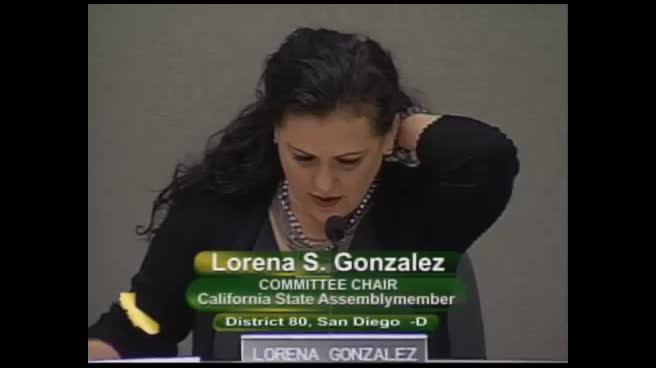 21MIN
Assembly Standing Committee on Appropriations
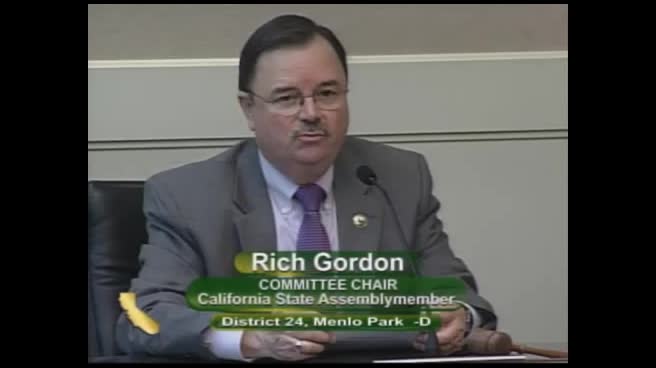
Assembly Standing Committee on Rules
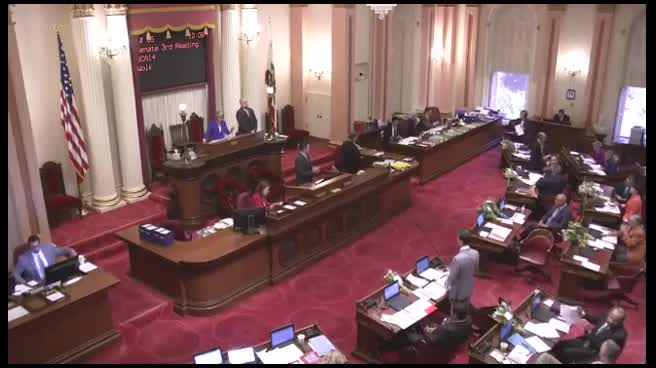
Senate Floor
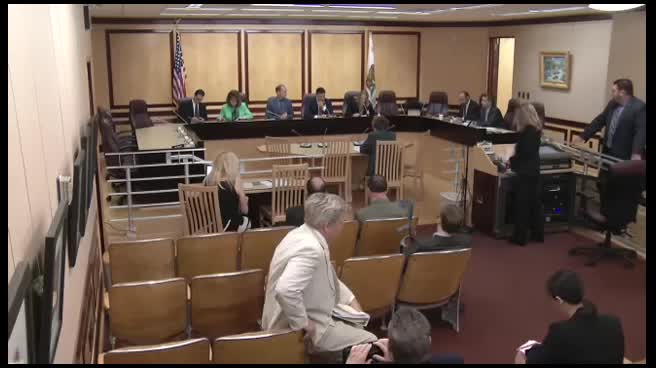
Senate Standing Committee on Appropriations
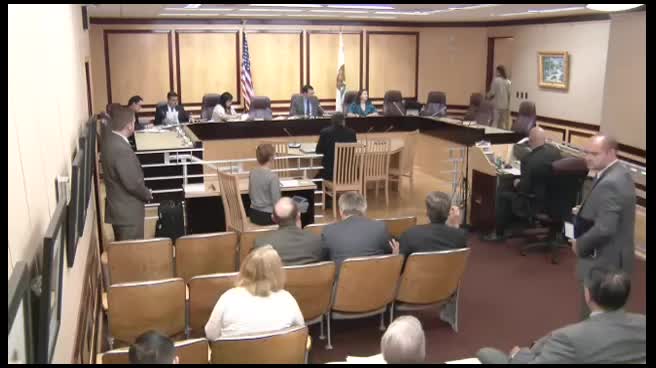 2H
Senate Standing Committee on Elections and Constitutional Amendments
Bill Author