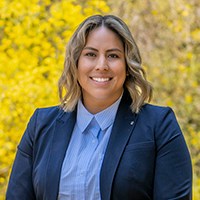
AB 3136: Attorney General: Bureau of Environmental Justice.
- Session Year: 2023-2024
- House: Assembly
- Latest Version Date: 2024-02-16
Current Status:
Failed
(2024-05-16: In committee: Held under submission.)
Introduced
In Committee
First Chamber
In Committee
Second Chamber
Enacted
Existing law establishes various programs for the enforcement of environmental protection. Existing law defines environmental justice, for certain purposes, as the fair treatment of people of all races, cultures, and incomes with respect to the development, adoption, implementation, and enforcement of environmental laws, regulations, and policies. Existing law makes legislative findings and declarations that it is in the public interest to provide the people of the state through the Attorney General with adequate remedy to protect the natural resources of the state from pollution, impairment, or destruction. Existing law authorizes the Attorney General to intervene in any judicial or administrative proceeding in which facts are alleged concerning pollution or adverse environmental effects that could affect the public generally.
This bill would continue in existence, within the Department of Justice, the Bureau of Environmental Justice for the purpose of protecting people and communities that endure a disproportionate share of environmental pollution and public health hazards. The bill would require the bureau to ensure fair treatment of people of all races, cultures, and incomes with respect to the development, adoption, implementation, and enforcement of environmental laws, regulations, and policies, pursuant to the existing authority of the Attorney General, as specified. The bill would require the Attorney General to ensure the bureau is staffed with a minimum of 12 attorneys and an appropriate number of support staff.
(a)There is continued in existence within the Department of Justice a Bureau of Environmental Justice.
(b)The purpose of the bureau is to protect people and communities that endure a disproportionate share of environmental pollution and public health hazards. The bureau shall ensure fair treatment of people of all races, cultures, and incomes with respect to the development, adoption, implementation, and enforcement of environmental laws, regulations, and policies, pursuant to the existing authority of the Attorney General, including, but not limited to, all of the following:
(1)Ensuring compliance with the California Environmental Quality Act (CEQA) (Division 13 (commencing with Section 21000) of the Public Resources Code) and land use planning laws.
(2)Penalizing and preventing illegal discharge to air and water from facilities located in communities already burdened disproportionately with pollution.
(3)Eliminating or reducing exposure to lead and other toxins in the environment and consumer products.
(4)Remediating contaminated drinking water.
(5)Challenging policies that inadequately protect public health and environmental protections.
(c)The Attorney General shall ensure the bureau is staffed with a minimum of 12 attorneys and an appropriate number of support staff.
REVISIONS: HeadingLine 3.|
Date
|
Status
|
|---|---|
| May 16, 2024 | In committee: Held under submission. |
| May 1, 2024 | In committee: Set, first hearing. Referred to APPR. suspense file. |
| Apr 24, 2024 | From committee: Do pass and re-refer to Com. on APPR. (Ayes 5. Noes 1.) (April 23). Re-referred to Com. on APPR. |
| Apr 2, 2024 | Coauthors revised. |
| Apr 2, 2024 | From committee: Do pass and re-refer to Com. on E.S. & T.M. (Ayes 11. Noes 0.) (April 2). Re-referred to Com. on E.S. & T.M. |
| Mar 11, 2024 | Referred to Coms. on JUD. and E.S. & T.M. |
| Feb 17, 2024 | From printer. May be heard in committee March 18. |
| Feb 16, 2024 | Read first time. To print. |
|
Date
|
Description
|
Location
|
Votes
|
|
|---|---|---|---|---|
| Apr 23, 2024 | Do pass and be re-referred to the Committee on [Appropriations] | Assembly Standing Committee on Environmental Safety and Toxic Materials |
Passed |
|
| Apr 2, 2024 | Do pass and be re-referred to the Committee on [Environmental Safety and Toxic Materials] | Assembly Standing Committee on Judiciary |
Passed |
This list shows positions taken on this bill by organizations on the date displayed, which is linked to the original source.
Positions by individuals are not included.
|
Organization
|
Position
|
Date
|
|---|---|---|
| California Community Water Center | * Support | Apr 23, 2024 |
| California Environmental Voters | * Support | Apr 23, 2024 |
| Central Valley Air Quality Coalition | ** Support | |
| Clean Earth for Kids | * Support | Apr 23, 2024 |
Date of Hearing: May 1, 2024
ASSEMBLY COMMITTEE ON APPROPRIATIONS
Buffy Wicks, Chair
ABPCA Bill Id:AB 3136
Author:(Reyes) – As Introduced Ver:February 16, 2024
Policy Committee: | Judiciary | Vote: | 11 - 0 |
Environmental Safety and Toxic Materials | 5 - 1 | ||
|
|
Urgency: No State Mandated Local Program: No Reimbursable: No
SUMMARY:
This bill establishes in statute the Bureau of Environmental Justice (BEJ) within the Department of Justice (DOJ).
FISCAL EFFECT:
Costs (General Fund), possibly in the low millions of dollars annually, to DOJ to continue operating the BEJ with a minimum of 12 attorneys and appropriate support staff, as required by the bill.
COMMENTS:
- Purpose. According to the author:
The past and ongoing work of the Bureau is extremely important to California residents, but there is no guarantee that future Attorney Generals will continue to have the Bureau of Environmental Justice. Climate Change is the defining issue of the 21st century. How we adapt, plan, and mitigate it will have serious consequences. Low-income communities of color are usually impacted first, the hardest, and are most likely to be under-resourced. Codifying the Bureau of Environmental Justice will give these communities a guaranteed ally in the fight against environmental injustice and ensure that there will always be a dedicated entity in the state to take up these issues.
- Background. The BEJ was established by Attorney General Xavier Becerra in 2018 and expanded by Attorney General Rob Bonta in 2021. According to DOJ’s website, the BEJ’s mission is to protect people and communities that endure a disproportionate share of environmental pollution and public health hazards. This bill codifies the BEJ as it currently exists. As noted above, the bill specifies the minimum staffing that the Attorney General must maintain for the BEJ. The bill also specifies the BEJ’s work must include, but is not limited to, ensuring compliance with the California Environmental Quality Act, penalizing and preventing illegal discharge to air and water in communities burdened disproportionately with pollution, eliminating or reducing exposure to lead and other toxins in the environment and consumer products, remediating contaminated drinking water, and challenging policies that inadequately protect public health and environmental protections.
Analysis Prepared by: Annika Carlson / APPR. / (916) 319-2081
Date of Hearing: April 23, 2024
ASSEMBLY COMMITTEE ON ENVIRONMENTAL SAFETY AND TOXIC MATERIALS
Eduardo Garcia, Chair
ABPCA Bill Id:AB 3136 (
Author:Reyes) – As Introduced Ver:February 16, 2024
SUBJECT: Attorney General: Bureau of Environmental Justice
SUMMARY: Requires, within the Department of Justice (DOJ), the continued existence of a Bureau of Environmental Justice (Bureau of EJ). Specifically, this bill:
1) Requires, within the DOJ, the continued existence of a Bureau of EJ.
2) Provides that the purpose of the Bureau of EJ is to protect people and communities that endure a disproportionate share of environmental pollution and public health hazards.
3) Requires the Bureau of EJ to ensure the fair treatment of people of all races, cultures, and incomes with respect to the development, adoption, implementation, and enforcement of environmental laws, regulations, and policies, pursuant to the existing authority of the Attorney General (AG), including, but not limited to, all of the following:
a) Ensuring compliance with the California Environmental Quality Act (CEQA) and land use planning laws;
b) Penalizing and preventing illegal discharge to air and water from facilities located in communities already burdened disproportionately with pollution;
c) Eliminating or reducing exposure to lead and other toxins in the environment and consumer products;
d) Remediating contaminated drinking water; and,
e) Challenging policies that inadequately protect public health and environmental protections.
4) Requires the AG to ensure the Bureau of EJ is staffed with a minimum of 12 attorneys and an appropriate number of support staff.
EXISTING LAW:
- Defines "environmental justice" as the fair treatment and meaningful involvement of people of all races, cultures, incomes, and national origins, with respect to the development, adoption, implementation, and enforcement of environmental laws, regulations, and policies. (Government Code (GC) § 65040.12 (e)(1) and Public Resources Code ( PRC) § 30107.3 (a))
- Specifies that "environmental justice" includes, but is not limited to, all of the following:
- The availability of a healthy environment for all people;
- The deterrence, reduction, and elimination of pollution burdens for populations and communities experiencing the adverse effects of that pollution, so that the effects of the pollution are not disproportionately borne by those populations and communities;
- Governmental entities engaging and providing technical assistance to populations and communities most impacted by pollution to promote their meaningful participation in all phases of the environmental and land use decision-making process; and,
- At a minimum, the meaningful consideration of recommendations from populations and communities most impacted by pollution into environmental and land use decisions. (GC § 65040.12 (e)(2) and PRC § 30107.3 (b).
- Establishes as policy of the state that every human being has the right to safe, clean, affordable, and accessible water adequate for human consumption, cooking, and sanitary purposes. (Water Code § 106.3)
- Requires the California Environmental Protection Agency (CalEPA), in designing its mission for programs, policies, and standards, to do all of the following:
- Conduct its programs, policies, and activities that substantially affect human health or the environment in a manner that ensures the fair treatment of people of all races, cultures, and income levels, including minority populations and low-income populations of the state;
- Promote enforcement of all health and environmental statutes within its jurisdiction in a manner that ensures the fair treatment of people of all races, cultures, and income levels, including minority populations and low-income populations in the state;
- Ensure greater public participation in the agency’s development, adoption, and implementation of environmental regulations and policies; and,
- Improve research and data collection for programs within the agency relating to the health of, and environment of, people of all races, cultures, and income levels, including minority populations and low-income populations of the state. (PRC § 71110)
- Requires, on or before January 1, 2002, the Secretary for Environmental Protection to convene a Working Group on Environmental Justice to assist CalEPA in developing, on or before July 1, 2002, an agency-wide strategy for identifying and addressing any gaps in existing programs, policies, or activities that may impede the achievement of environmental justice. (PRC § 71113)
- Requires the Secretary for Environmental Protection to, on or before January 1, 2002, convene an advisory group to assist the Working Group on Environmental Justice by providing recommendations and information to, and serving as a resource for, the working group. (PRC § 71114)
- Requires the Secretary for Environmental Protection to, not later than January 1, 2004, and every three years thereafter, prepare and submit to the Governor and the Legislature a report on the implementation of the CalEPA environmental justice strategy. (PRC § 71115)
- Requires the California Air Resources Board (CARB), by July 1, 2007, to convene an environmental justice advisory committee, of at least three members, to advise it in developing the carbon neutrality scoping plan pursuant to Assembly Bill (AB) 32, the California Global Warming Solutions Act of 2006 (Núñez, Chapter 488, Statues of 2006), and any other matters pertinent in implementing AB 32.
- Requires that the advisory committee be comprised of representatives from communities in the state with the most significant exposure to air pollution, including, but not limited to, communities with minority populations or low-income populations, or both;
- Requires CARB to appoint the advisory committee members from nominations received from environmental justice organizations and community groups; and,
- Requires CARB to provide reasonable per diem for attendance at advisory committee meetings by advisory committee members from nonprofit organizations. (Health and Safety Code § 38591)
- Establishes an Environmental Justice Advisory Committee (EJ Advisory Committee) to make recommendations for integrating environmental justice considerations into the Department of Pesticide Regulation's (DPR's) programs, policies, decision making, and activities. (Food and Agriculture Code § 11519)
- Enacts the California Environmental Quality Act (CEQA) which requires state and local government agencies to inform decision makers and the public about the potential environmental impacts of proposed projects, and to reduce those environmental impacts to the extent feasible. (PRC § 21000)
FISCAL EFFECT: Unknown.
COMMENTS:
Need for the bill: According to the author, "AB 3136 will promote environmental justice by codifying the Bureau of Environmental Justice in the Department of Justice. The Bureau was created administratively by Attorney General Becerra in 2018 and has since been expanded by Attorney General Bonta in 2021 to its current staff of 12 attorneys. The past and ongoing work of the Bureau is extremely important to California residents, but there is no guarantee that future Attorney Generals will continue to have the Bureau of Environmental Justice. Climate Change is the defining issue of the 21st century. How we adapt, plan, and mitigate it will have serious consequences. Low-income communities of color are usually impacted first, the hardest, and are most likely to be under-resourced. Codifying the Bureau of Environmental Justice will give these communities a guaranteed ally in the fight against environmental injustice and ensure that there will always be a dedicated entity in the state to take up these issues."
Environmental justice: According to the United States Environmental Protection Agency, "Environmental justice is the fair treatment and meaningful involvement of all people regardless of race, color, national origin, or income, with respect to the development, implementation, and enforcement of environmental laws, regulations, and policies. This goal will be achieved when everyone enjoys… the same degree of protection from environmental and health hazards, and equal access to the decision-making process to have a healthy environment in which to live, learn, and work."
Meaningful involvement, as related to environmental justice, means that, "People have an opportunity to participate in decisions about activities that may affect their environment and/or health; the public's contribution can influence the regulatory agency's decision; community concerns will be considered in the decision making process; and, decision makers will seek out and facilitate the involvement of those potentially affected."
Human right to water: In 2012, by enacting AB 685 (Eng, Chapter 524, Statutes of 2012), California became the first state with a Human Right to Water law. AB 685 established a state policy that every human being has the right to safe, clean, affordable, and accessible water adequate for human consumption, cooking, and sanitation. Water supply issues, contaminants, costs of treatment and distribution systems, climate change, the number and nature of small public water systems, especially in disadvantaged communities, and many other factors continue to challenge progress in implementing the Human Right to Water.
CalEnviroScreen: Many communities continue to bear a disproportionate burden of pollution not only from multiple nearby sources, but also from pollution in multiple media (e.g., air or water). Some of these communities experience the additional burden of socioeconomic stressors and health conditions that render them more vulnerable to the impacts of pollution. In order to address the cumulative effects of both pollution burden and these additional factors, and to identify which communities might be in need of particular policy, investment, or programmatic interventions, the Office of Environmental Health Hazard Assessment (OEHHA) developed, maintains and updates the CalEnviroScreen tool on behalf of CalEPA. This tool applies a framework for assessing cumulative impacts that OEHHA developed in 2010, based in large part on input from a statewide working group on environmental justice that pointed out the unmet need to assess cumulative burdens and vulnerabilities affecting California communities (OEHHA 2010). CalEnviroScreen has been updated several times with the current version, 4.0, being released in 2021.
Disproportionate burden of pesticide exposure: According to the 2022 BMC Public Health article, "Pesticides and environmental injustice in the USA: root causes, current regulatory reinforcement and a path forward," "Many environmental pollutants are known to have disproportionate effects on Black, Indigenous, and People of Color (BIPOC), as well as on communities of low-income and wealth. The reasons for these disproportionate effects are complex and involve hundreds of years of systematic oppression kept in place through structural racism and classism in the United States… Disparities in exposures and harms from pesticides are widespread, impacting BIPOC and low-income communities in both rural and urban settings and occurring throughout the entire lifecycle of the pesticide from production to end-use… This is not simply a pesticides issue, but a broader public health and civil rights issue."
Children and disproportional exposure to pesticides: BIPOC children in California are especially at risk of being disproportionally impacted by pesticide exposure. The BMC Public Health article describes that in California, almost three out of every four children with the highest potential for exposure to pesticides at school were non-Anglo. An analysis of 15 agricultural counties in California found that children identifying as Hispanic were 46% more likely than white children to go to school within a quarter mile of locations where pesticides of human health concern were used. Hispanic children were also 91% more likely than white children to attend school where the highest amount of pesticides of human health concern were used nearby. Pesticide exposure in children is particularly concerning because children are more susceptible to the effects of pesticides because they are still developing. With children of color more likely to be exposed to pesticides, they are not only more susceptible, but more vulnerable to pesticidal harm. Children of color are therefore the most vulnerable of any vulnerable population subgroup and will often be the most at-risk population.
The BMC Public Health article concludes that altogether, the available literature and data suggest that BIPOC and people living in poverty are generally exposed to higher levels of pesticides than the total population at large. This presents a serious environmental justice issue that must be addressed.
Inequities in childhood lead exposure: According to the Center for Disease Control, people with low incomes and people of color are more likely to live in neighborhoods with outdated infrastructure, and are thus more likely to be exposed to lead-based paint and pipes, faucets, and plumbing fixtures containing lead. Evens et al. (2015), in a study published in Environmental Health, found that among nearly 58,000 children attending Chicago public schools, blood lead levels were highest in black children (relative to Hispanic and white children) and higher in low-income children. Children from low-income families and communities of color can also be further disadvantaged through the cumulative impacts of lead and other challenges they may face, including higher rates of poverty, malnutrition, exposure to multiple pollutants, and enrollment in under-resourced schools. A 2020 study published in Nature Medicine (Marshall et al.) reported that the combination of lead exposure and being from a low-income family can result in worse impacts, compared to when children have only one of these risk factors. Specifically, children from low-income families and with the highest risk levels for lead exposure showed reduced cognitive performance and brain changes (including reduced volume of the cortex, a part of the brain that plays a role in higher level processes, including problem solving, planning, critical thinking, and memory).
Establishment of an environmental justice framework in California: According to the California Department of Resources Recycling and Recovery (CalRecycle), California became the first state in the nation to put environmental justice considerations into law when Governor Gray Davis signed Senate Bill (SB) 115 (Solis, Chapter 690, Statutes of 1999). The bill provided the procedural framework for environmental justice in California and directed CalEPA to conduct its programs, policies, and activities with consideration to environmental justice principles. It also defined environmental justice in the state to mean, "the fair treatment and meaningful involvement of people of all races, cultures, incomes and national origins with respect to the development, adoption, implementation and enforcement of environmental laws, regulations, and policies." SB 89 (Escutia, Chapter 728, Statutes of 2000) was enacted shortly after SB 115, and called for a strategic path to advance environmental justice. It required CalEPA to establish an interagency Working Group on Environmental Justice to assist in developing a strategy for identifying and addressing gaps in existing programs, policies, or activities that may hinder the achievement of environmental justice in the state. While some of the statutory requirements of these early bills have expired, they, and others, establish long-term legislative intent for a robust environmental justice program throughout CalEPA’s boards, departments, and office.
CalEPA’s Environmental Justice Task Force: Established in 2013 by CalEPA Secretary Matthew Rodriquez, the Environmental Justice Task Force (Task Force) seeks to facilitate the use of environmental justice considerations in compliance and enforcement programs and enhance communications with community members to maximize benefits in disproportionately impacted areas. The Task Force coordinates the compliance and enforcement work of CalEPA’s boards, departments and office in areas of California that are burdened by multiple sources of pollution and are disproportionately vulnerable to its effects. The Task Force’s mission is to facilitate the use of environmental justice considerations in compliance and enforcement programs and enhance communications with community members to maximize benefits in disproportionately impacted areas.
The Task Force’s work has evolved substantially since its inception in 2013. From 2013-2019, the Task Force utilized a geographic-based approach. After identifying a target area based on CalEnviroScreen and other factors, a multi-media team of agency representatives would meet with community members to better understand local concerns. The agencies would follow up with compliance assistance for regulated businesses and coordinated, multi-agency enforcement sweeps to address environmental concerns. A brief summary describing these geographic-based initiatives are below:
Stockton: In 2019, the Task Force completed an environmental justice initiative in historically segregated neighborhoods in the city of Stockton. The multi-agency task force conducted more than 200 inspections, and took steps to address illegal dumping, air pollution near schools, drinking water issues and industrial pollution.
Imperial County: In 2018, the Task Force completed its first environmental justice initiative in a rural setting and the first with county-wide emphasis. The initiative addressed farmworker protections, cross-border pollution, and illegal off-road vehicle activity. CalEnviroScreen indicated that much of the county’s census tracts fell within the top 80th to 95th percentile of census tracts in California for pesticide applications, homes near solid waste facilities, and homes near businesses that generate hazardous waste. Nearly 30 percent of 261 inspections resulted in findings of noncompliance or violations.
Pomona: In 2017-2018, the Task Force conducted an initiative focused on the industrial corridor of southeast Pomona and surrounding residential neighborhoods. CalEnviroScreen estimated the total pollution burden of this area was at the 92nd percentile, meaning only eight percent of areas in California had a higher cumulative pollution burden.
Oakland: In 2016-2017, the Task Force conducted an initiative focused on the communities of East and West Oakland. Both communities are overburdened by multiple sources of pollution and high rates of childhood asthma, according to CalEnviroScreen.
Los Angeles: In 2015-2016, the Task Force conducted an initiative focused on the Los Angeles communities of Boyle Heights and Pacoima. Both communities are among the top five percent of disadvantaged communities in California, according to CalEnviroScreen.
Fresno: In 2013-2014, the Task Force selected a portion of the city of Fresno and its surrounding unincorporated area for its first initiative, with the goal of increasing compliance with environmental laws in this area.
It is important to note that many enforcement cases brought by boards and departments under CalEPA lead to civil and sometimes criminal penalties and the AG's office provides support to CalEPA when needed.
Bureau of EJ within the DOJ: On February 22, 2018, Attorney General Xavier Becerra established the Bureau of EJ, and, on April 28, 2021, Attorney General Robert Bonta announced the expansion of the Bureau of EJ. The Bureau of EJ is comprised of 12 attorneys who are solely focused on fighting environmental injustices throughout the state of California and giving a voice to frontline communities who are all too often under-resourced and overburdened.
The Bureau of EJ's mission is to protect people and communities that endure a disproportionate share of environmental pollution and public health hazards.
The Bureau of EJ focuses on:
- Ensuring compliance with CEQA and land use planning laws;
- Penalizing and preventing illegal discharge to air and water from facilities located in communities already burdened disproportionately with pollution;
- Eliminating or reducing exposure to lead and other toxins in the environment and consumer products;
- Remediating contaminated drinking water; and,
- Challenging the Federal Government’s actions that inadequately protect public health and environmental protections.
This bill: AB 3136 cements in statute the Bureau of EJ within the DOJ. Currently the Bureau of EJ was administratively established by AG Becerra and it can be eliminated by a future AG. With or without this bill, the AG is still required to enforce California laws. However, having a Bureau of EJ, provides the AG with a team of attorneys that can develop experience in environmental laws in order to better protect human health and safety and the environment. Additionally, with CalEPA's Task Force, having a team of experienced attorneys within the DOJ helps to support CalEPA's enforcement efforts.
Arguments in support: According to California Environmental Voters, "On February 22, 2018, Attorney General Becerra established the Bureau of Environmental Justice to protect people and communities that endure a disproportionate share of environmental pollution and public health hazards. The Bureau’s sole focus is on fighting environmental injustices throughout the state of California and giving a voice to frontline communities who are all too often under-resourced and overburdened with pollution.
The Bureau has many different tools at its disposal to combat environmental injustice such as sending comment letters outlining environmental justice concerns for projects around the state, developing best practices such as when they did so for warehouse construction and siting, as well as filing lawsuits when projects violate CEQA or other environmental state laws.
While the past two Attorney Generals have been supportive of advancing environmental justice there is no guarantee that future Attorney Generals will continue this practice. A state entity that is codified and focused on environmental justice will ensure that Californians will always have a dedicated partner in the fight for environmental justice. AB 3136 would codify the Bureau of Environmental Justice and ensure fair treatment of people of all races, cultures, and incomes with respect to the development, adoption, implementation, and enforcement of environmental laws, regulations, and policies."
Arguments in opposition:
None on file.
Related legislation:
1) AB 652 (Lee, Chapter 662, Statutes of 2023). Establishes a DPR EJ Advisory Committee to integrate environmental justice considerations into the DPR’s programs, policies, decision making, and activities.
2) AB 2108 (Robert Rivas, Chapter 347, Statutes f 2022). Requires the State Water Resources Control Board (State Water Board) and Regional Water Quality Control Boards (Regional Water Boards) to make programmatic findings on potential environmental justice, tribal impact, and racial equity considerations when issuing regional or reissuing statewide waste discharge requirements or waivers of waste discharge requirements. Requires the State Water Board and Regional Water Boards to engage communities impacted by proposed discharges of waste throughout the waste discharge planning, policy, and permitting process.
3) AB 649 (Bennett, Chapter 492, Statutes of 2022). Establishes the Office of Environmental Justice and Tribal Relations within CalRecycle and prescribes the duties of the office, including, among others, ensuring that CalRecycle’s programs effectively address the needs of disadvantaged communities, low-income communities, California Native American tribes, and farmworkers.
4) AB 1071 (Atkins, Chapter 585, Statutes of 2015). Requires each board, department, and office within the CalEPA to establish a policy on supplemental environmental projects that benefits environmental justice communities.
5) AB 32 (Núñez, Chapter 488, Statues of 2006). Establishes the California Global Warming Solutions Act of 2006 and requires CARB, by July 1, 2007, to convene an environmental justice advisory committee to advise it in developing the carbon neutrality scoping plan and any other matters pertinent in implementing the provisions of the bill.
6) SB 89 (Escutia, Chapter 728, Statutes of 2000). Requires CalEPA to establish a Working Group on Environmental Justice to assist in developing a strategy for identifying and addressing gaps in existing programs, policies, or activities that may hinder the achievement of environmental justice in the state. Requires the CalEPA secretary to convene an advisory committee to assist the working group by providing recommendations and information to, and serving as a resource for, the working group.
7) SB 115 (Solis, Chapter 690, Statutes of 1999). Defines environmental justice and requires CalEPA to conduct its programs, policies, and activities with consideration to environmental justice and to develop a model environmental justice mission statement for boards, departments, and offices within the agency, by January 1, 2001.
REGISTERED SUPPORT / OPPOSITION:
Support
California Environmental Voters (formerly CLCV)
Central Valley Air Quality Coalition (CVAQ)
Opposition
None on file.
Analysis Prepared by: Josh Tooker / E.S. & T.M. /
Date of Hearing: April 2, 2024
ASSEMBLY COMMITTEE ON JUDICIARY
Ash Kalra, Chair
ABPCA Bill Id:AB 3136
Author:(Reyes) – As Introduced Ver:February 16, 2024
SUBJECT: Attorney General: Bureau of Environmental Justice
KEY ISSUE: should the department of justice’s bureau of environmental justice be codified into law with legally mandated minimum staffing standards?
SYNOPSIS
In 2018, the Bureau of Environmental Justice was established within the Department of Justice to focus state legal resources on protecting communities that face the largest burdens of pollution and public health threats. Since the Bureau’s creation, it has intervened in dozens of matters involving land use and environmental quality across the state. The Bureau has been particularly focused on lessening the impacts of pollution from ports, shipping, and warehouses. This work was especially needed during the pandemic when Americans dramatically increased their spending on consumer products, thus expanding the need for imported goods and warehouse spaces.
Recognizing the good work of the Bureau of Environmental Justice, this bill would codify the Bureau as a permanent part of the Department of Justice. Additionally, to ensure that a future Attorney General who does not share the Bureau’s mission cannot simply starve the Bureau of resources, this bill provides for minimum staffing levels and details the goals and objectives of the Bureau of Environmental Justice.
This measure is supported by California Environmental Voters, who highlight the Bureau’s successes and argue for the ongoing need to dedicate state resources to advocating for underrepresented communities in environmental ligation. Although the Attorney General’s Office is likely to work with the author’s office to clarify some components of this bill, as currently in print, this measure has no opposition on file. Should the bill be approved by the Committee, it would be referred to the Assembly Committee on Environmental Safety & Toxic Materials.
SUMMARY: Codifies and outlines the duties of the Department of Justice’s Bureau of Environmental Justice. Specifically, this bill:
- Codifies and recognizes the continued in existence within the Department of Justice a Bureau of Environmental Justice.
- Provides that the purpose of the Bureau of Environmental Justice is to protect people and communities that endure a disproportionate share of environmental pollution and public health hazards.
- Requires the Bureau of Environmental Justice to ensure fair treatment of people of all races, cultures, and incomes with respect to the development, adoption, implementation, and enforcement of environmental laws, regulations, and policies, pursuant to the existing authority of the Attorney General, including, but not limited to, all of the following:
- Ensuring compliance with the California Environmental Quality Act and all land use planning laws;
- Penalizing and preventing illegal discharge to air and water from facilities located in communities already burdened disproportionately with pollution;
- Eliminating or reducing exposure to lead and other toxins in the environment and consumer products;
- Remediating contaminated drinking water; and
- Challenging policies that inadequately protect public health and environmental protections.
- Requires the Attorney General to ensure that the Bureau of Environmental Justice is staffed with a minimum of twelve attorneys and appropriate supporting staff.
EXISTING LAW:
- Provides that the Attorney General has charge of all legal matters in which the state is interested, except the business of The Regents of the University of California and of such boards or officers that are by law authorized to employ attorneys. (Government Code Section 12511.)
- Authorizes the Attorney General to appoint and fix the salaries of Assistant Attorneys General, Deputy Attorneys General, service agents, experts, and technical and clerical employees as the Attorney General deems necessary for the proper performance of the duties of the Attorney General’s office. (Government Code Section 12502 (a).)
- States that it is in the public interest to provide the people of the State of California through the Attorney General the ability to protect the natural resources of the State of California from pollution, impairment, or destruction. (Government Code Section 12600 (b).)
- Provides that practicing “environmental justice” includes governmental entities engaging and providing technical assistance to populations and communities most impacted by pollution to promote their meaningful participation in all phases of the environmental and land use decision making process. (Public Resources Code Section 30107.3 (b).)
- Authorizes the Attorney General to intervene in any judicial or administrative proceeding in which facts are alleged concerning pollution or adverse environmental effects which could affect the public generally. (Government Code Section 12606.)
- Authorizes the Attorney General to maintain an action for equitable relief in the name of the people of the State of California against any person for the protection of the natural resources of the state from pollution, impairment, or destruction. (Government Code Section 12607.)
- Defines “environmental justice” as the fair treatment and meaningful involvement of people of all races, cultures, incomes, and national origins, with respect to the development, adoption, implementation, and enforcement of environmental laws, regulations, and policies. (Public Resources Code Section 30107.3 (a).)
FISCAL EFFECT: As currently in print this bill is keyed fiscal.
COMMENTS: In 2018, then-Attorney General Xavier Becerra established the Bureau of Environmental Justice within the Department of Justice to specifically focus state legal resources on protecting communities that endure a disproportionate share of environmental pollution and public health hazards. In 2021, Attorney General Rob Bonta expanded the office and redoubled its focus on intervening in local land use decision-making on behalf of the residents of environmental justice communities. However, despite its important work, the Bureau of Environmental Justice is not a legally recognized division within the Department of Justice and could be eliminated by any future Attorney General. Recognizing the importance of the Bureau of Environmental Justice, and its work protecting at-risk communities across California, this bill would codify the Bureau as a permanent division within the Department of Justice and establish minimum levels of staffing to ensure the Bureau can continue its work. In support of this bill, the author states:
AB 3136 will promote environmental justice by codifying the Bureau of Environmental Justice in the Department of Justice. The Bureau was created administratively by Attorney General Becerra in 2018 and has since been expanded by Attorney General Bonta in 2021 to its current staff of 12 attorneys. The past and ongoing work of the Bureau is extremely important to California residents, but there is no guarantee that future Attorney Generals will continue to have the Bureau of Environmental Justice. Climate Change is the defining issue of the 21st century. How we adapt, plan, and mitigate it will have serious consequences. Low-income communities of color are usually impacted first, the hardest, and are most likely to be under-resourced. Codifying the Bureau of Environmental Justice will give these communities a guaranteed ally in the fight against environmental injustice and ensure that there will always be a dedicated entity in the state to take up these issues.
The environmental justice movement recognizes the disparities in environmental outcomes between communities across California. The environmental justice movement seeks to ensure fair outcomes in environmental protection and enforcement in communities across California. Too frequently California’s lower-income communities of color experience far greater impacts from pollution, toxic contamination, and the effects of global warming than richer areas of the state. Furthermore, these communities rarely possess adequate resources to fully represent their interests in court or before state regulators seeking to address environmental harms. Accordingly, in recent years, the Legislature has worked to better assist these communities by seeking to coordinate state environmental programs to ensure that these communities are not left behind as California aggressively seeks to remediate past environmental harms and proactively mitigate the impacts of global climate change.
Originally, as a part of the Budget Act of 2004, the Legislature required the Governor’s Office of Planning and Research (OPR), the state’s primary land use authority, to coordinate environmental justice programs across the state. (SB 1097 (Committee on Budget and Fiscal Review) Chap. 225, Stats. 2004.) In the wake of the establishment of the Bureau of Environmental Justice, the Legislature required OPR to coordinate with the Attorney General’s office and expanded the statutory definition of “environmental justice” to require government agencies to meaningfully engagement of people of all races, cultures, and incomes when make land use decisions. (AB 1628 (R. Rivas) Chap. 360, Stats. 2019.)
Despite legislative efforts in the area of environmental justice, many of the state’s existing programs seeking to protect vulnerable communities are the creation of regulations or programmatic directives and not statute. Accordingly, as noted by the author, without statutory approval most state programs focusing on environmental justice are vulnerable to the whims of future state constitutional officers and their viewpoints on the topic.
Despite its importance to the state’s economy, trade and commerce has a disproportionate impact on environmental justice communities. Trade, agriculture, and commerce are some of the strongest economic engines for California’s economy. Unfortunately, these activities also significantly impact the environment of the communities near this economic activity, which are predominantly lower income communities of color. For example, as pandemic-induced impacts to trade grew, the Air Resources Board noted that communities along trade corridors in Long Beach saw an additional 14.5 tons per day of oxides of nitrogen and 0.27 tons per day of particulate matter being emitted into their neighborhoods when compared with pre-pandemic emissions. (California Air Resources Board, Emissions Impact of Recent Congestion at California Ports (Sept. 12, 2021) available at: https://ww2.arb.ca.gov/sites/default/files/2021-09/port_congestion_anchorage_locomotives_truck_emissions_final_%28002%29.pdf.) Similarly, the need for warehouse space to store all of the consumer goods sought by Americans during the pandemic spurred a massive increase in warehouse activity in California’s Inland Empire region. According to CalMatters, the Inland Empire is now home to more than 4,000 warehouses covering 40 square miles of land. (Jim Newton, California warehouse boom comes with health, environmental costs for Inland Empire residents, CalMatters (Jan. 26, 2023) available at: https://calmatters.org/commentary/2023/01/inland-empire-california-warehouse-development.) The transportation of goods to and from these warehouses now results in an average of 600,000 truck trips every day and the localized emissions of nearly 50 million pounds of carbon dioxide each day. (Ibid.) The resulting impact on the health of nearby communities can be staggering. As a result, according to data from the Department of Justice, the Bureau of Environmental Justice has been forced to advocate on behalf of impacted communities on nearly 20 port or warehouse-related projects since the onset of the pandemic. (https://oag.ca.gov/environment/ceqa/letters.) Due to the economic status of many of the communities impacted by these projects, many of these projects would have been completed without adequately mitigating the environmental impact to their surrounding communities, but for the Bureau of Environmental Justice.
This bill. Recognizing the important role that the Bureau of Environmental Justice plays in advocating for communities who lack the resources to take on larger economic interests, this bill codifies the Bureau’s existence so that it will remain in place regardless of who is elected Attorney General. Additionally, this bill set forth a formal mission for the Bureau of Environmental Justice, specifically tasking the Bureau with enforcing land use and environmental quality laws, preventing air and water pollution, reducing contaminants in water and consumer products, and promoting better health outcomes through the enforcement of state environmental laws. Finally, recognizing that budget constraints can be utilized to undermine programs that do not meet with the political visions of an elected Attorney General, this bill establishes minimum staffing requirements for the Bureau of Environmental Justice.
While establishing minimum standards for staffing is an important first step to protecting the integrity of the Bureau of Environmental Justice, the Bureau’s vital work merits continued legislative support. By codifying the existence of the Bureau of Environmental Justice, this bill ensures the Bureau’s ongoing protection from potential future political machinations. Similarly, establishing a minimum staffing level of 12 attorneys is a modest, but important, first step toward building a robust unit advancing the legal interests of environmental justice communities. While the existing budget makes expanding the Bureau a near impossibility, the author may wish to consider setting aspirational staffing targets as well as direct the Attorney General to determine if a geographic distribution of the staff of the Bureau would more effectively advance the Bureau’s goals. Nonetheless the Committee believes enshrining the Bureau in statute is a laudatory effort that will protect some of California’s most vulnerable communities from future environmental harms.
Protecting at risk communities while maintaining the Attorney General’s discretion. The Legislature is well within it authority to establish and fund programs to be carried out by the other branches of government. The Legislature may also provide significant guidance as to how these programs are to be enacted. Nonetheless, the Attorney General and the Department of Justice are somewhat unique in that the Attorney General maintains prosecutorial discretion to decide what cases are to be filed, especially in light of the ethical standards placed on attorneys not to file frivolous lawsuits. While providing guidance to the Bureau of Environmental Justice as to what legal matters it should emphasize on is helpful in establishing the Bureau’s programmatic focus, the author may wish to consider whether codifying the Bureau’s objectives is the best approach. For example, one could argue that the Bureau is not authorized to engage in litigation outside of the issues identified in this bill. Similarly, one could argue that the Bureau must engage in an issue if it is identified in this bill even if there are insufficient resources to litigate a matter or the Bureau is unlikely to prevail on the merits. Thus, while the Committee supports codifying the Bureau of Environmental Justice, as the bill advances, the author may wish to consider working with the Attorney General’s Office on amendments to provide adequate guidance on the Bureau’s mission in addition to the necessary legal flexibility so that the Bureau can intervene in all necessary cases to protect at risk communities.
ARGUMENTS IN SUPPORT: This bill is supported by California Environmental Voters. In support of this measure they write:
The Bureau of Environmental Justice is solely focused on fighting environmental injustices throughout the state of California and giving a voice to frontline communities who are all too often under-resourced and overburdened with pollution.
The Bureau has many different tools at its disposal to combat environmental injustice such as sending comment letters outlining environmental justice concerns for projects around the state, developing best practices for warehouse construction and siting, as well as filing lawsuits when projects violate CEQA or other state laws.
While the past two Attorney Generals have been supportive of advancing environmental justice there is no guarantee that future Attorney Generals will continue this practice. This bill will create a state entity that is codified and focused on environmental justice and will ensure that Californians will always have a dedicated partner in the fight for environmental justice.
REGISTERED SUPPORT / OPPOSITION:
Support
California Environmental Voters
Opposition
None on file
Analysis Prepared by: Nicholas Liedtke / JUD. / (916) 319-2334
Discussed in Hearing
 4MIN
Assembly Standing Committee on Environmental Safety and Toxic Materials
 10MIN
Assembly Standing Committee on Judiciary
Bill Author