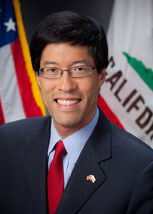
SB 315: Health care access demonstration project grants.
- Session Year: 2015-2016
- House: Senate
- Latest Version Date: 2015-08-31
Existing law, the California Health Facilities Financing Authority Act, establishes a program for the California Health Facilities Authority to award grants that do not exceed $1,500,000 to one or more projects designed to demonstrate specified new or enhanced cost-effective methods of delivering quality health care services to improve access to quality health care for vulnerable populations or communities, or both, that are effective at enhancing health outcomes and improving access to quality health care and preventive services. Existing law requires a recipient of that grant to adhere to all applicable laws relating to scope of practice, licensure, staffing, and building codes. Existing law authorizes the authority, if a demonstration project receiving a grant is successful at developing such a new method of delivering high-quality and cost-effective health care services, to implement a 2nd grant program, as specified, to replicate in additional California communities the model developed by that demonstration project. Existing law requires the authority to prepare and provide a report to the Legislature and the Governor on the outcomes of the demonstration grant program that includes, among other information, the total amount of grants issued and the amount of each grant issued.
This bill would create the California Health Access Model Program Two Account within the California Health Facilities Financing Authority Fund for purposes of administering a 2nd competitive grant selection process, in accordance with existing grant provisions, to fund one or more projects designed to demonstrate specified new or enhanced cost-effective methods of delivering quality health care services to improve access to quality health care for vulnerable populations or communities, or both. The bill would transfer up to $6,500,000 authorize the authority to transfer moneys up to a total of $3,000,000 from the California Health Facilities Financing Authority Hospital Equipment Loan Program Fund to the account for the purposes of the bill, bill if the authority decides to administer the 2nd competitive grant selection process, and would require that any moneys remaining in the account as of January 1, 2023, revert to the California Health Facilities Financing Authority Hospital Equipment Loan Program Fund. By expanding the purposes for which a continuously appropriated fund may be used, this bill would make an appropriation.
The bill would also require the authority to prepare and provide a report to the Legislature and the Governor every 2 years, commencing January 1, 2017, on the 2 grant selection programs, that includes, among other information, the total amount of grants issued and the amount of each grant issued, as specified.
This bill would also make the existing requirement for adherence to all applicable laws relating to scope of practice, licensure, staffing, and building to codes applicable to a recipient of a grant provided pursuant to the 2nd grant program described above.
Existing law defines health facility, for purposes of the act, to include a multilevel facility that is an institutional arrangement where a residential facility for the elderly is operated as a part of, or in conjunction with, an intermediate care facility, a skilled nursing facility, or a general acute care hospital. Existing law defines elderly, for purposes of this provision, to mean a person 62 years of age or older.
This bill would instead define elderly to mean a person 60 years of age or older.
This bill would become operative only if AB 648 is enacted and takes effect on or before January 1, 2016.
Existing law law, the California Health Facilities Financing Authority Act, establishes a program for the California Health Facilities Authority to award grants that do not exceed $1,500,000 to one or more projects designed to demonstrate specified new or enhanced cost-effective methods of delivering quality health care services to improve access to quality health care for vulnerable populations or communities, or both, that are effective at enhancing health outcomes and improving access to quality health care and preventive services. Existing law requires a recipient of that grant to adhere to all applicable laws relating to scope of practice, licensure, staffing, and building codes. Existing law authorizes the authority, if a demonstration project receiving a grant is successful at developing such a new method of delivering high-quality and cost-effective health care services, to implement a 2nd grant program, as specified, to replicate in additional California communities the model developed by that demonstration project. Existing law requires the authority to prepare and provide a report to the Legislature and the Governor on the outcomes of the demonstration grant program that includes, among other information, the total amount of grants issued and the amount of each grant issued.
This bill would create the California Health Access Model Program Two Account within the California Health Facilities Financing Authority Fund for purposes of administering a 2nd competitive grant selection process, in accordance with existing grant provisions, to fund one or more projects designed to demonstrate specified new or enhanced cost-effective methods of delivering quality health care services to improve access to quality health care for vulnerable populations or communities, or both. The bill would transfer up to $6,500,000 from the California Health Facilities Financing Authority Hospital Equipment Loan Program Fund to the account for the purposes of the bill, and would require that any moneys remaining in the account as of January 1, 2023, revert to California Health Facilities Financing Authority Hospital Equipment Loan Program Fund. By expanding the purposes for which a continuously appropriated fund may be used, this bill would make an appropriation.
The bill would also require the authority to prepare and provide a report to the Legislature and the Governor every 2 years, commencing January 1, 2017, on the 2 grant selection programs, that includes, among other information, the total amount of grants issued and the amount of each grant issued, as specified.
This bill would also make the existing requirement for adherence to all applicable laws relating to scope of practice, licensure, staffing, and building to codes applicable to a recipient of a grant provided pursuant to the 2nd grant program described above.
Existing law defines health facility, for purposes of the act, to include a multilevel facility that is an institutional arrangement where a residential facility for the elderly is operated as a part of, or in conjunction with, an intermediate care facility, a skilled nursing facility, or a general acute care hospital. Existing law defines elderly, for purposes of this provision, to mean a person 62 years of age or older.
This bill would instead define elderly to mean a person 60 years of age or older.
Existing law establishes a program for the California Health Facilities Authority to award grants that do not exceed $1,500,000 to one or more projects designed to demonstrate specified new or enhanced cost-effective methods of delivering quality health care services to improve access to quality health care for vulnerable populations or communities, or both, that are effective at enhancing health outcomes and improving access to quality health care and preventive services. Existing law requires a recipient of that grant to adhere to all applicable laws relating to scope of practice, licensure, staffing, and building codes. Existing law authorizes the authority, if a demonstration project receiving a grant is successful at developing such a new method of delivering high-quality and cost-effective health care services, to implement a 2nd grant program, as specified, to replicate in additional California communities the model developed by that demonstration project. Existing law requires the authority to prepare and provide a report to the Legislature and the Governor on the outcomes of the demonstration grant program that includes, among other information, the total amount of grants issued and the amount of each grant issued.
This bill would create the California Health Access Model Program Two Account within the California Health Facilities Financing Authority Fund for purposes of administering a 2nd competitive grant selection process, in accordance with existing grant provisions, to fund one or more projects designed to demonstrate specified new or enhanced cost-effective methods of delivering quality health care services to improve access to quality health care for vulnerable populations or communities, or both. The bill would transfer up to $6,500,000 from the California Health Facilities Financing Authority Hospital Equipment Loan Program Fund to the account for the purposes of the bill, and would require that any moneys remaining in the account as of January 1, 2023, revert to California Health Facilities Financing Authority Hospital Equipment Loan Program Fund. By expanding the purposes for which a continuously appropriated fund may be used, this bill would make an appropriation.
The bill would also require the authority to prepare and provide a report to the Legislature and the Governor by January 1, 2017, on the outcomes of this 2nd competitive grant selection process, every 2 years, commencing January 1, 2017, on the 2 grant selection programs, that includes, among other information, the total amount of grants issued and the amount of each grant issued, as specified.
This bill would also make the existing requirement for adherence to all applicable laws relating to scope of practice, licensure, staffing, and building to codes applicable to a recipient of a grant provided pursuant to the 2nd grant program described above.
Existing law establishes a program for the California Health Facilities Authority to award grants that do not exceed $1,500,000 to one or more projects designed to demonstrate specified new or enhanced cost-effective methods of delivering quality health care services to improve access to quality health care for vulnerable populations or communities, or both, that are effective at enhancing health outcomes and improving access to quality health care and preventive services. Existing law requires a recipient of that grant to adhere to all applicable laws relating to scope of practice, licensure, staffing, and building codes. Existing law authorizes the authority, if a demonstration project receiving a grant is successful at developing such a new method of delivering high-quality and cost-effective health care services, to implement a 2nd grant program, as specified, to replicate in additional California communities the model developed by that demonstration project. Existing law requires the authority to prepare and provide a report to the Legislature and the Governor on the outcomes of the demonstration grant program that includes, among other information, the total amount of grants issued and the amount of each grant issued.
This bill would create the California Health Access Model Program Two Account within the California Health Facilities Financing Authority Fund for purposes of administering a 2nd competitive grant selection process, in accordance with existing grant provisions, to fund one or more projects designed to demonstrate specified new or enhanced cost-effective methods of delivering quality health care services to improve access to quality health care for vulnerable populations or communities, or both. The bill would transfer up to $6,500,000 from the California Health Facilities Financing Authority Hospital Equipment Loan Program Fund to the account for the purposes of the bill, and would require that any moneys remaining in the account as of January 1, 2023, revert to California Health Facilities Financing Authority Hospital Equipment Loan Program Fund. By expanding the purposes for which a continuously appropriated fund may be used, this bill would make an appropriation.
The bill would also require the authority to prepare and provide a report to the Legislature and the Governor by January 1, 2017, on the outcomes of this 2nd competitive grant selection process, as specified.
This bill would also make the existing requirement for adherence to all applicable laws relating to scope of practice, licensure, staffing, and building to codes applicable to a recipient of a grant provided pursuant to the 2nd grant program described above.
Existing law establishes a program for the California Health Facilities Authority to award grants that do not exceed $1,500,000 to one or more projects designed to demonstrate specified new or enhanced cost-effective methods of delivering quality health care services to improve access to quality health care for vulnerable populations or communities, or both, that are effective at enhancing health outcomes and improving access to quality health care and preventive services. Existing law authorizes the authority, if a demonstration project receiving a grant is successful at developing such a new method of delivering high-quality and cost-effective health care services, to implement a 2nd grant program, as specified, to replicate in additional California communities the model developed by that demonstration project. Existing law requires the authority to prepare and provide a report to the Legislature and the Governor on the outcomes of the demonstration grant program that includes, among other information, the total amount of grants issued and the amount of each grant issued.
This bill would create the California Health Access Model Program Two Account within the California Health Facilities Financing Authority Fund for purposes of administering a 2nd competitive grant selection process, in accordance with existing grant provisions, to fund one or more projects designed to demonstrate specified new or enhanced cost-effective methods of delivering quality health care services to improve access to quality health care for vulnerable populations or communities, or both. The bill would transfer up to $6,500,000 from the California Health Facilities Financing Authority Hospital Equipment Loan Program Fund to the account for the purposes of the bill, and would require that any moneys remaining in the account as of January 1, 2023, revert to California Health Facilities Financing Authority Hospital Equipment Loan Program Fund. By expanding the purposes for which a continuously appropriated fund may be used, this bill would make an appropriation.
The bill would also require the authority to prepare and provide a report to the Legislature and the Governor by January 1, 2017, on the outcomes of this 2nd competitive grant selection process, as specified.
As used in this part, the following words and terms shall have the following meanings, unless the context clearly indicates or requires another or different meaning or intent:
(a)Act means the California Health Facilities Financing Authority Act.
(b)Authority means the California Health Facilities Financing Authority created by this part or any board, body, commission, department, or officer succeeding to the principal functions thereof or to which the powers conferred upon the authority by this part shall be given by law.
(c)Cost, as applied to a project or portion of a project financed under this part, means and includes all or any part of the cost of construction and acquisition of all lands, structures, real or personal property, rights, rights-of-way, franchises, easements, and interests acquired or used for a project, the cost of demolishing or removing any buildings or structures on land so acquired, including the cost of acquiring any lands to which those buildings or structures may be moved, the cost of all machinery and equipment, financing charges, interest prior to, during, and for a period not to exceed the later of one year or one year following completion of construction, as determined by the authority, the cost of insurance during construction, the cost of funding or financing noncapital expenses, reserves for principal and interest and for extensions, enlargements, additions, replacements, renovations and improvements, the cost of engineering, service contracts, reasonable financial and legal services, plans, specifications, studies, surveys, estimates, administrative expenses, and other expenses of funding or financing, that are necessary or incident to determining the feasibility of constructing any project, or that are incident to the construction, acquisition, or financing of any project.
(d)Health facility means a facility, place, or building that is licensed, accredited, or certified and organized, maintained, and operated for the diagnosis, care, prevention, and treatment of human illness, or physical, mental, or developmental disability, including convalescence and rehabilitation and including care during and after pregnancy, or for any one or more of these purposes, for one or more persons, and includes, but is not limited to, all of the following types:
(1)A general acute care hospital that is a health facility having a duly constituted governing body with overall administrative and professional responsibility and an organized medical staff that provides 24-hour inpatient care, including the following basic services: medical, nursing, surgical, anesthesia, laboratory, radiology, pharmacy, and dietary services.
(2)An acute psychiatric hospital that is a health facility having a duly constituted governing body with overall administrative and professional responsibility and an organized medical staff that provides 24-hour inpatient care for mentally disordered, incompetent, or other patients referred to in Division 5 (commencing with Section 5000) or Division 6 (commencing with Section 6000) of the Welfare and Institutions Code, including the following basic services: medical, nursing, rehabilitative, pharmacy, and dietary services.
(3)A skilled nursing facility that is a health facility that provides the following basic services: skilled nursing care and supportive care to patients whose primary need is for availability or skilled nursing care on an extended basis.
(4)An intermediate care facility that is a health facility that provides inpatient care to ambulatory or semiambulatory patients who have recurring need for skilled nursing supervision and need supportive care, but who do not require availability or continuous skilled nursing care.
(5)A special health care facility that is a health facility having a duly constituted governing body with overall administrative and professional responsibility and an organized medical or dental staff that provides inpatient or outpatient, acute or nonacute care, including, but not limited to, medical, nursing, rehabilitation, dental, or maternity.
(6)A clinic that is operated by a tax-exempt nonprofit corporation that is licensed pursuant to Section 1204 or 1204.1 of the Health and Safety Code or a clinic exempt from licensure pursuant to subdivision (b) or (c) of Section 1206 of the Health and Safety Code.
(7)An adult day health center that is a facility, as defined under subdivision (b) of Section 1570.7 of the Health and Safety Code, that provides adult day health care, as defined under subdivision (a) of Section 1570.7 of the Health and Safety Code.
(8)A facility owned or operated by a local jurisdiction for the provision of county health services.
(9)A multilevel facility that is an institutional arrangement where a residential facility for the elderly is operated as a part of, or in conjunction with, an intermediate care facility, a skilled nursing facility, or a general acute care hospital. Elderly, for the purposes of this paragraph, means a person 60 years of age or older.
(10)A child day care facility operated in conjunction with a health facility. A child day care facility is a facility, as defined in Section 1596.750 of the Health and Safety Code. For purposes of this paragraph, child means a minor from birth to 18 years of age.
(11)An intermediate care facility/developmentally disabled habilitative that is a health facility, as defined under subdivision (e) of Section 1250 of the Health and Safety Code.
(12)An intermediate care facility/developmentally disabled-nursing that is a health facility, as defined under subdivision (h) of Section 1250 of the Health and Safety Code.
(13)A community care facility that is a facility, as defined under subdivision (a) of Section 1502 of the Health and Safety Code, that provides care, habilitation, rehabilitation, or treatment services to developmentally disabled or mentally impaired persons.
(14)A nonprofit community care facility, as defined in subdivision (a) of Section 1502 of the Health and Safety Code, other than a facility that, as defined in that subdivision, is a residential facility for the elderly, a foster family agency, a foster family home, a full service adoption agency, or a noncustodial adoption agency.
(15)A nonprofit accredited community work activity program, as specified in subdivision (e) of Section 4851 and Section 4856 of the Welfare and Institutions Code.
(16)A community mental health center, as defined in paragraph (3) of subdivision (b) of Section 5667 of the Welfare and Institutions Code.
(17)A nonprofit speech and hearing center, as defined in Section 1201.5 of the Health and Safety Code.
(18)A blood bank, as defined in Section 1600.2 of the Health and Safety Code, licensed pursuant to Section 1602.5 of the Health and Safety Code, and exempt from federal income taxation pursuant to Section 501(c)(3) of the Internal Revenue Code.
(19)A residential facility for persons with developmental disabilities, as defined in Sections 4688.5 and 4688.6 of the Welfare and Institutions Code, which includes, but is not limited to, a community care facility licensed pursuant to Section 1502 of the Health and Safety Code and a family teaching home as defined in Section 4689.1 of the Welfare and Institutions Code.
(20)A nonpublic school that provides educational services in conjunction with a health facility, as defined in paragraphs (1) to (19), inclusive, that otherwise qualifies for financing pursuant to this part, if the nonpublic school is certified pursuant to Sections 56366 and 56366.1 of the Education Code as meeting standards relating to the required special education and specified related services and facilities for individuals with physical, mental, or developmental disabilities.
Health facility includes a clinic that is described in subdivision (l) of Section 1206 of the Health and Safety Code.
Health facility includes information systems equipment and the following facilities, if the equipment and facility is operated in conjunction with or to support the services provided in one or more of the facilities specified in paragraphs (1) to (20), inclusive, of this subdivision: a laboratory, laundry, a nurses or interns residence, housing for staff or employees and their families or patients or relatives of patients, a physicians facility, an administration building, a research facility, a maintenance, storage, or utility facility, an information systems facility, all structures or facilities related to any of the foregoing facilities or required or useful for the operation of a health facility and the necessary and usual attendant and related facilities and equipment, and parking and supportive service facilities or structures required or useful for the orderly conduct of the health facility.
Health facility does not include any institution, place, or building used or to be used primarily for sectarian instruction or study or as a place for devotional activities or religious worship.
(e)Participating health institution means a city, city and county, or county, a district hospital, or a private nonprofit corporation or association, or a limited liability company whose sole member is a nonprofit corporation or association authorized by the laws of this state to provide or operate a health facility or a nonprofit corporation that controls or manages, is controlled or managed by, is under common control or management with, or is affiliated with any of the foregoing, and that, pursuant to this part, undertakes the financing or refinancing of the construction or acquisition of a project or of working capital as provided in this part. Participating health institution also includes, for purposes of the California Health Facilities Revenue Bonds (UCSF-Stanford Health Care) 1998 Series A, the Regents of the University of California.
(f)Project means construction, expansion, remodeling, renovation, furnishing, or equipping, or funding, financing, or refinancing of a health facility or acquisition of a health facility to be financed or refinanced with funds provided in whole or in part pursuant to this part. Project may include reimbursement for the costs of construction, expansion, remodeling, renovation, furnishing, or equipping, or funding, financing, or refinancing of a health facility or acquisition of a health facility. Project may include any combination of one or more of the foregoing undertaken jointly by any participating health institution with one or more other participating health institutions.
(g)Revenue bond or bond means a bond, warrant, note, lease, or installment sale obligation that is evidenced by a certificate of participation or other evidence of indebtedness issued by the authority.
(h)Working capital means moneys to be used by, or on behalf of, a participating health institution to pay or prepay maintenance or operation expenses or any other costs that would be treated as an expense item, under generally accepted accounting principles, in connection with the ownership or operation of a health facility, including, but not limited to, reserves for maintenance or operation expenses, interest for not to exceed one year on any loan for working capital made pursuant to this part, and reserves for debt service with respect to, and any costs necessary or incidental to, that financing.
SEC. 2.Section 15438.10 of the Government Code is amended to read:15438.10.(a)The Legislature finds and declares the following:
(1)Many Californians face serious obstacles in obtaining needed health care services, including, but not limited to, medical, mental health, dental, and preventive services. The obstacles faced by vulnerable populations and communities include the existence of complex medical, physical, or social conditions, disabilities, economic disadvantage, and living in remote or underserved areas that make it difficult to access services.
(2)With the recent passage of national health care reform, there is an increased demand for innovative ways to deliver quality health care, including preventive services, to individuals in a cost-effective manner.
(3)There is a need to develop new methods of delivering health services utilizing innovative models that can be demonstrated to be effective and then replicated throughout California and that bring community-based health care preventive services to individuals where they live or receive education, social, or general health services.
(4)For more than 30 years, the California Health Facilities Financing Authority has provided financial assistance through tax-exempt bonds, low-interest loans, and grants to health facilities in California, assisting in the expansion of the availability of health services and health care facilities throughout the state.
(b)(1)Following the completion of a competitive selection process, the authority may award one or more grants that, in the aggregate, do not exceed one million five hundred thousand dollars ($1,500,000) to one or more projects designed to demonstrate specified new or enhanced cost-effective methods of delivering quality health care services to improve access to quality health care for vulnerable populations or communities, or both, that are effective at enhancing health outcomes and improving access to quality health care and preventive services. These health care services may include, but are not limited to, medical, mental health, or dental services for the diagnosis, care, prevention, and treatment of human illness, or individuals with physical, mental, or developmental disabilities. More than one demonstration project may receive a grant pursuant to this section. It is the intent of the Legislature for a demonstration project that receives a grant to allow patients to receive screenings, diagnosis, or treatment in community settings, including, but not limited to, school-based health centers, adult day care centers, and residential care facilities for the elderly, or for individuals with mental illness or developmental disabilities.
(2)A grant awarded pursuant to this subdivision may be allocated in increments to a demonstration project over multiple years to ensure the demonstration projects ability to complete its work, as determined by the authority. Prior to the initial allocation of funds pursuant to this subdivision, the administrators of the demonstration project shall provide evidence that the demonstration project has or will have additional funds sufficient to ensure completion of the demonstration project. If the authority allocates a grant in increments, each subsequent years allocation shall be provided to the demonstration project only upon submission of research that shows that the project is progressing toward the identification of a high-quality and cost-effective delivery model that improves health outcomes and access to quality health care and preventive services for vulnerable populations or communities, and can be replicated throughout the state in community settings.
(3)Except for a health facility that qualifies as a small and rural hospital pursuant to Section 124840 of the Health and Safety Code, a health facility that has received tax-exempt bond financing from the authority shall not be eligible to receive funds awarded for a demonstration project. Such a health facility may participate as an uncompensated partner or member of a collaborative effort that is awarded a demonstration project grant. A health facility that participates in a demonstration project that receives funds pursuant to this section may not claim the funding provided by the authority toward meeting its community benefit and charity care obligations.
(4)Funds provided to a demonstration project pursuant to this subdivision may be used to supplement, but not to supplant, existing financial and resource commitments of the grantee or grantees or any other member of a collaborative effort that has been awarded a demonstration project grant.
(c)(1)If a demonstration project that receives a grant pursuant to subdivision (b) is successful at developing a new method of delivering high-quality and cost-effective health care services in community settings that result in increased access to quality health care and preventive services or improved health care outcomes for vulnerable populations or communities, or both, then beginning as early as the second year after the initial allocation of moneys provided pursuant to subdivision (b), the authority may implement a second grant program that awards not more than five million dollars ($5,000,000), in the aggregate, to eligible recipients as defined by the authority, to replicate in additional California communities the model developed by a demonstration project that received a grant pursuant to subdivision (b). Prior to the implementation of this second grant program, the authority shall prepare and provide a report to the Legislature and the Governor on the outcomes of the demonstration project. The report shall be made in accordance with Section 9795.
(2)If the authority implements the second grant program, the authority shall also report annually, beginning with the first year of implementation of the second grant program, to the Legislature and the Governor regarding the program, including, but not limited to, the total amount of grants issued pursuant to this subdivision, the amount of each grant issued, and a description of each project awarded funding for replication of the model.
(3)Grants under this subdivision may be utilized for eligible costs, as defined in subdivision (c) of Section 15432, including equipment, information technology, and working capital, as defined in subdivision (h) of Section 15432.
(4)The authority may adopt regulations relating to the grant program authorized pursuant to this subdivision, including regulations that define eligible recipients, eligible costs, and minimum and maximum grant amounts.
(d)(1)The authority shall prepare and provide a report to the Legislature and the Governor every two years, commencing on January 1, 2017, on the grants awarded pursuant to subdivisions (b) and (g) that includes, but is not limited to, the following:
(A)The total amount of grants issued.
(B)The amount of each grant issued.
(C)A description of other sources of funding for each project.
(D)A description of each project awarded funding.
(E)If available, a description of project outcomes that demonstrate cost-effective delivery of health care services in community settings, that result in improved access to quality health care or improved health care outcomes.
(2)A report submitted pursuant to this subdivision shall be submitted in compliance with Section 9795.
(e)There is hereby created the California Health Access Model Program Account in the California Health Facilities Financing Authority Fund. All moneys in the account are hereby continuously appropriated to the authority for carrying out the purposes of this section. An amount of up to six million five hundred thousand dollars ($6,500,000) shall be transferred from funds in the California Health Facilities Financing Authority Fund that are not impressed with a trust for other purposes into the California Health Access Model Program Account for the purpose of issuing grants pursuant to this section. Any moneys remaining in the California Health Access Model Program Account on January 1, 2020, shall revert as of that date to the California Health Facilities Financing Authority Fund.
(f)Any recipient of a grant provided pursuant to subdivisions (b) and (c) shall adhere to all applicable laws relating to scope of practice, licensure, staffing, and building codes.
(g)There is hereby created the California Health Access Model Program Two Account within the California Health Facilities Financing Authority Fund for purposes of administering a second competitive grant selection process, in accordance with subdivisions (b) and (c), to fund one or more projects designed to demonstrate specified new or enhanced cost-effective methods of delivery quality health care services to improve access to quality health care for vulnerable populations or communities, or both. An amount of up to six million five hundred thousand dollars ($6,500,000) shall be transferred The authority may transfer moneys up to a total of three million dollars ($3,000,000) from funds in the California Health Facilities Financing Authority Hospital Equipment Loan Program Fund that are not impressed with a trust for other purposes into the California Health Access Model Program Two Account for the purpose of administering a second competitive grant selection process pursuant to this subdivision. subdivision if the authority decides to administer the second competitive grant selection process. Any moneys remaining in the California Health Access Model Program Two Account on January 1, 2023, shall revert as of that date to the California Health Facilities Financing Authority Hospital Equipment Loan Program Fund.
SEC. 3.This act shall become operative only if Assembly Bill 648 is enacted and takes effect on or before January 1, 2016.
As used in this part, the following words and terms shall have the following meanings, unless the context clearly indicates or requires another or different meaning or intent:
(a)Act means the California Health Facilities Financing Authority Act.
(b)Authority means the California Health Facilities Financing Authority created by this part or any board, body, commission, department, or officer succeeding to the principal functions thereof or to which the powers conferred upon the authority by this part shall be given by law.
(c)Cost, as applied to a project or portion of a project financed under this part, means and includes all or any part of the cost of construction and acquisition of all lands, structures, real or personal property, rights, rights-of-way, franchises, easements, and interests acquired or used for a project, the cost of demolishing or removing any buildings or structures on land so acquired, including the cost of acquiring any lands to which those buildings or structures may be moved, the cost of all machinery and equipment, financing charges, interest prior to, during, and for a period not to exceed the later of one year or one year following completion of construction, as determined by the authority, the cost of insurance during construction, the cost of funding or financing noncapital expenses, reserves for principal and interest and for extensions, enlargements, additions, replacements, renovations and improvements, the cost of engineering, service contracts, reasonable financial and legal services, plans, specifications, studies, surveys, estimates, administrative expenses, and other expenses of funding or financing, that are necessary or incident to determining the feasibility of constructing any project, or that are incident to the construction, acquisition, or financing of any project.
(d)Health facility means a facility, place, or building that is licensed, accredited, or certified and organized, maintained, and operated for the diagnosis, care, prevention, and treatment of human illness, or physical, mental, or developmental disability, including convalescence and rehabilitation and including care during and after pregnancy, or for any one or more of these purposes, for one or more persons, and includes, but is not limited to, all of the following types:
(1)A general acute care hospital that is a health facility having a duly constituted governing body with overall administrative and professional responsibility and an organized medical staff that provides 24-hour inpatient care, including the following basic services: medical, nursing, surgical, anesthesia, laboratory, radiology, pharmacy, and dietary services.
(2)An acute psychiatric hospital that is a health facility having a duly constituted governing body with overall administrative and professional responsibility and an organized medical staff that provides 24-hour inpatient care for mentally disordered, incompetent, or other patients referred to in Division 5 (commencing with Section 5000) or Division 6 (commencing with Section 6000) of the Welfare and Institutions Code, including the following basic services: medical, nursing, rehabilitative, pharmacy, and dietary services.
(3)A skilled nursing facility that is a health facility that provides the following basic services: skilled nursing care and supportive care to patients whose primary need is for availability or skilled nursing care on an extended basis.
(4)An intermediate care facility that is a health facility that provides the following basic services: inpatient care to ambulatory or semiambulatory patients who have recurring need for skilled nursing supervision and need supportive care, but who do not require availability or continuous skilled nursing care.
(5)A special health care facility that is a health facility having a duly constituted governing body with overall administrative and professional responsibility and an organized medical or dental staff that provides inpatient or outpatient, acute or nonacute care, including, but not limited to, medical, nursing, rehabilitation, dental, or maternity.
(6)A clinic that is operated by a tax-exempt nonprofit corporation that is licensed pursuant to Section 1204 or 1204.1 of the Health and Safety Code or a clinic exempt from licensure pursuant to subdivision (b) or (c) of Section 1206 of the Health and Safety Code.
(7)An adult day health center that is a facility, as defined under subdivision (b) of Section 1570.7 of the Health and Safety Code, that provides adult day health care, as defined under subdivision (a) of Section 1570.7 of the Health and Safety Code.
(8)A facility owned or operated by a local jurisdiction for the provision of county health services.
(9)A multilevel facility that is an institutional arrangement where a residential facility for the elderly is operated as a part of, or in conjunction with, an intermediate care facility, a skilled nursing facility, or a general acute care hospital. Elderly, for the purposes of this paragraph, means a person 62 60 years of age or older.
(10)A child day care facility operated in conjunction with a health facility. A child day care facility is a facility, as defined in Section 1596.750 of the Health and Safety Code. For purposes of this paragraph, child means a minor from birth to 18 years of age.
(11)An intermediate care facility/developmentally disabled habilitative that is a health facility, as defined under subdivision (e) of Section 1250 of the Health and Safety Code.
(12)An intermediate care facility/developmentally disabled-nursing that is a health facility, as defined under subdivision (h) of Section 1250 of the Health and Safety Code.
(13)A community care facility that is a facility, as defined under subdivision (a) of Section 1502 of the Health and Safety Code, that provides care, habilitation, rehabilitation, or treatment services to developmentally disabled or mentally impaired persons.
(14)A nonprofit community care facility, as defined in subdivision (a) of Section 1502 of the Health and Safety Code, other than a facility that, as defined in that subdivision, is a residential facility for the elderly, a foster family agency, a foster family home, a full service adoption agency, or a noncustodial adoption agency.
(15)A nonprofit accredited community work activity program, as specified in subdivision (e) of Section 4851 and Section 4856 of the Welfare and Institutions Code.
(16)A community mental health center, as defined in paragraph (3) of subdivision (b) of Section 5667 of the Welfare and Institutions Code.
(17)A nonprofit speech and hearing center, as defined in Section 1201.5 of the Health and Safety Code.
(18)A blood bank, as defined in Section 1600.2 of the Health and Safety Code, licensed pursuant to Section 1602.5 of the Health and Safety Code, and exempt from federal income taxation pursuant to Section 501(c)(3) of the Internal Revenue Code.
(19)A residential facility for persons with developmental disabilities, as defined in Sections 4688.5 and 4688.6 of the Welfare and Institutions Code, which includes, but is not limited to, a community care facility licensed pursuant to Section 1502 of the Health and Safety Code and a family teaching home as defined in Section 4689.1 of the Welfare and Institutions Code.
(20)A nonpublic school that provides educational services in conjunction with a health facility, as defined in paragraphs (1) to (19), inclusive, that otherwise qualifies for financing pursuant to this part, if the nonpublic school is certified pursuant to Sections 56366 and 56366.1 of the Education Code as meeting standards relating to the required special education and specified related services and facilities for individuals with physical, mental, or developmental disabilities.
Health facility includes a clinic that is described in subdivision (l) of Section 1206 of the Health and Safety Code.
Health facility includes information systems equipment and the following facilities, if the equipment and facility is operated in conjunction with or to support the services provided in one or more of the facilities specified in paragraphs (1) to (20), inclusive, of this subdivision: a laboratory, laundry, a nurses or interns residence, housing for staff or employees and their families or patients or relatives of patients, a physicians facility, an administration building, a research facility, a maintenance, storage, or utility facility, an information systems facility, all structures or facilities related to any of the foregoing facilities or required or useful for the operation of a health facility and the necessary and usual attendant and related facilities and equipment, and parking and supportive service facilities or structures required or useful for the orderly conduct of the health facility.
Health facility does not include any institution, place, or building used or to be used primarily for sectarian instruction or study or as a place for devotional activities or religious worship.
(e)Participating health institution means a city, city and county, or county, a district hospital, or a private nonprofit corporation or association, or a limited liability company whose sole member is a nonprofit corporation or association authorized by the laws of this state to provide or operate a health facility or a nonprofit corporation that controls or manages, is controlled or managed by, is under common control or management with, or is affiliated with any of the foregoing, and that, pursuant to this part, undertakes the financing or refinancing of the construction or acquisition of a project or of working capital as provided in this part. Participating health institution also includes, for purposes of the California Health Facilities Revenue Bonds (UCSF-Stanford Health Care) 1998 Series A, the Regents of the University of California.
(f)Project means construction, expansion, remodeling, renovation, furnishing, or equipping, or funding, financing, or refinancing of a health facility or acquisition of a health facility to be financed or refinanced with funds provided in whole or in part pursuant to this part. Project may include reimbursement for the costs of construction, expansion, remodeling, renovation, furnishing, or equipping, or funding, financing, or refinancing of a health facility or acquisition of a health facility. Project may include any combination of one or more of the foregoing undertaken jointly by any participating health institution with one or more other participating health institutions.
(g)Revenue bond or bond means a bond, warrant, note, lease, or installment sale obligation that is evidenced by a certificate of participation or other evidence of indebtedness issued by the authority.
(h)Working capital means moneys to be used by, or on behalf of, a participating health institution to pay or prepay maintenance or operation expenses or any other costs that would be treated as an expense item, under generally accepted accounting principles, in connection with the ownership or operation of a health facility, including, but not limited to, reserves for maintenance or operation expenses, interest for not to exceed one year on any loan for working capital made pursuant to this part, and reserves for debt service with respect to, and any costs necessary or incidental to, that financing.
SECTION 1.SEC. 2.Section 15438.10 of the Government Code is amended to read:15438.10.(a)The Legislature finds and declares the following:
(1)Many Californians face serious obstacles in obtaining needed health care services, including, but not limited to, medical, mental health, dental, and preventive services. The obstacles faced by vulnerable populations and communities include the existence of complex medical, physical, or social conditions, disabilities, economic disadvantage, and living in remote or underserved areas that make it difficult to access services.
(2)With the recent passage of national health care reform, there is an increased demand for innovative ways to deliver quality health care, including preventive services, to individuals in a cost-effective manner.
(3)There is a need to develop new methods of delivering health services utilizing innovative models that can be demonstrated to be effective and then replicated throughout California and that bring community-based health care preventive services to individuals where they live or receive education, social, or general health services.
(4)For more than 30 years, the California Health Facilities Financing Authority has provided financial assistance through tax-exempt bonds, low-interest loans, and grants to health facilities in California, assisting in the expansion of the availability of health services and health care facilities throughout the state.
(b)(1)Following the completion of a competitive selection process, the authority may award one or more grants that, in the aggregate, do not exceed one million five hundred thousand dollars ($1,500,000) to one or more projects designed to demonstrate specified new or enhanced cost-effective methods of delivering quality health care services to improve access to quality health care for vulnerable populations or communities, or both, that are effective at enhancing health outcomes and improving access to quality health care and preventive services. These health care services may include, but are not limited to, medical, mental health, or dental services for the diagnosis, care, prevention, and treatment of human illness, or individuals with physical, mental, or developmental disabilities. More than one demonstration project may receive a grant pursuant to this section. It is the intent of the Legislature for a demonstration project that receives a grant to allow patients to receive screenings, diagnosis, or treatment in community settings, including, but not limited to, school-based health centers, adult day care centers, and residential care facilities for the elderly, or for individuals with mental illness or developmental disabilities.
(2)A grant awarded pursuant to this subdivision may be allocated in increments to a demonstration project over multiple years to ensure the demonstration projects ability to complete its work, as determined by the authority. Prior to the initial allocation of funds pursuant to this subdivision, the administrators of the demonstration project shall provide evidence that the demonstration project has or will have additional funds sufficient to ensure completion of the demonstration project. If the authority allocates a grant in increments, each subsequent years allocation shall be provided to the demonstration project only upon submission of research that shows that the project is progressing toward the identification of a high-quality and cost-effective delivery model that improves health outcomes and access to quality health care and preventive services for vulnerable populations or communities, and can be replicated throughout the state in community settings.
(3)Except for a health facility that qualifies as a small and rural hospital pursuant to Section 124840 of the Health and Safety Code, a health facility that has received tax-exempt bond financing from the authority shall not be eligible to receive funds awarded for a demonstration project. Such a health facility may participate as an uncompensated partner or member of a collaborative effort that is awarded a demonstration project grant. A health facility that participates in a demonstration project that receives funds pursuant to this section may not claim the funding provided by the authority toward meeting its community benefit and charity care obligations.
(4)Funds provided to a demonstration project pursuant to this subdivision may be used to supplement, but not to supplant, existing financial and resource commitments of the grantee or grantees or any other member of a collaborative effort that has been awarded a demonstration project grant.
(c)(1)If a demonstration project that receives a grant pursuant to subdivision (b) is successful at developing a new method of delivering high-quality and cost-effective health care services in community settings that result in increased access to quality health care and preventive services or improved health care outcomes for vulnerable populations or communities, or both, then beginning as early as the second year after the initial allocation of moneys provided pursuant to subdivision (b), the authority may implement a second grant program that awards not more than five million dollars ($5,000,000), in the aggregate, to eligible recipients as defined by the authority, to replicate in additional California communities the model developed by a demonstration project that received a grant pursuant to subdivision (b). Prior to the implementation of this second grant program, the authority shall prepare and provide a report to the Legislature and the Governor on the outcomes of the demonstration project. The report shall be made in accordance with Section 9795.
(2)If the authority implements the second grant program, the authority shall also report annually, beginning with the first year of implementation of the second grant program, to the Legislature and the Governor regarding the program, including, but not limited to, the total amount of grants issued pursuant to this subdivision, the amount of each grant issued, and a description of each project awarded funding for replication of the model.
(3)Grants under this subdivision may be utilized for eligible costs, as defined in subdivision (c) of Section 15432, including equipment, information technology, and working capital, as defined in subdivision (h) of Section 15432.
(4)The authority may adopt regulations relating to the grant program authorized pursuant to this subdivision, including regulations that define eligible recipients, eligible costs, and minimum and maximum grant amounts.
(d)(1)The authority shall prepare and provide a report to the Legislature and the Governor every two years, commencing on January 1, 2017, on the grants awarded pursuant to subdivisions (b) and (g) that includes, but is not limited to, the following:
(A)The total amount of grants issued.
(B)The amount of each grant issued.
(C)A description of other sources of funding for each project.
(D)A description of each project awarded funding.
(E)If available, a description of project outcomes that demonstrate cost-effective delivery of health care services in community settings, that result in improved access to quality health care or improved health care outcomes.
(2)A report submitted pursuant to this subdivision shall be submitted in compliance with Section 9795.
(e)There is hereby created the California Health Access Model Program Account in the California Health Facilities Financing Authority Fund. All moneys in the account are hereby continuously appropriated to the authority for carrying out the purposes of this section. An amount of up to six million five hundred thousand dollars ($6,500,000) shall be transferred from funds in the California Health Facilities Financing Authority Fund that are not impressed with a trust for other purposes into the California Health Access Model Program Account for the purpose of issuing grants pursuant to this section. Any moneys remaining in the California Health Access Model Program Account on January 1, 2020, shall revert as of that date to the California Health Facilities Financing Authority Fund.
(f)Any recipient of a grant provided pursuant to subdivisions (b) and (c) shall adhere to all applicable laws relating to scope of practice, licensure, staffing, and building codes.
(g)There is hereby created the California Health Access Model Program Two Account within the California Health Facilities Financing Authority Fund for purposes of administering a second competitive grant selection process, in accordance with subdivisions (b) and (c), to fund one or more projects designed to demonstrate specified new or enhanced cost-effective methods of delivery quality health care services to improve access to quality health care for vulnerable populations or communities, or both. An amount of up to six million five hundred thousand dollars ($6,500,000) shall be transferred from funds in the California Health Facilities Financing Authority Hospital Equipment Loan Program Fund that are not impressed with a trust for other purposes into the California Health Access Model Program Two Account for the purpose of administering a second competitive grant selection process pursuant to this subdivision. Any moneys remaining in the California Health Access Model Program Two Account on January 1, 2023, shall revert as of that date to the California Health Facilities Financing Authority Hospital Equipment Loan Program Fund.
(a)The Legislature finds and declares the following:
(1)Many Californians face serious obstacles in obtaining needed health care services, including, but not limited to, medical, mental health, dental, and preventive services. The obstacles faced by vulnerable populations and communities include existence of complex medical, physical, or social conditions, disabilities, economic disadvantage, and living in remote or underserved areas that make it difficult to access services.
(2)With the recent passage of national health care reform, there is an increased demand for innovative ways to deliver quality health care, including preventive services, to individuals in a cost-effective manner.
(3)There is a need to develop new methods of delivering health services utilizing innovative models that can be demonstrated to be effective and then replicated throughout California and that bring community-based health care preventive services to individuals where they live or receive education, social, or general health services.
(4)For more than 30 years, the California Health Facilities Financing Authority has provided financial assistance through tax-exempt bonds, low-interest loans, and grants to health facilities in California, assisting in the expansion of the availability of health services and health care facilities throughout the state.
(b)(1)Following the completion of a competitive selection process, the authority may award one or more grants that, in the aggregate, do not exceed one million five hundred thousand dollars ($1,500,000) to one or more projects designed to demonstrate specified new or enhanced cost-effective methods of delivering quality health care services to improve access to quality health care for vulnerable populations or communities, or both, that are effective at enhancing health outcomes and improving access to quality health care and preventive services. These health care services may include, but are not limited to, medical, mental health, or dental services for the diagnosis, care, prevention, and treatment of human illness, or individuals with physical, mental, or developmental disabilities. More than one demonstration project may receive a grant pursuant to this section. It is the intent of the Legislature for a demonstration project that receives a grant to allow patients to receive screenings, diagnosis, or treatment in community settings, including, but not limited to, school-based health centers, adult day care centers, and residential care facilities for the elderly, or for individuals with mental illness or developmental disabilities.
(2)A grant awarded pursuant to this subdivision may be allocated in increments to a demonstration project over multiple years to ensure the demonstration projects ability to complete its work, as determined by the authority. Prior to the initial allocation of funds pursuant to this subdivision, the administrators of the demonstration project shall provide evidence that the demonstration project has or will have additional funds sufficient to ensure completion of the demonstration project. If the authority allocates a grant in increments, each subsequent years allocation shall be provided to the demonstration project only upon submission of research that shows that the project is progressing toward the identification of a high-quality and cost-effective delivery model that improves health outcomes and access to quality health care and preventive services for vulnerable populations or communities, and can be replicated throughout the state in community settings.
(3)Except for a health facility that qualifies as a small and rural hospital pursuant to Section 124840 of the Health and Safety Code, a health facility that has received tax-exempt bond financing from the authority shall not be eligible to receive funds awarded for a demonstration project. Such a health facility may participate as an uncompensated partner or member of a collaborative effort that is awarded a demonstration project grant. A health facility that participates in a demonstration project that receives funds pursuant to this section may not claim the funding provided by the authority toward meeting its community benefit and charity care obligations.
(4)Funds provided to a demonstration project pursuant to this subdivision may be used to supplement, but not to supplant, existing financial and resource commitments of the grantee or grantees or any other member of a collaborative effort that has been awarded a demonstration project grant.
(c)(1)If a demonstration project that receives a grant pursuant to subdivision (b) is successful at developing a new method of delivering high-quality and cost-effective health care services in community settings that result in increased access to quality health care and preventive services or improved health care outcomes for vulnerable populations or communities, or both, then beginning as early as the second year after the initial allocation of moneys provided pursuant to subdivision (b), the authority may implement a second grant program that awards not more than five million dollars ($5,000,000), in the aggregate, to eligible recipients as defined by the authority, to replicate in additional California communities the model developed by a demonstration project that received a grant pursuant to subdivision (b). Prior to the implementation of this second grant program, the authority shall prepare and provide a report to the Legislature and the Governor on the outcomes of the demonstration project. The report shall be made in accordance with Section 9795.
(2)If the authority implements the second grant program, the authority shall also report annually, beginning with the first year of implementation of the second grant program, to the Legislature and the Governor regarding the program, including, but not limited to, the total amount of grants issued pursuant to this subdivision, the amount of each grant issued, and a description of each project awarded funding for replication of the model.
(3)Grants under this subdivision may be utilized for eligible costs, as defined in subdivision (c) of Section 15432, including equipment, information technology, and working capital, as defined in subdivision (h) of Section 15432.
(4)The authority may adopt regulations relating to the grant program authorized pursuant to this subdivision, including regulations that define eligible recipients, eligible costs, and minimum and maximum grant amounts.
(d)(1)The authority shall prepare and provide a report to the Legislature and the Governor by every two years, commencing on January 1, 2014, 2017, on the outcomes of the demonstration grant program, including, but not grants awarded pursuant to subdivisions (b) and (g) that includes, but is not limited to, the following:
(A)The total amount of grants issued.
(B)The amount of each grant issued.
(C)A description of other sources of funding for each project.
(D)A description of each project awarded funding.
(E)A If available, a description of project outcomes that demonstrate cost-effective delivery of health care services in community settings, that result in improved access to quality health care or improved health care outcomes.
(2)The authority shall prepare and provide a report to the Legislature and the Governor by January 1, 2017, on the outcomes of the second competitive grant selection process authorized in subdivision (g), including, but not limited to, the information specified in subparagraphs (A) to (E), inclusive, of paragraph (1).
(3)
(2)A report submitted pursuant to this subdivision shall be submitted in compliance with Section 9795.
(e)There is hereby created the California Health Access Model Program Account in the California Health Facilities Financing Authority Fund. All moneys in the account are hereby continuously appropriated to the authority for carrying out the purposes of this section. An amount of up to six million five hundred thousand dollars ($6,500,000) shall be transferred from funds in the California Health Facilities Financing Authority Fund that are not impressed with a trust for other purposes into the California Health Access Model Program Account for the purpose of issuing grants pursuant to this section. Any moneys remaining in the California Health Access Model Program Account on January 1, 2020, shall revert as of that date to the California Health Facilities Financing Authority Fund.
(f)Any recipient of a grant provided pursuant to subdivisions (b) and (c) shall adhere to all applicable laws relating to scope of practice, licensure, staffing, and building codes.
(g)There is hereby created the California Health Access Model Program Two Account within the California Health Facilities Financing Authority Fund for purposes of administering a second competitive grant selection process, in accordance with subdivisions (b) and (c), to fund one or more projects designed to demonstrate specified new or enhanced cost-effective methods of delivery quality health care services to improve access to quality health care for vulnerable populations or communities, or both. An amount of up to six million five hundred thousand dollars ($6,500,000) shall be transferred from funds in the California Health Facilities Financing Authority Hospital Equipment Loan Program Fund that are not impressed with a trust for other purposes into the California Health Access Model Program Two Account for the purpose of administering a second competitive grant selection process pursuant to this subdivision. Any moneys remaining in the California Health Access Model Program Two Account on January 1, 2023, shall revert as of that date to the California Health Facilities Financing Authority Hospital Equipment Loan Program Fund.
(a)The Legislature finds and declares the following:
(1)Many Californians face serious obstacles in obtaining needed health care services, including, but not limited to, medical, mental health, dental, and preventive services. The obstacles faced by vulnerable populations and communities include existence of complex medical, physical, or social conditions, disabilities, economic disadvantage, and living in remote or underserved areas that make it difficult to access services.
(2)With the recent passage of national health care reform, there is an increased demand for innovative ways to deliver quality health care, including preventive services, to individuals in a cost-effective manner.
(3)There is a need to develop new methods of delivering health services utilizing innovative models that can be demonstrated to be effective and then replicated throughout California and that bring community-based health care preventive services to individuals where they live or receive education, social, or general health services.
(4)For more than 30 years, the California Health Facilities Financing Authority has provided financial assistance through tax-exempt bonds, low-interest loans, and grants to health facilities in California, assisting in the expansion of the availability of health services and health care facilities throughout the state.
(b)(1)Following the completion of a competitive selection process, the authority may award one or more grants that, in the aggregate, do not exceed one million five hundred thousand dollars ($1,500,000) to one or more projects designed to demonstrate specified new or enhanced cost-effective methods of delivering quality health care services to improve access to quality health care for vulnerable populations or communities, or both, that are effective at enhancing health outcomes and improving access to quality health care and preventive services. These health care services may include, but are not limited to, medical, mental health, or dental services for the diagnosis, care, prevention, and treatment of human illness, or individuals with physical, mental, or developmental disabilities. More than one demonstration project may receive a grant pursuant to this section. It is the intent of the Legislature for a demonstration project that receives a grant to allow patients to receive screenings, diagnosis, or treatment in community settings, including, but not limited to, school-based health centers, adult day care centers, and residential care facilities for the elderly, or for individuals with mental illness or developmental disabilities.
(2)A grant awarded pursuant to this subdivision may be allocated in increments to a demonstration project over multiple years to ensure the demonstration projects ability to complete its work, as determined by the authority. Prior to the initial allocation of funds pursuant to this subdivision, the administrators of the demonstration project shall provide evidence that the demonstration project has or will have additional funds sufficient to ensure completion of the demonstration project. If the authority allocates a grant in increments, each subsequent years allocation shall be provided to the demonstration project only upon submission of research that shows that the project is progressing toward the identification of a high-quality and cost-effective delivery model that improves health outcomes and access to quality health care and preventive services for vulnerable populations or communities, and can be replicated throughout the state in community settings.
(3)Except for a health facility that qualifies as a small and rural hospital pursuant to Section 124840 of the Health and Safety Code, a health facility that has received tax-exempt bond financing from the authority shall not be eligible to receive funds awarded for a demonstration project. Such a health facility may participate as an uncompensated partner or member of a collaborative effort that is awarded a demonstration project grant. A health facility that participates in a demonstration project that receives funds pursuant to this section may not claim the funding provided by the authority toward meeting its community benefit and charity care obligations.
(4)Funds provided to a demonstration project pursuant to this subdivision may be used to supplement, but not to supplant, existing financial and resource commitments of the grantee or grantees or any other member of a collaborative effort that has been awarded a demonstration project grant.
(c)(1)If a demonstration project that receives a grant pursuant to subdivision (b) is successful at developing a new method of delivering high-quality and cost-effective health care services in community settings that result in increased access to quality health care and preventive services or improved health care outcomes for vulnerable populations or communities, or both, then beginning as early as the second year after the initial allocation of moneys provided pursuant to subdivision (b), the authority may implement a second grant program that awards not more than five million dollars ($5,000,000), in the aggregate, to eligible recipients as defined by the authority, to replicate in additional California communities the model developed by a demonstration project that received a grant pursuant to subdivision (b). Prior to the implementation of this second grant program, the authority shall prepare and provide a report to the Legislature and the Governor on the outcomes of the demonstration project. The report shall be made in accordance with Section 9795.
(2)If the authority implements the second grant program, the authority shall also report annually, beginning with the first year of implementation of the second grant program, to the Legislature and the Governor regarding the program, including, but not limited to, the total amount of grants issued pursuant to this subdivision, the amount of each grant issued, and a description of each project awarded funding for replication of the model.
(3)Grants under this subdivision may be utilized for eligible costs, as defined in subdivision (c) of Section 15432, including equipment, information technology, and working capital, as defined in subdivision (h) of Section 15432.
(4)The authority may adopt regulations relating to the grant program authorized pursuant to this subdivision, including regulations that define eligible recipients, eligible costs, and minimum and maximum grant amounts.
(d)(1)The authority shall prepare and provide a report to the Legislature and the Governor by January 1, 2014, on the outcomes of the demonstration grant program, including, but not limited to, the following:
(A)The total amount of grants issued.
(B)The amount of each grant issued.
(C)A description of other sources of funding for each project.
(D)A description of each project awarded funding.
(E)A description of project outcomes that demonstrate cost-effective delivery of health care services in community settings, that result in improved access to quality health care or improved health care outcomes.
(2)The authority shall prepare and provide a report to the Legislature and the Governor by January 1, 2017, on the outcomes of the second competitive grant selection process authorized in subdivision (g), including, but not limited to, the information specified in subparagraphs (A) to (E), inclusive, of paragraph (1).
(3)A report submitted pursuant to this subdivision shall be submitted in compliance with Section 9795.
(e)There is hereby created the California Health Access Model Program Account in the California Health Facilities Financing Authority Fund. All moneys in the account are hereby continuously appropriated to the authority for carrying out the purposes of this section. An amount of up to six million five hundred thousand dollars ($6,500,000) shall be transferred from funds in the California Health Facilities Financing Authority Fund that are not impressed with a trust for other purposes into the California Health Access Model Program Account for the purpose of issuing grants pursuant to this section. Any moneys remaining in the California Health Access Model Program Account on January 1, 2020, shall revert as of that date to the California Health Facilities Financing Authority Fund.
(f)Any recipient of a grant provided pursuant to subdivision subdivisions (b) and (c) shall adhere to all applicable laws relating to scope of practice, licensure, staffing, and building codes.
(g)There is hereby created the California Health Access Model Program Two Account within the California Health Facilities Financing Authority Fund for purposes of administering a second competitive grant selection process, in accordance with subdivisions (b) and (c), to fund one or more projects designed to demonstrate specified new or enhanced cost-effective methods of delivery quality health care services to improve access to quality health care for vulnerable populations or communities, or both. An amount of up to six million five hundred thousand dollars ($6,500,000) shall be transferred from funds in the California Health Facilities Financing Authority Hospital Equipment Loan Program Fund that are not impressed with a trust for other purposes into the California Health Access Model Program Two Account for the purpose of administering a second competitive grant selection process pursuant to this subdivision. Any moneys remaining in the California Health Access Model Program Two Account on January 1, 2023, shall revert as of that date to the California Health Facilities Financing Authority Hospital Equipment Loan Program Fund.
(a)The Legislature finds and declares the following:
(1)Many Californians face serious obstacles in obtaining needed health care services, including, but not limited to, medical, mental health, dental, and preventive services. The obstacles faced by vulnerable populations and communities include existence of complex medical, physical, or social conditions, disabilities, economic disadvantage, and living in remote or underserved areas that make it difficult to access services.
(2)With the recent passage of national health care reform, there is an increased demand for innovative ways to deliver quality health care, including preventive services, to individuals in a cost-effective manner.
(3)There is a need to develop new methods of delivering health services utilizing innovative models that can be demonstrated to be effective and then replicated throughout California and that bring community-based health care preventive services to individuals where they live or receive education, social, or general health services.
(4)For more than 30 years, the California Health Facilities Financing Authority has provided financial assistance through tax-exempt bonds, low-interest loans, and grants to health facilities in California, assisting in the expansion of the availability of health services and health care facilities throughout the state.
(b)(1)Following the completion of a competitive selection process, the authority may award one or more grants that, in the aggregate, do not exceed one million five hundred thousand dollars ($1,500,000) to one or more projects designed to demonstrate specified new or enhanced cost-effective methods of delivering quality health care services to improve access to quality health care for vulnerable populations or communities, or both, that are effective at enhancing health outcomes and improving access to quality health care and preventive services. These health care services may include, but are not limited to, medical, mental health, or dental services for the diagnosis, care, prevention, and treatment of human illness, or individuals with physical, mental, or developmental disabilities. More than one demonstration project may receive a grant pursuant to this section. It is the intent of the Legislature for a demonstration project that receives a grant to allow patients to receive screenings, diagnosis, or treatment in community settings, including, but not limited to, school-based health centers, adult day care centers, and residential care facilities for the elderly, or for individuals with mental illness or developmental disabilities.
(2)A grant awarded pursuant to this subdivision may be allocated in increments to a demonstration project over multiple years to ensure the demonstration projects ability to complete its work, as determined by the authority. Prior to the initial allocation of funds pursuant to this subdivision, the administrators of the demonstration project shall provide evidence that the demonstration project has or will have additional funds sufficient to ensure completion of the demonstration project. If the authority allocates a grant in increments, each subsequent years allocation shall be provided to the demonstration project only upon submission of research that shows that the project is progressing toward the identification of a high-quality and cost-effective delivery model that improves health outcomes and access to quality health care and preventive services for vulnerable populations or communities, and can be replicated throughout the state in community settings.
(3)Except for a health facility that qualifies as a small and rural hospital pursuant to Section 124840 of the Health and Safety Code, a health facility that has received tax-exempt bond financing from the authority shall not be eligible to receive funds awarded for a demonstration project. Such a health facility may participate as an uncompensated partner or member of a collaborative effort that is awarded a demonstration project grant. A health facility that participates in a demonstration project that receives funds pursuant to this section may not claim the funding provided by the authority toward meeting its community benefit and charity care obligations.
(4)Funds provided to a demonstration project pursuant to this subdivision may be used to supplement, but not to supplant, existing financial and resource commitments of the grantee or grantees or any other member of a collaborative effort that has been awarded a demonstration project grant.
(c)(1)If a demonstration project that receives a grant pursuant to subdivision (b) is successful at developing a new method of delivering high-quality and cost-effective health care services in community settings that result in increased access to quality health care and preventive services or improved health care outcomes for vulnerable populations or communities, or both, then beginning as early as the second year after the initial allocation of moneys provided pursuant to subdivision (b), the authority may implement a second grant program that awards not more than five million dollars ($5,000,000), in the aggregate, to eligible recipients as defined by the authority, to replicate in additional California communities the model developed by a demonstration project that received a grant pursuant to subdivision (b). Prior to the implementation of this second grant program, the authority shall prepare and provide a report to the Legislature and the Governor on the outcomes of the demonstration project. The report shall be made in accordance with Section 9795.
(2)If the authority implements the second grant program, the authority shall also report annually, beginning with the first year of implementation of the second grant program, to the Legislature and the Governor regarding the program, including, but not limited to, the total amount of grants issued pursuant to this subdivision, the amount of each grant issued, and a description of each project awarded funding for replication of the model.
(3)Grants under this subdivision may be utilized for eligible costs, as defined in subdivision (c) of Section 15432, including equipment, information technology, and working capital, as defined in subdivision (h) of Section 15432.
(4)The authority may adopt regulations relating to the grant program authorized pursuant to this subdivision, including regulations that define eligible recipients, eligible costs, and minimum and maximum grant amounts.
(d)(1)The authority shall prepare and provide a report to the Legislature and the Governor by January 1, 2014, on the outcomes of the demonstration grant program, including, but not limited to, the following:
(A)The total amount of grants issued.
(B)The amount of each grant issued.
(C)A description of other sources of funding for each project.
(D)A description of each project awarded funding.
(E)A description of project outcomes that demonstrate cost-effective delivery of health care services in community settings, that result in improved access to quality health care or improved health care outcomes.
(2)The authority shall prepare and provide a report to the Legislature and the Governor by January 1, 2017, on the outcomes of the second competitive grant selection process authorized in subdivision (g), including, but not limited to, the information specified in subparagraphs (A) to (E), inclusive, of paragraph (1).
(2)
(3)A report submitted pursuant to this subdivision shall be submitted in compliance with Section 9795.
(e)There is hereby created the California Health Access Model Program Account in the California Health Facilities Financing Authority Fund. All moneys in the account are hereby continuously appropriated to the authority for carrying out the purposes of this section. An amount of up to six million five hundred thousand dollars ($6,500,000) shall be transferred from funds in the California Health Facilities Financing Authority Fund that are not impressed with a trust for other purposes into the California Health Access Model Program Account for the purpose of issuing grants pursuant to this section. Any moneys remaining in the California Health Access Model Program Account on January 1, 2020, shall revert as of that date to the California Health Facilities Financing Authority Fund.
(f)Any recipient of a grant provided pursuant to subdivision (b) shall adhere to all applicable laws relating to scope of practice, licensure, staffing, and building codes.
(g)There is hereby created the California Health Access Model Program Two Account within the California Health Facilities Financing Authority Fund for purposes of administering a second competitive grant selection process, in accordance with subdivisions (b) and (c), to fund one or more projects designed to demonstrate specified new or enhanced cost-effective methods of delivery quality health care services to improve access to quality health care for vulnerable populations or communities, or both. An amount of up to six million five hundred thousand dollars ($6,500,000) shall be transferred from funds in the California Health Facilities Financing Authority Hospital Equipment Loan Program Fund that are not impressed with a trust for other purposes into the California Health Access Model Program Two Account for the purpose of administering a second competitive grant selection process pursuant to this subdivision. Any moneys remaining in the California Health Access Model Program Two Account on January 1, 2023, shall revert as of that date to the California Health Facilities Financing Authority Hospital Equipment Loan Program Fund.
|
Date
|
Status
|
|---|---|
| May 28, 2015 | From committee: Do pass. (Ayes 5. Noes 2.) (May 28). |
| Sep 8, 2015 | Ordered to inactive file on request of Assembly Member Holden. |
| Sep 1, 2015 | Read second time. Ordered to third reading. |
| Aug 31, 2015 | Read second time and amended. Ordered to second reading. |
| Aug 31, 2015 | From committee: Do pass as amended. (Ayes 17. Noes 0.) (August 27). |
| Jul 15, 2015 | July 15 set for first hearing. Placed on APPR. suspense file. |
| Jul 1, 2015 | From committee: Do pass and re-refer to Com. on APPR. (Ayes 18. Noes 0.) (June 30). Re-referred to Com. on APPR. |
| Jun 22, 2015 | From committee with author's amendments. Read second time and amended. Re-referred to Com. on HEALTH. |
| Jun 15, 2015 | Referred to Com. on HEALTH. |
| Jun 2, 2015 | In Assembly. Read first time. Held at Desk. |
| Jun 1, 2015 | Read third time. Passed. (Ayes 29. Noes 10.) Ordered to the Assembly. |
| Jun 1, 2015 | Read third time. Passed. (Ayes 29. Noes 10. Page 1200.) Ordered to the Assembly. |
| May 28, 2015 | Read second time. Ordered to third reading. |
| Feb 23, 2015 | Introduced. Read first time. To Com. on RLS. for assignment. To print. |
| May 28, 2015 | From committee: Do pass. (Ayes 5. Noes 2. Page 1151.) (May 28). |
| May 23, 2015 | Set for hearing May 28. |
| May 18, 2015 | May 18 hearing: Placed on APPR. suspense file. |
| May 8, 2015 | Set for hearing May 18. |
| May 5, 2015 | Read second time and amended. Re-referred to Com. on APPR. |
| May 4, 2015 | From committee: Do pass as amended and re-refer to Com. on APPR. (Ayes 8. Noes 1.) (April 29). |
| May 4, 2015 | From committee: Do pass as amended and re-refer to Com. on APPR. (Ayes 8. Noes 1. Page 860.) (April 29). |
| Apr 13, 2015 | From committee with author's amendments. Read second time and amended. Re-referred to Com. on HEALTH. |
| Mar 18, 2015 | Set for hearing April 29. |
| Mar 5, 2015 | Referred to Com. on HEALTH. |
| Feb 24, 2015 | From printer. May be acted upon on or after March 26. |
|
Date
|
Description
|
Location
|
Votes
|
|
|---|---|---|---|---|
| Aug 27, 2015 | Do pass as amended. | Assembly Standing Committee on Appropriations |
Passed |
|
| Jun 30, 2015 | Do pass and be re-referred to the Committee on [Appropriations] | Assembly Standing Committee on Health |
Passed |
|
| Jun 1, 2015 | Senate 3rd Reading SB315 Monning | Senate Floor |
Passed |
|
| May 28, 2015 | Do pass | Senate Standing Committee on Appropriations |
Passed |
|
| May 18, 2015 | Placed on suspense file | Senate Standing Committee on Appropriations |
Passed |
|
| Apr 29, 2015 | Do pass as amended, but first amend, and re-refer to the Committee on [Appropriations] | Senate Standing Committee on Health |
Passed |
This list shows positions taken on this bill by organizations on the date displayed, which is linked to the original source.
Positions by individuals are not included.
|
Organization
|
Position
|
Date
|
|---|---|---|
| American Federation Of State, County And Municipal Employees, Afl-Cio | ** Support | Jul 15, 2015 |
| California Hospital Association | ** Support | Jul 15, 2015 |
| California Nurses Association | * Support | Apr 29, 2015 |
| California Physical Therapy Association | ** Support | Jul 15, 2015 |
| John Chiang, Treasurer, State of California | ** Support | Jul 15, 2015 |
| National Association of Social Workers - California Chapter | ** Support | Jul 15, 2015 |
SB 315
Page 2
SENATE THIRD READING
SB 315
(Monning and Hernandez)
As Amended August 31, 2015
Majority vote
SENATE VOTE: 29-10
Committee |
Votes |
Ayes |
Noes |
Health |
18-0 |
Bonta, Maienschein, Bonilla, Burke, Chiu, Gomez, Gonzalez, Roger Hernández, Lackey, McCarty, Nazarian, Patterson, Ridley-Thomas, Rodriguez, Steinorth, Thurmond, Waldron, Wood |
|
Appropriations |
17-0 |
Gomez, Bigelow, Bloom, Bonta, Calderon, Chang, Nazarian, Eggman, Gallagher, Eduardo Garcia, Holden, Jones, Quirk, Rendon, Wagner, Weber, Wood |
|
SUMMARY: Authorizes the California Health Facilities Financing Authority (CHFFA) to transfer up to $3 million from its Hospital Equipment Loan Program Fund (Fund) for use in a second California Health Access Model Program (CHAMP) competitive grant selection process. Specifically, this bill:
Creates a California Health Access Model Program Two (CHAMP 2) Account within the CHFFA Fund for the purpose of administering a second competitive grant selection process, to fund one or more projects designed to demonstrate new or enhanced cost-effective methods of delivery of health care services to improve access to care for vulnerable populations or communities.
Requires any funds remaining in the CHAMP 2 account on January 1, 2023 to revert to the CHFFA Fund.
Requires CHFFA to prepare and provide a biennial report to the Legislature and the Governor, commencing on January 1, 2017, on the outcomes of CHAMP and CHAMP 2.
Lowers from 62 to 60 the age range used in the CHFFA definition of a residential care facility for the elderly (RCFE) to be consistent with the age range used by the Department of Social Services for RCFE licensing requirements.
Makes enactment of these provisions contingent upon enactment of AB 648 (Low) of the current legislative session, which would establish a grant program to provide funding to support virtual dental homes and authorize a $3 million appropriation from CHFFA to be used for the program.
FISCAL EFFECT: According to the Assembly Appropriations Committee, $3 million from the CHFFA Fund will be redirected to fund the CHAMP 2 effort as specified, to be allocated to eligible projects, as defined. The timing of actual expenditures is unclear.
COMMENTS: According to the author, this bill is needed to provide CHFFA with the legislative authority to utilize up to $3 million from CHFFA's Hospital Equipment Loan Program Fund to support a second round of CHAMP grants for demonstration projects designed to improve health outcomes and advance the innovative delivery of health care to underserved and vulnerable populations throughout California. The CHAMP grants have the potential to increase health access, improve clinical outcomes, and achieve cost savings in the health care system.
CHFFA provides financial assistance to public and nonprofit health care providers through loans funded by the issuance of tax-exempt bonds. CHFFA also provides direct loans to small and rural health facilities through the Healthcare Expansion Loan Program II Financing Program and the Medi-Cal Bridge Loan Program. Generally, non-profit, licensed health facilities in California, including adult day health centers, community clinics, skilled nursing facilities, developmentally disabled centers, hospitals, and drug and alcohol rehabilitation centers are eligible for CHFFA financing. Additionally, CHFFA administers four grant programs, the Community Clinic Grant Program, the Children's Hospital Programs, CHAMP, and the Investment in Mental Health Wellness Grant Program to provide funding to community clinics, children's hospitals, a demonstration project that seeks to fund innovative models of health care delivery, and counties to improve access to mental health crisis services.
According to CHFFA, in 2013 it informed over 900 interested parties of the opportunity to submit a letter of interest to participate in the initial phase of CHAMP, including California's health care related associations, foundations, colleges, clinics, and counties. A single CHAMP grant of $1.4 million was awarded to the San Francisco Health Plan (SFHP) for its Community-Based Care Management pilot program. The program, known as CareSupport, serves vulnerable SFHP members who are high utilizers of hospital inpatient and emergency departments and who are at extremely high risk for mortality and mobility due to housing instability, mental illness, and addiction. SFHP’s partners in the project are the San Francisco Department of Public Health and San Francisco General Hospital and Trauma Center. CHFFA will monitor the outcomes of the Program and determine 18 months after the first grant allocation if the implementation of the second grant is warranted.
According to California State Treasurer, John Chiang, the sponsor of this bill, California's health care and medical services systems have undergone devastating reductions, leaving its most vulnerable and underserved populations without the proper access to health care needed to survive and thrive. The Treasurer states, we continue to see limited funding for adult dental benefits and decreased access as fewer providers accept Medi-Cal patients due to decreases in provider payments. In 2012 the Legislature took steps to address these issues and increase health access to those most vulnerable by passing CHAMP as part of a Budget trailer bill. The existing CHAMP program furthers CHFFA's mission to utilize available funds to spur innovative and cost-effective health care services approaches. The Treasurer concludes, with the same vision in mind, this bill would provide CHFFA with another opportunity to support the creation of new models for health care deliver to California's most vulnerable populations and communities.
Analysis Prepared by: Lara Flynn / HEALTH / (916) 319-2097 FN: 0001715
Date of Hearing: July 15, 2015
ASSEMBLY COMMITTEE ON APPROPRIATIONS
Jimmy Gomez, Chair
SB 315
(Monning) – As Amended June 22, 2015
Policy Committee: |
Health |
Vote: |
18 - 0 |
|
|
|
|
|
|
|
|
Urgency: No State Mandated Local Program: No Reimbursable: No
SUMMARY:
This bill authorizes the California Health Facilities Financing Authority (CHFFA) to transfer up to $6.5 million from its Hospital Equipment Loan Program for use in a second California Health Access Model Program (CHAMP) competitive grant selection process. Specifically, this bill:
Creates a California Health Access Model Program Two (CHAMP 2) Account within the CHFFA Fund for the purpose of administering a second competitive grant selection process, to fund one or more projects designed to demonstrate new or enhanced cost-effective methods of delivery of health care services to improve access to care for vulnerable populations or communities.
Requires any funds remaining in the CHAMP 2 account on January 1, 2023, to revert to the CHFFA Fund.
Requires CHFFA to prepare and provide a biennial report to the Legislature and the Governor, commencing on January 1, 2017, on the outcomes of CHAMP and CHAMP 2.
Lowers from 62 to 60 the age range used in the CHFFA definition of a residential care facility for the elderly (RCFE) to be consistent with existing statute governing RCFE licenses.
FISCAL EFFECT:
$6.5 million from the CHFFA Fund will be redirected to fund the CHAMP 2 effort as specified, to be allocated to eligible projects, as defined. The timing of actual expenditures is unclear.
COMMENTS:
Purpose. According to the author, this bill is needed to provide CHFFA with the legislative authority to use up to $6.5 million from CHFFA’s HELP Fund to support a second round of CHAMP grants. Grants will be available for demonstration projects designed to improve health outcomes and advance the innovative delivery of health care to underserved and vulnerable populations throughout California. The author notes CHAMP grants have the potential to increase health access, improve clinical outcomes, and achieve cost savings in the health care system. This bill is sponsored by California State Treasurer John Chiang.
Background. CHFFA provides financial assistance to public and nonprofit health care providers through loans funded by the issuance of tax-exempt bonds. Generally, non-profit, licensed health facilities in California, including adult day health centers, community clinics, skilled nursing facilities, developmentally disabled centers, hospitals, and drug and alcohol rehabilitation centers are eligible for CHFFA financing for project-related costs, including construction and renovation costs. One CHFFA bond financing program, the Healthcare Expansion Loan Program (HELP) II Financing Program, makes direct loans to small and rural health facilities. HELP II loans are offered at 3% interest, 3-15 year financing, and in amounts up to $1 million.
AB 1437 (Committee on Budget), Chapter 23, Statutes of 2012 created the original CHAMP program, and allowed CHFFA to award up to $6.5 million in grants to one or more demonstration projects up to a combined total of $1.5 million for a single grantee. $5 million of this amount is contingent on demonstrating successful outcomes. A single CHAMP grant of $1.4 million was awarded to the San Francisco Health Plan (SFHP) for its Community-Based Care Management pilot program. The program serves vulnerable SFHP members who are high utilizers of health care services and high risk for mortality.
Why CHAMP 2? A variety of factors have contributed to a significant fund balance in the self-sustaining HELP II Fund. Given this significant balance is likely to be maintained without action to reduce it, CHFFA has examined ways to responsibly use this balance. CHFFA recently commissioned a financial analysis of potential options to spend down the fund balance in order to improve access to financing. They modeled the effect of expanding the loan length beyond the current 15 years, extending loans to borrowers with higher credit risk, and increasing the size of loans, and also considered strategies to increase the number of loans. The CHFFA board approved extending the loan length and increasing loan amounts. In addition, another round of CHAMP grant programs was considered, which this bill implements. The financial modeling projects the fund can absorb all the proposed changes and maintain a robust balance of at least $6 million, which was adopted as the minimum floor for the program's fund balance.
Analysis Prepared by: Lisa Murawski / APPR. / (916) 319-2081
SB 315
Page 4
Date of Hearing: June 30, 2015
ASSEMBLY COMMITTEE ON HEALTH
Rob Bonta, Chair
SB 315
(Monning and Ed Hernandez) – As Amended June 22, 2015
SENATE VOTE: 29-10
SUBJECT: Health care access demonstration project grants.
SUMMARY: Authorizes the California Health Facilities Financing Authority (CHFFA) to transfer up to $6.5 million from its Hospital Equipment Loan Program Fund (Fund) for use in a second California Health Access Model Program (CHAMP) competitive grant selection process. Specifically, this bill:
Creates a California Health Access Model Program Two (CHAMP 2) Account within the CHFFA Fund for the purpose of administering a second competitive grant selection process, to fund one or more projects designed to demonstrate new or enhanced cost-effective methods of delivery of health care services to improve access to care for vulnerable populations or communities.
Requires any funds remaining in the CHAMP 2 account on January 1, 2023 to revert to the CHFFA Fund.
Requires CHFFA to prepare and provide a biennial report to the Legislature and the Governor, commencing on January 1, 2017, on the outcomes of CHAMP and CHAMP 2.
Lowers from 62 to 60 the age range used in the CHFFA definition of a residential care facility for the elderly (RCFE) to be consistent with the age range used by the Department of Social Services for RCFE licensing requirements.
EXISTING LAW:
Establishes CHFFA, consisting of nine members, including the State Treasurer who serves as Chairman and permits CHFFA to make loans from the continuously appropriated CHFFA Fund to public or nonprofit health institutions for financing or refinancing the acquisition, construction, or remodeling of health facilities.
Creates CHAMP, and permits CHFFA, following the completion of a competitive selection process, to award grants totaling up to $1.5 million, to one or more projects designed to demonstrate specified new or enhanced cost-effective methods of delivering quality health care services to improve access to quality health care for vulnerable populations or communities that are effective at enhancing health outcomes and improving access to quality health care and preventive services.
Permits a CHAMP grant to be made to a demonstration project over multiple years to ensure the demonstration project can complete its work. Requires the project administrators to provide evidence that it has additional funds sufficient to ensure its completion.
Prohibits a health facility that has received CHFFA funding, except for a facility that qualifies as a small and rural hospital, from being eligible to receive CHAMP funds for a demonstration project.
Permits CHAMP funds used in a demonstration project to supplement existing resource commitments of the grantee or any other member of a collaborative effort.
Permits CHFFA, if a CHAMP-funded demonstration project is successful, to implement a second grant program that awards up to $5 million, to eligible recipients to replicate the successful model in other communities.
Requires CHFFA to prepare and provide a report to the Legislature and the Governor by January 1, 2014, on the outcomes of CHAMP.
FISCAL EFFECT: According to the Senate Appropriations Committee, a one-time transfer of $6.5 million to fund new grants (CHFFA Fund).
COMMENTS:
PURPOSE OF THIS BILL. According to the authors, this bill is needed to provide CHFFA with the legislative authority to utilize up to $6.5 million from CHFFA’s Hospital Equipment Loan Program Fund to support a second round of CHAMP grants for demonstration projects designed to improve health outcomes and advance the innovative delivery of health care to underserved and vulnerable populations throughout California. The CHAMP grants have the potential to increase health access, improve clinical outcomes, and achieve cost savings in the health care system.
BACKGROUND.
California Health Facilities Financing Authority (CHFFA). CHFFA provides financial assistance to public and nonprofit health care providers through loans funded by the issuance of tax-exempt bonds. To this end, CHFFA administers the Bond Financing Program and the Tax-Exempt Equipment Financing Program. CHFFA also provides direct loans to small and rural health facilities through the Healthcare Expansion Loan Program (HELP) II Financing Program and the Medi-Cal Bridge Loan Program. Generally, non-profit, licensed health facilities in California, including adult day health centers, community clinics, skilled nursing facilities, developmentally disabled centers, hospitals, and drug and alcohol rehabilitation centers are eligible for CHFFA financing. Proceeds from CHFFA financings may be used for project-related costs, including: construction; remodeling and renovation; land acquisition (as part of the proposed project); acquisition of existing health facilities; purchase or lease of equipment; refinancing or refunding of prior debt; working capital for start-up facilities; costs of bond issuance; feasibility studies; and reimbursement of prior expenses.
Savings resulting from issuance of tax-exempt bonds for borrowers must be transferred to the public through lower or contained costs for delivery of health services. In 2014, more than $894 million in bonds were issued by CHFFA.
Additionally,
CHFFA administers four grant programs, the Community Clinic Grant
Program, the Children's Hospital Programs, CHAMP, and the Investment
in Mental Health Wellness Grant Program to provide funding to
community clinics, children’s hospitals, a demonstration project
that seeks to fund innovative models of health care delivery, and
counties to improve access to mental health crisis services.
CHAMP Funding. The funds proposed for the CHAMP 2 awards will come from HELP II financing program fund balance. The current fund balance for the HELP II financing program is approximately $24 million, derived in part from a 1999-2000 General Fund contribution of $5 million, a matching contribution from CHFFA’s main fund balance, and principal and interest payments made by CHFFA HELP II borrowers since the start of the HELP II Loan Program. These sums have been used to provide capital financing for small or rural health facilities and to district hospitals in order to expand and improve health services.
The first CHAMP award. According to CHFFA, in 2013 it informed over 900 interested parties of the opportunity to submit a letter of interest to participate in the initial phase of CHAMP, including California’s health care related associations, foundations, colleges, clinics, and counties. Twenty entities submitted letters of interest in mid-April, 2013, which were reviewed for applicant and project eligibility based on the criteria established through regulations. Twelve letters of interest were deemed to be eligible. All eligible entities submitted a full grant application in mid-August 2013. Applications were submitted by a number of organizations, including health facilities, community based organizations, health plans, and two universities.
A
single CHAMP grant of $1.4 million was awarded to the San Francisco
Health Plan (SFHP) for its Community-Based Care Management pilot
program. The program, known as CareSupport, serves vulnerable SFHP
members who are high utilizers of hospital inpatient and emergency
departments and who are at extremely high risk for mortality and
mobility due to housing instability, mental illness, and addiction.
SFHP’s partners in the project are the San Francisco Department of
Public Health (SFDPH) and San Francisco General Hospital and Trauma
Center. CHFFA will monitor the outcomes of the Program and determine
18 months after the first grant allocation if the implementation of
the second grant is warranted.
SUPPORT. According to California State Treasurer, John Chiang, the sponsor of this bill, California's health care and medical services systems have undergone devastating reductions, leaving its most vulnerable and underserved populations without the proper access to health care needed to survive and thrive. The Treasurer states, we continue to see limited funding for adult dental benefits and decreased access as fewer providers accept Medi-Cal patients due to decreases in provider payments. In 2012 the Legislature took steps to address these issues and increase health access to those most vulnerable by passing CHAMP as part of a Budget trailer bill. The existing CHAMP program furthers CHFFA's mission to utilize available funds to spur innovative and cost-effective health care services approaches. The Treasurer concludes, with the same vision in mind, this bill would provide CHFFA with another opportunity to support the creation of new models for health care deliver to California's most vulnerable populations and communities.
The American Federation of State, County and Municipal
Employees, AFL-CIO, the California Hospital Association, and the
National Association of Social Workers all support this bill because
they believe it will go a long way in finding and spreading new and
creative ways to meet the health care needs of Californians.
PREVIOUS LEGISLATION.
AB 272 (Monning) of 2012 would have created CHAMP and allowed CHFFA to award grants to one or more demonstration projects up to a combined total of $1.5 million. AB 272 died on the Senate inactive file.
AB 1437 (Committee on Budget), Chapter 23, Statutes of 2012 contained language substantially similar to that contained in AB 272.
REGISTERED SUPPORT / OPPOSITION:
Support
John Chiang,
Treasurer, State of California (sponsor)
American Federation of
State, County and Municipal Employees, AFL-CIO
California
Hospital Association
California Physical Therapy
Association
National Association of Social Workers –
California Chapter
Opposition
None on file.
Analysis Prepared by: Lara Flynn / HEALTH / (916) 319-2097
SB 315
Page 6
|
Office of Senate Floor Analyses (916) 651-1520 Fax: (916) 327-4478 |
THIRD READING
Bill No: SB 315
Author: Monning (D) and Hernandez (D), et al.
Amended: 5/5/15
SENATE HEALTH COMMITTEE: 8-1, 4/29/15
AYES: Hernandez, Nguyen, Hall, Mitchell, Monning, Pan, Roth, Wolk
NOES: Nielsen
SENATE APPROPRIATIONS COMMITTEE: 5-2, 5/28/15
AYES: Lara, Beall, Hill, Leyva, Mendoza
NOES: Bates, Nielsen
SUBJECT: Health care access demonstration project grants
SOURCE: State Treasurer John Chiang
DIGEST: This bill creates the California Health Access Model Program (CHAMP) Two Account for purposes of administering a second competitive grant selection process, in accordance with the CHAMP authorizing statute, to fund one or more projects designed to demonstrate specified new or enhanced cost-effective methods of delivering quality health care services to improve access to care for vulnerable populations or communities, or both.
Existing law:
Establishes the California Health Facilities Financing Authority (CHFFA), consisting of nine members, including the State Treasurer who serves as chairman. Permits CHFFA to make loans from the continuously appropriated CHFFA Fund to public or nonprofit health institutions for financing or refinancing the acquisition, construction, or remodeling of health facilities.
Creates CHAMP, and permits CHFFA, following the completion of a competitive selection process, to award one or more grants that total up to $1.5 million, to one or more projects designed to demonstrate specified new or enhanced cost-effective methods of delivering quality health care services to improve access to quality health care for vulnerable populations or communities, or both, that are effective at enhancing health outcomes and improving access to quality health care and preventive services, as specified.
Permits a CHAMP grant to be allocated in increments to a demonstration project over multiple years to ensure the demonstration project’s ability to complete its work, as determined by CHFFA and as specified. Requires, prior to the initial allocation of funds, the project administrators to provide evidence that it has or will have additional funds sufficient to ensure its completion.
Prohibits a health facility that has received CHFFA funding, except for a facility that qualifies as a “small and rural hospital,” from being eligible to receive CHAMP funds for a demonstration project, as specified.
Permits CHAMP funds provided to a demonstration project to be used to supplement, but not to supplant, existing financial and resource commitments of the grantee or grantees or any other member of a collaborative effort that has been awarded a demonstration project grant.
Permits CHFFA, if a demonstration project that receives a CHAMP grant is successful at developing a new method of delivering high-quality and cost-effective health care services in community settings that result in increased access to quality health care and preventive services or improved health care outcomes for vulnerable populations or communities, or both, to implement a second grant program that awards up to $5 million, as specified, to eligible recipients.
Requires CHFFA to prepare and provide a report to the Legislature and the Governor by January 1, 2014, on the outcomes of CHAMP, as specified.
This bill:
Creates the CHAMP Two Account within the CHFFA Fund for purposes of administering a second competitive grant selection process, in accordance with the CHAMP authorizing statute, to fund one or more projects designed to demonstrate specified new or enhanced cost-effective methods of delivery quality health care services to improve access to quality health care for vulnerable populations or communities, or both.
Transfers an amount of up to $6.5 million from funds in the CHFFA Hospital Equipment Loan Program Fund that are not impressed with a trust for other purposes into the CHAMP Two Account for the purpose of administering a second competitive grant selection process. Requires any moneys remaining in the CHAMP Two Account on January 1, 2023, to revert as of that date to the CHFFA Hospital Equipment Loan Program Fund.
Requires CHFFA to prepare and provide the report specified in 7) above every two years, commencing on January 1, 2017.
Background
CHFFA was created to be the state's vehicle for providing financial assistance to public and nonprofit health care providers through loans funded by the issuance of tax-exempt bonds. To this end, CHFFA administers the Bond Financing Program and the Tax-Exempt Equipment Financing Program. CHFFA also provides direct loans to small and rural health facilities through the Healthcare Expansion Loan Program (HELP) II Financing Program and the Medi-Cal Bridge Loan Program. Additionally, CHFFA administers four grant programs – the Community Clinic Grant Program, the Children's Hospital Programs, the CHAMP, and the Investment in Mental Health Wellness Grant Program – to provide funding to community clinics, 13 of the state’s children’s hospitals, a demonstration project that seeks to fund innovative models of health care delivery, and counties to improve access to mental health crisis services.
By borrowing through CHFFA, health facilities can likely obtain lower interest rates than they would through conventional bonds. Generally, non-profit, licensed health facilities in California, including adult day health centers, community clinics, skilled nursing facilities, developmentally disabled centers, hospitals, and drug and alcohol rehabilitation centers are eligible for CHFFA financing. Proceeds from CHFFA financings may be used for project-related costs, including: construction; remodeling and renovation; land acquisition (as part of the proposed project); acquisition of existing health facilities; purchase or lease of equipment; refinancing or refunding of prior debt; working capital for start-up facilities; costs of bond issuance; feasibility studies; and reimbursement of prior expenses. Under statute, savings resulting from issuance of tax-exempt bonds for borrowers must be transferred to the consuming public through lower or contained costs for delivery of health services. In 2014, $894,100,000 in bonds was issued by CHFFA. In 2010, $712,845,000 in bonds was issued by CHFFA.
CHAMP funding. According to CHFFA, the original CHAMP program used excess funds largely derived from the annual and initial administrative fees paid by CHFFA bond borrowers. CHFFA bond fees are set competitively with those charged by competing lenders and generally cover CHFFA's overhead expenses, such as personnel costs, travel, legal services, financial advisors and other operational expenses. Borrowers are not charged an application fee but they do pay initial fees and annual fees, determined by the size of their issuances, of $500 and other fees at various times, which differ depending on the type of borrower and type of fee. According to CHFFA, at the time of the creation of the initial CHAMP grant program, the fund balance was approximately $14 million, which had been accumulated over the past 30 years.
The fees proposed for the CHAMP Two awards come from the HELP II financing program fund balance. The current fund balance for the HELP II financing program Hospital Equipment Loan Program is approximately $24 million, derived in part from a 1999-2000 General Fund contribution of $5 million, a matching contribution from CHFFA’s main fund balance, and principal and interest payments made by CHFFA HELP II borrowers since the start of the HELP II Loan Program. These sums have been used to provide capital financing for small (defined by their revenue stream) or rural health facilities and to district hospitals in order to expand and improve health services.
First CHAMP award. According to CHFFA, in 2013 it informed over 900 possible interested parties via email of the opportunity to submit a letter of interest to participate in the initial phase of CHAMP. Recipients included California’s health care related associations, foundations, colleges, clinics, counties and the CHFFA’s electronic distribution list. Several associations passed along the notice to their members in newsletters and emails. California Healthline, a widely read publication of the California Healthcare Foundation, published it as well. Twenty entities submitted letters of interest in mid-April, 2013, which were reviewed for applicant and project eligibility based on the criteria in relevant regulations. Twelve letters of interest were deemed to be from eligible entities and for eligible projects. All eligible entities submitted a full grant application in mid-August 2013. Two of twelve that had similar projects teamed up together to submit a single collaborative project. Applications were submitted by a number of organizations, including health facilities, community based organizations, health plans, and two universities.
A single CHAMP grant of $1.4 million was awarded to the San Francisco Health Plan (SFHP) for its Community-Based Care Management pilot program. According to a letter from State Treasurer John Chiang, this program operates from a holistic, patient-centered approach and functions to bridge the gap between the existing health and social care systems for high-risk and high-cost members. The program, known as “CareSupport,” serves vulnerable SFHP members who are high utilizers of hospital inpatient and emergency departments and who are at extremely high risk for mortality and mobility due to housing instability, mental illness, and addiction. SFHP’s partners in the project are the San Francisco Department of Public Health (SFDPH) and San Francisco General Hospital and Trauma Center. In order to complete the project, SFHP will leverage about $2 million from its own operating funds, including a $560,000 supportive housing grant from the SFDPH.
Comments
Author’s statement. According to the author, SB 315 is needed to provide CHFFA with the legislative authority to utilize up to $6.5 million from CHFFA’s Hospital Equipment Loan Program Fund to support a second round of CHAMP grants for demonstration projects designed to improve health outcomes and advance the innovative delivery of health care to underserved and vulnerable populations throughout California. The CHAMP grants have the potential to increase health access, improve clinical outcomes, and achieve cost savings in the health care system.
Prior Legislation
AB 272 (Monning, 2012) would have created CHAMP and would have allowed CHFFA to award grants to one or more demonstration projects up to a combined total of $1.5 million. AB 272 died on the Senate inactive file.
AB 1437 (Committee on Budget, Chapter 23, Statutes of 2012) contained language substantially similar to that contained in AB 272.
FISCAL EFFECT: Appropriation: Yes Fiscal Com.: Yes Local: No
According to the Senate Appropriations Committee, one-time transfer of $6.5 million to fund new grants (CHFFA Fund).
State Treasurer John Chiang (source)
American Federation of State, County, and Municipal Employees
California Chapter of the National Association of Social Workers
California Hospital Association
California Physical Therapy Association
OPPOSITION: (Verified 5/28/15)
None received
Prepared by: Melanie Moreno / HEALTH /
5/30/15 17:26:56
**** END ****
SB 315 (Monning) Page 2 of 2
SENATE COMMITTEE ON APPROPRIATIONS
Senator Ricardo Lara, Chair
2015 - 2016 Regular Session
SB 315 (Monning) - Health care access demonstration project grants.
|
|
Version: May 5, 2015 |
Policy Vote: HEALTH 8 - 1 |
Urgency: No |
Mandate: No |
Hearing Date: May 18, 2015 |
Consultant: Brendan McCarthy |
This bill meets the criteria for referral to the Suspense File.
Bill Summary:
SB 315 would authorize the California Health Facilities Financing Authority to transfer up to $6.5 million to a new account for the purpose of funding grants to improve health care delivery systems or improve access to care by vulnerable populations.
Fiscal Impact:
One-time transfer of $6.5 million to fund new grants (California Health Facilities Financing Authority Fund).
Background:
Under current law, the California Health Facilities Financing Authority, housed within the State Treasurer’s Office, is authorized to provide loans to health care providers. The Authority is able to issue tax-exempt bonds to fund those loans, allowing it to make loans at below market interest rates. The Authority makes loans for facility construction and equipment purchases. In 2014, the Authority issued $894,100,000 in bonds to fund loans.
Previously, the Authority managed a grant program that was funded using administrative fees paid by borrowers (referred to as the California Health Access Model Program). Pursuant to that program, the Authority made a $1.4 million grant the San Francisco Health Plan for a community-based care management pilot project.
Proposed Law:
SB 315 would authorize the California Health Facilities Financing Authority to transfer up to $6.5 million to a new account for the purpose of funding grants to improve health care delivery systems or improve access to care by vulnerable populations.
Specific provisions of the bill would:
Create a new account within the California Health Facilities Financing Authority Fund to fund a new grant program;
Specify that the monies in the new fund are to be used to fund one or more projects to provide cost-effective methods of delivering health care services or improve access to health care for vulnerable populations or communities;
Authorize the Authority to transfer up to $6.5 million from the California Health Facilities Financing Authority Hospital Equipment Loan Program Fund for the purposes of the bill;
Revert any unspent portion of the transferred funds on January 1, 2023.
-- END --
SB 315 (Monning) Page 5 of 5
SENATE COMMITTEE ON HEALTH
Senator Ed Hernandez, O.D., Chair
BILL NO: SB 315
AUTHOR: |
Monning and Hernandez |
||
VERSION: |
April 13, 2015 |
||
HEARING DATE: |
April 29, 2015 |
|
|
CONSULTANT: |
Melanie Moreno |
||
SUBJECT: Health care access demonstration project grants
SUMMARY:
Creates the California Health Access Model Program (CHAMP) Two Account for purposes of administering a second competitive grant selection process, in accordance with the CHAMP authorizing statute, to fund one or more projects designed to demonstrate specified new or enhanced cost-effective methods of delivering quality health care services to improve access to care for vulnerable populations or communities, or both.
Existing law:
Establishes the California Health Facilities Financing Authority (CHFFA), consisting of nine members, including the State Treasurer who serves as chairman. Permits CHFFA to make loans from the continuously appropriated CHFFA Fund to public or nonprofit health institutions for financing or refinancing the acquisition, construction, or remodeling of health facilities.
Creates CHAMP, and permits CHFFA, following the completion of a competitive selection process, to award one or more grants that total up to $1.5 million, to one or more projects designed to demonstrate specified new or enhanced cost-effective methods of delivering quality health care services to improve access to quality health care for vulnerable populations or communities, or both, that are effective at enhancing health outcomes and improving access to quality health care and preventive services, as specified.
Permits a CHAMP grant to be allocated in increments to a demonstration project over multiple years to ensure the demonstration project’s ability to complete its work, as determined by CHFFA and as specified. Requires, prior to the initial allocation of funds, the project administrators to provide evidence that it has or will have additional funds sufficient to ensure its completion.
Prohibits a health facility that has received CHFFA funding, except for a facility that qualifies as a “small and rural hospital,” from being eligible to receive CHAMP funds for a demonstration project, as specified.
Permits CHAMP funds provided to a demonstration project to be used to supplement, but not to supplant, existing financial and resource commitments of the grantee or grantees or any other member of a collaborative effort that has been awarded a demonstration project grant.
Permits CHFFA, if a demonstration project that receives a CHAMP grant is successful at developing a new method of delivering high-quality and cost-effective health care services in community settings that result in increased access to quality health care and preventive services or improved health care outcomes for vulnerable populations or communities, or both, to implement a second grant program that awards up to $5 million, as specified, to eligible recipients.
Requires CHFFA to prepare and provide a report to the Legislature and the Governor by January 1, 2014, on the outcomes of CHAMP, as specified.
This bill:
Creates the CHAMP Two Account within the CHFFA Fund for purposes of administering a second competitive grant selection process, in accordance with the CHAMP authorizing statute, to fund one or more projects designed to demonstrate specified new or enhanced cost-effective methods of delivery quality health care services to improve access to quality health care for vulnerable populations or communities, or both.
Transfers an amount of up to $6.5 million from funds in the CHFFA Hospital Equipment Loan Program Fund that are not impressed with a trust for other purposes into the CHAMP Two Account for the purpose of administering a second competitive grant selection process. Requires any moneys remaining in the CHAMP Two Account on January 1, 2023 to revert as of that date to the CHFFA Hospital Equipment Loan Program Fund.
FISCAL EFFECT:
This bill has not been analyzed by a fiscal committee.
COMMENTS:
Author’s statement. According to the author, SB 315 is needed to provide CHFFA with the legislative authority to utilize up to $6.5 million from CHFFA’s Hospital Equipment Loan Program Fund to support a second round of CHAMP grants for demonstration projects designed to improve health outcomes and advance the innovative delivery of health care to underserved and vulnerable populations throughout California. The CHAMP grants have the potential to increase health access, improve clinical outcomes, and achieve cost savings in the health care system.
Background. CHFFA was created to be the state's vehicle for providing financial assistance to public and nonprofit health care providers through loans funded by the issuance of tax-exempt bonds. To this end, CHFFA administers the Bond Financing Program and the Tax-Exempt Equipment Financing Program. CHFFA also provides direct loans to small and rural health facilities through the Healthcare Expansion Loan Program (HELP) II Financing Program and the Medi-Cal Bridge Loan Program. Additionally, CHFFA administers four grant programs, the Community Clinic Grant Program, the Children's Hospital Programs, the California Health Access Model Program (CHAMP) and the Investment in Mental Health Wellness Grant Program to provide funding to community clinics, 13 of the state’s children’s hospitals, a demonstration project that seeks to fund innovative models of health care delivery, and counties to improve access to mental health crisis services.
By borrowing through CHFFA, health facilities can likely obtain lower interest rates than they would through conventional bonds. Generally, non-profit, licensed health facilities in California, including adult day health centers, community clinics, skilled nursing facilities, developmentally disabled centers, hospitals, and drug and alcohol rehabilitation centers are eligible for CHFFA financing. Proceeds from CHFFA financings may be used for project-related costs, including: construction; remodeling and renovation; land acquisition (as part of the proposed project); acquisition of existing health facilities; purchase or lease of equipment; refinancing or refunding of prior debt; working capital for start-up facilities; costs of bond issuance; feasibility studies; and reimbursement of prior expenses. Under statute, savings resulting from issuance of tax-exempt bonds for borrowers must be transferred to the consuming public through lower or contained costs for delivery of health services. In 2014, $894,100,000 in bonds was issued by CHFFA. In 2010, $712,845,000 in bonds was issued by CHFFA.
CHAMP Funding. According to CHFFA, the original CHAMP program used excess funds largely derived from the annual and initial administrative fees paid by CHFFA bond borrowers. CHFFA bond fees are set competitively with those charged by competing lenders and generally cover CHFFA's overhead expenses, such as personnel costs, travel, legal services, financial advisors and other operational expenses. Borrowers are not charged an application fee but they do pay initial fees and annual fees, determined by the size of their issuances, of $500 and other fees at various times, which differ depending on the type of borrower and type of fee. According to CHFFA, at the time of the creation of the initial CHAMP grant program, the fund balance was approximately $14 million, which had been accumulated over the past 30 years.
The fees proposed for the CHAMP Two awards come from HELP II financing program fund balance. The current fund balance for the HELP II financing program Hospital Equipment Loan Program is approximately $24 million, derived in part from a 1999-2000 General Fund contribution of $5 million, a matching contribution from CHFFA’s main fund balance, and principal and interest payments made by CHFFA HELP II borrowers since the start of the HELP II Loan Program. These sums have been used to provide capital financing for small (defined by their revenue stream) or rural health facilities and to district hospitals in order to expand and improve health services.
First CHAMP award. According to CHFFA, in 2013 it informed over 900 possible interested parties via email of the opportunity to submit a letter of interest to participate in the initial phase of CHAMP. Recipients included California’s health care related associations, foundations, colleges, clinics, counties and the Authority’s electronic distribution list. Several associations passed along the notice to their members in newsletters and emails. California Healthline, a widely read publication of the California Healthcare Foundation, published it as well. Twenty entities submitted letters of interest in mid-April, 2013, which were reviewed for applicant and project eligibility based on the criteria in relevant regulations. Twelve letters of interest were deemed to be from eligible entities and for eligible projects. All eligible entities submitted a full grant application in mid-August 2013. Two of twelve that had similar projects teamed up together to submit a single collaborative project. Applications were submitted by a number of organizations, including health facilities, community based organizations, health plans, and two universities.
A single CHAMP grant of $1.4 million was awarded to the San Francisco Health Plan (SFHP) for its Community-Based Care Management pilot program. According to a letter from State Treasurer John Chaing, this program operates from a holistic, patient-centered approach and functions to bridge the gap between the existing health and social care systems for high-risk and high-cost members. The program, known as “CareSupport,” serves vulnerable SFHP members who are high utilizers of hospital inpatient and emergency departments and who are at extremely high risk for mortality and mobility due to housing instability, mental illness, and addiction. SFHP’s partners in the project are the San Francisco Department of Public Health (SFDPH) and San Francisco General Hospital and Trauma Center. In order to complete the project, SFHP will leverage about $2 million from its own operating funds, including a $560,000 supportive housing grant from the SFDPH.
Prior legislation. AB 272 (Monning), created CHAMP and allows CHFFA to award grants to one or more demonstration projects up to a combined total of $1.5 million. AB 272 died on the Senate inactive file.
AB 1437 (Committee on Budget), Chapter 23, Statutes of 2012 contained language substantially similar to that contained in AB 272.
Support. State Treasurer John Chiang writes that California’s health care and medical services systems have undergone devastating reductions, leaving its most vulnerable and underserved populations without the proper access to health care needed to survive and thrive. The Treasurer states that the existing CHAMP program only furthers CHFFA’s mission to utilize available funds to immediately spur innovative and cost-effective health care service approaches even when the available funds are relatively modest. With this same vision in mind, this bill would provide another opportunity to support the creation of new models for health care delivery to California’s most vulnerable populations and communities. The California Physical Therapy Association states that this bill is highly necessary and has the potential to increase health access, improve clinical outcomes, and achieve cost savings in the health care system.
Suggested amendment. This bill should be amended to add the CHAMP Two activities to existing reporting requirements and to make those reports to the Legislature and Governor due bi-annually, as follows:
Beginning on page 5, line 18
(d) (1) The
authority shall prepare and provide a report to the Legislature and
the Governor every
two years, commencing on by
January 1, 2017
2014,
on the
outcomes of the demonstration grant program, including on
the grants awarded pursuant to (b) and (g) that includes,
but is
not limited to, the following:
(A) The total amount of grants issued.
(B) The amount of each grant issued.
(C) A description of other sources of funding for each project.
(D) A description of each project awarded funding.
(E) If available, a description of project outcomes that demonstrate cost-effective delivery of health care services in community settings, that result in improved access to quality health care or improved health care outcomes.
SUPPORT AND OPPOSITION:
Support: State Treasurer John Chiang (sponsor)
American Federation of State, County, and Municipal Employees
California Chapter of the National Association of Social Workers
California Hospital Association
California Physical Therapy Association
Oppose: None received.
-- END --
Discussed in Hearing
 3MIN
Assembly Standing Committee on Appropriations
 2MIN
Senate Floor
 1MIN
Senate Standing Committee on Appropriations
 4MIN
Senate Standing Committee on Health

Bill Co-Author(s):