SB 518: Victims of violent crimes: trauma recovery centers.
- Session Year: 2015-2016
- House: Senate
- Latest Version Date: 2015-08-17
Existing law requires the California Victim Compensation and Government Claims Board to administer a program to assist state residents to obtain compensation for their pecuniary losses suffered as a direct result of criminal acts. Payment is made under these provisions from the Restitution Fund, which is continuously appropriated to the board for these purposes. Existing law requires the California Victim Compensation and Government Claims Board to administer a program to evaluate applications and award grants to trauma recovery centers funded by moneys in the Restitution Fund.
This bill would make legislative findings and recognize the Trauma Recovery Center at San Francisco General Hospital, University of California, San Francisco, as the State Pilot Trauma Recovery Center (State Pilot TRC). The bill would require the board to use the evidence-based Integrated Trauma Recovery Services model developed by the State Pilot TRC when it provides grants to trauma recovery centers. This bill would also require the board, upon appropriation of funds from the Victim Restitution Fund by the Legislature, to enter into an interagency agreement with the Trauma Recovery Center of the University of California, San Francisco, to establish the State Pilot TRC as the State of Californias Trauma Recovery Center of Excellence (TR-COE). The agreement provided for in this bill would require the TR-COE to support the board by defining the core elements of the evidence-based practice and providing training materials, technical assistance, and ongoing consultation and programming to the board and to each center to enable the grantees to replicate the evidence-based approach.
Existing law requires the California Victim Compensation and Government Claims Board to administer a program to assist state residents to obtain compensation for their pecuniary losses suffered as a direct result of criminal acts. Payment is made under these provisions from the Restitution Fund, which is continuously appropriated to the board for these purposes. Existing law requires the California Victim Compensation and Government Claims Board to administer a program to evaluate applications and award grants to trauma recovery centers funded by moneys in the Restitution Fund.
This bill would make legislative findings and recognize the Trauma Recovery Center at San Francisco General Hospital, University of California, San Francisco, as the State Pilot Trauma Recovery Center (State Pilot TRC). The bill would require the board to use the evidence-based Integrated Trauma Recovery Services model developed by the Trauma Recovery Center at San Francisco General Hospital, University of California, San Francisco (UCSF TRC) State Pilot TRC when it provides grants to trauma recovery centers. This bill would also require the board, upon appropriation of funds from the Victim Restitution Fund by the Legislature, to enter into an interagency agreement with the Trauma Recovery Center of the Regents of the University of California, San Francisco, to establish the UCSF TRC State Pilot TRC as the State of Californias Trauma Recovery Center of Excellence (TR-COE). The agreement provided for in this bill would require the TR-COE to support the board by defining the core elements of the evidence-based practice and providing training materials, technical assistance, and ongoing consultation and programming to the board and to each center to enable the grantees to replicate the evidence-based approach.
Existing law requires the California Victim Compensation and Government Claims Board to administer a program to assist state residents to obtain compensation for their pecuniary losses suffered as a direct result of criminal acts. Payment is made under these provisions from the Restitution Fund, which is continuously appropriated to the board for these purposes. Existing law requires the California Victim Compensation and Government Claims Board to administer a program to evaluate applications and award grants to trauma recovery centers funded by moneys in the Restitution Fund.
This bill would make legislative findings and would require the board to use the evidence-based Integrated Trauma Recovery Services model developed by the Trauma Recovery Center at San Francisco General Hospital, University of California, San Francisco (UCSF TRC) when it provides grants to trauma recovery centers. This bill would also require the board, upon appropriation of funds from the Victim Restitution Fund by the Legislature, to enter into an interagency agreement with the Trauma Recovery Center of the Regents of the University of California, San Francisco, to establish the UCSF TRC as the State of Californias Trauma Recovery Center of Excellence (TR-COE). The agreement provided for in this bill would require the TR-COE to support the board by defining the core elements of the evidence-based practice and providing training materials, technical assistance, and ongoing consultation and programming to the board and to each center to enable the grantees to replicate the evidence-based approach.
Existing law requires the California Victim Compensation and Government Claims Board to administer a program to assist state residents to obtain compensation for their pecuniary losses suffered as a direct result of criminal acts. Payment is made under these provisions from the Restitution Fund, which is continuously appropriated to the board for these purposes. Existing law requires the California Victim Compensation and Government Claims Board to administer a program to evaluate applications and award grants to trauma recovery centers funded by moneys in the Restitution Fund.
This bill would make legislative findings and would require the board to use the evidence-based Integrated Trauma Recovery Services model developed by the Trauma Recovery Center at San Francisco General Hospital Hospital, University of California, San Francisco (UCSF TRC) when it provides grants to trauma recovery centers. This bill would also require the board, upon appropriation of funds by the Legislature, to enter into an interagency agreement with the Trauma Recovery Center of the Regents of the University of California, San Francisco, to establish the UCSF TRC as the State of Californias Trauma Recovery Center of Excellence (TR-COE). The agreement provided for in this bill would require the TR-COE to support the board by defining the core elements of the evidence-based practice and providing training materials, technical assistance, and ongoing consultation and programming to the board and to each center to enable the grantees to replicate the evidence-based approach.
Existing law requires the California Victim Compensation and Government Claims Board to administer a program to assist state residents to obtain compensation for their pecuniary losses suffered as a direct result of criminal acts. Payment is made under these provisions from the Restitution Fund, which is continuously appropriated to the board for these purposes. Existing law requires the California Victim Compensation and Government Claims Board to administer a program to evaluate applications and award grants to trauma recovery centers funded by moneys in the Restitution Fund.
This bill would make legislative findings and would require the board to use the evidence-based Integrated Trauma Recovery Services model developed by the Trauma Recovery Center at San Francisco General Hospital University of California, San Francisco (UCSF TRC) when it provides grants to trauma recovery centers. This bill would also require the board, upon appropriation of funds by the Legislature, to enter into an interagency agreement with the Trauma Recovery Center of the Regents of the University of California, San Francisco, to establish the UCSF TRC as the State of Californias Trauma Recovery Center of Excellence (TR-COE). The agreement provided for in this bill would require the TR-COE to support the board by defining the core elements of the evidence-based practice and providing training materials, technical assistance, and ongoing consultation and programming to the board and to each center to enable the grantees to replicate the evidence-based approach.
(a)The Legislature finds and declares all of the following:
(1)Victims of violent crime may benefit from access to structured programs of practical and emotional support. Research shows that evidence-based trauma recovery approaches are more effective, at a lesser cost, than customary fee-for-service programs. State-of-the-art fee-for-service funding increasingly emphasizes funding best practices, established through research, that can be varied but have specific core elements that remain constant from grantee to grantee. The public benefits when government agencies and grantees collaborate with institutions with expertise in establishing and conducting evidence-based services.
(2)The Trauma Recovery Center at San Francisco General Hospital, University of California, San Francisco (UCSF TRC), is an award-winning, nationally recognized program created in 2001 in partnership with the California Victim Compensation and Government Claims Board. The UCSF TRC is hereby recognized as the State Pilot Project Trauma Recovery Center (State Pilot TRC). The State Pilot TRC was established by the Legislature as a four-year demonstration project to develop and test a comprehensive model of care as an alternative to fee-for-service care reimbursed by victim restitution funds. It was designed to increase access for crime victims to these funds.
(3)The results of this four-year demonstration project have established that the State Pilot TRC model was both clinically effective and cost effective when compared to customary fee-for-service care. Seventy-seven percent of victims receiving trauma recovery center services engaged in mental health treatment, compared to 34 percent receiving customary care. The State Pilot TRC model increased the rate by which sexual assault victims received mental health services from 6 percent to 71 percent, successfully linked 53 percent to legal services, 40 percent to vocational services, and 31 percent to safer and more permanent housing. Trauma recovery center services cost 34 percent less than customary care.
(b)The Legislature further finds and declares all of the following: that systematic training, technical assistance, and ongoing standardized program evaluations are needed to ensure that all new state-funded trauma recovery centers are evidence based, accountable, and clinically effective and cost effective.
(1)Systematic training, technical assistance, and ongoing standardized program evaluations are needed to ensure that all new state-funded trauma recovery centers are evidence-based, accountable, and clinically effective and cost effective.
(2)By creating a Trauma Recovery Center of Excellence (TR-COE), it is the intent of the Legislature that these services will be delivered in a clinically effective and cost-effective manner, and that victims of crime in California will have increased access to needed services.
SEC. 2.Section 13963.1 of the Government Code is amended to read:13963.1.(a)The Legislature finds and declares all of the following:
(1)Without treatment, approximately 50 percent of people who survive a traumatic, violent injury experience lasting or extended psychological or social difficulties. Untreated psychological trauma often has severe economic consequences, including overuse of costly medical services, loss of income, failure to return to gainful employment, loss of medical insurance, and loss of stable housing.
(2)Victims of crime should receive timely and effective mental health treatment.
(3)The board shall administer a program to evaluate applications and award grants to trauma recovery centers.
(b)The board shall award a grant only to a trauma recovery center that meets all of the following criteria:
(1)The trauma recovery center demonstrates that it serves as a community resource by providing services, including, but not limited to, making presentations and providing training to law enforcement, community-based agencies, and other health care providers on the identification and effects of violent crime.
(2)Any other related criteria required by the board.
(3)The trauma recovery center uses the core elements established in Sections 13963.2 and 13963.3. Section 13963.2.
(c)It is the intent of the Legislature to provide an annual appropriation of two million dollars ($2,000,000) per year. All grants awarded by the board shall be funded only from the Restitution Fund.
(d)The board may award a grant providing funding for up to a maximum period of three years. Any portion of a grant that a trauma recovery center does not use within the specified grant period shall revert to the Restitution Fund. The board may award consecutive grants to a trauma recovery center to prevent a lapse in funding. The board shall not award a trauma recovery center more than one grant for any period of time.
(e)The board, when considering grant applications, shall give preference to a trauma recovery center that conducts outreach to, and serves, both of the following:
(1)Crime victims who typically are unable to access traditional services, including, but not limited to, victims who are homeless, chronically mentally ill, of diverse ethnicity, members of immigrant and refugee groups, disabled, who have severe trauma-related symptoms or complex psychological issues, or juvenile victims, including minors who have had contact with the juvenile dependency or justice system.
(2)Victims of a wide range of crimes, including, but not limited to, victims of sexual assault, domestic violence, physical assault, shooting, stabbing, and vehicular assault, and family members of homicide victims.
(f)The trauma recovery center sites shall be selected by the board through a well-defined selection process that takes into account the rate of crime and geographic distribution to serve the greatest number of victims.
(g)A trauma recovery center that is awarded a grant shall do both of the following:
(1)Report to the board annually on how grant funds were spent, how many clients were served (counting an individual client who receives multiple services only once), units of service, staff productivity, treatment outcomes, and patient flow throughout both the clinical and evaluation components of service.
(2)In compliance with federal statutes and rules governing federal matching funds for victims services, each center shall submit any forms and data requested by the board to allow the board to receive the 60 percent federal matching funds for eligible victim services and allowable expenses.
(h)For purposes of this section, a trauma recovery center provides, including, but not limited to, all of the following resources, treatments, and recovery services to crime victims:
(1)Mental health services.
(2)Assertive community-based outreach and clinical case management.
(3)Coordination of care among medical and mental health care providers, law enforcement agencies, and other social services.
(4)Services to family members and loved ones of homicide victims.
(5)A multidisciplinary staff of clinicians that includes psychiatrists, psychologists, social workers, case managers, and peer counselors.
SEC. 3.Section 13963.2 is added to the Government Code, to read:13963.2.The Trauma Recovery Center at the San Francisco General Hospital, University of California, San Francisco is recognized as the State Pilot Program Trauma Recovery Center (State Pilot TRC). The California Victim Compensation and Government Claims Board shall use the evidence-based Integrated Trauma Recovery Services (ITRS) model developed by the State Pilot TRC when it selects, establishes, and implements trauma recovery centers pursuant to Section 13963.1. In replicating programs funded by the California Victim Compensation and Government Claims Board, the ITRS can be modified to adapt to different populations, but it shall include the following core elements:
(a)Provide outreach and services to crime victims who typically are unable to access traditional services, including, but not limited to, victims who are homeless, chronically mentally ill, of diverse ethnicity, members of immigrant and refugee groups, disabled, who have severe trauma-related symptoms or complex psychological issues, or juvenile victims, including minors who have had contact with the juvenile dependency or justice system.
(b)Victims of a wide range of crimes, including, but not limited to, victims of sexual assault, domestic violence, physical assault, shooting, stabbing, and vehicular assault, human trafficking, and family members of homicide victims.
(c)A structured evidence-based program of mental health and support services provided to victims of violent crimes or family members of homicide victims that includes crisis intervention, individual and group treatment, medication management, substance abuse treatment, case management, and assertive outreach. This care shall be provided in a manner that increases access to services and removes barriers to care for victims of violent crime. This includes providing services in the clients home, in the community, or other locations outside the agency.
(d)Staff shall include a multidisciplinary team of integrated trauma specialists that includes psychiatrists, psychologists, and social workers. The integrated trauma specialist shall be a licensed clinician, or a supervised clinician engaged in completion of the applicable licensure process. Clinical supervision and other supports are provided to staff on a weekly basis to ensure the highest quality of care and to help staff deal constructively with vicarious trauma.
(e)Psychotherapy and case management shall be provided by a single point of contact for the client, that is an individual trauma specialist, with support from an integrated trauma treatment team. In order to ensure the highest quality of care, the treatment team shall collaboratively develop treatment plans in order to achieve positive outcomes for clients.
(f)Services shall include assertive case management, including, but not limited to, a trauma specialist accompanying the client to court proceedings, medical appointments, or other community appointments as needed. Case management services shall include, but not be limited to, assisting clients file victim compensation applications, file police reports, help with obtaining safe housing and financial entitlements, linkages with medical care, assistance in return to work, liaison with other community agencies, law enforcement, and other support services as needed.
(g)Clients shall not be excluded from services solely on the basis of emotional or behavioral issues resulting from trauma, including, but not limited to, substance abuse problems, low initial motivation, or high levels of anxiety.
(h)Trauma recovery services shall incorporate established evidence-based practices, including, but not limited to, motivational interviewing, harm reduction, seeking safety, cognitive behavioral therapy, dialectical behavior, and cognitive processing therapy.
(i)The goals of a trauma recovery center shall be to decrease psychosocial distress, minimize long-term disability, improve overall quality of life, reduce the risk of future victimization, and promote post-traumatic growth.
(j)In order to ensure that clients are receiving targeted and accountable services, treatment shall be provided up to 16 sessions. For those with ongoing problems and a primary focus on trauma, treatment may be extended after special consideration with the clinical supervisor. Extension beyond 32 sessions shall require approval by a clinical steering and utilization group that considers the clients progress in treatment and remaining need.
SEC. 4.Section 13963.3 is added to the Government Code, to read:13963.3.(a)Upon appropriation of funds from the Victim Restitution Fund by the Legislature, the board shall enter into an interagency agreement with the Trauma Recovery Center of the University of California, San Francisco, to establish the State Pilot TRC as the State of Californias Trauma Recovery Center of Excellence (TR-COE). This agreement shall require:
(1)The board to consult with the TR-COE in developing materials and criteria for grant applications pursuant to Section 13963.1.
(2)The TR-COE to define the core elements of the evidence-based practice.
(3)The board to consult with the TR-COE in the replication of the integrated trauma recovery services approach.
(4)The TR-COE to assist by providing training materials, technical assistance, and ongoing consultation to the board and to each center to enable the grantees to replicate the evidence-based approach.
(5)The TR-COE to assist in evaluation by designing a multisite evaluation to measure adherence to the practice and effectiveness of each center.
(b)This section does not apply to the University of California unless the Regents of the University of California, by appropriate resolution, make this section applicable.
(a)The Legislature finds and declares all of the following:
(1)Victims of violent crime may benefit from access to structured programs of practical and emotional support. Research shows that evidence-based trauma recovery approaches are more effective, at a lesser cost, than customary fee-for-service programs. State-of-the-art fee-for-service funding increasingly emphasizes funding best practices, established through research, that can be varied but have specific core elements that remain constant from grantee to grantee. The public benefits when government agencies and grantees collaborate with institutions with expertise in establishing and conducting evidence-based services.
(2)The Trauma Recovery Center at San Francisco General Hospital, University of California, San Francisco (UCSF TRC), is an award-winning, nationally recognized program created in 2001 in partnership with the California Victim Compensation and Government Claims Board. The UCSF TRC is hereby recognized as the State Pilot Project Trauma Recovery Center (State Pilot TRC). The State Pilot TRC was established by the Legislature as a four-year demonstration project to develop and test a comprehensive model of care as an alternative to fee-for-service care reimbursed by victim restitution funds. It was designed to increase access for crime victims to these funds.
(3)The results of this four-year demonstration project have established that the UCSF TRC State Pilot TRC model was both clinically effective and cost effective when compared to customary fee-for-service care. Seventy-seven percent of victims receiving trauma recovery center services engaged in mental health treatment, compared to 34 percent receiving customary care. The UCSF TRC State Pilot TRC model increased the rate by which sexual assault victims received mental health services from 6 percent to 71 percent, successfully linked 53 percent to legal services, 40 percent to vocational services, and 31 percent to safer and more permanent housing. Trauma recovery center services cost 34 percent less than customary care.
(b)The Legislature further finds and declares all of the following:
(1)Systematic training, technical assistance, and ongoing standardized program evaluations are needed to ensure that all new state-funded trauma recovery centers are evidence-based, accountable, and clinically effective and cost effective.
(2)By creating a Trauma Recovery Center of Excellence (TR-COE), it is the intent of the Legislature that these services will be delivered in a clinically effective and cost-effective manner, and that victims of crime in California will have increased access to needed services.
SEC. 2.Section 13963.1 of the Government Code is amended to read:13963.1.(a)The Legislature finds and declares all of the following:
(1)Without treatment, approximately 50 percent of people who survive a traumatic, violent injury experience lasting or extended psychological or social difficulties. Untreated psychological trauma often has severe economic consequences, including overuse of costly medical services, loss of income, failure to return to gainful employment, loss of medical insurance, and loss of stable housing.
(2)Victims of crime should receive timely and effective mental health treatment.
(3)The board shall administer a program to evaluate applications and award grants to trauma recovery centers.
(b)The board shall award a grant only to a trauma recovery center that meets all of the following criteria:
(1)The trauma recovery center demonstrates that it serves as a community resource by providing services, including, but not limited to, making presentations and providing training to law enforcement, community-based agencies, and other health care providers on the identification and effects of violent crime.
(2)Any other related criteria required by the board.
(3)The trauma recovery center uses the core elements established in Sections 13963.2 and 13963.3.
(c)It is the intent of the Legislature to provide an annual appropriation of two million dollars ($2,000,000) per year. All grants awarded by the board shall be funded only from the Restitution Fund.
(d)The board may award a grant providing funding for up to a maximum period of three years. Any portion of a grant that a trauma recovery center does not use within the specified grant period shall revert to the Restitution Fund. The board may award consecutive grants to a trauma recovery center to prevent a lapse in funding. The board shall not award a trauma recovery center more than one grant for any period of time.
(e)The board, when considering grant applications, shall give preference to a trauma recovery center that conducts outreach to, and serves, both of the following:
(1)Crime victims who typically are unable to access traditional services, including, but not limited to, victims who are homeless, chronically mentally ill, of diverse ethnicity, members of immigrant and refugee groups, disabled, who have severe trauma-related symptoms or complex psychological issues, or juvenile victims, including minors who have had contact with the juvenile dependency or justice system.
(2)Victims of a wide range of crimes, including, but not limited to, victims of sexual assault, domestic violence, physical assault, shooting, stabbing, and vehicular assault, and family members of homicide victims.
(f)The trauma recovery center sites shall be selected by the board through a well-defined selection process that takes into account the rate of crime and geographic distribution to serve the greatest number of victims.
(g)A trauma recovery center that is awarded a grant shall do both of the following:
(1)Report to the board annually on how grant funds were spent, how many clients were served (counting an individual client who receives multiple services only once), units of service, staff productivity, treatment outcomes, and patient flow throughout both the clinical and evaluation components of service.
(2)In compliance with federal statutes and rules governing federal matching funds for victims services, each center shall submit any forms and data requested by the board to allow the board to receive the 60 percent federal matching funds for eligible victim services and allowable expenses.
(h)For purposes of this section, a trauma recovery center provides, including, but not limited to, all of the following resources, treatments, and recovery services to crime victims:
(1)Mental health services.
(2)Assertive community-based outreach and clinical case management.
(3)Coordination of care among medical and mental health care providers, law enforcement agencies, and other social services.
(4)Services to family members and loved ones of homicide victims.
(5)A multidisciplinary staff of clinicians that includes psychiatrists, psychologists, social workers, case managers, and peer counselors.
SEC. 3.Section 13963.2 is added to the Government Code, to read:13963.2.The Trauma Recovery Center at the San Francisco General Hospital, University of California, San Francisco is recognized as the State Pilot Program Trauma Recovery Center (State Pilot TRC). The California Victim Compensation and Government Claims Board shall use the evidence-based Integrated Trauma Recovery Services (ITRS) model developed by the UCSF TRC State Pilot TRC when it selects, establishes, and implements trauma recovery centers pursuant to Section 13963.1. In replicating programs funded by the California Victim Compensation and Government Claims Board, the ITRS can be modified to adapt to different populations, but it shall include the following core elements:
(a)Provide outreach and services to crime victims who typically are unable to access traditional services, including, but not limited to, victims who are homeless, chronically mentally ill, of diverse ethnicity, members of immigrant and refugee groups, disabled, who have severe trauma-related symptoms or complex psychological issues, or juvenile victims, including minors who have had contact with the juvenile dependency or justice system.
(b)Victims of a wide range of crimes, including, but not limited to, victims of sexual assault, domestic violence, physical assault, shooting, stabbing, and vehicular assault, human trafficking, and family members of homicide victims.
(c)A structured evidence-based program of mental health and support services provided to victims of violent crimes or family members of homicide victims that includes crisis intervention, individual and group treatment, medication management, substance abuse treatment, case management, and assertive outreach. This care shall be provided in a manner that increases access to services and removes barriers to care for victims of violent crime. This includes providing services in the clients home, in the community, or other locations outside the agency.
(d)Staff shall include a multidisciplinary team of integrated trauma specialists that includes psychiatrists, psychologists, and social workers. The integrated trauma specialist shall be a licensed clinician, or a supervised clinician engaged in completion of the applicable licensure process. Clinical supervision and other supports are provided to staff on a weekly basis to ensure the highest quality of care and to help staff deal constructively with vicarious trauma.
(e)Psychotherapy and case management shall be provided by a single point of contact for the client, that is an individual trauma specialist, with support from an integrated trauma treatment team. In order to ensure the highest quality of care, the treatment team shall collaboratively develop treatment plans in order to achieve positive outcomes for clients.
(f)Services shall include assertive case management, including, but not limited to, a trauma specialist accompanying the client to court proceedings, medical appointments, or other community appointments as needed. Case management services shall include, but not be limited to, assisting clients file victim compensation applications, file police reports, help with obtaining safe housing and financial entitlements, linkages with medical care, assistance in return to work, liaison with other community agencies, law enforcement, and other support services as needed.
(g)Clients shall not be excluded from services solely on the basis of emotional or behavioral issues resulting from trauma, including, but not limited to, substance abuse problems, low initial motivation, or high levels of anxiety.
(h)Trauma recovery services shall incorporate established evidence-based practices, including, but not limited to, motivational interviewing, harm reduction, seeking safety, cognitive behavioral therapy, dialectical behavior, and cognitive processing therapy.
(i)The goals of a trauma recovery center shall be to decrease psychosocial distress, minimize long-term disability, improve overall quality of life, reduce the risk of future victimization, and promote post-traumatic growth.
(j)In order to ensure that clients are receiving targeted and accountable services, treatment shall be provided up to 16 sessions. For those with ongoing problems and a primary focus on trauma, treatment may be extended after special consideration with the clinical supervisor. Extension beyond 32 sessions shall require approval by a clinical steering and utilization group that considers the clients progress in treatment and remaining need.
SEC. 4.Section 13963.3 is added to the Government Code, to read:13963.3.(a)Upon appropriation of funds from the Victim Restitution Fund by the Legislature, the board shall enter into an interagency agreement with the Trauma Recovery Center of the Regents of the University of California, San Francisco, to establish the UCSF TRC State Pilot TRC as the State of Californias Trauma Recovery Center of Excellence (TR-COE). This agreement shall require:
(1)The board to consult with the TR-COE in developing materials and criteria for grant applications pursuant to Section 13963.1.
(2)The TR-COE to define the core elements of the evidence-based practice.
(3)The board to consult with the TR-COE in the replication of the integrated trauma recovery services approach.
(4)The TR-COE to assist by providing training materials, technical assistance, and ongoing consultation to the board and to each center to enable the grantees to replicate the evidence-based approach.
(5)The TR-COE to assist in evaluation by designing a multisite evaluation to measure adherence to the practice and effectiveness of each center.
(b)This section does not apply to the University of California unless the Regents of the University of California, by appropriate resolution, make this section applicable.
(a)The Legislature finds and declares all of the following:
(1)Victims of violent crime may benefit from access to structured programs of practical and emotional support. Research shows that evidence-based trauma recovery approaches are more effective, at a lesser cost, than customary fee-for-service programs. State-of-the-art fee-for-service funding increasingly emphasizes funding best practices, established through research, that can be varied but have specific core elements that remain constant from grantee to grantee. The public benefits when government agencies and grantees collaborate with institutions with expertise in establishing and conducting evidence-based services.
(2)The Trauma Recovery Center at San Francisco General Hospital, University of California, San Francisco (UCSF TRC), is an award-winning, nationally recognized program created in 2001 in partnership with the California Victim Compensation and Government Claims Board. The UCSF TRC was established by the Legislature as a four-year demonstration project to develop and test a comprehensive model of care as an alternative to fee-for-service care reimbursed by victim restitution funds. It was designed to increase access for crime victims to these funds.
(3)The results of this four-year demonstration project have established that the UCSF TRC model was both clinically effective and cost effective when compared to customary fee-for-service care. Seventy-seven percent of victims receiving trauma recovery center services engaged in mental health treatment, compared to 34 percent receiving customary care. The UCSF TRC model increased the rate by which sexual assault victims received mental health services from 6 percent to 71 percent, successfully linked 53 percent to legal services, 40 percent to vocational services, and 31 percent to safer and more permanent housing. Trauma recovery center services cost 34 percent less than customary care.
(b)The Legislature further finds and declares all of the following:
(1)Systematic training, technical assistance, and ongoing standardized program evaluations are needed to ensure that all new state-funded trauma recovery centers are evidence-based, accountable, and clinically effective and cost effective.
(2)By creating a Trauma Recovery Center of Excellence (TR-COE), it is the intent of the Legislature that these services will be delivered in a clinically effective and cost-effective manner, and that victims of crime in California will have increased access to needed services.
SECTION 1.SEC. 2.Section 13963.1 of the Government Code is amended to read:13963.1.(a)The Legislature finds and declares all of the following:
(1)Without treatment, approximately 50 percent of people who survive a traumatic, violent injury experience lasting or extended psychological or social difficulties. Untreated psychological trauma often has severe economic consequences, including overuse of costly medical services, loss of income, failure to return to gainful employment, loss of medical insurance, and loss of stable housing.
(2)Victims of crime should receive timely and effective mental health treatment.
(3)The board shall administer a program to evaluate applications and award grants to trauma recovery centers.
(b)The board shall award a grant only to a trauma recovery center that meets all of the following criteria:
(1)The trauma recovery center demonstrates that it serves as a community resource by providing services, including, but not limited to, making presentations and providing training to law enforcement, community-based agencies, and other health care providers on the identification and effects of violent crime.
(2)Any other related criteria required by the board.
(3)The trauma recovery center uses the core elements established in Sections 13963.3 and 13963.4. 13963.2 and 13963.3.
(c)It is the intent of the Legislature to provide an annual appropriation of two million dollars ($2,000,000) per year. All grants awarded by the board shall be funded only from the Restitution Fund.
(d)The board may award a grant providing funding for up to a maximum period of three years. Any portion of a grant that a trauma recovery center does not use within the specified grant period shall revert to the Restitution Fund. The board may award consecutive grants to a trauma recovery center to prevent a lapse in funding. The board shall not award a trauma recovery center more than one grant for any period of time.
(e)The board, when considering grant applications, shall give preference to a trauma recovery center that conducts outreach to, and serves, both of the following:
(1)Crime victims who typically are unable to access traditional services, including, but not limited to, victims who are homeless, chronically mentally ill, of diverse ethnicity, members of immigrant and refugee groups, disabled, who have severe trauma-related symptoms or complex psychological issues, or juvenile victims, including minors who have had contact with the juvenile dependency or justice system.
(2)Victims of a wide range of crimes, including, but not limited to, victims of sexual assault, domestic violence, physical assault, shooting, stabbing, and vehicular assault, and family members of homicide victims.
(f)The trauma recovery center sites shall be selected by the board through a well-defined selection process that takes into account the rate of crime and geographic distribution to serve the greatest number of victims.
(g)A trauma recovery center that is awarded a grant shall do both of the following:
(1)Report to the board annually on how grant funds were spent, how many clients were served (counting an individual client who receives multiple services only once), units of service, staff productivity, treatment outcomes, and patient flow throughout both the clinical and evaluation components of service.
(2)In compliance with federal statutes and rules governing federal matching funds for victims services, each center shall submit any forms and data requested by the board to allow the board to receive the 60 percent federal matching funds for eligible victim services and allowable expenses.
(h)For purposes of this section, a trauma recovery center provides, including, but not limited to, all of the following resources, treatments, and recovery services to crime victims:
(1)Mental health services.
(2)Assertive community-based outreach and clinical case management.
(3)Coordination of care among medical and mental health care providers, law enforcement agencies, and other social services.
(4)Services to family members and loved ones of homicide victims.
(5)A multidisciplinary staff of clinicians that includes psychiatrists, psychologists, and social workers. social workers, case managers, and peer counselors.
SEC. 2.Section 13963.2 is added to the Government Code, to read:13963.2.(a)The Legislature finds and declares all of the following:
(1)Victims of violent crime may benefit from access to structured programs of practical and emotional support. Research shows that evidence-based trauma recovery approaches are more effective, at a lesser cost, than customary fee-for-service programs. State-of-the-art fee-for-service funding increasingly emphasizes funding best practices, established through research, that can be varied but have specific core elements that remain constant from grantee to grantee. The public benefits when government agencies and grantees collaborate with institutions with expertise in establishing and conducting evidence-based services.
(2)The Trauma Recovery Center at San Francisco General Hospital, University of California, San Francisco (UCSF TRC), is an award-winning, nationally recognized program created in 2001 in partnership with the California Victim Compensation and Government Claims Board. The UCSF TRC was established by the Legislature as a four-year demonstration project to develop and test a comprehensive model of care as an alternative to fee-for-service care reimbursed by victim restitution funds. It was designed to increase access for crime victims to these funds.
(3)The results of this four-year demonstration project have established that the UCSF TRC model was both clinically effective and cost effective when compared to customary fee-for-service care. Seventy-seven percent of victims receiving trauma recovery center services engaged in mental health treatment, compared to 34 percent receiving customary care. The UCSF TRC model increased the rate by which sexual assault victims received mental health services from 6 percent to 71 percent, successfully linked 53 percent to legal services, 40 percent to vocational services and 31 percent to safer and more permanent housing. Trauma recovery center services cost 34 percent less than customary care.
(b)The Legislature further finds and declares all of the following:
(1)Systematic training, technical assistance, and ongoing standardized program evaluations are needed to ensure that all new state-funded trauma recovery centers are evidenced based, accountable, and clinically effective and cost effective.
(2)By creating a Trauma Recovery Center of Excellence (TR-COE), it is the intent of the Legislature that these services will be delivered in a clinically effective and cost-effective manner, and that victims of crime in California will have increased access to needed services.
SEC. 3.Section 13963.3 13963.2 is added to the Government Code, to read:13963.3.13963.2.The California Victim Compensation and Government Claims Board shall use the evidenced-based evidence-based Integrated Trauma Recovery Services (ITRS) model developed by the UCSF TRC when it selects, establishes, and implements trauma recovery centers pursuant to Section 13963.1. In replicating programs funded by the California Victims Victim Compensation and Government Claims Board, the ITRS can be modified to adapt to different populations, but it shall include the following core elements:
(a)Provide outreach and services to crime victims who typically are unable to access traditional services, including, but not limited to, victims who are homeless, chronically mentally ill, of diverse ethnicity, members of immigrant and refugee groups, disabled, who have severe trauma-related symptoms or complex psychological issues, or juvenile victims, including minors who have had contact with the juvenile dependency or justice system.
(b)Victims of a wide range of crimes, including, but not limited to, victims of sexual assault, domestic violence, physical assault, shooting, stabbing, and vehicular assault, human trafficking, and family members of homicide victims.
(c)A structured evidence-based program of mental health and support services provided to victims of violent crimes or family members of homicide victims that includes crisis intervention, individual and group treatment, medication management, substance abuse treatment, case management, and assertive outreach. This care shall be provided in a manner that increases access to services and removes barriers to care for victims of violent crime. This includes providing services in the clients home, in the community, or other locations outside the agency.
(d)Staff shall include a multidisciplinary team of integrated trauma specialists that includes psychiatrists, psychologists, and social workers. The integrated trauma specialist shall be a licensed clinician, or a supervised clinician engaged in completion of the applicable licensure process. Clinical supervision and other supports are provided to staff on a weekly basis to ensure the highest quality of care and to help staff deal constructively with vicarious trauma.
(e)Psychotherapy and case management shall be provided by a single point of contact for the client, that is an individual trauma specialist, with support from an integrated trauma treatment team. In order to ensure the highest quality of care, the treatment team shall collaboratively develop treatment plans in order to achieve positive outcomes for clients.
(f)Services shall include assertive case management, including, but not limited to, a trauma specialist accompanying the client to court proceedings, medical appointments, or other community appointments as needed. Case management services shall include, but not be limited to, assisting clients file victim compensation applications, file police reports, help with obtaining safe housing and financial entitlements, linkages with medical care, assistance in return to work, liaison with other community agencies, law enforcement, and other support services as needed.
(g)Clients shall not be excluded from services solely on the basis of emotional or behavioral issues resulting from trauma, including, but not limited to, substance abuse problems, low initial motivation, or high levels of anxiety.
(h)Trauma recovery services shall incorporate established evidence-based practices, including, but not limited to, motivational interviewing, harm reduction, seeking safety, cognitive behavioral therapy, dialectical behavior, and cognitive processing therapy.
(i)The goals of a trauma recovery center shall be to decrease psychosocial distress, minimize long-term disability, improve overall quality of life, reduce the risk of future victimization, and promote post-traumatic growth.
(j)In order to ensure that clients are receiving targeted and accountable services, treatment shall be provided up to 16 sessions. For those with ongoing problems and a primary focus on trauma, treatment may be extended after special consideration with the clinical supervisor. Extension beyond 32 sessions shall require approval by a clinical steering and utilization group that considers the clients progress in treatment and remaining need.
SEC. 4.Section 13963.4 13963.3 is added to the Government Code, to read:13963.4.(a)
13963.3.(a)Upon appropriation of funds from the Victim Restitution Fund by the Legislature, the board shall enter into an interagency agreement with the Trauma Recovery Center of the Regents of the University of California, San Francisco, to establish the UCSF TRC as the State of Californias Trauma Recovery Center of Excellence. Excellence (TR-COE). This agreement shall require:
(1)The board to consult with the TR-COE in developing language materials and criteria for grant applications and development of grant review criteria for grants pursuant to Section 13963.1.
(2)The TR-COE to define the core elements of the evidence-based practice.
(3)The board to consult with the TR-COE in the replication of the integrated trauma recovery services approach.
(4)The TR-COE to assist by providing training materials, technical assistance, and ongoing consultation to the board and to each center to enable the grantees to replicate the evidence-based approach.
(5)The TR-COE to assist in evaluation by designing and a multisite evaluation to measure adherence to the practice and effectiveness of each center.
(b)This section does not apply to the University of California unless the Regents of the University of California, by appropriate resolution, make this section applicable.
(a)The Legislature finds and declares all of the following:
(1)Without treatment, approximately 50 percent of people who survive a traumatic, violent injury experience lasting or extended psychological or social difficulties. Untreated psychological trauma often has severe economic consequences, including overuse of costly medical services, loss of income, failure to return to gainful employment, loss of medical insurance, and loss of stable housing.
(2)Victims of crime should receive timely and effective mental health treatment.
(3)The board shall administer a program to evaluate applications and award grants to trauma recovery centers.
(b)The board shall award a grant only to a trauma recovery center that meets all of the following criteria:
(1)The trauma recovery center demonstrates that it serves as a community resource by providing services, including, but not limited to, making presentations and providing training to law enforcement, community-based agencies, and other health care providers on the identification and effects of violent crime.
(2)Any other related criteria required by the board.
(3)The trauma recovery center uses the core elements established in Sections 13963.2 and 13963.3. 13963.3 and 13963.4.
(c)It is the intent of the Legislature to provide an annual appropriation of two million dollars ($2,000,000) per year. All grants awarded by the board shall be funded only from the Restitution Fund.
(d)The board may award a grant providing funding for up to a maximum period of three years. Any portion of a grant that a trauma recovery center does not use within the specified grant period shall revert to the Restitution Fund. The board may award consecutive grants to a trauma recovery center to prevent a lapse in funding. The board shall not award a trauma recovery center more than one grant for any period of time.
(e)The board, when considering grant applications, shall give preference to a trauma recovery center that conducts outreach to, and serves, both of the following:
(1)Crime victims who typically are unable to access traditional services, including, but not limited to, victims who are homeless, chronically mentally ill, of diverse ethnicity, members of immigrant and refugee groups, disabled, who have severe trauma-related symptoms or complex psychological issues, or juvenile victims, including minors who have had contact with the juvenile dependency or justice system.
(2)Victims of a wide range of crimes, including, but not limited to, victims of sexual assault, domestic violence, physical assault, shooting, stabbing, and vehicular assault, and family members of homicide victims.
(f)The trauma recovery center sites shall be selected by the board through a well-defined selection process that takes into account the rate of crime and geographic distribution to serve the greatest number of victims.
(g)A trauma recovery center that is awarded a grant shall do both of the following:
(1)Report to the board annually on how grant funds were spent, how many clients were served (counting an individual client who receives multiple services only once), units of service, staff productivity, treatment outcomes, and patient flow throughout both the clinical and evaluation components of service.
(2)In compliance with federal statutes and rules governing federal matching funds for victims services, each center shall submit any forms and data requested by the board to allow the board to receive the 60 percent federal matching funds for eligible victim services and allowable expenses.
(h)For purposes of this section, a trauma recovery center provides, including, but not limited to, all of the following resources, treatments, and recovery services to crime victims:
(1)Mental health services.
(2)Assertive community-based outreach and clinical case management.
(3)Coordination of care among medical and mental health care providers, law enforcement agencies, and other social services.
(4)Services to family members and loved ones of homicide victims.
(5)A multidisciplinary staff of clinicians that includes psychiatrists, psychologists, and social workers.
SEC. 2.Section 13963.2 is added to the Government Code, to read:13963.2.(a)The Legislature finds and declares all of the following:
(1)Victims of violent crime may benefit from access to structured programs of practical and emotional support. Research shows that evidence-based trauma recovery approaches are more effective, at a lesser cost, than customary fee-for-service programs. State-of-the-art fee-for-service funding increasingly emphasizes funding best practices, established through research, that can be varied but have specific core elements that remain constant from grantee to grantee. The public benefits when government agencies and grantees collaborate with institutions with expertise in establishing and conducting evidence-based services.
(2)The Trauma Recovery Center at San Francisco General Hospital/University Hospital, University of California, San Francisco (UCSF TRC), is an award-winning, nationally recognized program created in 2001 in partnership with the California Victim Compensation and Government Claims Board. The UCSF TRC was established by the Legislature as a four-year demonstration project to develop and test a comprehensive model of care as an alternative to fee-for-service care reimbursed by victim restitution funds. It was designed to increase access for crime victims to these funds.
(3)The results of this four-year demonstration project have established that the UCSF TRC model was both clinically effective and cost effective when compared to customary fee-for-service care. Seventy-seven percent of victims receiving trauma recovery center services engaged in mental health treatment, compared to 34 percent receiving customary care. The UCSF TRC model increased the rate by which sexual assault victims received mental health services from 6 percent to 71 percent, successfully linked 53 percent to legal services, 40 percent to vocational services and 31 percent to safer and more permanent housing. Trauma recovery center services cost 34 percent less than customary care.
(b)The California Victim Compensation and Government Claims Board shall use the evidenced-based Integrated Trauma Recovery Services (ITRS) model developed by the UCSF TRC when it selects, establishes, and implements trauma recovery centers pursuant to Section 13963.1. In replicating programs funded by the California Victims Compensation and Government Claims Board, the ITRS can be modified to adapt to different populations, but it shall include the following core elements:
(1)Provide outreach and services to crime victims who typically are unable to access traditional services, including, but not limited to, victims who are homeless, chronically mentally ill, of diverse ethnicity, members of immigrant and refugee groups, disabled, who have severe trauma-related symptoms or complex psychological issues, or juvenile victims, including minors who have had contact with the juvenile dependency or justice system.
(2)Victims of a wide range of crimes, including, but not limited to, victims of sexual assault, domestic violence, physical assault, shooting, stabbing, and vehicular assault, human trafficking, and family members of homicide victims.
(3)A structured evidence-based program of mental health and support services provided to victims of violent crimes or family members of homicide victims that includes crisis intervention, individual and group treatment, medication management, substance abuse treatment, case management, and assertive outreach. This care shall be provided in a manner that increases access to services and removes barriers to care for victims of violent crime. This includes providing services in the clients home, in the community, or other locations outside the agency.
(4)Staff shall include a multidisciplinary team of integrated trauma specialists that includes psychiatrists, psychologists, and social workers. The integrated trauma specialist shall be a licensed clinician, or a supervised clinician engaged in completion of the applicable licensure process. Clinical supervision and other support are provided to staff on a weekly basis to ensure the highest quality of care and to help staff deal constructively with vicarious trauma.
(5)Psychotherapy and case management shall be provided by a single point of contact for the client, that is an individual trauma specialist, with support from an integrated trauma treatment team. In order to ensure the highest quality of care, the treatment team shall collaboratively develop treatment plans in order to achieve positive outcomes for clients.
(6)Services shall include assertive case management, including, but not limited to, a trauma specialist accompanying the client to court proceedings, medical appointments, or other community appointments as needed. Case management services shall include, but not be limited to, assisting clients file victim compensation applications, file police reports, help with obtaining safe housing and financial entitlements, linkages with medical care, assistance in return to work, liaison with other community agencies, law enforcement, and other support services as needed.
(7)Clients shall not be excluded from services solely on the basis of emotional or behavioral issues resulting from trauma, including, but not limited to, substance abuse problems, low initial motivation, or high levels of anxiety.
(8)Trauma recovery services shall incorporate established evidence-based practices, including, but not limited to, motivational interviewing, harm reduction, seeking safety, cognitive behavioral therapy, dialectical behavior, and cognitive processing therapy.
(9)The goals of a Trauma Recovery Center shall be to decrease psychosocial distress, minimize long-term disability, improve overall quality of life, reduce the risk of future victimization, and promote post-traumatic growth.
(10)In order to ensure that clients are receiving targeted and accountable services, treatment shall be provided up to 16 sessions. For those with ongoing problems and a primary focus on trauma, treatment may be extended after special consideration with the clinical supervisor. Extension beyond 32 sessions shall require approval by a clinical steering and utilization group that considers the clients progress in treatment and remaining need.
(b)The Legislature further finds and declares all of the following:
(1)Systematic training, technical assistance, and ongoing standardized program evaluations are needed to ensure that all new state-funded trauma recovery centers are evidenced based, accountable, and clinically effective and cost effective.
(2)By creating a Trauma Recovery Center of Excellence (TR-COE), it is the intent of the Legislature that these services will be delivered in a clinically effective and cost-effective manner, and that victims of crime in California will have increased access to needed services.
SEC. 3.Section 13963.3 is added to the Government Code, to read:13963.3.The California Victim Compensation and Government Claims Board shall use the evidenced-based Integrated Trauma Recovery Services (ITRS) model developed by the UCSF TRC when it selects, establishes, and implements trauma recovery centers pursuant to Section 13963.1. In replicating programs funded by the California Victims Compensation and Government Claims Board, the ITRS can be modified to adapt to different populations, but it shall include the following core elements:
(a)Provide outreach and services to crime victims who typically are unable to access traditional services, including, but not limited to, victims who are homeless, chronically mentally ill, of diverse ethnicity, members of immigrant and refugee groups, disabled, who have severe trauma-related symptoms or complex psychological issues, or juvenile victims, including minors who have had contact with the juvenile dependency or justice system.
(b)Victims of a wide range of crimes, including, but not limited to, victims of sexual assault, domestic violence, physical assault, shooting, stabbing, and vehicular assault, human trafficking, and family members of homicide victims.
(c)A structured evidence-based program of mental health and support services provided to victims of violent crimes or family members of homicide victims that includes crisis intervention, individual and group treatment, medication management, substance abuse treatment, case management, and assertive outreach. This care shall be provided in a manner that increases access to services and removes barriers to care for victims of violent crime. This includes providing services in the clients home, in the community, or other locations outside the agency.
(d)Staff shall include a multidisciplinary team of integrated trauma specialists that includes psychiatrists, psychologists, and social workers. The integrated trauma specialist shall be a licensed clinician, or a supervised clinician engaged in completion of the applicable licensure process. Clinical supervision and other supports are provided to staff on a weekly basis to ensure the highest quality of care and to help staff deal constructively with vicarious trauma.
(e)Psychotherapy and case management shall be provided by a single point of contact for the client, that is an individual trauma specialist, with support from an integrated trauma treatment team. In order to ensure the highest quality of care, the treatment team shall collaboratively develop treatment plans in order to achieve positive outcomes for clients.
(f)Services shall include assertive case management, including, but not limited to, a trauma specialist accompanying the client to court proceedings, medical appointments, or other community appointments as needed. Case management services shall include, but not be limited to, assisting clients file victim compensation applications, file police reports, help with obtaining safe housing and financial entitlements, linkages with medical care, assistance in return to work, liaison with other community agencies, law enforcement, and other support services as needed.
(g)Clients shall not be excluded from services solely on the basis of emotional or behavioral issues resulting from trauma, including, but not limited to, substance abuse problems, low initial motivation, or high levels of anxiety.
(h)Trauma recovery services shall incorporate established evidence-based practices, including, but not limited to, motivational interviewing, harm reduction, seeking safety, cognitive behavioral therapy, dialectical behavior, and cognitive processing therapy.
(i)The goals of a Trauma Recovery Center shall be to decrease psychosocial distress, minimize long-term disability, improve overall quality of life, reduce the risk of future victimization, and promote post-traumatic growth.
(j)In order to ensure that clients are receiving targeted and accountable services, treatment shall be provided up to 16 sessions. For those with ongoing problems and a primary focus on trauma, treatment may be extended after special consideration with the clinical supervisor. Extension beyond 32 sessions shall require approval by a clinical steering and utilization group that considers the clients progress in treatment and remaining need.
SEC. 3.SEC. 4.Section 13963.3 13963.4 is added to the Government Code, to read:13963.3.13963.4.(a)The legislature finds and declares all of the following:
(1)Systematic training, technical assistance, and ongoing standardized program evaluations are needed to ensure that all new state-funded trauma recovery centers are evidenced based, accountable, and clinically effective and cost effective.
(2)By creating a Trauma Recovery Center of Excellence (TR-COE), it is the intent of the Legislature that these services will be delivered in a clinically effective and cost effective manner, and that victims of crime in California will have increased access to needed services.
(b)
(a)Upon appropriation of funds by the Legislature pursuant to subdivision (c), Legislature, the board shall enter into an interagency agreement with the Trauma Recovery Center of the Regents of the University of California, San Francisco, to establish the UCSF TRC as the State of Californias Trauma Recovery Center of Excellence. This agreement shall require:
(1)The board to consult with the TR-COE in developing language for grant applications and development of grant review criteria for grants pursuant to Section 13963.1.
(2)The TR-COE to define the core elements of the evidence-based practice.
(3)The board to consult with the TR-COE in the replication of the integrated trauma recovery services approach.
(4)The TR-COE to assist by providing training materials, technical assistance, and ongoing consultation to the board and to each center to enable the grantees to replicate the evidence-based approach.
(5)The TR-COE to assist in evaluation by designing and a multisite evaluation to measure adherence to the practice and effectiveness of each center.
(c)
(b)This section does not apply to the University of California unless the Regents of the University of California, by appropriate resolution, make this section applicable.
(a)The Legislature finds and declares all of the following:
(1)Without treatment, approximately 50 percent of people who survive a traumatic, violent injury experience lasting or extended psychological or social difficulties. Untreated psychological trauma often has severe economic consequences, including overuse of costly medical services, loss of income, failure to return to gainful employment, loss of medical insurance, and loss of stable housing.
(2)Victims of crime should receive timely and effective mental health treatment.
(3)The board shall administer a program to evaluate applications and award grants to trauma recovery centers.
(b)The board shall award a grant only to a trauma recovery center that meets both all of the following criteria:
(1)The trauma recovery center demonstrates that it serves as a community resource by providing services, including, but not limited to, making presentations and providing training to law enforcement, community-based agencies, and other health care providers on the identification and effects of violent crime.
(2)Any other related criteria required by the board.
(3)The trauma recovery center uses the core elements established in Sections 13963.2 and 13963.3.
(c)It is the intent of the Legislature to provide an annual appropriation of two million dollars ($2,000,000) per year. All grants awarded by the board shall be funded only from the Restitution Fund.
(d)The board may award a grant providing funding for up to a maximum period of three years. Any portion of a grant that a trauma recovery center does not use within the specified grant period shall revert to the Restitution Fund. The board may award consecutive grants to a trauma recovery center to prevent a lapse in funding. The board shall not award a trauma recovery center more than one grant for any period of time.
(e)The board, when considering grant applications, shall give preference to a trauma recovery center that conducts outreach to, and serves, both of the following:
(1)Crime victims who typically are unable to access traditional services, including, but not limited to, victims who are homeless, chronically mentally ill, of diverse ethnicity, members of immigrant and refugee groups, disabled, who have severe trauma-related symptoms or complex psychological issues, or juvenile victims, including minors who have had contact with the juvenile dependency or justice system.
(2)Victims of a wide range of crimes, including, but not limited to, victims of sexual assault, domestic violence, physical assault, shooting, stabbing, and vehicular assault, and family members of homicide victims.
(f)The trauma recovery center sites shall be selected by the board through a well-defined selection process that takes into account the rate of crime and geographic distribution to serve the greatest number of victims.
(g)A trauma recovery center that is awarded a grant shall do both of the following:
(1)Report to the board annually on how grant funds were spent, how many clients were served (counting an individual client who receives multiple services only once), units of service, staff productivity, treatment outcomes, and patient flow throughout both the clinical and evaluation components of service.
(2)In compliance with federal statutes and rules governing federal matching funds for victims services, each center shall submit any forms and data requested by the board to allow the board to receive the 60 percent federal matching funds for eligible victim services and allowable expenses.
(h)For purposes of this section, a trauma recovery center provides, including, but not limited to, all of the following resources, treatments, and recovery services to crime victims:
(1)Mental health services.
(2)Assertive community-based outreach and clinical case management.
(3)Coordination of care among medical and mental health care providers, law enforcement agencies, and other social services.
(4)Services to family members and loved ones of homicide victims.
(5)A multidisciplinary staff of clinicians that includes psychiatrists, psychologists, and social workers.
SEC. 2.Section 13963.2 is added to the Government Code, to read:13963.2.(a)The Legislature finds and declares all of the following:
(1)Victims of violent crime may benefit from access to structured programs of practical and emotional support. Research shows that evidence-based trauma recovery approaches are more effective, at a lesser cost, than customary fee-for-service programs. State-of-the-art fee-for-service funding increasingly emphasizes funding best practices, established through research, that can be varied but have specific core elements that remain constant from grantee to grantee. The public benefits when government agencies and grantees collaborate with institutions with expertise in establishing and conducting evidence-based services.
(2)The Trauma Recovery Center at San Francisco General Hospital/University of California, San Francisco (UCSF TRC), is an award-winning, nationally recognized program created in 2001 in partnership with the California Victim Compensation and Government Claims Board. The UCSF TRC was established by the Legislature as a four-year demonstration project to develop and test a comprehensive model of care as an alternative to fee-for-service care reimbursed by victim restitution funds. It was designed to increase access for crime victims to these funds.
(3)The results of this four-year demonstration project have established that the UCSF TRC model was both clinically effective and cost effective when compared to customary fee-for-service care. Seventy-seven percent of victims receiving trauma recovery center services engaged in mental health treatment, compared to 34 percent receiving customary care. The UCSF TRC model increased the rate by which sexual assault victims received mental health services from 6 percent to 71 percent, successfully linked 53 percent to legal services, 40 percent to vocational services and 31 percent to safer and more permanent housing. Trauma recovery center services cost 34 percent less than customary care.
(b)The California Victim Compensation and Government Claims Board shall use the evidenced-based Integrated Trauma Recovery Services (ITRS) model developed by the UCSF TRC when it selects, establishes, and implements trauma recovery centers pursuant to Section 13963.1. In replicating programs funded by the California Victims Compensation and Government Claims Board, the ITRS can be modified to adapt to different populations, but it shall include the following core elements:
(1)Provide outreach and services to crime victims who typically are unable to access traditional services, including, but not limited to, victims who are homeless, chronically mentally ill, of diverse ethnicity, members of immigrant and refugee groups, disabled, who have severe trauma-related symptoms or complex psychological issues, or juvenile victims, including minors who have had contact with the juvenile dependency or justice system.
(2)Victims of a wide range of crimes, including, but not limited to, victims of sexual assault, domestic violence, physical assault, shooting, stabbing, and vehicular assault, human trafficking, and family members of homicide victims.
(3)A structured evidence-based program of mental health and support services provided to victims of violent crimes or family members of homicide victims that includes crisis intervention, individual and group treatment, medication management, substance abuse treatment, case management, and assertive outreach. This care shall be provided in a manner that increases access to services and removes barriers to care for victims of violent crime. This includes providing services in the clients home, in the community, or other locations outside the agency.
(4)Staff shall include a multidisciplinary team of integrated trauma specialists that includes psychiatrists, psychologists, and social workers. The integrated trauma specialist shall be a licensed clinician, or a supervised clinician engaged in completion of the applicable licensure process. Clinical supervision and other support are provided to staff on a weekly basis to ensure the highest quality of care and to help staff deal constructively with vicarious trauma.
(5)Psychotherapy and case management shall be provided by a single point of contact for the client, that is an individual trauma specialist, with support from an integrated trauma treatment team. In order to ensure the highest quality of care, the treatment team shall collaboratively develop treatment plans in order to achieve positive outcomes for clients.
(6)Services shall include assertive case management, including, but not limited to, a trauma specialist accompanying the client to court proceedings, medical appointments, or other community appointments as needed. Case management services shall include, but not be limited to, assisting clients file victim compensation applications, file police reports, help with obtaining safe housing and financial entitlements, linkages with medical care, assistance in return to work, liaison with other community agencies, law enforcement, and other support services as needed.
(7)Clients shall not be excluded from services solely on the basis of emotional or behavioral issues resulting from trauma, including, but not limited to, substance abuse problems, low initial motivation, or high levels of anxiety.
(8)Trauma recovery services shall incorporate established evidence-based practices, including, but not limited to, motivational interviewing, harm reduction, seeking safety, cognitive behavioral therapy, dialectical behavior, and cognitive processing therapy.
(9)The goals of a Trauma Recovery Center shall be to decrease psychosocial distress, minimize long-term disability, improve overall quality of life, reduce the risk of future victimization, and promote post-traumatic growth.
(10)In order to ensure that clients are receiving targeted and accountable services, treatment shall be provided up to 16 sessions. For those with ongoing problems and a primary focus on trauma, treatment may be extended after special consideration with the clinical supervisor. Extension beyond 32 sessions shall require approval by a clinical steering and utilization group that considers the clients progress in treatment and remaining need.
SEC. 3.Section 13963.3 is added to the Government Code, to read:13963.3.(a)The legislature finds and declares all of the following:
(1)Systematic training, technical assistance, and ongoing standardized program evaluations are needed to ensure that all new state-funded trauma recovery centers are evidenced based, accountable, and clinically effective and cost effective.
(2)By creating a Trauma Recovery Center of Excellence (TR-COE), it is the intent of the Legislature that these services will be delivered in a clinically effective and cost effective manner, and that victims of crime in California will have increased access to needed services.
(b)Upon appropriation of funds by the Legislature pursuant to subdivision (c), the board shall enter into an interagency agreement with the Trauma Recovery Center of the Regents of the University of California, San Francisco, to establish the UCSF TRC as the State of Californias Trauma Recovery Center of Excellence. This agreement shall require:
(1)The board to consult with the TR-COE in developing language for grant applications and development of grant review criteria for grants pursuant to Section 13963.1.
(2)The TR-COE to define the core elements of the evidence-based practice.
(3)The board to consult with the TR-COE in the replication of the integrated trauma recovery services approach.
(4)The TR-COE to assist by providing training materials, technical assistance, and ongoing consultation to the board and to each center to enable the grantees to replicate the evidence-based approach.
(5)The TR-COE to assist in evaluation by designing and a multisite evaluation to measure adherence to the practice and effectiveness of each center.
(c)This section does not apply to the University of California unless the Regents of the University of California, by appropriate resolution, make this section applicable.
|
Date
|
Status
|
|---|---|
| May 23, 2015 | Set for hearing May 28. |
| Aug 27, 2015 | August 27 hearing: Held in committee and under submission. |
| Aug 19, 2015 | August 19 set for first hearing. Placed on APPR. suspense file. |
| Aug 17, 2015 | From committee with author's amendments. Read second time and amended. Re-referred to Com. on APPR. |
| Jul 8, 2015 | Read second time and amended. Re-referred to Com. on APPR. |
| Jul 7, 2015 | From committee: Do pass as amended and re-refer to Com. on APPR. (Ayes 7. Noes 0.) (June 30). |
| Jun 18, 2015 | Referred to Com. on PUB. S. |
| Jun 2, 2015 | In Assembly. Read first time. Held at Desk. |
| Jun 1, 2015 | Read third time. Passed. (Ayes 40. Noes 0.) Ordered to the Assembly. |
| Jun 1, 2015 | Read third time. Passed. (Ayes 40. Noes 0. Page 1190.) Ordered to the Assembly. |
| May 28, 2015 | Read second time. Ordered to third reading. |
| May 28, 2015 | From committee: Do pass. (Ayes 6. Noes 1.) (May 28). |
| May 28, 2015 | From committee: Do pass. (Ayes 6. Noes 1. Page 1155.) (May 28). |
| Feb 26, 2015 | Introduced. Read first time. To Com. on RLS. for assignment. To print. |
| May 20, 2015 | From committee with author's amendments. Read second time and amended. Re-referred to Com. on APPR. |
| May 11, 2015 | May 11 hearing: Placed on APPR. suspense file. |
| May 1, 2015 | Set for hearing May 11. |
| Apr 29, 2015 | From committee: Do pass and re-refer to Com. on APPR. (Ayes 7. Noes 0.) (April 28). Re-referred to Com. on APPR. |
| Apr 29, 2015 | From committee: Do pass and re-refer to Com. on APPR. (Ayes 7. Noes 0. Page 823.) (April 28). Re-referred to Com. on APPR. |
| Apr 20, 2015 | From committee with author's amendments. Read second time and amended. Re-referred to Com. on PUB. S. |
| Apr 14, 2015 | Set for hearing April 28. |
| Apr 6, 2015 | April 21 hearing postponed by committee. |
| Mar 27, 2015 | Set for hearing April 21. |
| Mar 18, 2015 | Re-referred to Com. on PUB. S. |
| Mar 12, 2015 | Referred to Com. on RLS. |
| Feb 27, 2015 | From printer. May be acted upon on or after March 29. |
|
Date
|
Description
|
Location
|
Votes
|
|
|---|---|---|---|---|
| Jun 30, 2015 | Do pass as amended and be re-referred to the Committee on [Appropriations] | Assembly Standing Committee on Public Safety |
Passed |
|
| Jun 1, 2015 | Senate 3rd Reading SB518 Leno | Senate Floor |
Passed |
|
| May 28, 2015 | Do pass | Senate Standing Committee on Appropriations |
Passed |
|
| May 11, 2015 | Placed on suspense file | Senate Standing Committee on Appropriations |
Passed |
|
| Apr 28, 2015 | Do pass, but first be re-referred to the Committee on [Appropriations] | Senate Standing Committee on Public Safety |
Passed |
This list shows positions taken on this bill by organizations on the date displayed, which is linked to the original source.
Positions by individuals are not included.
|
Organization
|
Position
|
Date
|
|---|---|---|
| California Attorneys For Criminal Justice | ** Support | Jun 1, 2015 |
| California Catholic Conference | ** Support | Jun 1, 2015 |
| California Chapter of the American College of Emergency Physicians | ** Support | Jun 1, 2015 |
| California Psychological Association | ** Support | Jun 1, 2015 |
| Californians for Safety and Justice | ** Support | Jun 1, 2015 |
| City and County of San Francisco | ** Support | Jun 1, 2015 |
| Crime Victims United Of California | ** Support | Jun 1, 2015 |
| Natividad Medical Foundation | ** Support | Jun 1, 2015 |
| San Francisco Department Of Public Health | ** Support | Jun 1, 2015 |
| University of California | ** Support | Jun 1, 2015 |
Date of Hearing: August 19, 2015
ASSEMBLY COMMITTEE ON APPROPRIATIONS
Jimmy Gomez, Chair
SB 518
(Leno) – As Amended August 17, 2015
Policy Committee: |
Public Safety |
Vote: |
7 - 0 |
|
|
|
|
|
|
|
|
Urgency: No State Mandated Local Program: No Reimbursable: No
SUMMARY:
This bill requires the Victims Compensation and Government Claims Board (VCGCB) to use a specified evidence-based Integrated Trauma Recovery Services (ITRS) model, developed by the Trauma Recovery Center (TRC) at the San Francisco General Hospital, University of California San Francisco (UCSF), (recognized as the State Pilot TRC) when giving a grant to a TRC. This bill also specifies core elements that the ITRS model must include.
FISCAL EFFECT:
The additional core elements required to be met by new TRCs could result in costs pressures in the hundreds of thousands of dollars to the Victim Restitution Fund (VRF) by requiring a higher level of service of TRC grantees.
COMMENTS:
Purpose. According to the author, the TRC treatment model developed in 2001 addresses the multiple barriers victims face recovering from crime; it utilizes a comprehensive, flexible approach that integrates three modes of service: assertive outreach, clinical case management, and evidence-based trauma-focused therapies. TRCs utilize a multidisciplinary staff to provide direct mental health services and health treatment while coordinating services with law enforcement and other social service agencies, and all services are housed under one roof, with one coordinating point of contact for the victim.
SB 518 provides guidelines with the intended goal of ensuring fidelity to the TRC model and ensuring the same outcomes and savings demonstrated in the Trauma Recovery Center (TRC) created in San Francisco in 2013.
SB 518 requires, in replicating programs funded by the VCGCB, that the ITRS include ten specified core elements, six of which appear to be enhanced versions of existing elements.
Background. Current law requires VCGCB to enter into an interagency agreement with UCSF to establish a recovery center for victims of crime at the San Francisco General Hospital for comprehensive and integrated services to victims of crime, subject to funding. The state budget act appropriates $2 million annually to a grant program created in 2013 to replicate this successful TRC.
The Safe Neighborhoods and Schools Act of 2014 (Proposition 47) reclassified controlled substance felony and alternate felony-misdemeanor crimes as misdemeanors, with some exceptions. The Director of Finance, beginning in 2016, is required to calculate the savings from the reduced penalties and the State Controller is required to transfer the amount of savings calculated by the Director from the General Fund to the Safe Neighborhoods and Schools Fund, with 10% of this amount to be transferred to the Victims of Crime Program to fund grants to TRCs.
Argument in Support. According to Californians for Safety and Justice, SB 518 creates programmatic guidelines for the Trauma Recovery Center (TRC) Grant Program and creates the TRC Center of Excellence, housed at UC San Francisco, to provide systematic training, technical assistance, and ongoing standardized program evaluations to ensure program fidelity. SB 518 will help provide quality trauma recovery services to crime victims and survivors across the state.
Argument in Opposition. The California Coalition Against Sexual Assault, opposes a “one size fits all” approach to victims services. They state that each TRC must have the freedom to create and implement a model appropriate for the local culture and existing systems of support for victims of crime. They support the development of a taskforce to establish the guidelines based on best practices in the field, with a focus on trauma recovery for survivors of all forms of violence and crimes, including consideration to the special needs of survivors of domestic violence and sexual assault.
Prior Legislation:
SB 71 (Budget and Fiscal Review) , Chapter 28, Statutes of 2013, authorized the Board to administer a program to award, upon appropriation by the Legislature, up to $2 millon in grants, annually, to trauma recovery centers, as defined, funded from the Restitution Fund.
SB 733 (Leno), of the 2009-2010 legislative session, failed passage on the Senate Floor, would have authorized the VCGCB to evaluate applications and award grants totaling up to $3 million, up to $1.7 million per center, to multi-disciplinary TRCs that provide specified services to and resources for crime victims.
AB 1669 (Leno), of the 2007-08 Legislative Session, would have appropriated $1.5 million for the TRC at the San Francisco General Hospital. AB 1669 was vetoed.
AB 50 (Leno), Chapter 884, Statutes of 2006, appropriated $1.3 million for the TRC at the San Francisco General Hospital.
Analysis Prepared by: Pedro Reyes / APPR. / (916) 319-2081
SB 518
Page 8
Date of Hearing: June 30, 2015
Counsel: Gabriel Caswell
ASSEMBLY COMMITTEE ON PUBLIC SAFETY
Bill Quirk, Chair
SB 518
(Leno) – As Amended May 20, 2015
As Proposed to be Amended in Commitee
SUMMARY:
Requires the Victims Compensation and Government Claims Board (Board) to use a specified evidence-based model when giving a grant to a Trauma Recovery Center (TRC), as specified. Specifically, this bill:
Requires the Board to use the evidence-based Integrated Trauma Recovery Services (ITRS) model developed by the State Pilot Project Trauma Recovery Center (State Pilot TRC) when it provides grants to trauma recovery centers.
Specifies that programs using the ITRS model shall include the following:
Serve and reach out to victims unable to access traditional services. These include those who are homeless, mentally ill, of diverse ethnicity, immigrants and refugees, disabled, suffering from severe trauma and psychological symptoms or issues and juveniles, including juveniles who have been through the dependency or delinquency systems.
Serve victims of a wide range of crimes, including sexual assault and other forms of violence.
Use a structured evidence-based program of mental health and support services for victims of violence and family members of homicide victims. The services shall include crisis intervention, case management, individual and group treatment and shall be provided so as to increase access, including providing services in the community and the homes of clients.
Employ multidisciplinary, integrated trauma specialists including psychiatrists, psychologists and social workers who are licensed clinicians or engaged in supervised completion of licensure. Clinical supervision and support shall be given to staff on a weekly basis.
Psychotherapy shall be provided by a single point of client contact with a trauma specialist, with support from the team and a collaboratively developed treatment plan.
Provide aggressive case management, including accompanying clients to treatment appointments, community appointments and court appearances. Case management shall include assisting clients in filing for victim compensation, police reports, housing assistance and other basic support needs.
Clients shall not be excluded from treatment solely on the basis of emotional or behavioral issues resulting from trauma, such as drug abuse, serious anxiety or low initial motivation.
TRC services shall incorporate established, evidence-based practices, such as cognitive behavioral therapy, dialectical behavior and cognitive processing.
TRC goals shall be to decrease psychological distress and improve long-term positive outcomes.
Treatment shall be given for up to 16 sessions, with an extension for those with a “primary focus on trauma” after special consideration with a supervisor. Extensions beyond 32 sessions shall require the approval of a clinical steering group.
Requires the Board, upon appropriation of funds from the Victim Restitution Fund by the Legislature, to enter into an interagency agreement with the State Pilot TRC to establish the pilot project as the State of California's Trauma Recovery Center of Excellence (TR-COE). The agreement would require the TR-COE to support the Board by defining the core elements of the evidence-based practice and providing training materials, technical assistance, and ongoing consultation and programming to the Board and to each center to enable the grantees to replicate the evidence-based approach. Specifies that the agreement shall require the following:
The Board shall consult with the TR-COE in developing language for grant application and criteria for reviewing grants.
The TR-COE shall define an evidence-based practice.
The TR-COE shall assist the Board in providing training materials, technical assistance and provide ongoing consultation with the Board.
The TR-COE shall assist in designing a multisite evaluation for TRCs.
Finds and declares the following:
Victims of violent crime may benefit from access to structured programs of practical and emotional support. Research shows that evidence-based trauma recovery approaches are more effective, at a lesser cost, than customary fee-for-service programs. State-of-the-art fee-for-service funding increasingly emphasizes funding best practices, established through research, that can be varied but have specific core elements that remain constant from grantee to grantee. The public benefits when government agencies and grantees collaborate with institutions with expertise in establishing and conducting evidence-based services.
The Trauma Recovery Center at San Francisco General Hospital, University of California, San Francisco (UCSF TRC), is an award-winning, nationally-recognized program created in 2001 in partnership with the Board. The UCSF TRC was established by the Legislature as a four-year demonstration project to develop and test a comprehensive model of care as an alternative to fee-for-service care reimbursed by victim restitution funds. It was designed to increase access for crime victims to these funds.
Specifies that the UCSF TRC is the State Pilot TRC.
The results of this four-year demonstration project have established that the State Pilot TRC model was both clinically effective and cost effective when compared to customary fee-for-service care. Seventy-seven percent of victims receiving trauma recovery center services engaged in mental health treatment, compared to 34 % receiving customary care. The State Pilot Project TRC model increased the rate by which sexual assault victims received mental health services from 6 % to 71 %, successfully linked 53 % to legal services, 40 % to vocational services, and 31 % to safer and more permanent housing. Trauma recovery center services cost 34 % less than customary care.
Systematic training, technical assistance, and ongoing standardized program evaluations are needed to ensure that all new state-funded trauma recovery centers are evidence-based, accountable, and clinically effective and cost effective.
By creating a TR-COE, it is the intent of the Legislature that these services will be delivered in a clinically effective and cost-effective manner, and that victims of crime in California will have increased access to needed services.
EXISTING LAW:
Creates the Victims of Crime Program, administered by the Board , to reimburse victims of crime for the pecuniary losses they suffer as a direct result of criminal acts. Indemnification is made from the Restitution Fund, which is continuously appropriated to the board for these purposes. (Gov. Code §§ 13950-13968.)
Authorizes reimbursement to a victim for "[t]he medical or medical related expenses incurred by the victim." (Gov. Code § 13957, subd. (a)(1).)
Provides that the Board shall enter into an interagency agreement with the UCSF to establish a recovery center for victims of crime at the San Francisco General Hospital for comprehensive and integrated services to victims of crime, subject to conditions set by the board. The University Regents must approve the agreement. The section shall only be implemented to the extent that funding is appropriated for that purpose. (Gov. Code § 13974.5.)
Includes the Safe Neighborhoods and Schools Act of 2014. As relevant to this bill, the act does the following: (Gov. Code § 7599-7599.2.)
Reclassifies controlled substance felony and alternate felony-misdemeanor crimes as misdemeanors, except for defendants convicted of a sex offense, a specified drug crime involving specified weight of volume of the drug, a crime where the defendant used or was armed with a weapon, a homicide, solicitation of murder and any crime for which the sentence is a life term.
Requires the Director of Finance, beginning in 2016, to calculate the savings from the reduced penalties.
The Controller transfers the amount of savings calculated by the Finance Director and transfers that amount from the General Fund to the “Safe Neighborhoods and Schools Fund.
The Controller then distributes the money in the fund according to the following formula:
25% to the Department of Education for a grant program to public agencies to improve outcomes for kindergarten through high school students at risk of dropping out of school or are crime victims.
10% to the Victims of Crime Program to fund for grants to TRCs.
65% to the Board of State and Community Corrections for a grant program to public agencies for mental health and drug abuse treatment and diversion programs, with an emphasis on reducing recidivism.
FISCAL EFFECT:
Unknown
COMMENTS:
Author's Statement: According to the author, "The physical and psychological trauma experienced by victims of crime requires early treatment and comprehensive care in order to avoid negative outcomes for the individual victim, as well as their families and communities. In California today, victims and survivors of crime often face significant hurdles in accessing the immediate and comprehensive support needed to recover adequately, and are often unaware that the state offers assistance for certain health and support services.
"Victims must navigate an often difficult and bureaucratic process in accessing state services, involving multiple agencies across different locations. If a victim is ultimately approved for state support, they may wait 3 months or more to access victim’s compensation funds to help cover the costs of critical support services.
"Without timely holistic support, victims often suffer long term mental health challenges and struggle to take care of their families, maintain employment and retain stable housing. Free, holistic care that is easy to access would be life changing for many.
"In order to address this pressing need, a grant program to replicate a successful Trauma Recovery Center (TRC) in San Francisco was created in 2013. This program, housed at the VCGCB, funds $2 million in grants annually.
"The TRC treatment model was developed in 2001 to address the multiple barriers victims face recovering from crime. The TRC model utilizes a comprehensive, flexible approach that integrates three modes of service: assertive outreach, clinical case management, and evidence-based trauma-focused therapies.
"The model is designed to meet the unique needs of crime victims suffering from trauma by utilizing a multidisciplinary staff to provide direct mental health services and health treatment while coordinating services with law enforcement and other social service agencies. All of these services are housed under one roof.
"Survivors of crime who received services through the TRC saw significant increases in health and wellness. Seventy-four percent of those served showed an improvement in mental health, and 51% demonstrated an improvement in physical health.
"TRC services have also improved community engagement and public safety. People who receive services at the TRC are 56% more likely to return to employment, 44% more likely to cooperate with the district attorney, and 69% more likely to generally cooperate with law enforcement. All of these benefits are provided at a 33% lower cost than traditional providers.
"In order to ensure these same outstanding outcomes and savings, and to ensure fidelity to the TRC model, clear but flexible guidelines must be added to the statute governing the grant program."
Background: According to the background submitted by the author, by setting clear guidelines and providing training for new TRCs, this bill will ensure that victims of crime in California receive the comprehensive and timely services they need in order to heal, and to avoid negative economic consequences for themselves and their communities. The physical and psychological trauma experienced by victims of crime requires early treatment and comprehensive care. However, in California today, victims and survivors of crime often face significant hurdles in accessing the immediate and comprehensive support needed to recover adequately, and are often unaware that the state offers assistance for certain health and support services.
In order to address this pressing need, a grant program to replicate the successful TRC pioneered by UC San Francisco was created in 2013. This program, housed at the Board, funds $2 million in grants annually. The TRC treatment model was developed in 2001 to address the multiple barriers victims face recovering from crime, and utilizes a comprehensive, flexible approach designed to meet the unique needs of crime victims suffering from trauma. TRCs utilize a multidisciplinary staff to provide direct mental health services and health treatment while coordinating services with law enforcement and other social service agencies, and all services are housed under one roof, with one coordinating point of contact for the victim.
The TRC model has proven to be extremely successful, and since the grant program began, survivors of crime who received services through the TRC saw significant increases in health and wellness. 74% of those served showed an improvement in mental health, and 51% demonstrated an improvement in physical health. People who receive services at the TRC are 56% more likely to return to employment, 44% more likely to cooperate with the district attorney, and 69% more likely to generally cooperate with law enforcement. All of these benefits are provided at a 33% lower cost than traditional providers.
The Legislative Analyst’s Office (LAO) estimates future additional funding for the TRC grant program at anywhere between $10-20 million annually, stemming from language in Proposition 47 of 2014 that directed 10% of the savings realized from the proposition to this program. Proposition 47 was passed by nearly 60% of the California electorate, and the LAO has recommended that these savings be spent as effectively as possible. SB 518 will ensure just that, and is consistent with the recommendations of the LAO in their recent report “Improving State Programs for Victims of Crime.”
Proposition 47 and Trauma Recovery Center Funding: On November 4, 2014, California voters approved Proposition 47, also known as the Safe Neighborhoods and Schools Act, which reduced penalties for certain offenders convicted of nonserious and nonviolent property and drug crimes. Proposition 47 also allows inmates serving sentences for crimes affected by the reduced penalties to apply to be resentenced. Proposition 47 directed 10% of the savings realized from the proposition to trauma recovery centers.
According to the California Secretary of State's Web site, 59.6 % of voters approved Proposition 47. (See <http://elections.cdn.sos.ca.gov/sov/2014-general/pdf/2014-complete-sov.pdf> [as of Mar. 14, 2015].) The purpose of the measure was "to maximize alternatives for nonserious, nonviolent crime, and to invest the savings generated from this act into prevention and support programs in K–12 schools, victim services, and mental health and drug treatment." (Ballot Pamp., Gen. Elec. (Nov. 4, 2014), Text of Proposed Laws, p. 70.) One of the ways the measure created savings was by requiring misdemeanor penalties instead of felonies for nonserious, nonviolent crimes like petty theft and drug possession for personal use, unless the defendant has prior convictions for specified violent crimes. (Ibid.)
Four months into its implementation, Proposition 47 has resulted in fewer inmates in state prisons and county jails. According to the Legislative Analysts' Office (LAO), "As of January 28, 2015, the inmate population in the state's prisons was about 113,500, or 3,600
inmates below the February 2015 cap, and slightly below the final February 2016 cap. The expected impact of Proposition 47 on the prison population will make it easier for the state to remain below the population cap." (LAO, The 2015-16 Budget: Implementation of Proposition 47 (Feb. 2015), p. 10.) The LAO report also found that Proposition 47 will likely reduce the costs of criminal justice for counties, by freeing up jail beds and reducing the time probation departments need to follow prisoners after they are released. (Id. at p. 17.)
Argument in Support: According to Californians for Safety and Justice, "Californians for Safety and Justice is a nonprofit organization of Californians from diverse sectors joining together to replace prison and justice system waste with smart justice solutions that increase safety and reduce costs. Our work includes a statewide network of over 5,000 crime victims, Crime Survivors for Safety and Justice, a group that aims to reduce barriers to recovery for crime victims and expand victims’ supports.
"We are proud to be the sponsor of SB 518 (Leno) which would
create programmatic guidelines for the Trauma Recovery Center (TRC)
Grant Program and create the TRC Center of Excellence, housed at UC
San Francisco, to provide systematic training, technical assistance,
and ongoing standardized program evaluations to ensure program
fidelity. This bill will help provide quality trauma recovery
services to crime victims and survivors across the state.
"The Trauma Recovery Center model, pioneered in San Francisco in
2001, provides a comprehensive, flexible approach that integrates
three modes of service – assertive outreach, clinical case
management, and evidence-based trauma-focused therapies. This model
is designed to meet the special needs of crime victims suffering from
trauma by utilizing a multidisciplinary staff to provide direct
mental health services and health treatment while coordinating
services with law enforcement and other social service agencies –
all under one roof. Survivors of crime who received services through
the TRC saw huge increases in health and wellness- 74% show and
improvement in mental health, and 51% demonstrate an improvement in
physical health. TRC services also improved community engagement and
public safety. People who receive services at the TRC are 56% more
likely to return to employment, and people who receive services are
44% more likely to cooperate with the district attorney, and 69% more
likely to cooperate with law enforcement.
"In 2013, a grant program was created to replicate this
successful TRC model in other parts of California. This program,
housed at the Victim Compensation and Government Claims Board
(VCGCB), totals $2 million annually. In order to ensure other TRCs
have the same outstanding outcomes as the San Francisco TRC, specific
programmatic guidelines must be put in place. SB 518 does exactly
that, and additionally creates a Center of Excellence at the original
TRC, to provide training, technical assistance, and ongoing
standardized program evaluations to ensure program fidelity.
"This bill will ensure that crime victims and survivors receive quality trauma recovery services. Please vote yes on SB 518."
Argument in Opposition: According to the California Coalition Against Sexual Assault, "The California Coalition Against Sexual Assault (CALCASA) is formally registering our opposition to SB 518 unless the bill is amended to reflect creation and inclusion of a California Trauma Recovery Center Taskforce.
"We believe that the development of criteria for California
Trauma Recovery Centers should be comprised of a diverse working
group that represents the disparate needs of California communities
and the victims of crime served at a local level.
"CALCASA provides leadership, vision, and resources to rape
crisis centers, individuals and other entities committed to ending
sexual violence. As the association for the 84 rape crisis centers
serving all California, CALCASA is committed to ending sexual
violence through a multifaceted approach of prevention, intervention,
education, research, advocacy, and public policy.
"We strongly feel that there cannot be a “one size fit all”
approach to victims services; each TRC must have the freedom to
create and implement a model appropriate for the local culture and
existing systems of support for victims of crime. We believe a better
approach would be to develop a taskforce to establish the guidelines
based on best practices in the field, with a focus on trauma recovery
for survivors of all forms of violence and crimes, including
consideration to the special needs of survivors of domestic violence
and sexual assault.
"For these reasons, CALCASA is opposed to SB 518 unless the bill
language is amended."
Prior Legislation:
SB 71 (Budget and Fiscal Review) , Chapter 28, Statutes of 2013, authorized the Board to administer a program to award, upon appropriation by the Legislature, up to $2,000,000 in grants, annually, to trauma recovery centers, as defined, funded from the Restitution Fund.
SB 733 (Leno), of the 2009-2010 legislative session, authorized the Board to evaluate applications and award grants totaling up to $3 million, up to $1.7 million per center, to multi-disciplinary TRCs that provide specified services to and resources for crime victims. SB 733 failed passage on the Senate Floor.
AB 1669 (Leno), of the 2007-08 Legislative Session, would have appropriated $1.5 million for the TRC at the San Francisco General Hospital. AB 1669 was vetoed.
AB 50 (Leno), Chapter 884, Statutes of 2006, appropriated $1.3 million for the TRC at the San Francisco General Hospital.
REGISTERED SUPPORT / OPPOSITION:
Support
American College of Emergency Physicians, California Chapter
Californians for Safety and Justice
California Attorneys for Criminal Justice
California Catholic Conference
California Psychological Association
Crime Victims United of California
Natividad Medical Foundation
San Francisco Department of Public Health
San Francisco District Attorney's Office
Society for Social Work Leadership in Health Care, California Chapter
University of California
Opposition
California Coalition Against Sexual Assault
Peace Over Violence
Analysis Prepared by: Gabriel Caswell / PUB. S. / (916) 319-3744
SB 518
Page 7
|
Office of Senate Floor Analyses (916) 651-1520 Fax: (916) 327-4478 |
THIRD READING
Bill No: SB 518
Amended: 5/20/15
SENATE PUBLIC SAFETY COMMITTEE: 7-0, 4/28/15
AYES: Hancock, Anderson, Leno, Liu, McGuire, Monning, Stone
SENATE APPROPRIATIONS COMMITTEE: 6-1, 5/28/15
AYES: Lara, Bates, Beall, Hill, Leyva, Mendoza
NOES: Nielsen
SUBJECT: Victims of violent crimes: trauma recovery centers
SOURCE: Californian’s for Safety and Justice
DIGEST: This bill 1) requires the Victims Compensation and Government Claims Board (Board) to use the evidence-based model developed by the University of California, San Francisco, General Hospital Trauma Recovery Center (UCSF TRC) when giving a grant to a Trauma Recovery Center (TRC); 2) requires a TRC receiving a grant to meet specified statutory requirements and standards; 3) establishes the UCSF TRC as the California Trauma Recovery Center of Excellence (TRC COE); and 4) requires the Board to complete an interagency agreement with TRC COE in establishing core elements of an evidence-based TRC.
Existing law:
Creates the Victims of Crime Program (VCP), administered by the Board, to reimburse victims of crime for the pecuniary losses they suffer as a direct result of criminal acts. Indemnification is made from the Restitution Fund, which is continuously appropriated to the board for these purposes. (Gov. Code §§ 13950-13968.)
Authorizes reimbursement to a victim for "[t]he medical or medical related expenses incurred by the victim…." (Gov. Code § 13957, subd. (a)(1).)
Provides that Board shall enter into an interagency agreement with the UCSF to establish a recovery center for victims of crime at the San Francisco General Hospital for comprehensive and integrated services to victims of crime, subject to conditions set by the board. The University Regents must approve the agreement. The section shall only be implemented to the extent that funding is appropriated for that purpose. (Gov. Code § 13974.5.)
Includes the Safe Neighborhoods and Schools Act of 2014. As relevant to this bill, the act does the following:
Reclassifies controlled substance felony and alternate felony-misdemeanor crimes as misdemeanors, except for defendants convicted of a sex offense, a specified drug crime involving specified weight of volume of the drug, a crime where the defendant used or was armed with a weapon, a homicide, solicitation of murder and any crime for which the sentence is a life term.
Requires the Director of Finance, beginning in 2016, to calculate the savings from the reduced penalties.
The Controller transfers the amount of savings calculated by the Finance Director and transfers that amount from the General Fund to the “Safe Neighborhoods and Schools Fund.
The Controller then distributes the money in the fund according to the following formula:
25% to the Department of Education for a grant program to public agencies to improve outcomes for kindergarten through high school students at risk of dropping out of school or are crime victims.
10% to the VCP to fund grants to TRCs.
65% to the Board of State and Community Corrections for a grant program to public agencies for mental health and drug abuse treatment and diversion programs, with an emphasis on reducing recidivism. (Gov. Code § 7599-7599.2.)
This bill:
Includes the following legislative findings:
Systematic training, technical assistance and standardized evaluations are necessary to ensure that all new state-funded TRCs are evidence based, accountable, clinically effective and cost-effective.
The creation of the TRC COE is intended to make TRC services meet these standards.
Evidence–based trauma recovery services are more effective and less costly than fee-for-service programs and the public benefits from collaboration between government entities and experts in the field.
The UCSF TRC is a nationally recognized, award-winning program developed in 2001 in partnership with the VCP. A four-year demonstration projected established the clinical and fiscal benefits of an evidence-based TRC program. Specifically, the UCSF TRC greatly increased the rate at which victims accessed services and cost 34% less than customary care.
2) Provides that the VCP shall use the evidence-based Integrated Trauma Recovery Services (ITRS) model developed by the UCSF in establishing and funding TRCs. Programs using ITRS, as modified to apply to different populations, shall do or include the following:
Serve and make reach out to victims unable to access traditional services. These include those who are homeless, mentally ill, of diverse ethnicity, immigrants and refugees, disabled, suffering from severe trauma and psychological symptoms or issues, juveniles, including juveniles who have been through the dependency or delinquency systems.
Serve victims of a wide range of crimes, including sexual assault and other forms of violence.
Use a structured evidence-based program of mental health and support services for victims of violence and family members of homicide victims. The services shall include crisis intervention, case management, individual and group treatment and shall be provided so as to increase access, including providing services in the community and the homes of clients.
Employ multidisciplinary, integrated trauma specialists including psychiatrists, psychologists and social workers who are licensed clinicians or engaged in supervised completion of licensure. Clinical supervision and support shall be given to staff on a weekly basis.
Psychotherapy shall be provided by a single point of client contact with a trauma specialist, with support from the team and a collaboratively developed treatment plan.
Provide aggressive case management, including accompanying clients to treatment appointments, community appointments and court appearances. Case management shall include assisting clients in filing for victim compensation, police reports, housing assistance and other basic support needs.
Clients shall not be excluded from treatment solely on the basis of “emotional or behavioral issues resulting from trauma, such as drug abuse, serious anxiety or low initial motivation.
TRC services shall incorporate established, evidence-based practices, such as cognitive behavioral therapy, dialectical behavior and cognitive processing.
TRC goals shall be to decrease psychological distress and improve long-term positive outcomes.
Treatment shall be given for up to 16 sessions, with an extension for those with a “primary focus on trauma” after special consideration with a supervisor. Extensions beyond 32 sessions shall require the approval of a clinical steering group.
3) Provides that, upon legislative appropriation of funds from the VCP, the Board shall enter into an interagency agreement with TRC of the Regents of the University of California, San Francisco, to establish the UCSF TRC as the State of California’s Trauma Recovery Center of Excellence (TRC COE). The agreement shall require the following:
The Board shall consult with the TRC COE in developing language for grant application and criteria for reviewing grants.
The TRC COE shall define an evidence-based practice.
The TRC COE shall assist the board in providing training materials, technical assistance and provide ongoing consultation with the board.
The TRC COE shall assist in designing a multisite evaluation for TRCs.
4) Provides that the University of California must agree to these provisions through a resolution.
Background
The TRC model addresses what may be lacking in California's current approach to victims – healing the harm that comes to communities through the commission of crime. (The Culture of Control, Garland, Univ. of Chicago Press, 2001, pp. 11-12.) Arguably, the TRC program demonstrates that harm to the specific victim of a crime spreads through the community. This is especially true in relatively poor and marginal communities where residents have limited access to, and perhaps some discomfort with, medical care and counseling.
A victim who loses a job because he or she is too traumatized to work may be the sole support for more than one generation of relatives. Younger relatives of such victims may stop attending school and become delinquent. Untreated victims may seek retribution, especially those who live in areas where the police are not trusted. Retribution will lead to more victims. Untreated victims often turn to drugs and alcohol, which further damages the victim and his or her community.
Recent research shows that crime can be seen as equivalent to a disease process. (http://www.ncbi.nlm.nih.gov/pmc/articles/PMC2684449/.) Recent studies have even shown that public health research methods can predict where and when violence will occur. (msutoday.msu.edu/news/2012/homicide-spreads-like-infectious-disease/.) It is clear that crime, especially violent crime, causes trauma and stress, which often leads to depression and loss of employment, which in turn prevents crimes victim from adequately caring for their families, which leads to truancy, delinquency, illness and other social ills (http://www.ncbi.nlm.nih.gov/books/NBK262831/ Violent crime victims in minimally functioning communities typically rely on retaliation, not the justice system. In broken communities with gang problems, most residents do not trust the justice system. Law enforcement can be seen as an occupying or invading army, not a source of protection. Retaliation crimes create an increasing cycle of violence. The disease process spreads and essentially metastasizes.
The study on Adverse Childhood Experiences (ACE) jointly conducted by the Kaiser Foundation and the Centers for Disease control interviewed 17,000 Kaiser patients from 1995-1997. The landmark study showed that childhood abuse, neglect and exposure to trauma is clearly associated with a wide range of physical and mental health problems throughout a person’s life. TRC programs can intervene or interrupt cycles of trauma and harm that plague high-crime communities. (http://www.cdc.gov/violenceprevention/acestudy/findings.html.)
FISCAL EFFECT: Appropriation: No Fiscal Com.: Yes Local: No
According to the Senate Appropriations Committee:
Administrative costs to the Board of $100,000-$300,000 (Special Fund).
Upon appropriation of funds, the board will be required to develop language for grant applications, and grant review criteria; and to provide training and technical assistance to applicants in conjunction with the UCSF TRC. Additionally, there will be costs with evaluating and measuring grantees’ adherence to the model.
Californians for Safety and Justice (source)
California Attorneys for Criminal Justice
California Catholic Conference
California Chapter of the American College of Emergency Physicians
California Psychological Association
City and County of San Francisco
Crime Victims United of California
Natividad Medical Foundation
San Francisco Department of Public Health
Society for Social Work Leadership in Health Care California Chapter
University of California
OPPOSITION: (Verified 5/28/15)
Prepared by: Jerome McGuire / PUB. S. /
5/31/15 12:09:33
**** END ****
SB 518 (Leno) Page 4 of 4
SENATE COMMITTEE ON APPROPRIATIONS
Senator Ricardo Lara, Chair
2015 - 2016 Regular Session
SB 518 (Leno) - Victims of violent crimes: trauma recovery centers
|
|
Version: May 20, 2015 |
Policy Vote: PUB. S. 7 - 0 |
Urgency: No |
Mandate: No |
Hearing Date: May 28, 2015 |
Consultant: Maureen Ortiz |
SUSPENSE FILE.
Bill Summary:
SB 518 requires the California Victim Compensation and Government Claims Board (CVCGCB) to use the San Francisco General Hospital, UCSF Integrated Trauma Recovery Services model when providing grants to trauma recovery centers.
Fiscal Impact:
Administrative costs to the CVCGCB of $100,000-$300,000 (Special Fund)
Upon appropriation of funds, the board will be required to develop language for grant applications, and grant review criteria; and to provide training and technical assistance to applicants in conjunction with the UCSF Trauma Recovery Center. Additionally, there will be costs with evaluating and measuring grantees’ adherence to the model.
Background:
Existing law creates the Victims of Crime Program, administered by the California Victim Compensation and Government Claims Board, to reimburse victims of crime for the pecuniary losses they suffer as a direct result of criminal acts such as medical related expenses. Indemnification is made from the Restitution Fund, which is continuously appropriated to the board for these purposes.
Existing law requires the board to enter into an interagency agreement with the University of California, San Francisco to establish a recovery center for victims of crime at the San Francisco General Hospital for comprehensive and integrated services to victims of crime, subject to funding.
The state budget act appropriates $2 million annually to a grant program created in 2013 to replicate the successful Trauma Recovery Center (TRC) pioneered by UC San Francisco. The TRC treatment model was developed in 2001 to address the multiple barriers victims face recovering from crime, and utilizes a comprehensive, flexible approach designed to meet the unique needs of crime victims suffering from trauma. TRCs utilize a multidisciplinary staff to provide direct mental health services and health treatment while coordinating services with law enforcement and other social service agencies, and all services are housed under one roof, with one coordinating point of contact for the victim.
Proposition 47, the Safe Neighborhoods and Schools Act of 2014, reclassifies controlled substance felony and alternate felony-misdemeanor crimes as misdemeanors, except for defendants convicted of a sex offense, a specified drug crime involving specified weight of volume of the drug, a crime where the defendant used or was armed with a weapon, a homicide, solicitation of murder and any crime for which the sentence is a life term. Additionally, the Act requires the Director of Finance, beginning in 2016, to calculate the savings from the reduced penalties and requires the Controller to distribute the amount of savings according to the following formula:
25% to the Department of Education for a grant program to public agencies to improve outcomes for kindergarten through high school students at risk of dropping out of school or who are crime victims.
10% to the Victims of Crime Program to fund for grants to TRCs.
65% to the Board of State and Community Corrections for a grant program to public agencies for mental health and drug abuse treatment and diversion programs, with an emphasis on reducing recidivism.
Proposed Law:
SB 518 does the following:
Requires the California Victim Compensation and Government Claims Board (board) to use the evidenced-based Integrated Trauma Recovery Services model developed by the UCSF Trauma Recovery Center when it selects, establishes, and implements trauma recovery centers.
Requires the board to award grants only to a trauma recovery center that uses the following core elements:
a) Provides outreach and services to crime victims who typically are unable to access traditional services, as specified.
b) Services victims of a wide range of crimes including sexual assault, domestic violence, physical assault, shooting, stabbing, and vehicular assault, human trafficking, and family members of homicide victims.
c) Provides a structured evidence-based program of mental health and support services that includes crisis intervention, individual and group treatment, medication management, substance abuse treatment, case management, and assertive outreach.
d) Has a staff that includes a multidisciplinary team of integrated trauma specialists that includes psychiatrists, psychologists, and social workers.
e) Provides a single point of contact for psychotherapy and case management such as an individual trauma specialist with support from an integrated trauma treatment team.
f) Includes services of assertive case management, as specified.
g) Does not exclude clients solely on the basis of emotional or behavioral issues resulting from trauma.
h) Incorporates established evidence-based practices such as motivational interviewing, harm reduction, seeking safety, cognitive behavioral therapy, dialectical behavior, and cognitive processing therapy.
i) Has the goals of decreasing psychosocial distress, minimizing long-term disability, improving overall quality of life, reducing the risk of future victimizations, and promoting post-traumatic growth.
j) Provides treatments of up to 16 sessions, but allows for extensions in certain instances.
3) Requires the board, upon appropriation of funds by the Legislature, to enter into an interagency agreement with the UCSF Trauma Recovery Center to establish that center as the State of California’s Trauma Recovery Center of Excellence (TR-COE). The interagency agreement will require the following:
a) Requires the board to consult with the TR-COE to develop language for grant applications and for the development of grant review criteria.
b) Requires the TR-COE to define the core elements of the evidence-based practice.
c) Requires the board to consult with the TR-COE in the replication of the integrated trauma recovery services approach.
d) Requires the TR-COE to assist the board by providing training materials, technical assistance, and ongoing consultation.
e) Requires the TR-COE to assist in designing a multisite evaluation to measure adherence to the practice and effectiveness of each center.
4) Provides that the University of California is not required to enter into the interagency agreement unless adopted by a resolution.
Staff Comments:
With the enactment of Proposition 47 in 2014, it is anticipated that there will be an additional several million dollars allocated annually to the trauma recovery centers. The Legislative Analyst’s Office (LAO) estimates future additional funding for the TRC grant program at anywhere between $10-20 million annually. Proposition 47 was passed by nearly 60% of the California electorate, and the LAO has recommended that these savings be spent as effectively as possible.
-- END --
SB 518 (Leno) Page 4 of 4
SENATE COMMITTEE ON APPROPRIATIONS
Senator Ricardo Lara, Chair
2015 - 2016 Regular Session
SB 518 (Leno) - Victims of violent crimes: trauma recovery centers
|
|
Version: April 20, 2015 |
Policy Vote: PUB. S. 7 - 0 |
Urgency: No |
Mandate: No |
Hearing Date: May 11, 2015 |
Consultant: Maureen Ortiz |
This bill meets the criteria for referral to the Suspense File.
Bill Summary:
SB 518 requires the California Victim Compensation and Government Claims Board (CVCGCB) to use the San Francisco General Hospital, UCSF Integrated Trauma Recovery Services model when providing grants to trauma recovery centers.
Fiscal Impact:
Administrative costs to the CVCGCB of $100,000-$300,000 (Special Fund)
Upon appropriation of funds, the board will be required to develop language for grant applications, and grant review criteria; and to provide training and technical assistance to applicants in conjunction with the UCSF Trauma Recovery Center. Additionally, there will be costs with evaluating and measuring grantees’ adherence to the model. These costs will likely come from the Restitution Fund, however, the bill is silent on the source of the appropriation.
Background:
Existing law creates the Victims of Crime Program, administered by the California Victim Compensation and Government Claims Board, to reimburse victims of crime for the pecuniary losses they suffer as a direct result of criminal acts such as medical related expenses. Indemnification is made from the Restitution Fund, which is continuously appropriated to the board for these purposes.
Existing law requires the board to enter into an interagency agreement with the University of California, San Francisco to establish a recovery center for victims of crime at the San Francisco General Hospital for comprehensive and integrated services to victims of crime, subject to funding.
The state budget act appropriates $2 million annually to a grant program created in 2013 to replicate the successful Trauma Recovery Center (TRC) pioneered by UC San Francisco. The TRC treatment model was developed in 2001 to address the multiple barriers victims face recovering from crime, and utilizes a comprehensive, flexible approach designed to meet the unique needs of crime victims suffering from trauma. TRCs utilize a multidisciplinary staff to provide direct mental health services and health treatment while coordinating services with law enforcement and other social service agencies, and all services are housed under one roof, with one coordinating point of contact for the victim.
Proposition 47, the Safe Neighborhoods and Schools Act of 2014, reclassifies controlled substance felony and alternate felony-misdemeanor crimes as misdemeanors, except for defendants convicted of a sex offense, a specified drug crime involving specified weight of volume of the drug, a crime where the defendant used or was armed with a weapon, a homicide, solicitation of murder and any crime for which the sentence is a life term. Additionally, the Act requires the Director of Finance, beginning in 2016, to calculate the savings from the reduced penalties and requires the Controller to distribute the amount of savings according to the following formula:
25% to the Department of Education for a grant program to public agencies to improve outcomes for kindergarten through high school students at risk of dropping out of school or who are crime victims.
10% to the Victims of Crime Program to fund for grants to TRCs.
65% to the Board of State and Community Corrections for a grant program to public agencies for mental health and drug abuse treatment and diversion programs, with an emphasis on reducing recidivism.
Proposed Law:
SB 518 does the following:
Requires the California Victim Compensation and Government Claims Board (board) to use the evidenced-based Integrated Trauma Recovery Services model developed by the UCSF Trauma Recovery Center when it selects, establishes, and implements trauma recovery centers.
Requires the board to award grants only to a trauma recovery center that uses the following core elements:
a) Provides outreach and services to crime victims who typically are unable to access traditional services, as specified.
b) Services victims of a wide range of crimes including sexual assault, domestic violence, physical assault, shooting, stabbing, and vehicular assault, human trafficking, and family members of homicide victims.
c) Provides a structured evidence-based program of mental health and support services that includes crisis intervention, individual and group treatment, medication management, substance abuse treatment, case management, and assertive outreach.
d) Has a staff that includes a multidisciplinary team of integrated trauma specialists that includes psychiatrists, psychologists, and social workers.
e) Provides a single point of contact for psychotherapy and case management such as an individual trauma specialist with support from an integrated trauma treatment team.
f) Includes services of assertive case management, as specified.
g) Does not exclude clients solely on the basis of emotional or behavioral issues resulting from trauma.
h) Incorporates established evidence-based practices such as motivational interviewing, harm reduction, seeking safety, cognitive behavioral therapy, dialectical behavior, and cognitive processing therapy.
i) Has the goals of decreasing psychosocial distress, minimizing long-term disability, improving overall quality of life, reducing the risk of future victimizations, and promoting post-traumatic growth.
j) Provides treatments of up to 16 sessions, but allows for extensions in certain instances.
3) Requires the board, upon appropriation of funds by the Legislature, to enter into an interagency agreement with the UCSF Trauma Recovery Center to establish that center as the State of California’s Trauma Recovery Center of Excellence (TR-COE). The interagency agreement will require the following:
a) Requires the board to consult with the TR-COE to develop language for grant applications and for the development of grant review criteria.
b) Requires the TR-COE to define the core elements of the evidence-based practice.
c) Requires the board to consult with the TR-COE in the replication of the integrated trauma recovery services approach.
d) Requires the TR-COE to assist the board by providing training materials, technical assistance, and ongoing consultation.
e) Requires the TR-COE to assist in designing a multisite evaluation to measure adherence to the practice and effectiveness of each center.
4) Provides that the University of California is not required to enter into the interagency agreement unless adopted by a resolution.
Staff Comments:
With the enactment of Proposition 47 in 2014, it is anticipated that there will be an additional several million dollars allocated annually to the trauma recovery centers. The Legislative Analyst’s Office (LAO) estimates future additional funding for the TRC grant program at anywhere between $10-20 million annually. Proposition 47 was passed by nearly 60% of the California electorate, and the LAO has recommended that these savings be spent as effectively as possible.
Recommended Amendments:
Staff recommends moving the Legislative Findings and Declarations in Section 1 and in Section 2 to an uncodified section of SB 518 in order to maintain code consistency and clarity. Also, a technical amendment is needed on page 9, line 31, to delete “and”.
-- END --
SB 518 (Leno ) Page 5 of 5
SENATE COMMITTEE ON PUBLIC SAFETY
Senator Loni Hancock, Chair
2015 - 2016 Regular
Bill No: SB 518 Hearing Date: April 28, 2015
Author: |
Leno |
||
Version: |
April 20, 2015 |
||
Urgency: |
No |
Fiscal: |
Yes |
Consultant: |
JM |
||
Subject: Victims of Violent Crimes: Trauma Recovery Centers
HISTORY
Source: Californians for Safety and Justice
Prior Legislation: SB 71 (Budget and Fiscal Review) - Ch. 28, Stats 2013
SB 733 (Leno) (2010) - died on Senate Floor
AB 1669 (Leno) - 2007, vetoed
AB 50 (Leno) - Ch. 884, Stats. 2006
AB 1768 (Committee on Public Safety) - 2005, vetoed
Support: California Catholic Conference; California Attorneys for Criminal Justice; University of California
Opposition: None known
PURPOSE
The purpose of this bill is to 1) to require the Victims Compensation and Government Claims Board (board) to use the evidence-based model developed by the University of California, San Francisco, General Hospital Trauma Recovery Center (UCSF TRC) when giving a grant to a Trauma Recovery Center (TRC); 2) to require a TRC receiving a grant to meet specified statutory requirements and standards; 3) to establish the UCSF TRC as the California Trauma Recovery Center of Excellence (TRC COE); and 4) to require the board to complete an interagency agreement with TRC COE in establishing core elements of an evidence-based TRC.
Existing law creates the Victims of Crime Program, administered by the California Victim Compensation and Government Claims Board ("CVCGCB"), to reimburse victims of crime for the pecuniary losses they suffer as a direct result of criminal acts. Indemnification is made from the Restitution Fund, which is continuously appropriated to the board for these purposes. (Gov. Code §§ 13950-13968.)
Existing law authorizes reimbursement to a victim for "[t]he medical or medical related expenses incurred by the victim…." (Gov. Code § 13957, subd. (a)(1).)
Existing law provides that CVCGB shall enter into an interagency agreement with the UCSF to establish a recovery center for victims of crime at the San Francisco General Hospital for comprehensive and integrated services to victims of crime, subject to conditions set by the board. The University Regents must approve the agreement. The section shall only be implemented to the extent that funding is appropriated for that purpose. (Gov. Code § 13974.5.)
Existing law includes the Safe Neighborhoods and Schools Act of 2014. As relevant to this bill, the act does the following:
Reclassifies controlled substance felony and alternate felony-misdemeanor crimes as misdemeanors, except for defendants convicted of a sex offense, a specified drug crime involving specified weight of volume of the drug, a crime where the defendant used or was armed with a weapon, a homicide, solicitation of murder and any crime for which the sentence is a life term.
Requires the Director of Finance, beginning in 2016, to calculate the savings from the reduced penalties.
The Controller transfers the amount of savings calculated by the Finance Director and transfers that amount from the General Fund to the “Safe Neighborhoods and Schools Fund.
The Controller then distributes the money in the fund according to the following formula:
25% to the Department of Education for a grant program to public agencies to improve outcomes for kindergarten through high school students at risk of dropping out of school or are crime victims.
10% to the Victims of Crime Program to fund for grants to TRCs.
65% to the Board of State and Community Corrections for a grant program to public agencies for mental health and drug abuse treatment and diversion programs, with an emphasis on reducing recidivism. (Gov. Code § 7599-7599.2.)
This bill includes the following legislative findings:
Systematic training, technical assistance and standardized evaluations are necessary to ensure that all new state-funded TRCs are evidence based, accountable, clinically effective and cost-effective.
The creation of the Trauma Recovery Center of Excellence (TR-COE) is intended to make TRC services meet these standards
This bill provides that the VCP shall use the evidence-based Integrated Trauma Recovery Services (ITRS) model developed by the UCSF in establishing and funding TRCs. Programs using ITRS, as modified to apply to different populations, shall do or include the following:
Serve and make reach out to victims unable to access traditional services. These include those who are homeless, mentally ill, of diverse ethnicity, immigrants and refugees, disabled, suffering from severe trauma and psychological symptoms or issues, juveniles, including juveniles who have been through the dependency or delinquency systems.
Serve victims of a wide range of crimes, including sexual assault and other forms of violence.
Use a structured evidence-based program of mental health and support services for victims of violence and family members of homicide victims. The services shall include crisis intervention, case management, individual and group treatment and shall be provided so as to increase access, including providing services in the community and the homes of clients.
Employ multidisciplinary, integrated trauma specialists including psychiatrists, psychologists and social workers who are licensed clinicians or engaged in supervised completion of licensure. Clinical supervision and support shall be given to staff on a weekly basis.
Psychotherapy shall be provided by a single point of client contact with a trauma specialist, with support from the team and a collaboratively developed treatment plan.
Provide aggressive case management, including accompanying clients to treatment appointments, community appointments and court appearances. Case management shall include assisting clients in filing for victim compensation, police reports, housing assistance and other basic support needs.
Clients shall not be excluded from treatment solely on the basis of “emotional or behavioral issues resulting from trauma, such as drug abuse, serious anxiety or low initial motivation.
TRC services shall incorporate established, evidence-based practices, such as cognitive behavioral therapy, dialectical behavior and cognitive processing.
TRC goals shall be to decrease psychological distress and improve long-term positive outcomes.
Treatment shall be given for up to 16 sessions, with an extension for those with a “primary focus on trauma” after special consideration with a supervisor. Extensions beyond 32 sessions shall require the approval of a clinical steering group.
This bill provides that, upon legislative appropriation, the Victims Compensation Board (board) shall enter into an interagency agreement with TRC of the Regents of the University of California, San Francisco, to establish the UCSF TRC as the State of California’s Trauma Recovery Center of Excellence (TR- COE). The agreement shall require the following:
The board shall consult with the TR-COE in developing language for grant application and criteria for reviewing grants.
The TR-COE shall define an evidence-based practice.
The TR-COE shall assist the board in providing training materials, technical assistance and provide ongoing consultation with the board.
The TR-COE shall assist in designing a multisite evaluation for TRCs.
This bill provides that the University of California must agree to these provisions through a resolution.
COMMENTS
Need for This Bill
According to the author:
By setting clear guidelines and providing training for new TRCs, this bill will ensure that victims of crime in California receive the comprehensive and timely services they need in order to heal, and to avoid negative economic consequences for themselves and their communities. The physical and psychological trauma experienced by victims of crime requires early treatment and comprehensive care. However, in California today, victims and survivors of crime often face significant hurdles in accessing the immediate and comprehensive support needed to recover adequately, and are often unaware that the state offers assistance for certain health and support services.
In order to address this pressing need, a grant program to replicate the successful TRC pioneered by UC San Francisco was created in 2013. This program, housed at the VCGCB, funds $2 million in grants annually. The TRC treatment model was developed in 2001 to address the multiple barriers victims face recovering from crime, and utilizes a comprehensive, flexible approach designed to meet the unique needs of crime victims suffering from trauma. TRCs utilize a multidisciplinary staff to provide direct mental health services and health treatment while coordinating services with law enforcement and other social service agencies, and all services are housed less than one roof, with one coordinating point of contact for the victim.
The TRC model has proven to be extremely successful, and since the grant program began, survivors of crime who received services through the TRC saw significant increases in health and wellness. 74% of those served showed an improvement in mental health, and 51% demonstrated an improvement in physical health. People who receive services at the TRC are 56% more likely to return to employment, 44% more likely to cooperate with the district attorney, and 69% more likely to generally cooperate with law enforcement. All of these benefits are provided at a 33% lower cost than traditional providers.
The Legislative Analyst’s Office (LAO) estimates future additional funding for the TRC grant program at anywhere between $10-20 million annually, stemming from language in Proposition 47 of 2014 that directed 10% of the savings realized from the proposition to this program. Proposition 47 was passed by nearly 60% of the California electorate, and the LAO has recommended that these savings be spent as effectively as possible. SB 518 will ensure just that, and is consistent with the recommendations of the LAO in their recent report “Improving State Programs for Victims of Crime.”
Research About Victim Recovery and The Community-Wide Harm Caused by Crime
The concerns of victims have become increasingly recognized over the past decades. Penalties in a determinate sentencing system like California's have been informed greatly by victim advocates. In addition, victim compensation has developed as an important response to crime which is rooted in a growing awareness of the impact of crime on victims.
The TRC model addresses what may be lacking in California's current approach to victims – healing the harm that comes to communities through the commission of crime. (The Culture of Control, Garland, Univ. of Chicago Press, 2001, pp. 11-12.) Arguably, the TRC program demonstrates that harm to the specific victim of a crime spreads through the community. This is especially true in relatively poor and marginal communities where residents have limited access to, and perhaps some discomfort with, medical care and counseling.
A victim who loses a job because he or she is too traumatized to work may be the sole support for more than one generation of relatives. Younger relatives of such victims may stop attending school and become delinquent. Untreated victims may seek retribution, especially those who live in areas where the police are not trusted. Retribution will lead to more victims. Untreated victims often turn to drugs and alcohol, which further damages the victim and his or her community.
Recent research shows that crime can be seen as equivalent to a disease process.1 Recent studies have even shown that public health research methods can predict where and when violence will occur.2 It is clear that crime, especially violent crime, causes trauma and stress, which often leads to depression and loss of employment, which in turn prevents crimes victim from adequately caring for their families, which leads to truancy, delinquency, illness and so on. 3 Violent crime victims in minimally functioning communities typically rely on retaliation, not the justice system. In broken communities with gang problems, most residents do not trust the justice system. Law enforcement can be seen as an occupying or invading army, not a source of protection. Retaliation crimes create an increasing cycle of violence. The disease process spreads and essentially metastasizes.
The study on Adverse Childhood Experiences (ACE) jointly conducted by the Kaiser Foundation and the Centers for Disease control interviewed 17,000 Kaiser patients from 1995-1997.4 The landmark study showed that childhood abuse, neglect and exposure to trauma is clearly associated with a wide range of physical and mental health problems throughout a person’s life. TRC programs can intervene or interrupt cycles of trauma and harm that plague high-crime communities.
-- END –
1 http://www.ncbi.nlm.nih.gov/pmc/articles/PMC2684449/
2 http://msutoday.msu.edu/news/2012/homicide-spreads-like-infectious-disease/
3 http://www.ncbi.nlm.nih.gov/books/NBK262831/
4 http://www.cdc.gov/violenceprevention/acestudy/findings.html
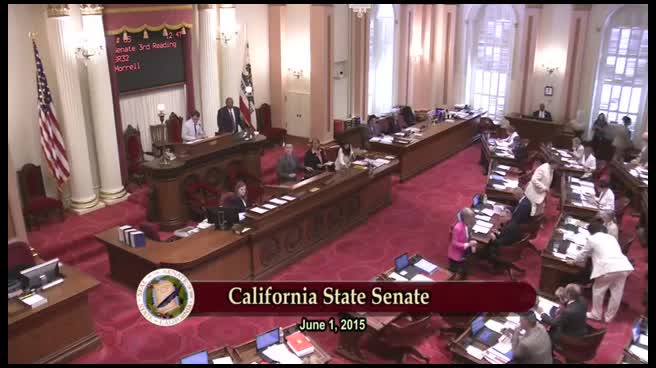
Bill Author

Bill Co-Author(s):