SB 694: New evidence: habeas corpus: motion to vacate judgment: indemnity.
- Session Year: 2015-2016
- House: Senate
- Latest Version Date: 2015-08-17
Existing law allows every person who is unlawfully imprisoned or restrained of his or her liberty to prosecute a writ of habeas corpus to inquire into the cause of his or her imprisonment or restraint. Existing law allows a writ of habeas corpus to be prosecuted for, but not limited to, false evidence that is substantially material or probative to the issue of guilt or punishment that was introduced at trial and false physical evidence which was a material factor directly related to the plea of guilty of the person.
This bill would additionally allow a writ of habeas corpus to be prosecuted on the basis of new evidence that is credible, material, presented without substantial delay, and of such decisive force and value that it would have more likely than not changed the outcome at trial.
Existing law requires the California Victim Compensation and Government Claims Board to recommend an appropriation be made by the Legislature for the purpose of indemnifying a person if the evidence shows that a crime with which the person was charged was either not committed at all, or, if committed, was not committed by that person. Existing law requires that the appropriation recommended shall be a sum equivalent to $100 per day of incarceration served subsequent to the persons conviction. If a court grants a writ of habeas corpus or vacates a judgment on the basis of new evidence and finds that the new evidence points unerringly to innocence, existing law requires the board to recommend an appropriation to the Legislature pursuant to these provisions without a hearing.
This bill would require the board to recommend an appropriation to the Legislature if the court finds that the person is factually innocent. The bill would make additional clarifying and technical changes.
Existing law allows every person who is unlawfully imprisoned or restrained of his or her liberty to prosecute a writ of habeas corpus to inquire into the cause of his or her imprisonment or restraint. Existing law allows a writ of habeas corpus to be prosecuted for, but not limited to, false evidence that is substantially material or probative to the issue of guilt or punishment that was introduced at trial and false physical evidence which was a material factor directly related to the plea of guilty of the person.
This bill would additionally allow a writ of habeas corpus to be prosecuted on the basis of new evidence which would raise a reasonable probability of a different outcome if a new trial were granted. that is credible, material, and of such decisive force and value that it would have more likely than not changed the outcome at trial.
Existing law requires the California Victim Compensation and Government Claims Board to recommend an appropriation be made by the Legislature for the purpose of indemnifying a person if the evidence shows that a crime with which the person was charged was either not committed at all, or, if committed, was not committed by that person. Existing law requires that the appropriation recommended shall be a sum equivalent to $100 per day of incarceration served subsequent to the persons conviction. If a court grants a writ of habeas corpus or vacates a judgment on the basis of new evidence and finds that the new evidence points unerringly to innocence, existing law requires the board to recommend an appropriation to the Legislature pursuant to these provisions without a hearing.
This bill would require the board to recommend an appropriation to the Legislature if the court finds that the person is factually innocent. The bill would make additional clarifying and technical changes.
Existing law allows every person who is unlawfully imprisoned or restrained of his or her liberty to prosecute a writ of habeas corpus to inquire into the cause of his or her imprisonment or restraint. Existing law allows a writ of habeas corpus to be prosecuted for, but not limited to, false evidence that is substantially material or probative to the issue of guilt or punishment that was introduced at trial and false physical evidence which was a material factor directly related to the plea of guilt guilty of the person.
This bill would additionally allow a writ of habeas corpus to be prosecuted on the basis of new evidence which would raise a reasonable probability of a different outcome if a new trial were granted.
Existing law requires the California Victim Compensation and Government Claims Board to recommend an appropriation be made by the Legislature for the purpose of indemnifying a person if the evidence shows that a crime with which the person was charged was either not committed at all, or, if committed, was not committed by that person. Existing law requires that the appropriation recommended shall be a sum equivalent to $100 per day of incarceration served subsequent to the persons conviction. If a court grants a writ of habeas corpus or vacates a judgment on the basis of new evidence and finds that the new evidence points unerringlying unerringly to innocence, existing law requires the board to recommend an appropriation to the Legislature pursuant to these provisions without a hearing.
This bill would require the board to recommend an appropriation to the Legislature if the court finds that the new evidence raises a reasonable probability of a different outcome if a new trial were granted. person is factually innocent. The bill would make additional clarifying and technical changes.
Existing law allows every person who is unlawfully imprisoned or restrained of his or her liberty to prosecute a writ of habeas corpus to inquire into the cause of his or her imprisonment or restraint. Existing law allows a writ of habeas corpus to be prosecuted for, but not limited to, false evidence that is substantially material or probative to the issue of guilt or punishment that was introduced at trial and false physical evidence which was a material factor directly related to the plea of guilt of the person.
This bill would additionally allow a writ of habeas corpus to be prosecuted on the basis of new evidence which would raise a reasonable probability of a different outcome if a new trial were granted.
Existing law requires the California Victim Compensation and Government Claims Board to recommend an appropriation be made by the Legislature for the purpose of indemnifying a person if the evidence shows that a crime with which the person was charged was either not committed at all, or, if committed, was not committed by that person. Existing law requires that the appropriation recommended shall be a sum equivalent to $100 per day of incarceration served subsequent to the persons conviction. If a court grants a writ of habeas corpus or vacates a judgment on the basis of new evidence and finds that the new evidence points unerringlying to innocence, existing law requires the board to recommend an appropriation to the Legislature pursuant to these provisions without a hearing.
This bill would require the board to recommend an appropriation to the Legislature if the court finds that the new evidence raises a reasonable probability of a different outcome if a new trial were granted.
(a)Every person unlawfully imprisoned or restrained of his or her liberty, under any pretense, may prosecute a writ of habeas corpus to inquire into the cause of his or her imprisonment or restraint.
(b)A writ of habeas corpus may be prosecuted for, but not limited to, the following reasons:
(1)False evidence that is substantially material or probative on the issue of guilt or punishment was introduced against a person at a hearing or trial relating to his or her incarceration.
(2)False physical evidence, believed by a person to be factual, probative, or material on the issue of guilt, which was known by the person at the time of entering a plea of guilty, which was a material factor directly related to the plea of guilty by the person.
(3)(A)New evidence exists that is credible, material, presented without substantial delay, and of such decisive force and value that it would have more likely than not changed the outcome at trial.
(B)For purposes of this section, new evidence means evidence that has been discovered after trial, that could not have been discovered prior to trial by the exercise of due diligence, and is admissible and not merely cumulative, corroborative, collateral, or impeaching.
(c)Any allegation that the prosecution knew or should have known of the false nature of the evidence referred to in paragraphs (1) and (2) of subdivision (b) is immaterial to the prosecution of a writ of habeas corpus brought pursuant to paragraph (1) or (2) of subdivision (b).
(d)This section does not limit the grounds for which a writ of habeas corpus may be prosecuted or preclude the use of any other remedies.
(e)(1)For purposes of this section, false evidence includes opinions of experts that have either been repudiated by the expert who originally provided the opinion at a hearing or trial or that have been undermined by later scientific research or technological advances.
(2)This section does not create additional liabilities, beyond those already recognized, for an expert who repudiates his or her original opinion provided at a hearing or trial or whose opinion has been undermined by later scientific research or technological advancements.
SEC. 2.Section 1485.5 of the Penal Code is amended to read:1485.5.(a)If the district attorney or Attorney General stipulates to or does not contest the factual allegations underlying one or more of the grounds for granting a writ of habeas corpus or a motion to vacate a judgment, the facts underlying the basis for the courts ruling or order shall be binding on the Attorney General, the factfinder, and the California Victim Compensation and Government Claims Board.
(b)The district attorney shall provide notice to the Attorney General prior to entering into a stipulation of facts that will be the basis for the granting of a writ of habeas corpus or a motion to vacate a judgment.
(c)In a contested or uncontested proceeding, the express factual findings made by the court, including credibility determinations, in considering a petition for habeas corpus, a motion to vacate judgment pursuant to Section 1473.6, or an application for a certificate of factual innocence, shall be binding on the Attorney General, the factfinder, and the California Victim Compensation and Government Claims Board.
(d)For the purposes of this section, express factual findings are findings established as the basis for the courts ruling or order.
(e)For purposes of this section, court is defined as a state or federal court.
SEC. 3.Section 1485.55 of the Penal Code is amended to read:1485.55.(a)In a contested proceeding, if the court has granted a writ of habeas corpus, or when, pursuant to Section 1473.6, the court vacates a judgment, and if the court has found the person is factually innocent, that finding shall be binding on the California Victim Compensation and Government Claims Board for a claim presented to the board, and upon application by the person, the board shall, without a hearing, recommend to the Legislature that an appropriation be made and the claim paid pursuant to Section 4904.
(b)In a contested or uncontested proceeding, if the court grants a writ of habeas corpus and did not find the person factually innocent in the habeas corpus proceedings, the petitioner may move for a finding of innocence by a preponderance of the evidence that the crime with which he or she was charged was either not committed at all or, if committed, was not committed by him or her.
(c)If the court vacates a judgment pursuant to Section 1473.6, on any ground, the petitioner may move for a finding of innocence by a preponderance of the evidence that the crime with which he or she was charged was either not committed at all or, if committed, was not committed by him or her.
(d)If the court makes a finding that the petitioner has proven his or her innocence by a preponderance of the evidence pursuant to subdivision (b) or (c), the board shall, without a hearing, recommend to the Legislature that an appropriation be made and any claim filed shall be paid pursuant to Section 4904.
(e)A presumption does not exist in any other proceeding for failure to make a motion or obtain a favorable ruling pursuant to subdivision (b) or (c).
(f)If a federal court, after granting a writ of habeas corpus, pursuant to a nonstatutory motion or request, finds a petitioner innocent by no less than a preponderance of the evidence that the crime with which he or she was charged was either not committed at all or, if committed, was not committed by him or her, the board shall, without a hearing, recommend to the Legislature that an appropriation be made and any claim filed shall be paid pursuant to Section 4904.
(g)For the purposes of this section, new evidence means evidence that was not available or known at the time of trial.
(a)Every person unlawfully imprisoned or restrained of his or her liberty, under any pretense, may prosecute a writ of habeas corpus to inquire into the cause of his or her imprisonment or restraint.
(b)A writ of habeas corpus may be prosecuted for, but not limited to, the following reasons:
(1)False evidence that is substantially material or probative on the issue of guilt or punishment was introduced against a person at a hearing or trial relating to his or her incarceration.
(2)False physical evidence, believed by a person to be factual, probative, or material on the issue of guilt, which was known by the person at the time of entering a plea of guilty, which was a material factor directly related to the plea of guilty by the person.
(3)(A)New evidence exists which would raise a reasonable probability of a different outcome if a new trial were granted. that is credible, material, and of such decisive force and value that it would have more likely than not changed the outcome at trial.
(B)For purposes of this section, new evidence means evidence that has been discovered after trial, that could not have been discovered prior to trial by the exercise of due diligence, and is admissible and not merely cumulative, corroborative, collateral, or impeaching.
(c)Any allegation that the prosecution knew or should have known of the false nature of the evidence referred to in paragraphs (1) and (2) of subdivision (b) is immaterial to the prosecution of a writ of habeas corpus brought pursuant to paragraph (1) or (2) of subdivision (b).
(d)This section does not limit the grounds for which a writ of habeas corpus may be prosecuted or preclude the use of any other remedies.
(e)(1)For purposes of this section, false evidence includes opinions of experts that have either been repudiated by the expert who originally provided the opinion at a hearing or trial or that have been undermined by later scientific research or technological advances.
(2)This section does not create additional liabilities, beyond those already recognized, for an expert who repudiates his or her original opinion provided at a hearing or trial or whose opinion has been undermined by later scientific research or technological advancements.
SEC. 2.Section 1485.5 of the Penal Code is amended to read:1485.5.(a)If the district attorney or Attorney General stipulates to or does not contest the factual allegations underlying one or more of the grounds for granting a writ of habeas corpus or a motion to vacate a judgment, the facts underlying the basis for the courts ruling or order shall be binding on the Attorney General, the factfinder, and the California Victim Compensation and Government Claims Board.
(b)The district attorney shall provide notice to the Attorney General prior to entering into a stipulation of facts that will be the basis for the granting of a writ of habeas corpus or a motion to vacate a judgment.
(c)In a contested or uncontested proceeding, the express factual findings made by the court, including credibility determinations, in considering a petition for habeas corpus, a motion to vacate judgment pursuant to Section 1473.6, or an application for a certificate of factual innocence, shall be binding on the Attorney General, the factfinder, and the California Victim Compensation and Government Claims Board.
(d)For the purposes of this section, express factual findings are findings established as the basis for the courts ruling or order.
(e)For purposes of this section, court is defined as a state or federal court.
SEC. 3.Section 1485.55 of the Penal Code is amended to read:1485.55.(a)In a contested proceeding, if the court has granted a writ of habeas corpus, or when, pursuant to Section 1473.6, the court vacates a judgment, and if the court has found the person is factually innocent, that finding shall be binding on the California Victim Compensation and Government Claims Board for a claim presented to the board, and upon application by the person, the board shall, without a hearing, recommend to the Legislature that an appropriation be made and the claim paid pursuant to Section 4904.
(b)In a contested or uncontested proceeding, if the court grants a writ of habeas corpus and did not find the person factually innocent in the habeas corpus proceedings, the petitioner may move for a finding of innocence by a preponderance of the evidence that the crime with which he or she was charged was either not committed at all or, if committed, was not committed by him or her.
(c)If the court vacates a judgment pursuant to Section 1473.6, on any ground, the petitioner may move for a finding of innocence by a preponderance of the evidence that the crime with which he or she was charged was either not committed at all or, if committed, was not committed by him or her.
(d)If the court makes a finding that the petitioner has proven his or her innocence by a preponderance of the evidence pursuant to subdivision (b) or (c), the board shall, without a hearing, recommend to the Legislature that an appropriation be made and any claim filed shall be paid pursuant to Section 4904.
(e)A presumption does not exist in any other proceeding for failure to make a motion or obtain a favorable ruling pursuant to subdivision (b) or (c).
(f)If a federal court, after granting a writ of habeas corpus, pursuant to a nonstatutory motion or request, finds a petitioner innocent by no less than a preponderance of the evidence that the crime with which he or she was charged was either not committed at all or, if committed, was not committed by him or her, the board shall, without a hearing, recommend to the Legislature that an appropriation be made and any claim filed shall be paid pursuant to Section 4904.
(g)For the purposes of this section, new evidence means evidence that was not available or known at the time of trial.
(a)Every person unlawfully imprisoned or restrained of his or her liberty, under any pretense, may prosecute a writ of habeas corpus to inquire into the cause of his or her imprisonment or restraint.
(b)A writ of habeas corpus may be prosecuted for, but not limited to, the following reasons:
(1)False evidence that is substantially material or probative on the issue of guilt or punishment was introduced against a person at a hearing or trial relating to his or her incarceration.
(2)False physical evidence, believed by a person to be factual, probative, or material on the issue of guilt, which was known by the person at the time of entering a plea of guilty, which was a material factor directly related to the plea of guilty by the person.
(3)New evidence exists which would raise a reasonable probability of a different outcome if a new trial were granted.
(c)Any allegation that the prosecution knew or should have known of the false nature of the evidence referred to in paragraphs (1) and (2) of subdivision (b) is immaterial to the prosecution of a writ of habeas corpus brought pursuant to paragraph (1) or (2) of subdivision (b).
(d)This section does not limit the grounds for which a writ of habeas corpus may be prosecuted or preclude the use of any other remedies.
(e)(1)For purposes of this section, false evidence includes opinions of experts that have either been repudiated by the expert who originally provided the opinion at a hearing or trial or that have been undermined by later scientific research or technological advances.
(2)This section does not create additional liabilities, beyond those already recognized, for an expert who repudiates his or her original opinion provided at a hearing or trial or whose opinion has been undermined by later scientific research or technological advancements.
SEC. 2.Section 1485.5 of the Penal Code is amended to read:1485.5.(a)If the district attorney or Attorney General stipulates to or does not contest the factual allegations underlying one or more of the grounds for granting a writ of habeas corpus or a motion to vacate a judgment, the facts underlying the basis for the courts ruling or order shall be binding on the Attorney General, the factfinder, and the California Victim Compensation and Government Claims Board.
(b)The district attorney shall provide notice to the Attorney General prior to entering into a stipulation of facts that will be the basis for the granting of a writ of habeas corpus or a motion to vacate a judgment.
(c)The In a contested or uncontested proceeding, the express factual findings made by the court, including credibility determinations, in considering a petition for habeas corpus, a motion to vacate judgment pursuant to Section 1473.6, or an application for a certificate of factual innocence, shall be binding on the Attorney General, the factfinder, and the California Victim Compensation and Government Claims Board.
(d)For the purposes of this section, express factual findings are findings established as the basis for the courts ruling or order.
(e)For purposes of this section, court is defined as a state or federal court.
SEC. 2.SEC. 3.Section 1485.55 of the Penal Code is amended to read:1485.55.(a)In a contested proceeding, if the court grants has granted a writ of habeas corpus concerning a person who is unlawfully imprisoned or restrained, corpus, or when, pursuant to Section 1473.6, the court vacates a judgment on the basis of new evidence concerning a person who is no longer unlawfully imprisoned or restrained, judgment, and if the court finds that new evidence on the petition raises a reasonable probability of a different outcome if a new trial were granted, has found the person is factually innocent, that finding shall be binding on the California Victim Compensation and Government Claims Board for a claim presented to the board, and upon application by the person, the board shall, without a hearing, recommend to the Legislature that an appropriation be made and the claim paid pursuant to Section 4904.
(b)If In a contested or uncontested proceeding, if the court grants a writ of habeas corpus concerning a person who is unlawfully imprisoned or restrained on any ground other than new evidence that raises a reasonable probability of a different outcome if a new trial were granted, and did not find the person factually innocent in the habeas proceedings, the petitioner may move for a finding of innocence by a preponderance of the evidence that the crime with which he or she was charged was either not committed at all or, if committed, was not committed by him or her.
(c)If the court vacates a judgment pursuant to Section 1473.6, on any ground other than new evidence that raises a reasonable probability of a different outcome if a new trial were granted, ground, the petitioner may move for a finding of innocence by a preponderance of the evidence that the crime with which he or she was charged was either not committed at all or, if committed, was not committed by him or her.
(d)If the court makes a finding that the petitioner has proven his or her innocence by a preponderance of the evidence pursuant to subdivision (b) or (c), the board shall, without a hearing, recommend to the Legislature that an appropriation be made and any claim filed shall be paid pursuant to Section 4904.
(e)A presumption does not exist in any other proceeding for failure to make a motion or obtain a favorable ruling pursuant to subdivision (b) or (c).
(f)If a federal court, after granting a writ of habeas corpus, pursuant to a nonstatutory motion or request, finds a petitioner innocent by no less than a preponderance of the evidence that the crime with which he or she was charged was either not committed at all or, if committed, was not committed by him or her, the board shall, without a hearing, recommend to the Legislature that an appropriation be made and any claim filed shall be paid pursuant to Section 4904.
(g)For the purposes of this section, new evidence means evidence that was not available or known at the time of trial that raises a reasonable probability of a different outcome if a new trial were granted. trial.
(a)Every person unlawfully imprisoned or restrained of his or her liberty, under any pretense, may prosecute a writ of habeas corpus to inquire into the cause of his or her imprisonment or restraint.
(b)A writ of habeas corpus may be prosecuted for, but not limited to, the following reasons:
(1)False evidence that is substantially material or probative on the issue of guilt or punishment was introduced against a person at a hearing or trial relating to his or her incarceration.
(2)False physical evidence, believed by a person to be factual, probative, or material on the issue of guilt, which was known by the person at the time of entering a plea of guilty, which was a material factor directly related to the plea of guilty by the person.
(3)New evidence exists which would raise a reasonable probability of a different outcome if a new trial were granted.
(c)Any allegation that the prosecution knew or should have known of the false nature of the evidence referred to in paragraphs (1) and (2) of subdivision (b) is immaterial to the prosecution of a writ of habeas corpus brought pursuant to paragraph (1) or (2) of subdivision (b).
(d)This section shall not be construed as limiting This section does not limit the grounds for which a writ of habeas corpus may be prosecuted or as precluding preclude the use of any other remedies.
(e)(1)For purposes of this section, false evidence shall include includes opinions of experts that have either been repudiated by the expert who originally provided the opinion at a hearing or trial or that have been undermined by later scientific research or technological advances.
(2)This section does not create additional liabilities, beyond those already recognized, for an expert who repudiates his or her original opinion provided at a hearing or trial or whose opinion has been undermined by later scientific research or technological advancements.
SEC. 2.Section 1485.55 of the Penal Code is amended to read:1485.55.(a)In a contested proceeding, if the court grants a writ of habeas corpus concerning a person who is unlawfully imprisoned or restrained, or when, pursuant to Section 1473.6, the court vacates a judgment on the basis of new evidence concerning a person who is no longer unlawfully imprisoned or restrained, and if the court finds that new evidence on the petition points unerringly to innocence raises a reasonable probability of a different outcome if a new trial were granted, that finding shall be binding on the California Victim Compensation and Government Claims Board for a claim presented to the board, and upon application by the person, the board shall, without a hearing, recommend to the Legislature that an appropriation be made and the claim paid pursuant to Section 4904.
(b)If the court grants a writ of habeas corpus concerning a person who is unlawfully imprisoned or restrained on any ground other than new evidence that points unerringly to innocence or actual innocence that raises a reasonable probability of a different outcome if a new trial were granted, the petitioner may move for a finding of innocence by a preponderance of the evidence that the crime with which he or she was charged was either not committed at all or, if committed, was not committed by him or her.
(c)If the court vacates a judgment pursuant to Section 1473.6, on any ground other than new evidence that points unerringly to innocence or actual innocence that raises a reasonable probability of a different outcome if a new trial were granted, the petitioner may move for a finding of innocence by a preponderance of the evidence that the crime with which he or she was charged was either not committed at all or, if committed, was not committed by him or her.
(d)If the court makes a finding that the petitioner has proven his or her innocence by a preponderance of the evidence pursuant to subdivision (b) or (c), the board shall, without a hearing, recommend to the Legislature that an appropriation be made and the any claim filed shall be paid pursuant to Section 4904.
(e)No A presumption shall does not exist in any other proceeding for failure to make a motion or obtain a favorable ruling pursuant to subdivision (b) or (c).
(f)If a federal court, after granting a writ of habeas corpus, pursuant to a nonstatutory motion or request, finds a petitioner innocent by no less than a preponderance of the evidence that the crime with which he or she was charged was either not committed at all or, if committed, was not committed by him or her, the board shall, without a hearing, recommend to the Legislature that an appropriation be made and the any claim filed shall be paid pursuant to Section 4904.
(g)For the purposes of this section, new evidence means evidence that was not available or known at the time of trial that completely undermines the prosecution case and points unerringly to innocence raises a reasonable probability of a different outcome if a new trial were granted.
|
Date
|
Status
|
|---|---|
| Jun 1, 2015 | Read third time. Passed. (Ayes 23. Noes 16. Page 1212.) Ordered to the Assembly. |
| Aug 27, 2015 | Joint Rule 62(a) suspended. |
| Aug 27, 2015 | August 27 hearing: Held in committee and under submission. |
| Aug 26, 2015 | August 26 set for first hearing. Placed on APPR. suspense file. |
| Aug 19, 2015 | August 19 hearing postponed by committee. |
| Aug 17, 2015 | From committee with author's amendments. Read second time and amended. Re-referred to Com. on APPR. |
| Jul 16, 2015 | From committee with author's amendments. Read second time and amended. Re-referred to Com. on APPR. |
| Jul 14, 2015 | From committee: Do pass and re-refer to Com. on APPR. (Ayes 5. Noes 2.) (July 14). Re-referred to Com. on APPR. |
| Jul 2, 2015 | From committee with author's amendments. Read second time and amended. Re-referred to Com. on PUB. S. |
| Jun 18, 2015 | Referred to Com. on PUB. S. |
| Jun 2, 2015 | In Assembly. Read first time. Held at Desk. |
| Jun 1, 2015 | Read third time. Passed. (Ayes 23. Noes 16.) Ordered to the Assembly. |
| Feb 27, 2015 | Introduced. To Com. on RLS. for assignment. To print. |
| May 28, 2015 | Read second time. Ordered to third reading. |
| May 28, 2015 | From committee: Do pass. (Ayes 5. Noes 2.) (May 28). |
| May 28, 2015 | From committee: Do pass. (Ayes 5. Noes 2. Page 1159.) (May 28). |
| May 23, 2015 | Set for hearing May 28. |
| May 4, 2015 | May 4 hearing: Placed on APPR. suspense file. |
| Apr 24, 2015 | Set for hearing May 4. |
| Apr 22, 2015 | From committee: Do pass and re-refer to Com. on APPR. (Ayes 5. Noes 2. Page 731.) (April 21). Re-referred to Com. on APPR. |
| Mar 20, 2015 | Set for hearing April 21. |
| Mar 19, 2015 | Referred to Com. on PUB. S. |
| Mar 2, 2015 | Read first time. |
| Mar 2, 2015 | From printer. May be acted upon on or after April 1. |
|
Date
|
Description
|
Location
|
Votes
|
|
|---|---|---|---|---|
| Jul 14, 2015 | Do pass and be re-referred to the Committee on [Appropriations] | Assembly Standing Committee on Public Safety |
Passed |
|
| Jun 1, 2015 | Senate 3rd Reading SB694 Leno | Senate Floor |
Passed |
|
| May 28, 2015 | Do pass | Senate Standing Committee on Appropriations |
Passed |
|
| May 4, 2015 | Placed on suspense file | Senate Standing Committee on Appropriations |
Passed |
|
| Apr 21, 2015 | Do pass, but first be re-referred to the Committee on [Appropriations] | Senate Standing Committee on Public Safety |
Passed |
This list shows positions taken on this bill by organizations on the date displayed, which is linked to the original source.
Positions by individuals are not included.
|
Organization
|
Position
|
Date
|
|---|---|---|
| ACLU | ** Support | Jun 1, 2015 |
| California Attorneys For Criminal Justice | ** Support | Jun 1, 2015 |
| California District Attorneys Association | ** Against | Jun 1, 2015 |
| California Innocence Project | ** Support | Jun 1, 2015 |
| California Public Defenders Association | ** Support | Jun 1, 2015 |
| Crime Victims Action Alliance | ** Against | Jun 1, 2015 |
| Drug Policy Alliance | ** Support | Jun 1, 2015 |
| Ella Baker Center For Human Rights | ** Support | Jun 1, 2015 |
| Friends Committee On Legislation Of California | ** Support | Jun 1, 2015 |
| Innocence Project | ** Support | Jun 1, 2015 |
| Judicial Council | ** Against | Jun 1, 2015 |
| Legal Services for Prisoners with Children | ** Support | Jun 1, 2015 |
| Northern California Innocence Project | ** Support | Jun 1, 2015 |
Date of Hearing: August 26, 2015
ASSEMBLY COMMITTEE ON APPROPRIATIONS
Jimmy Gomez, Chair
SB 694
(Leno) – As Amended August 17, 2015
Policy Committee: |
Public Safety |
Vote: |
5 - 2 |
|
|
|
|
|
|
|
|
Urgency: No State Mandated Local Program: No Reimbursable: No
SUMMARY:
This bill codifies a standard for habeas corpus petitions filed on the basis of new evidence. Specifically, this bill:
Permits a writ of habeas corpus to be prosecuted on the basis of new evidence, which would have more likely than not changed the outcome of the trial. However, this new evidence must be evidence that has been discovered after the trial and could not have been discovered prior to trial.
Requires the Victims Compensation and Government Claims Board to recommend payment for incarceration of a person if the court finds that the person is factually innocent.
Makes additional clarifying and technical changes.
FISCAL EFFECT:
Potential significant costs in the millions (GF and Trial Court Trust Fund) to Supreme Court, Court of Appeals, and Trial Courts during the first two or three years. Although this bill specifies the "new evidence" must be evidence that was not available at the time of the trial, staff of the various courts will have to review the record and make that determination. Writs may be submitted to all three courts; and the higher the court, the higher the level of review. Denial by a lower court is subject to either appeal, or to the filing of an original petition at the next higher court, (or both). The Judicial Council estimates a large volume of new writs during the first two or three years after enactment, but a leveling off thereafter.
COMMENTS:
Purpose. According to the author, "Under existing California law an inmate who has been convicted of committing a crime, but claims that they are factually innocent, may file a petition for writ of habeas corpus, which, if a court agrees with their claim, could potentially result in a new trial if warranted. The burden for proving one’s innocence in such cases based on newly-available evidence is not currently defined by statute, but has evolved from appellate court opinions, and is practically impossible to achieve in California."
"As a legal and practical matter, current case law requires wrongfully incarcerated individuals who have produced new evidence to conclusively and affirmatively prove their innocence, often decades after the fact when witness memories have faded, other evidence has disappeared, and re-litigating the original case is essentially impossible. Even when new evidence shows that their conviction would have never occurred in the first place, an individual is likely to remain wrongfully incarcerated under the status quo in California."
"This proposed standard in SB 694 simply brings claims of actual innocence based on new evidence into alignment with other post-conviction remedies for various established constitutional violations, such as claims of ineffective assistance of counsel, prosecutorial misconduct, or false evidence, as well as bringing California in line with 39 other states."
Background. Current law provides that every person unlawfully imprisoned or restrained of his or her liberty, under any pretense whatever, may prosecute a writ of habeas corpus to inquire into the cause of such imprisonment or restraint. Current law states that a writ of habeas corpus may be prosecuted for, but not limited to, the following reasons:
False evidence that is substantially material or probative on the issue of guilt or punishment was introduced against a person at any hearing or trial relating to his incarceration;
False physical evidence believed by a person to be factual, material or probative on the issue of guilt, which was known by the person at the time of entering a plea of guilty and which was a material factor directly related to the plea of guilty by the person.
Current law provides that “new evidence” means evidence that was not available or known at the time of trial that completely undermines the prosecution case and points unerringly to innocence. However, in California, there is no codified standard of proof for a writ of habeas corpus brought on the basis of new evidence. The current standard is based on case law.
The author states, "In order to prevail on a new evidence claim under current law, an individual must undermine the prosecution's entire case and 'point unerringly to innocence with evidence no reasonable jury could reject.' The California Supreme Court has acknowledged that this standard is very high, much higher than the 'preponderance of the evidence' standard that governs other habeas corpus claims, such as those based on ineffective assistance of counsel. It is by far the most difficult standard to meet in the entire nation."
SB 694 sets the standard for the granting of a writ of habeas corpus as new evidence exists which would have more likely than not changed the outcome of the trial. However, this new evidence must be evidence that has been discovered after the trial and could not have been discovered prior to trial. The reasonable probability standard is the same standard that is used in most other states, and in California is used for cases of: ineffective assistance of counsel; false evidence; and, prosecutorial misconduct.
This bill also makes conforming changes, making it clear the standard is a finding of factual innocence by a court in the section requiring the Victim Compensation and Government Claims Board to make a recommendation for an appropriation when the court has granted a writ of habeas corpus on the basis of new evidence.
Support. According to The California Innocence Project, "The burden for proving one's actual innocence with new evidence of innocence is not defined by statute in California. Rather, California case law from more than sixty years ago requires a wrongfully convicted person seeking relief from their conviction to meet a very high burden. Specifically, they must present evidence no reasonable jury would reject, evidence which undermines the prosecution's entire case and points unerringly to innocence. Even the California Supreme Court has recognized this standard as much higher than other standards for relief which govern other habeas claims.
Prior Legislation:
SB 1058 (Leno), Chapter 623, Statutes of 2014, allowed a writ of habeas corpus when evidence given at trial has subsequently been repudiated by the expert that testified or undermined by later scientific research or technological advances.
SB 618 (Leno), Chapter 800, Statutes of 2013, streamlined the process for compensating persons who have been exonerated after being wrongfully convicted and imprisoned.
AB 1593 (Ma), Chapter 809, Statutes of 2012, allows a writ of habeas corpus to be prosecuted if expert testimony relating to intimate partner battering and its effects was received into evidence but was limited at the trial court proceedings relating to a prisoner’s incarceration for the commission of a violent felony committed prior to August 29, 1996, and there is a reasonable probability, sufficient to undermine confidence in the judgment of conviction, that if the testimony had not been limited, the result of the proceedings would have been different.
SB 1471 (Runner), of the 2007-08 Legislative Session, would have required habeas petitions in death penalty cases to be filed within one year and change the standards for competent counsel. SB 1471 failed passage in Senate Public Safety.
Analysis Prepared by: Pedro R. Reyes / APPR. / (916) 319-2081
SB 694
Page 9
Date of Hearing: July 14, 2015
Counsel: Gabriel Caswell
ASSEMBLY COMMITTEE ON PUBLIC SAFETY
Bill Quirk, Chair
SB 694
(Leno) – As Amended July 2, 2015
SUMMARY: Codifies a standard for habeas corpus petitions filed on the basis of new evidence. Specifically, this bill:
Permits a writ of habeas corpus to be prosecuted on the basis of new evidence which would raise a reasonable probability of a different outcome if a new trial were granted.
Requires the Victims Compensation and Government Claims Board to recommend payment for incarceration of a person if the court finds that the person is factually innocent.
Makes additional clarifying and technical changes.
EXISTING LAW:
Provides that every person unlawfully imprisoned or restrained of his or her liberty, under any pretense whatever, may prosecute a writ of habeas corpus to inquire into the cause of such imprisonment or restraint. (Pen. Code, § 1473 subd. (a).)
States that a writ of habeas corpus may be prosecuted for, but not limited to, the following reasons: (Pen. Code, § 1473 subd. (b).)
False evidence that is substantially material or probative on the issue of guilt, or punishment was introduced against a person at any hearing or trial relating to his incarceration;
False physical evidence believed by a person to be factual, material or probative on the issue of guilt, which was known by the person at the time of entering a plea of guilty and which was a material factor directly related to the plea of guilty by the person.
Provides that any allegation that the prosecution knew or should have known of the false nature of the evidence is immaterial to the prosecution of a writ of habeas corpus. (Pen. Code, § 1473 subd. (c).)
States that nothing in this section shall be construed as limiting the grounds for which a writ of habeas corpus may be prosecuted or as precluding the use of any other remedies. (Pen. Code, § 1473 subd. (d).)
Provides that in a contested proceeding, if a court grans a writ of habeas corpus concerning a person who is unlawfully imprisoned or restrained, the court vacates a judgment on the basis of new evidence concerning a person who is no longer unlawfully imprisoned or restrained and if the court finds that the new evidence on the petition points unerringly to innocence, that finding shall be binding on the California Crime Victims Compensation and Government Claims board for acclaim presented to the board, and upon application by the person, the board shall, without a hearing, recommend to the legislation that an appropriation be made. (Pen. Code, § 1485.55 subd. (a).)
Provides that “new evidence” means evidence that was not available or known at the time of trial that completely undermines the prosecution case and points unerringly to innocence. (Pen. Code, § 1485.55, subd. (b).)
Establishes the Victim Compensation and Government Claims Board (board). (Gov. Code, § 13950 et. seq.)
Provides than an application for compensation shall be filed with the board in the manner determined by the board. (Gov. Code, § 13952, subd.(a).)
States that, except as provided by specified sections of the Government Code, a person shall be eligible for compensation when all of the following requirements are met:
The person form whom compensation is being sought any of the following:
A victim.
A derivative victim.
A person who is entitled to reimbursement for funeral, burial or crime scene clean-up expenses pursuant to specified sections of the Government Code.
Either of the following conditions is met:
The crime occurred within California, whether or not the victim is a resident of California. This only applies when the VCGCB determines that there are federal funds available to the state for the compensation of crime victims.
Whether or not the crime occurred within the State of California, the victim was any of the following:
A California resident.
A member of the military stationed in California.
A family member living with a member of the military stationed in California.
If compensation is being sought for derivative victim, the derivative victim is a resident of California, or the resident of another state who is any of the following:
At the time of the crimes was the parent, grandparent, sibling, spouse, child or grandchild of the victim.
At the time of the crime was living in the household of the victim.
At the time of the crime was a person who had previously lived in the house of the victim for a period of not less than two years in a relationship substantially similar to a previously listed relationship.
Another family member of the victim including, but not limited to the victim's fiancé or fiancée, and who witnessed the crime.
Is the primary caretaker of a minor victim, but was not the primary caretaker at the time of the crime.
And other specified requirements. (Gov. Code, § 13955.)
States that an application shall be denied if the board finds that the victim failed to reasonably cooperate with law enforcement in prosecution of the crime. (Gov. Code, § 13956, subd. (b)(1).)
Disqualifies certain individuals from eligibility, including a participant in the crime for which compensation is being sought, and persons convicted of a felony who are currently on probation or parole. (Gov. Code, § 13956.)
Authorizes the board to reimburse for pecuniary loss for the following types of losses (Gov. Code, § 13957, subd. (a)):
The amount of medical or medical-related expenses incurred by the victim, subject to specified limitations.
The amount of out-patient psychiatric, psychological or other mental health counseling-related expenses incurred by the victim, as specified, including peer counseling services provided by a rape crisis center.
The expenses of non-medical remedial care and treatment rendered in accordance with a religious method of healing recognized by state law.
Compensation equal to the loss of income or loss of support, or both, that a victim or derivative victim incurs as a direct result of the victim’s injury or the victim’s death, subject to specified limitations.
Cash payment to, or on behalf of, the victim for job retraining or similar employment-oriented services.
The expense of installing or increasing residential security, not to exceed $1,000, with respect to a crime that occurred in the victim’s residence, upon verification by law enforcement to be necessary for the personal safety of the victim or by a mental health treatment provider to be necessary for the emotional well-being of the victim.
The expense of renovating or retrofitting a victim’s residence or a vehicle to make them accessible or operational, if it is medically necessary.
Expenses incurred in relocating, as specified, if the expenses are determined by law enforcement to be necessary for the personal safety or by a mental health treatment provider to be necessary for the emotional well-being of the victim.
Limits the total award to or on behalf of each victim to $35,000, except that this amount may be increased to $70,000 if federal funds for that increase are available. (Gov. Code, § 13957, subd. (b).)
FISCAL EFFECT: Unknown.
COMMENTS:
Author's Statement: According to the author, "Under existing California law an inmate who has been convicted of committing a crime, but claims that they are factually innocent, may file a petition for writ of habeas corpus, which, if a court agrees with their claim, could potentially result in a new trial if warranted. The burden for proving one’s innocence in such cases that are based on newly available evidence is not currently defined by statute, but has evolved from appellate court opinions, and is practically impossible to achieve in California.
"In order to prevail on a new evidence claim under current law, an individual must undermine the prosecution's entire case and 'point unerringly to innocence with evidence no reasonable jury could reject.' The California Supreme Court has acknowledged that this standard is very high, much higher than the 'preponderance of the evidence' standard that governs other habeas corpus claims, such as those based on ineffective assistance of counsel. It is by far the most difficult standard to meet in the entire nation.
"As a legal and practical matter, current case law requires wrongfully incarcerated individuals who have produced new evidence to conclusively and affirmatively prove their innocence, often decades after the fact when witness memories have faded, other evidence has disappeared, and re-litigating the original case is essentially impossible. Even when new evidence shows that their conviction would have never occurred in the first place, an individual is likely to remain wrongfully incarcerated under the status quo in California.
"This proposed standard in SB 694 simply brings claims of actual innocence based on new evidence into alignment with other post-conviction remedies for various established constitutional violations, such as claims of ineffective assistance of counsel, prosecutorial misconduct, or false evidence, as well as bringing California in line with 39 other states. Simply put, the wrongful incarceration of an innocent citizen, no matter how rare, is the greatest injustice society can perpetrate. When it occurs it is our moral obligation to address that shortcoming in our justice system, which is what SB 694 will accomplish for those wrongfully behind bars."
Background: According to the background provided by the author, "under existing California law, an inmate who has been convicted of committing a crime for which he or she claims that s/he has new evidence pointing to innocence may file a petition for writ of habeas corpus. The burden for proving that newly discovered evidence entitles an individual to a new trial is not currently defined by statute, but has evolved from appellate court opinions. In order to prevail on a new evidence claim, a petitioner must undermine the prosecution's entire case and 'point unerringly to innocence with evidence no reasonable jury could reject' (In re Lawley (2008) 42 Cal.4th 1231, 1239). The California Supreme Court has stated that this standard is very high, much higher than the preponderance of the evidence standard that governs other habeas claims. (Ibid.)
"This standard is nearly impossible to meet absent DNA evidence, which exists only in a tiny portion of prosecutions and exonerations. For example, if a petitioner has newly discovered evidence that completely undermines all evidence of guilt and shows that the original jury would likely not have convicted, but the new evidence does not "point unerringly to innocence" the petitioner will not have met the standard and will have no chance at a new trial. Thus, someone who would likely never have been convicted if the newly discovered evidence had been available in their original trial is almost guaranteed to remain in prison under the status quo in California. The proposed new standard in SB 694 addresses this anomaly. Our criminal justice system was built on the understanding that even innocent people cannot always affirmatively prove innocence, which is why the burden is on the prosecution to prove guilt when a charge is brought to trial, and absent evidence of guilt beyond a reasonable doubt, innocence is presumed. The new standard contained in this bill ensures that innocent men and women do not remain in prison even after new evidence shows that a conviction never would have occurred had it been available.
"SB 694 seeks to bring California's innocence standard into line with the vast majority of other states' standards, thirty-nine in total, and to make it consistent with other post-conviction standards for relief in California such as ineffective assistance of counsel, or prosecutorial misconduct. There is no justification for a different standard to govern these types of claims, as opposed to those brought on the basis of newly discovered evidence. Our laws must recognize that if evidence exists that a jury did not hear (regardless of whether it is the fault of a mistaken or lying witness, an ineffective attorney, or the misconduct of law enforcement) creates a reasonable probability of a different outcome, the conviction should be reversed.
"As a result of the onerously high standard governing new evidence claims, individuals often choose to re-package evidence of innocence into other types of claims, such as infective assistance of counsel for example. The impact of this is not just a dearth in case law on new evidence claims but it also means that some exonerees may never receive legal recognition of their innocence. To illustrate, consider the case of Maurice Caldwell. Caldwell was convicted of murder in 1991 based on the mistaken identification of a single eyewitness. It was later established that it was scientifically impossible for the witness to have identified the perpetrator from her vantage point, thus rendering his conviction invalid. It was not for the fact that there was new evidence available, however, that the conviction was overturned. It was a claim of ineffective assistance of counsel that ultimately ended Caldwell’s wrongful incarceration. While Caldwell no longer suffers from the immediate harm of a wrongful conviction he still has no legal recognition of his innocence, which may limit his ability to continue to recover from the long-lasting and difficult burdens of a wrongful conviction. A finding of innocence is a crucial component of recovery for many people who have been wrongfully convicted in California and without justification for such a high standard, there is no basis for requiring the victims of wrongful incarceration to meet it."
Writ of Habeas Corpus Generally: Habeas corpus, also known as "the Great Writ", is a process guaranteed by both the federal and state constitutions to obtain prompt judicial relief from illegal restraint. The functions of the writ is set forth in Penal Code Section 1473(a): "Every person unlawfully imprisoned or restrained of his or her liberty, under any pretense whatever, may prosecute a writ of habeas corpus, to inquire into the cause of such imprisonment or restraint." Penal Code Section 1473(d) specifies that "nothing in this section shall be construed as limiting the grounds for which a writ of habeas corpus may be prosecuted." A writ of habeas corpus may be prosecuted for, but not limited to, the following reasons:
False evidence that is substantially material or probative on the issue of guilt, or punishment was introduced against a person at any hearing or trial relating to his incarceration;
False physical evidence believed by a person to be factual, material or probative on the issue of guilt, which was known by the person at the time of entering a plea of guilty and which was a material factor directly related to the plea of guilty by the person; and,
Any allegation that the prosecution knew or should have known of the false nature of the evidence is immaterial to the prosecution of a writ of habeas corpus. (Pen. Code, § 1473, subd. (b).)
A habeas corpus claim of false testimony requires proof that false
evidence was introduced against the petitioner at his or her trial
and that such evidence was material or probative on the issue of his
or her guilt. (In re Bell (2007) 42 Cal.4th 630.) False
evidence introduced at trial against a defendant is substantially
material or probative if there is a reasonable probability that, had
the false evidence not been introduced, the result would have been
different. (In re Roberts (2003) 29 Cal.4th 726.) A
reasonable probability that the result would have been different if
false evidence had not been introduced against defendant is a chance
great enough, under the totality of circumstances, to undermine the
court's confidence in the outcome. (Ibid.) A habeas claim of
false testimony does not require a showing of perjury or other
knowledge of impropriety. (In re Hall (1981) 30 Cal.3d
308.)
A writ of habeas corpus may also be prosecuted based
on newly discovered evidence, and shall be granted only if the new
evidence undermines the entire prosecution case and point unerringly
to innocence or reduced culpability. (In re Clark (1993) 5
Cal.4th 750, 766.)
Reasonable Probability Standard: In California, there is no codified standard of proof for a writ of habeas corpus brought on the basis of new evidence. The current standard is based on case law. In re Lawley (2008) 42 Cal. 4th 1231, 1239 found that newly discovered evidence “must undermine the entire prosecution case and point unerringly to innocence or reduced culpability;” and “if ‘a reasonable jury could have rejected’ the evidence presented, a petition has not satisfied this burden.” This bill would instead set the standard for the granting of a writ of habeas corpus as “new evidence exists which would raise a reasonable probability of a different outcome if a new trial were granted. The reasonable probability standard is the same standard that is used in most other states, and in California is used for cases of: ineffective assistance of counsel; false evidence; and, prosecutorial misconduct. In support the ACLU notes that: "SB 694 would incorporate into California law a standard of proof that is in alignment with almost all other states. SB 694 will allow a wrongfully convicted person to receive a new trial if he or she presents the reviewing court with evidence that is of such a decisive value and force that there is a reasonable probability of a different outcome if a new trial were granted. This standard brings the actual innocence claim into alignment with other post-conviction remedies for established constitutional violations, including claims of ineffective assistance of counsel, prosecutorial misconduct, and false evidence."
This bill also makes conforming changes, making it clear the standard is a finding of factual innocence by a court in the section requiring the Victim Compensation and Government Claims Board to make a recommendation for an appropriation when the court has granted a writ of habeas corpus on the basis of new evidence.
Argument in Support: According to The California Innocence Project, "The burden for proving one's actual innocence with new evidence of innocence is not defined by statute in California. Rather, California case law from more than sixty years ago requires a wrongfully convicted person seeking relief from their conviction to meet a very high burden. Specifically, they must present evidence no reasonable jury would reject, evidence which undermines the prosecution's entire case and points unerringly to innocence. Even the California Supreme Court has recognized this standard as much higher than other standards for relief which govern other habeas claims.
"The inordinately high burden currently in place in California means individuals who are actually innocent often cannot get relief through new evidence shows their convictions should be reversed. The case of William Richards demonstrates this tragic scenario. Richards was convicted in 1999 of the murder of his wife, Pamela Richards. After the conviction, the California Innocence Project discovered DNA evidence on the murder weapon and under the victim's fingernails. Experts testified this male DNA profile, which did not match Richards, belonged to the perpetrator. The DNA evidence, in combination with other evidence, completely undermined the prosecution case, establishing that Richards was not the killer. Unfortunately, however, the court reasoned the DNA, even in combination with the other evidence, did not point unerringly to innocence, partially because the DNA profile did not match any known perpetrator in the DNA database.
"SB 694 would amend the existing California statute to
incorporate a standard of proof that is in alignment with most all
other jurisdictions—38 states and the District of Columbia—and
create a standard which is at once practical, achievable, and
effective. Specifically, SB 694 will allow a wrongfully convicted
person to receive a new trial if he or she presents evidence
demonstrating there is a reasonable probability of a different
outcome if a new trial were granted. This standard brings the actual
innocence claim into alignment with other post-conviction remedies
for established constitutional violations, including claims of
ineffective assistance of counsel, prosecutorial misconduct, and
false evidence."
Argument in Opposition: According to The Judicial Council of California, "While recognizing that establishing the standard of review for writs of habeas corpus as contemplated by SB 694 is within the purview of the Legislature, the council regretfully opposes SB 694 for significant procedural reasons that impact the administration of justice and because the council has significant concerns about the potential workload and costs associated with the bill would it be signed into law.
"Currently there is no codified standard of proof for a writ of habeas corpus brought on the basis of new evidence and the current standard is based on case law. The Supreme Court, in In re Lawley, held that for newly discovered evidence to be used to overturn a conviction it 'must undermine the entire prosecution case and point unerringly to innocence or reduced culpability;' ((2008) 42 Cal. 4th 1231, 1239). Further the court stated 'if a reasonable jury could have rejected the evidence presented, a petitioner has not satisfied his burden.; (Id.) SB 694 would lower the current judicially established standard of review for a writ of habeas corpus based on new evidence from 'undermines the prosecution of the case and points unerringly to innocence' to a standard of 'raises a reasonable probability of a different outcome if a new trial were granted.'
"The council believes that changing the standard of review for
writs of habeas corpus in this manner will substantially increase the
workload of trial courts and appellate courts, including the Supreme
Court, in at least three instances. First, the council believes that
SB 694's standard of review would substantially increase the number
of writs of habeas corpus filed in trial courts and appellate courts.
Second, the council believes that the standard will substantially
increase the number of evidentiary hearings and new trials. Third,
under certain circumstances, including writs of habeas corpus in
capital cases, the costs of appointed council for petitioners are
paid by the courts. An increase in habeas petitions will therefore
lead to an increase in costs to the courts. Additionally, the
council is concerned that the new lower standard undermines the
conviction process as it has the appearance of questioning the
integrity of trial court proceedings. As a result, numerous
subsequent writs could be filed based on newly discovered evidence."
Prior Legislation:
SB 1058 (Leno), Chapter 623, Statutes of 2014, allowed a writ of habeas corpus when evidence given at trial has subsequently been repudiated by the expert that testified or undermined by later scientific research or technological advances.
SB 618 (Leno), Chapter 800, Statutes of 2013, streamlined the process for compensating persons who have been exonerated after being wrongfully convicted and imprisoned.
AB 1593 (Ma), Chapter 809, Statutes of 2012, allows a writ of habeas corpus to be prosecuted if expert testimony relating to intimate partner battering and its effects was received into evidence but was limited at the trial court proceedings relating to a prisoner’s incarceration for the commission of a violent felony committed prior to August 29, 1996, and there is a reasonable probability, sufficient to undermine confidence in the judgment of conviction, that if the testimony had not been limited, the result of the proceedings would have been different.
SB 1471 (Runner), of the 2007-08 Legislative Session, would have required habeas petitions in death penalty cases to be filed within one year and change the standards for competent counsel. SB 1471 failed passage in Senate Public Safety.
REGISTERED SUPPORT / OPPOSITION:
Support
California Innocence Project (Co-sponsor)
Northern California Innocence Project (Co-sponsor)
American Civil Liberties Union
California Attorneys for Criminal Justice
California Public Defenders Association
Drug Policy Alliance
Friends Committee on Legislation of California
Innocence Project
Legal Services for Prisoners with Children
Westward Liberty
Opposition
California District Attorneys Association
Judicial Council of California
Los Angeles County District Attorney's Office
Sacramento County District Attorney's Office
Analysis Prepared by: Gabriel Caswell / PUB. S. / (916) 319-3744
SB 694
Page 6
|
Office of Senate Floor Analyses (916) 651-1520 Fax: (916) 327-4478 |
THIRD READING
Bill No: SB 694
Introduced: 2/27/15
SENATE PUBLIC SAFETY COMMITTEE: 5-2, 4/21/15
AYES: Hancock, Leno, Liu, McGuire, Monning
NOES: Anderson, Stone
SENATE APPROPRIATIONS COMMITTEE: 5-2, 5/28/15
AYES: Lara, Beall, Hill, Leyva, Mendoza
NOES: Bates, Nielsen
SUBJECT: New evidence: habeas corpus: motion to vacate judgment: indemnity
DIGEST: This bill allows the granting of a habeas corpus petition based on new evidence which “raises a reasonable probability of a different outcome if a new trial were granted.”
Existing law:
Provides that every person unlawfully imprisoned or restrained of his or her liberty, under any pretense whatever, may prosecute a writ of habeas corpus to inquire into the cause of such imprisonment or restraint. (Penal Code § 1473(a).)
States that a writ of habeas corpus may be prosecuted for, but not limited to, the following reasons:
False evidence that is substantially material or probative on the issue of guilt, or punishment was introduced against a person at any hearing or trial relating to his incarceration;
False physical evidence believed by a person to be factual, material or probative on the issue of guilt, which was known by the person at the time of entering a plea of guilty and which was a material factor directly related to the plea of guilty by the person. (Penal Code § 1473 (b))
Provides that any allegation that the prosecution knew or should have known of the false nature of the evidence is immaterial to the prosecution of a writ of habeas corpus. (Penal Code § 1473(c).)
States that nothing in this section shall be construed as limiting the grounds for which a writ of habeas corpus may be prosecuted or as precluding the use of any other remedies. (Penal Code § 1473(d).)
Provides that in a contested proceeding, if a court grans a writ of habeas corpus concerning a person who is unlawfully imprisoned or restrained, the court vacates a judgment on the basis of new evidence concerning a person who is no longer unlawfully imprisoned or restrained and if the court finds that the new evidence on the petition points unerringly to innocence, that finding shall be binding on the California Crime Victims Compensation and Government Claims Board for acclaim presented to the board, and upon application by the person, the board shall, without a hearing, recommend to the Legislature that an appropriation be made. (Penal Code § 1485.55(a))
Provides that “new evidence” means evidence that was not available or knows at the time of trial that completely undermines the prosecution case and points unerringly to innocence. (Penal Code § 1485.55(b))
This bill:
Adds, as grounds for a writ of habeas corpus, new evidence exists which would raise a reasonable probability of a different outcome if a new trial were granted.
Changes that standard from “points unerringly to innocence’ to “raises a possibility of a different outcome if a new trial were granted.”
Changes that standard from “undermines the prosecution case and points unerringly to innocence’ to “raises a possibility of a different outcome if a new trial were granted.”
Background
Habeas corpus. Habeas corpus, also known as “the Great Writ”, is a process guaranteed by both the federal and state Constitutions to obtain prompt judicial relief from illegal restraint. The functions of the writ is set forth in Penal Code section 1473(a): “Every person unlawfully imprisoned or restrained of his or her liberty, under any pretense whatever, may prosecute a writ of habeas corpus, to inquire into the cause of such imprisonment or restraint.” A writ of habeas corpus may be prosecuted for, but not limited to, the following reasons:
False evidence that is substantially material or probative on the issue of guilt, or punishment was introduced against a person at any hearing or trial relating to his incarceration;
False physical evidence believed by a person to be factual, material or probative on the issue of guilt, which was known by the person at the time of entering a plea of guilty and which was a material factor directly related to the plea of guilty by the person; and,
Any allegation that the prosecution knew or should have known of the false nature of the evidence is immaterial to the prosecution of a writ of habeas corpus.
Reasonable probability standard. In California, there is no codified standard of proof for a writ of habeas corpus brought on the basis of new evidence. The current standard is based on case law. In re Lawley (2008) 42 Cal. 4th 1231, 1239 found that newly discovered evidence “must undermine the entire prosecution case and point unerringly to innocence or reduced culpability;” and “if ‘a reasonable jury could have rejected’ the evidence presented, a petition has not satisfied his burden.” This bill instead sets the standard for the granting of a writ of habeas corpus as “new evidence exists which would raise a reasonable probability of a different outcome if a new trial were granted. The reasonable probability standard the same standard that is used in most other states and in California is used for cases of: ineffective assistance of counsel; false evidence; and, prosecutorial misconduct.
FISCAL EFFECT: Appropriation: No Fiscal Com.: Yes Local: No
According the Senate Appropriations Committee:
Potential future increase in General Fund appropriations for payment of approved claims for compensation to exonerees potentially in the hundreds of thousands to low millions of dollars in any one year for: 1) new cases granted a writ of habeas corpus on the grounds of new evidence, as defined; 2) new cases in which a court vacates judgment on the basis of the revised definition of new evidence; and, 3) claims that otherwise would not have been paid under the higher standard for a court finding and subject to a Board hearing. Annual costs would vary based on the number of claims filed and the duration of unlawful imprisonment specific to each individual. Since 2002, 14 claims have been paid totaling $5.3 million, ranging in amount from $17,000 to $757,000, with an average compensation amount of $379,000. Three claims totaling about $1 million are pending legislative approval.
Potentially significant increase in Attorney General workload (General Fund) to the extent a greater number of claims meeting the lower standard of “reasonable probability” result in additional petitions granted. Resources could potentially be required for post-verdict investigations, and to litigate retrials, appeals, and collateral challenges.
No significant workload impact to the Board. Potential increases in the number of claims submitted for review are estimated to be offset in whole or in part by the reduced workload resulting from fewer required hearings in order to recommend an appropriation for claims prospectively.
Potential future cost savings (General Fund) in averted incarceration of an unknown, but potentially significant amount to the extent future writs of habeas corpus are granted.
ACLU
California Attorneys for Criminal Justice
California Innocence Project
California Public Defenders Association
Drug Policy Alliance
Ella Baker Center for Human Rights
Friends Committee on Legislation of California
Innocence Project
Legal Services for Prisoners with Children
Northern California Innocence Project
OPPOSITION: (Verified 5/29/15)
California District Attorneys Association
Crime Victims Action Alliance
Judicial Council
ARGUMENTS IN SUPPORT:
In support the ACLU notes that:
SB 694 would incorporate into California law a standard of proof that is in alignment with almost all other states. SB 694 will allow a wrongfully convicted person to receive a new trial if he or she presents the reviewing court with evidence that is of such a decisive value and force that there is a reasonable probability of a different outcome if a new trial were granted. This standard brings the actual innocence claim into alignment with other post-conviction remedies for established constitutional violations, including claims of ineffective assistance of counsel, prosecutorial misconduct, and false evidence.
ARGUMENTS IN OPPOSITION:
The California District Attorneys Association opposes this bill stating:
The proposed standard allows for a new trial when there is merely a reasonable probability that the outcome would be different because of newly discovered evidence. This standard is even less than a preponderance of the evidence, and thus is ridiculously low in this context. The proposed standard is currently mandated by the United States Constitution only when there is a constitutionality defective trial because of ineffective assistance of counsel or Brady error for example. (emphasis in original)
In contrast, SB 694 proposes to use the standard for relief designed to remedy a constitutionally defective trial, even though the trial was fair. Simply put, the finality of judgments is sacrificed, and the meaning of a guilty verdict is redefined for the public, victims, and the justice system to mean guilty unless the defendant can produce newly discovered evidence with less than fifty percent chance of changing the outcome. The standard is no longer that the defendant appears to be innocent, but rather, even though the defendant is more likely guilty than not, the defendant gets a new trial.
When habeas relief is granted years after a conviction by trial, it is frequently not possible to retry the defendant due to passage of time. Thus the effect of SB 694 is to “exonerate” convicted individuals who have less than fifty percent chance of winning a new trial.
Prepared by: Mary Kennedy / PUB. S. /
5/30/15 17:40:44
**** END ****
SB 694 (Leno) Page 3 of 3
SENATE COMMITTEE ON APPROPRIATIONS
Senator Ricardo Lara, Chair
2015 - 2016 Regular Session
SB 694 (Leno) - New evidence: habeas corpus: motion to vacate judgment
|
|
Version: February 27, 2015 |
Policy Vote: PUB. S. 5 - 2 |
Urgency: No |
Mandate: No |
Hearing Date: May 4, 2015 |
Consultant: Jolie Onodera |
This bill meets the criteria for referral to the Suspense File.
Bill Summary:
SB 694:
Authorizes the granting of a habeas corpus petition based on new evidence which “raises a reasonable probability of a different outcome if a new trial were granted.”
Lowers the standard of proof for a court finding required in order to require the Victim Compensation and Government Claims Board (Board) to recommend an appropriation be made and a claim paid without a hearing.
Lowers the standard of proof to meet the definition of “new evidence” from “undermines the prosecution case and points unerringly to innocence’ to “raises a possibility of a different outcome if a new trial were granted,” both in prosecuting a writ of habeas corpus and a motion to vacate judgment.
Fiscal Impact:
Potential future increase in General Fund appropriations for payment of approved claims for compensation to exonerees potentially in the hundreds of thousands to low millions of dollars in any one year for: 1) new cases granted a writ of habeas corpus on the grounds of new evidence, as defined; 2) new cases in which a court vacates judgment on the basis of the revised definition of new evidence; and, 3) claims that otherwise would not have been paid under the higher standard for a court finding and subject to a Board hearing. Annual costs would vary based on the number of claims filed and the duration of unlawful imprisonment specific to each individual. Since 2002, 14 claims have been paid totaling $5.3 million, ranging in amount from $17,000 to $757,000, with an average compensation amount of $379,000. Three claims totaling about $1 million are pending Legislative approval.
Potentially significant increase in Attorney General (AG) workload (General Fund) to the extent a greater number of claims meeting the lower standard of “reasonable probability” result in additional petitions granted. Resources could potentially be required for post-verdict investigations, and to litigate retrials, appeals, and collateral challenges.
No significant workload impact to the Board. Potential increases in the number of claims submitted for review are estimated to be offset in whole or in part by the reduced workload resulting from fewer required hearings in order to recommend an appropriation for claims prospectively.
Potential future cost savings (General Fund) in averted incarceration of an unknown, but potentially significant amount to the extent future writs of habeas corpus are granted.
Background:
Existing law provides that every person unlawfully imprisoned or restrained of his or her liberty, under any pretense, may prosecute a writ of habeas corpus to inquire into the cause of his or her imprisonment or restraint. (Penal Code (PC) § 1473(a).)
Existing law states that a writ of habeas corpus may be prosecuted for, but not limited to, the following reasons:
False evidence that is substantially material or probative on the issue of guilt, or punishment was introduced against a person at any hearing or trial relating to his or her incarceration.
False physical evidence, believed by a person to be factual, material or probative on the issue of guilt, which was known by the person at the time of entering a plea of guilty and which was a material factor directly related to the plea of guilty by the person. (PC § 1473 (b).)
Existing law provides that in a contested proceeding, if a court grants a writ of habeas corpus concerning a person who is unlawfully imprisoned or restrained, or when the court vacates a judgment on the basis of new evidence concerning a person who is no longer unlawfully imprisoned or restrained, and if the court finds that the new evidence on the petition points unerringly to innocence, that finding shall be binding on the Victim Compensation and Government Claims Board for a claim presented to the Board, and upon application by the person, the Board shall, without a hearing, recommend to the Legislature that an appropriation be made and the claim paid. (PC § 1485.55(a).)
Existing law provides that “new evidence” means evidence that was not available or known at the time of trial that completely undermines the prosecution case and points unerringly to innocence. (PC § 1485.55(g).)
Under current law, any person no longer unlawfully imprisoned or restrained may prosecute a motion to vacate a judgment for newly discovered evidence, as specified. Existing law states that the procedure for bringing and adjudicating a motion to vacate judgment, including the burden of producing evidence and the burden of proof, shall be the same as for prosecuting a writ of habeas corpus. (PC § 1473.6.)
Proposed Law:
This bill:
Authorizes, as grounds for a writ of habeas corpus, new evidence exists which would raise a reasonable probability of a different outcome if a new trial were granted.
Lowers the standard for a court finding in order to require VCGCB to recommend a claim be paid without a hearing from “points unerringly to innocence” to “raises a possibility of a different outcome if a new trial were granted.”
Lowers the standard to meet the definition of “new evidence” from “undermines the prosecution case and points unerringly to innocence” to “raises a possibility of a different outcome if a new trial were granted.”
Related Legislation: SB 635 (Nielsen) 2015 would raise the compensation for innocent persons who were wrongly convicted from $100 per day to $140 per day of incarceration served, as specified. This bill would expand the scope of a compensable injury to include non-pecuniary injuries, as specified. This bill is pending hearing in this Committee.
Prior Legislation:
SB 1058 (Leno) Chapter 623/2013 allows a writ of habeas corpus when evidence given at trial has subsequently been repudiated by the expert that testified or undermined by later scientific research or technological advances.
SB 618 (Leno) Chapter 800/2013 streamlined and provided clarity to the process for compensating persons who have been exonerated after serving time incarcerated.
Staff Comments:
By lowering the standard of proof to meet the definition of “new evidence,” this measure could result in the courts granting additional writs of habeas corpus and motions to vacate judgment. As the bill allows a lower standard for a court finding required to recommend an appropriation without a hearing, payments from the General Fund to compensate individuals for wrongful incarceration could potentially increase. While it is unknown how many cases this bill will impact, costs could range potentially in the hundreds of thousands to millions of dollars in any one year. Annual costs would vary based on the number of claims filed and the duration of unlawful imprisonment specific to each individual. Since 2002, 14 claims have been paid totaling $5.3 million, ranging in amount from $17,000 to $757,000, with an average compensation amount of $379,000. Staff notes that three claims are pending Legislative approval for payment of $968,400.
The AG has indicated the provisions of this bill could result in an unquantifiable but potentially significant workload impact that could require increased staffing. The additional need for resources for post-verdict investigations and to litigate retrials, appeals and collateral challenges is unknown, but could be significant.
The Board has indicated no significant impact due the provisions of this bill in its role of considering erroneous conviction claims.
Notwithstanding the fiscal impacts of this measure, this bill will serve to allow more individuals determined to be wrongfully convicted and unlawfully imprisoned the compensation they deserve.
-- END --
SB 694 (Leno ) Page 6 of 6
SENATE COMMITTEE ON PUBLIC SAFETY
Senator Loni Hancock, Chair
2015 - 2016 Regular
Bill No: SB 694 Hearing Date: April 21, 2015
Author: |
Leno |
||
Version: |
February 27, 2015 |
||
Urgency: |
No |
Fiscal: |
Yes |
Consultant: |
MK |
||
Subject: New Evidence: Habeas Corpus: Motion to Vacate Judgment: Indemnity
HISTORY
Source: California Innocence Project
Northern California Innocence Project
Prior Legislation: SB 1058 (Leno) Chapter 623, Stats. 2014
SB 618 (Leno) Chapter 800, Stats. 2013
Support: California Attorneys for Criminal Justice; California Public Defender’s Association; Ella Baker Center for Human Rights; Friends Committee on Legislation of California; American Civil Liberties Union; Drug Policy Alliance; Legal Services for Prisoners with Children; The Innocence Project
Opposition: California District Attorneys Association; Crime Victims Action Alliance
PURPOSE
The purpose of this bill is to allow the granting of a habeas corpus petition based on new evidence which “raises a reasonable probability of a different outcome if a new trial were granted.”
Existing law provides that every person unlawfully imprisoned or restrained of his or her liberty, under any pretense whatever, may prosecute a writ of habeas corpus to inquire into the cause of such imprisonment or restraint. (Penal Code § 1473(a).)
Existing law states that a writ of habeas corpus may be prosecuted for, but not limited to, the following reasons:
False evidence that is substantially material or probative on the issue of guilt, or punishment was introduced against a person at any hearing or trial relating to his incarceration;
False physical evidence believed by a person to be factual, material or probative on the issue of guilt, which was known by the person at the time of entering a plea of guilty and which was a material factor directly related to the plea of guilty by the person. (Penal Code § 1473 (b))
Existing law provides that any allegation that the prosecution knew or should have known of the false nature of the evidence is immaterial to the prosecution of a writ of habeas corpus. (Penal Code § 1473(c).)
Existing law states that nothing in this section shall be construed as limiting the grounds for which a writ of habeas corpus may be prosecuted or as precluding the use of any other remedies. (Penal Code § 1473(d).)
This bill would add, as grounds for a writ of habeas corpus, new evidence exists which would raise a reasonable probability of a different outcome if a new trial were granted.
Existing law provides that in a contested proceeding, if a court grans a writ of habeas corpus concerning a person who is unlawfully imprisoned or restrained, the court vacates a judgment on the basis of new evidence concerning a person who is no longer unlawfully imprisoned or restrained and if the court finds that the new evidence on the petition points unerringly to innocence, that finding shall be binding on the California Crime Victims Compensation and Government Claims board for acclaim presented to the board, and upon application by the person, the board shall, without a hearing, recommend to the legislation that an appropriation be made. (Penal Code § 148.55(a))
This bill changes that standard from “points unerringly to innocence’ to “raises a possibility of a different outcome if a new trial were granted.”
Existing law provides that “new evidence” means evidence that was not available or knows at the time of trial that completely undermines the prosecution case and points unerringly to innocence. (Penal Code § 148.55(b))
This bill changes that standard from “undermines the prosecution case and points unerringly to innocence’ to “raises a possibility of a different outcome if a new trial were granted.”
RECEIVERSHIP/OVERCROWDING CRISIS AGGRAVATION
For the past eight years, this Committee has scrutinized legislation referred to its jurisdiction for any potential impact on prison overcrowding. Mindful of the United States Supreme Court ruling and federal court orders relating to the state’s ability to provide a constitutional level of health care to its inmate population and the related issue of prison overcrowding, this Committee has applied its “ROCA” policy as a content-neutral, provisional measure necessary to ensure that the Legislature does not erode progress in reducing prison overcrowding.
On February 10, 2014, the federal court ordered California to reduce its in-state adult institution population to 137.5% of design capacity by February 28, 2016, as follows:
143% of design bed capacity by June 30, 2014;
141.5% of design bed capacity by February 28, 2015; and,
137.5% of design bed capacity by February 28, 2016.
In February of this year the administration reported that as “of February 11, 2015, 112,993 inmates were housed in the State’s 34 adult institutions, which amounts to 136.6% of design bed capacity, and 8,828 inmates were housed in out-of-state facilities. This current population is now below the court-ordered reduction to 137.5% of design bed capacity.”( Defendants’ February 2015 Status Report In Response To February 10, 2014 Order, 2:90-cv-00520 KJM DAD PC, 3-Judge Court, Coleman v. Brown, Plata v. Brown (fn. omitted).
While significant gains have been made in reducing the prison population, the state now must stabilize these advances and demonstrate to the federal court that California has in place the “durable solution” to prison overcrowding “consistently demanded” by the court. (Opinion Re: Order Granting in Part and Denying in Part Defendants’ Request For Extension of December 31, 2013 Deadline, NO. 2:90-cv-0520 LKK DAD (PC), 3-Judge Court, Coleman v. Brown, Plata v. Brown (2-10-14). The Committee’s consideration of bills that may impact the prison population therefore will be informed by the following questions:
Whether a proposal erodes a measure which has contributed to reducing the prison population;
Whether a proposal addresses a major area of public safety or criminal activity for which there is no other reasonable, appropriate remedy;
Whether a proposal addresses a crime which is directly dangerous to the physical safety of others for which there is no other reasonably appropriate sanction;
Whether a proposal corrects a constitutional problem or legislative drafting error; and
Whether a proposal proposes penalties which are proportionate, and cannot be achieved through any other reasonably appropriate remedy.
COMMENTS
1. Need for This Bill
According to the author:
Under existing California law, an inmate who has been convicted of committing a crime for which he or she claims that s/he has new evidence that points to innocence may file a petition for writ of habeas corpus. The burden for proving that newly discovered evidence entitles an individual to a new trial is not currently defined by statute, but has evolved from appellate court opinions. In order to prevail on a new evidence claim, a petitioner must undermine the prosecution's entire case and “point unerringly to innocence with evidence no reasonable jury could reject” (In re Lawley (2008) 42 Cal.4th 1231, 1239). The California Supreme Court has stated that this standard is very high, much higher than the preponderance of the evidence standard that governs other habeas claims. (Ibid.)
This standard is nearly impossible to meet absent DNA evidence, which exists only in a tiny portion of prosecutions and exonerations. For example, if a petitioner has newly discovered evidence that completely undermines all evidence of guilt and shows that the original jury would likely not have convicted, but the new evidence does not "point unerringly to innocence" the petitioner will not have met the standard and will have no chance at a new trial. Thus, someone who would likely never have been convicted if the newly discovered evidence had been available in their original trial is almost guaranteed to remain in prison under the status quo in California. The proposed new standard in SB 694 addresses this anomaly. Our criminal justice system was built on the understanding that even innocent people cannot always affirmatively prove innocence, which is why the burden is on the prosecution to prove guilt when a charge is brought to trial, and absent evidence of guilt beyond a reasonable doubt, innocence is presumed. The new standard contained in this bill ensures that innocent men and women do not remain in prison even after new evidence shows that a conviction never would have occurred had it been available.
SB 694 seeks to bring California's innocence standard into line with the vast majority of other states' standards, thirty-nine in total, and to make it consistent with other post-conviction standards for relief such as ineffective assistance of counsel, or prosecutorial misconduct. There is no justification for a different standard to govern these types of claims, as opposed to those brought on the basis of newly discovered evidence. Our laws must recognize that if evidence exists that a jury did not hear (regardless of whether it is the fault of a mistaken or lying witness, an ineffective attorney, or the misconduct of law enforcement) creates a reasonable probability of a different outcome, the conviction should be reversed.
As a result of the onerously high standard governing new evidence claims, individuals often choose to re-package evidence of innocence into other types of claims, such as infective assistance of counsel for example. The impact of this is not just a dearth in case law on new evidence claims but it also means that some exonerees may never receive legal recognition of their innocence. To illustrate, consider the case of Maurice Caldwell. Caldwell was convicted of murder in 1991 based on the mistaken identification of a single eyewitness. It was later established that it was scientifically impossible for the witness to have identified the perpetrator from her vantage point, thus rendering his conviction invalid. It was not for the fact that there was new evidence available, however, that the conviction was overturned. It was a claim of ineffective assistance of counsel that ultimately ended Caldwell’s wrongful incarceration. While Caldwell no longer suffers from the immediate harm of a wrongful conviction he still has no legal recognition of his innocence, which may limit his ability to continue to recover from the long-lasting and difficult burdens of a wrongful conviction. A finding of innocence is a crucial component of recovery for many people who have been wrongfully convicted in California and without justification for such a high standard, there is no basis for requiring the victims of wrongful incarceration to meet it.
2. Habeas Corpus
Habeas corpus, also known as “the Great Writ”, is a process guaranteed by both the federal and state Constitutions to obtain prompt judicial relief from illegal restraint. The functions of the writ is set forth in Penal Code section 1473(a): “Every person unlawfully imprisoned or restrained of his or her liberty, under any pretense whatever, may prosecute a writ of habeas corpus, to inquire into the cause of such imprisonment or restraint.” A writ of habeas corpus may be prosecuted for, but not limited to, the following reasons:
False evidence that is substantially material or probative on the issue of guilt, or punishment was introduced against a person at any hearing or trial relating to his incarceration;
False physical evidence believed by a person to be factual, material or probative on the issue of guilt, which was known by the person at the time of entering a plea of guilty and which was a material factor directly related to the plea of guilty by the person; and,
Any allegation that the prosecution knew or should have known of the false nature of the evidence is immaterial to the prosecution of a writ of habeas corpus.
3. Reasonable Probability Standard
In California, there is no codified standard of proof for a writ of habeas corpus brought on the basis of new evidence. The current standard is based on case law. In re Lawley (2008) 42 Cal. 4th 1231, 1239 found that newly discovered evidence “must undermine the entire prosecution case and point unerringly to innocence or reduced culpability;” and “ if ‘a reasonable jury could have rejected’ the evidence presented, a petition has not satisfied his burden.” This bill would instead set the standard for the granting of a writ of habeas corpus as “new evidence exists which would raise a reasonable probability of a different outcome if a new trial were granted. The reasonable probability standard the same standard that is used in most other states and in California is used for cases of: ineffective assistance of counsel; false evidence; and, prosecutorial misconduct.
In support the ACLU notes that:
SB 694 would incorporate into California law a standard of proof that is in alignment with almost all other states. SB 694 will allow a wrongfully convicted person to receive a new trial if he or she presents the reviewing court with evidence that is of such a decisive value and force that there is a reasonable probability of a different outcome if a new trial were granted. This standard brings the actual innocence claim into alignment with other post-conviction remedies for established constitutional violations, including claims of ineffective assistance of counsel, prosecutorial misconduct, and false evidence.
This bill also makes conforming changes, making it clear the standard is a “reasonable probability of a different outcome if a new trial were grated” in the section requiring the Victim Compensation and Government Claims Board to make a recommendation for an appropriation when the court has granted a writ of habeas corpus on the basis of new evidence.
4. Opposition
The California District Attorneys Association opposes this bill stating:
The proposed standard allows for a new trial when there is merely a reasonable probability that the outcome would be different because of newly discovered evidence. This standard is even less than a preponderance of the evidence, and thus is ridiculously low in this context. The proposed standard is currently mandated by the United States Constitution only when there is a constitutionality defective trial because of ineffective assistance of counsel or Brady error for example. (emphasis in original)
In contrast, SB 694 proposes to use the standard for relief designed to remedy a constitutionally defective trial, even though the trial was fair. Simply put, the finality of judgments is sacrificed, and the meaning of a guilty verdict is redefined for the public, victims, and the justice system to mean guilty unless the defendant can produce newly discovered evidence with less than fifty percent chance of changing the outcome. The standard is no longer that the defendant appears to be innocent, but rather, even though the defendant is more likely guilty than not, the defendant gets a new trial.
When habeas relief is granted years after a conviction by trial, it is frequently not possible to retry the defendant due to passage of time. Thus the effect of SB 694 is to “exonerate” convicted individuals who have less than fifty percent chance of winning a new trial.
-- END –
Discussed in Hearing
View Older Hearings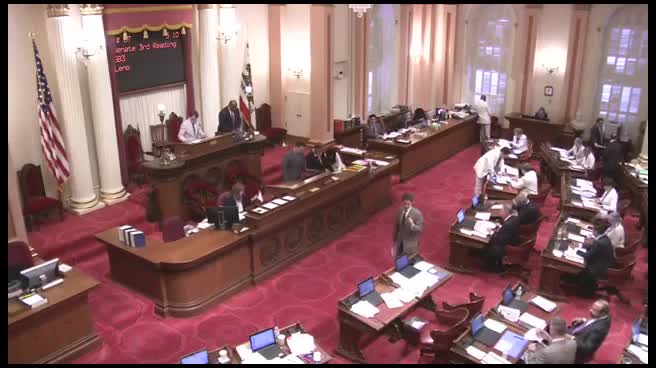
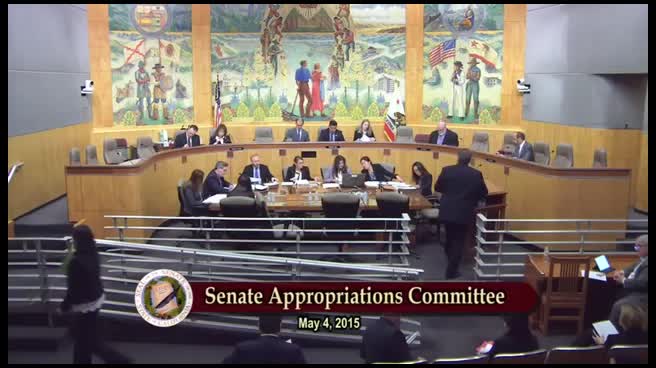
Bill Author

Bill Co-Author(s):
