SB 1166: Public Employees’ Retirement System: contracting agency: contributions.
- Session Year: 2017-2018
- House: Senate
- Latest Version Date: 2018-06-18
Existing law, the Public Employees Retirement Law (PERL), establishes the Public Employees Retirement System (PERS), which provides a defined benefit to members of the system, based on final compensation, credited service, and age at retirement, subject to certain variations, and is administered by its board of administration. PERL authorizes a public agency to contract to make its employees members of PERS and prescribes a process for this. PERL prohibits participating employers from failing or refusing to pay their contributions on time. PERL authorizes the board to charge interest on agency contributions due and unpaid.
This bill would require a contracting agency that fails to make its required employer contributions on time time, and that fails to cure the delinquency within 7 days, to notify members and retired members who are current or past employees of that agency, or their beneficiaries, of the agencys delinquency by mail within 30 days of the payment having become delinquent. The bill would require the board to provide contact information in a specified format to contracting agencies for the purpose of providing notice to members and retired members who are current or past employees of that agency, or to their beneficiaries, and would prescribe a process in this regard. The bill would immunize contracting agencies for failure to provide notice if the contact information is incomplete or incorrect.
Existing law, the Public Employees Retirement Law (PERL), establishes the Public Employees Retirement System (PERS), which provides a defined benefit to members of the system, based on final compensation, credited service, and age at retirement, subject to certain variations, and is administered by its board of administration. PERL authorizes a public agency to contract to make its employees members of PERS and prescribes a process for this. PERL prohibits participating employers from failing or refusing to pay their contributions on time. PERL authorizes the board to charge interest on agency contributions due and unpaid.
This bill would require a contracting agency that fails to make its required employer contributions on time to notify members and retired members who are current or past employees of that agency, or their beneficiaries, of the agencys delinquency by mail within 30 days of the payment having become delinquent. The bill would require the board to provide contact information in a specified format to contracting agencies for the purpose of providing notice to members and retired members who are current or past employees of that agency, or to their beneficiaries, and would prescribe a process in this regard. The bill would immunize contracting agencies for failure to provide notice if the contact information is incomplete or incorrect.
Existing law, the Public Employees Retirement Law (PERL), establishes the Public Employees Retirement System (PERS), which provides a defined benefit to members of the system, based on final compensation, credited service, and age at retirement, subject to certain variations, and is administered by its board of administration. PERL authorizes a public agency to contract to make its employees members of PERS and prescribes a process for this. PERL prohibits participating employers from failing or refusing to pay their contributions on time. PERL authorizes the board to charge interest on agency contributions due and unpaid.
This bill would require a contracting agency that fails to make its required employer contributions on time to notify members and retired members of the delinquency by mail within 30 days of the payment having become delinquent.
Existing law, the Teachers Retirement Law, establishes the State Teachers Retirement System (STRS) and creates the Defined Benefit Program of the State Teachers Retirement Plan, which provides a defined benefit to members of the program, based on final compensation, credited service, and age at retirement, subject to certain variations. STRS is administered by the Teachers Retirement Board. Existing law defines a quorum of the board and requires concurrence of the majority of the board members present for a board action to be valid. This bill would make a nonsubstantive change in provisions relating to the validity of Teachers Retirement Board actions, as described above.Existing law, the Teachers Retirement Law, establishes the State Teachers Retirement System (STRS) and creates the Defined Benefit Program of the State Teachers Retirement Plan, which provides a defined benefit to members of the program, based on final compensation, credited service, and age at retirement, subject to certain variations. STRS is administered by the Teachers Retirement Board. Existing law defines a quorum of the board and requires concurrence of the majority of the board members present for a board action to be valid.
This bill would make a nonsubstantive change in provisions relating to the validity of Teachers Retirement Board actions, as described above.
(a)A contracting agency that fails to make the employers contribution required by this chapter within the applicable time limitations shall notify a member or retired member who is a current or past employee of that agency, or a beneficiary thereof, of the agencys delinquency by mail, to the members or retired members, or beneficiarys latest address, within 30 days of the payment having become delinquent. delinquent, subject to the process described in subdivision (b).
(b)(1)Within seven days of the If a contracting agency fails to bring its account current on or before seven days of becoming delinquent, the board shall provide the contracting agency with contact information data in its possession for the purpose of providing members, retired members, and beneficiaries the notice required by subdivision (a). The contact information data shall be provided to the contracting agency in an open format that is platform independent, machine readable, retrievable, downloadable, indexable, and electronically searchable by commonly used Internet search applications.
(2)Within 14 days of receipt of the contact information data described in paragraph (1), the contracting agency shall provide written notice to members and retired members, or to their beneficiaries, of the delinquency, its cause, and how and when the delinquency is proposed to be satisfied.
(3)The contracting agency shall not be liable for failure to provide the notice required pursuant to this section to a member, retired member, or beneficiary if the contact information received for that member, retired member, or beneficiary is incomplete or incorrect.
(a)A contracting agency that fails to make the employers contribution required by this chapter within the applicable time limitations shall notify a member or retired member who is a current or past employee of that agency, or a beneficiary thereof, of the agencys delinquency by mail, to the members or retired members, or beneficiarys latest address, within 30 days of the payment having become delinquent.
(b)(1)Within seven days of the contracting agency becoming delinquent, the board shall provide the contracting agency with contact information data in its possession for the purpose of providing members, retired members, and beneficiaries the notice required by subdivision (a). The contact information data shall be provided to the contracting agency in an open format that is platform independent, machine readable, retrievable, downloadable, indexable, and electronically searchable by commonly used Internet search applications.
(2)Within 14 days of receipt of the contact information data described in paragraph (1), the contracting agency shall provide written notice to members and retired members, or to their beneficiaries, of the delinquency, its cause, and how and when the delinquency is proposed to be satisfied.
(3)The contracting agency shall not be liable for failure to provide the notice required pursuant to this section to a member, retired member, or beneficiary if the contact information received for that member, retired member, or beneficiary is incomplete or incorrect.
A contracting agency that fails to make the employers contribution required by this chapter within the applicable time limitations shall notify a member or retired member of the agencys delinquency by mail, to the members latest address, within 30 days of the payment having become delinquent.
SECTION 1.Section 22201.2 of the Education Code is amended to read:22201.2.A quorum of the board shall consist of the majority of the board members. In determining whether or not a quorum is present, vacant positions on the board shall not be considered. The concurrence of the majority of the board members present shall be necessary to the validity of an action taken by the board.A quorum of the board shall consist of the majority of the board members. In determining whether or not a quorum is present, vacant positions on the board shall not be considered. The concurrence of the majority of the board members present shall be necessary to the validity of any an action taken by the board.
|
Date
|
Status
|
|---|---|
| Aug 16, 2018 | Ordered to inactive file on request of Assembly Member Calderon. |
| Aug 9, 2018 | Read second time. Ordered to third reading. |
| Aug 8, 2018 | From committee: Do pass. (Ayes 12. Noes 5.) (August 8). |
| Jun 20, 2018 | From committee: Do pass and re-refer to Com. on APPR. (Ayes 5. Noes 1.) (June 20). Re-referred to Com. on APPR. |
| Jun 18, 2018 | From committee with author's amendments. Read second time and amended. Re-referred to Com. on P.E., R., & S.S. |
| Jun 4, 2018 | Referred to Com. on P.E., R., & S.S. |
| May 29, 2018 | In Assembly. Read first time. Held at Desk. |
| May 29, 2018 | Read third time. Passed. (Ayes 27. Noes 10.) Ordered to the Assembly. |
| May 25, 2018 | Read second time. Ordered to third reading. |
| May 24, 2018 | Read third time and amended. |
| May 8, 2018 | Read second time. Ordered to third reading. |
| May 7, 2018 | From committee: Be ordered to second reading pursuant to Senate Rule 28.8. |
| Apr 27, 2018 | Set for hearing May 7. |
| Apr 24, 2018 | From committee: Do pass and re-refer to Com. on APPR. (Ayes 4. Noes 0. Page 4789.) (April 23). Re-referred to Com. on APPR. |
| Apr 23, 2018 | From committee: Do pass and re-refer to Com. on APPR. (Ayes 3. Noes 1.) (April 23). Re-referred to Com. on APPR. |
| Apr 11, 2018 | Set for hearing April 23. |
| Apr 4, 2018 | Re-referred to Com. on P.E. & R. |
| Mar 22, 2018 | From committee with author's amendments. Read second time and amended. Re-referred to Com. on RLS. |
| Feb 22, 2018 | Referred to Com. on RLS. |
| Feb 15, 2018 | From printer. May be acted upon on or after March 17. |
| Feb 14, 2018 | Introduced. Read first time. To Com. on RLS. for assignment. To print. |
|
Date
|
Description
|
Location
|
Votes
|
|
|---|---|---|---|---|
| Aug 8, 2018 | Do pass. | Assembly Standing Committee on Appropriations |
Passed |
|
| Jun 20, 2018 | Do pass and be re-referred to the Committee on [Appropriations] | Assembly Standing Committee on Public Employees, Retirement, and Social Security |
Passed |
|
| May 29, 2018 | Senate 3rd Reading SB1166 Pan | Senate Floor |
Passed |
|
| Apr 23, 2018 | Do pass, but first be re-referred to the Committee on [Appropriations] | Senate Standing Committee on Public Employment and Retirement |
Passed |
This list shows positions taken on this bill by organizations on the date displayed, which is linked to the original source.
Positions by individuals are not included.
|
Organization
|
Position
|
Date
|
|---|---|---|
| Association Of California State Supervisors | ** Support | Jun 19, 2018 |
| California Special District Association | * Against | Aug 8, 2018 |
| California State Association Of Counties | ** Against | May 25, 2018 |
| California State Retirees | * Support | Jun 20, 2018 |
| League Of California Cities | ** Against | May 25, 2018 |
| Peace Officers Research Association Of California | ** Support | Jun 19, 2018 |
| Retired Public Employees Association | * Support | Jun 20, 2018 |
| Riverside Share of Association | * Support | Jun 20, 2018 |
SENATE THIRD READING
STR Bill Id:SB 1166
Author:(Pan)
As Amended Ver:June 18, 2018
Majority vote
SENATE VOTE: 27-10
Committee | Votes | Ayes | Noes |
Public Employees | 5-1 | Rodriguez, Cervantes, Cooley, Cooper, O'Donnell | Brough |
Appropriations | 12-5 | Gonzalez Fletcher, Bloom, Bonta, Calderon, Carrillo, Chau, Eggman, Friedman, Eduardo Garcia, Nazarian, Quirk, Reyes | Bigelow, Brough, Fong, Gallagher, Obernolte |
SUMMARY: Requires a California Public Employees' Retirement System (CalPERS) contracting agency that fails to make the required employer's contribution within the applicable time limitations to notify members and retired members of the agency, or their beneficiaries, of the agency's delinquency, as specified, and among other provisions. Specifically, this bill:
- Requires a CalPERS contracting agency that fails to make the required employer's contribution within the applicable time limitations to notify a member or retired member of the agency's delinquency by mail, to the member's latest address, within 30 days of the payment having become delinquent.
- Provides that if a contracting agency of CalPERS fails to bring its account current on or before seven days of becoming delinquent, CalPERS is required to provide the contracting agency with contact information data within seven days of the contracting agency becoming delinquent for the purpose of providing members, retired members, and beneficiaries the required notice.
- Requires the contracting agency to provide written notice to members and retired members, or to their beneficiaries, of the delinquency within 14 days of receipt of the contact information data from CalPERS and to describe the delinquency's cause, and how and when the delinquency is proposed to be satisfied.
- Provides that the contracting agency is not liable for failure to provide the required notice if the contact information received for the respective member, retired member, or beneficiary is incomplete or incorrect.
EXISTING LAW:
- Requires a CalPERS contracting agency to make the contribution for its employees in this system, as recommended by the actuary and approved by the board and certified by it to the contracting agency. The contribution may consist of fixed sums, percentages of compensation of contract members, or both, and shall be paid to this system as provided in the contract.
- Prohibits any contracting agency from failing or refusing to pay the employers' contribution as required by the Public Employees Retirement Law (PERL) within applicable time limitations.
- Requires, pursuant to regulations issued by CalPERS, member and employer contributions to be received in the CalPERS' Sacramento office on or before 15 calendar days following the last day of the pay period to which they refer.
FISCAL EFFECT: According to the Assembly Appropriations Committee, this bill would result in "[m]inor costs for CalPERS to provide contact information data to contracting agencies as needed."
COMMENT: According to the author, "[This bill] allows active and retired CalPERS members to know more quickly when their contracting agency may be having financial difficulties that could affect the members' pension."
Under provisions of the PERL, local public agencies can contract for retirement benefits for their employees with CalPERS. These contracting agencies transmit to CalPERS required employer and employee contributions which are invested by CalPERS. The required contributions and returns on investment are used to fund the employees' pensions.
An agency may terminate its contract under specified terms designed to ensure that CalPERS has sufficient funds to continue to pay all accrued pension benefits to the employer's current and future retirees. However, if the agency fails to pay CalPERS required terminating agency payments, current and future retiree benefits could be cut or eliminated.
A late contribution may presage financial difficulties or pending decisions to terminate the agency's contract with CalPERS. This bill would provide active and retired members an early notice of any possible change in their employer's financial ability or intention to make their CalPERS contributions.
Analysis Prepared by: Michael Bolden / P.E.,R., & S.S. / (916) 319-3957 FN: 0003865
Date of Hearing: August 8, 2018
ASSEMBLY COMMITTEE ON APPROPRIATIONS
Lorena Gonzalez Fletcher, Chair
SBPCA Bill Id:SB 1166
Author:(Pan) – As Amended Ver:June 18, 2018
Policy Committee: | Public Employees, Retirement, and Social Security | Vote: | 5 - 1 |
|
| ||
|
|
Urgency: No State Mandated Local Program: No Reimbursable: No
SUMMARY:
This bill requires a California Public Employees’ Retirement System (CalPERS) contracting agency to notify members and retired members of the agency, or their beneficiaries, when the agency fails to make the required employer’s contributions within the applicable time limitations. CalPERS must provide a contracting agency that fails to bring its account current specified contact information data so the contracting agency can provide the required notice.
FISCAL EFFECT:
Minor costs for CalPERS to provide contact information data to contracting agencies as needed.
COMMENTS:
- Background. Existing law requires a CalPERS contracting agency to make a contribution for its employees into the system, as recommended by the actuary and approved by the CalPERS board. The contribution may consist of fixed dollar amounts, percentages of compensation of contract members, or both, and the contract generally determines the payment process.
- LA Works. Recent news articles have highlighted instances when agencies have failed to keep up with their contribution obligations. For example, a joint powers authority (JPA) titled “LA Works” was created by four cities in Los Angeles County to provide job training for jail inmates and other unemployed or underemployed persons. After Los Angeles County terminated its contract with LA Works in 2014, LA Works ceased submitting pension contributions. Because CalPERS was not able to collect money from either the JPA or the member agencies, CalPERS reduced the benefits of nearly 200 employees by 63%.
- Purpose. According to the author, SB 1166 will help ensure that CalPERS members know more quickly when their contracting agency may be having financial difficulties that could affect their pensions.
Analysis Prepared by: Luke Reidenbach / APPR. / (916) 319-2081
Date of Hearing: June 20, 2018
ASSEMBLY COMMITTEE ON PUBLIC EMPLOYEES, RETIREMENT, AND SOCIAL SECURITY
Freddie Rodriguez, Chair
SBPCA Bill Id:SB 1166
Author:(Pan) – As Amended Ver:June 18, 2018
SENATE VOTE: 27-10
SUBJECT: Public Employees’ Retirement System: contracting agency: contributions
SUMMARY: Requires a California Public Employees’ Retirement System (CalPERS) contracting agency that fails to make the required employer’s contribution within the applicable time limitations to notify members and retired members of the agency, or their beneficiaries, of the agency’s delinquency, as specified, and among other provisions. Specifically, this bill:
- Requires a CalPERS contracting agency that fails to make the required employer’s contribution within the applicable time limitations to notify a member or retired member of the agency’s delinquency by mail, to the member’s latest address, within 30 days of the payment having become delinquent.
- Provides that if a contracting agency of CalPERS fails to bring its account current on or before seven days of becoming delinquent, CalPERS is required to provide the contracting agency with contact information data, as specified, within seven days of the contracting agency becoming delinquent for the purpose of providing members, retired members, and beneficiaries the required notice, but
- Requires the contracting agency to provide written notice to members and retired members, or to their beneficiaries, of the delinquency within 14 days of receipt of the contact information data from CalPERS and to describe the delinquency’s cause and how and when the delinquency is proposed to be satisfied.
- Provides that the contracting agency is not be liable for failure to provide the required notice if the contact information received for the respective member, retired member, or beneficiary is incomplete or incorrect.
EXISTING LAW:
- Requires a CalPERS contracting agency to make the contribution for its employees in this system, as recommended by the actuary and approved by the board and certified by it to the contracting agency. The contribution may consist of fixed sums, percentages of compensation of contract members, or both, and shall be paid to this system as provided in the contract.
- Prohibits any contracting agency from failing or refusing to pay the employers’ contribution as required by the Public Employees Retirement Law (PERL) within applicable time limitations.
- Requires, pursuant to regulations issued by CalPERS, member and employer contributions to be received in the CalPERS’ Sacramento office on or before 15 calendar days following the last day of the pay period to which they refer.
FISCAL EFFECT: Unknown. This bill was passed by the Senate Appropriations Committee pursuant to Senate Rule 28.8.
COMMENTS: According to the author, “Assembly Bill 1166 allows active and retired CalPERS members to know more quickly when their contracting agency may be having financial difficulties that could affect the members’ pension.”
1) Employer Termination, Financial Ability to Pay, and Possible Impact on Employee Pensions: Notification To Employees
Under provisions of the PERL, local public agencies can contract for retirement benefits for their employees with CalPERS. These contracting agencies transmit to CalPERS required employer and employee contributions which are invested by CalPERS. The required contributions and returns on investment are used to fund the employees’ pensions.
An agency may terminate its contract under specified terms designed to ensure that CalPERS has sufficient funds to continue to pay all accrued pension benefits to the employer’s current and future retirees. However, if the agency fails to pay CalPERS required terminating agency payments, current and future retiree benefits could be cut or eliminated.
A late contribution may presage financial difficulties or pending decisions to terminate the agency’s contract with CalPERS. This bill would provide active and retired members an early notice of any possible change in their employer’s financial ability or intention to make their CalPERS contributions.
2) Prior/Related Legislation
Senate Bill 1022 (Pan) would require contracting agencies to provide notification to their active and retired employees when they adopt a resolution to notify CalPERS that they intend to terminate their contract with the system, among other provisions.
REGISTERED SUPPORT / OPPOSITION:
Support
Association of California State Supervisors
California State Retirees
Peace Officers Research Association of California
Opposition
None on file.
Analysis Prepared by: Michael Bolden / P.E.,R., & S.S. / (916) 319-3957
Office of Senate Floor Analyses (916) 651-1520 Fax: (916) 327-4478 | SB |
THIRD READING
Bill No: SB 1166
:
SENATE PUBLIC EMP. & RET. COMMITTEE: 3-1, 4/23/18
AYES: Pan, Leyva, Portantino
NOES: Moorlach
NO VOTE RECORDED: Morrell
SENATE APPROPRIATIONS COMMITTEE: Senate Rule 28.8
DIGEST:
This bill requires a California Public Employees’ Retirement System (CalPERS) contracting agency that fails to make the required employer’s contribution within the applicable time limitations to notify a member or retired member of the agency’s delinquency by mail, to the member’s latest address, within 30 days of the payment having become delinquent.
Senate Floor Amendments of 5/24/18 require CalPERS to send the delingquent agency the contact information for the agencies former employees who are CalPERS members and retirees so that the delinquent agency can proved the required notification.
ANALYSIS:
Existing law:
- Requires a CalPERS contracting agency to make the contribution for its employees in this system, as recommended by the actuary and approved by the board and certified by it to the contracting agency. The contribution may consist of fixed sums, percentages of compensation of contract members, or both, and shall be paid to this system as provided in the contract.
- Prohibits any contracting agency from failing or refusing to pay the employers’ contribution as required by the Public Employees Retirement Law (PERL) within applicable time limitations.
- Requires, pursuant to regulations issued by CalPERS, member and employer contributions to be received in the CalPERS’ Sacramento office on or before 15 calendar days following the last day of the pay period to which they refer.
This bill:
- Requires a CalPERS contracting agency that fails to make the required employer’s contribution within the applicable time limitations to notify a member or retired member of the agency’s delinquency by mail, to the member’s latest address, within 30 days of the payment having become delinquent.
- Requires CalPERS to provide the contracting agency with contact information data, as specified, for the purpose of providing members, retired members, and beneficiaries the required notice required.
- Requires the contracting agency to provide written notice to members and retired members, or to their beneficiaries, of the delinquency within 14 days of receipt of the contact information data from CalPERS and to describe the delinquency’s cause and how and when the delinquency is proposed to be satisfied.
- Provides that the contracting agency shall not be liable for failure to provide the required notice pursuant if the contact information received for the respective member, retired member, or beneficiary is incomplete or incorrect.
Background
Under provisions of the PERL, local public agencies can contract for retirement benefits for their employees with CalPERS. These contracting agencies transmit to CalPERS required employer and employee contributions which are invested by CalPERS. The required contributions and returns on investment are used to fund the employees’ pensions.
An agency may terminate its contract under specified terms designed to ensure that CalPERS has sufficient funds to continue to pay all accrued pension benefits to the employer’s current and future retirees. However, if the agency fails to pay CalPERS required terminating agency payments, current and future retiree benefits could be cut or eliminated.
A late contribution may presage financial difficulties or pending decisions to terminate the agency’s contract with CalPERS. This bill would provide active and retired members an early notice of any possible change in their employer’s financial ability or intention to make their CalPERS contributions.
Related/Prior Legislation
SB 1022 (Pan, 2018), among other things, requires contracting agencies to provide notification to their active and retired employees when they adopt a resolution to notify CalPERS that they intend to terminate their contract with CalPERS.
FISCAL EFFECT: Appropriation: Fiscal Com.: Local:
Association of California State Supervisors
California State Retirees
OPPOSITION: (Verified 5/24/18)
California Special Districts Association
California State Association of Counties
League of California Cities
ARGUMENTS IN SUPPORT: According to the author, “The bill allows active and retired CalPERS members to know more quickly when their contracting agency may be having financial difficulties that could affect the members’ pension.”
According to the California State Retirees, “SB 1166 will ensure that retirees and employees of the agency are aware of their employer’s failure to make a payment, and that their pensions may be at risk.”
ARGUMENTS IN OPPOSITION: According to California Special Districts Association, California State Association of Counties, and the League of California Cities “It simply makes more sense for CalPERS, as the administrators of the fund, to provide the notification since they will have the precise date of the delinquent payment as well as all of the necessary contact information.”
5/25/18 13:32:26
**** END ****
Office of Senate Floor Analyses (916) 651-1520 Fax: (916) 327-4478 | SB |
THIRD READING
Bill No: SB 1166
: in Senate
SENATE PUBLIC EMP. & RET. COMMITTEE: 3-1, 4/23/18
AYES: Pan, Leyva, Portantino
NOES: Moorlach
NO VOTE RECORDED: Morrell
SENATE APPROPRIATIONS COMMITTEE: Senate Rule 28.8
DIGEST:
This bill requires a California Public Employees’ Retirement System (CalPERS) contracting agency that fails to make the required employer’s contribution within the applicable time limitations to notify a member or retired member of the agency’s delinquency by mail, to the member’s latest address, within 30 days of the payment having become delinquent.
ANALYSIS:
Existing law:
- Requires a CalPERS contracting agency to make the contribution for its employees in this system, as recommended by the actuary and approved by the board and certified by it to the contracting agency. The contribution may consist of fixed sums, percentages of compensation of contract members, or both, and shall be paid to this system as provided in the contract.
- Prohibits any contracting agency from failing or refusing to pay the employers’ contribution as required by the Public Employees Retirement Law (PERL) within applicable time limitations.
- Requires, pursuant to regulations issued by CalPERS, member and employer contributions to be received in the CalPERS’ Sacramento office on or before 15 calendar days following the last day of the pay period to which they refer.
This bill requires a CalPERS contracting agency that fails to make the required employer’s contribution within the applicable time limitations to notify a member or retired member of the agency’s delinquency by mail, to the member’s latest address, within 30 days of the payment having become delinquent.
Background
Under provisions of the PERL, local public agencies can contract for retirement benefits for their employees with CalPERS. These contracting agencies transmit to CalPERS required employer and employee contributions which are invested by CalPERS. The required contributions and returns on investment are used to fund the employees’ pensions.
An agency may terminate its contract under specified terms designed to ensure that CalPERS has sufficient funds to continue to pay all accrued pension benefits to the employer’s current and future retirees. However, if the agency fails to pay CalPERS required terminating agency payments, current and future retiree benefits could be cut or eliminated.
A late contribution may presage financial difficulties or pending decisions to terminate the agency’s contract with CalPERS. This bill would provide active and retired members an early notice of any possible change in their employer’s financial ability or intention to make their CalPERS contributions.
Related/Prior Legislation
SB 1022 (Pan, 2018), among other things, requires contracting agencies to provide notification to their active and retired employees when they adopt a resolution to notify CalPERS that they intend to terminate their contract with CalPERS.
FISCAL EFFECT: Appropriation: Fiscal Com.: Local:
Association of California State Supervisors
California State Retirees
California Special Districts Association
California State Association of Counties
League of California Cities
ARGUMENTS IN SUPPORT: According to the author, “The bill allows active and retired CalPERS members to know more quickly when their contracting agency may be having financial difficulties that could affect the members’ pension.”
According to the California State Retirees, “SB 1166 will ensure that retirees and employees of the agency are aware of their employer’s failure to make a payment, and that their pensions may be at risk.”
ARGUMENTS IN OPPOSITION: According to California Special Districts Association, California State Association of Counties, and the League of California Cities “It simply makes more sense for CalPERS, as the administrators of the fund, to provide the notification since they will have the precise date of the delinquent payment as well as all of the necessary contact information.”
5/9/18 16:24:47
**** END ****
SENATE COMMITTEE ON
PUBLIC EMPLOYMENT AND RETIREMENT
Dr. Richard Pan, Chair
2017 - 2018 Regular
Bill No: SB 1166 Hearing Date: 4/23/18
Author: | Pan | ||
Version: | 3/22/18 As amended | ||
Urgency: | No | Fiscal: | Yes |
Consultant: | Glenn Miles | ||
Subject: Public Employees’ Retirement System: contracting agency: contributions.
SOURCE: Author
DIGEST: This bill requires a California Public Employees’ Retirement System (CalPERS) contracting agency that fails to make the required employer’s contribution within the applicable time limitations to notify a member or retired member of the agency’s delinquency by mail, to the member’s latest address, within 30 days of the payment having become delinquent.
ANALYSIS:
Existing law:
- Requires a CalPERS contracting agency to make the contribution for its employees in this system, as recommended by the actuary and approved by the board and certified by it to the contracting agency. The contribution may consist of fixed sums, percentages of compensation of contract members, or both, and shall be paid to this system as provided in the contract.
- Prohibits any contracting agency from failing or refusing to pay the employers’ contribution as required by the Public Employees Retirement Law (PERL) within applicable time limitations.
- Pursuant to regulations issued by CalPERS, requires member and employer contributions to be received in the CalPERS’ Sacramento office on or before 15 calendar days following the last day of the pay period to which they refer.
This bill:
Requires a CalPERS contracting agency that fails to make the required employer’s contribution within the applicable time limitations to notify a member or retired member of the agency’s delinquency by mail, to the member’s latest address, within 30 days of the payment having become delinquent.
Background
Under provisions of the Public Employees’ Retirement Law (PERL), local public agencies can contract for retirement benefits for their employees with the California Public Employees’ Retirement System (CalPERS). These contracting agencies transmit to CalPERS required employer and employee contributions which are invested by CalPERS. The required contributions and returns on investment are used to fund the employees’ pensions.
An agency may terminate its contract under specified terms designed to ensure that CalPERS has sufficient funds to continue to pay all accrued pension benefits to the employer’s current and future retirees. However, if the agency fails to pay CalPERS required terminating agency payments, current and future retiree benefits could be cut or eliminated.
A late contribution may presage financial difficulties or pending decisions to terminate the agency’s contract with CalPERS. This bill would provide active and retired members an early notice of any possible change in their employer’s financial ability or intention to make their CalPERS contributions.
Related/Prior Legislation
SB 1022 (Pan, 2018), Currently in Senate Public Employment and Retirement Committee, would among other things require contracting agencies to provide notification to their active and retired employees when they adopt a resolution to notify CalPERS that they intend to terminate their contract with CalPERS.
FISCAL EFFECT: Appropriation: No Fiscal Com.: Yes Local: No
SUPPORT:
California State Retirees
OPPOSITION:
None received.
ARGUMENTS IN SUPPORT: According to the author, “The bill allows active and retired CalPERS members to know more quickly when their contracting agency may be having financial difficulties that could affect the members’ pension.”
According to the California State Retirees, “SB 1166 will ensure that retirees and employees of the agency are aware of their employer’s failure to make a payment, and that their pensions may be at risk.”
Discussed in Hearing
 1MIN
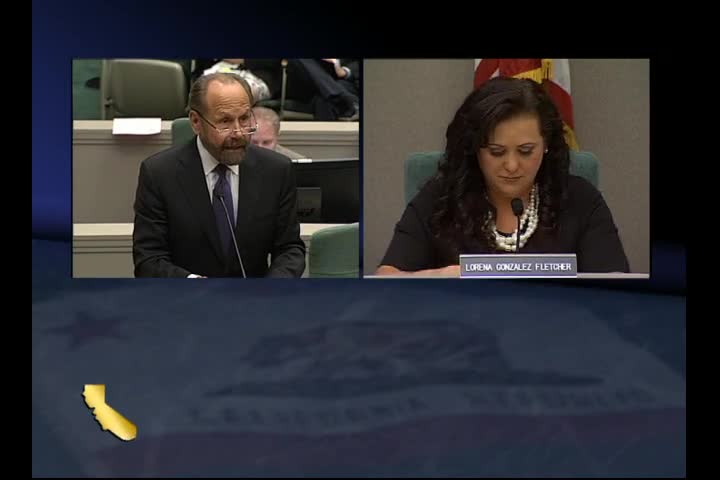
Assembly Standing Committee on Appropriations
 3MIN
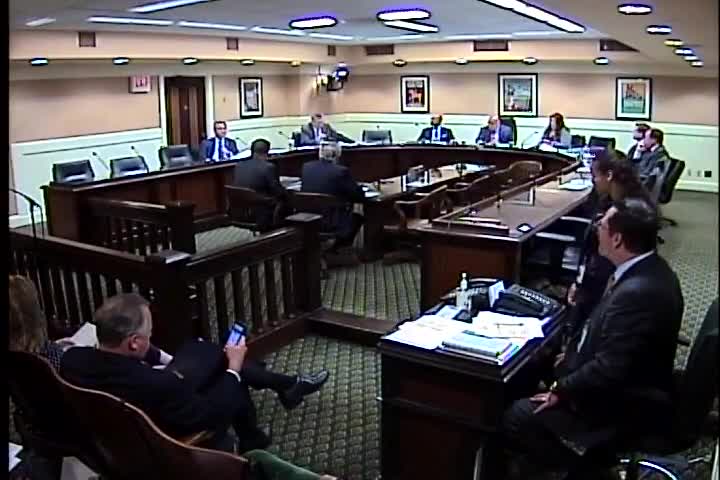
Assembly Standing Committee on Public Employees, Retirement, and Social Security
 2MIN
Senate Floor
 6MIN
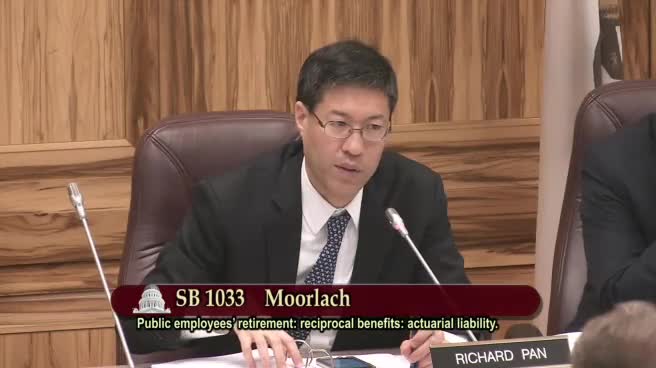
Senate Standing Committee on Public Employment and Retirement
Bill Author

Bill Co-Author(s):