SCA 6: Property taxation: veterans’ exemption.
- Session Year: 2023-2024
- House: Senate
- Latest Version Date: 2023-04-26
Current Status:
Failed
(2023-09-12: In Assembly. Read first time. Held at Desk.)
Introduced
In Committee
First Chamber
In Committee
Second Chamber
Enacted
The California Constitution declares that all property is taxable and establishes or authorizes various exemptions from tax for real property, including a homeowners exemption in the amount of $7,000 of the full value of a dwelling unless the dwelling receives another real property exemption. If the Legislature increases the homeowners exemption, the California Constitution requires that the Legislature provide a benefit increase to qualified renters comparable to the average increase in benefits to homeowners.
The California Constitution and existing property tax law establish a veterans exemption in the amount of $4,000 for a veteran who meets certain military service requirements, requirements and generally exempts from property taxation the same value of property of a deceased veterans unmarried spouse and parents. The California Constitution authorizes and existing property tax law establishes a disabled veterans veterans exemption in the amount of $100,000 or $150,000 for the principal place of residence of a veteran or a veterans spouse, including an unmarried surviving spouse, if the veteran, because of an injury incurred in military service, is blind in both eyes, has lost the use of 2 or more limbs, or is totally disabled, as those terms are defined, or if the veteran has, as a result of a service-connected injury or disease, died while on active duty in military service. Existing law prohibits receiving the veterans exemption on property owned by an unmarried person who owns more than $5,000 of property or a married person who owns more than $10,000 of property. Existing law prohibits receiving the deceased veterans exemption on property owned by a deceased veterans unmarried spouse who owns more than $10,000 of property, a deceased veterans unmarried parent who owns more than $5,000 of property, or a deceased veterans married parent who owns more than $10,000 of property.
This measure would allow a dwelling that receives the veterans exemption or the disabled veterans exemption to also receive the homeowners exemption. The measure would authorize the Legislature to exempt property eligible for the veterans exemption in an amount up to the full value of the property. If the Legislature increases the homeowners exemption, the measure would require that the Legislature provide the same increase in the veterans exemption, except as limited by the full value of the property. The bill would remove the above-described prohibitions on a property receiving the veterans or deceased veterans exemption based on the amount of property that a veteran or veterans parent or spouse owns.
The California Constitution declares that all property is taxable and establishes or authorizes various exemptions from tax for real property, including a homeowners exemption in the amount of $7,000 of the full value of a dwelling unless the dwelling receives another real property exemption. If the Legislature increases the homeowners exemption, the California Constitution requires that the Legislature provide a benefit increase to qualified renters comparable to the average increase in benefits to homeowners.
The California Constitution and existing property tax law establish a veterans exemption in the amount of $4,000 for a veteran who meets certain military service requirements, and generally exempts from property taxation the same value of property of a deceased veterans unmarried spouse and parents. The California Constitution authorizes and existing property tax law establishes a disabled veterans exemption in the amount of $100,000 or $150,000 for the principal place of residence of a veteran or a veterans spouse, including an unmarried surviving spouse, if the veteran, because of an injury incurred in military service, is blind in both eyes, has lost the use of 2 or more limbs, or is totally disabled, as those terms are defined, or if the veteran has, as a result of a service-connected injury or disease, died while on active duty in military service.
This measure would allow a dwelling that receives the veterans exemption or the disabled veterans exemption to also receive the homeowners exemption. The measure would authorize the Legislature to exempt property eligible for the veterans exemption in an amount up to the full value of the property. If the Legislature increases the homeowners exemption, the measure would require that the Legislature provide the same increase in the veterans exemption, except as limited by the full value of the property.
Resolved by the Senate, the Assembly concurring, That the Legislature of the State of California at its 202324 Regular Session commencing on the fifth day of December 2022, two-thirds of the membership of each house concurring, hereby proposes to the people of the State of California, that the Constitution of the State be amended as follows:
The following are exempt from property taxation:
(a)Property owned by the State.
(b)Property owned by a local government, except as otherwise provided in Section 11(a).
(c)Bonds issued by the State or a local government in the State.
(d)Property used for libraries and museums that are free and open to the public and property used exclusively for public schools, community colleges, state colleges, and state universities.
(e)Buildings, land, equipment, and securities used exclusively for educational purposes by a nonprofit institution of higher education.
(f)Buildings, land on which they are situated, and equipment used exclusively for religious worship.
(g)Property used or held exclusively for the permanent deposit of human dead or for the care and maintenance of the property or the dead, except when used or held for profit. This property is also exempt from special assessment.
(h)Growing crops.
(i)Fruit and nut trees until four years after the season in which they were planted in orchard form and grape vines until three years after the season in which they were planted in vineyard form.
(j)Immature forest trees planted on lands not previously bearing merchantable timber or planted or of natural growth on lands from which the merchantable original growth timber stand to the extent of 70 percent of all trees over 16 inches in diameter has been removed. Forest trees or timber shall be considered mature at such time after 40 years from the time of planting or removal of the original timber when so declared by a majority vote of a board consisting of a representative from the State Board of Forestry, a representative from the State Board of Equalization, and the assessor of the county in which the trees are located.
The Legislature may supersede the foregoing provisions with an alternative system or systems of taxing or exempting forest trees or timber, including a taxation system not based on property valuation. Any alternative system or systems shall provide for exemption of unharvested immature trees, shall encourage the continued use of timberlands for the production of trees for timber products, and shall provide for restricting the use of timberland to the production of timber products and compatible uses with provisions for taxation of timberland based on the restrictions. Nothing in this paragraph shall be construed to exclude timberland from the provisions of Section 8 of this article.
(k)$7,000 of the full value of a dwelling, as defined by the Legislature, when occupied by an owner as the owners principal residence, unless the dwelling is receiving another real property other than the exemptions under subdivisions (o), (p), and (q) or the exception authorized under subdivision (a) of Section 4. The Legislature may increase the homeowners property tax exemption and may deny it if the owner received state or local aid to pay taxes either in whole or in part, and either directly or indirectly, on the dwelling.
No increase in the homeowners property tax exemption above the amount of $7,000 shall be effective for any fiscal year unless the Legislature increases the rate of state taxes in an amount sufficient to provide the subventions required by Section 25.
If the Legislature increases the homeowners property tax exemption, it shall provide the same increase, except as may be limited by full value, in the amounts of the exemptions under subdivisions (o), (p), and (q), and shall provide increases in benefits to qualified renters, as defined by law, comparable to the average increase in benefits to homeowners, as calculated by the Legislature.
(l)Vessels of more than 50 tons burden in this State and engaged in the transportation of freight or passengers.
(m)Household furnishings and personal effects not held or used in connection with a trade, profession, or business.
(n)Any debt secured by land.
(o)Property, in the amount of $1,000 or in a greater amount that is set forth in statute and does not exceed full value, of a claimant who
(1)is serving in or has served in and has been discharged under honorable conditions from service in the United States Army, Navy, Air Force, Marine Corps, Coast Guard, or Revenue Marine (Revenue Cutter) Service; and
(2)served either
(A)in time of war, or
(B)in time of peace in a campaign or expedition for which a medal has been issued by Congress, or
(C)in time of peace and because of a service-connected disability was released from active duty; and
(3)resides in the State on the current lien date.
An unmarried person who owns property valued at $5,000 or more, or a married person, who, together with the spouse, owns property valued at $10,000 or more, is ineligible for this exemption.If the claimant is married and does not own property eligible for the full amount of the exemption, property of the spouse shall be eligible for the unused balance of the exemption.
(p)Property, in the amount of $1,000 or in a greater amount that is set forth in statute and does not exceed full value, of a claimant who
(1)is the unmarried spouse of a deceased veteran who met the service requirement stated in paragraphs (1) and (2) of subsection 3(o), and
(2)does not own property in excess of $10,000, and(3)(2)is a resident of the State on the current lien date.
(q)Property, in the amount of $1,000 or in a greater amount that is set forth in statute and does not exceed full value, of a claimant who
(1)is the parent of a deceased veteran who met the service requirement stated in paragraphs (1) and (2) of subsection 3(o), and
(2)receives a pension because of the veterans service, and
(3)is a resident of the State on the current lien date.
Either parent of a deceased veteran may claim this exemption.
An unmarried person who owns property valued at $5,000 or more, or a married person, who, together with the spouse, owns property valued at $10,000 or more, is ineligible for this exemption.(r)No individual residing in the State on the effective date of this amendment who would have been eligible for the exemption provided by the previous section 11/4 of this article had it not been repealed shall lose eligibility for the exemption as a result of this amendment.
Resolved by the Senate, the Assembly concurring, That the Legislature of the State of California at its 202324 Regular Session commencing on the fifth day of December 2022, two-thirds of the membership of each house concurring, hereby proposes to the people of the State of California, that the Constitution of the State be amended as follows:
The following are exempt from property taxation:
(a)Property owned by the State.
(b)Property owned by a local government, except as otherwise provided in Section 11(a).
(c)Bonds issued by the State or a local government in the State.
(d)Property used for libraries and museums that are free and open to the public and property used exclusively for public schools, community colleges, state colleges, and state universities.
(e)Buildings, land, equipment, and securities used exclusively for educational purposes by a nonprofit institution of higher education.
(f)Buildings, land on which they are situated, and equipment used exclusively for religious worship.
(g)Property used or held exclusively for the permanent deposit of human dead or for the care and maintenance of the property or the dead, except when used or held for profit. This property is also exempt from special assessment.
(h)Growing crops.
(i)Fruit and nut trees until 4 four years after the season in which they were planted in orchard form and grape vines until 3 three years after the season in which they were planted in vineyard form.
(j)Immature forest trees planted on lands not previously bearing merchantable timber or planted or of natural growth on lands from which the merchantable original growth timber stand to the extent of 70 percent of all trees over 16 inches in diameter has been removed. Forest trees or timber shall be considered mature at such time after 40 years from the time of planting or removal of the original timber when so declared by a majority vote of a board consisting of a representative from the State Board of Forestry, a representative from the State Board of Equalization, and the assessor of the county in which the trees are located.
The Legislature may supersede the foregoing provisions with an alternative system or systems of taxing or exempting forest trees or timber, including a taxation system not based on property valuation. Any alternative system or systems shall provide for exemption of unharvested immature trees, shall encourage the continued use of timberlands for the production of trees for timber products, and shall provide for restricting the use of timberland to the production of timber products and compatible uses with provisions for taxation of timberland based on the restrictions. Nothing in this paragraph shall be construed to exclude timberland from the provisions of Section 8 of this article.
(k)$7,000 of the full value of a dwelling, as defined by the Legislature, when occupied by an owner as his the owners principal residence, unless the dwelling is receiving another real property exemption. other than the exemptions under subdivisions (o), (p), and (q) or the exception authorized under subdivision (a) of Section 4. The Legislature may increase this the homeowners property tax exemption and may deny it if the owner received state or local aid to pay taxes either in whole or in part, and either directly or indirectly, on the dwelling.
No increase in this the homeowners property tax exemption above the amount of $7,000 shall be effective for any fiscal year unless the Legislature increases the rate of state taxes in an amount sufficient to provide the subventions required by Section 25.
If the Legislature increases the homeowners property tax exemption, it shall provide the same increase, except as may be limited by full value, in the amounts of the exemptions under subdivisions (o), (p), and (q), and shall provide increases in benefits to qualified renters, as defined by law, comparable to the average increase in benefits to homeowners, as calculated by the Legislature.
(l)Vessels of more than 50 tons burden in this State and engaged in the transportation of freight or passengers.
(m)Household furnishings and personal effects not held or used in connection with a trade, profession, or business.
(n)Any debt secured by land.
(o)Property Property, in the amount of $1,000 or in a greater amount that is set forth in statute and does not exceed full value, of a claimant who
(1)is serving in or has served in and has been discharged under honorable conditions from service in the United States Army, Navy, Air Force, Marine Corps, Coast Guard, or Revenue Marine (Revenue Cutter) Service; and
(2)served either
(i)
(A)in time of war, or
(ii)
(B)in time of peace in a campaign or expedition for which a medal has been issued by Congress, or
(iii)
(C)in time of peace and because of a service-connected disability was released from active duty; and
(3)resides in the State on the current lien date.
An unmarried person who owns property valued at $5,000 or more, or a married person, who, together with the spouse, owns property valued at $10,000 or more, is ineligible for this exemption.
If the claimant is married and does not own property eligible for the full amount of the exemption, property of the spouse shall be eligible for the unused balance of the exemption.
(p)Property Property, in the amount of $1,000 or in a greater amount that is set forth in statute and does not exceed full value, of a claimant who
(1)is the unmarried spouse of a deceased veteran who met the service requirement stated in paragraphs (1) and (2) of subsection 3(o), and
(2)does not own property in excess of $10,000, and
(3)is a resident of the State on the current lien date.
(q)Property Property, in the amount of $1,000 or in a greater amount that is set forth in statute and does not exceed full value, of a claimant who
(1)is the parent of a deceased veteran who met the service requirement stated in paragraphs (1) and (2) of subsection 3(o), and
(2)receives a pension because of the veterans service, and
(3)is a resident of the State on the current lien date.
Either parent of a deceased veteran may claim this exemption.
An unmarried person who owns property valued at $5,000 or more, or a married person, who, together with the spouse, owns property valued at $10,000 or more, is ineligible for this exemption.
(r)No individual residing in the State on the effective date of this amendment who would have been eligible for the exemption provided by the previous section 11/4 of this article had it not been repealed shall lose eligibility for the exemption as a result of this amendment.
|
Date
|
Status
|
|---|---|
| Sep 12, 2023 | In Assembly. Read first time. Held at Desk. |
| Sep 12, 2023 | Read. Adopted. (Ayes 39. Noes 0. Page 2692.) Ordered to the Assembly. |
| Sep 5, 2023 | Read second time. Ordered to third reading. |
| Sep 1, 2023 | From committee: Be adopted. (Ayes 7. Noes 0. Page 2275.) (September 1). |
| Aug 29, 2023 | Set for hearing September 1. |
| Aug 28, 2023 | August 28 hearing: Placed on APPR suspense file. |
| Aug 24, 2023 | Set for hearing August 28. |
| May 9, 2023 | From committee: Be adopted and re-refer to Com. on APPR with recommendation: To consent calendar. (Ayes 7. Noes 0. Page 1026.) (May 8). Re-referred to Com. on APPR. |
| May 3, 2023 | From committee: Be adopted and re-refer to Com. on E. & C.A. (Ayes 7. Noes 0. Page 994.) (May 3). Re-referred to Com. on E. & C.A. |
| Apr 26, 2023 | From committee with author's amendments. Read second time and amended. Re-referred to Com. on GOV. & F. |
| Apr 25, 2023 | Set for hearing May 8 in E. & C.A. pending receipt. |
| Apr 20, 2023 | Set for hearing May 3. |
| Apr 19, 2023 | April 26 set for first hearing canceled at the request of author. |
| Apr 13, 2023 | Set for hearing April 26. |
| Apr 12, 2023 | Referred to Coms. on GOV. & F. and E. & C.A. |
| Mar 24, 2023 | From printer. May be acted upon on or after April 23. |
| Mar 23, 2023 | Introduced. Read first time. To Com. on RLS. for assignment. To print. |
|
Date
|
Description
|
Location
|
Votes
|
|
|---|---|---|---|---|
| Sep 12, 2023 | Senate 3rd Reading SCA6 Archuleta | Senate Floor |
Passed |
|
| Sep 1, 2023 | Be adopted | Senate Standing Committee on Appropriations |
Passed |
|
| Aug 28, 2023 | Placed on suspense file | Senate Standing Committee on Appropriations |
Passed |
|
| May 8, 2023 | Be adopted, but first be re-referred to the Committee on [Appropriations] with recommendation: To Consent Calendar | Senate Standing Committee on Elections and Constitutional Amendments |
Passed |
|
| May 3, 2023 | Be adopted, but first be re-referred to the Committee on [Elections and Constitutional Amendments] | Senate Standing Committee on Governance and Finance |
Passed |
This list shows positions taken on this bill by organizations on the date displayed, which is linked to the original source.
Positions by individuals are not included.
|
Organization
|
Position
|
Date
|
|---|---|---|
| American Legion, Department Of California | ** Support | |
| Amvets, Department Of California | ** Support | |
| California Association Of County Veterans Service Officers | ** Support | |
| California Association Of Realtors | ** Support | |
| California State Board of Equalization | ** Support | |
| California State Commanders Veterans Council | ** Support | |
| Howard Jarvis Taxpayers Association | ** Support | |
| Los Angeles County | * Support | May 3, 2023 |
| Los Angeles County Assessor Jeffrey Prang | ** Support | |
| Military Officers Association Of America, California Council Of Chapters | ** Support | |
| Vietnam Veterans Of America, California State Council | ** Support |
SENATE RULES COMMITTEE Office of Senate Floor Analyses (916) 651-1520 Fax: (916) 327-4478 | SCA 6 |
THIRD READING
Bill No: SCA 6
Author: Archuleta (D)
Amended: 4/26/23
Vote: 27
SENATE GOVERNANCE & FIN. COMMITTEE: 7-0, 5/3/23
AYES: Caballero, Seyarto, Dahle, Durazo, Glazer, Skinner, Wiener
NO VOTE RECORDED: Blakespear
SENATE ELECTIONS & C.A. COMMITTEE: 7-0, 5/8/23
AYES: Glazer, Nguyen, Allen, McGuire, Menjivar, Newman, Umberg
SENATE APPROPRIATIONS COMMITTEE: 7-0, 9/1/23
AYES: Portantino, Jones, Ashby, Bradford, Seyarto, Wahab, Wiener
SUBJECT: Property taxation: veterans’ exemption
SOURCE: Author
DIGEST:
This constitutional amendment places a measure before voters that removes a provision in the California Constitution that provides that a taxpayer claiming the homeowners’ exemption cannot also claim the disabled veterans’ or veterans’ exemption, thereby allowing eligible taxpayers to stack the exemptions; and makes two changes to the constitutional veterans’ exemption.
ANALYSIS:
Existing law:
- Provides that all property is taxable unless explicitly exempted by the Constitution or federal law (California Constitution, Article XIII, Section One)
- Sets forth several property tax exemptions (California Constitution, Article XIII, Section Three).
- Exempts $7,000 in taxable value when the home is the principal place of residence of the owner on January 1st of the year the exemption is claimed, unless the taxpayer claims another exemption.
- Allows the Legislature to increase the exemption; however, they must increase subventions to local agencies backfilling any revenue loss, and provide an increase in benefits to qualified renters.
- Requires the state to backfill local property tax revenue losses resulting from the exemption (California Constitution, Article XIII, Section 25).
- Contains an exemption for veterans, which the Constitution defines as someone who is serving or has served in and has been discharged under honorable conditions from service, in the United States Army, Navy, Air Force, Marine Corps, Coast Guard, or Revenue Marine (Revenue Cutter) Service; and served in any of the following:
- in time of war,
- in time of peace in a campaign or expedition for which a medal has been issued to the veteran by Congress, or
- in time of peace and because of a service-connected disability was released from active duty.
- Sets the exemption amount at $1,000 (adjusted to $4,000 in statute) for a person qualifying under the above criteria, or their unmarried surviving spouse or either parent of a deceased veteran meeting the service requirements.
- Allows the veteran’s exemption for veterans who own property, real or personal, worth less in aggregate than $5,000 if the claimant is single, or $10,000 if married.
- Allows the Legislature to partially or wholly exempt from property tax the value of a disabled veteran’s principal place of residence if the veteran has lost two or more limbs, is totally blind, or is totally disabled as a result of a service-connected injury, so long as the taxpayer served in the United States Army, Navy, Air Force, Marine Corps, and been discharged under conditions other than dishonorable (California Constitution, Article XIII, Section Four).
- Provides that the exemption applies instead of other real property exemptions, like the homeowners’ exemption.
- Makes the exemption available to disabled veteran taxpayers or their unmarried surviving spouses, so long as the surviving spouse receives a U.S. Department of Veterans Affairs (USDVA) determination that the spouse’s death was service connected
- Does not fully exclude the value of a disabled veteran or surviving spouse’s property, instead enacting a partial exemption of $100,000 for disabled veteran taxpayers with annual household income of more than $40,000, or $150,000 for income lower than that amount, with each threshold adjusted for inflation by the Department of Industrial Relations using the California Consumer Price Index for all items. The current inflation adjusted value for 2023 is $161,083 for disabled veterans with income of more than $72,335, and $241,627 for those with less than that amount.
This constitutional amendment:
- Removes a provision in the California Constitution that provides that a taxpayer claiming the homeowners’ exemption cannot also claim the disabled veterans’ or veterans’ exemption, thereby allowing eligible taxpayers to stack the exemptions.
- Requires the Legislature to increase the disabled veterans’ and veterans’ exemption if it increases the homeowners’ exemption.
- Makes two changes to the veterans’ exemption, specifically:
- Deletes the limit on claiming the veteran’s exemption to only those veterans who own in the aggregate less than $5,000 if the claimant is single, or $10,000 if married.
- Allows the Legislature to provide a greater exemption amount than the current $4,000 one, so long as that amount does not exceed full value.
- Makes technical and conforming changes.
Background
Veteran’s exemption. There are 26 wars and 4 campaigns that qualify for the Veterans' Exemptions in statute. The majority of the wars and campaigns listed occurred over 100 years ago, dating back to the Revolutionary War. According to the State Board of Equalization, at its peak, from 1956 through 1962, over one million persons received the veterans' exemption. However, the constitutional restrictions for the exemption have rendered it obsolete, so much so that, only one person received the exemption in 2018-19. This exemption has also fallen into disuse because at only $4,000, any veteran who owns a home can instead claim the homeowners' exemption of $7,000, which provides greater tax savings.
Comment:
SCA 6’s changes for the veterans’ exemption both delete the asset test, and allow the Legislature to increase the exemption amount past the current $4,000, which should increase the number of taxpayers who claim it if enacted, especially when the exemptions can be stacked as allowed by SCA 6. The disabled veterans’ exemption is only allowed when the veteran has lost two or more limbs, is totally blind, or is totally disabled as a result of a service-connected injury, but the veterans’ exemption can be claimed by any veteran who served during a specified war or campaign, was issued a medal by Congress during time of peace, or was discharged as a result of a service-connected disability. As a result, SCA 6 could benefit those veterans with service-connected disabilities, but who don’t meet the criteria for the disabled veterans’ exemption. SCA 6 would also benefit taxpayers currently claiming the disabled veterans’ exemption by allowing them to claim all three exemptions
Related/Prior Legislation
SB 726 (Archuleta, 2023) which increases the current disabled veterans’ exemption from $161,083 for disabled veterans with income of more than $72,335, and $241,627 for those with less than that amount to $863,790 for all disabled veterans. The bill is currently pending in the Assembly Revenue and Taxation Committee. If approved by voters, SCA 6 would allow disabled veterans to also claim the homeowners’ exemption, equal to $7,000 in value or $70 in tax at the 1% rate. Instead of enacting SCA 6, the Legislature could increase the exemption amount in SB 726 an additional $7,000, which would avoid the need to place a measure before voters to amend the Constitution, and not require disabled veterans to file a claim to receive a $70 tax benefit
SB 871 (Archuleta, 2023) makes changes to statute to implement SCA 6’s constitutional change to allow eligible taxpayers to also claim both the homeowners’ as well as either the disabled veterans’ or veterans’ exemption
FISCAL EFFECT: Appropriation: No Fiscal Com.: Yes Local: No
According to the Senate Appropriations Committee:
- The Board of Equalization (BOE) estimates that this bill would result in annual property tax revenue losses of $28 million. Reductions in local property tax revenues, in turn, increase General Fund Proposition 98 spending by up to roughly 50 percent (the exact amount depends on the specific amount of the annual Proposition 98 guarantee, which in turns depends upon a variety of economic, demographic and budgetary factors). BOE would incur General Fund administrative costs of $37,000 in 2024-25, and $6,000 annually thereafter.
- This measure would result in one-time General Fund costs to the Secretary of State (SOS) in the range of $738,000 to $984,000, likely in 2024-25, for printing and mailing costs to place the measure on the ballot in a statewide election. Actual costs may be higher or lower, depending on the length of required elements and the overall size of the ballot
SUPPORT: (Verified 9/2/23)
Los Angeles County Assessor Jeffrey Prang
American Legion, Department of California
Amvets, Department of California
California Association of County Veterans Service Officers
California Association of Realtors
California State Board of Equalization
California State Commanders Veterans Council
Howard Jarvis Taxpayers Association
Military Officers Association of America, California Council of Chapters
Vietnam Veterans of America, California State Council
OPPOSITION: (Verified 9/2/23)
None received
ARGUMENTS IN SUPPORT: According to the author, “Veterans have made significant sacrifices in service to our country. They have put their lives on the line, spent time away from their families, and faced numerous challenges, both physical and mental. And yet, despite all of this, many veterans continue to face difficulties as they transition back to civilian life. One of the biggest challenges that veterans face is the financial burden of owning a home. For many veterans, owning a home can be a dream that is difficult to achieve. They may struggle to make ends meet, especially if they are on a fixed income or facing other financial challenges. The veterans’ exemption provides veterans and their families with a $4,000 reduction in the taxable value of their property, which can help ease the financial burden of owning a home. This can be especially important for veterans who are facing other challenges related to their service, such as medical bills or disabilities. However, the amount of the current veteran exemption has remained the same since its creation, along with the limitations on the maximum value of the property owned by a veteran to remain eligible for the exemption. Furthermore, because the homeowners’ exemption is $7,000, nearly twice the amount of the veteran exemption, most California veteran homeowners choose the homeowners’ exemption. SCA 6 and SB 871 seeks to allow a veteran property owner who qualifies for the veterans’ exemption or the disabled veterans’ exemption to also receive the homeowners’ exemption. These measures will provide a much needed tax relief for veterans and their families. In California, we have a proud tradition of supporting our veterans. We recognize the sacrifices that they have made and we are committed to providing them with the support they need to succeed. SB 871 and SCA 6 is another example of this commitment, and it's a way for California to show that we value our veterans and their contributions to our communities.”
Prepared by: Colin Grinnell / GOV. & F. / (916) 651-4119
9/2/23 16:44:05
**** END ****
SENATE COMMITTEE ON
Senator Anthony Portantino, Chair
2023 - 2024 Regular Session
SCA 6 (Archuleta) - Property taxation: veterans’ exemption
Version: | Policy Vote: |
Urgency: | Mandate: |
Hearing Date: | Consultant: |
Bill Summary:
SCA 6, if approved by the voters, would allow additional property tax benefits to taxpayers eligible for the existing disabled veterans’ or veterans’ property tax exemptions, as specified.
Fiscal Impact:
- The Board of Equalization (BOE) estimates that this bill would result in annual property tax revenue losses of $28 million. Reductions in local property tax revenues, in turn, increase General Fund Proposition 98 spending by up to roughly 50 percent (the exact amount depends on the specific amount of the annual Proposition 98 guarantee, which in turns depends upon a variety of economic, demographic and budgetary factors). BOE would incur General Fund administrative costs of $37,000 in 2024-25, and $6,000 annually thereafter.
- This measure would result in one-time General Fund costs to the Secretary of State (SOS) in the range of $738,000 to $984,000, likely in 2024-25, for printing and mailing costs to place the measure on the ballot in a statewide election. Actual costs may be higher or lower, depending on the length of required elements and the overall size of the ballot.
Background:
Under the California Constitution, all property is taxable unless explicitly exempted. Current exemptions include the Homeowners’ Exemption, the Veterans’ Exemption, and the Disabled Veterans’ Exemption.
Homeowners’ Exemption: The Constitution (1) grants a $7,000 property tax exemption on the assessed value of owner-occupied dwellings, and (2) requires the State to reimburse local governments for the resulting reduction in property tax revenues.
Standard Veterans’ Exemption: This is a $4,000 exemption on the assessed value of real or personal property owned by veterans that were honorably discharged. A surviving spouse or parents may claim the exemption. The exemption, however, is unavailable to veterans who own property valued at $5,000 or more. Because of the property value limitation, few veteran homeowners are eligible to claim the standard exemption. This exemption has also fallen into disuse because at only $4,000, any veteran who owns a home can instead claim the homeowners' exemption of $7,000, which provides greater tax savings.
Disabled Veterans’ Exemption. This is an exemption from the assessed value of a disabled veteran’s principal residence. In order to qualify for the exemption, a veteran must have severe service-related injuries. Qualified veterans include those with service-related (1) loss of vision in both eyes, (2) loss of the use of two or more limbs, or (3) 100 percent disability rating by the VA. Unmarried surviving spouses are eligible for this exemption. The exemption applies instead of other real property exemptions, like the homeowners’ exemption. State law implementing the exemption doesn’t fully exclude the value of a disabled veteran’s property, instead enacting a partial exemption of $100,000 for disabled veteran taxpayers with annual household income of more than $40,000, or $150,000 for income lower than that amount, with each threshold adjusted for inflation by the Department of Industrial Relations using the California Consumer Price Index for all items. The current inflation adjusted value for 2023 is $161,083 for disabled veterans with income of more than $72,335, and $241,627 for those with less than that amount.
Proposed Law:
This measure, if approved by the voters, would do the following:
- Remove a provision in the California Constitution that provides that a taxpayer claiming the homeowners’ exemption cannot also claim the disabled veterans’ or veterans’ exemption.
- Require the Legislature to increase the disabled veterans’ and veterans’ exemption if it increases the homeowners’ exemption.
- Make two changes to the veterans’ exemption: (1) delete the limit on claiming the veteran’s exemption to only those veterans who own in the aggregate less than $5,000 if the claimant is single, or $10,000 if married, and (2) allow the Legislature to provide a greater exemption amount than the current $4,000 one, so long as that amount does not exceed full value.
Related Legislation:
- SB 871 (Archuleta) would makes statutory changes to implement SCA 6’s constitutional change to allow eligible taxpayers to also claim both the homeowners’ and either the disabled veterans’ or veterans’ exemption. The bill is currently pending in this Committee.
- SB 726 (Archuleta) would increase the current disabled veterans’ exemption, as specified. The measure is currently pending in the Assembly Committee on Revenue and Taxation.
- AB 1715 (Muratsuchi, Chapter 379, Statutes of 2022) updated several provisions in state law, including the disabled veterans’ exemption, to include the United States Space Force among the lists of Armed Forces entities. It should be noted that the part of the California Constitution SCA 6 seeks to amend only refers to the United States Army, Navy, Air Force, Marine Corps, Coast Guard, or Revenue Marine (Revenue Cutter) Service.
Staff Comments:
SOS indicates that printing and mailing costs associated with placing a measure on the statewide ballot are approximately $123,000 per page, depending on the length of the ballot. The fiscal estimates noted above reflect the addition of 6-8 pages in the Voter Information Guide. Actual costs would depend upon the length of the title and summary, analysis by the LAO, proponent and opponent arguments, and text of the proposal.
BOE staff estimates that 689,477 veteran owner-occupied units exist in California. Using this estimate and the $4,000 veterans’ exemption, the additional amount of estimated exempt value is $2.8 billion. At the one percent basic property tax rate, BOE arrives at an annual property tax revenue loss of $28 million.
-- END --
SENATE COMMITTEE ON
ELECTIONS AND CONSTITUTIONAL AMENDMENTS
Senator Steven Glazer, Chair
2023 - 2024 Regular
Bill No: SCA Hearing Date: 5/8/23
Author: | |||
Version: | 4/26/23 | ||
Urgency: |
| Fiscal: | Yes |
Consultant: | Scott Matsumoto | ||
Subject: Property taxation: veterans’ exemption
DIGEST
This measure, if approved by voters, would allow additional property tax benefits to taxpayers eligible for the existing disabled veterans’ or veterans’ property tax exemptions, as specified.
ANALYSIS
Existing law:
- Provides that all property is taxable unless explicitly exempted by the Constitution or federal law.
- Provides that the following are exempt from property taxation:
- Property in the amount of $1,000 of a claimant who:
- Is serving in or has served in and has been discharged under honorable conditions from service in the United States Army, Navy, Air Force, Marine Corps, Coast Guard, or Revenue Marine (Revenue Cutter) Service.
- Served either (1) In time of war, (2) in time of peace in a campaign or expedition for which a medal has been issued by Congress, or (3) in time of peace and because of a service-connected disability was released from active duty.
- Resides in California on the current lien date.
- Provides that an unmarried person who owns property valued at $5,000 or more, or a married person, who, together with the spouse, owns property valued at $10,000 or more, is ineligible for this exemption. If the claimant is married and does not own property eligible for the full amount of the exemption, property of the spouse shall be eligible for the unused balance of the exemption.
- Property in the amount of $1,000 of a claimant who is the unmarried spouse of a deceased veteran who met the service requirement stated in a), does not own property in excess of $10,000, and is a resident of California on the current lien date.
- Property in the amount of $1,000 of a claimant who is the parent of a deceased veteran who met the service requirement stated in a), receives a pension because of the veteran’s service, and is a resident of California on the current lien date.
- Provides that either parent of a deceased veteran may claim this exemption. Provides that an unmarried person who owns property valued at $5,000 or more, or a married person, who, together with the spouse, owns property valued at $10,000 or more, is ineligible for this exemption.
- Property in the amount of $1,000 of a claimant who:
This measure:
- Removes a provision in the California Constitution that provides that a taxpayer claiming the homeowners’ exemption cannot also claim the disabled veterans’ or veterans’ exemption.
- Requires the Legislature to increase the disabled veterans’ and veterans’ exemption if it increases the homeowners’ exemption.
- Makes two changes to the veterans’ exemption:
- Deletes the limit on claiming the veteran’s exemption to only those veterans who own in the aggregate less than $5,000 if the claimant is single, or $10,000 if married.
- Allows the Legislature to provide a greater exemption amount than the current $4,000 one, so long as that amount does not exceed full value.
- Makes technical and conforming changes.
BACKGROUND
Homeowner’s Exemption. The Constitution exempts a $7,000 reduction in taxable value when the home is the principal place of residence of the owner on January 1st of the year the exemption is claimed unless the taxpayer claims another exemption. State law precludes a property that is rented, vacant, under construction on the lien date, or that is a vacation or secondary home. The property must be the taxpayer's true, fixed and permanent home, and principal establishment to which they intend to return if absent. Once granted, the exemption continues until the taxpayer notifies the assessor of ownership changes. The Constitution allows the Legislature to increase the exemption. However, the Legislature must increase subventions to local agencies backfilling any revenue loss and provide an increase in benefits to qualified renters. Unlike other exemptions, Section 25 of Article XIII requires California to backfill local property tax revenue losses resulting from the exemption.
Veterans’ Exemption. The Constitution contains an exemption for veterans, which the Constitution defines as someone who is serving or has served in and has been discharged under honorable conditions from service, in the United States Army, Navy, Air Force, Marine Corps, Coast Guard, or Revenue Marine (Revenue Cutter) Service; and served in any of the following:
- in time of war,
- in time of peace in a campaign or expedition for which a medal has been issued to the veteran by Congress, or
- in time of peace and because of a service-connected disability was released from active duty.
There are 26 wars and 4 campaigns that qualify for the veterans' exemptions in statute. The majority of the wars and campaigns listed occurred over 100 years ago, dating back to the Revolutionary War. The exemption reduces taxable value by $1,000 (adjusted to $4,000 in statute) for a person qualifying under the above criteria, or their unmarried surviving spouse or either parent of a deceased veteran meeting the service requirements.
The Constitution only allows the exemption for veterans who own property, real or personal, worth less in aggregate than $5,000 if the claimant is single, or $10,000 if married. According to California Board of Equalization, at its peak, from 1956 through 1962, over one million persons received the veterans' exemption. However, the constitutional restrictions for the exemption have rendered it obsolete, so much so that, only one person received the exemption in 2018-19. This exemption has also fallen into disuse because at only $4,000, any veteran who owns a home can instead claim the homeowners' exemption of $7,000, which provides greater tax savings.
Disabled Veterans’ Exemption. Section 4 of Article XIII allows the Legislature to partially or wholly exempt from property tax the value of a disabled veteran’s principal place of residence if the veteran has lost two or more limbs, is totally blind, or is totally disabled as a result of a service-connected injury. The taxpayer must have served in the United States Army, Navy, Air Force, Space Force, Coast Guard, or Marine Corps and been discharged under conditions other than dishonorable. This disabled veterans’ exemption is available to disabled veteran taxpayers or their unmarried surviving spouses, so long as the surviving spouse receives a U.S. Department of Veterans Affairs determination that the spouse’s death was service-connected. The exemption applies instead of other real property exemptions, like the homeowners’ exemption.
State law implementing the exemption doesn’t fully exclude the value of a disabled veteran’s property, instead enacting a partial exemption of $100,000 for disabled veteran taxpayers with annual household income of more than $40,000, or $150,000 for income lower than that amount, with each threshold adjusted for inflation by the Department of Industrial Relations using the California Consumer Price Index for all items. The current inflation adjusted value for 2023 is $161,083 for disabled veterans with income of more than $72,335 and $241,627 for those with less than that amount.
Seeking to provide additional property tax relief for veterans, including disabled veterans, the author wants to place a constitutional amendment before voters that would allow taxpayers to claim both the homeowners’ and disabled veterans’ exemption, and allow the Legislature to adjust the aggregate value of property a taxpayer can claim to be eligible for the veterans’ exemption.
COMMENTS
- According to the author: Veterans have made significant sacrifices in service to our country. They have put their lives on the line, spent time away from their families, and faced numerous challenges, both physical and mental. And yet, despite all of this, many veterans continue to face difficulties as they transition back to civilian life. One of the biggest challenges that veterans face is the financial burden of owning a home. For many veterans, owning a home can be a dream that is difficult to achieve. They may struggle to make ends meet, especially if they are on a fixed income or facing other financial challenges.
The veterans’ exemption provides veterans with a $4,000 reduction in the taxable value of their property, which can help ease the financial burden of owning a home. This can be especially important for veterans who are facing other challenges related to their service, such as medical bills or disabilities.
Since the veterans’ exemption is not adjusted for inflation and the amount of the exemption has remained the same since its creation, along with the restrictions on value of property a veteran may own, the exemption has become outdated and is no longer as beneficial for veterans as it once was. Furthermore, because the homeowners’ exemption is $7,000, nearly twice the amount of the veteran exemption, most California veteran homeowners choose the homeowners exemption.
SCA 6 and SB 871 seek to allow a veteran property owner who qualifies for the veterans’ exemption or the disabled veterans’ exemption to also receive the homeowners’ exemption. These are commonsense measures will provide a much needed tax relief for veterans and their families.
- Eligibility. SCA 6’s changes for the veterans’ exemption both delete the asset test, and allow the Legislature to increase the exemption amount past the current $4,000, which should increase the number of taxpayers who claim it if enacted, especially when the exemptions can be stacked as allowed by SCA 6. The disabled veterans’ exemption is only allowed when the veteran has lost two or more limbs, is totally blind, or is totally disabled as a result of a service-connected injury, but the veterans’ exemption can be claimed by any veteran who served during a specified war or campaign, was issued a medal by Congress during time of peace, or was discharged as a result of a service-connected disability. As a result, SCA 6 could benefit those veterans with service-connected disabilities, but don’t meet the criteria for the disabled veterans’ exemption. SCA 6 would also benefit taxpayers currently claiming the disabled veterans’ exemption by allowing them to claim all three exemptions.
- Argument in Support. In a letter supporting SCA 6, the California Association of Realtors (CAR) stated, in part, the following:
SCA 6 is the constitutional amendment that pairs with SB 871 (Archuleta) which
makes the necessary statutory changes to implement this change in the law. CAR supports SCA 6 as it seeks to provide property tax relief to veterans and their family.
- Double referral. Prior to being heard by this committee, SCA 6 was considered and approved by the Senate Committee on Governance and Finance by a vote of 7-0.
RELATED/PRIOR LEGISLATION
SB 871 (Archuleta) of 2023 makes changes to statute to implement SCA 6’s constitutional change to allow eligible taxpayers to also claim both the homeowners’ and either the disabled veterans’ or veterans’ exemption. SB 871 passed the Senate Committee on Governance and Finance on May 3, 2023 by a vote of 7-0.
SB 726 (Archuleta) of 2023 increases the current disabled veterans’ exemption from $161,083 for disabled veterans with income of more than $72,335, and $241,627 for those with less than that amount to $863,790 for all disabled veterans. SB 726 was approved by the Senate Committee on Governance and Finance and the Senate Committee on Military and Veterans Affairs in April and is now Senate Committee on Appropriations’ Suspense File.
AB 1715 (Muratsuchi), Chapter 379, Statutes of 2022, updated several provisions in state law, including the disabled veterans’ exemption, to include the United States Space Force among the lists of Armed Forces entities. It should be noted that the part of the California Constitution SCA 6 seeks to amend only refers to the United States Army, Navy, Air Force, Marine Corps, Coast Guard, or Revenue Marine (Revenue Cutter) Service.
PRIOR ACTION
Senate Committee on Governance and Finance: | 7-0 |
POSITIONS
Sponsor: Howard Jarvis Taxpayers Association
Los Angeles County Assessor’s Office
Support: California Association of Realtors
Oppose: None received
-- END --
SENATE COMMITTEE ON GOVERNANCE AND FINANCE
Senator Anna M. Caballero, Chair
2023 - 2024 Regular
Bill No: | SCA 6 | Hearing Date: | 5/3/23 |
Author: | Archuleta | Tax Levy: | No |
Version: | 4/26/23 Amended | Fiscal: | Yes |
Consultant: | Grinnell | ||
Property taxation: veterans’ exemption
Amends the California Constitution to allow additional property tax benefits for taxpayers eligible for the disabled veterans’ or veterans’ exemptions from property tax.
Background
The California Constitution provides that all property is taxable unless explicitly exempted by the Constitution or federal law. However, Section 3 of Article XIII sets forth several exemptions, including:
The Homeowners’ Exemption. The Constitution exempts a $7,000 reduction in taxable value when the home is the principal place of residence of the owner on January 1st of the year the exemption is claimed, unless the taxpayer claims another exemption. State law precludes a property that is rented, vacant, under construction on the lien date, or that is a vacation or secondary home. The property must be the taxpayer's true, fixed and permanent home, and principal establishment to which they intend to return if absent. Once granted, the exemption continues until the taxpayer notifies the assessor or ownership changes. The Constitution allows the Legislature to increase the exemption; however, they must increase subventions to local agencies backfilling any revenue loss, and provide an increase in benefits to qualified renters. Unlike other exemptions, Section 25 of Article XIII requires the state to backfill local property tax revenue losses resulting from the exemption.
Veterans’ Exemption. The Constitution contains an exemption for veterans, which the Constitution defines as someone who is serving or has served in and has been discharged under honorable conditions from service, in the United States Army, Navy, Air Force, Marine Corps, Coast Guard, or Revenue Marine (Revenue Cutter) Service; and served in any of the following:
- in time of war,
- in time of peace in a campaign or expedition for which a medal has been issued to the veteran by Congress, or
- in time of peace and because of a service-connected disability was released from active duty.
There are 26 wars and 4 campaigns that qualify for the Veterans' Exemptions in statute. The majority of the wars and campaigns listed occurred over 100 years ago, dating back to the Revolutionary War. The exemption reduces taxable value by $1,000 (adjusted to $4,000 in statute) for a person qualifying under the above criteria, or their unmarried surviving spouse or either parent of a deceased veteran meeting the service requirements.
The Constitution only allows the exemption for veterans who own property, real or personal, worth less in aggregate than $5,000 if the claimant is single, or $10,000 if married. According to the State Board of Equalization, at its peak, from 1956 through 1962, over one million persons received the veterans' exemption. However, the constitutional restrictions for the exemption have rendered it obsolete, so much so that, only one person received the exemption in 2018-19. This exemption has also fallen into disuse because at only $4,000, any veteran who owns a home can instead claim the homeowners' exemption of $7,000, which provides greater tax savings.
Disabled Veterans’ Exemption. Additionally, Section 4 of Article XIII allows the Legislature to partially or wholly exempt from property tax the value of a disabled veteran’s principal place of residence if the veteran has lost two or more limbs, is totally blind, or is totally disabled as a result of a service-connected injury. The taxpayer must have served in the United States Army, Navy, Air Force, Space Force, Coast Guard, or Marine Corps and been discharged under conditions other than dishonorable. This disabled veterans’ exemption is available to disabled veteran taxpayers or their unmarried surviving spouses, so long as the surviving spouse receives a U.S. Department of Veterans Affairs determination that the spouse’s death was service-connected. The exemption applies instead of other real property exemptions, like the homeowners’ exemption.
State law implementing the exemption doesn’t fully exclude the value of a disabled veteran’s property, instead enacting a partial exemption of $100,000 for disabled veteran taxpayers with annual household income of more than $40,000, or $150,000 for income lower than that amount, with each threshold adjusted for inflation by the Department of Industrial Relations using the California Consumer Price Index for all items. The current inflation adjusted value for 2023 is $161,083 for disabled veterans with income of more than $72,335, and $241,627 for those with less than that amount.
Seeking to provide additional property tax relief for veterans, including disabled veterans, the author wants to place a constitutional amendment before voters that would allow taxpayers to claim both the homeowners’ and disabled veterans’ exemption, and allow the Legislature to adjust the aggregate value of property a taxpayer can claim to be eligible for the veterans’ exemption.
Proposed Law
Senate Constitutional Amendment 6 places a measure before voters that removes a provision in the California Constitution that provides that a taxpayer claiming the homeowners’ exemption cannot also claim the disabled veterans’ or veterans’ exemption, thereby allowing eligible taxpayers to stack the exemptions. SCA 6 also requires the Legislature to increase the disabled veterans’ and veterans’ exemption if it increases the homeowners’ exemption.
The measure also makes two changes to the veterans’ exemption:
- Deletes the limit on claiming the veteran’s exemption to only those veterans who own in the aggregate less than $5,000 if the claimant is single, or $10,000 if married.
- Allows the Legislature to provide a greater exemption amount than the current $4,000 one, so long as that amount does not exceed full value.
SCA 6 also makes technical and conforming changes.
State Revenue Impact
Pending.
Comments
1. Purpose of the bill. According to the author, “Veterans have made significant sacrifices in service to our country. They have put their lives on the line, spent time away from their families, and faced numerous challenges, both physical and mental. And yet, despite all of this, many veterans continue to face difficulties as they transition back to civilian life. One of the biggest challenges that veterans face is the financial burden of owning a home. For many veterans, owning a home can be a dream that is difficult to achieve. They may struggle to make ends meet, especially if they are on a fixed income or facing other financial challenges. The veterans’ exemption provides veterans and their families with a $4,000 reduction in the taxable value of their property, which can help ease the financial burden of owning a home. This can be especially important for veterans who are facing other challenges related to their service, such as medical bills or disabilities. However, the amount of the current veteran exemption has remained the same since its creation, along with the limitations on the maximum value of the property owned by a veteran to remain eligible for the exemption. Furthermore, because the homeowners’ exemption is $7,000, nearly twice the amount of the veteran exemption, most California veteran homeowners choose the homeowners’ exemption. SCA 6 and SB 871 seeks to allow a veteran property owner who qualifies for the veterans’ exemption or the disabled veterans’ exemption to also receive the homeowners’ exemption. These measures will provide a much needed tax relief for veterans and their families. In California, we have a proud tradition of supporting our veterans. We recognize the sacrifices that they have made and we are committed to providing them with the support they need to succeed. SB 871 and SCA 6 is another example of this commitment, and it's a way for California to show that we value our veterans and their contributions to our communities.”
2. One way or another. Earlier this year, the Committee approved SB 726 (Archuleta), which increases the current disabled veterans’ exemption from $161,083 for disabled veterans with income of more than $72,335, and $241,627 for those with less than that amount to $863,790 for all disabled veterans. SB 726 also continues the inflation indexing that applies to the current exemption. If approved by voters, SCA 6 would allow disabled veterans to also claim the homeowners’ exemption, equal to $7,000 in value or $70 in tax at the 1% rate. To accomplish the same goal, why not increase the exemption amount in SB 726 an additional $7,000? Doing so would avoid the need to place a measure before voters to amend the Constitution, and not require disabled veterans to file a claim to receive a $70 tax benefit.
3. Who’s eligible? SCA 6’s changes for the veterans’ exemption both delete the asset test, and allow the Legislature to increase the exemption amount past the current $4,000, which should increase the number of taxpayers who claim it if enacted, especially when the exemptions can be stacked as allowed by SCA 6. The disabled veterans’ exemption is only allowed when the veteran has lost two or more limbs, is totally blind, or is totally disabled as a result of a service-connected injury, but the veterans’ exemption can be claimed by any veteran who served during a specified war or campaign, was issued a medal by Congress during time of peace, or was discharged as a result of a service-connected disability. As a result, SCA 6 could benefit those veterans with service-connected disabilities, but don’t meet the criteria for the disabled veterans’ exemption. SCA 6 would also benefit taxpayers currently claiming the disabled veterans’ exemption by allowing them to claim all three exemptions.
4. Been a long time. Little guidance exists for the veterans’ exemption because the exemption is so seldom claimed, and several parts of the current Constitution and statute may be outdated. The last war added onto the statutory list for veterans’ exemption eligibility was the “Campaign against the Viet Cong and North Vietnamese Communists in South Vietnam, August 5, 1964, to May 8, 1975.” The military forces of the United States have been involved in several other conflicts since, and reference to pre-World War II wars and conflicts can likely be pared.
5. Togetherness. SB 871 (Archuleta) makes changes to statute to implement SCA 6’s constitutional change to allow eligible taxpayers to also claim both the homeowners’ as well as either the disabled veterans’ or veterans’ exemption. The Committee will also consider that bill at its May 3, 2023, hearing.
6. Conforming change. Last year, the Legislature enacted AB 1715 (Muratsuchi), which updated several provisions in state law, including the disabled veterans’ exemption, to include the United States (US) Space Force among the lists of Armed Forces entities. However, the part of the Constitution SCA 6 seeks to amend only refers to the United States Army, Navy, Air Force, Marine Corps, Coast Guard, or Revenue Marine (Revenue Cutter) Service.
7. Double referred. The Senate Rules Committee ordered a double referral of SCA 6. First, to the Committee on Governance and Finance, and second, to the Committee on Elections and Constitutional Amendments.
Support and Opposition
(4/28/23)
Support: California Association of Realtors
Opposition: None received.
-- END --
Discussed in Hearing
 1MIN
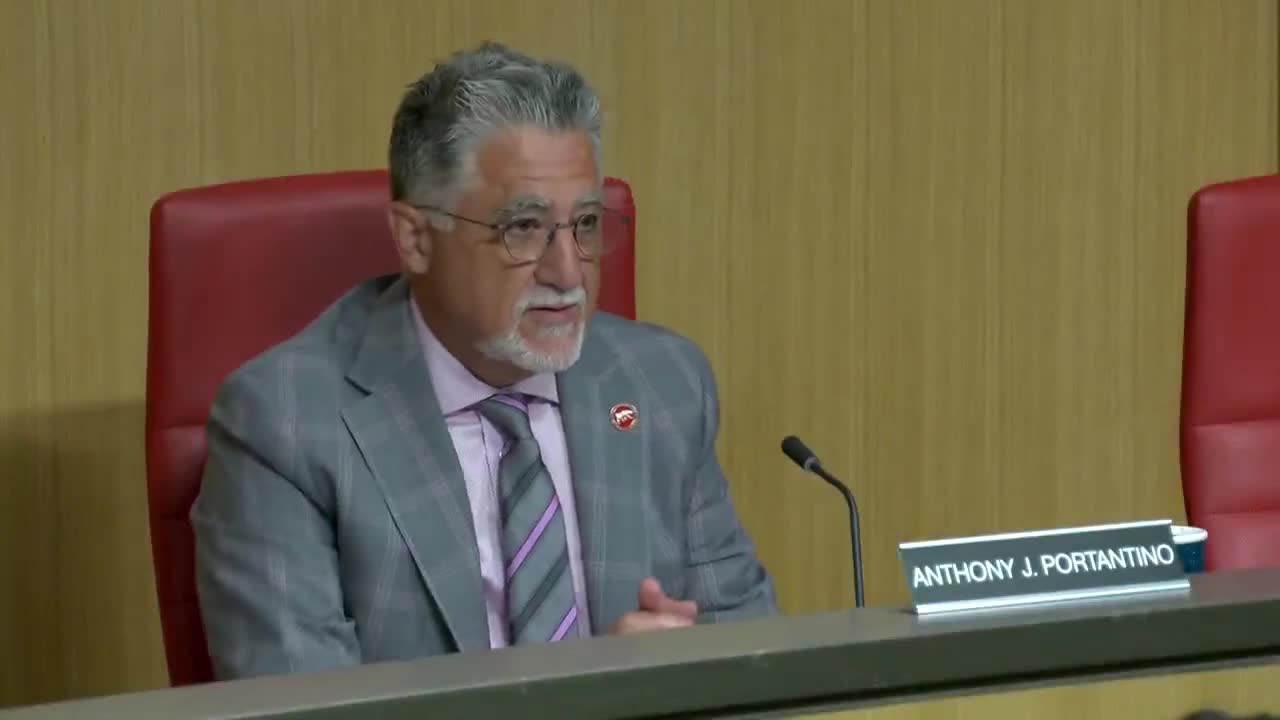
Senate Standing Committee on Appropriations
 4MIN
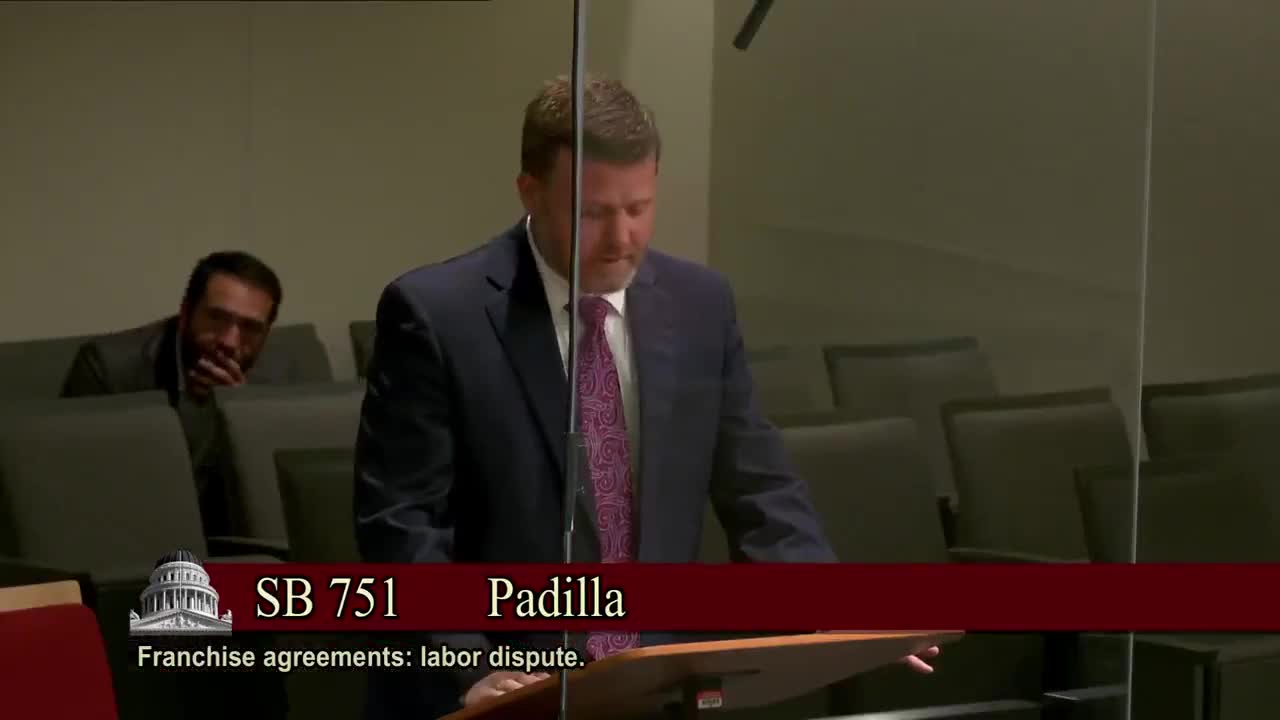
Senate Standing Committee on Governance and Finance
Bill Author
Bill Co-Author(s):