SR 121
- Session Year: 2023-2024
- House: Senate
- Latest Version Date: 2024-08-16
Current Status:
Failed
(2024-08-15: Read. Adopted. (Ayes 37. Noes 0. Page 5076.))
Introduced
In Committee
First Chamber
In Committee
Second Chamber
Enacted
What does this bill do?
This Senate resolution declares November to be Veteran Housing Insecurity Awareness Month in California and highlights housing challenges faced by veterans. It notes that many veterans are homeless or spend too much on housing, that disability pay can make some veterans ineligible for housing vouchers, and points to state programs that help veterans.
The summary is provided by generative AI which can make mistakes. For original language, please view the details in the table below.
WHEREAS, As of November 2023, an estimated one-third of all homeless veterans in the United States live in California; and
WHEREAS, In 2022, veterans represented 7 percent of adults experiencing homelessness on any given night in California compared to 5 percent of Californias overall adult population; and
WHEREAS, Veterans face many of the same risk factors for homelessness as nonveteran adults, including low incomes, mental illness, and substance use challenges; and
WHEREAS, The rate of service-connected disabilities, as determined by the Department of Veterans Affairs, within the California veteran population in 2022 was 24.7 percent, representing more than 362,000 individual veterans; and
WHEREAS, The majority of veteran households are considered economically burdened, defined as spending more than 30 percent of income on housing-related costs, or severely burdened, defined as spending more than 50 percent of income on housing-related costs; and
WHEREAS, More than 320,000 California veterans live in homes with one or more major issues of quality, crowding, or cost, with cost being the greatest housing problem among veterans; and
WHEREAS, According to CBS News, the most significantly disabled veterans receive nearly $43,500 in disability income every year; and
WHEREAS, To qualify for a housing voucher, a veterans income, which includes disability income and a number of other factors, cannot exceed an average of approximately $44,000 per year; and
WHEREAS, Even though income limits for housing eligibility vary based on surveys of local area median income by the United States Department of Housing and Urban Development (HUD), veteran benefits are the same for every veteran in California and are subject to the same income limits regardless of locality; and
WHEREAS, According to California County Veteran Service Officers (CalVet), some localities with public housing agencies include disability exceptions, but due to the lack of consistency on this issue, a veteran receiving disability income in some localities may be left ineligible for a housing voucher solely based on their disability income; and
WHEREAS, HUD currently includes a veterans disability income when considering eligibility for housing vouchers, leaving the most injured and disabled veterans without access to federally funded housing; and
WHEREAS, The State of California provides an array of resources to assist veterans facing housing instability; the Department of Veterans Affairs offers support in areas such as housing, education, employment, health care, and advocacy and the state provides specialized resources for LGBT veterans and veterans of color; now, therefore, be it
Resolved by the Senate of the State of California, That the Senate hereby recognizes the month of November as Veteran Housing Insecurity Awareness Month; and be it further
Resolved, That the Secretary of the Senate transmit copies of this resolution to the author for appropriate distribution.
|
Date
|
Status
|
|---|---|
| Aug 15, 2024 | Read. Adopted. (Ayes 37. Noes 0. Page 5076.) |
| Aug 14, 2024 | From committee: Ordered to third reading. |
| Aug 12, 2024 | Introduced. Referred to Com. on RLS. |
|
Date
|
Description
|
Location
|
Votes
|
|
|---|---|---|---|---|
| Aug 15, 2024 | Senate 3rd Reading SR121 Rubio et al. | Senate Floor |
Passed |
This list shows positions taken on this bill by organizations on the date displayed, which is linked to the original source.
Positions by individuals are not included.
|
Organization
|
Position
|
Date
|
|---|---|---|
| California Association Of County Veterans Service Officers | ** Support |
SENATE RULES COMMITTEE Office of Senate Floor Analyses (916) 651-1520 Fax: (916) 327-4478 | SR 121 |
THIRD READING
Bill No: SR 121
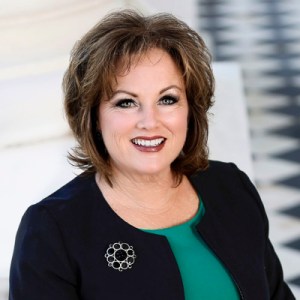
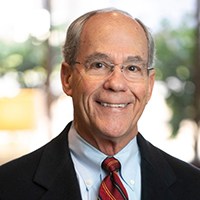
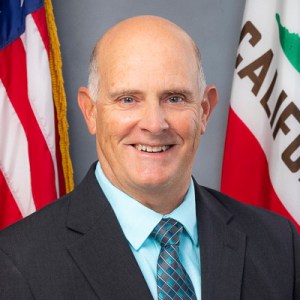
Author: Rubio (D), et al.
Introduced: 8/12/24
SUBJECT: Veteran Housing Insecurity Awareness Month
SOURCE: Author
DIGEST:
This resolution recognizes the month of November as Veteran Housing Insecurity Awareness Month.
ANALYSIS: This resolution makes the following legislative findings:
- As of November 2023, an estimated one-third of all homeless veterans in the United States live in California. In 2022, veterans represented 7 percent of adults experiencing homelessness on any given night in California compared to 5 percent of California’s overall adult population.
- Veterans face many of the same risk factors for homelessness as nonveteran adults, including low incomes, mental illness, and substance use challenges. The rate of service-connected disabilities, as determined by the Department of Veterans Affairs, within the California veteran population in 2022 was 24.7 percent, representing more than 362,000 individual veterans.
- To qualify for a housing voucher, a veteran’s income, which includes disability income and a number of other factors, cannot exceed an average of approximately $44,000 per year. Even though income limits for housing eligibility vary based on surveys of local area median income by the United States Department of Housing and Urban Development (HUD), veteran benefits are the same for every veteran in California and are subject to the same income limits regardless of locality.
- According to California County Veteran Service Officers (CalVet), some localities with public housing agencies include disability exceptions, but due to the lack of consistency on this issue, a veteran receiving disability income in some localities may be left ineligible for a housing voucher solely based on their disability income.
- HUD currently includes a veteran’s disability income when considering eligibility for housing vouchers, leaving the most injured and disabled veterans without access to federally funded housing
- The State of California provides an array of resources to assist veterans facing housing instability; the Department of Veterans Affairs offers support in areas such as housing, education, employment, health care, and advocacy and the state provides specialized resources for LGBT veterans and veterans of color.
This resolution recognizes the month of November as Veteran Housing Insecurity Awareness Month.
FISCAL EFFECT: Appropriation: No Fiscal Com.: No Local: No
SUPPORT: (Verified 8/14/24)
California Association of County Veterans Service Officers
OPPOSITION: (Verified 8/14/24)
None received
Prepared by: Aizenia Randhawa / SFA / (916) 651-1520
8/14/24 10:01:26
**** END ****
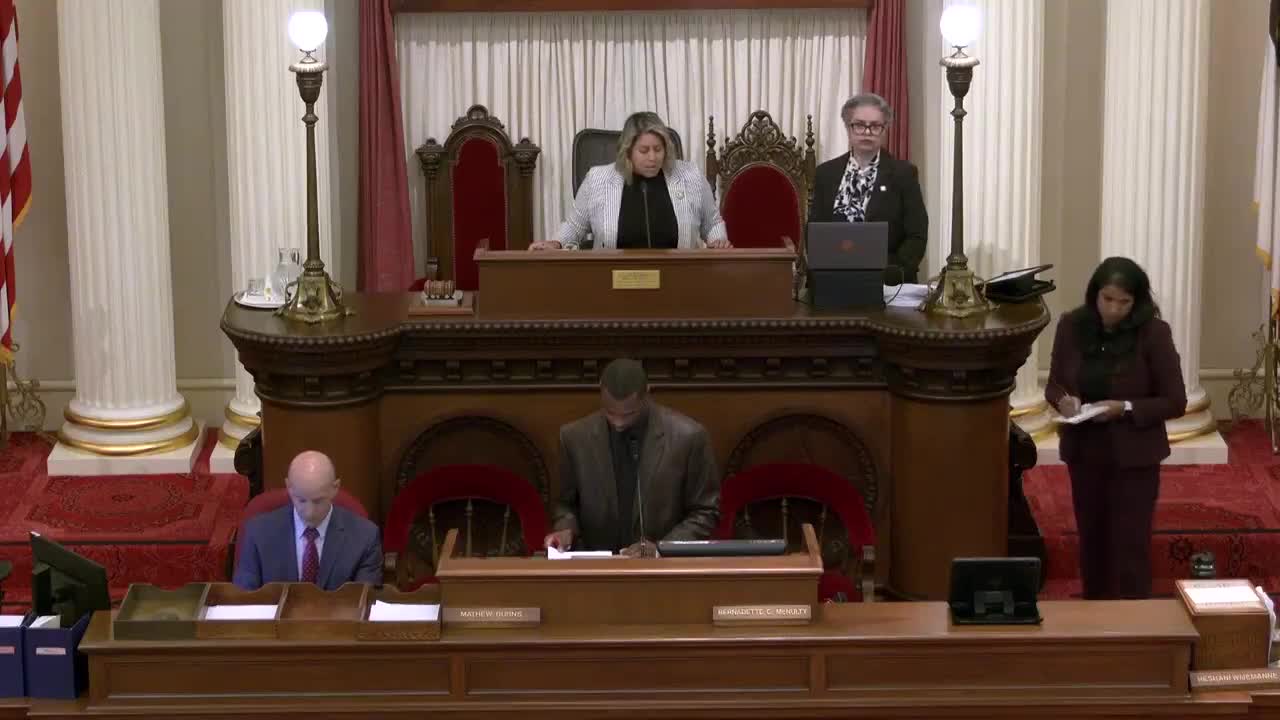
Bill Author