SR 78
- Session Year: 2023-2024
- House: Senate
- Latest Version Date: 2024-04-12
Current Status:
Failed
(2024-04-11: Read. Adopted. (Ayes 39. Noes 0. Page 3577.))
Introduced
In Committee
First Chamber
In Committee
Second Chamber
Enacted
What does this bill do?
The California State Senate recognizes Vaisakhi and encourages Californians, especially Sikh, Hindu, Buddhist and other South Asian communities, to take part in its celebrations. The resolution notes that Vaisakhi marks the founding of the Khalsa and the Sikh Five Ks for Sikhs and serves as a spring harvest and New Year festival for many Hindus, and it expresses the Senate’s respect for those who observe the day.
The summary is provided by generative AI which can make mistakes. For original language, please view the details in the table below.
WHEREAS, Vaisakhi, also spelled Baisakhi, is an ancient festival of great significance to Sikhs, Hindus, and Buddhists in many regions of India and other parts of South and Southeast Asia, and is celebrated annually on April 13 or 14 by many Californians with Sikh and Indian heritage; and
WHEREAS, Vaisakhi, in several parts of Northern India, especially Punjab, is a long-established harvest festival, which predates Sikhism, to celebrate the agricultural year and pray for abundant rabi crop produce for the next season; and
WHEREAS, For Sikhs and Sikh Americans, Vaisakhi holds special religious and historical significance because it commemorates the creation of Khalsa by the 10th Guru, Guru Gobind Singh, in 1699, whereby five Sikhs called Panj Piaray or Beloved Five were transformed into leaders of the faith to defend religious freedom in front of thousands at Anandpur Sahib and unified Sikhs into a family of soldier saints, known as the Khalsa Panth; and
WHEREAS, Guru Gobind Singh, during the formation of Khalsa, initiated the Panj Kakkar or Five Ks tradition of the Khalsa that continues to be the basis for the unique Sikh identity, whereby Sikhs wear Kesh (uncut hair), Kanga (a wooden comb), Kara (an iron or steel bracelet worn on the wrist), Kirpan (an article of faith taking the form of a sword), and Kachera (short breeches); and
WHEREAS, For Hindus and Hindu Americans, the first day of Vaisakhi marks the traditional solar new year and is celebrated in diverse ways to mark spring harvest and the sacredness of rivers in Hindu culture, and many Hindus celebrate Vaisakhi by going to temple to pay respects and seek blessings, by bathing in the sacred Ganga river, and by attending melas, or lively fairs; and
WHEREAS, The Sikh American celebration of Vaisakhi embodies an array of religious and cultural celebrations, including worship, parades, and singing of scripture throughout the day and includes performing seva (selfless service), such as providing free meals to the needy and inviting visitors to Gurdwaras (Houses of Worship); and
WHEREAS, Sikh Gurdwaras throughout the world and in California are decorated and hold celebrations, and many Sikh Americans choose to be initiated as Khalsa on this day; now, therefore, be it
Resolved by the Senate of the State of California, That the Senate recognizes this years Vaisakhi celebration on Saturday, April 13, 2024, and encourages Californians to take part in this joyous day of celebration; and be it further
Resolved, That the Senate observes Vaisakhi as one of the most significant days for Sikh Americans and Sikh history and in observance of Vaisakhi, expresses its deepest respect for all who observe and celebrate Vaisakhi with South Asian Americans and the Indian diaspora throughout the world on this significant occasion; and be it further
Resolved, That the Secretary of the Senate transmit copies of this resolution to the author for appropriate distribution.
|
Date
|
Status
|
|---|---|
| Apr 11, 2024 | Read. Adopted. (Ayes 39. Noes 0. Page 3577.) |
| Apr 9, 2024 | Ordered to special consent calendar. |
| Apr 3, 2024 | From committee: Ordered to third reading. |
| Mar 19, 2024 | Introduced. Referred to Com. on RLS. |
|
Date
|
Description
|
Location
|
Votes
|
|
|---|---|---|---|---|
| Apr 11, 2024 | Special Consent SR78 Min | Senate Floor |
Passed |
This list shows positions taken on this bill by organizations on the date displayed, which is linked to the original source.
Positions by individuals are not included.
SENATE RULES COMMITTEE Office of Senate Floor Analyses (916) 651-1520 Fax: (916) 327-4478 | SR 78 |
THIRD READING
Bill No: SR 78
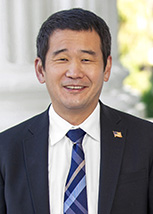
Author: Min (D)
Introduced: 3/19/24
Vote: Majority
SOURCE: Author
DIGEST:
This resolution recognizes this year’s Vaisakhi celebration on Saturday, April 13, 2024, and encourages Californians to take part in this joyous day of celebration.
ANALYSIS: This resolution makes the following legislative findings:
- Vaisakhi, also spelled Baisakhi, is an ancient festival of great significance to Sikhs, Hindus, and Buddhists in many regions of India and other parts of South and Southeast Asia, and is celebrated annually on April 13 or 14 by many Californians with Sikh and Indian heritage.
- Vaisakhi, in several parts of Northern India, especially Punjab, is a long-established harvest festival, which predates Sikhism, to celebrate the agricultural year and pray for abundant “rabi” crop produce for the next season.
- For Sikhs and Sikh Americans, Vaisakhi holds special religious and historical significance because it commemorates the creation of Khalsa by the 10th Guru, Guru Gobind Singh, in 1699, whereby five Sikhs called “Panj Piaray” or “Beloved Five” were transformed into leaders of the faith to defend religious freedom in front of thousands at Anandpur Sahib and unified Sikhs into a family of soldier saints, known as the Khalsa Panth.
- For Hindus and Hindu Americans, the first day of Vaisakhi marks the traditional solar new year and is celebrated in diverse ways to mark spring harvest and the sacredness of rivers in Hindu culture, and many Hindus celebrate Vaisakhi by going to temple to pay respects and seek blessings, by bathing in the sacred “Ganga” river, and by attending “melas,” or lively fairs.
- The Sikh American celebration of Vaisakhi embodies an array of religious and cultural celebrations, including worship, parades, and singing of scripture throughout the day and includes performing seva (selfless service), such as providing free meals to the needy and inviting visitors to Gurdwaras (Houses of Worship).
This resolution:
- Recognizes this year’s Vaisakhi celebration on Saturday, April 13, 2024, and encourages Californians to take part in this joyous day of celebration.
- Observes Vaisakhi as one of the most significant days for Sikh Americans and Sikh history and in observance of Vaisakhi, expresses its deepest respect for all who observe and celebrate Vaisakhi with South Asian Americans and the Indian diaspora throughout the world on this significant occasion.
Related/Prior Legislation
HR 20 (Kalra, 2023) recognized the Vaisakhi celebration of Friday, April 14, 2023. This resolution was read and adopted by the Assembly.
FISCAL EFFECT: Appropriation: No Fiscal Com.: No Local: No
SUPPORT: (Verified 3/26/24)
None received
OPPOSITION: (Verified 3/26/24)
None received
Prepared by: Russell Manning / SFA / (916) 651-1520
4/3/24 13:52:32
**** END ****
Bill Author
Bill Co-Author(s):