AB 1725: Residential buildings: oil well disclosures: methane mitigation systems.
- Session Year: 2025-2026
- House: Assembly
- Latest Version Date: 2026-04-27
Current Status:
In Progress
(2026-05-14: Joint Rule 62(a), file notice suspended. (Page 5030.))
Introduced
In Committee
Awaiting First Chamber Vote
Passed First Chamber
In Committee
Awaiting Second Chamber Vote
Passed Second Chamber
Enacted
What does this bill do?
The bill requires sellers of homes and landlords in two specific census tracts (06037208001 and 06037208002) to give written notice to prospective buyers or tenants if active, idle, orphaned, or abandoned oil or gas wells are on or within 300 feet of the property and to describe hazards like health effects, fire, toxic exposure, and methane gas emergencies. It also requires owners of multifamily rental units in those same tracts to install, keep working, inspect, test, and periodically certify methane gas monitors or alarms where nearby wells or other conditions make methane risks likely.
The summary is provided by generative AI which can make mistakes. For original language, please view the details in the table below.
(1)Existing law requires specified disclosures be made by sellers of residential real property and landlords of residential dwelling units, including, among other things, that they disclose knowledge of any area identified by an agency or instrumentality of the federal or state government as an area once used for military training purposes that may contain potentially explosive munitions within the neighborhood area, as specified.
This bill would require the seller of residential real property property, or the landlord of a residential dwelling unit, located within either of 2 specified United States Census Bureau census tracts, or their agents, to give written notice to the prospective buyer or a prospective tenant describing the presence of active, idle, orphaned, or abandoned wells on or within 300 feet of the property that includes information on the associated hazards of living in close proximity to an oil well, including any potential health impacts and the increased risk of fire, toxic exposure, and methane gas emergency, as specified.
(2)Existing law, the State Housing Law, establishes statewide construction and occupancy standards for buildings used for human habitation. The State Housing Law requires the housing or building department or, if there is no building department, the health department, of every city or county or a specified environmental agency to enforce within its jurisdiction all of the State Housing Law, the building standards published in the California Building Standards Code, and other specified rules and regulations. Among other things, existing law requires an owner or owners agent of a dwelling unit intended for human occupancy who rents or leases the dwelling unit to a tenant to maintain carbon monoxide devices in that dwelling unit, as specified.
This bill would require an owner of a multifamily dwelling unit intended for human occupancy, occupancy located within either of 2 specified United States Census Bureau census tracts, or the owners agent, who rents or leases the dwelling unit to a tenant to maintain a methane gas monitoring and alarm system in that dwelling unit if the unit is located where active, idle, orphaned, or abandoned wells are on or within 300 feet of the property, as specified, or where increased levels of methane are likely to be present due to commercial, industrial, geological, or environmental factors. The bill would make the owner or their agent responsible for ensuring that the methane gas monitoring or alarm system is operational, that it is inspected, updated, and tested to ensure that it remains in good working order, and to periodically submit certification of compliance with these provisions to the Department of Housing and Community Development or the local housing or building standards enforcement agency. Because the bill would require local officials to perform additional enforcement duties under the State Housing Law, it would impose a state-mandated local program.
(3)This bill would make legislative findings and declarations as to the necessity of a special statute for United States Bureau of the Census census tracts 06037208001 and 06037208002.
(3)(4)The California Constitution requires the state to reimburse local agencies and school districts for certain costs mandated by the state. Statutory provisions establish procedures for making that reimbursement.
This bill would provide that, if the Commission on State Mandates determines that the bill contains costs mandated by the state, reimbursement for those costs shall be made pursuant to the statutory provisions noted above.
(1)Existing law requires specified disclosures be made by sellers of residential real property and landlords of residential dwelling units, including, among other things, that they disclose knowledge of any area identified by an agency or instrumentality of the federal or state government as an area once used for military training purposes that may contain potentially explosive munitions within the neighborhood area, as specified.
This bill would require the seller of residential real property or the landlord of a residential dwelling unit, or their agents, to give written notice to the prospective buyer or a prospective tenant describing the presence of active, idle, orphaned, or abandoned oil wells on or within 300 feet of the property that includes information on the associated hazards of living in close proximity to an oil well, including any potential health impacts and the increased risk of fire, toxic exposure, and methane gas emergency, as specified.
(2)Existing law, the State Housing Law, establishes statewide construction and occupancy standards for buildings used for human habitation. The State Housing Law requires the housing or building department or, if there is no building department, the health department, of every city or county or a specified environmental agency to enforce within its jurisdiction all of the State Housing Law, the building standards published in the California Building Standards Code, and other specified rules and regulations. Among other things, existing law requires an owner or owners agent of a dwelling unit intended for human occupancy who rents or leases the dwelling unit to a tenant to maintain carbon monoxide devices in that dwelling unit, as specified.
This bill would require an owner of a multifamily dwelling unit intended for human occupancy, or the owners agent, who rents or leases the dwelling unit to a tenant to maintain a methane gas monitoring and alarm system in that dwelling unit if the unit is located where active, idle, orphaned, or abandoned oil wells are on or within 300 feet of the property property, as specified, or where increased levels of methane are likely to be present due to commercial, industrial, geological, or environmental factors. The bill would make the owner or their agent responsible for ensuring that the methane gas monitoring or alarm system is operational, that it is inspected, updated, and tested to ensure that it remains in good working order, and to periodically submit certification of compliance with these provisions to the Department of Housing and Community Development or the local housing or building standards enforcement agency. Because the bill would require local officials to perform additional enforcement duties under the State Housing Law, it would impose a state-mandated local program.
(3)The California Constitution requires the state to reimburse local agencies and school districts for certain costs mandated by the state. Statutory provisions establish procedures for making that reimbursement.
This bill would provide that, if the Commission on State Mandates determines that the bill contains costs mandated by the state, reimbursement for those costs shall be made pursuant to the statutory provisions noted above.
(1)Existing law requires specified disclosures be made by sellers of residential real property and landlords of residential dwelling units, including, among other things, that they disclose knowledge of any area identified by an agency or instrumentality of the federal or state government as an area once used for military training purposes that may contain potentially explosive munitions within the neighborhood area, as specified.
This bill would require the seller of residential real property or the landlord of a residential dwelling unit, or their agents, to give written notice to the prospective buyer or a prospective tenant describing the presence of active, idle, orphaned, or abandoned oil wells on or within 300 feet of the property that includes information on the associated hazards of living in close proximity to an oil well, including any potential health impacts and the increased risk of fire, toxic exposure, and methane gas emergency, as specified.
Existing(2)Existing law, the State Housing Law, establishes statewide construction and occupancy standards for buildings used for human habitation. Existing law authorizes any officer, employee, or agent of an enforcement agency to enter and inspect any building or premises whenever necessary to secure compliance or prevent specified violations. The State Housing Law requires the housing or building department or, if there is no building department, the health department, of every city or county or a specified environmental agency to enforce within its jurisdiction all of the State Housing Law, the building standards published in the California Building Standards Code, and other specified rules and regulations. Among other things, existing law requires an owner or owners agent of a dwelling unit intended for human occupancy who rents or leases the dwelling unit to a tenant to maintain carbon monoxide devices in that dwelling unit, as specified.
This bill would state the intent of the Legislature to enact legislation to require ongoing monitoring and inspections of methane mitigation systems in certain types of residential buildings located on land with an oil well.This bill would require an owner of a multifamily dwelling unit intended for human occupancy, or the owners agent, who rents or leases the dwelling unit to a tenant to maintain a methane gas monitoring and alarm system in that dwelling unit if the unit is located where active, idle, orphaned, or abandoned oil wells are on or within 300 feet of the property or where increased levels of methane are likely to be present due to commercial, industrial, geological, or environmental factors. The bill would make the owner or their agent responsible for ensuring that the methane gas monitoring or alarm system is operational, that it is inspected, updated, and tested to ensure that it remains in good working order, and to periodically submit certification of compliance with these provisions to the Department of Housing and Community Development or the local housing or building standards enforcement agency. Because the bill would require local officials to perform additional enforcement duties under the State Housing Law, it would impose a state-mandated local program.
(3)The California Constitution requires the state to reimburse local agencies and school districts for certain costs mandated by the state. Statutory provisions establish procedures for making that reimbursement.
This bill would provide that, if the Commission on State Mandates determines that the bill contains costs mandated by the state, reimbursement for those costs shall be made pursuant to the statutory provisions noted above.
Existing law, the State Housing Law, establishes statewide construction and occupancy standards for buildings used for human habitation. Existing law authorizes any officer, employee, or agent of an enforcement agency to enter and inspect any building or premises whenever necessary to secure compliance or prevent specified violations.
This bill would state the intent of the Legislature to enact legislation to require ongoing monitoring and inspections of methane mitigation systems in certain types of residential buildings located on land with an oil well.
(a)In addition to any other disclosure required pursuant to this article, the seller of any real property subject to this article, article located in either of the census tracts listed in subdivision (c), or the sellers agent, shall deliver to the prospective buyer a written disclosure statement describing the presence of active, idle, orphaned, or abandoned wells on or within 300 feet of the property, as identified by the Geologic Energy Management Divisions Well Finder database or any successor database approved by the State Oil and Gas Supervisor. The notice shall include information on the associated hazards of living in close proximity to a well, including any potential health impacts and the increased risk of fire, toxic exposure, and methane gas emergency.
(b)For purposes of this section, well has the same meaning as defined in Section 3008 of the Public Resources Code.
(c)This section shall apply to real property subject to this article that is located in either of the following United States Census Bureau census tracts:
(1)United States Census Bureau census tract 06037208001.
(2)United States Census Bureau census tract 06037208002.
SEC. 2.Section 1940.7.1 is added to the Civil Code, to read:1940.7.1.(a)The landlord of a residential dwelling unit located in either of the census tracts listed in subdivision (c), or their agent shall give written notice to a prospective tenant describing the presence of active, idle, orphaned, or abandoned wells on or within 300 feet of the property, as identified by the Geologic Energy Management Divisions Well Finder database or any successor database approved by the State Oil and Gas Supervisor. The notice shall include information on the associated hazards of living in close proximity to a well, including any potential health impacts and the increased risk of fire, toxic exposure, and methane gas emergency.
(b)For purposes of this section, well has the same meaning as defined in Section 3008 of the Public Resources Code.
(c)This section shall apply to a residential dwelling unit that is located in either of the following United States Census Bureau census tracts:
(1)United States Census Bureau census tract 06037208001.
(2)United States Census Bureau census tract 06037208002.
SEC. 3.Section 17926.5 is added to the Health and Safety Code, to read:17926.5.(a)An owner, or an owners agent, of a multifamily dwelling unit intended for human occupancy located in either of the census tracts listed in subdivision (e), who rents or leases the dwelling unit to a tenant shall maintain a methane gas monitoring or alarm system in that dwelling unit if the unit is located where active, idle, orphaned, or abandoned wells are on or within 300 feet of the property, as identified by the Geologic Energy Management Divisions Well Finder database or any successor database approved by the State Oil and Gas Supervisor, or where increased levels of methane are likely to be present due to commercial, industrial, geological, or environmental factors.
(b)The owner or owners agent shall be responsible for ensuring that the methane gas monitoring or alarm system is operational, and that it is inspected, updated, and tested monthly or at the manufacturers recommended frequency to ensure that it remains in good working order.
(c)The owner or owners agent shall periodically submit certification of compliance with this section to the Department of Housing and Community Development or the local housing or building standards enforcement agency.
(d)For purposes of this section, well has the same meaning as defined in Section 3008 of the Public Resources Code.
(e)This section shall apply to a multifamily dwelling unit that is located in either of the following United States Census Bureau census tracts:
(1)United States Census Bureau census tract 06037208001.
(2)United States Census Bureau census tract 06037208002.
SEC. 4.The Legislature finds and declares that a special statute is necessary and that a general statute cannot be made applicable within the meaning of Section 16 of Article IV of the California Constitution because of the unique circumstances present in United States Bureau of the Census census tracts 06037208001 and 06037208002.
SEC. 4.SEC. 5.If the Commission on State Mandates determines that this act contains costs mandated by the state, reimbursement to local agencies and school districts for those costs shall be made pursuant to Part 7 (commencing with Section 17500) of Division 4 of Title 2 of the Government Code.
(a)In addition to any other disclosure required pursuant to this article, the seller of any real property subject to this article, or the sellers agent, shall deliver to the prospective buyer a written disclosure statement describing the presence of active, idle, orphaned, or abandoned oil wells on or within 300 feet of the property. property, as identified by the Geologic Energy Management Divisions Well Finder database or any successor database approved by the State Oil and Gas Supervisor. The notice shall include information on the associated hazards of living in close proximity to an oil a well, including any potential health impacts and the increased risk of fire, toxic exposure, and methane gas emergency.
(b)For purposes of this section, well has the same meaning as defined in Section 3008 of the Public Resources Code.
SEC. 2.Section 1940.7.1 is added to the Civil Code, to read:1940.7.1.(a)The landlord of a residential dwelling unit or their agent shall give written notice to a prospective tenant describing the presence of active, idle, orphaned, or abandoned oil wells on or within 300 feet of the property. property, as identified by the Geologic Energy Management Divisions Well Finder database or any successor database approved by the State Oil and Gas Supervisor. The notice shall include information on the associated hazards of living in close proximity to an oil a well, including any potential health impacts and the increased risk of fire, toxic exposure, and methane gas emergency.
(b)For purposes of this section, well has the same meaning as defined in Section 3008 of the Public Resources Code.
SEC. 3.Section 17926.5 is added to the Health and Safety Code, to read:17926.5.(a)An owner, or an owners agent, of a multifamily dwelling unit intended for human occupancy who rents or leases the dwelling unit to a tenant shall maintain a methane gas monitoring or alarm system in that dwelling unit if the unit is located where active, idle, orphaned, or abandoned oil wells are on or within 300 feet of the property property, as identified by the Geologic Energy Management Divisions Well Finder database or any successor database approved by the State Oil and Gas Supervisor, or where increased levels of methane are likely to be present due to commercial, industrial, geological, or environmental factors.
(b)The owner or owners agent shall be responsible for ensuring that the methane gas monitoring or alarm system is operational, and that it is inspected, updated, and tested monthly or at the manufacturer's recommended frequency to ensure that it remains in good working order.
(c)The owner or owners agent shall periodically submit certification of compliance with this section to the Department of Housing and Community Development or the local housing or building standards enforcement agency.
(d)For purposes of this section, well has the same meaning as defined in Section 3008 of the Public Resources Code.
SEC. 4.If the Commission on State Mandates determines that this act contains costs mandated by the state, reimbursement to local agencies and school districts for those costs shall be made pursuant to Part 7 (commencing with Section 17500) of Division 4 of Title 2 of the Government Code.
In addition to any other disclosure required pursuant to this article, the seller of any real property subject to this article, or the sellers agent, shall deliver to the prospective buyer a written disclosure statement describing the presence of active, idle, orphaned, or abandoned oil wells on or within 300 feet of the property. The notice shall include information on the associated hazards of living in close proximity to an oil well, including any potential health impacts and the increased risk of fire, toxic exposure, and methane gas emergency.
SEC. 2.Section 1940.7.1 is added to the Civil Code, to read:1940.7.1.The landlord of a residential dwelling unit or their agent shall give written notice to a prospective tenant describing the presence of active, idle, orphaned, or abandoned oil wells on or within 300 feet of the property. The notice shall include information on the associated hazards of living in close proximity to an oil well, including any potential health impacts and the increased risk of fire, toxic exposure, and methane gas emergency.
SEC. 3.Section 17926.5 is added to the Health and Safety Code, to read:17926.5.(a)An owner, or an owners agent, of a multifamily dwelling unit intended for human occupancy who rents or leases the dwelling unit to a tenant shall maintain a methane gas monitoring or alarm system in that dwelling unit if the unit is located where active, idle, orphaned, or abandoned oil wells are on or within 300 feet of the property or where increased levels of methane are likely to be present due to commercial, industrial, geological, or environmental factors.
(b)The owner or owners agent shall be responsible for ensuring that the methane gas monitoring or alarm system is operational, and that it is inspected, updated, and tested monthly or at the manufacturer's recommended frequency to ensure that it remains in good working order.
(c)The owner or owners agent shall periodically submit certification of compliance with this section to the Department of Housing and Community Development or the local housing or building standards enforcement agency.
SEC. 4.If the Commission on State Mandates determines that this act contains costs mandated by the state, reimbursement to local agencies and school districts for those costs shall be made pursuant to Part 7 (commencing with Section 17500) of Division 4 of Title 2 of the Government Code.
SECTION 1.It is the intent of the Legislature to enact legislation to require ongoing monitoring and inspections of methane mitigation systems in certain types of residential buildings located on land with an oil well.It is the intent of the Legislature to enact legislation to require ongoing monitoring and inspections of methane mitigation systems in certain types of residential buildings located on land with an oil well.
|
Date
|
Status
|
|---|---|
| May 14, 2026 | Joint Rule 62(a), file notice suspended. (Page 5030.) |
| May 14, 2026 | Joint Rule 62(a), file notice suspended. |
| May 14, 2026 | In committee: Held under submission. |
| May 13, 2026 | In committee: Set, first hearing. Referred to APPR. suspense file. |
| Apr 28, 2026 | Re-referred to Com. on APPR. |
| Apr 27, 2026 | Read second time and amended. |
| Apr 23, 2026 | From committee: Amend, and do pass as amended and re-refer to Com. on APPR. (Ayes 9. Noes 3.) (April 22). |
| Apr 20, 2026 | Re-referred to Com. on H. & C.D. |
| Apr 16, 2026 | Read second time and amended. |
| Apr 15, 2026 | From committee: Amend, and do pass as amended and re-refer to Com. on H. & C.D. (Ayes 9. Noes 3.) (April 14). |
| Apr 13, 2026 | Assembly Rule 56 suspended. (Page 4581.) |
| Apr 13, 2026 | Assembly Rule 56 suspended. |
| Apr 13, 2026 | (Pending re-refer to Com. on H. & C.D.) |
| Apr 7, 2026 | In committee: Hearing postponed by committee. |
| Mar 23, 2026 | Re-referred to Com. on JUD. |
| Mar 19, 2026 | Referred to Coms. on JUD. and H. & C.D. |
| Mar 19, 2026 | From committee chair, with author's amendments: Amend, and re-refer to Com. on JUD. Read second time and amended. |
| Feb 6, 2026 | From printer. May be heard in committee March 8. |
| Feb 5, 2026 | Read first time. To print. |
|
Date
|
Description
|
Location
|
Votes
|
|
|---|---|---|---|---|
| Apr 22, 2026 | Do pass as amended and be re-referred to the Committee on [Appropriations] | Assembly Standing Committee on Housing and Community Development |
Passed |
|
| Apr 14, 2026 | Do pass as amended and be re-referred to the Committee on [Housing and Community Development] | Assembly Standing Committee on Judiciary |
Passed |
This list shows positions taken on this bill by organizations on the date displayed, which is linked to the original source.
Positions by individuals are not included.
|
Organization
|
Position
|
Date
|
|---|---|---|
| 350 Bay Area Action | ** Support | |
| California Apartment Association | ** Against | |
| California Association of Realtors (unless amended) | ** Against | |
| California Building Industry Association | ** Against | |
| California Business Properties Association | ** Against | |
| California Chamber Of Commerce | ** Against | |
| California Environmental Voters | ** Support | |
| California Mortgage Bankers Association | ** Against | |
| Climate Environmental Voters | ** Support | |
| Consumer Watchdog | ** Support | |
| East Area Progressive Democrats | ** Support | |
| Food and Water Watch | ** Support | |
| Stand Together Against Neighborhood Drilling (STAND-LA) | ** Support | |
| Sunrise Movement | ** Support | |
| Sunrise Movement LA | ** Support | |
| Sunrise Movement Orange County | ** Support | |
| Sunrise Movements Bay Area | ** Support | |
| Vista Hermosa Heights Community Group | ** Support |
Date of Hearing: May 13, 2026
ASSEMBLY COMMITTEE ON APPROPRIATIONS
Buffy Wicks, Chair
ABPCA Bill Id:AB 1725
Author:(Caloza) – As Amended Ver:April 27, 2026
Policy Committee: | Judiciary | Vote: | 9 - 3 |
Housing and Community Development | 9 - 3 | ||
|
|
Urgency: No State Mandated Local Program: Yes Reimbursable: Yes
SUMMARY:
This bill requires sellers and landlords of property located in two specified U.S. Census Bureau tracts to disclose the presence of active, idle, orphaned, or abandoned oil or gas wells on or within 300 feet of the property, and requires landlords of multifamily dwelling units in those tracts to maintain methane gas monitoring or alarm systems where wells are within 300 feet of the property, as identified by the Geologic Energy Management Division’s (CalGEM) Well Finder database.
Specifically, this bill:
- Requires sellers to disclose to prospective buyers the presence of wells within 300 feet, including associated hazards of living in close proximity to a well.
- Requires landlords to provide the same disclosure to prospective tenants.
- Requires multifamily dwelling unit owners to maintain a methane gas monitoring or alarm system in covered properties, ensure the system is operational and tested at the manufacturer’s recommended frequency, and periodically submit certification of compliance to the Department of Housing and Community Development (HCD) or the local housing or building standards enforcement agency.
FISCAL EFFECT:
Onetime workload costs to the Department of Housing and Community Development (HCD) of $414,000 for a full-time analyst and information technology specialist, with ongoing workload costs of $393,000 in subsequent years (General Fund). HCD would also incur a one-time information technology consultant cost of $20,833 and an annual license cost of $10,000. HCD reports that these workload costs are necessary to meet the bill’s requirements, including researching methane gas monitors and alarms; creating a system to intake the certification of compliance forms from building owners and landlords via the department’s website; working with the Information Technology Branch to facilitate the new reporting requirements in the Local Ordinance and Report portal; providing ongoing technical support to building owners and landlords within the affected tracts; meeting other administrative tasks associated with the certification of compliance requirement; and developing rulemaking documents for newly-constructed residential buildings.
COMMENTS:
- Purpose. According to the author:
Our communities have a fundamental right to know what’s in their backyard—especially when it consequentially impacts our health. By creating a reporting system for uncapped oil wells near schools, homes, parks, and neighborhoods, AB 1725 puts families first and ensures residents have the information they need to protect their well-being and make informed decisions on their safety.
- Background. The Judiciary and Housing and Community Development analyses provide a comprehensive overview of the public health and safety risks posed by proximity to oil and gas wells, including the 2022 enactment of SB 1137 (Gonzalez), Chapter 365, Statutes of 2022, which established 3,200-foot setback requirements for new oil and gas operations. The Housing and Community Development analysis notes that California’s oil and gas well inventory exceeds 220,000 wells statewide, with approximately 107,000 classified as active or idle. The bill was significantly narrowed in policy committee to apply to two census tracts in the City of Los Angeles within the L.A. City Oil Field — the area encompassing the Vista Hermosa Heights community, where residents have reported methane alarms, foul odors, and oil leaks. Existing law requires sellers and landlords to disclose various natural and environmental hazards, but does not require disclosure of nearby oil or gas wells.
- Support and Opposition. Supporters, including Consumer Watchdog, argue that:
The vast majority of those living on or near oil wells are often not aware of the presence of oil wells or their effects… There is nothing in the current law that empowers residents with the knowledge to keep themselves safe, nor anything that ensures methane monitoring systems are operational.
Opposition, on the other hand, argues that the bill imposes costly obligations on property owners, who “do not drill, operate, maintain, or abandon oil wells, nor do they have the ability to prevent methane leaks or other hazards associated with these facilities.”
Analysis Prepared by: Shiran Zohar / APPR. / (916) 319-2081
Date of Hearing: April 22, 2026
ASSEMBLY COMMITTEE ON HOUSING AND COMMUNITY DEVELOPMENT
Matt Haney, Chair
ABPCA Bill Id:AB 1725 (
Author:Caloza) – As Amended Ver:April 16, 2026
SUBJECT: Residential buildings: oil well disclosures: methane mitigation systems
SUMMARY: Requires sellers and landlords to disclose information about the presence of wells, as specified, on or within 300 feet of a property to prospective buyers and prospective tenants, respectively. Requires owners of multifamily dwelling units who rent or lease the dwelling unit to a tenant to maintain a methane gas monitoring or alarm system if a well, as specified, is on or within 300 feet of the dwelling unit. Specifically, this bill:
- Requires the seller, or seller’s agent, of any real property to deliver to the prospective buyer a written disclosure statement describing the presence of active, idle, orphaned, or abandoned wells on or within 300 feet of the property as identified by the Geologic Energy Management Division’s (CalGEM) Well Finder database or successor database.
- Requires the landlord, or their agent, of a residential dwelling unit to give written notice to a prospective tenant describing the presence of active, idle, orphaned, or abandoned wells on or within 300 feet of the property as identified by the CalGEM’s Well Finder database or successor database.
- Requires the notice in 1) and 2) to include information on the associated hazards of living in close proximity to a well, including any potential health impacts and the increased risk of fire, toxic exposure, and methane gas emergency.
- Requires an owner, or owner’s agent, of a multifamily dwelling unit intended for human occupancy who rents or leases the dwelling unit to a tenant to maintain a methane gas monitoring or alarm system in that dwelling unit if the unit is located where active, idle, orphaned, or abandoned wells are on or within 300 feet of the property, as identified by the CalGEM’s Well Finder database or successor database, or where the increased levels of methane are likely to be present due to commercial, industrial, geological, or environmental factors.
- Requires the owner, or owner’s agent, to ensure that the methane gas monitoring or alarm system is operational, and that it is inspected, updated, and tested monthly or at the manufacturer’s recommended frequency to ensure that it remains in good working order.
- Requires the owner, or owner’s agent, to periodically submit certification of compliance with 4) and 5) to the California Department of Housing and Community Development (HCD) or the local housing or building standards enforcement agency.
- Specifies “well” has the same meaning as defined in the Public Resources Code (PRC) Section 3008.
EXISTING LAW:
- Specifies the disclosures that must be made to a buyer upon the transfer by sale, exchange, real property sales contract, lease with an option to purchase, any other option to purchase, or ground lease coupled with improvements of any single-family residential property. (Civil Code (CIV) Section 1102 et seq.)
- Clarifies that neither the seller nor any seller’s agent or buyer’s agent is liable for any error, inaccuracy, or omission of any information delivered pursuant to 1) if the error, inaccuracy, or omission was not within the personal knowledge of the seller or that listing or buyer’s agent, was based on information timely provided by public agencies or by other persons providing information, as specified, so long as ordinary care was exercised in obtaining and transmitting the information. (CIV 1102.4(a))
- Requires a seller to provide a Natural Hazard Disclosure Statement to a prospective buyer, disclosing specified natural and environmental hazards, such as whether the property is located within a seismic hazard zone, an earthquake fault zone, a special flood hazard area, an area of potential flooding, or a high or very high fire hazard severity zone, with specified information. (CIV 1103.2)
- Requires a landlord or their agent, for any structure intended for human habitation, to undertake one or both of the following actions as may be necessary to remediate any dilapidations that arise as a result of a disaster:
- Removal of debris caused by the disaster; and
- Mitigation of hazards arising from the disaster, including, but not limited to, the presence of mold, smoke, smoke residue, smoke odor, ash, asbestos, or water damage. (CIV 1941.8(a))
- Requires the owner of a dwelling unit intended for human occupancy to install a carbon monoxide device, approved and listed by the State Fire Marshal, in each existing dwelling unit having a fossil fuel burning heater or appliance, fireplace, or an attached garage. (Health and Safety Code 17926)
- Defines “well” as any oil or gas well or well for the discovery of oil or gas; any well on lands producing or reasonably presumed to contain oil or gas; any well drilled for the purpose of injecting fluids or gas for stimulating oil or gas recovery, repressuring or pressure maintenance of oil or gas reservoirs, or disposing of waste fluids from an oil or gas field; any well used to inject or withdraw gas from an underground storage facility; or any well drilled within or adjacent to an oil or gas pool for the purpose of obtaining water to be used in production stimulation or repressuring operations. (PRC Section 3008)
- Defines a “health protection zone” as the area within 3,200 feet of a sensitive receptor, which includes a private home, condominium, apartment, and living quarter. (PRC 3280)
- Requires the operator of a well or production facility to notify the Supervisor of Oil and Gas or the district deputy, in writing, in the form that the Supervisor or the district deputy may direct, of the sale, assignment, transfer, conveyance, exchange, or other disposition of the well or production facility by the operator of the well or production facility as soon as is reasonably possible, but in no event later than the date that the sale, assignment, transfer, conveyance, exchange, or other disposition becomes final. (PRC 3201(a))
- Provides that an operator of a well or production facility is not relieved of responsibility for the well or production facility until the supervisor or the district deputy acknowledges the sale, assignment, transfer, conveyance, exchange, or other disposition, in writing, and the person acquiring the well or production facility is in compliance with bonding and other recordkeeping requires required by law. (PRC 3201(a))
- Requires an operator of a well who, on or after January 1, 2018, engages in the drilling, redrilling, deepening, or in any operation permanently altering the casing, of a well, shall file with the supervisor an individual indemnity bond for each well so drilled, redrilled, deepened, or permanently altered in the following amount:
- Twenty-five thousand dollars ($25,000) for each well that is less than 10,000 feet deep; or
- Forty thousand dollars ($40,000) for each well that is 10,000 or more feet deep. (Public Resources Code Section 3204 (a).)
FISCAL EFFECT: Unknown.
COMMENTS:
Author’s statement: According to the author, “Our communities have a fundamental right to know what’s in their backyard, especially when it puts their health and safety at risk. Too often, uncapped and undocumented oil wells pose hidden dangers beneath the surface—leaking toxic gases, contaminating soil and groundwater, and creating long-term environmental hazards that families may never see, but still feel the impacts of every day. These risks are too serious to ignore and too often go unreported.
AB 1725 puts families first by requiring monitoring of uncapped oil wells near schools, homes, parks, and neighborhoods—bringing these hidden threats into the light. This is about transparency and accountability: ensuring that communities are informed, agencies are responsive, and responsible parties are held to account.
Every resident deserves access to clear, timely information about potential hazards in their neighborhood so they can protect their health, safeguard their families, and make informed decisions about their safety.”
CalGEM: CalGEM is the state entity within the California Department of Conservation responsible for regulating oil, gas, and geothermal operations to protect public health, safety, and the environment. Its primary purpose is to oversee the permitting, operation, maintenance, and closure of wells, including making sure operators follow requirements for well safety, emissions control, and proper plugging and abandonment. In addition to its regulatory role, CalGEM maintains comprehensive mapping and data systems that track the location and status of oil and gas wells across California. Through publicly available tools and databases, like GIS mapping platforms and well data systems, CalGEM provides detailed information on each well’s location, operational status, such as active, idle, or plugged, and available regulatory information, making it the primary statewide source for oil and gas well data.
Wells in California: California’s oil and gas well inventory, as tracked by CalGEM, includes more than 220,000 well records statewide, reflecting both currently regulated wells and historical wells that have been plugged or otherwise taken out of service. Of these, recent CalGEM reports indicate that approximately 107,000 wells are classified as active or idle, including about 35,000 idle wells that are not currently producing but remain subject to regulatory oversight. The remainder of the state’s well inventory consists largely of plugged and abandoned wells, along with smaller categories such as injection and observation wells. CalGEM maintains the official statewide database and geospatial mapping system for these wells, providing detailed information on each well’s location, operational status, and compliance history.
Methane exposure: Living close to oil and gas wells can pose a range of environmental and health risks, especially when wells are active, idle, or not well maintained. People nearby may be exposed to air pollutants such as volatile organic compounds, including benzene, and gases like hydrogen sulfide, which can cause respiratory irritation, headaches, and other health effects. Long-term exposure to certain chemicals like benzene has been linked to increased cancer risk. There is also a risk from methane leaks, which can build up in enclosed spaces and create explosion hazards. Additionally, wells and related equipment can present a fire risk, particularly because they involve flammable materials under pressure. For example, in 2016, the Department of Conservation had to step in and permanently plug and abandon two orphaned oil wells in Los Angeles. These wells had not been properly abandoned. As a result, natural gas was seeping into the well’s upper tubing and annulus and began reaching its lower explosive limit.[1] Idle and orphan wells may pose higher risks because they are more likely to have maintenance or structural issues, increasing the chance of leaks or other releases. For these reasons, regulators like CalGEM require monitoring, maintenance, and safety measures to help protect nearby communities.
Hazard disclosures: Existing law requires a seller of real property to disclose a number of potential natural and environmental hazards in proximity to the property. These disclosures include whether the property is located within a seismic hazard zone, an earthquake fault zone, a special flood hazard area, an area of potential flooding, or a high or very high fire hazard severity zone, with specified information. These disclosures allow the prospective buyer to understand potential hazards near the property. Existing law holds no seller liable for any error, inaccuracy, or omission of any information if the error, inaccuracy or omission was not within the personal knowledge of the seller and was based on information timely provided by public agencies other persons providing information, as specified, so long as ordinary care was exercised in obtaining and transmitting the information.
Similarly, landlords must disclose to tenants potential hazards in proximity to rental properties. These disclosures include asbestos, flood risks, local sex offenders, and carcinogenic material on the property.
This bill: This bill extends disclosure requirements to prospective property owners and prospective tenants within 300 feet of wells. The disclosure must include information about the associated hazards of living in close proximity to a well, including any potential health impacts and the increased risk of fire, toxic exposure, and methane gas emergency. This bill also require landlords of a multifamily dwelling unit to maintain a methane gas monitoring or alarm system if the unit is on or within 300 feet of the property. Recent amendments clarify that the determination of a property’s proximity to the well is to be made using CalGEM’s Well Finder database. By tying the 300-foot radius to wells identified by CalGEM’s Well Finder database, this bill ensures property sellers, landlords, prospective buyers, and prospective tenants are using the same information to determine potential exposure to methane hazards.
Arguments in Support: According to the Sunrise Movement, Food and Water Watch, and Consumer Watchdog, “California is home to man of the nation’s urban oil fields. Today, there are more than 5,000 active, idle, and orphan wells in the City of Los Angeles. They are next to schools, community centers, and homes. Nearly 7 5% of active wells are located near ‘sensitive land use’ facilities. The fact is that 3.3 million residents of Los Angeles County alone live near an uncapped oil well, and over 500,000 residents live within 1300ft of a well. There are 68 named oil fields in the Los Angeles basin alone, representing thousands of wells and billions of gallons of oil.” “The vast majority of those living on or near oil wells are often not aware of the presence of oil wells or their effects. The ringing of a methane alarm is often the first time that residents are aware of an impending issue. There is nothing in the current law that empowers residents with the knowledge to keep themselves safe, nor anything that ensures methane monitoring systems are operational.”
Arguments in Opposition: According to the California Apartment Association, California Building Industry Association, California Business Properties Association, and the California Mortgage Bankers Association, “AB 1725 places responsibility for oil well-related risks on neighboring property owners who have no control over those wells. Property owners do not drill, operate, maintain, or abandon oil wells, nor do they have the ability to prevent methane leaks or other hazards associated with these facilities.” “AB 1725 would create significant new compliance obligations for property owners. The bill mandates installation of methane gas monitors, as well as maintenance, testing, and reporting requirements of these monitors for property owners. These requirements could increase operational costs and liability exposure, particularly for smaller property owners, without directly addressing the root cause of the safety concerns.”
Committee amendments:
- The author has requested that the committee consider amendments that narrow this bill to two census tracts within the author’s Assembly District.
- Delete the requirement for monthly inspections, updates, and testing of the installed methane gas monitoring or alarm system and instead limit such inspections, updates, and testing to the manufacturer’s recommended frequency.
SEC. 3. Health and Safety Code 17926.5
…
(b) The owner or owner’s agent shall be responsible for ensuring that the methane gas monitoring or alarm system is operational, and that it is inspected, updated, and tested monthly or at the manufacturer’s recommended frequency to ensure that it remains in good working order.
Double referred: This bill is double referred. It was heard in the Assembly Committee on Judiciary and passed on a vote of 9-3 on April 14, 2026
REGISTERED SUPPORT / OPPOSITION:
Support
California Environmental Voters
Climate Environmental Voters
Consumer Watchdog
East Area Progressive Democrats
Food and Water Watch
Stand Together Against Neighborhood Drilling (STAND-LA)
Sunrise Movement
Sunrise Movements Bay Area
Sunrise Movement LA
Sunrise Movement Orange County
Vista Hermosa Heights Community Group
350 Bay Area Action
Individuals (1)
Opposition
California Apartment Association
California Association of Realtors (unless amended)
California Building Industry Association
California Business Properties Association
California Chamber of Commerce
California Mortgage Bankers Association
Analysis Prepared by: Juan Reyes / H. & C.D. / (916) 319-2085
Abandoned Echo Park oil wells are to be sealed off for safety, Los Angeles Times. https://www.latimes.com/local/lanow/la-me-ln-oil-wells-20160608-snap-story.html ↑
Date of Hearing: April 14, 2026
ASSEMBLY COMMITTEE ON JUDICIARY
Ash Kalra, Chair
ABPCA Bill Id:AB 1725
Author:(Caloza) – As Amended Ver:March 19, 2026
As Proposed to be Amended
SUBJECT: Residential buildings: oil well disclosures: methane mitigation systems
KEY ISSUE: should property sellers and landlordS be required to disclose if an oil or gas well is within 300 feet of a property?
SYNOPSIS
Recent studies demonstrate that living in close proximity to oil and gas operations exposes residents to significant levels of highly toxic chemicals. Many of these chemicals are known carcinogens, including benzene, toluene, ethylbenzene, xylenes, hexane and formaldehyde. Additionally, improperly maintained oil and gas wells can pose a public safety risk, including the potential for explosions or ground subsidence. Accordingly, it is imperative that those living in close proximity to oil and gas operations are aware of the hazards these wells can pose. However, unlike many other natural hazards, oil and gas wells are not disclosed during the property sales process and are not disclosed to renters.
This bill would require the seller of real property or the owner of a rental property to disclose to a buyer or tenant if an oil or gas well is within 300 feet of the property. Additionally, the bill would require landlords to provide methane monitoring for all rental properties within 300 feet of an oil and gas well. The bill additionally requires property sellers and landlords to provide information related to the risks of methane exposure. As proposed to be amended, the bill links the definition of a well to the definition provided in the Public Resources Code in the section of law regulating the oil and gas industry. Proposed amendments also clarify that the Department of Conservation’s WellSTAR database is to be utilized for identifying wells in close proximity to property.
This bill is supported by a coalition of environmental organizations, including the Sunrise Movement and Food and Water Watch. The proponents of the bill highlight the dangers posed by oil and gas wells and the need to ensure that Californians are aware of these hazards in close proximity to their homes. This bill is opposed by several real estate stakeholders including the California Association of Realtors, the California Apartment Association, and the Business Properties Association. The opposition contends this bill is unworkable, despite proposed amendments seeking to address some of their concerns, and that this bill improperly transfers responsibility for the harms of oil and gas operations away from oil companies and onto “mom and pop” landlords. Should this bill be approved by this Committee it will be referred to the Committee on Housing and Community Development.
SUMMARY: Adopts new disclosure and safety requirements for residential buildings located in close proximity to oil or gas wells. Specifically, this bill:
- Requires, in addition to all other disclosures required by law, the seller of any real property, or the seller’s agent, to deliver to the prospective buyer a written disclosure statement describing the presence of active, idle, orphaned, or abandoned wells on or within 300 feet of the property as identified by the California Geologic Energy Management Division's Well Finder database, or successor database approved by the State Oil and Gas Supervisor.
- Requires the notice specified in 1) to include information on the associated hazards of living in close proximity to a well, including any potential health impacts and the increased risk of fire, toxic exposure, and methane gas emergency.
- Requires the landlord of a residential dwelling unit or their agent to give written notice to a prospective tenant describing the presence of active, idle, orphaned, or abandoned oil wells on or within 300 feet of the property as identified by the California Geologic Energy Management Division's Well Finder database, or successor database approved by the State Oil and Gas Supervisor.
- Requires the notice specified in 3) to include information on the associated hazards of living in close proximity to a well, including any potential health impacts and the increased risk of fire, toxic exposure, and methane gas emergency.
- Requires an owner, or an owner’s agent, of a multifamily dwelling unit intended for human occupancy who rents or leases the dwelling unit to a tenant to maintain a methane gas monitoring or alarm system in that dwelling unit if the unit is located where active, idle, orphaned, or abandoned oil wells are on or within 300 feet of the property as identified by the California Geologic Energy Management Division's Well Finder database, or successor database approved by the State Oil and Gas Supervisor, or where increased levels of methane are likely to be present due to commercial, industrial, geological, or environmental factors.
- Requires that the owner or owner’s agent be responsible for ensuring that the methane gas monitoring or alarm system specified in 5) is operational, and that it is inspected, updated, and tested monthly or at the manufacturer's recommended frequency to ensure that it remains in good working order.
- Requires the owner or owner’s agent to periodically submit certification of compliance with the monitoring requirements of 5) to the Department of Housing and Community Development or the local housing or building standards enforcement agency.
- Defines, for the purpose of this bill, “well” as any oil or gas well or well for the discovery of oil or gas; any well on lands producing or reasonably presumed to contain oil or gas; any well drilled for the purpose of injecting fluids or gas for stimulating oil or gas recovery, repressuring or pressure maintenance of oil or gas reservoirs, or disposing of waste fluids from an oil or gas field; any well used to inject or withdraw gas from an underground storage facility; or any well drilled within or adjacent to an oil or gas pool for the purpose of obtaining water to be used in production stimulation or repressuring operations.
EXISTING LAW:
- Specifies the disclosures that must be made to a buyer upon the transfer by sale, exchange, real property sales contract, lease with an option to purchase, any other option to purchase, or ground lease coupled with improvements of any single-family residential property. (Civil Code Section 1102 et seq.)
- Clarifies that neither the seller nor any seller’s agent or buyer’s agent is liable for any error, inaccuracy, or omission of any information delivered pursuant to 1) if the error, inaccuracy, or omission was not within the personal knowledge of the seller or that listing or buyer’s agent, was based on information timely provided by public agencies or by other persons providing information, as specified, so long as ordinary care was exercised in obtaining and transmitting the information. (Civil Code Section 1102.4 (a).)
- Requires the landlord of a residential dwelling unit who has actual knowledge of any former federal or state ordnance locations in the neighborhood area shall give written notice to a prospective tenant of that knowledge prior to the execution of a rental agreement. (Civil Code Section 1940.7 (b).)
- Requires a landlord or their agent, for any building intended for human habitation to install and maintain an operable dead bolt lock on each main swinging entry door of a dwelling unit. (Civil Code Section 1941.3 (a)(1).)
- Requires a landlord or their agent, for any structure intended for human habitation, to undertake one or both of the following actions as may be necessary to remediate any dilapidations that arise as a result of a disaster:
- Removal of debris caused by the disaster; and
- Mitigation of hazards arising from the disaster, including, but not limited to, the presence of mold, smoke, smoke residue, smoke odor, ash, asbestos, or water damage. (Civil Code Section 1941.8 (a).)
- Requires the owner of a dwelling unit intended for human occupancy to install a carbon monoxide device, approved and listed by the State Fire Marshal, in each existing dwelling unit having a fossil fuel burning heater or appliance, fireplace, or an attached garage. (Health and Safety Code Section 17926.)
- Defines “well” as any oil or gas well or well for the discovery of oil or gas; any well on lands producing or reasonably presumed to contain oil or gas; any well drilled for the purpose of injecting fluids or gas for stimulating oil or gas recovery, repressuring or pressure maintenance of oil or gas reservoirs, or disposing of waste fluids from an oil or gas field; any well used to inject or withdraw gas from an underground storage facility; or any well drilled within or adjacent to an oil or gas pool for the purpose of obtaining water to be used in production stimulation or repressuring operations. (Public Resources Code Section 3008.)
- Defines a “health protection zone” as the area within 3,200 feet of a sensitive receptor, which includes a private home, condominium, apartment, and living quarter. (Public Resources Code Section 3280.)
- Requires the operator of a well or production facility to notify the Supervisor of Oil and Gas or the district deputy, in writing, in the form that the Supervisor or the district deputy may direct, of the sale, assignment, transfer, conveyance, exchange, or other disposition of the well or production facility by the operator of the well or production facility as soon as is reasonably possible, but in no event later than the date that the sale, assignment, transfer, conveyance, exchange, or other disposition becomes final. (Public Resources Code Section 3201 (a).)
- Provides that an operator of a well or production facility is not relieved of responsibility for the well or production facility until the supervisor or the district deputy acknowledges the sale, assignment, transfer, conveyance, exchange, or other disposition, in writing, and the person acquiring the well or production facility is in compliance with bonding and other recordkeeping requires required by law. (Ibid.)
- Requires an operator of a well who, on or after January 1, 2018, engages in the drilling, redrilling, deepening, or in any operation permanently altering the casing, of a well, shall file with the supervisor an individual indemnity bond for each well so drilled, redrilled, deepened, or permanently altered in the following amount:
- Twenty-five thousand dollars ($25,000) for each well that is less than 10,000 feet deep; or
- Forty thousand dollars ($40,000) for each well that is 10,000 or more feet deep. (Public Resources Code Section 3204 (a).)
FISCAL EFFECT: As currently in print this bill is keyed fiscal.
COMMENTS: Recent studies demonstrate that living in close proximity to oil and gas operations exposes residents to significant levels of highly toxic chemicals, including benzene, toluene, ethylbenzene, xylenes, hexane and formaldehyde. Seeking to address the risk of toxic exposure to residents living close to oil and gas wells, in 2022, the Legislature approved SB 1137 (Gonzalez) Chap. 365, Stats. 2022, to require that all new oil and gas operations be set back from homes, schools, and places of business. That bill, however, applied to new oil and gas wells but did not address the thousands of existing wells across the state. This bill, which is modeled in part on existing real estate disclosure requirements, would make property sellers and landlords disclose to buyers and renters that a well is within 300 feet of the property. The bill also mandates methane monitoring be provided by the owner of rental properties. In support of the bill the author states:
Our communities have a fundamental right to know what’s in their backyard—especially when it consequentially impacts our health. By creating a reporting system for uncapped oil wells near schools, homes, parks, and neighborhoods, AB 1725 puts families first and ensures residents have the information they need to protect their well-being and make informed decisions on their safety.
Oil and gas facilities can pose significant public health risks. A growing body of scientific evidence suggests that living in close proximity to oil and gas operations poses adverse health risks. Even well managed oil and gas operations release fugitive emissions into the surrounding environment. These emissions can contain benzene, toluene, ethylbenzene, xylenes, hexane and formaldehyde – many of which are known, probable, or possible carcinogens. (Emma Newburger, ‘Ground zero for pollution:’ In this L.A. neighborhood surrounded by oil refineries, residents grapple with health issues (October 9, 2021) CNBC, available at: https://www.cnbc.com/2021/10/09/oil-wells-in-la-nearby-residents-grapple-with-health-problems.html.) As a result of exposure to these chemicals, the California Oil and Gas Public Health Rulemaking Scientific Advisory Panel, an advisory body to the Geologic Energy Management Division (the state’s oil and gas regulator), noted that close proximity to oil and gas development causes significant adverse health effects, including poor birth outcomes, asthma, and reduced lung function. (Dept. of Conservation, Response to CalGEM Questions for the California Oil and Gas Public Health Rulemaking Scientific Advisory Panel (Oct.1, 2021) Panel, https://www.conservation.ca.gov/calgem/Documents/public-health/Public%20Health%20Panel%20Responses_FINAL%20ADA.pdf.) That same panel concluded, “that [the] concentration of health-damaging air pollutants, including criteria air pollutants and toxic air contaminants, are more concentrated near oil and gas development activities compared to further away.” (Ibid.)
If California’s oil and gas production were limited only to remote areas of the state, while troubling, this data might not pose a public health crisis. However, data suggests that more than two million Californians live within 2,500 feet of an oil and gas well (many of these residents live in communities of color in the Los Angeles basin), and another 14 percent of the state’s population live within a mile of oil and gas operations. (Emma Newburger, ‘Ground zero for pollution:’ In this L.A. neighborhood surrounded by oil refineries, residents grapple with health issues, supra.) While oil and gas production alone may not contribute to every ailment suffered by residents living in close proximity to oil and gas extraction operations, data certainly suggests these operations are contributing to, and exacerbating, the health issues experienced by these residents.
Beyond the health risks, oil and gas operations also pose threats to public safety. If an oil or gas well is not properly plugged and abandoned, the well becomes a conduit for natural gas to seep from the underground reservoir to the surface. For example, in 2016, the Department of Conservation had to step in and permanently plug and abandon two orphaned oil wells in the Echo Park neighborhood of Los Angeles. These wells, which were in the front yard of two homes, had not been properly abandoned. As a result, natural gas was seeping into the well’s upper tubing and annulus and began reaching its lower explosive limit. (Brittny Mejia, Abandoned Echo Park oil wells are to be sealed off for safety, Los Angeles Times (June 8, 2016) available at: https://www.latimes.com/local/lanow/la-me-ln-oil-wells-20160608-snap-story.html.) Had the Department not stepped in and properly sealed the wells, the entire neighborhood was at risk of the gas vapors igniting and causing a catastrophic explosion.
This problem is not unique to Echo Park. The entire Los Angeles Basin sits atop the Los Angeles City Oil Field, which sparked Southern California’s oil boom more than 120 years ago. Unfortunately, given that Southern California’s oil supplies were largely exhausted prior to the adoption of modern regulations for properly abandoning a well, thousands of improperly abandoned oil wells litter the landscape across the Los Angeles area. Accordingly, the Department of Conservation is now undertaking “Project Plug” and utilizing state and federal funds to properly seal hundreds of orphaned oil and gas wells across the state. (https://www.conservation.ca.gov/projectplug.)
Existing law requires extensive disclosures of manmade and natural hazards in close proximity to housing. In order to ensure that the buyer of real property is fully aware of all risks associated with the transaction, existing law requires the seller of real property to disclose a litany of hazards that may impact the parcel. These disclosures include information related to flood and wildfire risk, as well as information regarding a property’s proximity to airports and sites utilized to store munitions. The goal of this statutory scheme, as codified in Civil Code Section 1102 et seq., is to ensure that buyers of real property can assess any potential risks before completing the purchase of the property.
Similar to the property sales disclosures, existing law also requires landlords to disclose to tenants potential hazards surrounding rental properties. These disclosures, which are mandated by various sections of the Health and Safety and Civil Codes, require notice of hazards including the presence of asbestos, flood risks, local sex offenders, and carcinogenic material on the property. Again, these statutes are designed to ensure that Californians are fully aware of all risks associated with living in a given area.
Notably, despite the state’s extensive history of oil and gas operations, existing law does not mandate the disclosure of oil and gas wells in proximity to real property.
This bill would add oil and gas wells to the list of hazards that must be disclosed to property purchasers and renters. This bill seeks to better inform potential property owners and renters about the risks oil and gas well may pose to a property. The bill requires a property seller to disclose all wells within 300 feet of the property to a would-be buyer. Similarly, the bill requires landlords to notify tenants of wells within 300 feet of the rental property. The bill also requires landlords to maintain a methane gas monitoring or alarm system in a dwelling unit that is within 300 feet of a well. As proposed to be amended, the bill will adopt the longstanding definition of a well found in the Public Resources Code governing oil and gas operations in the state. Finally, the bill provides that the Department of Conservation’s WellSTAR database is to be utilized as the source for location data for oil and gas wells for the purpose of the reporting requirements of the bill.
Proposed amendments seek to ensure the bill captures all wells that pose a risk to human health and safety. As currently in print the notice provisions of this bill are triggered when a property is within 300 feet of an “active, idle, orphaned, or abandoned oil” well. By linking the wells to oil, the bill omits all natural gas wells, which pose the same health and safety risks as oil wells. The current definition of a well also omits wells that are reworked from oil wells to those producing natural gas as well as exploratory wells, monitoring wells, and other wells that do not specifically produce oil.
In order to ensure that the bill captures the full range of wells that may pose a danger to communities, the author is proposing to amend the bill to adopt the definition of “well” utilized in the Public Resources Code for governing oil and gas operations. That definition provides that a well means, “any oil or gas well or well for the discovery of oil or gas; any well on lands producing or reasonably presumed to contain oil or gas; any well drilled for the purpose of injecting fluids or gas for stimulating oil or gas recovery, repressuring or pressure maintenance of oil or gas reservoirs, or disposing of waste fluids from an oil or gas field; any well used to inject or withdraw gas from an underground storage facility; or any well drilled within or adjacent to an oil or gas pool for the purpose of obtaining water to be used in production stimulation or repressuring operations.” Proposed amendments will adopt this definition into each of the three new sections of law proposed by this bill.
Proposed amendments link well disclosures with publicly available government data. This bill is opposed by several real estate industry stakeholders including the California Association of Realtors and the California Apartment Association. The California Association of Realtors specifically notes that existing real estate disclosure provisions, generally, rely on objective state data to assist real estate professionals in making the various disclosures required by law. The opposition is correct in noting that this bill contains no such link to state data. Fortunately, the Department of Conservation maintains such a database. The WellSTAR database contains information that includes the location of every permitted oil and gas well in the state, whether or not the well remains in operation. Given that the database relies on ArcGIS technology it is relatively easy to determine if a property is within 300 feet of a well. Accordingly, the author is proposing to amend this bill to provide that disclosures are to be based on “the California Geologic Energy Management Division's Well Finder database, or successor database approved by the State Oil and Gas Supervisor.” These amendments will be made to all three code sections proposed by the bill. While these amendments do not appear to satisfy all of the opposition’s concerns with the measure, they do ensure that real estate professionals have an easy to use, accurate, and objective source of information to guide disclosures.
Finally, it should be noted that the author recognizes that oil and gas operations are located in geographically district regions of the state and that a statewide disclosure mandate may be unnecessary. Although no amendments to address this issue are slated to be made in this Committee, the author is contemplating amendments to limit the applicability of this bill to only those areas of California in which oil and gas operations are prominent.
ARGUMENTS IN SUPPORT: This bill is supported by several environmental organizations that seek to lessen the harmful impacts of oil and gas operations including the Sunrise Movement, Food and Water Watch, and Consumer Watchdog. In support of this bill, a coalition letter from these groups states:
The story of California cannot be separated from our history as an oil-rich region. Beginning in the early twentieth century, California became one of the world’s largest suppliers of oil. By 1930, Los Angeles alone produced one-quarter of the world’s oil supply. While production has declined over the decades, we are still the 7th largest oil producing state in the nation.
California is also home to many of the nation’s urban oil fields. Today, there are more than 5,000 active, idle, and orphan wells in the City of Los Angeles. They are next to schools, community centers, and homes. Nearly 75% of active wells are located near ‘sensitive land use’ facilities. The fact is that 3.3 million residents of Los Angeles County alone live near an uncapped oil well, and over 500,000 residents live within 1300 ft of a well. There are 68 named oil fields in the Los Angeles basin alone, representing thousands of wells and billions of gallons of oil.
Living near an oil well or on an oil field causes great harm to personal and collective health. Exposure to toxic chemicals found in oil wells, such as benzene and methane, is directly linked to an increase in dizziness, headaches, respiratory system irritation, skin conditions, respiratory diseases, chronic illness, cardiac events, strokes, preterm births, and cancer. Uncapped oil wells are a silent public health and environmental crisis that has and will continue to harm millions of Californians.
Unsafe development on or near uncapped oil wells has only exacerbated a delicate situation. Development on or near oil wells can trap dangerous and explosive gases, and even trigger oil spills. Residents of the Vista Hermosa Heights community at the heart of the LA City Oil Field report foul odors, constant methane alarms, and oil leaks/spills in recent developments. New and existing residents are being exposed to toxic substances and are under constant threat of combustion, oftentimes without their knowledge.
AB 1725 (Caloza) takes important steps to further protect residents by ensuring that any potential renter or homeowner is informed of the risks of living near oil fields. Additionally, it would ensure that methane detection systems in multi-family units are properly maintained and upgraded to ensure that residents remain safe and healthy.
ARGUMENTS IN OPPOSITION: As noted several real estate industry stakeholders oppose this bill, including the California Apartment Association, the California Association of Realtors, and the California Business Properties Association. In opposition to the bill, the California Apartment Association writes:
AB 1725 places responsibility for oil well-related risks on neighboring property owners who have no control over those wells. Property owners do not drill, operate, maintain, or abandon oil wells, nor do they have the ability to prevent methane leaks or other hazards associated with these facilities. As introduced, the bill would require property owners to respond to risks that originate from sources beyond their control.
AB 1725 focuses on the wrong industry. Our concerns are with the overall approach of the bill. If methane or other hazards are impacting nearby communities, it suggests a need to address those issues at their source. Requiring methane detectors inside residential units may help alert occupants, but it does not resolve the underlying problem or prevent methane gas releases from occurring.
AB 1725 would create significant new compliance obligations for property owners. The bill mandates installation of methane gas monitors, as well as maintenance, testing, and reporting requirements of these monitors for property owners. These requirements could increase operational costs and liability exposure, particularly for smaller property owners, without directly addressing the root cause of the safety concerns.
REGISTERED SUPPORT / OPPOSITION:
Support
350 Bay Area Action
Consumer Watchdog
Food and Water Watch
Stand Together Against Neighborhood Drilling (STAND-LA)
Sunrise Movement
Sunrise Movement LA
Sunrise Movement Orange County
Opposition
California Apartment Association
California Association of Realtors (unless amended)
California Building Industry Association
California Business Properties Association
California Chamber of Commerce
Analysis Prepared by: Nicholas Liedtke / JUD. / (916) 319-2334
Discussed in Hearing
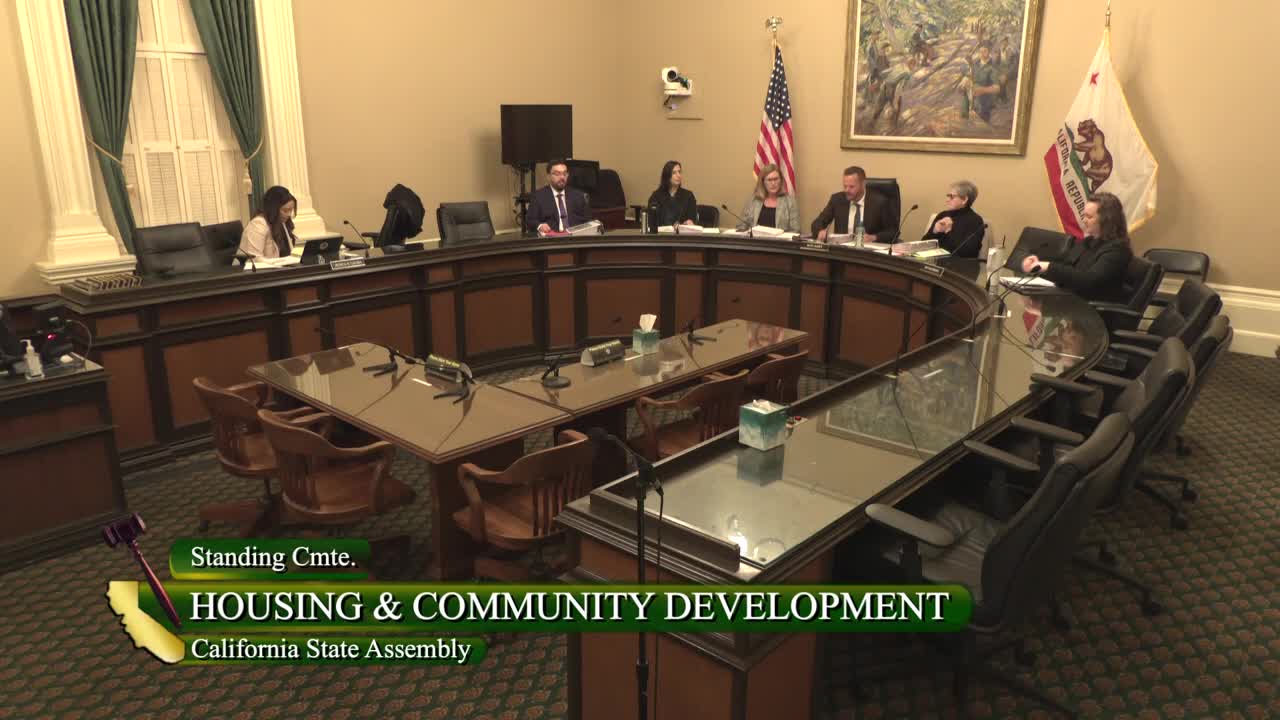 12MIN
Assembly Standing Committee on Housing and Community Development
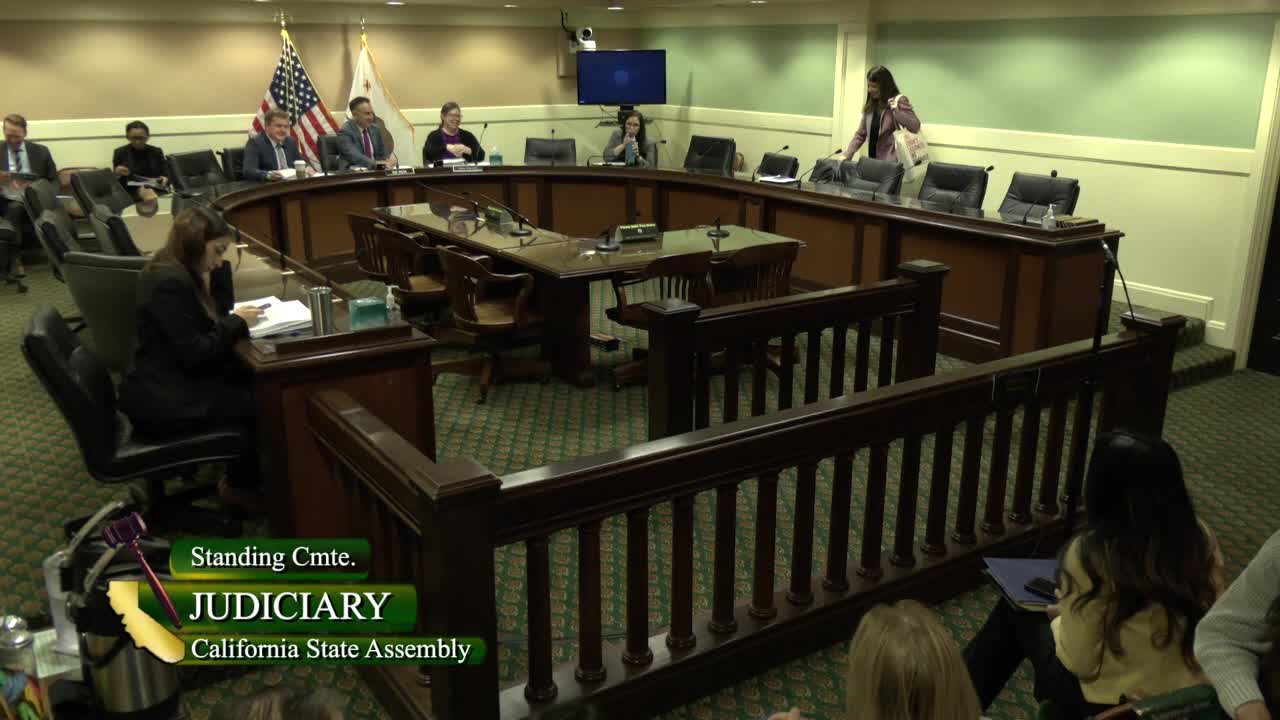 10MIN
Assembly Standing Committee on Judiciary
Bill Author

Bill Co-Author(s):