SB 574: University of California: alternative investment information.
- Session Year: 2015-2016
- House: Senate
- Latest Version Date: 2015-04-22
Existing provisions of the California Constitution establish the University of California as a public trust under the administration of the Regents of the University of California. The University of California system includes 10 campuses, which are located in Berkeley, Davis, Irvine, Los Angeles, Merced, Riverside, San Diego, San Francisco, Santa Barbara, and Santa Cruz.
This bill would require the University of California to obtain certain information regarding alternative investments from each private equity fund, venture fund, hedge fund, or absolute return fund in which the University of California provides or has provided funds for investment.
Existing law generally requires meetings of the Regents of the University of California to be conducted in accordance with the Bagley-Keene Open Meeting Act, unless otherwise provided. Existing law further authorizes the Regents of the University of California to conduct closed sessions to discuss specified matters, including, among others, matters involving the purchase or sale of investments for endowment and pension funds.
This bill would specify that the provisions authorizing the regents to conduct a closed meeting to discuss matters involving the purchase of sale of investments for endowment and pension funds do not apply to investments in a private equity fund, venture fund, hedge fund, or absolute return fund unless the regents have received from the fund, and disclosed to the public, certain information set forth in specified provisions of the California Public Records Act.
Existing law generally requires meetings of the Regents of the University of California to be conducted in accordance with the Bagley-Keene Open Meeting Act, unless otherwise provided. Existing law further authorizes the Regents of the University of California to conduct closed sessions to discuss specified matters, including, among others, matters involving the purchase or sale of investments for endowment and pension funds.
This bill would specify that the provisions authorizing the regents to conduct a closed meeting to discuss matters involving the purchase of sale of investments for endowment and pension funds do not apply to investments in a private equity fund, venture fund, hedge fund, or absolute return fund unless the regents have received from the fund, and disclosed to the public, certain information set forth in specified provisions of the California Public Records Act.
Existing law, the California Public Records Act, requires state and local agencies to make public records, as defined, available for inspection, subject to specified criteria, and with specified exceptions. Existing law excludes from disclosure specified records of public investment funds regarding alternative investments, as defined, unless the information in the records has already been publicly released by the keeper of the information. Notwithstanding this exclusion, existing law provides that certain types of information contained in records regarding alternative investments in which public investment funds invest are subject to disclosure under the act, and provides that the information is not to be considered a trade secret exempt from disclosure.
This bill would also subject records with those types of information regarding alternative investments that are in the constructive possession of, or are otherwise accessible or obtainable by, a public investment fund to disclosure under the act and require a public investment fund to obtain and disclose those records.
By increasing the duties of local public investment funds, this bill would impose a state-mandated local program.
The California Constitution requires local agencies, for the purpose of ensuring public access to the meetings of public bodies and the writings of public officials and agencies, to comply with a statutory enactment that amends or enacts laws relating to public records or open meetings and contains findings demonstrating that the enactment furthers the constitutional requirements relating to this purpose.
This bill would make legislative findings to that effect.
The California Constitution requires the state to reimburse local agencies and school districts for certain costs mandated by the state. Statutory provisions establish procedures for making that reimbursement.
This bill would provide that no reimbursement is required by this act for a specified reason.
Existing law, the California Public Records Act, requires state agencies and local agencies to make public records, as defined, available for inspection, subject to specified criteria, and with specified exceptions. Existing law excludes from disclosure specified records of public investment funds, funds regarding alternative investments, as defined, unless the information in the records has already been publicly released by the keeper of the information. Notwithstanding this exclusion, existing law provides that certain types of information contained in records regarding alternative investments in which public investment funds invest are subject to disclosure under the act, and provides that these records are the information is not to be considered a trade secret exempt from disclosure.
This bill would also subject records with those types of information regarding alternative investments that are in the constructive possession of, or are otherwise accessible or obtainable by, a public investment fund to disclosure under the act and require a public investment fund to obtain and disclose those records.
By increasing the duties of local public investment funds, this bill would impose a state-mandated local program.
The California Constitution requires the state to reimburse local agencies and school districts for certain costs mandated by the state. Statutory provisions establish procedures for making that reimbursement.
This bill would provide that, if the Commission on State Mandates determines that the bill contains costs mandated by the state, reimbursement for those costs shall be made pursuant to these statutory provisions.
The California Constitution requires local agencies, for the purpose of ensuring public access to the meetings of public bodies and the writings of public officials and agencies, to comply with a statutory enactment that amends or enacts laws relating to public records or open meetings and contains findings demonstrating that the enactment furthers the constitutional requirements relating to this purpose.
This bill would make legislative findings to that effect.
The California Constitution requires the state to reimburse local agencies and school districts for certain costs mandated by the state. Statutory provisions establish procedures for making that reimbursement.
This bill would provide that no reimbursement is required by this act for a specified reason.
Existing law, the California Public Records Act, requires state agencies and local agencies to make public records, as defined, available for inspection, subject to specified criteria, and with specified exceptions. Existing law excludes from disclosure specified records of public investment funds, regarding alternative investments, as defined, unless the information in the records has already been publicly released by the keeper of the information. Notwithstanding this exclusion, existing law provides that certain types of information contained in records regarding alternative investments in which public investment funds invest are subject to disclosure under the act, and provides that these records are not to be considered a trade secret exempt from disclosure.
This bill would also subject records with those types of information regarding alternative investments that are in the constructive possession of, or are otherwise accessible or obtainable by, a public investment fund to disclosure under the act and require a public investment fund to obtain and disclose those records.
By increasing the duties of local public investment funds, this bill would impose a state-mandated local program.
The California Constitution requires the state to reimburse local agencies and school districts for certain costs mandated by the state. Statutory provisions establish procedures for making that reimbursement.
This bill would provide that, if the Commission on State Mandates determines that the bill contains costs mandated by the state, reimbursement for those costs shall be made pursuant to these statutory provisions.
The University of California shall obtain the information set forth in subdivision (b) of Section 6254.26 of the Government Code from each private equity fund, venture fund, hedge fund, or absolute return fund in which the University of California provides or has provided funds for investment.
SECTION 1.Section 92032 of the Education Code is amended to read:92032.Notwithstanding Article 9 (commencing with Section 11120) of Chapter 1 of Part 1 of Division 3 of Title 2 of the Government Code:
(a)The Regents of the University of California, as occasioned by necessity, may hold special meetings. The regents shall give public notice for these meetings. This notice shall be given by means of a notice hand delivered or mailed to each newspaper of general circulation and television or radio station that has requested notice in writing, so that the notice may be published or broadcast at least 72 hours before the time of the meeting. The notice shall specify the time, place, and agenda of the special meeting. The regents shall not consider any business not included in the agenda portion of the notice. Failure to comply with this subdivision shall not be excused by the fact that no action was taken at the special meeting.
(b)The Regents of the University of California may conduct closed sessions when they meet to consider or discuss any of the following matters:
(1)Matters affecting national security.
(2)The conferring of honorary degrees or other honors or commemorations.
(3)Matters involving gifts, devises, and bequests.
(4)(A)Matters involving the purchase or sale of investments for endowment and pension funds.
(B)This paragraph shall not apply to investments in a private equity fund, venture fund, hedge fund, or absolute return fund, unless the regents have received from the fund, and disclosed to the public, the information specified in subdivision (b) of Section 6254.26 of the Government Code.
(5)Matters involving litigation, when discussion in open session concerning those matters would adversely affect, or be detrimental to, the public interest.
(6)The acquisition or disposition of property, if discussion of these matters in open session could adversely affect the regents ability to acquire or dispose of the property on the terms and conditions they deem to be in the best public interest.
(7)(A)Matters concerning the appointment, employment, performance, compensation, or dismissal of university officers or employees, excluding individual regents other than the president of the university.
(B)(i)Action taken by a committee of the regents, and final action by the full board of regents, on a proposal for the compensation package of the following executive officers shall occur in an open session of each of those bodies, and shall include a disclosure of the compensation package and rationale for the action:
(I)The President of the University of California.
(II)The chancellor of an individual campus.
(III)A vice president.
(IV)The treasurer or the assistant treasurer.
(V)The general counsel.
(VI)The regents secretary.
(ii)Members of the public shall be afforded the opportunity to address the committee and full board on the proposal during or before consideration of the action item.
(C)Discussion by a committee of the regents of, and action on, an executive compensation program or policy, and any final action by the full board of regents on that program or policy, shall occur in open session of each of those bodies.
(D)Compensation for the principal officers of the regents and the officers of the university shall include salary, benefits, perquisites, severance payments (except those made in connection with a dismissal or a litigation settlement), retirement benefits, or any other form of compensation.
(8)Matters relating to complaints or charges brought against university officers or employees, excluding individual regents other than the president of the university, unless the officer or employee requests a public hearing.
(c)While a witness is being examined during any open or closed session, any or all other witnesses in the investigation may be excluded from the proceedings by the regents.
(d)Committees of the regents may conduct closed sessions on Medi-Cal contract negotiations.
(e)The nominating committee of the regents may conduct closed sessions held for the purpose of proposing officers of the board and members of the boards various committees.
(f)Committees of the regents may conduct closed sessions held for the purpose of proposing a student regent.
(g)The regents shall not be required to give public notice of meetings of special search or selection committees held for the purpose of conducting interviews for university officer positions.
Notwithstanding Article 9 (commencing with Section 11120) of Chapter 1 of Part 1 of Division 3 of Title 2 of the Government Code:
(a)The Regents of the University of California, as occasioned by necessity, may hold special meetings. The regents shall give public notice for these meetings. This notice shall be given by means of a notice hand delivered or mailed to each newspaper of general circulation and television or radio station that has requested notice in writing, so that the notice may be published or broadcast at least 72 hours before the time of the meeting. The notice shall specify the time, place, and agenda of the special meeting. The regents shall not consider any business not included in the agenda portion of the notice. Failure to comply with this subdivision shall not be excused by the fact that no action was taken at the special meeting.
(b)The Regents of the University of California may conduct closed sessions when they meet to consider or discuss any of the following matters:
(1)Matters affecting national security.
(2)The conferring of honorary degrees or other honors or commemorations.
(3)Matters involving gifts, devises, and bequests.
(4)(A)Matters involving the purchase or sale of investments for endowment and pension funds.
(B)This paragraph shall not apply to investments in a private equity fund, venture fund, hedge fund, or absolute return fund, unless the regents have received from the fund, and disclosed to the public, the information specified in subdivision (b) of Section 6254.26 of the Government Code.
(5)Matters involving litigation, when discussion in open session concerning those matters would adversely affect, or be detrimental to, the public interest.
(6)The acquisition or disposition of property, if discussion of these matters in open session could adversely affect the regents ability to acquire or dispose of the property on the terms and conditions they deem to be in the best public interest.
(7)(A)Matters concerning the appointment, employment, performance, compensation, or dismissal of university officers or employees, excluding individual regents other than the president of the university.
(B)(i)Action taken by a committee of the regents, and final action by the full board of regents, on a proposal for the compensation package of the following executive officers shall occur in an open session of each of those bodies, and shall include a disclosure of the compensation package and rationale for the action:
(I)The President of the University of California.
(II)The chancellor of an individual campus.
(III)A vice president.
(IV)The treasurer or the assistant treasurer.
(V)The general counsel.
(VI)The regents secretary.
(ii)Members of the public shall be afforded the opportunity to address the committee and full board on the proposal during or before consideration of the action item.
(C)Discussion by a committee of the regents of, and action on, an executive compensation program or policy, and any final action by the full board of regents on that program or policy, shall occur in open session of each of those bodies.
(D)Compensation for the principal officers of the regents and the officers of the university shall include salary, benefits, perquisites, severance payments (except those made in connection with a dismissal or a litigation settlement), retirement benefits, or any other form of compensation.
(8)Matters relating to complaints or charges brought against university officers or employees, excluding individual regents other than the president of the university, unless the officer or employee requests a public hearing.
(c)While a witness is being examined during any open or closed session, any or all other witnesses in the investigation may be excluded from the proceedings by the regents.
(d)Committees of the regents may conduct closed sessions on Medi-Cal contract negotiations.
(e)The nominating committee of the regents may conduct closed sessions held for the purpose of proposing officers of the board and members of the boards various committees.
(f)Committees of the regents may conduct closed sessions held for the purpose of proposing a student regent.
(g)The regents shall not be required to give public notice of meetings of special search or selection committees held for the purpose of conducting interviews for university officer positions.
SECTION 1.Section 6254.26 of the Government Code is amended to read:6254.26.(a)Notwithstanding any provision of this chapter or other law, the following records regarding alternative investments in which public investment funds invest shall not be subject to disclosure pursuant to this chapter, unless the information has already been publicly released by the keeper of the information:
(1)Due diligence materials that are proprietary to the public investment fund or the alternative investment vehicle.
(2)Quarterly and annual financial statements of alternative investment vehicles.
(3)Meeting materials of alternative investment vehicles.
(4)Records containing information regarding the portfolio positions in which alternative investment funds invest.
(5)Capital call and distribution notices.
(6)Alternative investment agreements and all related documents.
(b)Notwithstanding subdivision (a), the following information contained in records described in subdivision (a) regarding alternative investments in which public investment funds invest shall be subject to disclosure, shall be obtained and disclosed by a public investment fund pursuant to this chapter, and shall not be considered a trade secret exempt from disclosure:
(1)The name, address, and vintage year of each alternative investment vehicle.
(2)The dollar amount of the commitment made to each alternative investment vehicle by the public investment fund since inception.
(3)The dollar amount of cash contributions made by the public investment fund to each alternative investment vehicle since inception.
(4)The dollar amount, on a fiscal yearend basis, of cash distributions received by the public investment fund from each alternative investment vehicle.
(5)The dollar amount, on a fiscal yearend basis, of cash distributions received by the public investment fund plus remaining value of partnership assets attributable to the public investment funds investment in each alternative investment vehicle.
(6)The net internal rate of return of each alternative investment vehicle since inception.
(7)The investment multiple of each alternative investment vehicle since inception.
(8)The dollar amount of the total management fees and costs paid on an annual fiscal yearend basis, by the public investment fund to each alternative investment vehicle.
(9)The dollar amount of cash profit received by public investment funds from each alternative investment vehicle on a fiscal year-end basis.
(c)For purposes of this section, the following definitions shall apply:
(1)Alternative investment means an investment in a private equity fund, venture fund, hedge fund, or absolute return fund.
(2)Alternative investment vehicle means the limited partnership, limited liability company, or similar legal structure through which the public investment fund invests in portfolio companies.
(3)Portfolio positions means individual portfolio investments made by the alternative investment vehicles.
(4)Public investment fund means any public pension or retirement system, and any public endowment or foundation.
(5)Records includes public records described in Section 6252 and records relating to the conduct of the publics business that are in the constructive possession of, or otherwise accessible or obtainable by, a public investment fund.
SEC. 2.The Legislature finds and declares that Section 1 of this act, which amends Section 6254.26 of the Government Code, furthers, within the meaning of paragraph (7) of subdivision (b) of Section 3 of Article I of the California Constitution, the purposes of that constitutional section as it relates to the right of public access to the meetings of local public bodies or the writings of local public officials and local agencies. Pursuant to paragraph (7) of subdivision (b) of Section 3 of Article I of the California Constitution, the Legislature makes the following findings:
Increased information about the performance of alternative investments collected by local agencies, that could be leveraged by the public to more efficiently access and better monitor the investment performance of an agencys portfolio, would be made available to the public under the act in furtherence of the purpose of Section 3 of Article I of the California Constitution.
SEC. 3.No reimbursement is required by this act pursuant to Section 6 of Article XIIIB of the California Constitution because the only costs that may be incurred by a local agency or school district under this act would result from a legislative mandate that is within the scope of paragraph (7) of subdivision (b) of Section 3 of Article I of the California Constitution.
(a)Notwithstanding any provision of this chapter or other law, the following records regarding alternative investments in which public investment funds invest shall not be subject to disclosure pursuant to this chapter, unless the information has already been publicly released by the keeper of the information:
(1)Due diligence materials that are proprietary to the public investment fund or the alternative investment vehicle.
(2)Quarterly and annual financial statements of alternative investment vehicles.
(3)Meeting materials of alternative investment vehicles.
(4)Records containing information regarding the portfolio positions in which alternative investment funds invest.
(5)Capital call and distribution notices.
(6)Alternative investment agreements and all related documents.
(b)Notwithstanding subdivision (a), the following information contained in records described in subdivision (a) regarding alternative investments in which public investment funds invest shall be subject to disclosure disclosure, shall be obtained and disclosed by a public investment fund pursuant to this chapter, and shall not be considered a trade secret exempt from disclosure:
(1)The name, address, and vintage year of each alternative investment vehicle.
(2)The dollar amount of the commitment made to each alternative investment vehicle by the public investment fund since inception.
(3)The dollar amount of cash contributions made by the public investment fund to each alternative investment vehicle since inception.
(4)The dollar amount, on a fiscal yearend basis, of cash distributions received by the public investment fund from each alternative investment vehicle.
(5)The dollar amount, on a fiscal yearend basis, of cash distributions received by the public investment fund plus remaining value of partnership assets attributable to the public investment funds investment in each alternative investment vehicle.
(6)The net internal rate of return of each alternative investment vehicle since inception.
(7)The investment multiple of each alternative investment vehicle since inception.
(8)The dollar amount of the total management fees and costs paid on an annual fiscal yearend basis, by the public investment fund to each alternative investment vehicle.
(9)The dollar amount of cash profit received by public investment funds from each alternative investment vehicle on a fiscal year-end basis.
(c)For purposes of this section, the following definitions shall apply:
(1)Alternative investment means an investment in a private equity fund, venture fund, hedge fund, or absolute return fund.
(2)Alternative investment vehicle means the limited partnership, limited liability company, or similar legal structure through which the public investment fund invests in portfolio companies.
(3)Portfolio positions means individual portfolio investments made by the alternative investment vehicles.
(4)Public investment fund means any public pension or retirement system, and any public endowment or foundation.
(5)Records includes public records described in Section 6252 and records relating to the conduct of the publics business that are in the constructive possession of, or otherwise accessible or obtainable by, a public investment fund.
SEC. 2.If the Commission on State Mandates determines that this act contains costs mandated by the state, reimbursement to local agencies and school districts for those costs shall be made pursuant to Part 7 (commencing with Section 17500) of Division 4 of Title 2 of the Government Code.
SEC. 2.The Legislature finds and declares that Section 1 of this act, which amends Section 6254.26 of the Government Code, furthers, within the meaning of paragraph (7) of subdivision (b) of Section 3 of Article I of the California Constitution, the purposes of that constitutional section as it relates to the right of public access to the meetings of local public bodies or the writings of local public officials and local agencies. Pursuant to paragraph (7) of subdivision (b) of Section 3 of Article I of the California Constitution, the Legislature makes the following findings:
Increased information about the performance of alternative investments collected by local agencies, that could be leveraged by the public to more efficiently access and better monitor the investment performance of an agencys portfolio, would be made available to the public under the act in furtherence of the purpose of Section 3 of Article I of the California Constitution.
SEC. 3.No reimbursement is required by this act pursuant to Section 6 of Article XIIIB of the California Constitution because the only costs that may be incurred by a local agency or school district under this act would result from a legislative mandate that is within the scope of paragraph (7) of subdivision (b) of Section 3 of Article I of the California Constitution.
(a)Notwithstanding any provision of this chapter or other law, the following records regarding alternative investments in which public investment funds invest shall not be subject to disclosure pursuant to this chapter, unless the information has already been publicly released by the keeper of the information:
(1)Due diligence materials that are proprietary to the public investment fund or the alternative investment vehicle.
(2)Quarterly and annual financial statements of alternative investment vehicles.
(3)Meeting materials of alternative investment vehicles.
(4)Records containing information regarding the portfolio positions in which alternative investment funds invest.
(5)Capital call and distribution notices.
(6)Alternative investment agreements and all related documents.
(b)Notwithstanding subdivision (a), the following information contained in records described in subdivision (a) regarding alternative investments in which public investment funds invest shall be subject to disclosure shall be obtained and disclosed by a public investment fund pursuant to this chapter, and shall not be considered a trade secret exempt from disclosure:
(1)The name, address, and vintage year of each alternative investment vehicle.
(2)The dollar amount of the commitment made to each alternative investment vehicle by the public investment fund since inception.
(3)The dollar amount of cash contributions made by the public investment fund to each alternative investment vehicle since inception.
(4)The dollar amount, on a fiscal yearend basis, of cash distributions received by the public investment fund from each alternative investment vehicle.
(5)The dollar amount, on a fiscal yearend basis, of cash distributions received by the public investment fund plus remaining value of partnership assets attributable to the public investment funds investment in each alternative investment vehicle.
(6)The net internal rate of return of each alternative investment vehicle since inception.
(7)The investment multiple of each alternative investment vehicle since inception.
(8)The dollar amount of the total management fees and costs paid on an annual fiscal yearend basis, by the public investment fund to each alternative investment vehicle.
(9)The dollar amount of cash profit received by public investment funds from each alternative investment vehicle on a fiscal year-end basis.
(c)For purposes of this section, the following definitions shall apply:
(1)Alternative investment means an investment in a private equity fund, venture fund, hedge fund, or absolute return fund.
(2)Alternative investment vehicle means the limited partnership, limited liability company, or similar legal structure through which the public investment fund invests in portfolio companies.
(3)Portfolio positions means individual portfolio investments made by the alternative investment vehicles.
(4)Public investment fund means any public pension or retirement system, and any public endowment or foundation.
(5)Records includes public records described in Section 6252 and records relating to the conduct of the publics business that are in the constructive possession of, or otherwise accessible or obtainable by, a public investment fund.
SEC. 2.If the Commission on State Mandates determines that this act contains costs mandated by the state, reimbursement to local agencies and school districts for those costs shall be made pursuant to Part 7 (commencing with Section 17500) of Division 4 of Title 2 of the Government Code.
|
Date
|
Status
|
|---|---|
| Apr 29, 2015 | From committee: Do pass and re-refer to Com. on APPR. (Ayes 7. Noes 0.) (April 29). Re-referred to Com. on APPR. |
| Aug 27, 2015 | August 27 hearing: Held in committee and under submission. |
| Jul 15, 2015 | July 15 set for first hearing. Placed on APPR. suspense file. |
| Jul 8, 2015 | From committee: Do pass and re-refer to Com. on APPR. (Ayes 8. Noes 4.) (July 7). Re-referred to Com. on APPR. |
| Jun 18, 2015 | Referred to Com. on HIGHER ED. |
| Jun 2, 2015 | In Assembly. Read first time. Held at Desk. |
| Jun 1, 2015 | Read third time. Passed. (Ayes 37. Noes 0.) Ordered to the Assembly. |
| Jun 1, 2015 | Read third time. Passed. (Ayes 37. Noes 0. Page 1207.) Ordered to the Assembly. |
| May 28, 2015 | Read second time. Ordered to third reading. |
| May 28, 2015 | From committee: Do pass. (Ayes 7. Noes 0.) (May 28). |
| May 28, 2015 | From committee: Do pass. (Ayes 7. Noes 0. Page 1156.) (May 28). |
| May 23, 2015 | Set for hearing May 28. |
| May 18, 2015 | May 18 hearing: Placed on APPR. suspense file. |
| May 8, 2015 | Set for hearing May 18. |
| Feb 26, 2015 | Introduced. Read first time. To Com. on RLS. for assignment. To print. |
| Apr 29, 2015 | From committee: Do pass and re-refer to Com. on APPR. (Ayes 7. Noes 0. Page 814.) (April 29). Re-referred to Com. on APPR. |
| Apr 27, 2015 | Re-referred to Com. on ED. |
| Apr 24, 2015 | Set for hearing April 29 in ED. pending receipt. |
| Apr 23, 2015 | Withdrawn from committee. |
| Apr 23, 2015 | Re-referred to Com. on RLS. |
| Apr 22, 2015 | From committee with author's amendments. Read second time and amended. Re-referred to Com. on JUD. |
| Apr 21, 2015 | Set for hearing April 28. |
| Apr 16, 2015 | From committee with author's amendments. Read second time and amended. Re-referred to Com. on JUD. |
| Apr 7, 2015 | April 14 set for first hearing canceled at the request of author. |
| Apr 6, 2015 | From committee with author's amendments. Read second time and amended. Re-referred to Com. on JUD. |
| Apr 2, 2015 | Set for hearing April 14. |
| Mar 12, 2015 | Referred to Com. on JUD. |
| Feb 27, 2015 | From printer. May be acted upon on or after March 29. |
|
Date
|
Description
|
Location
|
Votes
|
|
|---|---|---|---|---|
| Jul 7, 2015 | Do pass and be re-referred to the Committee on [Appropriations] | Assembly Standing Committee on Higher Education |
Passed |
|
| Jun 1, 2015 | Senate 3rd Reading SB574 Pan | Senate Floor |
Passed |
|
| May 28, 2015 | Do pass | Senate Standing Committee on Appropriations |
Passed |
|
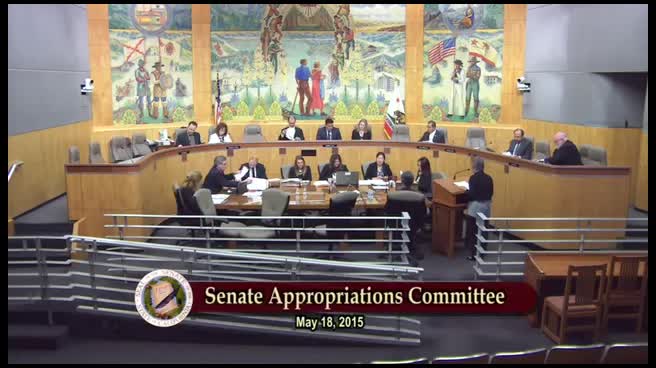
| May 18, 2015 | Placed on suspense file | Senate Standing Committee on Appropriations |
Passed |
|
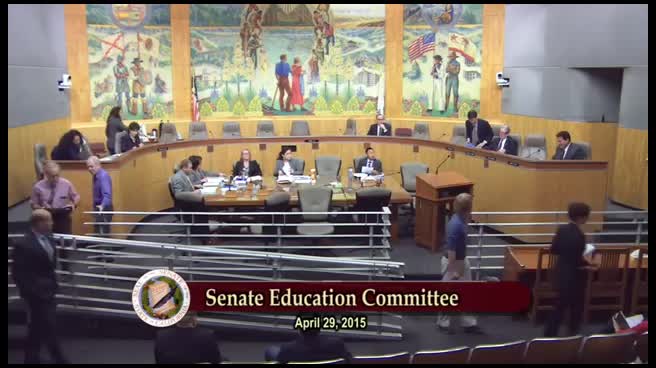
| Apr 29, 2015 | Do pass, but first be re-referred to the Committee on [Appropriations] | Senate Standing Committee on Education |
Passed |
This list shows positions taken on this bill by organizations on the date displayed, which is linked to the original source.
Positions by individuals are not included.
|
Organization
|
Position
|
Date
|
|---|---|---|
| American Federation of State, County and Municipal Employees | ** Support | Jul 15, 2015 |
| California Chamber Of Commerce | ** Against | Jul 15, 2015 |
| California Newspaper Publishers Association | * Support | Jul 15, 2015 |
| General Council for the California Newspaper Publishers Association | * Support | Jul 15, 2015 |
| One individual | ** Support | Jul 15, 2015 |
| UC Regents Case | * Indeterminate | Apr 29, 2015 |
| University of California | ** Against | Jul 15, 2015 |
Date of Hearing: July 15, 2015
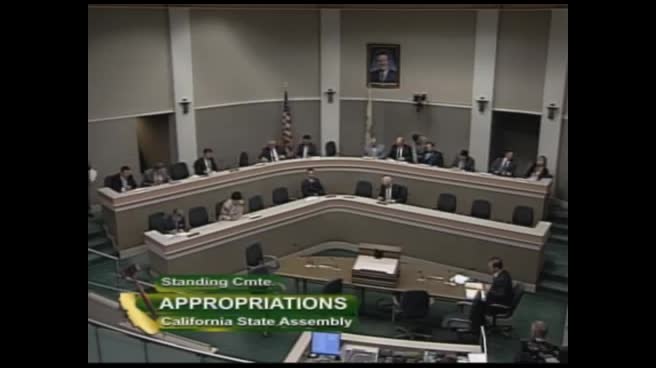
ASSEMBLY COMMITTEE ON APPROPRIATIONS
Jimmy Gomez, Chair
SB 574
(Pan) – As Amended April 22, 2015
Policy Committee: |
Higher Education |
Vote: |
8 - 4 |
|
|
|
|
|
|
|
|
Urgency: No State Mandated Local Program: No Reimbursable: No
SUMMARY:
This bill requires the University of California (UC) to obtain the following information, as currently required by Government Code Section 6254.26(b), from each private equity fund, venture fund, hedge fund, or absolute return fund in which the UC provides or has provided funds for investment:
Name, address, and vintage year of each alternative investment vehicle;
Dollar amount of the commitment made to each alternative investment vehicle by the public investment fund since inception;
Dollar amount of cash contributions made by the public investment fund to each alternative investment vehicle since inception;
Dollar amount, on a fiscal yearend basis, of cash distributions received by the public investment fund from each alternative investment vehicle;
Dollar amount, on a fiscal yearend basis, of cash distributions received by the public investment fund plus remaining value of partnership assets attributable to the public investment fund’s investment in each alternative investment vehicle;
Net internal rate of return of each alternative investment vehicle since inception;
Investment multiple of each alternative investment vehicle since inception;
Dollar amount of the total management fees and costs paid on an annual fiscal yearend basis, by the public investment fund to each alternative investment vehicle; and,
Dollar amount of cash profit received by public investment funds from each alternative investment vehicle on a fiscal year-end basis.
FISCAL EFFECT:
UC anticipates one-time litigation-related costs of at least $500,000 to attempt to obtain some of the required information. In addition, to the extent the requirement to obtain such information leads to high-performing alternative investment firms rejecting UC's further participation, UC could realize lower returns on its investment portfolio.
COMMENTS:
Background. The California Public Records Act (CPRA) generally makes all public records accessible to the public upon request. There are 30 general categories of documents or information that are exempt from such disclosure.
In June 2003, the Alameda County Superior Court—citing the CPRA and in response to a complaint filed by Reuters LLC following a request to UC for information regarding UC's investments in specified funds, required UC to reveal information regarding individual venture-capital partnerships. In 2005, in response to concerns that this disclosure would lead to some funds discontinuing partnership with UC, SB 439 (Simitian), which was co-sponsored by UC and CalPERS, established Government Code Section 6254.26, requiring the public disclosure of some information regarding performance of alternative investment, but protecting the confidentiality of certain proprietary information.
Purpose. This bill, sponsored by the California Newspaper Publishers Association (CPNA), is intended to respond to a ruling by the California Court of Appeals in Regents of the University of California v. Superior Court (2013) 222 Cal. App. 4th 383, appealing the 2003 Superior Court decision. The Superior Court had found that the UC Regents were required to use “objectively reasonable efforts” to obtain individual fund information (#6 in the above Summary) for the Regent’s current investments from two private equity firms (Kleiner-Perkins and Sequoia) even though the Regents had not prepared, owned, used, or retained this fund information. This ruling was overturned by the appeals court which found that, because the information was not prepared, owned, used or retained by the Regents, it was not a “public record” within the meaning of CPRA.
The CNPA argues that this ruling allows the UC to violate the agreement negotiated as part of SB 439, and that this bill simply requires UC to comply with the disclosure requirements of the law it sponsored in 2005.
Opposition. UC notes that its Private Equity partnerships are 10- to 13-year investments, and that the only relevant rate-of-return measure is the amount returned at the end of the partnership compared to the capital invested. UC indicates that it receives information from these funds annually at the firm level, which it maintains provides both UC and the public with the necessary information to gauge overall performance for the firm under contract. UC argues that SB 574, by requiring the University to obtain specific records for each of its alternative investments that are not critical to its investment decisions, "is illogical and could result in the University being prohibited from participating in certain types of investments".
The California Chamber of Commerce argues that the bill would "set a troubling precedent by expanding the reach of the CPRA to include documents that are prepared, owned, used and retained by private entities merely because those documents contain information related to an agency's business."
Analysis Prepared by: Chuck Nicol / APPR. / (916) 319-2081
SB 574
Page 3
Date of Hearing: July 7, 2015
ASSEMBLY COMMITTEE ON HIGHER EDUCATION
Jose Medina, Chair
SB 574
(Pan) – As Amended April 22, 2015
SENATE VOTE: 37-0
SUBJECT: University of California: alternative investment information.
SUMMARY: Requires the University of California (UC) to obtain the information required in Government Code Section 6254.26(b) from each private equity fund, venture fund, hedge fund, or absolute return fund in which the UC provides or has provided funds for investment.
EXISTING LAW:
Pursuant to Government Code Section 6254.26(b), the following information regarding alternative investments in which public investment funds invest are subject to disclosure:
The name, address, and vintage year of each alternative investment vehicle;
The dollar amount of the commitment made to each alternative investment vehicle by the public investment fund since inception;
The dollar amount of cash contributions made by the public investment fund to each alternative investment vehicle since inception;
The dollar amount, on a fiscal yearend basis, of cash distributions received by the public investment fund from each alternative investment vehicle;
The dollar amount, on a fiscal yearend basis, of cash distributions received by the public investment fund plus remaining value of partnership assets attributable to the public investment fund’s investment in each alternative investment vehicle;
The net internal rate of return of each alternative investment vehicle since inception;
The investment multiple of each alternative investment vehicle since inception;
The dollar amount of the total management fees and costs paid on an annual fiscal yearend basis, by the public investment fund to each alternative investment vehicle; and,
The dollar amount of cash profit received by public investment funds from each alternative investment vehicle on a fiscal year-end basis.
Pursuant to Government Code Section 6254.26(a), the following records regarding alternative investments in which public investment funds invest are not subject to disclosure, unless the information has already been publicly released by the keeper of the information:
Due diligence materials that are proprietary to the public investment fund or the alternative investment vehicle;
Quarterly and annual financial statements of alternative investment vehicles;
Meeting materials of alternative investment vehicles;
Records containing information regarding the portfolio positions in which alternative investment funds invest;
Capital call and distribution notices; and,
Alternative investment agreements and all related documents.
FISCAL EFFECT: According to the Senate Appropriations Committee, UC indicates that this bill would require it to obtain the required information from the investment firms through litigation. UC anticipates such costs to be at least $500,000.
COMMENTS: Background. In June 2003, the Alameda County Superior Court, citing the California Public Records Act (CPRA), required UC to reveal information regarding individual venture-capital partnerships. In 2005, in response to concerns that this disclosure would lead to some funds discontinuing partnership with UC, SB 439, Simitian, Chapter 258, established Government Code 6254.26 to require the public disclosure of some information regarding investment performance, but to protect the confidentiality of some proprietary information.
According to the Fact Sheet of SB 439 created by UC, concern that "trade secrets" would be obtained by competitors led a number of venture-capital firms to no longer offer UC partnership opportunities, specifically "new funds offered by the top two performing funds: Sequoia and Kleiner Perkins". In 2005, UC asserted that SB 439 achieved an "appropriate balance" to enable the UC and other public investment systems to maintain access to high-performing alternative investments, to reduce legal challenges, and to ensure consistent disclosure.
Purpose of this bill. According to the author, the courts recently ruled that the UC Regents are allowed to refrain from obtaining this information from the two largest venture capital partners with whom the UC invests. As a result, the UC Regents can avoid the disclosure requirements which would otherwise apply since they cannot disclose information which they do not possess. According to the author, the UC has invested over $239 million in 10 venture capital funds. This bill would require the UC to obtain the specified information and allow Californians and UC employees to track the performance of investments on which their pensions rely.
Arguments in support. This bill is sponsored by the California Newspaper Publishers Association (CNPA). According to CNPA, this bill would overrule a portion of the Court of Appeal's decision in Regents of the University of California v. Superior Court (2013) 222 Cal. App. 4th 383, which allowed the UC to refuse to obtain investment reports from its two largest venture capital partners: Kleiner Perkins and Sequoia. The CNPA argues that this ruling allows the UC to violate the agreement negotiated as part of SB 439; this bill simply requires UC to comply with the disclosure requirements of the law it sponsored in 2005.
Arguments in opposition. The California Chamber of Commerce (CalChamber) opposes this bill and argues that the CPRA only applies to writings that are "prepared, owned, used, or retained by any state or local agency," and therefore does not require UC to obtain documents that were never in its possession merely because they might contain information the public would find valuable. According to CalChamber, this bill would set a troubling precedent by expanding the reach of the CPRA to include private entity documents. UC opposes this bill and argues that forcing UC to obtain information that is not critical to its investment decisions is "illogical and could result in the University being prohibited from participating in certain types of investments." UC argues that it "makes every effort to be transparent and accountable, and to ensure that investments it makes add significant value to the University."
UC Constitutional autonomy. The California Constitution (Article IX, Section 9) establishes UC as a public trust and confers the full powers of the UC upon the UC Regents. The Constitution establishes that the UC is subject to legislative control only to the degree necessary to ensure the security of its funds and compliance with the terms of its endowments. Judicial decisions have held that there are three additional areas in which there may be limited legislative intrusion into university operations: authority over the appropriation of state moneys; exercise of the general police power to provide for the public health, safety and welfare; and, legislation on matters of general statewide concern not involving internal university affairs. While the provisions of this bill are not binding on UC, the sponsor points to prior legislation and past practice of the UC Regents to voluntarily adopt legislative mandates.
REGISTERED SUPPORT / OPPOSITION:
Support
California Newspaper Publishers Association (Sponsor)
American Federation of State, County and Municipal Employees
One Individual
Opposition
California Chamber of Commerce
University of California
Analysis Prepared by: Laura Metune / HIGHER ED. / (916) 319-3960
SB 574
Page 5
|
Office of Senate Floor Analyses (916) 651-1520 Fax: (916) 327-4478 |
THIRD READING
Bill No: SB 574
Amended: 4/22/15
SENATE EDUCATION COMMITTEE: 7-0, 4/29/15
AYES: Liu, Block, Hancock, Leyva, Mendoza, Monning, Pan
NO VOTE RECORDED: Runner, Vidak
SENATE APPROPRIATIONS COMMITTEE: 7-0, 5/28/15
AYES: Lara, Bates, Beall, Hill, Leyva, Mendoza, Nielsen
SUBJECT: University of California: alternative investment information
SOURCE: California Newspaper Publishers Association
DIGEST: This bill requires the University of California (UC) to obtain specified information from each private equity fund, venture fund, hedge fund, or absolute return fund in which the UC provides or has provided funds for investment.
Existing law:
Defines “alternative investment” as an investment in a private equity fund, venture fund, hedge fund, or absolute return fund.
Exempts specified records regarding alternative investments in which public investment funds are invested from disclosure, unless the information has already been publicly released by the keeper of the information. Information exempted from disclosure includes due diligence materials that are proprietary, quarterly and annual financial statements, meeting materials, records containing information regarding the portfolio positions in which alternative investment funds invest, capital call and distribution notices, and alternative investment agreements and all related documents.
Requires disclosure of specified information regarding alternative investments. These required disclosures include the following:
The name, address, and vintage year of each alternative investment vehicle.
The dollar amount of the commitment made to each alternative investment vehicle by the public investment fund since inception.
The dollar amount of cash contributions made by the public investment fund to each alternative investment vehicle since inception.
The dollar amount, on a fiscal year-end basis, of cash distributions received by the public investment fund from each alternative investment vehicle.
The dollar amount, on a fiscal year-end basis, of cash distributions received by the public investment fund plus remaining value of partnership assets attributable to the public investment fund’s investment in each alternative investment vehicle.
The net internal rate of return of each alternative investment vehicle since inception.
The investment multiple of each alternative investment vehicle since inception.
The dollar amount of the total management fees and costs paid on an annual fiscal year-end basis, by the public investment fund to each alternative investment vehicle.
The dollar amount of cash profit received by public investment funds from each alternative investment vehicle on a fiscal year-end basis. (Government Code § 6254.26)
Governs, pursuant to the California Public Records Act (CPRA), the disclosure of information collected and maintained by public agencies. Generally, all public records are accessible to the public upon request, unless the record requested is exempt from public disclosure. There are 30 general categories of documents or information that are exempt from disclosure, essentially due to the character of the information. Unless it is shown that the public's interest in disclosure outweighs the public's interest in non-disclosure of the information, the exempt information may be withheld by the public agency that has custody of the information.
Defines state agency, for purposes of the CPRA, to include every state officer, department, division, bureau, board, and commission or other state body or agency, except for the Legislature and the Judiciary. The California State University, the University of California, and the California Community Colleges are considered to be state agencies for this purpose. (Government Code § 6250, et. al.)
This
bill requires the University of California to obtain the information
required to be disclosed under specified Government Code provisions
(§ 6254.26) from each private equity fund, venture fund, hedge fund,
or absolute return fund in which the UC provides, or has provided,
funds for investment.
Comments
Need for the bill. Under the CPRA, specified information about alternative investments must be disclosed if public funds are used for investment. According to the author, the courts recently ruled that the UC Regents are allowed to refrain from obtaining this information from the two largest venture capital partners with whom the UC invests. As a result, the UC Regents can avoid the disclosure requirements which would otherwise apply since they cannot disclose information which they do not possess.
According to the author, the UC has invested over $239 million in 10 venture capital funds. This bill would require the UC to obtain the specified information and allow Californians and UC employees to track the performance of investments on which their pensions rely. This bill is sponsored by the California Newspaper Publishers Association.
Related Court Cases. This bill is intended to respond to a ruling by the California Court of Appeals in Regents of the University of California v. Superior Court (2013) 222 Cal. App. 4th 383, appealing the decision of the Superior Court for Alameda County in regards to a request by Reuters America LLC for specific financial information from the UC Regents pertaining to their investments in specified funds.
The court noted that the primary issue in the case was whether a public agency can be required under the California Public Records Act (Government Code § 6250, et. seq.) to seek records it does not prepare, own, use or retain in the conduct of its business.
The Superior Court found that the Regents were required to use "objectively reasonable efforts" to obtain individual fund information for the Regent's current investments from Kleiner Perkins Caulfield & Byers (Kleiner Perkins) and Sequoia Capital (Sequoia) even though the Regents had not prepared, owned, used, or retained this fund information. However, this ruling was overturned by the appeals court which found that, because the information was not prepared, owned, used, or retained by the Regents, records reflecting such information in the hands of Kleiner Perkins and Sequoia were not "public records" within the meaning of the California Public Records Act.
History. Court documents noted that as of October 2012, the Regents owned investment assets of about $71.6 billion which help pay for employee pensions, student scholarships, research, and other university operations. Since 1979, about 2 percent of the Regent’s multi-billion dollar investment portfolio has been invested in “private equity;” limited partnerships formed and managed by private parties to invest in private companies.
Until 2003, the Regents did receive information from the private equity firms that allowed it to monitor its private equity investments. In 2003, however, in response to a claim by the Coalition of University Employees, the Alameda County Superior Court ruled that this information was subject to disclosure under the California Public Records Act. A UC Regents petition to seek review of that decision by an appeals court was denied. Following this decision, the two private equity firms that were the subject of the 2013 court case, Kleiner Perkins and Sequoia, stopped providing fund specific information and stopped inviting the Regents to participate in new funds. It appears that Sequoia did allow the Regents to invest in private equity funds again beginning in 2010.
FISCAL EFFECT: Appropriation: No Fiscal Com.: Yes Local: No
According to the Senate Appropriations Committee:
UC indicates that this bill would require it to obtain the required information from the investment firms through litigation. UC anticipates such costs to be at least $500,000.
California Newspaper Publishers Association, CNPA Services, Inc. (source)
American Federation of State, County and Municipal Employees, AFL-CIO
OPPOSITION: (Verified 5/28/15)
University of California
Prepared by: Kathleen Chavira / ED. / (916) 651-4105
5/31/15 12:22:21
**** END ****
SB 574 (Pan) Page 2 of 2
SENATE COMMITTEE ON APPROPRIATIONS
Senator Ricardo Lara, Chair
2015 - 2016 Regular Session
SB 574 (Pan) - University of California: alternative investment information.
|
|
Version: April 22, 2015 |
Policy Vote: ED. 7 - 0 |
Urgency: No |
Mandate: No |
Hearing Date: May 18, 2015 |
Consultant: Jillian Kissee |
This bill meets the criteria for referral to the Suspense File.
Bill Summary:
This bill requires the University of California (UC) to obtain specified information from each private equity fund, venture fund, hedge fund, or absolute return fund in which the UC provides or has provided funds for investment.
Fiscal Impact:
UC indicates that this bill would require it to obtain the required information from the investment firms through litigation. UC anticipates such costs to be at least $500,000.
Background:
Existing law defines “alternative investment” as an investment in a private equity fund, venture fund, hedge fund, or absolute return fund.
Existing
law exempts specified records regarding alternative investments in
which public investment funds are invested from disclosure, unless
the information has already been publicly released by the keeper of
the information. Information exempted from disclosure includes due
diligence materials that are proprietary, quarterly and annual
financial statements, meeting materials, records containing
information regarding the portfolio positions in which alternative
investment funds invest, capital call and distribution notices, and
alternative investment agreements and all related documents.
Existing
law, the California Public Records Act (CPRA) governs the disclosure
of information collected and maintained by public agencies.
Generally, all public records are accessible to the public upon
request, unless the record requested is exempt from public
disclosure. There are 30 general categories of documents or
information that are exempt from disclosure, essentially due to the
character of the information. Unless it is shown that the public's
interest in disclosure outweighs the public's interest in
non-disclosure of the information, the exempt information may be
withheld by the public agency that has custody of the information.
Existing law defines state agency, for purposes of the CPRA, to include every state officer, department, division, bureau, board, and commission or other state body or agency, except for the Legislature and the Judiciary. The California State University, the UC, and the California Community Colleges are considered to be state agencies for this purpose. (Government Code § 6250, et. al.)
This bill is intended to respond to a ruling by the California Court of Appeals in Regents of the University of California v. Superior Court (2013) 222 Cal. App. 4th 383, appealing the decision of the Superior Court for Alameda County in regard to a request made by Reuters America LLC for specific information from the UC Regents pertaining to their investments in specified funds. The Superior Court found the Regents were required to use “objectively reasonable efforts” to obtain individual fund information for the Regent’s current investments from two private equity firms even though the Regents had not prepared, owned, used, or retained this fund information. This ruling was overturned by the appeals court which found that, because the information was not prepared, owned, used or retained by the Regents, were not “public records” within the meaning of CPRA.
Proposed Law:
This bill requires the UC to obtain specified information subject to disclosure, and deemed not to be considered a trade secret, in current law from each private equity fund, venture fund, hedge fund, or absolute return fund in which the UC provides or has provided funds for investment.
Specifically,
this bill requires the UC to obtain the following information:
The name, address, and vintage year of each alternative investment vehicle.
The dollar amount of the commitment made to each alternative investment vehicle by the public investment fund since inception.
The dollar amount of cash contributions made by the public investment fund to each alternative investment vehicle since inception.
The dollar amount, on a fiscal year-end basis, of cash distributions received by the public investment fund each alternative investment vehicle.
The dollar amount, on a fiscal year-end basis, of cash distributions received by the public investment fund plus remaining value of partnership assets attributable to the public investment fund’s investment in each alternative investment vehicle.
The net internal rate of return of each alternative investment vehicle since inception.
The investment multiple of each alternative investment vehicle since inception.
The dollar amount of the total management fees and costs paid on an annual fiscal year-end basis, by the public investment fund to each alternative investment vehicle.
The dollar amount of cash profit received by public investment funds from each alternative investment vehicle on a fiscal year-end basis.
-- END --
SB 574 (Pan) Page 3 of 3
SENATE COMMITTEE ON EDUCATION
Senator Carol Liu, Chair
2015 - 2016 Regular
Bill No: SB 574
Author: |
Pan |
||
Version: |
April 22, 2015 Hearing Date: April 29, 2015 |
||
Urgency: |
No |
Fiscal: |
Yes |
Consultant: |
Kathleen Chavira |
||
Subject: University of California: alternative investment information
SUMMARY
This bill requires the University of California (UC) to obtain specified information from each private equity fund, venture fund, hedge fund, or absolute return fund in which the UC provides or has provided funds for investment.
BACKGROUND
Existing law defines “alternative investment” as an investment in a private equity fund, venture fund, hedge fund, or absolute return fund.
Existing law exempts specified records regarding alternative investments in which public investment funds are invested from disclosure, unless the information has already been publicly released by the keeper of the information. Information exempted from disclosure includes due diligence materials that are proprietary, quarterly and annual financial statements, meeting materials, records containing information regarding the portfolio positions in which alternative investment funds invest, capital call and distribution notices, and alternative investment agreements and all related documents.
Existing law requires disclosure of specified information regarding alternative investments. These required disclosures include the following:
The name, address, and vintage year of each alternative investment vehicle.
The dollar amount of the commitment made to each alternative investment vehicle by the public investment fund since inception.
The dollar amount of cash contributions made by the public investment fund to each alternative investment vehicle since inception.
The dollar amount, on a fiscal year-end basis, of cash distributions received by the public investment fund from each alternative investment vehicle.
The dollar amount, on a fiscal year-end basis, of cash distributions received by the public investment fund plus remaining value of partnership assets attributable to the public investment fund’s investment in each alternative investment vehicle.
The net internal rate of return of each alternative investment vehicle since inception.
The investment multiple of each alternative investment vehicle since inception.
The dollar amount of the total management fees and costs paid on an annual fiscal year-end basis, by the public investment fund to each alternative investment vehicle.
The dollar amount of cash profit received by public investment funds from each alternative investment vehicle on a fiscal year-end basis.
(Government Code § 6254.26)
Existing law, the California Public Records Act (CPRA) governs the disclosure of information collected and maintained by public agencies. Generally, all public records are accessible to the public upon request, unless the record requested is exempt from public disclosure. There are 30 general categories of documents or information that are exempt from disclosure, essentially due to the character of the information. Unless it is shown that the public's interest in disclosure outweighs the public's interest in non-disclosure of the information, the exempt information may be withheld by the public agency that has custody of the information.
Existing law defines state agency, for purposes of the CPRA, to include every state officer, department, division, bureau, board, and commission or other state body or agency, except for the Legislature and the Judiciary. The California State University, the University of California, and the California Community Colleges are considered to be state agencies for this purpose. (Government Code § 6250, et. al.)
ANALYSIS
This bill requires the University of California to obtain the information required to be disclosed under specified Government Code provisions (§ 6254.26) from each private equity fund, venture fund, hedge fund, or absolute return fund in which the UC provides, or has provided, funds for investment.
STAFF COMMENTS
Need for the bill. Under the California Public Records Act, specified information about alternative investments must be disclosed if public funds are used for investment. According to the author, the courts recently ruled that the UC Regents are allowed to refrain from obtaining this information from the two largest venture capital partners with whom the UC invests. As a result, the UC Regents can avoid the disclosure requirements which would otherwise apply since they cannot disclose information which they do not possess.
According to the author, the UC has invested over $239 million in 10 venture capital funds. This bill would require the UC to obtain the specified information and allow Californians and UC employees to track the performance of investments on which their pensions rely. This bill is sponsored by the California Newspaper Publishers Association.
Related Court Cases. This bill is intended to respond to a ruling by the California Court of Appeals in Regents of the University of California v. Superior Court (2013) 222 Cal. App. 4th 383, appealing the decision of the Superior Court for Alameda County in regards to a request by Reuters America LLC for specific financial information from the UC Regents pertaining to their investments in specified funds.
The court noted that the primary issue in the case was whether a public agency can be required under the California Public Records Act (Government Code § 6250, et. seq.) to seek records it does not prepare, own, use or retain in the conduct of its business.
The Superior Court found that the Regents were required to use "objectively reasonable efforts" to obtain individual fund information for the Regent's current investments from Kleiner Perkins Caulfield & Byers (Kleiner Perkins) and Sequoia Capital (Sequoia) even though the Regents had not prepared, owned, used, or retained this fund information. However, this ruling was overturned by the appeals court which found that, because the information was not prepared, owned, used, or retained by the Regents, records reflecting such information in the hands of Kleiner Perkins and Sequoia were not "public records" within the meaning of the California Public Records Act.
History. Court documents noted that as of October 2012, the Regents owned investment assets of about $71.6 billion which help pay for employee pensions, student scholarships, research, and other university operations. Since 1979, about 2 percent of the Regent’s multi-billion dollar investment portfolio has been invested in “private equity;” limited partnerships formed and managed by private parties to invest in private companies.
Until 2003, the Regents did receive information from the private equity firms that allowed it to monitor its private equity investments. In 2003, however, in response to a claim by the Coalition of University Employees, the Alameda County Superior Court ruled that this information was subject to disclosure under the California Public Records Act. A UC Regents petition to seek review of that decision by an appeals court was denied. Following this decision, the two private equity firms that were the subject of the 2013 court case, Kleiner Perkins and Sequoia, stopped providing fund specific information and stopped inviting the Regents to participate in new funds. It appears that Sequoia did allow the Regents to invest in private equity funds again beginning in 2010.
SUPPORT
American Federation of State, County and Municipal Employees, AFL-CIO
California Newspaper Publishers Association, CNPA Services, Inc.
OPPOSITION
University of California
-- END --
Discussed in Hearing
 11MIN
Assembly Standing Committee on Appropriations
 5MIN
Senate Floor
 2MIN
Senate Standing Committee on Appropriations
 19MIN
Senate Standing Committee on Education
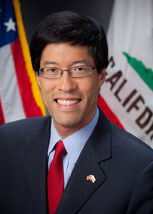
Bill Author
Bill Co-Author(s):