AB 1706: Military fraud.
- Session Year: 2015-2016
- House: Assembly
- Latest Version Date: 2016-03-08
Existing law requires certain elected officers to forfeit their office upon the conviction of a crime pursuant to the federal Stolen Valor Act of 2005 that involves a false claim of receipt of any military decoration or medal, as specified, or the California Stolen Valor Act that involves a false claim, made with the intent to defraud, that the person is a veteran or a member of the Armed Forces of the United States. Existing law, the federal Stolen Valor Act of 2013, prohibits a person, with the intent to obtain money, property, or other tangible property, from fraudulently holding oneself out to be a recipient of a military decoration or medal, as specified.
This bill would instead require these elected officers to forfeit their office upon the conviction of a crime pursuant to the federal Stolen Valor Act of 2013 or the California Stolen Valor Act that involves a fraudulent claim, made with the intent to obtain money, property, or other tangible benefit, as defined, that the person is a veteran or a member of the Armed Forces of the United States, as prescribed in those acts.
Existing law makes it a misdemeanor for a person to falsely represent himself or herself as a veteran or member of the Armed Forces of the United States in connection with specified acts. Existing law provides that any person who, orally, in writing, or by wearing any military decoration, falsely represents himself or herself to have been awarded any military decoration, with the intent to defraud, is guilty of a misdemeanor.
This bill would conform those provisions to the federal Stolen Valor Act of 2013, and impose a misdemeanor only if the prescribed actions described above are made with the intent to obtain money, property, or other tangible benefit, as defined. The bill would expand the above-described crime related to misrepresentation to include a person who falsely represents himself or herself as a veteran or member of other specified armed forces with the intent to obtain money, property, or other tangible benefits. benefit. The bill would additionally make it a misdemeanor for a person to misrepresent himself or herself as a member or veteran of specified armed forces in connection with certain acts, such as, among other things, the forgery or use of falsified military documentation, or for purposes of employment or promoting a business, charity, or other endeavor, as prescribed.
By creating new crimes, this bill would impose a state-mandated local program.
The California Constitution requires the state to reimburse local agencies and school districts for certain costs mandated by the state. Statutory provisions establish procedures for making that reimbursement.
This bill would provide that no reimbursement is required by this act for a specified reason.
Existing law requires certain elected officers to forfeit their office upon the conviction of a crime pursuant to the federal Stolen Valor Act of 2005 that involves a false claim of receipt of any military decoration or medal, as specified, or the California Stolen Valor Act that involves a false claim, made with the intent to defraud, that the person is a veteran or a member of the Armed Forces of the United States. Existing law, the federal Stolen Valor Act of 2013, prohibits a person, with the intent to obtain money, property, or other tangible property, from fraudulently holding oneself out to be a recipient of a military decoration or medal, as specified.
This bill would instead require these elected officers to forfeit their office upon the conviction of a crime pursuant to the federal Stolen Valor Act of 2013 or the California Stolen Valor Act that involves a fraudulent claim, made with the intent to obtain money, property, or other tangible benefit, as defined, that the person is a veteran or a member of the Armed Forces of the United States, as prescribed in those acts.
Existing law makes it a misdemeanor for a person to falsely represent himself or herself as a veteran or member of the Armed Forces of the United States in connection with specified acts. Existing law provides that any person who, orally, in writing, or by wearing any military decoration, falsely represents himself or herself to have been awarded any military decoration, with the intent to defraud, is guilty of a misdemeanor.
This bill would conform those provisions to the federal Stolen Valor Act of 2013, and impose a misdemeanor only if the prescribed actions described above are made with the intent to obtain money, property, or other tangible benefit, as defined. The bill would expand the above-described crime related misrepresentation to a person who falsely represents himself or herself as a veteran or member of other specified armed forces with the intent to obtain money, property, or other tangible benefits. The bill would additionally make it a misdemeanor for a person to misrepresent himself or herself as a member or veteran of specified armed forces in connection with certain acts, such as, among other things, the forgery or use of falsified military documentation, or for purposes of employment or promoting a business, charity, or other endeavor, as prescribed.
By creating new crimes, this bill would impose a state-mandated local program.
The California Constitution requires the state to reimburse local agencies and school districts for certain costs mandated by the state. Statutory provisions establish procedures for making that reimbursement.
This bill would provide that no reimbursement is required by this act for a specified reason.
(a)An elected officer of the state or a city, county, city and county, or district in this state forfeits his or her office upon the conviction of a crime pursuant to the federal Stolen Valor Act of 2013 (18 U.S.C. Sec. 704) or the California Stolen Valor Act (as specified in Section 532b of the Penal Code), that involves a fraudulent claim, made with the intent to obtain money, property, or other tangible benefit, that the person is a veteran or a member of the Armed Forces of the United States, as prescribed in those acts.
(b)For purposes of this section, the following terms shall have the following meanings:
(1)District means any agency of the state formed pursuant to general law or special act, for the local performance of governmental or proprietary functions within limited boundaries.
(2)Tangible benefit means financial remuneration, an effect on the outcome of a criminal or civil court proceeding, an effect on an election, or any benefit relating to service in the military that is provided by a federal, state, or local governmental entity.
SEC. 2.Section 532b of the Penal Code is amended to read:532b.(a)Any person who fraudulently represents himself or herself as a veteran or ex-serviceman of any war in which the United States was engaged, in connection with the soliciting of aid or the sale or attempted sale of any property, is guilty of a misdemeanor.
(b)Any person who fraudulently claims, or presents himself or herself, to be a veteran or member of the Armed Forces of the United States, the California National Guard, the State Military Reserve, the Naval Militia, the national guard of any other state, or any other reserve component of the Armed Forces of the United States, with the intent to obtain money, property, or other tangible benefit, is guilty of a misdemeanor.
(c)(1)Except as provided in paragraph (2), any person who, orally, in writing, or by wearing any military decoration, falsely represents himself or herself to have been awarded any military decoration, with the intent to obtain money, property, or other tangible benefit, is guilty of a misdemeanor.
(2)This offense is an infraction or a misdemeanor, subject to Sections 19.6, 19.7, and 19.8, if the person committing the offense is a veteran of the Armed Forces of the United States.
(d)Any person who forges documentation reflecting the awarding of any military decoration that he or she has not received for the purposes of obtaining money, property, or receiving a tangible benefit is guilty of a misdemeanor.
(e)Any person who knowingly, with the intent to impersonate and to deceive, for the purposes of obtaining money, property, or receiving a tangible benefit, misrepresents himself or herself as a member or veteran of the Armed Forces of the United States, the California National Guard, the State Military Reserve, or the Naval Militia by wearing the uniform or military decoration authorized for use by the members or veterans of those forces, is guilty of a misdemeanor.
(f)Any person who knowingly utilizes falsified military identification for the purposes of obtaining money, property, or receiving a tangible benefit, is guilty of a misdemeanor.
(g)Any person who knowingly, with the intent to impersonate, for the purposes of promoting a business, charity, or endeavor, misrepresents himself or herself as a member or veteran of the Armed Forces of the United States, the California National Guard, the State Military Reserve, or the Naval Militia by wearing the uniform or military decoration authorized for use by the members or veterans of those forces, is guilty of a misdemeanor.
(h)Any person who knowingly, with the intent to gain an advantage for employment purposes, misrepresents himself or herself as a member or veteran of the Armed Forces of the United States, the California National Guard, the State Military Reserve, or the Naval Militia by wearing the uniform or military decoration authorized for use by the members or veterans of those forces, is guilty of a misdemeanor.
(i)This section does not apply to face-to-face solicitations involving less than ten dollars ($10).
(j)This section, Section 3003 of the Government Code, and Section 1821 of the Military and Veterans Code shall be known and may be cited as the California Stolen Valor Act.
(k)For purposes of this section, the following terms shall have the following meanings:
(1)Military decoration means any decoration or medal from the Armed Forces of the United States, the California National Guard, the State Military Reserve, or the Naval Militia, or any service medals or badges awarded to the members of those forces, or the ribbon, button, or rosette of that badge, decoration, or medal, or any colorable imitation of that item.
(2)Tangible benefit means financial remuneration, an effect on the outcome of a criminal or civil court proceeding, an effect on an election, or any benefit relating to service in the military that is provided by a federal, state, or local governmental entity.
SEC. 3.No reimbursement is required by this act pursuant to Section 6 of Article XIIIB of the California Constitution because the only costs that may be incurred by a local agency or school district will be incurred because this act creates a new crime or infraction, eliminates a crime or infraction, or changes the penalty for a crime or infraction, within the meaning of Section 17556 of the Government Code, or changes the definition of a crime within the meaning of Section 6 of Article XIIIB of the California Constitution.
(a)An elected officer of the state or a city, county, city and county, or district in this state forfeits his or her office upon the conviction of a crime pursuant to the federal Stolen Valor Act of 2005 2013 (18 U.S.C. Sec. 704), that involves a false claim of receipt of any military decoration or medal described in that act, 704) or the California Stolen Valor Act (as specified in Section 532b of the Penal Code), that involves a false fraudulent claim, made with the intent to defraud, obtain money, property, or other tangible benefit, that the person is a veteran or a member of the Armed Forces. As used in this section, district Forces of the United States, as prescribed in those acts.
(b)For purposes of this section, the following terms shall have the following meanings:
(1)District means any agency of the state formed pursuant to general law or special act, for the local performance of governmental or proprietary functions within limited boundaries.
(2)Tangible benefit means financial remuneration, an effect on the outcome of a criminal or civil court proceeding, an effect on an election, or any benefit relating to service in the military that is provided by a federal, state, or local governmental entity.
SEC. 2.Section 532b of the Penal Code is amended to read:532b.(a)Any person who falsely fraudulently represents himself or herself as a veteran or ex-serviceman of any war in which the United States was engaged, in connection with the soliciting of aid or the sale or attempted sale of any property, is guilty of a misdemeanor.
(b)Any person who falsely fraudulently claims, or presents himself or herself, to be a veteran or member of the Armed Forces of the United States, the California National Guard, the State Military Reserve, the Naval Militia, the national guard of any other state, or any other reserve component of the Armed Forces of the United States, with the intent to defraud, obtain money, property, or other tangible benefit, is guilty of a misdemeanor.
(c)(1)Except as provided in paragraph (2), any person who, orally, in writing, or by wearing any military decoration, falsely represents himself or herself to have been awarded any military decoration, with the intent to defraud, obtain money, property, or other tangible benefit, is guilty of a misdemeanor.
(2)This offense is an infraction or a misdemeanor, subject to Sections 19.6, 19.7, and 19.8, if the person committing the offense is a veteran of the Armed Forces of the United States.
(3)For purposes of this subdivision, military decoration means any decoration or medal from the Armed Forces of the United States, the California National Guard, the State Military Reserve, or the Naval Militia, or any service medals or badges awarded to the members of those forces, or the ribbon, button, or rosette of that badge, decoration, or medal, or any colorable imitation of that item.
(d)Any person who forges documentation reflecting the awarding of any military decoration that he or she has not received for the purposes of obtaining money, property, or receiving a tangible benefit is guilty of a misdemeanor.
(e)Any person who knowingly, with the intent to impersonate and to deceive, for the purposes of obtaining money, property, or receiving a tangible benefit, misrepresents himself or herself as a member or veteran of the Armed Forces of the United States, the California National Guard, the State Military Reserve, or the Naval Militia by wearing the uniform or military decoration authorized for use by the members or veterans of those forces, is guilty of a misdemeanor.
(f)Any person who knowingly utilizes falsified military identification for the purposes of obtaining money, property, or receiving a tangible benefit, is guilty of a misdemeanor.
(g)Any person who knowingly, with the intent to impersonate, for the purposes of promoting a business, charity, or endeavor, misrepresents himself or herself as a member or veteran of the Armed Forces of the United States, the California National Guard, the State Military Reserve, or the Naval Militia by wearing the uniform or military decoration authorized for use by the members or veterans of those forces, is guilty of a misdemeanor.
(h)Any person who knowingly, with the intent to gain an advantage for employment purposes, misrepresents himself or herself as a member or veteran of the Armed Forces of the United States, the California National Guard, the State Military Reserve, or the Naval Militia by wearing the uniform or military decoration authorized for use by the members or veterans of those forces, is guilty of a misdemeanor.
(d)
(i)This section does not apply to face-to-face solicitations involving less than ten dollars ($10).
(e)
(j)This section, Section 3003 of the Government Code, and Section 1821 of the Military and Veterans Code shall be known and may be cited as the California Stolen Valor Act.
(k)For purposes of this section, the following terms shall have the following meanings:
(1)Military decoration means any decoration or medal from the Armed Forces of the United States, the California National Guard, the State Military Reserve, or the Naval Militia, or any service medals or badges awarded to the members of those forces, or the ribbon, button, or rosette of that badge, decoration, or medal, or any colorable imitation of that item.
(2)Tangible benefit means financial remuneration, an effect on the outcome of a criminal or civil court proceeding, an effect on an election, or any benefit relating to service in the military that is provided by a federal, state, or local governmental entity.
SEC. 3.No reimbursement is required by this act pursuant to Section 6 of Article XIIIB of the California Constitution because the only costs that may be incurred by a local agency or school district will be incurred because this act creates a new crime or infraction, eliminates a crime or infraction, or changes the penalty for a crime or infraction, within the meaning of Section 17556 of the Government Code, or changes the definition of a crime within the meaning of Section 6 of Article XIIIB of the California Constitution.
|
Date
|
Status
|
|---|---|
| Apr 14, 2016 | In Senate. Read first time. To Com. on RLS. for assignment. |
| Aug 11, 2016 | In committee: Referred to APPR. suspense file. |
| Aug 11, 2016 | In committee: Held under submission. |
| Aug 8, 2016 | In committee: Hearing postponed by committee. |
| Jun 14, 2016 | From committee: Do pass and re-refer to Com. on APPR. (Ayes 5. Noes 0.) (June 14). Re-referred to Com. on APPR. |
| May 10, 2016 | From committee: Do pass and re-refer to Com. on V.A. with recommendation: To Consent Calendar. (Ayes 11. Noes 0.) (May 10). Re-referred to Com. on V.A. |
| Apr 28, 2016 | Referred to Coms. on G.O. and V.A. |
| Apr 14, 2016 | Read third time. Passed. Ordered to the Senate. (Ayes 76. Noes 0.) |
| Apr 14, 2016 | Read third time. Passed. Ordered to the Senate. (Ayes 76. Noes 0. Page 4360.) |
| Apr 14, 2016 | Read third time. Passed. Ordered to the Senate. |
| Jan 25, 2016 | Read first time. To print. |
| Apr 7, 2016 | Read second time. Ordered to Consent Calendar. |
| Apr 6, 2016 | From committee: Do pass. To Consent Calendar. (Ayes 18. Noes 0.) (April 6). |
| Mar 30, 2016 | From committee: Do pass and re-refer to Com. on APPR. (Ayes 8. Noes 0.) (March 29). Re-referred to Com. on APPR. |
| Mar 15, 2016 | From committee: Do pass and re-refer to Com. on V.A. with recommendation: To Consent Calendar. (Ayes 7. Noes 0.) (March 15). Re-referred to Com. on V.A. |
| Mar 9, 2016 | Re-referred to Com. on PUB. S. |
| Mar 8, 2016 | From committee chair, with author's amendments: Amend, and re-refer to Com. on PUB. S. Read second time and amended. |
| Mar 1, 2016 | In committee: Set, first hearing. Hearing canceled at the request of author. |
| Feb 18, 2016 | Referred to Coms. on PUB. S. and V.A. |
| Jan 26, 2016 | From printer. May be heard in committee February 25. |
|
Date
|
Description
|
Location
|
Votes
|
|
|---|---|---|---|---|
| Aug 11, 2016 | Placed on suspense file | Senate Standing Committee on Appropriations |
Passed |
|
| Jun 14, 2016 | Do pass, but first be re-referred to the Committee on [Appropriations] | Senate Standing Committee on Veterans Affairs |
Passed |
|
| May 10, 2016 | Do pass, but first be re-referred to the Committee on [Veterans Affairs] with the recommendation: To Consent Calendar | Senate Standing Committee on Governmental Organization |
Passed |
|
| Apr 14, 2016 | AB 1706 CHÁVEZ Consent Calendar Second Day Regular Session | Assembly Floor |
Passed |
|
| Apr 6, 2016 | Do pass. To Consent Calendar. | Assembly Standing Committee on Appropriations |
Passed |
|
| Mar 29, 2016 | Do pass and be re-referred to the Committee on [Appropriations] | Assembly Standing Committee on Veterans Affairs |
Passed |
|
| Mar 15, 2016 | Do pass and be re-referred to the Committee on [Veterans Affairs] with recommendation: To Consent Calendar | Assembly Standing Committee on Public Safety |
Passed |
This list shows positions taken on this bill by organizations on the date displayed, which is linked to the original source.
Positions by individuals are not included.
|
Organization
|
Position
|
Date
|
|---|---|---|
| American G.I. Forum of California | ** Support | Aug 11, 2016 |
| American Legion - Department of California | ** Support | Aug 11, 2016 |
| American Legion-Department of California | ** Support | Aug 11, 2016 |
| AMVETS-Department of California | ** Support | Aug 11, 2016 |
| California Association Of County Veterans Service Officers | ** Support | Aug 11, 2016 |
| California State Commanders Veterans Council | ** Support | Aug 11, 2016 |
| Military Officers Association Of America, California Council Of Chapters | ** Support | Aug 11, 2016 |
| VFW-Department of California | ** Support | Aug 11, 2016 |
| Vietnam Veterans of America-California Council | ** Support | Aug 11, 2016 |
| Vietnam Veterans of America-California State Council | ** Support | Aug 11, 2016 |
SENATE COMMITTEE ON
Senator Ricardo Lara, Chair
2015 - 2016 Regular Session
AB 1706 (Chávez) - Military fraud
Version: | Policy Vote: |
Urgency: | Mandate: |
Hearing Date: | Consultant: |
This bill does not meet the criteria for referral to the Suspense File.
Bill Summary:
AB 1706 would update provisions of the California Stolen Valor Act to conform to the federal Stolen Valor Act of 2013.
Fiscal Impact:
Minor non-reimbursable local costs for misdemeanor incarceration.
Background:
The federal Stolen Valor Act of 2005 made it a federal misdemeanor to falsely represent oneself as having received any U.S. military decoration or medal. In 2012, in United States v. Alvarez, the Supreme Court overturned the original Stolen Valor Act of 2005, deeming it unconstitutional because, in the justices’ opinions, it was too broad in scope, violated the right to free speech, and criminalized conduct where harm was intangible. The federal Stolen Valor Act of 2013 revised provisions relating to an individual who, with intent to obtain money, property, or other tangible benefit, fraudulently holds himself or herself out to be a recipient of specified military decorations and medals.
The California Stolen Valor Act currently requires elected officers to forfeit office if convicted of a crime pursuant to either the federal Stolen Valor Act of 2005 or the California Stolen Valor Act.
Proposed Law:
This bill would update the California Stolen Valor Act. Specific provisions of this bill would:
- Update the California Stolen Valor Act to require a conviction under the federal Stolen Valor Act of 2013 rather than the 2005 version.
- Clarify intent requirements for misdemeanors punishable under the California Stolen Valor Act.
- Define “district” and “tangible benefit.”
- Add the California National Guard, the State Military Reserve, the Naval Militia, the national guard of any other state, or any other reserve component of the Armed Forces of the United States to the list of military service branches covered by the California Stolen Valor Act.
- Add to the list of misdemeanors punishable under the California Stolen Valor Act, any person who:
- Forges documentation reflecting award of any military decoration that he or she has not received for the purposes of obtaining money, property, or receiving a tangible benefit;
- Wears the uniform or military decoration authorized for use by members or veterans for the purposes of obtaining money, property, or receiving a tangible benefit, or for the purposes of promoting a business, charity, or endeavor, or for the purposes of gaining an advantage for employment;
- Knowingly utilizes falsified military identification for the purposes of obtaining money, property, or receiving a tangible benefit.
Related Legislation:
AB 167 (Cook, Chapter 69, Statutes of 2011) requires that elected officers forfeit their office upon conviction of a crime specified in the California Stolen Valor Act in addition to the federal Stolen Valor Act.
AB 1829 (Cook, Chapter 366, Statutes of 2010) among other things, increases the penalty from an infraction to a misdemeanor for a person who, orally or in writing, or by wearing a military decoration, falsely represents himself or herself to have been awarded a military decoration, with the intent to defraud.
Staff Comments:
This bill would update the California Stolen Valor Act by requiring a conviction pursuant to the federal Stolen Valor Act of 2013 and changes the intent requirement to mirror federal law.
-- END --
SENATE COMMITTEE ON APPROPRIATIONS
Senator Ricardo Lara, Chair
2015 - 2016 Regular Session
AB 1706 (Chávez) - Military fraud
Version: March 8, 2016 | Policy Vote: G.O. 11 - 0, V.A. 5 - 0 |
Urgency: No | Mandate: Yes |
Hearing Date: August 8, 2016 | Consultant: Debra Cooper |
This bill does not meet the criteria for referral to the Suspense File.
Bill Summary:
AB 1706 would update provisions of the California Stolen Valor Act to conform to the federal Stolen Valor Act of 2013.
Fiscal Impact:
Minor non-reimbursable local costs for misdemeanor incarceration.
Background:
The federal Stolen Valor Act of 2005 made it a federal misdemeanor to falsely represent oneself as having received any U.S. military decoration or medal. In 2012, in United States v. Alvarez, the Supreme Court overturned the original Stolen Valor Act of 2005, deeming it unconstitutional because, in the justices’ opinions, it was too broad in scope, violated the right to free speech, and criminalized conduct where harm was intangible. The federal Stolen Valor Act of 2013 revised provisions relating to an individual who, with intent to obtain money, property, or other tangible benefit, fraudulently holds himself or herself out to be a recipient of specified military decorations and medals.
The California Stolen Valor Act currently requires elected officers to forfeit office if convicted of a crime pursuant to either the federal Stolen Valor Act of 2005 or the California Stolen Valor Act.
Proposed Law:
This bill would update the California Stolen Valor Act. Specific provisions of this bill would:
- Update the California Stolen Valor Act to require a conviction under the federal Stolen Valor Act of 2013 rather than the 2005 version.
- Clarify intent requirements for misdemeanors punishable under the California Stolen Valor Act.
- Define “district” and “tangible benefit.”
- Add the California National Guard, the State Military Reserve, the Naval Militia, the national guard of any other state, or any other reserve component of the Armed Forces of the United States to the list of military service branches covered by the California Stolen Valor Act.
- Add to the list of misdemeanors punishable under the California Stolen Valor Act, any person who:
- Forges documentation reflecting award of any military decoration that he or she has not received for the purposes of obtaining money, property, or receiving a tangible benefit;
- Wears the uniform or military decoration authorized for use by members or veterans for the purposes of obtaining money, property, or receiving a tangible benefit, or for the purposes of promoting a business, charity, or endeavor, or for the purposes of gaining an advantage for employment;
- Knowingly utilizes falsified military identification for the purposes of obtaining money, property, or receiving a tangible benefit.
Related Legislation:
AB 167 (Cook, Chapter 69, Statutes of 2011) requires that elected officers forfeit their office upon conviction of a crime specified in the California Stolen Valor Act in addition to the federal Stolen Valor Act.
AB 1829 (Cook, Chapter 366, Statutes of 2010) among other things, increases the penalty from an infraction to a misdemeanor for a person who, orally or in writing, or by wearing a military decoration, falsely represents himself or herself to have been awarded a military decoration, with the intent to defraud.
Staff Comments:
This bill would update the California Stolen Valor Act by requiring a conviction pursuant to the federal Stolen Valor Act of 2013 and changes the intent requirement to mirror federal law.
-- END --
SENATE COMMITTEE ON VETERANS AFFAIRS
Senator Jim Nielsen, Chair
2015 - 2016 Regular
Bill No: AB 1706 Hearing Date: 6/14/16
Author: | |||
Version: | 3/8/16 | ||
Urgency: | No | Fiscal: | Yes |
Consultant: | Wade Teasdale | ||
Subject: Military fraud
DESCRIPTION
Summary:
This bill updates the provisions of the California Stolen Valor Act to provide consistency with changes in federal law resulting from a Supreme Court ruling.
Existing law:
Federal: Any individual – with the intent to obtain money, property, or other tangible benefit – who fraudulently holds oneself out to be a recipient of a decoration or medal, as specified, shall be fined under imprisoned not more than one year, or both.
State:
- Requires that an officer forfeit office upon conviction of designated crimes as specified in the Constitution and laws of the State.
- Requires that elected officers, as specified, forfeit office upon conviction of a crime pursuant to the federal Stolen Valor Act of 2005 that involves a false claim of receipt of a military decoration or medal described in that act.
- Provides that a person who falsely represents himself or herself as a veteran or ex-serviceman of any war in which the United States was engaged, in connection with the soliciting of aid or sale or attempted sale of property, is guilty of a misdemeanor.
- Provides that a person who falsely claims to be or presents as a veteran or member of the Armed Forces of the United States, with the intent to defraud, is guilty of a misdemeanor.
- Requires that a person who, orally, in writing, or by wearing a military decoration, falsely claims or presents to have been awarded a military decoration, with intent to defraud, is guilty of a misdemeanor. If the person committing the offense is a veteran of the Armed Forces of the United States, this offense is an infraction or a misdemeanor.
- Deems a person who falsely represents himself or herself in a manner as specified to be guilty of a misdemeanor or infraction.
This bill:
- Updates the California Stolen Valor Act to require a conviction under the federal Stolen Valor Act of 2013 rather than the 2005 version, which the U.S. Supreme Court ruled unconstitutional.
- Clarifies intent requirements for misdemeanors under the California Stolen Valor Act.
- Defines “district” as "any agency of the state formed pursuant to general law or special act, for the local performance of governmental or proprietary functions within limited boundaries for purposes of the California Stolen Valor Act.
- Defines “tangible benefit” as "financial remuneration, an effect on the outcome of a criminal or civil court proceeding, or any benefit relating to service in the military that is provided by a federal, state, or local governmental entity for purposes of the California Stolen Valor Act.
- Adds the California National Guard (CNG), State Military Reserve (SMR), Naval Militia, national guard of any other state, or any other reserve component of the Armed Forces of the United States to the list of military service branches covered by the California Stolen Valor Act.
- Adds to the list of misdemeanors punishable under the California Stolen Valor Act as any person who:
- Forges documentation reflecting award of any military decoration that he has not received for the purposes of obtaining money, property, or other tangible benefit;
- Wears a uniform or military decoration authorized for use by the members or veterans of those forces for the purposes of obtaining money, property, or receiving a tangible benefit;
- Knowingly utilizes falsified military identification for the purposes of obtaining money, property, or receiving a tangible benefit;
- Knowingly, with the intent to impersonate, for the purposes of promoting a business, charity, or endeavor, misrepresents himself as a member or veteran of the U.S. Armed Forces, CNG, SMR, or Naval Militia by wearing the uniform or military decoration authorized for use by the members or veterans of those forces; and.
- Knowingly, with intent to gain an advantage for employment purposes, misrepresents himself or herself as a member or veteran of the U.S. Armed Forces, CNG, SMR, or the Naval Militia by wearing the uniform or military decoration authorized for use by the members or veterans of those forces.
- Forges documentation reflecting award of any military decoration that he has not received for the purposes of obtaining money, property, or other tangible benefit;
BACKGROUND
Stolen Valor Laws
The federal Stolen Valor Act of 2005 (Title 18 United States Code Section 704) broadened the provisions of previous U.S. law addressing the unauthorized wear, manufacture, or sale of any military decorations and medals. The 2005 Act made it a federal misdemeanor to falsely represent oneself as having received any U.S. military decoration or medal. If convicted, defendants might have been imprisoned for up to six months, unless the decoration lied about is the Medal of Honor, in which case imprisonment could have been up to one year.
The federal Stolen Valor Act was updated in 2013 after the Supreme Court ruled it was unconstitutional because it criminalized conduct where the harm was intangible. [See United States v. Alvarez (2012) 132 S.Ct. 2537, 2556 (183 L.Ed.2d 574).]
The Stolen Valor Act of 2013 amends the federal criminal code to rewrite provisions relating to fraudulent claims about military service to subject to a fine, imprisonment for not more than one year, or both an individual who, with intent to obtain money, property, or other tangible benefit, fraudulently holds himself out to be a recipient of specified military decorations and medals.
Currently, California requires elected officers to forfeit office upon conviction of a crime pursuant to either the federal Stolen Valor Act of 2005 or California Stolen Valor Act.
COMMENT
- Author’s Comments: "It is important to create conformity between state and federal law to ensure elected officials are held accountable to be honest about their service or lack thereof.”
- Committee Comments: This bill updates the California Stolen Valor Act by requiring a conviction pursuant to the federal Stolen Valor Act of 2013. This bill also adds new misdemeanors to the California Stolen Valor Act and changes the intent requirement for a conviction under the Act to also mirror federal law.
- Prior/Related Legislation:
AB 167 (Cook, Chapter 69, Statutes of 2011) requires that elected officers forfeit their office upon conviction of any of the crimes specified in the California Stolen Valor Act in addition to the federal Stolen Valor Act.
AB 1829 (Cook, Chapter 366, Statutes of 2010) among other things, increased the penalty from an infraction to a misdemeanor for a person who, orally or in writing, or by wearing a military decoration, falsely represents himself to have been awarded a military decoration, with the intent to defraud.
AB 265 (Cook, Chapter 93, Statutes of 2009) expands the provision requiring local elected officers to forfeit office upon conviction of a crime pursuant to the federal Stolen Valor Act to include elected state officers.
SB 1482 (Correa, Chapter 118, Statutes of 2008) provides that an elected officer of a city, county, city and county, or district in this state forfeits his or her office upon the conviction of a crime pursuant to the federal Stolen Valor Act, that involves a false claim of receipt of a military decoration or medal described in that Act.
SB 1482 (Correa, Chapter 118, Statutes of 2008) required a local elected official to forfeit his or her office upon the conviction of a crime that involves a false claim of receipt of any military decoration or medal pursuant to the federal Stolen Valor Act.
AB 282 (Cook, Chapter 360, Statutes of 2007) made it an infraction for a person to falsely represent himself, verbally or in writing, to have been awarded a decoration or medal from the U.S. Armed Forces, the U.S. Armed Forces, CNG, SMR, or Naval Militia; a service medal or badge awarded to the members of such forces; a ribbon, button, or rosette of such a badge, decoration or medal; or, a colorable imitation of such item, with the intent to defraud.
AB 787 (DeVore, Chapter 457, Statutes of 2006) provides that a person who falsely claims to be or presents as a veteran or member of the U.S. Armed Forces, with the intent to defraud, is guilty of a misdemeanor.
POSITIONS
Sponsor: Author.
Support:
American G.I. Forum of California
American Legion-Department of California
AMVETS-Department of California
California Association of County veterans Service Officers
California State Commanders Veterans Council
Military Officers Association of America, California Council of Chapters
VFW-Department of California
Vietnam Veterans of America-California State Council
Oppose: None on file.
-- END --
SENATE COMMITTEE ON GOVERNMENTAL ORGANIZATION
Senator Isadore Hall, III
Chair
2015 - 2016 Regular
Bill No: AB Hearing Date: 5/10/2016
Author: | Chávez | ||
Version: | Amended | ||
Urgency: | Fiscal: | ||
Consultant: | |||
SUBJECT:
DIGEST: This bill updates the provisions of the California Stolen Valor Act to provide consistency with changes in federal law resulting from a Supreme Court ruling.
ANALYSIS:
Existing law:
- Requires that an officer forfeit office upon conviction of designated crimes as specified in the Constitution and laws of the State. [Government Code Section 3000]
- Requires that an elected officer, as specified, forfeit his or her office upon conviction of a crime pursuant to the federal Stolen Valor Act of 2005 that involves a false claim of receipt of a military decoration or medal described in that act. [Government Code Section 3003]
- Provides that a person who falsely represents himself or herself as a veteran or ex-serviceman of any war in which the United States was engaged, in connection with the soliciting of aid or sale or attempted sale of property, is guilty of a misdemeanor. [Penal Code Section 532b(a)]
- Provides that a person who falsely claims, or presents himself or herself, to be a veteran or member of the Armed Forces of the United States, with the intent to defraud, is guilty of a misdemeanor. [Penal Code Section 532b(b)]
- Requires that a person who, orally, in writing, or by wearing a military decoration, falsely represents himself or herself to have been awarded a military decoration, with the intent to defraud, is guilty of a misdemeanor. If the person committing the offense is a veteran of the Armed Forces of the United States, this offense is an infraction or a misdemeanor. [Penal Code Section 532b(c)]
- Deems a person who falsely represents himself or herself in a manner as specified to be guilty of a misdemeanor or infraction. [Military and Veterans Code Section 1821]
Existing federal law states that whoever, with intent to obtain money, property, or other tangible benefit, fraudulently holds oneself out to be a recipient of a decoration or medal described in subsection … shall be fined under this title, imprisoned not more than one year, or both. [Title 18 United States Code Section 704]
This bill:
- Updates the California Stolen Valor Act to require a conviction under the federal Stolen Valor Act of 2013 rather than the 2005 version, which the U.S. Supreme Court ruled unconstitutional.
- Clarifies the intent requirements for misdemeanors punishable under the California Stolen Valor Act.
- Defines “tangible benefit” as financial remuneration, an effect on the outcome of a criminal or civil court proceeding, or any benefit relating to service in the military that is provided by a federal, state, or local governmental entity for purposes of the California Stolen Valor Act.
- Adds the California National Guard, the State Military Reserve, the Naval Militia, the national guard of any other state, or any other reserve component of the Armed Forces of the United States to the list of military service branches covered by the California Stolen Valor Act.
- Adds to the list of misdemeanors punishable under the California Stolen Valor Act as any person who:
- Forges documentation reflecting the awarding of any military decoration that he or she has not received for the purposes of obtaining money, property, or other tangible benefit;
- Wears a uniform or military decoration authorized for use by the members or veterans of those forces for the purposes of obtaining money, property, or receiving a tangible benefit;
- Knowingly utilizes falsified military identification for the purposes of obtaining money, property, or receiving a tangible benefit;
- Knowingly, with the intent to impersonate, for the purposes of promoting a business, charity, or endeavor, misrepresents himself or herself as a member or veteran of the Armed Forces of the United States, the California National Guard, the State Military Reserve, or the Naval Militia by wearing the uniform or military decoration authorized for use by the members or veterans of those forces; and,
- Knowingly, with the intent to gain an advantage for employment purposes, misrepresents himself or herself as a member or veteran of the Armed Forces of the United States, the California National Guard, the State Military Reserve, or the Naval Militia by wearing the uniform or military decoration authorized for use by the members or veterans of those forces.
- Forges documentation reflecting the awarding of any military decoration that he or she has not received for the purposes of obtaining money, property, or other tangible benefit;
Background
Purpose of AB 1706. Currently, California requires that an elected officer forfeit his/her office upon conviction of a crime pursuant to either the federal Stolen Valor Act of 2005 or the California Stolen Valor Act. The federal Stolen Valor Act was updated in 2013 after the Supreme Court ruled it was unconstitutional because it criminalized conduct where the harm was intangible. (See United States v. Alvarez (2012) 132 S.Ct. 2537, 2556 [183 L.Ed.2d 574].)
This bill updates the California Stolen Valor Act by requiring a conviction pursuant to the federal Stolen Valor Act of 2013. This bill also adds new misdemeanors to the California Stolen Valor Act and changes the intent requirement for a conviction under the Act to also mirror federal law.
The author’s office states, "It is important to create conformity between state and federal law to ensure elected officials are held accountable to be honest about their service or lack thereof.”
Prior/Related Legislation
AB 167 (Cook, Chapter 69, Statutes of 2011) expanded existing provisions related to forfeiture of elected office to additionally require that an elected officer, as specified, forfeit office upon conviction of a crime involving a false claim, with intent to defraud, that he or she is a veteran or a member of the Armed Forces of the United States. Also, characterized these and related provisions, as specified, as the "California Stolen Valor Act."
AB 1829 (Cook, Chapter 366, Statutes of 2010) among other things, increased the penalty from an infraction to a misdemeanor for a person who, orally or in writing, or by wearing a military decoration, falsely represents himself or herself to have been awarded a military decoration, with the intent to defraud.
AB 265 (Cook, Chapter 93, Statutes of 2009) required elected state officials to forfeit their office upon the conviction of a crime involving a false claim of receipt of any military decoration or medal pursuant to the federal Stolen Valor Act of 2005.
SB 1482 (Correa, Chapter 118, Statutes of 2008) required a local elected official to forfeit his or her office upon the conviction of a crime that involves a false claim of receipt of any military decoration or medal pursuant to the federal Stolen Valor Act.
AB 282 (Cook, Chapter 360, Statutes of 2007) made it an infraction for a person to falsely represent himself or herself, verbally or in writing, to have been awarded a decoration or medal from the Armed Forces of the United States, the California National Guard, State Military Reserve, or Navel Militia; a service medal or badge awarded to the members of such forces; a ribbon, button, or rosette of such a badge, decoration or medal; or, a colorable imitation of such item, with the intent to defraud.
AB 787 (DeVore, Chapter 457, Statutes of 2006) provided that a person who falsely claims, represents or presents himself or herself to be a veteran or member of the Armed Forces of the United States, with the intent to defraud, is guilty of a misdemeanor.
FISCAL EFFECT: Appropriation: No Fiscal Com.: Yes Local: Yes
SUPPORT:
American G.I. Forum of California (co-source)
American Legion-Department of California
AMVETS-Department of California (co-source)
California Association of County veterans Service Officers
California State Commanders Veterans Council
Military Officers Association of America, California Council of Chapters
VFW-Department of California
Vietnam Veterans of America-California State Council
OPPOSITION:
None received
DUAL REFERRAL: Senate Veterans Affairs Committee
Date of Hearing: April 6, 2016
ASSEMBLY COMMITTEE ON APPROPRIATIONS
Lorena Gonzalez, Chair
ABPCA Bill Id:AB 1706
Author:(Chávez) – As Amended Ver:March 8, 2016
Policy Committee: | Public Safety | Vote: | 7 - 0 |
Veterans Affairs | 8 - 0 | ||
|
|
Urgency: No State Mandated Local Program: Yes Reimbursable: No
SUMMARY:
This bill adds to the list of misdemeanors punishable under the California Stolen Valor Act and updates the Act to require a conviction under the federal Stolen Valor Act of 2013 rather than the 2005 version, which the U.S. Supreme Court ruled unconstitutional.
FISCAL EFFECT:
Minor nonreimbursable local costs for incarceration, offset to a degree by fee revenue.
COMMENTS:
Background/Purpose: Currently, California requires that an elected officer forfeit their office upon conviction of a crime pursuant to either the federal Stolen Valor Act of 2005 or the California Stolen Valor Act. The federal Stolen Valor Act was updated in 2013 after the Supreme Court ruled it was unconstitutional. (See United States v. Alvarez (2012) 132 S.Ct. 2537, 2556 [183 L.Ed.2d 574].) This bill updates the California Stolen Valor Act by requiring a conviction pursuant to the federal Stolen Valor Act of 2013.
This bill also adds new misdemeanors to the California Stolen Valor Act and changes the intent requirement for a conviction under the Act to also mirror federal law.
Analysis Prepared by: Pedro Reyes / APPR. / (916) 319-2081
Date of Hearing: March 29, 2016
ASSEMBLY COMMITTEE ON VETERANS AFFAIRS
Jacqui Irwin, Chair
ABPCA Bill Id:AB 1706 (
Author:Chávez) – As Amended Ver:March 8, 2016
SUBJECT: Military fraud
SUMMARY: Adds to the list of misdemeanors punishable under the California Stolen Valor Act. Specifically, this bill:
- Updates the California Stolen Valor Act to require a conviction under the federal Stolen Valor Act of 2013 rather than the 2005 version, which the U.S. Supreme Court ruled unconstitutional.
- Clarifies the intent requirements for misdemeanors punishable under the California Stolen Valor Act.
- Defines “district” as "any agency of the state formed pursuant to general law or special act, for the local performance of governmental or proprietary functions within limited boundaries for purposes of the California Stolen Valor Act."
- Defines “tangible benefit” as "financial remuneration, an effect on the outcome of a criminal or civil court proceeding, or any benefit relating to service in the military that is provided by a federal, state, or local governmental entity for purposes of the California Stolen Valor Act."
- Adds the California National Guard, the State Military Reserve, the Naval Militia, the national guard of any other state, or any other reserve component of the Armed Forces of the United States to the list of military service branches covered by the California Stolen Valor Act.
- Adds to the list of misdemeanors punishable under the California Stolen Valor Act as any person who:
- Forges documentation reflecting the awarding of any military decoration that he or she has not received for the purposes of obtaining money, property, or other tangible benefit;
- Wears a uniform or military decoration authorized for use by the members or veterans of those forces for the purposes of obtaining money, property, or receiving a tangible benefit;
- Knowingly utilizes falsified military identification for the purposes of obtaining money, property, or receiving a tangible benefit;
- Knowingly, with the intent to impersonate, for the purposes of promoting a business, charity, or endeavor, misrepresents himself or herself as a member or veteran of the Armed Forces of the United States, the California National Guard, the State Military Reserve, or the Naval Militia by wearing the uniform or military decoration authorized for use by the members or veterans of those forces; and
- Knowingly, with the intent to gain an advantage for employment purposes, misrepresents himself or herself as a member or veteran of the Armed Forces of the United States, the California National Guard, the State Military Reserve, or the Naval Militia by wearing the uniform or military decoration authorized for use by the members or veterans of those forces.
- Forges documentation reflecting the awarding of any military decoration that he or she has not received for the purposes of obtaining money, property, or other tangible benefit;
EXISTING FEDERAL LAW:
Title 18 United States Code Section 704 States that, “Whoever, with intent to obtain money, property, or other tangible benefit, fraudulently holds oneself out to be a recipient of a decoration or medal described in subsection … shall be fined under this title, imprisoned not more than one year, or both.”
EXISTING STATE LAW:
- States that it is a misdemeanor for any person to falsely represent himself or herself as a veteran when soliciting aid or selling property. (Pen. Code, § 532b, subd. (a).)
- States that it is a misdemeanor for any person to falsely represent himself or herself as a veteran in an attempt to defraud. (Pen. Code, § 532b, subd. (b).)
- States that it is a misdemeanor for any person to falsely represent himself or herself as a recipient of any “military decoration” in an attempt to defraud. If the individual is a veteran of any U.S. war, the individual is guilty of either an infraction or a misdemeanor. (Pen. Code, § 532b, subd. (c)(1) & (2).)
- States that the California Stolen Valor Act does not apply to face-to-face solicitations involving less than ten dollars. (Pen. Code, § 532b, subd. (d).)
- Defines “military decoration” for the purpose of this subdivision as" any decoration or medal from the Armed Forces of the United States, the California National Guard, the State Military Reserve, or the Naval Militia, or any colorable imitation of that item." (Pen. Code, § 532b, subd. (c)(3).)
- States that any elected officer of the state or a city, county, city and county or district in this state forfeits his or her office upon the conviction of a crime under the California Stolen Valor Act. (Gov. Code, § 3003, Pen. Code, § 532b.)
- States that any elected officer of the state or a city, county, city and county or district in this state forfeits his or her office upon the conviction of a crime under the federal Stolen Valor Act of 2005 if the crime involves a false claim to a “military decoration” or medal described in that Act. (Gov. Code, § 3003, 18 U.S.C. § 704.)
FISCAL EFFECT: Unknown
COMMENTS:
Author's Statement: According to the author, "It is important to create conformity between state and federal law to ensure elected officials are held accountable to be honest about their service or lack thereof.”
This bill makes changes to the California Stolen Valor Act to reflect the United States Supreme Court’s ruling on the 2005 federal Stolen Valor Act.
The current, 2013 federal act prohibits fraudulently wearing medals or other decorations with the intent to obtain money, property, or other tangible benefit. The underlying policy is that we value military service and sacrifice, often shown by military medals and decorations, extremely highly as a Nation. While we also value freedom of speech highly as a country, indeed as a fundamental principle of the Nation; with the federal Stolen Valor Act we choose to restrict and criminalize speech that uses military medals and decorations as currency, influence or leverage to obtain a tangible benefit.
Existing California law and policy are grounded in the same general idea that it should be a crime to misrepresent military service for the purpose of obtaining a benefit. California law, however, already calls out more instances of prohibited speech than the federal code and this bill makes additions to the existing list of prohibited conduct.
The additional acts are set forth below; each section either arguably describes a situation in which a tangible benefit is inherent or the section includes language (omitted below) which is intended to explicitly add a requirement that the act be done to obtain money, property, or other tangible benefit in conformity with United States Supreme Court rulings. Paraphrasing, the prohibited acts in California should this bill become law are:
- Misrepresenting oneself as a member or veteran of the Armed Forces by wearing a uniform or military decoration.
- Forging documentation reflecting the award of any military decoration a person has not received.
- Misrepresenting oneself as a member or veteran by wearing a uniform or military decoration.
- Using falsified military identification.
- Promoting a business, charity, or endeavor by impersonating a member or veteran of the Armed Forces by wearing a uniform or military decoration.
This bill was previously heard by the Assembly Committee on Public Safety. It is important to note the constitutional context and litigation which motivated most of the changes this bill would make in California law. According to the Committee on Public Safety:
Currently, California requires that an elected officer forfeit their office upon conviction of a crime pursuant to either the federal Stolen Valor Act of 2005 or the California Stolen Valor Act. The federal Stolen Valor Act was updated in 2013 after the Supreme Court ruled it was unconstitutional. (See United States v. Alvarez (2012) 132 S.Ct. 2537, 2556 [183 L.Ed.2d 574].) This bill updates the California Stolen Valor Act by requiring a conviction pursuant to the federal Stolen Valor Act of 2013.
This bill also adds new misdemeanors to the California Stolen Valor Act and changes the intent requirement for a conviction under the Act to also mirror federal law.
… The First Amendment of the United States Constitution protects the people’s right to free speech from Congressional action. (U.S. Const., 1st Amend.) … Not all speech is protected, but categories of unprotected speech are strictly limited. … If speech does not fall into one of these strictly defined categories, then that speech enjoys at least some level of First Amendment protection. …
The Supreme Court has ruled on the speech implicated in this bill when it examined the federal Stolen Valor Act in the case of United States v. Alvarez, supra, 132 S.Ct. 2537. The Supreme Court’s ruling on the federal Stolen Valor Act centers on the language used in the statute. The relevant provision of the federal Stolen Valor Act of 2005 reads:
“Whoever falsely represents himself or herself, verbally or in writing, to have been awarded any decoration or medal authorized by Congress for the Armed Forces of the United States, any of the service medals or badges awarded to the members of such forces, the ribbon, button, or rosette of any such badge, decoration, or medal, or any colorable imitation of such item shall be fined under this title, imprisoned not more than six months, or both.”
[F]our Justices- held … that the government’s interest is compelling, but that other means exist to achieve their ends without restricting protected speech… the Court held the statutory provision unconstitutional. (Alvarez, supra, at pp. 132 S.Ct. at pp. 2550-2551.)
…[T]wo Justices… [concurred and] held the statutory provision unconstitutional because of its potential to chill protected speech. Critical to the concurring Justices was the lack of an intent to cause some legally cognizable harm, such as obtaining unearned benefits from the VA or unearned employment preferences. (Id. at pp. 2555-2556.) …
The language of the federal Stolen Valor Act has since been amended to reflect the Court’s interpretation. An intent to cause some legally cognizable harm has been added. … This bill’s language largely mirrors the language of the federal Act.
Prior Legislation:
- AB 167 (Cook), Chapter 69, Statutes of 2011, requires that elected officers forfeit their office upon conviction of any of the crimes specified in the California Stolen Valor Act in addition to the federal Stolen Valor Act.
- AB 265 (Cook), Chapter 93, Statutes of 2009, expands the provision requiring local elected officers to forfeit office upon conviction of a crime pursuant to the federal Stolen Valor Act to include elected state officers.
- SB 1482 (Correa), Chapter 118, Statutes of 2008, provides that an elected officer of a city, county, city and county, or district in this state forfeits his or her office upon the conviction of a crime pursuant to the federal Stolen Valor Act, that involves a false claim of receipt of a military decoration or medal described in that Act.
- AB 167 (Cook), Chapter 69, Statutes of 2011, requires that elected officers forfeit their office upon conviction of any of the crimes specified in the California Stolen Valor Act in addition to the federal Stolen Valor Act.
REGISTERED SUPPORT / OPPOSITION:
Support
American G.I. Forum of California (Sponsor)
AMVETS-Department of California (Sponsor)
American Legion – Department of California
California Association of County Veterans Service Officers
California State Commanders Veterans Council
Military Officers Association of America, California Council of Chapters
VFW-Department of California
Vietnam Veterans of America-California Council
Opposition
None
Analysis Prepared by: John Spangler / V.A. / (916) 319-3550
Date of Hearing:
Consultant: Matt Dean
ASSEMBLY COMMITTEE ON PUBLIC SAFETY
Reginald Byron Jones-Sawyer, Sr., Chair
ABPCA Bill Id:AB 1706
Author:(Chávez) – As Amended Ver:
SUMMARY: Adds to the list of misdemeanors punishable under the California Stolen Valor Act. Specifically, this bill:
- Updates the California Stolen Valor Act to require a conviction under the federal Stolen Valor Act of 2013 rather than the 2005 version, which the U.S. Supreme Court ruled unconstitutional.
- Clarifies the intent requirements for misdemeanors punishable under the California Stolen Valor Act.
- Defines “district” as "any agency of the state formed pursuant to general law or special act, for the local performance of governmental or proprietary functions within limited boundaries for purposes of the California Stolen Valor Act."
- Defines “tangible benefit” as "financial remuneration, an effect on the outcome of a criminal or civil court proceeding, or any benefit relating to service in the military that is provided by a federal, state, or local governmental entity for purposes of the California Stolen Valor Act."
- Adds the California National Guard, the State Military Reserve, the Naval Militia, the national guard of any other state, or any other reserve component of the Armed Forces of the United States to the list of military service branches covered by the California Stolen Valor Act.
- Adds to the list of misdemeanors punishable under the California Stolen Valor Act as any person who:
- Forges documentation reflecting the awarding of any military decoration that he or she has not received for the purposes of obtaining money, property, or other tangible benefit;
- Wears a uniform or military decoration authorized for use by the members or veterans of those forces for the purposes of obtaining money, property, or receiving a tangible benefit;
- Knowingly utilizes falsified military identification for the purposes of obtaining money, property, or receiving a tangible benefit'
- Knowingly, with the intent to impersonate, for the purposes of promoting a business, charity, or endeavor, misrepresents himself or herself as a member or veteran of the Armed Forces of the United States, the California National Guard, the State Military Reserve, or the Naval Militia by wearing the uniform or military decoration authorized for use by the members or veterans of those forces; and
- Knowingly, with the intent to gain an advantage for employment purposes, misrepresents himself or herself as a member or veteran of the Armed Forces of the United States, the California National Guard, the State Military Reserve, or the Naval Militia by wearing the uniform or military decoration authorized for use by the members or veterans of those forces.
- Forges documentation reflecting the awarding of any military decoration that he or she has not received for the purposes of obtaining money, property, or other tangible benefit;
EXISTING LAW:
- States that it is a misdemeanor for any person to falsely represent himself or herself as a veteran when soliciting aid or selling property. (Pen. Code, § 532b, subd. (a).)
- States that it is a misdemeanor for any person to falsely represent himself or herself as a veteran in an attempt to defraud. (Pen. Code, § 532b, subd. (b).)
- States that it is a misdemeanor for any person to falsely represent himself or herself as a recipient of any “military decoration” in an attempt to defraud. If the individual is a veteran of any U.S. war, the individual is guilty of either an infraction or a misdemeanor. (Pen. Code, § 532b, subd. (c)(1) & (2).)
- States that the California Stolen Valor Act does not apply to face-to-face solicitations involving less than ten dollars. (Pen. Code, § 532b, subd. (d).)
- Defines “military decoration” for the purpose of this subdivision as" any decoration or medal from the Armed Forces of the United States, the California National Guard, the State Military Reserve, or the Naval Militia, or any colorable imitation of that item." (Pen. Code, § 532b, subd. (c)(3).)
- States that any elected officer of the state or a city, county, city and county or district in this state forfeits his or her office upon the conviction of a crime under the California Stolen Valor Act. (Gov. Code, § 3003, Pen. Code, § 532b.)
- States that any elected officer of the state or a city, county, city and county or district in this state forfeits his or her office upon the conviction of a crime under the federal Stolen Valor Act of 2005 if the crime involves a false claim to a “military decoration” or medal described in that Act. (Gov. Code, § 3003, 18 U.S.C. § 704.)
FISCAL EFFECT: Unknown
COMMENTS:
- Author's Statement: According to the author, "It is important to create conformity between state and federal law to ensure elected officials are held accountable to be honest about their service or lack thereof.”
- Background: Currently, California requires that an elected officer forfeit their office upon conviction of a crime pursuant to either the federal Stolen Valor Act of 2005 or the California Stolen Valor Act. The federal Stolen Valor Act was updated in 2013 after the Supreme Court ruled it was unconstitutional. (See United States v. Alvarez (2012) 132 S.Ct. 2537, 2556 [183 L.Ed.2d 574].) This bill updates the California Stolen Valor Act by requiring a conviction pursuant to the federal Stolen Valor Act of 2013.
This bill also adds new misdemeanors to the California Stolen Valor Act and changes the intent requirement for a conviction under the Act to also mirror federal law.
- First Amendment: The First Amendment of the United States Constitution protects the people’s right to free speech from Congressional action. (U.S. Const., 1st Amend.) State action restricting free speech is likewise prohibited by the Due Process Clause of the Fourteenth Amendment. (First Nat. Bank of Boston v. Bellotti (1978) 435 U.S. 765, 779.) Not all speech is protected, but categories of unprotected speech are strictly limited. For example, child pornography, obscenity and criminal threats are considered unprotected speech. (U.S. v. Stevens (2010) 559 U.S. 460, 468-469.) If speech does not fall into one of these strictly defined categories, then that speech enjoys at least some level of First Amendment protection.
The threshold question in determining what level of protection to give speech is whether the regulation is content-based or content-neutral. This reflects the understanding of the U.S. Supreme Court that not all speech serves the purposes for which the First Amendment was adopted. Specifically, the Court has said the highest rung of First Amendment protection is reserved for discussion of public issues and debate over the qualifications of candidates. (McIntyre v. Ohio Elections Comm’n (1995) 514 U.S. 334, 346-47.) For this reason, restrictions of speech based on the content of that speech receive the strictest level of scrutiny by the courts. Such a content-based speech restriction only survives strict scrutiny if the government shows a compelling interest in regulating such speech, and the regulative means employed must be the least restrictive means available to achieve the government’s ends. For content-neutral restrictions of speech, the less restrictive intermediate scrutiny test applies. (Ward v. Rock Against Racism (1989) 491 U.S. 781, 798-800.) Under intermediate scrutiny, the government’s interest need only be legitimate, and their means chosen narrowly tailored so as to be reasonably necessary to achieve the government’s ends. In contrast to strict scrutiny, the means chosen need not be the least restrictive means. (Id. at 800.)
The Supreme Court has ruled on the speech implicated in this bill when it examined the federal Stolen Valor Act in the case of United States v. Alvarez, supra, 132 S.Ct. 2537. The Supreme Court’s ruling on the federal Stolen Valor Act centers on the language used in the statute. The relevant provision of the federal Stolen Valor Act of 2005 reads:
“Whoever falsely represents himself or herself, verbally or in writing, to have been awarded any decoration or medal authorized by Congress for the Armed Forces of the United States, any of the service medals or badges awarded to the members of such forces, the ribbon, button, or rosette of any such badge, decoration, or medal, or any colorable imitation of such item shall be fined under this title, imprisoned not more than six months, or both.”
The plurality –that is, four Justices- held this provision content-based and therefore subject to strict scrutiny. (Alvarez, supra, 132 S.Ct. at p. 2543.) Critical to their holding is that the statute prohibited false claims without any requirement of cognizable harm as a result of the false claims. The plurality stated that the government’s interest is compelling, but that other means exist to achieve their ends without restricting protected speech. In particular, the Court held the combination of a database for medal recipients coupled with public condemnation would serve just as well to deter false claims regarding military service. (Alvarez, supra, at pp. 132 S.Ct. at pp. 2550-2551.) Because alternative means exist to address the government’s ends, the Court held the statutory provision unconstitutional. (Ibid.)
The concurring Justices –here, two Justices- applied intermediate scrutiny because they found the false speech to be of limited value. (Alvarez, supra, 132 S.Ct. at p. 2552.) The false claims at issue here were easily verifiable, and therefore unlikely to aid in the debate of public issues which is the heart of the First Amendment’s speech protections. However, the Court still held the statutory provision unconstitutional because of its potential to chill protected speech. Critical to the concurring Justices was the lack of an intent to cause some legally cognizable harm, such as obtaining unearned benefits from the VA or unearned employment preferences. (Id. at pp. 2555-2556.)
The dissent would have upheld the statute as constitutional. (Alvarez, supra, 132 S.Ct. at p. 2557.)
The language of the federal Stolen Valor Act has since been amended to reflect the Court’s interpretation. An intent to cause some legally cognizable harm has been added. As of now, there has not been a challenge to the federal Act. Moreover, the Court specifically addressed the receipt of unearned benefits and the impacting of judicial proceedings in its holding in Alvarez and stated that such restrictions are likely constitutional. This bill’s language largely mirrors the language of the federal Act.
- Argument in Support: According to the American G.I. Forum of California and the AMVETS- Department of California, the co-sponsors of this bill, "We do not believe elected officials should benefit by lying about their military service and that they should be removed from office."
- Prior Legislation:
- AB 167 (Cook), Chapter 69, Statutes of 2011, requires that elected officers forfeit their office upon conviction of any of the crimes specified in the California Stolen Valor Act in addition to the federal Stolen Valor Act.
- AB 265 (Cook), Chapter 93, Statutes of 2009, expands the provision requiring local elected officers to forfeit office upon conviction of a crime pursuant to the federal Stolen Valor Act to include elected state officers.
- SB 1482 (Correa), Chapter 118, Statutes of 2008, provides that an elected officer of a city, county, city and county, or district in this state forfeits his or her office upon the conviction of a crime pursuant to the federal Stolen Valor Act, that involves a false claim of receipt of a military decoration or medal described in that Act.
- AB 167 (Cook), Chapter 69, Statutes of 2011, requires that elected officers forfeit their office upon conviction of any of the crimes specified in the California Stolen Valor Act in addition to the federal Stolen Valor Act.
REGISTERED SUPPORT / OPPOSITION:
Support
American G.I. Forum of California (Sponsor)
AMVETS-Department of California (Sponsor)
American Legion – Department of California
California Association of County Veterans Service Officers
California State Commanders Veterans Council
Military Officers Association of America, California Council of Chapters
VFW-Department of California
Vietnam Veterans of America-California Council
Opposition
None
Analysis Prepared by:
Matt Dean / PUB. S. / (916) 319-3744
Discussed in Hearing
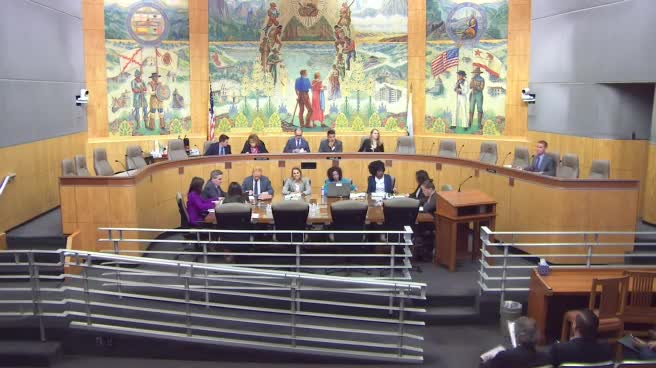 55SEC
Senate Standing Committee on Appropriations
Bill Author

Bill Co-Author(s):