AB 1738: Building standards: dark graywater.
- Session Year: 2015-2016
- House: Assembly
- Latest Version Date: 2016-03-28
The California Building Standards Law provides for the adoption of building standards by state agencies by requiring all state agencies that adopt or propose adoption of any building standard to submit the building standard to the California Building Standards Commission for approval and adoption.
Existing law requires the Department of Housing and Community Development to propose the adoption, amendment, or repeal of building standards to the commission relating to hotels, motels, lodging houses, apartment houses, and dwellings, and the buildings and structures accessory thereto, except as specified.
Existing law requires the department, at the next triennial building standards rulemaking, rulemaking cycle, to adopt and submit to the commission for approval building standards for the construction, installation, and alteration of graywater systems for indoor and outdoor uses. Existing law excludes wastewater from kitchen sinks and dishwashers from the definition of graywater.
This bill would define dark graywater as a specified wastewater that comes from kitchen sinks and dishwashers. This bill would require the department, at the next triennial building standards rulemaking cycle, to adopt develop and submit for approval building standards for the construction, installation, and alteration of dark graywater systems for indoor and outdoor uses.
The California Building Standards Law provides for the adoption of building standards by state agencies by requiring all state agencies that adopt or propose adoption of any building standard to submit the building standard to the California Building Standards Commission for approval and adoption.
Existing law requires the Department of Housing and Community Development to propose the adoption, amendment, or repeal of building standards to the commission relating to hotels, motels, lodging houses, apartment houses, and dwellings, and the buildings and structures accessory thereto, except as specified.
Existing law requires the department, at the next triennial building standards rulemaking, to adopt and submit to the commission for approval building standards for the construction, installation, and alteration of graywater systems for indoor and outdoor uses. Existing law excludes wastewater from kitchen sinks and dishwashers from the definition of graywater.
This bill would define dark graywater as a specified wastewater that comes from kitchen sinks and dishwashers. This bill would require the department, at the next triennial building standards rulemaking cycle, to adopt and submit for approval building standards for the construction, installation, and alteration of dark graywater systems for indoor and outdoor uses.
(a)For the purposes of this section, graywater means untreated wastewater that has not been contaminated by any toilet discharge, has not been affected by infectious, contaminated, or unhealthy bodily wastes, and does not present a threat from contamination by unhealthful processing, manufacturing, or operating wastes. Graywater includes wastewater from bathtubs, showers, bathroom washbasins, clothes washing machines, and laundry tubs, but does not include wastewater from kitchen sinks or dishwashers. For purposes of this section, dark graywater includes untreated wastewater from kitchen sinks or dishwashers that has not been contaminated by any toilet discharge, has not been affected by infectious, contaminated, or unhealthy bodily wastes, and does not present a threat from contamination by unhealthful processing, manufacturing, or operating wastes.
(b)Notwithstanding Chapter 22 (commencing with Section 14875) of Division 7 of the Water Code, at the next triennial building standards rulemaking cycle that commences on or after January 1, 2009, the department shall adopt develop and submit for approval pursuant to Chapter 4 (commencing with Section 18935) of Part 2.5 building standards for the construction, installation, and alteration of graywater systems and dark graywater systems for indoor and outdoor uses.
(c)In adopting developing building standards under this section, the department shall do all of the following:
(1)Convene and consult a stakeholders group that includes members with expertise in public health, water quality, geology or soils, residential plumbing, home building, and environmental stewardship.
(2)Ensure protection of water quality in accordance with applicable provisions of state and federal water quality law. law, including consulting with the State Water Resources Control Board when developing building standards for dark graywater.
(3)Consider existing research available on the environmental consequences to soil and groundwater of short-term and long-term graywater and dark graywater use for irrigation purposes, including, but not limited to, research sponsored by the Water Environment Research Foundation.
(4)Consider graywater and dark graywater use impacts on human health.
(5)Consider the circumstances under which the use of in-home graywater and dark graywater treatment systems are is recommended.
(6)Consider the use and regulation of graywater and dark graywater in other jurisdictions within the United States and in other nations.
(d)The department may revise and update the standards adopted under this section at any time, and the department shall reconsider these standards at the next triennial rulemaking that commences after their adoption.
(e)The approval by the California Building Standards Commission of the standards for graywater systems adopted under this section shall terminate the authority of the Department of Water Resources to adopt and update standards for the installation, construction, and alteration of graywater systems in residential buildings pursuant to Chapter 22 (commencing with Section 14875) of Division 7 of the Water Code.
(a)For the purposes of this section, graywater means untreated wastewater that has not been contaminated by any toilet discharge, has not been affected by infectious, contaminated, or unhealthy bodily wastes, and does not present a threat from contamination by unhealthful processing, manufacturing, or operating wastes. Graywater includes wastewater from bathtubs, showers, bathroom washbasins, clothes washing machines, and laundry tubs, but does not include wastewater from kitchen sinks or dishwashers. For purposes of this section, dark graywater includes untreated wastewater from kitchen sinks or dishwashers that has not been contaminated by any toilet discharge, has not been affected by infectious, contaminated, or unhealthy bodily wastes, and does not present a threat from contamination by unhealthful processing, manufacturing, or operating wastes.
(b)Notwithstanding Chapter 22 (commencing with Section 14875) of Division 7 of the Water Code, at the next triennial building standards rulemaking cycle that commences on or after January 1, 2009, the department shall adopt and submit for approval pursuant to Chapter 4 (commencing with Section 18935) of Part 2.5 building standards for the construction, installation, and alteration of graywater systems and dark graywater systems for indoor and outdoor uses.
(c)In adopting building standards under this section, the department shall do all of the following:
(1)Convene and consult a stakeholders group that includes members with expertise in public health, water quality, geology or soils, residential plumbing, home building, and environmental stewardship.
(2)Ensure protection of water quality in accordance with applicable provisions of state and federal water quality law.
(3)Consider existing research available on the environmental consequences to soil and groundwater of short-term and long-term graywater and dark graywater use for irrigation purposes, including, but not limited to, research sponsored by the Water Environment Research Foundation.
(4)Consider graywater and dark graywater use impacts on human health.
(5)Consider the circumstances under which the use of in-home graywater and dark graywater treatment systems is are recommended.
(6)Consider the use and regulation of graywater and dark graywater in other jurisdictions within the United States and in other nations.
(d)The department may revise and update the standards adopted under this section at any time, and the department shall reconsider these standards at the next triennial rulemaking that commences after their adoption.
(e)The approval by the California Building Standards Commission of the standards for graywater systems adopted under this section shall terminate the authority of the Department of Water Resources to adopt and update standards for the installation, construction, and alteration of graywater systems in residential buildings pursuant to Chapter 22 (commencing with Section 14875) of Division 7 of the Water Code.
|
Date
|
Status
|
|---|---|
| Feb 1, 2016 | Read first time. To print. |
| Feb 2, 2016 | From printer. May be heard in committee March 3. |
| Feb 18, 2016 | Referred to Com. on E.S. & T.M. |
| Mar 28, 2016 | From committee chair, with author's amendments: Amend, and re-refer to Com. on E.S. & T.M. Read second time and amended. |
| Mar 29, 2016 | Re-referred to Com. on E.S. & T.M. |
| Mar 30, 2016 | From committee: Do pass and re-refer to Com. on APPR. (Ayes 5. Noes 2.) (March 29). Re-referred to Com. on APPR. |
| Apr 20, 2016 | In committee: Set, first hearing. Referred to APPR. suspense file. |
| May 27, 2016 | From committee: Do pass. (Ayes 15. Noes 5.) (May 27). |
| May 31, 2016 | Read second time. Ordered to third reading. |
| Jun 1, 2016 | Read third time. Passed. Ordered to the Senate. |
| Jun 1, 2016 | Read third time. Passed. Ordered to the Senate. (Ayes 59. Noes 21. Page 5131.) |
| Jun 1, 2016 | Read third time. Passed. Ordered to the Senate. (Ayes 59. Noes 21.) |
| Jun 2, 2016 | In Senate. Read first time. To Com. on RLS. for assignment. |
| Jun 9, 2016 | Referred to Coms. on T. & H. and E.Q. |
| Jun 22, 2016 | From committee: Do pass and re-refer to Com. on E.Q. (Ayes 7. Noes 0.) (June 21). Re-referred to Com. on E.Q. |
| Jun 28, 2016 | In committee: Set, first hearing. Hearing canceled at the request of author. |
|
Date
|
Description
|
Location
|
Votes
|
|
|---|---|---|---|---|
| Jun 21, 2016 | Do pass, but first be re-referred to the Committee on [Environmental Quality] | Senate Standing Committee on Transportation and Housing |
Passed |
|
| Jun 1, 2016 | AB 1738 MCCARTY Assembly Third Reading | Assembly Floor |
Passed |
|
| May 27, 2016 | Do pass. | Assembly Standing Committee on Appropriations |
Passed |
|
| Mar 29, 2016 | Do pass and be re-referred to the Committee on [Appropriations] | Assembly Standing Committee on Environmental Safety and Toxic Materials |
Passed |
This list shows positions taken on this bill by organizations on the date displayed, which is linked to the original source.
Positions by individuals are not included.
|
Organization
|
Position
|
Date
|
|---|---|---|
| California Landscape Contractor'S Association | * Support | Jun 21, 2016 |
| California League Of Conservation Voters | ** Support | Jun 21, 2016 |
| E.S. & T.M. | ** Against | Jun 1, 2016 |
| Eastern Municipal Water District | * Against | Jun 21, 2016 |
| Grateful Roots, Residential Greywater Installer | ** Support | Jun 1, 2016 |
| Greywater Action | * Support | Jun 21, 2016 |
| Individual: Mark Lundegren | ** Support | Jun 1, 2016 |
| Kingdom Industry Construction, LLC | ** Support | Jun 1, 2016 |
| Oasis Design | ** Support | Jun 1, 2016 |
| Ojai Valley Green Coalition | ** Support | Jun 21, 2016 |
| RainThanks & Greywater | ** Support | Jun 1, 2016 |
| San Francisco Public Utilities Commission | ** Support | Jun 21, 2016 |
| Santa Monica, City Of | ** Support | Jun 21, 2016 |
| Shaw, Yoder, Antwih for the City of Santa Monica | * Support | Jun 21, 2016 |
| Sierra Club | * Support | Jun 21, 2016 |
| Sierra Club of California | * Support | Jun 21, 2016 |
| Sierra Watershed Progressive | ** Support | Jun 1, 2016 |
| Sustainable Silicon Valley | ** Support | Jun 21, 2016 |
SENATE COMMITTEE ON ENVIRONMENTAL QUALITY
Senator Wieckowski, Chair
2015 - 2016 Regular
Bill No: AB 1738
Author: | McCarty | ||
Version: | 3/28/2016 | Hearing Date: | 6/29/2016 |
Urgency: | No | Fiscal: | Yes |
Consultant: | Rachel Machi Wagoner | ||
SUBJECT: Building standards: dark graywater.
ANALYSIS:
Existing federal law:
- Establishes the Clean Water Act (CWA), which regulates water quality standards and specifies requirements for discharges (including wastewater) and requires permits to protect the waters of the United States of America.
Existing state law and regulation:
- Establishes the Porter-Cologne Water Quality Control Act:
- Giving authority to the State Water Resources Control Board (SWRCB) over state water rights and water quality policy.
- Establishing nine regional water quality control boards (regional boards) to oversee water quality on a day-to-day basis at the local/regional level.
- Requiring the boards to implement and enforce CWA, including issuance of waste discharge permits, including for wastewater discharges.
- Defines “recycled water” as “water which, as a result of treatment of waste, is suitable for a direct beneficial use or a controlled use that would not otherwise occur and is therefore considered a valuable resource.”
- Defines “graywater” as “untreated wastewater that has not been contaminated by any toilet discharge, has not been affected by infectious, contaminated, or unhealthy bodily wastes, and does not present a threat from contamination by unhealthful processing, manufacturing, or operating wastes.” Specifies that “graywater” includes wastewater from bathtubs, showers, bathroom washbasins, clothes washing machines, and laundry tubs, but does not include wastewater from kitchen sinks or dishwashers.
- Defines “beneficial uses” as uses “of the waters of the state that may be protected against quality degradation [that] include, but are not limited to, domestic, municipal, agricultural and industrial supply; power generation; recreation; aesthetic enjoyment; navigation; and preservation and enhancement of fish, wildlife, and other aquatic resources or preserves.”
- Establishes the Water Recycling Act of 1991, creating a statewide goal to recycle a total of 700,000 acre-feet of water per year by the year 2000 and 1,000,000 acre-feet of water per year by the year 2010. Requires each urban water supplier to prepare, and update every five years, an urban water management plan with specified components, including information on recycled water and its potential for use as a water source in the service area of the urban water supplier.
- Makes findings regarding SWRCB’s updated goals adopted by resolution, which update the above goals to 1,000,000 acre feet per year above 2002 levels by 2020 and by at least 2,000,000 acre feet per year by 2030.
- Requires SWRCB to establish uniform statewide recycling criteria for each type of use of recycled water use, as specified.
- Requires SWRCB to: (1) adopt regulations regarding groundwater replenishment with recycled water, (2) adopt regulations regarding surface water augmentation with recycled water, and (3) report to the Legislature on the feasibility of developing uniform water recycling criteria for direct potable reuse.
- Requires SWRCB to adopt a general permit for landscape irrigation use of recycled water.
- Directs the Department of Housing and Community Development (HCD) to propose the adoption, amendment, or repeal of building standards to the California Building Standards Commission (BSC) for all hotels, motels, lodging houses, apartment houses, and dwellings.
- Authorizes BSC to approve and adopt building standards. Every three years building standards rulemaking is undertaken to revise and update the California Building Standards Code. (Title 24 of the California Code of Regulations).
- Requires the BSC to adopt building standards for the construction, installation, and alteration of graywater systems for indoor and outdoor uses in nonresidential occupancies. Governs the use of recycled water from sources that contain domestic waste, in whole or in part. (California Code of Regulations (CCR) Title 22 , Division 4, Chapter 3)
- Allows a governing body, city or county to make modifications to building standards if they make express findings that such a modification or change is necessary because of local climatic, geological, or topographical conditions.
- Requires HCD/ BSC to conduct research and propose for the 2019 building code mandatory building standards for the installation of recycled water infrastructure in newly constructed single-family and multifamily residential buildings.
- Authorizes HCD to revise and update graywater standards at any time, and requires the Department to reconsider graywater standards at the next triennial rulemaking that commences after their adoption. (Health and Safety Code §17922.12 (d))
- Establishes minimum requirements for the installation of graywater systems in occupancies regulated by HCD. (CCR Title 24, Part 5, Chapter 16A, Part I (California Plumbing Code)).
This bill: defines “dark graywater” as “a specified wastewater that comes from kitchen sinks and dishwashers.” This bill would require the department, at the next triennial building standards rulemaking cycle, to develop and submit for approval building standards for the construction, installation, and alteration of dark graywater systems for indoor and outdoor uses.”
Background
- Graywater: In California, graywater is defined as, “untreated wastewater that has not been contaminated by any toilet discharge, has not been affected by infectious, contaminated, or unhealthy bodily wastes, and does not present a threat from contamination by unhealthful processing, manufacturing, or operating wastes.”
Under California law, graywater includes wastewater from bathtubs, showers, bathroom washbasins, clothes washing machines, and laundry tubs, but does not include wastewater from kitchen sinks or dishwashers.
This bill would add a definition for “dark graywater” as untreated wastewater from kitchen sinks or dishwashers.
- Graywater: benefits: There is evidence that graywater (as currently defined), when properly handled and used, can be put to beneficial use. Therefore, existing law allows specified systems and limited uses.
According to a 2009 UCLA report, Graywater- A Potential Source of Water, graywater constitutes about 60% of the total indoor water use in single-family homes. The UCLA report predicts that recycling all of the graywater in households in Southern California would be sufficient to meet outdoor water use demands in the area.
- How Many Shades of Graywater? Health and Environmental Risks Associated with Reclaimed Water: The different types of recycling and reuse of water must be balanced against the potential health and environmental risks, such as potential exposures to pathogenic bacteria, viruses and chemical contamination.
- Human Health Risks of reclaimed water include:
- Bacteria (e.g. Escherichia coli or E coli, Salmonella spp),
- Viruses (e.g. Enteroviruses, Rotavirus, Hepatitis A),
- Protozoa (e.g. Giardia Lamblia, Cryptosporidium parvum),
- Helminths (e.g. Taenia spp (Tapeworm), Ancylostoma spp (Hookworm).
- Environmental Risks of reclaimed water include:
- Salinity - A chronic problem which needs to be managed in all irrigation systems. Can result in reduced plant growth and plant damage and can impact freshwater plants and invertebrates in natural ecosystems if discharged directly with little dilution. The most common salt is sodium chloride, although other salts also contribute to salinity.
- Sodium - Can be toxic to some plants if it accumulates in soils from ongoing irrigation. More important as a component of salinity and sodicity.
- Chloride - Can be toxic to plants if sprayed directly on leaves, and if it accumulates in soils from ongoing irrigation, but is usually more important as a component of salinity.
- Nitrogen - Mostly of benefit to cultivated plants, but can cause eutrophication (excessive nutrient levels) in land and aquatic ecosystems.
- Phosphorus - Mostly of benefit to cultivated plants, but can cause eutrophication (excessive nutrient levels) in land and aquatic ecosystems.
- Chlorine residuals - By-products of disinfection processes may be harmful to aquatic or marine ecosystems if discharged directly with little dilution.
- Hydraulic loading - Too much water applied to land can result in excess groundwater recharge, water logging and secondary salinity.
- Boron - Plant toxicity may arise in some plants in some soils if it accumulates from ongoing irrigation.
- Surfactants - Some organic and inorganic surface active agents from detergents can remain in recycled water and can be harmful to some aquatic organisms.
- Pathogens – The same pathogens listed above presenting risk directly to human health are an environmental risk. Should E Coli be discharged into the soil from graywater irrigation it could potentially contaminate food crops or reach and contaminate groundwater.
- Human Health Risks of reclaimed water include:
Exposure to graywater can occur both through direct contact and through exposure to graywater contaminated irrigated landscaping, crops, or groundwater. As proposed by this bill, dark graywater could be used indoors, so additional risks would exist by direct contact with the water used in the toilet or by inhalation when the toilet is flushed.
Because wastewater from kitchen sinks or dishwashers can contain chemicals from dishwashing detergents, food particles, oils, fats, grease, pathogens from meat preparation, and even, as some studies have shown, concentrations of fecal coliform at similar or higher levels than toilet water, it can be considered a high-risk wastewater.
For this reason, it is not considered gray water.
By creating different shades of gray, the statute would be implying different levels of risk not supported by water quality data.
- Graywater regulation in California: Since the 1990s, California's Building Code has included provisions that authorized the installation and use of graywater systems, but the regulations were seen to be restrictive and complicated.
In 2008, California revised its approach to graywater regulation by enacting SB 1258 (Lowenthal, Chapter 172, Statutes of 2008), the “Showers to Flowers" bill, which shifted responsibility for regulating residential graywater systems from the Department of Water Resources (DWR) to HCD. SB 1258 required the HCD to revise building standards for the construction, installation, and alteration of graywater systems for indoor and outdoor uses.
HCD promulgated the new residential graywater standard, incorporated into the 2007 California Plumbing Code (Title 24, Part 5, Chapter 16A), which is intended to conserve water by facilitating greater reuse of laundry, shower, lavatory and similar sources of discharge for irrigation and/or indoor use; reduce the number of non-compliant graywater systems by making legal compliance more easily achievable; provide guidance for avoiding potentially unhealthful conditions; and, provide an alternative way to relieve stress on a private sewage disposal system by diverting the graywater.
According to HCD, the regulations were developed with input from stakeholders representing a wide variety of interests during several public meetings, with several drafts for public comment.
Toward the end of the development of the regulations, HCD decided to propose the graywater standards on an emergency basis in order to allow the regulations to become effective approximately 18 months sooner than they would have been through the standard adoption process.
It is not clear what the justification was to adopt emergency regulations: bypassing the standard/full Administrative Procedures Act (APA) process or whether there was sufficient input or consideration about the public and environmental health risks associated with graywater exposures in this truncated process.
Washington/Oregon Apples to California Oranges comparison. Although Washington and Oregon allow the reuse of dark graywater, those states limit that reuse to only outdoor irrigation. Additionally, those states also require that kitchen sink and dishwasher wastewater be treated, through physical or chemical processes, depending on the type of irrigation for which the graywater is intended. Neither requirement is incorporated into this legislation.
Comments
- Purpose of Bill. The author asserts that the effects of climate change, specifically the drought, can be seen throughout California. The author feels that as a state, we need to be proactive and explore all opportunities to be water wise. The author believes that this modest measure will allow the state to look at dark graywater as a source of reusable water and create a framework for responsible homeowners to follow.
- Need for Consistency in State Policy Will Ensure Greatest Benefits of Reused Water.
- Ensuring Water Quality and Protecting Public Health. The treatment and use of recycled water and graywater is regulated across many different state and local agencies.
SWRCB oversees California’s water quality and has the charge of developing regulations for recycled water recharge of drinking water sources and studying the feasibility of direct potable reuse of recycled water.
SWRCB has the responsibility of permitting wastewater treatment and discharges in the waters of the state as well as ensuring water quality.
HCD and BSC develop and implement the building standards for the use of graywater systems.
Local governments implement and enforce building permit requirements and environmental/public health laws for their jurisdictions.
While SB 1258 appropriately transferred the development of graywater building standards from DWR to BSC, it did so without consideration of water quality.
The complex nature of designing systems that convey contaminated water from inside the home, in such a way that drinking water infrastructure is not compromised, requires the involvement of SWRCB at every stage of the policy development process. Authorizing its reuse should have sign off by the environmental, public health agency that has oversight over water quality, wastewater regulation and permitting and public and environmental protection.
What happens once a graywater (or dark graywater) is installed? How does a homeowner ensure proper usage and maintenance? Who do they call for repairs or malfunctions? If a house is sold with a graywater system, what is required to be told to the new homeowner about the system and potential risks of exposure? What happens if there is exposure to a child or animal?
How do we ensure as we proceed with new state policies on water reuse that all of the regulatory bodies are working together and that regulations adopted are adequately protective of public health and the environment?
- What Direction Does California Invest In? – How Does California Ensure Best and Consistent State Policy for Recycling Water and Uses of Recycled or Graywater – when is centralized treatment and reuse best and when is it better to reuse on-site?
Installation of graywater systems is an added expense to homeowners and graywater is untreated and unregulated use of wastewater that can potentially pose a risk to public health and groundwater contamination. While water conservation and reuse is imperative for every Californian, and graywater reuse may be one beneficial path, the right solution may be different across the states.
While in 2008, when Senator Lowenthal authored SB 1258, it may have made sense to encourage greater uses of these systems statewide. Now, in 2016 the water reuse landscape is very different.
SB 918 (Pavley, Chapter 700, Statutes of 2010) directed SWRCB to develop regulations for the treatment standards for indirect groundwater and surface water augmentation and look at the feasibility for direct potable reuse of recycled water by the end of this year.
Sanitation districts across the state have invested billions of dollars in research, development, and building several state-of-the-art systems for recycled water.
California’s Water Recycling Act states that it is California’s goal to recycle more than 2,000,000 acre feet of recycled water per year by 2030.
The state has invested in recycled water infrastructure in the last 2 water bonds.
There is no question that centralized water recycling at a permitted facility, with sophisticated technology run by engineers, where the water is tested and monitored regularly and inspected by water quality agencies is going to garner a safer and cleaner reuse of the water. While centralized water recycling with the highest and best technologies is not yet available statewide, is that not the direction we are investing in?
As we pass laws and policies encouraging and requiring local jurisdictions to support graywater systems, we may create a disincentive for large investments in new wastewater recycling system.
- Suggested amendment. As the author succinctly states, “climate change and longer and more frequent droughts are changing the landscape of California necessitating smarter and the most prudent uses and reuses of the state’s precious water resources. “
However, there needs to be a consistent and comprehensive approach to how we best use and reuse all our water. The bill should be amended to authorize SWRCB to do a comprehensive overview of the state’s water recycling and graywater resources, develop regulations for the best management of those resources to ensure public and environmental health protection and require SWRCB review and sign off on new building standards involving graywater use. Local agencies should be given the discretion to not approve these systems if they are investing in centralized water recycling. Upon completion of the review the SWRCB should report to the Legislature its findings and any recommendations for statutory changes.
Related/Prior Legislation
AB 2282 (Gatto, Chapter 606, Statues of 2014) requires HCD to conduct research to assist in the development of, and to submit for adoption of, mandatory building standards for the installation of recycled water systems for newly constructed single-family and multifamily residential buildings.
AB 849 (Gatto, Chapter 577, Statutes of 2011) repeals the authority of a city, county, or other local agency to adopt building standards that prohibit entirely the use of graywater and instead authorize the adoption, under specified requirements, of standards that are more restrictive than the standards adopted pursuant to state requirements.
SB 518 (Lowenthal, Chapter 622, Statutes of 2010) requires BSC, as a part of the next triennial edition of the California Building Standards Code adopted after January 1, 2011, to adopt building standards for the construction, installation, and alteration of graywater systems for indoor and outdoor uses in nonresidential occupancies.
SB 918 (Pavley, Chapter 700, Statutes of 2010) requires SWRCB to adopt uniform water recycling criteria for indirect potable use for groundwater recharge, by December 31, 2013, uniform water recycling criteria for surface water augmentation by December 31, 2016 and to investigate and then report to the Legislature on the feasibility of developing uniform water recycling criteria for direct potable reuse, by December 31, 2016.
SB 1258 (Lowenthal, Chapter 172, Statutes of 2008) requires HCD, at the next triennial building standards rulemaking, to adopt and submit building standards for the construction, installation, and alteration of graywater, as defined, systems for indoor and outdoor uses. This bill also moved the responsibility for regulating residential graywater from the Department of Water Resources to the Department of Housing and Community Development.
DOUBLE REFERRAL:
This measure was heard in Senate Transportation and Housing Committee on June 21, 2016, and passed out of committee with a vote of 7-0.
SOURCE:
Author
SUPPORT:
California League of Conservation Voters
City of Santa Monica
Ojai Valley Green Coalition
San Francisco Public Utilities Commission
Sierra Club California
Sustainable Silicon Valley
7 individuals
OPPOSITION:
Eastern Municipal Water District
ARGUMENTS IN SUPPORT:
Californian’s produce around 400 million gallons per day of dark graywater, in both residential homes and commercial kitchens. This bill would legalize the reuse of that water which is important and timely in our drought-prone state.
ARGUMENTS IN OPPOSITION:
Eastern Municipal Water District states, “Studies have indicated that a majority of gray water systems that are currently installed within California have been installed without the proper permits and a greater number fail to comply with maintenance and inspections required in the plumbing code. The addition of “dark graywater” could jeopardize public health.”
-- END --
SENATE COMMITTEE ON TRANSPORTATION AND HOUSING
Senator Jim Beall, Chair
2015 - 2016 Regular
Bill No: Hearing Date: 6/21/2016
Author: | McCarty | ||
Version: | 3/28/2016 | ||
Urgency: | No | Fiscal: | Yes |
Consultant: | Randy Chinn | ||
SUBJECT:
DIGEST: This bill requires the Department of Housing and Community Development (HCD) to develop building standards for the construction, installation, and alteration of dark graywater systems.
ANALYSIS:
Existing law:
- Defines “graywater” as untreated wastewater that has not been contaminated by any toilet discharge, has not been affected by infectious, contaminated, or unhealthy bodily wastes, and does not present a threat from contamination by unhealthful processing, manufacturing, or operating wastes. Graywater includes wastewater from bathtubs, showers, bathroom washbasins, clothes washing machines, and laundry tubs, but does not include wastewater from kitchen sinks or dishwashers.
- Requires the HCD to adopt and submit for approval building standards for the construction, installation, and alteration of graywater systems for indoor and outdoor uses.
- Requires the HCD, in adopting building standards for graywater, to do all of the following:
- Convene and consult a stakeholder’s group that includes members with expertise in public health, water quality, geology or soils, residential plumbing, home building, and environmental stewardship
- Ensure protection of water quality in accordance with applicable provisions of state and federal water quality law
- Consider existing research available on the environmental consequences to soil and groundwater of short-term and long-term graywater use for irrigation purposes, including, but not limited to, research sponsored by the Water Environment Research Foundation
- Consider graywater use impacts on human health
- Consider the circumstances under which the use of in-home graywater treatment systems is recommended
- Consider the use and regulation of graywater in other jurisdictions within the United States and in other nations
- Requires any building standard adopted or proposed by state agencies to be submitted to, and approved or adopted by, the California Building Standards Commission (BSC) prior to codification.
- Requires building standards adopted by state agencies and submitted to the BSC to satisfy nine specific criteria, including that the public interest requires the adoption of the building standards and that the cost to the public is reasonable, based on the overall benefit to be derived from the building standards.
- Requires the BSC to adopt building standards for the construction, installation, and alteration of graywater systems for indoor and outdoor uses in nonresidential occupancies.
- Establishes minimum requirements for the installation of graywater systems in occupancies regulated by HCD.
This bill:
- Defines “dark graywater” to include untreated wastewater from kitchen sinks or dishwashers that has not been contaminated by any toilet discharge, has not been affected by infectious, contaminated, or unhealthy bodily wastes, and does not present a threat from contamination by unhealthful processing, manufacturing, or operating wastes.
- Requires HCD, at its next triennial building standards rulemaking cycle, to develop and submit for approval building standards for the construction, installation, and alteration of dark graywater systems for indoor and outdoor uses.
COMMENTS:
- Purpose. The author introduced this bill to allow for Californians to be more water-conscious by considering a new type of recyclable water from kitchen sinks and dishwashers, known as dark graywater. Under the current definition of graywater, water from kitchen sinks and dishwashers cannot be recycled for any on-site use. The author believes that this bill creates a regulatory framework to allow for the issuance of permits for dark graywater systems that recycle water from kitchen sinks and dishwashers.
- Building standards background. HCD develops proposed building standards for adoption by the BSC. The standards must meet a number of statutory criteria for adoption, including that they must be in the public interest; not be unreasonable, arbitrary, or unfair; and that the cost to the public is reasonable based on the overall benefit. BSC adopts building codes every three years. This bill requires HCD to develop and propose building standards for dark graywater at their next code cycle, the 2018 triennial code adoption cycle. These standards apply only to residential structures.
- Voluntary, not mandatory. The creation of dark graywater building standards does not obligate the installation of a dark graywater capture system nor does it require a local government to permit such a system. However, should a local government decide to authorize the installation of such a system, that system would need to comply with the standard or a more stringent standard if adopted by the local jurisdiction.
- Dark graywater used elsewhere. The state of Washington permits the use of dark graywater. Unlike standard graywater, dark graywater must be treated before it is used. The same is true in the state of Arizona.
- Every drop counts. California’s ongoing drought and continued growth make it certain that water conservation and reuse will be pillars of California water policy. While the amount of water saved through dark graywater reuse may not be large and the process for reusing dark graywater more expensive than for standard graywater, every possible source of water should be considered.
- Double-referred. This bill has also been referred to the Committee on Environmental Quality.
Related Legislation:
AB 2601 (Eggman) — would require the HCD, on or after January 1, 2017, to adopt and submit amendments to the building standards that require all new single-family and duplex residential dwelling units include specified components to allow the separate discharge of graywater for direct irrigation and all new single-family residential dwelling units include a segregated building drain for lavatories, showers, and bathtubs to allow for future installation of a distributed graywater system. This bill was held in the Assembly Committee on Housing and Community Development.
AB 2282 (Gatto, Chapter 606, Statues of 2014) — requires HCD to conduct research to assist in the development of, and to submit for adoption, mandatory building standards for the installation of recycled water systems for newly constructed single-family and multifamily residential buildings.
SB 518 (Lowenthal, Chapter 622, Statutes of 2010) — requires the BSC, as a part of the next triennial edition of the California Building Standards Code adopted after January 1, 2011, to adopt building standards for the construction, installation, and alteration of graywater systems for indoor and outdoor uses in nonresidential occupancies.
Assembly Votes
Floor: 59-21
Appr: 15-5
ES&TM: 5-2
FISCAL EFFECT: Appropriation: No Fiscal Com.: Yes Local: No
POSITIONS: (Communicated to the committee before noon on Wednesday,
June 15, 2016.)
SUPPORT:
California League of Conservation Voters
City of Santa Monica
Ojai Valley Green Coalition
San Francisco Public Utilities Commission
Sierra Club of California
Sustainable Silicon Valley
7 individuals
OPPOSITION:
Eastern Municipal Water District
-- END --
ASSEMBLY THIRD READING
ATR Bill Id:AB 1738
Author:(McCarty)
As Amended Ver:March 28, 2016
Majority vote
Committee | Votes | Ayes | Noes |
Environmental Safety | 5-2 | Alejo, Gray, Lopez, McCarty, Ting | Dahle, Beth Gaines |
Appropriations | 15-5 | Gonzalez, Bloom, Bonilla, Bonta, Calderon, Chang, Daly, Eggman, Eduardo Garcia, Roger Hernández, Holden, Quirk, Santiago, Weber, Wood | Bigelow, Gallagher, Jones, Obernolte, Wagner |
SUMMARY: Requires the Department of Housing and Community Development (Department) to develop building standards for the construction, installation, and alteration of dark graywater systems, as defined. Specifically, this bill:
- Defines "dark graywater" as including untreated wastewater from kitchen sinks or dishwashers that has not been contaminated by any toilet discharge, has not been affected by infectious, contaminated, or unhealthy bodily wastes, and does not present a threat from contamination by unhealthful processing, manufacturing, or operating wastes.
- Requires the Department, at the next triennial building standards rulemaking cycle, to develop and submit for approval building standards for the construction, installation, and alteration of dark graywater systems for indoor and outdoor uses.
- Requires the Department, at the next triennial building standards rulemaking cycle, when developing building standards, to add the consideration of dark graywater regulation to existing requirements for graywater regulation.
- Requires the Department to consult with the State Water Resources Control Board (State Water Board) when developing building standards for dark graywater.
EXISTING LAW:
- Requires the Department, at the next triennial building standards rulemaking, to adopt and submit for approval building standards for the construction, installation, and alteration of graywater systems for indoor and outdoor uses.
- Requires any building standard adopted or proposed by state agencies to be submitted to, and approved or adopted by, the California Building Standards Commission (BSC) prior to codification. Requires building standards adopted by state agencies and submitted to the BSC to satisfy nine specific criteria, including that the public interest requires the adoption of the building standards and that the cost to the public is reasonable, based on the overall benefit to be derived from the building standards.
- Requires the BSC to adopt building standards for the construction, installation, and alteration of graywater systems for indoor and outdoor uses in nonresidential occupancies.
- Establishes minimum requirements for the installation of graywater systems in occupancies regulated by the Department.
FISCAL EFFECT: According to the Assembly Appropriations Committee, should this bill be enacted, it could result in: increased staffing and overhead costs of $145,000 (general fund (GF)) for the Department to develop dark greywater building standards over an 18-month period; potential future costs of $500,000 (GF) to prepare an Environmental Impact Report if the Governor's emergency order providing a California Environmental Quality Act exemption for drought-related activities is not extended beyond 2020, and the regulations developed for the triennial code adoption cycle are legally challenged; and, increased costs in the $140,000 range (GF) for the State Water Board to advise the Department on the development of the dark graywater building standards.
COMMENTS: According to the author, "This bill would create a new type of recyclable water ("dark graywater") from kitchen sinks and dishwashers. Under the current definition of graywater, water from kitchen sinks and dishwashers cannot be recycled for any on-site use. This bill will create a regulatory framework to allow for the issuance of permits for graywater systems which recycle water from kitchens."
In California, graywater is defined as, "untreated wastewater that has not been contaminated by any toilet discharge, has not been affected by infectious, contaminated, or unhealthy bodily wastes, and does not present a threat from contamination by unhealthful processing, manufacturing, or operating wastes." Under California law, graywater includes wastewater from bathtubs, showers, bathroom washbasins, clothes washing machines, and laundry tubs, but does not include wastewater from kitchen sinks or dishwashers.
This bill would define "dark graywater" as untreated wastewater from kitchen sinks or dishwashers. Dark graywater typically has a high level of suspended solids and a high organic content, thus requiring a significant level of treatment to allow even non-potable reuse.
Graywater: benefits: With careful management, graywater can be a beneficial source of recycled water. Under current law, both dark graywater and blackwater (toilet wastewater) must be treated by centralized wastewater treatment plants. Only graywater can be treated on-site for non-potable usage. Graywater that can be used directly or with a reasonable level of local treatment (i.e., at the point of use) includes water from clothes washers, showers, baths, and non- kitchen faucets. According to a 2009 University of California, Los Angeles (UCLA), report, Graywater- A Potential Source of Water, graywater constitutes about 60% of the total indoor water use in single-family homes. The report points out that 1.3% of the total indoor water used in a single-family home is for washing dishes.
The UCLA report predicts that recycling all of the graywater in households in Southern California would be sufficient to meet outdoor water use demands in the area. Adding dark graywater to the recycling equation could then provide enough water to meet up to 41% of toilet water needs, provided that the dark graywater undergoes treatment before use. The report points out that participation of 10% of the households in the South Coast Hydrologic Region in the recycling of their graywater and dark graywater could produce potable water savings of between 40 to 100 million gallons per day (1.6% - 4% of total water use). This volume of water is equivalent to, or more than, the capacity of a modern, large seawater desalination plant.
Graywater: health risks: The recycling and reuse of graywater can create health risks, such as a potential exposure to pathogenic bacteria and viruses. Exposure to graywater can occur both through direct contact and through exposure to graywater-contaminated irrigated landscaping, crops, or groundwater. Because dark graywater can contain chemicals from dishwashing detergents, food particles, oils, fats, grease, pathogens from meat preparation, and even, as some studies have shown, concentrations of fecal coliform similar to toilet water, it can be considered a high-risk wastewater. For this reason, it is important that robust regulations with strong public health and environmental protections are promulgated for the reuse of graywater and dark graywater.
Graywater regulation in California: Since the 1990s, California's Building Code has included provisions that authorized the installation and use of graywater systems, but the regulations were deemed by many to be restrictive and complicated.
In 2008, California revised its approach to graywater regulation by enacting SB 1258 (Lowenthal), Chapter 172, Statutes of 2008), the "Showers to Flowers" bill, which shifted responsibility for regulating residential graywater use from the Department of Water Resources to the Department. SB 1258 required the Department to revise building standards for the construction, installation, and alteration of graywater systems for indoor and outdoor uses. The goal of the bill was to facilitate and encourage safe graywater systems in California.
The Department promulgated the new residential graywater standard, incorporated into the 2007 California Plumbing Code (Title 24, Part 5, Chapter 16A), which is intended to conserve water by facilitating greater reuse of laundry, shower, lavatory and similar sources of discharge for irrigation and/or indoor use; reduce the number of non-compliant graywater systems by making legal compliance easily achievable; provide guidance for avoiding potentially unhealthful conditions; and, provide an alternative way to relieve stress on a private sewage disposal system by diverting the graywater. According to the Department, the regulations were developed with input from stakeholders representing a wide variety of interests during several public meetings, with several drafts for public comment.
This bill adds dark graywater to the existing regulatory framework for graywater.
Analysis Prepared by: Shannon McKinney / E.S. & T.M. / (916) 319-3965 FN: 0003094
Date of Hearing: April 20, 2016
ASSEMBLY COMMITTEE ON APPROPRIATIONS
Lorena Gonzalez, Chair
ABPCA Bill Id:AB 1738
Author:(McCarty) – As Amended Ver:March 28, 2016
Policy Committee: | Environmental Safety and Toxic Materials | Vote: | 5 - 2 |
|
| ||
|
|
Urgency: No State Mandated Local Program: No Reimbursable: No
SUMMARY:
This bill requires the Department of Housing and Community Development (HCD) to develop building standards for the construction, installation, and alteration of dark graywater systems. Specifically, this bill:
- Defines “dark graywater” as including untreated wastewater from kitchen sinks or dishwashers that has not been contaminated by any toilet discharge, has not been affected by infectious, contaminated, or unhealthy bodily wastes, and does not present a threat from contamination by unhealthful processing, manufacturing, or operating wastes.
- Requires HCD, at the next triennial building standards rulemaking cycle, to develop and submit for approval, building standards for the construction, installation, and alteration of dark graywater systems for indoor and outdoor uses.
- Requires HCD, at the next triennial building standards rulemaking cycle, to add the consideration of dark graywater regulation to existing requirements for graywater regulation.
- Requires HCD to consult with the State Water Resources Control Board (SWRCB) when developing building standards for dark graywater.
FISCAL EFFECT:
- Increased staffing and overhead costs of $145,000 (GF) for HCD to develop dark greywater building standards over an 18-month period.
- Potential future costs of $500,000 (GF) to prepare an Environmental Impact Report (EIR)if the Governor's emergency order providing a CEQA exemption for drought-related activities is not extended beyond 2020, and the regulations developed for the triennial code adoption cycle are legally challenged.
- Increased cost in the $140,000 range (GF) for SWRCB to advise HCD on the development of the dark graywater building standards.
COMMENTS:
- Purpose. According to the author, because the current definition of graywater does not include water from kitchen sinks and dishwashers, that water cannot be recycled for on-site use. This bill will create a regulatory framework to allow for the issuance of permits for graywater systems that recycle water from kitchens.
- Background. Under California law, graywater includes wastewater from bathtubs, showers, bathroom washbasins, clothes washing machines, and laundry tubs. Under current law, both dark graywater and blackwater (toilet wastewater) must be conveyed to and treated by centralized wastewater treatment plants. Only graywater can be treated on-site for non-potable usage.
The recycling and reuse of graywater can create health risks, such as a potential exposure to pathogenic bacteria and viruses. Exposure to graywater can occur both through direct contact and through exposure to graywater-contaminated irrigated landscaping, crops, or groundwater. Because dark graywater can contain chemicals from dishwashing detergents, food particles, oils, fats, grease, pathogens from meat preparation, and even, as some studies have shown, concentrations of fecal coliform similar to toilet water, it can be considered a high-risk wastewater. For this reason, it is important that robust regulations with strong public health and environmental protections are promulgated for the reuse of graywater and dark graywater.
To ensure health and safety, the author may wish to expand the role of SWRCB in developing the regulations.
- Graywater regulation in California. In 2008, California revised its approach to graywater regulation by enacting SB 1258 (Lowenthal, Chapter 172, Statutes of 2008), the “Showers to Flowers" bill, which shifted responsibility for regulating residential graywater use from the Department of Water Resources (DWR) to HCD. SB 1258 required HCD to revise building standards for the construction, installation, and alteration of graywater systems for indoor and outdoor uses. The goal of the bill was to facilitate and encourage safe graywater systems in California.
HCD promulgated the new residential graywater standard, incorporated into the 2007 California Plumbing Code (Title 24, Part 5, Chapter 16A). According to the HCD, the regulations were developed with input from stakeholders representing a wide variety of interests during several public meetings, with several drafts for public comment. Toward the end of the development of the regulations, the HDC made a decision to propose the graywater standards on an emergency basis in order to allow the regulations to become effective approximately 18 months sooner than they would have been through the standard adoption process.
This bill adds dark graywater to the existing regulatory framework for graywater.
Analysis Prepared by: Jennifer Galehouse / APPR. / (916) 319-2081
Date of Hearing: March 29, 2016
ASSEMBLY COMMITTEE ON ENVIRONMENTAL SAFETY AND TOXIC MATERIALS
Luis Alejo, Chair
ABPCA Bill Id:AB 1738 (
Author:McCarty) – As Amended Ver:March 28, 2016
SUBJECT: Building Standards: Dark Graywater
SUMMARY: Requires the Department of Housing and Community Development (Department) to develop building standards for the construction, installation, and alteration of dark graywater systems, as defined. Specifically, this bill:
- Defines “dark graywater” as including untreated wastewater from kitchen sinks or dishwashers that has not been contaminated by any toilet discharge, has not been affected by infectious, contaminated, or unhealthy bodily wastes, and does not present a threat from contamination by unhealthful processing, manufacturing, or operating wastes.
- Requires the Department, at the next triennial building standards rulemaking cycle, to develop and submit for approval building standards for the construction, installation, and alteration of dark graywater systems for indoor and outdoor uses.
- Requires the Department, at the next triennial building standards rulemaking cycle, when developing building standards, to add the consideration of dark graywater regulation to existing requirements for graywater regulation.
- Requires the Department to consult with the State Water Resources Control Board when developing building standards for dark graywater.
EXISTING LAW:
- Defines “graywater” as untreated wastewater that has not been contaminated by any toilet discharge, has not been affected by infectious, contaminated, or unhealthy bodily wastes, and does not present a threat from contamination by unhealthful processing, manufacturing, or operating wastes. Clarifies that “graywater” includes wastewater from bathtubs, showers, bathroom washbasins, clothes washing machines, and laundry tubs, but does not include wastewater from kitchen sinks or dishwashers. (Health and Safety Code (HSC) § 17922.12 (a))
- Requires the Department, at the next triennial building standards rulemaking, to adopt and submit for approval building standards for the construction, installation, and alteration of graywater systems for indoor and outdoor uses. (HSC § 17922.12 (b))
- Requires the Department, in adopting building standards for graywater, to do all of the following:
- Convene and consult a stakeholder’s group that includes members with expertise in public health, water quality, geology or soils, residential plumbing, home building, and environmental stewardship;
- Ensure protection of water quality in accordance with applicable provisions of state and federal water quality law;
- Consider existing research available on the environmental consequences to soil and groundwater of short-term and long-term graywater use for irrigation purposes, including, but not limited to, research sponsored by the Water Environment Research Foundation;
- Consider graywater use impacts on human health;
- Consider the circumstances under which the use of in-home graywater treatment systems is recommended; and,
- Consider the use and regulation of graywater in other jurisdictions within the United States and in other nations. (HSC § 17922.12 (c))
- Authorizes the Department to revise and update graywater standards at any time, and requires the Department to reconsider graywater standards at the next triennial rulemaking that commences after their adoption. (HSC § 17922.12 (d))
- Requires any building standard adopted or proposed by state agencies to be submitted to, and approved or adopted by, the California Building Standards Commission (BSC) prior to codification. Requires building standards adopted by state agencies and submitted to the BSC to, to the satisfaction of the commission, satisfy nine specific criteria, including that the public interest requires the adoption of the building standards and that the cost to the public is reasonable, based on the overall benefit to be derived from the building standards (HSC § 18930 (a))
- Requires the BSC to adopt building standards for the construction, installation, and alteration of graywater systems for indoor and outdoor uses in nonresidential occupancies. (HSC § 18941.8)
- Governs the use of recycled water from sources that contain domestic waste, in whole or in part. (California Code of Regulations (CCR) Title 22 , Division 4, Chapter 3)
- Establishes minimum requirements for the installation of graywater systems in occupancies regulated by the Department. (CCR Title 24, Part 5, Chapter 16A, Part I (California Plumbing Code))
FISCAL EFFECT: Unknown.
COMMENTS:
Need for the bill: According to the author, "This bill would create a new type of recyclable water (“dark graywater”) from kitchen sinks and dishwashers. Under the current definition of graywater, water from kitchen sinks and dishwashers cannot be recycled for any on-site use. This bill will create a regulatory framework to allow for the issuance of permits for graywater systems which recycle water from kitchens.
Currently, three other states (Washington, Oregon and Arizona) have laws or administrative actions that allow for graywater systems which use “dark” graywater for subsurface irrigation. Many homeowners have started the practice of installing illegal systems which recycle water from kitchen sinks and dishwashers. Creating a new definition of “dark graywater” for just kitchen water will allow for a framework to permit these systems, while not affecting the current permitting system for traditional graywater systems."
Graywater: In California, graywater is defined as, "untreated wastewater that has not been contaminated by any toilet discharge, has not been affected by infectious, contaminated, or unhealthy bodily wastes, and does not present a threat from contamination by unhealthful processing, manufacturing, or operating wastes." Under California law, graywater includes wastewater from bathtubs, showers, bathroom washbasins, clothes washing machines, and laundry tubs, but does not include wastewater from kitchen sinks or dishwashers.
This bill would define “dark graywater” as untreated wastewater from kitchen sinks or dishwashers. Dark graywater typically has a high level of suspended solids and a high organic content, thus requiring a significant level of treatment to allow even non-potable reuse.
Graywater: benefits: With careful management, graywater can be a beneficial source of recycled water. Under current law, both dark graywater and blackwater (toilet wastewater) must be conveyed to and treated by centralized wastewater treatment plants. Only graywater can be treated on-site for non-potable usage. Graywater that can be used directly or with a reasonable level of local treatment (i.e., at the point of use) includes water from clothes washers, showers, baths, and faucets (non-kitchen). According to a 2009 UCLA report, Graywater- A Potential Source of Water, graywater constitutes about 60% of the total indoor water use in single-family homes. The report points out that 1.3% of the total indoor water used in a single-family home is for washing dishes.
The UCLA report predicts that recycling all of the graywater in households in Southern California would be sufficient to meet outdoor water use demands in the area. Adding dark graywater to the recycling equation could then provide enough water to meet up to 41% of toilet water needs, provided that the dark graywater undergoes treatment before use. The report points out that participation of 10% of the households in the South Coast Hydrologic Region in the recycling of their graywater and dark graywater could produce potable water savings of between 40 to 100 million gallons per day (1.6% - 4% of total water use). This volume of water is equivalent to, or more than, the capacity of a modern, large seawater desalination plant.
Graywater: health risks: The recycling and reuse of graywater can create health risks, such as a potential exposure to pathogenic bacteria and viruses. Exposure to graywater can occur both through direct contact and through exposure to graywater-contaminated irrigated landscaping, crops, or groundwater. Because dark graywater can contain chemicals from dishwashing detergents, food particles, oils, fats, grease, pathogens from meat preparation, and even, as some studies have shown, concentrations of fecal coliform similar to toilet water, it can be considered a high-risk wastewater. For this reason, it is important that robust regulations with strong public health and environmental protections are promulgated for the reuse of graywater and dark graywater.
Graywater regulation in California: Since the 1990s, California's Building Code has included provisions that authorized the installation and use of graywater systems, but the regulations were deemed by many to be restrictive and complicated.
In 2008, California revised its approach to graywater regulation by enacting SB 1258 (Lowenthal, Chapter 172, Statutes of 2008), the “Showers to Flowers" bill, which shifted responsibility for regulating residential graywater use from the Department of Water Resources to the Department. SB 1258 required the Department to revise building standards for the construction, installation, and alteration of graywater systems for indoor and outdoor uses. The goal of the bill was to facilitate and encourage safe graywater systems in California.
The Department promulgated the new residential graywater standard, incorporated into the 2007 California Plumbing Code (Title 24, Part 5, Chapter 16A), which is intended to conserve water by facilitating greater reuse of laundry, shower, lavatory and similar sources of discharge for irrigation and/or indoor use; reduce the number of non-compliant graywater systems by making legal compliance easily achievable; provide guidance for avoiding potentially unhealthful conditions; and, provide an alternative way to relieve stress on a private sewage disposal system by diverting the graywater. According to the Department, the regulations were developed with input from stakeholders representing a wide variety of interests during several public meetings, with several drafts for public comment. Toward the end of the development of the regulations, the Department made a decision to propose the graywater standards on an emergency basis in order to allow the regulations to become effective approximately 18 months sooner than they would have been through the standard adoption process.
This bill adds dark graywater to the existing regulatory framework for graywater.
Related bills:
- AB 1463 (Gatto). This bill would require the State Water Resources Control Board, in consultation with the State Department of Public Health, the California Building Standards Commission, and stakeholders, to establish water quality standards and distribution, monitoring, and reporting requirements for onsite water recycling systems prior to authorizing the use of onsite treated water in internal plumbing of residential and commercial buildings. This bill has been referred to the Senate Environmental Quality Committee.
- AB 2022 (Gordon). This bill would authorize the operator of a facility producing advanced purified demonstration water, as defined, to cause that water to be bottled and distributed as samples for educational purposes and to promote water recycling. This bill has been referred to the Assembly Environmental Safety and Toxic Materials Committee.
- AB 2076 (C. Garcia). This bill would require the State Water Resources Control Board to adopt uniform water recycling criteria for the use of recycled water in the manufacture of beer and wine. This bill has been referred to the Assembly Environmental Safety and Toxic Materials Committee.
- AB 2601 (Eggman). This bill would require the Department, on or after January 1, 2017, to adopt and submit amendments to the building standards that require that all new single-family and duplex residential dwelling units include specified components to allow the separate discharge of graywater for direct irrigation and that all new single-family residential dwelling units include a segregated building drain for lavatories, showers, and bathtubs to allow for future installation of a distributed graywater system. This bill was referred to the Assembly Committee on Housing and Community Development.
- AB 2282 (Gatto, Chapter 606, Statues of 2014). This bill requires the Department to conduct research to assist in the development of, and to submit for adoption of, mandatory building standards for the installation of recycled water systems for newly constructed single-family and multifamily residential buildings.
- SB 518 (Lowenthal, Chapter 622, Statutes of 2010). This bill requires the California Building Standards Commission, as a part of the next triennial edition of the California Building Standards Code adopted after January 1, 2011, to adopt building standards for the construction, installation, and alteration of graywater systems for indoor and outdoor uses in nonresidential occupancies.
- SB 1258 (Lowenthal, Chapter 172, Statutes of 2008). This bill requires the Department, at the next triennial building standards rulemaking, to adopt and submit building standards for the construction, installation, and alteration of graywater, as defined, systems for indoor and outdoor uses. This bill also moved the responsibility for regulating residential graywater from the Department of Water Resources to the Department.
REGISTERED SUPPORT / OPPOSITION:
Support
California League of Conservation Voters
Grateful Roots, Residential Greywater Installer
Greywater Action
Kingdom Industry Construction, LLC
Oasis Design
Ojai Valley Green Coalition
RainThanks & Greywater
San Francisco Public Utilities Commission
Sierra Club
Sierra Watershed Progressive
Sustainable Silicon Valley
Individual: Mark Lundegren
Opposition
Eastern Municipal Water District
Analysis Prepared by: Shannon McKinney / E.S. & T.M. / (916) 319-3965
Discussed in Hearing
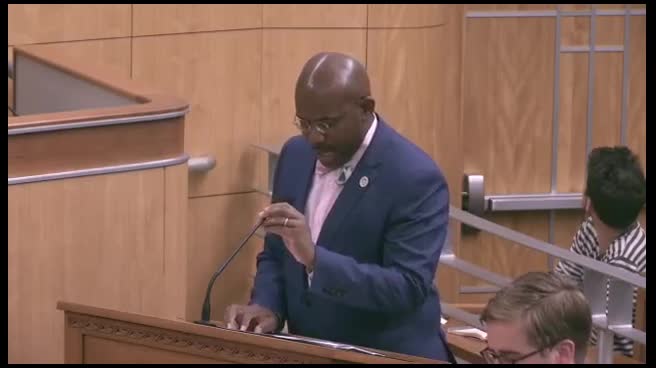 11MIN
Senate Standing Committee on Transportation and Housing
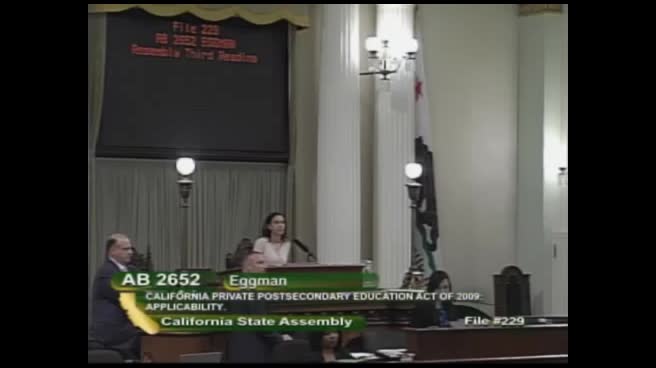 1MIN
Assembly Floor
Bill Author

Bill Co-Author(s):