AB 508: Public health: maternal health.
- Session Year: 2015-2016
- House: Assembly
- Latest Version Date: 2016-06-20
Existing law establishes the State Department of Public Health and sets forth its powers and duties, as specified. Existing law requires the department to maintain a program of maternal, child, and adolescent health.
This bill would require the department to prepare and submit to the Legislature an annual report on maternal mortality and morbidity in California, including an analysis of maternal deaths and severe maternal morbidity. The bill would also require the department, in order to develop accurate reports in a resource-efficient manner, to consider existing resources, including, among others, opportunities for partnerships with other entities and use of physician volunteers.
This bill would establish a maternal mortality review panel to conduct ongoing comprehensive, multidisciplinary reviews of maternal deaths and severe maternal morbidity in California to identify factors associated with the deaths and make recommendations for system changes to improve health care services for women in this state. The bill would also make information, documents, proceedings, records, and opinions created, collected, or maintained by the maternity mortality review panel or the State Department of Public Health in support of the maternal mortality review panel confidential and not subject to public inspection, discovery, or introduction into evidence in any civil action. The bill would also prohibit any person in attendance at a meeting of the maternal mortality review panel or who participates in the creation, collection, or maintenance of the panels information, documents, proceedings, records, or opinions to testify in any civil action as to the content of those proceedings or the panels information, documents, records, or opinions. The bill would require the State Department of Public Health to review department available data to identify maternal deaths and would mandate health care providers, health care facilities, clinics, laboratories, medical examiners, coroners, professionals, and facilities licensed by the State Department of Public Health to provide documents, as specified, upon request of the department. The bill also requires the State Department of Public Health to prepare and submit to the Legislature a biennial report on maternal mortality in California based on the data collected.
Existing constitutional provisions require that a statute that limits the right of access to the meetings of public bodies or the writings of public officials and agencies be adopted with findings demonstrating the interest protected by the limitation and the need for protecting that interest.
This bill would make legislative findings to that effect.
Existing law establishes the State Department of Public Health and sets forth its powers and duties, as specified. Existing law requires the department to maintain a program of maternal, child, and adolescent health.
This bill would require the department to prepare, prepare and submit to the Legislature, and post to the departments Internet Web site Legislature an annual report on maternal mortality and morbidity in California. The bill also would require the department to include in the report California, including an in-depth analysis of maternal deaths and pregnancy-related complications, and severe maternal morbidity. The bill would also require the department, in order to develop the most accurate reports, to support efforts of private-public collaboration to collect necessary data and complete the report. reports in a resource-efficient manner, to consider existing resources, including, among others, opportunities for partnerships with other entities and use of physician volunteers.
Existing law establishes the State Department of Public Health and sets forth its powers and duties, as specified. Existing law requires the department to maintain a program of maternal and child health. maternal, child, and adolescent health.
This bill would require the department to prepare and publish prepare, submit to the Legislature, and post to the departments Internet Web site an annual report on maternal mortality and morbidity in California. The bill also would require the department to include in the report an in-depth analysis of maternal deaths and pregnancy-related complications, and would require the department, in order to develop the most accurate reports, to support efforts of private-public collaboration to collect necessary data and complete the report.
Existing law establishes the State Department of Public Health and sets forth its powers and duties, as specified. Existing law requires the State Department of Public Health to develop a coordinated state strategy for addressing the health-related needs of women, including implementation of goals and objectives for womens health. department to maintain a program of maternal and child health.
This bill would establish within the State Department of Public Health, the California Maternal Quality Care Collaborative. The bill would require the collaborative to establish a statewide system for purposes of collecting and maintaining data related to, among other things, pregnancy-related maternal deaths. The bill would require any hospital in this state that provides obstetrical services to provide to the department, on a monthly basis, information relating to maternal mortality, as specified.
This bill would require the department to prepare and publish an annual report on maternal mortality and morbidity in California. The bill also would require the department to include in the report an in-depth analysis of maternal deaths and pregnancy-related complications, and would require the department, in order to develop the most accurate reports, to support efforts of private-public collaboration to collect necessary data and complete the report.
Existing law establishes the State Department of Public Health and sets forth its powers and duties, as specified. Existing law requires the State Department of Public Health to develop a coordinated state strategy for addressing the health-related needs of women, including implementation of goals and objectives for womens health.
This bill would establish within the State Department of Public Health, the California Maternal Quality Care Collaborative. The bill would require the collaborative to establish a statewide system for purposes of collecting and maintaining data related to, among other things, pregnancy-related maternal deaths. The bill would require any hospital in this state that provides obstetrical services to provide to the department, on a monthly basis, information relating to maternal mortality, as specified.
The Legislature finds and declares all of the following:
(a)Between 2002 and 2006, the rates of maternal deaths and severe complications doubled in both California and the United States. For every maternal death, there are approximately 100 cases of severe complications as defined by the federal Centers for Disease Control and Prevention. Severe complications occur in nearly 2 percent of all California births.
(b)Not only are these deaths and severe complications devastating for those affected families, but the cost to the state and private payers is significant. The University of California at Los Angeles studied the costs for maternal hemorrhage and preeclampsia/hypertension, the two leading causes of preventable maternal mortality and 80 percent of severe maternal morbidity. The study estimates that these conditions together cost Medi-Cal $200 million every year.
(c)Information and data regarding maternal mortality and morbidity provides a clearer understanding as to the causes and can be used for guidance in quality improvement projects needed to reduce or eliminate deaths and severe complications.
(d)Analysis using certificates of death alone has proven to be an incomplete and inadequate window into the underlying causes and assessment of maternal deaths and needs to be supplemented with other material, including coroners reports and medical records.
(e)The federal Centers for Disease Control and Prevention (CDC), the American Congress of Obstetricians and Gynecologists (ACOG), and the Maternal Child Health Bureau (HRSA-MCHB) all strongly encourage every state to form and support a multi-disciplinary committee to annually review maternal deaths in as timely a manner as possible. The CDC reports that 33 states have instituted maternal mortality committees.
(f)Californias over 500,000 annual births represent fully one-eighth of all United States births (and maternal deaths). Reviews of these cases represent an important resource for state and national efforts to better understand and reverse the rising rates of maternal mortality and morbidity.
(g)Data from prior California maternal mortality reviews have been particularly useful for launching statewide improvement projects to reduce maternal deaths led by the State Department of Public Health and the California Maternal Quality Care Collaborative. This act shall establish an ongoing multi-disciplinary panel for maternal mortality and severe morbidity reviews, including reports to the Legislature.
SEC. 2.Section 123237 is added to the Health and Safety Code, to read:123237.(a)For the purposes of this section, maternal mortality or maternal death means a death of a woman while pregnant or within 42 days of delivering or following the end of a pregnancy when the womans death is from medical causes, including suicide, and is related to or aggravated by the pregnancy. Cases meeting these criteria are currently estimated to total between 70 and 90 cases each year. Additional deaths occurring between 42 days and 1 year following delivery may be included in these reviews if resources and time permit. Severe maternal morbidity means major maternal complications, as defined by the federal Centers for Disease Control and Prevention, occurring during birth or within 42 days of delivery.
(b)A maternal mortality review panel is established to conduct ongoing comprehensive, multidisciplinary reviews of maternal deaths and severe maternal morbidity in California to identify factors associated with the deaths and make recommendations for system changes to improve health care services for women in this state. A maternity care provider shall chair the panel. Members of the panel shall be appointed by the director, must serve without compensation, and may include, as a minimum:
(1)An obstetrician.
(2)A physician specializing in maternal fetal medicine.
(3)A neonatologist.
(4)A certified nurse-midwife.
(5)A labor and delivery nurse.
(6)An anesthesiologist.
(7)A representative from the department who works in the field of maternal and child health.
(8)An epidemiologist with experience analyzing perinatal data.
(9)Other professionals determined by the department and the committee chair to address specific case review topics by the committee.
(c)The maternal mortality review panel shall conduct multidisciplinary reviews of maternal mortality and severe morbidity in California. The panel may not call witnesses or take testimony from any individual involved in the investigation of a maternal death or enforce any public health standard or criminal law, or otherwise participate, in any legal proceeding relating to a maternal death.
(d)(1)Information, documents, proceedings, records, and opinions created, collected, or maintained by the maternity mortality review panel or the department in support of the maternal mortality review panel are confidential and are not subject to public inspection or discovery or introduction into evidence in any civil action.
(2)Any person who attends a meeting of the maternal mortality review panel or who participates in the creation, collection, or maintenance of the panel's information, documents, proceedings, records, or opinions shall not testify in any civil action as to the content of those proceedings, or the panel's information, documents, records, or opinions. This paragraph does not prevent a member of the panel from testifying in a civil action concerning facts that form the basis for the panel's proceedings of which the panel member has personal knowledge acquired independently of the panel or that is public information.
(3)Any person who, in substantial good faith, participates as a member of the maternal mortality review panel or provides information to further the purposes of the maternal mortality review panel may not be subject to an action for civil damages or other relief as a result of the activity or its consequences.
(4)All meetings, proceedings, and deliberations of the maternal mortality review panel may, at the discretion of the maternal mortality review panel, be confidential and may be conducted in executive session.
(5)The maternal mortality review panel and the director may retain identifiable information regarding facilities where maternal deaths occur, or from which the patient was transferred, and geographic information on each case solely for the purposes of trending and analysis over time. All individually identifiable information shall be removed before any case is reviewed by the panel.
(e)The department shall review department available data to identify maternal deaths. To aid in determining whether a maternal death was related to or aggravated by the pregnancy, and whether it was preventable, the department has the authority to do both of the following:
(1)Request and receive data for specific maternal deaths, including, but not limited to, all medical records, autopsy reports, medical examiner reports, coroners reports, and social service records.
(2)Request and receive data, as described in paragraph (1), from health care providers, health care facilities, clinics, laboratories, medical examiners, coroners, professionals, and facilities licensed by the department.
(f)Upon request by the department, health care providers, health care facilities, clinics, laboratories, medical examiners, coroners, professionals, and facilities licensed by the department must provide all medical records, autopsy reports, medical examiner reports, coroners reports, social services records, information, and other data requested for specific maternal deaths as provided in this subdivision to the department.
(g)The panel shall also review severe maternal morbidity data provided by either the department or the California Maternal Quality Care Collaborative (CMQCC). This data shall be aggregated and deidentified but indicate major causes of morbidity and time trends.
(h)(1)Notwithstanding Section 10231.5 of the Government Code, the department, as part of its work to advance and improve California maternity care through data-driven quality improvement, shall prepare and submit to the Legislature a biennial report on maternal mortality in California based on the data collected. The report shall protect the confidentiality of all decedents and other participants involved in any incident. The report shall be distributed publically to stimulate performance improvement. Interim results may be shared with the CMQCC quality improvement programs. The report shall include both the following:
(A)A description of the maternal deaths reviewed by the panel during the preceding twenty-four months, including statistics and causes of maternal deaths presented in the aggregate. The report must not disclose any identifying information of patients, decedents, providers, and organizations involved.
(B)Evidence-based system changes and policy recommendations to improve maternal outcomes and reduce preventable maternal deaths in California.
(2)A report submitted pursuant to paragraph (1) shall be submitted in compliance with Section 9795 of the Government Code.
(i)The department may use Title V Block Grant Program funds to support these efforts and may apply for additional federal government and private foundation grants, as needed. The department may also accept private, foundation, city, county, or federal monies to implement this section.
SEC. 3.The Legislature finds and declares that Section 2 of this act, which adds Section 123237 of the Health and Safety Code, imposes a limitation on the publics right of access to the meetings of public bodies or the writings of public officials and agencies within the meaning of Section 3 of Article I of the California Constitution. Pursuant to that constitutional provision, the Legislature makes the following findings to demonstrate the interest protected by this limitation and the need for protecting that interest:
In order to protect confidential information, documents, proceedings, records, and opinions created, collected, or maintained by the maternity mortality review panel or the department in support of the maternity mortality review panel, it is necessary that this act limit the publics right of access to that information.
SECTION 1.Section 123237 is added to the Health and Safety Code, to read:123237.(a)Notwithstanding Section 10231.5 of the Government Code, the State Department of Public Health, as part of its work to advance and improve California maternity care through data-driven quality improvement, shall prepare and submit to the Legislature an annual report on maternal mortality and morbidity in California. The report shall include, but not be limited to, all of the following:
(1)An analysis of maternal deaths that includes both of the following:
(A)Case review of each death.
(B)Analysis of patient demographics, contributing factors, and underlying causes.
(2)An analysis of all cases of severe maternal morbidity, as defined by the federal Centers for Disease Control and Prevention, for which data collection is practicable, including analysis of patient demographics and underlying causes.
(3)Suggestions for improvements in care to reduce maternal death and severe maternal morbidity.
(b)In order to develop accurate reports in a resource-efficient manner, the department shall consider existing resources, including, but not limited to, all of the following:
(1)Existing data sources available to the department.
(2)Opportunities for partnerships with entities engaged in maternal care quality measurement or improvement.
(3)Use of physician volunteers or committees.
(c)A report submitted pursuant to subdivision (a) shall be submitted in compliance with Section 9795 of the Government Code.
(a)Notwithstanding Section 10231.5 of the Government Code, the State Department of Public Health, as part of its work to advance and improve California maternity care through data-driven quality improvement, shall prepare and submit to the Legislature an annual report on maternal mortality and morbidity in California. The department also shall post each annual report on its Internet Web site. The report shall include, but not be limited to, an analysis of all maternal deaths and instances of complications related to pregnancy, which includes all of the following:
(1)Patient demographics.
(2)Underlying causes.
(3)Contributing factors.
(1)An analysis of maternal deaths that includes both of the following:
(A)Case review of each death.
(B)Analysis of patient demographics, contributing factors, and underlying causes.
(2)An analysis of all cases of severe maternal morbidity, as defined by the federal Centers for Disease Control and Prevention, for which data collection is practicable, including analysis of patient demographics and underlying causes.
(4)
(3)Suggestions for improvements in care. care to reduce maternal death and severe maternal morbidity.
(b)In order to develop the most accurate reports, reports in a resource-efficient manner, the department shall support efforts of private-public collaboration to collect and analyze necessary data and complete the report. consider existing resources, including, but not limited to, all of the following:
(1)Existing data sources available to the department.
(2)Opportunities for partnerships with entities engaged in maternal care quality measurement or improvement.
(3)Use of physician volunteers or committees.
(c)A report submitted pursuant to subdivision (a) shall be submitted in compliance with Section 9795 of the Government Code.
(a)The Notwithstanding Section 10231.5 of the Government Code, the State Department of Public Health, as part of its work to advance and improve California maternity care through data-driven quality improvement, shall prepare and publish submit to the Legislature an annual report on maternal mortality and morbidity in California. The department also shall post each annual report on its Internet Web site. The report shall include, but not be limited to, an analysis of all maternal deaths and instances of complications related to pregnancy, which includes all of the following:
(1)Patient demographics.
(2)Underlying causes.
(3)Contributing factors.
(4)Suggestions for improvements in care.
(b)In order to develop the most accurate reports, the department shall support efforts of private-public collaboration to collect and analyze necessary data and complete the report.
(c)A report submitted pursuant to subdivision (a) shall be submitted in compliance with Section 9795 of the Government Code.
(a)The State Department of Public Health, as part of its work to advance and improve California maternity care through data-driven quality improvement, shall prepare and publish an annual report on maternal mortality and morbidity in California. The report shall include, but not be limited to, an analysis of all maternal deaths and instances of complications related to pregnancy, which includes all of the following:
(1)Patient demographics.
(2)Underlying causes.
(3)Contributing factors.
(4)Suggestions for improvements in care.
(b)In order to develop the most accurate reports, the department shall support efforts of private-public collaboration to collect and analyze necessary data and complete the report.
SECTION 1.Section 137.5 is added to the Health and Safety Code, to read:137.5.(a)There is hereby established within the State Department of Public Health, the California Maternal Quality Care Collaborative, for purposes of advancing California maternity care through data-driven quality improvement.
(b)The collaborative shall do all of the following:
(1)Establish and maintain a statewide, sustainable, collaborative, evidence-based, and data-driven quality improvement system.
(2)Provide leadership and tools for the achievement of documentable and continuous improvements in maternity outcomes and a reduction in disparities of care processes and outcomes.
(3)Engage multiple stakeholders and groups, including, but not limited to, clinicians, women, communities, insurers, researchers, organizations, and public policymakers, for purposes of working together to improve maternal and newborn health outcomes in this state.
(4)Maintain and analyze data provided by hospitals pursuant to subdivision (c).
(c)(1)Any hospital in this state that provides obstetrical services shall report to the department, on a monthly basis, data relating to its provision of obstetrical services, including, but not limited to, information on pregnancy-related maternal deaths and rates of obstetric hemorrhage or infection, and recommendations relating to maternal mortality prevention.
(2)The monthly report required pursuant to subparagraph (A) shall be provided no later than 45 days following the end of the month for which the data applies and is required.
(d)The department shall be provided funding for purposes of adequately staffing the collaborative.
(e)For purposes of this section, the following definitions shall have the following meanings:
(1)Collaborative means the California Maternal Quality Care Collaborative.
(2)Department means the State Department of Public Health.
(3)Hospital means a general acute care hospital, as defined in Section 1250, that provides obstetrical services.
(a)There is hereby established within the State Department of Public Health, the California Maternal Quality Care Collaborative, for purposes of advancing California maternity care through data-driven quality improvement.
(b)The collaborative shall do all of the following:
(1)Establish and maintain a statewide, sustainable, collaborative, evidence-based, and data-driven quality improvement system.
(2)Provide leadership and tools for the achievement of documentable and continuous improvements in maternity outcomes and a reduction in disparities of care processes and outcomes.
(3)Engage multiple stakeholders and groups, including, but not limited to, clinicians, women, communities, insurers, researchers, organizations, and public policymakers, for purposes of working together to improve maternal and newborn health outcomes in this state.
(4)Maintain and analyze data provided by hospitals pursuant to subdivision (c).
(c)(1)Any hospital in this state that provides obstetrical services shall report to the department, on a monthly basis, data relating to its provision of obstetrical services, including, but not limited to, information on pregnancy-related maternal deaths and rates of obstetric hemorrhage or infection, and recommendations relating to maternal mortality prevention.
(2)The monthly report required pursuant to subparagraph (A) shall be provided no later than 45 days following the end of the month for which the data applies and is required.
(d)The department shall be provided funding for purposes of adequately staffing the collaborative.
(e)For purposes of this section, the following definitions shall have the following meanings:
(1)Collaborative means the California Maternal Quality Care Collaborative.
(2)Department means the State Department of Public Health.
(3)Hospital means a general acute care hospital, as defined in Section 1250, that provides obstetrical services.
|
Date
|
Status
|
|---|---|
| Jan 21, 2016 | From committee: Amend, and do pass as amended. (Ayes 17. Noes 0.) (January 21). |
| Jun 21, 2016 | Re-referred to Coms. on JUD. and HEALTH. |
| Jun 20, 2016 | From committee chair, with author's amendments: Amend, and re-refer to committee. Read second time, amended, and re-referred to Com. on RLS. |
| Feb 4, 2016 | Referred to Com. on RLS. |
| Jan 27, 2016 | Read third time. Passed. Ordered to the Senate. (Ayes 77. Noes 0. Page 3504.) |
| Jan 27, 2016 | In Senate. Read first time. To Com. on RLS. for assignment. |
| Jan 25, 2016 | Read second time. Ordered to third reading. |
| Jan 21, 2016 | Read second time and amended. Ordered returned to second reading. |
| Jan 21, 2016 | In committee: Set, first hearing. Referred to APPR. suspense file. |
| Feb 23, 2015 | Read first time. To print. |
| Jan 14, 2016 | Re-referred to Com. on APPR. |
| Jan 13, 2016 | From committee: Do pass and re-refer to Com. on APPR. (Ayes 19. Noes 0.) (January 12). Re-referred to Com. on APPR. |
| Jan 13, 2016 | From committee chair, with author's amendments: Amend, and re-refer to Com. on APPR. Read second time and amended. |
| Jan 5, 2016 | Re-referred to Com. on HEALTH. |
| Jan 4, 2016 | From committee chair, with author's amendments: Amend, and re-refer to Com. on HEALTH. Read second time and amended. |
| Apr 21, 2015 | In committee: Set, first hearing. Hearing canceled at the request of author. |
| Mar 5, 2015 | Referred to Com. on HEALTH. |
| Feb 24, 2015 | From printer. May be heard in committee March 26. |
|
Date
|
Description
|
Location
|
Votes
|
|
|---|---|---|---|---|
| Jan 27, 2016 | AB 508 GARCIA, C. Assembly Third Reading | Assembly Floor |
Passed |
|
| Jan 21, 2016 | Do pass as amended. | Assembly Standing Committee on Appropriations |
Passed |
|
| Jan 12, 2016 | Do pass and be re-referred to the Committee on [Appropriations] | Assembly Standing Committee on Health |
Passed |
This list shows positions taken on this bill by organizations on the date displayed, which is linked to the original source.
Positions by individuals are not included.
|
Organization
|
Position
|
Date
|
|---|---|---|
| Alameda-Contra Costa Transit District | * Support | May 5, 2015 |
| American Congress of Obstetricians and Gynecologists | * Support | Jan 12, 2016 |
| American Congress of Obstetricians and Gynecologists, District IX | * Support | Jan 12, 2016 |
| California Transit Association | * Support | May 5, 2015 |
| Napa County Transportation And Planning Agency/Napa Valley Transportation Authority | * Support | May 5, 2015 |
| Santa Clara Valley Transportation Authority | * Support | May 5, 2015 |
| Unexpected Project | ** Support | Jan 12, 2016 |
| Ventura County Transportation Commission | * Support | May 5, 2015 |
ASSEMBLY THIRD READING
ATR Bill Id:AB 508
Author:(Cristina Garcia)
As Amended Ver:January 25, 2016
Majority vote
Committee | Votes | Ayes | Noes |
Health | 19-0 | Bonta, Maienschein, Bonilla, Burke, Chávez, Chiu, Gomez, Gonzalez, Roger Hernández, Lackey, Nazarian, Patterson, Ridley-Thomas, Rodriguez, Santiago, Steinorth, Thurmond, Waldron, Wood | |
Appropriations | 17-0 | Gomez, Bigelow, Bloom, Bonilla, Bonta, Calderon, Chang, Daly, Eggman, Gallagher, Eduardo Garcia, Holden, Jones, Quirk, Wagner, Weber, Wood |
|
SUMMARY: Requires the California Department of Public Health (DPH) to prepare and publish an annual report regarding the frequencies of maternal mortality and severe maternal morbidity. Specifically, this bill:
- Requires DPH to publish annual reports regarding all maternal deaths which includes a case review of each death and an analysis of patient demographics, contributing factors, and underlying causes.
- Requires the report to also include an analysis of all cases of severe maternal morbidity, for which data collection is practicable, which includes analysis of patient demographics and underlying causes.
- Requires DPH, in order to develop accurate reports in a cost efficient manner, to consider existing resources including opportunities for partnership with entities engaged in maternal care quality measurement or improvement.
EXISTING LAW: Establishes DPH to optimize the health and well-being of the people in California and authorizes DPH to study births, deaths, marriages, and divorces, in order to provide a continuing analysis of trends to state agencies and the Legislature.
FISCAL EFFECT: According to the Assembly Appropriations Committee:
- In absence of another fund source, there would be General Fund (GF) costs to the Maternal, Child, and Adolescent Health (MCAH) division of DPH to complete the annual study, likely in hundreds of thousands of dollars annually. The robustness and cost of implementation would depend on administrative and legislative decisions about resource availability for this purpose.
- DPH may also incur, on a one-time basis, some level of infrastructure capacity enhancement in order to process and store data. For example, new databases, automated processes or new computer hardware may be required. The level of one-time costs would increase commensurate with the complexity of the effort. Higher one-time costs — for example, to automate certain processes — could also potentially reduce ongoing personnel costs, depending on the approach chosen. Alternatively, costs may be avoided if existing resources could be leveraged — for example, if it was possible to partner with a nonprofit entity that currently has a data collection infrastructure.
- Depending on the availability and approval of federal Title V funds for this purpose, federal funds could potentially be used instead of GF. Approximately $39 million in federal Title V funds are available to California annually. Funding decisions are based partially on a federally required needs assessment, and these monies currently fund other maternal, child, and adolescent health priorities, including $8 million for state operations and $31 million for local assistance annually.
COMMENTS: According to the author, Californians have given birth to more than 500,000 babies each year over the last two decades. The author notes the maternal death rate increased from 1999 to 2010, with substantially higher rates for African-American women, three to four times that of other groups. Although due to concerted efforts, California has been able to reverse the overall trend, unlike the rest of the United States where the numbers continue to escalate.
The author contends, through the data and reports that would be provided by this bill, significant practice variations that exist amongst the 260 obstetrical hospitals in California could be exposed. And, once exposed these variations and disparities could be eliminated by creating the tools for systemic change, such as quality improvement programs developed and implemented with demonstrated positive outcomes. The author also notes this bill will build on existing infrastructure and private-public partnerships, which are the likely cause of the dramatic improvement in California's maternal outcomes, while the situation for the rest of the United States continues to decline.
The author concludes, not only will these efforts save the lives and quality of life of many California women and their babies, but health care dollars spent directly by the state for Medi-Cal births (approximately half of the half million plus births annually are paid for by Medi-Cal) should be reduced by fewer complications.
According to a May 2015 MCAH bulletin, rates of maternal deaths in California have dropped to a low three-year moving average of 6.9 deaths per 100,000 live births in 2011-13. However racial and ethnic disparities persist. While mortality rates for African-American women are the lowest they have been since 1999, African-American women continue to have a three-to four-fold higher risk of maternal mortality compared to white women.
Analysis Prepared by: Lara Flynn / HEALTH / (916) 319-2097 FN: 0002575
Date of Hearing: January 21, 2016
ASSEMBLY COMMITTEE ON APPROPRIATIONS
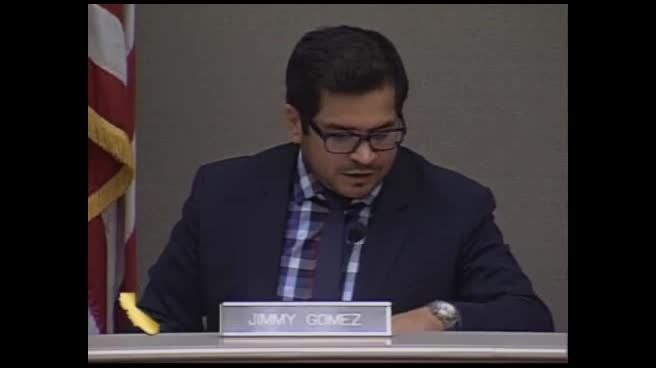
Jimmy Gomez, Chair
ABPCA Bill Id:AB 508
Author:(Cristina Garcia) – As Amended Ver:January 13, 2016
Policy Committee: | Health | Vote: | 19-0 |
|
|
Urgency: No State Mandated Local Program: No Reimbursable: No
SUMMARY:
This bill requires the California Department of Public Health (CDPH) to annually publish a report on maternal mortality and morbidity, and specifies factors the department must analyze.
It also requires the department to support efforts of private-public collaboration to collect and analyze data and complete the report.
FISCAL EFFECT:
- In absence of another fund source, there would be significant GF costs to the Maternal, Child, and Adolescent Health division of CDPH to complete this annual study, likely in the range of several hundred thousand dollars to the low millions annually. The low end of the range would assume use of publicly available data and a lower level of analytical depth, while the high end would assume significant costs for novel data collection and higher analytical complexity. The bill is fairly broad in its requirements, so the robustness and cost of implementation would depend on administrative and legislative decisions about resource availability for this purpose.
- CDPH would also likely incur, on a one-time basis, some level of infrastructure capacity enhancement in order to process and store data. For example, new databases, automated processes or new computer hardware may be required. The level of one-time costs would increase commensurate with the complexity of the effort as described above. Higher one-time costs— for example, to automate certain processes— could also potentially reduce ongoing personnel costs, depending on the approach chosen.
- Depending on the availability and approval of federal Title V funds for this purpose, federal funds could potentially be used instead of GF. Approximately $39 million in federal Title V funds are available to California annually. Funding decisions are based partially on a federally required needs assessment, and these monies currently fund other maternal, child, and adolescent health priorities, including $8 million for state operations and $31 million for local assistance annually.
COMMENTS:
- Purpose. According to the author, although California's trends are among the best in the country, maternal mortality and morbidity remain unacceptably high. The author points to past successes in reducing maternal mortality by CDPH's attention to the issue, analysis of data, and collaborative problem-solving with the health care delivery system. The author believes the annual report required by this bill will assist the state to further reduce dangerous complications from pregnancy and childbirth.
- Background. The CDPH administers the California Pregnancy-Associated Mortality Review (CA-PAMR) in collaboration with private sector efforts. CA-PAMR reviews information related to maternal deaths and translates findings into quality improvement projects.
The department regularly reports trends in maternal mortality, but no longer conducts case review of each maternal death. The most recent report notes a sustained decline in maternal mortality from 2008 until 2013, while national rates rose. The national rate is nearly three times California's rate, although health disparities persist in the state. Notably, African-American women in California are three to four times more likely to die from maternal causes than whites.
CDPH efforts appear to focus on mortality, not morbidity. According to the World Health Organization (WHO), maternal death (mortality) is defined as "the death of a woman while pregnant or within 42 days of termination of pregnancy, irrespective of the duration and site of the pregnancy, from any cause related to or aggravated by pregnancy or its management but not from accidental or incidental causes. "Pregnancy-related death" is also used in this field to indicate the same, but it refers to death while pregnant or within one year of the termination of pregnancy.
In addition to maternal mortality, this bill requires study of morbidity, including study of all instances of complications from pregnancy. Pregnancy-related complications and maternal morbidity are fairly broad terms. The WHO Maternal Morbidity Working Group defines maternal morbidity as "any health condition attributed to, and/or aggravated by, pregnancy and childbirth that has a negative impact on the woman’s wellbeing." The Center for Disease Control and Prevention (CDC) idenifies "severe maternal morbidity" through delivery hospitalization data and medical codes that indicate a potentially life-threatening maternal condition or complication. Severe postpartum hemorrhage is an example of severe maternal morbidity. The CDC lists the following as potential pregnancy complications: obesity and weight gain, high blood pressure, gestational diabetes, mental health conditions, anemia, and urinary tract infections.
- Staff Comment. There is surely merit in analyzing various pregnancy complications and all types of maternal morbidity for their potential effects on women's health, but if the intent is to concentrate resources on the conditions with the greatest potential for harm or loss of life, the author may wish to consider narrowing the bill somewhat. For example, the bill could be narrowed to require study of severe maternal morbidity instead of maternal morbidity and pregnancy complications generally. Another alternative is to require study of factors contributing to pregnancy-related deaths as defined above, instead of all complications. Yet another option would be to require a baseline study that includes review of all complications, but require an annual or biennial study to focus on those complications with the greatest potential for severe health outcomes. Narrowing the bill could provide more direction to the department about what is most important to study, as well as reduce costs.
Analysis Prepared by: Lisa Murawski / APPR. / (916) 319-2081
Date of Hearing: January 12, 2016
ASSEMBLY COMMITTEE ON HEALTH
Rob Bonta, Chair
ABPCA Bill Id:AB 508
Author:(Cristina Garcia) – As Amended Ver:January 4, 2016
SUBJECT: Public health: maternal care
SUMMARY: Requires the California Department of Public Health (DPH) to prepare and publish an annual report regarding the frequencies of maternal mortality and severe maternal morbidity. Specifically, this bill:
- Requires DPH to publish annual reports regarding all maternal deaths and instances of complications related to pregnancy which includes all of the following:
- Patient demographics;
- Underlying causes;
- Contributing factors; and,
- Suggestions for improvements in care.
- Patient demographics;
- Requires DPH, in order to develop the most accurate reports, to support efforts of private-public collaboration to collect and analyze the necessary data and complete the report.
EXISTING LAW:
- Establishes DPH to optimize the health and well-being of the people in California and authorizes DPH to study births, deaths, marriages, and divorces, in order to provide a continuing analysis of trends to state agencies and the Legislature.
- Establishes the Office of Statewide Health Planning and Development (OSHPD) and requires each organization that operates, conducts, or maintains a health facility to make and file with OSHPD certain specified reports, including a hospital discharge abstract data record that currently includes 19 elements of data per admission that are required to be included.
- Authorizes the release of OSHPD confidential patient data for research, public health, and healthcare operations to the federal Centers for Disease Control and Prevention (CDC) and the Agency for Healthcare Research and Quality and to California-licensed hospitals, local public health departments, and local public health officers.
FISCAL EFFECT: This bill has not yet been analyzed by a fiscal committee.
COMMENTS:
- PURPOSE OF THIS BILL. According to the author, Californians have given birth to more than 500,000 babies each year over the last two decades. The author notes the maternal death rate increased from 1999 to 2010, with substantially higher rates for African-American women, three to four times that of other groups. Although due to concerted efforts, California has been able to reverse the overall trend, unlike the rest of the United States where the numbers continue to escalate.
The author contends, through the data and reports that would be provided by this bill, significant practice variations that exist amongst the 260 obstetrical hospitals in California could be exposed. And, once exposed these variations and disparities could be eliminated by creating the tools for systemic change, such as quality improvement programs developed and implemented with demonstrated positive outcomes. The author also notes this bill will build on existing infrastructure and private-public partnerships, which are the likely cause of the dramatic improvement in California’s maternal outcomes, while the situation for the rest of the United States continues to decline.
The author concludes, not only will these efforts save the lives and quality of life of many California women and their babies, but health care dollars spent directly by the state for Medi-Cal births (approximately half of the half million plus births annually are paid for by Medi-Cal) should be reduced by fewer complications. - BACKGROUND. In 2004, the Maternal, Child and Adolescent Health Division (MCAH) at DPH started the California Pregnancy-Associated Mortality Review (CA-PAMR) project to investigate the rise in maternal deaths. CA-PAMR identified maternal deaths using enhanced surveillance methodology and conducted in-depth reviews of the medical records with an expert panel of maternity care and public health professionals. The major goals of the project were to identify pregnancy-related deaths, causes and associated risks, and then recommend improvements in the quality of maternity care.
To accomplish this CA-PAMR worked with the California Maternal Quality Care Collaborative (CMQCC), founded at Stanford University in 2006 with a mission to end preventable morbidity, mortality, and racial disparities in California maternity care and drive maternity quality improvement throughout the state. The CMQCC represents a partnership of more than 40 public and private agencies, programs, professional groups, health systems, and universities. Initial funding was provided by MCAH. DPH-MCAH contracted with CMQCC to run patient case review committee meetings and the Public Health Institute to obtain and summarize medical records.
In 2011 CA-PAMR published a statewide report identifying cardiovascular disease, preeclampsia, and obstetric hemorrhage as the leading causes of pregnancy-related deaths, and CMQCC developed quality improvement toolkits, and sponsored learning collaboratives for the maternity care community to improve the recognition and response to obstetric hemorrhage and preeclampsia.
DPH focused the review on the time period corresponding to the rise in maternal mortality (2002-07), but because since 2006 California has experienced an overall decrease in maternal deaths, DPH has not planned any additional meetings since the last in-person mortality case review meeting on November 7, 2014. DPH is still working in collaboration with the review committee and is planning to release another report in early 2016. DPH also plans to convene a case review committee again in late 2016 to review the 2002-07 pregnancy related deaths due to suicide, homicides, and drug overdose.
According to a May 2015 MCAH bulletin, rates of maternal deaths in California have dropped to a low three-year moving average of 6.9 deaths per 100,000 live births in 2011-13. However racial and ethnic disparities persist. While mortality rates for African-American women are the lowest they have been since 1999, African-American women continue to have a three-to four-fold higher risk of maternal mortality compared to white women. Among the CA-PAMR report recommendations were to continue CA-PAMR committee reviews in order to thoroughly investigate the years with the greatest rise in maternal deaths (2005-06) and to explore methods for capturing data regarding social determinants of health that may contribute to maternal deaths.
According to DPH they have access to most of the data that would be needed to develop the annual report required by this bill. DPH routinely collects data from vital statistics (birth and maternal and fetal death certificates), and coroner, autopsy, and toxicology reports. DPH also routinely obtains the OSHPD hospital discharge data set, however DPH is currently not obtaining full medical records for deceased women, although they have the authority to do so. However, DPH notes that there would likely be a one-to two-year lag in the report's production because of the timing of release of public datasets and that most likely, a report on deaths occurring in 2016 would be available for release in 2018. - SUPPORT. The American Congress of Obstetricians and Gynecologists, District IX (ACOG) is the sponsor of this bill and states it will enhance CMQCC’s ongoing efforts by requiring DPH to continually gather data to analyze and create continuous quality improvement programs. According to ACOG, during the very first maternal death review project of CMQCC they found that 40% of hospitals did not have a protocol in place for when a woman was hemorrhaging during or after birth, even though hemorrhage was the leading cause of maternal death. ACOG contends, by collaboratively putting best practices into place, hemorrhage now ranks third, a dramatic change due to determining and standardizing best practices. ACOG continues, once hemorrhages were reduced, CMQCC worked on reducing early elective deliveries, and then expanded their focus to include the next largest cause of maternal death and complication, preeclampsia. ACOG points to an April 14, 2015 article in the Obstetrics and Gynecology Green Journal reports that a good to strong chance that 41% of maternal deaths could be prevented. ACOG concludes that this bill keeps us on course to achieve this goal.
- POLICY COMMENT. As noted in the background above, DPH contends there would likely be a one-to two-year lag in the production of the report’s required by this bill because of the timing of the release of public datasets and that most likely, a report on deaths occurring in 2016 would not be available for release until 2018. As this bill moves forward the author may want to work with DPH to coordinate the required timing of the reports' release with the availability of public datasets.
- TECHNICAL AMENDMENT. Existing law requires that reports to the Legislature comply with specified requirements in the Government code. The Committee recommends including this provision in the bill as follows:
(c) A report submitted to the legislature pursuant to this section shall be submitted in compliance with Section 9795 of the Government code.
REGISTERED SUPPORT / OPPOSITION:
Support
American Congress of Obstetricians and Gynecologists, District IX (sponsor)
Unexpected Project
Opposition
None on file.
Analysis Prepared by: Lara Flynn / HEALTH / (916) 319-2097
Discussed in Hearing
 1MIN
Assembly Floor
 14SEC
Assembly Standing Committee on Appropriations
 9MIN
Assembly Standing Committee on Health
 4MIN
Senate Standing Committee on Transportation and Housing
Bill Author

Bill Co-Author(s):
