AB 832: Child abuse: reportable conduct.
- Session Year: 2015-2016
- House: Assembly
- Latest Version Date: 2015-05-26
The Child Abuse and Neglect Reporting Act requires a mandated reporter, as defined, to make a report to a specified agency whenever the mandated reporter, in his or her professional capacity or within the scope of his or her employment, has knowledge of or observes a child whom the mandated reporter knows or reasonably suspects has been the victim of child abuse or neglect. Existing law provides that child abuse or neglect for these purposes includes sexual assault, that includes, among other things, the crimes of sodomy, oral copulation, and sexual penetration.
This bill would provide that sexual assault for these purposes does not include voluntary sodomy, oral copulation, or sexual penetration, if there are no indicators of abuse, unless that conduct is between a person who is 21 years of age or older and a minor who is under 16 years of age.
The Child Abuse and Neglect Reporting Act requires a mandated reporter, as defined, to make a report to a specified agency whenever the mandated reporter, in his or her professional capacity or within the scope of his or her employment, has knowledge of or observes a child whom the mandated reporter knows or reasonably suspects has been the victim of child abuse or neglect. Existing law provides that child abuse or neglect for these purposes includes sexual assault, that includes, among other things, the crimes of sodomy, oral copulation, and sexual penetration.
This bill would provide that sexual assault for these purposes does not include consensual voluntary sodomy, oral copulation, or sexual penetration, unless that conduct is between a person who is 21 years of age or older and a minor who is under 16 years of age.
The Child Abuse and Neglect Reporting Act requires a mandated reporter, as defined, to make a report to a specified agency whenever the mandated reporter, in his or her professional capacity or within the scope of his or her employment, has knowledge of or observes a child whom the mandated reporter knows or reasonably suspects has been the victim of child abuse or neglect. Existing law provides that child abuse or neglect for these purposes includes sexual assault, that includes, among other things, the crimes of sodomy, oral copulation, and sexual penetration.
This bill would provide that sexual assault for these purposes does not include consensual sodomy, oral copulation, or sexual penetration, unless that conduct is between a person who is 21 years of age or older and a minor who is under 16 years of age.
As used in this article, sexual abuse means sexual assault or sexual exploitation as defined by the following:
(a)Sexual assault means conduct in violation of one or more of the following sections: Section 261 (rape), subdivision (d) of Section 261.5 (statutory rape), 264.1 (rape in concert), 285 (incest), 286 (sodomy), subdivision (a) or (b) of, or paragraph (1) of subdivision (c) of, Section 288 (lewd or lascivious acts upon a child), 288a (oral copulation), 289 (sexual penetration), or 647.6 (child molestation). Sexual assault for the purposes of this article does not include voluntary conduct in violation of Section 286, 288a, or 289, if there are no indicators of abuse, unless the conduct is between a person 21 years of age or older and a minor who is under 16 years of age.
(b)Conduct described as sexual assault includes, but is not limited to, all of the following:
(1)Penetration, however slight, of the vagina or anal opening of one person by the penis of another person, whether or not there is the emission of semen.
(2)Sexual contact between the genitals or anal opening of one person and the mouth or tongue of another person.
(3)Intrusion by one person into the genitals or anal opening of another person, including the use of an object for this purpose, except that, it does not include acts performed for a valid medical purpose.
(4)The intentional touching of the genitals or intimate parts, including the breasts, genital area, groin, inner thighs, and buttocks, or the clothing covering them, of a child, or of the perpetrator by a child, for purposes of sexual arousal or gratification, except that it does not include acts which may reasonably be construed to be normal caretaker responsibilities; interactions with, or demonstrations of affection for, the child; or acts performed for a valid medical purpose.
(5)The intentional masturbation of the perpetrators genitals in the presence of a child.
(c)Sexual exploitation refers to any of the following:
(1)Conduct involving matter depicting a minor engaged in obscene acts in violation of Section 311.2 (preparing, selling, or distributing obscene matter) or subdivision (a) of Section 311.4 (employment of a minor to perform obscene acts).
(2)A person who knowingly promotes, aids, or assists, employs, uses, persuades, induces, or coerces a child, or a person responsible for a childs welfare, who knowingly permits or encourages a child to engage in, or assist others to engage in, prostitution or a live performance involving obscene sexual conduct, or to either pose or model alone or with others for purposes of preparing a film, photograph, negative, slide, drawing, painting, or other pictorial depiction, involving obscene sexual conduct. For the purpose of this section, person responsible for a childs welfare means a parent, guardian, foster parent, or a licensed administrator or employee of a public or private residential home, residential school, or other residential institution.
(3)A person who depicts a child in, or who knowingly develops, duplicates, prints, downloads, streams, accesses through any electronic or digital media, or exchanges, a film, photograph, videotape, video recording, negative, or slide in which a child is engaged in an act of obscene sexual conduct, except for those activities by law enforcement and prosecution agencies and other persons described in subdivisions (c) and (e) of Section 311.3.
As used in this article, sexual abuse means sexual assault or sexual exploitation as defined by the following:
(a)Sexual assault means conduct in violation of one or more of the following sections: Section 261 (rape), subdivision (d) of Section 261.5 (statutory rape), 264.1 (rape in concert), 285 (incest), 286 (sodomy), subdivision (a) or (b), (b) of, or paragraph (1) of subdivision (c) of of, Section 288 (lewd or lascivious acts upon a child), 288a (oral copulation), 289 (sexual penetration), or 647.6 (child molestation). Sexual assault for the purposes of this article does not include consensual voluntary conduct in violation of Section 286, 288a, or 289, unless the conduct is between a person 21 years of age or older and a minor who is under 16 years of age.
(b)Conduct described as sexual assault includes, but is not limited to, all of the following:
(1)Penetration, however slight, of the vagina or anal opening of one person by the penis of another person, whether or not there is the emission of semen.
(2)Sexual contact between the genitals or anal opening of one person and the mouth or tongue of another person.
(3)Intrusion by one person into the genitals or anal opening of another person, including the use of an object for this purpose, except that, it does not include acts performed for a valid medical purpose.
(4)The intentional touching of the genitals or intimate parts, including the breasts, genital area, groin, inner thighs, and buttocks, or the clothing covering them, of a child, or of the perpetrator by a child, for purposes of sexual arousal or gratification, except that it does not include acts which may reasonably be construed to be normal caretaker responsibilities; interactions with, or demonstrations of affection for, the child; or acts performed for a valid medical purpose.
(5)The intentional masturbation of the perpetrators genitals in the presence of a child.
(c)Sexual exploitation refers to any of the following:
(1)Conduct involving matter depicting a minor engaged in obscene acts in violation of Section 311.2 (preparing, selling, or distributing obscene matter) or subdivision (a) of Section 311.4 (employment of a minor to perform obscene acts).
(2)A person who knowingly promotes, aids, or assists, employs, uses, persuades, induces, or coerces a child, or a person responsible for a childs welfare, who knowingly permits or encourages a child to engage in, or assist others to engage in, prostitution or a live performance involving obscene sexual conduct, or to either pose or model alone or with others for purposes of preparing a film, photograph, negative, slide, drawing, painting, or other pictorial depiction, involving obscene sexual conduct. For the purpose of this section, person responsible for a childs welfare means a parent, guardian, foster parent, or a licensed administrator or employee of a public or private residential home, residential school, or other residential institution.
(3)A person who depicts a child in, or who knowingly develops, duplicates, prints, downloads, streams, accesses through any electronic or digital media, or exchanges, a film, photograph, videotape, video recording, negative, or slide in which a child is engaged in an act of obscene sexual conduct, except for those activities by law enforcement and prosecution agencies and other persons described in subdivisions (c) and (e) of Section 311.3.
As used in this article, sexual abuse means sexual assault or sexual exploitation as defined by the following:
(a)Sexual assault means conduct in violation of one or more of the following sections: Section 261 (rape), subdivision (d) of Section 261.5 (statutory rape), 264.1 (rape in concert), 285 (incest), 286 (sodomy), subdivision (a) or (b), or paragraph (1) of subdivision (c) of Section 288 (lewd or lascivious acts upon a child), 288a (oral copulation), 289 (sexual penetration), or 647.6 (child molestation). Sexual assault for the purposes of this article does not include consensual conduct in violation of Section 286, 288a, or 289, unless the conduct is between a person 21 years of age or older and a minor who is under 16 years of age.
(b)Conduct described as sexual assault includes, but is not limited to, all of the following:
(1)Penetration, however slight, of the vagina or anal opening of one person by the penis of another person, whether or not there is the emission of semen.
(2)Sexual contact between the genitals or anal opening of one person and the mouth or tongue of another person.
(3)Intrusion by one person into the genitals or anal opening of another person, including the use of an object for this purpose, except that, it does not include acts performed for a valid medical purpose.
(4)The intentional touching of the genitals or intimate parts, including the breasts, genital area, groin, inner thighs, and buttocks, or the clothing covering them, of a child, or of the perpetrator by a child, for purposes of sexual arousal or gratification, except that it does not include acts which may reasonably be construed to be normal caretaker responsibilities; interactions with, or demonstrations of affection for, the child; or acts performed for a valid medical purpose.
(5)The intentional masturbation of the perpetrators genitals in the presence of a child.
(c)Sexual exploitation refers to any of the following:
(1)Conduct involving matter depicting a minor engaged in obscene acts in violation of Section 311.2 (preparing, selling, or distributing obscene matter) or subdivision (a) of Section 311.4 (employment of minor to perform obscene acts).
(2)A person who knowingly promotes, aids, or assists, employs, uses, persuades, induces, or coerces a child, or a person responsible for a childs welfare, who knowingly permits or encourages a child to engage in, or assist others to engage in, prostitution or a live performance involving obscene sexual conduct, or to either pose or model alone or with others for purposes of preparing a film, photograph, negative, slide, drawing, painting, or other pictorial depiction, involving obscene sexual conduct. For the purpose of this section, person responsible for a childs welfare means a parent, guardian, foster parent, or a licensed administrator or employee of a public or private residential home, residential school, or other residential institution.
(3)A person who depicts a child in, or who knowingly develops, duplicates, prints, downloads, streams, accesses through any electronic or digital media, or exchanges, a film, photograph, videotape, video recording, negative, or slide in which a child is engaged in an act of obscene sexual conduct, except for those activities by law enforcement and prosecution agencies and other persons described in subdivisions (c) and (e) of Section 311.3.
|
Date
|
Status
|
|---|---|
| May 14, 2015 | Read third time. Refused passage. (Ayes 27. Noes 32. Page 1454.). |
| Feb 1, 2016 | Died on inactive file. |
| Jun 1, 2015 | Read second time. Ordered to third reading. |
| May 26, 2015 | Reconsideration granted. (Page 1582.) |
| May 26, 2015 | Reconsideration granted. |
| May 26, 2015 | Read third time and amended. |
| May 26, 2015 | Ordered to third reading. |
| May 26, 2015 | Ordered to inactive file at the request of Assembly Member Cristina Garcia. |
| May 14, 2015 | Read third time. Refused passage. (Ayes 27. Noes 32.). |
| Feb 26, 2015 | Read first time. To print. |
| May 14, 2015 | Motion to reconsider made by Assembly Member Cristina Garcia. |
| Apr 30, 2015 | Read second time. Ordered to third reading. |
| Apr 29, 2015 | From committee: Do pass. (Ayes 10. Noes 5.) (April 29). |
| Apr 20, 2015 | Re-referred to Com. on APPR. |
| Apr 16, 2015 | Read second time and amended. |
| Apr 15, 2015 | From committee: Amend, and do pass as amended and re-refer to Com. on APPR. (Ayes 5. Noes 2.) (April 7). |
| Mar 12, 2015 | Referred to Com. on PUB. S. |
| Feb 27, 2015 | From printer. May be heard in committee March 29. |
|
Date
|
Description
|
Location
|
Votes
|
|
|---|---|---|---|---|
| May 14, 2015 | AB 832 GARCIA, C. Assembly Third Reading | Assembly Floor |
Failed |
|
| Apr 29, 2015 | Do pass. | Assembly Standing Committee on Appropriations |
Passed |
|
| Apr 7, 2015 | Do pass as amended and be re-referred to the Committee on [Appropriations] | Assembly Standing Committee on Public Safety |
Passed |
This list shows positions taken on this bill by organizations on the date displayed, which is linked to the original source.
Positions by individuals are not included.
|
Organization
|
Position
|
Date
|
|---|---|---|
| ACLU of California | * Support | Apr 7, 2015 |
| American Civil Liberties Union of California | * Support | Apr 7, 2015 |
| California District Attorneys Association | ** Against | Apr 7, 2015 |
| California Public Defenders Association | * Support | Apr 7, 2015 |
| County Welfare Directors Association Of California (Cwda) | * Support | Apr 7, 2015 |
| Equality California | * Support | Apr 7, 2015 |
| Gerry Grossman Seminars | ** Support | Apr 7, 2015 |
| Laborers' International Union Of North America Local 777 | * Indeterminate | Apr 7, 2015 |
| National Center for Youth Law | ** Support | Apr 7, 2015 |
| Page L | ** Support | Apr 7, 2015 |
| PUB. S. | ** Against | Apr 7, 2015 |
| University of San Francisco | * Support | Apr 7, 2015 |
AB 832
Page 2
ASSEMBLY THIRD READING
AB 832
(Cristina Garcia)
As Amended April 16, 2015
Majority vote
Committee |
Votes |
Ayes |
Noes |
Public Safety |
5-2 |
Quirk, Gonzalez, Jones-Sawyer, Low, Santiago |
Melendez, Lackey |
Appropriations |
10-5 |
Gomez, Bloom, Bonta, Eggman, Eduardo Garcia, Holden, Quirk, Rendon, Weber, Wood |
Bigelow, Chang, Gallagher, Jones, Wagner |
SUMMARY:
Provides that "sexual assault" for purposes of reporting incidents of abuse under the Child Abuse Neglect and Reporting Act (CANRA) does not include voluntary acts of sodomy, oral copulation, or sexual penetration, unless it involves a person who is 21 years of age or older engaging in these acts with a minor who is under 16 years of age.
EXISTING LAW:
Establishes CANRA for the purpose of protecting children from abuse and neglect.
Defines "child" under CANRA to mean a person under the age of 18 years.
Enumerates categories of persons who are mandated reporters under CANRA.
Requires, except as provided, a mandated reporter to make a report to a specified agency whenever the mandated reporter, in his or her professional capacity or within the scope of his or her employment, has knowledge of or observes a child whom the mandated reporter knows or reasonably suspects has been the victim of child abuse or neglect. The mandated reporter shall make an initial report to the agency immediately or as soon as is practicably possible by telephone and shall prepare and send, fax, or electronically transmit a written follow up report within 36 hours of receiving the information concerning the incident. The mandated reporter may include with the report any nonprivileged documentary evidence the mandated reporter possesses relating to the incident.
Defines "reasonable suspicion" to mean that it is objectively reasonable for a person to entertain a suspicion, based upon the facts that could cause a reasonable person in a like position, drawing, when appropriate, on his or her training and experience, to suspect child abuse or neglect.
Provides that any mandated reporter who fails to report an incident of known or reasonably suspected child abuse or neglect as required by this section is guilty of a misdemeanor punishable by up to six months confinement in a county jail or by a fine of $1,000 or by both that imprisonment and fine. If a mandated reporter intentionally conceals his or her failure to report an incident known by the mandated reporter to be abuse or severe neglect under this section, the failure to report is a continuing offense until a specified agency discovers the offense.
Defines "child abuse or neglect" under CANRA to include physical injury or death inflicted by other than accidental means upon a child by another person, sexual abuse as defined, neglect as defined, the willful harming or injuring of a child or the endangering of the person or health of a child as defined, and unlawful corporal punishment or injury as defined.
States that "sexual abuse" means sexual assault or sexual exploitation.
Defines "sexual assault" as conduct in violation of one or more of the following crimes: rape, statutory rape involving a person who is 21 years of age or older with a minor who is under 16 years of age, rape in concert, incest, sodomy with a person who is under 18 years of age, lewd or lascivious acts upon a child who is under 14, or who is 14 or 15 years of age by a person who is at least 10 years older than the child, oral copulation, sexual penetration, or child molestation, as specified.
States that any person 21 years of age or older who engages in unlawful sexual intercourse with a minor who is under 16 years of age is guilty of an alternate felony/misdemeanor punishable by imprisonment in a county jail not exceeding one year, or by imprisonment in county jail for two, three, or four years.
Makes any person over 21 years of age who participates in an act of sodomy with another person who is under 16 years of age guilty of a felony, except as provided in provisions of law related to lewd and lascivious conduct with minors under the age of 14.
Provides that any person over 21 years of age who participates in an act of oral copulation with another person who is under 16 years of age is guilty of a felony, except as provided in provisions of law related to lewd and lascivious conduct with minors under the age of 14.
States, except as provided in provisions of law related to lewd and lascivious conduct with minors under the age of 14, any person over 21 years of age who participates in an act of sexual penetration with another person who is under 16 years of age shall be guilty of a felony.
FISCAL EFFECT:
According to the Assembly Appropriations Committee, negligible state costs.
COMMENTS:
According to the author, "AB 832 creates a clear, uniform, and non-discriminatory standard for mandated reporters to follow when reporting instances of consensual sexual expressions amongst minors. Clear and consistent reporting requirements would ensure that reporters are more confident and knowledgeable about what needs to be reported and result in increased safety for our youth.
"AB 832 would treat all consensual sexual activity the same way that sexual intercourse is treated for the purposes of child abuse reporting. All activity that is exploitive or coercive in nature would remain a mandated report."
Analysis Prepared by: Stella Choe / PUB. S. / (916) 319-3744 FN: 0000255
AB 832
Page 2
Date of Hearing: April 29, 2015
ASSEMBLY COMMITTEE ON APPROPRIATIONS
Jimmy Gomez, Chair
AB 832
(Cristina Garcia) – As Amended April 16, 2015
Policy Committee: |
Public Safety |
Vote: |
5 - 2 |
|
|
|
|
|
|
|
|
Urgency: No State Mandated Local Program: No Reimbursable: No
SUMMARY:
This bill provides that "sexual assault" for purposes of reporting incidents of abuse under the Child Abuse Neglect and Reporting Act (CANRA) does not include voluntary acts of sodomy, oral copulation, or sexual penetration, unless it involves a person who is 21 years of age or older engaging in these acts with a minor who is under 16 years of age.
FISCAL EFFECT:
Negligible
COMMENTS:
Purpose. According to the author, "AB 832 creates a clear, uniform, and non-discriminatory standard for mandated reporters to follow when reporting instances of consensual sexual expressions amongst minors. Clear and consistent reporting requirements would ensure that reporters are more confident and knowledgeable about what needs to be reported and result in increased safety for our youth.
"AB 832 would treat all consensual sexual activity the same way that sexual intercourse is treated for the purposes of child abuse reporting. All activity that is exploitive or coercive in nature would remain a mandated report."
Background. Current law, CANRA, requires a mandated reporter to report to law enforcement whenever, in his or her professional capacity, the reporter has knowledge of or observes a child who the reporter reasonably suspects has been a victim of child abuse or neglect. Under CANRA, child abuse or neglect includes physical injury or death, neglect as defined, willful injury of a child, endangering a child as defined, unlawful corporal punishment, and sexual abuse.
Sexual abuse is defined, pursuant to CANRA, to include rape, statutory rape involving a person who is 21 years of age or older with a minor who is under 16 years of age, incest, sodomy with a person who is under 18 years of age, and lewd or lascivious acts upon a child who is 14 or 15 years of age by a person who is at least 10 years older than the child.
A 1986 California Appeal Court ruled in Planned Parenthood Affiliates v. Van de Kamp that the legislative intent of CANRA was "to allow the trained professional to determine an abusive from a nonabusive situation. Instead of a blanket reporting requirement of all activity of those under a certain age, the professional can make a judgment whether a minor is having voluntary relations or is being sexually abused."
Argument in Support: According to Equality California, "Mandated reporting law currently requires mandated reporters to make a child abuse report anytime they reasonably believe that a youth has been the victim of sexual assault or coerced into sexual activity in any way. AB 832 will not change that. AB 832 simply proposes to amend the definition of sexual abuse so that all sexual activity among young people is treated the same under California’s definition of child abuse and reporting law.
"We support AB 832 because it will increase access
to critical preventive health and mental health care services for
young people; will allow reporters and child welfare to focus on
youth who truly are abused or at risk of abuse; and will eliminate a
law that has a discriminatory impact and is rooted in discriminatory
and outdated beliefs."
Argument in Opposition: The California District Attorneys Association states, "Consensual sexual conduct between a 16 year old and a 20 year old is still a misdemeanor. We believe that removing that category from the mandated reporter statute is bad policy. The purpose of the Child Abuse and Neglect Reporting Act is to protect children from abuse and neglect and to 'do whatever is necessary to prevent psychological harm to the child victim.' Removing this category from the Act goes against its very purpose."
Related Legislation:
AB 1001 (Maienschein), pending in Assembly Public Safety, would make it a misdemeanor to impede or interfere with the making of a report of suspected child abuse or neglect by a mandated reporter.
AB 1207 (Lopez), pending in this committee, would require the Department of Social Services to develop and disseminate information to specified employees of child day care centers and home licensees that care for children regarding the duties of mandated reporters under CANRA.
SB 332 (Block), pending in Senate Public Safety, would authorize a mandated reporter to make a report to a school district police department.
SB 478 (Huff), pending in Senate Public Safety, would authorize, until January 1, 2021, certain county welfare agencies to develop a pilot program for Internet-based reporting of child abuse and neglect, as specified.
Prior Legislation: AB 1505 (Garcia), of the 2013-2014 Legislative Session, a substantially similar bill, was never heard in this Committee.
Analysis Prepared by: Pedro R. Reyes / APPR. / (916) 319-2081
AB 832
Page 7
Date of Hearing: April 7, 2015
Counsel: Stella Choe
ASSEMBLY COMMITTEE ON PUBLIC SAFETY
Bill Quirk, Chair
AB 832
(Cristina Garcia) – As Introduced February 26, 2015
As Proposed to be Amended in Committee
SUMMARY:
Provides that "sexual assault" for purposes of reporting incidents of abuse under the Child Abuse Neglect and Reporting Act (CANRA) does not include voluntary acts of sodomy, oral copulation, or sexual penetration, unless it involves a person who is 21 years of age or older engaging in these acts with a minor who is under 16 years of age.
EXISTING LAW:
Establishes CANRA for the purpose of protecting children from abuse and neglect. (Pen. Code, § 11164.)
Defines "child" under CANRA to mean a person under the age of 18 years. (Penal Code Section 11165.)
Enumerates categories of persons who are mandated reporters under the Act. (Pen. Code, § 11165.7, subd. (a).)
Requires, except as provided, a mandated reporter to make a report to a specified agency whenever the mandated reporter, in his or her professional capacity or within the scope of his or her employment, has knowledge of or observes a child whom the mandated reporter knows or reasonably suspects has been the victim of child abuse or neglect. The mandated reporter shall make an initial report to the agency immediately or as soon as is practicably possible by telephone and shall prepare and send, fax, or electronically transmit a written follow up report within 36 hours of receiving the information concerning the incident. The mandated reporter may include with the report any nonprivileged documentary evidence the mandated reporter possesses relating to the incident. (Pen. Code, § 11166, subd. (a).)
Defines "reasonable suspicion" to mean that it is objectively reasonable for a person to entertain a suspicion, based upon the facts that could cause a reasonable person in a like position, drawing, when appropriate, on his or her training and experience, to suspect child abuse or neglect. (Pen. Code, § 11166, subd. (a)(1).)
Provides that any mandated reporter who fails to report an incident of known or reasonably suspected child abuse or neglect as required by this section is guilty of a misdemeanor punishable by up to six months confinement in a county jail or by a fine of $1,000 or by both that imprisonment and fine. If a mandated reporter intentionally conceals his or her failure to report an incident known by the mandated reporter to be abuse or severe neglect under this section, the failure to report is a continuing offense until a specified agency discovers the offense. (Pen. Code, § 11166, subd. (c).)
Defines "child abuse or neglect" under CANRA to include physical injury or death inflicted by other than accidental means upon a child by another person, sexual abuse as defined, neglect as defined, the willful harming or injuring of a child or the endangering of the person or health of a child as defined, and unlawful corporal punishment or injury as defined. (Pen. Code, § 11165.6.)
States that "sexual abuse" means sexual assault or sexual exploitation. (Pen. Code, § 11165.1.)
Defines "sexual assault" as conduct in violation of one or more of the following crimes: rape, statutory rape involving a person who is 21 years of age or older with a minor who is under 16 years of age, rape in concert, incest, sodomy with a person who is under 18 years of age, lewd or lascivious acts upon a child who is under 14, or who is 14 or 15 years of age by a person who is at least 10 years older than the child, oral copulation, sexual penetration, or child molestation, as specified. (Pen. Code, § 11165.1, subd. (a).)
Provides that unlawful sexual intercourse is an act of sexual intercourse accomplished with a person who is not the spouse of the perpetrator, if the person is a minor (statutory rape). For the purposes of this section, a "minor" is a person under the age of 18 years and an "adult" is a person who is at least 18 years of age. (Pen. Code, § 261.5, subd. (a).)
States that it is a misdemeanor for any person who engages in an act of unlawful sexual intercourse with a minor when there is not more than a three year age difference. (Pen. Code, § 261.5, subd. (b).)
Provides that it is an alternate felony/misdemeanor for any person who engages in an act of unlawful sexual intercourse with a minor when there is more than a three year age difference, punishable by imprisonment in a county jail not exceeding one year, or by imprisonment in county jail for 16 months, two, or three years. (Pen. Code, § 261.5, subd. (c).)
States that any person 21 years of age or older who engages in unlawful sexual intercourse with a minor who is under 16 years of age is guilty of an alternate felony/misdemeanor punishable by imprisonment in a county jail not exceeding one year, or by imprisonment in county jail for two, three, or four years. (Pen. Code, § 261.5, subd. (d).)
States, except as provided in provisions of law related to lewd and lascivious conduct with minors under the age of 14, any person who participates in an act of sodomy with another person who is under 18 years of age shall be punished by imprisonment in the state prison, or in a county jail for not more than one year. (Pen. Code, § 286, subd. (b)(1).)
Makes any person over 21 years of age who participates in an act of sodomy with another person who is under 16 years of age guilty of a felony, except as provided in provisions of law related to lewd and lascivious conduct with minors under the age of 14. (Pen. Code, § 286, subd. (b)(2).)
States, except as provided in provisions of law related to lewd and lascivious conduct with minors under the age of 14, any person who participates in an act of oral copulation with another person who is under 18 years of age shall be punished by imprisonment in the state prison, or in a county jail for not more than one year. (Pen. Code, § 288a, subd. (b)(1).)
Provides that any person over 21 years of age who participates in an act of oral copulation with another person who is under 16 years of age is guilty of a felony, except as provided in provisions of law related to lewd and lascivious conduct with minors under the age of 14. (Pen. Code, § 288a, subd. (b)(2).)
States, except as provided in provisions of law related to lewd and lascivious conduct with minors under the age of 14, any person who participates in an act of sexual penetration with another person who is under 18 years of age shall be punished by imprisonment in the state prison or in a county jail for a period of not more than one year. (Pen. Code, § 289, subd. (h).)
States, except as provided in provisions of law related to lewd and lascivious conduct with minors under the age of 14, any person over 21 years of age who participates in an act of sexual penetration with another person who is under 16 years of age shall be guilty of a felony. (Pen. Code, § 289, subd. (i).)
Defines "sexual penetration" as the act of causing the penetration, however slight, of the genital or anal opening of any person or causing another person to so penetrate the defendant's or another person's genital or anal opening for the purpose of sexual arousal, gratification, or abuse by a foreign object, substance, instrument, or device, or by any unknown object. (Pen. Code, § 289, subd. (k)(1).)
States that any person who willfully and lewdly commits any lewd or lascivious act, including any of the acts constituting other crimes as provided, upon or with the body, or any part or member thereof, of a child who is under the age of 14 years, with the intent of arousing, appealing to, or gratifying the lust, passions, or sexual desires of that person or the child, is guilty of a felony and shall be punished by imprisonment in the state prison for three, six, or eight years. (Pen. Code, § 288, subd. (a).)
FISCAL EFFECT:
Unknown
COMMENTS:
Author's Statement: According to the author, "AB 832 creates a clear, uniform, and non-discriminatory standard for mandated reporters to follow when reporting instances of consensual sexual expressions amongst minors. Clear and consistent reporting requirements would ensure that reporters are more confident and knowledgeable about what needs to be reported and result in increased safety for our youth.
"AB 832 would treat all consensual sexual activity the same way
that sexual intercourse is treated for the purposes of child abuse
reporting. All activity that is exploitive or coercive in nature
would remain a mandated report."
CANRA and Reportable Incidents of Sexual Assault: CANRA was established in 1981 for the purpose of protecting children from abuse and neglect. The law imposes a mandatory reporting requirement on individuals whose professions bring them into contact with children. These professionals are called mandated reporters for purposes of CANRA. Whenever a mandated reporter, in his or her professional capacity or within the scope of his or her employment, has knowledge of or observes a child whom the mandated reporter knows or reasonably suspects has been the victim of child abuse or neglect.
A mandated reporter must report an incident of child abuse by telephone to a police or sheriff's department or a county probation or welfare department immediately or as soon as practically possible, and then prepare and submit a written follow up report within 36 hours of receiving the information concerning the incident. A mandated reporter who fails to report an incident of known or reasonably suspected child abuse or neglect is guilty of a misdemeanor.
Under CANRA, child abuse includes sexual abuse. Not all sexual conduct involving a minor constitutes sexual abuse requiring a mandated reporter to report the incident. (Planned Parenthood Affiliates v. Van de Kamp (1986) 181 Cal. App. 3d 245.) In Planned Parenthood Affiliates, the petitioners sought to enjoin implementation of CANRA following an opinion of the Attorney General which held that the statute imposed on professionals and others a duty to report any sexual activity of minors under the age of 14 years as child abuse. Petitioners claimed the law violated the constitutional right to privacy of such minors and placed professionals in circumstances in which they would be forced to choose between compliance with the law and fidelity to their ethical duties to preserve patients' confidential medical histories. (Id. at pg. 257.)
In order to explore legislative intent behind CANRA, the court reviewed the Act in light of other statutes that relate to sexual conduct by minors. Various statutes give minors the right to consent to the prevention or treatment of pregnancy (Fam. Code, § 6925, formerly Civ. Code, § 34.5); the right to consent to treatment of sexually transmitted diseases (Fam. Code, § 6926, formerly Civ. Code, § 34.8); and the right to consent to treatment for rape or sexual assault (Fam. Code, §§ 6927 and 6928, formerly Civ. Code, §§ 34.9 and 34.10). Existing statutes also provide minors a privilege of medical record confidentiality. (Civ. Code, §§ 56 et seq.) (Planned Parenthood Affiliates, supra, 181 Cal. App. 3d at p. 269.) The court found that an interpretation of the law that requires mandated reporters, which include physicians and counselors, to report all instances of sexual conduct by minors, regardless of suspected child abuse, would unjustifiably interfere with a minor's right to confidential reproductive health care. (Id. at pp. 270-271.)
A part of the court's analysis also involved discussion of a prior challenge to CANRA's inclusion of statutory rape as the statute was written at the time. At the time, Penal Code Section 261.5 prohibited any act of intercourse with an unmarried woman under 18, regardless of whether the act is voluntary. The California Supreme Court ordered the case transferred to the First District Court of Appeal with directions to issue the alternative writ of mandate, staying operation and enforcement of the reporting law insofar as it applied to conduct in violation of section 261.5. Shortly thereafter, the Legislature deleted section 261.5 from the CANRA statutes and concluded that "'[the] existing provisions of law are causing the overreporting of various acts unrelated to child abuse . . . creating a detrimental impact upon the efforts of the Legislature to deal with the problem of child abuse.'" (Planned Parenthood Affiliates, supra, 181 Cal. App. 3d at p. 272, citing the analysis by the Assembly Committee on Criminal Justice (May 9, 1981).) 1
The court held that the legislative intent of CANRA was "to allow the trained professional to determine an abusive from a nonabusive situation. Instead of a blanket reporting requirement of all activity of those under a certain age, the professional can make a judgment whether a minor is having voluntary relations or is being sexually abused." (Id. at p. 272.) The court found that, although Penal Code Section 288 (lewd and lascivious conduct with a minor under the age of 14) is included in CANRA, the inclusion of this section did not render all sexual conduct of such minors child abuse per se, and that mature minors under 14 enjoyed the same presumptive constitutional right to sexual privacy as adults. The court reasoned that the CANRA "provisions contemplate criminal acts of child abuse causing trauma to the victim; they do not contemplate the voluntary sexual associations between young children under the age of 14 who are not victims of a child abuser and are not the subjects of sexual victimizations." (Id. at p. 267.)
Therefore, the court concluded that "[t]he de facto voluntary sexual conduct among minors under the age of 14 may be ill advised, but it is not encompassed by section 288. The inclusion of that statute in the reporting law does not mandate reporting of such activity. (Id. at p. 276.)
Likewise, in 2013, the Department of Consumer Affairs (DCA) evaluated
the issue of whether CANRA requires practitioners to report all
conduct by minors that fall under the definition of sodomy and oral
copulation. Relying on case law, including Planned Parenthood
Affiliates v. Van de Kamp, supra, and the legislative
intent behind CANRA, DCA concluded that mandated reporters are not
required to report consensual sex between minors of like age for any
of the conduct listed as sexual assault unless the practitioner
reasonably suspects that the conduct resulted from force, undue
influence, coercion, or other indicators of child abuse. Because
sexual conduct of minors that meet the definition of sodomy and oral
copulation must be treated the same as all other conduct listed in
the section (i.e. Penal Code Section 288), only instances involving
acts that are nonconsensual, abusive or involves minors of disparate
ages, conduct between minors and adults, and situations where there
are indicators of abuse. Accordingly, DCA stated that it was not
necessary to amend the statute or remove sodomy or oral copulation
from CANRA. (See DCA, Memorandum on the Evaluation of CANRA Reform
Proposal Related to Reporting Consensual Sex Between Minors (Apr. 11,
2013).)
As stated in relevant case law and the DCA memo,
mandated reporters are not required to report all sexual conduct by
minors listed in the CANRA statutes under the definition of "sexual
assault." Rather, mandated reporters must use their judgment in
determining which situations may involve child abuse. However,
several mandated reporters have expressed that the statute is
confusing as written and may lead to discrimination against minors
who participate in sexual conduct that is not covered by the
statutory rape statute. Thus, the intent of this bill is to specify
in statute that the reporting requirements under CANRA do not require
mandated reporters to report voluntary acts of sodomy, oral
copulation and sexual penetration between persons who are 16 years or
older and a person who is under 21 years of age, which mirrors how
the statute treats statutory rape between persons who are 16 years or
older and a person who is under 21 years of age.
Argument in Support: According to Equality California, "Mandated reporting law currently requires mandated reporters to make a child abuse report anytime they reasonably believe that a youth has been the victim of sexual assault or coerced into sexual activity in any way. AB 832 will not change that. AB 832 simply proposes to amend the definition of sexual abuse so that all sexual activity among young people is treated the same under California’s definition of child abuse and reporting law.
"We support AB 832 because it will increase access
to critical preventive health and mental health care services for
young people; will allow reporters and child welfare to focus on
youth who truly are abused or at risk of abuse; and will eliminate a
law that has a discriminatory impact and is rooted in discriminatory
and outdated beliefs."
Argument in Opposition: According to the California District Attorneys Association, "This bill would remove from the definition of 'sexual assault' in the in the Child Abuse and Neglect Reporting Act any consensual sodomy, oral copulation, or sexual penetration between those 16 years or older and under 21 years of age. In other words, mandated reporters would not have to report suspected 'child abuse or neglect' as provided in Penal Code section 11165.1 under the definition of sexual assault unless that conduct is between a person who is 21 years of age or older and a minor who is under 16 years of age.
"Consensual sexual conduct between a 16 year old and a 20 year old is still a misdemeanor. We believe that removing that category from the mandated reporter statute is bad policy. The purpose of the Child Abuse and Neglect Reporting Act is to protect children from abuse and neglect and to 'do whatever is necessary to prevent psychological harm to the child victim.' Removing this category from the Act goes against its very purpose."
Related Legislation:
AB 1001 (Maienschein), would make it a misdemeanor to impede or interfere with the making of a report of suspected child abuse or neglect by a mandated reporter. AB 1001 is being heard by the Committee today.
AB 1207 (Lopez), would require the Department of Social Services to develop and disseminate information to specified employees of child day care centers and home licensees that care for children regarding the duties of mandated reporters under CANRA.
SB 332 (Block) would authorize a mandated reporter to make a report to a school district police department. SB 332 is pending hearing by the Senate Committee on Public Safety.
SB 478 (Huff), would authorize, until January 1, 2021, certain county welfare agencies to develop a pilot program for Internet-based reporting of child abuse and neglect, as specified. SB 478 is pending hearing by the Senate Committee on Public Safety.
Prior Legislation: AB 1505 (Garcia), of the 2013-2014 Legislative Session, would have excluded from the definition of reportable "sexual assault" under CANRA acts of sodomy or oral copulation, unless the act involves either a person over 21 years of age or a minor under 16 years of age. AB 1505 failed passage in the Committee on Appropriations.
REGISTERED SUPPORT / OPPOSITION:
Support
American Association for Marriage and Family Therapy, California
Division
American Civil Liberties Union of California
California
Public Defenders Association
Equality California
Gerry
Grossman Seminars
National Center for Youth Law
144
private individuals
Opposition
California District Attorneys Association
Analysis Prepared by:
Stella Choe / PUB. S. / (916) 319-3744
1 CANRA's definition of "sexual assault" currently includes statutory rape involving a person who is 21 years of age or older with a minor who is under 16 years of age. (Pen. Code, § 11165.1, subd. (a); Pen. Code, § 261.5, subd. (d).) This was added to the section by AB 327 (Havice), Chapter 83, Statutes of 1997.
Discussed in Hearing
 18MIN
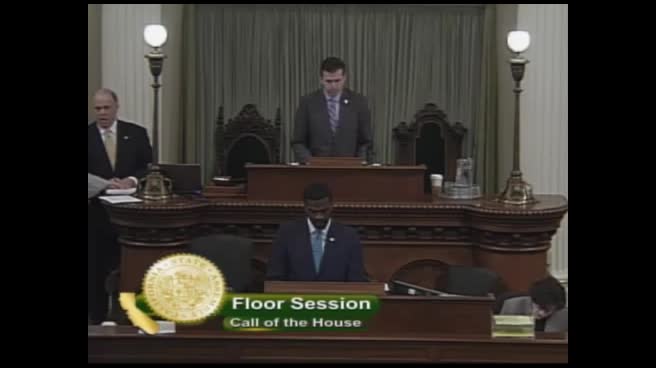
Assembly Floor
 1MIN
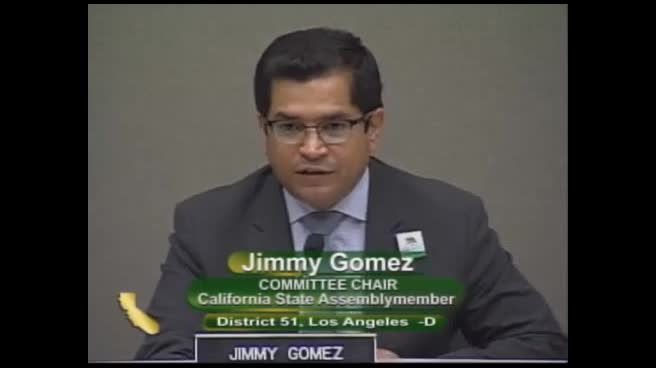
Assembly Standing Committee on Appropriations
 9MIN
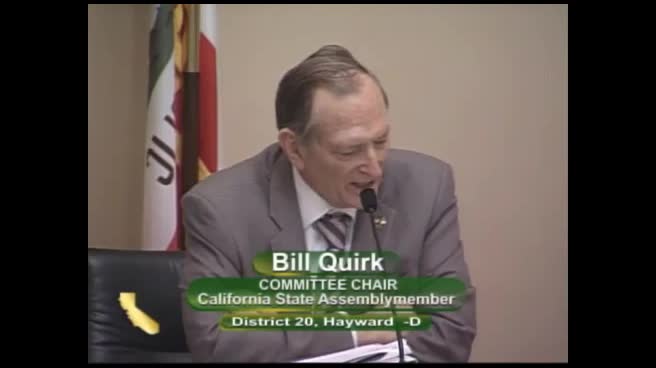
Assembly Standing Committee on Public Safety
Bill Author

Bill Co-Author(s):
