HR 51
- Session Year: 2015-2016
- House: Assembly
- Latest Version Date: 2016-05-19
WHEREAS, Composting is an effective form of waste reduction, reuse, and recycling, and since organic materials make up approximately 30 percent of the material going to landfills, composting is becoming one of the primary methods communities use to reach waste diversion goals and create sustainable communities; and
WHEREAS, Chapter 719 of the Statutes of 2014 phased out diversion credits for organic alternative daily cover in landfills and Chapter 727 of the Statutes of 2014 statutorily mandated commercial recycling of organics; and
WHEREAS, Section 42649.87 of the Public Resources Code requires the California Environmental Protection Agency, in coordination with the Department of Resources Recycling and Recovery, the State Water Resources Control Board, the State Air Resources Board, and the Department of Food and Agriculture, to develop and implement policies to aid in diverting organic waste from landfills by promoting the use of agricultural, forestry, and urban organic waste as a feedstock for composting and by promoting the appropriate use of that compost throughout the state; and
WHEREAS, Materials, including yard trimmings, vegetable cuttings, biosolids, food scraps, manures, and hay shavings, have been composted and converted into a beneficial product known as compost; and
WHEREAS, Returning organic resources to the soil reduces water consumption by over 30 percent on all soil types, conserves water during extreme drought or flooding conditions, decreases dependence on chemical fertilizers and pesticides, and decreases erosion and nonpoint source pollution; and
WHEREAS, Composting is recognized by the State Air Resources Board as an important tool to sequester massive amounts of carbon in Californias soils to help immediately reverse global warming; and
WHEREAS, Communities, through their local governments, highway departments, soil conservation services, and public works professionals, can have significant impact on clean water, soil, climate change, and landfill diversion by using compost for public works projects; and
WHEREAS, International Compost Awareness Week is a multimedia publicity and educational initiative to showcase compost production and demonstrate compost use; and
WHEREAS, Composting creates green jobs and infrastructure for cities and states that implement composting programs; and
WHEREAS, The United States Composting Council, Canada, and the United Kingdom have declared the first week of May to be the annual International Composting Awareness Week; and
WHEREAS, The Association of Compost Producers is the California State Chapter of the United States Composting Council and manages International Composting Awareness Week in California; and
WHEREAS, The theme of 2016, Compost: the Soil and Water Connection, is a great way to get the message out regarding compost and its many benefits to communities and property owners; now, therefore, be it
Resolved by the Assembly of the State of California, That the week of May 1, 2016, through May 7, 2016, is hereby designated as Compost Awareness Week; and be it further
Resolved, That the Chief Clerk of the Assembly transmit copies of this resolution to the author for appropriate distribution.
|
Date
|
Status
|
|---|---|
| May 2, 2016 | Introduced. |
| May 5, 2016 | Referred to Com. on RLS. |
| May 12, 2016 | From committee: Be adopted. Ordered to Third Reading. (Ayes 10. Noes 0.) (May 12). |
| May 19, 2016 | Read. Amended. Adopted. |
| May 19, 2016 | Read. Amended. Adopted. (Page 4866.). |
|
Date
|
Description
|
Location
|
Votes
|
|
|---|---|---|---|---|
| May 12, 2016 | Be adopted. To third reading. | Assembly Standing Committee on Rules |
Passed |
This list shows positions taken on this bill by organizations on the date displayed, which is linked to the original source.
Positions by individuals are not included.
|
Organization
|
Position
|
Date
|
|---|---|---|
| Association Of Compost Producers | ** Support | May 19, 2016 |
| Californians Against Waste | ** Support | May 19, 2016 |
Date of Hearing: May 12, 2016
ASSEMBLY COMMITTEE ON
, Chair
ABPCA Bill Id:
Author:() – As Ver:
SUBJECT:
SUMMARY: Designates the week of May 1, 2016, through May 7, 2016, as Compost Awareness Week. Specifically, this resolution makes the following legislative findings:
- Composting is an effective form of waste reduction, reuse, and recycling, and since organic materials make up approximately 30 percent of the material going to landfills, composting is becoming one of the primary methods communities use to reach waste diversion goals and create sustainable communities.
- Composting is recognized by the State Air Resources Board as an important tool to sequester massive amounts of carbon in California's soils to help immediately reverse global warming.
- Communities, through their local governments, highway departments, soil conservation services, and public works professionals, can have significant impact on clean water, soil, climate change, and landfill diversion by using compost for public works projects.
- Composting creates green jobs and infrastructure for cities and states that implement composting programs.
- International Compost Awareness Week is a multimedia publicity and educational initiative to showcase compost production and demonstrate compost use.
FISCAL EFFECT: None
REGISTERED SUPPORT / OPPOSITION:
Support
Association of Compost Producers
Californians Against Waste
Opposition
None on file
Analysis Prepared by:
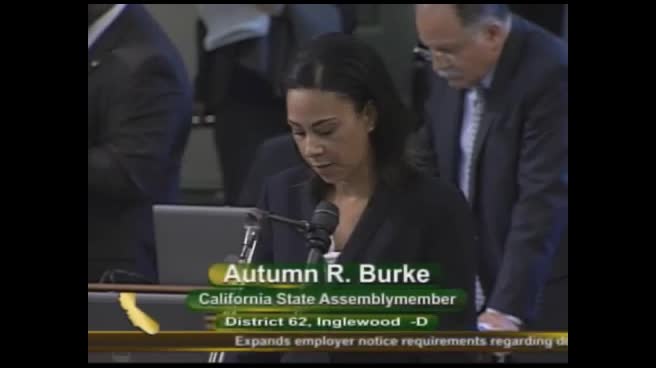
Bill Author

Bill Co-Author(s):