SB 44: Controlled substances.
- Session Year: 2023-2024
- House: Senate
- Latest Version Date: 2023-04-13
Current Status:
Failed
(2023-11-29: Returned to Secretary of Senate pursuant to Joint Rule 62(a).)
Introduced
In Committee
First Chamber
In Committee
Second Chamber
Enacted
What does this bill do?
The bill requires courts to tell people convicted of, or who plead guilty or no contest to, certain drug crimes involving fentanyl or fentanyl analogs that selling or giving out illicit drugs or counterfeit pills is dangerous. The warning says that if someone dies after receiving a drug the defendant knew or should have known contained fentanyl, the defendant can be charged with homicide (including murder); the warning must be placed on the record or a plea form and cannot be used as evidence against a minor in juvenile court.
The summary is provided by generative AI which can make mistakes. For original language, please view the details in the table below.
Existing law makes it a crime to possess for sale or purchase for purpose of sale, transport, import, sell, furnish, administer, give away, manufacture, compound, convert, produce, derive, process, or prepare various controlled substances, including, among others, fentanyl, peyote, and various other opiates and narcotics.
This bill, Alexandras Law, would require the court to advise a person who is convicted of, or who pleads guilty or no contest to, the above crimes, as specified, of the danger of selling or administering illicit drugs and counterfeit pills and that, if a person dies as a result of that action, the defendant can be charged with homicide. The bill would require the court to read the advisory statement in a case in which the defendant exchanged a controlled substance containing fentanyl or its analogs for anything else of value, as specified. The bill would require the advisory statement to be included in a plea form, if used, and specified on the record. The bill would require that the fact the advisory was given be recorded in the abstract of conviction and would prohibit the advisement from being used as evidence in the prosecution of a minor in juvenile court.
Existing law makes it a crime to possess for sale or purchase for purpose of sale, transport, import, sell, furnish, administer, give away, manufacture, compound, convert, produce, derive, process, or prepare various controlled substances, including, among others, fentanyl, peyote, and various other opiates and narcotics.
This bill bill, Alexandras Law, would require the court to advise a person who is convicted of, or who pleads guilty or no contest to, the above crimes to receive a written advisory crimes, as specified, of the danger of manufacturing or distribution of controlled substances selling or administering illicit drugs and counterfeit pills and that, if a person dies as a result of that action, the manufacturer or distributor defendant can be charged with voluntary manslaughter or murder. homicide. The bill would require the court to read the advisory statement in a case in which the defendant exchanged a controlled substance containing fentanyl or its analogs for anything else of value, as specified. The bill would require the advisory statement to be included in a plea form, if used, and specified on the record. The bill would require that the fact the advisory was given be on the record and recorded on in the abstract of conviction. conviction and would prohibit the advisement from being used as evidence in the prosecution of a minor in juvenile court.
Existing law makes it a crime to possess for sale or purchase for purpose of sale, transport, sell, furnish, administer, give away, manufacture, compound, convert, produce, derive, process, or prepare various controlled substances, including, among others, fentanyl, peyote, and various other opiates and narcotics.
This bill would require a person who is convicted of, or who pleads guilty or no contest to, the above crimes to receive a written advisory of the danger of manufacturing or distribution of controlled substances and that, if a person dies as a result of that action, the manufacturer or distributor can be charged with voluntary manslaughter or murder. The bill would require that the fact the advisory was given be on the record and recorded on the abstract of conviction.
(a)This section shall be known, and may be cited, as Alexandras Law.
(b)The court shall advise a person who is convicted of, or who pleads guilty or no contest to, a violation of Section 11351, 11352 for transporting, importing, selling, or administering a controlled substance, offering to transport, import, sell, or administer a controlled substance, or attempting to transport, import, sell, or administer a controlled substance, or 11379.6, where the substance contained fentanyl or a fentanyl analog, of the following:
You are hereby advised that all illicit drugs and counterfeit pills are dangerous to human life and become even deadlier when they are, sometimes unknowingly, mixed with substances such as fentanyl and analogs of fentanyl. People can and have died from these substances, even in very small doses. It is extremely dangerous and deadly to human life to sell or administer drugs, in any form, when not lawfully authorized to do so. If you do so in the future and a person dies as a result of that action, and you knew or should have known that the substance you provided contained fentanyl or a fentanyl analog, you may be charged with homicide, up to and including the crime of murder, within the meaning of Section 187 of the Penal Code. Code. In addition, this conviction will be considered by a judge or jury as to whether you knew or should have known that the substance you provided to the decedent contained fentanyl.
The court shall additionally read the advisory statement in a case in which the person exchanged a controlled substance containing fentanyl or its analogs for anything else of value except when the controlled substance containing fentanyl or its analogs is exchanged for a controlled substance or alcohol.
(c)The advisory statement shall be included in a plea form, if used, or the fact that the advisory was given shall be specified on the record.
(d)The fact that the advisory was given shall be recorded in the abstract of the conviction.
(e)This advisement may not be used as evidence in the prosecution of a minor in juvenile court.
(a)This section shall be known, and may be cited, as Alexandras Law.
(b)The court shall advise a person who is convicted of, or who pleads guilty or no contest to, a violation of Section 11351, 11352, 11352 for transporting, importing, selling, or administering a controlled substance, offering to transport, import, sell, or administer a controlled substance, or attempting to transport, import, sell, or administer a controlled substance, or 11379.6 11379.6, where the substance contained fentanyl or a fentanyl analog, of the following:
You are hereby advised that the illicit manufacture or distribution of controlled substances, either real or counterfeit, inflicts a grave health risk to those who ingest or are exposed to them. It is extremely dangerous to human life to manufacture or distribute real or counterfeit controlled substances. If you do so, and a person dies as a result of that action, you can be charged with voluntary manslaughter or murder.You are hereby advised that all illicit drugs and counterfeit pills are dangerous to human life and become even deadlier when they are, sometimes unknowingly, mixed with substances such as fentanyl and analogs of fentanyl. People can and have died from these substances, even in very small doses. It is extremely dangerous and deadly to human life to sell or administer drugs, in any form, when not lawfully authorized to do so. If you do so in the future and a person dies as a result of that action, you may be charged with homicide, up to and including the crime of murder, within the meaning of Section 187 of the Penal Code.
The court shall additionally read the advisory statement in a case in which the person exchanged a controlled substance containing fentanyl or its analogs for anything else of value except when the controlled substance containing fentanyl or its analogs is exchanged for a controlled substance or alcohol.
(c)The advisory statement shall be provided to the defendant in writing, either on the plea form or after sentencing, and included in a plea form, if used, or the fact that the advisory was given shall be specified on the record and recorded in the abstract of the conviction. record.
(d)The fact that the advisory was given shall be recorded in the abstract of the conviction.
(e)This advisement may not be used as evidence in the prosecution of a minor in juvenile court.
(a)This section shall be known, and may be cited, as Alexandras Law.
(b)The court shall advise a person who is convicted of, or who pleads guilty or no contest to, a violation of Section 11351, 11352, or 11379.6 of the following:
You are hereby advised that the illicit manufacture or distribution of controlled substances, either real or counterfeit, inflicts a grave health risk to those who ingest or are exposed to them. It is extremely dangerous to human life to manufacture or distribute real or counterfeit controlled substances. If you do so, and a person dies as a result of that action, you can be charged with voluntary manslaughter or murder.
(c)The advisory statement shall be provided to the defendant in writing, either on the plea form or after sentencing, and the fact that the advisory was given shall be on the record and recorded in the abstract of the conviction.
|
Date
|
Status
|
|---|---|
| Nov 29, 2023 | Returned to Secretary of Senate pursuant to Joint Rule 62(a). |
| Apr 26, 2023 | April 25 set for second hearing. Failed passage in committee. (Ayes 1. Noes 0. Page 900.) |
| Apr 14, 2023 | Set for hearing April 25. |
| Apr 13, 2023 | From committee with author's amendments. Read second time and amended. Re-referred to Com. on PUB S. |
| Mar 28, 2023 | March 28 set for first hearing. Failed passage in committee. (Ayes 1. Noes 0. Page 577.) Reconsideration granted. |
| Mar 13, 2023 | Set for hearing March 28. |
| Mar 8, 2023 | From committee with author's amendments. Read second time and amended. Re-referred to Com. on PUB S. |
| Jan 18, 2023 | Referred to Com. on PUB S. |
| Dec 6, 2022 | From printer. May be acted upon on or after January 5. |
| Dec 5, 2022 | Introduced. Read first time. To Com. on RLS. for assignment. To print. |
|
Date
|
Description
|
Location
|
Votes
|
|
|---|---|---|---|---|
| Apr 25, 2023 | Do pass, but first be re-referred to the Committee on [Appropriations] | Senate Standing Committee on Public Safety |
Failed |
|
| Mar 28, 2023 | [First] hearing set for [03-29-2023]: Failed passage in Committee. Reconsideration granted | Senate Standing Committee on Public Safety |
Passed |
|
| Mar 28, 2023 | Do pass, but first be re-referred to the Committee on [Appropriations] | Senate Standing Committee on Public Safety |
Failed |
This list shows positions taken on this bill by organizations on the date displayed, which is linked to the original source.
Positions by individuals are not included.
|
Organization
|
Position
|
Date
|
|---|---|---|
| Aclu California Action | * Against | Mar 28, 2023 |
| Adrian Forever Foundation | * Support | Apr 25, 2023 |
| Adrian Forever Foundation | * Support | Apr 25, 2023 |
| Alameda County | * Support | Mar 28, 2023 |
| Amador County District Attorney | * Support | Apr 25, 2023 |
| Broken No More | * Against | Mar 28, 2023 |
| Broken No More | * Against | Mar 28, 2023 |
| broken no more | * Against | Mar 28, 2023 |
| Bruce "Double D" Mac Rae | ** Support | Mar 28, 2023 |
| California Attorneys For Criminal Justice | * Against | Mar 28, 2023 |
| California CareForce | * Against | Mar 28, 2023 |
| California District Attorneys Association | * Support | Apr 25, 2023 |
| California Police Chiefs Association | * Support | Apr 25, 2023 |
| California Public Defenders Association | * Against | Apr 25, 2023 |
| Center on Juvenile and Criminal Justice | * Against | Mar 28, 2023 |
| Chapel of Orange | * Support | Apr 25, 2023 |
| City Of Beverly Hills | * Support | Mar 28, 2023 |
| City Of Hemet | * Support | Mar 28, 2023 |
| City of Modesto | * Support | Mar 28, 2023 |
| City of San Francisco | * Support | Mar 28, 2023 |
| City of West Hollywood | * Support | Mar 28, 2023 |
| Claremont Police Officer Association | * Support | Mar 28, 2023 |
| Corona Police Officer Association | * Support | Mar 28, 2023 |
| Crime Victims United | * Support | Mar 28, 2023 |
| Culver City Police Officer Association | * Support | Mar 28, 2023 |
| Drug Awareness Foundation | * Support | Apr 25, 2023 |
| Drug Induced Homicide | * Support | Mar 28, 2023 |
| Drug Induced Homicide | * Support | Mar 28, 2023 |
| Drug Induced Homicide Foundation | * Support | Apr 25, 2023 |
| Drug Policy Alliance | * Against | Mar 28, 2023 |
| Eagle Forum of California | * Support | Apr 25, 2023 |
| El Dorado Hills | * Support | Mar 28, 2023 |
| Ella Baker Center For Human Rights | * Against | Apr 25, 2023 |
| Fresno County | * Against | Mar 28, 2023 |
| Friends Committee On Legislation Of California | * Against | Apr 25, 2023 |
| Fullerton Police Officer Association | * Support | Mar 28, 2023 |
| Garden Valley, California | * Support | Mar 28, 2023 |
| Gilroy | * Support | Mar 28, 2023 |
| Govern for California | * Support | Mar 28, 2023 |
| GRASP | * Against | Mar 28, 2023 |
| Initiate Justice | * Against | Apr 25, 2023 |
| Initiate Justice Action | * Against | Apr 25, 2023 |
| Law Enforcement Action Partnership | * Against | Mar 28, 2023 |
| League Of California Cities | * Support | Apr 25, 2023 |
| Los Alamitos | * Support | Mar 28, 2023 |
| Los Angeles County | * Support | Mar 28, 2023 |
| Los Angeles County Sheriff'S Department | * Support | Apr 25, 2023 |
| Lost Voices of Fentanyl | * Support | Apr 25, 2023 |
| Marin County | * Support | Mar 28, 2023 |
| Modesto | * Support | Mar 28, 2023 |
| Monterey County Deputy Sheriff's Association | * Support | Mar 28, 2023 |
| One Pill Can Kill Sacramento | * Support | Mar 28, 2023 |
| Orange County Board of Supervisors | * Support | Apr 25, 2023 |
| Orange County District Attorney's Office | * Support | Apr 25, 2023 |
| Orange County Sheriff's Department | * Support | Apr 25, 2023 |
| Parent | * Support | Apr 25, 2023 |
| Placer County | * Support | Mar 28, 2023 |
| Placer County Deputy Sheriff's Association | * Support | Mar 28, 2023 |
| Placer County Moms for Liberty | * Support | Apr 25, 2023 |
| Police Officers Association of Arcadia | * Support | Mar 28, 2023 |
| Police Officers Association of Burbank | * Support | Mar 28, 2023 |
| Police Officers Association of Marietta | * Support | Mar 28, 2023 |
| Police Officers Association of Newport Beach | * Support | Mar 28, 2023 |
| Police Officers Association of Palos Verdes | * Support | Mar 28, 2023 |
| Police Officers Association of Pomona | * Support | Mar 28, 2023 |
| Police Officers Association of Santa Ana | * Support | Mar 28, 2023 |
| Police Officers Association of Upland | * Support | Mar 28, 2023 |
| PORAC | * Support | Mar 28, 2023 |
| Precision Advocacy Group | ** Support | Apr 25, 2023 |
| Project Eli | * Support | Mar 28, 2023 |
| Project Eli | * Support | Apr 25, 2023 |
| Riverside County | * Support | Mar 28, 2023 |
| Riverside Sheriff's Office | * Support | Mar 28, 2023 |
| Riverside Sheriffs' Association | * Support | Mar 28, 2023 |
| Sacramento City Of | * Support | Mar 28, 2023 |
| Sacramento, California | * Support | Mar 28, 2023 |
| San Bernardino County | * Support | Apr 25, 2023 |
| San Diegans Against Crime | * Support | Mar 28, 2023 |
| San Diego County District Attorney Summer Stephan | * Support | Mar 28, 2023 |
| San Diego Deputy District Attorneys Association | * Support | Mar 28, 2023 |
| San Francisco County | * Against | Mar 28, 2023 |
| San Francisco District Attorney Brooke Jenkins | * Support | Apr 25, 2023 |
| San Francisco Mayor London Breed | * Support | Mar 28, 2023 |
| San Francisco Public Defender's Office | * Against | Apr 25, 2023 |
| Shaw Yoder Antwih Schmelzer Lange Inc | * Support | Apr 25, 2023 |
| Sheriff Chad Bianco | * Support | Mar 28, 2023 |
| Sheriff Kelly Martinez | * Support | Mar 28, 2023 |
| Sheriff Kelly Martinez of the San Diego County Sheriff's Department | * Support | Apr 25, 2023 |
| Sheriff Robert Luna | * Support | Mar 28, 2023 |
| Sister Warriors Freedom Coalition | * Against | Mar 28, 2023 |
| Sisterware Freedom Policy Associates | * Against | Apr 25, 2023 |
| Solace Foundation of Orange County | * Against | Mar 28, 2023 |
| Stanislaus County | * Support | Mar 28, 2023 |
| Stone Advocacy | ** Support | Mar 28, 2023 |
| UC Berkeley | * Against | Mar 28, 2023 |
| UPS | * Support | Mar 28, 2023 |
| VOID | * Support | Mar 28, 2023 |
| Yolo County | * Against | Mar 28, 2023 |
SENATE COMMITTEE ON PUBLIC SAFETY
Senator Aisha Wahab, Chair
2023 - 2024 Regular
Bill No: SB 44 Hearing Date: April 25, 2023
Author: | Umberg | ||
Version: | April 13, 2023 | ||
Urgency: | No | Fiscal: | Yes |
Consultant: | SJ | ||
Subject: Controlled substances
HISTORY
Source: San Diego Mayor Todd Gloria
Prior Legislation: SB 1350 (Melendez), failed passage in Senate Public Safety 2022
SB 350 (Melendez), failed passage in Senate Public Safety 2021
AB 2173 (Parra), Ch. 502, Stats. 2004
Support: 911 Ambulance Provider’s Alliance; Arcadia Police Officers’ Association; Association of Orange County Deputy Sheriffs; Big City Mayors; Burbank Police Officers’ Association; California Association of Highway Patrolmen; California Catholic Conference; California Coalition of School Safety Professionals; California Contract Cities Association; California District Attorneys Association; California Narcotic Officers Association; California Police Chiefs Association; City and County of San Francisco; City of Beverly Hills; City of Downey; City of Fountain Valley; City of Irvine; City of Laguna Niguel; City of Newport Beach; City of Orange; City of San Diego; City of Santa Ana; City of Seal Beach; City of Tustin; City of Villa Park; City of West Hollywood; City of Yorba Linda Councilwoman Beth Haney; City of Yucaipa; Claremont Police Officers Association; Consumer Attorneys of California; Corona Police Officers Association; County of Orange; Culver City Police Officers’ Association; Daniel Calazans Foundation; Deputy Sheriffs’ Association of Monterey County; Drug Awareness Foundation; Drug Induced Homicide; DUID Victim Voices; Families Against Fentanyl; FentanylSolution.org; Fullerton Police Officers’ Association; Govern for California; High Truths on Drugs and Addiction; Inland Empire Coalition of Mayors; International Union of Operating Engineers, Cal-Nevada Conference; Kings County Sheriff’s Office; League of California Cities; Long Beach City Prosecutor Doug P. Haubert; Los Angeles County Sheriff’s Department; Los Angeles Police Protective League; Los Angeles School Police Officers Association; Murrieta Police Officers’ Association; Newport Beach Police Association; Orange County District Attorney; Orange County Sheriff’s Department; Palos Verdes Police Officers Association; Peace Officers Research Association of California; Placer County Deputy Sheriffs’ Association; Pomona Police Officers’ Association; Project Eli; Riverside County District Attorney; Riverside County Sheriff’s Office; Riverside County Supervisor Karen Spiegel; Riverside Police Officers Association; Riverside Sheriffs’ Association; Sacramento County Sheriff's Office; San Bernardino County District Attorney’s Office; San Diego County District Attorney’s Office; San Diego County Sheriff’s Department; San Francisco District Attorney’s Office; Santa Ana Police Officers Association; Smart Approaches to Marijuana; Stanislaus County Opioid Safety Coalition; Upland Police Officers Association; UPS; Ventura County District Attorney’s Office; Victims of Illicit Drugs; We Save Lives; several individuals
Opposition: ACLU California Action; California Public Defenders Association; Care First California; Community Legal Services in East Palo Alto; Drug Policy Alliance; Ella Baker Center for Human Rights; Friends Committee on Legislation of California; Initiate Justice; Initiate Justice Action; La Defensa; Law Enforcement Action Partnership; Legal Services for Prisoners With Children; National Harm Reduction Coalition; Rubicon Programs; San Francisco Public Defender; San Francisco Rising; Sister Warriors Freedom Coalition; Transitions Clinic Network; Treatment on Demand Coalition; W. Haywood Burns Institute
PURPOSE
The purpose of this bill is to require a court to provide a written advisory to a person convicted of specified drug offenses notifying the person of the danger of selling or administering illicit drugs and counterfeit pills and of the potential future criminal liability if another person dies as a result of that person’s actions.
Existing law makes it unlawful for a person to possess for sale or purchase for purpose of sale cocaine, cocaine base, heroin and specified opiates and opioid derivatives. (Health & Saf. Code, § 11351.)
Existing law makes it unlawful for a person to transport, import, sell, furnish, administer, or give away, or offer or attempt to transport, import, sell, furnish, administer, or give away cocaine, cocaine base, heroin and specified opiates and opioid derivatives. (Health & Saf. Code, § 11352.)
Existing law makes it unlawful for a person to manufacture, compound, convert, produce, derive, process, or prepare, either directly or indirectly by chemical extraction or by means of chemical synthesis any controlled substance, including opiates, opium derivatives, hallucinogenic substances, cocaine, and cocaine base, among others. (Heath & Saf. Code, § 11379.6.)
Existing law defines manslaughter as the unlawful killing of a human being without malice, and provides that there are three kinds: voluntary—upon a sudden quarrel or heat of passion; involuntary—in the commission of an unlawful act, not amounting to a felony, or in the commission of a lawful act which might produce death, in an unlawful manner, or without due caution and circumspection; and vehicular. (Pen. Code, § 192.)
Existing law defines murder as the unlawful killing of a human being, or a fetus, with malice aforethought. (Pen. Code, § 187.)
Existing law provides that malice may be express or implied. Provides that malice is implied when no considerable provocation appears, or when the circumstances attending the killing show an abandoned and malignant heart. (Pen. Code, § 188, subd. (a).)
Existing law provides that if it is shown that the killing resulted from an intentional act with express or implied malice, no other mental state need be shown to establish the mental state of malice aforethought. (Pen. Code, § 188, subd. (b).)
This bill requires the court to advise a person who is convicted of, or who pleads guilty or no contest to, a violation of Section 11351, 11352 for transporting, importing, selling, or administering a controlled substance, offering to transport, import, sell, or administer a controlled substance, or attempting to transport, import, sell, or administer a controlled substance, or 11379.6, where the substance contained fentanyl or a fentanyl analog, of the following:
“You are hereby advised that all illicit drugs and counterfeit pills are dangerous to human life and become even deadlier when they are, sometimes unknowingly, mixed with substances such as fentanyl and analogs of fentanyl. People can and have died from these substances, even in very small doses. It is extremely dangerous and deadly to human life to sell or administer drugs, in any form, when not lawfully authorized to do so. If you do so in the future and a person dies as a result of that action, and you knew or should have known that the substance you provided contained fentanyl or a fentanyl analog, you may be charged with homicide, up to and including the crime of murder, within the meaning of Section 187 of the Penal Code. In addition, this conviction will be considered by a judge or jury as to whether you knew or should have known that the substance you provided to the decedent contained fentanyl.”
This bill requires the court to additionally read the above advisory statement in a case in which the person exchanged a controlled substance containing fentanyl or its analogs for anything else of value except when the controlled substance containing fentanyl or its analogs is exchanged for a controlled substance or alcohol.
This bill requires the advisory statement to be included in a plea form, if used, or the fact that the advisory was given to be specified on the record.
This bill requires the fact that the advisory was given to be recorded in the abstract of the conviction.
This bill prohibits the advisement from being used as evidence in the prosecution of a minor in juvenile court.
COMMENTS
- Need For This Bill
According to the author:
As the former Deputy Director of the White House Office of National Drug Control Policy, Chair of the Senate Judiciary Committee, a former U.S. Attorney, and a career prosecutor, I have dedicated my life to the equal pursuit of justice for all. In that vein, I am certain there is no justice in allowing willful negligence by drug dealers or a lack of action on the part of the Legislature to result in murder and a continually escalating death toll caused by fentanyl poisonings. In fact, there is an obligation by the Legislature to ensure public safety equitably across California. There is an unequal application of justice too, in cases where a drug dealer can be prosecuted in one county, but not in another when drug sales and people regularly cross jurisdictions.
Taken as a piece of numerous reforms to battle this crisis, SB 44 will implement a tempered approach to fentanyl poisonings that first warns and then punishes drug dealers who traffic in fentanyl in a manner that results in death. By using education and a measured approach that abides the will of California’s voters, we will be able to hold people accountable when they knowingly and willfully cause the death of others.
- Advisory Statement in This Bill Mirrors Existing Language In DUI Context
This bill would require the court to advise a person who is convicted of, or who pleads guilty or no contest to, a violation of possession for sale, transporting, importing, selling, administering, or manufacturing specified controlled substances of the following:
“You are hereby advised that all illicit drugs and counterfeit pills are dangerous to human life and become even deadlier when they are, sometimes unknowingly, mixed with substances such as fentanyl and analogs of fentanyl. People can and have died from these substances, even in very small doses. It is extremely dangerous and deadly to human life to sell or administer drugs, in any form, when not lawfully authorized to do so. If you do so in the future and a person dies as a result of that action, and you knew or should have known that the substance you provided contained fentanyl or a fentanyl analog, you may be charged with homicide, up to and including the crime of murder, within the meaning of Section 187 of the Penal Code. In addition, this conviction will be considered by a judge or jury as to whether you knew or should have known that the substance you provided to the decedent contained fentanyl.”
The language in this bill is modeled after the language codified by AB 2173 (Parra), Chapter 502, Statutes 2004, which requires the court to provide a person convicted of a reckless driving offense or DUI with an advisory statement. The advisory in Vehicle Code section 23593 reads:
“You are hereby advised that being under the influence of alcohol or drugs, or both, impairs your ability to safely operate a motor vehicle. Therefore, it is extremely dangerous to human life to drive while under the influence of alcohol or drugs, or both. If you continue to drive while under the influence of alcohol or drugs, or both, and, as a result of that driving, someone is killed, you can be charged with murder.”
- Use of Advisement to Establish Implied Malice in a Subsequent Prosecution
The author intends for the advisory required in this bill to help establish implied malice in a subsequent second-degree murder prosecution in which a person convicted of the drug offenses specified in this bill engages in future drug-related criminal conduct that results in the death of another person. As stated above, the advisory in this bill is modeled after the DUI advisory codified in the Vehicle Code. With respect to deaths resulting from DUIs, the California Supreme Court held in People v. Watson (1981), 30 Cal.3d 290, 298, in affirming a second-degree murder conviction, that “when the conduct in question can be characterized as a wanton disregard for life, and the facts demonstrate a subjective awareness of the risk created, malice may be implied.” The stated intent of AB 2173 (Parra), Chapter 502, Statutes 2004, was to help prosecutors prove implied malice in second-degree murder cases arising out of DUI cases resulting in death by “making it clear that those individuals were aware of the danger they posed to others by drinking and driving as a result of the statement required by this bill which they signed after the original DUI conviction.” (Assem. Com. on Pub. Safety, Analysis of Assem. Bill 2173 (2003-2004 Reg. Sess.) as introduced February 18, 2004, p. 4.)
As is the case with a DUI in which an intoxicated driver kills another person, a person engaged in drug-related criminal conduct (e.g., selling a controlled substance) that results in the death of another person may be charged under current law with second-degree murder or manslaughter. In response to an increase in fentanyl-related deaths in recent years, district attorneys across the state have charged individuals who sold, supplied, or otherwise engaged in unlawful conduct involving fentanyl that led to someone’s death with murder. (See Alyssa Flores, Suspected Drug Dealer Charged with Murder After Fentanyl-Related Death (Oct. 18, 2022) available at <http://abc30.com/fentanyl-deaths-drug-dealers-arrested-murder-charges-filed-suspect/12343224/>; Karen Wynter and Vivian Chow, Fighting Fentanyl in California: Prosecuting Murder (Nov. 16, 2022) available at <https://ktla.com/news/local-news/fighting-fentanyl-in-california-prosecuting-murder/>; Melanie Wingo, 20-Year-Old Facing Murder, Felony Drug Charges After Roseville 15-Year-Old’s Fentanyl Poisoning (Aug. 13, 2022) available at <https://www.kcra.com/article/nathaniel-cabacungan-murder-drug-charges-roseville-fentanyl-poisoning/40886646#>; Josh Campbell, A California Teenager Has Been Charged with Murder in 12-Year-Old’s Drug Overdose Death (Jan. 26, 2022) available at <https://www.cnn.com/2022/01/26/us-california-teenager-murder-charge-overdose/index.html>.)
Murder is defined as the unlawful killing of a human being, or a fetus, with malice aforethought. (Pen. Code, § 187.) First-degree murder is a murder committed by specified lethal means, or by any other kind of willful, deliberate, and premeditated killing, or that is committed in the perpetration of, or attempt to perpetrate various specified felonies, or that is perpetrated by means of discharging a firearm from a motor vehicle, intentionally at another person outside of the vehicle with the intent to inflict death. (Pen. Code, § 189, subd. (a).) All other murder is murder of the second degree. (Pen. Code, § 189, subd. (b).) Malice may be express or implied. (Pen. Code, § 188, subd. (a).) Malice is implied when no considerable provocation appears, or when the circumstances attending the killing show an abandoned and malignant heart. (Id.) If it is shown that the killing resulted from an intentional act with express or implied malice, no other mental state need be shown to establish the mental state of malice aforethought. (Pen. Code, § 188, subd. (b).) As stated above, the advisory in this bill is intended to help establish implied malice in a second-degree murder prosecution.
The advisory in this bill notifies a person convicted of specified drug offenses whose future drug-related conduct results in the death of another person that the person “may be charged with homicide, up to and including the crime of murder, within the meaning of Section 187 of the Penal Code.” Presumably, homicide that is not murder, as defined, refers to manslaughter. Manslaughter is defined as the unlawful killing of a human being without malice. (Pen. Code, § 192.) There are three kinds of manslaughter: voluntary—upon a sudden quarrel or heat of passion; involuntary—in the commission of an unlawful act, not amounting to a felony, or in the commission of a lawful act which might produce death, in an unlawful manner, or without due caution and circumspection; and vehicular. (Id.)
It is unclear to what extent prosecutors have been successful in establishing implied malice and in securing second-degree murder convictions in DUI cases resulting in death as a result of the passage of AB 2173 or what the effect of this bill may be with respect to drug-related deaths.
- Argument in Support
According to the California District Attorneys Association:
In California, Driving Under the Influence (DUI) offenders are read an advisory in court to inform them that repeated offenses resulting in death can be charged as manslaughter or murder. SB 44 is modeled off of this example, and would establish a statewide Fentanyl Admonishment to be issued to fentanyl dealers and traffickers whose actions result in the death of another individual or individuals.
Prosecuting overdose-related homicides has always been very difficult in California. To start, societal attitudes have historically tended to cast illicit drug users as primarily responsible – if not exclusively so – for their own demise. Such prejudgments have naturally benefitted criminal offenders dealing in the illicit manufacture and distribution of dangerous drugs like fentanyl. Attitudes are changing, however, and the Legislature should act to encourage this. The illicit manufacture and distribution of fentanyl implicates much more than mere negligence. By requiring those who are successfully prosecuted for the felony manufacture or distribution of fentanyl to explicitly be confronted in a court of law with the fact that fentanyl is dangerous to human life, prosecutors will stand in a better position to later prosecute such offenders for second degree murder should they choose to continue to engage in such a dangerous and destructive endeavor.
CDAA is proud to support SB 44 … in an effort to provide justice to thousands of California families and deter those who deal deadly drugs from continuing to do so. We know this law will add an important tool for counties and agencies grappling with our opioid epidemic.
- Argument in Opposition
The California Public Defenders Association writes:
SB 44 would require presenting a written advisory to persons convicted of possession for sale categories of controlled offenses that contained fentanyl that: (1) administration or distribution of controlled substances is dangerous, and (2) that one can be charged for homicide if death results from such activities.
The advisory would be used as a predicate to establish the mental state of malice, required for a murder charge, when the person involved in the drug transaction had no intention of ever killing or injuring the person who knowingly obtained the controlled substance.
CPDA sympathizes with and understands the unintended consequences and impact that the use of unregulated illegal drugs can have on the lives of users, as so many of our clients have had problems with drugs. However, SB 44 by creating another basis for a murder charge is an attempt to resurrect the failed public policy of the past and return to mass incarceration as a solution for societal problems. California recently moved away from imposing draconian punishments on those who never intended to kill another human being by their actions and moved toward a more humane society where we do not punish those who are not personally responsible for killing another human being in the same fashion as those who do intend to kill by enacting SB 1437 (2018).
From our experience as public defenders we know that many of those who engage in the illegal drug trade are often low-level users of drugs themselves. To punish them for the unintended consequences of engaging in illegal narcotic sales and for outcomes that they never intended is contrary to sound public policy and humane treatment in our criminal justice system.
-- END --
SENATE COMMITTEE ON PUBLIC SAFETY
Senator Aisha Wahab, Chair
2023 - 2024 Regular
Bill No: SB 44 Hearing Date: March 28, 2023
Author: | Umberg | ||
Version: | March 8, 2023 | ||
Urgency: | No | Fiscal: | Yes |
Consultant: | SJ | ||
Subject: Controlled substances
HISTORY
Source: San Diego Mayor Todd Gloria
Prior Legislation: SB 1350 (Melendez), failed passage in Senate Public Safety 2022
SB 350 (Melendez), failed passage in Senate Public Safety 2021
AB 2173 (Parra), Ch. 502, Stats. 2004
Support: 911 Ambulance Provider’s Alliance; Arcadia Police Officers’ Association; Burbank Police Officers’ Association; California Coalition of School Safety Professionals; California District Attorneys Association; California Narcotic Officers Association; California Police Chiefs Association; City of Fountain Valley; City of Irvine; City of Laguna Niguel; City of Newport Beach; City of Orange; City of San Diego; City of Santa Ana; City of Seal Beach; City of Villa Park; City of West Hollywood; City of Yorba Linda Councilwoman Beth Haney; City of Yucaipa; Claremont Police Officers Association; Consumer Attorneys of California; Corona Police Officers Association; County of Orange; Culver City Police Officers’ Association; Daniel Calazans Foundation; Deputy Sheriffs’ Association of Monterey County; Drug Awareness Foundation; Drug Induced Homicide; DUID Victim Voices; Families Against Fentanyl; FentanylSolution.org; Fullerton Police Officers’ Association; High Truths on Drugs and Addiction; International Union of Operating Engineers, Cal-Nevada Conference; Kings County Sheriff’s Office; League of California Cities; Long Beach City Prosecutor Doug P. Haubert; Los Angeles County Sheriff's Department; Los Angeles Police Protective League; Los Angeles School Police Officers Association; Murrieta Police Officers’ Association; Newport Beach Police Association; Orange County District Attorney; Orange County Sheriff’s Department; Palos Verdes Police Officers Association; Placer County Deputy Sheriffs’ Association; Pomona Police Officers’ Association; Project Eli; Riverside County District Attorney; Riverside County Sheriff’s Office; Riverside County Supervisor Karen Spiegel; Riverside Police Officers Association; Riverside Sheriffs’ Association; Sacramento County Sheriff's Office; San Bernardino County District Attorney’s Office; San Diego County District Attorney’s Office; San Diego County Sheriff’s Department; San Francisco Mayor London Breed; Santa Ana Police Officers Association; Stanislaus County Opioid Safety Coalition; Upland Police Officers Association; UPS; Ventura County District Attorney's Office; Victims of Illicit Drugs; We Save Lives; 4 individuals
Opposition: California Public Defenders Association; Community Legal Services in East Palo Alto; Drug Policy Alliance; Ella Baker Center for Human Rights; Law Enforcement Action Partnership; Rubicon Programs
PURPOSE
The purpose of this bill is to require a court to provide a written advisory to a person convicted of specified drug offenses notifying the person of the danger of selling or administering illicit drugs and counterfeit pills and of the potential future criminal liability if another person dies as a result of that person’s actions.
Existing law makes it unlawful for a person to possess for sale or purchase for purpose of sale cocaine, cocaine base, heroin and specified opiates and opioid derivatives. (Health & Saf. Code, § 11351.)
Existing law makes it unlawful for a person to transport, import, sell, furnish, administer, or give away, or offer or attempt to transport, import, sell, furnish, administer, or give away cocaine, cocaine base, heroin and specified opiates and opioid derivatives. (Health & Saf. Code, § 11352.)
Existing law makes it unlawful for a person to manufacture, compound, convert, produce, derive, process, or prepare, either directly or indirectly by chemical extraction or by means of chemical synthesis any controlled substance, including opiates, opium derivatives, hallucinogenic substances, cocaine, and cocaine base, among others. (Heath & Saf. Code, § 11379.6.)
Existing law defines manslaughter as the unlawful killing of a human being without malice, and provides that there are three kinds: voluntary—upon a sudden quarrel or heat of passion; involuntary—in the commission of an unlawful act, not amounting to a felony, or in the commission of a lawful act which might produce death, in an unlawful manner, or without due caution and circumspection; and vehicular. (Pen. Code, § 192.)
Existing law defines murder as the unlawful killing of a human being, or a fetus, with malice aforethought. (Pen. Code, § 187.)
Existing law provides that malice may be express or implied. Provides that malice is implied when no considerable provocation appears, or when the circumstances attending the killing show an abandoned and malignant heart. (Pen. Code, § 188, subd. (a).)
Existing law provides that if it is shown that the killing resulted from an intentional act with express or implied malice, no other mental state need be shown to establish the mental state of malice aforethought. (Pen. Code, § 188, subd. (b).)
This bill requires the court to advise a person who is convicted of, or who pleads guilty or no contest to, a violation of Section 11351, 11352 for transporting, importing, selling, or administering a controlled substance, offering to transport, import, sell, or administer a controlled substance, or attempting to transport, import, sell, or administer a controlled substance, or 11379.6, where the substance contained fentanyl or a fentanyl analog, of the following:
“You are hereby advised that all illicit drugs and counterfeit pills are dangerous to human life and become even deadlier when they are, sometimes unknowingly, mixed with substances such as fentanyl and analogs of fentanyl. People can and have died from these substances, even in very small doses. It is extremely dangerous and deadly to human life to sell or administer drugs, in any form, when not lawfully authorized to do so. If you do so in the future and a person dies as a result of that action, you may be charged with homicide, up to and including the crime of murder, within the meaning of Section 187 of the Penal Code.”
This bill requires the court to additionally read the above advisory statement in a case in which the person exchanged a controlled substance containing fentanyl or its analogs for anything else of value except when the controlled substance containing fentanyl or its analogs is exchanged for a controlled substance or alcohol.
This bill requires the advisory statement to be included in a plea form, if used, or the fact that the advisory was given to be specified on the record.
This bill requires the fact that the advisory was given to be recorded in the abstract of the conviction.
This bill prohibits the advisement from being used as evidence in the prosecution of a minor in juvenile court.
COMMENTS
- Need For This Bill
According to the author:
As the former Deputy Director of the White House Office of National Drug Control Policy, Chair of the Senate Judiciary Committee, a former U.S. Attorney, and a career prosecutor, I have dedicated my life to the equal pursuit of justice for all. In that vein, I am certain there is no justice in allowing willful negligence by drug dealers or a lack of action on the part of the Legislature to result in murder and a continually escalating death toll caused by fentanyl poisonings. In fact, there is an obligation by the Legislature to ensure public safety equitably across California. There is an unequal application of justice too, in cases where a drug dealer can be prosecuted in one county, but not in another when drug sales and people regularly cross jurisdictions.
Taken as a piece of numerous reforms to battle this crisis, SB 44 will implement a tempered approach to fentanyl poisonings that first warns and then punishes drug dealers who traffic in fentanyl in a manner that results in death. By using education and a measured approach that abides the will of California’s voters, we will be able to hold people accountable when they knowingly and willfully cause the death of others.
- Advisory Statement in This Bill Mirrors Existing Language In DUI Context
This bill would require the court to advise a person who is convicted of, or who pleads guilty or no contest to, a violation of possession for sale, transporting, importing, selling, administering, or manufacturing specified controlled substances of the following:
“You are hereby advised that all illicit drugs and counterfeit pills are dangerous to human life and become even deadlier when they are, sometimes unknowingly, mixed with substances such as fentanyl and analogs of fentanyl. People can and have died from these substances, even in very small doses. It is extremely dangerous and deadly to human life to sell or administer drugs, in any form, when not lawfully authorized to do so. If you do so in the future and a person dies as a result of that action, you may be charged with homicide, up to and including the crime of murder, within the meaning of Section 187 of the Penal Code.”
The language in this bill is modeled after the language codified by AB 2173 (Parra), Chapter 502, Statutes 2004, which requires the court to provide a person convicted of a reckless driving offense or DUI with an advisory statement. The advisory in Vehicle Code section 23593 reads:
“You are hereby advised that being under the influence of alcohol or drugs, or both, impairs your ability to safely operate a motor vehicle. Therefore, it is extremely dangerous to human life to drive while under the influence of alcohol or drugs, or both. If you continue to drive while under the influence of alcohol or drugs, or both, and, as a result of that driving, someone is killed, you can be charged with murder.”
- Use of Advisement to Establish Implied Malice in a Subsequent Prosecution
The author intends for the advisory required in this bill to help establish implied malice in a subsequent second-degree murder prosecution in which a person convicted of the drug offenses specified in this bill engages in future drug-related criminal conduct that results in the death of another person. As stated above, the advisory in this bill is modeled after the DUI advisory codified in the Vehicle Code. With respect to deaths resulting from DUIs, the California Supreme Court held in People v. Watson (1981), 30 Cal.3d 290, 298, in affirming a second-degree murder conviction, that “when the conduct in question can be characterized as a wanton disregard for life, and the facts demonstrate a subjective awareness of the risk created, malice may be implied.” The stated intent of AB 2173 (Parra), Chapter 502, Statutes 2004, was to help prosecutors prove implied malice in second-degree murder cases arising out of DUI cases resulting in death by “making it clear that those individuals were aware of the danger they posed to others by drinking and driving as a result of the statement required by this bill which they signed after the original DUI conviction.” (Assem. Com. on Pub. Safety, Analysis of Assem. Bill 2173 (2003-2004 Reg. Sess.) as introduced February 18, 2004, p. 4.)
As is the case with a DUI in which an intoxicated driver kills another person, a person engaged in drug-related criminal conduct (e.g., selling a controlled substance) that results in the death of another person may be charged under current law with second-degree murder or manslaughter. In response to an increase in fentanyl-related deaths in recent years, district attorneys across the state have charged individuals who sold, supplied, or otherwise engaged in unlawful conduct involving fentanyl that led to someone’s death with murder. (See Alyssa Flores, Suspected Drug Dealer Charged with Murder After Fentanyl-Related Death (Oct. 18, 2022) available at <http://abc30.com/fentanyl-deaths-drug-dealers-arrested-murder-charges-filed-suspect/12343224/>; Karen Wynter and Vivian Chow, Fighting Fentanyl in California: Prosecuting Murder (Nov. 16, 2022) available at <https://ktla.com/news/local-news/fighting-fentanyl-in-california-prosecuting-murder/>; Melanie Wingo, 20-Year-Old Facing Murder, Felony Drug Charges After Roseville 15-Year-Old’s Fentanyl Poisoning (Aug. 13, 2022) available at <https://www.kcra.com/article/nathaniel-cabacungan-murder-drug-charges-roseville-fentanyl-poisoning/40886646#>; Josh Campbell, A California Teenager Has Been Charged with Murder in 12-Year-Old’s Drug Overdose Death (Jan. 26, 2022) available at <https://www.cnn.com/2022/01/26/us-california-teenager-murder-charge-overdose/index.html>.)
Murder is defined as the unlawful killing of a human being, or a fetus, with malice aforethought. (Pen. Code, § 187.) First-degree murder is a murder committed by specified lethal means, or by any other kind of willful, deliberate, and premeditated killing, or that is committed in the perpetration of, or attempt to perpetrate various specified felonies, or that is perpetrated by means of discharging a firearm from a motor vehicle, intentionally at another person outside of the vehicle with the intent to inflict death. (Pen. Code, § 189, subd. (a).) All other murder is murder of the second degree. (Pen. Code, § 189, subd. (b).) Malice may be express or implied. (Pen. Code, § 188, subd. (a).) Malice is implied when no considerable provocation appears, or when the circumstances attending the killing show an abandoned and malignant heart. (Id.) If it is shown that the killing resulted from an intentional act with express or implied malice, no other mental state need be shown to establish the mental state of malice aforethought. (Pen. Code, § 188, subd. (b).) As stated above, the advisory in this bill is intended to help establish implied malice in a second-degree murder prosecution.
The advisory in this bill also notifies a person convicted of specified drug offenses whose future drug-related conduct results in the death of another person that the person “may be charged with homicide, up to and including the crime of murder, within the meaning of Section 187 of the Penal Code.” Presumably, homicide that is not murder, as defined, refers to manslaughter. Manslaughter is defined as the unlawful killing of a human being without malice. (Pen. Code, § 192.) There are three kinds of manslaughter: voluntary—upon a sudden quarrel or heat of passion; involuntary—in the commission of an unlawful act, not amounting to a felony, or in the commission of a lawful act which might produce death, in an unlawful manner, or without due caution and circumspection; and vehicular. (Id.)
It is unclear to what extent prosecutors have been successful in establishing implied malice and in securing second-degree murder convictions in DUI cases resulting in death as a result of the passage of AB 2173 or what the effect of this bill may be with respect to drug-related deaths.
- Argument in Support
According to the California District Attorneys Association:
In California, Driving Under the Influence (DUI) offenders are read an advisory in court to inform them that repeated offenses resulting in death can be charged as manslaughter or murder. SB 44 is modeled off of this example, and would establish a statewide Fentanyl Admonishment to be issued to fentanyl dealers and traffickers whose actions result in the death of another individual or individuals.
Prosecuting overdose-related homicides has always been very difficult in California. To start, societal attitudes have historically tended to cast illicit drug users as primarily responsible – if not exclusively so – for their own demise. Such prejudgments have naturally benefitted criminal offenders dealing in the illicit manufacture and distribution of dangerous drugs like fentanyl. Attitudes are changing, however, and the Legislature should act to encourage this. The illicit manufacture and distribution of fentanyl implicates much more than mere negligence. By requiring those who are successfully prosecuted for the felony manufacture or distribution of fentanyl to explicitly be confronted in a court of law with the fact that fentanyl is dangerous to human life, prosecutors will stand in a better position to later prosecute such offenders for second degree murder should they choose to continue to engage in such a dangerous and destructive endeavor.
CDAA is proud to support SB 44 … in an effort to provide justice to thousands of California families and deter those who deal deadly drugs from continuing to do so. We know this law will add an important tool for counties and agencies grappling with our opioid epidemic.
- Argument in Opposition
The California Public Defenders Association writes:
SB 44 would require presenting a written advisory to persons convicted of possession for sale categories of controlled offenses that contained fentanyl that: (1) administration or distribution of controlled substances is dangerous, and (2) that one can be charged for homicide if death results from such activities.
The advisory would be used as a predicate to establish the mental state of malice, required for a murder charge, when the person involved in the drug transaction had no intention of ever killing or injuring the person who knowingly obtained the controlled substance.
CPDA sympathizes with and understands the unintended consequences and impact that the use of unregulated illegal drugs can have on the lives of users, as so many of our clients have had problems with drugs. However, SB 44 by creating another basis for a murder charge is an attempt to resurrect the failed public policy of the past and return to mass incarceration as a solution for societal problems. California recently moved away from imposing draconian punishments on those who never intended to kill another human being by their actions and moved toward a more humane society where we do not punish those who are not personally responsible for killing another human being in the same fashion as those who do intend to kill by enacting SB 1437 (2018).
From our experience as public defenders we know that many of those who engage in the illegal drug trade are often low-level users of drugs themselves. To punish them for the unintended consequences of engaging in illegal narcotic sales and for outcomes that they never intended is contrary to sound public policy and humane treatment in our criminal justice system.
-- END --
Discussed in Hearing
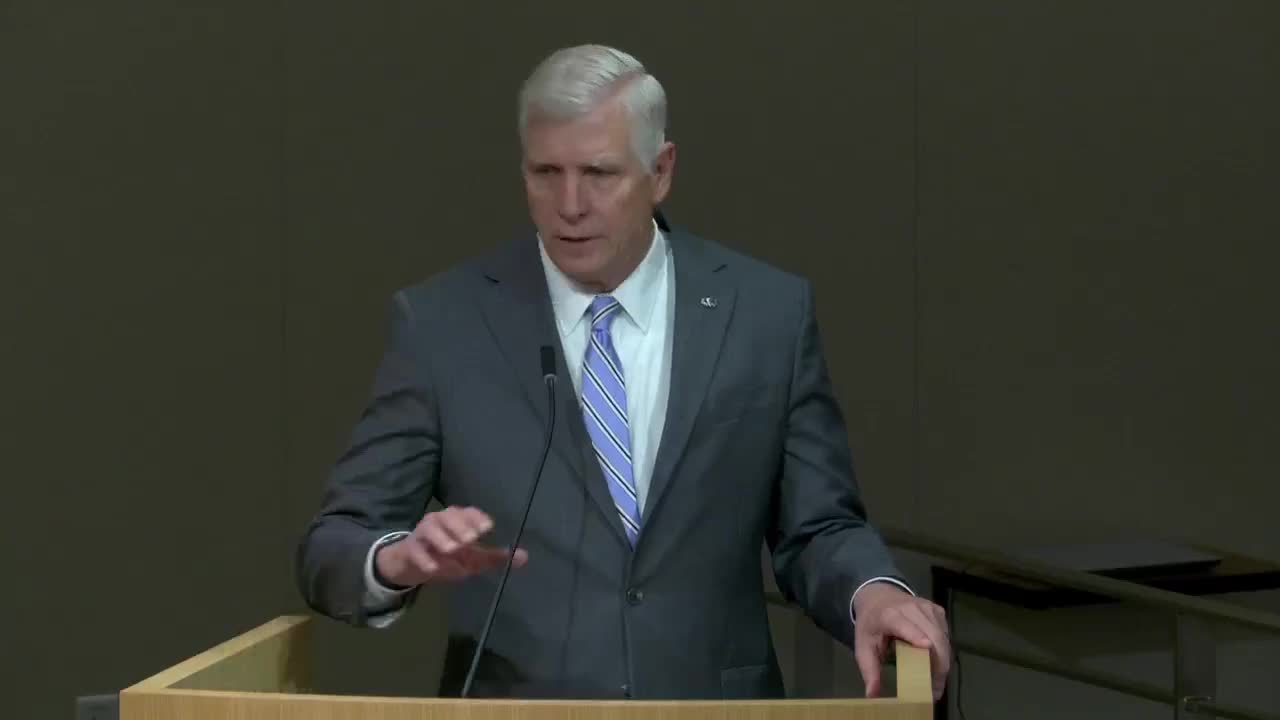 1H
Senate Standing Committee on Public Safety
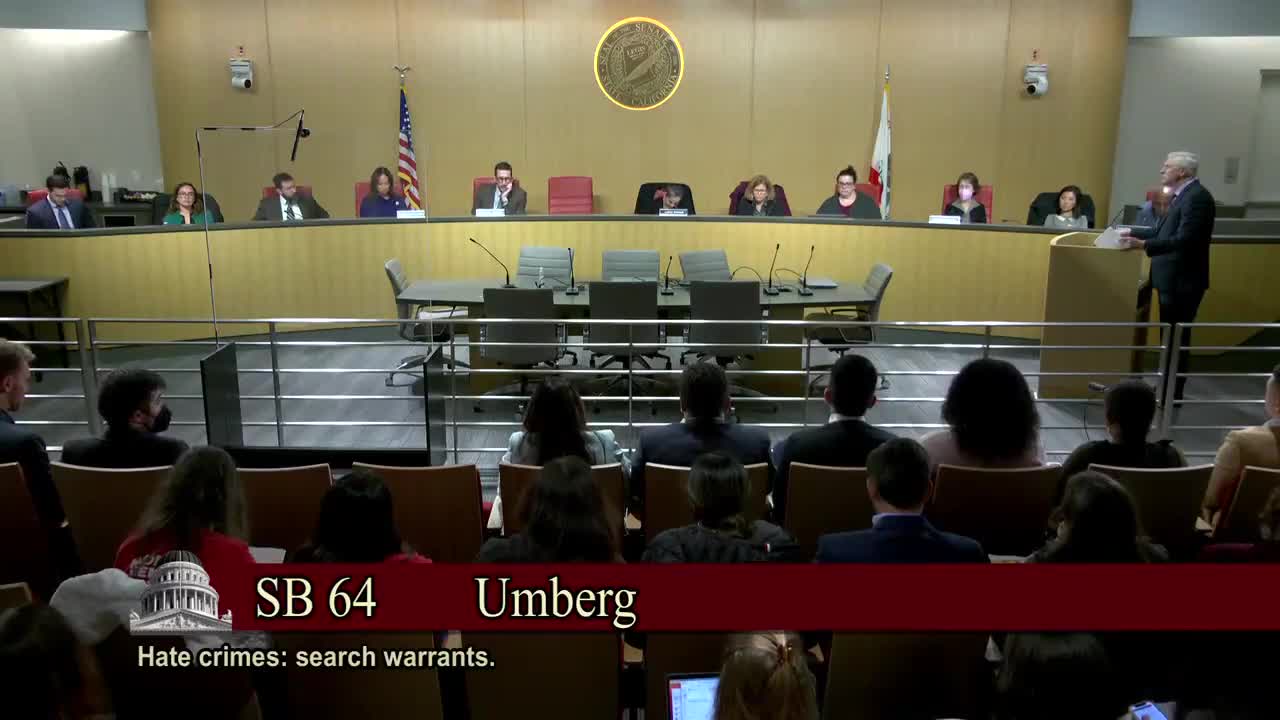 1H
Senate Standing Committee on Public Safety

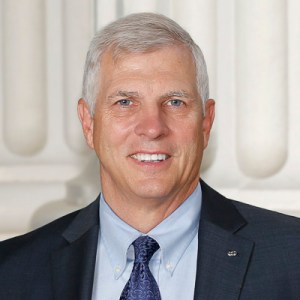
Bill Co-Author(s):