HR 32
- Session Year: 2017-2018
- House: Assembly
- Latest Version Date: 2017-05-01
WHEREAS, April 29, 1992, 2017, marks the 25th anniversary of a controversial verdict that exonerated four policemen, which sparked the Los Angeles civil unrest; culminated in civil unrest in Los Angeles, California; and
WHEREAS, The Los Angeles civil unrest, in which killed 53 people died and injured 2,300 others, exposed others were injured, exacerbated racial tensions, economic inequities, and institutional dysfunction; and
WHEREAS, Mayor Thomas Bradley and other leaders empowered an investigatory body commission chaired by then attorney Warren Christopher, who Christopher (who later became the United States U.S. Secretary of State, and State), also included concerned citizens; citizens, and became known as the Christopher Commission; and
WHEREAS, The Christopher Commission was established in the wake of the Rodney King beating to conduct a full investigation into and fair examination of the structure and operations of the Los Angeles Police Department (LAPD); and
WHEREAS, The Christopher Commission Report conducted a study of the LAPD and found extensive cases of physical abuse by LAPD officers; and
WHEREAS, The Christopher Commission Report also noted computer and radio transmissions between officers that reflected degrading language used to respond to 911 calls involving African Americans; about people of color; and
WHEREAS, The Christopher Commission Report further noted that an LAPD survey of 960 officers found that approximately one-quarter of 650 officers responding agreed that racial bias (prejudice) on the part of officers toward minority citizens currently exists and contributes to a negative interaction between the police and the community. More than one-quarter of the polls respondents agreed that an officers prejudice towards the suspects race may lead to the use of excessive force; and
WHEREAS, Following the Los Angeles civil unrest and after the mass exposure of the corruption scandal in the Rampart division of the LAPD, the LAPD department entered into a federal consent decree to eliminate the LAPDs patterns of engaging in excessive force, false arrests, and unreasonable searches and seizures; and
WHEREAS, Race relations in Los Angeles have improved since 1992 according to a 2012 survey conducted by the Center for the Study of Los Angeles at Loyola Marymount University; and
WHEREAS, Some studies have suggested that the Los Angeles civil unrest in 1992 ultimately cost the city nearly $4 billion in taxable sales and over $125 million in direct sales tax revenue, which was in addition to $1 billion in property damage; and
WHEREAS, South Los Angeles remains economically disadvantaged relative to other communities in Los Angeles, with high unemployment and poverty, poor health outcomes, and crime rates that are higher relative to other neighborhoods; now, therefore, be it
Resolved by the Assembly of the State of California, That the Assembly seeks to acknowledge the 25th anniversary of the Los Angeles civil unrest as a dark chapter in Californias history that catalyzed significant reforms to police-community relations; must not be forgotten as we strive for improved relations between communities, in particular communities of color, and law enforcement; and be it further
Resolved by the Assembly of the State of California, That the Assembly urges the development of public and private solutions to address disparities in the following areas: education, employment, housing, health care, and working toward an impartial administration of justice; and be it furtherResolved, That the Chief Clerk of the Assembly transmit copies of this resolution to the author for appropriate distribution.
WHEREAS, April 29, 1992, marks the 25th anniversary of a controversial verdict that exonerated four policemen, which sparked the Los Angeles civil unrest; and
WHEREAS, The Los Angeles civil unrest, which killed 53 people and injured 2,300 others, exposed racial tensions, economic inequities, and institutional dysfunction; and
WHEREAS, Mayor Thomas Bradley empowered an investigatory body chaired by Warren Christopher, who later became the United States Secretary of State, and concerned citizens; and
WHEREAS, The Christopher Commission was established in the wake of the Rodney King beating to conduct a full investigation into the structure and operations of the Los Angeles Police Department (LAPD); and
WHEREAS, The Christopher Commission Report conducted a study of the LAPD and found extensive cases of physical abuse by LAPD officers; and
WHEREAS, The Christopher Commission Report also noted computer and radio transmissions between officers that reflected degrading language used to respond to 911 calls involving African Americans; and
WHEREAS, The Christopher Commission Report further noted that an LAPD survey of 960 officers found that approximately one-quarter of 650 officers responding agreed that racial bias (prejudice) on the part of officers toward minority citizens currently exists and contributes to a negative interaction between the police and the community. More than one-quarter of the polls respondents agreed that an officers prejudice towards the suspects race may lead to the use of excessive force; and
WHEREAS, Following the Los Angeles civil unrest and after the mass corruption scandal in the Rampart division of the LAPD, the LAPD entered into a federal consent decree to eliminate the LAPDs patterns of engaging in excessive force, false arrests, and unreasonable searches and seizures; and
WHEREAS, Race relations in Los Angeles have improved since 1992 according to a 2012 survey conducted by the Center for the Study of Los Angeles at Loyola Marymount University; and
WHEREAS, Some studies have suggested that the Los Angeles civil unrest in 1992 ultimately cost the city nearly $4 billion in taxable sales and over $125 million in direct sales tax revenue, which was in addition to $1 billion in property damage; and
WHEREAS, South Los Angeles remains economically disadvantaged relative to other communities in Los Angeles, with high unemployment and poverty, poor health outcomes, and crime rates that are higher relative to other neighborhoods; now, therefore, be it
Resolved by the Assembly of the State of California, That the Assembly seeks to acknowledge the 25th anniversary of the Los Angeles civil unrest as a dark chapter in Californias history that catalyzed significant reforms to police-community relations; and be it further
Resolved by the Assembly of the State of California, That the Assembly urges the development of public and private solutions to address disparities in the following areas: education, employment, housing, health care, and working toward an impartial administration of justice; and be it further
Resolved, That the Chief of the Assembly transmit copies of this resolution to the author for appropriate distribution.
|
Date
|
Status
|
|---|---|
| Jun 29, 2017 | Coauthors revised. |
| May 1, 2017 | Amended. |
| Apr 27, 2017 | From committee: Amend, and be adopted as amended. (Ayes 7. Noes 0.) (April 25). |
| Apr 24, 2017 | Referred to Com. on PUB. S. |
| Apr 19, 2017 | Introduced. |
|
Date
|
Description
|
Location
|
Votes
|
|
|---|---|---|---|---|
| Apr 25, 2017 | Be adopted as amended. | Assembly Standing Committee on Public Safety |
Passed |
This list shows positions taken on this bill by organizations on the date displayed, which is linked to the original source.
Positions by individuals are not included.
Date of Hearing: April 25, 2017
Counsel: Sandra Uribe
ASSEMBLY COMMITTEE ON
Reginald Byron Jones-Sawyer, Sr., Chair
ABPCA Bill Id:
Author:() – As Ver:
As Proposed to be Amended in Committee
SUMMARY:
Resolution relative to the 25th anniversary of the Rodney King riots. Specifically, this resolution:
- States that April 29, 2017, marks the 25th anniversary of a controversial verdict that exonerated four policemen, and which sparked the Los Angeles civil unrest.
- States that the Los Angeles civil unrest, which killed 53 people and injured 2,300 others, exposed racial tensions, economic inequities, and institutional dysfunction.
- States that Mayor Thomas Bradley empowered an investigatory body chaired by Warren Christopher, known as the Christopher Commission, in the wake of the Rodney King beating to conduct a full investigation into the structure and operations of the Los Angeles Police Department (LAPD).
- States that the Christopher Commission conducted a study of the LAPD and issued a report which found extensive cases of physical abuse by LAPD officers.
- States that the Christopher Commission Report also noted computer and radio transmissions between officers that reflected degrading language used to respond to 911 calls involving African Americans.
- States that the Christopher Commission Report also noted that an LAPD survey found that approximately one-quarter of the respondents agreed that “racial bias (prejudice) on the part of officers toward minority citizens currently exists and contributes to a negative interaction between the police and the community.” More than one-quarter of the respondents agreed that “an officer’s prejudice towards the suspect’s race may lead to the use of excessive force.”
- States that following the Los Angeles civil unrest and after the mass corruption scandal in the Rampart division of the LAPD, the LAPD entered into a federal consent decree to eliminate the LAPD’s patterns of engaging in excessive force, false arrests, and unreasonable searches and seizures.
- States that, according to a 2012 survey conducted by the Center for the Study of Los Angeles at Loyola Marymount University, race relations in Los Angeles have improved since 1992.
- States that some studies have suggested that the Los Angeles civil unrest ultimately cost the city nearly $4 billion in taxable sales and over $125 million in direct sales tax revenue, which was in addition to $1 billion in property damage.
- States that South Los Angeles remains economically disadvantaged relative to other communities in Los Angeles, with high unemployment and poverty, poor health outcomes, and crime rates that are higher relative to other neighborhoods.
- Resolves that the Assembly seeks to acknowledge the 25th anniversary of the Los Angeles civil unrest as a dark chapter in California’s history that catalyzed significant reforms to police-community relations.
- Resolves that the Chief Clerk of the Assembly transmit copies of this resolution to the author for appropriate distribution.
EXISTING LAW:
- Provides that every person who, without authority of law, willfully disturbs or breaks up any assembly that is not unlawful, except as specified, is guilty of disturbing the peace, a misdemeanor. (Pen. Code, § 403.)
- Defines a “riot” as “any use of force or violence, disturbing the public peace, or any threat to use force or violence, if accompanied by immediate power of execution, by two or more persons acting together and without authority of law.” (Pen. Code, § 404, subd. (a).)
- Provides that every person who participates in a riot is punishable by by up to one year in county jail, a fine of up to $1,000, or both. (Pen. Code, § 405.)
- Provides that every person, who with the intent to cause a riot, does an act or engages in conduct that urges a riot, or urges others to commit acts of force or violence, or the burning or destroying of property, is guilty of inciting a riot, punishable by up to one year in county jail, a fine of up to $1,000, or both. (Pen. Code, § 404.6.)
- Provides that every person who commits second-degree burglary during and within an affected county in a "state of emergency" or a "local emergency" resulting from an earthquake, fire, flood, riot, or other natural or manmade disaster is guilty of looting, punishable as a misdemeanor, or as a county-jail eligible felony pursuant to realignment. (Pen. Code § 463, subd. (a).)
- Provides that every person who commits the crime of grand theft, as defined in Section 487 or subdivision (a) of Section 487a, except grand theft of a firearm, during and within an affected county in a "state of emergency" or a "local emergency" resulting from an earthquake, fire, flood, riot, or other natural or unnatural disaster is guilty of looting, punishable as a misdemeanor, or as a county-jail eligible felony pursuant to realignment. (Pen. Code § 463, subd. (b).)
- Provides that every person who commits the crime of petty theft during and within an affected county in a "state of emergency" or a "local emergency" resulting from an earthquake, fire, flood, riot, or other natural or manmade disaster is guilty of a misdemeanor, punishable by imprisonment in a county jail for six months. (Pen. Code, § 463, subd. (c).)
FISCAL EFFECT:
Unknown
REGISTERED SUPPORT / OPPOSITION:
Support
None
Opposition
None
Analysis Prepared by:
Discussed in Hearing
View Older Hearings
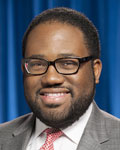
Bill Author
Bill Co-Author(s):