SCR 110: Sex characteristics.
- Session Year: 2017-2018
- House: Senate
- Latest Version Date: 2018-09-11
This measure would, among other things, call upon stakeholders in the health professions to foster the well-being of children born with variations of sex characteristics through the enactment of policies and procedures that ensure individualized, multidisciplinary care, as provided.
This measure would, among other things, call upon stakeholders in the health professions to foster the well-being of children born with variations of sex characteristics through the enactment of policies and procedures that ensure individualized, multidisciplinary care, as provided.
This measure would, among other things, call upon stakeholders in the health professions to foster the well-being of children born with variations of sex characteristics through the enactment of policies and procedures that ensure individualized, multidisciplinary care, as provided.
This measure would, among other things, call upon stakeholders in the health professions to protect children born with variations of sex characteristics from nonconsensual, medically unnecessary surgeries. foster the well-being of children born with variations of sex characteristics through the enactment of policies and procedures that ensure individualized, multidisciplinary care, as provided.
This measure would, among other things, call upon stakeholders in the health professions to protect children born with variations of sex characteristics from nonconsensual, medically unnecessary surgeries.
This measure would, among other things, call upon stakeholders in the health professions to protect children born with variations of sex characteristics from nonconsensual, medically unnecessary surgeries.
This measure would, among other things, call upon stakeholders in the health professions to protect children born with variations of sex characteristics from nonconsensual, medically unnecessary surgeries.
WHEREAS, Individuals born with variations in their physical sex characteristics may present with differences in genital anatomy, internal reproductive structures, chromosomes, or hormonal variations; and
WHEREAS, Intersex refers to the variety of different physical indicators that create these differences; and
WHEREAS, The majority of babies born with these variations are healthy or may not require medical intervention related to their physical sex characteristics immediately, if at all; and
WHEREAS, Beginning in the 1950s, physicians in the United States began performing irreversible surgeries on intersex infants without medical justification in an attempt to surgically and hormonally force them to conform to what these physicians perceived as typical male and female bodies; and
WHEREAS, These surgeries, which include unnecessary infant vaginoplasties, clitoral reductions and recessions, and removal of gonadal tissues, continue to this day; and
WHEREAS, These surgeries are often performed before a child can even speak or stand, meaning the intersex individual is excluded from the decision whether to undergo these irreversible procedures; and
WHEREAS, There is evidence that these surgeries cause severe psychological and physiological harm when performed without the informed consent of the individual; and
WHEREAS, These harms may include scarring, chronic pain, urinary incontinence, loss of sexual sensation and function, depression, post-traumatic stress disorder, suicidality, and incorrect gender assignment; and
WHEREAS, Despite that being born intersex is not a flaw or shortcoming, intersex people and their families across California report difficulties accessing competent medical care that does not emphasize surgery, such as one mother, a resident of California interviewed by Human Rights Watch, who explained: I just wish someone had said: shes OK, shes perfectly healthy, theres nothing wrong with her, surgery can happen later and here are some people who have been through your situation.; and
WHEREAS, The United Nations Special Rapporteur on Torture and Other Cruel, Inhuman or Degrading Treatment or Punishment explained in 2013, Children who are born with atypical sex characteristics are often subject to irreversible sex assignment, involuntary sterilization, involuntary genital normalizing surgery, performed without their informed consent, or that of their parents, in an attempt to fix their sex, leaving them with permanent, irreversible infertility and causing severe mental suffering.; and
WHEREAS, The United Nations High Commissioner for Human Rights explained in 2015, medically unnecessary surgeries and other invasive treatment of intersex babies and children... are rarely discussed and even more rarely investigated or prosecuted... . The result is impunity for the perpetrators; lack of remedy for victims; and a perpetuating cycle of ignorance and abuse... . We need to bridge the gap between legislation and the lived realities of intersex people.; and
WHEREAS, The World Health Organization explained, also in 2015, that intersex children have been subjected to medically unnecessary, often irreversible, interventions that may have lifelong consequences for their physical and mental health, including irreversible termination of all or some of their reproductive and sexual capacity... Human rights bodies and ethical and health professional organizations have recommended that free and informed consent should be ensured in medical interventions for people with intersex conditions, including full information, orally and in writing, on the suggested treatment, its justification and alternatives.; and
WHEREAS, Physicians for Human Rights has call[ed] for an end to all medically unnecessary surgical procedures on intersex children before they are able to give meaningful consent to such surgeries.; and
WHEREAS, Human Rights Watch concluded that these surgeries are often catastrophic, the supposed benefits are largely unproven, and there are generally no urgent health considerations at stake. Procedures that could be delayed until intersex children are old enough to decide whether they want them are instead performed on infants who then have to live with the consequences for a lifetime.; and
WHEREAS, The Intersex and Genderqueer Recognition Project, the preeminent organization in the United States to address the rights of people to self-identify as nonbinary on government-issued documents, was founded by intersex individuals and envisions a world that recognizes that sex, gender identity, and sexual orientation have endless variations, with all possibilities valued and respected, and consequently calls for a delay of all medically unnecessary procedures on intersex children until the individual can participate in the decision; and
WHEREAS, The United States Department of State has commemorated Intersex Awareness Day in both 2016 and 2017 by recognizing the harm of these surgeries, stating at a young age, intersex persons routinely face forced medical surgeries without free or informed consent. These interventions jeopardize their physical integrity and ability to live freely.; and
WHEREAS, The largest intersex patient support group in the United States, the AIS-DSD Support Group, has called for a delay of all medically unnecessary procedures on intersex children until the individual can participate in the decision; and
WHEREAS, The largest advocacy organization in the United States dedicated exclusively to intersex advocacy, interACT: Advocates for Intersex Youth, was founded in Cotati, California and has called for a delay of all medically unnecessary procedures on intersex children until the individual can participate in the decision; and
WHEREAS, In light of ongoing advocacy by the intersex community, in 2005 the San Francisco Human Rights Commission performed an investigation into this topic and issued an indepth report, recommending that normalizing interventions should not occur in infancy or childhood. Any procedures that are not medically necessary should not be performed unless the patient gives their legal consent.; and
WHEREAS, Those subjected to medically unnecessary surgery at a young age express despair over the fact that they were unable to make these decisions for themselves, publishing about their experiences in major news outlets: I know firsthand the devastating impact [these surgeries] can have, not just on our bodies but on our souls. We are erased before we can even tell our doctors who we are. Every human rights organization that has considered this practice has condemned it, some even to the point of recognizing it as akin to torture.; and
WHEREAS, Physicians who have participated in these surgeries have also expressed remorse that their training did not properly prepare them to respect the bodily autonomy of intersex people, as a Stanford-educated urologist explains: I know intersex women who have never experienced orgasm because clitoral surgery destroyed their sensation; men who underwent a dozen penile surgeries before they even hit puberty; people who had false vaginas created that scarred and led to a lifetime of pain during intercourse...the psychological damage caused by intervention is just as staggering, as evidenced by generations of intersex adults dealing with post-traumatic stress disorder, problems with intimacy and severe depression. Some were even surgically assigned a gender at birth, only to grow up identifying with the opposite gender.; and
WHEREAS, Intersex young people who have been able to participate in these life-altering decisions are thriving, such as a young intersex San Francisco resident who was not forced to undergo surgery in infancy and instead participated in the decision at the age of 16, who told reporters that for them, surgery was the right choice, but thats very much an anomaly for intersex people... . The important thing was that I was old enough to make that decision for myself.; and
WHEREAS, When the physical health of an infant with atypical sex characteristics is threatened and medical attention cannot be safely deferred, all therapeutic treatment options should remain available to children, families, and medical professionals to ensure that the imminent physical danger is addressed; and
WHEREAS, Medically unnecessary procedures, including all surgical procedures that seek to alter the gonads, genitals, or internal sex organs of children with atypical sex characteristics too young to participate in the decision, when those procedures carry both a meaningful risk of harm and can be safely deferred, are the sole subject of this resolution; and
WHEREAS, California should serve as a model of competent and ethical medical care and has a compelling interest in protecting the physical and psychological well-being of minors, including intersex youth; now, therefore, be it
Resolved by the Senate of the State of California, the Assembly thereof concurring, That the Legislature opposes all forms of prejudice, bias, or discrimination and affirms its commitment to the safety and security of all children, including those born with variations in their physical sex characteristics; and be it further
Resolved, That the Legislature considers intersex children a part of the fabric of our states diversity to be celebrated rather than an aberration to be corrected; and be it further
Resolved, That the Legislature recognizes that intersex children should be free to choose whether to undergo life-altering surgeries that irreversiblyand sometimes irreparablycause harm; and be it further
Resolved, That the Legislature calls upon stakeholders in the health professions to foster the well-being of children born with variations of sex characteristics, and the adults they will become, through the enactment of policies and procedures that ensure individualized, multidisciplinary care that respects the rights of the patient to participate in decisions, defers medical or surgical intervention, as warranted, until the child is able to participate in decisionmaking, and provides support to promote patient and family well-being; and be it further
Resolved, That the Secretary of the Senate transmit copies of this resolution to the author for appropriate distribution.
WHEREAS, Between 1 and 2 percent of individuals are Individuals born with variations in their physical sex characteristics, which may include may present with differences in genital anatomy, internal reproductive structures, chromosomes, or hormonal variations; and
WHEREAS, Intersex refers to the variety of different physical indicators that create these differences, which occur with about the same frequency as green eyes; differences; and
WHEREAS, The majority of babies born with these variations are healthy or do may not require medical intervention related to their physical sex characteristics until puberty, immediately, if at all; and
WHEREAS, Beginning in the 1950s, physicians in the United States began performing irreversible surgeries on intersex infants without medical justification in an attempt to surgically and hormonally force them to conform to what these physicians perceived as typical male and female bodies; and
WHEREAS, These surgeries, which include nonconsensual unnecessary infant vaginoplasties, clitoral reductions, reductions and recessions, and removal of gonadal tissues, continue to this day; and
WHEREAS, These surgeries are often performed before a child can even speak or stand, meaning the intersex individual is excluded from the decision whether to undergo these irreversible procedures; and
WHEREAS, There is evidence that these surgeries cause severe psychological and physiological harm when performed without the informed consent of the individual; and
WHEREAS, These harms may include scarring, chronic pain, urinary incontinence, loss of sexual sensation and function, depression, post-traumatic stress disorder, suicidality, and incorrect gender assignment; and
WHEREAS, Despite that being born intersex is not a flaw or shortcoming, intersex people and their families across California report difficulties accessing competent medical care that does not emphasize surgery, such as one mother, a resident of California interviewed by Human Rights Watch, who explained: I just wish someone had said: shes OK, shes perfectly healthy, theres nothing wrong with her, surgery can happen later and here are some people who have been through your situation.; and
WHEREAS, The United Nations Special Rapporteur on Torture and Other Cruel, Inhuman or Degrading Treatment or Punishment explained in 2013, Children who are born with atypical sex characteristics are often subject to irreversible sex assignment, involuntary sterilization, involuntary genital normalizing surgery, performed without their informed consent, or that of their parents, in an attempt to fix their sex, leaving them with permanent, irreversible infertility and causing severe mental suffering.; and
WHEREAS, The United Nations High Commissioner for Human Rights explained in 2015, medically unnecessary surgeries and other invasive treatment of intersex babies and children... are rarely discussed and even more rarely investigated or prosecuted... prosecuted... . The result is impunity for the perpetrators; lack of remedy for victims; and a perpetuating cycle of ignorance and abuse... abuse... . We need to bridge the gap between legislation and the lived realities of intersex people.; and
WHEREAS, The World Health Organization explained, also in 2015, that intersex children have been subjected to medically unnecessary, often irreversible, interventions that may have lifelong consequences for their physical and mental health, including irreversible termination of all or some of their reproductive and sexual capacity... Human rights bodies and ethical and health professional organizations have recommended that free and informed consent should be ensured in medical interventions for people with intersex conditions, including full information, orally and in writing, on the suggested treatment, its justification and alternatives.; and
WHEREAS, Physicians for Human Rights has call[ed] for an end to all medically unnecessary surgical procedures on intersex children before they are able to give meaningful consent to such surgeries.; and
WHEREAS, Human Rights Watch concluded that these surgeries are often catastrophic, the supposed benefits are largely unproven, and there are generally no urgent health considerations at stake. Procedures that could be delayed until intersex children are old enough to decide whether they want them are instead performed on infants who then have to live with the consequences for a lifetime.; and
WHEREAS, The Intersex and Genderqueer Recognition Project, the preeminent organization in the United States to address the rights of people to self-identify as nonbinary on government-issued documents, was founded by intersex individuals and envisions a world that recognizes that sex, gender identity, and sexual orientation have endless variations, with all possibilities valued and respected, and consequently calls for a delay of all medically unnecessary procedures on intersex children until the individual can participate in the decision; and
WHEREAS, The United States Department of State has commemorated Intersex Awareness Day in both 2016 and 2017 by recognizing the harm of these surgeries, stating at a young age, intersex persons routinely face forced medical surgeries without free or informed consent. These interventions jeopardize their physical integrity and ability to live freely.; and
WHEREAS, The largest intersex patient support group in the United States, The the AIS-DSD Support Group, has called for a delay of all medically unnecessary procedures on intersex children until the individual can participate in the decision; and
WHEREAS, The largest advocacy organization in the United States dedicated exclusively to intersex advocacy, interACT: Advocates for Intersex Youth, was founded in Cotati, California and has called for a delay of all medically unnecessary procedures on intersex children until the individual can participate in the decision; and
WHEREAS, In light of ongoing advocacy by the intersex community, in 2005 the San Francisco Human Rights Commission performed an investigation into this topic and issued an in-depth indepth report, recommending that normalizing interventions should not occur in infancy or childhood. Any procedures that are not medically necessary should not be performed unless the patient gives their legal consent.; and
WHEREAS, Those subjected to medically unnecessary surgery at a young age express despair over the fact that they were unable to make these decisions for themselves, publishing about their experiences in major news outlets: I know firsthand the devastating impact [these surgeries] can have, not just on our bodies but on our souls. We are erased before we can even tell our doctors who we are. Every human rights organization that has considered this practice has condemned it, some even to the point of recognizing it as akin to torture.; and
WHEREAS, Physicians who have participated in these surgeries have also expressed remorse that their training did not properly prepare them to respect the bodily autonomy of intersex people, as a Stanford-educated urologist explains: I know intersex women who have never experienced orgasm because clitoral surgery destroyed their sensation; men who underwent a dozen penile surgeries before they even hit puberty; people who had false vaginas created that scarred and led to a lifetime of pain during intercourse...the psychological damage caused by intervention is just as staggering, as evidenced by generations of intersex adults dealing with post-traumatic stress disorder, problems with intimacy and severe depression. Some were even surgically assigned a gender at birth, only to grow up identifying with the opposite gender.; and
WHEREAS, Intersex young people who have been able to participate in these life-altering decisions are thriving, such as a young intersex San Francisco resident who was not forced to undergo surgery in infancy and instead participated in the decision at the age of 16, who told reporters that for them, surgery was the right choice, but thats very much an anomaly for intersex people...The people... . The important thing was that I was old enough to make that decision for myself.; and
WHEREAS, When the physical health of an infant with atypical sex characteristics is threatened and medical attention cannot be safely deferred, all therapeutic treatment options should remain available to children, families, and medical professionals to ensure that the imminent physical danger is addressed; and
WHEREAS, Medically unnecessary procedures, including all surgical procedures that seek to alter the gonads, genitals, or internal sex organs of children with atypical sex characteristics too young to participate in the decision, when those procedures carry both a meaningful risk of harm and can be safely deferred, are the sole subject of this resolution; and
WHEREAS, California should serve as a model of competent and ethical medical care and has a compelling interest in protecting the physical and psychological well-being of minors, including intersex youth; now, therefore, be it
Resolved by the Senate of the State of California, the Assembly thereof concurring, That the Legislature opposes all forms of prejudice, bias, or discrimination and affirms its commitment to the safety and security of all children, including those born with variations in their physical sex characteristics; and be it further
Resolved, That the Legislature considers intersex children a part of the fabric of our states diversity to be celebrated rather than an aberration to be corrected; and be it further
Resolved, That the Legislature recognizes that intersex children should be free to choose whether to undergo life-altering surgeries that irreversiblyand sometimes irreparablycause harm; and be it further
Resolved, That the Legislature calls upon stakeholders in the health professions to foster the well-being of children born with variations of sex characteristics, and the adults they will become, through the enactment of policies and procedures that ensure individualized, multidisciplinary care that respects the rights of the patient to participate in decisions, defers medical or surgical intervention, as warranted, until the child is able to participate in decision making, decisionmaking, and provides support to promote patient and family well-being; and be it further
Resolved, That the Secretary of the Senate transmit copies of this resolution to the author for appropriate distribution.
WHEREAS, Between 1 and 2 percent of individuals are born with variations in their physical sex characteristics, which may include differences in genital anatomy, internal reproductive structures, chromosomes, or hormonal variations; and
WHEREAS, Intersex refers to the variety of different physical indicators that create these differences, which occur with about the same frequency as green eyes; and
WHEREAS, The majority of babies born with these variations are healthy or do not require medical intervention related to their sex characteristics until puberty, if at all; and
WHEREAS, Beginning in the 1950s, physicians in the United States began performing irreversible surgeries on intersex infants without medical justification in an attempt to surgically and hormonally force them to conform to what these physicians perceived as typical male and female bodies; and
WHEREAS, These surgeries, which include nonconsensual infant vaginoplasties, clitoral reductions, and removal of gonadal tissues, continue to this day; and
WHEREAS, These surgeries are often performed before a child can even speak or stand, meaning the intersex individual is excluded from the decision whether to undergo these irreversible procedures; and
WHEREAS, There is evidence that these surgeries cause severe psychological and physiological harm when performed without the informed consent of the individual; and
WHEREAS, These harms may include scarring, chronic pain, urinary incontinence, loss of sexual sensation and function, depression, post-traumatic stress disorder, suicidality, and incorrect gender assignment; and
WHEREAS, Despite that being born intersex is not a flaw or shortcoming, intersex people and their families across California report difficulties accessing competent medical care that does not emphasize surgery, such as one mother, a resident of California interviewed by Human Rights Watch, who explained: I just wish someone had said: shes OK, shes perfectly healthy, theres nothing wrong with her, surgery can happen later and here are some people who have been through your situation.; and
WHEREAS, The United Nations Special Rapporteur on Torture explained in 2013, Children who are born with atypical sex characteristics are often subject to irreversible sex assignment, involuntary sterilization, involuntary genital normalizing surgery, performed without their informed consent, or that of their parents, in an attempt to fix their sex, leaving them with permanent, irreversible infertility and causing severe mental suffering.; and
WHEREAS, The United Nations High Commissioner for Human Rights explained in 2015, medically unnecessary surgeries and other invasive treatment of intersex babies and children... are rarely discussed and even more rarely investigated or prosecuted... The result is impunity for the perpetrators; lack of remedy for victims; and a perpetuating cycle of ignorance and abuse... We need to bridge the gap between legislation and the lived realities of intersex people.; and
WHEREAS, The World Health Organization explained, also in 2015, that intersex children have been subjected to medically unnecessary, often irreversible, interventions that may have lifelong consequences for their physical and mental health, including irreversible termination of all or some of their reproductive and sexual capacity... Human rights bodies and ethical and health professional organizations have recommended that free and informed consent should be ensured in medical interventions for people with intersex conditions, including full information, orally and in writing, on the suggested treatment, its justification and alternatives.; and
WHEREAS, Physicians for Human Rights has call[ed] for an end to all medically unnecessary surgical procedures on intersex children before they are able to give meaningful consent to such surgeries.; and
WHEREAS, Human Rights Watch concluded that these surgeries are often catastrophic, the supposed benefits are largely unproven, and there are generally no urgent health considerations at stake. Procedures that could be delayed until intersex children are old enough to decide whether they want them are instead performed on infants who then have to live with the consequences for a lifetime.; and
WHEREAS, The Intersex and Genderqueer Recognition Project, the preeminent organization in the United States to address the rights of people to self-identify as nonbinary on government-issued documents, was founded by intersex individuals and envisions a world that recognizes that sex, gender identity, and sexual orientation have endless variations, with all possibilities valued and respected, and consequently calls for a delay of all medically unnecessary procedures on intersex children until the individual can participate in the decision; and
WHEREAS, The United States Department of State has commemorated Intersex Awareness Day in both 2016 and 2017 by recognizing the harm of these surgeries, stating at a young age, intersex persons routinely face forced medical surgeries without free or informed consent. These interventions jeopardize their physical integrity and ability to live freely.; and
WHEREAS, The largest intersex patient support group in the United States, The AIS-DSD Support Group, has called for a delay of all medically unnecessary procedures on intersex children until the individual can participate in the decision; and
WHEREAS, The largest advocacy organization in the United States dedicated exclusively to intersex advocacy, interACT: Advocates for Intersex Youth, was founded in Cotati, California and has called for a delay of all medically unnecessary procedures on intersex children until the individual can participate in the decision; and
WHEREAS, In light of ongoing advocacy by the intersex community, in 2005 the San Francisco Human Rights Commission performed an investigation into this topic and issued an in-depth report, recommending that normalizing interventions should not occur in infancy or childhood. Any procedures that are not medically necessary should not be performed unless the patient gives their legal consent.; and
WHEREAS, Those subjected to medically unnecessary surgery at a young age express despair over the fact that they were unable to make these decisions for themselves, publishing about their experiences in major news outlets: I know firsthand the devastating impact [these surgeries] can have, not just on our bodies but on our souls. We are erased before we can even tell our doctors who we are. Every human rights organization that has considered this practice has condemned it, some even to the point of recognizing it as akin to torture.; and
WHEREAS, Physicians who have participated in these surgeries have also expressed remorse that their training did not properly prepare them to respect the bodily autonomy of intersex people, as a Stanford-educated urologist explains: I know intersex women who have never experienced orgasm because clitoral surgery destroyed their sensation; men who underwent a dozen penile surgeries before they even hit puberty; people who had false vaginas created that scarred and led to a lifetime of pain during intercourse...the psychological damage caused by intervention is just as staggering, as evidenced by generations of intersex adults dealing with post-traumatic stress disorder, problems with intimacy and severe depression. Some were even surgically assigned a gender at birth, only to grow up identifying with the opposite gender.; and
WHEREAS, Intersex young people who have been able to participate in these life-altering decisions are thriving, such as a young intersex San Francisco resident who was not forced to undergo surgery in infancy and instead participated in the decision at the age of 16, who told reporters that for them, surgery was the right choice, but thats very much an anomaly for intersex people...The important thing was that I was old enough to make that decision for myself.; and
WHEREAS, When the physical health of an infant with atypical sex characteristics is threatened and medical attention cannot be safely deferred, all therapeutic treatment options should remain available to children, families, and medical professionals to ensure that the imminent physical danger is addressed; and
WHEREAS, Medically unnecessary procedures, including all surgical procedures that seek to alter the gonads, genitals, or internal sex organs of children with atypical sex characteristics too young to participate in the decision, when those procedures carry both a meaningful risk of harm and can be safely deferred, unfortunately remain common practice; are the sole subject of this resolution; and
WHEREAS, Despite attention from international human rights bodies, the patient community, and their allies, there is evidence of these surgeries occurring across California, yet no hospital in the state has committed publicly to deferring medically unnecessary interventions performed without the consent of intersex children until they are old enough to participate in decisionmaking; andWHEREAS, California should serve as a model of competent and ethical medical care and has a compelling interest in protecting the physical and psychological well-being of minors, including intersex youth; now, therefore, be it
Resolved by the Senate of the State of California, the Assembly thereof concurring, That the Legislature opposes all forms of prejudice, bias, or discrimination and affirms its commitment to the safety and security of all children, including those born with variations in their physical sex characteristics; and be it further
Resolved, That the Legislature considers intersex children a part of the fabric of our states diversity to be celebrated rather than an aberration to be corrected; and be it further
Resolved, That the Legislature recognizes that intersex children should be free to choose whether to undergo life-altering surgeries that irreversiblyand sometimes irreparablycause harm; and be it further
Resolved, That the Legislature calls upon stakeholders in the health professions to protect children born with variations of sex characteristics from nonconsensual medically unnecessary surgeries, including via the enactment of policies and procedures that delay these interventions until a time at which an individual can participate in the decision; foster the well-being of children born with variations of sex characteristics, and the adults they will become, through the enactment of policies and procedures that ensure individualized, multidisciplinary care that respects the rights of the patient to participate in decisions, defers medical or surgical intervention, as warranted, until the child is able to participate in decision making, and provides support to promote patient and family well-being; and be it further
Resolved, That the Secretary of the Senate transmit copies of this resolution to the author for appropriate distribution.
WHEREAS, Between 1 and 2 percent of individuals are born with variations in their physical sex characteristics, which may include differences in genital anatomy, internal reproductive structures, chromosomes, or hormonal variations; and
WHEREAS, Intersex refers to the variety of different physical indicators that create these differences, which occur with about the same frequency as green eyes; and
WHEREAS, The majority of babies born with these variations are healthy or do not require medical intervention related to their sex characteristics until puberty, if at all; and
WHEREAS, Beginning in the 1950s, physicians in the United States began performing irreversible surgeries on intersex infants without medical justification in an attempt to surgically and hormonally force them to conform to what these physicians perceived as typical male and female bodies; and
WHEREAS, These surgeries, which include nonconsensual infant vaginoplasties, clitoral reductions, and removal of gonadal tissues, continue to this day; and
WHEREAS, These surgeries are often performed before a child can even speak or stand, meaning the intersex individual is excluded from the decision whether to undergo these irreversible procedures; and
WHEREAS, There is evidence that these surgeries cause severe psychological and physiological harm when performed without the informed consent of the individual; and
WHEREAS, These harms may include scarring, chronic pain, urinary incontinence, loss of sexual sensation and function, depression, post-traumatic stress disorder, suicidality, and incorrect gender assignment; and
WHEREAS, Despite that being born intersex is not a flaw or shortcoming, intersex people and their families across California report difficulties accessing competent medical care that does not emphasize surgery, such as one mother, a resident of California interviewed by Human Rights Watch, who explained: I just wish someone had said: shes OK, shes perfectly healthy, theres nothing wrong with her, surgery can happen later and here are some people who have been through your situation.; and
WHEREAS, The United Nations Special Rapporteur on Torture explained in 2013, Children who are born with atypical sex characteristics are often subject to irreversible sex assignment, involuntary sterilization, involuntary genital normalizing surgery, performed without their informed consent, or that of their parents, in an attempt to fix their sex, leaving them with permanent, irreversible infertility and causing severe mental suffering.; and
WHEREAS, The United Nations High Commissioner for Human Rights explained in 2015, medically unnecessary surgeries and other invasive treatment of intersex babies and children... are rarely discussed and even more rarely investigated or prosecuted... The result is impunity for the perpetrators; lack of remedy for victims; and a perpetuating cycle of ignorance and abuse... We need to bridge the gap between legislation and the lived realities of intersex people.; and
WHEREAS, The World Health Organization explained, also in 2015, that intersex children have been subjected to medically unnecessary, often irreversible, interventions that may have lifelong consequences for their physical and mental health, including irreversible termination of all or some of their reproductive and sexual capacity... Human rights bodies and ethical and health professional organizations have recommended that free and informed consent should be ensured in medical interventions for people with intersex conditions, including full information, orally and in writing, on the suggested treatment, its justification and alternatives.; and
WHEREAS, Physicians for Human Rights has call[ed] for an end to all medically unnecessary surgical procedures on intersex children before they are able to give meaningful consent to such surgeries.; and
WHEREAS, Human Rights Watch concluded that these surgeries are often catastrophic, the supposed benefits are largely unproven, and there are generally no urgent health considerations at stake. Procedures that could be delayed until intersex children are old enough to decide whether they want them are instead performed on infants who then have to live with the consequences for a lifetime.; and
WHEREAS, The Intersex and Genderqueer Recognition Project, the preeminent organization in the United States to address the rights of people to self-identify as nonbinary on government-issued documents, was founded by intersex individuals and envisions a world that recognizes that sex, gender identity, and sexual orientation have endless variations, with all possibilities valued and respected, and consequently calls for a delay of all medically necessary unnecessary procedures on intersex children until the individual can participate in the decision; and
WHEREAS, The United States Department of State has commemorated Intersex Awareness Day in both 2016 and 2017 by recognizing the harm of these surgeries, stating at a young age, intersex persons routinely face forced medical surgeries without free or informed consent. These interventions jeopardize their physical integrity and ability to live freely.; and
WHEREAS, The largest intersex patient support group in the United States, The AIS-DSD Support Group, has called for a delay of all medically unnecessary procedures on intersex children until the individual can participate in the decision; and
WHEREAS, The largest advocacy organization in the United States dedicated exclusively to intersex advocacy, interACT: Advocates for Intersex Youth, was founded in Cotati, California and has called for a delay of all medically unnecessary procedures on intersex children until the individual can participate in the decision; and
WHEREAS, In light of ongoing advocacy by the intersex community, in 2005 the San Francisco Human Rights Commission performed an investigation into this topic and issued an in-depth report, recommending that normalizing interventions should not occur in infancy or childhood. Any procedures that are not medically necessary should not be performed unless the patient gives their legal consent.; and
WHEREAS, Those subjected to medically unnecessary surgery at a young age express despair over the fact that they were unable to make these decisions for themselves, publishing about their experiences in major news outlets: I know firsthand the devastating impact [these surgeries] can have, not just on our bodies but on our souls. We are erased before we can even tell our doctors who we are. Every human rights organization that has considered this practice has condemned it, some even to the point of recognizing it as akin to torture.; and
WHEREAS, Physicians who have participated in these surgeries have also expressed remorse that their training did not properly prepare them to respect the bodily autonomy of intersex people, as a Stanford-educated urologist explains: I know intersex women who have never experienced orgasm because clitoral surgery destroyed their sensation; men who underwent a dozen penile surgeries before they even hit puberty; people who had false vaginas created that scarred and led to a lifetime of pain during intercourse...the psychological damage caused by intervention is just as staggering, as evidenced by generations of intersex adults dealing with post-traumatic stress disorder, problems with intimacy and severe depression. Some were even surgically assigned a gender at birth, only to grow up identifying with the opposite gender.; and
WHEREAS, Intersex young people who have been able to participate in these life-altering decisions are thriving, such as a young intersex San Francisco resident who was not forced to undergo surgery in infancy and instead participated in the decision at the age of 16, who told reporters that for them, surgery was the right choice, but thats very much an anomaly for intersex people...The important thing was that I was old enough to make that decision for myself.; and
WHEREAS, When the physical health of an infant with atypical sex characteristics is threatened and medical attention cannot be safely deferred, all therapeutic treatment options should remain available to children, families, and medical professionals to ensure that the imminent physical danger is addressed; and
WHEREAS, Medically unnecessary procedures, including all surgical procedures that seek to alter the gonads, genitals, or internal sex organs of children with atypical sex characteristics too young to participate in the decision, when those procedures carry both a meaningful risk of harm and can be safely deferred, unfortunately remain common practice; and
WHEREAS, Despite attention from international human rights bodies, the patient community, and their allies, there is evidence of these surgeries occurring across California, yet no hospital in the state has committed publicly to deferring medically unnecessary interventions performed without the consent of intersex children until they are old enough to participate in decisionmaking; and
WHEREAS, California should serve as a model of competent and ethical medical care and has a compelling interest in protecting the physical and psychological well-being of minors, including intersex youth; now, therefore, be it
Resolved by the Senate of the State of California, the Assembly thereof concurring, That the Legislature opposes all forms of prejudice, bias, or discrimination and affirms its commitment to the safety and security of all children, including those born with variations in their physical sex characteristics; and be it further
Resolved, That the Legislature considers intersex children a part of the fabric of our states diversity to be celebrated rather than an aberration to be corrected; and be it further
Resolved, That the Legislature recognizes that intersex children should be free to choose whether to undergo life-altering surgeries that irreversiblyand sometimes irreparablycause harm; and be it further
Resolved, That the Legislature calls upon stakeholders in the health professions to protect children born with variations of sex characteristics from nonconsensual medically unnecessary surgeries, including via the enactment of policies and procedures that delay these interventions until a time at which an individual can participate in the decision; and be it further
Resolved, That the Secretary of the Senate transmit copies of this resolution to the author for appropriate distribution.
WHEREAS, Between 1 and 2 percent of individuals are born with variations in their physical sex characteristics, which may include differences in genital anatomy, internal reproductive structures, chromosomes, or hormonal variations; and
WHEREAS, Intersex refers to the variety of different physical indicators that create these differences, which occur with about the same frequency as green eyes; and
WHEREAS, The majority of babies born with these variations are healthy or do not require medical intervention related to their sex characteristics until puberty, if at all; and
WHEREAS, Beginning in the 1950s, physicians in the United States began performing irreversible surgeries on intersex infants without medical justification in an attempt to surgically and hormonally force them to conform to what these physicians perceived as typical male and female bodies; and
WHEREAS, These surgeries, which include nonconsensual infant vaginoplasties, clitoral reductions, and removal of gonadal tissues, continue to this day; and
WHEREAS, These surgeries are often performed before a child can even speak or stand, meaning the intersex individual is excluded from the decision whether to undergo these irreversible procedures; and
WHEREAS, There is evidence that these surgeries cause severe psychological and physiological harm when performed without the informed consent of the individual; and
WHEREAS, These harms may include scarring, chronic pain, urinary incontinence, loss of sexual sensation and function, depression, post-traumatic stress disorder, suicidality, and incorrect gender assignment; and
WHEREAS, Despite that being born intersex is not a flaw or shortcoming, intersex people and their families across California report difficulties accessing competent medical care that does not emphasize surgery, such as one mother, a resident of California interviewed by Human Rights Watch, who explained: I just wish someone had said: shes OK, shes perfectly healthy, theres nothing wrong with her, surgery can happen later and here are some people who have been through your situation.; and
WHEREAS, The United Nations Special Rapporteur on Torture explained in 2013, Children who are born with atypical sex characteristics are often subject to irreversible sex assignment, involuntary sterilization, involuntary genital normalizing surgery, performed without their informed consent, or that of their parents, in an attempt to fix their sex, sex, leaving them with permanent, irreversible infertility and causing severe mental suffering.; and
WHEREAS, The United Nations High Commissioner for Human Rights explained in 2015, medically unnecessary surgeries and other invasive treatment of intersex babies and children... are rarely discussed and even more rarely investigated or prosecuted... The result is impunity for the perpetrators; lack of remedy for victims; and a perpetuating cycle of ignorance and abuse... We need to bridge the gap between legislation and the lived realities of intersex people.; and
WHEREAS, The World Health Organization explained, also in 2015, that intersex children have been subjected to medically unnecessary, often irreversible, interventions that may have lifelong consequences for their physical and mental health, including irreversible termination of all or some of their reproductive and sexual capacity... Human rights bodies and ethical and health professional organizations have recommended that free and informed consent should be ensured in medical interventions for people with intersex conditions, including full information, orally and in writing, on the suggested treatment, its justification and alternatives.; and
WHEREAS, Physicians for Human Rights has call[ed] for an end to all medically unnecessary surgical procedures on intersex children before they are able to give meaningful consent to such surgeries.; and
WHEREAS, Human Rights Watch concluded that these surgeries are often catastrophic, the supposed benefits are largely unproven, and there are generally no urgent health considerations at stake. Procedures that could be delayed until intersex children are old enough to decide whether they want them are instead performed on infants who then have to live with the consequences for a lifetime.; and
WHEREAS, The Intersex and Genderqueer Recognition Project, the preeminent organization in the United States to address the rights of people to self-identify as nonbinary on government-issued documents, was founded by intersex individuals and envisions a world that recognizes that sex, gender identity, and sexual orientation have endless variations, with all possibilities valued and respected, and consequently calls for a delay of all medically necessary procedures on intersex children until the individual can participate in the decision; and
WHEREAS, The United States Department of State has commemorated Intersex Awareness Day in both 2016 and 2017 by recognizing the harm of these surgeries, stating at a young age, intersex persons routinely face forced medical surgeries without free or informed consent. These interventions jeopardize their physical integrity and ability to live freely.; and
WHEREAS, The largest intersex patient support group in the United States, The AIS-DSD Support Group, has called for a delay of all medically unnecessary procedures on intersex children until the individual can participate in the decision; and
WHEREAS, The largest advocacy organization in the United States dedicated exclusively to intersex advocacy, interACT: Advocates for Intersex Youth, was founded in Cotati, California and has called for a delay of all medically unnecessary procedures on intersex children until the individual can participate in the decision; and
WHEREAS, In light of ongoing advocacy by the intersex community, in 2005 the San Francisco Human Rights Commission performed an investigation into this topic and issued an in-depth report, recommending that normalizing interventions should not occur in infancy or childhood. Any procedures that are not medically necessary should not be performed unless the patient gives their legal consent.; and
WHEREAS, Those subjected to medically unnecessary surgery at a young age express despair over the fact that they were unable to make these decisions for themselves, publishing about their experiences in major news outlets: I know firsthand the devastating impact [these surgeries] can have, not just on our bodies but on our souls. We are erased before we can even tell our doctors who we are. Every human rights organization that has considered this practice has condemned it, some even to the point of recognizing it as akin to torture.; and
WHEREAS, Physicians who have participated in these surgeries have also expressed remorse that their training did not properly prepare them to respect the bodily autonomy of intersex people, as a Stanford-educated urologist explains: I know intersex women who have never experienced orgasm because clitoral surgery destroyed their sensation; men who underwent a dozen penile surgeries before they even hit puberty; people who had false vaginas created that scarred and led to a lifetime of pain during intercourse...the psychological damage caused by intervention is just as staggering, as evidenced by generations of intersex adults dealing with post-traumatic stress disorder, problems with intimacy and severe depression. Some were even surgically assigned a gender at birth, only to grow up identifying with the opposite gender.; and
WHEREAS, Intersex young people who have been able to participate in these life-altering decisions are thriving, such as a young intersex San Francisco resident who was not forced to undergo surgery in infancy and instead participated in the decision at the age of 16, who told reporters that for them, surgery was the right choice, but thats very much an anomaly for intersex people...The important thing was that I was old enough to make that decision for myself.; and
WHEREAS, Despite attention from international human rights bodies, the patient community, and their allies, there is evidence of these surgeries occurring across California, yet no hospital in the state has committed publically publicly to deferring medically unnecessary interventions performed without the consent of intersex children until they are old enough to participate in decisionmaking; and
WHEREAS, California should serve as a model of competent and ethical medical care and has a compelling interest in protecting the physical and psychological well-being of minors, including intersex youth; now, therefore, be it
Resolved by the Senate of the State of California, the Assembly thereof concurring, That the Legislature opposes all forms of prejudice, bias, or discrimination and affirms its commitment to the safety and security of all children, including those born with variations in their physical sex characteristics; and be it further
Resolved, That the Legislature considers intersex children a part of the fabric of our states diversity to be celebrated rather than an aberration to be corrected; and be it further
Resolved, That the Legislature recognizes that intersex children should be free to choose whether to undergo life-altering surgeries that irreversiblyand sometimes irreparablycause harm; and be it further
Resolved, That the Legislature calls upon stakeholders in the health professions to protect children born with variations of sex characteristics from nonconsensual medically unnecessary surgeries, including via the enactment of policies and procedures that delay these interventions until a time at which an individual can participate in the decision; and be it further
Resolved, That the Secretary of the Senate transmit copies of this resolution to the author for appropriate distribution.
WHEREAS, Between 1 and 2 percent of individuals are born with variations in their physical sex characteristics, which may include differences in genital anatomy, internal reproductive structures, chromosomes, or hormonal variations; and
WHEREAS, Intersex refers to the variety of different physical indicators that create these differences, which occur with about the same frequency as green eyes; and
WHEREAS, The majority of babies born with these variations are healthy or do not require medical intervention related to their sex characteristics until puberty, if at all; and
WHEREAS, Beginning in the 1950s, physicians in the United States began performing irreversible surgeries on intersex infants without medical justification in an attempt to surgically and hormonally force them to conform to what these physicians perceived as typical male and female bodies; and
WHEREAS, These surgeries, which include nonconsensual infant vaginoplasties, clitoral reductions, and removal of gonadal tissues, continue to this day; and
WHEREAS, These surgeries are often performed before a child can even speak or stand, meaning the intersex individual is excluded from the decision whether to undergo these irreversible procedures; and
WHEREAS, There is evidence that these surgeries cause severe psychological and physiological harm when performed without the informed consent of the individual; and
WHEREAS, These harms may include scarring, chronic pain, urinary incontinence, loss of sexual sensation and function, depression, post-traumatic stress disorder, suicidality, and incorrect gender assignment; and
WHEREAS, Despite that being born intersex is not a flaw or shortcoming, intersex people and their families across California report difficulties accessing competent medical care that does not emphasize surgery, such as one mother, a resident of California interviewed by Human Rights Watch, who explained: I just wish someone had said: shes OK, shes perfectly healthy, theres nothing wrong with her, surgery can happen later and here are some people who have been through your situation.; and
WHEREAS, The United Nations Special Rapporteur on Torture explained in 2013, Children who are born with atypical sex characteristics are often subject to irreversible sex assignment, involuntary sterilization, involuntary genital normalizing surgery, performed without their informed consent, or that of their parents, in an attempt to fix their sex, leaving them with permanent, irreversible infertility and causing severe mental suffering.; and
WHEREAS, The United Nations High Commissioner for Human Rights explained in 2015, medically unnecessary surgeries and other invasive treatment of intersex babies and children... are rarely discussed and even more rarely investigated or prosecuted... The result is impunity for the perpetrators; lack of remedy for victims; and a perpetuating cycle of ignorance and abuse... We need to bridge the gap between legislation and the lived realities of intersex people.; and
WHEREAS, The World Health Organization explained, also in 2015, that intersex children have been subjected to medically unnecessary, often irreversible, interventions that may have lifelong consequences for their physical and mental health, including irreversible termination of all or some of their reproductive and sexual capacity... Human rights bodies and ethical and health professional organizations have recommended that free and informed consent should be ensured in medical interventions for people with intersex conditions, including full information, orally and in writing, on the suggested treatment, its justification and alternatives.; and
WHEREAS, Physicians for Human Rights has call[ed] for an end to all medically unnecessary surgical procedures on intersex children before they are able to give meaningful consent to such surgeries.; and
WHEREAS, Human Rights Watch concluded that these surgeries are often catastrophic, the supposed benefits are largely unproven, and there are generally no urgent health considerations at stake. Procedures that could be delayed until intersex children are old enough to decide whether they want them are instead performed on infants who then have to live with the consequences for a lifetime.; and
WHEREAS, The United States Department of State has commemorated Intersex Awareness Day in both 2016 and 2017 by recognizing the harm of these surgeries, stating at a young age, intersex persons routinely face forced medical surgeries without free or informed consent. These interventions jeopardize their physical integrity and ability to live freely.; and
WHEREAS, The largest intersex patient support group in the United States, The AIS-DSD Support Group, has called for a delay of all medically unnecessary procedures on intersex children until the individual can participate in the decision; and
WHEREAS, The largest advocacy organization in the United States dedicated exclusively to intersex advocacy, interACT: Advocates for Intersex Youth, was founded in Cotati, California and has called for a delay of all medically unnecessary procedures on intersex children until the individual can participate in the decision; and
WHEREAS, In light of ongoing advocacy by the intersex community, in 2005 the San Francisco Human Rights Commission performed an investigation into this topic and issued an in-depth report, recommending that normalizing interventions should not occur in infancy or childhood. Any procedures that are not medically necessary should not be performed unless the patient gives their legal consent.; and
WHEREAS, Those subjected to medically unnecessary surgery at a young age express despair over the fact that they were unable to make these decisions for themselves, publishing about their experiences in major news outlets: I know firsthand the devastating impact [these surgeries] can have, not just on our bodies but on our souls. We are erased before we can even tell our doctors who we are. Every human rights organization that has considered this practice has condemned it, some even to the point of recognizing it as akin to torture.; and
WHEREAS, Physicians who have participated in these surgeries have also expressed remorse that their training did not properly prepare them to respect the bodily autonomy of intersex people, as a Stanford-educated urologist explains: I know intersex women who have never experienced orgasm because clitoral surgery destroyed their sensation; men who underwent a dozen penile surgeries before they even hit puberty; people who had false vaginas created that scarred and led to a lifetime of pain during intercourse...the psychological damage caused by intervention is just as staggering, as evidenced by generations of intersex adults dealing with post-traumatic stress disorder, problems with intimacy and severe depression. Some were even surgically assigned a gender at birth, only to grow up identifying with the opposite gender.; and
WHEREAS, Intersex young people who have been able to participate in these life-altering decisions are thriving, such as a young intersex San Francisco resident who was not forced to undergo surgery in infancy and instead participated in the decision at the age of 16, who told reporters that for them, surgery was the right choice, but thats very much an anomaly for intersex people...The important thing was that I was old enough to make that decision for myself.; and
WHEREAS, Despite attention from international human rights bodies, the patient community, and their allies, there is evidence of these surgeries occurring across California, yet no hospital in the state has committed publically to deferring medically unnecessary interventions performed without the consent of intersex children until they are old enough to participate in decisionmaking; and
WHEREAS, California should serve as a model of competent and ethical medical care and has a compelling interest in protecting the physical and psychological well-being of minors, including intersex youth; now, therefore, be it
Resolved by the Senate of the State of California, the Assembly thereof concurring, That the Legislature opposes all forms of prejudice, bias, or discrimination and affirms its commitment to the safety and security of all children, including those born with variations in their physical sex characteristics; and be it further
Resolved, That the Legislature considers intersex children a part of the fabric of our states diversity to be celebrated rather than an aberration to be corrected; and be it further
Resolved, That the Legislature recognizes that intersex children should be free to choose whether to undergo life-altering surgeries that irreversiblyand sometimes irreparablycause harm; and be it further
Resolved, That the Legislature calls upon stakeholders in the health professions to protect children born with variations of sex characteristics from nonconsensual medically unnecessary surgeries, including via the enactment of policies and procedures that delay these interventions until a time at which an individual can participate in the decision; and be it further
Resolved, That the Secretary of the Senate transmit copies of this resolution to the author for appropriate distribution.
|
Date
|
Status
|
|---|---|
| Sep 11, 2018 | Chaptered by Secretary of State. Res. Chapter 225, Statutes of 2018. |
| Sep 11, 2018 | Enrolled and filed with the Secretary of State at 2 p.m. |
| Aug 28, 2018 | Assembly amendments concurred in. (Ayes 24. Noes 13.) Ordered to engrossing and enrolling. |
| Aug 24, 2018 | In Senate. Concurrence in Assembly amendments pending. |
| Aug 23, 2018 | Coauthors revised. |
| Aug 16, 2018 | Read second time and amended. Ordered to second reading. |
| Aug 15, 2018 | From committee: Be adopted as amended. (Ayes 7. Noes 1.) (August 14). |
| Jul 2, 2018 | July 3 hearing postponed by committee. |
| Jun 27, 2018 | From committee with author's amendments. Read second time and amended. Re-referred to Com. on JUD. |
| Jun 13, 2018 | From committee: Be adopted and re-refer to Com. on JUD. (Ayes 9. Noes 1.) (June 12). Re-referred to Com. on JUD. |
| May 31, 2018 | Referred to Coms. on HEALTH and JUD. |
| May 21, 2018 | In Assembly. Held at Desk. |
| May 21, 2018 | Read. Adopted. (Ayes 25. Noes 12.) Ordered to the Assembly. |
| May 10, 2018 | Read second time. Ordered to third reading. |
| May 9, 2018 | Read third time and amended. |
| May 2, 2018 | From committee: Be adopted. Ordered to third reading. (Ayes 4. Noes 2.) (May 1). |
| Apr 23, 2018 | From committee with author's amendments. Read second time and amended. Re-referred to Com. on JUD. |
| Apr 10, 2018 | Set for hearing May 1. |
| Apr 5, 2018 | From committee: Be adopted and re-refer to Com. on JUD. (Ayes 7. Noes 2.) (April 4). Re-referred to Com. on JUD. |
| Mar 13, 2018 | Set for hearing April 4. |
| Mar 8, 2018 | Re-referred to Coms. on HEALTH and JUD. |
| Feb 27, 2018 | Introduced. Referred to Com. on RLS. |
|
Date
|
Description
|
Location
|
Votes
|
|
|---|---|---|---|---|
| Aug 28, 2018 | Unfinished Business SCR110 Wiener et al. Concurrence | Senate Floor |
Passed |
|
| Aug 14, 2018 | Be adopted as amended. | Assembly Standing Committee on Judiciary |
Passed |
|
| Jun 12, 2018 | Be adopted and re-referred to the Committee on [Judiciary] | Assembly Standing Committee on Health |
Passed |
|
| May 21, 2018 | Senate 3rd Reading SCR110 Wiener et al. | Senate Floor |
Passed |
|
| May 1, 2018 | Be adopted. Ordered to third reading | Senate Standing Committee on Judiciary |
Passed |
|
| Apr 4, 2018 | Be adopted, but first be re-referred to the Committee on [Judiciary] | Senate Standing Committee on Health |
Passed |
This list shows positions taken on this bill by organizations on the date displayed, which is linked to the original source.
Positions by individuals are not included.
|
Organization
|
Position
|
Date
|
|---|---|---|
| Ais-Dsd Support Group | ** Support | Aug 23, 2018 |
| American Association For Clinical Urologists | ** Against | Aug 23, 2018 |
| American Association Of Clinical Urologists | ** Against | Jun 8, 2018 |
| American Association Of Pediatric Urologists | ** Against | Jun 8, 2018 |
| American Civil Liberties Union of California | ** Support | Aug 23, 2018 |
| American Medical Student Association | ** Support | Aug 13, 2018 |
| American Urological Association | ** Against | Aug 23, 2018 |
| California Medical Association | ** Against | May 11, 2018 |
| California Urological Association | ** Against | Aug 23, 2018 |
| Cares Foundation | ** Against | Aug 13, 2018 |
| Children's Advocacy Institute | ** Support | Aug 13, 2018 |
| Equality California | ** Support | Aug 23, 2018 |
| Gay Lesbian Medical Association | ** Support | Jun 8, 2018 |
| GLMA: Health Professionals Advancing LGBT Equality | ** Support | Aug 23, 2018 |
| Human Rights Watch | ** Support | Aug 23, 2018 |
| interACT | * Support | Jun 12, 2018 |
| interACT | * Support | Aug 14, 2018 |
| interACT | ** Support | Aug 23, 2018 |
| Interact Advocates for Informed Choice | * Support | Aug 14, 2018 |
| Lambda Legal | ** Support | Aug 23, 2018 |
| National Center for Lesbian Rights | ** Support | Aug 23, 2018 |
| North American Society For Pediatric And Adolescent Gynecology | ** Against | Jun 8, 2018 |
| Palm Center | ** Support | Aug 13, 2018 |
| Pediatric Endocrine Society | ** Against | Aug 13, 2018 |
| Presbyterian Church USA | * Support | Jun 12, 2018 |
| Queer Caucus At Berkeley Law | ** Support | Aug 13, 2018 |
| Several individuals | ** Support | Aug 13, 2018 |
| Several individuals | ** Against | Aug 13, 2018 |
| Societies For Pediatric Urology | ** Against | Aug 23, 2018 |
| Society for Pediatric Urology | * Against Unless Amend | Aug 14, 2018 |
| Society Of Academic Urologists | ** Against | Jun 8, 2018 |
| The Trevor Project | ** Support | Jun 8, 2018 |
| Three individuals | ** Support | Aug 23, 2018 |
| trevor project | ** Support | Aug 13, 2018 |
| Ucla Outlaw | ** Support | Aug 23, 2018 |
Office of Senate Floor Analyses (916) 651-1520 Fax: (916) 327-4478 | SCR |
UNFINISHED BUSINESS
Bill No: SCR 110
:
SENATE HEALTH COMMITTEE: 7-2, 4/4/18
AYES: Hernandez, Leyva, Mitchell, Monning, Newman, Pan, Roth
NOES: Nguyen, Nielsen
SENATE JUDICIARY COMMITTEE: 4-2, 5/1/18
AYES: Jackson, Monning, Stern, Wieckowski
NOES: Moorlach, Anderson
NO VOTE RECORDED: Hertzberg
SENATE FLOOR: 25-12, 5/21/18
AYES: Allen, Atkins, Beall, Bradford, De León, Dodd, Galgiani, Glazer, Hernandez, Hertzberg, Hill, Hueso, Lara, Leyva, McGuire, Mitchell, Monning, Newman, Pan, Portantino, Roth, Skinner, Stern, Wieckowski, Wiener
NOES: Anderson, Bates, Berryhill, Fuller, Gaines, Moorlach, Morrell, Nguyen, Nielsen, Stone, Vidak, Wilk
NO VOTE RECORDED: Cannella, Jackson
ASSEMBLY FLOOR: Read and adopted, 8/23/18
interACT
DIGEST:
This resolution calls upon stakeholders in the health professions to foster the well-being of children born with variations of sex characteristics, and the adults they will become, by deferring medical or surgical intervention until the child is able to participate in decision making, as specified.
Assembly Amendments clarify that this resolution does not prohibit health professional from using medical interventions when necessary but rather encourages the protection of children born with variations of sex characteristics by enacting policies and procedures that ensure individualized, multidisciplinary care; defer medical or surgical intervention, as warranted; and provide support to promote patient and family well-being.
ANALYSIS: This resolution makes the following legislative findings:
- Between one and two percent of individuals are born with variations in their physical sex characteristics, and “intersex” refers to the variety of different physical indicators that create these differences, which occur with about the same frequency as green eyes.
- The majority of babies born intersex are healthy or do not require medical intervention until puberty, if at all.
- Beginning in the 1950s, physicians in the U.S. began to perform irreversible surgeries on infant intersex babies without medical justification, which are performed before a child can even speak, meaning the intersex individual is excluded from the decision whether to undergo the irreversible procedures.
- There is evidence that these surgeries cause severe psychological and physiological harm when performed without the informed consent of the individual, and Human Rights Watch (HRW) concluded that these surgeries are often catastrophic, the supposed benefits are largely unproven, and the procedures that could be delayed until an intersex child is old enough to make a decision are instead performed on infants who have to live with the lifelong consequences.
- A number of organizations, including the United Nations Special Rapporteur on Torture, the United Nations High Commissioner for Human Rights, the World Health Organization, Physicians for Human Rights, and the U.S. Department of State recognize that these surgeries are performed without the individual’s consent, and sometimes without the consent of the parents, are medically unnecessary, lead to physical and mental health issues, and jeopardize the individual’s physical integrity and ability to live freely.
- The Androgen Insensitivity Syndrome-Disorder of Sex Development Support Group, the largest intersex patient support group in the U.S.; interACT, the largest intersex advocacy organization in the U.S.; and the Intersex and Genderqueer Recognition Project, an organization in the U.S. that addresses the rights of people to self-identify as nonbinary on government-issued documents, have called for the delay of all medically unnecessary procedures on intersex children until the individual can participate in the decision.
- In 2005, the San Francisco Human Rights Commission issued an in-depth report and recommended that “normalizing” interventions should not occur in infancy or childhood, and any procedures that are medically unnecessary should not be performed unless the patient gives legal consent.
- Intersex individuals subjected to unnecessary surgeries at a young age express despair over the inability to have made the decision for themselves, and physicians who have participated in these surgeries have also expressed remorse that their training did not properly prepare them to respect the bodily autonomy of intersex people.
- When the physical health of an infant with atypical sex characteristics is threatened and medical attention cannot be safely deferred, all therapeutic treatment options should remain available to children, families, and medical professionals to ensure that the imminent physical danger is addressed; and medically unnecessary procedures, when those procedures carry both a meaningful risk of harm and can be safely deferred, unfortunately remain common practice.
- Intersex young people who have been able to participate in life-altering decisions are thriving, and despite attention from international human rights bodies, the patient community, and their allies, evidence suggests these unnecessary surgeries still occur across California, and no hospital in the state has committed publicly to deferring medically unnecessary interventions until intersex children are old enough to participate in the decision-making.
- California should serve as a model of competent and ethical medical care and has a compelling interest in protecting the physical and psychological well-being of minors, including intersex youth.
This resolution:
- Opposes all forms of prejudice, bias, or discrimination and affirms the Legislature’s commitment to the safety and security of all children, including those born with variations in their physical sex characteristics.
- Considers intersex children a part of the fabric of our state’s diversity to be celebrated rather than an aberration to be corrected.
- Recognizes that intersex children should be free to choose whether to undergo life-altering surgeries that irreversibly, and sometimes irreparably, cause harm.
- Calls upon stakeholders in the health professions to foster the well-being of children born with variations of sex characteristics, and the adults they will become, through the enactment of policies and procedures that ensure individualized, multidisciplinary care that respects the rights of the patient to participate in decisions, defers medical or surgical intervention, as warranted, until the child is able to participate in decision making, and provides support to promote patient and family well-being.
Comments
- Author’s statement. According to the author, SCR 110 recognizes intersex Californians as an important part of our diversity to be celebrated rather than an aberration to be corrected. The vast majority of intersex individuals (people with variations in their biological sex characteristics) are born perfectly healthy and able to live rich, fulfilling lives without any modification to their genitals. Unfortunately, beginning in the mid-twentieth century, American physicians began performing nonconsensual genital “normalization” and sex assignment surgeries on nearly all intersex infants. While the surgeries are often performed in the hopes of making the child more conventionally male or female, there is zero research showing any benefit to undergoing sex assignment surgery in infancy. Moreover, these surgeries—which can include infant vaginoplasties, clitoral reductions, and removal of gonadal tissues—often result in extreme scarring, chronic pain, incontinence, loss of sexual sensation, post-traumatic stress disorder, and even incorrect gender assignment. Not unlike the victims of LGBT conversion therapy, intersex individuals living with the results of nonconsensual genital surgeries often deal with the harmful emotional and physical consequences of medically unnecessary attempts at treatment for the rest of their lives. SCR 110 calls upon the medical community to stop performing these medically unnecessary surgeries on infants and instead allow intersex people to make their own choices at an appropriate age.
- Intersex. According to the Intersex Society of North America, “intersex” is a general term used for a variety of conditions in which a person is born with a reproductive or sexual anatomy that does not seem to fit the typical definitions of female or male. The American Psychological Association states that “intersex” was originally a medical term that was later embraced by some intersex persons and includes a variety of conditions that lead to atypical development of physical sex characteristics, also known as disorders of sex development. Some examples include:
- Incomplete or unusual development of the internal reproductive organs;
- Inconsistency between the external genitals and the internal reproductive organs;
- Abnormal development of the testes or ovaries; and,
- Inability of the body to respond normally to sex-related hormones.
- Reports on intersex interventions and their effects. In July 2017, interACT and HRW issued “I Want to Be Like Nature Made Me”: Medically Unnecessary Surgeries on Intersex Children in the US, a report based on in-depth interviews with intersex adults and children, parents of intersex children, and health care practitioners and mental health providers who work with intersex people. The report states that intersex people in the U.S. are subjected to medical practices that can inflict irreversible physical and psychological harm. As many as 1.7% of babies are different from what is typically called a boy or a girl, and around one in 2,000 are different enough that doctors may recommend surgical interventions. The report also states that many practitioners described the information they shared with parents as based on hypotheticals about what it would be like to raise an intact child rather than on data on medical outcomes, as there is limited research and no standard guidelines for the medical community to follow. Parents and intersex individuals who were interviewed by HRW told of medical staff pressuring them to undertake irreversible procedures, and were made to feel they were being unreasonable when they resisted or asked questions. These interventions often lead to medical conditions like scarring, incontinence, sterilization, loss of sexual function, psychological trauma, and post-traumatic stress disorder.
In 2005, the San Francisco Human Rights Commission (Commission) issued a report after a public hearing, “A Human Rights Investigation into the Medical ‘Normalization’ of Intersex People,” and concluded that infant genital surgeries and sex hormone treatments not performed to address medical emergencies are unnecessary. The Commission also found that interventions were typically performed to alleviate parents’ social discomfort, as well as the discomfort of doctors, relatives, and anyone other than the consenting patient. The Commission’s report also found that many parents made decisions to intervene based on misinformation and/or coercion from doctors. The report recommends that interventions should not occur in infancy or childhood, and that any procedures that are not medically necessary should not be performed unless the patient gives legal consent.
- Who should consent to interventions? A report in Pediatrics by the American Academy of Pediatrics (AAP), “Informed Consent in Decision-Making in Pediatric Practice,” states the importance of a patient and/or surrogate being provided explanations in understandable, developmentally appropriate language of the nature of an illness or condition, treatments and the probability of success, and risks and benefits involved, as well as having the freedom to choose among medical alternatives without undue influence, coercion, or manipulation. The AAP report states that pediatric health care providers have legal and ethical duties to provide a standard of care that meets the pediatric patient’s needs and not necessarily what the parents desire. In October 2017, on “Intersex Awareness Day,” the AAP issued a statement confirming its commitment to the health and dignity of all children, including children who do not easily fit into binary gender categories. The statement further suggests that the care of intersex children is an evolving field and that the AAP looks forward to additional research regarding treatment outcomes.
The July 2017 report by interACT and HRW states that a medical practitioner is generally required to describe to patients the procedure to be performed; the goals or anticipated benefits of treatment; any material risks; and available alternatives to the proposed procedure. The report also documents numerous examples in which doctors may have failed to provide full information to parents, particularly by not ensuring that they understood the full scope of the relevant risks. The report recommends that doctors should ensure that parents are fully aware of the extent to which surgeries could be safely delayed until a child can participate in the decision-making process. It also states that available medical evidence and well-documented harms of operations should be a primary factor in doctors’ recommendations to defer them until the patient can understand and consent to the procedure.
A 2015 statement by United Nations entities—including the World Health Organization, UNESCO, UNICEF, and the United Nations Human Rights—recognized that intersex children often face abuse in medical settings by being subjected to unnecessary surgery and treatment without their consent.
FISCAL EFFECT: Appropriation: No Fiscal Com.: No Local: No
Equality California (co-source)
interACT (co-source)
AIS-DSD Support Group
American Civil Liberties Union of California
GLMA: Health Professionals Advancing LGBT Equality
Human Rights Watch
Lambda Legal
National Center for Lesbian Rights
UCLA OUTlaw
Three individuals
OPPOSITION: (Verified 8/23/18)
American Association for Clinical Urologists
American Urological Association
California Urological Association
Societies for Pediatric Urology
ARGUMENTS IN SUPPORT: Equality California (EQCA) and interACT, cosponsors of this resolution, and HRW write in support of this resolution that children born with variations of sex characteristics can be raised as either sex without surgery, as surgeries on intersex children too young to declare their gender identity carry the risk of surgically assigning the wrong sex. EQCA and HRW state that although medical protocols have evolved, the field remains fraught with uneven, inadequate, and piecemeal standards of care, and that some surgeons in the U.S. and California perform risky and medically unnecessary cosmetic surgeries on intersex children before they are even able to talk. HRW argues that the procedures are irreversible, nerves that are severed cannot regrow, and scar tissue can limit options for future surgery, yet parents still continue to face pressure to consent to medically unnecessary surgeries. HRW states that this resolution represents a significant step toward California protecting the most vulnerable, and signals to intersex individuals and their families that the state sees them as part of the state’s diversity; it also signals to the medical community that it is time to put policies in place to ensure children are cared for ethically, compassionately, and on the basis of evidence rather than assumptions or stereotypes. HRW and interACT argue that this resolution does not seek to restrict the provision of legitimate care, limit the practice of medicine, or bind the hands of physicians, but rather enshrine the consent and autonomy of intersex individuals in the surgical decision-making process.
ARGUMENTS IN OPPOSITION: The California Urological Association, the American Urological Association, Societies for Pediatric Urology, and the American Association for Clinical Urologists, in a joint letter, write that though they feel empathy for those who experience adverse outcomes from childhood procedures related to variations of sex characteristics and/or intersex conditions, scientific conclusions and standards of care must be based on broad and systematic population studies, as opposed to isolated accounts. The organizations state that they currently work closely with families, physicians, and patients to manage many variations of sex characteristics, and that it is crucial to preserve early surgical intervention as an option to be considered by a multidisciplinary team in consultation with the family on a case-by-case basis. The organizations note that they concur with most of the resolution’s findings, including the engagement of intersex children in the decision-making process. The organizations further argue that the current treatment approach among the medical community seeks to respect both parental authority as well as the rights of the child and offer medical, non-surgical, and surgical options, when appropriate.
8/23/18 16:38:21
**** END ****
SENATE THIRD READING
STR Bill Id:SCR 110
Author:(Wiener)
As Amended Ver:August 16, 2018
Majority vote
SENATE VOTE: 25-12
Committee | Votes | Ayes | Noes |
Health | 9-1 | Wood, Aguiar-Curry, Bonta, Carrillo, Limón, McCarty, Nazarian, Rodriguez, Santiago | Flora |
Judiciary | 7-1 | Mark Stone, Chau, Chiu, Holden, Kalra, Maienschein, Reyes | Kiley |
SUMMARY: Calls upon stakeholders in the health professions to foster the well-being of children born with variations of sex characteristics through the enactment of policies and procedures that ensure individualized, multidisciplinary care, as provided. Specifically, this resolution makes legislative findings and declarations related to sex characteristics, including:
- Individuals born with variations in their physical sex characteristics, characteristics may present with differences in genital anatomy, internal reproductive structures, chromosomes, or hormonal variations;
- "Intersex" refers to the variety of different physical indicators that create these differences and the majority of babies born with these variations are healthy or may not require medical intervention related to their physical sex characteristics immediately, if at all;
- These surgeries, which include unnecessary infant vaginoplasties, clitoral reductions, and reductions and removal of gonadal tissues, continue to this day and these surgeries are often performed before a child can even speak or stand, meaning the intersex individual is excluded from the decision whether to undergo these irreversible procedures;
- There is evidence that these surgeries cause severe psychological and physiological harm when performed without the informed consent of the individual and these harms may include scarring, chronic pain, urinary incontinence, loss of sexual sensation and function, depression, post-traumatic stress disorder, suicidality, and incorrect gender assignment; and,
- Resolves that the Legislature calls upon stakeholders in the health professions to foster the well-being of children born with variations of sex characteristics, and the adults they will become, through the enactment of policies and procedures that ensure individualized, multidisciplinary care that respects the rights of the patient to participate in decisions, defers medical or surgical intervention, as warranted, until the child is able to participate in decision making, and provides support to promote patient and family well-being.
FISCAL EFFECT: None
COMMENTS: According to the author, this resolution recognizes intersex Californians as an important part of our diversity to be celebrated rather than an aberration to be corrected. The vast majority of intersex individuals, people with variations in their biological sex characteristics, are born perfectly healthy and able to live rich and fulfilling lives without any modification to their genitals. The author argues, while the surgeries are often performed in the hopes of making the child more conventionally male or female, there is zero credible research showing any benefit to undergoing sex assignment surgery in infancy. The author states, not unlike the victims of LGBT conversion therapy, intersex individuals living with the results of nonconsensual genital surgeries often deal with the harmful emotional and physical consequences of medically unnecessary attempts at "treatment" for the rest of their lives.
Intersex is a naturally occurring condition in which individuals have variations of external genitalia, internal sex organs, chromosomes, or hormonal differences. There are some intersex individuals that are recognized at birth, whereas some individuals develop intersex characteristics later in life. Cosmetic genital surgery, genitoplasty, is performed on intersex infants to make their sexual anatomy "match" the assumed gender of the intersex infant. These surgeries are irreversible and unfortunately, there are instances in which the incorrect gender was assigned. However, it is important to note that there is insufficient data on exactly how many infants receive this irreversible surgery. In general, there is a lack of data and research regarding the overall outcomes of medical intervention for intersex individuals.
Historically, physicians and parents would decide on the infant's sex as best they could and the parents would then raise the child in the assigned gender. During the 1960s, early surgical intervention for intersex infants became standard regardless of whether or not the surgery was medically necessary. Several organizations, such as the United Nations and the World Health Organization (WHO) recognize medically unnecessary surgeries to assign a gender to intersex infants as a human rights violation. According to a report published by WHO, several human rights groups and international organizations recommend that informed consent should be ensured in connection with medical and surgical treatments for intersex individuals and irreversible invasive medical interventions should be postponed until a child is sufficiently mature to make an informed decision.
InterACT, sponsor of this resolution, states that this resolution will affirm the legislature's respect for the bodily autonomy of children born intersex and call upon those in the healthcare professions to take necessary measures to protect such children from harmful surgical procedures performed without their consent. InterACT concludes that this resolution does not seek to restrict the provision of legitimate care, but rather to center the consent and autonomy of the individuals who will live with these decisions.
The California Urological Association (CUA) and the American Association of Clinical Urologists (AACU) oppose this resolution and states this resolution contains falsehood that should not be enacted by the California State Assembly. CUA and AACU argue that this resolution encourages policies that set a dangerous precedent by denying the right of parents to make medical decisions for their children.
Analysis Prepared by: Monica Montano / HEALTH / (916) 319-2097 FN: 0004246
Date of Hearing: August 14, 2018
ASSEMBLY COMMITTEE ON JUDICIARY
Mark Stone, Chair
SBPCA Bill Id:SCR 110
Author:(Wiener) – As Amended Ver:June 27, 2018
As Proposed to be Amended
SENATE VOTE: 25-12
SUBJECT: Sex characteristics
KEY ISSUES:
- SHOULD THE LEGISLATURE CALL UPON HEALTH CARE PROFESSIONALS TO DEFER MEDICAL OR SURGICAL INTERVENTION FOR CHILDREN BORN WITH VARIATIONS IN SEX CHARACTERISTICS UNTIL THEY ARE OLD ENOUGH TO PARTICIPATE IN THE DECISION?
- SHOULD THIS RESOLUTION RECOGNIZE AN EXEMPTION FOR CHILDREN BORN WITH CONGENITAL ADRENAL HYPERPLASIA (CAH), A RARE ADRENAL DISORDER THAT CAN CAUSE LIFE-THREATENING HORMONAL IMBALANCES AS WELL AS ATYPICAL GENITALIA, ESPECIALLY IN FEMALES?
- DOES THIS RESOLUTION ACCURATELY CHARACTERIZE CONTEMPORARY PRACTICES AND GUIDELINES FOR THE TREATMENT OF PERSONS BORN WITH VARIATIONS IN SEX CHARACTERISTICS?
SYNOPSIS
SCR 110 seeks to prohibit what the author and sponsors see as harmful, coercive, unnecessary, and "normalizing" surgeries that are performed on infants and children who are "intersex" – that is, children born with variations in sexual characteristics and genital anatomy, sometimes referred to as "atypical" or "ambiguous" genitalia. According to the proponents of SCR 110, California should celebrate these children in all of their diversity rather than try to change or "correct" them without their consent. This resolution, therefore, calls upon health care professionals to adopt policies that respect the integrity of the patient by deferring surgery until the child is old enough to participate in the decision-making process. Although it is not entirely clear on this point, the resolution would apparently allow "medically necessary" surgery on an infant "as warranted." SCR 110 is opposed by many medical professionals that specialize in the treatment of intersex persons; while they generally agree that surgery should be approached cautiously, they nonetheless believe that there are situations in which surgery is appropriate. The measure is also opposed by the CARES Foundation, an organization providing support services to the families of persons with congenital adrenal hyperplasia (CAH), an adrenal disorder that causes variations in sexual development. The measure is also opposed by several individuals who have been diagnosed with CAH, most of whom had surgery at some point. Opponents raise three objections. First, opponents claim that the resolution inaccurately describes the current state of the practice. Second, opponents argue that the resolution, at the very least, should recognize an exemption for children born with CAH, a rare and sometimes life-threatening disease that can also result in varying degrees of atypical genitalia, especially in females. Finally, while opponents do not advocate early surgery, they believe there are occasions when surgery is the best option and that the decision to have or not have surgery should be made by parents working in consultation with health care professionals.
In response to opposition claims that some of the findings in the resolution are misleading or inaccurate, the author has agreed to take amendments that will correct some but not all of the statements that the opposition finds objectionable. Those amendments are reflected in the summary and analysis below. Although SCR 110 is "just a resolution," as opposed to binding legislation, the analysis nonetheless considers a number of issues that would need to be addressed if legislation to advance the policy proposed by the resolution were ever to be enacted.
SUMMARY: Calls upon stakeholders in the health professions to defer surgical intervention in children born with variations in sexual characteristics until they are old enough to participate in the decision. Specifically, this measure:
- Makes findings and declarations about children who are born with variations in sexual characteristics and asserts that the majority of these infants generally do not require medical intervention related to their physical characteristics.
- Asserts that beginning in the 1950s physicians in the United States began performing irreversible surgeries on intersex infants without medical justification in an attempt to surgically and hormonally force them to conform to physician's image of typical male and female bodies.
- Claims that surgeries on intersex infants are unnecessary, are performed without the child's consent, and cause severe psychological and physical harm, including scarring, chronic pain, urinary incontinence, loss of sexual sensation and function, depression, post-traumatic stress disorder, suicidality, and incorrect gender assignment.
- Cites several reports and statements made by various international organizations, the U.S. Department of State, and intersex advocacy organizations condemning the forced "normalizing" surgeries performed on intersex infants and children without their consent.
- States that when the physical health of an intersex infant is threatened and medical attention cannot be safely deferred, all therapeutic options should remain available to children, families, and medical professionals to ensure that imminent physical danger is addressed.
- States that the sole subject of this resolution are medically unnecessary procedures, including all surgical procedures that seek to alter the gonads, genitals, or internal sex organs of children with atypical sex characteristics too young to participate in the decision, when those procedures carry both a meaningful risk of harm and can be safety deferred.
- States that California should be a model of competent and ethical care and has a compelling interest in protecting the physical and psychological well-being of minors, including intersex youth.
- RESOLVES, in the light of the above, all of the following:
- The Legislature opposes all forms of prejudice, bias, or discrimination and affirms its commitment to the safety and security of all children, including those born with variations in their physical sex characteristics.
- The Legislature considers intersex children a part of the fabric of our state's diversity to be celebrated rather than as an aberration to be corrected.
- The Legislature recognizes that intersex children should be free to choose whether to undergo life-altering surgeries that irreversibly – and sometimes irreparably – cause harm.
- The Legislature calls upon stakeholders in the health professions to foster the well-being of children born with variations of sex characteristics, and the adults they will become, through the enactment of policies and procedures that ensure individualized, multidisciplinary care that respects the rights of the patient to participate in decisions, defers medical or surgical intervention, as warranted, until the child is able to participate in decision making, and provides support to promote patient and family well-being.
EXISTING LAW:
- Provides for licensing of medical professoinals and specifies that no local government shall prohibit a healing arts professional licensed by the state from performing any procedure that falls with the professionally recognized scope of practice of that license. (Business & Professions Code Section 460 (b).)
- Criminalizes the practice of female genital mutilation, including excision of the labia, clitoris, or vulva, if performed for nonmedical purposes. (Penal Code Section 273.4.)
- Prohibits, under the due process clause of the Fourteenth Amendment to the U.S. Constitution, a state or local government from depriving any person of life, liberty, or property without due process of law. Holds that the "liberty" protected by the Fourteenth Amendment includes the right of a parent to direct the upbringing of children, including the right to make decisions about the medical treatment of infants. (See e.g. Parham v. J.R. (1979) 442 U.S. 584; and Troxel v. Granville (2000) 530 U.S. 57.)
FISCAL EFFECT: As currently in print this resolution is keyed non-fiscal.
COMMENTS: This resolution raises a number of complex policy, legal, and indeed moral questions surrounding the proper treatment of infants born with "intersex conditions" or "differences (or disorders) of sexual difference," or DSD. Intersex persons, as defined by the resolution, "are born with variations in their physical sex characteristics, which may include differences in genital anatomy, internal reproductive structures, chromosomes, or hormonal variations." DSD is a medical term, sometimes used interchangeably with intersex, which describes an array of "congenital conditions in which development of chromosomal, gonadal, or anatomic sex is atypical." [Lee, et.al., "Consensus Statement on Management of Intersex Disorders," Pediatrics, Vol. 118(No. 2), August 2006.] Beginning in the 1950s, according to the resolution, physicians in the United States began performing irreversible surgeries to "fix" infants born with atypical genitalia. According the author, these surgeries were done without any medical justification; rather, the purpose of the surgery was to "normalize" the child's sex characteristics by forcing conformity to society's binary understanding of what constituted a proper "male" or "female" body. However slowly and begrudgingly, society has come to adopt more enlightened views on matters of sexual and gender difference. The author, sponsor, and supporters of this measure, therefore, believe that California should take the lead in celebrating these differences instead of trying to stigmatize, correct, or eliminate them. As such, the resolution calls upon medical professionals to adopt policies and practices that would eliminate medically unnecessary surgeries on intersex infants and children until they are old enough to understand the consequences of the procedure and make the decision whether to have surgery for themselves.
The medical professionals who perform such surgeries, many of their patients, and the CARES Foundation (an organization dedicated to supporting families of children who have one kind of disorder, congenital adrenal hyperplasia (CAH), whether they opt to have surgery to address CAH or not) oppose this measure unless it is amended to create an exemption for persons with CAH. They also oppose the way in which the resolution characterizes (or in their opinion mischaracterizes) the purpose and nature of DSD surgeries. Organizations representing urologists and endocrinologists, medical researchers, and medical facilities that treat DSD patients (and not always with surgery) argue that understanding, treatment, and surgical procedures have changed drastically since the 1950s, indeed even since the late 1990s. The opponents, for the most part, do not advocate or favor early surgery as such. Rather, they point out that the terms "intersex" and "DSD" apply to an array of distinct diagnoses that manifest themselves in a variety of ways. For many of these conditions, the opponents agree with the proponents that surgery is not necessary and, even where appropriate, can be delayed until the patient can participate in the decision. Like any other decision regarding surgery, the doctor or other medical professionals involved with a DSD patient inform the patient about the relative risks and benefits of having or not having surgery. However, the opponents contend in many instances early surgery may be the most medically sound course of action, whereas deferring surgery could produce adverse physical and psychosocial consequences. Opponents object to any policy statement that would effectively take the surgical option off the table.
It should be noted that, despite opposition concerns, even if this resolution had the force of law, it does not call for an absolute ban on all intersex surgeries. Rather, it calls upon medical professionals to defer surgery "as warranted," and proclaims earlier in its findings that the resolution's sole concern is with "medically unnecessary" surgery that seeks to alter the genitals and sex organs of children too young to participate in the decision. Opponents, on the other hand, reasonably contend that the lack of any definition of "warranted" or "medically unnecessary," or any indication as to when a child is old enough to participate in the decision whether to have surgery, provides little in the way of guidelines to parents and medical professionals. The easy answer to the opposition would be that this is "just a resolution" that does not have the force of law. Be that as it may, unless the Legislature is willing to render all resolutions meaningless gestures, it must take the resolution seriously as a deliberative statement of its desire that medical professionals conform to the spirit of this resolution. Thus, while this resolution is not legislation, it nonetheless expects that medical professionals will act in accordance with its stated policy goals.
The remainder of this analysis addresses two specific questions raised by the opposition: first, whether congenital adrenal hyperplasia (CAH) should be exempted from the resolution; and second, whether the resolution fairly and accurately characterizes contemporary medical guidelines and procedures. In addition, even though this is only a resolution, the analysis considers a number of questions that would need to be addressed if the policy advocated by the resolution were ever to be adopted, whether voluntarily by doctors or through subsequent legislation.
What is CAH and should it be exempted from this resolution? "Congenital adrenal hyperplasia" – or CAH – refers to a group of rare genetic disorders (about 1 in 16,000 births) that affect the adrenal glands that produce enzymes and hormones essential for body growth and function. Because the hormonal imbalances caused by CAH can be life-threatening, California, like all other states, requires that all newborns be tested for CAH. The most immediate danger to infants born with CAH is a life –threatening condition known as "salt-wasting," in which the body cannot properly absorb salt. Within 14 days of birth this condition can cause shock and even death. However, the salt-wasting condition caused by CAH is not entirely germane to this resolution because that disorder is treated with medications and hormonal supplements, not with surgery.
However, many infants born with CAH may have adrenal glands that also produce excessive amounts of androgen, which causes so-called "virilization" in the female genitals. While the degree of virilization varies greatly, the existing medical literature allows at least a few generalizations. Up until about the sixth week of gestation, there is little if any distinction between male and female sexual characteristics in a fetus. However, at about the sixth week, a fetus with a 46XX "female" chromosome typically produces hormones that cause the otherwise sex-neutral gonads to develop into ovaries. A fetus with the 46XY "male" chromosome typically produces hormones that cause the gonads to develop into testes. More generally, these hormones cause the genitals and sex organs to differentiate from their common sex-neutral origins into typically male or female forms. However, for reasons that are not perfectly understood, genetic mutations may cause hormonal imbalances that, in turn, cause atypical development of the genitalia, especially in the female. Apparently, one common result is that even though the infant has the 46XX (female) chromosome, ovaries, a uterus, and a vagina, the clitoris is enlarged and/or visible and external. Because the clitoris and the penis are homologous parts of the female and male anatomy – for example, both have a glans or "cap" and both become engorged with blood upon arousal – the enlarged or exposed clitoris caused by an excess of androgen may sometimes have the appearance of a penis. However, in most instances, it is a penis without an accompanying urethra, testicles, or scrotum. In addition, CAH females are sometimes born without a vaginal opening, either because the opening did not develop or because of "labial fusion," where the small inner labia around the entrance to the vagina fuse together. In some cases, the labia separate naturally as the child grows and surgery is not necessary. Other cases may require surgery, either because the labia will not separate on its own, or because the fused labia are positioned in a way that interferes with the expulsion of urine from the urethra.
However, in some cases the sexual variations associated with CAH are more pronounced and create serious medical complications. For example, while the male urethra runs the length of the penis and carries both urine and sperm, the female's urethra is designed to carry only urine and is usually separated from the vaginal canal, situated between the clitoris and vaginal opening. In some CAH females, however, the urethra and vaginal canal are fused. In still other cases the urethral orifice may be situated higher up in the vaginal canal, as opposed to near the opening, thereby creating a potentially dangerous possibility of urine entering the uterus.
Proponents of this resolution believe that CAH, like other conditions that cause variations in sex characteristics, do not require medical intervention until the child is old enough to participate in the decision-making process and consent to the intervention. Presumably, surgery to allow the expulsion of urine or to prevent urinary tract or uterine infections would qualify as "warranted" or "medically necessary" under this resolution. However, absent that immediate danger, this resolution would apparently not allow surgery to open the labia or create a vaginal opening where none exists, even if the infant is clearly female and possesses the 46XX chromosome and ovaries, a uterus, and a vaginal canal – albeit a vaginal canal that may lack an opening. The opponents of the measure, however, believe that such surgeries should be allowed. They claim that less severe manifestations of CAH do not constitute an "intersex" condition, because the infant is unquestionably female, notwithstanding the exposed clitoris, labial fusion, or absence of a vaginal opening.
Both proponents and opponents link their arguments as to whether CAH should be included or excluded from this resolution to the question of whether CAH is properly considered "intersex" and, relatedly, whether persons diagnosed with CAH are more likely than the population at large to express dissatisfaction with their assigned gender later in life. For example, the author's office submitted three studies to the Committee purporting to show that CAH is an "intersex" condition because patients with CAH are more likely than the general population to express dissatisfaction with their assigned gender. Curiously, the studies taken together did not offer strong support for this position. The study that used the largest sample size concluded that only about 5% of CAH patients were dissatisfied with their assigned gender and nearly 95% were satisfied. The study with the second largest sample size found a dissatisfaction rate of 12% among CAH patients. The study with the smallest sample size found a dissatisfaction rate of 25%. However, not only did this last study constitute the smallest sample size by far, it included persons with any DSD condition, not just CAH. Of the already small sample size of 69 subjects with DSD, only 17 of those 69 were diagnosed with CAH. (Dessens, et.al. "Gender Dysphoria and Gender Change in Chromosomal Females with Congenital Adrenal Hyperplasia," Archives of Sexual Behavior Vol. 34 (2005): 389-397; Pasterski, et.al. "Increased Cross-Gender Identification Independent of Gender Role Behavior in Girls with Congenital Adrenal Hyperplasia," Archives of Sexual Behavior Vol 44 (2015): 1363-1375; and Schweizer, et.al. "Gender Experience and Satisfaction with Gender Allocation in Adults with Diverse Intersex Conditions," Psychology and Sexuality (2013).) This is not to say that a study with the largest sample size is always the most reliable or persuasive, because many factors other than sample size may affect a study's quality and reliability. Nevertheless, the two CAH studies – with dissatisfaction rates of 5% and 12% -- are consistent with other studies which conclude that approximately 90% CAH patients were satisfied with their assigned gender in adolescence and adulthood. (In addition the studies cited by Dessens, supra, see Baudewijntje, et.al, "Gender Dysphoria and Gender Change in Disorders of Sex Development/Intersex Conditions: Results from the DSD-LIFE Study," Journal of Sexual Medicine Vol. 15 (2018):777-785.)
To be sure, the 5% and 12% dissatisfaction rates are much higher than the 1% or less that studies have found in the general population. (Baudewijntje, et.al, suggest a dissatisfaction range in the general population of .7% to 2.0% depending upon how dissatisfaction is measured.) However, it is not terribly surprising that CAH patients express greater gender dissatisfaction and/or a desire to change genders since, by definition, CAH patients are more likely to have atypical hormone levels and, if they have not had surgery, atypical genitalia. Moreover, all of these studies must be taken with a large grain of salt. As the authors of these studies readily admit, it is difficult to draw definitive conclusions for several reasons: the number of CAH patients is quite small; a wide variety of medical conditions, with greatly varying levels of severity, fall under the umbrella of CAH, different studies may use different definitions, categorizations and methods for measuring outcomes; and studies have been conducted in different parts with very different cultural understandings of sexual variation.
In sum, the competing studies that proponents and opponents have brought to the Committee's attention do not provide any clear answer to the question of whether CAH should be included or excluded from the resolution. The same is true of the personal testimonials that both sides have provided to the Committee. Testimonials provided by supporters tell stories of operations gone wrong and of individuals who suffered physically and psychologically when forced by parents and doctors to have surgeries that did not correspond to their subsequent gender identity. On the other hand, the opponents of this resolution have submitted an equal if not greater number of testimonials by CAH patients who claim to be happy with their surgery, as well as other CAH patients who did not have the surgery as infants but wish that they did. At best, the competing studies and testimonials demonstrate only that medical professionals, parents, and patients greatly disagree about the merits and proper timing of surgery and there is a wide variety of individual medical conditions and experiences associated with the treatment of those conditions.
Does this resolution accurately characterize contemporary practices? In addition to seeking an amendment to the resolution to recognize an exemption for CAH, the opponents contend that the resolution, as well as the statements of the author and proponents, seriously mischaracterize the current state of the medical practice related to DSD. Some of the language used by proponents paints a picture of doctors whisking newborns from the delivery room to the operating room to perform "normalizing" surgery, no matter how painful and damaging, because they want to make the child's genitals conform to their own narrow-minded, outdated, and binary perception of what constitutes male and female body parts. For the opponents, it is telling that the resolution notes that these surgeries began in the 1950s, but makes no acknowledgement of the radical changes that have occurred since then in the understanding of DSD and improvements in medical procedures. The professional organizations that oppose this resolution readily concede that as late as the 1980s and 1990s surgery was too often the first option for dealing with DSD, even the evidence supporting the value of the surgery was scant and the techniques used caused irreversible damages. However, they argue that in the past two decades their profession has taken a much more cautious approach to surgery and developed techniques that have mitigated or eliminated the kinds of harm committed in the past. Finally, like the rest of our society, in the past two decades the medical profession has moved away from binary conceptions of sex and gender and toward a greater appreciation of the diversity of sexual characteristics, the complicated relationship between sex and gender, and the complex physical, social and cultural sources of gender identity.
Evidence of the change in thinking and practice among medical professions can be seen in the development of "consensus statements" on the management and treatment of DSD. These statements have been developed at international conferences attended by various academics, medical societies, and professional associations directly involved in the study, care, and treatment of DSD. In 2002, the Lawson Wilkins Pediatric Endocrine Society (LWPES) and the European Society for Pediatric Endocrinology (ESPE) convened a meeting in Gloucester, Massachusetts, to develop a consensus statement to serve as a guideline for the treatment of the most common forms of CAH. The statement, which was published in pediatric journals, acknowledged concerns about early surgery, but insisted that surgery was sometimes still necessary for CAH females, depending upon the stage of virilization (as measured by a Prager scale). The statement also acknowledged that "surgery performed 20-30 years ago indicate a range of psychosocial difficulties." However, the statement also noted that surgical techniques had improved since then and cautioned against judging outcomes from outdated procedures. Perhaps the most important contribution of the 2002 statement was to endorse the use of multidisciplinary teams in the management and treatment of CAH and insistence on safeguarding psychological well-being of patients and their families. Nonetheless, the LWPES/ESPE 2002 statement insisted on maintaining infant surgery as an option, optimally done between three and six months. (See e.g. Joint LWPES/ESPE CAH Working Group, "Consensus Statement on 21-Hyrdoxylase Deficiency from the Lawson Wilkins Pediatric Endocrine Society and the European Society of Pediatric Endocrinology," The Journal of Clinical Endocrinology and Metabolism Vol. 87 (2002): 4048-4053.)
In 2005, the LWPES and ESPE organized a second conference which developed the "Consensus Statement on Management of Intersex Disorders," eventually published in the journal Pediatrics in August of 2006, and sometimes referred to as the "Chicago Consensus Statement." Unlike the 2002 statement which addressed only CAH management and treatment, the 2006 consensus statement covered all intersex disorders, including CAH. The 2006, or Chicago Consensus Statement, carried forward many of the principles of the 2002 statement, calling for a patient-centered model and recommending multidisciplinary teams of medical professionals who work closely with parents. Significantly, the 2006 statement took a much more cautious approach to surgery, noting that both parents and doctors seemed less inclined to choose surgery for less severe CAH conditions. The statement stated that surgery should only be considered in case of severe virilization in the CAH female and that surgery on the clitoris should only be used if the technique preserves the erectile function and innervation of the clitoris. Finally, the statement emphasized that surgery should look to "functional outcome rather than a strictly cosmetic appearance." The 2006 statement still supported early separation of the vagina and urethra in CAH patients, based in part on guidelines of the American Academy of Pediatrics. However, the statement recommended that vaginal dilation be delayed until puberty and that more extensive vaginoplasty (which creates a vaginal canal) should not be performed until adolescence when the patient can participate in the decision-making process and understand the consequences of the surgery.
While the 2006 consensus statement is closer than the 2002 statement to the aims of this resolution, insofar as it favors deferring surgery whenever possible and medically advisable, it nonetheless recognizes the need for early surgery in some instances, depending upon the type of DSD, the degree of virilization in CAH females, and the informed judgment of the parents and multidisciplinary team. Although the mission statement of the Intersex Society of North America (INSA) stated that the 2006 consensus statement was "far from perfect," it nonetheless applauded the statement for making some "ground-breaking changes," including its emphasis on patient-centered care and making psychosocial support integral to care; taking a cautious approach to surgery; and abandoning misleading and sometimes demeaning nomenclature. INSA did not so much object to the content of the 2006 statement; instead, it lamented that "no institution has fully implemented [the statement]." The extent to which existing institutions and medical professionals actually use the 2006 consensus statement and guidelines is up for debate. For example, according to a 2014 article by Sarah Creighton and her colleagues at the Department of Women's Health, University College London Hospital, many pediatric surgeons in Europe and the United States have indeed committed to the 2006 statement and there has been a noted trend toward "a more child- and family-centered approach . . . as surgeons have learned that 'one size does not fit all,' and that each child and their family must be considered case-by-case." Creighton concludes, however, that despite the many references to the consensus statement, there has been no audit of its implementation and therefore little evidence to evaluate whether the practice of early childhood surgery has changed. (Sarah Creighton et. al., "Childhood Surgery for Ambiguous Genitalia: Glimpses of Practice Changes or More of the Same," Psychology and Sexuality Vol 5 (2014): 34-43.) On the other hand, Professor Laurence Baskin of the UCSF Department of Urology and the UCSF Children's Hospital of Oakland, one of the primary centers for DSD surgery, has informed the Committee that UCSF policies are based on the Chicago Consensus Statement, and in particular UCSF uses a 2010 update of the guidelines that were published as "Guidelines for the Development of Comprehensive Care Centers for Congenital Adrenal Hyperplasia," in the International Journal of Pediatric Endocrinology (2010). It is interesting to note that the team that apparently collectively authored this document includes one medical professional that opposes SCR 110 (Dr. Baskin) and one that supports it (Dr. Arlene Baratz.) This might suggest that the two sides are not as far apart as they seem, and that existing guidelines share many of principles articulated in the resolution and that perhaps any remaining problem is with medical professionals abiding to the principles established in these consensus statements.
Unanswered Policy Questions: It is important to reiterate that SCR 110 is a resolution without the force of law; its primary purpose is seemingly to raise awareness of the issue and foster dialogue between lawmakers and medical professionals. Nonetheless, a resolution, though it may not have the force of law, is an official statement by the California Legislature that it favors the policies advocated in the resolution. Whether the policy set forth in the resolution is adopted voluntarily by medical professionals, or is eventually codified into law, two critical questions remain unanswered. By its own reckoning, the resolution only opposes "medically unnecessary" surgeries; however, the resolution does not attempt to define "medically unnecessary." At one level this might mean that only those surgeries that are necessary to prevent serious threats to an infant's health would be permitted. Presumably genital surgery done to allow urine to exit the body or prevent it from seeping into the uterus would be permitted. However, while the resolution would allow surgery that is "medically necessary," it would not appear to allow surgeries that are merely "medically beneficial" or "medically advisable." In addition, CAH manifests itself in different ways that implicate different kinds of surgery. For example, a CAH female may have both a confluence of the urethra and vagina (known as urogenital sinus) and fused labia. This resolution would permit a surgeon to correct the urogenital sinus in order to prevent urinary tract complications; but it is not clear that the surgeon could, at the same time, separate the fused labia, which may not rise to the level of a medical necessity, but which may eventually require additional surgery. These kinds of questions would need to be addressed before the policies and procedures based on this resolution could be put into practice.
Perhaps a more complicated question is whether any statement of legislative policy should consider psychosocial problems for patients that could arise from the absence of surgery. Opponents of this measure, including some CAH patients, argue that failure to perform surgery may leave the child with ambiguous genitalia that are embarrassing to the child because they are different from those of other children or create stress or anxiety for children and parents as to the child's gender identity. For the opponents of this measure, these potential psychosocial harms should be part of a holistic calculation of medical need or benefit. The proponents of this measure, on the other hand, claim that there is no evidence that children suffer any psychological or social harm because they have atypical genitalia. Indeed, the assumption that it would cause harm goes to the heart of proponent's position: the object of this resolution is to move away from the shame and embarrassment that our society associates with sexual difference, rather than attempting to avoid shame and embarrassment by surgically eliminating sexual difference. While it may be a worthy goal to change societal norms and attitudes via a legislative statement of policy, the Legislature may need to examine, especially in the event that the principles of this resolution are incorporated into substantive legislation, whether it is fair or reasonable to assume that such changes can be accomplished and that individual patients will not be subjected to discrimination and ridicule that could have significant negative consequences to their psychological health.
Finally, while the resolution urges that most if not all surgeries be delayed until children are old enough to participate in the decision-making process and to provide their consent, it does not provide any guidance as to what would constitute a proper age of consent. For most surgeries, a child under 18 must usually obtain a parent's consent, although there are some exceptions. For example, a minor may obtain an abortion at an earlier age under certain circumstances. The existing practice guidelines and consensus statements discussed above advocate that many forms of DSD and CAH surgery should be deferred until puberty or adolescence. Does the resolution presume a similar timeline, or would the medical professional need to make a case-by-case determination based on the maturity of the individual child and the nature of the procedure?
The Issue of Parental Rights: If this resolution were to ever take the form of legislation, it would raise serious questions about parental rights. The due process clause of the Fourteenth Amendment to the U.S. Constitution prohibits a state or local government from depriving any person of life, liberty, or property without due process of law. The courts have held repeatedly that "liberty" protected by the Fourteenth Amendment includes the right of a parent to direct the upbringing of children and that parents, and not the government, are entitled make decisions about the best interests of their children. Indeed, the U.S. Supreme Court has opined that by "the interests of parents in the care, custody, and control of their children is perhaps the oldest fundamental liberty interest recognized by this Court." (Troxel v. Granville (2000) 530 U.S. 57, 65.) The Court had also held that this fundamental liberty includes a parent's right to make decisions about medical treatment of infants. (See e.g. Parham v. J.R. (1979) 442 U.S. 584, 602-604.) On the other hand, a parent's right is not absolute. For example, the U.S. Supreme Court has upheld government authority to regulate the treatment of children, holding that parental authority may be restricted if doing is necessary to protect the child. (Prince v. Massachusetts (1944) 321 U.S. 158.)
While governments may punish parents for failing to provide adequate medical care to their children, the Committee is not aware of any law or court decision that has denied parents the right to consent to a lawful medical procedure on behalf of an infant child. Indeed, both the California Legislature and the courts have affirmed the rights of parents to make medical decisions on behalf of infant children, even where, as in this resolution, the merits of those medical procedures are hotly debated by medical researchers, health care professionals, parents and patients. For example, there are some medical professionals, advocacy groups, and affected patients who believe that circumcision should be banned because it is a harmful and medically unnecessary form of genital mutilation performed on infants without their consent. Not only has the Legislature refused to ban circumcision, it has, to the contrary, affirmatively protected the right of parents to consent to circumcision and the right of medical professionals to perform it. In 2011, in response to a local ballot measure in San Francisco that would have banned circumcision in that city, the Legislature unanimously enacted AB 768 to prohibit local governments from banning circumcision. The local San Francisco initiative was never voted upon because a superior court removed the initiative from the ballot because, if adopted, it would have violated the free exercise of the First Amendment as well as the state law that prohibited local governments from prohibiting a licensed medical professional from engaging in any procedure that falls within their scope of practice. This is not to suggest that DSD surgeries can be equated with circumcision, despite a superficial similarity that both involve surgically altering the genitals of an infant who cannot consent. Circumcision, for example, does not raise any question of sex assignment or subsequent gender identity, and the surgery does not appear to be as impactful or extensive as DSD surgery. Moreover, for many Jews and Muslims, circumcision is a religious rite; any interference with circumcision by government would clearly implicate the First Amendment's free exercise clause. There is no similar free exercise right implicated by this resolution, even if it had the force of law. However, notwithstanding those important differences, AB 768 does reveal a legislative policy that favors the rights of parents and doctors to make decisions about infant surgery, notwithstanding that some may find the procedure cruel, painful, coercive, and medically questionable.
Proposed Author Amendments: The author will take the following amendments in this Committee.
- On page 1, lines 1-4, amend as follows:
WHEREAS, Between 1 and 2 percent of Individuals are born with variations in their physical sex characteristics, which may include present with differences in genital anatomy, internal reproductive structures, chromosomes, or hormonal variations; and
- On page 2 lines 1-2, amend as follows:
WHEREAS, “Intersex” refers to the variety of different physical indicators that create these differences. which occur with about the same frequency as green eyes; and
- On page 2, lines 4-6, amend as follows:
WHEREAS, The majority of babies born with these variations are healthy or do may not require medical intervention related to their physical sex characteristics until puberty immediately, if at all; and
- On page 2, lines 12-14, amend as follows:
WHEREAS, These surgeries, which include nonconsensual unnecessary infant vaginoplasties, clitoral reductions and recessions, and removal of gonadal tissues, continue to this day; and
REGISTERED SUPPORT / OPPOSITION:
Support
Equality California (co-sponsor)
interACT (co-sponsor)
ACLU
AIS-DSD Support Group
American Medical Student Association
Children's Advocacy Institute
Palm Center
Queer Caucus at Berkeley Law
Trevor Project
Several individuals
Opposition
American Urological Association
California Urological Association
CARES Foundation
Pediatric Endocrine Society
Society for Pediatric Urology
Several individuals
Analysis Prepared by: Thomas Clark / JUD. / (916) 319-2334
Date of Hearing: June 12, 2018
ASSEMBLY COMMITTEE ON HEALTH
Jim Wood, Chair
SBPCA Bill Id:SCR 110
Author:(Wiener) – As Amended Ver:May 9, 2018
SENATE VOTE: 25-12
SUBJECT: Sex characteristics.
SUMMARY: Calls upon stakeholders in the health professions to protect children born with variations of sex characteristics from nonconsensual, medically unnecessary surgeries. Specifically, this resolution makes legislative findings and declarations related to sex characteristics, including:
- Between 1-2% of individuals are born with variations in their physical sex characteristics, which may include differences in genital anatomy, internal reproductive structures, chromosomes, or hormonal variations;
- “Intersex” refers to the variety of different physical indicators that create these differences, which occur with about the same frequency as green eyes;
- The majority of babies born with these variations are healthy or do not require medical intervention related to their sex characteristics until puberty, if at all;
- Beginning in the 1950s, physicians in the United States began performing irreversible surgeries on intersex infants without medical justification in an attempt to surgically and hormonally force them to conform to what these physicians perceived as typical male and female bodies;
- These surgeries, which include nonconsensual infant vaginoplasties, clitoral reductions, and removal of gonadal tissues, continue to this day and these surgeries are often performed before a child can even speak or stand, meaning the intersex individual is excluded from the decision whether to undergo these irreversible procedures;
- There is evidence that these surgeries cause severe psychological and physiological harm when performed without the informed consent of the individual and these harms may include scarring, chronic pain, urinary incontinence, loss of sexual sensation and function, depression, post-traumatic stress disorder, suicidality, and incorrect gender assignment;
- Despite that being born intersex is not a flaw or shortcoming, intersex people and their families across California report difficulties accessing competent medical care that does not emphasize surgery, such as one mother, a resident of California interviewed by Human Rights Watch, who explained: “I just wish someone had said: ‘she’s OK, she’s perfectly healthy, there’s nothing wrong with her, surgery can happen later and here are some people who have been through your situation;”
- The United Nations Special Rapporteur on Torture explained in 2013, “[c]hildren who are born with atypical sex characteristics are often subject to irreversible sex assignment, involuntary sterilization, involuntary genital normalizing surgery, performed without their informed consent, or that of their parents, ‘in an attempt to fix their sex,’ leaving them with permanent, irreversible infertility and causing severe mental suffering;”
- The United Nations High Commissioner for Human Rights explained in 2015, “medically unnecessary surgeries and other invasive treatment of intersex babies and children… are rarely discussed and even more rarely investigated or prosecuted… The result is impunity for the perpetrators; lack of remedy for victims; and a perpetuating cycle of ignorance and abuse… We need to bridge the gap between legislation and the lived realities of intersex people;”
- Physicians for Human Rights has “call[ed] for an end to all medically unnecessary surgical procedures on intersex children before they are able to give meaningful consent to such surgeries;”
- Human Rights Watch concluded that these surgeries are “often catastrophic, the supposed benefits are largely unproven, and there are generally no urgent health considerations at stake. Procedures that could be delayed until intersex children are old enough to decide whether they want them are instead performed on infants who then have to live with the consequences for a lifetime;”
- The Intersex and Genderqueer Recognition Project, the preeminent organization in the United States to address the rights of people to self-identify as nonbinary on government-issued documents, was founded by intersex individuals and “envisions a world that recognizes that sex, gender identity, and sexual orientation have endless variations, with all possibilities valued and respected,” and consequently calls for a delay of all medically
- The United States Department of State has commemorated Intersex Awareness Day in both 2016 and 2017 by recognizing the harm of these surgeries, stating “at a young age, intersex persons routinely face forced medical surgeries without free or informed consent. These interventions jeopardize their physical integrity and ability to live freely;”
- The largest intersex patient support group in the United States, the AIS-DSD Support Group, and the largest advocacy organization in the United States dedicated exclusively to intersex advocacy, interACT: Advocates for Intersex Youth, have both called for a delay of all medically unnecessary procedures on intersex children until the individual can participate in the decision;
- In light of ongoing advocacy by the intersex community, in 2005 the San Francisco Human Rights Commission performed an investigation into this topic and issued an in-depth report, recommending that “‘normalizing’ interventions should not occur in infancy or childhood. Any procedures that are not medically necessary should not be performed unless the patient gives their legal consent;”
- Those subjected to medically unnecessary surgery at a young age express despair over the fact that they were unable to make these decisions for themselves, publishing about their experiences in major news outlets: “I know firsthand the devastating impact [these surgeries] can have, not just on our bodies but on our souls. We are erased before we can even tell our doctors who we are. Every human rights organization that has considered this practice has condemned it, some even to the point of recognizing it as akin to torture;”
- Physicians who have participated in these surgeries have also expressed remorse that their training did not properly prepare them to respect the bodily autonomy of intersex people, as a Stanford-educated urologist explains: “I know intersex women who have never experienced orgasm because clitoral surgery destroyed their sensation; men who underwent a dozen penile surgeries before they even hit puberty; people who had false vaginas created that scarred and led to a lifetime of pain during intercourse…the psychological damage caused by intervention is just as staggering, as evidenced by generations of intersex adults dealing with post-traumatic stress disorder, problems with intimacy and severe depression. Some were even surgically assigned a gender at birth, only to grow up identifying with the opposite gender;”
- Intersex young people who have been able to participate in these life-altering decisions are thriving, such as a young intersex San Francisco resident who was not forced to undergo surgery in infancy and instead participated in the decision at the age of 16, who told reporters that for them, surgery “was the right choice, but that’s very much an anomaly for intersex people…The important thing was that I was old enough to make that decision for myself;”
- When the physical health of an infant with atypical sex characteristics is threatened and medical attention cannot be safely deferred, all therapeutic treatment options should remain available to children, families, and medical professionals to ensure that the imminent physical danger is addressed;
- Medically unnecessary procedures, including all surgical procedures that seek to alter the gonads, genitals, or internal sex organs of children with atypical sex characteristics too young to participate in the decision, when those procedures carry both a meaningful risk of harm and can be safely deferred, unfortunately remain common practice;
- Despite attention from international human rights bodies, the patient community, and their allies, there is evidence of these surgeries occurring across California, yet no hospital in the state has committed publicly to deferring medically unnecessary interventions performed without the consent of intersex children until they are old enough to participate in decisionmaking;
- California should serve as a model of competent and ethical medical care and has a compelling interest in protecting the physical and psychological well-being of minors, including intersex youth;
- Resolves that the Legislature opposes all forms of prejudice, bias, or discrimination and affirms its commitment to the safety and security of all children, including those born with variations in their physical sex characteristics and recognizes that intersex children should be free to choose whether to undergo life-altering surgeries that irreversibly—and sometimes irreparably—cause harm; and,
- Resolves that the Legislature calls upon stakeholders in the health professions to protect children born with variations of sex characteristics from nonconsensual medically unnecessary surgeries, including via the enactment of policies and procedures that delay these interventions until a time at which an individual can participate in the decision.
FISCAL EFFECT: None
COMMENTS:
- PURPOSE OF THIS RESOLUTION. According to the author, this resolution recognizes intersex Californians as an important part of our diversity to be celebrated rather than an aberration to be corrected. The vast majority of intersex individuals, people with variations in their biological sex characteristics, are born perfectly healthy and able to live rich and fulfilling lives without any modification to their genitals. The author notes, that unfortunately, beginning in the mid-twentieth century, American physicians began performing nonconsensual genital “normalization” and sex assignment surgeries on nearly all intersex infants. The author argues, while the surgeries are often performed in the hopes of making the child more conventionally male or female, there is zero credible research showing any benefit to undergoing sex assignment surgery in infancy. Moreover, these surgeries – which can include infant vaginoplasties, clitoral reductions, and removal of gonadal tissues – often result in extreme scarring, chronic pain, incontinence, loss of sexual sensation, post-traumatic stress disorder, and even incorrect gender assignment. The author states, not unlike the victims of LGBT conversion therapy, intersex individuals living with the results of nonconsensual genital surgeries often deal with the harmful emotional and physical consequences of medically unnecessary attempts at “treatment” for the rest of their lives. The author concludes that this resolution calls upon the medical community to not perform these medically unnecessary surgeries on infants and instead allow intersex people to make their own choices on whether to undergo surgery at an appropriate age.
- BACKGROUND. Intersex is a naturally occurring condition in which individuals have variations of external genitalia, internal sex organs, chromosomes, or hormonal differences. There are some intersex individuals that are recognized at birth, whereas some individuals develop intersex characteristics later in life. Approximately 1-2% of individuals are born with intersex traits. Cosmetic genital surgery, genitoplasty, is performed on intersex infants to make their sexual anatomy “match” the assumed gender of the intersex infant. These surgeries are irreversible and unfortunately, there are instances in which the incorrect gender was assigned. However, it is important to note that there is insufficient data on exactly how many infants receive this irreversible surgery. In general, there is a lack of data and research regarding the overall outcomes of medical intervention for intersex individuals.
- Medical Intervention. Historically, physicians and parents would decide on the infant’s sex as best they could and the parents would then raise the child in the assigned gender. During the 1960s, early surgical intervention for intersex infants became standard regardless of whether or not the surgery was medically necessary. Several organizations, such as the United Nations and the World Health Organization (WHO) recognize medically unnecessary surgeries to assign a gender to intersex infants as a human rights violation. According to a report published by WHO, several human rights groups and international organizations recommend that informed consent should be ensured in connection with medical and surgical treatments for intersex individuals and irreversible invasive medical interventions should be postponed until a child is sufficiently mature to make an informed decision. In 2016, the Gay and Lesbian Medical Association made a policy statement to call for a delay in any medically unnecessary surgical intervention until the patient can provide consent/assent to the treatment.
- American Academy of Pediatrics (AAP) Report. “Informed Consent in Decision-Making in Pediatric Practice,” states the importance of a patient and/or surrogate being provided explanations in understandable, developmentally appropriate language of the nature of an illness or condition, treatments and the probability of success, and risks and benefits involved, as well as having the freedom to choose among medical alternatives without undue influence, coercion, or manipulation. The AAP report states that pediatric health care providers have legal and ethical duties to provide a standard of care that meets the pediatric patient’s needs and not necessarily what the parents desire. While AAP has not made a specific recommendation on infant intersex surgeries, AAP has recognized “Intersex Awareness Day” for the past two years and issued statements confirming its commitment to the health and dignity of all children, including children who do not easily fit into binary gender categories. AAP has stated the care of children with differences of sex development is an evolving field and they look forward to additional research regarding treatment outcomes.
- Re-Thinking Genital Surgeries on Intersex Infants. In 2017, three former U.S. surgeon general’s published an article “Re-Thinking Genital Surgeries on Intersex Infants” summarizing the issues facing intersex individuals and the rationales for why intersex infant genitoplasty surgery should cease. The article states in pertinent part, “…our review of the available evidence has persuaded us that cosmetic infant genitoplasty is not justified absent a need to ensure physical functioning, and we hope that professional and parents who face this difficult decision will heed the growing consensus that the practice should stop.” The article goes on to explain three rationales for this view. First, there is little evidence showing that children with atypical genitalia are psychologically harmed and similarly, there is insufficient data to show that cosmetic genitoplasty on infants lead to better lives as adults. Secondly, there is evidence to show that infant genitoplasty can lead to severe physical and psychological harm. The genital surgeries can be irreversible and there are many incidences where the gender assignment does not match the individual’s own gender identity. Additionally, medical complications may arise such as loss of sexual sensation, incontinence, or pain during intercourse. Lastly, the article argues that these types of surgeries violate an individual’s right to personal autonomy over their own future. The article concludes with the statement, “[t]hose whose oath or conscience says “do no harm” should heed the simple fact that, to date, research does not support the practice of cosmetic infant genitoplasty.”
- SUPPORT. According to InterACT, this resolution will affirm the legislature’s respect for the bodily autonomy of children born intersex and call upon those in the healthcare professions to take necessary measures to protect such children from harmful surgical procedures performed without their consent. InterACT, argues that this resolution does not limit the practice of medicine or bind the hands of physicians; rather it articulates the California’s Legislature’s respect for the humanity of individuals born with variations in their sex traits. InterACT concludes that this resolution does not seek to restrict the provision of legitimate care, but rather to center the consent and autonomy of the individuals who will live with these decisions.
- OPPOSITION. The California Urological Association (CUA) and the American Association of Clinical Urologists (AACU) state this resolution contains falsehood that should not be enacted by the California State Assembly. CUA and AACU argue that this resolution encourages policies that set a dangerous precedent by denying the right of parents to make medical decisions for their children. CUA and AACU state that hospital administrators will refuse to provide even medically necessary procedures for fear of lawsuits that point to this resolution as indicating the state’s position on surgical intervention.
- PREVIOUS LEGISLATION.
- SB 179 (Atkins), Chapter 853, Statutes of 2017, allows for a gender nonbinary option on a state driver’s license, identification cards, and birth certificates and creates a new procedure for an individual to secure a court-ordered change of gender.
- AB 496 (Gordon), Chapter 630 , Statutes of 2014, expands the cultural competency continuing medical education course requirement, pertaining to understanding and applying cultural and ethnic data to the process of clinical care, to also include information pertinent to the appropriate treatment of, and provision of care to, the lesbian, gay, bisexual, transgender, and intersex communities.
- DOUBLE REFERRAL. This resolution has been double referred; upon passage of this Committee, it will be heard to the Assembly Judiciary Committee.
REGISTERED SUPPORT / OPPOSITION:
Support
Equality California (cosponsor)
interACT (cosponsor)
American Civil Liberties Union of California
Gay Lesbian Medical Association
Human Rights Watch
Lambda Legal
The Trevor Project
Several individuals
Opposition
American Association of Clinical Urologists
American Association of Pediatric Urologists
California Urological Association
North American Society for Pediatric and Adolescent Gynecology
Pediatric Endocrine Society
Society of Academic Urologists
Societies for Pediatric Urology
Analysis Prepared by: Monica Montano / HEALTH / (916) 319-2097
Office of Senate Floor Analyses (916) 651-1520 Fax: (916) 327-4478 | SCR |
THIRD READING
Bill No: SCR 110
: 5/9/18
SENATE HEALTH COMMITTEE: 7-2, 4/4/18
AYES: Hernandez, Leyva, Mitchell, Monning, Newman, Pan, Roth
NOES: Nguyen, Nielsen
SENATE JUDICIARY COMMITTEE: 4-2, 5/1/18
AYES: Jackson, Monning, Stern, Wieckowski
NOES: Moorlach, Anderson
NO VOTE RECORDED: Hertzberg
interACT
DIGEST:
This bill calls upon stakeholders in the health professions to protect children born with variations of sex characteristics from nonconsensual, medically unnecessary surgeries, as specified, and for the delay of these interventions until a time at which an individual can participate in the decision. This bill makes various legislative findings about the harms caused by performing surgeries on infants, including physical and mental health conditions.
Senate Floor Amendments of 5/9/18 add additional legislative findings to the resolution related to permitting all therapeutic treatment options when medical attention cannot be safely deferred, and declaring that medically unnecessary procedures remain common practice even when procedures can be safely deferred. The amendments also change the word “necessary” to “unnecessary” in one instance when describing medically unnecessary procedures.
ANALYSIS: This resolution makes the following legislative findings:
- Between one and two percent of individuals are born with variations in their physical sex characteristics, and “intersex” refers to the variety of different physical indicators that create these differences, which occur with about the same frequency as green eyes.
- The majority of babies born intersex are healthy or do not require medical intervention until puberty, if at all.
- Beginning in the 1950s, physicians in the U.S. began to perform irreversible surgeries on infant intersex babies without medical justification, which are performed before a child can even speak, meaning the intersex individual is excluded from the decision whether to undergo the irreversible procedures.
- There is evidence that these surgeries cause severe psychological and physiological harm when performed without the informed consent of the individual, and Human Rights Watch (HRW) concluded that these surgeries are often catastrophic, the supposed benefits are largely unproven, and the procedures that could be delayed until an intersex child is old enough to make a decision are instead performed on infants who have to live with the lifelong consequences.
- A number of organizations, including the United Nations Special Rapporteur on Torture, the United Nations High Commissioner for Human Rights, the World Health Organization, Physicians for Human Rights, and the U.S. Department of State recognize that these surgeries are performed without the individual’s consent, and sometimes without the consent of the parents, are medically unnecessary, lead to physical and mental health issues, and jeopardize the individual’s physical integrity and ability to live freely.
- The Androgen Insensitivity Syndrome-Disorder of Sex Development Support Group, the largest intersex patient support group in the U.S.; interACT, the largest intersex advocacy organization in the U.S.; and the Intersex and Genderqueer Recognition Project, an organization in the U.S. that addresses the rights of people to self-identify as nonbinary on government-issued documents, have called for the delay of all medically unnecessary procedures on intersex children until the individual can participate in the decision.
- In 2005, the San Francisco Human Rights Commission issued an in-depth report and recommended that “normalizing” interventions should not occur in infancy or childhood, and any procedures that are medically unnecessary should not be performed unless the patient gives legal consent.
- Intersex individuals subjected to unnecessary surgeries at a young age express despair over the inability to have made the decision for themselves, and physicians who have participated in these surgeries have also expressed remorse that their training did not properly prepare them to respect the bodily autonomy of intersex people.
- Intersex young people who have been able to participate in life-altering decisions are thriving, and despite attention from international human rights bodies, the patient community, and their allies, evidence suggests these unnecessary surgeries still occur across California, and no hospital in the state has committed publicly to deferring medically unnecessary interventions until intersex children are old enough to participate in the decision-making.
- California should serve as a model of competent and ethical medical care and has a compelling interest in protecting the physical and psychological well-being of minors, including intersex youth.
This resolution:
- Opposes all forms of prejudice, bias, or discrimination and affirms the Legislature’s commitment to the safety and security of all children, including those born with variations in their physical sex characteristics.
- Considers intersex children a part of the fabric of our state’s diversity to be celebrated rather than an aberration to be corrected.
- Recognizes that intersex children should be free to choose whether to undergo life-altering surgeries that irreversibly, and sometimes irreparably, cause harm.
- Calls upon stakeholders in the health professions to protect children born with variations of sex characteristics from nonconsensual medically unnecessary surgeries, including via the enactment of policies and procedures that delay these interventions until a time at which an individual can participate in the decision.
Comments
- Author’s statement. According to the author, SCR 110 recognizes intersex Californians as an important part of our diversity to be celebrated rather than an aberration to be corrected. The vast majority of intersex individuals (people with variations in their biological sex characteristics) are born perfectly healthy and able to live rich, fulfilling lives without any modification to their genitals. Unfortunately, beginning in the mid-twentieth century, American physicians began performing nonconsensual genital “normalization” and sex assignment surgeries on nearly all intersex infants. While the surgeries are often performed in the hopes of making the child more conventionally male or female, there is zero research showing any benefit to undergoing sex assignment surgery in infancy. Moreover, these surgeries—which can include infant vaginoplasties, clitoral reductions, and removal of gonadal tissues—often result in extreme scarring, chronic pain, incontinence, loss of sexual sensation, post-traumatic stress disorder, and even incorrect gender assignment. Not unlike the victims of LGBT conversion therapy, intersex individuals living with the results of nonconsensual genital surgeries often deal with the harmful emotional and physical consequences of medically unnecessary attempts at treatment for the rest of their lives. SCR 110 calls upon the medical community to stop performing these medically unnecessary surgeries on infants and instead allow intersex people to make their own choices at an appropriate age.
- Intersex. According to the Intersex Society of North America, “intersex” is a general term used for a variety of conditions in which a person is born with a reproductive or sexual anatomy that does not seem to fit the typical definitions of female or male. The American Psychological Association states that “intersex” was originally a medical term that was later embraced by some intersex persons and includes a variety of conditions that lead to atypical development of physical sex characteristics, also known as disorders of sex development. Some examples include:
- Incomplete or unusual development of the internal reproductive organs;
- Inconsistency between the external genitals and the internal reproductive organs;
- Abnormal development of the testes or ovaries; and,
- Inability of the body to respond normally to sex-related hormones.
- Reports on intersex interventions and their effects. In July 2017, interACT and HRW issued “I Want to Be Like Nature Made Me”: Medically Unnecessary Surgeries on Intersex Children in the US, a report based on in-depth interviews with intersex adults and children, parents of intersex children, and health care practitioners and mental health providers who work with intersex people. The report states that intersex people in the U.S. are subjected to medical practices that can inflict irreversible physical and psychological harm. As many as 1.7% of babies are different from what is typically called a boy or a girl, and around one in 2,000 are different enough that doctors may recommend surgical interventions. The report also states that many practitioners described the information they shared with parents as based on hypotheticals about what it would be like to raise an intact child rather than on data on medical outcomes, as there is limited research and no standard guidelines for the medical community to follow. Parents and intersex individuals who were interviewed by HRW told of medical staff pressuring them to undertake irreversible procedures, and were made to feel they were being unreasonable when they resisted or asked questions. These interventions often lead to medical conditions like scarring, incontinence, sterilization, loss of sexual function, psychological trauma, and post-traumatic stress disorder.
In 2005, the San Francisco Human Rights Commission (Commission) issued a report after a public hearing, “A Human Rights Investigation into the Medical ‘Normalization’ of Intersex People,” and concluded that infant genital surgeries and sex hormone treatments not performed to address medical emergencies are unnecessary. The Commission also found that interventions were typically performed to alleviate parents’ social discomfort, as well as the discomfort of doctors, relatives, and anyone other than the consenting patient. The Commission’s report also found that many parents made decisions to intervene based on misinformation and/or coercion from doctors. The report recommends that interventions should not occur in infancy or childhood, and that any procedures that are not medically necessary should not be performed unless the patient gives legal consent.
- Who should consent to interventions? A report in Pediatrics by the American Academy of Pediatrics (AAP), “Informed Consent in Decision-Making in Pediatric Practice,” states the importance of a patient and/or surrogate being provided explanations in understandable, developmentally appropriate language of the nature of an illness or condition, treatments and the probability of success, and risks and benefits involved, as well as having the freedom to choose among medical alternatives without undue influence, coercion, or manipulation. The AAP report states that pediatric health care providers have legal and ethical duties to provide a standard of care that meets the pediatric patient’s needs and not necessarily what the parents desire. In October 2017, on “Intersex Awareness Day,” the AAP issued a statement confirming its commitment to the health and dignity of all children, including children who do not easily fit into binary gender categories. The statement further suggests that the care of intersex children is an evolving field and that the AAP looks forward to additional research regarding treatment outcomes.
The July 2017 report by interACT and HRW states that a medical practitioner is generally required to describe to patients the procedure to be performed; the goals or anticipated benefits of treatment; any material risks; and available alternatives to the proposed procedure. The report also documents numerous examples in which doctors may have failed to provide full information to parents, particularly by not ensuring that they understood the full scope of the relevant risks. The report recommends that doctors should ensure that parents are fully aware of the extent to which surgeries could be safely delayed until a child can participate in the decision-making process. It also states that available medical evidence and well-documented harms of operations should be a primary factor in doctors’ recommendations to defer them until the patient can understand and consent to the procedure.
A 2015 statement by United Nations entities—including the World Health Organization, UNESCO, UNICEF, and the United Nations Human Rights—recognized that intersex children often face abuse in medical settings by being subjected to unnecessary surgery and treatment without their consent.
FISCAL EFFECT: Appropriation: No Fiscal Com.: No Local: No
Equality California (co-source)
interACT (co-source)
AIS-DSD Support Group
American Civil Liberties Union of California
GLMA: Health Professionals Advancing LGBT Equality
Human Rights Watch
Lambda Legal
National Center for Lesbian Rights
UCLA OUTlaw
Three individuals
OPPOSITION: (Verified 5/10/18)
American Association for Clinical Urologists
American Urological Association
California Medical Association
California Urological Association
Societies for Pediatric Urology
ARGUMENTS IN SUPPORT: Equality California (EQCA) and interACT, cosponsors of this resolution, and HRW write in support of this resolution that children born with variations of sex characteristics can be raised as either sex without surgery, as surgeries on intersex children too young to declare their gender identity carry the risk of surgically assigning the wrong sex. EQCA and HRW state that although medical protocols have evolved, the field remains fraught with uneven, inadequate, and piecemeal standards of care, and that some surgeons in the U.S. and California perform risky and medically unnecessary cosmetic surgeries on intersex children before they are even able to talk. HRW argues that the procedures are irreversible, nerves that are severed cannot regrow, and scar tissue can limit options for future surgery, yet parents still continue to face pressure to consent to medically unnecessary surgeries. HRW states that this resolution represents a significant step toward California protecting the most vulnerable, and would signal to intersex individuals and their families that the state sees them as part of the state’s diversity; it would also signal to the medical community that it is time to put policies in place to ensure children are cared for ethically, compassionately, and on the basis of evidence rather than assumptions or stereotypes. HRW and interACT argue that this resolution does not seek to restrict the provision of legitimate care, limit the practice of medicine, or bind the hands of physicians, but rather enshrine the consent and autonomy of intersex individuals in the surgical decision-making process.
ARGUMENTS IN OPPOSITION: The California Urological Association, the American Urological Association, Societies for Pediatric Urology, and the American Association for Clinical Urologists, in a joint letter, write that though they feel empathy for those who experience adverse outcomes from childhood procedures related to variations of sex characteristics and/or intersex conditions, scientific conclusions and standards of care must be based on broad and systematic population studies, as opposed to isolated accounts. The organizations state that they currently work closely with families, physicians, and patients to manage many variations of sex characteristics, and that it is crucial to preserve early surgical intervention as an option to be considered by a multidisciplinary team in consultation with the family on a case-by-case basis. The organizations note that they concur with most of the resolution’s findings, including the engagement of intersex children in the decision-making process. The organizations further argue that the current treatment approach among the medical community seeks to respect both parental authority as well as the rights of the child and offer medical, non-surgical, and surgical options, when appropriate. The California Medical Association argues that while it does not advocate for medically unnecessary
surgeries to assign gender, it believes a single standard of care is not in the best interest of the patient.
5/11/18 9:31:44
Office of Senate Floor Analyses (916) 651-1520 Fax: (916) 327-4478 | SCR |
THIRD READING
Bill No: SCR 110
:
SENATE HEALTH COMMITTEE: 7-2, 4/4/18
AYES: Hernandez, Leyva, Mitchell, Monning, Newman, Pan, Roth
NOES: Nguyen, Nielsen
SENATE JUDICIARY COMMITTEE: 4-2, 5/1/18
AYES: Jackson, Monning, Stern, Wieckowski
NOES: Moorlach, Anderson
NO VOTE RECORDED: Hertzberg
interACT
DIGEST:
This resolution calls upon stakeholders in the health professions to protect children born with variations of sex characteristics from nonconsensual, medically unnecessary surgeries, as specified, and for the delay of these interventions until a time at which an individual can participate in the decision. This resolution makes various legislative findings about the harms caused by performing surgeries on infants, including physical and mental health conditions.
ANALYSIS: This resolution makes the following legislative findings:
- Between one and two percent of individuals are born with variations in their physical sex characteristics, and “intersex” refers to the variety of different physical indicators that create these differences, which occur with about the same frequency as green eyes.
- The majority of babies born intersex are healthy or do not require medical intervention until puberty, if at all.
- Beginning in the 1950s, physicians in the U.S. began to perform irreversible surgeries on infant intersex babies without medical justification, which are performed before a child can even speak, meaning the intersex individual is excluded from the decision whether to undergo the irreversible procedures.
- There is evidence that these surgeries cause severe psychological and physiological harm when performed without the informed consent of the individual, and Human Rights Watch (HRW) concluded that these surgeries are often catastrophic, the supposed benefits are largely unproven, and the procedures that could be delayed until an intersex child is old enough to make a decision are instead performed on infants who have to live with the lifelong consequences.
- A number of organizations, including the United Nations Special Rapporteur on Torture, the United Nations High Commissioner for Human Rights, the World Health Organization, Physicians for Human Rights, and the U.S. Department of State recognize that these surgeries are performed without the individual’s consent, and sometimes without the consent of the parents, are medically unnecessary, lead to physical and mental health issues, and jeopardize the individual’s physical integrity and ability to live freely.
- The Androgen Insensitivity Syndrome-Disorder of Sex Development Support Group, the largest intersex patient support group in the U.S.; interACT, the largest intersex advocacy organization in the U.S.; and the Intersex and Genderqueer Recognition Project, an organization in the U.S. that addresses the rights of people to self-identify as nonbinary on government-issued documents, have called for the delay of all medically unnecessary procedures on intersex children until the individual can participate in the decision.
- In 2005, the San Francisco Human Rights Commission issued an in-depth report and recommended that “normalizing” interventions should not occur in infancy or childhood, and any procedures that are medically unnecessary should not be performed unless the patient gives legal consent.
- Intersex individuals subjected to unnecessary surgeries at a young age express despair over the inability to have made the decision for themselves, and physicians who have participated in these surgeries have also expressed remorse that their training did not properly prepare them to respect the bodily autonomy of intersex people.
- Intersex young people who have been able to participate in life-altering decisions are thriving, and despite attention from international human rights bodies, the patient community, and their allies, evidence suggests these unnecessary surgeries still occur across California, and no hospital in the state has committed publicly to deferring medically unnecessary interventions until intersex children are old enough to participate in the decision-making.
- California should serve as a model of competent and ethical medical care and has a compelling interest in protecting the physical and psychological well-being of minors, including intersex youth.
This resolution:
- Opposes all forms of prejudice, bias, or discrimination and affirms the Legislature’s commitment to the safety and security of all children, including those born with variations in their physical sex characteristics.
- Considers intersex children a part of the fabric of our state’s diversity to be celebrated rather than an aberration to be corrected.
- Recognizes that intersex children should be free to choose whether to undergo life-altering surgeries that irreversibly, and sometimes irreparably, cause harm.
- Calls upon stakeholders in the health professions to protect children born with variations of sex characteristics from nonconsensual medically unnecessary surgeries, including via the enactment of policies and procedures that delay these interventions until a time at which an individual can participate in the decision.
Comments
- Author’s statement. According to the author, SCR 110 recognizes intersex Californians as an important part of our diversity to be celebrated rather than an aberration to be corrected. The vast majority of intersex individuals (people with variations in their biological sex characteristics) are born perfectly healthy and able to live rich, fulfilling lives without any modification to their genitals. Unfortunately, beginning in the mid-twentieth century, American physicians began performing nonconsensual genital “normalization” and sex assignment surgeries on nearly all intersex infants. While the surgeries are often performed in the hopes of making the child more conventionally male or female, there is zero research showing any benefit to undergoing sex assignment surgery in infancy. Moreover, these surgeries—which can include infant vaginoplasties, clitoral reductions, and removal of gonadal tissues—often result in extreme scarring, chronic pain, incontinence, loss of sexual sensation, post-traumatic stress disorder, and even incorrect gender assignment. Not unlike the victims of LGBT conversion therapy, intersex individuals living with the results of nonconsensual genital surgeries often deal with the harmful emotional and physical consequences of medically unnecessary attempts at treatment for the rest of their lives. SCR 110 calls upon the medical community to stop performing these medically unnecessary surgeries on infants and instead allow intersex people to make their own choices at an appropriate age.
- Intersex. According to the Intersex Society of North America, “intersex” is a general term used for a variety of conditions in which a person is born with a reproductive or sexual anatomy that does not seem to fit the typical definitions of female or male. The American Psychological Association states that “intersex” was originally a medical term that was later embraced by some intersex persons and includes a variety of conditions that lead to atypical development of physical sex characteristics, also known as disorders of sex development. Some examples include:
- Incomplete or unusual development of the internal reproductive organs;
- Inconsistency between the external genitals and the internal reproductive organs;
- Abnormal development of the testes or ovaries; and,
- Inability of the body to respond normally to sex-related hormones.
- Reports on intersex interventions and their effects. In July 2017, interACT and HRW issued “I Want to Be Like Nature Made Me”: Medically Unnecessary Surgeries on Intersex Children in the US, a report based on in-depth interviews with intersex adults and children, parents of intersex children, and health care practitioners and mental health providers who work with intersex people. The report states that intersex people in the U.S. are subjected to medical practices that can inflict irreversible physical and psychological harm. As many as 1.7% of babies are different from what is typically called a boy or a girl, and around one in 2,000 are different enough that doctors may recommend surgical interventions. The report also states that many practitioners described the information they shared with parents as based on hypotheticals about what it would be like to raise an intact child rather than on data on medical outcomes, as there is limited research and no standard guidelines for the medical community to follow. Parents and intersex individuals who were interviewed by HRW told of medical staff pressuring them to undertake irreversible procedures, and were made to feel they were being unreasonable when they resisted or asked questions. These interventions often lead to medical conditions like scarring, incontinence, sterilization, loss of sexual function, psychological trauma, and post-traumatic stress disorder.
In 2005, the San Francisco Human Rights Commission (Commission) issued a report after a public hearing, “A Human Rights Investigation into the Medical ‘Normalization’ of Intersex People,” and concluded that infant genital surgeries and sex hormone treatments not performed to address medical emergencies are unnecessary. The Commission also found that interventions were typically performed to alleviate parents’ social discomfort, as well as the discomfort of doctors, relatives, and anyone other than the consenting patient. The Commission’s report also found that many parents made decisions to intervene based on misinformation and/or coercion from doctors. The report recommends that interventions should not occur in infancy or childhood, and that any procedures that are not medically necessary should not be performed unless the patient gives legal consent.
- Who should consent to interventions? A report in Pediatrics by the American Academy of Pediatrics (AAP), “Informed Consent in Decision-Making in Pediatric Practice,” states the importance of a patient and/or surrogate being provided explanations in understandable, developmentally appropriate language of the nature of an illness or condition, treatments and the probability of success, and risks and benefits involved, as well as having the freedom to choose among medical alternatives without undue influence, coercion, or manipulation. The AAP report states that pediatric health care providers have legal and ethical duties to provide a standard of care that meets the pediatric patient’s needs and not necessarily what the parents desire. In October 2017, on “Intersex Awareness Day,” the AAP issued a statement confirming its commitment to the health and dignity of all children, including children who do not easily fit into binary gender categories. The statement further suggests that the care of intersex children is an evolving field and that the AAP looks forward to additional research regarding treatment outcomes.
The July 2017 report by interACT and HRW states that a medical practitioner is generally required to describe to patients the procedure to be performed; the goals or anticipated benefits of treatment; any material risks; and available alternatives to the proposed procedure. The report also documents numerous examples in which doctors may have failed to provide full information to parents, particularly by not ensuring that they understood the full scope of the relevant risks. The report recommends that doctors should ensure that parents are fully aware of the extent to which surgeries could be safely delayed until a child can participate in the decision-making process. It also states that available medical evidence and well-documented harms of operations should be a primary factor in doctors’ recommendations to defer them until the patient can understand and consent to the procedure.
A 2015 statement by United Nations entities—including the World Health Organization, UNESCO, UNICEF, and the United Nations Human Rights—recognized that intersex children often face abuse in medical settings by being subjected to unnecessary surgery and treatment without their consent.
FISCAL EFFECT: Appropriation: No Fiscal Com.: No Local: No
Equality California (co-source)
interACT (co-source)
AIS-DSD Support Group
American Civil Liberties Union of California
GLMA: Health Professionals Advancing LGBT Equality
Human Rights Watch
Lambda Legal
National Center for Lesbian Rights
UCLA OUTlaw
Three individuals
American Association for Clinical Urologists
American Urological Association
California Medical Association
California Urological Association
Societies for Pediatric Urology
ARGUMENTS IN SUPPORT: Equality California (EQCA) and interACT, cosponsors of this resolution, and HRW write in support of this resolution that children born with variations of sex characteristics can be raised as either sex without surgery, as surgeries on intersex children too young to declare their gender identity carry the risk of surgically assigning the wrong sex. EQCA and HRW state that although medical protocols have evolved, the field remains fraught with uneven, inadequate, and piecemeal standards of care, and that some surgeons in the U.S. and California perform risky and medically unnecessary cosmetic surgeries on intersex children before they are even able to talk. HRW argues that the procedures are irreversible, nerves that are severed cannot regrow, and scar tissue can limit options for future surgery, yet parents still continue to face pressure to consent to medically unnecessary surgeries. HRW states that this resolution represents a significant step toward California protecting the most vulnerable, and would signal to intersex individuals and their families that the state sees them as part of the state’s diversity; it would also signal to the medical community that it is time to put policies in place to ensure children are cared for ethically, compassionately, and on the basis of evidence rather than assumptions or stereotypes. HRW and interACT argue that this resolution does not seek to restrict the provision of legitimate care, limit the practice of medicine, or bind the hands of physicians, but rather enshrine the consent and autonomy of intersex individuals in the surgical decision-making process.
ARGUMENTS IN OPPOSITION: The California Urological Association, the American Urological Association, Societies for Pediatric Urology, and the American Association for Clinical Urologists, in a joint letter, write that though they feel empathy for those who experience adverse outcomes from childhood procedures related to variations of sex characteristics and/or intersex conditions, scientific conclusions and standards of care must be based on broad and systematic population studies, as opposed to isolated accounts. The organizations state that they currently work closely with families, physicians, and patients to manage many variations of sex characteristics, and that it is crucial to preserve early surgical intervention as an option to be considered by a multidisciplinary team in consultation with the family on a case-by-case basis. The organizations note that they concur with most of the resolution’s findings, including the engagement of intersex children in the decision-making process. The organizations further argue that the current treatment approach among the medical community seeks to respect both parental authority as well as the rights of the child and offer medical, non-surgical, and surgical options, when appropriate. The California Medical Association argues that while it does not advocate for medically unnecessary surgeries to assign gender, it believes a single standard of care is not in the best interest of the patient.
5/2/18 15:42:02
Senator Hannah-Beth Jackson, Chair
2017-2018 Regular Session
Bill No: SCR 110 (Author:Wiener)
Version: April 23, 2018
Hearing Date: May 1, 2018
Fiscal: No
Urgency: No
JDT
Consultant:
SUBJECT
Sex characteristics
DESCRIPTION
This resolution would call upon stakeholders in the health professions to protect intersex children by taking actions that include enacting policies and procedures that delay medically unnecessary surgeries until the children can participate in the decision.
BACKGROUND
“Intersex” is defined under California law as “an umbrella term used to describe natural bodily variations, which can include external genitalia, internal sex organs, chromosomes, or hormonal differences that transcend typical ideas of male and female.” (SB 179 (Atkins, Stats. 2017, Ch. 853, Sec. 2(c)).) “Being intersex relates to biological sex characteristics, and is distinct from a person's sexual orientation or gender identity. An intersex person may be straight, gay, lesbian, bisexual or asexual, and may identify as female, male, both or neither.” (Fact Sheet: Intersex, Free & Equal, United Nations for LGBT Equality <https://unfe.org/system/unfe-65-Intersex_Factsheet_ENGLISH.pdf> [as of Apr. 25, 2018].)
Approximately one to two percent of people are born with intersex traits. Some of these traits are recognized at birth, while others may not become apparent until later in life, if ever. Examples of intersex traits include:
- incomplete or unusual development of the internal reproductive organs;
- inconsistency between the external genitals and the internal reproductive organs;
- atypical development of the testes or ovaries; and
- inability of the body to respond normally to sex-related hormones.
Although a small percentage of intersex infants may require immediate medical attention, the vast majority are born perfectly healthy and are able to thrive without any modification to their genitals. However, beginning in the mid-twentieth century, American physicians began performing sex assignment and genital modification surgeries on intersex infants in order to “normalize” the appearance of their genitalia. These surgeries include infant vaginoplasties, clitoral reductions, and removal of gonadal tissues. Potential complications include scarring, nerve damage, infertility, incontinence, loss of sensation or function, or the need for lifelong hormone therapy, along with the corresponding psychological trauma, including depression and suicidality. Compounding this, the surgery assigns sexual characteristics under a binary conception of gender that may not match the child’s own gender identity or expression.
SCR 110 recognizes that intersexuality is not an aberration to be corrected but an important part of California’s diversity that is worthy of celebration. The resolution calls upon the medical community to delay medically unnecessary surgeries on intersex infants until they decide for themselves at an appropriate age whether to pursue surgery.
If SCR 110 passes, California would be the first state legislature in the country to address this topic.
This resolution was previously heard in the Senate Health Committee and passed out on a 7-2 vote.
PURPOSES OF THIS RESOLUTION
This resolution would make the following findings:
- between one and two percent of individuals are born with variations in their physical sex characteristics, and “intersex” refers to the variety of physical indicators that create these differences, which occur with about the same frequency as green eyes;
- the majority of intersex babies are born healthy and do not require medical intervention until puberty, if at all;
- beginning in the 1950s, physicians in the United States, without medical justification, began performing irreversible surgeries on intersex infants, excluding them from this decision;
- evidence shows that these surgeries cause severe psychological and physiological harm when performed without the consent of the individuals, including scarring, chronic pain, urinary incontinence, loss of sexual sensation and function, depression, post-traumatic stress disorder, suicidality, and incorrect gender assignment;
- the United Nations Special Rapporteur on Torture, the United Nations High Commissioner for Human Rights, and the World Health Organizations, recognize that nonconsensual, unnecessary intersex surgeries often lead to lifelong physical and mental suffering;
- the U.S. Department of State recognizes that such interventions jeopardize intersex individuals’ physical integrity and ability to live freely;
- physicians for Human Rights, the Human Rights Watch, The Intersex and Genderqueer Recognition Project, the Androgen Insensitivity Syndrome-Disorder of Sex Development Support Group (the largest intersex patient support organization in the U.S.), interACT (the largest intersex advocacy organization in the U.S.), and the San Francisco Human Rights Commission call for such surgeries to be delayed until the intersex individual can give meaningful consent to the surgery;
- intersex people who have been subjected to medically unnecessary surgeries at a young age express despair over being deprived of the opportunity to make these decisions for themselves, while those who have been able to make their own decisions are thriving;
- physicians who have participated in these surgeries have expressed remorse that their training did not properly prepare them to respect the bodily autonomy of intersex people;
- the practice of recommending these surgeries persists in California and no hospital in the state has committed publicly to deferring such surgeries until the child can participate in the decision; and
- California should serve as a model of competent and ethical medical care and has a compelling interest in protecting the physical and psychological well-being of minors, including intersex youth.
This resolution states that the Legislature:
- opposes of all forms of prejudice, bias, or discrimination, and affirms the State’s commitment to the safety and security of all children, including those born with variations in their physical sex characteristics;
- considers intersex children a part of the fabric of our State’s diversity to be celebrated rather than an aberration to be corrected;
- recognizes that intersex children should be free to choose whether to undergo life-altering surgeries that can irreversibly cause harm; and
- calls upon stakeholders in the health professions to protect children born with variations of sex characteristics from nonconsensual medically unnecessary surgeries, including via the enactment of policies and procedures that delay these interventions until the individual can participate in the decision.
COMMENT
1. Stated need for the resolution
According to the author:
SCR 110 recognizes intersex Californians as an important part of our diversity to be celebrated rather than an aberration to be corrected. The vast majority of intersex individuals (people with variations in their biological sex characteristics) are born perfectly healthy and able to live rich, fulfilling lives without any modification to their genitals. Unfortunately, beginning in the mid-twentieth century, American physicians began performing nonconsensual genital “normalization” and sex assignment surgeries on nearly all intersex infants. While the surgeries are often performed in the hopes of making the child more conventionally male or female, there is zero credible research showing any benefit to undergoing sex assignment surgery in infancy. Moreover, these surgeries – which can include infant vaginoplasties, clitoral reductions, and removal of gonadal tissues – often result in extreme scarring, chronic pain, incontinence, loss of sexual sensation, post-traumatic stress disorder, and even incorrect gender assignment. Not unlike the victims of LGBT conversion therapy, intersex individuals living with the results of nonconsensual genital surgeries often deal with the harmful emotional and physical consequences of medically unnecessary attempts at “treatment” for the rest of their lives. SCR 110 calls upon the medical community to stop performing these medically unnecessary surgeries on infants and instead allow intersex people to make their own choices on whether to undergo surgery at an appropriate age.
In support, the National Center for Lesbian Rights and the ACLU write as follows:
Children born with intersex conditions should not be denied the fundamental right to make their own decisions about their bodies and lives. Yet they remain at risk for invasive operations like sterilizations, clitoral reductions, and repeated penile surgeries in the first few years of life—surgeries that can be safely delayed until they are old enough to consent to such life-altering changes. These procedures can cause a lifetime of pain, sexual dysfunction, incontinence, infertility, and psychological trauma. Moreover, they have no proven medical benefits and serve only to “normalize” natural variations in human anatomy. Despite condemnation from the San Francisco Human Rights Commission, the American Medical Association Board of Trustees, the World Health Organization, Physicians for Human Rights, and the United Nations, the practice of nonconsensual surgery on intersex infants continues to harm youth in California today.
California has stood proudly at the forefront of reproductive health issues before, and SCR 110 gives us the chance to do so again. SCR 110 would serve as a strong message to the medical community that children born with intersex conditions deserve care that is compassionate, ethical, and in line with the same fundamental rights we all enjoy. SCR 110 would not bind the hands of physicians or limit options for those who seek medical intervention. On the contrary, by centering the consent and autonomy of the infant, SCR 110 leaves open a full range of medical interventions for individuals to choose from as adults.
SCR 110 continues California’s legacy as a bastion of acceptance, reproductive freedom, and evidence-based care. We urge you to take the opportunity to lead the country in supporting intersex children and their families.
2. Medically unnecessary intersex surgeries
SCR 110 does not define the term “medically unnecessary surgery.” In July 2017, interACT and Human Rights Watch issued “I Want to Be Like Nature Made Me”: Medically Unnecessary Surgeries on Intersex Children in the US (“Human Rights Watch Report”), a report based on in-depth interviews with intersex adults and children, parents of intersex children, and health care practitioners and mental health providers who work with intersex people. The report defines “medically unnecessary intersex surgeries” as “all surgical procedures that seek to alter the gonads, genitals, or internal sex organs of children with atypical sex characteristics too young to participate in the decision, when those procedures both carry a meaningful risk of harm and can be safely deferred.” (Id. p. 15.) The report states that medically necessary surgeries include removal of obstruction of the urinary tract or repair of bladder exstrophy (when a child is born with internal organs exposed), certain procedures on undescended testes to prevent future infertility, or other intersex traits resulting in cancer. (Id. p. 24.)
3. Intersex individuals in their own voices
The Human Rights Watch Report includes selections from interviews with intersex individuals who provide their own account of the trauma inflicted by nonconsensual, medically unnecessary surgeries. Many of these individuals did not know that surgery was performed on them in infancy. The Human Rights Watch Report describes the experience of one individual as follows:
Ruth, now 60, spent much of her youth questioning the constant medical attention, including surgeries, she received in her early childhood in the 1960s. “Doctors always deflected my questions and stonewalled me when I asked why I had so many appointments,” she said. “I developed PTSD and dissociative states to protect myself while they treated me like a lab rat, semi-annually putting me in a room full of white-coated male doctors, some of whom took photos of me when I was naked.”
Ruth attended a private university, started a lucrative career, and got married to a man. Then, one night when she was 32, she hemorrhaged while having sex, so she rushed to the hospital. Ruth told Human Rights Watch: “After my vaginal repair surgery, I had my first encounter with a truly compassionate and candid doctor. He told me ‘I’m not sure what you have, but if I can see your medical records I can explain it to you.’”
Ruth drove to the office of the endocrinologist who had treated her throughout her childhood and requested her records. He said no, so she waited in the parking lot until he left that night, broke in, and stole them.
“I just sat in the parking lot and didn’t even read them at first—I just put them in date order,” Ruth said. “Then I took a breath and started reading and the first thing I saw on the first page was ‘Male pseudo-hermaphrodite, complete female phenotype. Patient does not know Dx (diagnosis).’” Thoughts rushed through her head:
First, I thought: This is great! This is a known thing! How freaky does it make you feel when they say there’s no one else like you and no name for your condition? And the second thing was: these fucking bastards lied to me all the time, there are other people out there like me. I wish I had known there were others like me. I was totally enraged that that had been kept from me. Why would you deliberately try to make a person feel like a freak? And then I felt: This feels good. I’ve got the knowledge and they can’t hide it from me, I can protect myself now. And then I thought: I wonder how much mom knows. Did she know this and was part of a keep-it-from-Ruth thing?
Ruth confronted her endocrinologist the next day. He said her mother had asked him not to tell Ruth, and that he was “just following the standards of care.” Ruth said: “That was when I realized that this way I was treated was never about me—it was about my doctor and my parents and everyone feeling uncomfortable with how my body was…. But I want to be like nature made me.” (Human Rights Watch Report, supra, p. 7.)
Other individuals describe the trauma of being pressured into surgery. The Human Rights Watch Report states as follows:
Carmen, an intersex Ph.D. student on the east coast, explained: “What parents and doctors don’t understand is that after surgeries, after procedures and treatments…sometimes the impacts of the treatments we received negatively affect us throughout our lives.” She said the common refrain from doctors and parents about making sure intersex people feel comfortable with how they look naked in a locker room is eclipsed by other concerns. “Screw the locker room—that’s not the big problem here. The problem is I’m 30 and when I touch people on the subway by accident I internally have a meltdown because I freak out when people touch me. And that is very much because of the medical treatment that I received,” she said.
Carmen said it was not until she was years into attending regular therapy sessions that she was able to begin addressing her trauma responses and working through her past. “It was just too much and too terrible and too shaming that I just thought, my conscious brain isn’t going to deal with this,” she said. “The point parents have to understand is that where [they] think the problem is over—it’s not the end,” said an intersex woman in New York. “We have to deal with it for the rest of our lives—and [parents] shouldn’t be making decisions based on really early concerns because those are not the biggest problems.” (Human Rights Watch Report, supra, p. 61.)
There are also numerous accounts of intersex individuals who never received treatment and lived rich, fulfilling lives. In 2005, the San Francisco Human Rights Commission issued a report after a public hearing, “A Human Rights Investigation into the Medical ‘Normalization’ of Intersex People.” The report describes the experience of intersex individuals, including that of Hida Viloria, as follows:
Ms. Viloria described herself as a person with XX chromosomes, female reproductive organs, and ambiguous genitalia, and unlike many other speakers at the public hearing, she did not undergo surgery or hormonal treatments. Ms. Viloria stated that her father was a doctor from Colombia where such treatments were not the standard. Ms. Viloria became an activist after hearing that doctors believed that intersex people would be unhappy if they did not receive “normalizing” treatments and she wanted to voice that she was very happy she did not receive such unwanted procedures.
Ms. Viloria stated that medical protocols are based on the misperception that being intersex is detrimental and a deformity or abnormality. Ms. Viloria pointed out that doctors do not operate on abnormally intelligent or attractive people to reduce the variance from the norm. She never saw her own body as abnormal and did not suffer any abuse or emotional trauma as a result of being intersex, and pointed out that many people who are not intersex have surgery because they are unhappy with the appearance of their bodies. Ms. Viloria reported that she never had any confusion with her gender identity as a female, nor has she had any difficulties with intimate sexual relationships. She credits her family’s support as being important to her positive self-esteem because being intersex was never portrayed as shameful. (“A Human Rights Investigation into the Medical ‘Normalization’ of Intersex People” (2005), p. 32 <http://www.isna.org/files/SFHRC_Intersex_Report.pdf > [As of Apr. 20, 2018].)
4. Personal autonomy and bodily integrity
Organizations such as the United Nations, Human Rights Watch, and the World Health Organization have condemned the performance of medically unnecessary intersex surgeries in the absence of informed consent as a violation of patients’ fundamental human rights.
In 2005, the San Francisco Human Rights Commission concluded that infant genital surgeries and sex hormone treatments not performed to address medical emergencies are unnecessary. The Commission also found that interventions were typically performed to alleviate parents’ social discomfort, as well as the discomfort of doctors, relatives, and anyone other than the consenting patient. The Commission’s report also found that many parents made decisions to intervene based on misinformation and/or coercion from doctors. The report recommends against interventions in infancy or childhood, and urges that any procedures that are not medically necessary not be performed unless the patient gives legal consent.
In a 2013 report, the United Nations Special Rapporteur on Torture stated:
Children who are born with atypical sex characteristics are often subject to irreversible sex assignment, involuntary sterilization, involuntary genital normalizing surgery, performed without their informed consent, or that of their parents, ‘in an attempt to fix their sex,’ leaving them with permanent, irreversible infertility and causing severe mental suffering. (Report of the Special Rapporteur on torture and other cruel, inhuman or degrading treatment or punishment, Juan E. Mendez, pp. 18-19<http://www.ohchr.org/Documents/HRBodies/
HRCouncil/RegularSession/Session22/A.HRC.22.53_English.pdf> [as of Apr. 25, 2018].)
A 2015 report by the United Nations High Commissioner for Human Rights recognized that intersex children often face abuse in medical settings by being subjected to unnecessary surgery and treatment without their consent. (Discrimination and violence against individuals based on their sexual orientation and gender identity, Report of the Office of the United Nations High Commissioner for Human Rights, p. 15.)
In July 2017, the Human Rights Watch Report was issued. The report urges a moratorium on all surgical procedures that seek to alter the gonads, genitals, or internal sex organs of intersex children, when those procedures both carry a meaningful risk of harm and can safely be deferred. “The lack of standards limiting the discretion of doctors to recommend and conduct medically unnecessary surgeries represents a failure of the government as well as medical governance bodies to live up to human rights standards.” (Human Rights Watch Report, supra, p. 13.)
Additionally, the United Nations for LGBT Equality has stated that “Because their bodies are seen as different, intersex children and adults are often stigmatized and subjected to multiple human rights violations, including violations of their rights to health and physical integrity, to be free from torture and ill-treatment, and to equality and non-discrimination.” (Fact Sheet: Intersex, Free & Equal, United Nations for LGBT Equality, United Nations for LGBT Equality, <http://www.ohchr.org/Documents/
Issues/Discrimination/LGBT/FactSheets/UNFE_FactSheet_Intersex_EN.pdf> [as of Apr. 19, 2018].)
Some countries have addressed this legislatively. In 2013, Australia adopted the Sex Discrimination Amendment (Sexual Orientation, Gender Identity and Intersex Status) Act—the first law to include intersex status as a stand-alone prohibited ground of discrimination. The Australian Senate has also carried out an official inquiry into the involuntary or coerced sterilization of intersex people. In 2015, Malta adopted the Gender Identity, Gender Expression and Sex Characteristics Act – the first law to prohibit surgery and treatment on the sex characteristics of minors without informed consent. It also prohibits discrimination on the basis of sex characteristics.
5. Evolving medical protocols and lingering disagreement over unnecessary surgeries
In the last few decades, physicians have grown increasingly hesitant to recommend medically unnecessary surgeries. In addition to recognizing the physiological and psychological harms that such surgeries can inflict, some physicians have also pointed to the fact that there is a dearth of evidence supporting this practice. The Council of Europe’s Committee on Bioethics states as follows:
The treatment protocols that emerged from the US-based recommendations were not based on any clinical trials or careful research […] Despite clinical attempts to find data supporting these practices, repeated systematic reviews of evidence have found no quality data confirming their safety and benefits for each affected child. (The Rights of Children in Biomedicine: Challenges Posed by Scientific Advances and Uncertainties. (January 2017), p. 41 < https://rm.coe.int/16806d8e2f> [as of Apr. 20, 2018].)
In a 2017 commentary published by the Palm Center, three former U.S. Surgeons General wrote that they believed “there is insufficient evidence that growing up with atypical genitalia leads to psychosocial distress,” and “while there is little evidence that cosmetic infant genitoplasty is necessary to reduce psychological damage, evidence does show that the surgery itself can cause severe and irreversible physical harm and emotional distress.” (Re-thinking Genital Surgeries on Intersex Infants (2017) Palm Center <http://www.palmcenter.org/wp-content/uploads/2017/06/Re-Thinking-Genital-Surgeries-1.pdf > [as of Apr. 20, 2018].)
It has also been found that delaying surgery can increase the amount of tissue that the doctor has to work with, thus reducing complications. (See Bougneres et al, Deferring surgical treatment of ambiguous genitalia into adolescence in girls with 21-hydroloxylase deficiency: a feasibility study, International Journal of Pediatric Endocrinology (2017) 2017:3, p. 4.) Additionally, delaying surgery avoids the heightened neurological risks that general anesthetic and sedation drugs pose to children under 3 years of age. (FDA review results in new warnings about using general anesthetics and sedation drugs in young children and pregnant women (Dec. 14, 2016) U.S. Food and Drug Administration, Drug Safety Communications.)
There is, however, disagreement in the medical community about whether surgery that is not necessary should still be an option for families making decisions for their infant intersex children. Writing in opposition to SCR 110, the California Urological Association, the American Urological Association, Societies for Pediatric Urology, and the American Association for Clinical Urologists jointly state that though they feel empathy for those who experience adverse outcomes from childhood procedures related to variations of sex characteristics and/or intersex conditions, scientific conclusions and standards of care must be based on broad and systematic population studies, as opposed to isolated accounts. The organizations state that they currently work closely with families, physicians, and patients to manage many variations of sex characteristics, and that it is crucial to preserve early surgical intervention as an option to be considered by a multidisciplinary team in consultation with the family on a case-by-case basis. The organizations note that they concur with most of the resolution’s findings, including the engagement of intersex children in the decision-making process. The organizations further argue that the current treatment approach among the medical community seeks to respect both parental authority as well as the rights of the child and offer medical, non-surgical, and surgical options, when appropriate. The California Medical Association argues that while it does not advocate for medically unnecessary surgeries to assign gender, it believes a single standard of care is not in the best interest of the patient.
6. Do no harm?
In the Palm Center report, the three Surgeons General state:
Medical experts agree that more research is needed to determine the optimal treatment for children born with a [Difference of Sex Development]. In the meantime, babies are being born who rely on adults to make decisions in their best interest, and this should mean one thing: When an individual is born with atypical genitalia that pose no physical risk, treatment should focus not on surgical intervention but on psychosocial and educational support for the family and child. Cosmetic genitoplasty should be deferred until children are old enough to voice their own view about whether to undergo the surgery. Those whose oath or conscience says “do no harm” should heed the simple fact that, to date, research does not support the practice of cosmetic infant genitoplasty. (Re-thinking Genital Surgeries on Intersex Infants (2017) Palm Center <http://www.palmcenter.org/wp-content/uploads/2017/06/Re-Thinking-Genital-Surgeries-1.pdf > [as of Apr. 20, 2018].)
Dr. Ilene Wong, a practicing urologist who writes in support of this measure, echoes this sentiment:
What of our charge as physicians to “first do no harm”? The principled practice of medicine requires that the burden of proof always lie on the irreversible surgery, not on conservative management.
I have seen the damage, both psychological and physical, that intersex people have suffered from nonconsensual, irreversible procedures performed upon them as children. As a surgeon and practicing member of the specialty that
conducts these specific procedures, it shakes me to my core to grasp what our lack of clear, respectful, and data-driven standards of care has done to this population. It is time to stop adding to the suffering of a community of people whose bodies are different; it is time for medicine to move forward.
7. Who gets to consent to medically unnecessary surgeries?
A report in Pediatrics by the American Academy of Pediatrics (AAP), “Informed Consent in Decision-Making in Pediatric Practice,” states the importance of a patient and/or surrogate being provided explanations in understandable, developmentally appropriate language of the nature of an illness or condition, treatments and the probability of success, and risks and benefits involved, as well as having the freedom to choose among medical alternatives without undue influence, coercion, or manipulation. The AAP report states that pediatric health care providers have legal and ethical duties to provide a standard of care that meets the pediatric patient’s needs and not necessarily what the parents desire.
SCR 110 is consistent with this principle. The measure does not seek to dictate how parents raise their children. It does not ask parents to avoid raising their intersex children along conventional binary gender norms as male or female, nor does it speak to the use of temporary treatments, such as counseling, or even hormonal therapy. It simply expresses the position that the decision to permanently reconfigure the most intimate parts of a person’s body ought to be delayed until that person gets a say in the decision. SCR 110 is about consent.
For children not yet capable of consenting, it falls to parents and physicians to use their judgment to serve the child’s best interests. As Human Rights Watch reports, the factors that parents and physicians consider often stray from the medical into the socio-cultural. “Two common goals of cosmetic ‘normalizing’ surgeries on children’s genitals are to enable heterosexual penetrative intercourse, and to help the child to conform to gender and sexual norms and expectations.”(Human Rights Watch Report, supra, p. 9.) These justifications, although well-intentioned, reflect a set of heteronormative values and aesthetic preferences over issues that are deeply personal and culturally variable. In essence, the choice to fashion conventionally male or female genitalia in intersex children amounts to a prediction that the child will come to identify with that gender assignment. A related concern is the fear that the child will be ostracized or bullied. But evidence has not been provided to show that intersex children are disproportionately likely to be victims of bullying. Moreover, if the specter of bullying justifies the permanent structural alteration of a child’s body, it would appear to justify gay conversion therapy. And, in any event, the issue of bullying is a social problem, not a medical problem.
While parents are best situated to understand the needs of their children, the responsibility to make decisions on behalf of their children is not an absolute prerogative. Other types of infant genital surgeries, such as infant sterilization, and other types of infant cosmetic surgeries, such as rhinoplasties, are illegal. A child’s inability to consent is temporary, and a medically unnecessary surgery is by definition not urgent. Are the speculative benefits of preventing potential confusion or social mistreatment worth the risks of surgery? A chorus of intersex individuals has answered in the negative.
Support: ACLU; AIS-DSD Support Group; eQuality; Equality California; Health Professionals Advancing LGBT Equality; Human Rights Watch; GLMA: Health Professionals Advancing LGBT Equality; Lambda Legal; National Center for Lesbian Rights; OutLaw at UCI Law; Pediatric Interest Group; QT STEM; UCLA OUTlaw; more than 60 individuals
Opposition: American Association for Clinical Urologists; American Urological Association; California Medical Association; California Urological Association;
Societies for Pediatric Urology; one individual
HISTORY
Source: Equality California; interACT
Related Pending Legislation: None known
Prior Legislation: None known
Prior Vote: Senate Health Committee (Ayes 7, Noes 2)
**************
SENATE COMMITTEE ON HEALTH
Senator Ed Hernandez, O.D., Chair
BILL NO: SCR 110
AUTHOR: | Wiener | ||
VERSION: | February 27, 2018 | ||
HEARING DATE: | April 4, 2018 | ||
CONSULTANT: | Reyes Diaz | ||
SUBJECT: Sex characteristics
SUMMARY:
Calls upon stakeholders in the health professions to protect children born with variations of sex characteristics from nonconsensual medically unnecessary surgeries, as specified, and for the delay of these interventions until a time at which an individual can participate in the decision. Makes various legislative findings about the harms caused by performing surgeries on infants, including physical and mental health conditions.
This resolution makes the following legislative findings:
- Between one and two percent of individuals are born with variations in their physical sex characteristics, and “intersex” refers to the variety of different physical indicators that create these differences, which occur with about the same frequency as green eyes.
- The majority of babies born intersex are healthy or do not require medical intervention until puberty, if at all.
- Beginning in the 1950s, physicians in the U.S. began to perform irreversible surgeries on infant intersex babies without medical justification, which are performed before a child can even speak, meaning the intersex individual is excluded from the decision whether to undergo the irreversible procedures.
- There is evidence that these surgeries cause severe psychological and physiological harm when performed without the informed consent of the individual, and Human Rights Watch concluded that these surgeries are often catastrophic, the supposed benefits are largely unproven, and the procedures that could be delayed until an intersex child is old enough to make a decision are instead performed on infants who have to live with the lifelong consequences.
- A number of organizations, including the United Nations Special Rapporteur on Torture, the United Nations High Commissioner for Human Rights, the World Health Organization (WHO), Physicians for Human Rights, and the U.S. Department of State recognize that these surgeries are performed without the individual’s consent, and sometimes without the consent of the parents, are medically unnecessary, lead to physical and mental health issues, and jeopardize the individual’s physical integrity and ability to live freely.
- The Androgen Insensitivity Syndrome-Disorder of Sex Development (AIS-DSD) Support Group, the largest intersex patient support group in the U.S., and interACT, the largest intersex advocacy organization in the U.S., have called for the delay of all medically unnecessary procedures on intersex children until the individual can participate in the decision.
- In 2005, the San Francisco Human Rights Commission issued an in-depth report and recommended that “normalizing” interventions should not occur in infancy or childhood, and any procedures that are medically unnecessary should not be performed unless the patient gives legal consent.
- Intersex individuals subjected to unnecessary surgeries at a young age express despair over the inability to have made the decision for themselves, and physicians who have participated in these surgeries have also expressed remorse that their training did not properly prepare them to respect the bodily autonomy of intersex people.
- Intersex young people who have been able to participate in life-altering decisions are thriving, and despite attention from international human rights bodies, the patient community, and their allies, evidence suggests these unnecessary surgeries still occur across California, and no hospital in the state has committed publicly to deferring medically unnecessary interventions until intersex children are old enough to participate in the decision-making.
- California should serve as a model of competent and ethical medical care and has a compelling interest in protecting the physical and psychological well-being of minors, including intersex youth.
This resolution:
- Opposes all forms of prejudice, bias, or discrimination and affirms the Legislature’s commitment to the safety and security of all children, including those born with variations in their physical sex characteristics.
- Considers intersex children a part of the fabric of our state’s diversity to be celebrated rather than an aberration to be corrected.
- Recognizes that intersex children should be free to choose whether to undergo life-altering surgeries that irreversibly, and sometimes irreparably, cause harm.
- Calls upon stakeholders in the health professions to protect children born with variations of sex characteristics from nonconsensual medically unnecessary surgeries, including via the enactment of policies and procedures that delay these interventions until a time at which an individual can participate in the decision.
FISCAL EFFECT:
This resolution is keyed nonfiscal.
COMMENTS:
- Author’s statement. According to the author, SCR 110 recognizes intersex Californians as an important part of our diversity to be celebrated rather than an aberration to be corrected. The vast majority of intersex individuals (people with variations in their biological sex characteristics) are born perfectly healthy and able to live rich, fulfilling lives without any modification to their genitals. Unfortunately, beginning in the mid-twentieth century, American physicians began performing nonconsensual genital “normalization” and sex assignment surgeries on nearly all intersex infants. While the surgeries are often performed in the hopes of making the child more conventionally male or female, there is zero research showing any benefit to undergoing sex assignment surgery in infancy. Moreover, these surgeries—which can include infant vaginoplasties, clitoral reductions, and removal of gonadal tissues—often result in extreme scarring, chronic pain, incontinence, loss of sexual sensation, post-traumatic stress disorder, and even incorrect gender assignment. Not unlike the victims of LGBT conversion therapy, intersex individuals living with the results of nonconsensual genital surgeries often deal with the harmful emotional and physical consequences of medically unnecessary attempts at treatment for the rest of their lives. SCR 110 calls upon the medical community to stop performing these medically unnecessary surgeries on infants and instead allow intersex people to make their own choices at an appropriate age.
- Intersex. According to the Intersex Society of North America, “intersex” is a general term used for a variety of conditions in which a person is born with a reproductive or sexual anatomy that does not seem to fit the typical definitions of female or male. The American Psychological Association states that “intersex” was originally a medical term that was later embraced by some intersex persons and includes a variety of conditions that lead to atypical development of physical sex characteristics, also known as disorders of sex development. Some examples include:
- Incomplete or unusual development of the internal reproductive organs;
- Inconsistency between the external genitals and the internal reproductive organs;
- Abnormal development of the testes or ovaries; and,
- Inability of the body to respond normally to sex-related hormones.
- Reports on intersex interventions and their effects. In July 2017, interACT and Human Rights Watch issued “I Want to Be Like Nature Made Me”: Medically Unnecessary Surgeries on Intersex Children in the US, a report based on in-depth interviews with intersex adults and children, parents of intersex children, and health care practitioners and mental health providers who work with intersex people. The report states that intersex people in the U.S. are subjected to medical practices that can inflict irreversible physical and psychological harm. As many as 1.7% of babies are different from what is typically called a boy or a girl, and around one in 2,000 are different enough that doctors may recommend surgical interventions. The report also states that many practitioners described the information they shared with parents as based on hypotheticals about what it would be like to raise an intact child rather than on data on medical outcomes, as there is limited research and no standard guidelines for the medical community to follow. Parents and intersex individuals who were interviewed by Human Rights Watch told of medical staff pressuring them to undertake irreversible procedures, and were made to feel they were being unreasonable when they resisted or asked questions. These interventions often lead to medical conditions like scarring, incontinence, sterilization, loss of sexual function, psychological trauma, and post-traumatic stress disorder.
In 2005, the San Francisco Human Rights Commission (Commission) issued a report after a public hearing, “A Human Rights Investigation into the Medical ‘Normalization’ of Intersex People,” and concluded that infant genital surgeries and sex hormone treatments not performed to address medical emergencies are unnecessary. The Commission also found that interventions were typically performed to alleviate parents’ social discomfort, as well as the discomfort of doctors, relatives, and anyone other than the consenting patient. The Commission’s report also found that many parents made decisions to intervene based on misinformation and/or coercion from doctors. The report recommends that interventions should not occur in infancy or childhood, and that any procedures that are not medically necessary should not be performed unless the patient gives legal consent.
- Who should consent to interventions? A report in Pediatrics by the American Academy of Pediatrics (AAP), “Informed Consent in Decision-Making in Pediatric Practice,” states the importance of a patient and/or surrogate being provided explanations in understandable, developmentally appropriate language of the nature of an illness or condition, treatments and the probability of success, and risks and benefits involved, as well as having the freedom to choose among medical alternatives without undue influence, coercion, or manipulation. The AAP report states that pediatric health care providers have legal and ethical duties to provide a standard of care that meets the pediatric patient’s needs and not necessarily what the parents desire. In October 2017, on “Intersex Awareness Day,” the AAP issued a statement confirming its commitment to the health and dignity of all children, including children who do not easily fit into binary gender categories. The statement further suggests that the care of intersex children is an evolving field and that the AAP looks forward to additional research regarding treatment outcomes.
The July 2017 report by interACT and Human Rights Watch states that a medical practitioner is generally required to describe to patients the procedure to be performed; the goals or anticipated benefits of treatment; any material risks; and available alternatives to the proposed procedure. The report also documents numerous examples in which doctors may have failed to provide full information to parents, particularly by not ensuring that they understood the full scope of the relevant risks. The report recommends that doctors should ensure that parents are fully aware of the extent to which surgeries could be safely delayed until a child can participate in the decision-making process. It also states that available medical evidence and well-documented harms of operations should be a primary factor in doctors’ recommendations to defer them until the patient can understand and consent to the procedure.
A 2015 statement by United Nations entities—including the WHO, UNESCO, UNICEF, and the United Nations Human Rights—recognized that intersex children often face abuse in medical settings by being subjected to unnecessary surgery and treatment without their consent.
- Double referral. Should this resolution pass out of this committee, it will be referred to the Senate Judiciary Committee.
- Support. Equality California (EQCA) and interACT, cosponsors of this bill, and Human Rights Watch (HRW) write in support of this resolution that children born with variations of sex characteristics can be raised as either sex without surgery, as surgeries on intersex children too young to declare their gender identity carry the risk of surgically assigning the wrong sex. EQCA and HRW state that although medical protocols have evolved, the field remains fraught with uneven, inadequate, and piecemeal standards of care, and that some surgeons in the U.S. and California perform risky and medically unnecessary cosmetic surgeries on intersex children before they are even able to talk. HRW argues that the procedures are irreversible, nerves that are severed cannot regrow, and scar tissue can limit options for future surgery, yet parents still continue to face pressure to consent to medically unnecessary surgeries. HRW states that this resolution represents a significant step toward California protecting the most vulnerable, and would signal to intersex individuals and their families that the state sees them as part of the state’s diversity; it would also signal to the medical community that it is time to put policies in place to ensure children are cared for ethically, compassionately, and on the basis of evidence rather than assumptions or stereotypes. HRW and interACT argue that this resolution does not seek to restrict the provision of legitimate care, limit the practice of medicine, or bind the hands of physicians, but rather enshrine the consent and autonomy of intersex individuals in the surgical decision-making process.
- Opposition. The California Urological Association, the American Urological Association, Societies for Pediatric Urology, and the American Association for Clinical Urologists, in a joint letter, write that though they feel empathy for those who experience adverse outcomes from childhood procedures related to variations of sex characteristics and/or intersex conditions, scientific conclusions and standards of care must be based on broad and systematic population studies, as opposed to isolated accounts. The organizations state that they currently work closely with families, physicians, and patients to manage many variations of sex characteristics, and that it is crucial to preserve early surgical intervention as an option to be considered by a multidisciplinary team in consultation with the family on a case-by-case basis. The organizations note that they concur with most of the resolution’s findings, including the engagement of intersex children in the decision-making process. The organizations further argue that the current treatment approach among the medical community seeks to respect both parental authority as well as the rights of the child and offer medical, non-surgical, and surgical options, when appropriate. The California Medical Association argues that while it does not advocate for medically unnecessary surgeries to assign gender, it believes a single standard of care is not in the best interest of the patient.
SUPPORT AND OPPOSITION:
Support: Equality California (cosponsor)
interACT (cosponsor)
Human Rights Watch
Three individuals
Oppose: American Association for Clinical Urologists
American Urological Association
California Medical Association
California Urological Association
Societies for Pediatric Urology
-- END --
Discussed in Hearing
 2MIN
Senate Floor
 3MIN
Assembly Floor
 25MIN
Assembly Standing Committee on Judiciary
 46MIN
Assembly Standing Committee on Health
 4MIN
Senate Floor
 49MIN
Senate Standing Committee on Judiciary
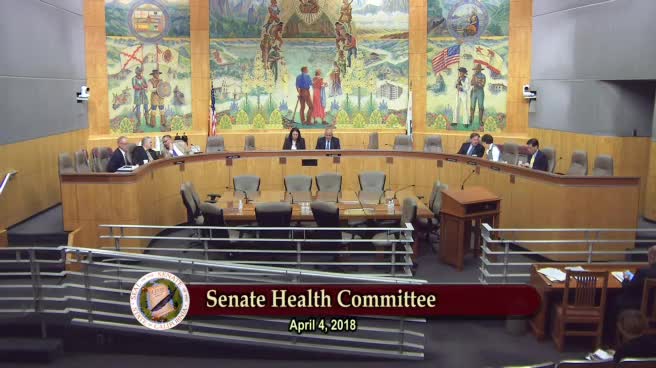 26MIN
Senate Standing Committee on Health
Bill Author
Bill Co-Author(s):