SB 11: California State University: mental health counseling.
- Session Year: 2023-2024
- House: Senate
- Latest Version Date: 2023-07-13
Current Status:
Failed
(2023-08-23: August 23 set for first hearing canceled at the request of author.)
Introduced
In Committee
First Chamber
In Committee
Second Chamber
Enacted
Existing law establishes the California State University, under the administration of the Trustees of the California State University, as one of the segments of public postsecondary education in the state. The California State University comprises 23 institutions of higher education located throughout the state.
This bill would require the trustees to comply with various requirements on mental health counseling at CSU, including having one full-time equivalent California-licensed mental health counselor per 1,500 students enrolled at each CSU campus. The bill, contingent upon appropriation by the Legislature, would establish the CSU Mental Health Professionals Act to provide one-time grants to certain CSU students to become mental health counselors in the state. The bill, contingent upon appropriation by the Legislature, would establish the Mental Health Professionals Fund as the depository of moneys appropriated or otherwise received for the program, and upon appropriation by the Legislature, would require the Department of Health Care Access and Information to disburse moneys in the fund under the act. The bill would define mental health counselor for purposes of these provisions.
Existing law establishes the California State University, under the administration of the Trustees of the California State University, as one of the segments of public postsecondary education in the state. The California State University comprises 23 institutions of higher education located throughout the state.
This bill would require the trustees to comply with various requirements on mental health counseling at CSU, including having one full-time equivalent California-licensed mental health counselor per 1,500 students enrolled at each CSU campus. The bill, contingent upon appropriation by the Legislature, would establish the CSU Mental Health Professionals Act to provide incentives for one-time grants to certain CSU students to become mental health counselors in the state. The bill, contingent upon appropriation by the Legislature, would establish the Mental Health Professionals Fund as the depository of moneys appropriated or otherwise received for the program, and upon appropriation by the Legislature, would require the Department of Health Care Access and Information to disburse moneys in the fund under the act. The bill would define mental health counselor for purposes of these provisions.
Existing law establishes the California State University, under the administration of the Trustees of the California State University, as one of the segments of public postsecondary education in the state. The California State University comprises 23 institutions of higher education located throughout the state.
This bill would require the trustees to comply with various requirements on mental health counseling at CSU, including having one full-time equivalent California-licensed mental health counselor per 1,500 students enrolled at each CSU campus. The bill, contingent upon appropriation by the Legislature, would establish the CSU Mental Health Professionals Act to provide incentives for CSU students to become mental health counselors in the state. The bill would define mental health counselor for purposes of these provisions.
Existing law establishes the California State University, under the administration of the Trustees of the California State University, as one of the segments of public postsecondary education in the state. The California State University comprises 23 institutions of higher education located throughout the state.
This bill would require the trustees to comply with various requirements on mental health counseling at CSU, including having one full-time equivalent California-licensed mental health counselor per 1,500 students enrolled at each CSU campus and developing a telehealth mental health counseling service that provides students on each CSU campus with mental health counseling 24 hours per day, 7 days per week. campus. The bill, contingent upon appropriation by the Legislature, would establish the CSU Mental Health Professionals Act to provide incentives for CSU students to become mental health counselors in the state. The bill would define mental health counselor for purposes of these provisions.
Existing law establishes the California State University, under the administration of the Trustees of the California State University, as one of the segments of public postsecondary education in the state. The California State University comprises 23 institutions of higher education located throughout the state.
This bill would state the intent of the Legislature to enact future legislation that would restrict contracting out for mental health services at the 23 campuses of the California State University and instead increase the number of full-time, permanent mental health counselors.This bill would require the trustees to comply with various requirements on mental health counseling at CSU, including having one full-time equivalent California-licensed mental health counselor per 1,500 students enrolled at each CSU campus and developing a telehealth mental health counseling service that provides students on each CSU campus with mental health counseling 24 hours per day, 7 days per week. The bill, contingent upon appropriation by the Legislature, would establish the CSU Mental Health Professionals Act to provide incentives for CSU students to become mental health counselors in the state. The bill would define mental health counselor for purposes of these provisions.
Existing law establishes the California State University, under the administration of the Trustees of the California State University, as one of the segments of public postsecondary education in the state. The California State University comprises 23 institutions of higher education located throughout the state.
This bill would state the intent of the Legislature to enact future legislation that would restrict contracting out for mental health services at the 23 campuses of the California State University and instead increase the number of full-time, permanent mental health counselors.
The Legislature finds and declares all of the following:
(a)The California State University (CSU) serves an incredibly diverse student population. One-half of CSU students are from historically marginalized or underrepresented communities, nearly one-half of CSU students receive a federal Pell Grant, and nearly one-third of CSU students are the first in their family to attend college.
(b)Suicide is the second leading cause of death among college students, claiming more than 1,100 lives every year nationally.
(c)One in four students has a diagnosable mental illness and 40 percent of students do not seek mental health services when they need it.
(d)For students of color, these challenges may be even more acute.
(e)Among the many benefits of mental health counseling are lower college dropout rates, improved academic performance, and reduced legal liability for campuses.
(f)Currently, there is a shortage of licensed mental health counselors in California.
(g)The CSU system in particular is woefully understaffed with mental health counselors to address the needs of their campuses.
(h)Due to the lack of adequate staffing, wait times for students to secure appointments for mental health services can range between four to eight weeks on some CSU campuses.
(i)CSU students deserve trauma-informed, culturally competent care from mental health professionals that will understand the unique experiences that they are facing.
(j)Investing in a pipeline that improves graduation rates and helps solve the mental health counselor workforce shortage is necessary to solve the student mental health crisis.
SEC. 2.Article 6 (commencing with Section 89360) is added to Chapter 3 of Part 55 of Division 8 of Title 3 of the Education Code, to read:6.Mental Health Counseling89360.As used in this chapter, the following definitions apply:
(a)CSU means the California State University.
(b)Grant means a one-time grant awarded pursuant to Section 89362.
(c)Licensure means a license granted by the Board of Psychology or the Board of Behavioral Sciences to practice mental health counseling in the state.
(d)Mental health counselor means a person who provides individual counseling, group counseling, crisis intervention, emergency services, referrals, or outreach and consultation interventions to the campus community, or any combination of these, and who is licensed in the State of California by the applicable licensing entity.
89361.(a)(1)The trustees shall have one full-time equivalent mental health counselor per 1,500 students enrolled at each CSU campus to the fullest extent consistent with state and federal law. campus.
(2)Where possible, mental health counselors hired pursuant to paragraph (1) shall be full-time staff and should reflect the diversity of the student body.
(b)The number of mental health counselors as computed pursuant to subdivision (a) shall constitute the minimum number of mental health counselors to be hired on a campus based on the campus student population. Additional mental health counselors may be hired in accordance with additional needs identified on a campus.
(c)(1)On or before January 1, 2025, and every three years thereafter, the trustees shall report to the Legislature, pursuant to Section 9795 of the Government Code, on how funding was spent, the number of mental health counselors employed on each CSU campus, and student wait times for mental health counseling appointments.
(2)(A)On or before November 1, 2024, and every three years thereafter, each CSU campus shall conduct a campus survey and focus groups, including groups with students of color and LGBTQ+ students, to understand student needs and challenges about their mental health and emotional well-being, sense of belonging on campus, and academic success.
(B)The campus surveys and data collection pursuant to this paragraph shall be conducted in accordance with state and federal privacy law, including, but not limited to, the Confidentiality of Medical Information Act (Part 2.6 (commencing with Section 56) of Division 1 of the Civil Code), the federal Family Educational Rights and Privacy Act of 1974 (20 U.S.C. Sec. 1232g), and the federal Health Insurance Portability and Accountability Act of 1996 (Public Law 104-191).
(C)The data collected, without any personally identifiable information, pursuant to this paragraph shall be included in the reports to the Legislature pursuant to paragraph (1).
(3)Each CSU campus shall collect data on attempted suicides through self-reporting, mental health counselor records, and known hospitalizations. This data, without any personally identifiable information, shall be included in the reports to the Legislature pursuant to paragraph (1).
89362.(a)This section shall be known, and may be cited, as the CSU Mental Health Professionals Act. The goal of this section is to provide incentives for CSU students to become mental health counselors in the state.
(b)(1)The Department of Health Care Access and Information shall administer a noncompetitive grant program to provide qualifying students with grants.
(2)A qualifying student shall apply directly to the Department of Health Care Access and Information to receive a grant.
(3)Before receiving a grant, a qualifying student shall agree to complete in California the supervised clinical training hours required to obtain licensure.
(4)The California State University shall prioritize hiring, as mental health counselors, grant recipients who obtain licensure.
(c)The Mental Health Professionals Fund is hereby established as the depository of moneys appropriated or otherwise received for the program. Upon appropriation by the Legislature, the Department of Health Care Access and Information shall disburse moneys in the fund pursuant to this section.
(d)This section shall become operational only upon appropriation of one-time funds by the Legislature in the annual Budget Act or another statute for its purposes.
The Legislature finds and declares all of the following:
(a)The California State University (CSU) serves an incredibly diverse student population. One-half of CSU students are from historically marginalized or underrepresented communities, nearly one-half of CSU students receive a federal Pell Grant, and nearly one-third of CSU students are the first in their family to attend college.
(b)Suicide is the second leading cause of death among college students, claiming more than 1,100 lives every year nationally.
(c)One in four students has a diagnosable mental illness and 40 percent of students do not seek mental health services when they need it.
(d)For students of color, these challenges may be even more acute.
(e)Among the many benefits of mental health counseling are lower college dropout rates, improved academic performance, and reduced legal liability for campuses.
(f)Currently, there is a shortage of licensed mental health counselors in California.
(g)The CSU system in particular is woefully understaffed with mental health counselors to address the needs of their campuses.
(h)Due to the lack of adequate staffing, wait times for students to secure appointments for mental health services can range between four to eight weeks on some CSU campuses.
(i)CSU students deserve trauma-informed, culturally competent care from mental health professionals that will understand the unique experiences that they are facing.
(j)Investing in a pipeline that improves graduation rates and helps solve the mental health counselor workforce shortage is necessary to solve the student mental health crisis.
SEC. 2.Article 6 (commencing with Section 89360) is added to Chapter 3 of Part 55 of Division 8 of Title 3 of the Education Code, to read:6.Mental Health Counseling89360.As used in this chapter, the following definitions apply:
(a)CSU means the California State University.
(b)Grant means a one-time grant awarded pursuant to Section 89362.
(c)Licensure means a license granted by the Board of Psychology or the Board of Behavioral Sciences to practice mental health counseling in the state.
(b)
(d)Mental health counselor means a person who provides individual counseling, group counseling, crisis intervention, emergency services, referrals, or outreach and consultation interventions to the campus community, or any combination of these, and who is licensed in the State of California by the applicable licensing entity.
89361.(a)(1)The trustees shall have one full-time equivalent mental health counselor per 1,500 students enrolled at each CSU campus to the fullest extent consistent with state and federal law.
(2)Where possible, mental health counselors hired pursuant to paragraph (1) shall be full-time staff and should reflect the diversity of the student body.
(b)The number of mental health counselors as computed pursuant to subdivision (a) shall constitute the minimum number of mental health counselors to be hired on a campus based on the campus student population. Additional mental health counselors may be hired in accordance with additional needs identified on a campus.
(c)(1)On or before January 1, 2025, and every three years thereafter, the trustees shall report to the Legislature, pursuant to Section 9795 of the Government Code, on how funding was spent, the number of mental health counselors employed on each CSU campus, and student wait times for mental health counseling appointments.
(2)(A)On or before November 1, 2024, and every three years thereafter, each CSU campus shall conduct a campus survey and focus groups, including groups with students of color and LGBTQ+ students, to understand student needs and challenges about their mental health and emotional well-being, sense of belonging on campus, and academic success.
(B)The campus surveys and data collection pursuant to this paragraph shall be conducted in accordance with state and federal privacy law, including, but not limited to, the Confidentiality of Medical Information Act (Part 2.6 (commencing with Section 56) of Division 1 of the Civil Code), the federal Family Educational Rights and Privacy Act of 1974 (20 U.S.C. Sec. 1232g), and the federal Health Insurance Portability and Accountability Act of 1996 (Public Law 104-191).
(C)The data collected, without any personally identifiable information, pursuant to this paragraph shall be included in the reports to the Legislature pursuant to paragraph (1).
(3)Each CSU campus shall collect data on attempted suicides through self-reporting, mental health counselor records, and known hospitalizations. This data, without any personally identifiable information, shall be included in the reports to the Legislature pursuant to paragraph (1).
89362.(a)This section shall be known, and may be cited, as the CSU Mental Health Professionals Act. The goal of this section is to provide incentives for CSU students to become mental health counselors in the state.
(b)The trustees shall create a pipeline for interested CSU students to become mental health counselors in the state.(c)Funds appropriated to the CSU for purposes of this section may be used to provide paid internships for CSU students who need to complete supervised professional experience in order to be mental health counselors licensed by the Board of Psychology or the Board of Behavioral Sciences.(d)Funds appropriated to the CSU for purposes of this section may be used to support recruitment efforts for students to enroll in graduate degree programs that lead to licensure by the Board of Psychology or the Board of Behavioral Sciences to practice mental health counseling in the state.(b)(1)The Department of Health Care Access and Information shall administer a noncompetitive grant program to provide qualifying students with grants.
(2)A qualifying student shall apply directly to the Department of Health Care Access and Information to receive a grant.
(3)Before receiving a grant, a qualifying student shall agree to complete in California the supervised clinical training hours required to obtain licensure.
(4)The California State University shall prioritize hiring, as mental health counselors, grant recipients who obtain licensure.
(c)The Mental Health Professionals Fund is hereby established as the depository of moneys appropriated or otherwise received for the program. Upon appropriation by the Legislature, the Department of Health Care Access and Information shall disburse moneys in the fund pursuant to this section.
(e)
(d)This section shall become operational only upon appropriation of one-time funds by the Legislature in the annual Budget Act or another statute for its purposes.
The Legislature finds and declares all of the following:
(a)The California State University (CSU) serves an incredibly diverse student population. One-half of CSU students are from historically marginalized or underrepresented communities, nearly one-half of CSU students receive a federal Pell Grant, and nearly one-third of CSU students are the first in their family to attend college.
(b)Suicide is the second leading cause of death among college students, claiming more than 1,100 lives every year nationally.
(c)One in four students has a diagnosable mental illness and 40 percent of students do not seek mental health services when they need it.
(d)For students of color, these challenges may be even more acute.
(e)Among the many benefits of mental health counseling are lower college dropout rates, improved academic performance, and reduced legal liability for campuses.
(f)Currently, there is a shortage of licensed mental health counselors in California.
(g)The CSU system in particular is woefully understaffed with mental health counselors to address the needs of their campuses.
(h)Due to the lack of adequate staffing, wait times for students to secure appointments for mental health services can range between four to eight weeks on some CSU campuses.
(i)CSU students deserve trauma-informed, culturally competent care from mental health professionals that will understand the unique experiences that they are facing.
(j)The contracting out for mental health services that have traditionally been performed by permanent, union-represented mental health counselors to out-of-state organizations hiring nonunion counselors is detrimental to the goal of solving the student mental health crisis and antithetical to the values of the State of California regarding equity, inclusion, and diversity.(k)(j)Investing in a pipeline that improves graduation rates and helps solve the mental health counselor workforce shortage is necessary to solve the student mental health crisis.
SEC. 2.Article 6 (commencing with Section 89360) is added to Chapter 3 of Part 55 of Division 8 of Title 3 of the Education Code, to read:6.Mental Health Counseling89360.As used in this chapter, the following definitions apply:
(a)CSU means the California State University.
(b)Mental health counselor means a person who provides individual counseling, group counseling, crisis intervention, emergency services, referrals, or outreach and consultation interventions to the campus community, or any combination of these, and who is licensed in the State of California by the applicable licensing entity.
89361.(a)(1)The trustees shall have one full-time equivalent mental health counselor per 1,500 students enrolled at each CSU campus to the fullest extent consistent with state and federal law.
(2)Where possible, mental health counselors hired pursuant to paragraph (1) shall be full-time staff and should reflect the diversity of the student body.
(b)The number of mental health counselors as computed pursuant to subdivision (a) shall constitute the minimum number of mental health counselors to be hired on a campus based on the campus student population. Additional mental health counselors may be hired in accordance with additional needs identified on a campus.
(c)(1)On or before January 1, 2025, and every three years thereafter, the trustees shall report to the Legislature, pursuant to Section 9795 of the Government Code, on how funding was spent, the number of mental health counselors employed on each CSU campus, and student wait times for mental health counseling appointments.
(2)(A)On or before November 1, 2024, and every three years thereafter, each CSU campus shall conduct a campus survey and focus groups, including groups with students of color and LGBTQ+ students, to understand student needs and challenges about their mental health and emotional well-being, sense of belonging on campus, and academic success.
(B)The campus surveys and data collection pursuant to this paragraph shall be conducted in accordance with state and federal privacy law, including, but not limited to, the Confidentiality of Medical Information Act (Part 2.6 (commencing with Section 56) of Division 1 of the Civil Code), the federal Family Educational Rights and Privacy Act of 1974 (20 U.S.C. Sec. 1232g), and the federal Health Insurance Portability and Accountability Act of 1996 (Public Law 104-191).
(C)The data collected, without any personally identifiable information, pursuant to this paragraph shall be included in the reports to the Legislature pursuant to paragraph (1).
(3)Each CSU campus shall collect data on attempted suicides through self-reporting, mental health counselor records, and known hospitalizations. This data, without any personally identifiable information, shall be included in the reports to the Legislature pursuant to paragraph (1).
89362.(a)This section shall be known, and may be cited, as the CSU Mental Health Professionals Act. The goal of this section is to provide incentives for CSU students to become mental health counselors in the state.
(b)The trustees shall create a pipeline for interested CSU students to become mental health counselors in the state.
(c)Funds appropriated to the CSU for purposes of this section may be used to provide paid internships for CSU students who need to complete supervised professional experience in order to be mental health counselors licensed by the Board of Psychology or the Board of Behavioral Sciences.
(d)Funds appropriated to the CSU for purposes of this section may be used to support recruitment efforts for students to enroll in graduate degree programs that lead to licensure by the Board of Psychology or the Board of Behavioral Sciences to practice mental health counseling in the state.
(e)This section shall become operational only upon appropriation of one-time funds by the Legislature in the annual Budget Act or another statute for its purposes.
The Legislature finds and declares all of the following:
(a)The California State University (CSU) serves an incredibly diverse student population. One-half of CSU students are from historically marginalized or underrepresented communities, nearly one-half of CSU students receive a federal Pell Grant, and nearly one-third of CSU students are the first in their family to attend college.
(b)Suicide is the second leading cause of death among college students, claiming more than 1,100 lives every year nationally.
(c)One in four students has a diagnosable mental illness and 40 percent of students do not seek mental health services when they need it.
(d)For students of color, these challenges may be even more acute.
(e)Among the many benefits of mental health counseling are lower college dropout rates, improved academic performance, and reduced legal liability for campuses.
(f)Currently, there is a shortage of licensed mental health counselors in California.
(g)The CSU system in particular is woefully understaffed with mental health counselors to address the needs of their campuses.
(h)Due to the lack of adequate staffing, wait times for students to secure appointments for mental health services can range between four to eight weeks on some CSU campuses.
(i)CSU students deserve trauma-informed, culturally competent care from mental health professionals that will understand the unique experiences that they are facing.
(j)The contracting out for mental health services that have traditionally been performed by permanent, union-represented mental health counselors to out-of-state organizations hiring nonunion counselors is detrimental to the goal of solving the student mental health crisis and antithetical to the values of the State of California regarding equity, inclusion, and diversity.
(k)Investing in a pipeline that improves graduation rates and helps solve the mental health counselor workforce shortage is necessary to solve the student mental health crisis.
SEC. 2.Article 6 (commencing with Section 89360) is added to Chapter 3 of Part 55 of Division 8 of Title 3 of the Education Code, to read:6.Mental Health Counseling89360.As used in this chapter, the following definitions apply:
(a)CSU means the California State University.
(b)Mental health counselor means a person who provides individual counseling, group counseling, crisis intervention, emergency services, referrals, or outreach and consultation interventions to the campus community, or any combination of these, and who is licensed in the State of California by the applicable licensing entity.
89361.(a)(1)The trustees shall have one full-time equivalent mental health counselor per 1,500 students enrolled at each CSU campus to the fullest extent consistent with state and federal law.
(2)Where possible, mental health counselors hired pursuant to paragraph (1) shall be full-time staff and should reflect the diversity of the student body.
(b)The number of mental health counselors as computed pursuant to subdivision (a) shall constitute the minimum number of mental health counselors to be hired on a campus based on the campus student population. Additional mental health counselors may be hired in accordance with additional needs identified on a campus.
(c)(1)On or before January 1, 2025, and every three years thereafter, the trustees shall report to the Legislature, pursuant to Section 9795 of the Government Code, on how funding was spent, the number of mental health counselors employed on each CSU campus, and student wait times for mental health counseling appointments.
(2)(A)On or before November 1, 2024, and every three years thereafter, each CSU campus shall conduct a campus survey and focus groups, including groups with students of color and LGBTQ+ students, to understand student needs and challenges about their mental health and emotional well-being, sense of belonging on campus, and academic success.
(B)The campus surveys and data collection pursuant to this paragraph shall be conducted in accordance with state and federal privacy law, including, but not limited to, the Confidentiality of Medical Information Act (Part 2.6 (commencing with Section 56) of Division 1 of the Civil Code), the federal Family Educational Rights and Privacy Act of 1974 (20 U.S.C. Sec. 1232g), and the federal Health Insurance Portability and Accountability Act of 1996 (Public Law 104-191).
(C)The data collected, without any personally identifiable information, pursuant to this paragraph shall be included in the reports to the Legislature pursuant to paragraph (1).
(3)Each CSU campus shall collect data on attempted suicides through self-reporting, mental health counselor records, and known hospitalizations. This data, without any personally identifiable information, shall be included in the reports to the Legislature pursuant to paragraph (1).
89362.(a)(1)Commencing on January 1, 2024, the trustees shall develop a telehealth mental health counseling service that provides students on each CSU campus with mental health counseling 24 hours per day, seven days per week in order to provide real-time mental health counseling and significantly reduce wait times for students.(2)On or before January 1, 2026, the CSU telehealth mental health service shall be fully operational and serving students on each CSU campus.(3)Mental health counseling services provided through the telehealth mental health counseling service shall be fully staffed by mental health counselors employed by the CSU in accordance with the applicable collective bargaining agreement with the exclusive representative.(b)(1)Commencing on January 1, 2024, all CSU contracts with telehealth mental health counseling organizations shall be phased out over a two-year period, and shall be discontinued on January 1, 2026.(2)Commencing on January 1, 2024, all CSU contracts with telehealth mental health providers shall be revised and shall include explicit language that ensures that current contractors adhere to the same transparency, accountability, and outcome measure standards that apply to CSU employees and upholds California values of equity, inclusion, and diversity.(3)Revised contract language shall contain provisions addressing all of the following criteria:(A)The provider has a proven record of providing culturally competent, trauma-informed, and responsive mental health services.(B)The contractor shall guarantee continuity of care.(C)All employees of the provider shall complete implicit bias, LGBTQ+, and sexual harassment trainings.(D)The provider shall adhere to the same standards set forth in Section 11139.8 of the Government Code that prohibits a state agency, department, board, or commission from requiring any state employees, officers, or members to travel to a state that discriminates on the basis of sexual orientation, gender identity, or gender expression.(E)The employees of the provider shall reflect the demographics of the CSU student body.(4)All contracts between the CSU and the telehealth mental health provider shall adhere to all provisions of Chapter 12 (commencing with Section 3560) of Division 4 of Title 1 of the Government Code and be approved, in writing, by the exclusive bargaining unit representing CSU counselors.(c)This section shall not be construed to alter the terms of a collective bargaining agreement or a contract with a telehealth mental health provider in effect on January 1, 2024, in violation of Section 9 of Article I of the California Constitution or Section 10 of Article I of the United States Constitution.89363.89362.(a)This section shall be known, and may be cited, as the CSU Mental Health Professionals Act. The goal of this section is to provide incentives for CSU students to become mental health counselors in the state.
(b)The trustees shall create a pipeline for interested CSU students to become mental health counselors in the state.
(c)Funds appropriated to the CSU for purposes of this section may be used to provide paid internships for CSU students who need to complete supervised professional experience in order to be mental health counselors licensed by the Board of Psychology or the Board of Behavioral Sciences.
(d)Funds appropriated to the CSU for purposes of this section may be used to support recruitment efforts for students to enroll in graduate degree programs that lead to licensure by the Board of Psychology or the Board of Behavioral Sciences to practice mental health counseling in the state.
(e)This section shall become operational only upon appropriation of one-time funds by the Legislature in the annual Budget Act or another statute for its purposes.
The Legislature finds and declares all of the following:
(a)The California State University (CSU) serves an incredibly diverse student population. One-half of CSU students are from historically marginalized or underrepresented communities, nearly one-half of CSU students receive a federal Pell Grant, and nearly one-third of CSU students are the first in their family to attend college.
(b)Suicide is the second leading cause of death among college students, claiming more than 1,100 lives every year nationally.
(c)One in four students has a diagnosable mental illness and 40 percent of students do not seek mental health services when they need it.
(d)For students of color, these challenges may be even more acute.
(e)Among the many benefits of mental health counseling are lower college dropout rates, improved academic performance, and reduced legal liability for campuses.
(f)Currently, there is a shortage of licensed mental health counselors in California.
(g)The CSU system in particular is woefully understaffed with mental health counselors to address the needs of their campuses.
(h)Due to the lack of adequate staffing, wait times for students to secure appointments for mental health services can range between four to eight weeks on some CSU campuses.
(i)CSU students deserve trauma-informed, culturally competent care from mental health professionals that will understand the unique experiences that they are facing.
(j)The contracting out for mental health services that have traditionally been performed by permanent, union-represented mental health counselors to out-of-state organizations hiring nonunion counselors is detrimental to the goal of solving the student mental health crisis and antithetical to the values of the State of California regarding equity, inclusion, and diversity.
(k)Investing in a pipeline that improves graduation rates and helps solve the mental health counselor workforce shortage is necessary to solve the student mental health crisis.
SEC. 2.Article 6 (commencing with Section 89360) is added to Chapter 3 of Part 55 of Division 8 of Title 3 of the Education Code, to read:6.Mental Health Counseling89360.As used in this chapter, the following definitions apply:
(a)CSU means the California State University.
(b)Mental health counselor means a person who provides individual counseling, group counseling, crisis intervention, emergency services, referrals, or outreach and consultation interventions to the campus community, or any combination of these, and who is licensed in the State of California by the applicable licensing entity.
89361.(a)(1)The trustees shall have one full-time equivalent mental health counselor per 1,500 students enrolled at each CSU campus to the fullest extent consistent with state and federal law.
(2)Where possible, mental health counselors hired pursuant to paragraph (1) shall be full-time staff and should reflect the diversity of the student body.
(b)The number of mental health counselors as computed pursuant to subdivision (a) shall constitute the minimum number of mental health counselors to be hired on a campus based on the campus student population. Additional mental health counselors may be hired in accordance with additional needs identified on a campus.
(c)(1)On or before January 1, 2025, and every three years thereafter, the trustees shall report to the Legislature, pursuant to Section 9795 of the Government Code, on how funding was spent, the number of mental health counselors employed on each CSU campus, and student wait times for mental health counseling appointments.
(2)(A)On or before November 1, 2024, and every three years thereafter, each CSU campus shall conduct a campus survey and focus groups, including groups with students of color and LGBTQ+ students, to understand student needs and challenges about their mental health and emotional well-being, sense of belonging on campus, and academic success.
(B)The campus surveys and data collection pursuant to this paragraph shall be conducted in accordance with state and federal privacy law, including, but not limited to, the Confidentiality of Medical Information Act (Part 2.6 (commencing with Section 56) of Division 1 of the Civil Code), the federal Family Educational Rights and Privacy Act of 1974 (20 U.S.C. Sec. 1232g), and the federal Health Insurance Portability and Accountability Act of 1996 (Public Law 104-191).
(C)The data collected, without any personally identifiable information, pursuant to this paragraph shall be included in the reports to the Legislature pursuant to paragraph (1).
(3)Each CSU campus shall collect data on attempted suicides through self-reporting, mental health counselor records, and known hospitalizations. This data, without any personally identifiable information, shall be included in the reports to the Legislature pursuant to paragraph (1).
89362.(a)(1)Commencing on January 1, 2024, the trustees shall develop a telehealth mental health counseling service that provides students on each CSU campus with mental health counseling 24 hours per day, seven days per week in order to provide real-time mental health counseling and significantly reduce wait times for students.
(2)On or before January 1, 2026, the CSU telehealth mental health service shall be fully operational and serving students on each CSU campus.
(3)Mental health counseling services provided through the telehealth mental health counseling service shall be fully staffed by mental health counselors employed by the CSU in accordance with the applicable collective bargaining agreement with the exclusive representative.
(b)(1)Commencing on January 1, 2024, all CSU contracts with telehealth mental health counseling organizations shall be phased out over a two-year period, and shall be discontinued on January 1, 2026.
(2)Commencing on January 1, 2024, all CSU contracts with telehealth mental health providers shall be revised and shall include explicit language that ensures that current contractors adhere to the same transparency, accountability, and outcome measure standards that apply to CSU employees and upholds California values of equity, inclusion, and diversity.
(3)Revised contract language shall contain provisions addressing all of the following criteria:
(A)The provider has a proven record of providing culturally competent, trauma-informed, and responsive mental health services.
(B)The contractor shall guarantee continuity of care.
(C)All employees of the provider shall complete implicit bias, LGBTQ+, and sexual harassment trainings.
(D)The provider shall adhere to the same standards set forth in Section 11139.8 of the Government Code that prohibits a state agency, department, board, or commission from requiring any state employees, officers, or members to travel to a state that discriminates on the basis of sexual orientation, gender identity, or gender expression.
(E)The employees of the provider shall reflect the demographics of the CSU student body.
(4)All contracts between the CSU and the telehealth mental health provider shall adhere to all provisions of Chapter 12 (commencing with Section 3560) of Division 4 of Title 1 of the Government Code and be approved, in writing, by the exclusive bargaining unit representing CSU counselors.
(c)This section shall not be construed to alter the terms of a collective bargaining agreement or a contract with a telehealth mental health provider in effect on January 1, 2024, in violation of Section 9 of Article I of the California Constitution or Section 10 of Article I of the United States Constitution.
89363.(a)This section shall be known, and may be cited, as the CSU Mental Health Professionals Act. The goal of this section is to provide incentives for CSU students to become mental health counselors in the state.
(b)The trustees shall create a pipeline for interested CSU students to become mental health counselors in the state.
(c)Funds appropriated to the CSU for purposes of this section may be used to provide paid internships for CSU students who need to complete supervised professional experience in order to be mental health counselors licensed by the Board of Psychology or the Board of Behavioral Sciences.
(d)Funds appropriated to the CSU for purposes of this section may be used to support recruitment efforts for students to enroll in graduate degree programs that lead to licensure by the Board of Psychology or the Board of Behavioral Sciences to practice mental health counseling in the state.
(e)This section shall become operational only upon appropriation of one-time funds by the Legislature in the annual Budget Act or another statute for its purposes.
SECTION 1.(a)The Legislature finds and declares all of the following:(1)The California State University (CSU) serves an incredibly diverse student population. One-half of CSU students are from historically marginalized or underrepresented communities, nearly one-half of CSU students receive a federal Pell Grant, and nearly one-third of CSU students are the first in their family to attend college.(2)Suicide is the second leading cause of death among college students, claiming more than 1,100 lives every year nationally.(3)One in four students has a diagnosable mental illness and 40 percent of students do not seek mental health services when they need it.(4)For students of color, these challenges may be even more acute.(5)Among the many benefits of mental health counseling are lower college dropout rates, improved academic performance, and reduced legal liability for campuses.(6)The CSU system in particular is woefully understaffed with mental health counselors to address the needs of their campuses.(7)CSU students deserve trauma-informed, culturally competent care from mental health professionals that will understand the unique experiences that they are facing.(8)The contracting out for mental health services that have traditionally been performed by permanent, union-represented mental health counselors to out-of-state organizations hiring nonunion counselors is detrimental to the goal of solving the student mental health crisis and antithetical to the values of the Legislature.(9)Investing in a pipeline that improves graduation rates and helps solve the mental health counselor workforce shortage is necessary to solve the student mental health crisis.(b)It is the intent of the Legislature to enact future legislation that would restrict contracting out for mental health services at the 23 campuses of the California State University and instead increase the number of full-time, permanent mental health counselors.(a)The Legislature finds and declares all of the following:
(1)The California State University (CSU) serves an incredibly diverse student population. One-half of CSU students are from historically marginalized or underrepresented communities, nearly one-half of CSU students receive a federal Pell Grant, and nearly one-third of CSU students are the first in their family to attend college.
(2)Suicide is the second leading cause of death among college students, claiming more than 1,100 lives every year nationally.
(3)One in four students has a diagnosable mental illness and 40 percent of students do not seek mental health services when they need it.
(4)For students of color, these challenges may be even more acute.
(5)Among the many benefits of mental health counseling are lower college dropout rates, improved academic performance, and reduced legal liability for campuses.
(6)The CSU system in particular is woefully understaffed with mental health counselors to address the needs of their campuses.
(7)CSU students deserve trauma-informed, culturally competent care from mental health professionals that will understand the unique experiences that they are facing.
(8)The contracting out for mental health services that have traditionally been performed by permanent, union-represented mental health counselors to out-of-state organizations hiring nonunion counselors is detrimental to the goal of solving the student mental health crisis and antithetical to the values of the Legislature.
(9)Investing in a pipeline that improves graduation rates and helps solve the mental health counselor workforce shortage is necessary to solve the student mental health crisis.
(b)It is the intent of the Legislature to enact future legislation that would restrict contracting out for mental health services at the 23 campuses of the California State University and instead increase the number of full-time, permanent mental health counselors.
|
Date
|
Status
|
|---|---|
| Aug 23, 2023 | August 23 set for first hearing canceled at the request of author. |
| Jul 13, 2023 | Read second time and amended. Re-referred to Com. on APPR. |
| Jul 12, 2023 | From committee: Do pass as amended and re-refer to Com. on APPR. (Ayes 15. Noes 0.) (July 11). |
| Jun 28, 2023 | From committee: Do pass and re-refer to Com. on HEALTH. (Ayes 11. Noes 0.) (June 27). Re-referred to Com. on HEALTH. |
| Jun 8, 2023 | Referred to Coms. on HIGHER ED. and HEALTH. |
| May 31, 2023 | In Assembly. Read first time. Held at Desk. |
| May 30, 2023 | Read third time. Passed. (Ayes 40. Noes 0. Page 1356.) Ordered to the Assembly. |
| May 22, 2023 | Read second time. Ordered to third reading. |
| May 18, 2023 | Read second time and amended. Ordered to second reading. |
| May 18, 2023 | From committee: Do pass as amended. (Ayes 7. Noes 0. Page 1157.) (May 18). |
| May 16, 2023 | Set for hearing May 18. |
| May 15, 2023 | May 15 hearing: Placed on APPR suspense file. |
| May 5, 2023 | Set for hearing May 15. |
| May 1, 2023 | Read second time and amended. Re-referred to Com. on APPR. |
| Apr 27, 2023 | From committee: Do pass as amended and re-refer to Com. on APPR. (Ayes 10. Noes 0. Page 940.) (April 26). |
| Apr 12, 2023 | Set for hearing April 26. |
| Apr 10, 2023 | Read second time and amended. Re-referred to Com. on HEALTH. |
| Mar 30, 2023 | From committee: Do pass as amended and re-refer to Com. on HEALTH. (Ayes 7. Noes 0. Page 569.) (March 29). |
| Mar 8, 2023 | Set for hearing March 29. |
| Mar 1, 2023 | Re-referred to Coms. on ED. and HEALTH. |
| Feb 22, 2023 | From committee with author's amendments. Read second time and amended. Re-referred to Com. on RLS. |
| Jan 18, 2023 | Referred to Com. on RLS. |
| Dec 6, 2022 | From printer. May be acted upon on or after January 5. |
| Dec 5, 2022 | Introduced. Read first time. To Com. on RLS. for assignment. To print. |
|
Date
|
Description
|
Location
|
Votes
|
|
|---|---|---|---|---|
| Jul 11, 2023 | Do pass as amended and be re-referred to the Committee on [Appropriations] | Assembly Standing Committee on Health |
Passed |
|
| Jun 27, 2023 | Do pass and be re-referred to the Committee on [Health] | Assembly Standing Committee on Higher Education |
Passed |
|
| May 30, 2023 | Senate 3rd Reading SB11 Menjivar et al. | Senate Floor |
Passed |
|
| May 18, 2023 | Do pass as amended | Senate Standing Committee on Appropriations |
Passed |
|
| May 15, 2023 | Placed on suspense file | Senate Standing Committee on Appropriations |
Passed |
|
| Apr 26, 2023 | Do pass as amended, but first amend, and re-refer to the Committee on [Appropriations] | Senate Standing Committee on Health |
Passed |
|
| Mar 29, 2023 | Do pass as amended, but first amend, and re-refer to the Committee on [Health] | Senate Standing Committee on Education |
Passed |
This list shows positions taken on this bill by organizations on the date displayed, which is linked to the original source.
Positions by individuals are not included.
|
Organization
|
Position
|
Date
|
|---|---|---|
| Faculty Association of California Community Colleges | * Support | Jul 11, 2023 |
| Black Small Business Association of California | ** Support | |
| Board of Behavioral Sciences | ** Support | |
| Cal Poly Pomona | * Support | Mar 29, 2023 |
| Cal State Pomona | * Support | Mar 29, 2023 |
| Cal State Student Association | * Neutral | Mar 29, 2023 |
| California African American Chamber Of Commerce | ** Against | |
| California Faculty Association | ** Support | |
| California SEIU | * Support | Jul 11, 2023 |
| California State Association of Psychiatrists | * Support | Jul 11, 2023 |
| California State University | * Against Unless Amend | Jul 11, 2023 |
| California State University, Office Of The Chancellor | ** Against | |
| California Youth Empowerment Network | ** Support | |
| Clean Earth 4 Kids | * Support | Jul 11, 2023 |
| College of Health and Human Services Joint Council | ** Support | |
| College of Health and Human Services Joint Council at Sacramento State | ** Support | |
| CSU Channel Islands | * Support | Mar 29, 2023 |
| CSU Employees Union | * Support | Jul 11, 2023 |
| CSU Sacramento | * Support | Mar 29, 2023 |
| CSU San Francisco | * Support | Mar 29, 2023 |
| CSU San Francisco | * Support | Jul 11, 2023 |
| Dbsa California | ** Support | |
| Depression Bipolar Support Alliance of California | * Support | Jul 11, 2023 |
| Ensuring Native Indian Traditions | ** Support | |
| Ensuring Native Indian Traditions Club | ** Support | |
| GENup | ** Support | |
| Girl Gains at Sacramento State | ** Support | |
| Indivisible Ca Statestrong | ** Support | |
| Local 18 IBEW | * Support | Jul 11, 2023 |
| Mental Health America of California | ** Support | |
| National Association of Social Workers | * Support | Jul 11, 2023 |
| National Association Of Social Workers, California Chapter | ** Support | |
| Padres Organized Community | ** Support | |
| Payments for Placements, San Diego State University | ** Support | |
| Sacramento State Center on Race, Immigration, and Social Justice | ** Support | |
| Sacramento State University | * Support | Mar 29, 2023 |
| San Francisco State University | * Support | Mar 29, 2023 |
| San Jose State University | * Support | Mar 29, 2023 |
Date of Hearing: July 11, 2023
ASSEMBLY COMMITTEE ON HEALTH
Jim Wood, Chair
SBPCA Bill Id:SB 11
Author:(Menjivar) – As Amended Ver:May 18, 2023
SENATE VOTE: 40-0
SUBJECT: California State University: mental health counseling.
SUMMARY: Requires California State University (CSU) campuses to have one full-time equivalent mental health counselor per 1,500 students. Requires the Department of Health Care Access and Information (HCAI) to administer a noncompetitive grant program to provide qualifying students with grants to incentivize them to become mental health counselors. Specifically, this bill:
- Requires CSU trustees to have one full-time equivalent mental health counselor per 1,500 students enrolled at each CSU campus. Requires this counselor ratio to constitute the minimum number of mental health counselors to be hired on a campus based on the campus student population, as specified.
- Requires, where possible, mental health counselors to be full-time staff and reflect the diversity of the student body.
- Requires the CSU trustees, on or before January 1, 2025, and every three years thereafter, to report to the Legislature on how funding was spent, the number of mental health counselors employed on each CSU campus, and student wait times for mental health counseling appointments.
- Requires each CSU campus, on or before November 1, 2024, and every three years thereafter, to conduct a campus survey and focus groups, as specified, to understand student needs and challenges about their mental health and emotional well-being, sense of belonging on campus, and academic success.
- Requires specified data collected to be included in the reports, consistent with confidentiality laws, to the Legislature, including attempted suicides through self-reporting, mental health counselor records, and known hospitalizations.
- Requires HCAI to administer a noncompetitive grant program to provide qualifying students with grants and specifies that:
- A qualifying student apply directly to HCAI to receive a grant;
- A qualifying student, before receiving a grant, agree to complete in California the supervised clinical training hours required to obtain licensure; and,
- The CSU prioritize hiring, as mental health counselors, grant recipients who obtain licensure.
- Establishes the Mental Health Professionals Funds (MHPF) as the depository of moneys appropriated or otherwise received for the program and requires that HCAI disburse moneys in the fund as prescribed in the bill.
- Makes legislative findings and declarations about historically marginalized or underrepresented students, rates of suicide and students with mental illness who do not seek treatment, the CSU system’s understaffing of mental health counselors, and the need for investing in a pipeline that improves graduation rates and helps solve the mental health counselor workforce shortage.
EXISTING LAW:
- Establishes the CSU, under the administration of the Trustees of the CSU, as one of the public postsecondary educational institutions in the state. [Education Code § 66602]
- Establishes HCAI to expand equitable access to health care for all Californians; ensuring every community has the health workforce they need, safe and reliable health care facilities, and health information that can help make care more effective and affordable. [Health & Safety Code § 127000]
FISCAL EFFECT: According to the Senate Appropriations Committee, the CSU indicates that the bill’s requirement for CSU to have one full-time mental health counselor for every 1,500 students could result in General Fund (GF) costs of a minimum of $8 million each year. This estimate assumes that 57 counselors would be needed to achieve the ratio on each campus at an average cost of $139,000. This bill further establishes the MHPF, contingent upon an appropriation, for purposes of providing grants to students to become mental health counselors in the state. This could result in GF cost pressure in the millions to low tens of millions of dollars, and additional ongoing GF costs in the hundreds of thousands of dollars for HCAI to administer the grant program.
COMMENTS:
- PURPOSE OF THIS BILL. According to the author, the student mental health crisis has only gotten more urgent in the last few years, as college aged youth are reporting higher rates of depression and anxiety. The CSU is also experiencing a severe shortage of qualified, full time mental health professionals available to students on campus. The current ratio of counselors to students is one to nearly 2,000. Students deserve culturally competent and timely access to care from providers on campus. The author concludes, this bill takes several steps toward addressing this crisis. It instructs the CSU to decrease the ratio of counselors to students, increase data collection about student mental health on campuses, and incentivize CSU students to become mental health counselors in the state.
- BACKGROUND.
- Mental Health in California. A July 2022 report from the California HealthCare Foundation (CHCF) entitled, “Mental Health in California: Waiting for Care, (report)” reported that nearly one in seven adults (an estimated 4.4 million individuals age 18+) statewide experiences a mental illness of some kind. One in 26 (an estimated 1.2 million individuals) has a Serious Mental Illness that makes it difficult to carry out daily activities. Additionally one in 14 (an estimated 621,000) children (17 and under) has a Serious Emotional Disturbance that limits functioning in family, school, or community. Close to two-thirds of adults with a mental illness and two-thirds of adolescents with major depressive episodes did not get treatment. The CHCF report demonstrates that Black, Indigenous, people of color, those with low socio-economic status, and the LGTBQI+ community not only have a higher prevalence of mental health disorders but also suffer from the lack of access to and receipt of appropriate mental health treatment.
Psychosis refers to a collection of symptoms that affect the mind, where there has been some loss of contact with reality. During an episode of psychosis, a person’s thoughts and perceptions are disrupted and they may have difficulty recognizing what is real and what is not. It is difficult to know the number of people who experience psychosis. Studies estimate that between 15 and 100 people out of 100,000 develop psychosis each year. The first episode of psychosis refers to when an individual first shows signs of being unable to distinguish what’s real from what isn’t. It typically involves hallucinations and delusions, which can seem very real to the person experiencing them. The first psychotic break, as it is referenced, often begins in young adulthood when a person is in their late teens to mid-20s. Thus, university aged young adults are most at risk for the on-set of psychosis. Acting quickly to connect individuals with the right treatment during early psychosis can help dramatically thus early diagnosis and intervention is critical.
- Counselor-to student ratio. The total systemwide student population at the CSU is approximately 479,000. The CSU reports that, over the past four years, they have reduced their average systemwide ratio of counselors to students from 1:2,176 to its current number of 1:1,576. Twelve of the 23 campuses currently fall below the recommended ratio of 1:1,500 with CSU Maritime having one counselor for every 324 students, Cal Poly Humboldt having one counselor for every 651 students, and CSU Northridge having one counselor for every 472 students. This bill requires each CSU campus to have at least one mental health counselor for every 1,500 students.
- Center for Collegiate Mental Health (CCMH). The 2020 CCMH Annual Report, released in January 2021, summarizes the state of college student mental health from U.S. and international college counseling centers during the 2019-20 academic year. In addition, the report describes a revised Clinical Load Index (CLI), which was first introduced in the 2019 Annual Report, to better measure and compare staff levels and related impacts across counseling centers nationally. The CLI was designed to provide a more accurate and consistently comparable metric that describes the landscape of staffing levels associated with particular clinical outcomes (i.e. treatment dosages and distress change). The key takeaway from the new CLI distribution is that clinician caseloads impact treatment access as when clinicians have a smaller caseload, students have better access to treatment. Findings demonstrated that counseling centers with low CLI scores are more likely to be smaller institutions. Students at these institutions are more likely to receive appointments that are scheduled closer together and experience more symptom reduction during treatments. Centers on the high end of the CLI score are much more likely to focus on rapid access or crisis services and, in general, centers in this zone are managing very high demand that consistently exceeds supply and are more likely to provide a range of services, other than counseling, for students. These centers often implement a variety of practices, such as requiring clinicians to offer a specific number of rapid access service hours per week, charging missed appointment fees, and holding workshops as an alternative to individual counseling. These findings can fundamentally alter the way colleges and universities understand and plan for mental health services through the careful and transparent alignment of service goals, clinical practices, and funding. As a result, the CLI helps shift the question that institutions should be asking from, “How many staff should we have?” to “What services do we want to provide to our students?” The report describes 185,440 unique college students, nationally and internationally, seeking mental health treatment; 3,890 clinicians; and more than 1,395,685 appointments from the 2019-20 academic year.
- California Mental Health Workforce Challenges. The increasing demand for mental health services is not only challenging the existing delivery systems and payment models, but is presenting significant challenges in the area of physical infrastructure and availability of behavioral health workforce. Despite the growing numbers of individuals experiencing mental illness, few resources were earmarked for infrastructure buildout or behavioral health workforce development over the past 20 years. The shortage of available psychiatric facilities, beds and behavioral health workers has reached crisis proportions. Much of the money allocated within the newly enacted mental health initiatives in California is aimed at remedying these issues in order to improve availability and access to appropriate mental health services. The availability of a qualified, culturally competent and diverse workforce is a critical factor in ensuring that individuals receive the care and treatment they require. Unfortunately, there is a significant shortage of behavioral health workforce in both mental health and substance use disorder treatment.
In a 2018 report commissioned by the CHCF and conducted by the University of California’s Healthforce Center entitled, “California’s Current and Future Behavioral Health Workforce,” a review of extensive data from numerous sources revealed:- Ratios of behavioral health professionals to population vary substantially across California’s regions—the lowest ratios persist in the Inland Empire and San Joaquin Valley;
- African-Americans and Latinos are underrepresented among psychiatrists and psychologists relative to California’s population; and Latinos are underrepresented among counselors and clinical social workers;
- Forty-five percent of psychiatrists and 37% of psychologists are over age 60 years and are likely to retire or reduce their work hours within the next decade;
- Wages vary widely across behavioral health occupations, as do the settings in which people are employed. Psychiatrists have the highest mean annual earnings and substance abuse and addiction counselors have the lowest mean annual earnings;
- California’s behavioral health trainees are not distributed evenly across the state. There are no residency programs for psychiatrists and no educational programs for psychiatric mental health nurse practitioners or psychologists north of Sacramento. There are no doctoral programs in psychology in the Central Coast and San Joaquin Valley regions; and,
- If current trends continue, California will have 41% fewer psychiatrists than needed and 11% fewer psychologists, licensed marriage and family therapists, licensed professional clinical counselors and licensed clinical social workers than needed by 2028. Additional behavioral health professionals will be needed to care for Californians with unmet needs for behavioral health services.
Top recommendations from the report include increasing the supply of workers, reducing geographic misdistribution; increasing racial/ethnic diversity; and increasing collection, analysis and dissemination of workforce data. California has earmarked over $2 billion for workforce development and expansion with a focus on ethnic-racial and gender equity and the development of community health workers (peer workers). These efforts include the Governor’s commitment of $1.7 billion specifically for health care economy workforce development, the Children and Youth Behavioral Health Initiative workforce commitment, and other workforce related efforts.
- SUPPORT. The California Faculty Association (CFA), cosponsor of this bill, cites the International Association of Counseling Services (IACS) recommendation that colleges and universities maintain a ratio of one full-time equivalent health professional to every 1,000 to 1,500 students. They state that IACS warns that exceeding the ratio may lead to students waiting for services that discourage them from seeking counseling and increasing the chances of them leaving the university. CFA contends that delays in treatment could also present difficulties in providing services to students experiencing increasingly more severe psychological issues and will negatively impact their academic success. CFA goes on to state that it is estimated that the ratio of counselors to students within the CSU system is 1:2,176. The counselor-to-student ratio on some CSU campuses is woefully inadequate and has led to excessive wait times for students to see a counselor – estimated to range from between four and eight weeks. CFA concludes, that in order to address the issue, this bill requires the CSU to hire additional full-time mental health counselors
- OPPOSE UNLESS AMENDED. The CSU Chancellor’s Office (CSU) in an oppose unless amended position states CSU has made significant investments in hiring additional counseling staff, offering educational programming to help end the stigma of seeking help, and establishing creative partnerships to ensure that students can get help when and where they need it. Over the past four years, despite budget constraints created by the COVID-19 pandemic, the CSU has increased the system wide ratio of counselors to students from 1: 2,176 in 2019 to 1:1,576 today. Every campus ensures that students in crisis can be seen on the same day by a counselor, assessed, and set up with ongoing appointments. CSU states further that, they have no intention of slowing down progress toward increasing mental health services for students. They are proud they have been able to increase the number of counselors by more than 30% in the past four years, and are continuously striving to improve and expand mental health services so students can maintain their personal wellbeing and academic persistence. CSU is committed to investing in on-campus counseling services, but should not be held to an unfunded mandate that would redirect existing student resources. CSU concludes by asking that the bill be amended to remove the ratio requirement of one counselor per 1,500 students. Their rationale for the amendment includes: it undermines the authority of the CSU Board of Trustees to set policy for their campuses; it does not include an appropriation from the state to allow for this more than $8 million ongoing investment in increased staffing; and it relies on an outdated service model that is no longer supported by the national counselors organization that previously recommended it.
- DOUBLE REFERRAL. This bill is double referred; it passed the Assembly Committee on Higher Education with an 11-0 vote on June 27, 2003.
- RELATED LEGISLATION.
- AB 456 (Maienschein) requires each campus of the California Community Colleges and the CSU, and request each campus of the University of California without a campus mental health hotline, to establish a campus mental health hotlines for students to access mental health services remotely that operates during working hours. AB 456 was held on the Assembly Appropriations Committee’s suspense file.
- SB 551 (Portantino) requires each county use at least 20% of the Mental Health Service Act’s prevention and early intervention funds to provide direct services on school campuses in collaboration with local educational agencies. SB 551 is pending a hearing in the Assembly Appropriations Committee.
- PREVIOUS LEGISLATION. SB 968 (Pan) of 2018, similar to this bill in part, would have required the CSU Board of Trustees and requesedt the Regents of the University of California to have one full-time equivalent mental health counselor per 1,500 students enrolled at each of their respective campuses. SB 968 was vetoed by Governor Brown, whose message read, in pertinent part:
“Investing greater resources in student mental health is an understandable goal. Such investments, however, should be actively considered and made within the budget process. Moreover, specific ratios should remain within the purview of the boards or with local campuses, rather than dictated by the state.”
- TECHNICAL AMENDMENT. The committee is recommending one technical amendment.
REGISTERED SUPPORT / OPPOSITION:
Support
California Faculty Association, cosponsor
Service Employees International Union, California, cosponsor
Black Small Business Association of California
Board of Behavioral Sciences
California State Association of Psychiatrists
California State Council of Service Employees International Union
California State University Employees Union
California Youth Empowerment Network
College of Health and Human Services Joint Council
Depression and Bipolar Support Alliance California
Ensuring Native Indian Traditions
Faculty Association of California Community Colleges
GENup
Girl Gains at Sacramento State
Indivisible CA StateStrong
Mental Health America of California
National Association of Social Workers, California Chapter
Padres Organized Community
Payments for Placements, San Diego State University
Sacramento State Center on Race, Immigration, and Social Justice>
Opposition
None on file.
Analysis Prepared by: Judith Babcock / HEALTH / (916) 319-2097
Date of Hearing: June 27, 2023
ASSEMBLY COMMITTEE ON HIGHER EDUCATION
Mike Fong, Chair
SBPCA Bill Id:SB 11
Author:(Menjivar) – As Amended Ver:May 18, 2023
[Note: This bill is doubled referred to the Assembly Committee on Health and will be heard by that Committee as it relates to issues under its jurisdiction.]
SENATE VOTE: 40-0
SUBJECT: California State University: mental health counseling
SUMMARY: Requires California State University (CSU) campuses to have one full-time equivalent mental health counselor per 1,500 students. This bill further requires the Department of Health Care Access and information to administer a noncompetitive grant program to provide qualifying students with grants. Specifically, this bill:
- Requires CSU trustees to have one full-time equivalent mental health counselor per 1,500 students enrolled at each CSU campus to the fullest extent consistent with state and federal law. Requires this counselor ratio to constitute the minimum number of mental health counselors to be hired on a campus based on the campus student population, as specified.
- Requires, where possible, mental health counselors to be full-time staff and reflect the diversity of the student body.
- Requires the trustees, on or before January 1, 2025, and every three years thereafter, to report to the Legislature on how funding was spent, the number of mental health counselors employed on each CSU campus, and student wait times for mental health counseling appointments.
- Requires each CSU campus, on or before November 1, 2024, and every three years thereafter, to conduct a campus survey and focus groups, as specified, to understand student needs and challenges about their mental health and emotional well-being, sense of belonging on campus, and academic success.
- Requires specified data collected to be included in the reports, consistent with confidentiality laws, to the Legislature, including attempted suicides through self-reporting, mental health counselor records, and known hospitalizations.
- Requires the Department of Health Care Access and information to administer a noncompetitive grant program to provide qualifying students with grants and specifies that:
- A qualifying student apply directly to the Department of Health Care Access and Information to receive a grant.
- A qualifying student before receiving a grant, agree to complete in California the supervised clinical training hours required to obtain licensure.
- The CSU prioritize hiring, as mental health counselors, grant recipients who obtain licensure.
- Establishes the Mental Health Professionals Funds as the depository of moneys appropriated or otherwise receive for the program and requires that the Department of Health Care Access and Information disburse moneys in the fund as prescribed in the bill.
- Makes legislative findings and declarations about historically marginalized or underrepresented students, rates of suicide and students with mental illness who do not seek treatment, the CSU system’s understaffing of mental health counselors, and the need for investing in a pipeline that improves graduation rates and helps solve the mental health counselor workforce shortage.
EXISTING LAW:
- Establishes the CSU, under the administration of the Trustees of the California State University, as one of the public postsecondary educational institutions in the state. (Education Code Section 66602)
- Establishes the Mental Health Services Act (MHSA), enacted by voters in 2004 as Proposition 63, to provide funds to counties to expand services, develop innovative programs, and integrated service plans for mentally ill children, adults, and seniors through a one percent income tax on personal income above $1 million. (Welfare and Institutions Code Section 5890, et seq.)
FISCAL EFFECT: According to the Senate Committee on Appropriations:
- The CSU indicates that this bill’s requirement for CSU to have one full-time mental health counselor for every 1,500 students could result in General Fund costs of a minimum of $8 million each year. This estimate assumes that 57 counselors would be needed to achieve the ratio on each campus at an average cost of $139,000 per counselor.
- This bill establishes the Mental Health Professionals Fund, contingent upon an appropriation, for purposes of providing grants to students to become mental health counselors in the state. This could result in General Fund cost pressure in the millions to low tens of millions of dollars, and additional ongoing General Fund costs in the hundreds of thousands of dollars for the Department of Health Care Access and Information to administer the grant program.
COMMENTS: Purpose. According to the author, “the student mental health crisis has only gotten more urgent in the last few years, as college aged youth are reporting higher rates of depression and anxiety. The [CSU] is also experiencing a severe shortage of qualified, full time mental health professionals available to students on campus – the current ratio of counselors to students is one to nearly 2,000. Students deserve culturally competent, timely access to care from providers on campus. SB 11 takes several steps toward addressing this crisis – it will instruct the CSU to decrease the ratio of counselors to students, increase data collection about student mental health on campuses, and incentivize CSU students to become mental health counselors in the state.”
Counselor-to student ratio. The total systemwide student population at the CSU is approximately 479,000. The CSU reports that, over the past four years, they have reduced their average systemwide ratio of counselors to students from 1 to 2,176 to its current number of 1 to 1,576. 12 of the 23 campuses currently fall below the recommended ratio of 1 to 1,500 with CSU Maritime having one counselor for every 324 students, Cal Poly Humboldt having one counselor for every 651 students, and CSU Northridge having one counselor for every 472 students.
This bill requires the CSU to have one mental health counselor for every 1,500 students.
Center for Collegiate Mental Health (CCMH). The 2020 CCMH Annual Report, released in January 2021, summarizes the state of college student mental health from U.S. and international college counseling centers during the 2019-20 academic year. In addition, the report describes a revised Clinical Load Index (CLI), which was first introduced in the 2019 Annual Report, to better measure and compare staff levels and related impacts across counseling centers nationally. The CLI was designed to provide a more accurate and consistently comparable metric that describes the landscape of staffing levels associated with particular clinical outcomes (i.e. treatment dosages and distress change). The key takeaway from the new CLI distribution is that clinician caseloads impact treatment access as when clinicians have a smaller caseload, students have better access to treatment.
Findings demonstrated that counseling centers with low CLI scores are more likely to be smaller institutions. Students at these institutions are more likely to receive appointments that are scheduled closer together and experience more symptom reduction during treatments. Centers on the high end of the CLI score are much more likely to focus on rapid access or crisis services and, in general, centers in this zone are managing very high demand that consistently exceeds supply and are more likely to provide a range of services, other than counseling, for students. These centers often implement a variety of practices, such as requiring clinicians to offer a specific number of rapid access service hours per week, charging missed appointment fees, and holding workshops as an alternative to individual counseling. These findings can fundamentally alter the way colleges and universities understand and plan for mental health services through the careful and transparent alignment of service goals, clinical practices, and funding. As a result, the CLI helps shift the question that institutions should be asking from, “How many staff should we have?” to “What services do we want to provide to our students?” The report describes 185,440 unique college students, nationally and internationally, seeking mental health treatment; 3,890 clinicians; and more than 1,395,685 appointments from the 2019-20 academic year.
Wait times. The CSU reports that, after hearing back from 16 of their campuses, all campuses reserve time each day for walk-in appointments with students who identify as being in crisis/needing to be seen by a counselor that day. Additionally, a student identifying in this way will be set up with ongoing appointments to ensure their needs are met going forward. For students not identifying as being in crisis but desiring to start ongoing one-on-one counseling, eight campuses state that they will be set up with their first session within one week; two campuses stated one to two weeks; five campuses stated within two weeks; and one campus stated that at the beginning of the semester they can schedule sessions within two to three days but at the busiest times (midterms and finals season), it may take up to three weeks to schedule a students’ first session if they are not identifying as being in crisis.
Committee Staff notes that, even with the ratio stipulated in SB 11 (Menjivar), it is unlikely that there will ever be a period where there is perpetually no wait time. CSU noted that counseling services demand tends to surge during testing weeks like midterms and final exams.
Budget action. The Budget Act of 2021 included ongoing appropriations to the CSU of $15 million to increase student mental health resources. The funds were used to provide and develop a variety of services, such as psychiatric services, professional development, support of professional staffing, mental health programming, and center operating expenses. The funding was divided among 23 campuses.
Committee Staff notes that, while the 2023-24 Budget Act does include additional funding for the Graduation Initiative 2025 and a general 5% increase, there is not funding specifically set aside to address the approximately $8 million cost created by this bill.
Arguments in support. The National Association of Social Workers – California Chapter writes that, “the CSU system suffers from understaffed mental health counselors. Some campuses have wait times of 4 to 8 weeks. This leads to outside contracting, with poor oversight leading to inadequate care. CSU students deserve competent, trauma-informed mental health counselors with a standard of care who truly know the students and the CSU environment. The need for mental health services has increased since the pandemic began. Suicide is the second leading cause of death among college students. Mental health counseling addresses this and more, such as improved academic performance and lower dropout rates.”
“Before receiving a grant, a qualifying student shall agree to complete in California the supervised clinical training hours required to obtain licensure under the Board of Psychology or the Board of Behavioral Sciences which licenses Licensed Clinical Social Workers as well as other mental health professionals. The [CSU] shall prioritize hiring, as mental health counselors, grant recipients who obtain licensure. These grants will help students, many low-income and from BIPOC communities, stay in school and obtain their degrees. Social work students who want to become Licensed Clinical Social Workers must obtain their master's in social work which requires internship hours from 900 to 1200 hours to complete their degree. These are usually unpaid. These students often support their families, go to school, hold an outside job, and provide free internship hours. This bill will help them stay in school and contribute to the behavioral health workforce.”
Arguments in opposition. The CSU Chancellor’s Office wrote that they oppose SB 11 (Menjivar) unless it is amended, noting that “the CSU has made significant investments in hiring additional counseling staff, offering educational programming to help end the stigma of seeking help, and establishing creative partnerships to ensure that students can get help when and where they need it. Over the past four years, despite budget constraints created by the COVID-19 pandemic, the CSU has increased the systemwide ratio of counselors to students from 1 to 2,176 in 2019 to 1 to 1,576 today. Every campus ensures that students in crisis can be seen on the same day by a counselor, assessed, and set up with ongoing appointments.”
“We ask that the ratio requirement of one counselor per 1,500 students be removed for three reasons: it undermines the authority of our CSU Board of Trustees to set policy for our campuses; it does not include an appropriation from the state to allow for this more than $8 million ongoing investment in increased staffing; and it relies on an outdated service model that is no longer supported by the national counselors’ organization that previously recommended it. The Association for University and College Counseling Center Directors released a position paper earlier this month calling for a new clinical services model for college campuses: the ‘clinical load index,’ rather than a ratio, which would take into account the rate of utilization by students and the severity of their needs to determine the most appropriate staffing level for each campus.”
Related and prior legislation. SB 551 (Portantino, 2023) would require each county use at least 20% of the MHSA’s prevention and early intervention funds to provide direct services on school campuses in collaboration with local educational agencies. SB 551 (Portantino) is pending in the Assembly Committee on Appropriation. .
SB 968 (Pan, 2018) similar to this bill in part, would have required the CSU Board of Trustees and request the Regents of the University of California to have one full-time equivalent mental health counselor per 1,500 students enrolled at each of their respective campuses. SB 968 was vetoed by Governor Brown, whose message read, in pertinent part:
“Investing greater resources in student mental health is an understandable goal. Such investments, however, should be actively considered and made within the budget process. Moreover, specific ratios should remain within the purview of the boards or with local campuses, rather than dictated by the state.”
REGISTERED SUPPORT / OPPOSITION:
Support
California Faculty Association
California State Council of Service Employees International Union (SEIU California)
California State University Employees Union (CSUEU)
California Youth Empowerment Network
DBSA California
Faculty Association of California Community Colleges
Mental Health America of California
National Association of Social Workers, California Chapter
Payments for Placements, San Diego State University
Opposition
California State University, Office of The Chancellor
Analysis Prepared by: Kevin J. Powers / HIGHER ED. / (916) 319-3960
SENATE RULES COMMITTEE Office of Senate Floor Analyses (916) 651-1520 Fax: (916) 327-4478 | SB 11 |
THIRD READING
Bill No: SB 11
Author: Menjivar (D), et al.
Amended: 5/18/23
Vote: 21
SENATE EDUCATION COMMITTEE: 7-0, 3/29/23
AYES: Newman, Ochoa Bogh, Cortese, Glazer, McGuire, Smallwood-Cuevas, Wilk
SENATE HEALTH COMMITTEE: 10-0, 4/26/23
AYES: Eggman, Glazer, Gonzalez, Hurtado, Limón, Menjivar, Roth, Rubio, Wahab, Wiener
NO VOTE RECORDED: Nguyen, Grove
SENATE APPROPRIATIONS COMMITTEE: 7-0, 5/18/23
AYES: Portantino, Jones, Ashby, Bradford, Seyarto, Wahab, Wiener
SUBJECT: California State University: mental health counseling
SOURCE: California Faculty Association
DIGEST:
This bill requires California State University (CSU) campuses to have one full-time equivalent mental health counselor per 1,500 students. This bill further requires the Department of Health Care Access and information to administer a noncompetitive grant program to provide qualifying students with grants.
ANALYSIS:
Existing law:
- Establishes the CSU, under the administration of the Trustees of the California State University, as one of the public postsecondary educational institutions in the state. (Education Code § 66602)
- Establishes the Mental Health Services Act (MHSA), enacted by voters in 2004 as Proposition 63, to provide funds to counties to expand services, develop innovative programs, and integrated service plans for mentally ill children, adults, and seniors through a one percent income tax on personal income above $1 million.
This bill:
- Requires CSU trustees to have one full-time equivalent mental health counselor per 1,500 students enrolled at each CSU campus to the fullest extent consistent with state and federal law. Requires this counselor ratio to constitute the minimum number of mental health counselors to be hired on a campus based on the campus student population, as specified.
- Requires, where possible, mental health counselors to be full-time staff and reflect the diversity of the student body.
- Requires the trustees, on or before January 1, 2025, and every three years thereafter, to report to the Legislature on how funding was spent, the number of mental health counselors employed on each CSU campus, and student wait times for mental health counseling appointments.
- Requires each CSU campus, on or before November 1, 2024, and every three years thereafter, to conduct a campus survey and focus groups, as specified, to understand student needs and challenges about their mental health and emotional well-being, sense of belonging on campus, and academic success.
- Requires specified data collected to be included in the reports, consistent with confidentiality laws, to the Legislature, including attempted suicides through self-reporting, mental health counselor records, and known hospitalizations.
- Requires the Department of Health Care Access and information to administer a noncompetitive grant program to provide qualifying students with grants and specifies that:
- A qualifying student apply directly to the Department of Health Care Access and Information to receive a grant.
- A qualifying student before receiving a grant, agree to complete in California the supervised clinical training hours required to obtain licensure.
- The CSU prioritize hiring, as mental health counselors, grant recipients who obtain licensure.
- Establishes the Mental Health Professionals Funds as the depository of moneys appropriated or otherwise receive for the program and requires that the Department of Health Care Access and Information disburse moneys in the fund as prescribed in the bill.
- Makes legislative findings and declarations about historically marginalized or underrepresented students, rates of suicide and students with mental illness who do not seek treatment, the CSU system’s understaffing of mental health counselors, and the need for investing in a pipeline that improves graduation rates and helps solve the mental health counselor workforce shortage.
Comments
- Need for the bill. According to the author, the student mental health crisis has only gotten more urgent in the last few years, as college aged youth are reporting higher rates of depression and anxiety. The CSU is also experiencing a severe shortage of qualified, full-time mental health professionals available to students on campus. The current ratio of counselors to students is one to nearly 2,000. Students deserve culturally competent, timely access to care from providers on campus. Mental health struggles also disproportionately impact low-income students, LGBTQ+ students, and students of color. This bill takes several steps toward addressing this crisis and instructs the CSU to decrease the ratio of counselors to students, increase data collection related to student mental health, and incentivize CSU students to become mental health counselors in the state.
- Counselor to student ratio. The total systemwide student population at the CSU is approximately 479,000. The CSU reports that it has a systemwide counselor to student ratio of 1 to 1,576 which includes licensed counselors and psychiatrists. Twelve of the 23 campuses currently fall below the recommended ratio of 1:1,500 with CSU Maritime having one counselor for every 324 students, Cal Poly Humboldt having one counselor for every 651 students, and CSU, Northridge having one counselor for every 472 students. This bill requires the CSU to have one mental health counselor for every 1,500 students.
- Center for Collegiate Mental Health (CCMH). The 2020 CCMH Annual Report, released in January 2021, summarizes the state of college student mental health from U.S. and international college counseling centers during the 2019-20 academic year. In addition, the report describes a revised Clinical Load Index (CLI), which was first introduced in the 2019 Annual Report, to better measure and compare staff levels and related impacts across counseling centers nationally. The CLI was designed to provide a more accurate and consistently comparable metric that describes the landscape of staffing levels associated with particular clinical outcomes (i.e. treatment dosages and distress change). The key takeaway from the new CLI distribution is that clinician caseloads matter to treatment access because when clinicians have a smaller caseload, students have better access to treatment. Findings demonstrated that counseling centers with low CLI scores are more likely to be smaller institutions. Students at these institutions are more likely to receive more appointments that are scheduled closer together and experience more symptom reduction during treatments. Centers on the high end of the CLI score are much more likely to focus on rapid access or crisis services and, in general, centers in this zone are managing very high demand that consistently exceeds supply and are more likely to provide a range of services, other than counseling, for students. These centers often implement a variety of practices, such as requiring clinicians to offer a specific number of rapid access service hours per week, charging missed appointment fees, and holding workshops as an alternative to individual counseling. These findings can fundamentally alter the way colleges and universities understand and plan for mental health services through the careful and transparent alignment of service goals, clinical practices, and funding. As a result, the CLI helps shift the question that institutions should be asking from, “How many staff should we have?” to “What services do we want to provide to our students?” The report describes 185,440 unique college students, nationally and internationally, seeking mental health treatment; 3,890 clinicians; and more than 1,395,685 appointments from the 2019-20 academic year.
FISCAL EFFECT: Appropriation: No Fiscal Com.: Yes Local: No
According to the Senate Appropriations Committee:
- The CSU indicates that this bill’s requirement for CSU to have one full-time mental health counselor for every 1,500 students could result in General Fund costs of a minimum of $8 million each year. This estimate assumes that 57 counselors would be needed to achieve the ratio on each campus at an average cost of $139,000.
- This bill establishes the Mental Health Professionals Fund, contingent upon an appropriation, for purposes of providing grants to students to become mental health counselors in the state. This could result in General Fund cost pressure in the millions to low tens of millions of dollars, and additional ongoing General Fund costs in the hundreds of thousands of dollars for the Department of Health Care Access and Information to administer the grant program.
SUPPORT: (Verified 5/18/23)
California Faculty Association (source)
Black Small Business Association of California
Board of Behavioral Sciences
California State Association of Psychiatrists
California State Council of Service Employees International Union
California State University Employees Union
California Youth Empowerment Network
College of Health and Human Services Joint Council
Depression and Bipolar Support Alliance California
Ensuring Native Indian Traditions
Faculty Association of California Community Colleges
GENup
Girl Gains at Sacramento State
Indivisible CA Statestrong
Mental Health America of California
National Association of Social Workers, California Chapter
Padres Organized Community
Sacramento State Center on Race, Immigration, and Social Justice
OPPOSITION: (Verified 5/18/23)
California African American Chamber of Commerce
California State University, Office of the Chancellor
ARGUMENTS IN SUPPORT: California Faculty Association, the sponsor of this bill, and other supporters cite the International Accreditation of Counseling Services (IACS) recommendation that colleges and universities maintain a ratio of one full-time equivalent mental health professional to every 1,000 to 1,500 students. Supporters argue IACS warns that exceeding the ratio may lead to students waiting for services that discourage them from seeking counseling and increasing the chances of them leaving the university. Delays in treatment could also present difficulties in providing services to students experiencing increasingly more severe psychological issues and negatively impact their academic success. Supporters argue that it is estimated that the ratio of counselors to students within the CSU system is 1:2,176. The counselor-to-student ratio on some CSU campuses is woefully inadequate and has led to excessive wait times for students to see a counselor—estimated to range from between four to eight weeks. Among the many benefits of mental health counseling are lower college dropout rates, improved academic performance, and reduced campus legal liability.
ARGUMENTS IN OPPOSITION: California State University, Office of the Chancellor states that it has made significant investments in hiring additional counseling staff, offering educational programming to help end the stigma of seeking help, and establishing creative partnerships to ensure that students can get help when and where they need it. CSU states students currently benefit from a range of services that ensure they can receive a high-quality continuum of care through partnerships between campuses, local community resources, and contracted telehealth partners. CSU is committed to investing in on-campus counseling services, but states it should not be held to an unfunded mandate that would redirect existing student resources. CSU asks that the ratio requirement of one counselor per 1,500 students be removed for three reasons: it undermines the authority of our CSU Board of Trustees to set policy for the campuses; it does not include an appropriation from the state to allow for this more than $8 million ongoing investment in increased staffing; and it relies on an outdated service model that is no longer supported by the national counselors’ organization that previously recommended it.
Prepared by: Olgalilia Ramirez / ED. / (916) 651-4105
5/23/23 11:04:10
**** END ****
SENATE COMMITTEE ON APPROPRIATIONS
Senator Anthony Portantino, Chair
2023 - 2024 Regular Session
SB 11 (Menjivar) - California State University: mental health counseling
Version: May 1, 2023 | Policy Vote: ED. 7 - 0, HEALTH 10 - 0 |
Urgency: No | Mandate: No |
Hearing Date: May 18, 2023 | Consultant: Lenin Del Castillo |
Bill Summary:
This bill requires the California State University (CSU) to have one full-time equivalent mental health counselor per 1,500 students enrolled at each campus.
*********** ANALYSIS ADDENDUM – SUSPENSE FILE ***********
The following information is revised to reflect amendments
adopted by the committee on May 18, 2023
Fiscal Impact:
- The CSU indicates that the bill’s requirement for CSU to have one full-time mental health counselor for every 1,500 students could result in General Fund costs of a minimum of $8 million each year. This estimate assumes that 57 counselors would be needed to achieve the ratio on each campus at an average cost of $139,000.
- This bill establishes the Mental Health Professionals Fund, contingent upon an appropriation, for purposes of providing grants to students to become mental health counselors in the state. This could result in General Fund cost pressure in the millions to low tens of millions of dollars, and additional ongoing General Fund costs in the hundreds of thousands of dollars for the Department of Health Care Access and Information to administer the grant program.
Author Amendments:
Require the Department of Health Care Access and Information to administer a noncompetitive grant program for students to become mental health counselors, as specified; establish the Mental Health Professionals Fund as the depository of moneys appropriated for the program; and provide that the department shall disburse moneys in the fund contingent upon an appropriation.
-- END --
SENATE COMMITTEE ON
Senator Anthony Portantino, Chair
2023 - 2024 Regular Session
SB 11 (Menjivar) - California State University: mental health counseling
Version: | Policy Vote: |
Urgency: | Mandate: |
Hearing Date: | Consultant: |
Bill Summary:
This bill requires the California State University (CSU) to have one full-time equivalent mental health counselor per 1,500 students enrolled at each campus.
Fiscal Impact:
- The CSU indicates that the bill’s requirement for CSU to have one full-time mental health counselor for every 1,500 students could result in General Fund costs of a minimum of $8 million each year. This estimate assumes that 57 counselors would be needed to achieve the ratio on each campus at an average cost of $139,000.
- This bill establishes the CSU Mental Health Professionals Act, contingent upon an appropriation of one-time funds, for purposes of providing incentives for CSU students to become mental health counselors in the state. This could result in one-time General Fund cost pressure in the millions to low tens of millions of dollars.
Background:
Existing law establishes the CSU, under the administration of the Trustees of the California State University, as one of the public postsecondary educational institutions in the state.
Existing law establishes the Mental Health Services Act (MHSA), enacted by voters in 2004 as Proposition 63, to provide funds to counties to expand services, develop innovative programs, and integrated service plans for mentally ill children, adults, and seniors through a 1 percent income tax on personal income above $1 million.
Proposed Law:
This bill requires that the CSU, Board of Trustees have one full-time equivalent mental health counselor per 1,500 enrolled at each CSU campus to the fullest extent consistent with state and federal law and that:
- Where possible, mental health counselors hired pursuant to the ratio requirement be full-time staff and reflect the diversity of the student body.
- The number of mental health counselors computed for the ratio requirement constitute the minimum number of mental health counselors to be hired on a campus based on the campus student population.
- Additional mental health counselors may be hired in accordance with additional needs identified on a campus.
This bill requires the CSU, on or before January 1, 2025, and every three years thereafter, to report to the Legislature on how funding was spent, the number of mental health counselors employed on each CSU campus, and student wait times for mental health counseling appointments.
This bill requires each CSU campus, on or before November 1, 2024, and every three years thereafter, to conduct a campus survey and focus groups, as specified, to understand student needs and challenges about their mental health and emotional well-being, sense of belonging on campus, and academic success.
This bill establishes the CSU Mental Health Professionals Act for purposes providing incentives for CSU students to become mental health counselors in the state and to create a pipeline for interested CSU students to become mental health counselors in the state. It authorizes that funds appropriated to the CSU for purposes of the Mental Health Professionals Act be used to support recruitment efforts for students to enroll in graduate degree programs that lead to licensure by the Board of Psychology or the Board of Behavioral Sciences to practice mental health counseling in the state. This bill makes the CSU Mental health Professionals Act contingent upon an appropriation of one-time funds by the Legislature for its purposes.
Related Legislation:
SB 968 (Pan, 2018) similar to this bill in part, would have required the CSU Board of Trustees and request the Regents of the University of California to have one full-time equivalent mental health counselor per 1,500 students enrolled at each of their respective campuses. SB 968 was vetoed by Governor Brown, whose message read, in pertinent part:
Investing greater resources in student mental health is an understandable goal. Such investments, however, should be actively considered and made within the budget process. Moreover, specific ratios should remain within the purview of the boards or with local campuses, rather than dictated by the state.
Staff Comments:
The total systemwide student population at the CSU is approximately 479,000. The CSU reports that it has a systemwide counselor to student ratio of 1 to 1,576 which includes licensed counselors and psychiatrists. Twelve of the 23 campuses currently fall below the recommended ratio of 1:1,500 with CSU Maritime having one counselor for every 324 students, Cal Poly Humboldt having one counselor for every 651 students, and CSU, Northridge having one counselor for every 472 students. This bill requires the CSU to have one mental health counselor for every 1,500 students. In order to comply with this requirement, the CSU would need to hire at least 57 counselors at a cost of approximately $8 million (General Fund) each year.
-- END --
SENATE COMMITTEE ON HEALTH
Senator Dr. Susan Talamantes Eggman, Chair
BILL NO: SB 11
AUTHOR: | Menjivar | ||
VERSION: | April 10, 2023 | ||
HEARING DATE: | April 26, 2023 | ||
CONSULTANT: | Reyes Diaz | ||
SUBJECT: California State University: mental health counseling
SUMMARY:
Requires California State University campuses to have one full-time equivalent mental health counselor per 1,500 students. Creates a pipeline for students interested in becoming licensed mental health counselors by making one-time funds available for paid internships and recruitment efforts, as specified.
Existing law: Establishes the California State University (CSU), under the administration of the trustees of the CSU, as one of the public postsecondary educational institutions in the state. [EDC §66602]
This bill:
- Requires CSU trustees to have one full-time equivalent mental health counselor per 1,500 students enrolled at each CSU campus to the fullest extent consistent with state and federal law. Requires this counselor ratio to constitute the minimum number of mental health counselors to be hired on a campus based on the campus student population, as specified.
- Requires, where possible, mental health counselors to be full-time staff and reflect the diversity of the student body.
- Requires the trustees, on or before January 1, 2025, and every three years thereafter, to report to the Legislature on how funding was spent, the number of mental health counselors employed on each CSU campus, and student wait times for mental health counseling appointments.
- Requires each CSU campus, on or before November 1, 2024, and every three years thereafter, to conduct a campus survey and focus groups, as specified, to understand student needs and challenges about their mental health and emotional well-being, sense of belonging on campus, and academic success.
- Requires specified data collected to be included in the reports, consistent with confidentiality laws, to the Legislature, including attempted suicides through self-reporting, mental health counselor records, and known hospitalizations.
- Requires the trustees, only upon appropriation of one-time funds by the Legislature in the annual Budget Act, or another statute for this purpose, to create a pipeline for interested CSU students to become mental health counselors. Permits these funds to be used to provide paid internships to students needing to complete supervised professional experience towards licensure, as specified, and to support recruitment efforts for students to enroll in graduate degree programs that lead to licensure, as specified.
- Makes Legislative findings and declarations about historically marginalized or underrepresented students, rates of suicide and students with mental illness who do not seek treatment, the CSU system’s understaffing of mental health counselors, and the need for investing in a pipeline that improves graduation rates and helps solve the mental health counselor workforce shortage.
FISCAL EFFECT:
This bill has not been analyzed by a fiscal committee.
COMMENTS:
- Author’s statement. According to the author, the student mental health crisis has only gotten more urgent in the last few years, as college aged youth are reporting higher rates of depression and anxiety. The CSU is also experiencing a severe shortage of qualified, full-time mental health professionals available to students on campus. The current ratio of counselors to students is one to nearly 2,000. Students deserve culturally competent, timely access to care from providers on campus. Mental health struggles also disproportionately impact low-income students, LGBTQ+ students, and students of color. This bill takes several steps toward addressing this crisis and instructs the CSU to decrease the ratio of counselors to students, increase data collection related to student mental health, and incentivize CSU students to become mental health counselors in the state.
- Counselor to student ratio. The International Accreditation of Counseling Services (IACS) recommends that colleges and universities maintain a ratio of one full-time equivalent mental health professional to every 1,000 to 1,500 students. IACS warns that exceeding the ratio may lead to students waiting for services that discourage students from seeking counseling at a center and are likely to leave the university. Delays in treatment could also present difficulties in providing services to students experiencing increasingly more severe psychological issues and impact academic success. The counselor to student ratio is an aspirational goal based on the needs of each campus and its existing resources. California Research Bureau reports that the Association for University and College Counseling Center Directors, an association that advocates for collegiate mental health, also recommends a ratio of no more than 1,500 students per counselor.
The CSU reports a system wide counselor to student ratio of 1:1,576, an improvement from its 2019 ratio of 1:2,176. The California Faculty Association, cosponsor of this bill, notes that some of the campuses with the highest student population have higher ratios than what is considered best practice by the IACS, including 1:3,718 (Los Angeles); 1:2,808 (San Jose); 1:2,717 (Pomona); 1:2,512 (Fresno); 1:2,376 (Sacramento); 1: 2,319 (Long Beach); 1:2,237 (East Bay); 1:1,941 (Dominguez Hills); 1:1,924 (San Marcos); 1:1,897 (San Francisco); 1:1,892 (Fullerton); 1:1,891 (Northridge).
- Center for Collegiate Mental Health (CCMH). The 2020 CCMH Annual Report, released in January 2021, summarizes the state of college student mental health from U.S. and international college counseling centers during the 2019-20 academic year. In addition, the report describes a revised Clinical Load Index (CLI), which was first introduced in the 2019 Annual Report, to better measure and compare staff levels and related impacts across counseling centers nationally. The CLI was designed to provide a more accurate and consistently comparable metric that describes the landscape of staffing levels associated with particular clinical outcomes (i.e. treatment dosages and distress change). The key takeaway from the new CLI distribution is that clinician caseloads matter to treatment access because when clinicians have a smaller caseload, students have better access to treatment. Findings demonstrated that counseling centers with low CLI scores are more likely to be smaller institutions. Students at these institutions are more likely to receive more appointments that are scheduled closer together and experience more symptom reduction during treatments. Centers on the high end of the CLI score are much more likely to focus on rapid access or crisis services and, in general, centers in this zone are managing very high demand that consistently exceeds supply and are more likely to provide a range of services, other than counseling, for students. These centers often implement a variety of practices, such as requiring clinicians to offer a specific number of rapid access service hours per week, charging missed appointment fees, and holding workshops as an alternative to individual counseling. These findings can fundamentally alter the way colleges and universities understand and plan for mental health services through the careful and transparent alignment of service goals, clinical practices, and funding. As a result, the CLI helps shift the question that institutions should be asking from, “How many staff should we have?” to “What services do we want to provide to our students?” The report describes 185,440 unique college students, nationally and internationally, seeking mental health treatment; 3,890 clinicians; and more than 1,395,685 appointments from the 2019-20 academic year.
- Double referral. This bill passed the Senate Education Committee by a vote of 7-0 on March 29, 2023.
- Related legislation. AB 456 (Maienschein) requires each campus of the California Community Colleges and the CSU, and requests each campus of the University of California without a campus mental health hotline, to establish a campus mental health hotline for students to access mental health services remotely that operates during working hours. AB 456 passed the Assembly Higher Education Committee by a vote of 9-0 on March 21, 2023.
- Prior legislation. SB 968 (Pan of 2018) would have required the CSU Board of Trustees and requested the Regents of the University of California to have one full-time equivalent mental health counselor per 1,500 students enrolled at each of their respective campuses. SB 968 was vetoed by Governor Brown, whose veto message stated, in part, that investing greater resources in student mental health is an understandable goal, but such investments should be actively considered and made within the budget process. Moreover, specific ratios should remain within the purview of the boards or with local campuses rather than dictated by the state.
SB 972 (Portantino, Chapter 460, Statutes of 2018) requires, in part, postsecondary institutions of learning that issue student ID cards to have printed on either side of the ID card the number for a suicide hotline.
- Support. CFA, cosponsor of this bill, and other supporters cite the IACS recommendation that colleges and universities maintain a ratio of one full-time equivalent mental health professional to every 1,000 to 1,500 students. Supporters argue IACS warns that exceeding the ratio may lead to students waiting for services that discourage them from seeking counseling and increasing the chances of them leaving the university. Delays in treatment could also present difficulties in providing services to students experiencing increasingly more severe psychological issues and negatively impact their academic success. Supporters argue that it is estimated that the ratio of counselors to students within the CSU system is 1:2,176. The counselor-to-student ratio on some CSU campuses is woefully inadequate and has led to excessive wait times for students to see a counselor—estimated to range from between four to eight weeks. Among the many benefits of mental health counseling are lower college dropout rates, improved academic performance, and reduced campus legal liability.
- Oppose unless amended. CSU states that it has made significant investments in hiring additional counseling staff, offering educational programming to help end the stigma of seeking help, and establishing creative partnerships to ensure that students can get help when and where they need it. CSU states students currently benefit from a range of services that ensure they can receive a high-quality continuum of care through partnerships between campuses, local community resources, and contracted telehealth partners. CSU is committed to investing in on-campus counseling services, but states it should not be held to an unfunded mandate that would redirect existing student resources. CSU asks that the ratio requirement of one counselor per 1,500 students be removed for three reasons: it undermines the authority of our CSU Board of Trustees to set policy for the campuses; it does not include an appropriation from the state to allow for this more than $8 million ongoing investment in increased staffing; and it relies on an outdated service model that is no longer supported by the national counselors’ organization that previously recommended it.
- Technical amendment. The author may wish to amend this bill to remove findings and declarations related to the contracting out for mental health services, as it is no longer relevant to the bill.
SUPPORT AND OPPOSITION:
Support: California Faculty Association (cosponsor)
SEIU California (cosponsor)
California State Association of Psychiatrists
California State University Employees Union
California Youth Empowerment Network
College of Health and Human Services Joint Council at Sacramento State
Depression and Bipolar Support Alliance
Ensuring Native Indian Traditions Club
Faculty Association of California Community Colleges
Girl Gains at Sacramento State
Indivisible CA: StateStrong
Mental Health America of California
National Association of Social Workers, California Chapter
Padres Organized Community
Sacramento State Center on Race, Immigration, and Social Justice
One Individual
Oppose: California State University (unless amended)
-- END --
SENATE COMMITTEE ON EDUCATION
Senator Josh Newman, Chair
2023 - 2024 Regular
Bill No: SB 11 Hearing Date: March 29, 2023
Author: | |||
Version: | February 22, 2023 | ||
Urgency: | No | Fiscal: | Yes |
Consultant: | Olgalilia Ramirez | ||
Subject: California State University: mental health counseling.
NOTE: This bill has been referred to the Committees on Education and Health. A “do pass” motion should include referral to the Committee on Health.
SUMMARY
This bill requires the California State University (CSU) Trustees to comply with various requirements on mental health counseling at CSU, including having one full-time equivalent mental health counselor per 1,500 students enrolled at each CSU campus and developing a telehealth mental health counseling service that provides mental health counseling to students on each CSU campus 24 hours a day, 7 days a week. The bill requires CSU discontinue all contracts with telehealth mental health counseling organizations on January 1, 2026. It also establishes the CSU Mental Health Professionals Act, subject to an appropriation by the Legislature, to provide incentives for CSU students to become mental health counselors in the state.
BACKGROUND
Existing law:
- Establishes the CSU, under the administration of the Trustees of the California State University, as one of the public postsecondary educational institutions in the state. (Education Code § 66602)
- Establishes the Mental Health Services Act (MHSA), enacted by voters in 2004 as Proposition 63, to provide funds to counties to expand services, develop innovative programs, and integrated service plans for mentally ill children, adults, and seniors through a 1 percent income tax on personal income above $1 million.
- Welfare and Institutions Code Section 5886 Mental Health Partnership Grant program for the purpose of establishing mental health partnerships between a county’s mental health or behavioral health departments and school districts, charter schools, and the county office of education within the county.
ANALYSIS
This bill:
- Requires that the CSU, Board of Trustees have one full-time equivalent mental health counselor per 1,500 enrolled at each CSU campus to the fullest extent consistent with state and federal law and that:
- Where possible, mental health counselors hired pursuant to the ratio
requirement be full-time staff and reflect the diversity of the student body.
- The number of mental health counselors computed for the ratio
requirement constitute the minimum number of mental health counselors to be hired on a campus based on the campus student population.
- Additional mental health counselors may be hired in accordance with
additional needs identified on a campus.
- Requires, commencing January 1, 2024, the trustees develop a telehealth mental health counseling service that provides students on each CSU campus with mental health counseling 24 hours per day, seven days per week in order to provide real-time mental health counseling and significantly reduce wait times for students.
- Requires, by January 1, 2026, the CSU telehealth mental health service be fully operational and serving students on each CSU campus.
- Requires that mental health counseling services provided through the telehealth mental health counseling service be fully staff by mental health counselors employed by the CSU in accordance with the applicable collective bargaining agreement with the exclusive representative.
- Requires, commencing January 1, 2024, all contracts with telehealth mental health counseling organizations be phased out over a two-year period, and be discontinued on January 1, 2026.
- Requires, commencing January 1, 2024, all CSU contracts with telehealth mental health provides be revised and include explicit language that ensures that current contractors adhere to the same transparency, accountability, and outcome measure standards that apply to CSU employees and upholds California values of equity, inclusion, and diversity and that:
- The revised contract contain provisions addressing all of the following
criteria:
- The provider has a proven record of providing culturally competent,
trauma-informed, and responsive mental health services.
- A guarantee of continuity of care by the contractor.
- A requirement that all employees of the provider complete implicit
bias, LGBTQ+, and sexual harassment trainings.
- A requirement that the provider adhere to the same standards in
current state law that prohibits a state agency, department, board, or commission from requiring any state employees, officers, or members to travel to a state that discriminates on the basis of sexual orientation, gender identity, or gender expression.
- A requirement that employees of the provider reflect the
demographics of the CSU student body.
- Requires that all contracts between the CSU and the telehealth mental health provider adhere to all state law and be approved, in writing, by the exclusive bargaining unit representing CSU counselors.
- Provides that nothing in the bill be construed to alter the terms of a collective bargaining agreement or a contract with a telehealth mental health provider in effect on January 1, 2024, in violation of the state and federal law.
- Establishes the CSU Mental Health Professionals Act for purposes providing incentives for CSU students to become mental health counselors in the state.
- Requires that the trustees create a pipeline for interested CSU students to become mental health counselors in the state.
- Authorizes that funds appropriated to the CSU for purposes of the Mental Health Professionals Act to be used to support recruitment efforts for students to enroll in gradate degree programs that lead to licensure by the Board of Psychology or the Board of Behavioral Sciences to practice mental health counseling in the state.
- Makes the CSU Mental health Professionals Act contingent upon an appropriation of one-time funds by the Legislature for its purposes.
- State various legislative findings and declarations relative the benefits of mental health counseling for college students and the lack of adequate mental health staff at CSU.
- Defines various terms for the purposes of the bill, including “mental health counselor,” to mean a person who provides individual counseling, group counseling, crisis intervention, emergency services, referrals, or outreach and consultation interventions to the campus community, or any combination of these, and who is licensed in the State of California by the applicable licensing entity.
STAFF COMMENTS
- Need for the bill. According to the author, “The student mental health crisis has only gotten more urgent in the last few years, as college aged youth are reporting higher rates of depression and anxiety. The California State University is also experiencing a severe shortage of qualified, full time mental health professionals available to students on campus – the current ratio of counselors to students is one to nearly 2,000. However, the contracting out of these services on some campuses has resulted in substandard care, as there does not appear to be any criteria for the selection of outside counseling services, limited oversight, and a lack of accountability. Students deserve culturally competent, timely access to care from providers on campus. SB 11 takes several steps toward addressing this crisis – it will instruct the CSU to decrease the ratio of counselors to students, create a CSU-based telehealth service for students and phase out the contracting out of telehealth services, and incentivize CSU students to become mental health counselors in the state.”
- Counselor to student ratio. The International Accreditation of Counseling Services (IACS) recommends that colleges and universities maintain a ratio of one full-time equivalent mental health professional to every 1,000 to 1,500 students. IACS warns that exceeding the ratio may lead to students waiting for services that discourage students from seeking counseling at a center and are likely to leave the university. Delays in treatment could also present difficulties in providing services to students experiencing increasingly more severe psychological issues and impact academic success. The counselor to student ratio is an aspirational goal based on the needs of each campus and its existing resources. California Research Bureau, reports that the Association for University and College Counseling Center Directors, an association that advocates for collegiate mental health, also recommends a ratio of no more than 1,500 students per counselor. The CSU reports a systemwide counselor to student ratio of 1 to 1,576. An improvement from its 2019 ratio of 1 to 2,176.
- CSU counselors and counseling services. The CSU counselor to student ratio noted above includes licensed counselors and psychiatrist. Counselor interns who provide additional mental health services under the supervisions of licensed counselors are not included in the ratio nor mentioned in the definition of mental health counselors in the bill. Twelve of the 23 campuses currently fall below the recommended ratio of 1:1,500 with CSU Maritime having one counselor for every 324 students, Cal Poly Humboldt having one counselor for every 651 students, and CSU, Northridge having one counselor for every 472 students. This bill requires that each campus achieve a ratio of 1:1,500.
Each campus provides students with ongoing counseling, crisis care and referrals to local resources for more severe and ongoing mental health needs. Peer-to-peer counseling, group counseling sessions, and educational programming on topics such as stress reduction, finding community on campus and other topics that help address anxiety.
- Average wait time. A CSU survey of 23 campuses yielded 16 responses in time for this analysis. The results showed that all campuses reserve time each day for walk-in appointments with students who identify as being in crisis or in need of seeing a counselor that day and will receive ongoing appointments. For students who do not identify as being in crisis but are interested in ongoing one–on–one counseling, 8 campuses have a one week waiting period for the first session, 7 campuses have a maximum wait period of two weeks, and at one campus it may take up to three weeks during the busiest times, such as during midterms or finals.
- Services provided through mental health contracts. In addition to the mental health services available on each campus, the CSU contracts with a number of out-of-state companies to provide students requiring mental health services with 24-hour support. According to CSU, every campus has a contracted telehealth provider that facilitates access to qualified counselors after business hours and collaborates with campus mental health staff to coordinate ongoing care. These contracts fill gaps in critical services to meet student demand and assist campuses in addressing counselor hiring challenges. CSU, for example, states that they are able to offer tele-psychiatry to their students through contracts at certain campuses where a full-time psychiatrist cannot be found, particularly in rural part of the state (Cal Poly Humboldt). Telehealth contracted providers are used to supplement services that on campus centers cannot such as connecting students with physical and mental health care outside of regular business hours, or providing immediate counseling or connecting students to local emergency services if necessary. A provider used by 20 of the 23 campuses documents each call and reports to the campus for student follow-up. This bill requires that the CSU terminate all contracts with telehealth mental health counseling organizations and build a telehealth mental health service by 2026 that will be staffed only by CSU-employed mental health counselors.
Concerns have been raised that terminating telehealth contracts may also impact CSU ability to contract with local or county community service provides, and would result in less mental health access and continuation of care. Additionally, eliminating telehealth contracting could limit access to counselors who can connect with a diverse student body (e.g., students of color at Cal Poly Humboldt were able to access culturally relevant counselors through a telehealth service). Finally, it is unclear whether CSU would be able to establish and staff a service that would not result in a loss in mental health services provided outside normal business hours. For these reason staff recommends that the bill be amended as follows:
- Strike provisions that require trustees develop a telehealth mental health counseling service. (Education Section 89362 (a)(1)(2) and (3))
- Strike provisions that require all CSU contracts with telehealth mental health counseling organizations be phased out and be discontinued. (Education Section 89362 (b)(1))
In order to address concerns regarding the revision of existing contracts, the author requests that the measure be further amended as follows:
- Strike provisions that require all CSU contracts with telehealth providers be revised and establish parameters on existing telehealth services. (Education Section 89362 (3)(A-E inclusive), (4) and (c)(B)(C)(D)(E)).
- Related budget activity. The Budget Act of 2021 included ongoing appropriations to the CSU of $15 million to increase student mental health resources. The funds were used to provide and develop a variety of services, such as psychiatric services, professional development, support of professional staffing, mental health programming, and center operating expenses. The funding was divided among 23 campuses.
- Arguments in opposition. According to the letter of opposition submitted to the committee from the California State Student Association, “Currently, students at many campuses have benefited from contracted out mental health services. These services allow students to more specialized care, including psychiatry, as well as greater flexibility with meeting times and increased diversity for mental health counselors, issues that students deeply care about. Students are able to schedule appointments in the evening or weekends after their classes end. These services also greatly help with wait times, something that’s incredibly important when students are in a crisis.
‘In requiring the CSU to implement this legislation, it is unclear if the same level of support could be provided to students. Additionally, there must be counselors in the surrounding campus communities that could fill these new roles and be willing to work throughout the night and on weekends. Even with the much smaller number of available positions now, campuses have struggled to fill the roles that students desperately rely on.”
The letter further asserts, “This proposal is not truly student centered, and our mental health should not be used as a bargaining chip. As students, we will always be against any proposal that puts limitations on resources that might be available to us, particularly on an issue as critical as access to mental health care.”
- Arguments in support. The California Faculty Association argue, in part, in their support letter, “It is estimated that the ratio of counselors to students within the CSU system is 1:2,176. The counselor-to-student ratio on some CSU campuses is woefully inadequate and has led to excessive wait times for students to see a counselor – estimated to range from between 4-8 weeks. In order to address this issue, SB 11 requires the CSU to hire additional full-time mental health counselors.
‘Some campuses have tried to address this problem by privatizing their mental health services with out-of-state organizations. Private mental health services are unable to provide the same quality and standards of care as permanent, full-time counselors hired by the CSU. CSU mental health counselors are knowledgeable of their campuses and students and are, thus, able to provide high-quality care.
‘Senate Bill 11 would also require the CSU to develop a telehealth mental health system staffed by full-time mental health counselors employed by the CSU and licensed in the state of California that would provide 24/7 care. This would greatly reduce student wait times and provide students access to mental health services when they need them. During the transition time between enactment of SB 11, contracts with out-of-state mental health providers would be revised to require training for their employees on implicit bias, sexual harassment and providing counseling to LGBTQ+ students.”
- Related and prior legislation.
SB 551 (Portantino, 2023) would require each county use at least 20% of the MHSA’s prevention and early intervention funds to provide direct services on school campuses in collaboration with local educational agencies. SB 551 has been referred to the Senate Committee on Health.
SB 968 (Pan, 2018) similar to this bill in part, would have required the CSU Board of Trustees and request the Regents of the University of California to have one full-time equivalent mental health counselor per 1,500 students enrolled at each of their respective campuses. SB 968 was vetoed by Governor Brown, whose message read, in pertinent part:
“Investing greater resources in student mental health is an understandable goal. Such investments, however, should be actively considered and made within the budget process. Moreover, specific ratios should remain within the purview of the boards or with local campuses, rather than dictated by the state.”
SUPPORT
California Faculty Association (Sponsor)
California State Council of Service Employees International Union (SEIU California)
College of Health and Human Services Joint Council
Depression and Bipolar Support Alliance (DBSA) California
Faculty Association of California Community Colleges
Girl Gains at Sacramento State
National Association of Social Workers, California Chapter
Sacramento State Center on Race, Immigration, and Social Justice
One Individual
OPPOSITION
Black Small Business Association of California
CA African American Chamber of Commerce
Cal State Student Association
California State University, Office of the Chancellor
-- END --
Discussed in Hearing
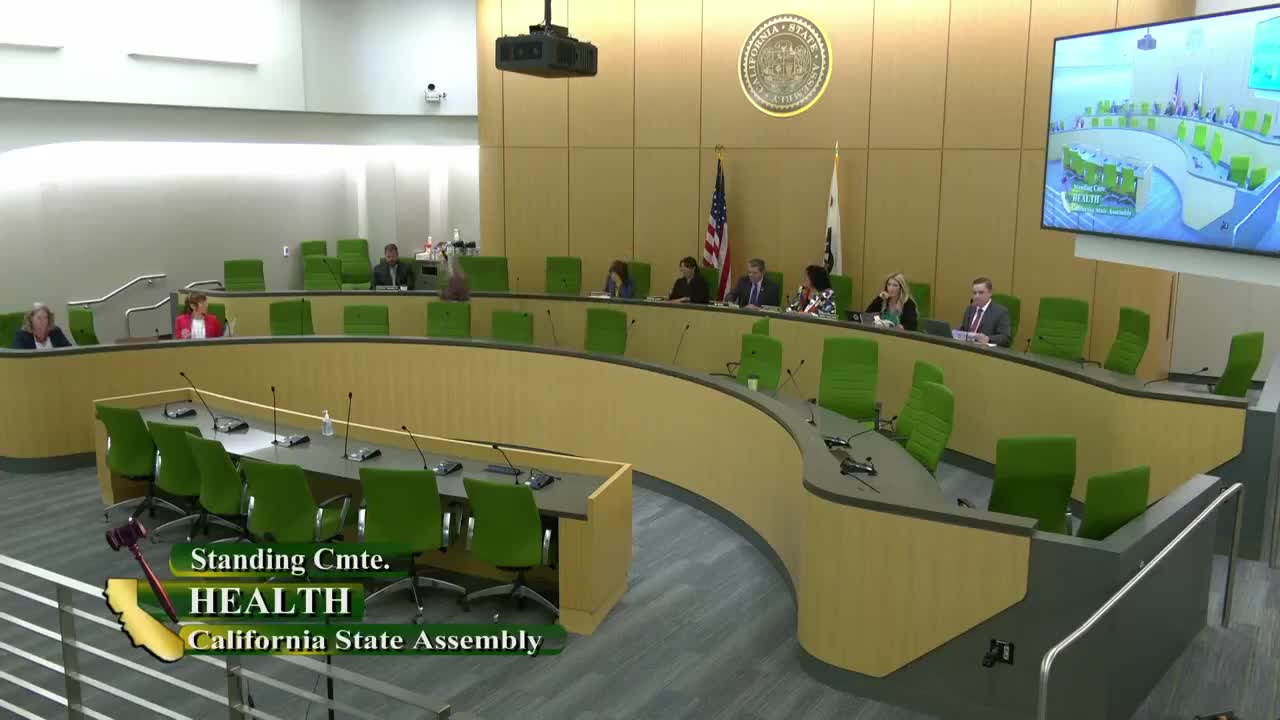 23MIN
Assembly Standing Committee on Health
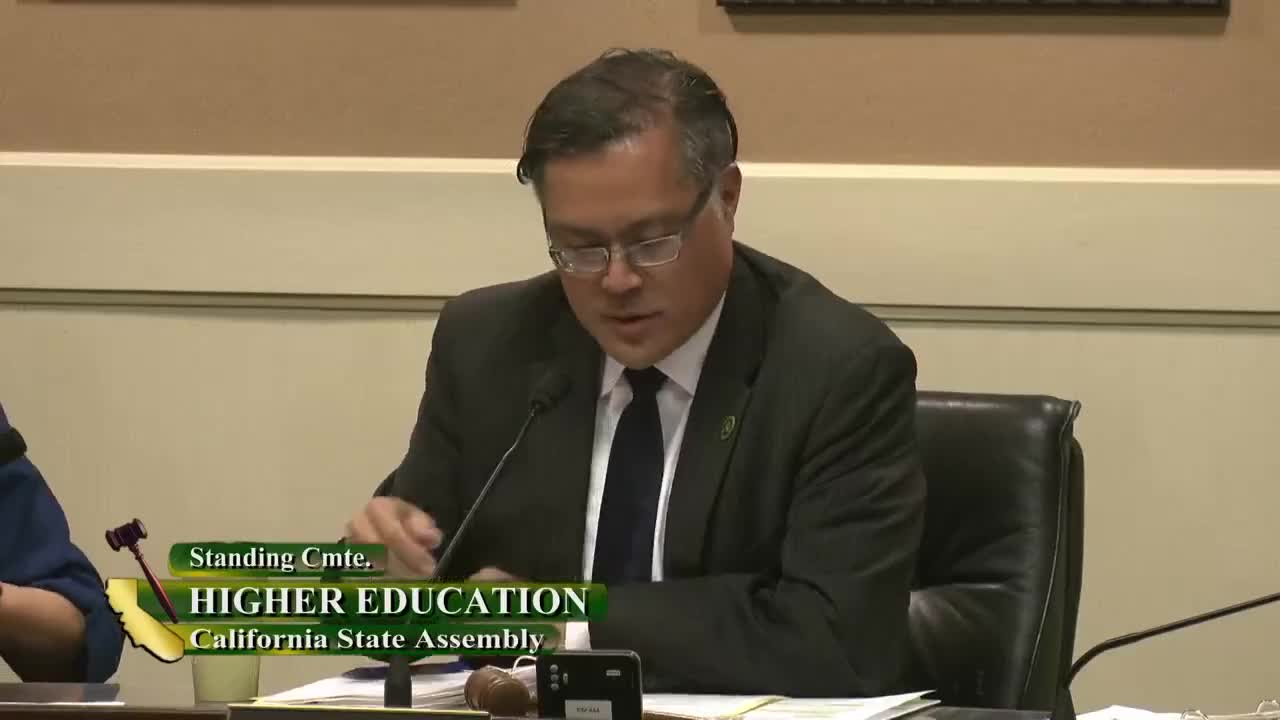 12MIN
Assembly Standing Committee on Higher Education
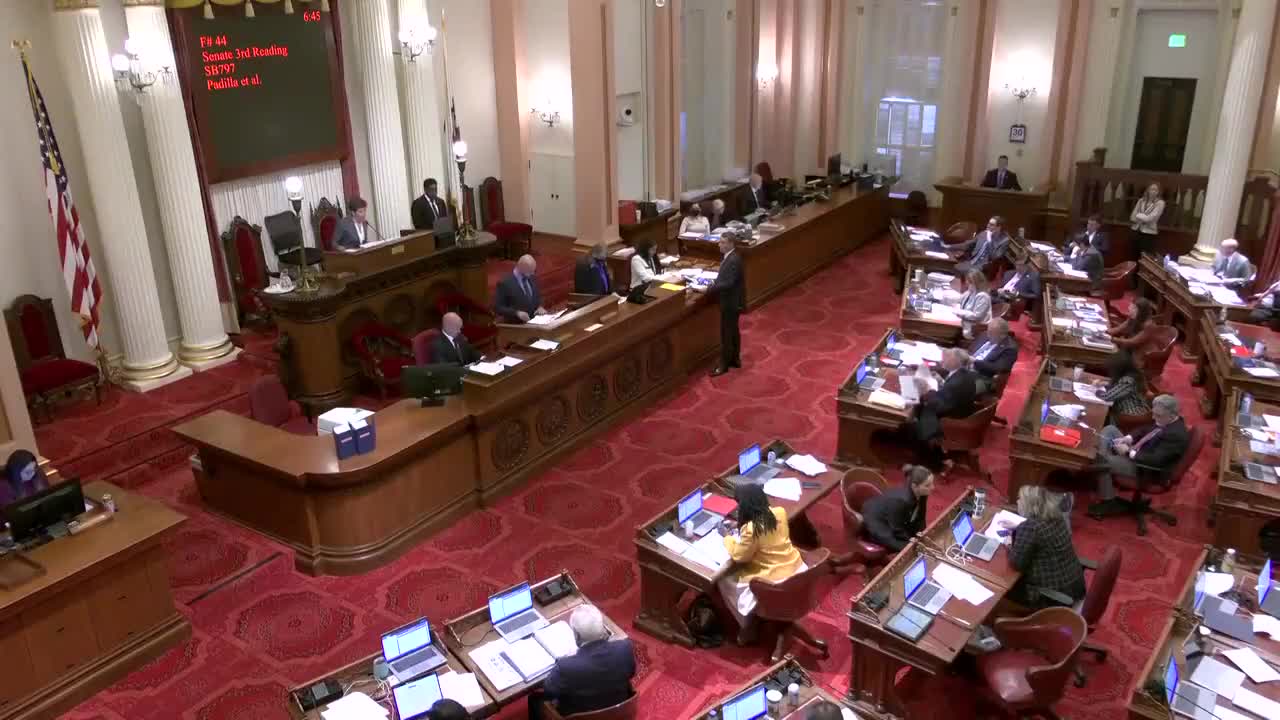 46SEC
Senate Floor
 15MIN
Senate Standing Committee on Health
 18MIN
Senate Standing Committee on Education
Bill Author