ACR 126: Day of Remembrance.
- Session Year: 2015-2016
- House: Assembly
- Latest Version Date: 2016-03-17
This measure would declare February 19, 2016, as a Day of Remembrance in order to increase public awareness of the events surrounding the internment of Americans of Japanese ancestry during World War II.
This measure would declare February 19, 2016, as a Day of Remembrance in order to increase public awareness of the events surrounding the internment of Americans of Japanese ancestry during World War II.
This measure would declare February 19, 2016, as a Day of Remembrance in order to increase public awareness of the events surrounding the internment of Americans of Japanese ancestry during World War II.
This measure would declare February 19, 2016, as a Day of Remembrance in order to increase public awareness of the events surrounding the internment of Americans of Japanese ancestry during World War II.
WHEREAS, On February 19, 1942, President Franklin D. Roosevelt signed Executive Order 9066, under which more than 120,000 Americans and resident aliens of Japanese ancestry were incarcerated in 10 internment camps scattered throughout western states during World War II; and
WHEREAS, Executive Order 9066 deferred the American dream for more than 120,000 Americans and resident aliens of Japanese ancestry by inflicting a great human cost of abandoned homes, businesses, careers, professional advancements, and disruption to family life; and
WHEREAS, Despite their families being incarcerated behind barbed wire in the United States, approximately 33,000 veterans of Japanese ancestry fought bravely for our country during World War II, serving in the 100th Battalion, the 442nd Regimental Combat Team, and the 522nd Field Artillery Battalion; and
WHEREAS, On June 21, 2000, President William Jefferson Clinton elevated 20 Japanese Americans who served in the 100th Battalion and the 442nd Regimental Combat Team and were among 52 individuals who received the nations second highest military decoration, the Distinguished Service Cross, to receive the nations highest military decoration, the Medal of Honor, bringing the total number of Japanese Americans who so received the Medal of Honor to 21; and
WHEREAS, In 2010, President Barack Obama granted the Congressional Gold Medal, collectively, to the 100th Infantry Battalion and 442nd Regimental Combat Team in recognition of their dedicated service during World War II; and
WHEREAS, Nearly 6,000 veterans of Japanese ancestry served with the Military Intelligence Service and have been credited for shortening the war by two years by translating enemy battle plans, defense maps, tactical orders, intercepted messages and diaries, and interrogating enemy prisoners; and
WHEREAS, Many Japanese American veterans continued a life of public service after the war, including Medal of Honor recipient and United States Senator Daniel Inouye, who passed away in December 2012 while representing his home state of Hawaii; and
WHEREAS, Nearly 40 years after the United States Supreme Court decisions upholding the convictions of Fred Korematsu, Min Yasui, and Gordon Hirabayashi for violations of curfew and Executive Order 9066, it was discovered that officials from the United States Department of War and the United States Department of Justice had altered and destroyed evidence regarding the loyalty of Americans and resident aliens of Japanese ancestry and withheld information from the United States Supreme Court; and
WHEREAS, Dale Minami, Peggy Nagae, Dennis Hayashi, Rod Kawakami, and many attorneys and interns contributed innumerable hours to win a reversal of the original convictions of Korematsu, Yasui, and Hirabayashi in 1983 by filing a petition for writ of error coram nobis on the grounds that fundamental errors and injustice occurred; and
WHEREAS, On August 10, 1988, President Ronald Wilson Reagan signed into law the federal Civil Liberties Act of 1988, finding that Executive Order 9066 was not justified by military necessity and, hence, was caused by racial prejudice, war hysteria, and a failure of political leadership; and
WHEREAS, The federal Civil Liberties Act of 1988 apologized on behalf of the people of the United States for the evacuation, internment, and relocation of Americans and permanent resident aliens of Japanese ancestry during World War II. The act also provided for restitution to those individuals of Japanese ancestry who were interned; and
WHEREAS, February 19, 2016, marks 74 years since the signing of Executive Order 9066 and a policy of grave injustice against American citizens and resident aliens of Japanese ancestry; now, therefore, be it
Resolved by the Assembly of the State of California, the Senate thereof concurring, That the Legislature of the State of California declares February 19, 2016, as a Day of Remembrance in this state to increase public awareness of the events surrounding the internment of Americans of Japanese ancestry during World War II; and be it further
Resolved, That the Chief Clerk of the Assembly transmit copies of this resolution to the Governor, the Superintendent of Public Instruction, the State Library, and the California State Archives.
|
Date
|
Status
|
|---|---|
| Jan 26, 2016 | Introduced. To print. |
| Jan 27, 2016 | From printer. |
| Feb 1, 2016 | Referred to Com. on RLS. |
| Feb 8, 2016 | From committee: Be adopted. Ordered to Third Reading. (Ayes 7. Noes 0.) (February 8). |
| Feb 18, 2016 | Amended, adopted, and to Senate. |
| Feb 18, 2016 | Amended, adopted, and to Senate. (Page 3652.) |
| Feb 22, 2016 | In Senate. To Com. on RLS. |
| Mar 2, 2016 | From committee: Ordered to third reading. |
| Mar 14, 2016 | Adopted and to Assembly. |
| Mar 14, 2016 | Adopted and to Assembly. (Ayes 37. Noes 0. Page 3224.) |
| Mar 15, 2016 | In Assembly. Ordered to Engrossing and Enrolling. |
| Mar 17, 2016 | Chaptered by Secretary of State - Res. Chapter 16, Statutes of 2016. |
| Mar 17, 2016 | Enrolled and filed with the Secretary of State at 11 a.m. |
|
Date
|
Description
|
Location
|
Votes
|
|
|---|---|---|---|---|
| Mar 14, 2016 | Assembly 3rd Reading ACR126 Ting By Monning | Senate Floor |
Passed |
|
| Feb 8, 2016 | Be adopted. To third reading. | Assembly Standing Committee on Rules |
Passed |
This list shows positions taken on this bill by organizations on the date displayed, which is linked to the original source.
Positions by individuals are not included.
Office of Senate Floor Analyses (916) 651-1520 Fax: (916) 327-4478 | ACR 126 |
THIRD READING
Bill No: ACR 126
Amended: 2/18/16 in Assembly
ASSEMBLY FLOOR: Read and adopted, 2/18/16
DIGEST:
This resolution declares February 19, 2016, as a Day of Remembrance in order to increase public awareness of the events surrounding the internment of Americans of Japanese ancestry during World War II.
ANALYSIS: This resolution makes the following legislative findings:
- On February 19, 1942, President Franklin D. Roosevelt signed Executive Order 9066, pursuant to which 120,000 Americans and resident aliens of Japanese ancestry were incarcerated in internment camps scattered throughout western states during World War II and inflicted a great human cost of abandoned homes, businesses, careers, professional advancements, and disruption of family life.
- Although many of their family members were incarcerated, thousands of Americans of Japanese ancestry volunteered for military service and earned high honors and medals for their bravery; and, in 2010 President Obama granted the Congressional Gold Medal, collectively, to the 100th Infantry Battalion and 442nd Regimental Combat Team in recognition of their dedicated service during World War II.
- On August 10, 1988, President Ronald Reagan signed the Civil Liberties Act of 1988, which found that Executive Order 9066 was not justified by military necessity but rather caused by prejudice and war hysteria; and, the Civil Liberties Act of 1988 apologized for and provided restitution to individuals of Japanese ancestry who were evacuated, interned, and relocated.
This resolution declares February 19, 2016, as a Day of Remembrance in order to increase public awareness of the events surrounding the internment of Americans of Japanese ancestry during World War II.
Related and Prior Legislation
SCR 96 (Pan, 2016) declares February 19, 2016, as a Day of Remembrance in order to increase public awareness of the events surrounding the internment of Americans of Japanese ancestry during World War II. The resolution passed the Senate 39-0 on 2/18/16, and is currently pending in the Assembly.
ACR 13 (Williams, Resolution Chapter 20, Statutes of 2015) declared February 19, 2015, as a Day of Remembrance in order to increase public awareness of the events surrounding the internment of Americans of Japanese ancestry during World War II.
FISCAL EFFECT: Appropriation: No Fiscal Com.: No Local: No
None received
None received
Prepared by: Jonas Austin / SFA / (916) 651-1520
3/2/16 15:36:02
**** END ****
ASSEMBLY THIRD READING
ATR Bill Id:ACR 126
Author:(Ting)
As Introduced Ver:January 26, 2016
Majority vote
Committee | Votes | Ayes | Noes |
Rules | 7-0 | Gordon, Chang, Burke, Cooley, Jones, Rodriguez, Wood |
SUMMARY: Declares February 19, 2016, as a Day of Remembrance in order to increase public awareness of the events surrounding the internment of Americans of Japanese ancestry during World War II. Specifically, this resolution makes the following legislative findings:
- On February 19, 1942, President Franklin D. Roosevelt signed Executive Order 9066, pursuant to which 120,000 Americans and resident aliens of Japanese ancestry were incarcerated in internment camps scattered throughout western states during World War II and inflicted a great human cost of abandoned homes, businesses, careers, professional advancements, and disruption of family life.
- Although many of their family members were incarcerated, thousands of Americans of Japanese ancestry volunteered for military service and earned high honors and medals for their bravery; and, in 2010 President Obama granted the Congressional Gold Medal, collectively, to the 100th Infantry Battalion and 442nd Regimental Combat Team in recognition of their dedicated service during World War II.
- On August 10, 1988, President Ronald Reagan signed the Civil Liberties Act of 1988, which found that Executive Order 9066 was not justified by military necessity but rather caused by prejudice and war hysteria; and, the Civil Liberties Act of 1988 apologized for and provided restitution to individuals of Japanese ancestry who were evacuated, interned, and relocated.
FISCAL EFFECT: None
Analysis Prepared by: Nicole Willis / RLS. / (916) 319-2800 FN: 0002619
Date of Hearing: February 8, 2016
ASSEMBLY COMMITTEE ON
, Chair
ABPCA Bill Id:
Author:() – As Ver:
SUBJECT:
SUMMARY: Declares February 19, 2016, as a Day of Remembrance in order to increase public awareness of the events surrounding the internment of Americans of Japanese ancestry during World War II. Specifically, this resolution makes the following legislative findings:
- On February 19, 1942, President Franklin D. Roosevelt signed Executive Order 9066, pursuant to which 120,000 Americans and resident aliens of Japanese ancestry were incarcerated in internment camps scattered throughout western states during World War II and inflicted a great human cost of abandoned homes, businesses, careers, professional advancements, and disruption of family life.
- Although many of their family members were incarcerated, thousands of Americans of Japanese ancestry volunteered for military service and earned high honors and medals for their bravery; and, in 2010 President Obama granted the Congressional Gold Medal, collectively, to the 100th Infantry Battalion and 442nd Regimental Combat Team in recognition of their dedicated service during World War II.
- On August 10, 1988, President Ronald Reagan signed the Civil Liberties Act of 1988, which found that Executive Order 9066 was not justified by military necessity but rather caused by prejudice and war hysteria; and, the Civil Liberties Act of 1988 apologized for and provided restitution to individuals of Japanese ancestry who were evacuated, interned, and relocated.
FISCAL EFFECT: None
REGISTERED SUPPORT / OPPOSITION:
Support
None on file
Opposition
None on file
Analysis Prepared by:
Discussed in Hearing
View Older Hearings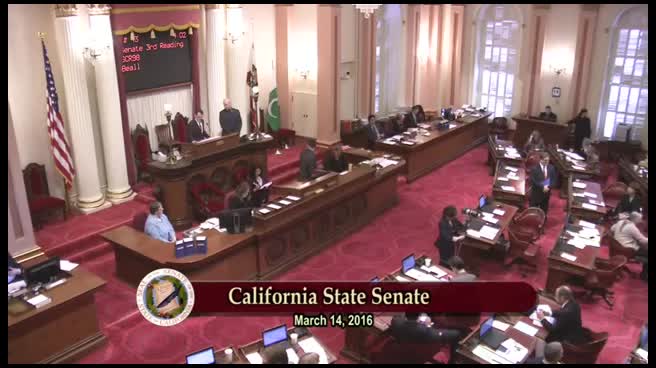
Bill Author

Bill Co-Author(s):