AB 2228: Education finance: school apportionments: wildfire mitigation.
- Session Year: 2017-2018
- House: Assembly
- Latest Version Date: 2018-05-25
Existing law establishes a public school financing system that requires state funding for county superintendents of schools, school districts, and charter schools to be calculated pursuant to a local control funding formula, as specified. Existing law provides that if the average daily attendance of a school district, county office of education, or charter school has been materially decreased during any fiscal year because of specified emergencies, that fact shall be established to the satisfaction of the Superintendent of Public Instruction by affidavits of the members of the governing board or body of the school district, county office of education, or charter school and the county superintendent of schools. Existing law provides that in the event of a state of emergency declared by the Governor in a county, which causes a decrease in the average daily attendance in the county for a school district, county office of education, or charter school, the Superintendent shall determine the length of the period during which average daily attendance has been reduced by the state of emergency. Existing law requires the Superintendent to estimate the average daily attendance for the fiscal year in a manner that credits to the school district, county office of education, or charter school, for determining the apportionments to be made to it, the approximate total average daily attendance that would have been credited to the school district, county office of education, or charter school, had the emergency not occurred.
This bill would allow the period determined by the Superintendent to be extended to the 201920 fiscal year, for a state of emergency declared by the Governor in a county due to the 2017 wildfires, for those wildfires, if a specified showing is made by a school district, county office of education, or charter school, to the satisfaction of the Superintendent. The bill would require the Superintendent to make a supplemental apportionment for the 201920 fiscal year to a school district, county office of education, or charter school in an amount that credits to the school district, county office of education, or charter school 50% of the apportionment the school district, county office of education, or charter school would have received from the State School Fund based on the average daily attendance the school district, county office of education, or charter school lost due to the 2017 wildfires, as determined by the Superintendent.
Existing law establishes a public school financing system that requires state funding for county superintendents of schools, school districts, and charter schools to be calculated pursuant to a local control funding formula, as specified. Existing law provides that if the average daily attendance of a school district, county office of education, or charter school has been materially decreased during any fiscal year because of specified emergencies, that fact shall be established to the satisfaction of the Superintendent of Public Instruction by affidavits of the members of the governing board or body of the school district, county office of education, or charter school and the county superintendent of schools. Existing law provides that in the event of a state of emergency declared by the Governor in a county, which causes a decrease in the average daily attendance in the county for a school district, county office of education, or charter school, the Superintendent shall determine the length of period during which average daily attendance has been reduced by the state of emergency. Existing law requires the Superintendent to estimate the average daily attendance for the fiscal year in a manner that credits to the school district, county office of education, or charter school, for determining the apportionments to be made to it, approximately the total average daily attendance that would have been credited to the school district, county office of education, or charter school had the emergency not occurred. Existing law requires the Superintendent, on or before February 20 of each year, to make the first principal apportionment and, on or before July 2 of each year, to make the 2nd principal apportionment to each local educational agency.This bill would require, if the average daily attendance of an eligible local educational agency has been materially decreased during the 201819 and 201920 fiscal years, the fact of a material decrease to be established to the satisfaction of the Superintendent by affidavits of the members of the governing board or body of the local educational agency and the county superintendent of schools. The bill, for purposes of these provisions, would define eligible local educational agency to mean a school district, county office of education, or charter school that is located within a county for which a state of emergency was declared by the Governor during the 2017 calendar year in response to wildfires, and, for purposes of these provisions, would define material decrease to mean a decrease in average daily attendance attributable to the dislocation of pupils families due to the conditions that led to the declaration of a state of emergency. The bill would require the Superintendent to estimate, for the 201819 and 201920 fiscal years, the total average daily attendance that would have been credited to the eligible local educational agency for purposes of receiving apportionments from the State School Fund had the emergency not occurred, excluding any average daily attendance credited pursuant to existing law. The bill would require the Superintendent to make a supplemental apportionment to an eligible local educational agency in an amount that credits to the eligible local educational agency the apportionment the eligible local educational agency would have received from the State School Fund based on the average daily attendance the eligible local educational agency lost, as adjusted according to a specified schedule. The bill would appropriate an amount sufficient to fulfill the purposes of these provisions from the General Fund to the Superintendent to be apportioned pursuant to these provisions, as specified. The bill would repeal these provisions on January 1, 2021.Funds appropriated by this bill would be applied toward the minimum funding requirements for school districts and community college districts imposed by Section 8 of Article XVI of the California Constitution.Existing law establishes a public school financing system that requires state funding for county superintendents of schools, school districts, and charter schools to be calculated pursuant to a local control funding formula, as specified. Existing law provides that if the average daily attendance of a school district, county office of education, or charter school has been materially decreased during any fiscal year because of specified emergencies, that fact shall be established to the satisfaction of the Superintendent of Public Instruction by affidavits of the members of the governing board or body of the school district, county office of education, or charter school and the county superintendent of schools. Existing law provides that in the event of a state of emergency declared by the Governor in a county, which causes a decrease in the average daily attendance in the county for a school district, county office of education, or charter school, the Superintendent shall determine the length of period during which average daily attendance has been reduced by the state of emergency. Existing law requires the Superintendent to estimate the average daily attendance for the fiscal year in a manner that credits to the school district, county office of education, or charter school, for determining the apportionments to be made to it, approximately the total average daily attendance that would have been credited to the school district, county office of education, or charter school had the emergency not occurred. Existing law requires the Superintendent, on or before February 20 of each year, to make the first principal apportionment and, on or before July 2 of each year, to make the 2nd principal apportionment to each local educational agency.
This bill would require, if the average daily attendance of an eligible local educational agency has been materially decreased during the 201718, 201819, or 201819 and 201920 fiscal years, the fact of a material decrease to be established to the satisfaction of the Superintendent by affidavits of the members of the governing board or body of the local educational agency and the county superintendent of schools. The bill, for purposes of these provisions, would define eligible local educational agency to mean a school district, county office of education, or charter school that is located within a county for which a state of emergency was declared by the Governor during the 2017 calendar year in response to wildfires, and, for purposes of these provisions, would define material decrease to mean a decrease in average daily attendance attributable to the dislocation of pupils families due to the conditions that led to the declaration of a state of emergency. The bill would require the Superintendent to estimate, for each fiscal year from the 201718 to 201920, inclusive, the 201819 and 201920 fiscal years, the total average daily attendance that would have been credited to the eligible local educational agency for purposes of receiving apportionments from the State School Fund had the emergency not occurred, excluding any average daily attendance credited pursuant to existing law. The bill would require the Superintendent to make a supplemental apportionment to an eligible local educational agency in an amount that credits to the eligible local educational agency the apportionment the eligible local educational agency would have received from the State School Fund based on the average daily attendance the eligible local educational agency lost, as adjusted according to a specified schedule. The bill would appropriate an amount sufficient to fulfill the purposes of these provisions from the General Fund to the Superintendent to be apportioned pursuant to these provisions, as specified. The bill would repeal these provisions on January 1, 2021.
Funds appropriated by this bill would be applied toward the minimum funding requirements for school districts and community college districts imposed by Section 8 of Article XVI of the California Constitution.
Existing law establishes a public school financing system that requires state funding for county superintendents of schools, school districts, and charter schools to be calculated pursuant to a local control funding formula, as specified. Existing law provides that if the average daily attendance of a school district, county office of education, or charter school has been materially decreased during any fiscal year because of specified emergencies, that fact shall be established to the satisfaction of the Superintendent of Public Instruction by affidavits of the members of the governing board or body of the school district, county office of education, or charter school and the county superintendent of schools. Existing law requires the Superintendent to estimate the average daily attendance for the fiscal year in a manner that credits to the school district, county office of education, or charter school, for determining the apportionments to be made to it, approximately the total average daily attendance that would have been credited to the school district, county office of education, or charter school had the emergency not occurred. Existing law requires the Superintendent, on or before February 20 of each year, to make the first principal apportionment and, on or before July 2 of each year, to make the 2nd principal apportionment to each local educational agency.
This bill would require, if the average daily attendance of an eligible local educational agency has been materially decreased during the 201718, 201819, or 201920 fiscal years, the fact of a material decrease to be established to the satisfaction of the Superintendent by affidavits of the members of the governing board or body of the local educational agency and the county superintendent of schools. The bill, for purposes of these provisions, would define eligible local educational agency to mean a school district, county office of education, or charter school that is located within a county for which a state of emergency was declared by the Governor during the 2017 calendar year in response to wildfires, and, for purposes of these provisions, would define material decrease to mean a decrease in average daily attendance attributable to the dislocation of pupils families due to the conditions that led to the declaration of a state of emergency. The bill would require the Superintendent to estimate, for each fiscal year from the 201718 to 201920, inclusive, fiscal years, the total average daily attendance that would have been credited to the eligible local educational agency for purposes of receiving apportionments from the State School Fund had the emergency not occurred, excluding any average daily attendance credited pursuant to existing law. The bill would require the Superintendent to make a supplemental apportionment to an eligible local educational agency in an amount that credits to the eligible local educational agency the apportionment the eligible local educational agency would have received from the State School Fund based on the average daily attendance the eligible local educational agency lost, as adjusted according to a specified schedule. The bill would appropriate an amount sufficient to fulfill the purposes of these provisions from the General Fund to the Superintendent to be apportioned pursuant to these provisions, as specified. The bill would repeal these provisions on January 1, 2021.
Funds appropriated by this bill would be applied toward the minimum funding requirements for school districts and community college districts imposed by Section 8 of Article XVI of the California Constitution.
(a)If the average daily attendance of a school district, county office of education, or charter school during a fiscal year has been materially decreased during a fiscal year because of any of the following, the fact shall be established to the satisfaction of the Superintendent by affidavits of the members of the governing board or body of the school district, county office of education, or charter school and the county superintendent of schools:
(1)Fire.
(2)Flood.
(3)Impassable roads.
(4)Epidemic.
(5)Earthquake.
(6)The imminence of a major safety hazard as determined by the local law enforcement agency.
(7)A strike involving transportation services to pupils provided by a nonschool entity.
(8)An order provided for in Section 41422.
(b)(1)In the event a state of emergency is declared by the Governor in a county, a decrease in average daily attendance in the county below the approximate total average daily attendance that would have been credited to a school district, county office of education, or charter school had the state of emergency not occurred shall be deemed material. The Superintendent shall determine the length of the period during which average daily attendance has been reduced by the state of emergency. The
(2)The period determined by the Superintendent pursuant to paragraph (1) shall not extend into the next fiscal year following the declaration of the state of emergency by the Governor, except upon a showing by a school district, county office of education, or charter school, to the satisfaction of the Superintendent, that extending the period into the next fiscal year is essential to alleviate continued reductions in average daily attendance attributable to the state of emergency.
(3)(A)For a state of emergency declared by the Governor in a county due to the 2017 wildfires, the period determined by the Superintendent pursuant to paragraph (1) may be extended to the 201920 fiscal year upon a showing by a school district, county office of education, or charter school, to the satisfaction of the Superintendent, that extending the period into the next fiscal year is essential to alleviate continued reductions in average daily attendance attributable to the 2017 wildfires.
(B)Notwithstanding any other law, for the 201920 fiscal year, the Superintendent shall make a supplemental apportionment to a school district, county office of education, or charter school subject to subparagraph (A) in an amount that credits to the school district, county office of education, or charter school 50 percent of the apportionment the school district, county office of education, or charter school would have received from the State School Fund based on the average daily attendance the school district, county office of education, or charter school lost due to the 2017 wildfires, as determined by the Superintendent pursuant to paragraph (1).
(c)The average daily attendance of the school district, county office of education, or charter school for the fiscal year shall be estimated by the Superintendent in a manner that credits to the school district, county office of education, or charter school for determining the apportionments to be made to the school district, county office of education, or charter school from the State School Fund approximately the total average daily attendance that would have been credited to the school district, county office of education, or charter school had the emergency not occurred or had the order not been issued.
(d)This section applies to any average daily attendance that occurs during any part of a school year.
SECTION 1.Section 46392.5 is added to the Education Code, to read:46392.5.(a)If the average daily attendance of an eligible local educational agency, as defined in subdivision (b), has been materially decreased, as defined in subdivision (b), during the 201819 and 201920 fiscal years, the fact of that material decrease shall be established to the satisfaction of the Superintendent by affidavits of the members of the governing board or body of the local educational agency and the county superintendent of schools.(b)For purposes of this section, the following definitions apply:(1)Eligible local educational agency means a school district, county office of education, or charter school that is located within a county for which a state of emergency was declared by the Governor during the 2017 calendar year in response to wildfires.(2)Material decrease means a decrease in average daily attendance attributable to the dislocation of pupils families due to the conditions that led to the declaration of a state of emergency described in paragraph (1).(c)The Superintendent shall estimate, for the 201819 and 201920 fiscal years, the total average daily attendance that would have been credited to the eligible local educational agency for purposes of receiving apportionments from the State School Fund had the emergency not occurred, excluding any average daily attendance credited pursuant to Section 46392.(d)Notwithstanding any other law, the Superintendent shall make a supplemental apportionment to an eligible local educational agency in an amount that credits to the eligible local educational agency the apportionment the eligible local educational agency would have received from the State School Fund based on the average daily attendance the eligible local educational agency lost, as adjusted according to the following:(1)For the 201819 fiscal year, 75 percent of the estimated average daily attendance the eligible local educational agency lost, as calculated pursuant to subdivision (c).(2)For the 201920 fiscal year, 50 percent of the estimated average daily attendance the eligible local educational agency lost, as calculated pursuant to subdivision (c).(e)(1)An amount sufficient to fulfill the purposes of making supplemental apportionments required by subdivision (d) for the 201819 fiscal year is appropriated from the General Fund for the 201819 fiscal year to the Superintendent to be apportioned pursuant to subdivision (d) for those fiscal years.(2)An amount sufficient to fulfill the purposes of making supplemental apportionments required by subdivision (d) for the 201920 fiscal year is appropriated from the General Fund for the 201920 fiscal year to the Superintendent to be apportioned pursuant to subdivision (d) for that fiscal year.(f)(1)For purposes of making the computations required by Section 8 of Article XVI of the California Constitution, the appropriations made by subdivision (e) and allocated for the 201819 fiscal year shall be deemed to be General Fund revenues appropriated for school districts, as defined in subdivision (c) of Section 41202, for the 201819 fiscal year, and included within the total allocations to school districts and community college districts from General Fund proceeds of taxes appropriated pursuant to Article XIII B, as defined in subdivision (e) of Section 41202, for the 201819 fiscal year.(2)For purposes of making the computations required by Section 8 of Article XVI of the California Constitution, the appropriations made by subdivision (e) and allocated for the 201920 fiscal year shall be deemed to be General Fund revenues appropriated for school districts, as defined in subdivision (c) of Section 41202, for the 201920 fiscal year, and included within the total allocations to school districts and community college districts from General Fund proceeds of taxes appropriated pursuant to Article XIII B, as defined in subdivision (e) of Section 41202, for the 201920 fiscal year.(g)This section shall remain in effect only until January 1, 2021, and as of that date is repealed.(a)If the average daily attendance of an eligible local educational agency agency, as defined in subdivision (b), has been materially decreased decreased, as defined in subdivision (b), during the 201718, 201819, or 201819 and 201920 fiscal year, years, the fact of that material decrease shall be established to the satisfaction of the Superintendent by affidavits of the members of the governing board or body of the local educational agency and the county superintendent of schools.
(b)For purposes of this section, the following definitions apply:
(1)Eligible local educational agency means a school district, county office of education, or charter school that is located within a county for which a state of emergency was declared by the Governor during the 2017 calendar year in response to wildfires.
(2)Material decrease means a decrease in average daily attendance attributable to the dislocation of pupils families due to the conditions that led to the declaration of a state of emergency described in paragraph (1).
(c)The Superintendent shall estimate, for each fiscal year from the 201718 to 201920, inclusive, the 201819 and 201920 fiscal years, the total average daily attendance that would have been credited to the eligible local educational agency for purposes of receiving apportionments from the State School Fund had the emergency not occurred, excluding any average daily attendance credited pursuant to Section 46392.
(d)Notwithstanding any other law, the Superintendent shall make a supplemental apportionment to an eligible local educational agency in an amount that credits to the eligible local educational agency the apportionment the eligible local educational agency would have received from the State School Fund based on the average daily attendance the eligible local educational agency lost, as adjusted according to the following:
(1)For the 201718 fiscal year, 100 percent of the estimated average daily attendance the eligible local educational agency lost, as calculated pursuant to subdivision (c).(2)(1)For the 201819 fiscal year, 75 percent of the estimated average daily attendance the eligible local educational agency lost, as calculated pursuant to subdivision (c).
(3)(2)For the 201920 fiscal year, 50 percent of the estimated average daily attendance the eligible local educational agency lost, as calculated pursuant to subdivision (c).
(e)(1)An amount sufficient to fulfill the purposes of making supplemental apportionments required by subdivision (d) for the 201718 and 201819 fiscal years year is appropriated from the General Fund for the 201819 fiscal year to the Superintendent to be apportioned pursuant to subdivision (d) for those fiscal years.
(2)An amount sufficient to fulfill the purposes of making supplemental apportionments required by subdivision (d) for the 201920 fiscal year is appropriated from the General Fund for the 201920 fiscal year to the Superintendent to be apportioned pursuant to subdivision (d) for that fiscal year.
(f)(1)For purposes of making the computations required by Section 8 of Article XVI of the California Constitution, the appropriations made by subdivision (e) and allocated for the 201718 fiscal year shall be deemed to be General Fund revenues appropriated for school districts, as defined in subdivision (c) of Section 41202, for the 201718 fiscal year, and included within the total allocations to school districts and community college districts from General Fund proceeds of taxes appropriated pursuant to Article XIII B, as defined in subdivision (e) of Section 41202, for the 201718 fiscal year.(2)(f)(1)For purposes of making the computations required by Section 8 of Article XVI of the California Constitution, the appropriations made by subdivision (e) and allocated for the 201819 fiscal year shall be deemed to be General Fund revenues appropriated for school districts, as defined in subdivision (c) of Section 41202, for the 201819 fiscal year, and included within the total allocations to school districts and community college districts from General Fund proceeds of taxes appropriated pursuant to Article XIII B, as defined in subdivision (e) of Section 41202, for the 201819 fiscal year.
(3)(2)For purposes of making the computations required by Section 8 of Article XVI of the California Constitution, the appropriations made by subdivision (e) and allocated for the 201920 fiscal year shall be deemed to be General Fund revenues appropriated for school districts, as defined in subdivision (c) of Section 41202, for the 201920 fiscal year, and included within the total allocations to school districts and community college districts from General Fund proceeds of taxes appropriated pursuant to Article XIII B, as defined in subdivision (e) of Section 41202, for the 201920 fiscal year.
(g)This section shall remain in effect only until January 1, 2021, and as of that date is repealed.
(a)If the average daily attendance of an eligible local educational agency has been materially decreased during the 201718, 201819, or 201920 fiscal year, the fact of that material decrease shall be established to the satisfaction of the Superintendent by affidavits of the members of the governing board or body of the local educational agency and the county superintendent of schools.
(b)For purposes of this section, the following definitions apply:
(1)Eligible local educational agency means a school district, county office of education, or charter school that is located within a county for which a state of emergency was declared by the Governor during the 2017 calendar year in response to wildfires.
(2)Material decrease means a decrease in average daily attendance attributable to the dislocation of pupils families due to the conditions that led to the declaration of a state of emergency described in paragraph (1).
(c)The Superintendent shall estimate, for each fiscal year from the 201718 to 201920, inclusive, fiscal years, the total average daily attendance that would have been credited to the eligible local educational agency for purposes of receiving apportionments from the State School Fund had the emergency not occurred, excluding any average daily attendance credited pursuant to Section 46392.
(d)Notwithstanding any other law, the Superintendent shall make a supplemental apportionment to an eligible local educational agency in an amount that credits to the eligible local educational agency the apportionment the eligible local educational agency would have received from the State School Fund based on the average daily attendance the eligible local educational agency lost, as adjusted according to the following:
(1)For the 201718 fiscal year, 100 percent of the estimated average daily attendance the eligible local educational agency lost, as calculated pursuant to subdivision (c).
(2)For the 201819 fiscal year, 75 percent of the estimated average daily attendance the eligible local educational agency lost, as calculated pursuant to subdivision (c).
(3)For the 201920 fiscal year, 50 percent of the estimated average daily attendance the eligible local educational agency lost, as calculated pursuant to subdivision (c).
(e)(1)An amount sufficient to fulfill the purposes of making supplemental apportionments required by subdivision (d) for the 201718 and 201819 fiscal years is appropriated from the General Fund for the 201819 fiscal year to the Superintendent to be apportioned pursuant to subdivision (d) for those fiscal years.
(2)An amount sufficient to fulfill the purposes of making supplemental apportionments required by subdivision (d) for the 201920 fiscal year is appropriated from the General Fund for the 201920 fiscal year to the Superintendent to be apportioned pursuant to subdivision (d) for that fiscal year.
(f)(1)For purposes of making the computations required by Section 8 of Article XVI of the California Constitution, the appropriations made by subdivision (e) and allocated for the 201718 fiscal year shall be deemed to be General Fund revenues appropriated for school districts, as defined in subdivision (c) of Section 41202, for the 201718 fiscal year, and included within the total allocations to school districts and community college districts from General Fund proceeds of taxes appropriated pursuant to Article XIII B, as defined in subdivision (e) of Section 41202, for the 201718 fiscal year.
(2)For purposes of making the computations required by Section 8 of Article XVI of the California Constitution, the appropriations made by subdivision (e) and allocated for the 201819 fiscal year shall be deemed to be General Fund revenues appropriated for school districts, as defined in subdivision (c) of Section 41202, for the 201819 fiscal year, and included within the total allocations to school districts and community college districts from General Fund proceeds of taxes appropriated pursuant to Article XIII B, as defined in subdivision (e) of Section 41202, for the 201819 fiscal year.
(3)For purposes of making the computations required by Section 8 of Article XVI of the California Constitution, the appropriations made by subdivision (e) and allocated for the 201920 fiscal year shall be deemed to be General Fund revenues appropriated for school districts, as defined in subdivision (c) of Section 41202, for the 201920 fiscal year, and included within the total allocations to school districts and community college districts from General Fund proceeds of taxes appropriated pursuant to Article XIII B, as defined in subdivision (e) of Section 41202, for the 201920 fiscal year.
(g)This section shall remain in effect only until January 1, 2021, and as of that date is repealed.
|
Date
|
Status
|
|---|---|
| Jun 14, 2018 | In committee: Set, first hearing. Hearing canceled at the request of author. |
| Jun 13, 2018 | Referred to Com. on ED. |
| Jun 4, 2018 | In Senate. Read first time. To Com. on RLS. for assignment. |
| May 31, 2018 | Read third time. Passed. Ordered to the Senate. |
| May 29, 2018 | Read second time. Ordered to third reading. |
| May 25, 2018 | From committee: Amend, and do pass as amended. (Ayes 16. Noes 0.) (May 25). |
| Apr 18, 2018 | In committee: Set, first hearing. Referred to APPR. suspense file. |
| Apr 4, 2018 | Re-referred to Com. on APPR. |
| Apr 3, 2018 | Read second time and amended. |
| Apr 2, 2018 | From committee: Amend, and do pass as amended and re-refer to Com. on APPR. with recommendation: To Consent Calendar. (Ayes 6. Noes 0.) (March 21). |
| Mar 1, 2018 | Referred to Com. on ED. |
| Feb 14, 2018 | From printer. May be heard in committee March 16. |
| Feb 13, 2018 | Read first time. To print. |
|
Date
|
Description
|
Location
|
Votes
|
|
|---|---|---|---|---|
| May 31, 2018 | AB 2228 WOOD Assembly Third Reading | Assembly Floor |
Passed |
|
| May 25, 2018 | Do pass as amended. | Assembly Standing Committee on Appropriations |
Passed |
|
| Mar 21, 2018 | Do pass as amended, and be re-referred to the Committee on [Appropriations] with recommendation: To Consent Calendar | Assembly Standing Committee on Education |
Passed |
This list shows positions taken on this bill by organizations on the date displayed, which is linked to the original source.
Positions by individuals are not included.
|
Organization
|
Position
|
Date
|
|---|---|---|
| California Association Of School Business Officials | ** Support | Mar 19, 2018 |
| San Francisco Unified School District | ** Support | Mar 19, 2018 |
ASSEMBLY THIRD READING
ATR Bill Id:AB 2228
Author:(Wood)
As Amended Ver:May 25, 2018
Majority vote
Committee | Votes | Ayes | Noes |
Education | 6-0 | O'Donnell, Kiley, Lackey, Kalra, Thurmond, Weber | |
Appropriations | 16-0 | Gonzalez Fletcher, Bigelow, Bloom, Bonta, Calderon, Carrillo, Chau, Eggman, Fong, Friedman, Gallagher, Eduardo Garcia, Nazarian, Obernolte, Quirk, Reyes |
|
SUMMARY: Extends through the 2019-20 fiscal year the authority of the Superintendent of Public Instruction (SPI) to credit, for apportionment purposes, the loss of average daily attendance (ADA) to a school district, county office of education, or charter school in a county in which a state of emergency was declared by the Governor due to the 2017 wildfires. For the 2019-20 fiscal year, requires the SPI to make a supplemental apportionment equal to 50% of the apportionment the district, county office of education, or charter school would have received for the lost ADA.
EXISTING LAW:
- Requires the SPI, for apportionment purposes, to credit to an local education agency (LEA) a material loss of ADA due to specified reasons, including fire, provided the loss has been established to the satisfaction of the SPI by affidavits of the members of the governing board or body of the LEA.
- Authorizes the SPI, in the event a state of emergency is declared by the Governor in a county, to extend the period of credit into the next fiscal year upon a showing by a local education agency, to the satisfaction of the SPI, that extending the period into the next fiscal year is essential to alleviate continued reductions in average daily attendance attributable to the state of emergency.
FISCAL EFFECT: According to the Assembly Appropriations Committee:
- Proposition 98 General Fund (GF) costs, likely in the mid-tens-of millions of dollars in 2019-20, to cover 50% of ADA loss at schools affected by the 2017 wildfires.
- GF costs of between $129,000 and $258,000 for one to two limited-term positions at CDE to estimate and certify the costs of providing the supplemental funding to eligible schools.
COMMENTS: Existing law allows districts to be held harmless against attendance loss caused by emergencies like fires and floods. To maintain funding, affected districts are required to submit an affidavit to the SPI that documents the attendance loss. Existing law also authorizes the SPI to extend the emergency funding into the next fiscal year, if continued attendance reductions attributable to the state of emergency continue. Under this authority, LEAs continue to receive funding for 100% of the ADA they would have had if the emergency did not exist. This bill authorizes emergency funding for a third year, but limits it to funding for 50% of the lost ADA.
Analysis Prepared by: Rick Pratt / ED. / (916) 319-2087 FN: 0003290
Date of Hearing: April 18, 2018
ASSEMBLY COMMITTEE ON APPROPRIATIONS
Lorena Gonzalez Fletcher, Chair
ABPCA Bill Id:AB 2228
Author:(Wood) – As Amended Ver:April 3, 2018
Policy Committee: | Education | Vote: | 6 - 0 |
Urgency: No State Mandated Local Program: No Reimbursable: No
SUMMARY: This bill provides supplemental funding to schools located within a county for which a state of emergency was declared by the governor during the 2017 calendar year in response to wildfires and that have experienced a permanent enrollment loss due to the fires. Specifically, this bill:
- Requires the California Department of Education (CDE) to estimate the total average daily attendance (ADA) funding that qualified schools would have received absent the fires for the 2018-19 and 2019-20 fiscal years.
- Requires the CDE to make a supplemental payment to qualified schools as follows: 75% of ADA funding lost for the 2018-19 fiscal year and 50% of estimated ADA funding lost and for 2019-20 fiscal year.
FISCAL EFFECT:
- Proposition 98 General Fund (GF) costs, potentially in the hundreds of millions of dollars over the two year program. The CDE has identified over 1,000 schools within the counties covered, serving almost 3,000,000 ADA in the 2016-17 school year. Were the CDE to estimate ADA losses of 2%, costs would be roughly $350 million in 2018-19 and $225 million in 2019-20.
- GF costs of between $129,000 and $258,000 for one to two limited-term positions at CDE to estimate and certify the costs of providing the supplemental funding to eligible schools.
COMMENTS:
- Average Daily Attendance. The state provides funding to a school primarily based on the average daily attendance (ADA) of its students. When schools have declining enrollment or students with many absences, their ADA declines; therefore, their funding declines.
- Military Base Closure Precedent. In the 1990s several military bases in California closed. This resulted in a significant loss of enrollment in school districts that served families from those bases. In response, the legislature enacted legislation to provide assistance to a district that was affected by a base closure and lost at least 8% (and, in specified cases, as little as 5%) of its ADA. Specifically, in the first year after closure, a district could claim funding based on prior year ADA. In the second year, it could claim funding for 75% of its lost ADA. In the third year, it could claim funding for 50% of its lost ADA. However, the funding was a loan the school district had to repay with interest.
- Analysis Prepared by: Natasha Collins / APPR. / (916) 319-2081
Date of Hearing: March 21, 2018
ASSEMBLY COMMITTEE ON EDUCATION
Patrick O'Donnell, Chair
ABPCA Bill Id:AB 2228 (
Author:Wood) – As Introduced Ver:February 13, 2018
SUBJECT: Education finance: school apportionments: wildfire mitigation
SUMMARY: Provides short-term, supplemental funding to local education agencies (LEAs) that have experienced a permanent enrollment loss due to the 2017 wildfires. Specifically, this bill:
- Provides that, if the average daily attendance (ADA) of an eligible LEA has been materially decreased during the 2017–18, 2018–19, or 2019–20 fiscal year, the fact of that material decrease shall be established to the satisfaction of the Superintendent of Public Instruction (SPI) by affidavits of the members of the governing board or body of the local educational agency and the county superintendent of schools.
- Defines "eligible local educational agency” to mean a school district, county office of education, or charter school that is located within a county for which a state of emergency was declared by the Governor during the 2017 calendar year in response to wildfires.
- Defines "material decrease” to mean a decrease in ADA attributable to the dislocation of pupils’ families due to the conditions that led to the declaration of a state of emergency by the Governor.
- Requires the SPI to estimate for each of the three fiscal years the total ADA that would have been credited to the eligible LEA for purposes of receiving apportionments from the State School Fund had the emergency not occurred, excluding any average daily attendance credited for other specified emergency conditions.
- Requires the SPI to make a supplemental apportionment to an eligible LEA in an amount that credits to the eligible LEA the apportionment the eligible LEA would have received from the State School Fund based on the ADA the eligible LEA lost, as adjusted according to the following:
- For the 2017–18 fiscal year, 100 percent of the estimated ADA the eligible LEA;
- For the 2018–19 fiscal year, 75 percent of the estimated ADA the eligible LEA lost; and
- For the 2019–20 fiscal year, 50 percent of the estimated ADA the eligible LEA lost.
- Appropriates an amount sufficient to fulfill the purposes of making supplemental apportionments for the 2017–18 and 2018–19 fiscal years from the General Fund for the 2018–19 fiscal year.
- Appropriates an amount sufficient to fulfill the purposes of making supplemental apportionments for the 2019–20 fiscal year from the General Fund for the 2019–20 fiscal year.
- Provides that the funds appropriated for the supplemental apportionments count toward the Proposition 98 minimum funding guarantee.
- Specifies a repeal date of January 1, 2021.
EXISTING LAW:
- Provides funding to LEAs on the basis of ADA.
- Allows LEAs to claim the greater of current year or prior year ADA for apportionment purposes to provide a one-year buffer against declining enrollment.
- Requires the SPI, for apportionment purposes, to credit to an LEA a material loss of ADA due to the following reasons, provided the loss has been established to the satisfaction of the SPI by affidavits of the members of the governing board or body of the LEA:
- Fire
- Flood
- Impassable roads
- Epidemic
- Earthquake
- The imminence of a major safety hazard as determined by the local law enforcement agency.
- A strike involving transportation services to pupils provided by a non-school entity.
- In the event a state of emergency is declared by the Governor in a county, requires the SPI to determine the length of the period during which ADA has been reduced by the state of emergency, and prohibits the SPI from extending the period into the next fiscal year except upon a showing by a LEA, to the satisfaction of the SPI, that extending the period into the next fiscal year is essential to alleviate continued reductions in average daily attendance attributable to the state of emergency.
FISCAL EFFECT: Unknown
COMMENTS: In 2017, Governor Brown declared a fire emergency in at least 19 California counties. One of the hardest hit communities was Santa Rosa, which, according to the Los Angeles Times, lost more than 3,000 (or 5%) of its homes. The loss of housing resulted in declining enrollment for school districts, as families were forced to move away. It many cases, it is expected that this decline will be permanent, because families cannot afford to return to their original neighborhoods.
Existing law allows districts to be held harmless against attendance loss caused by emergencies like fires and floods. To maintain funding, affected districts are required to submit an affidavit to the SPI that documents the attendance loss. Existing law also authorizes the SPI to extend the emergency funding into the next fiscal year, if continued attendance reductions attributable to the state of emergency continue. Under this authority, LEAs continue to receive funding 100% of the ADA they would have had if the emergency did not exist.
By contrast, this bill establishes a statutory three-year phase out, which will fund 100% of the lost ADA in 2017-18 (which is essentially the same as claiming prior year ADA, as allowed under existing law), 75% of the lost ADA in 2018-19, and 50% of the lost ADA in 2019-20. The SPI does not have the authority to provide three years of emergency funding.
A military base closure precedent. In the 1990's several military bases in California were closed. This resulted in a significant loss of enrollment in school districts that served families from those bases. As a result, the Legislature enacted legislation to provide assistance to districts that were affected by a base closure and lost at least 8% (and in specified cases as little as 5%) of its ADA. Specifically, in the first year after closure, a district could claim funding based on prior year ADA. Then, in the second year, it could claim funding for 75% of its lost ADA; and in the third year it could claim funding for 50% of its lost ADA. However, the funding that was based on lost ADA was a loan that had to be repaid to the state with interest. In addition, in the fourth year after closure, a district that had a revenue limit per ADA that was below the state average could have its revenue limit increased to the state average. For at least some districts, the permanent increase to their revenue limits more than offset the repayment of the loan.
Recommended amendment. This bill specifies a three-year phase-out of funding for lost ADA beginning with funding 100% of lost ADA in 2017-18. However, existing law already allows for this by allowing districts that have experienced an ADA decline for any reason to use their 2016-17 ADA. Accordingly, this bill does not need to address 2017-18 funding. Therefore, staff recommends that the bill be amended to address only 2018-19 and 2019-20 funding.
Arguments in support. According to a statement provided by the author's office:
"In total, wildfires burned over 1.2 million acres of land, damaging or destroying over 32,000 homes, 4,300 businesses and killing 46 people. Unfortunately, school funding is reduced as these communities try to rebuild. This reduction in school funding can cause significant cuts in programs and loss of personnel despite an expectation that many of those children will return after a 3-year reconstruction period. Funding is needed to protect educational quality and meet unforeseen costs in the interim."
REGISTERED SUPPORT / OPPOSITION:
Support
California Association of School Business Officials
San Francisco Unified School District
Opposition
None received
Analysis Prepared by: Rick Pratt / ED. / (916) 319-2087
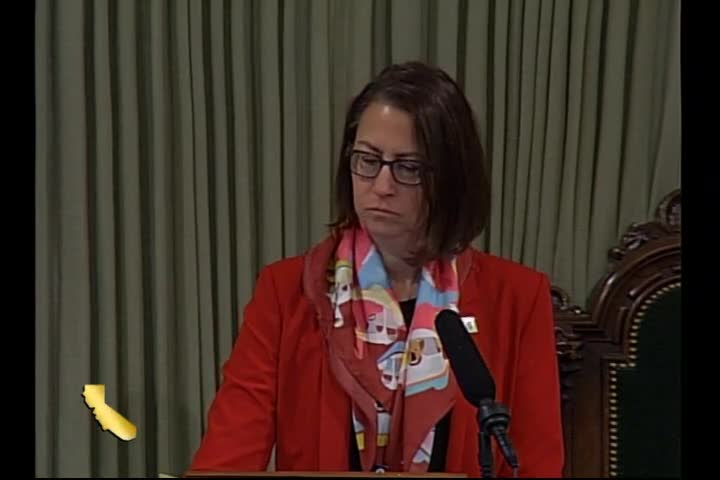
Bill Author