AB 1: Drought: local governments: fines.
- Session Year: 2015-2016
- House: Assembly
- Latest Version Date: 2015-07-13
The California Constitution requires that the water resources of the state be put to beneficial use to the fullest extent of which they are capable and that the waste or unreasonable use or unreasonable method of use of water be prevented. Existing law, the California Emergency Services Act, sets forth the emergency powers of the Governor under its provisions and empowers the Governor to proclaim a state of emergency for certain conditions, including drought.
This bill would prohibit a city, county, or city and county from imposing a fine under any ordinance for a failure to water a lawn or having a brown lawn during a period for which the Governor has issued a proclamation of a state of emergency based on drought conditions.
The California Constitution requires that the water resources of the state be put to beneficial use to the fullest extent of which they are capable and that the waste or unreasonable use or unreasonable method of use of water be prevented. Existing law, the California Emergency Services Act, sets forth the emergency powers of the Governor under its provisions and empowers the Governor to proclaim a state of emergency for certain conditions, including drought.
This bill would prohibit a city, county, or city and county from imposing a fine under any local maintenance ordinance or other relevant ordinance for a failure to water a lawn or having a brown lawn during a period for which the Governor has issued a proclamation of a state of emergency based on drought conditions.
The Legislature finds and declares both of the following:
(a)That this act is in furtherance of the policy contained in Section 2 of Article X of the California Constitution.
(b)The prohibition on imposing fines for failing to water a lawn or for having a brown lawn during a period for which the Governor has issued a proclamation of a state of emergency based on drought conditions is a matter of statewide concern and not a municipal affair, as that term is used in Section 5 of Article XI of the California Constitution. Therefore, Section 2 of this act shall apply to charter cities.
SEC. 2.Section 8627.7 is added to the Government Code, to read:8627.7.(a)During a period for which the Governor has issued a proclamation of a state of emergency under this chapter based on drought conditions, a city, county, or city and county shall not impose a fine under any ordinance for a failure to water a lawn or for having a brown lawn.
(b)A violation of this section is not subject to the criminal penalties set forth in Section 8665.
The Legislature finds and declares that both of the following:
(a)That this act is in furtherance of the policy contained in Section 2 of Article X of the California Constitution and Constitution.
(b)The prohibition on imposing fines for failing to water a lawn or for having a brown lawn during a period for which the Governor has issued a proclamation of a state of emergency based on drought conditions is a matter of statewide concern. concern and not a municipal affair, as that term is used in Section 5 of Article XI of the California Constitution. Therefore, Section 2 of this act shall apply to charter cities.
SEC. 2.Section 8627.7 is added to the Government Code, to read:8627.7.(a)During a period for which the Governor has issued a proclamation of a state of emergency under this chapter based on drought conditions, a city, county, or city and county shall not impose a fine under any local maintenance ordinance or other relevant ordinance for a failure to water a lawn or for having a brown lawn.
(b)A violation of this section is not subject to the criminal penalties set forth in Section 8665.
The Legislature finds and declares that this act is in furtherance of the policy contained in Section 2 of Article X of the California Constitution and is a matter of statewide concern.
SEC. 2.Section 8627.7 is added to the Government Code, to read:8627.7.(a)During a period for which the Governor has issued a proclamation of a state of emergency under this chapter based on drought conditions, a city, county, or city and county shall not impose a fine under any local maintenance ordinance or other relevant ordinance for a failure to water a lawn or for having a brown lawn.
(b)A violation of this section is not subject to the criminal penalties set forth in Section 8665.
|
Date
|
Status
|
|---|---|
| Jun 16, 2015 | Read second time and amended. Ordered to third reading. |
| Jul 13, 2015 | Chaptered by Secretary of State - Chapter 62, Statutes of 2015. |
| Jul 13, 2015 | Approved by the Governor. |
| Jul 1, 2015 | Enrolled and presented to the Governor at 2:30 p.m. |
| Jun 25, 2015 | Senate amendments concurred in. To Engrossing and Enrolling. (Ayes 80. Noes 0.). |
| Jun 25, 2015 | Senate amendments concurred in. To Engrossing and Enrolling. (Ayes 80. Noes 0. Page 2140.). |
| Jun 23, 2015 | In Assembly. Concurrence in Senate amendments pending. May be considered on or after June 25 pursuant to Assembly Rule 77. |
| Jun 22, 2015 | Read third time. Passed. Ordered to the Assembly. (Ayes 37. Noes 0. Page 1549.). |
| Jun 22, 2015 | Read third time. Passed. Ordered to the Assembly. |
| Jun 17, 2015 | Ordered to special consent calendar. |
| Dec 1, 2014 | Read first time. To print. |
| Jun 15, 2015 | From committee: Amend, and do pass as amended. (Ayes 7. Noes 0.) (June 10). |
| May 7, 2015 | Referred to Com. on GOV. & F. |
| Apr 23, 2015 | Read third time. Passed. Ordered to the Senate. (Ayes 78. Noes 0.) |
| Apr 23, 2015 | Read third time. Passed. Ordered to the Senate. (Ayes 78. Noes 0. Page 1098.) |
| Apr 23, 2015 | In Senate. Read first time. To Com. on RLS. for assignment. |
| Apr 13, 2015 | Read second time. Ordered to third reading. |
| Apr 9, 2015 | From committee: Do pass. (Ayes 9. Noes 0.) (April 8). |
| Jan 16, 2015 | Referred to Com. on L. GOV. |
| Dec 2, 2014 | From printer. May be heard in committee January 1. |
|
Date
|
Description
|
Location
|
Votes
|
|
|---|---|---|---|---|
| Jun 25, 2015 | AB 1 BROWN Concurrence in Senate Amendments | Assembly Floor |
Passed |
|
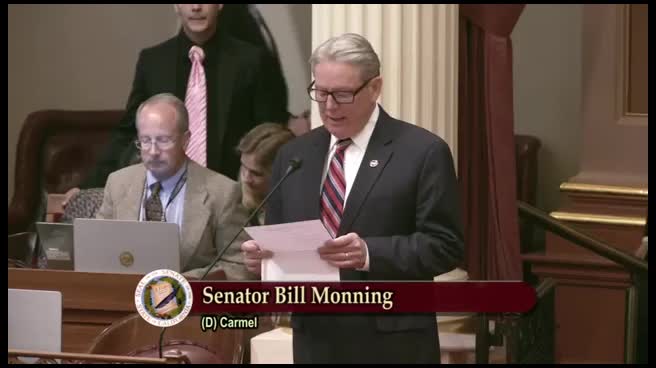
| Jun 22, 2015 | Special Consent #3 AB1 Brown | Senate Floor |
Passed |
|
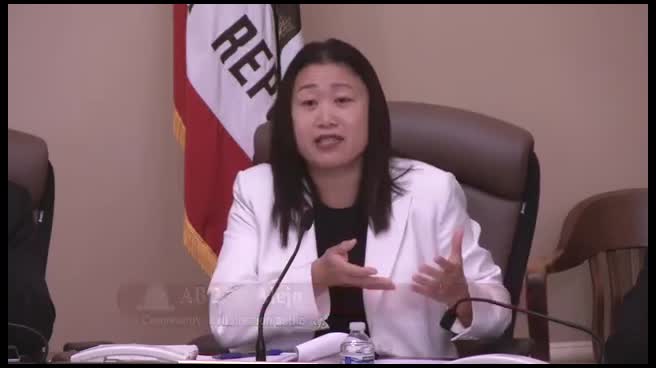
| Jun 10, 2015 | Do pass as amended | Senate Standing Committee on Governance and Finance |
Passed |
|
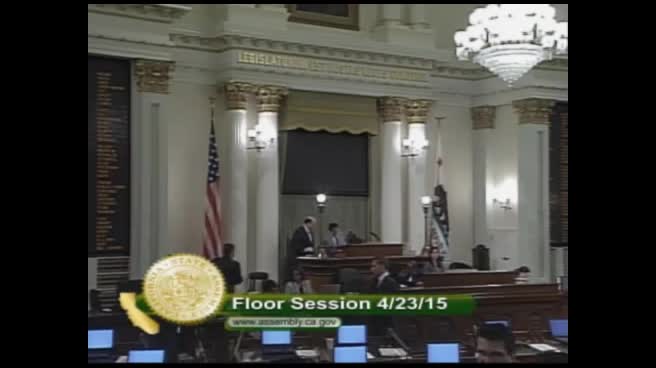
| Apr 23, 2015 | AB 1 BROWN Assembly Third Reading | Assembly Floor |
Passed |
|
| Apr 8, 2015 | Do pass. | Assembly Standing Committee on Local Government |
Passed |
This list shows positions taken on this bill by organizations on the date displayed, which is linked to the original source.
Positions by individuals are not included.
|
Organization
|
Position
|
Date
|
|---|---|---|
| Apartment Association Of Orange County | ** Support | Jun 25, 2015 |
| Apartment Association, California Southern Cities | ** Support | Jun 25, 2015 |
| California Association Of Realtors | ** Support | Jun 25, 2015 |
| California Building Industry Association | ** Support | Jun 25, 2015 |
| Coachella Valley Water District | ** Support | Jun 25, 2015 |
| Desert Water Agency | ** Support | Jun 25, 2015 |
| East Bay Municipal Utility District | ** Support | Jun 25, 2015 |
| East Bay Rental Housing Association | ** Support | Jun 25, 2015 |
| El Dorado Irrigation District | ** Support | Jun 25, 2015 |
| Encinitas, City Of | ** Support | Jun 25, 2015 |
| Municipal Water District Of Orange County | ** Support | Jun 25, 2015 |
| Nor Cal Rental Property Association | ** Support | Jun 25, 2015 |
| North Valley Property Owners Association | ** Support | Jun 25, 2015 |
| One individual | ** Support | Jun 25, 2015 |
| San Diego County Apartment Association | ** Support | Jun 25, 2015 |
| Santa Clara County Water District | ** Support | Jun 25, 2015 |
| Sierra Club California | ** Support | Jun 25, 2015 |
AB 1
Page 3
CONCURRENCE IN SENATE AMENDMENTS
AB 1
(Brown)
As Amended June 16, 2015
Majority vote
ASSEMBLY: |
78-0 |
(April 23, 2015) |
SENATE: |
37-0 |
(June 22, 2015) |
Original Committee Reference: L. GOV.
SUMMARY: Prohibits a city or county from imposing a fine for a brown lawn or failure to water a lawn during a period for which the Governor has issued a state of emergency due to drought conditions.
The Senate amendments clarify that this bill's provisions apply to charter cities and make other minor changes.
EXISTING LAW:
Allows cities and counties to make and enforce within its limits all local, police, sanitary, and other ordinances and regulations not in conflict with general laws.
Empowers, pursuant to the California Emergency Services Act (Act), the Governor to proclaim a state of emergency and requires such a proclamation to be in writing and to take effect immediately upon its issuance.
AS PASSED BY THE ASSEMBLY, this bill:
Added a new section to the Act to prohibit, during a period for which the Governor has issued a proclamation of a state of emergency based on drought conditions, a city, county, or city and county from imposing a fine under any local maintenance ordinance or other relevant ordinance for a failure to water a lawn or for having a brown lawn.
Provided that a violation of this section is not subject to the criminal penalties set forth in the Act.
Stated that the Legislature found and declared that this act is in furtherance of the policy contained in the California Constitution that requires the water resources of the state to be put to beneficial and is a matter of statewide concern.
FISCAL EFFECT: None
COMMENTS:
Bill Summary. This bill prohibits, during a period for which the Governor has issued a proclamation of a state of emergency based on drought conditions, a city, county, or city and county from imposing a fine under any ordinance for a failure to water a lawn or for having a brown lawn. This bill provides that a violation is not subject to the criminal penalties that are detailed in the Act, and declares that the matter is a statewide concern and not a municipal affair, thereby applying the bill's provisions to all cities, including charter cities.
This bill is author-sponsored.
Author's Statement. According to the author, "A number of California cities have lawn 'maintenance' ordinances that specify the condition in which residents' laws must be kept. These ordinances allow cities to levy fines for failure to maintain a lawn in a prescribed way, including anything that is deemed to diminish the aesthetic appeal of ones' front yard. Fines for violating 'maintenance' ordinances can range from $100 a week to a flat fee of $500.
"Since the Governor's drought declaration, residents in the cities of Glendale, Upland, San Bernardino, and other cities have reported being fined or receiving a warning about a pending fine by their city for failing to maintain their lawn by not watering it or allowing it to turn brown.
"In order to prepare the state's future water needs it is imperative that all Californians do their part to conserve water. When a drought is declared, local ordinances that penalize residents who choose to conserve water by not watering their lawns or letting their lawns turn brown, directly conflict with the state's water interests."
Warnings and Fines. The author provided several news articles in which homeowners were given warnings or were fined for yard maintenance issues by cities. In some instances the warnings or fines were related to not just underwatering or letting a lawn turn brown, but also included clean-up of garbage on lawn or cutting of high grass or shrubbery.
In the most severe situation provided by the author, a homeowner in the City of Upland faced misdemeanor charges for "failing to follow city code, and properly maintaining his front yard and parkway space," according to the Inland Valley Daily Bulletin, stemming from the homeowner's decision to stop watering his lawn in August of 2013. As of January 2015, that homeowner planned to go to trial, and faced, according to the Inland Valley Daily Bulletin, up to $4,000 in fines, or six months in jail. The homeowner was offered a deal several times to reduce the amount of the fine if he corrected the issue, but he opted instead to go to trial.
Emergency Drought Declaration and Executive Orders. On January 17, 2014, Governor Brown proclaimed a state of emergency due to drought, and directed state officials to take all necessary actions to prepare for drought conditions. This followed a series of actions by the Brown Administration that included the issuance of an Executive Order in May of 2013 to direct state water officials to expedite the review and processing of voluntary transfers of water and water rights, and the formation of a Drought Task Force in December of 2013.
On April 1, 2015, Governor Brown issued Executive Order B-29-15, in accordance with the authority granted to him by the Constitution and several Government Code Sections within the Act. As part of the Executive Order, the Governor has ordered the State Water Resources Control Board to impose restrictions to achieve a statewide 25% reduction in potable urban water usage through February 28, 2016, which will require water suppliers to California's cities and towns to reduce usage as compared to the amount used in 2013. The Executive Order also orders the Department of Water Resources to lead a statewide initiative, in partnership with local agencies, to collectively replace 50 million square feet of lawns and ornamental turf with drought tolerant landscapes.
Previous Legislation. AB 1636 (Brown) of 2014 would have prohibited a city or county from enforcing any law or ordinance requiring a resident to water his or her lawn during a drought emergency declared by the Governor. AB 1636 was referred to the Assembly Local Government Committee, but was not heard at the request of the author. AB 2100 (Campos), Chapter 164, Statutes of 2014, prohibited a common-interest development from imposing a fine or assessment against an owner for reducing or eliminating watering of vegetation or lawns during a declared drought.
Arguments in Support. Supporters argue that this bill is straight-forward and provides a common sense measure to ensure households are not penalized for conserving water.
Arguments in Opposition. None on file.
Analysis Prepared by: Debbie Michel / L. GOV. / (916) 319-3958 FN: 0001014
AB 1
Page 4
|
Office of Senate Floor Analyses (916) 651-1520 Fax: (916) 327-4478 |
THIRD READING
Bill No: AB 1
Amended: 6/16/15 in Senate
SENATE GOVERNANCE & FIN. COMMITTEE: 7-0, 6/10/15
AYES: Hertzberg, Nguyen, Beall, Hernandez, Lara, Moorlach, Pavley
ASSEMBLY FLOOR: 78-0, 4/23/15 - See last page for vote
SUBJECT: Drought: local governments: fines
DIGEST: This bill prohibits a city or county from imposing a fine for a brown lawn or failure to water a lawn during a state of emergency proclaimed by the Governor due to drought.
Existing law:
Grants the Governor, through the California Emergency Services Act, the power to declare a state of emergency in cases of extreme peril to life, property, or state resources. The Act grants the Governor broad powers to deal with emergencies, including suspending regulatory statutes, commandeering private property or personnel, and making expenditures from available funds.
Delegates the police power to cities and counties to "make and enforce within [their] limits all local, police, sanitary, and other ordinances and regulations not in conflict with general laws" (California Constitution, Article XI, Section 7). Courts have interpreted the police power as including the power to regulate the physical of appearance of the environment within a community, including ordinances that enforce aesthetic standards.
This bill:
Prohibits a city or county, during a period for which the Governor has issued a proclamation of a state of emergency under state law based on drought conditions, from imposing a fine under any ordinance for a failure to water a lawn or for having a brown lawn.
Directs that a violation of its provisions is not subject to specified criminal penalties.
Contains legislative findings and declarations that the bill’s provisions:
Further the policy expressed in the California Constitution requiring the state’s water resources to be put to beneficial use.
Apply to charter cities because the prohibition of fines imposed for failing to water a lawn or having a brown lawn during a period for which the Governor has issued a proclamation of a state of emergency based on drought conditions is a matter of statewide concern and not a municipal affair, as that term is used in Section 5 of Article XI of the California Constitution.
Background
On January 17, 2014, pursuant to his powers under state law, including the California Emergency Services Act, Governor Brown issued a proclamation of a state of emergency due to drought conditions. On April 1, 2015, Governor Brown issued an executive order in accordance with the authority granted to him by the Constitution and the Emergency Services Act. Among its many provisions intended to improve government response to the drought and promote water conservation, the Governor’s executive order:
Directs the State Water Resources Control Board to impose restrictions to achieve a statewide 25% reduction in potable urban water usage through February 28, 2016, which will require water suppliers to California's cities and towns to reduce usage as compared to the amount used in 2013.
Directs the Department of Water Resources to lead a statewide initiative, in partnership with local agencies, to collectively replace 50 million square feet of
lawns and ornamental turf with drought tolerant landscapes.
Some California residents who have stopped watering their lawns or allowed their lawns to go brown reportedly are being subjected to fines imposed pursuant to local ordinances that specify certain aesthetic standards for front yards. In response, advocates for water conservation want the Legislature to prohibit local governments from imposing such fines during a period of drought emergency declared by the Governor.
FISCAL EFFECT: Appropriation: No Fiscal Com.: No Local: No
Apartment Association, California Southern Cities
Apartment Association of Orange County
California Association of Realtors
California Building Industry Association
City of Encinitas
Coachella Valley Water District
Desert Water Agency
East Bay Municipal Utility District
East Bay Rental Housing Association
El Dorado Irrigation District
Municipal Water District of Orange County
Nor Cal Rental Property Association
North Valley Property Owners Association
San Diego County Apartment Association
Santa Clara County Water District
Sierra Club California
One individual
OPPOSITION: (Verified 6/16/15)
None received
ASSEMBLY FLOOR: 78-0, 4/23/15
AYES: Achadjian, Alejo, Travis Allen, Baker, Bigelow, Bloom, Bonilla, Bonta, Brough, Brown, Burke, Calderon, Chang, Chau, Chávez, Chiu, Chu, Cooley, Cooper, Dababneh, Dahle, Daly, Dodd, Eggman, Frazier, Beth Gaines, Gallagher, Cristina Garcia, Eduardo Garcia, Gatto, Gipson, Gomez, Gonzalez, Gordon, Gray, Grove, Hadley, Harper, Roger Hernández, Holden, Irwin, Jones, Jones-Sawyer, Kim, Lackey, Levine, Linder, Lopez, Low, Maienschein, Mathis, Mayes, McCarty, Medina, Melendez, Mullin, Nazarian, Obernolte, O'Donnell, Olsen, Patterson, Perea, Quirk, Rendon, Ridley-Thomas, Rodriguez, Santiago, Steinorth, Mark Stone, Thurmond, Ting, Wagner, Waldron, Weber, Wilk, Williams, Wood, Atkins
NO VOTE RECORDED: Campos, Salas
Prepared by: Brian Weinberger / GOV. & F. / (916) 651-4119
6/17/15 13:55:23
**** END ****
AB 1 (Brown) 12/1/14 Page 3 of 3
SENATE COMMITTEE ON GOVERNANCE AND FINANCE
Senator Robert M. Hertzberg, Chair
2015 - 2016 Regular
Bill No: |
AB 1 |
Hearing Date: |
6/10/15 |
Author: |
Brown |
Tax Levy: |
No |
Version: |
12/1/14 |
Fiscal: |
No |
Consultant: |
Weinberger |
||
LOCAL FINES DURING A DROUGHT EMERGENCY
Prohibits a city or county from imposing a fine for a brown lawn or failure to water a lawn during a state of emergency proclaimed by the Governor due to drought.
Background and Existing Law
The California Emergency Services Act grants the Governor the power to declare a state of emergency in cases of extreme peril to life, property, or state resources. The Act grants the Governor broad powers to deal with emergencies, including suspending regulatory statutes, commandeering private property or personnel, and making expenditures from available funds.
On January 17, 2014, pursuant to his powers under state law, including the California Emergency Services Act, Governor Brown issued a proclamation of a state of emergency due to drought conditions. On April 1, 2015, Governor Brown issued an executive order in accordance with the authority granted to him by the Constitution and the Emergency Services Act. Among its many provisions intended to improve government response to the drought and promote water conservation, the Governor’s executive order:
Directs the State Water Resources Control Board to impose restrictions to achieve a statewide 25% reduction in potable urban water usage through February 28, 2016, which will require water suppliers to California's cities and towns to reduce usage as compared to the amount used in 2013.
Directs the Department of Water Resources to lead a statewide initiative, in partnership with local agencies, to collectively replace 50 million square feet of lawns and ornamental turf with drought tolerant landscapes.
The police power is the inherent authority of sovereign governments to regulate private behavior, consistent with constitutional rights and procedures. The California Constitution delegates the police power to cities and counties to "make and enforce within [their] limits all local, police, sanitary, and other ordinances and regulations not in conflict with general laws" (Article XI, Section 7). Courts have interpreted the police power as including the power to regulate the physical of appearance of the environment within a community, including ordinances that enforce aesthetic standards.
Some California residents who have stopped watering their lawns or allowed their lawns to go brown reportedly are being subjected to fines imposed pursuant to local ordinances that specify certain aesthetic standards for front yards. In response, advocates for water conservation want the Legislature to prohibit local governments from imposing such fines during a period of drought emergency declared by the Governor.
Proposed Law
Assembly Bill 1 prohibits a city or county, during a period for which the Governor has issued a proclamation of a state of emergency under state law based on drought conditions, from imposing a fine under any local maintenance ordinance or other relevant ordinance for a failure to water a lawn or for having a brown lawn.
AB 1 directs that a violation of its provisions is not subject to specified criminal penalties.
The bill contains legislative findings and declarations that the bill’s provisions:
Further the policy expressed in the California Constitution requiring the state’s water resources to be put to beneficial use.
Are a matter of statewide concern.
State Revenue Impact
No estimate.
Comments
1. Purpose of the bill. Some local governments have adopted ordinances that that specify the condition in which residents' lawns must be kept and allow the local government to impose fines for failure to maintain a lawn in a prescribed way, including anything that is deemed to diminish the aesthetic appeal of a front yard. Fines can range from $100 a week to a flat fee of $500. When the Governor declares a drought emergency, local ordinances that penalize residents who choose to conserve water by not watering their lawns or letting their lawns turn brown, directly conflict with the state's water conservation interests. Last year, the Legislature passed a bill prohibiting a common-interest development from imposing a fine or assessment against an owner for reducing or eliminating watering of vegetation or lawns during a declared drought (AB 2100, Campos, Chapter 164, Statutes of 2014). AB 1 extends this common-sense policy to fines imposed by local governments during a declared drought-emergency.
2. Open to interpretation. AB 1 specifically prohibits local governments from imposing fines under “any local maintenance ordinance or other relevant ordinance for a failure to water a lawn or for having a brown lawn.” The bill does not define the term “maintenance ordinance,” which does not appear anywhere else in state law. By specifying that fines are prohibited only if they are imposed under a specific type of ordinance, AB 1’s language leaves open the question of whether a local government could justify imposing a fine for failing to water a lawn pursuant to an ordinance that is not a “maintenance ordinance” or “relevant” to a maintenance ordinance. To avoid potential misinterpretation, the Committee may wish to consider amending AB 1 to clarify that a local government may not impose a fine under any ordinance for failing to water a lawn during a drought-emergency.
3. Charter cities, too? AB 1 contains language declaring that the bill addresses a matter of statewide concern. This language is typically used to assert that a statute applies to charter cities in addition to general law cities. However, the bill does not explicitly declare that it is intended to apply to charter cities. The Committee may wish to consider amending AB 1 to contain a more thorough declaration regarding the statewide concern addressed by the bill and the Legislature’s intent that the bill should apply to charter cities.
4. Previous legislation. AB 1636 (Brown) of 2014 would have prohibited a city or county from enforcing any law or ordinance requiring a resident to water his or her lawn during a drought emergency declared by the Governor. The bill was referred to the Assembly Local Government Committee, but was not heard at the request of the author.
Assembly Actions
Assembly Local Government Committee: 9-0
Assembly Floor: 78-0
Support and Opposition
(6/4/15)
Support: Apartment Association, California Southern Cities; Apartment Association of Orange County; California Association of Realtors; California Building Industry Association; City of Encinitas; Coachella Valley Water District; Desert Water Agency; East Bay Municipal Utility District; East Bay Rental Housing Association; El Dorado Irrigation District; Municipal Water District of Orange County; Nor Cal Rental Property Association; North Valley Property Owners Association; San Diego County Apartment Association; Santa Clara County Water District; Sierra Club California; Matthew Villalva.
Opposition: Unknown.
-- END --
AB 1
Page 3
ASSEMBLY THIRD READING
AB 1
(Brown)
As Introduced December 1, 2014
Majority vote
Committee |
Votes |
Ayes |
Noes |
Local Government |
9-0 |
Maienschein, Gonzalez, Alejo, Chiu, Cooley, Gordon, Holden, Linder, Waldron |
|
SUMMARY: Prohibits a city or county from imposing a fine for a brown lawn or failure to water a lawn during a period for which the Governor has issued a state of emergency due to drought conditions. Specifically, this bill:
Adds a new section to the California Emergency Services Act (Act) to prohibit, during a period for which the Governor has issued a proclamation of a state of emergency based on drought conditions, a city, county, or city and county from imposing a fine under any local maintenance ordinance or other relevant ordinance for a failure to water a lawn or for having a brown lawn.
Provides that a violation of this section is not subject to the criminal penalties set forth in the Act.
States that the Legislature finds and declares that this act is in furtherance of the policy contained in the California Constitution that requires the water resources of the state to be put to beneficial and is a matter of statewide concern.
EXISTING LAW:
Allows cities and counties to make and enforce within its limits all local, police, sanitary, and other ordinances and regulations not in conflict with general laws.
Declares, pursuant to the California Constitution, the requirement that the water resources
of the state be put to beneficial use to the fullest extent of which they are capable, as specified.Allows any public entity which supplies water at retail or wholesale for the benefit of persons within the service area or area of jurisdiction of the public entity to, by ordinance or resolution adopted by a majority of the members of the governing body after holding a public hearing, as specified, to adopt and enforce a water conservation program to reduce the quantity of water used by those persons for the purpose of conserving the water supplies of the public entity. "Public entity" is defined as a city, whether general law or chartered, county, city and county, special district, agency, authority, any other municipal public corporation or district, or any other political subdivision of the state.
Empowers, pursuant to the Act, the Governor to proclaim a state of emergency and requires such a proclamation to be in writing and to take effect immediately upon its issuance.
Requires the proclamation to be filed with the office of the Secretary of State and requires the Governor to cause widespread publicity and notice to be given to such proclamation.
Allows, during a state of emergency, the Governor, to the extent he deems necessary, to have complete authority over all agencies of the state government and the right to exercise within the area designated all police power vested in the state by the Constitution and laws of the State of California. Allows the Governor to promulgate, issue, and enforce such orders and regulations as he deems necessary, as provided.
Allows the Governor to make, amend, or rescind orders and regulations during a state
of emergency that temporarily suspend any state, county, city, or special district statute, ordinance, regulation, or rule imposing nonsafety related restrictions on the delivery of food products, pharmaceuticals, and other emergency necessities distributed through retail or other institutional channels, including, but not limited to, hospitals, jails, restaurants, and schools.Allows the Governor to direct all agencies of the state government to utilize and employ state personnel, equipment, and facilities for the performance of any and all activities designed to prevent or alleviate actual and threatened damage due to the emergency, as specified.
Requires the Governor to proclaim the termination of a state of emergency at the earliest possible date that conditions warrant.
Specifies that any person who violates any provisions of the Act or who refuses or willfully neglects to obey any lawful order or regulation promulgated or issued shall be guilty of a misdemeanor and, upon conviction, shall be punishable by a fine of not to exceed $1,000 or by imprisonment for not to exceed six months or by both such fine and imprisonment.
FISCAL EFFECT: None
COMMENTS:
Bill Summary. This bill prohibits, during a period for which the Governor has issued a proclamation of a state of emergency based on drought conditions, a city, county, or city and county from imposing a fine under any local maintenance ordinance or other relevant ordinance for a failure to water a lawn or for having a brown lawn. The bill provides that a violation of this section is not subject to the criminal penalties that are detailed in the Act.
This bill is author-sponsored.
Author's Statement. According to the author, "A number of California cities have lawn 'maintenance' ordinances that specify the condition in which residents' laws must be kept. These ordinances allow cities to levy fines for failure to maintain a lawn in a prescribed way, including anything that is deemed to diminish the aesthetic appeal of ones' front yard. Fines for violating 'maintenance' ordinances can range from $100 a week to a flat fee of $500.
"Since the Governor's drought declaration, residents in the cities of Glendale, Upland, San Bernardino, and other cities have reported being fined or receiving a warning about a pending fine by their city for failing to maintain their lawn by not watering it or allowing it to turn brown.
"In order to prepare the state's future water needs it is imperative that all Californians do their part to conserve water. When a drought is declared, local ordinances that penalize residents who choose to conserve water by not watering their lawns or letting their lawns turn brown, directly conflict with the state's water interests."
Warnings and Fines. The author provided several news articles in which homeowners were given warnings or were fined for yard maintenance issues by cities. In some instances the warnings or fines were related to not just underwatering or letting a lawn turn brown, but also included clean-up of garbage on lawn or cutting of high grass or shrubbery.
In the most severe situation provided by the author, a homeowner in the City of Upland faced misdemeanor charges for "failing to follow city code, and properly maintaining his front yard and parkway space," according to the Inland Valley Daily Bulletin, stemming from the homeowner's decision to stop watering his lawn in August of 2013. As of January 2015, that homeowner planned to go to trial, and faced, according to the Inland Valley Daily Bulletin, up to $4,000 in fines, or six months in jail. The homeowner was offered a deal several times to reduce the amount of the fine if he corrected the issue, but he opted instead to go to trial.
Emergency Drought Declaration and Executive Orders. On January 17, 2014, Governor Brown proclaimed a state of emergency due to drought, and directed state officials to take all necessary actions to prepare for drought conditions. This followed a series of actions by the Brown Administration that included the issuance of an Executive Order in May of 2013 to direct state water officials to expedite the review and processing of voluntary transfers of water and water rights, and the formation of a Drought Task Force in December of 2013.
On April 1, 2015, Governor Brown issued Executive Order B-29-15, in accordance with the authority granted to him by the Constitution and several Government Code Sections within the Act. As part of the Executive Order, the Governor has ordered the State Water Resources Control Board to impose restrictions to achieve a statewide 25% reduction in potable urban water usage through February 28, 2016, which will require water suppliers to California's cities and towns to reduce usage as compared to the amount used in 2013. The Executive Order also orders the Department of Water Resources to lead a statewide initiative, in partnership with local agencies, to collectively replace 50 million square feet of lawns and ornamental turf with drought tolerant landscapes.
Previous Legislation. AB 1636 (Brown) of 2014 would have prohibited a city or county from enforcing any law or ordinance requiring a resident to water his or her lawn during a drought emergency declared by the Governor. The bill was referred to the Assembly Local Government Committee, but was not heard at the request of the author. AB 2100 (Campos), Chapter 164, Statutes of 2014, prohibited a common-interest development from imposing a fine or assessment against an owner for reducing or eliminating watering of vegetation or lawns during a declared drought.
Charter Cities. This bill contains, in Section 1, language stating that the Legislature finds and declares that this bill is in furtherance of the policy contained in the California Constitution related to the beneficial use of water resources, and is therefore a matter of statewide concern. Because of this language in the bill, the provisions of the bill would apply to charter cities as well as general law cities.
Arguments in Support. Supporters argue that this bill is straight-forward and provides a common sense measure to ensure households are not penalized for conserving water.
Arguments in Opposition. None on file.
Analysis Prepared by: Debbie Michel / L. GOV. / (916) 319-3958 FN: 0000118
AB 1
Page 4
Date of Hearing: April 8, 2015
ASSEMBLY COMMITTEE ON LOCAL GOVERNMENT
Brian Maienschein, Chair
AB 1
(Brown) – As Introduced December 1, 2014
SUBJECT: Drought: local governments: fines.
SUMMARY: Prohibits a city or county from imposing a fine for a brown lawn or failure to water a lawn during a period for which the Governor has issued a state of emergency of emergency due to drought conditions. Specifically, this bill:
Adds a new section to the California Emergency Services Act (Act) to prohibit, during a period for which the Governor has issued a proclamation of a state of emergency based on drought conditions, a city, county, or city and county from imposing a fine under any local maintenance ordinance or other relevant ordinance for a failure to water a lawn or for having a brown lawn.
Provides that a violation of this section is not subject to the criminal penalties set forth in the Act.
States that the Legislature finds and declares that this act is in furtherance of the policy contained in the California Constitution that requires the water resources of the state to be put to beneficial and is a matter of statewide concern.
EXISTING LAW:
Allows cities and counties to make and enforce within its limits all local, police, sanitary, and other ordinances and regulations not in conflict with general laws.
Declares, pursuant to the California Constitution, the requirement that the water resources
of the state be put to beneficial use to the fullest extent of which they are capable, as specified.Allows any public entity which supplies water at retail or wholesale for the benefit of persons within the service area or area of jurisdiction of the public entity to, by ordinance or resolution adopted by a majority of the members of the governing body after holding a public hearing, as specified, to adopt and enforce a water conservation program to reduce the quantity of water used by those persons for the purpose of conserving the water supplies
of the public entity. "Public entity" is defined as a city, whether general law or chartered, county, city and county, special district, agency, authority, any other municipal public corporation or district, or any other political subdivision of the state.Empowers, pursuant to the Act, the Governor to proclaim a state of emergency and requires such a proclamation to be in writing and to take effect immediately upon its issuance.
Requires the proclamation to be filed with the office of the Secretary of State and requires the Governor to cause widespread publicity and notice to be given to such proclamation.
Allows, during a state of emergency, the Governor, to the extent he deems necessary, to have complete authority over all agencies of the state government and the right to exercise within the area designated all police power vested in the state by the Constitution and laws of the State of California. Allows the Governor to promulgate, issue, and enforce such orders and regulations as he deems necessary, as provided.
Allows the Governor to make, amend, or rescind orders and regulations during a state
of emergency that temporarily suspend any state, county, city, or special district statute, ordinance, regulation, or rule imposing nonsafety related restrictions on the delivery of food products, pharmaceuticals, and other emergency necessities distributed through retail or other institutional channels, including, but not limited to, hospitals, jails, restaurants, and schools.Allows the Governor to direct all agencies of the state government to utilize and employ state personnel, equipment, and facilities for the performance of any and all activities designed to prevent or alleviate actual and threatened damage due to the emergency, as specified.
Requires the Governor to proclaim the termination of a state of emergency at the earliest possible date that conditions warrant.
Specifies that any person who violates any provisions of the Act or who refuses or willfully neglects to obey any lawful order or regulation promulgated or issued shall be guilty of a misdemeanor and, upon conviction, shall be punishable by a fine of not to exceed $1000 or by imprisonment for not to exceed six months or by both such fine and imprisonment.
FISCAL EFFECT: None.
COMMENTS:
Bill Summary. This bill prohibits, during a period for which the Governor has issued a proclamation of a state of emergency based on drought conditions, a city, county, or city and county from imposing a fine under any local maintenance ordinance or other relevant ordinance for a failure to water a lawn or for having a brown lawn. The bill provides that a violation of this section is not subject to the criminal penalties that are detailed in the Act.
This bill is author-sponsored.
Author's Statement. According to the author, "A number of California cities have lawn 'maintenance' ordinances that specify the condition in which residents' laws must be kept. These ordinances allow cities to levy fines for failure to maintain a lawn in a prescribed way, including anything that is deemed to diminish the aesthetic appeal of ones' front yard. Fines for violating "maintenance" ordinances can range from $100 a week to a flat fee of $500."
"Since the Governor's drought declaration, residents in the cities of Glendale, Upland, San Bernardino, and other cities have reported being fined or receiving a warning about a pending fine by their city for failing to maintain their lawn by not watering it or allowing it to turn brown.
"In order to prepare the state's future water needs it is imperative that all Californians do their part to conserve water. When a drought is declared, local ordinances that penalize residents who choose to conserve water by not watering their lawns or letting their lawns turn brown, directly conflict with the state's water interests."
Warnings and Fines. The author provided several news articles in which homeowners were given warnings or were fined for yard maintenance issues by cities. In some instances the warnings or fines were related to not just underwatering or letting a lawn turn brown, but also included clean-up of garbage on lawn or cutting of high grass or shrubbery.
In the most severe situation provided by the author, a homeowner in the City of Upland faced misdemeanor charges for "failing to follow city code, and properly maintaining his front yard and parkway space," according to the Inland Valley Daily Bulletin, stemming from the homeowner's decision to stop watering his lawn in August of 2013. As of January 2015, that homeowner planned to go to trial, and faced, according to the Inland Valley Daily Bulletin, up to $4,000 in fines, or six months in jail. The homeowner was offered a deal several times to reduce the amount of the fine if he corrected the issue, but he opted instead to go to trial.
Emergency Drought Declaration and Executive Orders. On January 17, 2014, Governor Brown proclaimed a state of emergency due to drought, and directed state officials to take all necessary actions to prepare for drought conditions. This followed a series of actions by the Brown Administration that included the issuance of an Executive Order in May of 2013 to direct state water officials to expedite the review and processing of voluntary transfers of water and water rights, and the formation of a Drought Task Force in December of 2013.
On April 1, 2015, Governor Brown issued Executive Order B-29-15, in accordance with the authority granted to him by the Constitution and several Government Code Sections within the Act. As part of the Executive Order, the Governor has ordered the State Water Resources Control Board to impose restrictions to achieve a statewide 25% reduction in potable urban water usage through February 28, 2016, which will require water suppliers to California's cities and towns to reduce usage as compared to the amount used in 2013. The Executive Order also orders the Department of Water Resources to lead a statewide initiative, in partnership with local agencies, to collectively replace 50 million square feet of lawns and ornamental turf with drought tolerant landscapes.
Previous Legislation. AB 1636 (Brown) of 2014 would have prohibited a city or county from enforcing any law or ordinance requiring a resident to water his or her lawn during a drought emergency declared by the Governor. The bill was referred to the Local Government Committee, but was not heard at the request of the author.
AB 2100 (Campos), Chapter 164, Statutes of 2014, prohibits a common-interest development from imposing a fine or assessment against an owner for reducing or eliminating watering of vegetation or lawns during a declared drought.
Charter Cities. This bill contains, in Section 1, language stating that the Legislature finds and declares that this bill is in furtherance of the policy contained in the California Constitution related to the beneficial use of water resources, and is therefore a matter of statewide concern. Because of this language in the bill, the provisions of the bill would apply to charter cities as well as general law cities.
Arguments in Support. Supporters argue that this bill is straight-forward and provides a common sense measure to ensure households are not penalized for conserving water.
Arguments in Opposition. None on file.
REGISTERED SUPPORT / OPPOSITION:
Support
Apartment Association, California Southern Cities
Apartment Association of Orange County
California Association of Realtors
California Building Industry Association
City of Encinitas
East Bay Municipal Utility District
East Bay Rental Housing Association
Nor Cal Rental Property Association
North Valley Property Owners Association
San Diego County Apartment Association
Sierra Club California
Opposition
None on file
Analysis Prepared by: Debbie Michel / L. GOV. / (916) 319-3958
Discussed in Hearing
 4MIN
Senate Floor
 53SEC
Assembly Floor
 6MIN
Senate Standing Committee on Governance and Finance
 4MIN
Assembly Floor
Bill Author

Bill Co-Author(s):
