AB 1028: Judicial officers: oaths and affirmations.
- Session Year: 2015-2016
- House: Assembly
- Latest Version Date: 2015-09-21
Under existing law, a judicial officer, among others, may administer oaths or affirmations. Existing law also authorizes a former judge or justice of a court of record in this state who retired or resigned from office, other than a judge or justice who was retired by the Supreme Court for disability, to administer oaths and affirmations, if certified by the Commission on Judicial Performance.
This bill would permit a former judge or justice who is retired by the Supreme Court for disability to administer oaths and affirmations, if certified by the Commission on Judicial Performance. This bill would require all former judges and justices to submit a medical certification in conjunction with their applications for certification to administer oaths and affirmations, and it would require the commission to issue a certification to administer oaths and affirmations, valid for five years from the date of issuance, to an applicant if his or her medical certification indicated that he or she did not have a medical condition that would impair his or her ability to administer oaths and affirmations. If the applicants medical certification indicated that he or she had a medical condition that could impair his or her ability to administer oaths and affirmations, but did not do so at the time of the medical certifications submission, the bill would require the commission to issue a certification to administer oaths and affirmations valid for only two years. This bill would also permit former judges and justices certified before January 1, 2016 to continue to administer oaths and affirmations until January 1, 2017, before needing to reapply for certification pursuant to these provisions.
Under existing law, a judicial officer, among others, may administer oaths or affirmations. Existing law also authorizes a former judge or justice of a court of record in this state who retired or resigned from office, other than a judge or justice who was retired by the Supreme Court for disability, to administer oaths and or affirmations, as specified if certified by the Commission on Judicial Performance.
This bill would remove the provision preventing permit a former judge or justice who was is retired by the Supreme Court for disability from administering to administer oaths and affirmations. affirmations, if certified by the Commission on Judicial Performance. This bill would require all former judges and justices to submit a medical certification in conjunction with their application for certification to administer oaths and affirmations, and it would require the commission to issue a certification to administer oaths and affirmations, valid for five years from the date of issuance, to the applicant if his or her medical certification indicated that he or she did not have a medical condition that would impair his or her ability to administer oaths and affirmations. If the applicants medical certification indicated that he or she had a medical condition that could impair his or her ability to administer oaths and affirmations, but did not do so at the time of the medical certifications submission, the bill would require the commission to issue a certification to administer oaths and affirmations valid for only two years. This bill would also permit former judges and justices certified before January 1, 2016 to continue to administer oaths and affirmations until January 1, 2017, before needing to reapply for certification pursuant to these provisions.
Under existing law, a judicial officer, among others, may administer oaths or affirmations. Existing law also authorizes a former judge or justice of a court of record in this state who retired or resigned from office, other than a judge or justice who was retired by the Supreme Court for disability, to administer oaths and affirmations, as specified.
This bill would remove the provision preventing a former judge or justice who was retired by the Supreme Court for disability from administering oaths and affirmations.
(a)A court, judge or clerk of any court, justice, notary public, and officer or person authorized to take testimony in any action or proceeding, or to decide upon evidence, has the power to administer oaths and affirmations.
(b)(1)A shorthand reporter certified pursuant to Article 3 (commencing with Section 8020) of Chapter 13 of Division 3 of the Business and Professions Code has the power to administer oaths and affirmations and may perform the duties of the deposition officer pursuant to Chapter 9 (commencing with Section 2025.010) of Title 4. The certified shorthand reporter shall be entitled to receive fees for services rendered during a deposition, including fees for deposition services, as specified in subdivision (c) of Section 8211 of the Government Code.
(2)This subdivision shall also apply to depositions taken by telephone or other remote electronic means as specified in Chapter 2 (commencing with Section 2017.010) and Chapter 9 (commencing with Section 2025.010) of Title 4.
(c)(1)A former judge or justice of a court of record in this state who retired or resigned from office shall have the power to administer oaths and affirmations, if both of the following conditions are met:
(A)The former judge or justice requests and receives a certification from the Commission on Judicial Performance pursuant to paragraph (2).
(B)A formal disciplinary proceeding was not pending at the time of the retirement or resignation.
(2)(A)A former judge or justice of a court of record in this state who retired or resigned from office may apply to the commission to receive a certification to administer oaths and affirmations. The commission shall supply the required forms to an applicant upon request.
(B)(i)A certification application shall be accompanied by a medical certification. If an applicants medical certification indicates that the applicant does not have a medical condition that would impair his or her ability to administer oaths and affirmations, the commission shall issue a certification to the applicant to administer oaths and affirmations. Except as provided in clause (ii), a certification issued pursuant to this paragraph shall be valid for a period of five years from the date of issuance.
(ii)If an applicants medical certification indicates that the applicant has a medical condition that may impair his or her ability to administer oaths and affirmations, but does not do so at the time the medical certification is submitted with the application, the commission shall issue a certification to administer oaths and affirmations, but the certification shall only be valid for a period of two years from the date of issuance.
(3)Notwithstanding paragraph (1), a former judge or justice of a court of record who received a certification from the commission before January 1, 2016, to administer oaths and affirmations may continue to exercise this power until January 1, 2017, at which time he or she shall reapply for certification pursuant to paragraph (2).
(4)The commission may charge a regulatory fee not to exceed fifteen dollars ($15) for each certification application submitted pursuant to this subdivision to cover its costs, including costs to review the medical certification.
(d)A rule, or regulation regarding the confidentiality of proceedings of the commission shall not be construed to prohibit the commission from issuing a certificate as provided for in this section.
SEC. 2.Section 1225 of the Government Code is amended to read:1225.(a)An executive officer, a judicial officer, and a Member of the Legislature may administer and certify oaths.
(b)(1)A former judge of a court of record in this state who retired or resigned from office shall be deemed a judicial officer for purposes of this section, if he or she satisfies the conditions set forth is subdivision (c) of Section 2093 of the Code of Civil Procedure.
(c)A law, rule, or regulation regarding the confidentiality of proceedings of the Commission on Judicial Performance shall not be construed to prohibit the commission from issuing a certificate as provided for in this section.
(a)A court, judge or clerk of any court, justice, notary public, and officer or person authorized to take testimony in any action or proceeding, or to decide upon evidence, has the power to administer oaths or and affirmations.
(b)(1)A shorthand reporter certified pursuant to Article 3 (commencing with Section 8020) of Chapter 13 of Division 3 of the Business and Professions Code has the power to administer oaths or and affirmations and may perform the duties of the deposition officer pursuant to Chapter 9 (commencing with Section 2025.010) of Title 4. The certified shorthand reporter shall be entitled to receive fees for services rendered during a deposition, including fees for deposition services, as specified in subdivision (c) of Section 8211 of the Government Code.
(2)This subdivision shall also apply to depositions taken by telephone or other remote electronic means as specified in Chapter 2 (commencing with Section 2017.010) and Chapter 9 (commencing with Section 2025.010) of Title 4.
(c)(1)A former judge or justice of a court of record in this state who retired or resigned from office shall have the power to administer oaths or and affirmations, if the both of the following conditions are met:
(A)The former judge or justice requests and receives a certification from the Commission on Judicial Performance that there was no formal disciplinary proceeding pending at the time of retirement or resignation. pursuant to paragraph (2).
(2)
(B)If a A formal disciplinary proceeding was not pending at the time of the retirement or resignation, the Commission on Judicial Performance shall issue the certification.
(2)(A)A former judge or justice of a court of record in this state who retired or resigned from office may apply to the commission to receive a certification to administer oaths and affirmations. The commission shall supply the required forms to an applicant upon request.
(B)(i)A certification application shall be accompanied by a medical certification. If an applicants medical certification indicates that the applicant does not have a medical condition that would impair his or her ability to administer oaths and affirmations, the commission shall issue a certification to the applicant to administer oaths and affirmations. Except as provided in clause (ii), a certification issued pursuant to this paragraph shall be valid for a period of five years from the date of issuance.
(ii)If an applicants medical certification indicates that the applicant has a medical condition that may impair his or her ability to administer oaths and affirmations, but does not do so at the time the medical certification is submitted with the application, the commission shall issue a certification to administer oaths and affirmations, but the certification shall only be valid for a period of two years from the date of issuance.
(3)Notwithstanding paragraph (1), a former judge or justice of a court of record who received a certification from the commission before January 1, 2016, to administer oaths and affirmations may continue to exercise this power until January 1, 2017, at which time he or she shall reapply for certification pursuant to paragraph (2).
(4)The commission may charge a regulatory fee not to exceed fifteen dollars ($15) for each certification application submitted pursuant to this subdivision to cover its costs, including costs to review the medical certification.
(3)
(d)A rule, or regulation regarding the confidentiality of proceedings of the Commission on Judicial Performance commission shall not be construed to prohibit the Commission on Judicial Performance commission from issuing a certificate as provided for in this section.
SEC. 2.Section 1225 of the Government Code is amended to read:1225.(a)An executive officer, a judicial officer, and a Member of the Legislature may administer and certify oaths.
(b)(1)A former judge of a court of record in this state who retired or resigned from office shall be deemed a judicial officer for purposes of this section, if the former judge requests and receives a certification from the Commission on Judicial Performance that there was no formal disciplinary proceeding pending at the time of retirement or resignation. he or she satisfies the conditions set forth is subdivision (c) of Section 2093 of the Code of Civil Procedure.
(2)If a formal disciplinary proceeding was not pending at the time of retirement or resignation, the Commission on Judicial Performance shall issue the certification.
(c)A law, rule, or regulation regarding the confidentiality of proceedings of the Commission on Judicial Performance shall not be construed to prohibit the Commission on Judicial Performance commission from issuing a certificate as provided for in this section.
(a)Every A court, every judge, or clerk of any court, every justice, and every notary public, and every officer or person authorized to take testimony in any action or proceeding, or to decide upon evidence, has the power to administer oaths or affirmations.
(b)(1)Every A shorthand reporter certified pursuant to Article 3 (commencing with Section 8020) of Chapter 13 of Division 3 of the Business and Professions Code has the power to administer oaths or affirmations and may perform the duties of the deposition officer pursuant to Chapter 9 (commencing with Section 2025.010) of Title 4. The certified shorthand reporter shall be entitled to receive fees for services rendered during a deposition, including fees for deposition services, as specified in subdivision (c) of Section 8211 of the Government Code.
(2)This subdivision shall also apply to depositions taken by telephone or other remote electronic means as specified in Chapter 2 (commencing with Section 2017.010), Chapter 3 (commencing with Section 2017.710), 2017.010) and Chapter 9 (commencing with Section 2025.010) of Title 4.
(c)(1)A former judge or justice of a court of record in this state who retired or resigned from office, other than a judge or justice who was retired by the Supreme Court for disability, office shall have the power to administer oaths or affirmations, if the former judge or justice requests and receives a certification from the Commission on Judicial Performance that there was no formal disciplinary proceeding pending at the time of retirement or resignation. Where no
(2)If a formal disciplinary proceeding was not pending at the time of retirement or resignation, the Commission on Judicial Performance shall issue the certification.
No
(3)A rule, or regulation regarding the confidentiality of proceedings of the Commission on Judicial Performance shall not be construed to prohibit the Commission on Judicial Performance from issuing a certificate as provided for in this section.
SEC. 2.Section 1225 of the Government Code is amended to read:1225.Every (a)An executive and officer, a judicial officer, and every a Member of the Legislature may administer and certify oaths.
A
(b)(1)A former judge of a court of record in this state who retired or resigned from office, other than a judge who was retired by the Supreme Court for disability, office shall be deemed a judicial officer for purposes of this section, if the former judge requests and receives a certification from the Commission on Judicial Performance that there was no formal disciplinary proceeding pending at the time of retirement or resignation. Where no
(2)If a formal disciplinary proceeding was not pending at the time of retirement or resignation, the Commission on Judicial Performance shall issue the certification. No
(c)A law, rule, or regulation regarding the confidentiality of proceedings of the Commission on Judicial Performance shall not be construed to prohibit the Commission on Judicial Performance from issuing a certificate as provided for in this section.
|
Date
|
Status
|
|---|---|
| Jun 2, 2015 | In Senate. Read first time. To Com. on RLS. for assignment. |
| Sep 21, 2015 | Chaptered by Secretary of State - Chapter 308, Statutes of 2015. |
| Sep 21, 2015 | Approved by the Governor. |
| Sep 9, 2015 | Enrolled and presented to the Governor at 4 p.m. |
| Aug 31, 2015 | Read third time. Passed. Ordered to the Assembly. (Ayes 39. Noes 1. Page 2298.). |
| Aug 31, 2015 | Read third time. Passed. Ordered to the Assembly. |
| Aug 31, 2015 | In Assembly. Ordered to Engrossing and Enrolling. |
| Aug 18, 2015 | Read second time. Ordered to third reading. |
| Aug 17, 2015 | From committee: Be placed on second reading file pursuant to Senate Rule 28.8. |
| Jul 8, 2015 | From committee: Do pass and re-refer to Com. on APPR. (Ayes 6. Noes 0.) (July 7). Re-referred to Com. on APPR. |
| Jun 11, 2015 | Referred to Com. on JUD. |
| Jun 2, 2015 | Read third time. Passed. Ordered to the Senate. (Ayes 78. Noes 0. Page 1817.) |
| Jun 2, 2015 | Read third time. Passed. Ordered to the Senate. |
| Feb 26, 2015 | Read first time. To print. |
| May 28, 2015 | Read second time. Ordered to Consent Calendar. |
| May 27, 2015 | From committee: Do pass. To Consent Calendar. (Ayes 17. Noes 0.) (May 27). |
| May 14, 2015 | Read second time. Ordered to third reading. |
| May 14, 2015 | Re-referred to Com. on APPR. pursuant to Joint Rule 10.5. |
| May 13, 2015 | Read second time and amended. Ordered returned to second reading. |
| May 12, 2015 | From committee: Amend, and do pass as amended. (Ayes 10. Noes 0.) (May 12). |
| Apr 22, 2015 | In committee: Hearing postponed by committee. |
| Apr 14, 2015 | In committee: Set, first hearing. Hearing canceled at the request of author. |
| Apr 6, 2015 | In committee: Hearing postponed by committee. |
| Mar 19, 2015 | Referred to Com. on JUD. |
| Feb 27, 2015 | From printer. May be heard in committee March 29. |
|
Date
|
Description
|
Location
|
Votes
|
|
|---|---|---|---|---|
| Aug 31, 2015 | Assembly 3rd Reading AB1028 Bonta By Hancock | Senate Floor |
Passed |
|
| Jul 7, 2015 | Do pass, but first be re-referred to the Committee on [Appropriations] | Senate Standing Committee on Judiciary |
Passed |
|
| Jun 2, 2015 | AB 1028 BONTA Consent Calendar Second Day Regular Session | Assembly Floor |
Passed |
|
| May 27, 2015 | Do pass. To Consent Calendar. | Assembly Standing Committee on Appropriations |
Passed |
|
| May 12, 2015 | Do pass as amended. | Assembly Standing Committee on Judiciary |
Passed |
This list shows positions taken on this bill by organizations on the date displayed, which is linked to the original source.
Positions by individuals are not included.
|
Organization
|
Position
|
Date
|
|---|---|---|
| Alameda County Superior Court | * Support | Jul 7, 2015 |
| California Judges Association | ** Support | Aug 31, 2015 |
AB 1028
Page 5
|
Office of Senate Floor Analyses (916) 651-1520 Fax: (916) 327-4478 |
THIRD READING
Bill No: AB 1028
Amended: 5/13/15 in Assembly
SENATE JUDICIARY COMMITTEE: 6-0, 7/7/15
AYES: Jackson, Moorlach, Hertzberg, Leno, Monning, Wieckowski
NO VOTE RECORDED: Anderson
SENATE APPROPRIATIONS COMMITTEE: Senate Rule 28.8
ASSEMBLY FLOOR: 78-0, 6/2/15 (Consent) - See last page for vote
SUBJECT: Judicial officers: oaths and affirmations
DIGEST: This bill permits a former judge or justice who is retired by the Supreme Court for disability to administer oaths and affirmations, if certified by the Commission on Judicial Performance (CJP). This bill also permits former judges and justices certified before January 1, 2016, to continue to administer oaths and affirmations until January 1, 2017, before needing to reapply for certification pursuant to these provisions.
Existing law:
Provides that every executive and judicial officer and every Member of the Legislature may administer and certify oaths.
Provides that every court, every judge, or clerk of any court, every justice, and every notary public, and every officer or person authorized to take testimony in any action or proceeding, or to decide upon evidence, has the power to administer oaths or affirmations.
Provides that a former judge or justice of a court in this state who retired or resigned from office, other than a judge who was retired by the Supreme Court for disability, may administer oaths or affirmations, if the judge or justice requests and receives a certification from the CJP that there was no formal disciplinary proceeding pending at the time of retirement or resignation.
This bill:
Provides that a former judge or justice of a court in this state who retired or resigned from office shall have the power to administer oaths and affirmations, if both of the following conditions are met: (a) the former judge or justice requests and receives a certification from the CJP; and (b) a formal disciplinary proceeding was not pending at the time of the retirement or resignation.
Provides that a former judge or justice of a court of record in this state who retired or resigned from office may apply to the CJP to receive a certification to administer oaths and affirmations, and, requires the CJP to supply the required forms to an applicant upon request.
Requires a certification application to be accompanied by a medical certification, and, if an applicant’s medical certification indicates that the applicant does not have a medical condition that would impair his or her ability to administer oaths and affirmations, would require the CJP to issue a certification to the applicant to administer oaths and affirmations. A certification is valid for a period of five years from the date of issuance, as specified.
Provides that, if an applicant’s medical certification indicates that the applicant has a medical condition that may impair his or her ability to administer oaths and affirmations, but does not do so at the time the medical certification is submitted with the application, the CJP must issue a certification to administer oaths and affirmation, but the certification shall only be valid for a period of two years from the date of issuance.
Provides that a former judge or justice of a court of record who received a certification from the CJP before January 1, 2016, to administer oaths and affirmations may continue to exercise this power until January 1, 2017, at which time he or she shall reapply for certification.
Allows the CJP to charge a regulatory fee not to exceed $15 for each submitted certification application to cover its costs, including costs to review the medical certification.
Provides that a law, rule, or regulation regarding the confidentiality of proceedings of the CJP shall not be construed to prohibit the CJP from issuing a certificate.
Background
Under existing law, every court, judge, justice, and clerk has the power to administer oaths or affirmations. With respect to former judges or justices of a court who have retired from office, those individuals can administer oaths or affirmation if the former judge or justice requests, and, the CJP certifies that there was no formal disciplinary proceeding pending at the time of retirement or resignation. In that case, the CJP is required to issue the certification.
However, existing law does not allow a judge or justice who was retired by the Supreme Court for disability to similarly be certified to administer oaths or affirmations. As there are different ways in which a judge or justice may retire for disability, the Attorney General’s December 20, 2012, opinion No. 10-804 concludes:
[A] judge who has voluntarily retired for disability with the approval of the Commission on Judicial Performance and the Chief Justice of the California Supreme Court may not be certified to administer oaths under Code of Civil Procedure section 2093(c) and Government Code section 1225. However, pursuant to a separate statutory scheme, a judge who has voluntarily retired for disability, but who is later found by the Commission on Judicial Performance to be capable of judicial service and is assigned to a court by the Chair of the Judicial Council, may administer oaths while sitting on assignment.
In order to provide greater flexibility for retired judges and justices to administer oaths and affirmations, this bill allows all retired judges and justices to administer oaths (including those who retired for disability), if the judge or justice submits an application for certification and a medical certification, as specified.
Comments
As stated by the author:
In the 70’s and 80’s there was abuse of the judges’
disability retirement system. Two particular cases led to a backlash
in the Legislature. An L.A. judge lost re-election based on his
reputation as an absentee judge. Before his term expired, he retired
on disability and collected a pension. Another judge convicted of a
crime of moral turpitude retired for disability and collected his
pension while in prison. These cases led the Legislature to revoke
benefits and privileges entitled to judges retired by disability. []
In 1986, SB 1789 (Davis) allowed retired judges to administer oaths and affirmations but excluded judges retired from disability. The bill was sourced from former judges who wished to continue to administer oaths and affirmations. []
Proposition 190 was passed by the voters in 1994, approving more than a dozen significant changes to the commission. In addition to mandating open hearings in all cases involving formal charges, the amendment conferred the authority for censure and removal determinations upon the commission, rather than the Supreme Court, and transferred the authority for promulgating rules governing the [CJP] from the Judicial Council to the [CJP]. The membership of the [CJP] was increased to eleven members and its composition changed to three judges, two lawyers and six citizens. []
The changes made to oversight of judges by Proposition 190, as well as earlier ballot initiatives, made the earlier action by the Legislature to revoke the entitlements of judges retired by disability unnecessary. In 1999 Senator Perata and the Judicial Council cooperated on SB 976 which restored some of these benefits and privileges. However, the bill did not allow former judges retired from disability to administer oaths and affirmations.
This bill would permit a former judge or justice who is retired by the Supreme Court for disability to administer oaths and affirmations, if certified by the [CJP].
FISCAL EFFECT: Appropriation: No Fiscal Com.: Yes Local: No
California Judges Association
OPPOSITION: (Verified 8/18/15)
None received
AYES: Achadjian, Alejo, Travis Allen, Baker, Bigelow, Bloom, Bonilla, Bonta, Brough, Brown, Burke, Calderon, Campos, Chang, Chau, Chiu, Chu, Cooley, Cooper, Dababneh, Dahle, Daly, Dodd, Eggman, Frazier, Beth Gaines, Gallagher, Cristina Garcia, Eduardo Garcia, Gatto, Gipson, Gomez, Gonzalez, Gordon, Gray, Hadley, Harper, Roger Hernández, Holden, Irwin, Jones, Jones-Sawyer, Kim, Lackey, Levine, Linder, Lopez, Low, Maienschein, Mathis, Mayes, McCarty, Medina, Melendez, Mullin, Nazarian, Obernolte, O'Donnell, Olsen, Patterson, Perea, Quirk, Rendon, Ridley-Thomas, Rodriguez, Salas, Santiago, Steinorth, Mark Stone, Thurmond, Ting, Wagner, Waldron, Weber, Wilk, Williams, Wood, Atkins
NO VOTE RECORDED: Chávez, Grove
Prepared by: Benjamin Palmer / JUD. / (916) 651-4113
8/18/15 16:54:22
**** END ****
AB 1028 (Bonta)
Page 7 of 7
Senator Hannah-Beth Jackson, Chair
2015-2016 Regular Session
AB 1028 (Bonta)
Version: May 13, 2015
Hearing Date: July 7, 2015
Fiscal: Yes
Urgency: No
BCP
SUBJECT
Judicial officers: oaths and affirmations
DESCRIPTION
This bill would permit a former judge or justice who is retired by the Supreme Court for disability to administer oaths and affirmations, if certified by the Commission on Judicial Performance (CJP).
This bill, in order for a judge or justice who retired or resigned to administer oaths and affirmations, would require the former judge or justice to submit a medical certification in conjunction with his or her application for certification to administer oaths and affirmations, and would require the CJP to issue a certification to administer oaths and affirmations to the applicant if his or her medical certification indicates that he or she does not have a medical condition that would impair his or her ability to administer oaths and affirmations. If the applicant’s medical certification indicates that he or she has a medical condition that could impair his or her ability to administer oaths and affirmations, but the certification does not so indicate at the time of the medical certification’s submission, the bill would require the CJP to issue a certification to administer oaths and affirmations valid for only two years.
This bill would also permit former judges and justices certified before January 1, 2016, to continue to administer oaths and affirmations until January 1, 2017, before needing to reapply for certification pursuant to these provisions.
BACKGROUND
Under existing law, every court, judge, justice, and clerk has the power to administer oaths or affirmations. With respect to former judges or justices of a court who have retired from office, those individuals can administer oaths or affirmation if the former judge or justice requests, and, the CJP certifies that there was no formal disciplinary proceeding pending at the time of retirement or resignation. In that case, the CJP is required to issue the certification.
However, existing law does not allow a judge or justice who was retired by the Supreme Court for disability to similarly be certified to administer oaths or affirmations. As there are different ways in which a judge or justice may retire for disability, the Attorney General’s December 20, 2012, opinion No. 10-804 concludes:
[A] judge who has voluntarily retired for disability with the approval of the Commission on Judicial Performance and the Chief Justice of the California Supreme Court may not be certified to administer oaths under Code of Civil Procedure section 2093(c) and Government Code section 1225. However, pursuant to a separate statutory scheme, a judge who has voluntarily retired for disability, but who is later found by the Commission on Judicial Performance to be capable of judicial service and is assigned to a court by the Chair of the Judicial Council, may administer oaths while sitting on assignment.
In order to provide greater flexibility for retired judges and justices to administer oaths and affirmations, this bill would allow all retired judges and justices to administer oaths (including those who retired for disability), if the judge or justice submits an application for certification and a medical certification, as specified.
CHANGES TO EXISTING LAW
Existing law provides that every executive and judicial officer and every Member of the Legislature may administer and certify oaths. (Gov. Code Sec. 1225.)
Existing law provides that every court, every judge, or clerk of any court, every justice, and every notary public, and every officer or person authorized to take testimony in any action or proceeding, or to decide upon evidence, has the power to administer oaths or affirmations. (Code Civ. Proc. Sec. 2093.)
Existing law provides that a former judge or justice of a court in this state who retired or resigned from office, other than a judge who was retired by the Supreme Court for disability, may administer oaths or affirmations, if the judge or justice requests and receives a certification from the Commission on Judicial Performance (CJP) that there was no formal disciplinary proceeding pending at the time of retirement or resignation. Existing law requires the CJP to issue the certification if no formal disciplinary proceeding was pending at the time of retirement or resignation. (Gov. Code Sec. 1225; Code Civ. Proc. Sec. 2093.)
This bill would, instead, provide that a former judge or justice of a court in this state who retired or resigned from office shall have the power to administer oaths and affirmations, if both of the following conditions are met:
the former judge or justice requests and receives a certification from the CJP; and
a formal disciplinary proceeding was not pending at the time of the retirement or resignation.
This bill would provide that a former judge or justice of a court of record in this state who retired or resigned from office may apply to the CJP to receive a certification to administer oaths and affirmations. This bill would require the CJP to supply the required forms to an applicant upon request.
This bill would require a certification application to be accompanied by a medical certification, and, if an applicant’s medical certification indicates that the applicant does not have a medical condition that would impair his or her ability to administer oaths and affirmations, would require the CJP to issue a certification to the applicant to administer oaths and affirmations. This bill would make that a certification valid for a period of five years from the date of issuance, as specified.
This bill, if an applicant’s medical certification indicates that the applicant has a medical condition that may impair his or her ability to administer oaths and affirmations, but does not do so at the time the medical certification is submitted with the application, would require the CJP to issue a certification to administer oaths and affirmation, but the certification shall only be valid for a period of two years from the date of issuance.
This bill would provide that a former judge or justice of a court of record who received a certification from the CJP before January 1, 2016, to administer oaths and affirmations may continue to exercise this power until January 1, 2017, at which time he or she shall reapply for certification.
This bill would allow the CJP to charge a regulatory fee not to exceed $15 for each submitted certification application to cover its costs, including costs to review the medical certification.
This bill would provide that a law, rule, or regulation regarding the confidentiality of proceedings of the CJP shall not be construed to prohibit the CJP from issuing a certificate.
COMMENT
1. Stated need for the bill
According to the author:
In the 70’s and 80’s there was abuse of the judges’ disability retirement system. Two particular cases led to a backlash in the Legislature. An L.A. judge lost re-election based on his reputation as an absentee judge. Before his term expired, he retired on disability and collected a pension. Another judge convicted of a crime of moral turpitude retired for disability and collected his pension while in prison. These cases led the Legislature to revoke benefits and privileges entitled to judges retired by disability. []
In 1986, SB 1789 (Davis) allowed retired judges to administer oaths and affirmations but excluded judges retired from disability. The bill was sourced from former judges who wished to continue to administer oaths and affirmations. []
Proposition 190 was passed by the voters in 1994, approving more than a dozen significant changes to the commission. In addition to mandating open hearings in all cases involving formal charges, the amendment conferred the authority for censure and removal determinations upon the commission, rather than the Supreme Court, and transferred the authority for promulgating rules governing the [CJP] from the Judicial Council to the [CJP]. The membership of the [CJP] was increased to eleven members and its composition changed to three judges, two lawyers and six citizens. []
The changes made to oversight of judges by Proposition 190, as well as earlier ballot initiatives, made the earlier action by the Legislature to revoke the entitlements of judges retired by disability unnecessary. In 1999 Senator Perata and the Judicial Council cooperated on SB 976 which restored some of these benefits and privileges. However, the bill did not allow former judges retired from disability to administer oaths and affirmations.
This bill would permit a former judge or justice who is retired by the Supreme Court for disability to administer oaths and affirmations, if certified by the [CJP].
2. Ability to administer oaths and affirmations
Fundamentally, an “oath ‘in its broadest sense includes any form of attestation by which a party signifies that he is bound in conscience to perform an act faithfully and truthfully.’” Bradford v. Board of Education (1912) 18 Cal.App.19, 27-28. Under existing law, judges who are retired by the Supreme Court for disability are unable to be certified by the CJP to administer oaths and affirmations. Other retired judges and justices are currently able to receive a certification from the CJP if there was no formal disciplinary proceeding pending at the time of retirement or resignation.
This bill would remove the existing prohibition with respect to judges retired for disability, and, instead, allow any retired judge or justice to receive a certification to administer oaths and affirmations if the individual requests such a certification, and, a formal disciplinary proceeding was not pending at the time of retirement or resignation. The certification application must be accompanied by a medical certification – if the certification indicates that the applicant does not have a medical condition that would impair his or her ability to administer oaths and affirmations, then the CJP must approve the request. If a medical certification indicates that the applicant has a medical condition that may impair his or her ability to administer oaths and affirmations, but does not do so at the time the medical certification is submitted, the CJP must issue a certification to administer oaths and affirmations, but the certification shall only be valid for a period of two years from the date of issuance.
In
support of removing the prohibition with respect to judges who
retired for disability, the author contends that “[a]dministering
oaths or affirmations does not require a feat of physical power or
agility,” and that existing law creates “an arbitrary obstacle to
disabled persons who want to continue serving their communities.”
3. Retirement for disability
With respect to judges who are retired for disability, there are two ways that the retirement would occur, as outlined in the Attorney General’s December 20, 2012, opinion No. 10-804:
A judge’s disability may lead to retirement in either of two ways. First, pursuant to Government Code section 75060(a), a [Judges’ Retirement System (JRS)] judge who is unable to discharge efficiently the duties of his or her office by reason of mental or physical disability that is or is likely to become permanent may, with his or her consent and with the approval of the Chief Justice or Acting Chief Justice and [CJP], be retired from office. As the court of appeal has noted, “[t]his section provides a procedure whereby a judge who is physically or mentally disabled can voluntarily request retirement.”
Government Code section 75560.1(a) makes essentially the same procedure available to JRS II judges. For both categories of judges, eligibility for voluntary disability retirement requires either a minimum number of years of judicial service or a disability that arose out of or in the course of judicial service. A judge’s application for a voluntary disability retirement must also be supported by a written statement by a physician or psychiatrist who has personally examined the judge, declaring that the judge is unable to discharge efficiently the duties of the judge’s office by reason of a mental or physical disability that is or is likely to become permanent.
The second way that a judge’s disability may lead to retirement is without the judge’s consent. In 1960, the electorate approved a measure that authorized the Supreme Court, on the [CJP’s] recommendation, to remove a judge for specified misconduct, or to retire a judge for disability that seriously interferes with the performance of the judge’s duties and is or is likely to become permanent. The intent of this provision was to protect the public against “incompetency, misconduct, or non-performance of duties on the Bench.” The purpose of a proceeding to remove or retire a judge under California Constitution article VI, section 18(d) “is to protect the judicial system and the public which it serves from judges who are unfit to hold office.”
In 1994, the voters approved Proposition 190, which transferred the authority to remove a judge or retire a judge for disability to the [CJP], and made the [CJP’s] determination subject to discretionary review by the Supreme Court. Thus, article VI, section 18(d) currently provides that the [CJP] “may retire a judge for disability that seriously interferes with the performance of the judge’s duties and is or is likely to become permanent.” Upon petition by the judge, the Supreme Court may review the [CJP’s] determination. Although section 18(e) of article VI states that “[ a ] judge retired by the commission shall be considered to have retired voluntarily,” retirement for disability under section 18(d), which is initiated by the [CJP] and not by the judge, is commonly referred to as “involuntary.” We follow that practice here.
We stress that many judges with disabilities are fully capable of performing their judicial duties throughout their careers, and take age or service-based retirement. Disability retirement, whether voluntary or involuntary, involves disability that prevents a judge from being able to perform judicial functions effectively.
This bill seeks to allow all judges who have retired for disability to be certified to administer oaths and affirmations, as long as they can provide the required medical certification and are not subject to a formal disciplinary proceeding at the time of retirement or resignation. As a matter of policy, this bill would treat all judges the same – regardless of whether or not they retired for “disability,” and properly focus the condition on whether or not the judge is medically able to administer an oath or affirmation, rather than whether the judge has a disability. That removal of the current disability prohibition would appear consistent with other California laws that protect disabled individuals from discrimination in a wide variety of circumstances. For example, the Unruh Civil Rights Act prohibits discrimination based on sex, race, color, religion, ancestry, national origin, disability, medical condition, marital status, or sexual orientation, and, the Fair Employment and Housing Act prohibits discrimination in employment on numerous bases, including, physical and mental disability.
Support: California Judges Association
Opposition: None Known
HISTORY
Source: Author
Related Pending Legislation: None Known
Prior Legislation:
SB 1789 (Davis, Chapter 1418, Statutes of 1986) See Comment 1.
SB 976 (Perata, Chapter 671, Statutes of 1999) See Comment 1.
Prior Vote:
Assembly Floor (Ayes 78, Noes 0)
Assembly Appropriations Committee (Ayes 17, Noes 0)
Assembly Judiciary Committee (Ayes 10, Noes 0)
**************
AB 1028
Page 2
Date of Hearing: May 27, 2015
ASSEMBLY COMMITTEE ON APPROPRIATIONS
Jimmy Gomez, Chair
AB 1028
(Bonta) – As Amended May 13, 2015
Policy Committee: |
Judiciary |
Vote: |
10 - 0 |
|
|
|
|
|
|
|
|
Urgency: No State Mandated Local Program: No Reimbursable: No
SUMMARY:
This bill repeals provisions of state law that prevent certain retired judges from administering oaths and affirmations, and establishes a new Commission on Judicial Performance process for certification of retired judges who wish to administer oaths and affirmations. Specifically, this bill:
Allows all qualified retired judges, including those retired based on disability, to administer oaths and affirmations after receiving certification from the Commission.
Establishes a certification process, administered by the Commission, which includes an evaluation from a retired judge’s physician to demonstrate that the retired judge can perform the duties required to administer oaths and affirmations. A five-year certification is issued if there is no medical condition that hampers the judge’s ability to perform his or her duties to administer oaths and affirmations. If the medical certification indicates that the retired judge does have a medical condition, but it does not presently hamper the judge’s ability to perform the required duties, a two-year certification is issued.
Authorizes the Commission to charge a fee of up $15 to cover administrative costs for the above.
FISCAL EFFECT:
Costs to the Commission should be minor and would be covered by the authorized certification fee.
COMMENTS:
Background. An oath is a promise that a statement or information being given is true, and usually invokes the name of something or someone sacred. An affirmation is an attestation that a statement given is the truth, without the invocation. Oaths and affirmations are used when someone is providing testimony, or when swearing in a witness or taking a deposition. For an oath to be official, the oath must be administered by a person who has the legal right to give and affirm the oath. Those who are legally authorized to administer oaths and affirmations in California include a court, judge, clerk of the court, court reporter, notary public, and any officer or person authorized to take testimony in an action or proceeding. While many persons who are authorized to administer oaths and affirmations are monitored by, or under the supervision of, their employers or a regulating body, retired judges who administer oaths and affirmations are not under any supervision.
The Commission is responsible for monitoring active judges. It investigates judicial misconduct and incapacity of active judges. Under current law, once a judge retires, he or she is no longer considered to be an employee of the courts and is no longer under the purview of the Commission. To administer oaths and affirmations during retirement, the judge simply must apply for and receive a certification from the Commission, which only certifies that, at the time of retirement, there were no formal disciplinary actions pending against the judge. It does not certify that the retired judge is or has been evaluated and found fit to administer oaths or affirmations.
Once a judge receives certification from the Commission, there are no additional requirements and that judge may continue to administer oaths and affirmations for as long as he or she desires. The practice is different for a judge who retired based on disability. Current law prohibits the Commission from providing a certification to a judge who retired due to disability. However, since certification by the Commission is required in order for a retired judge to administer oaths and affirmations, judges who retired due to disability may not administer oath and affirmations.
Purpose. The Commission currently does not have a way to keep track of judges after they retire. A retired judge can receive a certification from the Commission to administer oaths and affirmations but there is no ongoing evaluation or certification system for retired judges who perform these public duties during their retirement years. This bill creates a process for certifying judges to continue to perform this service in their local communities, and creates an avenue for the recertification of judges to ensure that they continue to have mental and physical ability to perform those functions.
Analysis Prepared by: Chuck Nicol / APPR. / (916) 319-2081
AB 1028
Page 4
Date of Hearing: May 12, 2015
ASSEMBLY COMMITTEE ON JUDICIARY
Mark Stone, Chair
AB 1028
(Bonta) –As Introduced February 26, 2015
As Proposed to be Amended
SUBJECT: JUDICIAL OFFICERS: OATHS AND AFFIRMATIONS
KEY ISSUE: SHOULD A MEDICAL EVALUATION BE REQUIRED IN ORDER FOR THE COMMISSION ON JUDICIAL PERFORMANCE TO CERTIFY THAT A RETIRED JUDGE CAN ADMINISTER OATHS AND AFFIRMATIONS?
SYNOPSIS
This bill, as proposed to be amended, creates a certification process with the Commission on Judicial Performance (the Commission) to allow retired state judges to administer oaths and affirmations to the public. The certification process requires an evaluation from a retired judge’s physician, verifying that the retired judge can perform the duties required to administer oaths and affirmations. After receiving medical clearance from his or her physician, the retired judge provides the medical certification, along with an application for certification and the application fee to the Commission. The Commission reviews the medical certificate to determine if the retired judge should be issued a certification for five years or two years. A five-year certification is issued if there is no medical condition that hampers the judge’s ability to perform his or her duties to administer oaths and affirmations. If the medical certification indicates that the retired judge does have a medical condition, but it does not presently hamper the judge’s ability to perform the required duties, a two-year certification is issued. Currently, a retired judge may request certification from the Commission to administer oaths and affirmations as long as he or she did not have any formal actions pending against him or her at the time of retirement. However, a judge who retired on disability may not be certified by the Commission and may not administer oaths and affirmations under any circumstances. The author’s seeks to ensure that all retired judges who are capable of administering oaths and affirmations and have the desire to do so, are allowed to provide this valuable service to their communities. To ensure that the Commission has the financial resources to provide the required forms and to review the required medical certifications, this bill allows the Commission to charge a fee, which may not exceed $15. The California Judges Association is in support of this bill and there is no known opposition.
SUMMARY: Repeals provisions of state law that prevent certain retired judges or justices from administering oaths and affirmations and establishes a new Commission on Judicial Performance process for certification of retired judges who wish to administer oaths and affirmations. Specifically, this bill:
Allows all qualified retired judges, including those retired based on disability, to administer oaths and affirmations after receiving certification from the Commission.
Establishes a certification process, administered by the Commission, which includes an evaluation from a retired judge’s physician to demonstrate that the retired judge can perform the duties required to administer oaths and affirmations. A five-year certificate is issued if there is no medical condition that hampers the judge’s ability to perform his or her duties to administer oaths and affirmations. If the medical certification indicates that the retired judge does have a medical condition, but it does not presently hamper the judge’s ability to perform the required duties, a two-year certification is issued.
Allows the Commission to charge a fee, not to exceed $15, for applications to certify or re-certify retired judges to administer oaths and affirmations.
EXISTING LAW:
1) Provides that every executive and judicial officer and every member of the Legislature may administer and certify oaths. (Government Code Section 1225.)
2) Provides that a former state judge who retired or resigned from office, other than a judge who was retired for disability, can request and receive from the Commission a certification of the absence of any pending formal disciplinary proceeding at the time of his or her retirement or resignation. The certification allows the retired judge to administer oaths and affirmations. (Government Code Section 1225.)
3) Provides that every court, judge or justice, clerk of any court, notary public, and any person authorized to take testimony in any action or proceeding, or decide upon evidence, has the power to administer oaths or affirmations. (Code of Civil Procedure Section 2093(a).)
4) Provides that a former state judge or justice who retired or resigned from office, other than a judge or justice who retired based on disability, has the power to administer oaths and affirmations, if the former judge or justice requests and receives, from the Commission, a certification that no formal disciplinary proceedings were pending at the time of retirement or resignation. Where no formal disciplinary proceeding was pending at the time of retirement or resignation, requires the Commission to issue the certification. (Code of Civil Procedure Section 2093(c).)
FISCAL EFFECT: As currently in print this bill is keyed non-fiscal.
COMMENTS: Currently, a retired judge who did not retire due to disability may administer oaths and affirmations once he or she receives certification from the Commission confirming that at the time of retirement no formal disciplinary proceedings were pending. If a judge retired due to disability, he or she is not eligible to receive a certification from the Commission and may not administer oaths and affirmations.
According to the author:
In the 70’s and 80’s there were abuses of the judges’ disability retirement system. Two particular cases led to a backlash in the Legislature. A Los Angeles judge lost re-election based on his reputation as an absentee judge. Before his term expired, he retired on disability and collected a pension. Another judge was convicted of a crime of moral turpitude, retired for disability and collected his pension while in prison. These cases led the Legislature to revoke benefits and privileges that were formerly granted to judges who were retired by disability.
AB 1028 will remove from state law, provisions preventing a former judge or justice who was retired by the Supreme Court for disability from administering oaths and affirmations. Administering oaths or affirmations does not require a feat of physical powers or agility. These provisions are an arbitrary obstacle to disabled persons who want to continue serving their communities.
Requirements of an Oath or Affirmation. Oaths and affirmations are so similar that the terms are usually used interchangeably. An oath is a promise that a statement or information being given is true, and usually invokes the name of something or someone sacred. An affirmation is an attestation that a statement given is the truth, without the invocation. Oaths and affirmations are used when someone is providing testimony, or when swearing in a witness or taking a deposition. For an oath to be official, the oath must be administered by a person who has the legal right to give and affirm the oath. Those who are legally authorized to administer oaths and affirmations in California include a court, judge, clerk of the court, court reporter, notary public, and any officer or person authorized to take testimony in an action or proceeding. (Code of Civil Procedure Section 2093(a).) While many persons who are authorized to administer oaths and affirmations are monitored by, or under the supervision of, their employers or a regulating body, retired judges who administer oaths and affirmations are not under any supervision.
The Commission on Judicial Performance and its Relationship with Retired Judges. The Commission is responsible for monitoring active judges. It investigates judicial misconduct and incapacity of active judges. Under current law, once a judge retires, he or she is no longer considered to be an employee of the courts and is no longer under the purview of the Commission. To administer oaths and affirmations during retirement, the judge simply must apply for and receive a certification from the Commission. The certification only certifies that, at the time of retirement, there were no formal disciplinary actions pending against the judge. It does not certify that the retired judge is or has been evaluated and found fit to administer oaths or affirmations. Once a judge receives certification from the Commission, there are no additional requirements and that judge may continue to administer oaths and affirmations for as long as he or she desires. The practice is different for a judge who retired based on disability. Current law prohibits the Commission from providing a certification to a judge who retired due to disability. However, since certification by the Commission is required in order for a retired judge to administer oaths and affirmations, judges who retired due to disability may not administer oath and affirmations.
Americans with Disabilities Act and the Fair Employment and Housing Act. There are both federal and state laws that prohibit discrimination against persons with disabilities in employment settings. Title I of the federal American with Disabilities Act (ADA) applies to employers with 15 or more employees and requires that employers provide qualified individuals with disabilities equal opportunities to benefit from the full range of employment-related opportunities that are available to others. The act prohibits discrimination in, among other things, privileges of employment. (42 U. S. C. 12101 et seq.) California has its own anti-discrimination law contained in the Fair Employment and Housing Act, known as FEHA. (Government Code Section 12940.) FEHA includes all of the protections of the ADA, but provides additional protections if the employee can prove that he or she is a “qualified individual with a disability," meaning that the individual is capable of performing essential functions of the job, with or without reasonable accommodation, as defined in Green v. State of California (2007) 42 Cal. 4th 254.
Employees with disabilities should be afforded the same opportunities as employees without disabilities. In regards to retired judges, the two classifications of retired judges (those with and those without disability status at retirement) do not have equal access to receive certification from the Commission. Since both federal law and state law are limited to the treatment of employees, it is unclear whether either law would apply to former employees who receive unequal treatment from their former employer during their retirement. However from a public policy perspective, it appears unfair for a government employer to treat retired employees differently based solely on their disabled status. This bill’s provisions address this inequity in treatment by establishing a procedure to allow retired judges to receive certification, regardless of any existing disability so long as they are capable of performing the required duties to administer oaths and affirmations.
This Bill Addresses the Issue of Public Protection. Currently, the Commission does not have a way to keep track of judges after they retire. A retired judge can receive a certification from the Commission to administer oaths and affirmations but there is no ongoing evaluation or certification system for retired judges who perform these public duties during their retirement years. This bill creates a process for certifying judges to continue to perform service in their local communities and creates an avenue for the recertification of judges to ensure that they continue to have mental and physical ability to perform those functions.
Under the bill’s provisions, a retired judge who wishes to administer oaths and affirmations can apply to the Commission for certification. The Commission will provide the retired judge with an application for certification and a medical certificate form to be completed by the retired judge’s physician. The new medical certification procedure provided in this bill requires a medical professional, not the Commission, to make the call on a judge's fitness to perform the required duties and to list the limitations, if any, of the judge’s fitness on the medical certificate. The retired judge returns the completed application, medical certification and small fee to the Commission. The Commission, based upon the medical certificate, then issues the retired judge a certification to administer oaths and affirmations for either five years, or two years. A five-year certificate is issued if there is no medical condition that hampers the judge’s ability to perform his or her duties to administer oaths and affirmations. If the medical certification indicates that the retired judge has a medical condition that interferes with his or her abilities to perform those functions, but it does not presently hamper the judge’s ability to perform the required duties, a two-year certification is issued. Any retired judge who qualifies may recertify with the Commission when his or her existing certification nears its expiration. This new procedure will allow the Commission to certify judges based on medical evidence of the judge’s capability to perform the required duties, and not merely based on an assumption, which may be biased, about the judge’s ability to perform, or the past history of a judge’s complaint record.
REGISTERED SUPPORT / OPPOSITION:
Support
California Judges Association
Opposition
None on file
Analysis Prepared by: Khadijah Hargett / JUD. / (916) 319-2334
Discussed in Hearing
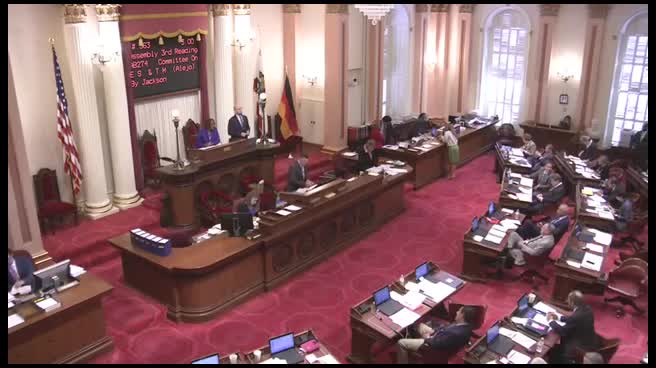 2MIN
Senate Floor
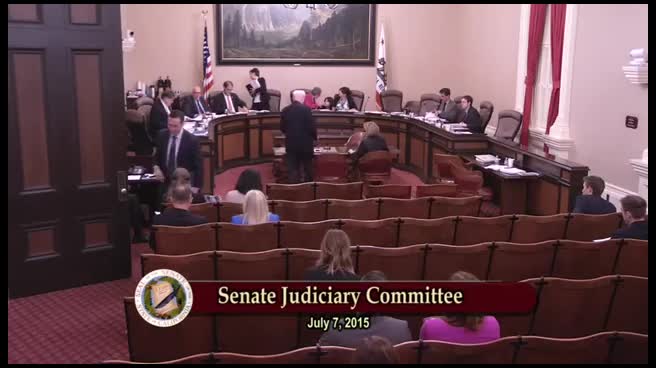 4MIN
Senate Standing Committee on Judiciary
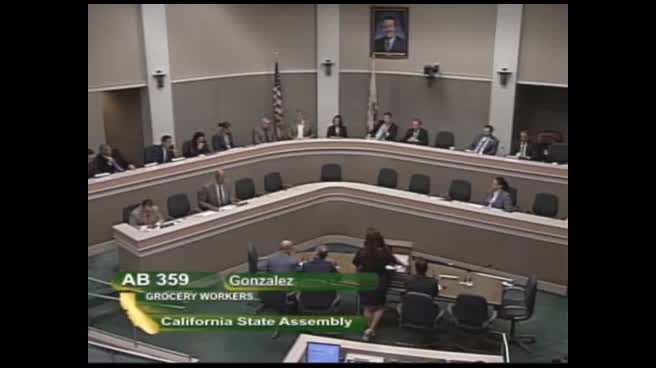 4MIN
Assembly Standing Committee on Judiciary
Bill Author

Bill Co-Author(s):