AB 1146: Skateboard parks.
- Session Year: 2015-2016
- House: Assembly
- Latest Version Date: 2015-08-17
Existing law prohibits an operator of a skateboard park from permitting a person to ride a skateboard at the park, unless the person is wearing a helmet, elbow pads, and knee pads. Existing law provides that a skateboard facility owned or operated by a local public agency that is not supervised on a regular basis may satisfy the above requirement if it complies with certain things, including the adoption of an ordinance that requires a person riding a skateboard in the facility to wear a helmet, elbow pads, and knee pads, as provided. Existing law provides that a public entity is not liable to a person who participates in a hazardous recreational activity, and that skateboarding at a facility owned or operated by a public entity as a public skateboard park is a hazardous recreational activity, if certain conditions are met.
This bill would apply the above provisions, and others relating to skateboard safety and liability, to other wheeled recreational devices, as defined, until January 1, 2020.
Existing law prohibits an operator of a skateboard park from permitting a person to ride a skateboard at the park, unless the person is wearing a helmet, elbow pads, and knee pads. Existing law provides that a skateboard facility owned or operated by a local public agency that is not supervised on a regular basis may satisfy the above requirement if it complies with certain things, including the adoption of an ordinance that requires a person riding a skateboard in the facility to wear a helmet, elbow pads, and knee pads, as provided. Existing law provides that a public entity is not liable to a person who participates in a hazardous recreational activity and skateboarding at a facility owned or operated by a public entity as a public skateboard park is a hazardous recreational activity, if certain conditions are met.
For purposes of the above provisions relating to skateboard safety and liability, among others, this bill would include other wheeled recreational devices, as defined, until January 1, 2020.
Existing law prohibits an operator of a skateboard park from permitting a person to ride a skateboard at the park, unless the person is wearing a helmet, elbow pads, and knee pads. Existing law provides that a skateboard facility owned or operated by a local public agency that is not supervised on a regular basis may satisfy the above requirement if it complies with certain things, including the adoption of an ordinance that requires a person riding a skateboard in the facility to wear a helmet, elbow pads, and knee pads, as provided. Existing law provides that a public entity is not liable to a person who participates in a hazardous recreational activity and skateboarding at a facility owned or operated by a public entity as a public skateboard park is a hazardous recreational activity, if certain conditions are met.
For purposes of the above provisions relating to skateboard safety and liability, among others, this bill would include other wheeled recreational devices, as defined, until an unspecified date. January 1, 2020.
Existing law prohibits an operator of a skateboard park from permitting a person to ride a skateboard at the park, unless the person is wearing a helmet, elbow pads, and knee pads. Existing law provides that a skateboard facility owned or operated by a local public agency that is not supervised on a regular basis may satisfy the above requirement if it complies with certain things, including the adoption of an ordinance that requires a person riding a skateboard in the facility to wear a helmet, elbow pads, and knee pads, as provided. Existing law provides that a public entity is not liable to a person who participates in a hazardous recreational activity and skateboarding at a facility owned or operated by a public entity as a public skateboard park is a hazardous recreational activity, if certain conditions are met.
For purposes of the above provisions relating to skateboard safety and liability, among others, this bill would include other wheeled recreational devices, as defined defined, until an unspecified date.
Existing law prohibits an operator of a skateboard park from permitting a person to ride a skateboard at the park, unless the person is wearing a helmet, elbow pads, and knee pads. Existing law provides that a skateboard facility owned or operated by a local public agency that is not supervised on a regular basis may satisfy the above requirement if it complies with certain things, including the adoption of an ordinance that requires a person riding a skateboard in the facility to wear a helmet, elbow pads, and knee pads, as provided. Existing law provides that a public entity is not liable to a person who participates in a hazardous recreational activity and skateboarding at a facility owned or operated by a public entity as a public skateboard park is a hazardous recreational activity, if certain conditions are met.
For purposes of the above provisions relating to skateboard safety and liability, among others, this bill would include other wheeled recreational devices, as defined.
(a)An operator of a skateboard park shall not permit a person to ride a skateboard or other wheeled recreational device in the skateboard park, unless that person is wearing a helmet, elbow pads, and knee pads.
(b)With respect to a facility, owned or operated by a local public agency, that is designed and maintained for the purpose of riding a recreational skateboard or other wheeled recreational device, and that is not supervised on a regular basis, the requirements of subdivision (a) may be satisfied by compliance with the following:
(1)Adoption by the local public agency of an ordinance requiring a person riding a skateboard or other wheeled recreational device at the facility to wear a helmet, elbow pads, and knee pads.
(2)The posting of signs at the facility affording reasonable notice that a person riding a skateboard or other wheeled recreational device in the facility must wear a helmet, elbow pads, and knee pads, and that a person failing to do so will be subject to citation pursuant to the ordinance required by paragraph (1).
(c)Local public agency for purposes of this section includes, but is not limited to, a city, county, or city and county.
(d)For purposes of this section, other wheeled recreational device means nonmotorized bicycles, scooters, in-line skates, roller skates, or wheelchairs.
(e)(1)Riding a skateboard or other wheeled recreational device, or any concurrent combination of these activities at a facility or park owned or operated by a public entity as a public skateboard park, as provided in paragraph (3), shall be deemed a hazardous recreational activity within the meaning of Section 831.7 of the Government Code if all of the following conditions are met:
(A)The person riding the skateboard or other wheeled recreational device is 12 years of age or older.
(B)The riding of the skateboard or other wheeled recreational device that caused the injury was stunt, trick, or luge riding.
(C)The skateboard park is on public property that complies with subdivision (a) or (b).
(2)In addition to subdivision (c) of Section 831.7 of the Government Code, this section does not limit the liability of a public entity with respect to any other duty imposed pursuant to existing law, including the duty to protect against dangerous conditions of public property pursuant to Chapter 2 (commencing with Section 830) of Part 2 of Division 3.6 of Title 1 of the Government Code. However, this section does not abrogate or limit any other legal rights, defenses, or immunities that may otherwise be available at law.
(3)(A)Except as provided in subparagraph (B), for public skateboard parks that were constructed on or before January 1, 1998, this subdivision shall apply to hazardous recreational activity injuries incurred on or after January 1, 1998, and before January 1, 2001. For public skateboard parks that are constructed after January 1, 1998, this subdivision shall apply to hazardous recreational activity injuries incurred on or after January 1, 1998. For purposes of this subdivision, a skateboard facility that is a movable facility shall be deemed constructed on the first date it is initially made available for use at a location by the local public agency.
(B)For public skateboard parks that were constructed after January 1, 1996, and before January 1, 1998, this subdivision shall apply to hazardous recreational activity injuries incurred on or after January 1, 2012.
(4)The appropriate local public agency shall maintain a record of all known or reported injuries incurred by a person riding a skateboard or other wheeled recreational device in a public skateboard park or facility. The local public agency shall also maintain a record of all claims, paid and not paid, including any lawsuits and their results, arising from those incidents that were filed against the public agency. Copies of the records of claims and lawsuits shall be filed annually, no later than January 30 each year, with the Assembly Committee on Judiciary and the Senate Committee on Judiciary.
(5)(A)Except as provided in subparagraph (B), this subdivision shall not apply on or after January 1, 2001, to public skateboard parks that were constructed on or before January 1, 1998, but shall continue to apply to public skateboard parks that are constructed after January 1, 1998.
(B)On and after January 1, 2012, this subdivision shall apply to public skateboard parks that were constructed on or after January 1, 1996.
(6)For purposes of injuries that occur while operating one of the other wheeled recreational devices described in subdivision (d) in a skateboard facility, this subdivision shall apply to any claim for injuries occurring on or after January 1, 2016.
(f)This section shall remain in effect only until January 1, 2020, and as of that date is repealed, unless a later enacted statute, that is enacted before January 1, 2020, deletes or extends that date.
SEC. 2.Section 115800 is added to the Health and Safety Code, to read:115800.(a)An operator of a skateboard park shall not permit a person to ride a skateboard in the park, unless that person is wearing a helmet, elbow pads, and knee pads.
(b)With respect to a facility, owned or operated by a local public agency, that is designed and maintained for the purpose of riding a recreational skateboard, and that is not supervised on a regular basis, the requirements of subdivision (a) may be satisfied by compliance with the following:
(1)Adoption by the local public agency of an ordinance requiring a person riding a skateboard at the facility to wear a helmet, elbow pads, and knee pads.
(2)The posting of signs at the facility affording reasonable notice that a person riding a skateboard in the facility must wear a helmet, elbow pads, and knee pads, and that a person failing to do so will be subject to citation under the ordinance required by paragraph (1).
(c)Local public agency for purposes of this section includes, but is not limited to, a city, county, or city and county.
(d)(1) Riding a skateboard at a facility or park owned or operated by a public entity as a public skateboard park, as provided in paragraph (3), shall be deemed a hazardous recreational activity within the meaning of Section 831.7 of the Government Code if all of the following conditions are met:
(A)The person riding the skateboard is 12 years of age or older.
(B)The riding of the skateboard that caused the injury was stunt, trick, or luge riding.
(C)The skateboard park is on public property that complies with subdivision (a) or (b).
(2)In addition to subdivision (c) of Section 831.7 of the Government Code, this section does not limit the liability of a public entity with respect to any other duty imposed pursuant to existing law, including the duty to protect against dangerous conditions of public property pursuant to Chapter 2 (commencing with Section 830) of Part 2 of Division 3.6 of Title 1 of the Government Code. However, this section does not abrogate or limit any other legal rights, defenses, or immunities that may otherwise be available at law.
(3)(A) Except as provided in subparagraph (B), for public skateboard parks that were constructed on or before January 1, 1998, this subdivision shall apply to hazardous recreational activity injuries incurred on or after January 1, 1998, and before January 1, 2001. For public skateboard parks that are constructed after January 1, 1998, this subdivision shall apply to hazardous recreational activity injuries incurred on or after January 1, 1998. For purposes of this subdivision, a skateboard facility that is a movable facility shall be deemed constructed on the first date it is initially made available for use at a location by the local public agency.
(B)For public skateboard parks that were constructed after January 1, 1996, and before January 1, 1998, this subdivision shall apply to hazardous recreational activity injuries incurred on or after January 1, 2012.
(4)The appropriate local public agency shall maintain a record of all known or reported injuries incurred by a person riding a skateboard in a public skateboard park or facility. The local public agency shall also maintain a record of all claims, paid and not paid, including any lawsuits and their results, arising from those incidents that were filed against the public agency. Copies of the records of claims and lawsuits shall be filed annually, no later than January 30 each year, with the Assembly Committee on Judiciary and the Senate Committee on Judiciary.
(5)(A) Except as provided in subparagraph (B), this subdivision shall not apply on or after January 1, 2001, to public skateboard parks that were constructed on or before January 1, 1998, but shall continue to apply to public skateboard parks that are constructed after January 1, 1998.
(B)On and after January 1, 2012, this subdivision shall apply to public skateboard parks that were constructed on or after January 1, 1996.
(e)This section shall become operative on January 1, 2020.
(a)An operator of a skateboard park shall not permit a person to ride a skateboard or other wheeled recreational device in the skateboard park, unless that person is wearing a helmet, elbow pads, and knee pads.
(b)With respect to a facility, owned or operated by a local public agency, that is designed and maintained for the purpose of riding a recreational skateboard or other wheeled recreational device, and that is not supervised on a regular basis, the requirements of subdivision (a) may be satisfied by compliance with the following:
(1)Adoption by the local public agency of an ordinance requiring a person riding a skateboard or other wheeled recreational device at the facility to wear a helmet, elbow pads, and knee pads.
(2)The posting of signs at the facility affording reasonable notice that a person riding a skateboard or other wheeled recreational device in the facility must wear a helmet, elbow pads, and knee pads, and that a person failing to do so will be subject to citation pursuant to the ordinance required by paragraph (1).
(c)Local public agency for purposes of this section includes, but is not limited to, a city, county, or city and county.
(d)For purposes of this section, other wheeled recreational device means nonmotorized bicycles, scooters, in-line skates, roller skates, or wheelchairs.
(e)(1)Riding a skateboard or other wheeled recreational device, or any concurrent combination of these activities at a facility or park owned or operated by a public entity as a public skateboard park, as provided in paragraph (3), shall be deemed a hazardous recreational activity within the meaning of Section 831.7 of the Government Code if all of the following conditions are met:
(A)The person riding the skateboard or other wheeled recreational device is 12 years of age or older.
(B)The riding of the skateboard or other wheeled recreational device that caused the injury was stunt, trick, or luge riding.
(C)The skateboard park is on public property that complies with subdivision (a) or (b).
(2)In addition to subdivision (c) of Section 831.7 of the Government Code, this section does not limit the liability of a public entity with respect to any other duty imposed pursuant to existing law, including the duty to protect against dangerous conditions of public property pursuant to Chapter 2 (commencing with Section 830) of Part 2 of Division 3.6 of Title 1 of the Government Code. However, this section does not abrogate or limit any other legal rights, defenses, or immunities that may otherwise be available at law.
(3)(A)Except as provided in subparagraph (B), for public skateboard parks that were constructed on or before January 1, 1998, this subdivision shall apply to hazardous recreational activity injuries incurred on or after January 1, 1998, and before January 1, 2001. For public skateboard parks that are constructed after January 1, 1998, this subdivision shall apply to hazardous recreational activity injuries incurred on or after January 1, 1998. For purposes of this subdivision, a skateboard facility that is a movable facility shall be deemed constructed on the first date it is initially made available for use at a location by the local public agency.
(B)For public skateboard parks that were constructed after January 1, 1996, and before January 1, 1998, this subdivision shall apply to hazardous recreational activity injuries incurred on or after January 1, 2012.
(4)The appropriate local public agency shall maintain a record of all known or reported injuries incurred by a person riding a skateboard or other wheeled recreational device in a public skateboard park or facility. The local public agency shall also maintain a record of all claims, paid and not paid, including any lawsuits and their results, arising from those incidents that were filed against the public agency. Copies of the records of claims and lawsuits shall be filed annually, no later than January 30 each year, with the Assembly Committee on Judiciary and the Senate Committee on Judiciary.
(5)(A)Except as provided in subparagraph (B), this subdivision shall not apply on or after January 1, 2001, to public skateboard parks that were constructed on or before January 1, 1998, but shall continue to apply to public skateboard parks that are constructed after January 1, 1998.
(B)On and after January 1, 2012, this subdivision shall apply to public skateboard parks that were constructed on or after January 1, 1996.
(6)For purposes of injuries that occur while operating one of the other wheeled recreational devices described in subdivision (d) in a skateboard facility, this subdivision shall apply to any claim filed for injuries occurring on or after January 1, 2016.
(f)This section shall remain in effect only until January 1, 2020, and as of that date is repealed, unless a later enacted statute, that is enacted before January 1, 2020, deletes or extends that date.
SEC. 2.Section 115800 is added to the Health and Safety Code, to read:115800.(a)An operator of a skateboard park shall not permit a person to ride a skateboard in the park, unless that person is wearing a helmet, elbow pads, and knee pads.
(b)With respect to a facility, owned or operated by a local public agency, that is designed and maintained for the purpose of riding a recreational skateboard, and that is not supervised on a regular basis, the requirements of subdivision (a) may be satisfied by compliance with the following:
(1)Adoption by the local public agency of an ordinance requiring a person riding a skateboard at the facility to wear a helmet, elbow pads, and knee pads.
(2)The posting of signs at the facility affording reasonable notice that a person riding a skateboard in the facility must wear a helmet, elbow pads, and knee pads, and that a person failing to do so will be subject to citation under the ordinance required by paragraph (1).
(c)Local public agency for purposes of this section includes, but is not limited to, a city, county, or city and county.
(d)(1) Riding a skateboard at a facility or park owned or operated by a public entity as a public skateboard park, as provided in paragraph (3), shall be deemed a hazardous recreational activity within the meaning of Section 831.7 of the Government Code if all of the following conditions are met:
(A)The person riding the skateboard is 12 years of age or older.
(B)The riding of the skateboard that caused the injury was stunt, trick, or luge riding.
(C)The skateboard park is on public property that complies with subdivision (a) or (b).
(2)In addition to subdivision (c) of Section 831.7 of the Government Code, this section does not limit the liability of a public entity with respect to any other duty imposed pursuant to existing law, including the duty to protect against dangerous conditions of public property pursuant to Chapter 2 (commencing with Section 830) of Part 2 of Division 3.6 of Title 1 of the Government Code. However, this section does not abrogate or limit any other legal rights, defenses, or immunities that may otherwise be available at law.
(3)(A) Except as provided in subparagraph (B), for public skateboard parks that were constructed on or before January 1, 1998, this subdivision shall apply to hazardous recreational activity injuries incurred on or after January 1, 1998, and before January 1, 2001. For public skateboard parks that are constructed after January 1, 1998, this subdivision shall apply to hazardous recreational activity injuries incurred on or after January 1, 1998. For purposes of this subdivision, a skateboard facility that is a movable facility shall be deemed constructed on the first date it is initially made available for use at a location by the local public agency.
(B)For public skateboard parks that were constructed after January 1, 1996, and before January 1, 1998, this subdivision shall apply to hazardous recreational activity injuries incurred on or after January 1, 2012.
(4)The appropriate local public agency shall maintain a record of all known or reported injuries incurred by a person riding a skateboard in a public skateboard park or facility. The local public agency shall also maintain a record of all claims, paid and not paid, including any lawsuits and their results, arising from those incidents that were filed against the public agency. Copies of the records of claims and lawsuits shall be filed annually, no later than January 30 each year, with the Assembly Committee on Judiciary and the Senate Committee on Judiciary.
(5)(A) Except as provided in subparagraph (B), this subdivision shall not apply on or after January 1, 2001, to public skateboard parks that were constructed on or before January 1, 1998, but shall continue to apply to public skateboard parks that are constructed after January 1, 1998.
(B)On and after January 1, 2012, this subdivision shall apply to public skateboard parks that were constructed on or after January 1, 1996.
(e)This section shall become operative on January 1, 2020.
(a)An operator of a skateboard park shall not permit a person to ride a skateboard or other wheeled recreational device in the skateboard park, unless that person is wearing a helmet, elbow pads, and knee pads.
(b)With respect to a facility, owned or operated by a local public agency, that is designed and maintained for the purpose of riding a recreational skateboard or other wheeled recreational device, and that is not supervised on a regular basis, the requirements of subdivision (a) may be satisfied by compliance with the following:
(1)Adoption by the local public agency of an ordinance requiring a person riding a skateboard or other wheeled recreational device at the facility to wear a helmet, elbow pads, and knee pads.
(2)The posting of signs at the facility affording reasonable notice that a person riding a skateboard or other wheeled recreational device in the facility must wear a helmet, elbow pads, and knee pads, and that a person failing to do so will be subject to citation pursuant to the ordinance required by paragraph (1).
(c)Local public agency for purposes of this section includes, but is not limited to, a city, county, or city and county.
(d)For purposes of this section, other wheeled recreational device means nonmotorized bicycles, scooters, in-line skates, roller skates, or wheelchairs.
(e)(1)Riding a skateboard or other wheeled recreational device, or any concurrent combination of these activities at a facility or park owned or operated by a public entity as a public skateboard park, as provided in paragraph (3), shall be deemed a hazardous recreational activity within the meaning of Section 831.7 of the Government Code if all of the following conditions are met:
(A)The person riding the skateboard or other wheeled recreational device is 12 years of age or older.
(B)The riding of the skateboard or other wheeled recreational device that caused the injury was stunt, trick, or luge riding.
(C)The skateboard park is on public property that complies with subdivision (a) or (b).
(2)In addition to subdivision (c) of Section 831.7 of the Government Code, this section does not limit the liability of a public entity with respect to any other duty imposed pursuant to existing law, including the duty to protect against dangerous conditions of public property pursuant to Chapter 2 (commencing with Section 830) of Part 2 of Division 3.6 of Title 1 of the Government Code. However, this section does not abrogate or limit any other legal rights, defenses, or immunities that may otherwise be available at law.
(3)(A)Except as provided in subparagraph (B), for public skateboard parks that were constructed on or before January 1, 1998, this subdivision shall apply to hazardous recreational activity injuries incurred on or after January 1, 1998, and before January 1, 2001. For public skateboard parks that are constructed after January 1, 1998, this subdivision shall apply to hazardous recreational activity injuries incurred on or after January 1, 1998. For purposes of this subdivision, a skateboard facility that is a movable facility shall be deemed constructed on the first date it is initially made available for use at a location by the local public agency.
(B)For public skateboard parks that were constructed after January 1, 1996, and before January 1, 1998, this subdivision shall apply to hazardous recreational activity injuries incurred on or after January 1, 2012.
(4)The appropriate local public agency shall maintain a record of all known or reported injuries incurred by a person riding a skateboard or other wheeled recreational device in a public skateboard park or facility. The local public agency shall also maintain a record of all claims, paid and not paid, including any lawsuits and their results, arising from those incidents that were filed against the public agency. Copies of the records of claims and lawsuits shall be filed annually, no later than January 30 each year, with the Assembly Committee on Judiciary and the Senate Committee on Judiciary.
(5)(A)Except as provided in subparagraph (B), this subdivision shall not apply on or after January 1, 2001, to public skateboard parks that were constructed on or before January 1, 1998, but shall continue to apply to public skateboard parks that are constructed after January 1, 1998.
(B)On and after January 1, 2012, this subdivision shall apply to public skateboard parks that were constructed on or after January 1, 1996.
(6)For purposes of injuries that occur while operating a one of the other wheeled recreational device devices described in subdivision (d) in a skateboard facility, this subdivision shall apply to any claim filed on or after January 1, 2016.
(f)This section shall remain in effect only until January 1, 2020, and as of that date is repealed, unless a later enacted statute, that is enacted before January 1, 2020, deletes or extends that date.
SEC. 2.Section 115800 is added to the Health and Safety Code, to read:115800.(a)An operator of a skateboard park shall not permit a person to ride a skateboard in the park, unless that person is wearing a helmet, elbow pads, and knee pads.
(b)With respect to a facility, owned or operated by a local public agency, that is designed and maintained for the purpose of riding a recreational skateboard, and that is not supervised on a regular basis, the requirements of subdivision (a) may be satisfied by compliance with the following:
(1)Adoption by the local public agency of an ordinance requiring a person riding a skateboard at the facility to wear a helmet, elbow pads, and knee pads.
(2)The posting of signs at the facility affording reasonable notice that a person riding a skateboard in the facility must wear a helmet, elbow pads, and knee pads, and that a person failing to do so will be subject to citation under the ordinance required by paragraph (1).
(c)Local public agency for purposes of this section includes, but is not limited to, a city, county, or city and county.
(d)(1) Riding a skateboard at a facility or park owned or operated by a public entity as a public skateboard park, as provided in paragraph (3), shall be deemed a hazardous recreational activity within the meaning of Section 831.7 of the Government Code if all of the following conditions are met:
(A)The person riding the skateboard is 12 years of age or older.
(B)The riding of the skateboard that caused the injury was stunt, trick, or luge riding.
(C)The skateboard park is on public property that complies with subdivision (a) or (b).
(2)In addition to subdivision (c) of Section 831.7 of the Government Code, this section does not limit the liability of a public entity with respect to any other duty imposed pursuant to existing law, including the duty to protect against dangerous conditions of public property pursuant to Chapter 2 (commencing with Section 830) of Part 2 of Division 3.6 of Title 1 of the Government Code. However, this section does not abrogate or limit any other legal rights, defenses, or immunities that may otherwise be available at law.
(3)(A) Except as provided in subparagraph (B), for public skateboard parks that were constructed on or before January 1, 1998, this subdivision shall apply to hazardous recreational activity injuries incurred on or after January 1, 1998, and before January 1, 2001. For public skateboard parks that are constructed after January 1, 1998, this subdivision shall apply to hazardous recreational activity injuries incurred on or after January 1, 1998. For purposes of this subdivision, a skateboard facility that is a movable facility shall be deemed constructed on the first date it is initially made available for use at a location by the local public agency.
(B)For public skateboard parks that were constructed after January 1, 1996, and before January 1, 1998, this subdivision shall apply to hazardous recreational activity injuries incurred on or after January 1, 2012.
(4)The appropriate local public agency shall maintain a record of all known or reported injuries incurred by a person riding a skateboard in a public skateboard park or facility. The local public agency shall also maintain a record of all claims, paid and not paid, including any lawsuits and their results, arising from those incidents that were filed against the public agency. Copies of the records of claims and lawsuits shall be filed annually, no later than January 30 each year, with the Assembly Committee on Judiciary and the Senate Committee on Judiciary.
(5)(A) Except as provided in subparagraph (B), this subdivision shall not apply on or after January 1, 2001, to public skateboard parks that were constructed on or before January 1, 1998, but shall continue to apply to public skateboard parks that are constructed after January 1, 1998.
(B)On and after January 1, 2012, this subdivision shall apply to public skateboard parks that were constructed on or after January 1, 1996.
(e)This section shall become operative on January 1, 2020.
(a)An operator of a skateboard park shall not permit a person to ride a skateboard or other wheeled recreational device in the skateboard park, unless that person is wearing a helmet, elbow pads, and knee pads.
(b)With respect to a facility, owned or operated by a local public agency, that is designed and maintained for the purpose of riding a recreational skateboard or other wheeled recreational device, and that is not supervised on a regular basis, the requirements of subdivision (a) may be satisfied by compliance with the following:
(1)Adoption by the local public agency of an ordinance requiring a person riding a skateboard or other wheeled recreational device at the facility to wear a helmet, elbow pads, and knee pads.
(2)The posting of signs at the facility affording reasonable notice that a person riding a skateboard or other wheeled recreational device in the facility must wear a helmet, elbow pads, and knee pads, and that a person failing to do so will be subject to citation pursuant to the ordinance required by paragraph (1).
(c)Local public agency for purposes of this section includes, but is not limited to, a city, county, or city and county.
(d)For purposes of this section, other wheeled recreational device means nonmotorized bicycles, scooters, in-line skates, roller skates, or wheelchairs.
(e)(1)Riding a skateboard or other wheeled recreational device, or any concurrent combination of these activities at a facility or park owned or operated by a public entity as a public skateboard park, as provided in paragraph (3), shall be deemed a hazardous recreational activity within the meaning of Section 831.7 of the Government Code if all of the following conditions are met:
(A)The person riding the skateboard or other wheeled recreational device is 12 years of age or older.
(B)The riding of the skateboard or other wheeled recreational device that caused the injury was stunt, trick, or luge riding.
(C)The skateboard park is on public property that complies with subdivision (a) or (b).
(2)In addition to subdivision (c) of Section 831.7 of the Government Code, this section does not limit the liability of a public entity with respect to any other duty imposed pursuant to existing law, including the duty to protect against dangerous conditions of public property pursuant to Chapter 2 (commencing with Section 830) of Part 2 of Division 3.6 of Title 1 of the Government Code. However, this section does not abrogate or limit any other legal rights, defenses, or immunities that may otherwise be available at law.
(3)(A)Except as provided in subparagraph (B), for public skateboard parks that were constructed on or before January 1, 1998, this subdivision shall apply to hazardous recreational activity injuries incurred on or after January 1, 1998, and before January 1, 2001. For public skateboard parks that are constructed after January 1, 1998, this subdivision shall apply to hazardous recreational activity injuries incurred on or after January 1, 1998. For purposes of this subdivision, a skateboard facility that is a movable facility shall be deemed constructed on the first date it is initially made available for use at a location by the local public agency.
(B)For public skateboard parks that were constructed after January 1, 1996, and before January 1, 1998, this subdivision shall apply to hazardous recreational activity injuries incurred on or after January 1, 2012.
(4)The appropriate local public agency shall maintain a record of all known or reported injuries incurred by a person riding a skateboard or other wheeled recreational device in a public skateboard park or facility. The local public agency shall also maintain a record of all claims, paid and not paid, including any lawsuits and their results, arising from those incidents that were filed against the public agency. Copies of the records of claims and lawsuits shall be filed annually, no later than January 30 each year, with the Assembly Committee on Judiciary and the Senate Committee on Judiciary.
(5)(A)Except as provided in subparagraph (B), this subdivision shall not apply on or after January 1, 2001, to public skateboard parks that were constructed on or before January 1, 1998, but shall continue to apply to public skateboard parks that are constructed after January 1, 1998.
(B)On and after January 1, 2012, this subdivision shall apply to public skateboard parks that were constructed on or after January 1, 1996.
(6)For purposes of injuries that occur while operating a wheeled recreational device described in subdivision (d) in a skateboard facility, this subdivision shall apply to any claim filed on or after January 1, 2016.
(f)This section shall remain in effect only until _____ January 1, 2020, and as of that date is repealed, unless a later enacted statute, that is enacted before ______ January 1, 2020, deletes or extends that date.
SEC. 2.Section 115800 is added to the Health and Safety Code, to read:115800.(a)An operator of a skateboard park shall not permit a person to ride a skateboard in the park, unless that person is wearing a helmet, elbow pads, and knee pads.
(b)With respect to a facility, owned or operated by a local public agency, that is designed and maintained for the purpose of riding a recreational skateboard, and that is not supervised on a regular basis, the requirements of subdivision (a) may be satisfied by compliance with the following:
(1)Adoption by the local public agency of an ordinance requiring a person riding a skateboard at the facility to wear a helmet, elbow pads, and knee pads.
(2)The posting of signs at the facility affording reasonable notice that a person riding a skateboard in the facility must wear a helmet, elbow pads, and knee pads, and that a person failing to do so will be subject to citation under the ordinance required by paragraph (1).
(c)Local public agency for purposes of this section includes, but is not limited to, a city, county, or city and county.
(d)(1) Riding a skateboard at a facility or park owned or operated by a public entity as a public skateboard park, as provided in paragraph (3), shall be deemed a hazardous recreational activity within the meaning of Section 831.7 of the Government Code if all of the following conditions are met:
(A)The person riding the skateboard is 12 years of age or older.
(B)The riding of the skateboard that caused the injury was stunt, trick, or luge riding.
(C)The skateboard park is on public property that complies with subdivision (a) or (b).
(2)In addition to subdivision (c) of Section 831.7 of the Government Code, this section does not limit the liability of a public entity with respect to any other duty imposed pursuant to existing law, including the duty to protect against dangerous conditions of public property pursuant to Chapter 2 (commencing with Section 830) of Part 2 of Division 3.6 of Title 1 of the Government Code. However, this section does not abrogate or limit any other legal rights, defenses, or immunities that may otherwise be available at law.
(3)(A) Except as provided in subparagraph (B), for public skateboard parks that were constructed on or before January 1, 1998, this subdivision shall apply to hazardous recreational activity injuries incurred on or after January 1, 1998, and before January 1, 2001. For public skateboard parks that are constructed after January 1, 1998, this subdivision shall apply to hazardous recreational activity injuries incurred on or after January 1, 1998. For purposes of this subdivision, a skateboard facility that is a movable facility shall be deemed constructed on the first date it is initially made available for use at a location by the local public agency.
(B)For public skateboard parks that were constructed after January 1, 1996, and before January 1, 1998, this subdivision shall apply to hazardous recreational activity injuries incurred on or after January 1, 2012.
(4)The appropriate local public agency shall maintain a record of all known or reported injuries incurred by a person riding a skateboard in a public skateboard park or facility. The local public agency shall also maintain a record of all claims, paid and not paid, including any lawsuits and their results, arising from those incidents that were filed against the public agency. Copies of the records of claims and lawsuits shall be filed annually, no later than January 30 each year, with the Assembly Committee on Judiciary and the Senate Committee on Judiciary.
(5)(A) Except as provided in subparagraph (B), this subdivision shall not apply on or after January 1, 2001, to public skateboard parks that were constructed on or before January 1, 1998, but shall continue to apply to public skateboard parks that are constructed after January 1, 1998.
(B)On and after January 1, 2012, this subdivision shall apply to public skateboard parks that were constructed on or after January 1, 1996.
(e)This section shall become operative on ________ January 1, 2020.
(a)An operator of a skateboard park shall not permit a person to ride a skateboard or other wheeled recreational device in the skateboard park, unless that person is wearing a helmet, elbow pads, and knee pads.
(b)With respect to a facility, owned or operated by a local public agency, that is designed and maintained for the purpose of riding a recreational skateboard or other wheeled recreational device, and that is not supervised on a regular basis, the requirements of subdivision (a) may be satisfied by compliance with the following:
(1)Adoption by the local public agency of an ordinance requiring a person riding a skateboard or other wheeled recreational device at the facility to wear a helmet, elbow pads, and knee pads.
(2)The posting of signs at the facility affording reasonable notice that a person riding a skateboard or other wheeled recreational device in the facility must wear a helmet, elbow pads, and knee pads, and that a person failing to do so will be subject to citation pursuant to the ordinance required by paragraph (1).
(c)Local public agency for purposes of this section includes, but is not limited to, a city, county, or city and county.
(d)For purposes of this section, other wheeled recreational device includes, but is not limited to, means nonmotorized bicycles, scooters, in-line skates, roller skates, or wheelchairs.
(e)(1)Riding a skateboard or other wheeled recreational device, or any concurrent combination of these activities at a facility or park owned or operated by a public entity as a public skateboard park, as provided in paragraph (3), shall be deemed a hazardous recreational activity within the meaning of Section 831.7 of the Government Code if all of the following conditions are met:
(A)The person riding the skateboard or other wheeled recreational device is 12 years of age or older.
(B)The riding of the skateboard or other wheeled recreational device that caused the injury was stunt, trick, or luge riding.
(C)The skateboard park is on public property that complies with subdivision (a) or (b).
(2)In addition to subdivision (c) of Section 831.7 of the Government Code, this section does not limit the liability of a public entity with respect to any other duty imposed pursuant to existing law, including the duty to protect against dangerous conditions of public property pursuant to Chapter 2 (commencing with Section 830) of Part 2 of Division 3.6 of Title 1 of the Government Code. However, this section does not abrogate or limit any other legal rights, defenses, or immunities that may otherwise be available at law.
(3)(A)Except as provided in subparagraph (B), for public skateboard parks that were constructed on or before January 1, 1998, this subdivision shall apply to hazardous recreational activity injuries incurred on or after January 1, 1998, and before January 1, 2001. For public skateboard parks that are constructed after January 1, 1998, this subdivision shall apply to hazardous recreational activity injuries incurred on or after January 1, 1998. For purposes of this subdivision, a skateboard facility that is a movable facility shall be deemed constructed on the first date it is initially made available for use at a location by the local public agency.
(B)For public skateboard parks that were constructed after January 1, 1996, and before January 1, 1998, this subdivision shall apply to hazardous recreational activity injuries incurred on or after January 1, 2012.
(4)The appropriate local public agency shall maintain a record of all known or reported injuries incurred by a person riding a skateboard or other wheeled recreational device in a public skateboard park or facility. The local public agency shall also maintain a record of all claims, paid and not paid, including any lawsuits and their results, arising from those incidents that were filed against the public agency. Copies of the records of claims and lawsuits shall be filed annually, no later than January 30 each year, with the Assembly Committee on Judiciary and the Senate Committee on Judiciary.
(5)(A)Except as provided in subparagraph (B), this subdivision shall not apply on or after January 1, 2001, to public skateboard parks that were constructed on or before January 1, 1998, but shall continue to apply to public skateboard parks that are constructed after January 1, 1998.
(B)On and after January 1, 2012, this subdivision shall apply to public skateboard parks that were constructed on or after January 1, 1996.
(6)For purposes of injuries that occur while operating a wheeled recreational device described in subdivision (d) in a skateboard facility, this subdivision shall apply to any claim filed on or after January 1, 2016.
(f)This section shall remain in effect only until _____ and as of that date is repealed, unless a later enacted statute, that is enacted before ______, deletes or extends that date.
SEC. 2.Section 115800 is added to the Health and Safety Code, to read:115800.(a)An operator of a skateboard park shall not permit a person to ride a skateboard in the park, unless that person is wearing a helmet, elbow pads, and knee pads.
(b)With respect to a facility, owned or operated by a local public agency, that is designed and maintained for the purpose of riding a recreational skateboard, and that is not supervised on a regular basis, the requirements of subdivision (a) may be satisfied by compliance with the following:
(1)Adoption by the local public agency of an ordinance requiring a person riding a skateboard at the facility to wear a helmet, elbow pads, and knee pads.
(2)The posting of signs at the facility affording reasonable notice that a person riding a skateboard in the facility must wear a helmet, elbow pads, and knee pads, and that a person failing to do so will be subject to citation under the ordinance required by paragraph (1).
(c)Local public agency for purposes of this section includes, but is not limited to, a city, county, or city and county.
(d)(1) Riding a skateboard at a facility or park owned or operated by a public entity as a public skateboard park, as provided in paragraph (3), shall be deemed a hazardous recreational activity within the meaning of Section 831.7 of the Government Code if all of the following conditions are met:
(A)The person riding the skateboard is 12 years of age or older.
(B)The riding of the skateboard that caused the injury was stunt, trick, or luge riding.
(C)The skateboard park is on public property that complies with subdivision (a) or (b).
(2)In addition to subdivision (c) of Section 831.7 of the Government Code, this section does not limit the liability of a public entity with respect to any other duty imposed pursuant to existing law, including the duty to protect against dangerous conditions of public property pursuant to Chapter 2 (commencing with Section 830) of Part 2 of Division 3.6 of Title 1 of the Government Code. However, this section does not abrogate or limit any other legal rights, defenses, or immunities that may otherwise be available at law.
(3)(A) Except as provided in subparagraph (B), for public skateboard parks that were constructed on or before January 1, 1998, this subdivision shall apply to hazardous recreational activity injuries incurred on or after January 1, 1998, and before January 1, 2001. For public skateboard parks that are constructed after January 1, 1998, this subdivision shall apply to hazardous recreational activity injuries incurred on or after January 1, 1998. For purposes of this subdivision, a skateboard facility that is a movable facility shall be deemed constructed on the first date it is initially made available for use at a location by the local public agency.
(B)For public skateboard parks that were constructed after January 1, 1996, and before January 1, 1998, this subdivision shall apply to hazardous recreational activity injuries incurred on or after January 1, 2012.
(4)The appropriate local public agency shall maintain a record of all known or reported injuries incurred by a person riding a skateboard in a public skateboard park or facility. The local public agency shall also maintain a record of all claims, paid and not paid, including any lawsuits and their results, arising from those incidents that were filed against the public agency. Copies of the records of claims and lawsuits shall be filed annually, no later than January 30 each year, with the Assembly Committee on Judiciary and the Senate Committee on Judiciary.
(5)(A) Except as provided in subparagraph (B), this subdivision shall not apply on or after January 1, 2001, to public skateboard parks that were constructed on or before January 1, 1998, but shall continue to apply to public skateboard parks that are constructed after January 1, 1998.
(B)On and after January 1, 2012, this subdivision shall apply to public skateboard parks that were constructed on or after January 1, 1996.
(e)This section shall become operative on ________.
(a)No An operator of a skateboard park shall not permit any a person to ride a skateboard therein or other wheeled recreational device in the skateboard park, unless that person is wearing a helmet, elbow pads, and knee pads.
(b)With respect to any a facility, owned or operated by a local public agency, that is designed and maintained for the purpose of riding a recreational skateboard use, or other wheeled recreational device, and that is not supervised on a regular basis, the requirements of subdivision (a) may be satisfied by compliance with the following:
(1)Adoption by the local public agency of an ordinance requiring any a person riding a skateboard or other wheeled recreational device at the facility to wear a helmet, elbow pads, and knee pads.
(2)The posting of signs at the facility affording reasonable notice that any a person riding a skateboard or other wheeled recreational device in the facility must wear a helmet, elbow pads, and knee pads, and that any a person failing to do so will be subject to citation under pursuant to the ordinance required by paragraph (1).
(c)Local public agency for purposes of this section includes, but is not limited to, a city, county, or city and county.
(d)For purposes of this section, other wheeled recreational device includes, but is not limited to, nonmotorized bicycles, scooters, in-line skates, roller skates, or wheelchairs.
(d)
(e)(1)Skateboarding Riding a skateboard or other wheeled recreational device, or any concurrent combination of these activities at any a facility or park owned or operated by a public entity as a public skateboard park, as provided in paragraph (3), shall be deemed a hazardous recreational activity within the meaning of Section 831.7 of the Government Code if all of the following conditions are met:
(A)The person skateboarding riding the skateboard or other wheeled recreational device is 12 years of age or older.
(B)The skateboarding activity riding of the skateboard or other wheeled recreational device that caused the injury was stunt, trick, or luge skateboarding. riding.
(C)The skateboard park is on public property that complies with subdivision (a) or (b).
(2)In addition to the provisions of subdivision (c) of Section 831.7 of the Government Code, nothing in this section is intended to does not limit the liability of a public entity with respect to any other duty imposed pursuant to existing law, including the duty to protect against dangerous conditions of public property pursuant to Chapter 2 (commencing with Section 830) of Part 2 of Division 3.6 of Title 1 of the Government Code. However, nothing in this section isintended to does not abrogate or limit any other legal rights, defenses, or immunities that may otherwise be available at law.
(3)(A)Except as provided in subparagraph (B), for public skateboard parks that were constructed on or before January 1, 1998, this subdivision shall apply to hazardous recreational activity injuries incurred on or after January 1, 1998, and before January 1, 2001. For public skateboard parks that are constructed after January 1, 1998, this subdivision shall apply to hazardous recreational activity injuries incurred on or after January 1, 1998. For purposes of this subdivision, any a skateboard facility that is a movable facility shall be deemed constructed on the first date it is initially made available for use at any a location by the local public agency.
(B)For public skateboard parks that were constructed after January 1, 1996, and before January 1, 1998, this subdivision shall apply to hazardous recreational activity injuries incurred on or after January 1, 2012.
(4)The appropriate local public agency shall maintain a record of all known or reported injuries incurred by a skateboarder person riding a skateboard or other wheeled recreational device in a public skateboard park or facility. The local public agency shall also maintain a record of all claims, paid and not paid, including any lawsuits and their results, arising from those incidents that were filed against the public agency. Beginning in 2013, copies Copies of the records of claims and lawsuits shall be filed annually, no later than January 30 each year, with the Assembly Committee on Judiciary and the Senate Committee on Judiciary.
(5)(A)Except as provided in subparagraph (B), this subdivision shall not apply on or after January 1, 2001, to public skateboard parks that were constructed on or before January 1, 1998, but shall continue to apply to public skateboard parks that are constructed after January 1, 1998.
(B)On and after January 1, 2012, this subdivision shall apply to public skateboard parks that were constructed on or after January 1, 1996.
(6)For purposes of injuries that occur while operating a wheeled recreational device described in subdivision (d) in a skateboard facility, this subdivision shall apply to any claim filed on or after January 1, 2016.
|
Date
|
Status
|
|---|---|
| May 14, 2015 | Referred to Com. on JUD. |
| Aug 17, 2015 | Chaptered by Secretary of State - Chapter 221, Statutes of 2015. |
| Aug 17, 2015 | Approved by the Governor. |
| Aug 3, 2015 | Enrolled and presented to the Governor at 3 p.m. |
| Jul 16, 2015 | Senate amendments concurred in. To Engrossing and Enrolling. (Ayes 78. Noes 0. Page 2418.). |
| Jul 16, 2015 | Senate amendments concurred in. To Engrossing and Enrolling. |
| Jul 13, 2015 | Read third time. Passed. Ordered to the Assembly. (Ayes 38. Noes 0. Page 1902.). |
| Jul 13, 2015 | Read third time. Passed. Ordered to the Assembly. |
| Jul 13, 2015 | In Assembly. Concurrence in Senate amendments pending. May be considered on or after July 15 pursuant to Assembly Rule 77. |
| Jul 6, 2015 | Read second time and amended. Ordered to third reading. |
| Jul 2, 2015 | From committee: Amend, and do pass as amended. (Ayes 7. Noes 0.) (June 30). |
| Jun 16, 2015 | In committee: Set, first hearing. Hearing canceled at the request of author. |
| Jun 8, 2015 | From committee chair, with author's amendments: Amend, and re-refer to committee. Read second time, amended, and re-referred to Com. on JUD. |
| Feb 27, 2015 | Introduced. To print. |
| Apr 30, 2015 | Read third time. Passed. Ordered to the Senate. (Ayes 77. Noes 0. Page 1216.) |
| Apr 30, 2015 | Read third time. Passed. Ordered to the Senate. |
| Apr 30, 2015 | In Senate. Read first time. To Com. on RLS. for assignment. |
| Apr 20, 2015 | Read second time. Ordered to third reading. |
| Apr 16, 2015 | Read second time and amended. Ordered returned to second reading. |
| Apr 15, 2015 | From committee: Amend, and do pass as amended. (Ayes 10. Noes 0.) (April 14). |
| Apr 9, 2015 | Re-referred to Com. on JUD. |
| Apr 8, 2015 | From committee chair, with author's amendments: Amend, and re-refer to Com. on JUD. Read second time and amended. |
| Mar 19, 2015 | Referred to Com. on JUD. |
| Mar 2, 2015 | Read first time. |
| Mar 1, 2015 | From printer. May be heard in committee March 31. |
|
Date
|
Description
|
Location
|
Votes
|
|
|---|---|---|---|---|
| Jul 16, 2015 | AB 1146 JONES Concurrence in Senate Amendments | Assembly Floor |
Passed |
|
| Jul 13, 2015 | Assembly 3rd Reading AB1146 Jones By Anderson | Senate Floor |
Passed |
|
| Jun 30, 2015 | Do pass as amended | Senate Standing Committee on Judiciary |
Passed |
|
| Apr 30, 2015 | AB 1146 JONES Assembly Third Reading | Assembly Floor |
Passed |
|
| Apr 14, 2015 | Do pass as amended. | Assembly Standing Committee on Judiciary |
Passed |
This list shows positions taken on this bill by organizations on the date displayed, which is linked to the original source.
Positions by individuals are not included.
|
Organization
|
Position
|
Date
|
|---|---|---|
| California Association Of Joint Powers Authorities | ** Support | Jul 13, 2015 |
| California Park and Recreation Society | ** Support | Jul 13, 2015 |
| California State Association Of Counties | ** Support | Jul 13, 2015 |
| City of Poway | ** Support | Jul 13, 2015 |
| City of Vista | ** Support | Jul 13, 2015 |
| County Of San Diego | ** Support | Jul 13, 2015 |
| Csac Excess Insurance Authority | ** Support | Jul 13, 2015 |
| Encinitas, City Of | ** Support | Jul 13, 2015 |
| Friends of the Lakeside SkatePark Committee | ** Support | Jul 13, 2015 |
| Laguna Hills, City Of | ** Support | Jul 13, 2015 |
| San Marcos, City Of | ** Support | Jul 13, 2015 |
| Urban Counties Caucus | ** Support | Jul 13, 2015 |
| Windsor Scooter Park Coalition | ** Support | Jul 13, 2015 |
AB 1146
Page 4
CONCURRENCE IN SENATE AMENDMENTS
AB 1146
(Jones)
As Amended July 6, 2015
Majority vote
ASSEMBLY: |
77-0 |
(April 30, 2015) |
SENATE: |
38-0 |
(July 13, 2015) |
Original Committee Reference: JUD.
SUMMARY: Expands local government immunity from liability for injuries to recreational users of public skateboard parks to include riders of wheeled recreational devices other than skateboards, as provided. Specifically, this bill:
Defines the term "other wheeled recreational device" to mean nonmotorized bicycles, scooters, in-line skates, roller skates or wheelchairs.
Prohibits an operator of a skateboard park from permitting any person to ride other wheeled recreational devices in the skateboard park, unless that person is wearing a helmet, elbow pads, and knee pads.
Provides that a facility owned or operated by a local public agency, that is designed and maintained for the purpose of riding a recreational skateboard or other wheeled recreational device, and that is unsupervised, may comply with the above requirement by: a) adopting an ordinance requiring anyone riding a skateboard or other wheeled recreational device at the facility to wear a helmet, elbow pads, and knee pads; and b) posting signs that inform all riders that they must wear those items and that failing to do so will subject them to a citation.
Provides that riding a skateboard or other wheeled recreation device or any concurrent combination of these activities at a public skateboard park constitutes a "hazardous recreational activity" if the rider is at least 12 years old, the activity causing the injury was stunt, trick, or luge riding, and the injury occurred at a public skateboard park requiring a helmet, elbow pads, and knee pads.
Requires the appropriate local public agency to maintain a record of all known or reported injuries incurred by persons riding skateboard or other wheeled recreational devices in a public skateboard park or facility, as well as a record of all claims, paid and not paid, including any lawsuits and their results, arising from those incidents that were filed against the public agency. Requires copies of the claims and lawsuits to be filed annually, no later than January 30 each year, with the Assembly and Senate Judiciary Committees.
Establishes a sunset date of January 1, 2020, for provisions applying to riders of other wheeled recreation devices (but not skateboarders), whereby such provisions will remain in effect only until that date unless a later enacted statute deletes or extends the sunset.
The Senate amendments clarify that liability provisions for injuries that occur while operating nonmotorized bicycles, scooters, in-line skates, roller skates or wheelchairs in the park apply to any claim for injuries occurring on or after January 1, 2016.
FISCAL EFFECT: None
COMMENTS: This bill, sponsored by the County of San Diego (County), seeks to expand local government immunity from liability for injuries caused by recreational users of public skateboard parks to include not only skateboarders (the only group covered under existing law), but also riders of wheeled recreational devices other than skateboards, such as nonmotorized bicycles, scooters, and roller skates.
According to the author and sponsor, the existing immunity laws regarding public skateboard parks force public park operators like the County to restrict use of skateboard parks to only skateboarders, when there is great demand by riders of other wheeled devices, such as BMX bikes, scooters and roller skates, to also use the slopes, ramps, and curbs available at the parks for recreation. Citing an example in County, the proponents explain:
The County would like to accommodate other wheeled, non-motorized recreational uses of the skate park, such as bicycles, scooters and wheelchairs. Because [Section 115800] specifically refers to skateboarders for skate parks operated by local governments, and does not address or include the other all-wheeled non-motorized uses in the liability immunity, the County posts rules restricting the use of the Lakeside Skate Park to only skateboarders.
As the popularity of skate parks and other wheeled activities in skate parks continue to rise, this [bill] would allow local governments to accommodate these uses and maintain immunity for injuries. Without such changes, local governments are forced to make difficult risk assessments on which activities to allow within skate parks. Furthermore, allowing these other all-wheeled non-motorized devices to participate at local skate parks would promote safety for the riders and protect public and private property that may otherwise be damaged.
Background on public entity liability for skateboarding injuries. Government Code Section 831.7 defines "hazardous recreational activity" as a recreational activity conducted on the property of a public entity that creates a substantial risk of injury to a participant or spectator, and shields public entities and public employees from liability for injuries caused by any person participating in a hazardous recreational activity. Health and Safety Code Section 115800 (Section 115800) deems skateboarding a hazardous recreational activity within the meaning of Government Code Section 831.7 if certain conditions are met. The qualified immunity provided by Section 115800 applies only when a skateboarder is at least 12 years old and is engaging in trick, stunt, or luge skateboarding at a public skate park that, among other things, requires riders to wear helmets, knee pads, and elbow pads.
With this grant of qualified immunity, local communities are encouraged to require use of proper safety equipment on the premises to limit their liability and have become more comfortable building public skateboard parks. Skateboard parks provide a dedicated location for individuals to skateboard without trespassing on private property or facing vehicular hazards, and increased use of such parks helps encourage skateboarders to do their riding off of local public streets and sidewalks, where they potentially pose greater risk to pedestrians and bystanders.
Extending local government immunity to other users of skateboard parks. In order to lend support to local governments' efforts to encourage more riders of other wheeled devices off the streets and into public skate parks, this bill would expand existing qualified immunity to include other groups of wheeled recreational riders. Proponents contend that this would help local governments that operate skate parks to avoid having to limit their use to skateboarders only, and would protect public property and safety that might be jeopardized by riders who would otherwise be excluded from their local skate parks. Under this bill, the same conditions that qualify the provision of immunity with respect to skateboarders would apply to riders of other wheeled recreational devices. For example, park operators would have to mirror safety requirements for skateboarders and require riders of other wheeled devices: to require users to wear a helmet, elbow pads, and knee pads when riding at the skate park in order for liability protections to apply.
This bill applies to recreational use of nonmotorized wheelchairs in a public skate park. Recent amendments to this bill define the key term "other wheeled recreational device" to mean nonmotorized bicycles, scooters, in-line skates, roller skates, or wheelchairs. The list of devices is a closed list, and no other wheeled forms of recreation fall within the bill's definition of that term. Scooters, in-line skates, and roller skates are more similar to skateboards in that the person rides on them in an upright position, typically upon small polyurethane wheels, and the top speed and maneuverability of those devices are similar to skateboards.
This bill also includes the use of nonmotorized bicycles and wheelchairs in the definition of "other wheeled recreational devices." While the inclusion of bicycles may not be surprising, the image of wheelchairs being used on the ramps and slopes of a public skate park may be unexpected. According to the sponsor, representatives of wheelchair riders specifically requested to be included in the provisions of this bill, opening up skateboard parks to other types of wheeled users, which reflects the growing popularity of wheelchair athletes in professional freestyle action sports and increased participation by wheelchair users in public recreational settings. Participants in such sports typically employ sturdy, lightweight wheelchairs often adapted for recreational use, but in every case are manually propelled by using upper body and arm strength, not a motor. The strength and dexterity required to manually steer and propel a wheelchair over and around the slopes and ramps of a skateboard park likely limits the number of wheelchair riders who would ride in skateboard parks to a small self-selected minority who are capable of doing so. For these reasons, the author believes that the inclusion of wheelchairs in the definition of wheeled recreational devices other than skateboards is appropriate for evaluation during the four-year trial period that these provisions will be effective before the proposed sunset date of January 1, 2020.
Four-year sunset date for provisions applying to riders of other wheeled recreational devices. In order to pilot these provisions and evaluate their impact on usage of skateboard parks and rates of recreational injuries, this bill establishes a four-year trial period for all provisions relating to other wheeled recreational devices. These provisions would automatically expire on the sunset date of January 1, 2020, unless a later enacted statute deletes or extends the sunset.
Importantly, the liability rules for skateboarders using skateboard parks, which have previously been evaluated by the Legislature through a series of earlier trial periods, will not be the subject of the trial period established by this bill. It is the author's intent that should the provisions in this bill be enacted this year but ultimately sunset at the end of the trial period, the liability rules that currently apply to skateboarders riding in skateboard parks will continue to operate without interruption.
Reporting requirements. The Judicial Council's (Council) reports to the Legislature, as required by Section 115800, demonstrate a relatively low injury rate associated with skateboarding in public skateboard parks. For example, the March 13, 2002, report found a total of 80 skateboarding injuries occurred at skateboarding parks in nine cities during the 2001 calendar year. This amounts to less than one injury per skateboard park each month.
The Council's March 24, 2011, report reflects the results of 34 public agencies submitting reports of skateboarding injuries in their jurisdictions. According to the report, a total of 792 injuries were reported from 2002 to 2010, inclusive, with facial injuries being the most common type of injury reported, followed by injuries to the ankle, head and arm. This translates into 2.6 injuries reported by each public agency per year of the study. The Council also states that none of the 34 public agencies mentioned any claims or lawsuits filed against them as a result of such injuries. The Assembly Judiciary Committee's own research failed to identify any published California cases concerning a lawsuit against a city for injuries caused at a public skateboard park.
This bill would continue the current reporting scheme of requiring local public agencies to annually file with the Assembly and Senate Judiciary Committees copies of any records of claims or lawsuits arising from known or reported injuries incurred by riders at public skateboard parks. This bill clarifies that any claims or lawsuits arising from injuries incurred by riders of wheeled recreation devices other than skateboards must be filed annually, in addition to those arising from skateboard accidents.
Analysis Prepared by: Anthony Lew / JUD. / (916) 319-2334 FN: 0001192
AB 1146
Page 5
|
Office of Senate Floor Analyses (916) 651-1520 Fax: (916) 327-4478 |
THIRD READING
Bill No: AB 1146
Amended: 7/6/15 in Senate
SENATE JUDICIARY COMMITTEE: 7-0, 6/30/15
AYES: Jackson, Moorlach, Anderson, Hertzberg, Leno, Monning, Wieckowski
ASSEMBLY FLOOR: 77-0, 4/30/15 - See last page for vote
DIGEST: This bill extends the existing qualified immunity that applies to local public agencies that operate public skateboarding parks for injuries as the result of recreational skateboarding to also apply to other wheeled recreational devices, as defined.
Existing law:
Shields public entities and public employees from liability to any person participating in a hazardous recreational activity, including voluntary spectators who recognized the substantial risk of injury due to the activity. Public entities and public employees remain liable for injuries proximately caused by the negligent failure of the public entity or public employee to properly construct or maintain in good repair any structure, recreational equipment or machinery, or substantial work of improvement.
Defines “hazardous recreational activity” as a recreational activity conducted on the property of a public entity that creates a substantial risk of injury to a participant or spectator. Sample hazardous recreational activities include hang gliding, kayaking, motorized vehicle racing, pistol and rifle shooting, rock climbing, racketeering, spelunking, sky diving, sport parachuting, and paragliding.
Prohibits an operator of a skateboard park from permitting any person to ride a skateboard therein, unless that person is wearing a helmet, elbow pads, and knee pads. Facilities owned or operated by a local public agency, that are designed for recreational skateboard use and unsupervised, may comply with that requirement by: (a) adopting an ordinance requiring anyone riding a skateboard at the facility to wear a helmet, elbow pads, and knee pads; and (b) posting signs that inform skateboarders that they must wear those items and that failing to do so will subject them to a citation.
Defines skateboarding as a “hazardous recreational activity” if the person skateboarding is at least 12 years of age, the skateboarding activity causing injury was a stunt, trick, or luge skateboarding, and the injury occurred on public property requiring a helmet, elbow pads, and knee pads.
Provides that no operator of a skateboard park may permit a person to skateboard within that park, unless that person wears a helmet, elbow pads, and knee pads.
Requires local public agencies to maintain a record of all known or reported injuries incurred by a skateboarder in a public skateboard park or facility. That agency must also maintain a record of all claims, paid and not paid, including any lawsuits and their results, arising from those incidents that were filed against the public agency.
Requires copies of the records of claims and lawsuits to be filed annually, no later than January 30 each year, with the Assembly Committee on Judiciary and the Senate Committee on Judiciary.
This bill:
Expands the above provisions to include other wheeled recreational devices, and defines those devices as nonmotorized bicycles, scooters, in-line skates, roller skates, or wheelchairs.
Provides that, for purposes of injuries that occur while operating other wheeled recreational devices in a skateboard facility, the qualified immunity shall apply to any claim for injuries occurring on or after January 1, 2016.
Sunsets on January 1, 2020.
Background
Historically, the assumption of risk doctrine prevented individuals from recovering for injuries caused when they engaged in hazardous recreational activities on public property. The rationale for this qualified immunity was that these individuals recognized the risk inherent in the activity, and voluntarily chose to accept that risk when engaging in that activity.
In 1983, California codified a qualified immunity for public entities and employees for injuries suffered by individuals engaged in hazardous recreational activities. The included activities, such as rock climbing, sky diving, and sport parachuting, all pose a substantial risk of injury to a participant or spectator. Over the years, other attempts have been made to expand the list of hazardous recreational activities. For example, mountain biking, but not ordinary use of a bicycle, was added to the list of hazardous recreational activities.
In 1997, AB 1296 (Morrow, Chapter 573, Statutes of 1997) added skateboarding under certain conditions to the list of hazardous recreational activities. SB 994 (Morrow, Chapter 409, Statutes of 2002) extended the sunset date of that provision to January 1, 2008, and SB 1179 (Morrow, Chapter 140, Statutes of 2006) further extended the sunset to January 1, 2012, unless legislation was enacted to extend or repeal that sunset. Lastly, SB 264 (Correa, Chapter 232, Statutes of 2011) removed the sunset date.
Pursuant to those provisions, a public entity has immunity from liability for skateboarding injuries only when the participant is at least 12 years of age, and performing a trick, stunt, or luge skateboarding on public property meeting certain requirements. As a result of this immunity, communities began building skateboarding parks for the use of their residents. Skateboarding parks, which may be publicly or privately operated, provide a dedicated location for individuals to skateboard without worry of trespassing or vehicular hazards, and, all of these skateboard parks require use of helmets, elbow pads, and knee pads. As a further incentive to public skateboard parks to implement these mandatory safety guidelines, the limited immunity currently enjoyed by public entities is conditioned upon requiring skateboarders to wear the requisite safety equipment. Thus, the current scheme both provides dedicated locations for young adults to skateboard and encourages the use of proper safety equipment.
To accommodate the use of other wheeled devices in public skateboard parks, this bill, until January 1, 2020, expands the existing qualified immunity to also cover the use of other wheeled recreational devices, as specified, in skateboard parks operated by a public entity. That qualified immunity would be subject to the same terms and conditions that currently apply to the use of skateboards in those parks.
Comments
As stated by the author:
Under current State law, potential liability to local government limits the participation of all-wheeled nonmotorized devices other than skateboards at local skate parks. Current law provides immunity from liability when only skateboards are allowed within the skate park. The San Diego County Board of Supervisors unanimously acted to seek a change in state law to extend local governmental immunity for injuries that occur in local skate parks to include other all-wheeled non-motorized recreational devices, such as bicycles, scooters, in-line skates, and wheelchairs.
As the popularity of skate parks and other wheeled activities in skate parks continue to rise, this change in state law would allow local governments to accommodate these uses and maintain immunity for injuries. Without such changes, local governments are forced to make difficult risk assessments on which activities to allow within skate parks. Furthermore, allowing these other all-wheeled non-motorized devices to participate at local skate parks would promote safety for the riders and protect public and private property that may otherwise be damaged.
FISCAL EFFECT: Appropriation: No Fiscal Com.: No Local: No
County of San Diego (source)
California Association of Joint Powers Authorities
California Park and Recreation Society
California State Association of Counties
City of Encinitas
City of Laguna Hills
City of Poway
City of San Marcos
City of Vista
CSAC Excess Insurance Authority
Friends of the Lakeside SkatePark Committee
Urban Counties Caucus
Windsor Scooter Park Coalition
Three individuals
None received
ASSEMBLY FLOOR: 77-0, 4/30/15
AYES: Achadjian, Alejo, Travis Allen, Baker, Bigelow, Bloom, Bonilla, Bonta, Brough, Brown, Burke, Calderon, Chang, Chau, Chiu, Chu, Cooley, Cooper, Dababneh, Dahle, Daly, Dodd, Eggman, Frazier, Beth Gaines, Gallagher, Cristina Garcia, Eduardo Garcia, Gatto, Gipson, Gomez, Gonzalez, Gordon, Gray, Grove, Hadley, Harper, Roger Hernández, Holden, Irwin, Jones, Jones-Sawyer, Kim, Lackey, Levine, Linder, Lopez, Low, Maienschein, Mathis, Mayes, McCarty, Medina, Melendez, Mullin, Nazarian, Obernolte, O'Donnell, Olsen, Patterson, Perea, Quirk, Rendon, Ridley-Thomas, Rodriguez, Salas, Santiago, Steinorth, Mark Stone, Thurmond, Ting, Wagner, Waldron, Weber, Wilk, Williams, Wood
NO VOTE RECORDED: Campos, Chávez, Atkins
Prepared by: Benjamin Palmer / JUD. / (916) 651-4113
7/8/15 15:52:50
**** END ****
AB 1146 (Jones)
Page 8 of 8
Senator Hannah-Beth Jackson, Chair
2015-2016 Regular Session
AB 1146 (Jones)
Version: June 8, 2015
Hearing Date: June 30, 2015
Fiscal: No
Urgency: No
BCP
SUBJECT
Skateboard parks
DESCRIPTION
Existing law provides a qualified immunity to local public agencies that operate public skateboarding parks, provided that they meet certain requirements, including requiring persons who skateboard to wear helmets, elbow pads, and knee pads. This bill would extend that same qualified immunity, subject to the same restrictions, to public agencies that operate skateboarding parks with respect to persons who use other wheeled recreational devices, as defined, in the parks.
BACKGROUND
Historically, the assumption of risk doctrine prevented individuals from recovering for injuries caused when they engaged in hazardous recreational activities on public property. The rationale for this qualified immunity was that these individuals recognized the risk inherent in the activity, and voluntarily chose to accept that risk when engaging in that activity.
In 1983, California codified a qualified immunity for public entities and employees for injuries suffered by individuals engaged in hazardous recreational activities. The included activities, such as rock climbing, sky diving, and sport parachuting, all pose a substantial risk of injury to a participant or spectator. Over the years, other attempts have been made to expand the list of hazardous recreational activities. For example, mountain biking, but not ordinary use of a bicycle, was added to the list of hazardous recreational activities.
In 1997, AB 1296 (Morrow, Chapter 573, Statutes of 1997) added skateboarding under certain conditions to the list of hazardous recreational activities. SB 994 (Morrow, Chapter 409, Statutes of 2002) extended the sunset date of that provision to January 1,
2008, and SB 1179 (Morrow, Chapter 140, Statutes of 2006) further extended the sunset to January 1, 2012, unless legislation was enacted to extend or repeal that sunset. Lastly, SB 264 (Correa, Chapter 232, Statutes of 2011) removed the sunset date.
Pursuant to those provisions, a public entity has immunity from liability for skateboarding injuries only when the participant is at least 12 years of age, and performing a trick, stunt, or luge skateboarding on public property meeting certain requirements. As a result of this immunity, communities began building skateboarding parks for the use of their residents. Skateboarding parks, which may be publicly or privately operated, provide a dedicated location for individuals to skateboard without worry of trespassing or vehicular hazards, and, all of these skateboard parks require use of helmets, elbow pads, and knee pads. As a further incentive to public skateboard parks to implement these mandatory safety guidelines, the limited immunity currently enjoyed by public entities is conditioned upon requiring skateboarders to wear the requisite safety equipment. Thus, the current scheme both provides dedicated locations for young adults to skateboard and encourages the use of proper safety equipment.
To accommodate the use of other wheeled devices in public skateboard parks, this bill, until January 1, 2020, would expand the existing qualified immunity to also cover the use of other wheeled recreational devices, as specified, in skateboard parks operated by a public entity. That qualified immunity would be subject to the same terms and conditions that currently apply to the use of skateboards in those parks.
CHANGES TO EXISTING LAW
Existing law shields public entities and public employees from liability to any person participating in a hazardous recreational activity, including voluntary spectators who recognized the substantial risk of injury due to the activity. Public entities and public employees remain liable for injuries proximately caused by the negligent failure of the public entity or public employee to properly construct or maintain in good repair any structure, recreational equipment or machinery, or substantial work of improvement. (Gov. Code Sec. 831.7.)
Existing law defines “hazardous recreational activity” as a recreational activity conducted on the property of a public entity that creates a substantial risk of injury to a participant or spectator. Sample hazardous recreational activities include hang gliding, kayaking, motorized vehicle racing, pistol and rifle shooting, rock climbing, racketeering, spelunking, sky diving, sport parachuting, and paragliding. (Gov. Code Sec. 831.7.)
Existing law prohibits an operator of a skateboard park from permitting any person to ride a skateboard therein, unless that person is wearing a helmet, elbow pads, and knee pads. Facilities owned or operated by a local public agency, that are designed for recreational skateboard use and unsupervised, may comply with that requirement by: (1) adopting an ordinance requiring anyone riding a skateboard at the facility to wear a helmet, elbow pads, and knee pads; and (2) posting signs that inform skateboarders that they must wear those items and that failing to do so will subject them to a citation. (Health & Saf. Code Sec. 115800.)
Existing law defines skateboarding as a “hazardous recreational activity” if the person skateboarding is at least 12 years of age, the skateboarding activity causing injury was a stunt, trick, or luge skateboarding, and the injury occurred on public property requiring a helmet, elbow pads, and knee pads. Existing law also mandates that no operator of a skateboard park may permit a person to skateboard within that park, unless that person wears a helmet, elbow pads, and knee pads. (Health & Saf. Code Sec. 115800.)
Existing law requires local public agencies to maintain a record of all known or reported injuries incurred by a skateboarder in a public skateboard park or facility. That agency must also maintain a record of all claims, paid and not paid, including any lawsuits and their results, arising from those incidents that were filed against the public agency. (Health & Saf. Code Sec. 115800(d)(4).)
Existing law requires copies of the records of claims and lawsuits to be filed annually, no later than January 30 each year, with the Assembly Committee on Judiciary and the Senate Committee on Judiciary. (Health & Saf. Code Sec. 115800(d)(4).)
This bill would expand the above provisions to include other wheeled recreational devices, and would define those devices as nonmotorized bicycles, scooters, in-line skates, roller skates, or wheelchairs.
This bill would provide that, for purposes of injuries that occur while operating other wheeled recreational devices in a skateboard facility, the qualified immunity shall apply to any claim filed on or after January 1, 2016.
This bill would sunset on January 1, 2020.
COMMENT
1. Stated need for the bill
According to the author, “Current law excludes all-wheeled non-motorized devices other than skateboards from being used in skate parks. Other devices such as wheelchairs, scooters, bicycles etc. are excluded from being used in skate parks because they are not covered under the Health and Safety Code.” The County of San Diego, sponsor, further notes:
Under current State law, potential liability to local government limits the participation of all-wheeled nonmotorized devices other than skateboards at local skate parks. Current law provides immunity from liability when only skateboards are allowed within the skate park. The San Diego County Board of Supervisors unanimously acted to seek a change in state law to extend local governmental immunity for injuries that occur in local skate parks to include other all-wheeled non-motorized recreational devices, such as bicycles, scooters,
in-line skates, and wheelchairs.
As the popularity of skate parks and other wheeled activities in skate parks continue to rise, this change in state law would allow local governments to accommodate these uses and maintain immunity for injuries. Without such changes, local governments are forced to make difficult risk assessments on which activities to allow within skate parks. Furthermore, allowing these other all-wheeled non-motorized devices to participate at local skate parks would promote safety for the riders and protect public and private property that may otherwise be damaged.
2. Expanding qualified immunity to cover other wheeled recreational devices
As noted above, the existing skateboarding statute represents a policy choice to confer a limited immunity in exchange for the enforcement of important safety requirements. That policy choice, made effective on January 1, 1998, addressed the liability concerns of local governments and resulted in the subsequent opening of numerous public skateboarding parks around the state. Those skateboarding parks seek to provide a safe environment for skateboarding where skateboarders do not have to be worried about potentially getting hit by a car, or risk trespassing to find an appropriate location to practice. As noted by this Committee’s prior analyses of the qualified immunity provided to local agencies for skateboard parks, the immunity not only encouraged the opening of public skateboarding parks, it also encouraged the use of safety equipment by participants.
As a practical matter, the qualified immunity statute for skateboard parks acts as a roadmap for local agencies that seek to open a park – absent listing other types of wheeled vehicles in the statute, the local government is likely to not allow them to use the public area. For example, San Diego CityBeat’s May 27, 2014, article entitled “No wheelchairs allowed at Lakeside Park” reported:
“Park is for skateboarding only,” reads a big green sign that's already been defaced by those who disagree with the rule. “Bicycles, rollerskates, scooters, motorized vehicles or other wheeled devices are not permitted in the skate park,” it continues.
Thompkins says he heard about the skateboard-only rule on KUSI-TV and immediately wanted to ride the skate park despite the risk of being cited.
“I find it ridiculous,” Thompkins says, pointing out the obvious mixed traffic at the park and the gobs of local kids on bikes and scooters who seem to agree with him. Thompkins plans to hold a chairskating-awareness event at the park, located on the southwestern edge of Lindo Lake County Park, at 1:30 p.m. Saturday, June 14. The event is part of an ongoing series he calls “Looking Beyond the Wheels.” He’s held about a half-dozen similar events across the region in hopes of inspiring kids and other folks in wheelchairs to take up the sport and push their limits. This one will also advocate for opening public skate parks to wheelchair athletes.
“I mean, I no longer have the privilege to get on a skateboard or a bike or a scooter and say, ‘OK, I'm going to do this,’” he says. “The wheelchair is it. And for someone to tell us we're not allowed in a public skate park is unjustifiable.” (Kinsee Morlan, No Wheelchairs Allowed at Lakeside Skatepark (May 27, 2014) San Diego CityBeat at <http://www.sdcitybeat.com/sandiego/article-13051-no-wheelchairs-allowed-at-lakeside-skatepark.html.>)
This bill seeks to address that issue by extending the existing qualified immunity for recreational skateboarding to also apply to “other wheeled recreational devices.” This bill would define those other devices as nonmotorized bicycles, scooters, in-line skates, roller skates, or wheelchairs. To qualify for immunity, the public park must, consistent with existing law, require persons riding those recreational devices to wear a helmet, elbow pads, and knee pads. That requirement not only reinforces safe recreational use of the devices, but, it also arguably reduces the chances of injury in the park. Similar to when the qualified immunity was first enacted for skateboards, this bill would also include a sunset date of January 1, 2020, so as to allow the Legislature to review the impacts of the immunity, including whether any claims were made against a local agency for injuries as a result of using other wheeled recreational devices.
3. Reporting requirement
Under existing law, local public agencies must maintain a record of all known or reported injuries in a public skateboard park or facility, and any claims arising from those incidents. Copies of those records must then be filed annually with the Senate and Assembly Committees on the Judiciary so as to potentially alert the committees as to any unsafe conditions which may exist in a local skateboarding park.1 By way of background, with respect to skateboarding injuries, this Committee’s analysis of SB 264 (Correa, Chapter 232, Statutes of 2011) noted:
The Judicial Council’s March 24, 2011 report contains information received from thirty-four public agencies regarding injuries sustained in skateboard parks between 2002 and 2010. During that time period, a total of 792 injuries were reported with facial injuries being the most common type of injury, followed by injuries to the ankle, head, and arm. The report stated that “[n]one of the public agencies that reported these injuries to the Judicial Council mentioned any claims or lawsuits filed against them as a result of such injuries.”
. . . the present statutory scheme reflects a compromise amended into AB 1296 (Morrow, 1997) as it left this Committee. That compromise granted a qualified immunity on the public entity if: (1) the injured skateboarder was at least a certain age (now, 12 years or older); (2) the activity that caused the injury was a stunt, trick, or luge skateboarding; and (3) skateboarders are required to wear a helmet, elbow pads, and knee pads. Considering the potentially risky nature of skateboarding, reports of only 792 injuries across 34 public agencies in an 8-year span arguably demonstrates successes in the design of the parks, skill of participants, and in the requirement for those participants to wear necessary safety equipment.
The report also noted that no “claims or lawsuits had been filed against the [public entities] as a result of the reported injuries.” As a result, the qualified immunity provided by the bill appears to not have actually been applied to any lawsuits filed against a public agency (unless a public agency failed to comply with the statute by failing to report that fact). From a policy standpoint, whenever immunity is granted to any party, concern always arises that the immunity could prevent an aggrieved party from bringing suit to seek redress for their injuries.
To ensure that information about any claims or lawsuits against the public agency relating to the use of other wheeled recreational devices is annually reported directly to the Senate and Assembly Judiciary Committees – this bill would expand the existing annual reporting requirement to also include claims by persons riding other wheeled devices. From a policy standpoint, that reporting is essential for review of this statute by this Committee should proponents seek to extend or remove the sunset in the future.
4. Application to claims filed on or after January 1, 2016
To clarify the effect of adding “other wheeled recreational device” to the existing qualified immunity statute, this bill would provide that the new immunity would apply to any claim filed on or after January 1, 2016, for injuries occurring while operating one of the other wheeled recreational devices. As that language could theoretically apply the qualified immunity to injuries occurring before 2016 – if the claim for those injuries was not filed until 2016 – the following amendment would further clarify that the provisions of the bill apply prospectively to injuries occurring on or after January 1, 2016 (the effective date of this bill).
Suggested amendment:
On page 4, strike lines 7 through 10, inclusive and insert:
(6) For purposes of injuries that occur while operating one of the other wheeled recreational devices described in subdivision (d) in a skateboard facility, this subdivision shall apply to any claim for injuries occurring on or after January 1, 2016.
Support: California Park and Recreation Society; California State Association of Counties; City of Laguna Hills; City of San Marcos; Friends of the Lakeside SkatePark Committee; Urban Counties Caucus; two individuals
Opposition: None Known
HISTORY
Source: County of San Diego
Related Pending Legislation: None Known
Prior Legislation:
SB 264 (Correa, Chapter 232, Statutes of 2011) See Background; Comment 3.
AB 874 (Saldana, 2010), sought to remove the requirement to wear elbow pads and knee pads. That bill was referred to this Committee but never heard.
SB 1179 (Morrow, Chapter 140, Statutes of 2006) See Background.
SB 994 (Morrow, Chapter 409, Statutes of 2002) See Background.
AB 1296 (Morrow, Chapter 573, Statutes of 1997) See Background.
Prior Vote:
Assembly Floor (Ayes 77, Noes 0)
Assembly Judiciary Committee (Ayes 10, Noes 0)
**************
1 Staff notes that prior to the enactment of SB 264 (Correa, Chapter 22, Statutes of 2011), the Judicial Council was responsible for compiling information from public agencies with respect to injuries.
AB 1146
Page 4
ASSEMBLY THIRD READING
AB 1146
(Jones)
As Amended April 16, 2015
Majority vote
Committee |
Votes |
Ayes |
Noes |
Judiciary |
10-0 |
Mark Stone, Wagner, Alejo, Chau, Chiu, Gallagher, Cristina Garcia, Holden, Maienschein, O'Donnell |
|
SUMMARY: Expands local government immunity from liability for injuries to recreational users of public skateboard parks to include riders of wheeled recreational devices other than skateboards, as provided. Specifically, this bill:
Defines the term "other wheeled recreational device" to mean nonmotorized bicycles, scooters, in-line skates, roller skates or wheelchairs.
Prohibits an operator of a skateboard park from permitting any person to ride other wheeled recreational devices in the skateboard park, unless that person is wearing a helmet, elbow pads, and knee pads.
Provides that a facility owned or operated by a local public agency, that is designed and maintained for the purpose of riding a recreational skateboard or other wheeled recreational device, and that is unsupervised, may comply with the above requirement by: a) adopting an ordinance requiring anyone riding a skateboard or other wheeled recreational device at the facility to wear a helmet, elbow pads, and knee pads; and b) posting signs that inform all riders that they must wear those items and that failing to do so will subject them to a citation.
Provides that riding a skateboard or other wheeled recreation device or any concurrent combination of these activities at a public skateboard park constitutes a "hazardous recreational activity" if the rider is at least 12 years old, the activity causing the injury was stunt, trick, or luge riding, and the injury occurred at a public skateboard park requiring a helmet, elbow pads, and knee pads.
Requires the appropriate local public agency to maintain a record of all known or reported injuries incurred by persons riding skateboard or other wheeled recreational devices in a public skateboard park or facility, as well as a record of all claims, paid and not paid, including any lawsuits and their results, arising from those incidents that were filed against the public agency. Requires copies of the claims and lawsuits to be filed annually, no later than January 30 each year, with the Assembly and Senate Judiciary Committees.
Establishes a sunset date of January 1, 2020, for provisions applying to riders of other wheeled recreation devices (but not skateboarders), whereby such provisions will remain in effect only until that date unless a later enacted statute deletes or extends the sunset.
FISCAL EFFECT: None
COMMENTS: This bill, sponsored by the County of San Diego (County), seeks to expand local government immunity from liability for injuries caused by recreational users of public skateboard parks to include not only skateboarders (the only group covered under existing law), but also riders of wheeled recreational devices other than skateboards, such as nonmotorized bicycles, scooters, and roller skates.
According to the author and sponsor, the existing immunity laws regarding public skateboard parks force public park operators like the County to restrict use of skateboard parks to only skateboarders, when there is great demand by riders of other wheeled devices, such as BMX bikes, scooters and roller skates, to also use the slopes, ramps, and curbs available at the parks for recreation. Citing an example in County, the proponents explain:
The County would like to accommodate other wheeled, non-motorized recreational uses of the skate park, such as bicycles, scooters and wheelchairs. Because [Section 115800] specifically refers to skateboarders for skate parks operated by local governments, and does not address or include the other all-wheeled non-motorized uses in the liability immunity, the County posts rules restricting the use of the Lakeside Skate Park to only skateboarders.
As the popularity of skate parks and other wheeled activities in skate parks continue to rise, this [bill] would allow local governments to accommodate these uses and maintain immunity for injuries. Without such changes, local governments are forced to make difficult risk assessments on which activities to allow within skate parks. Furthermore, allowing these other all-wheeled non-motorized devices to participate at local skate parks would promote safety for the riders and protect public and private property that may otherwise be damaged.
Background on public entity liability for skateboarding injuries. Government Code Section 831.7 defines "hazardous recreational activity" as a recreational activity conducted on the property of a public entity that creates a substantial risk of injury to a participant or spectator, and shields public entities and public employees from liability for injuries caused by any person participating in a hazardous recreational activity. Health and Safety Code Section 115800 (Section 115800) deems skateboarding a hazardous recreational activity within the meaning of Government Code Section 831.7 if certain conditions are met. The qualified immunity provided by Section 115800 applies only when a skateboarder is at least 12 years old and is engaging in trick, stunt, or luge skateboarding at a public skate park that, among other things, requires riders to wear helmets, knee pads, and elbow pads.
With this grant of qualified immunity, local communities are encouraged to require use of proper safety equipment on the premises to limit their liability and have become more comfortable building public skateboard parks. Skateboard parks provide a dedicated location for individuals to skateboard without trespassing on private property or facing vehicular hazards, and increased use of such parks helps encourage skateboarders to do their riding off of local public streets and sidewalks, where they potentially pose greater risk to pedestrians and bystanders.
Extending local government immunity to other users of skateboard parks. In order to lend support to local governments' efforts to encourage more riders of other wheeled devices off the streets and into public skate parks, this bill would expand existing qualified immunity to include other groups of wheeled recreational riders. Proponents contend that this would help local governments that operate skate parks to avoid having to limit their use to skateboarders only, and would protect public property and safety that might be jeopardized by riders who would otherwise be excluded from their local skate parks. Under this bill, the same conditions that qualify the provision of immunity with respect to skateboarders would apply to riders of other wheeled recreational devices. For example, park operators would have to mirror safety requirements for skateboarders and require riders of other wheeled devices: to require users to wear a helmet, elbow pads, and knee pads when riding at the skate park in order for liability protections to apply.
This bill applies to recreational use of nonmotorized wheelchairs in a public skate park. Recent amendments to this bill define the key term "other wheeled recreational device" to mean nonmotorized bicycles, scooters, in-line skates, roller skates, or wheelchairs. The list of devices is a closed list, and no other wheeled forms of recreation fall within the bill's definition of that term. Scooters, in-line skates, and roller skates are more similar to skateboards in that the person rides on them in an upright position, typically upon small polyurethane wheels, and the top speed and maneuverability of those devices are similar to skateboards.
This bill also includes the use of nonmotorized bicycles and wheelchairs in the definition of "other wheeled recreational devices." While the inclusion of bicycles may not be surprising, the image of wheelchairs being used on the ramps and slopes of a public skate park may be unexpected. According to the sponsor, representatives of wheelchair riders specifically requested to be included in the provisions of this bill, opening up skateboard parks to other types of wheeled users, which reflects the growing popularity of wheelchair athletes in professional freestyle action sports and increased participation by wheelchair users in public recreational settings. Participants in such sports typically employ sturdy, lightweight wheelchairs often adapted for recreational use, but in every case are manually propelled by using upper body and arm strength, not a motor. The strength and dexterity required to manually steer and propel a wheelchair over and around the slopes and ramps of a skateboard park likely limits the number of wheelchair riders who would ride in skateboard parks to a small self-selected minority who are capable of doing so. For these reasons, the author believes that the inclusion of wheelchairs in the definition of wheeled recreational devices other than skateboards is appropriate for evaluation during the four-year trial period that these provisions will be effective before the proposed sunset date of January 1, 2020.
Four-year sunset date for provisions applying to riders of other wheeled recreational devices. In order to pilot these provisions and evaluate their impact on usage of skateboard parks and rates of recreational injuries, this bill establishes a four-year trial period for all provisions relating to other wheeled recreational devices. These provisions would automatically expire on the sunset date of January 1, 2020, unless a later enacted statute deletes or extends the sunset.
Importantly, the liability rules for skateboarders using skateboard parks, which have previously been evaluated by the Legislature through a series of earlier trial periods, will not be the subject of the trial period established by this bill. It is the author's intent that should the provisions in this bill be enacted this year but ultimately sunset at the end of the trial period, the liability rules that currently apply to skateboarders riding in skateboard parks will continue to operate without interruption.
Reporting requirements. The Judicial Council's (Council) reports to the Legislature, as required by Health and Safety Code Section 115800, demonstrate a relatively low injury rate associated with skateboarding in public skateboard parks. For example, the March 13, 2002, report found a total of 80 skateboarding injuries occurred at skateboarding parks in nine cities during the 2001 calendar year. This amounts to less than one injury per skateboard park each month.
The Council's March 24, 2011, report reflects the results of 34 public agencies submitting reports of skateboarding injuries in their jurisdictions. According to the report, a total of 792 injuries were reported from 2002 to 2010, inclusive, with facial injuries being the most common type of injury reported, followed by injuries to the ankle, head and arm. This translates into 2.6 injuries reported by each public agency per year of the study. The Council also states that none of the 34 public agencies mentioned any claims or lawsuits filed against them as a result of such injuries. The Assembly Judiciary Committee's own research failed to identify any published California cases concerning a lawsuit against a city for injuries caused at a public skateboard park.
This bill would continue the current reporting scheme of requiring local public agencies to annually file with the Assembly and Senate Judiciary Committees copies of any records of claims or lawsuits arising from known or reported injuries incurred by riders at public skateboard parks. This bill clarifies that any claims or lawsuits arising from injuries incurred by riders of wheeled recreation devices other than skateboards must be filed annually, in addition to those arising from skateboard accidents.
Analysis Prepared by: Anthony Lew / JUD. / (916) 319-2334 FN: 0000172
AB 1146
Page 6
Date of Hearing: April 14, 2015
ASSEMBLY COMMITTEE ON JUDICIARY
Mark Stone, Chair
AB 1146
(Jones) – As Amended April 8, 2015
As Proposed to be Amended
SUBJECT: SKATEBOARD PARKS
KEY ISSUE: BECAUSE RECREATIONAL USERS OF PUBLIC SKATEBOARD PARKS ARE INCREASINGLY RIDING WHEELED RECREATIONAL DEVICES OTHER THAN SKATEBOARDS, SHOULD LOCAL GOVERNMENT IMMUNITY FROM LIABILITY FOR INJURIES CAUSED BY SKATEBOARDERS BE EXTENDED TO INCLUDE INJURIES CAUSEd BY PEOPLE USING OTHER WHEELED RECREATIONAL DEVICES, INCLUDING ROLLER SKATES AND SCOOTERS, AT PUBLIC SKATEBOARD PARKS?
SYNOPSIS
According to the author, the existing immunity laws regarding public skateboard parks force public park operators to restrict the use of such parks to only skateboarders, even though there is increasing demand by riders of other wheeled recreational devices, such as bicycles, scooters and roller skates, to also use the slopes, ramps, and curbs available at the park. This bill, sponsored by the County of San Diego, seeks to expand local government immunity from liability for injuries caused by recreational users of public skateboard parks to include not only skateboarders, the only group covered under existing law, but also riders of wheeled recreational devices other than skateboards - specifically defined as in-line skates, roller skates, nonmotorized bicycles, scooters, and nonmotorized wheelchairs. In order to lend support to local government efforts to encourage more riders of other wheeled devices to get off the streets and into public skate parks, this bill would expand qualified immunity to injuries caused by other groups of wheeled recreational riders that is identical to the immunity provisions which currently apply to skateboarders. Proponents contend that this change would allow local governments operating skate parks to open their skateboard parks to other users, and would protect public property and safety that could be jeopardized by riders who would otherwise be using public streets and sidewalks instead of their local skate park. As proposed to be amended, this bill would pilot these new provisions pertaining to wheeled devices other than skateboards for four years, until a sunset date of January 1, 2020, and clarify which type of wheeled recreational devices are covered by the liability provisions. The bill has no known opposition.
SUMMARY: Expands local government immunity from liability for injuries to recreational users of public skateboard parks to include riders of wheeled recreational devices other than skateboards, as provided. Specifically, this bill:
Defines the term "other wheeled recreational device" to mean nonmotorized bicycles, scooters, in-line skates, roller skates or nonmotorized wheelchairs.
Prohibits an operator of a skateboard park from permitting any person to ride other wheeled recreational devices in the skateboard park, unless that person is wearing a helmet, elbow pads, and knee pads.
Provides that a facility owned or operated by a local public agency, that is designed and maintained for the purpose of riding a recreational skateboard or other wheeled recreational device, and that is unsupervised, may comply with the above requirement by: a) adopting an ordinance requiring anyone riding a skateboard or other wheeled recreational device at the facility to wear a helmet, elbow pads, and knee pads; and b) posting signs that inform all riders that they must wear those items and that failing to do so will subject them to a citation.
Provides that riding a skateboard or other wheeled recreation device or any concurrent combination of these activities at a public skateboard park constitutes a “hazardous recreational activity” if the rider is at least 12 years old, the activity causing the injury was stunt, trick, or luge riding, and the injury occurred at a public skateboard park requiring a helmet, elbow pads, and knee pads.
Requires the appropriate local public agency to maintain a record of all known or reported injuries incurred by persons riding skateboard or other wheeled recreational devices in a public skateboard park or facility, as well as a record of all claims, paid and not paid, including any lawsuits and their results, arising from those incidents that were filed against the public agency. Requires copies of the claims and lawsuits to be filed annually, no later than January 30 each year, with the Assembly and Senate Judiciary Committees.
Establishes a sunset date of January 1, 2020, for provisions applying to riders of other wheeled recreation devices (but not skateboarders), whereby such provisions will remain in effect only until that date unless a later enacted statute deletes or extends the sunset.
EXISTING LAW:
Defines “hazardous recreational activity” as a recreational activity conducted on the property of a public entity that creates a substantial risk of injury to a participant or spectator. Shields public entities and public employees from liability for any injuries caused by any person participating in a hazardous recreational activity, including those resulting in injury to voluntary spectators who recognized the substantial risk of injury due to the activity. Public entities and public employees remain liable for injuries proximately caused by the negligent failure of the public entity or public employee to properly construct or maintain in good repair any structure, recreational equipment or machinery, or substantial work of improvement. (Government Code Section 831.7.)
Prohibits an operator of a skateboard park from permitting any person to ride a skateboard therein, unless that person is wearing a helmet, elbow pads, and knee pads. (Health & Safety Code Section 115800(a). All further references are to this code unless otherwise stated.)
Provides that facilities owned or operated by a local public agency, that are designed for recreational skateboard use and unsupervised, may comply with the above requirement by: a) adopting an ordinance requiring anyone riding a skateboard at the facility to wear a helmet, elbow pads, and knee pads; and b) posting signs that inform skateboarders that they must wear those items and that failing to do so will subject them to a citation. (Section 115800(b).)
Provides that, for liability purposes, skateboarding constitutes a “hazardous recreational activity” within the meaning of Gov. Code Section 831.7 if the person skateboarding is at least 12 years old, the skateboarding activity causing injury was a stunt, trick, or luge skateboarding, and the injury occurred at a public skateboard park requiring a helmet, elbow pads, and knee pads. (Section 115800(d)(1).)
Requires local public agencies to maintain a record of all known or reported injuries incurred by a skateboarder in a public skateboard park or facility, as well as a record of all claims, paid and not paid, including any lawsuits and their results, arising from those incidents that were filed against the public agency. Requires these records to be filed annually, no later than January 30 each year, with the Assembly and Senate Judiciary Committees. (Section 115800(d)(4).)
Establishes that these provisions apply to public skateboard parks that were constructed on or after January 1, 1996. (Section 115800(d)(5)(B).)
FISCAL EFFECT: As currently in print this bill is keyed non-fiscal.
COMMENTS: This bill, sponsored by the County of San Diego, seeks to expand local government immunity from liability for injuries caused by recreational users of public skateboard parks to include not only skateboarders (the only group covered under existing law), but also riders of wheeled recreational devices other than skateboards, such as roller skates, nonmotorized bicycles, and scooters.
Need for the bill. According to the author and sponsor, the existing immunity laws regarding public skateboard parks force public park operators like the County to restrict use of skateboard parks to only skateboarders, when there is great demand by riders of other wheeled devices, such as BMX bikes, scooters and roller skates, to also use the slopes, ramps, and curbs available at the parks for recreation. Citing an example in San Diego County, the proponents explain:
The County would like to accommodate other wheeled, non-motorized recreational uses of the skatepark, such as bicycles, scooters and wheelchairs. Because [Section 115800] specifically refers to skateboarders for skate parks operated by local governments, and does not address or include the other all-wheeled non-motorized uses in the liability immunity, the County posts rules restricting the use of the Lakeside Skate Park to only skateboarders.
As the popularity of skate parks and other wheeled activities in skate parks continue to rise, this [bill] would allow local governments to accommodate these uses and maintain immunity for injuries. Without such changes, local governments are forced to make difficult risk assessments on which activities to allow within skate parks. Furthermore, allowing these other all-wheeled non-motorized devices to participate at local skate parks would promote safety for the riders and protect public and private property that may otherwise be damaged.
Background on public entity liability for skateboarding injuries. Section 831.7 defines “hazardous recreational activity” as a recreational activity conducted on the property of a public entity that creates a substantial risk of injury to a participant or spectator, and shields public entities and public employees from liability for injuries caused by any person participating in a hazardous recreational activity. Health and Safety Code Section 115800 deems skateboarding a hazardous recreational activity within the meaning of Section 831.7 of the Government Code if certain conditions are met. The qualified immunity provided by Section 115800 applies only when a skateboarder is at least 12 years old and is engaging in trick, stunt, or luge skateboarding at a public skate park that, among other things, requires riders to wear helmets, knee pads, and elbow pads.
With this grant of qualified immunity, local communities are encouraged to require use of proper safety equipment on the premises to limit their liability and have become more comfortable building public skateboard parks. Skateboard parks provide a dedicated location for individuals to skateboard without trespassing on private property or facing vehicular hazards, and increased use of such parks helps encourage skateboarders to do their riding off of local public streets and sidewalks, where they potentially pose greater risk to pedestrians and bystanders.
Extending local government immunity to other users of skateboard parks. In order to lend support to local governments' efforts to encourage more riders of other wheeled devices off the streets and into public skate parks, this bill would expand existing qualified immunity to include other groups of wheeled recreational riders. Proponents contend that this would help local governments that operate skate parks to avoid having to limit their use to skateboarders only, and would protect public property and safety that might be jeopardized by riders who would otherwise be excluded from their local skate parks.
Under this bill, the same conditions that qualify the provision of immunity with respect to skateboarders would apply to riders of other wheeled recreational devices. For example, park operators would have to mirror safety requirements for skateboarders and require riders of other wheeled devices: to require users to wear a helmet, elbow pads, and knee pads when riding at the skate park in order for liability protections to apply.
Author's amendment to clarify that the bill applies to recreational use of nonmotorized wheelchairs in a public skate park. Recent amendments to the bill define the key term "other wheeled recreational device" to mean nonmotorized bicycles, scooters, in-line skates, roller skates, or wheelchairs. The list of devices is a closed list, and no other wheeled forms of recreation fall within the bill's definition of that term. Scooters, in-line skates, and roller skates are more similar to skateboards in that the person rides on them in an upright position, typically upon small polyurethane wheels, and the top speed and maneuverability of those devices are similar to skateboards.
The bill also includes the use of nonmotorized bicycles and wheelchairs in the definition of "other wheeled recreational devices." While the inclusion of bicycles may not be surprising, the image of wheelchairs being used on the ramps and slopes of a public skate park may be unexpected. According to the sponsor, representatives of wheelchair riders specifically requested to be included in the provisions of this bill, opening up skateboard parks to other types of wheeled users, which reflects the growing popularity of wheelchair athletes in professional freestyle action sports and increased participation by wheelchair users in public recreational settings. Participants in such sports typically employ sturdy, lightweight wheelchairs often adapted for recreational use, but in every case are manually propelled by using upper body and arm strength, not a motor. The strength and dexterity required to manually steer and propel a wheelchair over and around the slopes and ramps of a skateboard park likely limits the number of wheelchair riders who would ride in skateboard parks to a small self-selected minority who are capable of doing so. For these reasons, the author believes that the inclusion of wheelchairs in the definition of wheeled recreational devices other than skateboards is appropriate for evaluation during the four-year trial period that these provisions will be effective before the proposed sunset date of January 1, 2020. However, to further clarify the allowance for wheelchairs, the author proposes the following amendment to specify only "nonmotorized wheelchairs" are included as other wheeled recreational devices:
On page 2, line 24, before "wheelchair" insert "nonmotorized"
Author's amendment to establish four-year sunset date for provisions applying to riders of other wheeled recreational devices. In order to pilot these provisions and evaluate their impact on usage of skateboard parks and rates of recreational injuries, the author proposes a four-year trial period for all provisions relating to other wheeled recreational devices. As proposed to be amended, these provisions would automatically expire on the sunset date of January 1, 2020, unless a later enacted statute deletes or extends the sunset.
Importantly, the liability rules for skateboarders using skateboard parks, which have previously been evaluated by the Legislature through a series of earlier trial periods, will not be the subject of the trial period established by this bill. It is the author's intent that should the provisions in this bill be enacted this year but ultimately sunset at the end of the trial period, the liability rules that currently apply to skateboarders riding in skateboard parks will continue to operate without interruption. The proposed amendment is:
On page 4, line 5, delete "____" and insert "January 1, 2020"
On page 4, line 7, delete "____" and insert "January 1, 2020"
Reporting requirements. The Judicial Council's reports to the Legislature, as required by Health and Safety Code section 115800, demonstrate a relatively low injury rate associated with skateboarding in public skateboard parks. For example, the March 13, 2002 report found a total of 80 skateboarding injuries occurred at skateboarding parks in nine cities during the 2001 calendar year. This amounts to less than one injury per skateboard park each month.
The Council's March 24, 2011 report reflects the results of 34 public agencies submitting reports of skateboarding injuries in their jurisdictions. According to the report, a total of 792 injuries were reported from 2002 to 2010, inclusive, with facial injuries being the most common type of injury reported, followed by injuries to the ankle, head and arm. This translates into 2.6 injuries reported by each public agency per year of the study. The Council also states that none of the 34 public agencies mentioned any claims or lawsuits filed against them as a result of such injuries. The Committee's own research failed to identify any published California cases concerning a lawsuit against a city for injuries caused at a public skateboard park.
This bill would continue the current reporting scheme of requiring local public agencies to annually file with the Assembly and Senate Judiciary Committee copies of any records of claims or lawsuits arising from known or reported injuries incurred by riders at public skateboard parks. The bill clarifies that any claims or lawsuits arising from injuries incurred by riders of wheeled recreation devices other than skateboards must be filed annually, in addition to those arising from skateboard accidents.
Previous related legislation. AB 1296 (Morrow), Ch. 573, Stats. 1997, established qualified immunity provisions for skate parks and implemented initial reporting and safety equipment requirements, with a sunset date of 2003. SB 994 (Morrow) Ch. 409, Stats. 2002, extended the sunset provision, until 2008, for the qualified immunity provisions enacted by AB 1296. SB 1179 (Morrow) Ch. 140, Stats. 2006, further extended the sunset provision until January 1, 2012. AB 874 (Saldana) of 2010 attempted to remove the elbow and knee pad requirements for conditional immunity, but died in the Senate Judiciary Committee. Finally, AB 264 (Correa), Ch. 232, Stats. 2011, made permanent the qualified immunity provisions for skateboard park operators and amended the injury reporting requirements for local agencies.
REGISTERED SUPPORT / OPPOSITION:
Support
County of San Diego (sponsor)
City of San Marcos
Opposition
None on file
Analysis Prepared by: Anthony Lew / JUD. / (916) 319-2334
Discussed in Hearing
View Older Hearings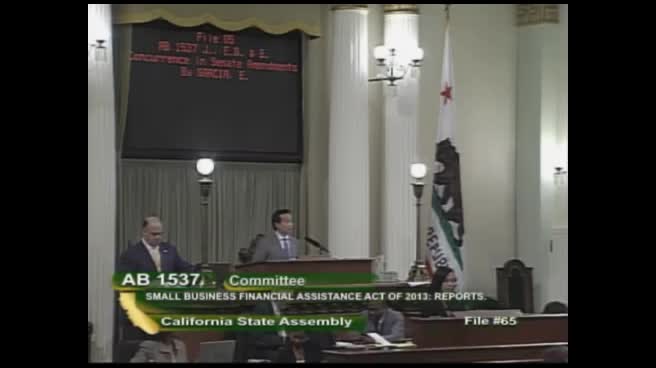
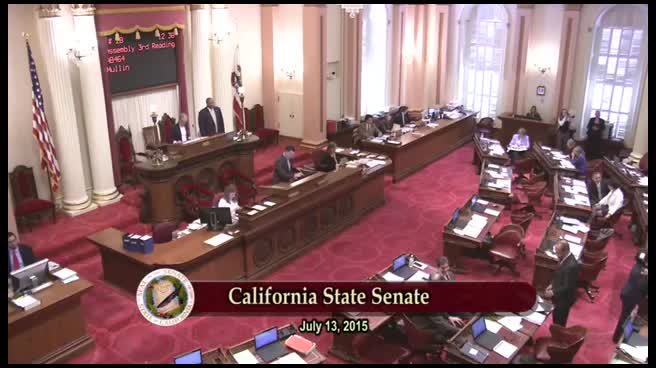
Bill Author