AB 1163: Health care service plans and health insurers: solicitors and life agents: notice of contract changes.
- Session Year: 2015-2016
- House: Assembly
- Latest Version Date: 2015-10-04
Existing law, the Knox-Keene Health Care Service Plan Act of 1975, provides for the licensure and regulation of health care service plans by the Department of Managed Health Care and makes a willful violation of the act a crime. Existing law also provides for the regulation of health insurers by the Department of Insurance.
This bill would prohibit a material change, as defined, made to the terms and conditions of a contract between a health care service plan and a solicitor, or a health insurer and a life agent, from becoming effective until the plan or insurer has delivered to the solicitor or life agent written or electronic notice of the change or changes to the contract, within a specified time period. These provisions would not apply if the material change is agreed to by the plan or insurer and the solicitor or agent or if the change at issue is required pursuant to state or federal law.
This bill would impose a state-mandated local program by creating a new crime with respect to health care service plans.
The California Constitution requires the state to reimburse local agencies and school districts for certain costs mandated by the state. Statutory provisions establish procedures for making that reimbursement.
This bill would provide that no reimbursement is required by this act for a specified reason.
Existing law, the Knox-Keene Health Care Service Plan Act of 1975, provides for the licensure and regulation of health care service plans by the Department of Managed Health Care and makes a willful violation of the act a crime. Existing law also provides for the regulation of health insurers by the Department of Insurance.
This bill would prohibit a material change, as defined, made to the terms and conditions of a contract between a health care service plan and a solicitor, or a health insurer and a life agent, from becoming effective until the plan or insurer has delivered to the solicitor or life agent written or electronic notice of the change or changes to the contract, within a specified time period. These provisions would not apply if the material change is agreed to by the plan or insurer and the solicitor or agent or if the change at issue is required pursuant to state or federal law.
This bill would impose a state-mandated local program by creating a new crime with respect to health care service plans.
The California Constitution requires the state to reimburse local agencies and school districts for certain costs mandated by the state. Statutory provisions establish procedures for making that reimbursement.
This bill would provide that no reimbursement is required by this act for a specified reason.
Existing law, the Knox-Keene Health Care Service Plan Act of 1975, provides for the licensure and regulation of health care service plans by the Department of Managed Health Care and makes a willful violation of the act a crime. Existing law also provides for the regulation of health insurers by the Department of Insurance.
This bill would prohibit a material change, as defined, made to the terms and conditions of a contract between a health care service plan and a solicitor, or a health insurer and an agent or broker, a life agent, from becoming effective until the plan or insurer has delivered to the solicitor, agent, or broker solicitors or life agent written or electronic notice of the change or changes to the contract, within a specified time period. These provisions would not apply if the material change is agreed to by the plan or insurer and the solicitor, agent, or broker, solicitor or agent or if the change at issue is required pursuant to state or federal law.
This bill would impose a state-mandated local program by creating a new crime with respect to health care service plans.
The California Constitution requires the state to reimburse local agencies and school districts for certain costs mandated by the state. Statutory provisions establish procedures for making that reimbursement.
This bill would provide that no reimbursement is required by this act for a specified reason.
Existing law, the Knox-Keene Health Care Service Plan Act of 1975, provides for the licensure and regulation of health care service plans by the Department of Managed Health Care and makes a willful violation of the act a crime. Existing law also provides for the regulation of health insurers by the Department of Insurance.
This bill would prohibit a material change, as defined, made to the terms and conditions of a contract between a health care services service plan and a solicitor, or a health insurer and an agent or broker, from becoming effective until the plan or insurer has delivered to the agent solicitor, agent, or broker written or electronic notice of the change or changes to the contract, within a specified time period. These provisions would not apply if the material change is agreed to by the plan or insurer and the agent solicitor, agent, or broker, or if the change at issue is required pursuant to state or federal law.
This bill would exempt violations of the provisions relating to health care service plans from the from criminal offense and other disciplinary provisions of the Knox-Keene Health Care Service Plan Act of 1975.
This bill would impose a state-mandated local program by creating a new crime with respect to health care service plans.
The California Constitution requires the state to reimburse local agencies and school districts for certain costs mandated by the state. Statutory provisions establish procedures for making that reimbursement.
This bill would provide that no reimbursement is required by this act for a specified reason.
Existing law, the Knox-Keene Health Care Service Plan Act of 1975, provides for the licensure and regulation of health care service plans by the Department of Managed Health Care and makes a willful violation of the act a crime. Existing law also provides for the regulation of health insurers by the Department of Insurance.
This bill would prohibit a material change made by a health care service plan or a health insurer to the terms and conditions of a contract between the plan change, as defined, made to the terms and conditions of a contract between a health care services plan or health insurer and an agent or broker, from becoming effective until the plan or insurer has delivered to the agent or broker, written or electronic notice of the change or changes to the contract, within a specified time period. These provisions would not apply if the material change is agreed to by the plan or insurer and the agent or broker, or if the change at issue is required pursuant to state or federal law.
This bill would exempt violations of the provisions relating to health care service plans from the from criminal offense and other disciplinary provisions of the Knox-Keene Health Care Service Plan Act of 1975.
Existing law, the Knox-Keene Health Care Service Plan Act of 1975, provides for the licensure and regulation of health care service plans by the Department of Managed Health Care and makes a willful violation of the act a crime. Existing law also provides for the regulation of health insurers by the Department of Insurance.
This bill would prohibit a material change made by a health care service plan or a health insurer to the terms and conditions of a contract between the plan or insurer and an agent or broker from becoming effective until the plan or insurer has delivered to the agent or broker, written or electronic notice of the change or changes to the contract, within a specified time period. These provisions would not apply if the material change is agreed to by the plan or insurer and the agent or broker, or if the change at issue is required pursuant to state or federal law.
This bill would exempt violations of the provisions relating to health care service plans from the from criminal offense and other disciplinary provisions of the Knox-Keene Health Care Service Plan Act of 1975.
Existing law, the Knox-Keene Health Care Service Plan Act of 1975, provides for the licensure and regulation of health care service plans by the Department of Managed Health Care and makes a willful violation of the act a crime. Existing law also provides for the regulation of health insurers by the Department of Insurance.
This bill would prohibit a material change made by a health care service plan or a health insurer to the terms and conditions of a contract between the plan or insurer and an agent or broker from becoming effective until the plan or insurer has delivered to the agent or broker, written or electronic notice of the change or changes to the contract, within a specified time period. These provisions would not apply if the material change is agreed to by the plan or insurer and the agent or broker, or if the change at issue is required pursuant to state or federal law.
This bill would exempt violations of the provisions relating to health care service plans from the from criminal offense and other disciplinary provisions of the Knox-Keene Health Care Service Plan Act of 1975.
(a)A material change made by a health care service plan, as defined in subdivision (f) of Section 1345, to the terms and conditions of a contract between the health care service plan and a solicitor shall not become effective until the health care service plan has delivered to the solicitor, at least 45 days prior to the effective date of the change, written or electronic notice indicating the change or changes to the contract. For purposes of this section, a material change is a change made to a provision of the contract affecting any of the following:
(1)Commissions, bonuses, and incentives paid to the solicitor.
(2)Right of survivorship.
(3)Indemnification of the solicitor by the health care service plan.
(4)Errors and omissions coverage requirements for the solicitor.
(b)Subdivision (a) shall not apply under either of the following circumstances:
(1)The change to the contract is mutually agreed upon by the health care service plan and the solicitor.
(2)The change to the contract is required by state or federal law.
SEC. 2.Section 769.56 is added to the Insurance Code, to read:769.56.(a)A material change made by a health insurer, as defined in subdivision (b) of Section 106, to the terms and conditions of a contract between the health insurer and a life agent shall not become effective until the health insurer has delivered to the life agent, at least 45 days prior to the effective date of the change, written or electronic notice indicating the change or changes to the contract. For purposes of this section, a material change is a change made to a provision of the contract affecting any of the following:
(1)Commissions, bonuses, and incentives paid to the life agent.
(2)Right of survivorship.
(3)Indemnification of the life agent by the health insurer.
(4)Errors and omissions coverage requirements for the life agent.
(b)Subdivision (a) shall not apply under either of the following circumstances:
(1)The change to the contract is mutually agreed upon by the health insurer and the life agent.
(2)The change to the contract is required by state or federal law.
SEC. 3.No reimbursement is required by this act pursuant to Section 6 of Article XIIIB of the California Constitution because the only costs that may be incurred by a local agency or school district will be incurred because this act creates a new crime or infraction, eliminates a crime or infraction, or changes the penalty for a crime or infraction, within the meaning of Section 17556 of the Government Code, or changes the definition of a crime within the meaning of Section 6 of Article XIIIB of the California Constitution.
(a)A material change made by a health care service plan, as defined in subdivision (f) of Section 1345, to the terms and conditions of a contract between the health care service plan and a solicitor shall not become effective until the health care service plan has delivered to the solicitor, at least 45 days prior to the effective date of the change, written or electronic notice indicating the change or changes to the contract. For purposes of this section, a material change is a change made to a provision of the contract affecting any of the following:
(1)Commissions, bonuses, and incentives paid to the solicitor.
(2)Right of survivorship.
(3)Indemnification of the solicitor by the health care service plan.
(4)Errors and omissions coverage requirements for the solicitor.
(b)Subdivision (a) shall not apply under either of the following circumstances:
(1)The change to the contract is mutually agreed upon by the health care service plan and the solicitor.
(2)The change to the contract is required by state or federal law.
SEC. 2.Section 769.56 is added to the Insurance Code, to read:769.56.(a)A material change made by a health insurer, as defined in subdivision (b) of Section 106, to the terms and conditions of a contract between the health insurer and a life agent shall not become effective until the health insurer has delivered to the life agent, at least 45 days prior to the effective date of the change, written or electronic notice indicating the change or changes to the contract. For purposes of this section, a material change is a change made to a provision of the contract affecting any of the following:
(1)Commissions, bonuses, and incentives paid to the life agent.
(2)Right of survivorship.
(3)Indemnification of the life agent by the health insurer.
(4)Errors and omissions coverage requirements for the life agent.
(b)Subdivision (a) shall not apply under either of the following circumstances:
(1)The change to the contract is mutually agreed upon by the health insurer and the life agent.
(2)The change to the contract is required by state or federal law.
SEC. 3.No reimbursement is required by this act pursuant to Section 6 of Article XIIIB of the California Constitution because the only costs that may be incurred by a local agency or school district will be incurred because this act creates a new crime or infraction, eliminates a crime or infraction, or changes the penalty for a crime or infraction, within the meaning of Section 17556 of the Government Code, or changes the definition of a crime within the meaning of Section 6 of Article XIIIB of the California Constitution.
(a)A material change made by a health care service plan, as defined in subdivision (f) of Section 1345, to the terms and conditions of a contract between the health care service plan and a solicitor shall not become effective until the health care service plan has delivered to the solicitor, at least 45 days prior to the effective date of the change, written or electronic notice indicating the change or changes to the contract. For purposes of this section, a material change is a change made to a provision of the contract affecting any of the following:
(1)Commissions, bonuses, and incentives paid to the solicitor.
(2)Right of survivorship.
(3)Indemnification of the solicitor by the health care service plan.
(4)Errors and omissions in coverage requirements for the solicitor.
(b)Subdivision (a) shall not apply under either of the following circumstances:
(1)The change to the contract is mutually agreed upon by the health care service plan and the solicitor.
(2)The change to the contract is required by state or federal law.
SEC. 2.Section 769.56 is added to the Insurance Code, to read:769.56.(a)A material change made by a health insurer, as defined in subdivision (b) of Section 106, to the terms and conditions of a contract between the health insurer and an agent or broker a life agent shall not become effective until the health insurer has delivered to the agent or broker, life agent, at least 45 days prior to the effective date of the change, written or electronic notice indicating the change or changes to the contract. For purposes of this section, a material change is a change made to a provision of the contract affecting any of the following:
(1)Commissions, bonuses, and incentives paid to the agent or broker. life agent.
(2)Right of survivorship.
(3)Indemnification of the agent or broker life agent by the health insurer.
(4)Errors and omissions coverage requirements for the agent or broker. life agent.
(b)Subdivision (a) shall not apply under either of the following circumstances:
(1)The change to the contract is mutually agreed upon by the health insurer and the agent or broker. life agent.
(2)The change to the contract is required by state or federal law.
SEC. 3.No reimbursement is required by this act pursuant to Section 6 of Article XIIIB of the California Constitution because the only costs that may be incurred by a local agency or school district will be incurred because this act creates a new crime or infraction, eliminates a crime or infraction, or changes the penalty for a crime or infraction, within the meaning of Section 17556 of the Government Code, or changes the definition of a crime within the meaning of Section 6 of Article XIIIB of the California Constitution.
(a)A material change made by a health care service plan, as defined in subdivision (f) of Section 1345, to the terms and conditions of a contract between the health care service plan and an agent or broker a solicitor shall not become effective until the health care service plan has delivered to the agent or broker, solicitor, at least 60 45 days prior to the effective date of the change, written or electronic notice indicating the change or changes to the contract. For purposes of this section, a material change is a change made to a provision of the contract affecting any of the following:
(1)Commissions, bonuses, and incentives paid to the agent or broker. solicitor.
(2)Right of survivorship.
(3)Indemnification of the agent or broker solicitor by the health care service plan.
(4)Errors and omissions in coverage requirements for the agent or broker. solicitor.
(b)Subdivision (a) shall not apply under either of the following circumstances:
(1)The change to the contract is mutually agreed upon by the health care service plan and the agent or broker. solicitor.
(2)The change to the contract is required by state or federal law.
(c)This section is not subject to Article 7 (commencing with Section 1386) or Article 8 (commencing with Section 1390).
SEC. 2.Section 769.56 is added to the Insurance Code, to read:769.56.(a)A material change made by a health insurer, as defined in subdivision (b) of Section 106, to the terms and conditions of a contract between the health insurer and an agent or broker shall not become effective until the health insurer has delivered to the agent or broker, at least 60 45 days prior to the effective date of the change, written or electronic notice indicating the change or changes to the contract. For purposes of this section, a material change is a change made to a provision of the contract affecting any of the following:
(1)Commissions, bonuses, and incentives paid to the agent or broker.
(2)Right of survivorship.
(3)Indemnification of the agent or broker by the health insurer.
(4)Errors and omissions coverage requirements for the agent or broker.
(b)Subdivision (a) shall not apply under either of the following circumstances:
(1)The change to the contract is mutually agreed upon by the health insurer and the agent or broker.
(2)The change to the contract is required by state or federal law.
SEC. 3.No reimbursement is required by this act pursuant to Section 6 of Article XIIIB of the California Constitution because the only costs that may be incurred by a local agency or school district will be incurred because this act creates a new crime or infraction, eliminates a crime or infraction, or changes the penalty for a crime or infraction, within the meaning of Section 17556 of the Government Code, or changes the definition of a crime within the meaning of Section 6 of Article XIIIB of the California Constitution.
(a)A material change made by a health care service plan, as defined in subdivision (f) of Section 1345, to the terms and conditions of a contract between the health care service plan and an agent or broker shall not become effective until the health care service plan has delivered to the agent or broker, at least 60 days prior to the effective date of the change, written or electronic notice indicating the change or changes to the contract. For purposes of this section, a material change is a change that causes the contract not to reflect the terms the parties originally intended to be the basis for their mutual contractual obligations. made to a provision of the contract affecting any of the following:
(1)Commissions, bonuses, and incentives paid to the agent or broker.
(2)Right of survivorship.
(3)Indemnification of the agent or broker by the health care service plan.
(4)Errors and omissions coverage requirements for the agent or broker.
(b)Subdivision (a) shall not apply under either of the following circumstances:
(1)The change to the contract is mutually agreed upon by the health care service plan and the agent or broker.
(2)The change to the contract is required by state or federal law.
(c)This section is not subject to Article 7 (commencing with Section 1386) or Article 8 (commencing with Section 1390).
SEC. 2.Section 769.56 is added to the Insurance Code, to read:769.56.(a)A material change made by a health insurer, as defined in subdivision (b) of Section 106, to the terms and conditions of a contract between the health insurer and an agent or broker shall not become effective until the health insurer has delivered to the agent or broker, at least 60 days prior to the effective date of the change, written or electronic notice indicating the change or changes to the contract. For purposes of this section, a material change is a change that causes the contract not to reflect the terms the parties originally intended to be the basis for their mutual contractual obligations. made to a provision of the contract affecting any of the following:
(1)Commissions, bonuses, and incentives paid to the agent or broker.
(2)Right of survivorship.
(3)Indemnification of the agent or broker by the health insurer.
(4)Errors and omissions coverage requirements for the agent or broker.
(b)Subdivision (a) shall not apply under either of the following circumstances:
(1)The change to the contract is mutually agreed upon by the health insurer and the agent or broker.
(2)The change to the contract is required by state or federal law.
(a)A material change made by a health care service plan, as defined in subdivision (f) of Section 1345, to the terms and conditions of a contract between the health care service plan and an agent or broker shall not become effective until the health care service plan has delivered to the agent or broker, at least 120 60 days prior to the effective date of the change, written or electronic notice indicating the change or changes to the contract. For purposes of this section, material means a provision in a contract to which a reasonable person would attach importance in determining the action to be taken upon the provision. a material change is a change that causes the contract not to reflect the terms the parties originally intended to be the basis for their mutual contractual obligations.
(b)Subdivision (a) shall not apply under either of the following circumstances:
(1)The change to the contract is mutually agreed upon by the health care service plan and the agent or broker.
(2)The change to the contract is required by state or federal law.
(c)This section is not subject to Article 7 (commencing with Section 1386) or Article 8 (commencing with Section 1390).
SEC. 2.Section 769.56 is added to the Insurance Code, to read:769.56.(a)A material change made by a health insurer, as defined in subdivision (b) of Section 106, to the terms and conditions of a contract between the health insurer and an agent or broker shall not become effective until the health insurer has delivered to the agent or broker, at least 120 60 days prior to the effective date of the change, written or electronic notice indicating the change or changes to the contract. For purposes of this section, material means a provision in a contract to which a reasonable person would attach importance in determining the action to be taken upon the provision. a material change is a change that causes the contract not to reflect the terms the parties originally intended to be the basis for their mutual contractual obligations.
(b)Subdivision (a) shall not apply under either of the following circumstances:
(1)The change to the contract is mutually agreed upon by the health insurer and the agent or broker.
(2)The change to the contract is required by state or federal law.
(a)A material change made by a health care service plan, as defined in subdivision (f) of Section 1345, to the terms and conditions of a contract between the health care service plan and an agent or broker shall not become effective until the health care service plan has delivered to the agent or broker, at least 120 days prior to the effective date of the change, written or electronic notice indicating the change or changes to the contract. For purposes of this section, material means a provision in a contract to which a reasonable person would attach importance in determining the action to be taken upon the provision.
(b)Subdivision (a) shall not apply under either of the following circumstances:
(1)The change to the contract is mutually agreed upon by the health care service plan and the agent or broker.
(2)The change to the contract is required by state or federal law.
(c)This section is not subject to Article 7 (commencing with Section 1386) or Article 8 (commencing with Section 1390).
SEC. 2.Section 769.56 is added to the Insurance Code, to read:769.56.(a)A material change made by a health insurer, as defined in subdivision (b) of Section 106, to the terms and conditions of a contract between the health insurer and an agent or broker shall not become effective until the health insurer has delivered to the agent or broker, at least 120 days prior to the effective date of the change, written or electronic notice indicating the change or changes to the contract. For purposes of this section, material means a provision in a contract to which a reasonable person would attach importance in determining the action to be taken upon the provision.
(b)Subdivision (a) shall not apply under either of the following circumstances:
(1)The change to the contract is mutually agreed upon by the health insurer and the agent or broker.
(2)The change to the contract is required by state or federal law.
|
Date
|
Status
|
|---|---|
| Jul 14, 2015 | Read second time and amended. Ordered to third reading. |
| Oct 4, 2015 | Chaptered by Secretary of State - Chapter 482, Statutes of 2015. |
| Oct 4, 2015 | Approved by the Governor. |
| Sep 16, 2015 | Enrolled and presented to the Governor at 4 p.m. |
| Sep 3, 2015 | Senate amendments concurred in. To Engrossing and Enrolling. (Ayes 78. Noes 0.). |
| Sep 3, 2015 | Senate amendments concurred in. To Engrossing and Enrolling. (Ayes 78. Noes 0. Page 2872.). |
| Sep 3, 2015 | Assembly Rule 77 suspended. (Page 2859.) |
| Sep 3, 2015 | Assembly Rule 77 suspended. |
| Sep 2, 2015 | Read third time. Passed. Ordered to the Assembly. (Ayes 40. Noes 0. Page 2408.). |
| Sep 2, 2015 | Read third time. Passed. Ordered to the Assembly. |
| Sep 2, 2015 | In Assembly. Concurrence in Senate amendments pending. May be considered on or after September 4 pursuant to Assembly Rule 77. |
| Sep 1, 2015 | Read second time. Ordered to third reading. |
| Aug 31, 2015 | Read third time and amended. Ordered to second reading. |
| Aug 18, 2015 | Read second time. Ordered to third reading. |
| Aug 17, 2015 | From committee: Be placed on second reading file pursuant to Senate Rule 28.8. |
| Jul 15, 2015 | Re-referred to Com. on APPR. pursuant to Joint Rule 10.5. |
| Feb 27, 2015 | Introduced. To print. |
| Jul 13, 2015 | From committee: Amend, and do pass as amended. (Ayes 8. Noes 0.) (July 8). |
| Jun 4, 2015 | Referred to Com. on HEALTH. |
| May 22, 2015 | Read third time. Passed. Ordered to the Senate. (Ayes 75. Noes 0. Page 1543.) |
| May 22, 2015 | Read third time. Passed. Ordered to the Senate. |
| May 22, 2015 | In Senate. Read first time. To Com. on RLS. for assignment. |
| May 13, 2015 | Read second time. Ordered to third reading. |
| May 12, 2015 | Read second time and amended. Ordered returned to second reading. |
| May 11, 2015 | From committee: Amend, and do pass as amended. (Ayes 12. Noes 0.) (May 6). |
| Apr 22, 2015 | Re-referred to Com. on INS. |
| Apr 21, 2015 | Read second time and amended. |
| Apr 20, 2015 | From committee: Amend, and do pass as amended and re-refer to Com. on INS. (Ayes 17. Noes 0.) (April 14). |
| Mar 23, 2015 | Referred to Coms. on HEALTH and INS. |
| Mar 2, 2015 | Read first time. |
| Mar 1, 2015 | From printer. May be heard in committee March 31. |
|
Date
|
Description
|
Location
|
Votes
|
|
|---|---|---|---|---|
| Sep 3, 2015 | AB 1163 RODRIGUEZ Concurrence in Senate Amendments | Assembly Floor |
Passed |
|
| Sep 2, 2015 | Assembly 3rd Reading AB1163 Rodriguez By Pan | Senate Floor |
Passed |
|
| Jul 8, 2015 | Do pass as amended | Senate Standing Committee on Health |
Passed |
|
| May 22, 2015 | AB 1163 RODRIGUEZ Assembly Third Reading | Assembly Floor |
Passed |
|
| May 6, 2015 | Do pass as amended. | Assembly Standing Committee on Insurance |
Passed |
|
| Apr 14, 2015 | Do pass as amended and be re-referred to the Committee on [Insurance] | Assembly Standing Committee on Health |
Passed |
This list shows positions taken on this bill by organizations on the date displayed, which is linked to the original source.
Positions by individuals are not included.
|
Organization
|
Position
|
Date
|
|---|---|---|
| Association Of California Life & Health Insurance Companies | ** Against | Sep 2, 2015 |
| California Association Of Dental Plans | * Against Unless Amend | Jul 8, 2015 |
| California Association of Health Directors | * Support | Jul 8, 2015 |
| California Association Of Health Plans | ** Against | Sep 2, 2015 |
| California Association Of Health Underwriters | ** Support | Sep 2, 2015 |
| HEALTH | ** Against | Apr 14, 2015 |
| Independent Insurance Agents and Brokers of California | ** Support | Sep 2, 2015 |
| National Association Of Insurance And Financial Advisors - Ca | * Support | Jul 8, 2015 |
| Sacramento Association of Health Underwriters | * Indeterminate | May 6, 2015 |
AB 1163
Page 2
CONCURRENCE IN SENATE AMENDMENTS
AB 1163
(Rodriguez)
As Amended July 14, 2015
Majority vote
ASSEMBLY: |
75-0 |
(May 22, 2015) |
SENATE: |
40-0 |
(September 2, 2015) |
Original Committee Reference: HEALTH
SUMMARY: Prohibits a health care service plan (plan) or health insurer (insurer) from making material changes to contracts with insurance solicitors without providing at least 45 days of notice.
The Senate amendments delete a provision that exempts violations of the provisions of this bill from criminal offense and other disciplinary provisions of the Knox-Keene Health Care Service Plan Act of 1975, and replace references to "agents" and "brokers" with "solicitors" and "life agents."
FISCAL EFFECT: According to the Senate Appropriations Committee, pursuant to Senate Rule 28.8, negligible state costs.
COMMENTS: According to the author, this bill was introduced in response to the recent action of a health insurance carrier that made material changes to their agreement with licensed health insurance agents with only 48 hours of notice before the substantive changes took effect. This action, combined with other recent actions that changed agent agreements since the advent of the Affordable Care Act, have made licensed agents aware of agent vulnerability to health plan and carrier actions as they seek to add or shed market share. The author states that this bill levels the playing field and provides for a fair and reasonable notice to licensed agents when their contract is materially changed.
Contracts between agents and brokers and insurance carriers set forth the terms and conditions of their business relationship. Contracts between agents and carriers contain provisions regarding compensation, required levels of client service, reporting requirements, and other provisions. These contracts generally contain provisions outlining how changes to the contract may be made, and when they take effect. However, there is no standard contract required, and contract provisions vary among insurance carriers.
Plans and insurers set aside a portion of the premium to pay licensed agents a commission that generally covers the selling of the plan or insurance policy, as well as ongoing servicing. Contracts between agents and plans and insurers contain a commission schedule outlining the amount of commissions an agent will be paid, the timing of payment of commissions, and other provisions. Plans and insurers sometimes use commissions to drive agents to sell certain products by increasing commissions for products they wish to aggressively market. Conversely, they may lower commissions to deter agents from selling certain products. Changes to commissions may impact agents, not only in the amount of ongoing compensation for a certain product, but also in terms of time and resources invested in selling and servicing a product. For example, agents may spend days or weeks working up a policy for a client based on the assumption of a certain commission. For larger clients, such as large employers, it may take a team of agents to work up a policy, and agents may make investments in additional staff to provide ongoing servicing of a policy after it is sold.
California Association of Health Underwriters (CAHU), Independent Insurance Agents and Brokers Association of California, and the National Association of Insurance and Financial Advisors, the sponsors of this bill, state that this bill levels the playing field and provides fair and reasonable notice to licensed agents when their contract is substantially changed. According to CAHU, if the commission rate for a certain product is changed, agents may need time to lay out other options for the client to consider or select. The sponsors state that most contracts contain provisions that address how and when notice of changes to the contract can be implemented, however, many contracts contain separate clauses that allow carriers to make substantial changes to the agreement without any notice at all. The sponsors state that agents understand that business needs can sometimes drive a need for a material change, and this bill ensures that a change desired by the carrier can take effect as soon as proper notice is given.
No opposition has been received.
Analysis Prepared by: Kelly Green / HEALTH / (916) 319-2097 FN: 0001914
AB 1163
Page 4
|
Office of Senate Floor Analyses (916) 651-1520 Fax: (916) 327-4478 |
THIRD READING
Bill No: AB 1163
Amended: 8/31/15 in Senate
SENATE HEALTH COMMITTEE: 8-0, 7/8/15
AYES: Hernandez, Nguyen, Hall, Monning, Nielsen, Pan, Roth, Wolk
NO VOTE RECORDED: Mitchell
SENATE APPROPRIATIONS COMMITTEE: Senate Rule 28.8
ASSEMBLY FLOOR: 75-0, 5/22/15 - See last page for vote
SUBJECT: Health care service plans and health insurers: solicitors and life agents: notice of contract changes
SOURCE: California Association of Health Underwriters
Independent Insurance Agents and Brokers of California
National Association of Insurance and Financial Advisors of California
DIGEST: This bill prohibits a health care service plan (plan) or health insurer (insurer) from making material changes to contracts with insurance agents or brokers without providing at least 45 days of notice.
Senate Floor Amendments of 8/31/15 align the wording of the bill with that of the insurance code to avoid confusion.
Existing law:
Establishes the Knox-Keene Health Care Service Plan Act of 1975 (Knox-Keene), the body of law governing plans in the state, and provides for the licensure and regulation of plans by the Department of Managed Health Care (DMHC).
Authorizes the Director of DMHC to suspend or revoke the license of a plan, or assess administrative penalties if the Director determines that the licensee has committed any acts or omissions constituting grounds for disciplinary action; provides that any person who violates provisions of Knox-Keene is liable for a civil penalty of up to $2,500 for each violation through a civil action; and, provides for other enforcement procedures, including provisions relating to criminal offenses.
Provides for the regulation of insurers and health insurance solicitors, agents and brokers by the California Department of Insurance.
Defines a health insurance solicitor as person who presents or advertises on behalf of a plan, where information regarding the plan, services, and charges is disseminated for the purposes of inducing persons to subscribe to, or enroll in, a plan.
Defines a health insurance agent as a “life licensee,” which is a person authorized to transact insurance coverage for sickness, bodily injury, or accidental death and may include benefits for disability income.
Prohibits, with certain exceptions, a property and casualty insurer from terminating or amending a contract with an agent or broker of property and casualty insurance that has been in effect for at least one year, unless 120 days of advanced written notice has been given by the insurer to the agent or broker.
This bill:
Prohibits a material change made by a plan or insurer to the terms and conditions of a contract with a solicitor, agent or broker from becoming effective until the plan or insurer has provided at least 45 days of written or electronic notice indicating the change to the contract.
Defines “material” as a provision in a contract affecting commissions, bonuses, and incentives paid to the solicitor, agent or broker, right of survivorship, indemnification of the solicitor, agent or broker by the health plan or errors and omissions coverage requirements for the solicitor, agent or broker.
Exempts from the notice requirement a change to the contract that is mutually agreed upon by the plan or insurer and the solicitor, agent or broker, or a change required by state or federal law.
Comments
Author’s statement. According to the author, AB 1163 was introduced in response to the recent action of a health insurance carrier that made material changes to their agreement with licensed health insurance agents with only 48 hours of notice before the substantive changes took effect. This action, combined with other recent actions that changed agent agreements since the advent of the Affordable Care Act, have made licensed agents aware of agent vulnerability to health plan and carrier actions as they seek to add or shed market share. AB 1163 levels the playing field and provides for a fair and reasonable notice to licensed agents when their contract is materially changed.
Insurance solicitors, agents and brokers. According to a report by Center for Studying Health System Change entitled The Role of Health Insurance Brokers, insurance brokers receive commissions from health plans in exchange for selling insurance products. Plans usually build commissions into the premium rates charged to firms, regardless of whether a firm used a broker. Commissions can vary significantly within a market, reflecting health plans’ differing business strategies and changes in market conditions. Plans attempting to expand market share tend to pay higher commission rates to encourage referrals. The underwriting cycle also influences a plan’s commission rates, with plans paying higher rates during the phase of the cycle when they are trying to attract new business and lower rates during the following phase, when firms are seeking to restore profitability.
Related Legislation
AB 1425 (Allen, 2015) prohibits a plan or insurer from entering into a contract with a solicitor, or an agent or broker, that varies the compensation paid to the solicitor, agent or broker for the sale of a plan based on whether a small employer implements a health reimbursement arrangement to supplement the benefits of the plan. AB1425 failed passage in the Assembly Committee on Health.
FISCAL EFFECT: Appropriation: No Fiscal Com.: Yes Local: Yes
California Association of Health Underwriters (co-source)
Independent Insurance Agents and Brokers of California (co-source)
National Association of Insurance and Financial Advisors of California (co-source)
None received
ARGUMENTS IN SUPPORT: California Association of Health Underwriters, Independent Insurance Agents and Brokers Association of California, and the National Association of Insurance and Financial Advisors, the sponsors of this bill, state that not only does this bill respond to recent actions by a health insurance carrier that made material changes to a contract with only 48 hours' notice, it also levels the playing field and provides fair and reasonable notice to licensed agents when their contract is substantially changed. The sponsors state that most contracts contain provisions that address how and when notice of changes to the contract can be implemented, however, many contracts contain separate clauses that allow carriers to make substantial changes to the agreement without any notice at all. The sponsors state that agents understand that business needs can sometimes drive a need for a material change, and this bill ensures that a change desired by the carrier can take effect as soon as proper notice is given.
AYES: Achadjian, Travis Allen, Baker, Bigelow, Bloom, Bonilla, Bonta, Brough, Brown, Burke, Calderon, Campos, Chang, Chau, Chávez, Chiu, Chu, Cooley, Cooper, Dababneh, Dahle, Daly, Dodd, Eggman, Frazier, Beth Gaines, Gallagher, Cristina Garcia, Eduardo Garcia, Gatto, Gipson, Gomez, Gonzalez, Gordon, Gray, Grove, Hadley, Harper, Roger Hernández, Holden, Irwin, Jones, Jones-Sawyer, Kim, Lackey, Levine, Linder, Lopez, Low, Maienschein, Mathis, Mayes, McCarty, Medina, Melendez, Mullin, Nazarian, Obernolte, Patterson, Perea, Quirk, Rendon, Ridley-Thomas, Rodriguez, Salas, Santiago, Steinorth, Mark Stone, Thurmond, Ting, Wagner, Wilk, Williams, Wood, Atkins
NO VOTE RECORDED: Alejo, O'Donnell, Olsen, Waldron, Weber
Prepared by: Shannon Muir / HEALTH /
9/1/15 21:19:57
AB 1163
Page 4
|
Office of Senate Floor Analyses (916) 651-1520 Fax: (916) 327-4478 |
THIRD READING
Bill No: AB 1163
Amended: 7/14/15 in Senate
SENATE HEALTH COMMITTEE: 8-0, 7/8/15
AYES: Hernandez, Nguyen, Hall, Monning, Nielsen, Pan, Roth, Wolk
NO VOTE RECORDED: Mitchell
SENATE APPROPRIATIONS COMMITTEE: Senate Rule 28.8
ASSEMBLY FLOOR: 75-0, 5/22/15 - See last page for vote
SUBJECT: Health care services plan and health insurers: solicitors, agents and brokers: notice of contract changes
SOURCE: California Association of Health Underwriters
Independent Insurance Agents and Brokers of California
National Association of Insurance and Financial Advisors of California
DIGEST: This bill prohibits a health care service plan (plan) or health insurer (insurer) from making material changes to contracts with insurance agents or brokers without providing at least 45 days of notice.
Existing law:
Establishes the Knox-Keene Health Care Service Plan Act of 1975 (Knox-Keene), the body of law governing plans in the state, and provides for the licensure and regulation of plans by the Department of Managed Health Care (DMHC).
Authorizes the Director of DMHC to suspend or revoke the license of a plan, or assess administrative penalties if the Director determines that the licensee has committed any acts or omissions constituting grounds for disciplinary action; provides that any person who violates provisions of Knox-Keene is liable for a civil penalty of up to $2,500 for each violation through a civil action; and, provides for other enforcement procedures, including provisions relating to criminal offenses.
Provides for the regulation of insurers and health insurance solicitors, agents and brokers by the California Department of Insurance.
Defines a health insurance solicitor as person who presents or advertises on behalf of a plan, where information regarding the plan, services, and charges is disseminated for the purposes of inducing persons to subscribe to, or enroll in, a plan.
Defines a health insurance agent as a “life licensee,” which is a person authorized to transact insurance coverage for sickness, bodily injury, or accidental death and may include benefits for disability income.
Prohibits, with certain exceptions, a property and casualty insurer from terminating or amending a contract with an agent or broker of property and casualty insurance that has been in effect for at least one year, unless 120 days of advanced written notice has been given by the insurer to the agent or broker.
This bill:
Prohibits a material change made by a plan or insurer to the terms and conditions of a contract with a solicitor, agent or broker from becoming effective until the plan or insurer has provided at least 45 days of written or electronic notice indicating the change to the contract.
Defines “material” as a provision in a contract affecting commissions, bonuses, and incentives paid to the solicitor, agent or broker, right of survivorship, indemnification of the solicitor, agent or broker by the health plan or errors and omissions coverage requirements for the solicitor, agent or broker.
Exempts from the notice requirement a change to the contract that is mutually agreed upon by the plan or insurer and the solicitor, agent or broker, or a change required by state or federal law.
Comments
Author’s statement. According to the author, AB 1163 was introduced in response to the recent action of a health insurance carrier that made material changes to their agreement with licensed health insurance agents with only 48 hours of notice before the substantive changes took effect. This action, combined with other recent actions that changed agent agreements since the advent of the Affordable Care Act, have made licensed agents aware of agent vulnerability to health plan and carrier actions as they seek to add or shed market share. AB 1163 levels the playing field and provides for a fair and reasonable notice to licensed agents when their contract is materially changed.
Insurance solicitors, agents and brokers. According to a report by Center for Studying Health System Change entitled The Role of Health Insurance Brokers, insurance brokers receive commissions from health plans in exchange for selling insurance products. Plans usually build commissions into the premium rates charged to firms, regardless of whether a firm used a broker. Commissions can vary significantly within a market, reflecting health plans’ differing business strategies and changes in market conditions. Plans attempting to expand market share tend to pay higher commission rates to encourage referrals. The underwriting cycle also influences a plan’s commission rates, with plans paying higher rates during the phase of the cycle when they are trying to attract new business and lower rates during the following phase, when firms are seeking to restore profitability.
Related Legislation
AB 1425 (Allen, 2015) prohibits a plan or insurer from entering into a contract with a solicitor, or an agent or broker, that varies the compensation paid to the solicitor, agent or broker for the sale of a plan based on whether a small employer implements a health reimbursement arrangement to supplement the benefits of the plan. AB1425 failed passage in the Assembly Committee on Health.
FISCAL EFFECT: Appropriation: No Fiscal Com.: Yes Local: Yes
California Association of Health Underwriters (co-source)
Independent Insurance Agents and Brokers of California (co-source)
National Association of Insurance and Financial Advisors of California (co-source)
OPPOSITION: (Verified 8/26/15)
None received
ARGUMENTS IN SUPPORT: California Association of Health Underwriters, Independent Insurance Agents and Brokers Association of California, and the National Association of Insurance and Financial Advisors, the sponsors of this bill, state that not only does this bill respond to recent actions by a health insurance carrier that made material changes to a contract with only 48 hours' notice, it also levels the playing field and provides fair and reasonable notice to licensed agents when their contract is substantially changed. The sponsors state that most contracts contain provisions that address how and when notice of changes to the contract can be implemented, however, many contracts contain separate clauses that allow carriers to make substantial changes to the agreement without any notice at all. The sponsors state that agents understand that business needs can sometimes drive a need for a material change, and this bill ensures that a change desired by the carrier can take effect as soon as proper notice is given.
ASSEMBLY FLOOR: 75-0, 5/22/15
AYES: Achadjian, Travis Allen, Baker, Bigelow, Bloom, Bonilla, Bonta, Brough, Brown, Burke, Calderon, Campos, Chang, Chau, Chávez, Chiu, Chu, Cooley, Cooper, Dababneh, Dahle, Daly, Dodd, Eggman, Frazier, Beth Gaines, Gallagher, Cristina Garcia, Eduardo Garcia, Gatto, Gipson, Gomez, Gonzalez, Gordon, Gray, Grove, Hadley, Harper, Roger Hernández, Holden, Irwin, Jones, Jones-Sawyer, Kim, Lackey, Levine, Linder, Lopez, Low, Maienschein, Mathis, Mayes, McCarty, Medina, Melendez, Mullin, Nazarian, Obernolte, Patterson, Perea, Quirk, Rendon, Ridley-Thomas, Rodriguez, Salas, Santiago, Steinorth, Mark Stone, Thurmond, Ting, Wagner, Wilk, Williams, Wood, Atkins
NO VOTE RECORDED: Alejo, O'Donnell, Olsen, Waldron, Weber
Prepared by: Shannon Muir / HEALTH /
8/26/15 16:36:38
**** END ****
AB 1163
Page 5
|
Office of Senate Floor Analyses (916) 651-1520 Fax: (916) 327-4478 |
THIRD READING
Bill No: AB 1163
Amended: 7/14/15 in Senate
SENATE HEALTH COMMITTEE: 8-0, 7/8/15
AYES: Hernandez, Nguyen, Hall, Monning, Nielsen, Pan, Roth, Wolk
NO VOTE RECORDED: Mitchell
SENATE APPROPRIATIONS COMMITTEE: Senate Rule 28.8
ASSEMBLY FLOOR: 75-0, 5/22/15 - See last page for vote
SUBJECT: Health care services plan and health insurers: solicitors, agents and brokers: notice of contract changes
SOURCE: California Association of Health Underwriters
Independent Insurance Agents and Brokers of California
National Association of Insurance and Financial Advisors of California
DIGEST: This bill prohibits a health care service plan (plan) or health insurer (insurer) from making material changes to contracts with insurance agents or brokers without providing at least 45 days of notice.
Existing law:
Establishes the Knox-Keene Health Care Service Plan Act of 1975 (Knox-Keene), the body of law governing plans in the state, and provides for the licensure and regulation of plans by the Department of Managed Health Care (DMHC).
Authorizes the Director of DMHC to suspend or revoke the license of a plan, or assess administrative penalties if the Director determines that the licensee has committed any acts or omissions constituting grounds for disciplinary action; provides that any person who violates provisions of Knox-Keene is liable for a civil penalty of up to $2,500 for each violation through a civil action; and, provides for other enforcement procedures, including provisions relating to criminal offenses.
Provides for the regulation of insurers and health insurance solicitors, agents and brokers by the California Department of Insurance.
Defines a health insurance solicitor as person who presents or advertises on behalf of a plan, where information regarding the plan, services, and charges is disseminated for the purposes of inducing persons to subscribe to, or enroll in, a plan.
Defines a health insurance agent as a “life licensee,” which is a person authorized to transact insurance coverage for sickness, bodily injury, or accidental death and may include benefits for disability income.
Prohibits, with certain exceptions, a property and casualty insurer from terminating or amending a contract with an agent or broker of property and casualty insurance that has been in effect for at least one year, unless 120 days of advanced written notice has been given by the insurer to the agent or broker.
This bill:
Prohibits a material change made by a plan or insurer to the terms and conditions of a contract with a solicitor, agent or broker from becoming effective until the plan or insurer has provided at least 45 days of written or electronic notice indicating the change to the contract.
Defines “material” as a provision in a contract affecting commissions, bonuses, and incentives paid to the solicitor, agent or broker, right of survivorship, indemnification of the solicitor, agent or broker by the health plan or errors and omissions coverage requirements for the solicitor, agent or broker.
Exempts from the notice requirement a change to the contract that is mutually agreed upon by the plan or insurer and the solicitor, agent or broker, or a change required by state or federal law.
Comments
Author’s statement. According to the author, AB 1163 was introduced in response to the recent action of a health insurance carrier that made material changes to their agreement with licensed health insurance agents with only 48 hours of notice before the substantive changes took effect. This action, combined with other recent actions that changed agent agreements since the advent of the Affordable Care Act, have made licensed agents aware of agent vulnerability to health plan and carrier actions as they seek to add or shed market share. AB 1163 levels the playing field and provides for a fair and reasonable notice to licensed agents when their contract is materially changed.
Insurance solicitors, agents and brokers. According to a report by Center for Studying Health System Change entitled The Role of Health Insurance Brokers, insurance brokers receive commissions from health plans in exchange for selling insurance products. Plans usually build commissions into the premium rates charged to firms, regardless of whether a firm used a broker. Commissions can vary significantly within a market, reflecting health plans’ differing business strategies and changes in market conditions. Plans attempting to expand market share tend to pay higher commission rates to encourage referrals. The underwriting cycle also influences a plan’s commission rates, with plans paying higher rates during the phase of the cycle when they are trying to attract new business and lower rates during the following phase, when firms are seeking to restore profitability.
Related Legislation
AB 1425 (Allen, 2015) prohibits a plan or insurer from entering into a contract with a solicitor, or an agent or broker, that varies the compensation paid to the solicitor, agent or broker for the sale of a plan based on whether a small employer implements a health reimbursement arrangement to supplement the benefits of the plan. AB1425 failed passage in the Assembly Committee on Health.
FISCAL EFFECT: Appropriation: No Fiscal Com.: Yes Local: Yes
California Association of Health Underwriters (co-source)
Independent Insurance Agents and Brokers of California (co-source)
National Association of Insurance and Financial Advisors of California (co-source)
OPPOSITION: (Verified 8/19/15)
Association of California Life & Health Insurance Companies
California Association of Health Plans
ARGUMENTS IN SUPPORT: California Association of Health Underwriters, Independent Insurance Agents and Brokers Association of California, and the National Association of Insurance and Financial Advisors, the sponsors of this bill, state that not only does this bill respond to recent actions by a health insurance carrier that made material changes to a contract with only 48 hours' notice, it also levels the playing field and provides fair and reasonable notice to licensed agents when their contract is substantially changed. The sponsors state that most contracts contain provisions that address how and when notice of changes to the contract can be implemented, however, many contracts contain separate clauses that allow carriers to make substantial changes to the agreement without any notice at all. The sponsors state that agents understand that business needs can sometimes drive a need for a material change, and this bill ensures that a change desired by the carrier can take effect as soon as proper notice is given.
ARGUMENTS IN OPPOSITION: The Association of California Life and Health Insurance Companies (ACLHIC) and the California Association of Health Plans (CAHP) oppose this bill, stating that it would unnecessarily interfere with private party contracts and seeks to offer a legislative remedy to an issue better handled through the course of contractual negotiations and agreements. ACLHIC and CAHP state that this bill usurps current contract negotiation practices which already have self-imposed time frames and notification agreements, and where violations are treated as a breach of contract. Opponents argues that a vast majority of their member companies currently have a 30-day notification agreement built into their existing contract frameworks and deviation from that would result in significant expense and confusion.
ASSEMBLY FLOOR: 75-0, 5/22/15
AYES: Achadjian, Travis Allen, Baker, Bigelow, Bloom, Bonilla, Bonta, Brough, Brown, Burke, Calderon, Campos, Chang, Chau, Chávez, Chiu, Chu, Cooley, Cooper, Dababneh, Dahle, Daly, Dodd, Eggman, Frazier, Beth Gaines, Gallagher, Cristina Garcia, Eduardo Garcia, Gatto, Gipson, Gomez, Gonzalez, Gordon, Gray, Grove, Hadley, Harper, Roger Hernández, Holden, Irwin, Jones, Jones-Sawyer, Kim, Lackey, Levine, Linder, Lopez, Low, Maienschein, Mathis, Mayes, McCarty, Medina, Melendez, Mullin, Nazarian, Obernolte, Patterson, Perea, Quirk, Rendon, Ridley-Thomas, Rodriguez, Salas, Santiago, Steinorth, Mark Stone, Thurmond, Ting, Wagner, Wilk, Williams, Wood, Atkins
NO VOTE RECORDED: Alejo, O'Donnell, Olsen, Waldron, Weber
Prepared by: Shannon Muir / HEALTH /
8/19/15 20:42:57
**** END ****
AB 1163 (Rodriguez) Page 3 of 3
SENATE COMMITTEE ON HEALTH
Senator Ed Hernandez, O.D., Chair
BILL NO: AB 1163
AUTHOR: |
Rodriguez |
||
VERSION: |
May 12, 2015 |
||
HEARING DATE: |
July 8, 2015 |
|
|
CONSULTANT: |
Shannon Muir |
||
SUBJECT: Health care services plan and health insurers: agents and brokers: notice of contract changes.
SUMMARY:
Prohibits a health care service plan (plan) or health insurer (insurer) from making material changes to contracts with insurance agents or brokers without providing at least 60 days of notice.
Existing law:
Establishes the Knox-Keene Health Care Service Plan Act of 1975 (Knox-Keene), the body of law governing plans in the state, and provides for the licensure and regulation of plans by the Department of Managed Health Care (DMHC).
Authorizes the Director of DMHC to suspend or revoke the license of a plan, or assess administrative penalties if the Director determines that the licensee has committed any acts or omissions constituting grounds for disciplinary action; provides that any person who violates provisions of Knox-Keene is liable for a civil penalty of up to $2,500 for each violation through a civil action; and, provides for other enforcement procedures, including provisions relating to criminal offenses.
Provides for the regulation of insurers and health insurance agents and brokers by the California Department of Insurance.
Defines a health insurance agent as a “life licensee,” which is a person authorized to transact insurance coverage for sickness, bodily injury, or accidental death and may include benefits for disability income.
Prohibits, with certain exceptions, a property and casualty insurer from terminating or amending a contract with an agent or broker of property and casualty insurance that has been in effect for at least one year, unless 120 days of advanced written notice has been given by the insurer to the agent or broker.
This bill:
Prohibits a material change made by a plan or insurer to the terms and conditions of a contract with an agent or broker from becoming effective until the plan or insurer has provided at least 60 days of written or electronic notice indicating the change to the contract.
Defines “material” as a provision in a contract affecting commissions, bonuses, and incentives paid to the agent or broker, right of survivorship, indemnification of the agent or broker by the health plan or errors and omissions coverage requirements for the agent or broker.
Exempts from the notice requirement a change to the contract that is mutually agreed upon by the plan or insurer and the agent or broker, or a change required by state or federal law.
Provides that violations of these provisions by a plan are exempt from disciplinary and criminal offense provisions in existing law.
FISCAL EFFECT:
This bill is keyed non-fiscal.
PRIOR VOTES:
Assembly Floor: |
75 - 0 |
Assembly Health Committee: |
17 - 0 |
COMMENTS:
Author’s statement. According to the author, AB 1163 was introduced in response to the recent action of a health insurance carrier that made material changes to their agreement with licensed health insurance agents with only 48 hours of notice before the substantive changes took effect. This action, combined with other recent actions that changed agent agreements since the advent of the Affordable Care Act, have made licensed agents aware of agent vulnerability to health plan and carrier actions as they seek to add or shed market share. AB 1163 levels the playing field and provides for a fair and reasonable notice to licensed agents when their contract is materially changed.
Insurance agents and brokers. According to a report by Center for Studying Health System Change entitled The Role of Health Insurance Brokers, insurance brokers receive commissions from health plans in exchange for selling insurance products. Plans usually build commissions into the premium rates charged to firms, regardless of whether a firm used a broker. Commissions can vary significantly within a market, reflecting health plans’ differing business strategies and changes in market conditions. Plans attempting to expand market share tend to pay higher commission rates to encourage referrals. The underwriting cycle also influences a plan’s commission rates, with plans paying higher rates during the phase of the cycle when they are trying to attract new business and lower rates during the following phase, when firms are seeking to restore profitability.
Related legislation. AB 1425 (Allen), would prohibit a plan or insurer from entering into a contract with a solicitor, or an agent or broker, that varies the compensation paid to the agent or broker for the sale of a plan based on whether a small employer implements a health reimbursement arrangement to supplement the benefits of the plan. AB1425 failed passage in the Assembly Committee on Health.
Support. California Association of Health Underwriters, Independent Insurance Agents and Brokers Association of California, and the National Association of Insurance and Financial Advisors, the sponsors of this bill, state that not only does this bill respond to recent actions by a health insurance carrier that made material changes to a contract with only 48 hours' notice, it also levels the playing field and provides fair and reasonable notice to licensed agents when their contract is substantially changed. The sponsors state that most contracts contain provisions that address how and when notice of changes to the contract can be implemented, however, many contracts contain separate clauses that allow carriers to make substantial changes to the agreement without any notice at all. The sponsors state that agents understand that business needs can sometimes drive a need for a material change, and this bill ensures that a change desired by the carrier can take effect as soon as proper notice is given.
Opposition. The Association of California Life and Health Insurance Companies (ACLHIC) and the California Association of Health Plans (CAHP) oppose this bill, stating that it would unnecessarily interfere with private party contracts and seeks to offer a legislative remedy to an issue better handled through the course of contractual negotiations and agreements. ACLHIC and CAHP state that this bill usurps current contract negotiation practices which already have self-imposed time frames and notification agreements, and where violations are treated as a breach of contract. Opponents argues that a vast majority of their member companies currently have a 30-day notification agreement built into their existing contract frameworks and deviation from that would result in significant expense and confusion.
SUPPORT AND OPPOSITION:
Support: California Association of Health Underwriters (sponsor)
Independent Insurance Agents and Brokers of California (sponsor)
National Association of Insurance and Financial Advisors of California (sponsor)
Oppose: Association of California Life & Health Insurance Companies
California Association of Health Plans
-- END --
AB 1163
Page 2
ASSEMBLY THIRD READING
AB 1163
(Rodriguez)
As Amended May 12, 2015
Majority vote
Committee |
Votes |
Ayes |
Noes |
Health |
17-0 |
Bonta, Maienschein, Bonilla, Burke, Chávez, Chiu, Gomez, Gonzalez, Lackey, Nazarian, Patterson, Ridley-Thomas, Rodriguez, Santiago, Thurmond, Waldron, Wood |
|
Insurance |
12-0 |
Daly, Beth Gaines, Travis Allen, Calderon, Cooley, Cooper, Dababneh, Frazier, Gatto, Gonzalez, Mayes, Rodriguez |
|
SUMMARY: Prohibits a health care service plan (plan) or health insurer (insurer) from making material changes to contracts with insurance agents or brokers without providing at least 60 days of notice. Specifically, this bill:
Prohibits a material change made by a plan or insurer to the terms and conditions of a contract with an agent or broker from becoming effective until the plan or insurer has provided at least 60 days of written or electronic notice indicating the change to the contract.
Defines a "material change" as a change made to a provision of the contract affecting commissions, bonuses, incentive payments, right of survivorship, indemnification by the plan or insurer, and errors and omissions coverage requirements.
Specifies that the notice requirement shall not apply if the change to the contract is mutually agreed upon by the plan or insurer and the agent or broker, or if the change is required by state or federal law.
Provides that violations of these provisions by a plan are exempt from disciplinary and criminal offense provisions in existing law.
FISCAL EFFECT: None
COMMENTS: According to the author, this bill responds to recent actions by a health insurance carrier that made substantial material changes to its contract with agents, providing only 48 hours’ notice before those changes took effect. The author states that this bill will prevent this from occurring by requiring plans and insurers to provide their appointed agents with 60 days advance notice of any material changes in their contracts. The author states that this bill would require a delay of implementation of any substantive change made to a contract by a plan or insurer until proper notice is given to the agent.
Background. Contracts between agents and brokers and insurance carriers set forth the terms and conditions of their business relationship, and contain provisions regarding compensation, required levels of client service, reporting requirements, and other provisions. These contracts generally contain provisions outlining how changes to the contract may be made, and when they take effect. However, there is no standard contract required, and contract provisions vary among insurance carriers.
Plans and insurers set aside a portion of the premium to pay licensed agents a commission that generally covers the selling of the plan or insurance policy, as well as ongoing servicing. Contracts between agents and plans and insurers contain a commission schedule outlining the amount of commissions an agent will be paid, the timing of payment of commissions, and other provisions.
Plans and insurers sometimes use commissions to drive agents to sell certain products by increasing commissions for products they wish to aggressively market. Conversely, they may lower commissions to deter agents from selling certain products. Changes to commissions may impact agents, not only in the amount of ongoing compensation for a certain product, but also in terms of time and resources invested in selling and servicing a product. For example, agents may spend days or weeks working up a policy for a client based on the assumption of a certain commission. For larger clients, such as large employers, it may take a team of agents to work up a policy, and agents may make investments in additional staff to provide ongoing servicing of a policy after it is sold. According to the California Association of Health Underwriters (CAHU), if the commission rate for a certain product is changed, agents may need time to lay out other options for the client to consider or select.
Support. CAHU, Independent Insurance Agents and Brokers Association of California, and the National Association of Insurance and Financial Advisors, the sponsors of this bill, state that not only does this bill respond to recent actions by a health insurance carrier that made material changes to a contract with only 48 hours' notice, it also levels the playing field and provides fair and reasonable notice to licensed agents when their contract is substantially changed. The sponsors state that most contracts contain provisions that address how and when notice of changes to the contract can be implemented, however, many contracts contain separate clauses that allow carriers to make substantial changes to the agreement without any notice at all. The sponsors state that agents understand that business needs can sometimes drive a need for a material change, and this bill ensures that a change desired by the carrier can take effect as soon as proper notice is given.
Opposition. The Association of California Life and Health Insurance Companies (ACLHIC) and the California Association of Health Plans (CAHP) oppose this bill, stating that it would unnecessarily interfere with private party contracts and seeks to offer a legislative remedy to an issue better handled through the course of contractual negotiations and agreements. ACLHIC and CAHP state that this bill usurps current contract negotiation practices which already have self-imposed time frames and notification agreements, and where violations are treated as a breach of contract. Opponents argues that a vast majority of their member companies currently have a 30-day notification agreement built into their existing contract frameworks and deviation from that would result in significant expense and confusion.
Analysis Prepared by: Kelly Green / HEALTH / (916) 319-2097 FN: 0000375
AB 1163
Page 3
Date of Hearing: May 6, 2015
ASSEMBLY COMMITTEE ON INSURANCE
Tom Daly, Chair
AB 1163
(Rodriguez) – As Amended April 21, 2015
SUBJECT: Health plans and health insurers: agents and brokers contracts
SUMMARY: Requires health insurers and health care service plans (health plans) to provide their agents at least 60 days written notice of contract changes. Specifically, this bill:
Requires health plans to provide agents and brokers with at least 60 days written notice of any material change in their contract.
Defines material change as one that that causes the contract to no longer reflect the terms the parties intended to be the basis for their mutual contractual obligations.
EXISTING LAW:
Provides for the regulation of insurers and health insurance agents and brokers by the California Department of Insurance.
Defines a health insurance agent as a “life licensee,” which is a person authorized to transact insurance coverage for sickness, bodily injury, or accidental death and may include benefits for disability income.
Establishes the Knox-Keene Health Care Service Plan Act of 1975, the body of law governing plans in the state, and provides for the licensure and regulation of plans by the Department of Managed Health Care.
Prohibits, with certain exceptions, a property and casualty insurer from terminating or amending a contract with an agent or broker of property and casualty insurance that has been in effect for at least one year, unless 120 days advanced written notice has been given by the insurer to the agent or broker.
FISCAL EFFECT: Undetermined
COMMENTS:
Purpose. According to the author, AB 1163 was introduced in response to recent actions by a health insurance carrier that made substantial and material changes to their agreement with health insurance agents only 48 hours before the changes took effect. AB 1163 would level the playing field and provide for a fair and reasonable notice to agents when their contract is substantially changed. An agent or producer agreement is a written contract setting out the terms between an insurance agency and the health plan it represents. Important details such as ownership of renewal, commissions, and general duties and responsibilities of each party are usually spelled out in this agreement. Most agent agreements contain provisions that address how and when notice of changes to the agency agreement can be implemented.
Commissions. Health plans pay commissions to licensed agents for selling and servicing the plan contract or insurance policy. Commissions are paid based on a schedule outlining the amount and timing of payments that is part of the contract between the health plan and the agent. Health plans sometimes use commissions to drive agents to sell certain products by increasing commissions for products they wish to aggressively market. Conversely, they may lower commissions to deter agents from selling certain products. For example, if a health plan has saturated a market with a certain product, or determines that a product is creating losses, they may opt to lower commissions, thus decreasing financial incentives for agents to sell the product.
Supporters. CAHU, Independent Insurance Agents and Brokers Association of California, and the National Association of Insurance and Financial Advisors state that not only does this bill respond to recent actions by a health insurance carrier that made material changes to a contract with only 48 hours’ notice, it also levels the playing field and provides fair and reasonable notice to licensed agents when their contract is substantially changed. The sponsors state that most contracts contain provisions that address how and when notice of changes to the contract can be implemented; however, some contracts contain separate clauses that allow carriers to make substantial changes to the agreement without any notice at all. The sponsors state that agents understand that business needs can sometimes drive a need for a material change, and this bill ensures that a change desired by the carrier can take effect as soon as proper notice is given.
Opponents. The Association of California Life and Health Insurance Companies (ACLHIC) and the California Association of Health Plans (CAHP) oppose this bill, stating that it would unnecessarily interfere with private party contracts and seeks to offer a legislative remedy to an issue better handled through the course of contractual negotiations and agreements. ACLHIC and CAHP state that this bill usurps current contract negotiation practices which already have self-imposed time frames and notification agreements, and where violations are treated as a breach of contract. The opposition argues that a vast majority of their member companies currently have a 30-day notification agreement built into their existing contract frameworks and deviation from that would result in significant expense and confusion. Lastly, ACLHIC and CAHP state that the definition of “material” change under this bill is vague and may introduce further confusion into the contractual negotiation process.
Suggested Amendment. The definition of a material change included in the bill is unnecessarily vague and invites needless litigation. The author should consider amending the bill to define material changes as a change to a provision of the contract relating to:
Commissions, bonuses, and incentives.
Right of survivorship.
Indemnification of the agent.
Errors and omissions coverage requirements.
REGISTERED SUPPORT / OPPOSITION:
Support
California Association of Health Underwriters
Independent Insurance Agents and Brokers of California
National Association of Insurance and Financial Advisors
Opposition
Association of California Life and Health Insurance Companies
California Association of Health Plans
Analysis Prepared by: Paul Riches / INS. / (916) 319-2086
AB 1163
Page 5
Date of Hearing: April 14, 2015
ASSEMBLY COMMITTEE ON HEALTH
Rob Bonta, Chair
AB 1163
(Rodriguez) – As Introduced February 27, 2015
SUBJECT: Health care services plan and health insurers: agents and brokers: notice of contract changes.
SUMMARY: Prohibits a health care service plan (plan) or health insurer (insurer) from making material changes to contracts with insurance agents or brokers without providing at least 120 days of notice. Specifically, this bill:
Prohibits a material change made by a plan or insurer to the terms and conditions of a contract with an agent or broker from becoming effective until the plan or insurer has provided at least 120 days of written or electronic notice indicating the change to the contract.
Defines “material” as a provision in a contract to which a reasonable person would attach importance in determining the action to be taken upon the provision.
Specifies that the notice requirement shall not apply if the change to the contract is mutually agreed upon by the plan or insurer and the agent or broker, or if the change is required by state or federal law.
Provides that violations of these provisions by a plan are exempt from disciplinary and criminal offense provisions in existing law.
EXISTING LAW:
Establishes the Knox-Keene Health Care Service Plan Act of 1975 (Knox-Keene), the body of law governing plans in the state, and provides for the licensure and regulation of plans by the Department of Managed Health Care (DMHC).
Authorizes the Director of the DMHC to suspend or revoke the license of a plan, or assess administrative penalties if the Director determines that the licensee has committed any acts or omissions constituting grounds for disciplinary action; provides that any person who violates provisions of Knox-Keene is liable for a civil penalty of up to $2,500 for each violation through a civil action; and, provides for other enforcement procedures, including provisions relating to criminal offenses.
Provides for the regulation of insurers and health insurance agents and brokers by the California Department of Insurance.
Defines a health insurance agent as a “life licensee,” which is a person authorized to transact insurance coverage for sickness, bodily injury, or accidental death and may include benefits for disability income.
Prohibits, with certain exceptions, a property and casualty insurer from terminating or amending a contract with an agent or broker of property and casualty insurance that has been in effect for at least one year, unless 120 days of advanced written notice has been given by the insurer to the agent or broker.
FISCAL EFFECT: None
COMMENTS:
PURPOSE OF THIS BILL. According to the author, this bill responds to recent actions by a health insurance carrier that made substantial material changes to its contract with agents, providing only 48 hours’ notice before those changes took effect. The author states that this bill will prevent this from occurring by requiring plans and insurers to provide their appointed agents with 120-days advance notice of any material changes in their contracts. The author states that the notice period is patterned on current property and casualty insurance agent notice agreements, and that this bill would require a delay of implementation of any substantive change made to a contract by a plan or insurer until proper notice is given to the agent.
BACKGROUND.
Insurance agents. An insurance agent is a person who contracts with an insurance plan or insurer to sell their products. In doing so, agents assist individuals and employers purchase health insurance coverage that fits their specific budget and health care needs.
According to the California Association of Health Underwriters (CAHU), due to statutory and market pressures, health insurance has changed into an extremely complex product, and insurance agents review a wide variety of plans and compare them to the scope of what an individual or employer wants or needs to cover. This may include an analysis of a plan or insurer provider networks, and monthly premium costs and out-of-pocket cost sharing.
Agents assist individuals and employers to make informed choices on coverage options and provide ongoing services and support, including assistance with claims, coverage issues, enrollment changes, coverage renewal, and others.
Contracts. Contracts between agents and brokers and insurance carriers set forth the terms and conditions of their business relationship. Contracts between agents and carriers contain provisions regarding compensation, required levels of client service, reporting requirements, and other provisions.
These contracts generally contain provisions outlining how changes to the contract may be made, and when they take effect. However, there is no standard contract required, and contract provisions vary among insurance carriers. For example, one major carrier’s contract stipulates that the carrier may amend the contract, and any addenda or exhibits, with 30 days prior written notice to the contracting agent. Another contract issued by a major carrier stipulates that the company has the right to amend the contract, including commission schedules, as it deems appropriate and such amendments to the contract shall become effective on the date set forth in the amendment, or upon receipt of the amendment via certified mail. However, that same carrier issued an amendment to the commission schedule in the contract, and included in that amendment a stipulation that the carrier may presume the agent agrees and accepts the terms of the amendment unless the agent objects within 30-days.
Commissions. Plans and insurers set aside a portion of the premium to pay licensed agents a commission that generally covers the selling of the plan or insurance policy, as well as ongoing servicing. Contracts between agents and plans and insurers contain a commission schedule outlining the amount of commissions an agent will be paid, the timing of payment of commissions, and other provisions.
Plans and insurers sometimes use commissions to drive agents to sell certain products by increasing commissions for products they wish to aggressively market. Conversely, they may lower commissions to deter agents from selling certain products. For example, if a plan or insurer has saturated a market with a certain product, or determines that a product is creating losses, they may opt to lower commissions, thus decreasing financial incentives for agents to sell the product.
Changes to commissions may impact agents, not only in the amount of ongoing compensation for a certain product, but also in terms of time and resources invested in selling and servicing a product. For example, agents may spend days or weeks working up a policy for a client based on the assumption of a certain commission. For larger clients, such as large employers, it may take a team of agents to work up a policy, and agents may make investments in additional staff to provide ongoing servicing of a policy after it is sold. According to CAHU, if the commission rate for a certain product is changed, agents may need time to lay out other options for the client to consider or select.
In the case cited by the author as the impetus for this bill, a carrier sent notice to its agents informing them that the carrier had made a decision to significantly reduce commissions in California new business related to a certain product. In doing so, the carrier informed agents that they had two days to submit any new business to the carrier in order to get paid at the prior higher commission rate. Any new business submitted after that two day period would be compensated at the lower commission.
SUPPORT. CAHU, Independent Insurance Agents and Brokers Association of California, and the National Association of Insurance and Financial Advisors, the cosponsors of this bill, state that not only does this bill respond to recent actions by a health insurance carrier that made material changes to a contract with only 48 hours’ notice, it also levels the playing field and provides fair and reasonable notice to licensed agents when their contract is substantially changed.
The sponsors state that most contracts contain provisions that address how and when notice of changes to the contract can be implemented, however, many contracts contain separate clauses that allow carriers to make substantial changes to the agreement without any notice at all. The sponsors state that agents understand that business needs can sometimes drive a need for a material change, and this bill ensures that a change desired by the carrier can take effect as soon as proper notice is given.
OPPOSITION. The Association of California Life and Health Insurance Companies (ACLHIC) and the California Association of Health Plans (CAHP) oppose this bill, stating that it would unnecessarily interfere with private party contracts and seeks to offer a legislative remedy to an issue better handled through the course of contractual negotiations and agreements. ACLHIC and CAHP state that this bill usurps current contract negotiation practices which already have self-imposed time frames and notification agreements, and where violations are treated as a breach of contract.
The opposition argues that a vast majority of their member companies currently have a 30-day notification agreement built into their existing contract frameworks and deviation from that would result in significant expense and confusion. Lastly, ACLHIC and CAHP state that the definition of “material” change under this bill is vague and may introduce further confusion into the contractual negotiation process.
RELATED LEGISLATION. AB 1425 (Allen) would prohibit a plan or insurer from entering into a contract with a solicitor, or an agent or broker, that varies the compensation paid to the agent or broker for the sale of a plan based on whether a small employer implements a health reimbursement arrangement to supplement the benefits of the plan.
POLICY COMMENT
Is the 120-day notice timeframe set forth in this bill too long? A 30-day notice period is commonly used in contracts between insurers and agents. This bill, although introduced in response to an incident involving a two day notice of contract changes, would quadruple that notice period. This bill is based the 120-day period on existing law governing property and casualty insurance. However, due to the dynamic nature of the health insurance market, a shorter notice timeframe may be merited to allow insurers the ability to respond to market changes in a timely way.
Definition of "material" change is unclear. The bill would define "material" as a provision in a contract to which a reasonable person would attach importance in determining the action to be taken upon the provision. This definition defines the contract provision as material, rather than the change to the contract, and the language regarding the attachment of importance could be widely interpreted. The Committee may wish to make clarifying amendments to the definition of "material" currently in the bill.
DOUBLE REFERRED. This bill is double referred, upon passage in this Committee, it will be referred to the Assembly Committee on Insurance.
REGISTERED SUPPORT / OPPOSITION:
Support
California Association of Health Underwriters (cosponsor)
Independent Insurance Agents and Brokers Association of California (cosponsor)
National Association of Insurance and Financial Advisors (cosponsor)
Opposition
Association of California Life and Health Insurance Companies
California Association of Health Plans
Analysis Prepared by: Kelly Green / HEALTH / (916) 319-2097
Discussed in Hearing
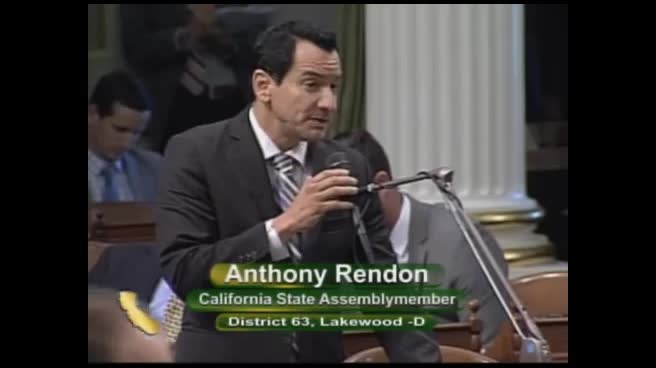 48SEC
Assembly Floor
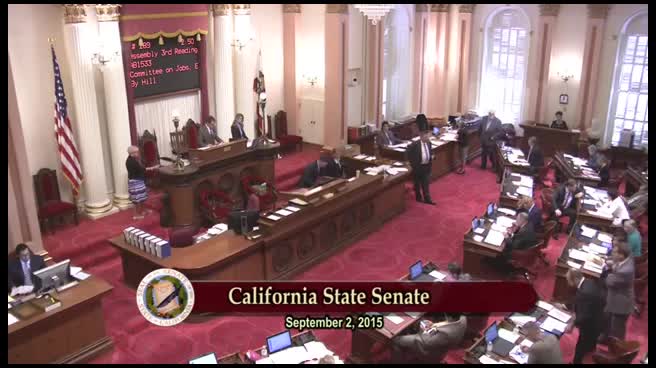 1MIN
Senate Floor
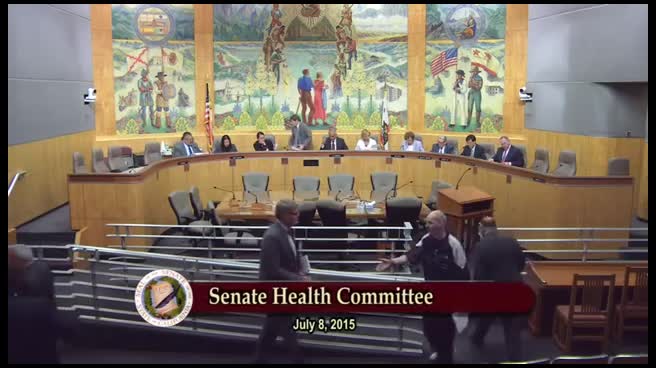 12MIN
Senate Standing Committee on Health
 55SEC
Assembly Floor
 10MIN
Assembly Standing Committee on Insurance
 5MIN
Assembly Standing Committee on Health
Bill Author

Bill Co-Author(s):