AB 1321: Nutrition Incentive Matching Grant Program.
- Session Year: 2015-2016
- House: Assembly
- Latest Version Date: 2015-10-02
Existing law establishes the Office of Farm to Fork within the Department of Food and Agriculture, and requires the office, to the extent that resources are available, to work with various entities, including, among others, the agricultural industry and other organizations involved in promoting food access, to increase the amount of agricultural products available to underserved communities and schools in the state. Existing law requires the office to, among other things, identify urban and rural communities that lack access to healthy food, and to coordinate with local, state, and federal agencies to promote and increase awareness of programs that promote greater food access.
This bill would establish the Nutrition Incentive Matching Grant Program in the Office of Farm to Fork, and would create the Nutrition Incentive Matching Grant Account in the Department of Food and Agriculture Fund to collect matching funds received from a specified federal grant program and funds from other public and private sources, to encourage the purchase and consumption of California fresh fruits, nuts, and vegetables by nutrition benefit clients, as defined. The bill would provide that the program shall only provide grants upon the deposit of sufficient funds, as specified, into the account. The bill would require that moneys in the Nutrition Incentive Matching Grant Account be awarded in the form of grants to qualified entities, as defined, for consumer incentive programs, as defined, subject to specified regulations and in accordance with certain priorities. The bill would require the Office of Farm to Fork to establish minimum standards, funding schedules, and procedures for awarding grants, as specified.
Existing law establishes the Office of Farm to Fork within the Department of Food and Agriculture, and requires the office, to the extent that resources are available, to work with various entities, including, among others, the agricultural industry and other organizations involved in promoting food access, to increase the amount of agricultural products available to underserved communities and schools in the state. Existing law requires the office to, among other things, identify urban and rural communities that lack access to healthy food, and to coordinate with local, state, and federal agencies to promote and increase awareness of programs that promote greater food access.
This bill would establish the Nutrition Incentive Matching Grant Program in the Office of Farm to Fork, and would create the Nutrition Incentive Matching Grant Account in the Department of Food and Agriculture Fund to collect matching funds received from a specified federal grant program and funds from other public and private sources, to encourage the purchase and consumption of California fresh fruits, nuts, and vegetables by nutrition benefit clients, as defined. The bill would provide that the program shall only become operative provide grants upon the deposit of sufficient funds, as specified, into the account. The bill would require that moneys in the Nutrition Incentive Matching Grant Account be awarded in the form of grants to qualified entities, as defined, for consumer incentive programs, as defined, subject to specified regulations and in accordance with certain priorities. The bill would require the Office of Farm to Fork to establish minimum standards, funding schedules, and procedures for awarding grants, as specified.
Existing law establishes the Office of Farm to Fork within the Department of Food and Agriculture, and requires the office, to the extent that resources are available, to work with various entities, including, among others, the agricultural industry and other organizations involved in promoting food access, to increase the amount of agricultural products available to underserved communities and schools in the state. Existing law requires the office to, among other things, identify urban and rural communities that lack access to healthy food, and to coordinate with local, state, and federal agencies to promote and increase awareness of programs that promote greater food access.
This bill would establish the Nutrition Incentive Matching Grant Program in the Office of Farm to Fork, and would create the Nutrition Incentive Matching Grant Account in the Department of Food and Agriculture Fund to collect matching funds received from a specified federal grant program and funds from other public and private sources, to encourage the purchase and consumption of California fresh fuitsfruits, nuts, and vegetables by nutrition benefit clients, as defined. The bill would provide that the program shall only become operative upon the deposit of sufficient funds into the account and an appropriation in the annual Budget Act that authorizes the use of those funds for the program. account. The bill would require that moneys in the Nutrition Incentive Matching Grant Account be awarded in the form of grants to qualified entities, as defined, for consumer incentive programs, as defined, subject to specified regulations and in accordance with certain priorities. The bill would require the Office of Farm to Fork to establish minimum standards, funding schedules, and procedures for awarding grants, as specified.
Existing law establishes the Office of Farm to Fork within the Department of Food and Agriculture, and requires the office, to the extent that resources are available, to work with various entities, including, among others, the agricultural industry and other organizations involved in promoting food access, to increase the amount of agricultural products available to underserved communities and schools in the state. Existing law requires the office to, among other things, identify urban and rural communities that lack access to healthy food, and to coordinate with local, state, and federal agencies to promote and increase awareness of programs that promote greater food access. Existing law creates the Farm to Fork Account in the Department of Food and Agriculture Fund that would consist of money made available from federal, state, industry, and other sources, and would continuously appropriate the money deposited in the account without regard to fiscal years to carry out the purposes of the Office of Farm to Fork.
This bill would establish the Nutrition Incentive Matching Grant Program in the Office of Farm to Fork, and would create the Nutrition Incentive Matching Grant Account in the Farm to Fork Account Department of Food and Agriculture Fund to collect matching funds received from a specified federal grant program and funds from other public and private sources to provide grants under the Nutrition Incentive Matching Grant Program and to administer the Nutrition Incentive Matching Grant Program. sources, to encourage the purchase and consumption of California fresh fuits, nuts, and vegetables by nutrition benefit clients, as defined. The bill would provide that the program shall only become operative upon the deposit of sufficient funds into the account and an appropriation in the annual Budget Act that authorizes the use of those funds for the program. The bill would require that moneys in the Nutrition Incentive Matching Grant Account be awarded in the form of grants to qualified entities, as defined, for consumer incentive programs, as defined, subject to an appropriation in the annual Budget Act specified regulations and in accordance with certain priorities. The bill would require the Office of Farm to Fork to establish minimum standards, funding schedules, and procedures for awarding grants, as specified.
Existing law establishes the Office of Farm to Fork within the Department of Food and Agriculture, and requires the office, to the extent that resources are available, to work with various entities, including, among others, the agricultural industry and other organizations involved in promoting food access, to increase the amount of agricultural products available to underserved communities and schools in the state. Existing law requires the office to, among other things, identify urban and rural communities that lack access to healthy food, and to coordinate with local, state, and federal agencies to promote and increase awareness of programs that promote greater food access. Existing law creates the Farm to Fork Account in the Department of Food and Agriculture Fund that would consist of money made available from federal, state, industry, and other sources, and would continuously appropriate the money deposited in the account without regard to fiscal years to carry out the purposes of the Office of Farm to Fork.
This bill would establish the Nutrition Incentive Matching Grant Program in the Office of Farm to Fork, and would create the Nutrition Incentive Matching Grant Account in the Farm to Fork Account to collect matching funds received from a specified federal grant program and funds from other public and private sources to provide grants under the Nutrition Incentive Matching Grant Program and to administer the Nutrition Incentive Matching Grant Program. The bill would require that moneys in the Nutrition Incentive Matching Grant Account be awarded in the form of grants to qualified entities, as defined, for consumer incentive programs, as defined, subject to an appropriation in the annual Budget Act and in accordance with certain priorities. The bill would require the Office of Farm to Fork to establish minimum standards, funding schedules, and procedures for awarding grants, as specified.
The Legislature finds and declares all of the following:
(a)Scaling up the Market Match program throughout the state would be beneficial to the health of local economies and the state economy while simultaneously improving the health of the most vulnerable families throughout California.
(b)Since its inception in 2009, the Market Match program has encouraged the purchase and consumption of California fresh fruits, nuts, and vegetables by directly linking California specialty crop producers with nutrition benefit clients and doubling the purchasing value of the nutrition assistance received by nutrition benefit clients when purchasing California fresh fruits, nuts, and vegetables.
(c)Market Match dollars provide incentives for new consumers to visit local farmers markets and purchase healthy produce, benefiting both their health and the health of local economies.
(d)The Market Match program has acted as an economic stimulus to local agricultural economies throughout the state by increasing the number of loyal customers and their purchasing power, including in food deserts where California fresh fruits, nuts, and vegetables are scarce.
(e)Data shows that between 2009 and 2012, the Market Match program increased CalFresh redemption amongst 37,000 new farmers market customers at 140 participating farmers markets in over 16 counties, from 132 percent to 700 percent.
(f)Data shows that Market Match dollars have had a six-fold return on investment in farmers market sales.
(g)The Pacific Coast Farmers Market Associations business analysis of returns on investment (ROI) for Market Match programs in 2012 held in various areas and cities shows the following rates of ROI throughout the state:
(1)East Bay and San Francisco: 132 percent ROI.
(2)Long Beach: 257 percent ROI.
(3)Huntington Park: 403 percent ROI.
(4)Davis: 390 percent ROI.
(5)Woodland: 576 percent ROI.
(6)Monterey: 717 percent ROI.
(h)The enactment of the 2014 federal Farm Bill includes $100 million in grants to states for programs that supplement nutrition benefits if they incentivize healthier eating by beneficiaries.
(i)The first round of grants awarded in 2015 proves that a statewide framework is an effective way to draw down these federal funds. The State of Washington was the largest first-round grant recipient, awarded almost $6 million to help low-income families afford fresh produce. California must act now and tap into this federal funding before it is too late.
(j)Creation of a statewide Nutrition Incentive Matching Grant Program modeled after the successful experience of the Market Match program would help draw down federal funds to further maximize access to fresh healthy foods and stimulate local economies in a more equitable cross-section of communities.
SEC. 2.Chapter 13 (commencing with Section 49010) is added to Division 17 of the Food and Agricultural Code, to read:13.Nutrition Incentive Matching Grant Program49010.This chapter shall be known, and may be cited, as the California Nutrition Incentives Act.
49011.The Nutrition Incentive Matching Grant Program is hereby established in the Office of Farm to Fork for purposes of encouraging the purchase and consumption of California fresh fruits, nuts, and vegetables by directly linking California fresh fruit, nut, and vegetable producers with nutrition benefit clients.
49012.For purposes of this chapter, the following definitions shall apply:
(a)Consumer incentive program means a program administered by a qualified entity that increases the purchasing value of a nutrition benefit clients benefits when the benefits are used to purchase California fresh fruits, nuts, and vegetables.
(b)Nutrition benefit client means a person who receives services or payments through any of the following:
(1)California Special Supplemental Nutrition Program for Women, Infants, and Children, as described in Section 123280 of the Health and Safety Code.
(2)CalWORKS program, as described in Chapter 2 (commencing with Section 11200) of Part 3 of Division 9 of the Welfare and Institutions Code.
(3)CalFresh, as described in Section 18900.2 of the Welfare and Institutions Code.
(4)Implementation of the federal WIC Farmers Market Nutrition Act of 1992 (Public Law 102-314).
(5)The Senior Farmers Market Nutrition Program, as described in Section 3007 of Title 7 of the United States Code.
(6)Supplemental Security Income or State Supplementary Payment, as described in Section 1381 and following of Title 42 of the United States Code.
(c)Qualified entity means either of the following:
(1)A certified farmers market, as described in Section 47004, an association of certified producers, or a nonprofit organization representing a collective or association of certified producers that is authorized by the United States Department of Agriculture to accept federal Supplemental Nutrition Assistance Program (Chapter 51 (commencing with Section 2011) of Title 7 of the United States Code) benefits from recipient purchasers at a farmers market. Certified producers shall be certified by the county agricultural commissioner pursuant to Section 47020.
(2)A small business, as defined in Section 14837 of the Government Code, that sells California grown fresh fruits, nuts, and vegetables and that is authorized to accept nutrition benefits from any of the programs listed in paragraphs (1) to (6), inclusive, of subdivision (b).
49013.The Nutrition Incentive Matching Grant Account is hereby created in the Department of Food and Agriculture Fund to collect matching funds from the federal Food Insecurity Nutrition Incentive Grant Program (7 U.S.C. Sec. 7517), and other public and private sources, to provide grants under the Nutrition Incentive Matching Grant Program. The Nutrition Incentive Matching Grant Program shall only provide grants upon the deposit of sufficient funds, as specified in its federal Food Insecurity Nutrition Incentive Grant Program application, into the Nutrition Incentive Matching Grant Account.
49014.The Nutrition Incentive Matching Grant Program shall be administered in accordance with all of the following:
(a)Subject to the regulations adopted by the National Institute of Food and Agriculture in the United States Department of Agriculture in accordance with the federal Agricultural Act of 2014 (Public Law 113-79), or any subsequent federal agricultural act, moneys in the Nutrition Incentive Matching Grant Account shall be awarded in the form of grants to qualified entities for consumer incentive programs.
(b)(1)The Office of Farm to Fork shall establish minimum standards, funding schedules, and procedures for awarding grants in consultation with the United States Department of Agriculture and other interested stakeholders, including, but not limited to, the State Department of Public Health, State Department of Social Services, organizations with expertise in nutrition benefit programs or consumer incentive programs, small business owners that may qualify as a qualified entity, and certified farmers market operators.
(2)The department shall not use more than one-third of the Nutrition Incentive Matching Grant Program funds for consumer incentive programs with qualified entities described in paragraph (2) of subdivision (c) of Section 49012.
(c)The department shall give priority in awarding grants to qualified entities based on, but not limited to, the following:
(1)The service of an area of population currently not being served by a consumer incentive program.
(2)The degree of the existence of the following demographic conditions and the character of the communities in which sales of California grown fresh fruits, nuts, and vegetables are made to the public by authorized vendors operating in conjunction with a qualified entity:
(A)The number of people who are eligible for, or receiving, nutrition benefit program services.
(B)The prevalence of diabetes, obesity, and other diet-related illnesses.
(C)The availability of access to fresh fruits, nuts, and vegetables.
(3)Demonstrated efficiency in the administration of a consumer incentive program.
The Legislature finds and declares all of the following:
(a)Scaling up the Market Match program throughout the state would be beneficial to the health of local economies and the state economy while simultaneously improving the health of the most vulnerable families throughout California.
(b)Since its inception in 2009, the Market Match program has encouraged the purchase and consumption of California fresh fruits, nuts, and vegetables by directly linking California specialty crop producers with nutrition benefit clients and doubling the purchasing value of the nutrition assistance received by nutrition benefit clients when purchasing California fresh fruits, nuts, and vegetables.
(c)Market Match dollars provide incentives for new consumers to visit local farmers markets and purchase healthy produce, benefiting both their health and the health of local economies.
(d)The Market Match program has acted as an economic stimulus to local agricultural economies throughout the state by increasing the number of loyal customers and their purchasing power, including in food deserts where California fresh fruits, nuts, and vegetables are scarce.
(e)Data shows that between 2009 and 2012, the Market Match program increased CalFresh redemption amongst 37,000 new farmers market customers at 140 participating farmers markets in over 16 counties, from 132 percent to 700 percent.
(f)Data shows that Market Match dollars have had a six-fold return on investment in farmers market sales.
(g)The Pacific Coast Farmers Market Associations business analysis of returns on investment (ROI) for Market Match programs in 2012 held in various areas and cities shows the following rates of ROI throughout the state:
(1)East Bay and San Francisco: 132 percent ROI.
(2)Long Beach: 257 percent ROI.
(3)Huntington Park: 403 percent ROI.
(4)Davis: 390 percent ROI.
(5)Woodland: 576 percent ROI.
(6)Monterey: 717 percent ROI.
(h)The enactment of the 2014 federal Farm Bill includes $100 million in grants to states for programs that supplement nutrition benefits if they incentivize healthier eating by beneficiaries.
(i)The first round of grants awarded in 2015 proves that a statewide framework is an effective way to draw down these federal funds. The State of Washington was the largest first-round grant recipient, awarded almost $6 million to help low-income families afford fresh produce. California must act now and tap into this federal funding before it is too late.
(j)Creation of a statewide Nutrition Incentive Matching Grant Program modeled after the successful experience of the Market Match program would help draw down federal funds to further maximize access to fresh healthy foods and stimulate local economies in a more equitable cross-section of communities.
SEC. 2.Chapter 13 (commencing with Section 49010) is added to Division 17 of the Food and Agricultural Code, to read:13.Nutrition Incentive Matching Grant Program49010.This chapter shall be known, and may be cited, as the California Nutrition Incentives Act.
49011.The Nutrition Incentive Matching Grant Program is hereby established in the Office of Farm to Fork for purposes of encouraging the purchase and consumption of California fresh fruits, nuts, and vegetables by directly linking California fresh fruit, nut, and vegetable producers with nutrition benefit clients.
49012.For purposes of this chapter, the following definitions shall apply:
(a)Consumer incentive program means a program administered by a qualified entity that doubles increases the purchasing value of a nutrition benefit clients benefits when the benefits are used to purchase California fresh fruits, nuts, and vegetables.
(b)Nutrition benefit client means a person who receives services or payments through any of the following:
(1)California Special Supplemental Nutrition Program for Women, Infants, and Children, as described in Section 123280 of the Health and Safety Code.
(2)CalWORKS program, as described in Chapter 2 (commencing with Section 11200) of Part 3 of Division 9 of the Welfare and Institutions Code.
(3)CalFresh, as described in Section 18900.2 of the Welfare and Institutions Code.
(4)Implementation of the federal WIC Farmers Market Nutrition Act of 1992 (Public Law 102-314).
(5)The Senior Farmers Market Nutrition Program, as described in Section 3007 of Title 7 of the United States Code.
(6)Supplemental Security Income or State Supplementary Payment, as described in Section 1381 and following of Title 42 of the United States Code.
(c)Qualified entity means either of the following:
(1)A certified farmers market, as described in Section 47004, an association of certified producers, or a nonprofit organization representing a collective or association of certified producers that is authorized by the United States Department of Agriculture to accept federal Supplemental Nutrition Assistance Program (Chapter 51 (commencing with Section 2011) of Title 7 of the United States Code) benefits from recipient purchasers at a farmers market. Certified producers shall be certified by the county agricultural commissioner pursuant to Section 47020.
(2)A small business, as defined in Section 14837 of the Government Code, that sells California grown fresh fruits, nuts, and vegetables and that is authorized to accept nutrition benefits from any of the programs listed in paragraphs (1) to (6), inclusive, of subdivision (b).
49013.The Nutrition Incentive Matching Grant Account is hereby created in the Department of Food and Agriculture Fund to collect matching funds from the federal Food Insecurity Nutrition Incentive Grant Program (7 U.S.C. Sec. 7517), and other public and private sources, to provide grants under the Nutrition Incentive Matching Grant Program. The Nutrition Incentive Matching Grant Program shall only become operative provide grants upon the deposit of sufficient funds funds, as specified in its federal Food Insecurity Nutrition Incentive Grant Program application, into the Nutrition Incentive Matching Grant Account.
49014.The Nutrition Incentive Matching Grant Program shall be administered in accordance with all of the following:
(a)Subject to the regulations adopted by the National Institute of Food and Agriculture in the United States Department of Agriculture in accordance with the federal Agricultural Act of 2014 (Public Law 113-79), or any subsequent federal agricultural act, moneys in the Nutrition Incentive Matching Grant Account shall be awarded in the form of grants to qualified entities for consumer incentive programs.
(b)(1)The Office of Farm to Fork shall establish minimum standards, funding schedules, and procedures for awarding grants in consultation with the United States Department of Agriculture and other interested stakeholders, including, but not limited to, the State Department of Public Health, State Department of Social Services, organizations with expertise in nutrition benefit programs or consumer incentive programs, small business owners that may qualify as a qualified entity, and certified farmers market operators.
(2)The department shall not use more than one-third of the Nutrition Incentive Matching Grant Program funds for consumer incentive programs with qualified entities described in paragraph (2) of subdivision (c) of Section 49012.
(c)The department shall give priority in awarding grants to qualified entities based on, but not limited to, the following:
(1)The service of an area of population currently not being served by a consumer incentive program.
(2)The degree of the existence of the following demographic conditions and the character of the communities in which sales of California grown fresh fruits, nuts, and vegetables are made to the public by authorized vendors operating in conjunction with a qualified entity:
(A)The number of people who are eligible for, or receiving, nutrition benefit program services.
(B)The prevalence of diabetes, obesity, and other diet-related illnesses.
(C)The availability of access to fresh fruits, nuts, and vegetables.
(3)Demonstrated efficiency in the administration of a consumer incentive program.
The Legislature finds and declares all of the following:
(a)Scaling up the Market Match program throughout the state would be beneficial to the health of local economies and the state economy while simultaneously improving the health of the most vulnerable families throughout California.
(b)Since its inception in 2009, the Market Match program has encouraged the purchase and consumption of California fresh fruits, nuts, and vegetables by directly linking California specialty crop producers with nutrition benefit clients and doubling the purchasing value of the nutrition assistance received by nutrition benefit clients when purchasing California fresh fruits, nuts, and vegetables.
(c)Market Match dollars provide incentives for new consumers to visit local farmers markets and purchase healthy produce, benefiting both their health and the health of local economies.
(d)The Market Match program has acted as an economic stimulus to local agricultural economies throughout the state by increasing the number of loyal customers and their purchasing power, including in food deserts where California fresh fruits, nuts, and vegetables are scarce.
(e)Data shows that between 2009 and 2012, the Market Match program increased CalFresh redemption amongst 37,000 new farmers market customers at 140 participating farmers markets in over 16 counties, from 132 percent to 700 percent.
(f)Data shows that Market Match dollars have had a six-fold return on investment in farmers market sales.
(g)The Pacific Coast Farmers Market Associations business analysis of returns on investment (ROI) for Market Match programs in 2012 held in various areas and cities shows the following rates of ROI throughout the state:
(1)East Bay and San Francisco: 132 percent ROI.
(2)Long Beach: 257 percent ROI.
(3)Huntington Park: 403 percent ROI.
(4)Davis: 390 percent ROI.
(5)Woodland: 576 percent ROI.
(6)Monterey: 717 percent ROI.
(h)The enactment of the 2014 federal Farm Bill includes $100 million in grants to states for programs that supplement nutrition benefits if they incentivize healthier eating by beneficiaries.
(i)The first round of grants awarded in 2015 proves that a statewide framework is an effective way to draw down these federal funds. The State of Washington was the largest first-round grant recipient, awarded almost $6 million to help low-income families afford fresh produce. California must act now and tap into this federal funding before it is too late.
(j)Creation of a statewide Nutrition Incentive Matching Grant Program modeled after the successful experience of the Market Match program would help draw down federal funds to further maximize access to fresh healthy foods and stimulate local economies in a more equitable cross-section of communities.
SEC. 2.Chapter 13 (commencing with Section 49010) is added to Division 17 of the Food and Agricultural Code, to read:13.Nutrition Incentive Matching Grant Program49010.This chapter shall be known, and may be cited, as the California Nutrition Incentives Act.
49011.The Nutrition Incentive Matching Grant Program is hereby established in the Office of Farm to Fork for purposes of encouraging the purchase and consumption of California fresh fruits, nuts, and vegetables by directly linking California fresh fruit, nut, and vegetable producers with nutrition benefit clients.
49012.For purposes of this chapter, the following definitions shall apply:
(a)Consumer incentive program means a program administered by a qualified entity that doubles the purchasing value of a nutrition benefit clients benefits when the benefits are used to purchase California fresh fruits, nuts, and vegetables.
(b)Nutrition benefit client means a person who receives services or payments through any of the following:
(1)California Special Supplemental Food Nutrition Program for Women, Infants, and Children, as described in Section 123280 of the Health and Safety Code.
(2)CalWORKS program, as described in Chapter 2 (commencing with Section 11200) of Part 3 of Division 9 of the Welfare and Institutions Code.
(3)CalFresh, as described in Section 18900.2 of the Welfare and Institutions Code.
(4)Implementation of the federal WIC Farmers Market Nutrition Act of 1992 (Public Law 102-314).
(5)The Senior Farmers Market Nutrition Program, as described in Section 3007 of Title 7 of the United States Code.
(6)Supplemental Security Income or State Supplementary Payment, as described in Section 1381 and following of Title 42 of the United States Code.
(c)Qualified entity, entity means either of the following:
(1)A certified farmers market, as described in Section 47004, an association of certified producers, or a nonprofit organization representing a collective or association of certified producers that is authorized by the United States Department of Agriculture to accept federal Supplemental Nutrition Assistance Program (Chapter 51 (commencing with Section 2011) of Title 7 of the United States Code) benefits from recipient purchasers at a farmers market. Certified producers shall be certified by the county agricultural commissioner pursuant to Section 47020.
(2)A small business, as defined in Section 14837 of the Government Code, that sells California grown fresh fruits, nuts, and vegetables and that is authorized to accept nutrition benefits from any of the programs listed in paragraphs (1) to (6), inclusive, of subdivision (b).
49013.The Nutrition Incentive Matching Grant Account is hereby created in the Department of Food and Agriculture Fund to collect matching funds from the federal Food Insecurity Nutrition Incentives Incentive Grant Program (7 U.S.C. Sec. 7517), and other public and private sources, to provide grants under the Nutrition Incentive Matching Grant Program. The Nutrition Incentive Matching Grant Program shall only become operative upon the deposit of sufficient funds into the Nutrition Incentive Matching Grant Account and an appropriation in the annual Budget Act that authorizes the use of those funds for the program. Account.
49014.The Nutrition Incentive Matching Grant Program shall be administered in accordance with all of the following:
(a)Subject to the regulations adopted by the National Institute of Food and Agriculture in the United States Department of Agriculture in accordance with the federal Agricultural Act of 2014 (Public Law 113-79), moneys in the Nutrition Incentive Matching Grant Account shall be awarded in the form of grants to qualified entities for consumer incentive programs.
(b)(1)The Office of Farm to Fork shall establish minimum standards, funding schedules, and procedures for awarding grants in consultation with the United States Department of Agriculture and other interested stakeholders, including, but not limited to, the State Department of Public Health, State Department of Social Services, organizations with expertise in nutrition benefit programs or consumer incentive programs, small business owners that may qualify as a qualified entity, and certified farmers market operators.
(2)The department shall not use more than one-third of the Nutrition Incentive Matching Grant Program funds for consumer incentive programs with qualified entities described in paragraph (2) of subdivision (c) of Section 49012.
(c)The department shall give priority in awarding grants to qualified entities based on, but not limited to, the following:
(1)The service of an area of population currently not being served by a consumer incentive program.
(2)The degree of the existence of the following demographic conditions and the character of the communities in which sales of California grown fresh fruits, nuts, and vegetables are made to the public by authorized vendors operating in conjunction with a qualified entity:
(A)The number of people who are eligible for, or receiving, nutrition benefit program services.
(B)The prevalence of diabetes, obesity, and other diet-related illnesses.
(C)The availability of access to fresh fruits, nuts, and vegetables.
(3)Demonstrated efficiency in the administration of a consumer incentive program.
The Legislature finds and declares all of the following:
(a)Scaling up the Market Match program throughout the state would be beneficial to the health of local economies and the state economy while simultaneously improving the health of the most vulnerable families throughout California.
(b)Since its inception in 2009, the Market Match program has encouraged the purchase and consumption of California fresh fruits, nuts, and vegetables by directly linking California specialty crop producers with nutrition benefit clients and doubling the purchasing value of the nutrition assistance received by nutrition benefit clients when purchasing California fresh fruits, nuts, and vegetables.
(c)Market Match dollars provide incentives for new consumers to visit local farmers markets and purchase healthy produce, benefiting both their health and the health of local economies.
(d)The Market Match program has acted as an economic stimulus to local agricultural economies throughout the state by increasing the number of loyal customers and their purchasing power, including in food deserts where California fresh fruits, nuts, and vegetables are scarce.
(e)Data shows that between 2009 and 2012, the Market Match program increased CalFresh redemption amongst 37,000 new farmers market customers at 140 participating farmers markets in over 16 counties, from 132 percent to 700 percent.
(f)Data shows that Market Match dollars have had a six-fold return on investment in farmers market sales.
(g)The Pacific Coast Farmers Market Associations business analysis of returns on investment (ROI) for Market Match programs in 2012 held in various areas and cities shows the following rates of ROI throughout the state:
(1)East Bay and San Francisco: 132 percent ROI.
(2)Long Beach: 257 percent ROI.
(3)Huntington Park: 403 percent ROI.
(4)Davis: 390 percent ROI.
(5)Woodland: 576 percent ROI.
(6)Monterey: 717 percent ROI.
(h)The enactment of the 2014 federal Farm Bill includes $100 million in grants to states for programs that supplement nutrition benefits if they incentivize healthier eating by beneficiaries.
(i)The first round of grants awarded in 2015 proves that a statewide framework is an effective way to draw down these federal funds. The State of Washington was the largest first-round grant recipient, awarded almost $6 million to help low-income families afford fresh produce. California must act now and tap into this federal funding before it is too late.
(j)Creation of a statewide Nutrition Incentive Matching Grant Program modeled after the successful experience of the Market Match program would help draw down federal funds to further maximize access to fresh healthy foods and stimulate local economies in a more equitable cross-section of communities.
SECTION 1.SEC. 2.Chapter 13 (commencing with Section 49010) is added to Division 17 of the Food and Agricultural Code, to read:13.Nutrition Incentive Matching Grant Program49010.This chapter shall be known, and may be cited, as the California Nutrition Incentives Act.
49011.The Nutrition Incentive Matching Grant Program is hereby established in the Office of Farm to Fork for purposes of encouraging the purchase and consumption of California fresh fruits, nuts, and vegetables by directly linking California fresh fruit, nut, and vegetable producers with nutrition benefit clients.
49012.For purposes of this article, chapter, the following definitions shall apply:
(a)Consumer incentive program means a program administered by a qualified entity that doubles the purchasing value of a nutrition benefit clients benefits when the benefits are used to purchase California fresh fruits, nuts, and vegetables.
(a)
(b)Nutrition benefit client means a person who receives services or payments through any of the following:
(1)California Special Supplemental Food Program for Women, Infants, and Children, as described in Section 123280 of the Health and Safety Code.
(2)CalWORKS program, as described in Chapter 2 (commencing with Section 11200) of Part 3 of Division 9 of the Welfare and Institutions Code.
(3)CalFresh, as described in Section 18900.2 of the Welfare and Institutions Code.
(4)Implementation of the federal WIC Farmers Market Nutrition Act of 1992 (Public Law 102-314).
(5)The Senior Farmers Market Nutrition Program, as described in Section 3007 of Title 7 of the United States Code.
(6)Supplemental Security Income or State Supplementary Payment, as described in Section 1381 et seq. and following of Title 42 of the United States Code.
(b)
(c)Qualified entity, for purposes of this article, means either of the following:
(1)A certified farmers market, as described in Section 47004, an association of certified producers, or a nonprofit organization representing a collective or association of certified producers that is authorized by the United States Department of Agriculture to accept federal Supplemental Nutrition Assistance Program (Chapter 51 (commencing with Section 2011) of Title 7 of the United States Code) benefits from recipient purchasers at a farmers market. Certified producers shall be certified by the county agricultural commissioner pursuant to Section 47020.
(2)A small business, as defined in Section 14837 of the Government Code, that sells California grown fresh fruits, nuts, and vegetables and that is authorized to accept nutrition benefits from any of the programs listed in paragraphs (1) to (6), inclusive, of subdivision (a) (b).
(c)Consumer incentive program means a program administered by a qualified entity that doubles the purchasing value of a nutrition benefit clients benefits when the benefits are used to purchase California fresh fruits, nuts, and vegetables.
49013.The Nutrition Incentive Matching Grant Account is hereby created in the Farm to Fork Account Department of Food and Agriculture Fund to collect matching funds from the federal Food Insecurity Nutrition Incentives Grant Program (7 U.S.C. Sec. 7517), and other public and private sources, to provide grants under the Nutrition Incentive Matching Grant Program and to administer the Program. The Nutrition Incentive Matching Grant Program in accordance with all of the following: shall only become operative upon the deposit of sufficient funds into the Nutrition Incentive Matching Grant Account and an appropriation in the annual Budget Act that authorizes the use of those funds for the program.
49014.The Nutrition Incentive Matching Grant Program shall be administered in accordance with all of the following:
(a)Subject to the regulations adopted by the National Institute of Food and Agriculture in the United States Department of Agriculture in accordance with the federal Agricultural Act of 2014 (Public Law 113-79) and an appropriation in the annual Budget Act, 113-79), moneys in the Nutrition Incentive Matching Grant Account shall be awarded in the form of grants to qualified entities for consumer incentive programs.
(b)(1)The Office of Farm to Fork shall establish minimum standards, funding schedules, and procedures for awarding grants in consultation with the United States Department of Agriculture and other interested stakeholders, including, but not limited to, the State Department of Public Health, State Department of Social Services, organizations with expertise in nutrition benefit programs or consumer incentive programs, small business owners that may qualify as a qualified entity, and certified farmers market operators.
(2)The department shall not use more than one-third of the Nutrition Incentive Matching Grant Program funds for consumer incentive programs with qualified entities described in paragraph (2) of subdivision (b) (c) of Section 49012.
(c)Priority in the awarding of grants by the department to qualified entities shall be The department shall give priority in awarding grants to qualified entities based on, but not limited to, the following:
(1)The service of an area of population currently not being served by a consumer incentive program.
(1)
(2)The degree of the existence of the following demographic conditions and the character of the communities in which sales of California grown fresh fruits, nuts, and vegetables are made to the public by authorized vendors operating in conjunction with a qualified entity:
(A)The number of people who are eligible for, or receiving, nutrition benefit program services.
(B)The prevalence of diabetes, obesity, and other diet-related illnesses.
(C)The availability of access to fresh fruits, nuts, and vegetables.
(2)
(3)Demonstrated efficiency in the administration of a consumer incentive program.
(3)The service of an area of population currently not being served by a consumer incentive program.
This chapter shall be known, and may be cited, as the California Nutrition Incentives Act.
49011.The Nutrition Incentive Matching Grant Program is hereby established in the Office of Farm to Fork for purposes of encouraging the purchase and consumption of California fresh fruits, nuts, and vegetables by directly linking California fresh fruit, nut, and vegetable producers with nutrition benefit clients.
49012.For purposes of this article, the following definitions shall apply:
(a)Nutrition benefit client means a person who receives services or payments through any of the following:
(1)California Special Supplemental Food Program for Women, Infants, and Children, as described in Section 123280 of the Health and Safety Code.
(2)CalWORKS program, as described in Chapter 2 (commencing with Section 11200) of Part 3 of Division 9 of the Welfare and Institutions Code.
(3)CalFresh, as described in Section 18900.2 of the Welfare and Institutions Code.
(4)Implementation of the federal WIC Farmers Market Nutrition Act of 1992 (Public Law 102-314).
(5)The Senior Farmers Market Nutrition Program, as described in Section 3007 of Title 7 of the United States Code.
(6)Supplemental Security Income or State Supplementary Payment, as described in Section 1381 et seq. of Title 42 of the United States Code.
(b)Qualified entity, for purposes of this article, means either of the following:
(1)A certified farmers market, as described in Section 47004, an association of certified producers, or a nonprofit organization representing a collective or association of certified producers that is authorized by the United States Department of Agriculture to accept federal Supplemental Nutrition Assistance Program (Chapter 51 (commencing with Section 2011) of Title 7 of the United States Code) benefits from recipient purchasers at a farmers market. Certified producers shall be certified by the county agricultural commissioner pursuant to Section 47020.
(2)A small business, as defined in Section 14837 of the Government Code, that sells California grown fresh fruits, nuts, and vegetables and that is authorized to accept nutrition benefits from any of the programs listed in paragraphs (1) to (6), inclusive, of subdivision (a).
(c)Consumer incentive program means a program administered by a qualified entity that doubles the purchasing value of a nutrition benefit clients benefits when the benefits are used to purchase California fresh fruits, nuts, and vegetables.
49013.The Nutrition Incentive Matching Grant Account is hereby created in the Farm to Fork Account to collect matching funds from the federal Food Insecurity Nutrition Incentives Grant Program (7 U.S.C. Sec. 7517), and other public and private sources, to provide grants under the Nutrition Incentive Matching Grant Program and to administer the Nutrition Incentive Matching Grant Program in accordance with all of the following:
(a)Subject to the regulations adopted by the National Institute of Food and Agriculture in the United States Department of Agriculture in accordance with the federal Agricultural Act of 2014 (Public Law 113-79) and an appropriation in the annual Budget Act, moneys in the Nutrition Incentive Matching Account shall be awarded in the form of grants to qualified entities for consumer incentive programs.
(b)(1)The Office of Farm to Fork shall establish minimum standards, funding schedules, and procedures for awarding grants in consultation with the United States Department of Agriculture and other interested stakeholders, including, but not limited to, the State Department of Public Health, State Department of Social Services, organizations with expertise in nutrition benefit programs or consumer incentive programs, small business owners that may qualify as a qualified entity, and certified farmers market operators.
(2)The department shall not use more than one-third of the Nutrition Incentive Matching Grant Program funds for consumer incentive programs with entities described in paragraph (2) of subdivision (b) of Section 49012.
(c)Priority in the awarding of grants by the department to qualified entities shall be based on, but not limited to, the following:
(1)The degree of the existence of the following demographic conditions and the character of the communities in which sales of California grown fresh fruits, nuts, and vegetables are made to the public by authorized vendors operating in conjunction with a qualified entity:
(A)The number of people who are eligible for, or receiving, nutrition benefit program services.
(B)The prevalence of diabetes, obesity, and other diet-related illnesses.
(C)The availability of access to fresh fruits, nuts, and vegetables.
(2)Demonstrated efficiency in the administration of a consumer incentive program.
(3)The service of an area of population currently not being served by a consumer incentive program.
|
Date
|
Status
|
|---|---|
| Jul 1, 2015 | From committee chair, with author's amendments: Amend, and re-refer to committee. Read second time, amended, and re-referred to Com. on AGRI. |
| Oct 2, 2015 | Chaptered by Secretary of State - Chapter 442, Statutes of 2015. |
| Oct 2, 2015 | Approved by the Governor. |
| Sep 16, 2015 | Enrolled and presented to the Governor at 4 p.m. |
| Sep 4, 2015 | Senate amendments concurred in. To Engrossing and Enrolling. (Ayes 60. Noes 18.). |
| Sep 4, 2015 | Senate amendments concurred in. To Engrossing and Enrolling. (Ayes 60. Noes 18. Page 2914.). |
| Sep 4, 2015 | Senate amendments concurred in. To Engrossing and Enrolling. |
| Sep 2, 2015 | Read third time. Passed. Ordered to the Assembly. (Ayes 30. Noes 8. Page 2405.). |
| Sep 2, 2015 | Read third time. Passed. Ordered to the Assembly. |
| Sep 2, 2015 | In Assembly. Concurrence in Senate amendments pending. May be considered on or after September 4 pursuant to Assembly Rule 77. |
| Aug 31, 2015 | Read second time and amended. Ordered to third reading. |
| Aug 27, 2015 | From committee: Amend, and do pass as amended. (Ayes 5. Noes 2.) (August 27). |
| Aug 17, 2015 | In committee: Referred to APPR. suspense file. |
| Jul 7, 2015 | From committee: Do pass and re-refer to Com. on APPR. (Ayes 4. Noes 1.) (July 7). Re-referred to Com. on APPR. |
| Feb 27, 2015 | Introduced. To print. |
| Jun 18, 2015 | Referred to Com. on AGRI. |
| Jun 3, 2015 | Read third time. Passed. Ordered to the Senate. (Ayes 61. Noes 16. Page 1879.) |
| Jun 3, 2015 | Read third time. Passed. Ordered to the Senate. |
| Jun 3, 2015 | In Senate. Read first time. To Com. on RLS. for assignment. |
| Jun 2, 2015 | Read second time. Ordered to third reading. |
| Jun 1, 2015 | Read second time and amended. Ordered returned to second reading. |
| May 28, 2015 | From committee: Amend, and do pass as amended. (Ayes 12. Noes 1.) (May 28). |
| May 20, 2015 | In committee: Set, first hearing. Referred to APPR. suspense file. |
| May 20, 2015 | In committee: Set, first hearing. Referred to suspense file. |
| Apr 29, 2015 | From committee: Do pass and re-refer to Com. on APPR. (Ayes 7. Noes 1.) (April 29). Re-referred to Com. on APPR. |
| Mar 23, 2015 | Referred to Com. on AGRI. |
| Mar 2, 2015 | Read first time. |
| Mar 1, 2015 | From printer. May be heard in committee March 31. |
|
Date
|
Description
|
Location
|
Votes
|
|
|---|---|---|---|---|
| Sep 4, 2015 | AB 1321 TING Concurrence in Senate Amendments | Assembly Floor |
Passed |
|
| Sep 2, 2015 | Assembly 3rd Reading AB1321 Ting By Wolk | Senate Floor |
Passed |
|
| Aug 27, 2015 | Do pass as amended | Senate Standing Committee on Appropriations |
Passed |
|
| Aug 17, 2015 | Placed on suspense file | Senate Standing Committee on Appropriations |
Passed |
|
| Jul 7, 2015 | Do pass, but first be re-referred to the Committee on [Appropriations] | Senate Standing Committee on Agriculture |
Passed |
|
| Jun 3, 2015 | AB 1321 TING Assembly Third Reading | Assembly Floor |
Passed |
|
| May 28, 2015 | Do pass as amended. | Assembly Standing Committee on Appropriations |
Passed |
|
| Apr 29, 2015 | Do pass and be re-referred to the Committee on [Appropriations] | Assembly Standing Committee on Agriculture |
Passed |
This list shows positions taken on this bill by organizations on the date displayed, which is linked to the original source.
Positions by individuals are not included.
|
Organization
|
Position
|
Date
|
|---|---|---|
| Agricultural Commissioner of the City | ** Support | May 20, 2015 |
| Agricultural Institute of Marin | ** Support | Sep 2, 2015 |
| Agriculture and Land-Based Training Association | ** Support | Sep 2, 2015 |
| Altamed Health Services Corporation | ** Support | Sep 2, 2015 |
| American Cancer Society Cancer Action Network Inc. | ** Support | Sep 2, 2015 |
| American Heart Association | ** Support | Sep 2, 2015 |
| American Stroke Association | ** Support | Sep 2, 2015 |
| Ashland Cherryland Food Policy Council | ** Support | Sep 2, 2015 |
| Berkeley Food Institute | ** Support | Sep 2, 2015 |
| Building Healthy Communities: Long Beach | ** Support | Sep 2, 2015 |
| California Association Of Food Banks | ** Support | Sep 2, 2015 |
| California Black Health Network | ** Support | Sep 2, 2015 |
| California Center for Public Health Advocacy | ** Support | Sep 2, 2015 |
| California Certified Organic Farmers | ** Support | Sep 2, 2015 |
| California Commission on Aging | ** Support | Sep 2, 2015 |
| California Convergence | ** Support | Sep 2, 2015 |
| California Equity Leaders Network | ** Support | Sep 2, 2015 |
| California Farm Bureau Federation | ** Support | Sep 2, 2015 |
| California Food Policy Advocates | ** Support | Sep 2, 2015 |
| California Food Policy Council | ** Support | Sep 2, 2015 |
| California Hunger Action Coalition | ** Support | Sep 2, 2015 |
| California Pan-Ethnic Health Network | ** Support | Sep 2, 2015 |
| California Partnership | ** Support | Sep 2, 2015 |
| California Rural Legal Assistance Foundation, Inc. | ** Support | Sep 2, 2015 |
| California School Employees Association, AFL-CIO | ** Support | Sep 2, 2015 |
| California Women for Agriculture | ** Support | Sep 2, 2015 |
| City of Maywood | ** Support | Sep 2, 2015 |
| City of Santa Monica's Farmers Market Program | ** Support | Sep 2, 2015 |
| Coastside Farmers' Markets | ** Support | Sep 2, 2015 |
| Community Alliance With Family Farmers | ** Support | Sep 2, 2015 |
| Community Food and Justice Coalition | ** Support | Sep 2, 2015 |
| Contra Costa County Board of Supervisors | ** Support | Sep 2, 2015 |
| Courage Campaign | ** Support | Sep 2, 2015 |
| CUESA | ** Support | Sep 2, 2015 |
| Cultiva La Salud | ** Support | Sep 2, 2015 |
| Ecology Center | ** Support | Sep 2, 2015 |
| EnrichLA | ** Support | Sep 2, 2015 |
| Farm Fatales | ** Support | Sep 2, 2015 |
| Feeding America San Diego | ** Support | Sep 2, 2015 |
| Food Chain Workers Alliance | ** Support | Sep 2, 2015 |
| Food for People, Food Bank for Humboldt County | ** Support | May 20, 2015 |
| Hunger Action Los Angeles | ** Support | Sep 2, 2015 |
| Hunger Advocacy Network | ** Support | Sep 2, 2015 |
| Jewish Family Service of Los Angeles | ** Support | Sep 2, 2015 |
| Jewish Public Affairs Committee Of California | * Support | Aug 17, 2015 |
| Junior Leagues of California State Public Affairs Committee | ** Support | Sep 2, 2015 |
| Latino Coalition for a Healthy California | ** Support | Sep 2, 2015 |
| Latino Health Alliance | ** Support | Sep 2, 2015 |
| Long Beach Alliance for Food and Fitness | ** Support | Sep 2, 2015 |
| Long Beach Time Exchange | ** Support | Sep 2, 2015 |
| Los Angeles Community Action Network | ** Support | Sep 2, 2015 |
| Los Angeles Food Policy Council | ** Support | Sep 2, 2015 |
| Madera County Agricultural Commissioner | ** Support | Sep 2, 2015 |
| Natural Resources Defense Council | ** Support | Sep 2, 2015 |
| North Coast Growers' Association | ** Support | Sep 2, 2015 |
| Nutrition and Fitness Collaborative of the Central Coast | ** Support | Sep 2, 2015 |
| of San Francisco | ** Support | May 20, 2015 |
| ONEgeneration | ** Support | Sep 2, 2015 |
| Orange County Food Access Coalition | ** Support | Sep 2, 2015 |
| Pacific Coast Farmers' Market Association | ** Support | Sep 2, 2015 |
| Plumas-Sierra Community Food Council | ** Support | Sep 2, 2015 |
| PolicyLink | ** Support | Sep 2, 2015 |
| Prevention Institute | ** Support | Sep 2, 2015 |
| Project Angel Food | ** Support | Sep 2, 2015 |
| Public Health Institute | ** Support | Sep 2, 2015 |
| Roots of Change | ** Support | Sep 2, 2015 |
| Sacramento Native American Health Center, Inc. | ** Support | Sep 2, 2015 |
| San Diego Food System Alliance | ** Support | Sep 2, 2015 |
| San Diego Hunger Coalition | ** Support | Sep 2, 2015 |
| San Francisco Food Security Task Force | ** Support | Sep 2, 2015 |
| San Francisco Unified School District | ** Support | Sep 2, 2015 |
| San Francisco Urban Agriculture Alliance | ** Support | Sep 2, 2015 |
| Santa Barbara Food Alliance | ** Support | Sep 2, 2015 |
| Santa Cruz County Agricultural Commissioner | ** Support | Sep 2, 2015 |
| Santa Monica, City Of | ** Support | Sep 2, 2015 |
| Sebastopol Farmers Market | ** Support | Sep 2, 2015 |
| SF-Marin Food Bank | ** Support | Sep 2, 2015 |
| Slow Food California | ** Support | Sep 2, 2015 |
| Social Justice Learning Institute | ** Support | Sep 2, 2015 |
| Sprouts of Promise | ** Support | Sep 2, 2015 |
| Sprouts of Promise Foundation | ** Support | May 20, 2015 |
| SPUR | ** Support | Sep 2, 2015 |
| St. Anthony Foundation | ** Support | Sep 2, 2015 |
| Strategic Alliance for Healthy Food and Activity Environments | ** Support | Sep 2, 2015 |
| Sustainable Economic Enterprises of Los Angeles | ** Support | Sep 2, 2015 |
| Sustainable Economics Law Center | ** Support | Sep 2, 2015 |
| Sustainable Economies Law Center | ** Support | May 20, 2015 |
| Thai Community Development Center | ** Support | Sep 2, 2015 |
| The Farmers Guild | ** Support | Sep 2, 2015 |
| The Yolo County Ag & Food Alliance | ** Support | Sep 2, 2015 |
| UFCW Western States Council | ** Support | Sep 2, 2015 |
| United Way of Kern County | ** Support | Sep 2, 2015 |
| Urban & Environment Policy Institute | ** Support | May 20, 2015 |
| Urban & Environmental Policy Institute at Occidental College | ** Support | Sep 2, 2015 |
| Volunteers of East Los Angeles | ** Support | Sep 2, 2015 |
| Wellington Square Certified Farmers Market | ** Support | Sep 2, 2015 |
| Western Center On Law And Poverty Inc. | ** Support | Sep 2, 2015 |
| Western Growers Association | ** Support | Sep 2, 2015 |
| Westside Food Bank | ** Support | Sep 2, 2015 |
| Women Organizing Resources, Knowledge and Services | ** Support | Sep 2, 2015 |
| Yolo County Board of Supervisors | ** Support | Sep 2, 2015 |
| Youth Policy Institute | ** Support | Sep 2, 2015 |
AB 1321
Page 2
CONCURRENCE IN SENATE AMENDMENTS
AB 1321
(Ting)
As Amended August 31, 2015
Majority vote
ASSEMBLY: |
61-16 |
(June 3, 2015) |
SENATE: |
30-8 |
(September 2, 2015) |
Original Committee Reference: AGRI.
SUMMARY: Establishes the Nutrition Incentive Matching Grant (NIMG) Program in the Office of Farm to Fork (OF2F), creates a NIMG account and requires OF2F to establish minimum standards, funding schedules and grant procedures for the NIMG program. This bill directs the OF2F to solicit grant proposals, score, and award grant funds as specified, and establish standards, funding schedules, and procedures for awarding grants in consultation with the United States Department of Agriculture (USDA). This bill also establishes standards for prioritizing grants within the state.
The Senate amendments:
Change the funding structure of the NIMG program by removing the requirement for appropriations in the annual Budget Act.
Clarify that state grants are only to be administered upon receipt of sufficient federal funds.
Make technical changes.
EXISTING LAW:
Establishes the Supplemental Nutrition Assistance Program (SNAP), formerly the food stamp program, administered by USDA, which imposes specified rules on specified program participants and limits benefits based on those rules.
Establishes state grants for programs that supplement nutrition benefits that are spent on products at farmers' markets, based upon specified criteria.
FISCAL EFFECT: According to the Senate Appropriations Committee, CDFA indicates that the bill could ultimately result in annual General Fund costs potentially reaching the low millions of dollars (special fund), some of which could be offset by federal funds. However, the department would not be authorized to operate the program if sufficient funds have not been appropriated.
COMMENTS: The California Market Match (MM) program was launched in 2009 to encourage low-income families receiving benefits through SNAP to purchase fresh, locally-grown fruits and vegetables at farmers' markets. The program "matches" or doubles the amount of benefits these families can spend and has expanded operations to over 150 farmers' markets across California and increased the spending power of 37,000 families.
According to the author, strong demand for MM often outstrips available funding for the program. The 2014 federal Farm Bill included $100 million in grant funding for programs such as MM that incentivize healthier eating amongst SNAP recipients. In order to best position local programs to receive these federal grants, this bill creates a state NIMG program to apply for federal funds and award them to local MM programs with a proven record of success. Establishing a state framework to oversee funding of MM programs would leverage state resources to streamline local program administration, and expand MM programs across a more equitable cross-section of communities that lack access to fresh produce.
One of the co-sponsors of this bill, Roots of Change, explained how they used $1.9 million in CDFA Specialty Crop Block Grant money, and nearly $300,000 in philanthropic funds from 2009 to 2013, to create the California MM pilot program. The MM pilot program has expanded market opportunities for specialty crop farmers. Supporters state that community-based partners operated in 23 counties to implement MM programs in 150 markets in 2014. Currently, the incentive match funds used to increase purchasing power are derived from philanthropic sources only and are therefore limited in scope. Supporters state the goal of this bill is to assist the state in leveraging federal dollars to increase specialty crop sales among low-income Californians.
The author states that California is uniquely positioned to benefit from greater proliferation of programs such as MM. California grows over 400 commodities and produces nearly half of the United States' grown fruits, nuts and vegetables. There are approximately 700 certified Farmers' Markets and 2,200 certified producers in California. Furthermore, the author stresses that California has a persistent poverty problem to solve. 24% of Californians live in poverty and is ranked 50th in the rate of participation in SNAP. Scaling up MM programs would create an incentive for more families to utilize their SNAP benefits and ensure more Californians can afford to eat what is grown locally.
There is no opposition on file.
This bill is substantially similar to the version passed by the Assembly.
Analysis Prepared by: Victor Francovich / AGRI. / (916) 319-2084 FN: 0001704
AB 1321
Page 8
|
Office of Senate Floor Analyses (916) 651-1520 Fax: (916) 327-4478 |
THIRD READING
Bill No: AB 1321
Amended: 8/31/15 in Senate
SENATE AGRICULTURE COMMITTEE: 4-1, 7/7/15
AYES: Galgiani, Cannella, Pan, Wolk
NOES: Berryhill
SENATE APPROPRIATIONS COMMITTEE: 5-2, 8/27/15
AYES: Lara, Beall, Hill, Leyva, Mendoza
NOES: Bates, Nielsen
ASSEMBLY FLOOR: 61-16, 6/3/15 - See last page for vote
SUBJECT: Nutrition Incentive Matching Grant Program
Latino Coalition for a Healthy California
Public Health Institute
Roots of Change
DIGEST: This bill establishes the Nutrition Incentive Matching Grant Program in the Office of Farm to Fork within the California Department of Food and Agriculture (CDFA) to encourage the consumption and purchase of fresh fruits, nuts, and vegetables by connecting farmers with food assistance recipients.
Existing law:
Establishes the Office of Farm to Fork in 2014 within CDFA to increase food access and the amount of agricultural products available to underserved communities and schools in California (Food and Agricultural Code § 49000 et seq.).
Establishes the California Healthy Food Financing Initiative (CHFFI) in 2011 for the purpose of promoting healthy food access to underserved communities. The CHFFI Council is required to develop program parameters and financing options to accomplish this goal (Health and Safety Code §104660 et seq.).
Authorizes CDFA to regulate certified farmers’ markets (CFM) and other forms of direct marketing to ensure product quality and to prevent fraud, deception, or misrepresentation in the marketplace. Currently, there are nearly 800 CFMs in California and 3,350 certified farmers selling directly to consumers (Food and Agricultural Code §47000 et seq.).
Authorizes the State Department of Social Services to administer the CalFresh Program, federally known as the Supplemental Nutrition Assistance Program (SNAP; formerly Food Stamp), to provide food assistance for eligible low-income Californians.
This bill:
States findings and declarations related to market match programs throughout California, the impact on local agricultural economies, and the availability of federal funds provided by the Farm Bill to help states create grant programs that incentivize healthier eating by food assistance recipients.
Establishes the Nutrition Incentive Matching Grant Program (Grant Program) in the Office of Farm to Fork to encourage the consumption and purchase of fresh fruits, nuts, and vegetables by connecting farmers with food assistance recipients.
Defines “nutrition benefit client” to mean a person who receives services or payments through WIC (Women, Infants and Children), CalWORKS (California Work Opportunity and Responsibility to Kids), CalFresh, WIC Farmers’ Market Nutrition Act, Senior Farmers’ Market Nutrition Program, or Supplemental Security Income.
Defines “qualified entity” to mean either (a) a CFM, association of certified producers, or a nonprofit organization representing certified producers and authorized by the United States Department of Agriculture (USDA) to accept federal SNAP benefits; or (b) a small business that sells California grown fresh fruits, nuts, and vegetables that is authorized to accept nutrition benefits.
Creates the Nutrition Incentive Matching Grant Account within the Department of Food and Agriculture Fund to collect matching funds from the federal Food Insecurity Nutrition Incentive Grant Program and other public and private sources.
Requires that the grant program only provide grants upon the deposit of sufficient funds, as specified, into its grant account.
Requires the Office of Farm to Fork to establish minimum standards, funding schedules, and procedures for awarding grants in consultation with USDA and other stakeholders, including the State Department of Public Health, State Department of Social Services, organizations with expertise in nutrition benefit programs, qualified small business owners, and CFM operators.
Limits the allocation of Grant Program funds for qualified small business consumer incentive programs to one-third of the fund.
Requires CDFA to give grant funding priority to qualified entities based on:
The service area and lack of consumer incentive programs.
Community demographics such as the number of people who qualify for food assistance, the prevalence of diet-related illnesses, and access to fresh produce.
Demonstrated efficiency in administering a consumer incentive program.
Background
In a
2012 CDFA report to the legislature titled “Improving Food Access
in California,” CDFA provided recommendations that included
improving the distribution of fresh produce, expanding retail options
for healthy food, helping low-income consumers purchase food, and
supporting nutritious school meals. According to this report, the
state can use existing infrastructure and relationships with farmers
and food distributors to increase food access, and the state can
coordinate existing state and federal resources to target them toward
use in underserved communities.
(http://www.cdfa.ca.gov/exec/public_affairs/pdf/
ImprovingFoodAccessInCalifornia.pdf)
The federal Agricultural Act of 2014 (Farm Bill) was signed into law on February 7, 2014, and provides $100 million over five years for a new “Food Insecurity Nutrition Incentive” grant program, administered by USDA, to support organizations offering bonus incentives to SNAP participants to purchase fruits and vegetables. The program is not limited to locally grown produce but does give preference to projects that involve direct marketing from farmers to consumers, have a demonstrated track record of implementing successful nutrition incentive programs, provide local produce, and are located in underserved communities.
Comments
Market Match Pilot Program. According to one of this bill’s co-sponsors, Roots of Change, they received four CDFA Specialty Crop Block grants from 2009-2013 totaling $1.9 million to fund the California Market Match Consortium’s Market Match Pilot Program. This program’s goal was to increase access to fresh fruits, nuts, and vegetables for consumers using food assistance programs and to increase the promotion and marketing of specialty crops at CFMs, farm stands, and community-supported agriculture farms. This program operated in 23 counties at 150 markets in 2014 and has generated a six-fold return on investment in farmers’ market sales.
Is legislation needed? The federal government does not require states to enact legislation in order to be eligible to receive funds from the Food Insecurity Nutrition Incentive grant program. However, the co-sponsors of this bill argue that with this legislation, California is better positioned to secure available federal matching funds.
FISCAL EFFECT: Appropriation: No Fiscal Com.: Yes Local: No
According to the Senate Appropriations Committee, CDFA indicates that this bill could ultimately result in annual General Fund costs potentially reaching the low millions of dollars (special fund), some of which could be offset by federal funds. However, CDFA would not be authorized to operate the program if sufficient funds have not been appropriated.
Ecology Center (co-source)
Latino Coalition for a Healthy California (co-source)
Public Health Institute (co-source)
Roots of Change (co-source)
Agricultural Commissioner of the City and County of San Francisco
Agricultural Institute of Marin
Agriculture and Land-Based Training Association
AltaMed Health Services Corporation
American Cancer Society Cancer Action Network
American Heart Association/American Stroke Association
Ashland Cherryland Food Policy Council
Berkeley Food Institute
Building Healthy Communities: Long Beach
California Alliance of Farmers’ Markets
California Association of Food Banks
California Black Health Network
California Center for Public Health Advocacy
California Certified Organic Farmers
California Commission on Aging
California Convergence
California Equity Leaders Network
California Farm Bureau Federation
California Food Policy Advocates
California Food Policy Council
California Hunger Action Coalition
California Pan-Ethnic Health Network
California Partnership
California Rural Legal Assistance Foundation
California School Employees Association, AFL-CIO
California Women for Agriculture
Center for Food Safety
City of Maywood
City of Santa Monica
City of Santa Monica’s Farmers Market Program
Coastside Farmers’ Markets
Community Alliance with Family Farmers
Community Food and Justice Coalition
Contra Costa County Board of Supervisors
Courage Campaign
CUESA
Cultiva la Salud
EnrichLA
Farm Fatales
The Farmers Guild
Feeding America San Diego
First 5 LA
Food Chain Workers Alliance
Food for People, Inc., the Food Bank for Humboldt County
Hunger Action Los Angeles
Hunger Advocacy Network
Jewish Family Service of Los Angeles
Junior Leagues of California State Public Affairs Committee
Latino Health Alliance
Long Beach Alliance for Food and Fitness
Long Beach Time Exchange
Los Angeles Community Action Network
Los Angeles Food Policy Council
Madera County Agricultural Commissioner
Natural Resources Defense Council
North Coast Growers’ Association
Nutrition and Fitness Collaborative of the Central Coast
ONEgeneration
Orange County Food Access Coalition
Pacific Coast Farmers’ Market Association
Plumas-Sierra Community Food Council
PolicyLink
Prevention Institute
Project Angel Food
Sacramento Native American Health Center, Inc.
San Diego Food System Alliance
San Diego Hunger Coalition
San Francisco Food Security Task Force
San Francisco Unified School District
San Francisco Urban Agriculture Alliance
Santa Barbara Food Alliance
Santa Cruz County Agricultural Commissioner
Sebastopol Farmers Market
SF-Marin Food Bank
Slow Food California
Social Justice Learning Institute
Sprouts of Promise
SPUR
St. Anthony Foundation
Strategic Alliance for Healthy Food and Activity Environments
Sustainable Economic Enterprises of Los Angeles
Sustainable Economics Law Center
Thai Community Development Center
UC San Diego, Department of Pediatrics Center for Community Health
UFCW Western States Council
United Way of Kern County
Urban & Environmental Policy Institute at Occidental College
Volunteers of East Los Angeles
Wellington Square Certified Farmers Market
Western Center on Law and Poverty
Western Growers Association
Westside Food Bank
Women Organizing Resources, Knowledge and Services
The Yolo County Ag & Food Alliance
Yolo County Board of Supervisors
Youth Policy Institute
OPPOSITION: (Verified 8/28/15)
None received
ARGUMENTS IN SUPPORT: According to the author, “AB 1321 builds off the success of California Market Match, a five-year-old nutrition incentive program that has operated at over 140 farmers’ markets across the state. The program works by ‘matching’ or doubling the amount of nutrition benefits, such as the Supplemental Nutrition Assistance Program (SNAP) that families can spend at farmers’ markets in order to incentivize them to purchase fresh, locally-grown fruits and vegetables.
“In order to best position local programs to receive these [Farm Bill nutrition incentive] federal grants, AB 1321 creates a state Nutrition Incentive Matching Grant Program to apply for federal funds and award them to local Market Match programs with a proven record of success in areas with high prevalence of diabetes and obesity. Establishing a state framework to oversee funding of Market Match programs would leverage state resources to streamline local program administration, and expand Market Match programs across a more equitable cross-section of communities to ensure that more Californians can enjoy the unparalleled bounty of our state’s agriculture. By increasing access to healthy food, we can alleviate poverty and food insecurity and stimulate economic growth in our communities.”
ASSEMBLY FLOOR: 61-16, 6/3/15
AYES: Achadjian, Alejo, Baker, Bloom, Bonilla, Bonta, Brown, Burke, Calderon, Campos, Chau, Chávez, Chiu, Chu, Cooley, Cooper, Dababneh, Dahle, Daly, Dodd, Eggman, Frazier, Gallagher, Cristina Garcia, Eduardo Garcia, Gatto, Gipson, Gomez, Gonzalez, Gordon, Gray, Grove, Roger Hernández, Holden, Irwin, Jones-Sawyer, Lackey, Levine, Linder, Lopez, Low, Maienschein, McCarty, Medina, Mullin, Nazarian, O'Donnell, Olsen, Perea, Quirk, Rendon, Ridley-Thomas, Rodriguez, Salas, Santiago, Mark Stone, Ting, Weber, Williams, Wood, Atkins
NOES: Travis Allen, Bigelow, Brough, Beth Gaines, Harper, Jones, Kim, Mathis, Mayes, Melendez, Obernolte, Patterson, Steinorth, Wagner, Waldron, Wilk
NO VOTE RECORDED: Chang, Hadley, Thurmond
Prepared by: Anne Megaro / AGRI. / (916) 651-1508
8/31/15 12:47:49
**** END ****
AB 1321 (Ting) Page 0 of 1
SENATE COMMITTEE ON APPROPRIATIONS
Senator Ricardo Lara, Chair
2015 - 2016 Regular Session
AB 1321 (Ting) - Nutrition Incentive Matching Grant Program.
|
|
Version: July 1, 2015 |
Policy Vote: AGRI. 4 - 1 |
Urgency: No |
Mandate: No |
Hearing Date: August 27, 2015 |
Consultant: Robert Ingenito |
*********** ANALYSIS ADDENDUM – SUSPENSE FILE ***********
The following information is revised to reflect amendments
adopted by the committee on August 27, 2015
Bill Summary:
AB 1321 would establish the Nutrition Incentive Matching Grant (NIMG) Program in the Office of Farm to Fork within the California Department of Food and Agriculture (CDFA) to encourage the consumption and purchase of fresh fruits, nuts, and vegetables. It also would create the NIMG account in the state treasury.
Fiscal Impact:
CDFA indicates that the bill could ultimately result in annual General Fund costs potentially reaching the low millions of dollars (special fund), some of which could be offset by federal funds. However, the department would not be authorized to operate the program if sufficient funds have not been appropriated.
Author Amendments:
Clarify that state grants are only to be administered upon receipt of sufficient federal funds.
-- END --
AB 1321 (Ting) Page 3 of 3
SENATE COMMITTEE ON APPROPRIATIONS
Senator Ricardo Lara, Chair
2015 - 2016 Regular Session
AB 1321 (Ting) - Nutrition Incentive Matching Grant Program
|
|
Version: July 1, 2015 |
Policy Vote: AGRI. 4 - 1 |
Urgency: No |
Mandate: No |
Hearing Date: August 17, 2015 |
Consultant: Robert Ingenito |
This bill meets the criteria for referral to the Suspense File.
Bill Summary:
AB 1321 would establish the Nutrition Incentive Matching Grant (NIMG) Program in the Office of Farm to Fork within the California Department of Food and Agriculture (CDFA) to encourage the consumption and purchase of fresh fruits, nuts, and vegetables. It also would create the NIMG account in the state treasury.
Fiscal Impact:
CDFA indicates that the bill could ultimately result in annual General Fund costs potentially reaching the low millions of dollars (special fund), some of which could be offset by federal funds. However, the department would not be authorized to operate the program if sufficient funds have not been appropriated.
Background:
The Office of Farm to Fork (OFF) was established in 2014 within the California Department of Food and Agriculture (CDFA) to increase food access and the amount of agricultural products available to underserved communities and schools in California.
CDFA is responsible for regulating certified farmers’ markets (CFM) and other forms of direct marketing to ensure product quality and to prevent fraud, deception, or misrepresentation in the marketplace. Currently, there are nearly 800 CFMs in California and 3,350 certified farmers selling directly to consumers.
The Department of Social Services administers the CalFresh Program, federally known as the Supplemental Nutrition Assistance Program (SNAP; formerly Food Stamp), to provide food assistance for eligible low-income Californians.
Proposed Law:
This bill would, among other things, do the following:
Establish the Nutrition Incentive Matching Grant Program (Grant Program) in the Office of Farm to Fork to encourage the consumption and purchase of fresh fruits, nuts, and vegetables by connecting farmers with food assistance recipients.
Create the Nutrition Incentive Matching Grant (NIMG) Account within the Department of Food and Agriculture Fund to collect matching funds from the federal Food Insecurity Nutrition Incentives Grant Program and other public and private sources.
Require that sufficient funds be deposited into the grant account before the Grant Program becomes operative.
Require OFF to establish minimum standards, funding schedules, and procedures for awarding grants in consultation with USDA and other stakeholders, including the State Department of Public Health, State Department of Social Services, organizations with expertise in nutrition benefit programs, qualified small business owners, and certified farmers’ market operators.
Limit the allocation of Grant Program funds for qualified small business consumer incentive programs to one-third of the fund.
Require CDFA to give grant funding priority to qualified entities based on:
The service area and lack of consumer incentive programs.
Community demographics such as the number of people who qualify for food assistance, the prevalence of diet-related illnesses, and access to fresh produce.
Demonstrated efficiency in administering a consumer incentive program.
Related Legislation:
AB 2413 (Perez, Chapter 583, Statutes of 2014) created the Office of Farm to Fork within CDFA to, among other things, promote food access and increase the amount of agricultural products available to underserved communities and schools within California.
Staff Comments:
The NIMG program would provide a 100 percent match of the value of qualifying CalFresh purchases made at certified farmers markets or certain other stores. As an example, a family that spends $20 in CalFresh benefits at a participating farmers market would get another $20 from the NIMG program to purchase fresh fruits and vegetables.
As noted above, the NIMG account created by the bill could receive moneys from public and/or private sources. The bill would preclude CDFA from operating the program until such time that the account contains “sufficient funds.” However, this term is not defined in the bill. But until such time, the bill would have no fiscal impact to CDFA.
Additionally, the bill provides no funding to implement the Nutrition Incentive Matching Grant Program. Implementation of the program is contingent upon funds being provided by the state or outside sources. Should funds be available for the program there will be a fiscal impact to CDFA to establish the program, apply for matching grants, solicit proposals, grant funds, and oversee compliance among grant recipients. The specific costs to CDFA would depend on the eventual funding and grant applications.
-- END --
AB 1321 (Ting) Page 7 of 7
SENATE COMMITTEE ON AGRICULTURE
Senator Cathleen Galgiani, Chair
2015 - 2016 Regular
Bill No: AB 1321 Hearing Date: 7/7/15
Author: |
Ting |
||
Version: |
7/1/15 Amended |
||
Urgency: |
No |
Fiscal: |
Yes |
Consultant: |
Anne Megaro |
||
Subject: Nutrition Incentive Matching Grant Program.
SUMMARY
:
This bill would establish the Nutrition Incentive Matching Grant Program in the Office of Farm to Fork within the California Department of Food and Agriculture to encourage the consumption and purchase of fresh fruits, nuts, and vegetables by connecting farmers with food assistance recipients.
BACKGROUND AND EXISTING LAW
:
The Office of Farm to Fork was established in 2014 within the California Department of Food and Agriculture (CDFA) to increase food access and the amount of agricultural products available to underserved communities and schools in California (Food and Agricultural Code § 49000 et seq.).
The California Healthy Food Financing Initiative (CHFFI) was established in 2011 for the purpose of promoting healthy food access to underserved communities. The CHFFI Council is required to develop program parameters and financing options to accomplish this goal (Health and Safety Code §104660 et seq.).
CDFA is responsible for regulating certified farmers’ markets (CFM) and other forms of direct marketing to ensure product quality and to prevent fraud, deception, or misrepresentation in the marketplace. Currently, there are nearly 800 CFMs in California and 3,350 certified farmers selling directly to consumers (Food and Agricultural Code §47000 et seq.).
In a 2012 CDFA report to the legislature titled “Improving Food Access in California,” CDFA provided recommendations that included improving the distribution of fresh produce, expanding retail options for healthy food, helping low-income consumers purchase food, and supporting nutritious school meals. According to this report, the state can use existing infrastructure and relationships with farmers and food distributors to increase food access, and the state can coordinate existing state and federal resources to target them toward use in underserved communities. (http://www.cdfa.ca.gov/exec/public_affairs/pdf/ImprovingFoodAccessInCalifornia.pdf)
The state Department of Social Services administers the CalFresh Program, federally known as the Supplemental Nutrition Assistance Program (SNAP; formerly Food Stamp), to provide food assistance for eligible low-income Californians.
The federal Agricultural Act of 2014 (Farm Bill) was signed into law on February 7, 2014, and provides $100 million over five years for a new “Food Insecurity Nutrition Incentive” grant program, administered by USDA, to support organizations offering bonus incentives to SNAP participants to purchase fruits and vegetables. The program is not limited to locally grown produce but does give preference to projects that involve direct marketing from farmers to consumers, have a demonstrated track record of implementing successful nutrition incentive programs, provide local produce, and are located in underserved communities.
PROPOSED LAW
:
This bill:
States findings and declarations related to market match programs throughout California, the impact on local agricultural economies, and the availability of federal funds provided by the Farm Bill to help states create grant programs that incentivize healthier eating by food assistance recipients.
Establishes the Nutrition Incentive Matching Grant Program (Grant Program) in the Office of Farm to Fork to encourage the consumption and purchase of fresh fruits, nuts, and vegetables by connecting farmers with food assistance recipients.
Defines “nutrition benefit client” to mean a person who receives services or payments through WIC, CalWORKS, CalFresh, WIC Farmers’ Market Nutrition Act, Senior Farmers’ Market Nutrition Program, or Supplemental Security Income.
Defines “qualified entity” to mean either 1) a certified farmers’ market, association of certified producers, or a nonprofit organization representing certified producers and authorized by USDA to accept federal SNAP benefits; or 2) a small business that sells California grown fresh fruits, nuts, and vegetables that is authorized to accept nutrition benefits.
Creates the Nutrition Incentive Matching Grant Account within the Department of Food and Agriculture Fund to collect matching funds from the federal Food Insecurity Nutrition Incentives Grant Program and other public and private sources.
Requires that sufficient funds be deposited into the grant account before the Grant Program becomes operative.
Requires the Office of Farm to Fork to establish minimum standards, funding schedules, and procedures for awarding grants in consultation with USDA and other stakeholders, including the State Department of Public Health, State Department of Social Services, organizations with expertise in nutrition benefit programs, qualified small business owners, and certified farmers’ market operators.
Limits the allocation of Grant Program funds for qualified small business consumer incentive programs to one-third of the fund.
Requires CDFA to give grant funding priority to qualified entities based on:
The service area and lack of consumer incentive programs.
Community demographics such as the number of people who qualify for food assistance, the prevalence of diet-related illnesses, and access to fresh produce.
Demonstrated efficiency in administering a consumer incentive program.
ARGUMENTS IN SUPPORT:
According to the author, “AB 1321 builds off the success of California Market Match, a five-year-old nutrition incentive program that has operated at over 140 farmers’ markets across the state. The program works by “matching” or doubling the amount of nutrition benefits, such as the Supplemental Nutrition Assistance Program (SNAP) that families can spend at farmers’ markets in order to incentivize them to purchase fresh, locally-grown fruits and vegetables.
In order to best position local programs to receive these [Farm Bill nutrition incentive] federal grants, AB 1321 creates a state Nutrition Incentive Matching Grant Program to apply for federal funds and award them to local Market Match programs with a proven record of success in areas with high prevalence of diabetes and obesity. Establishing a state framework to oversee funding of Market Match programs would leverage state resources to streamline local program administration, and expand Market Match programs across a more equitable cross-section of communities to ensure that more Californians can enjoy the unparalleled bounty of our state’s agriculture. By increasing access to healthy food, we can alleviate poverty and food insecurity and stimulate economic growth in our communities.”
COMMENTS
:
Market Match Pilot Program. According to one of the bill’s co-sponsors, Roots of Change, they received four CDFA Specialty Crop Block grants from 2009-2013 totaling $1.9 million to fund the California Market Match Consortium’s Market Match Pilot Program. This program’s goal was to increase access to fresh fruits, nuts, and vegetables for consumers using food assistance programs and to increase the promotion and marketing of specialty crops at certified farmers’ markets, farm stands, and community-supported agriculture farms. This program operated in 23 counties at 150 markets in 2014 and has generated a six-fold return on investment in farmers’ market sales.
Is legislation needed? The federal government does not require states to enact legislation in order to be eligible to receive funds from the Food Insecurity Nutrition Incentive grant program. However, the co-sponsors of this bill argue that with this legislation, California is better positioned to secure available federal matching funds.
RELATED LEGISLATION
:
AB 2413 (Perez), Chapter 583, Statutes of 2014. Creates the Office of Farm to Fork within CDFA to, among other things, promote food access and increase the amount of agricultural products available to underserved communities and schools within California.
AB 2385 (Ting) of 2014. Would have created the Market Match Nutrition Incentive Program within the California Department of Food and Agriculture. Held in Assembly Appropriations.
AB 581 (Pérez), Chapter 505, Statutes of 2011. Creates the California Healthy Food Financing Initiative for the purpose of promoting healthy food access to underserved communities.
PRIOR ACTIONS
:
Assembly Floor: |
61 - 16 |
Assembly Appropriations Committee: |
12 - 1 |
Assembly Agriculture Committee: |
7 - 1 |
SUPPORT
:
Ecology Center (Co-Sponsor)
Latino Coalition for a Healthy California (Co-sponsor)
Public Health Institute (Co-Sponsor)
Roots of Change (Co-Sponsor)
Agricultural Commissioner of the City and County of San Francisco
Agricultural Institute of Marin
Agriculture and Land-Based Training Association
AltaMed Health Services Corporation
American Cancer Society Cancer Action Network
American Heart Association/American Stroke Association
Ashland Cherryland Food Policy Council
Berkeley Food Institute
Building Healthy Communities: Long Beach
California Alliance of Farmers’ Markets
California Association of Food Banks
California Black Health Network
California Center for Public Health Advocacy
California Certified Organic Farmers
California Commission on Aging
California Convergence
California Equity Leaders Network
California Farm Bureau Federation
California Food Policy Advocates
California Food Policy Council
California Hunger Action Coalition
California Pan-Ethnic Health Network
California Partnership
California Rural Legal Assistance Foundation
California School Employees Association, AFL-CIO
California Women for Agriculture
Center for Food Safety
City of Maywood
City of Santa Monica
Coastside Farmers’ Markets
Community Alliance with Family Farmers
Community Food and Justice Coalition
Contra Costa County Board of Supervisors
Courage Campaign
CUESA
Cultiva la Salud
EnrichLA
Farm Fatales
The Farmers Guild
Feeding America San Diego
First 5 LA
Food Chain Workers Alliance
Food for People, Inc., the Food Bank for Humboldt County
Hunger Action Los Angeles
Hunger Advocacy Network
Jewish Family Service of Los Angeles
Junior Leagues of California State Public Affairs Committee
Latino Health Alliance
Long Beach Alliance for Food and Fitness
Long Beach Time Exchange
Los Angeles Community Action Network
Los Angeles Food Policy Council
Madera County Agricultural Commissioner
Natural Resources Defense Council
North Coast Growers’ Association
Nutrition and Fitness Collaborative of the Central Coast
Orange County Food Access Coalition
Pacific Coast Farmers’ Market Association
Plumas-Sierra Community Food Council
PolicyLink
Prevention Institute
Project Angel Food
Sacramento Native American Health Center, Inc.
San Diego Food System Alliance
San Diego Hunger Coalition
San Francisco Food Security Task Force
San Francisco Unified School District
San Francisco Urban Agriculture Alliance
Santa Barbara Food Alliance
Santa Cruz County Agricultural Commissioner
Sebastopol Farmers Market
SF-Marin Food Bank
Slow Food California
Social Justice Learning Institute
Sprouts of Promise
SPUR
St. Anthony Foundation
Strategic Alliance for Healthy Food and Activity Environments
Sustainable Economic Enterprises of Los Angeles
Sustainable Economics Law Center
Thai Community Development Center
UC San Diego, Department of Pediatrics Center for Community Health
UFCW Western States Council
United Way of Kern County
Urban & Environmental Policy Institute at Occidental College
Volunteers of East Los Angeles
Wellington Square Certified Farmers Market
Western Center on Law and Poverty
Western Growers Association
Women Organizing Resources, Knowledge and Services
The Yolo County Ag & Food Alliance
Yolo County Board of Supervisors
Youth Policy Institute
One individual
OPPOSITION
:
None received
-- END --
AB 1321
Page 2
ASSEMBLY THIRD READING
AB 1321
(Ting)
As Amended June 1, 2015
Majority vote
Committee |
Votes |
Ayes |
Noes |
Agriculture |
7-1 |
Perea, Cooper, Dodd, Eggman, Irwin, Quirk, Salas |
Mathis |
Appropriations |
12-1 |
Gomez, Bonta, Calderon, Daly, Eggman, Eduardo Garcia, Gordon, Holden, Quirk, Rendon, Weber, Wood |
Bigelow |
SUMMARY: Establishes the Nutrition Incentive Matching Grant (NIMG) Program in the Office of Farm to Fork (OF2F), creates a NIMG account and requires OF2F to establish minimum standards, funding schedules and grant procedures for the NIMG program. This bill directs the OF2F to solicit grant proposals, score, and award grant funds as specified, and establish standards, funding schedules, and procedures for awarding grants in consultation with the United States Department of Agriculture (USDA). This bill also establishes standards for prioritizing grants within the state.
EXISTING LAW:
Establishes OF2F within the California Department of Food and Agriculture (CDFA), to work with various entities involved in promoting food access, and to increase the amount of agricultural products available to schools and underserved communities in the state.
Requires OF2F to identify urban and rural communities that lack access to healthy food, and to coordinate with local, state, and federal agencies to promote and increase awareness of programs that promote greater food access.
Creates the Farm to Fork Account in the CDFA Fund consisting of money made available from federal, state, industry, and other sources, and would continuously appropriate the money deposited in the account to carry out the purposes of OF2F.
EXISTING FEDERAL LAW:
Establishes the Supplemental Nutrition Assistance Program (SNAP), formerly the food stamp program, administered by USDA, which imposes specified rules on specified program participants and limits benefits based on those rules.
Establishes state grants for programs that supplement nutrition benefits that are spent on products at farmers' markets, based upon specified criteria.
FISCAL EFFECT: According to the Assembly Appropriations Committee, this bill will likely have significant General Fund (GF) costs to CDFA to establish the program, apply for matching grants, solicit proposals, grant funds, and oversee compliance among grant recipients, though the actual amount will depend on the eventual funding and grant applications.
Furthermore, this bill has likely, though unknown, initial start-up GF costs, perhaps as high as $2.5 million, to fund grants and apply for the federal match, some or all of which may be repaid with matching funds from grant recipients. Initial funding could be by direct appropriation or included in the budget; however, there is no source of proposed funding currently in the bill.
COMMENTS: The California Market Match (MM) program was launched in 2009 to encourage low-income families receiving benefits through SNAP to purchase fresh, locally-grown fruits and vegetables at farmers' markets. The program "matches" or doubles the amount of benefits these families can spend and has expanded operations to over 150 farmers' markets across California and increased the spending power of 37,000 families.
According to the author, strong demand for MM often outstrips available funding for the program. The 2014 federal Farm Bill included $100 million in grant funding for programs such as Market Match that incentivize healthier eating amongst SNAP recipients. In order to best position local programs to receive these federal grants, this bill creates a state NIMG Program to apply for federal funds and award them to local MM programs with a proven record of success. Establishing a state framework to oversee funding of MM programs would leverage state resources to streamline local program administration, and expand MM programs across a more equitable cross-section of communities that lack access to fresh produce.
One of the co-sponsors of this bill, Roots of Change, explained how they used $1.9 million in CDFA Specialty Crop Block Grant money, and nearly $300,000 in philanthropic funds from 2009 to 2013, to create the California MM pilot program. The MM pilot program has expanded market opportunities for specialty crop farmers. Supporters state that community-based partners operated in 23 counties to implement MM programs in 150 markets in 2014. Currently, the incentive match funds used to increase purchasing power are derived from philanthropic sources only and are therefore limited in scope. Supporters state the goal of this bill is to assist the state in leveraging federal dollars to increase specialty crop sales among low-income Californians.
The author states that California is uniquely positioned to benefit from greater proliferation of programs such as MM. California grows over 400 commodities and produces nearly half of US-grown fruits, nuts and vegetables. There are approximately 700 certified Farmers' Markets and 2,200 certified producers in California. Furthermore, the author stresses that California has a persistent poverty problem to solve. Twenty-four percent of Californians live in poverty and is ranked 50th in the rate of participation in SNAP. Scaling up MM programs would create an incentive for more families to utilize their SNAP benefits and ensure more Californians can afford to eat what is grown locally
Analysis Prepared by: Victor Francovich / AGRI. / (916) 319-2084 FN: 0000588
AB 1321
Page 2
Date of Hearing: May 20, 2015
ASSEMBLY COMMITTEE ON APPROPRIATIONS
Jimmy Gomez, Chair
AB 1321
(Ting) – As Introduced February 27, 2015
Policy Committee: |
Agriculture |
Vote: |
7 - 1 |
Urgency: No State Mandated Local Program: No Reimbursable: No
SUMMARY:
This bill creates the Nutrition Incentive Matching Grant Program (NIMG) in the Office of Farm to Fork (F2F) within the Department of Food and Agriculture (DFA) to encourage the purchase and consumption of fresh California fruits, nuts, and vegetables by directly linking producers with certain public benefit recipients.
The bill creates the NIMG account, allowing F2F to collect matching funds from the federal Food Insecurity Nutrition Incentives Grant Program and other public and private sources, and requires F2F to establish minimum standards, funding schedules, and grant procedures, in consultation with the US Department of Agriculture.
The bill requires F2F to distribute funds, subject to appropriation in the budget, as grants to farmers' markets and other small businesses that sell fresh California fruits, nuts, and vegetables for use in market matching programs that double the purchasing power of persons on public benefits.
FISCAL EFFECT:
1) Likely significant GF costs to DFA to establish the program, apply for matching grants, solicit proposals, grant funds, and oversee compliance among grant recipients, though the actual amount will depend on the eventual funding and grant applications.
2) Likely, though unknown, initial start-up GF costs, perhaps as high as $5 million, to fund grants and apply for the federal match, some or all of which may be repaid with matching funds from grant recipients. Initial funding could be by direct appropriation or included in the budget, however there is no source of proposed funding currently in the bill.
COMMENTS:
1) Purpose. According to the author, the 2014 federal Farm Bill included $100 million in grant funding for programs such as NIMG that incentivize healthier eating for Supplemental Nutrition Assistance Program (SNAP, the federal funding source for CalFresh) recipients. The author believes current demand for market match programs exceeds available funding, and grants are very competitive. In order to better position local programs to receive federal grants, this bill creates a state program to apply for federal grants and award those grants to local market match programs. The author believes a state framework to oversee funding of market match programs will leverage state resources and streamline local program administration, expanding market match programs over a more equitable distribution of communities.
The author contends California is uniquely positioned to benefit from programs like market match, as it produces nearly half of US-grown fruits, nuts, and vegetables and has over 700 certified farmers' markets statewide. Yet 24% of Californians live in poverty and the state ranks 50th in SNAP participation rate. The author claims scaling up market match programs would incentivize more families to use their SNAP benefits, ensuring more Californians eat what is grown in California.
2) Recipients and Benefit. Benefit recipients eligible to receive additional funds include recipients under CalFresh, the federal Women, Infants & Children program (WIC), the federal Senior Farmers' Market Nutrition Program, and Supplemental Security Income or State Supplementary Payment recipients. Market match programs are designed to double the value of fresh California fruits, nuts, and vegetables that may be purchased by eligible benefit recipients by "matching" the value of existing benefits.
3) Roots of Change Pilot. One of the bill's sponsors, Roots of Change, used $1.9 million from a DFA specialty block grant to create and fund a market match pilot program from 2009 to 2013. Roots of Change helped establish 14 community-based partners operating in 17 counties, implementing the program in 140 markets and serving 37,000 families. Currently, the program is funded by philanthropic sources at a reduced level, thereby limiting its scope and benefit. The sponsor estimates that a $2 million grant from USDA could generate purchases of $18 million, serve 100,000 clients, and generate hundreds of farm jobs.
4) Current Market Match Programs. While this bill would establish a market match program at the state level, there are currently several market match programs operating in California known as the California Farmers' Market Consortium. These programs are run by a group of nonprofits and cooperatives and already receive federal market match funds. According to DFA, consumers in California were able to purchase over $1.8 million in specialty crops using CalFresh and WIC benefits between 2010 and 2012 through these local programs.
Furthermore, while this bill would codify a Market Match within DFA, such a program is not a necessary precondition to receiving USDA funds. The benefits envisioned by this bill are, in many cases, already being achieved through local programs, and may also be achievable within DFA without necessarily requiring the legislation proposed here.
5) Prior Legislation. This bill is substantially similar to AB 2385 (Ting), statutes of 2014. AB 2385 was held on the Suspense File of this committee.
Analysis Prepared by: Joel Tashjian / APPR. / (916) 319-2081
AB 1321
Page 5
Date of Hearing: April 29, 2015
ASSEMBLY COMMITTEE ON AGRICULTURE
Henry T. Perea, Chair
AB 1321
(Ting) – As Introduced February 27, 2015
SUBJECT: Nutrition Incentive Matching Grant Program.
SUMMARY: This bill establishes the Nutrition Incentive Matching Grant (NIMG) Program in the Office of Farm to Fork (OF2F), creates a NIMG account and requires OF2F to establish minimum standards, funding schedules and grant procedures for the NIMG program. Specifically, this bill:
Establishes the NIMG program within OF2F for the purpose of encouraging the buying and eating of California fruit, nuts and vegetables.
Defines the following:
Nutrition benefit client (NBC) means a person who receives services or payments through any of the following:
California Special Supplemental Food Program for Women, Infants, and Children (WIC), as described in current state law;
CalWORKS program, as described in current state law;
CalFresh, as described in current state law;
Implementation of the federal WIC Farmers’ Market Nutrition Act of 1992;
The Senior Farmers’ Market Nutrition Program, as current United State law; or,
Supplemental Security Income or State Supplementary Payment, as current United State law.
Defines a qualified entity as:
A certified farmers’ market, an association of certified producers, or a nonprofit organization representing a collective or association of certified producers, as specified; or,
A small business that sells California grown fresh fruits, nuts, and vegetables and is authorized to accept nutrition benefits from any of the programs uses by NBC, as specified.
Defines a consumer incentive program (CIP) to mean a program administered by a qualified entity that doubles the purchasing value of a NBC's benefits when the benefits are used to purchase California fresh fruits, nuts, and vegetables.
Creates the NIMG account within OF2F to collect matching funds from federal grant programs, and other public and private sources.
Requires OF2F to provide and administer grants under the NIMG program in accordance with the following:
Requires, subject to federal regulation and state appropriations, funds in the NIMG account be awarded by grants to qualified entities for a CIP;
Requires OF2F to establish minimum standards, funding schedules and procedures for awarding grants, in consultation with the United States Department of Agriculture (USDA) and other specified parties of interest, as specified;
Requires OF2F to not spend more than one-third of NIMG programs funds on CIP.
Requires OF2F to prioritize the awarding of NIMGs based on, but not limited to, the following:
Known demographic information as follows:
The NBC in an area;
The prevalence of diabetes, obesity or other diet related diseases; and,
The availability of fresh fruits, nuts and vegetables.
Demonstrated skill in administering a CIP; and,
Areas where the current population is not being served a CIP.
EXISTING LAW:
Establishes OF2F within the Department of Food and Agriculture (CDFA), to work with various entities involved in promoting food access, and to increase the amount of agricultural products available to schools and underserved communities in the state.
Requires OF2F to identify urban and rural communities that lack access to healthy food, and to coordinate with local, state, and federal agencies to promote and increase awareness of programs that promote greater food access.
Creates the Farm to Fork Account in the CDFA Fund consisting of money made available from federal, state, industry, and other sources, and would continuously appropriate the money deposited in the account to carry out the purposes of OF2F.
EXISTING FEDERAL LAW:
Establishes the Supplemental Nutrition Assistance Program (SNAP), formerly the food stamp program, administered by USDA, which imposes specified rules on specified program participants and limits benefits based on those rules.
Establishes state grants for programs that supplement nutrition benefits that are spent on products at farmers' markets, based upon specified criteria.
FISCAL EFFECT: Unknown. This bill is keyed Fiscal by Legislative Counsel.
COMMENTS: The California Market Match (MM) program was launched in 2009 to encourage low-income families receiving benefits through SNAP to purchase fresh, locally-grown fruits and vegetables at farmers’ markets. The program “matches” or doubles the amount of benefits these families can spend and has expanded operations to over 150 farmers’ markets across California and increased the spending power of 37,000 families.
According to the author, strong demand for MM often outstrips available funding for the program. The 2014 federal Farm Bill included $100 million in grant funding for programs such as Market Match that incentivize healthier eating amongst SNAP recipients. In order to best position local programs to receive these federal grants, this bill creates a state NIMG Program to apply for federal funds and award them to local MM programs with a proven record of success. Establishing a state framework to oversee funding of MM programs would leverage state resources to streamline local program administration, and expand MM programs across a more equitable cross-section of communities that lack access to fresh produce.
One of the co-sponsors of this bill, Roots of Change, explained how they used $1.9 million in CDFA Specialty Crop Block Grant money, and nearly $300,000 in philanthropic funds from 2009 to 2013, to create the California MM pilot program. The MM pilot program has expanded market opportunities for specialty crop farmers. Supporters state that community-based partners operated in 23 counties to implement MM programs in 150 markets in 2014. Currently, the incentive match funds used to increase purchasing power are derived from philanthropic sources only and are therefore limited in scope. Supporters state the goal of this bill is to assist the state in leveraging federal dollars to increase specialty crop sales among low-income Californians.
The author states that California is uniquely positioned to benefit from greater proliferation of programs such as MM. California grows over 400 commodities and produces nearly half of US-grown fruits, nuts and vegetables. There are approximately 700 certified Farmers’ Markets and 2,200 certified producers in California. Furthermore, the author stresses that California has a persistent poverty problem to solve. 24% of Californians live in poverty and is ranked 50th in the rate of participation in SNAP. Scaling up MM programs would create an incentive for more families to utilize their SNAP benefits and ensure more Californians can afford to eat what is grown locally.
REGISTERED SUPPORT / OPPOSITION:
Support
Ecology Center (co-sponsor)
Roots of Change (co-sponsor)
Latino Coalition for a Healthy California
(co-sponsor)
Public Health Institute (co-sponsor)
Agricultural Commissioner of the City/County
of San Francisco
Agricultural Institute of Marin
Agriculture and Land-based Training Association
AltaMed Health Services Corporation
American Cancer Society Cancer Action Network
American Heart Association
American Stroke Association
Ashland Cherryland Food Policy Council
Berkeley Food Institute
Building Healthy Communities: Long Beach
California Alliance of Farmers’ Markets
California Association of Food Banks
California Black Health Network
California Certified Organic Farmers
California Commission on Aging
California Convergence
California Farm Bureau Federation
California Food Policy Advocates
California Food Policy Council
California Hunger Action Coalition
California Pan-Ethnic Health Network
California Partnership
California Rural Legal Assistance Foundation
Center for Food Safety
City of Santa Monica
City of Santa Monica’s Farmers' Market Program
Coastside Farmers’ Markets
Community Alliance with Family Farmers
Community Food and Justice Coalition
County of Yolo
CUESA
Cultiva La Salud
Enrich LA
Feeding America San Diego
First 5 LA
Food Chain Workers Alliance
Food for People, Food Bank for Humboldt County
Hunger Action Los Angeles
Hunger Advocacy Network
Jewish Family Service of Los Angeles
Los Angeles Community Action Network
Los Angeles Food Policy Council
Madera County Agricultural Commissioner
Natural Resources Defense Council
North Coast Growers’ Association
Orange County Food Access Coalition
Pacific Coast Farmers’ Market Association
Plumas-Sierra Community Food Council
PolicyLink
Prevention Institute
Project Angel Food
San Diego Hunger Coalition
San Francisco Food Security Task Force
San Francisco Unified School District
San Francisco Urban Agriculture Alliance
Santa Barbara Food Alliance
Santa Cruz County Agricultural Commissioner
Sebastopol Farmers Market
SF-Marin Food Bank
Slow Food California
Social Justice Learning Institute
Sprouts of Promise Foundation
SPUR
St. Anthony Foundation
Strategic Alliance for Healthy Food & Activity Environments
Sustainable Economic Enterprises of Los Angeles
Sustainable Economies Law Center
Thai Community Development Center
The Farmers Guild
UC San Diego, Department of Pediatrics Center for Community Health
United Food & Commercial Workers Union, Western States Council
United Way of Kern County
Urban & Environment Policy Institute
Volunteers of East Los Angeles
Wellington Square Certified Farmers Market
Western Center on Law & Poverty
Western Growers
Women Organizing Resources, Knowledge & Services
Yolo County Ag & Food Alliance
Opposition
None of file
Analysis Prepared by: Victor Francovich / AGRI. / (916) 319-2084
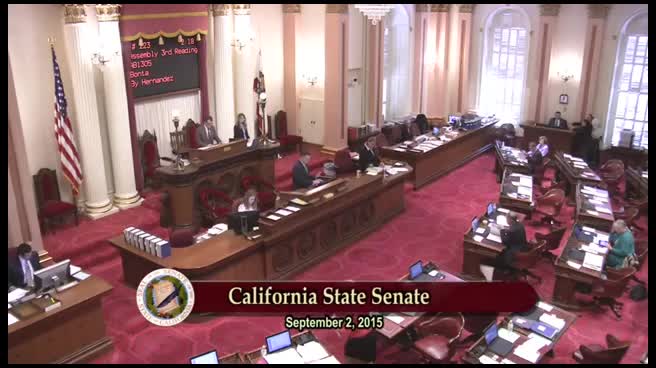
Bill Author

Bill Co-Author(s):