AB 1328: Criminal procedure: withholding of evidence.
- Session Year: 2015-2016
- House: Assembly
- Latest Version Date: 2015-10-03
Existing law requires the prosecuting attorney to disclose to the defendant or his or her attorney certain materials and information, including statements of all defendants and any exculpatory evidence, as specified. Existing law authorizes a court to grant a motion to disqualify a district attorney from performing an authorized duty, subject to specified procedural requirements.
This bill would authorize a court, upon receiving information that the prosecuting attorney has deliberately and intentionally withheld relevant or material exculpatory evidence or information in violation of law, to make a finding, supported by clear and convincing evidence, that a violation occurred. If the court makes such a finding, the bill would require the court to inform the State Bar of California of that violation if the prosecuting attorney acted in bad faith and the impact of the withholding contributed to a guilty verdict, guilty or nolo contendere plea, or, if identified before conclusion of trial, seriously limited the ability of a defendant to present a defense. The bill would authorize a court to disqualify an individual prosecuting attorney from a case if the court finds that a violation occurred in bad faith. The bill would also authorize, upon a determination by a court to disqualify an individual prosecuting attorney from a case, the defendant or his or her counsel to file and serve a notice of a motion to disqualify the prosecuting attorneys office if there is sufficient evidence that other employees of the prosecuting attorneys office knowingly and in bad faith participated in or sanctioned the intentional withholding of the relevant or material exculpatory evidence or information and that withholding is part of a pattern and practice of violations. The bill would specify that its provisions do not limit the authority or discretion of, or any requirement placed upon, the court or other individuals to make reports to the State Bar of California regarding the same conduct, or otherwise limit other available legal authority, requirements, remedies, or actions.
Existing law requires the prosecuting attorney to disclose to the defendant or his or her attorney certain materials and information, including statements of all defendants and any exculpatory evidence, as specified. Existing law authorizes a court to grant a motion to disqualify a district attorney from performing an authorized duty, subject to specified procedural requirements.
This bill would require authorize a court, if the court determines that upon receiving information that the prosecuting attorney has deliberately and intentionally withheld relevant or material exculpatory materials evidence or information in violation of law, to make a finding, supported by clear and convincing evidence, that a violation occurred. If the court makes such a finding, the bill would require the court to inform the State Bar of California of that violation if the prosecuting attorney acted in bad faith and the impact of the withholding contributed to a guilty verdict, guilty or nolo contendere plea, or, if identified before conclusion of trial, seriously limited the ability of a defendant to present a defense. The bill would authorize a court to disqualify an individual prosecuting attorney from a case if the court determines that the prosecuting attorney deliberately and intentionally withheld relevant exculpatory materials or information in that case in violation of law and that the prosecuting attorney acted in bad faith. finds that a violation occurred in bad faith. The bill would also authorize a court authorize, upon a determination by a court to disqualify an individual prosecuting attorney from a case, the defendant or his or her counsel to file and serve a notice of a motion to disqualify the prosecuting attorneys office if there is sufficient evidence that other employees of the prosecuting attorneys office knowingly and in bad faith participated in or sanctioned the intentional withholding of the relevant or material exculpatory materials evidence or information and that withholding is part of a pattern and practice of violations. The bill would specify that its provisions do not limit the authority or discretion of of, or any requirement placed upon, the court or other individuals to make reports to the State Bar of California regarding the same conduct, or otherwise limit other available legal authority, requirements, remedies, or actions.
Existing law requires the prosecuting attorney to disclose to the defendant or his or her attorney certain materials and information, including statements of all defendants and any exculpatory evidence, as specified. Existing law authorizes a court to grant a motion to disqualify a district attorney from performing an authorized duty, subject to specified procedural requirements.
This bill would authorize a court in any criminal trial or proceeding in which require a court, if the court has determined determines that the prosecuting attorney has intentionally or knowingly failed to disclose deliberately and intentionally withheld relevant exculpatory materials and information, as specified, to instruct the jury that the failure to disclose has occurred and that the jury shall consider the failure to disclose in determining whether reasonable doubt of the defendants guilt exists. or information in violation of law, to inform the State Bar of California of that violation if the prosecuting attorney acted in bad faith and the impact of the withholding contributed to a guilty verdict, guilty or nolo contendere plea, or, if identified before conclusion of trial, seriously limited the ability of a defendant to present a defense. The bill would authorize a court to disqualify an individual prosecuting attorney from a case if the court determines that the prosecuting attorney deliberately and intentionally withheld relevant exculpatory materials or information in that case in violation of law and that the prosecuting attorney acted in bad faith. The bill would also authorize a court to disqualify the prosecuting attorneys office if there is sufficient evidence that other employees of the prosecuting attorneys office knowingly participated in or sanctioned the intentional withholding of the relevant exculpatory materials or information and that withholding is part of a pattern and practice of violations. The bill would specify that its provisions do not limit the authority or discretion of the court or other individuals to make reports to the State Bar of California regarding the same conduct, or otherwise limit other available legal authority, remedies, or actions.
Existing law requires the prosecuting attorney to disclose to the defendant or his or her attorney certain materials and information, including statements of all defendants and any exculpatory evidence, as specified.
This bill would authorize a court in any criminal trial or proceeding in which the court has determined that the prosecuting attorney has intentionally or knowingly failed to disclose relevant materials and information, as specified, to instruct the jury that the failure to disclose has occurred and that the jury shall consider the failure to disclose in determining whether reasonable doubt of the defendants guilt exists.
(a)A court shall notify the State Bar of any of the following:
(1)A final order of contempt imposed against an attorney that may involve grounds warranting discipline under this chapter. The court entering the final order shall transmit to the State Bar a copy of the relevant minutes, final order, and transcript, if one exists.
(2)Whenever a modification or reversal of a judgment in a judicial proceeding is based in whole or in part on the misconduct, incompetent representation, or willful misrepresentation of an attorney.
(3)The imposition of any judicial sanctions against an attorney, except sanctions for failure to make discovery or monetary sanctions of less than one thousand dollars ($1,000).
(4)The imposition of any civil penalty upon an attorney pursuant to Section 8620 of the Family Code.
(5)A violation described in paragraph (1) of subdivision (a) of Section 1424.5 of the Penal Code by a prosecuting attorney, if the court finds that the prosecuting attorney acted in bad faith and the impact of the violation contributed to a guilty verdict, guilty or nolo contendere plea, or, if identified before conclusion of trial, seriously limited the ability of a defendant to present a defense.
(b)In the event of a notification made under subdivision (a) the court shall also notify the attorney involved that the matter has been referred to the State Bar.
(c)The State Bar shall investigate any matter reported under this section as to the appropriateness of initiating disciplinary action against the attorney.
SEC. 2.Section 1424.5 is added to the Penal Code, immediately following Section 1424, to read:1424.5.(a)(1)Upon receiving information that a prosecuting attorney may have deliberately and intentionally withheld relevant or material exculpatory evidence or information in violation of law, a court may make a finding, supported by clear and convincing evidence, that a violation occurred. If the court finds such a violation, the court shall inform the State Bar of California of that violation if the prosecuting attorney acted in bad faith and the impact of the withholding contributed to a guilty verdict, guilty or nolo contendere plea, or, if identified before conclusion of trial, seriously limited the ability of a defendant to present a defense.
(2)A court may hold a hearing to consider whether a violation occurred pursuant to paragraph (1).
(b)(1)If a court finds, pursuant to subdivision (a), that a violation occurred in bad faith, the court may disqualify an individual prosecuting attorney from a case.
(2)Upon a determination by a court to disqualify an individual prosecuting attorney pursuant to paragraph (1), the defendant or his or her counsel may file and serve a notice of a motion pursuant to Section 1424 to disqualify the prosecuting attorneys office if there is sufficient evidence that other employees of the prosecuting attorneys office knowingly and in bad faith participated in or sanctioned the intentional withholding of the relevant or material exculpatory evidence or information and that withholding is part of a pattern and practice of violations.
(c)This section does not limit the authority or discretion of, or any requirement placed upon, the court or other individuals to make reports to the State Bar of California regarding the same conduct, or otherwise limit other available legal authority, requirements, remedies, or actions.
(a)A court shall notify the State Bar of any of the following:
(1)A final order of contempt imposed against an attorney that may involve grounds warranting discipline under this chapter. The court entering the final order shall transmit to the State Bar a copy of the relevant minutes, final order, and transcript, if one exists.
(2)Whenever a modification or reversal of a judgment in a judicial proceeding is based in whole or in part on the misconduct, incompetent representation, or willful misrepresentation of an attorney.
(3)The imposition of any judicial sanctions against an attorney, except sanctions for failure to make discovery or monetary sanctions of less than one thousand dollars ($1,000).
(4)The imposition of any civil penalty upon an attorney pursuant to Section 8620 of the Family Code.
(5)A violation described in paragraph (1) of subdivision (a) of Section 1424.5 of the Penal Code by a prosecuting attorney, if the court finds that the prosecuting attorney acted in bad faith and the impact of the violation contributed to a guilty verdict, guilty or nolo contendere plea, or, if identified before conclusion of trial, seriously limited the ability of a defendant to present a defense.
(b)In the event of a notification made under subdivision (a) the court shall also notify the attorney involved that the matter has been referred to the State Bar.
(c)The State Bar shall investigate any matter reported under this section as to the appropriateness of initiating disciplinary action against the attorney.
SECTION 1.SEC. 2.Section 1424.5 is added to the Penal Code, immediately following Section 1424, to read:1424.5.(a)(1)If a court determines Upon receiving information that a prosecuting attorney has may have deliberately and intentionally withheld relevant or material exculpatory materials evidence or information in violation of law, a court may make a finding, supported by clear and convincing evidence, that a violation occurred. If the court finds such a violation, the court shall inform the State Bar of California of that violation if the prosecuting attorney acted in bad faith and the impact of the withholding contributed to a guilty verdict, guilty or nolo contendere plea, or, if identified before conclusion of trial, seriously limited the ability of a defendant to present a defense.
(2)A court may hold a hearing to consider whether a prosecuting attorney or his or her office should be disqualified violation occurred pursuant to this section shall be initiated only upon the courts own motion. paragraph (1).
(b)(1)Upon its own motion, a If a court finds, pursuant to subdivision (a), that a violation occurred in bad faith, the court may disqualify an individual prosecuting attorney from a case if the court determines that the prosecuting attorney deliberately and intentionally withheld relevant exculpatory materials or information in that case in violation of law and that the prosecuting attorney acted in bad faith. case.
(2)The court may also Upon a determination by a court to disqualify an individual prosecuting attorney pursuant to paragraph (1), the defendant or his or her counsel may file and serve a notice of a motion pursuant to Section 1424 to disqualify the prosecuting attorneys office if there is sufficient evidence that other employees of the prosecuting attorneys office knowingly and in bad faith participated in or sanctioned the intentional withholding of the relevant or material exculpatory materials evidence or information and that withholding is part of a pattern and practice of violations.
(c)This section does not limit the authority or discretion of of, or any requirement placed upon, the court or other individuals to make reports to the State Bar of California regarding the same conduct, or otherwise limit other available legal authority, requirements, remedies, or actions.
(a)(1)If a court determines that a prosecuting attorney has deliberately and intentionally withheld relevant exculpatory materials or information in violation of law, the court shall inform the State Bar of California of that violation if the prosecuting attorney acted in bad faith and the impact of the withholding contributed to a guilty verdict, guilty or nolo contendere plea, or, if identified before conclusion of trial, seriously limited the ability of a defendant to present a defense.
(2)A hearing to consider whether a prosecuting attorney or his or her office should be disqualified pursuant to this section shall be initiated only upon the courts own motion.
(b)(1)Upon its own motion, a court may disqualify an individual prosecuting attorney from a case if the court determines that the prosecuting attorney deliberately and intentionally withheld relevant exculpatory materials or information in that case in violation of law and that the prosecuting attorney acted in bad faith.
(2)The court may also disqualify the prosecuting attorneys office if there is sufficient evidence that other employees of the prosecuting attorneys office knowingly participated in or sanctioned the intentional withholding of the relevant exculpatory materials or information and that withholding is part of a pattern and practice of violations.
(c)This section does not limit the authority or discretion of the court or other individuals to make reports to the State Bar of California regarding the same conduct, or otherwise limit other available legal authority, remedies, or actions.
SECTION 1.Section 1127j is added to the Penal Code, to read:1127j.(a)In any criminal trial or proceeding in which the court determines that the prosecuting attorney has intentionally or knowingly failed to disclose relevant materials and information required under law, including Section 1054.1, except subdivision (a) of that section, and Brady v. Maryland (1963) 373 U.S. 83, the court may instruct the jury that the intentional or knowing failure to disclose the relevant materials and information occurred and that the jury shall consider the intentional or knowing failure to disclose in determining whether reasonable doubt of the defendants guilt exists.
(b)This section does not limit any other remedy available under law.
(a)In any criminal trial or proceeding in which the court determines that the prosecuting attorney has intentionally or knowingly failed to disclose relevant materials and information required under law, including Section 1054.1, except subdivision (a) of that section, and Brady v. Maryland (1963) 373 U.S. 83, the court may instruct the jury that the intentional or knowing failure to disclose the relevant materials and information occurred and that the jury shall consider the intentional or knowing failure to disclose in determining whether reasonable doubt of the defendants guilt exists.
(b)This section does not limit any other remedy available under law.
|
Date
|
Status
|
|---|---|
| Jul 16, 2015 | Read second time. Ordered to third reading. |
| Oct 3, 2015 | Chaptered by Secretary of State - Chapter 467, Statutes of 2015. |
| Oct 3, 2015 | Approved by the Governor. |
| Sep 25, 2015 | Enrolled and presented to the Governor at 2 p.m. |
| Sep 11, 2015 | Senate amendments concurred in. To Engrossing and Enrolling. (Ayes 47. Noes 26.). |
| Sep 11, 2015 | Senate amendments concurred in. To Engrossing and Enrolling. (Ayes 47. Noes 26. Page 3157.). |
| Sep 11, 2015 | Senate amendments concurred in. To Engrossing and Enrolling. |
| Sep 10, 2015 | Read third time. Passed. Ordered to the Assembly. (Ayes 26. Noes 13. Page 2713.). |
| Sep 10, 2015 | Read third time. Passed. Ordered to the Assembly. |
| Sep 10, 2015 | In Assembly. Concurrence in Senate amendments pending. |
| Sep 8, 2015 | Read second time. Ordered to third reading. |
| Sep 4, 2015 | Read third time and amended. Ordered to second reading. |
| Feb 27, 2015 | Introduced. To print. |
| Jul 15, 2015 | From committee: Do pass. (Ayes 5. Noes 2.) (July 14). |
| Jul 8, 2015 | From committee chair, with author's amendments: Amend, and re-refer to committee. Read second time, amended, and re-referred to Com. on PUB. S. |
| Jun 11, 2015 | Referred to Com. on PUB. S. |
| Jun 1, 2015 | Read third time. Passed. Ordered to the Senate. (Ayes 41. Noes 36. Page 1703.) |
| Jun 1, 2015 | Read third time. Passed. Ordered to the Senate. |
| Jun 1, 2015 | In Senate. Read first time. To Com. on RLS. for assignment. |
| Apr 16, 2015 | Read second time. Ordered to third reading. |
| Apr 15, 2015 | From committee: Do pass. (Ayes 4. Noes 2.) (April 14). |
| Mar 23, 2015 | Referred to Com. on PUB. S. |
| Mar 2, 2015 | Read first time. |
| Mar 1, 2015 | From printer. May be heard in committee March 31. |
|
Date
|
Description
|
Location
|
Votes
|
|
|---|---|---|---|---|
| Sep 11, 2015 | AB 1328 WEBER Concurrence in Senate Amendments | Assembly Floor |
Passed |
|
| Sep 10, 2015 | Assembly 3rd Reading AB1328 Weber By Leno | Senate Floor |
Passed |
|
| Jul 14, 2015 | Do pass | Senate Standing Committee on Public Safety |
Passed |
|
| Jun 1, 2015 | AB 1328 WEBER Assembly Third Reading | Assembly Floor |
Passed |
|
| Apr 14, 2015 | Do pass. | Assembly Standing Committee on Public Safety |
Passed |
This list shows positions taken on this bill by organizations on the date displayed, which is linked to the original source.
Positions by individuals are not included.
|
Organization
|
Position
|
Date
|
|---|---|---|
| Alameda County District Attorney's Office | ** Against | Jun 1, 2015 |
| Association For Los Angeles Deputy Sheriffs | ** Against | Sep 10, 2015 |
| Association of Deputy District Attorneys | ** Against | Sep 10, 2015 |
| California Association Of Code Enforcement Officers | ** Against | Sep 10, 2015 |
| California Attorneys For Criminal Justice | ** Support | Sep 10, 2015 |
| California College And University Police Chiefs Association | ** Against | Sep 10, 2015 |
| California District Attorneys Association | ** Against | Jun 1, 2015 |
| California Judges Association | ** Against | Jun 1, 2015 |
| California Police Chiefs Association | ** Against | Sep 10, 2015 |
| California Public Defenders Association | ** Support | Sep 10, 2015 |
| California State Sheriffs' Association | ** Against | Sep 10, 2015 |
| Californians United for a Responsible Budget | ** Support | Jun 1, 2015 |
| Friends Committeeon Legislation of California | ** Support | Jun 1, 2015 |
| Judicial Council | ** Against | Sep 10, 2015 |
| Legal Services for Prisoners with Children | ** Support | Sep 10, 2015 |
| Los Angeles County District Attorney'S Office | ** Against | Sep 10, 2015 |
| Los Angeles Police Protective League | ** Against | Sep 10, 2015 |
| Office of the San Diego County District Attorney | ** Against | Sep 10, 2015 |
| PUB. S. | ** Against | Jun 1, 2015 |
AB 1328
Page 3
CONCURRENCE IN SENATE AMENDMENTS
AB 1328
(Weber)
As Amended September 4, 2015
Majority vote
ASSEMBLY: |
41-36 |
(June 1, 2015) |
SENATE: |
26-13 |
(September 10, 2015) |
Original Committee Reference: PUB. S.
SUMMARY: Requires the court to notify the State Bar if a prosecuting attorney has intentionally or knowingly failed to disclose relevant exculpatory evidence, as specified, and authorizes the court to disqualify the prosecuting attorney from the case, and the prosecuting attorney's office if other employees in the office knowingly participated in, or sanctioned the withholding of the exculpatory evidence.
The Senate amendments:
Provide that if a court determines that a prosecuting attorney has deliberately and intentionally withheld relevant exculpatory material or information in violation of the law, the court shall notify the State Bar of California if the prosecuting attorney acted in bad faith and the impact of the withholding contributed to a guilty verdict, guilty or nolo contendere plea, or if identified prior to the conclusion of trial seriously limited the ability to present a defense.
Authorize a court, upon its own motion, to disqualify a prosecuting attorney from a case, if he court determines that deliberately and intentionally withheld relevant exculpatory material or information in violation of the law and that the prosecuting attorney acted in bad faith.
Allow a court to disqualify the prosecuting attorney's office if there is sufficient evidence that other employees of the prosecuting attorney's office knowingly participated in, or sanctioned the withholding of the relevant exculpatory material or information and that withholding is part of a pattern or practice of violations.
State that these provisions do not limit the authority or discretion of the court or other individuals to make reports to the State Bar of California regarding the same conduct, or otherwise limit other available legal authority, remedies, or actions.
EXISTING LAW:
Requires the prosecuting attorney to disclose to the defendant or his or her attorney all of the following materials and information, if it is in the possession of the prosecuting attorney or if the prosecuting attorney knows it to be in the possession of the investigating agencies:
The names and addresses of persons the prosecutor intends to call as witnesses at trial;
Statements of all defendants;
All relevant real evidence seized or obtained as a part of the investigation of the offenses charged;
The existence of a felony conviction of any material witness whose credibility is likely to be critical to the outcome of the trial;
Any exculpatory evidence; and
Relevant written or recorded statements of witnesses or reports of the statements of witnesses whom the prosecutor intends to call at the trial, including any reports or statements of experts made in conjunction with the case, including the results of physical or mental examinations, scientific tests, experiments, or comparisons which the prosecutor intends to offer in evidence at the trial.
Requires the defendant and his or her attorney to disclose to the prosecuting attorney:
The names and addresses of persons, other than the defendant, he or she intends to call as witnesses at trial, together with any relevant written or recorded statements of those persons, or reports of the statements of those persons, including any reports or statements of experts made in connection with the case, and including the results of physical or mental examinations, scientific tests, experiments, or comparisons which the defendant intends to offer in evidence at the trial; and,
Any real evidence which the defendant intends to offer in evidence at the trial.
States, before a party may seek court enforcement of any of the required disclosures, the party shall make an informal request of opposing counsel for the desired materials and information. If within 15 days the opposing counsel fails to provide the materials and information requested, the party may seek a court order. Upon a showing that a party has not complied with the disclosure requirements and upon a showing that the moving party complied with the informal discovery procedure provided in this subdivision, a court may make any order necessary to enforce the provisions of this chapter, including, but not limited to, immediate disclosure, contempt proceedings, delaying or prohibiting the testimony of a witness or the presentation of real evidence, continuance of the matter, or any other lawful order. Further, the court may advise the jury of any failure or refusal to disclose and of any untimely disclosure.
Allows a court to prohibit the testimony of a witness upon a finding that a party has failed to provide materials as required only if all other sanctions have been exhausted. The court shall not dismiss a charge unless required to do so by the Constitution of the United States.
Provides that the required disclosures shall be made at least 30 days prior to the trial, unless good cause is shown why a disclosure should be denied, restricted, or deferred. If the material and information becomes known to, or comes into the possession of, a party within 30 days of trial, disclosure shall be made immediately, unless good cause is shown why a disclosure should be denied, restricted, or deferred. "Good cause" is limited to threats or possible danger to the safety of a victim or witness, possible loss or destruction of evidence, or possible compromise of other investigations by law enforcement.
AS PASSED BY THE ASSEMBLY, this bill provided that in any criminal trial or proceeding in which the court determines that the prosecuting attorney has intentionally or knowingly failed to disclose relevant materials and information required to be disclosed by law, the court may instruct the jury that the intentional failure to disclose the materials and information occurred and that the jury shall consider the intentional or knowing failure to disclose in determining whether reasonable doubt of the defendant's guilt exists.
FISCAL EFFECT: Unknown. This bill is keyed non-fiscal by the Legislative Counsel.
COMMENTS: According to the author, "The United States Supreme Court has made clear that prosecutors are required by the Constitution to provide the defense with all evidence that may be favorable to a defendant. Prosecutors are not independent parties who may "win at all costs." Instead, they are officers of the court whose exclusive obligation is to pursue the "truth" and to ensure due process of the law. "A prosecutor that withholds evidence on demand of an accused which, if made available, would tend to exculpate him or reduce the penalty helps shape a trial that bears heavily on the defendant. That casts the prosecutor in the role of an architect of a proceeding that does not comport with standards of justice." Brady, 373 United States 83, 88. In addition, prosecutors are required to ensure that law enforcement officers involved in the case also provide all evidence in their possession that may be favorable to the defense
"There is a growing problem with prosecutorial misconduct throughout the country and in California. As recently as this February, 9th Circuit Judge Alex Kozinski has described rampant Brady violations as a growing 'epidemic.' Kozinski says that judges must put a stop to such injustice. California Attorneys for Criminal Justice (CACJ) does not see sufficient action by judges, judicial council, or the California Supreme Court; as such, CACJ believes there is a necessity to take legislative actions to address this injustice of 'epidemic' proportions to the defendant in California."
Analysis Prepared by: Gregory Pagan / PUB. S. / (916) 319-3744 FN: 0002247
AB 1328
Page 6
|
Office of Senate Floor Analyses (916) 651-1520 Fax: (916) 327-4478 |
THIRD READING
Bill No: AB 1328
Amended: 9/4/15 in Senate
SENATE PUBLIC SAFETY COMMITTEE: 5-2, 7/14/15
AYES: Hancock, Glazer, Leno, Liu, Monning
NOES: Anderson, Stone
ASSEMBLY FLOOR: 41-36, 6/1/15 - See last page for vote
SUBJECT: Criminal procedure: withholding of evidence
SOURCE: California Attorneys for Criminal Justice
DIGEST: This bill requires a court to inform the State Bar if it has clear and convincing evidence that a prosecutor deliberately and intentionally withheld relevant exculpatory materials or information in violation of the law and allows the court to disqualify a prosecutor’s office when other employees of the prosecuting office knowingly and in bad faith sanctioned the intentional withholding of the relevant or material exculpatory evidence.
Senate Floor Amendments of 9/4/15 1) require the court to finding supported by clear and convincing evidence that the prosecuting attorney deliberately and intentionally withheld relevant or material exculpatory evidence or information in violation of the law before informing the state bar; 2) provide that the prosecutor can be disqualified if he or she acted in bad faith; 3) provide that in order to disqualify the prosecuting attorney’s office there must be sufficient evidence that other employees of the prosecuting attorney’s office knowingly and in bad faith participated in a sanctioned or intentional withholding of the relevant exculpatory evidence; and, 4) make technical and conforming changes.
Existing law:
Requires the prosecuting attorney to disclose to the defendant or his or her attorney all of the following materials and information, if it is in the possession of the prosecuting attorney or if the prosecuting attorney knows it to be in the possession of the investigating agencies:
The names and addresses of persons the prosecutor intends to call as witnesses at trial;
Statements of all defendants;
All relevant real evidence seized or obtained as a part of the investigation of the offenses charged;
The existence of a felony conviction of any material witness whose credibility is likely to be critical to the outcome of the trial;
Any exculpatory evidence; and
Relevant written or recorded statements of witnesses or reports of the statements of witnesses whom the prosecutor intends to call at the trial, including any reports or statements of experts made in conjunction with the case, including the results of physical or mental examinations, scientific tests, experiments, or comparisons which the prosecutor intends to offer in evidence at the trial. (Penal Code §1054.1.)
Requires the defendant and his or her attorney to disclose to the prosecuting attorney:
The names and addresses of persons, other than the defendant, he or she intends to call as witnesses at trial, together with any relevant written or recorded statements of those persons, or reports of the statements of those persons, including any reports or statements of experts made in connection with the case, and including the results of physical or mental examinations, scientific tests, experiments, or comparisons which the defendant intends to offer in evidence at the trial; and
Any real evidence which the defendant intends to offer in evidence at the trial. (Penal Code §1054.3(a).)
States, before a party may seek court enforcement of any of the required disclosures, the party shall make an informal request of opposing counsel for the desired materials and information. If within 15 days the opposing counsel fails to provide the materials and information requested, the party may seek a court order. Upon a showing that a party has not complied with the disclosure requirements and upon a showing that the moving party complied with the informal discovery procedure provided in this subdivision, a court may make any order necessary to enforce the provisions of this chapter, including, but not limited to, immediate disclosure, contempt proceedings, delaying or prohibiting the testimony of a witness or the presentation of real evidence, continuance of the matter, or any other lawful order. Further, the court may advise the jury of any failure or refusal to disclose and of any untimely disclosure. (Penal Code §1054.5(b).)
Allows a court to prohibit the testimony of a witness upon a finding that a party has failed to provide materials as required only if all other sanctions have been exhausted. The court shall not dismiss a charge unless required to do so by the Constitution of the United States. (Penal Code §1054.5(c).)
Provides that the required disclosures shall be made at least 30 days prior to the trial, unless good cause is shown why a disclosure should be denied, restricted, or deferred. If the material and information becomes known to, or comes into the possession of, a party within 30 days of trial, disclosure shall be made immediately, unless good cause is shown why a disclosure should be denied, restricted, or deferred. “Good cause” is limited to threats or possible danger to the safety of a victim or witness, possible loss or destruction of evidence, or possible compromise of other investigations by law enforcement. (Penal Code §1054.7.)
This bill:
Provides that if a court finds by clear and convincing evidence that a prosecuting attorney has deliberately and intentionally withheld relevant or material exculpatory evidence or information in violation of the law, has shall inform the State Bar of California of the violation if the prosecuting attorney acted in bad faith and the impact of the withholding contributed to a guilty verdict, guilty or nolo contendere plea, or if identified before the conclusion of the trial seriously limited the ability of a defendant to present a defense.
Provides that a court may disqualify an individual prosecuting attorney from a case if the court determines that the prosecuting acted in bad faith.
Provides that the court may also disqualify the prosecuting attorney’s office if there is sufficient evidence that other employees of the prosecuting attorney’s office knowingly and in bad faith participated in or sanctioned the intentional withholding of the relevant or material exculpatory materials or information and that withholding is part of a pattern and practice of violations.
Provides that this section does not limit the authority or discretion of the court or other individuals to make reports to the State Bar regarding the same conduct or otherwise limit other available legal authority, remedies, or actions.
Background
In a criminal trial, a defendant is presumed innocent and the prosecution has the burden to prove beyond a reasonable doubt that the defendant is guilty. In order to ensure a fair trial, the prosecuting attorney has a constitutional and statutory duty to disclose specified information to the defendant. The jury instructions on reasonable doubt states, “Proof beyond a reasonable doubt is proof that leaves you with an abiding conviction that the charge is true. The evidence need not eliminate all possible doubt because everything in life is open to some possible or imaginary doubt. In deciding whether the people have proved their case beyond a reasonable doubt, you must impartially compare and consider all the evidence that was received throughout the entire trial. Unless the evidence proves the defendant[s] guilty beyond a reasonable doubt, (he/she/they) (is/are) entitled to an acquittal and you must find (him/her/them) not guilty.” (CALCRIM No. 103.)
In the landmark case of Brady v. Maryland, 373 U.S. 83 (1963), the U.S. Supreme Court held that where a prosecutor in a criminal case withholds material evidence from the accused person that is favorable to the accused, this violates the Due Process Clause of the 14th Amendment. (Ibid at 87, see also Giglio v. United States, 405 U.S. 150 (1972).) Brady and Giglio impose on prosecutors a duty to disclose to the defendant material evidence that would be favorable to the accused. The Supreme Court in a later case explained “[u]nder the Due Process Clause of the Fourteenth Amendment, criminal prosecutions must comport with prevailing notions of fundamental fairness. We have long interpreted this standard of fairness to require that criminal defendants be afforded a meaningful opportunity to present a complete defense. To safeguard that right, the Court has developed ‘what might loosely be called the area of constitutionally guaranteed access to evidence.’ [Citing United States v. Valenzuela-Bernal (1982) 458 U.S. 858, 867.] Taken together, this group of constitutional privileges delivers exculpatory evidence into the hands of the accused, thereby protecting the innocent from erroneous conviction and ensuring the integrity of our criminal justice system.” (California v. Trombetta (1984) 467 U.S. 479, 485.)
Even in the absence of a specific request, the prosecution has a constitutional duty to turn over exculpatory evidence that would raise a reasonable doubt about the defendant’s guilt. (United States v. Agurs (1996) 427 U.S. 97,112.) Generally, a specific request is not necessary for parties to receive discovery, however, an informal discovery request must be made before a party can request formal court enforcement of discovery. (Penal Code §1054.5(b).)
Under this bill, if a court determines by clear and convincing evidence that a prosecuting attorney has deliberately and intentionally withheld relevant or material exculpatory evidence or information in violation of the law and that violation was in bad faith and the impact of withholding contributed to a guilty verdict, guilty or nolo contendere plea or seriously limited the ability of the defendant to present a defense then the court shall report the attorney to the State Bar.
This bill provides that in a situation where the court determines that the prosecuting attorney acted in bad faith it may disqualify the prosecutor.
The bill also allows the court to disqualify the prosecuting attorney’s office if there is sufficient evidence that other employees of the prosecuting attorney’s office knowingly and in bad faith participated in or sanctioned the intentional withholding of the relevant exculpatory materials or information and that withholding was part of a pattern and practice of violations.
FISCAL EFFECT: Appropriation: No Fiscal Com.: No Local: No
California Attorneys for Criminal Justice (source)
California Public Defenders Association
Legal Services for Prisoners with Children
Association for Los Angeles Deputy Sheriffs
Association of Deputy District Attorneys
California Association of Code Enforcement Officers
California College and University Police Chiefs Association
California Narcotic Officers Association
California Police Chiefs Association
Judicial Council
Los Angeles County District Attorney’s Office
Los Angeles Police Protective League
Office of the San Diego County District Attorney
Riverside Sheriffs Association
ASSEMBLY FLOOR: 41-36, 6/1/15
AYES: Alejo, Bloom, Bonta, Brown, Burke, Campos, Chau, Chiu, Chu, Dababneh, Daly, Eggman, Frazier, Cristina Garcia, Eduardo Garcia, Gipson, Gomez, Gonzalez, Gordon, Roger Hernández, Holden, Jones-Sawyer, Levine, Lopez, Low, McCarty, Mullin, Nazarian, Perea, Quirk, Rendon, Ridley-Thomas, Rodriguez, Salas, Santiago, Mark Stone, Thurmond, Ting, Weber, Williams, Atkins
NOES: Achadjian, Travis Allen, Baker, Bigelow, Bonilla, Brough, Chang, Chávez, Cooley, Dahle, Dodd, Beth Gaines, Gallagher, Gatto, Gray, Grove, Hadley, Harper, Irwin, Jones, Kim, Lackey, Linder, Maienschein, Mathis, Mayes, Medina, Melendez, Obernolte, O'Donnell, Patterson, Steinorth, Wagner, Waldron, Wilk, Wood
NO VOTE RECORDED: Calderon, Cooper, Olsen
Prepared by: Mary Kennedy / PUB. S. /
9/9/15 9:24:15
**** END ****
AB 1328
Page 6
|
Office of Senate Floor Analyses (916) 651-1520 Fax: (916) 327-4478 |
THIRD READING
Bill No: AB 1328
Amended: 7/8/15 in Senate
SENATE PUBLIC SAFETY COMMITTEE: 5-2, 7/14/15
AYES: Hancock, Glazer, Leno, Liu, Monning
NOES: Anderson, Stone
ASSEMBLY FLOOR: 41-36, 6/1/15 - See last page for vote
SUBJECT: Criminal procedure: withholding of evidence
SOURCE: California Attorneys for Criminal Justice
DIGEST: This bill requires a court to inform the State Bar if it finds that a prosecutor deliberately and intentionally withheld relevant exculpatory materials or information in violation of the law and to allow the court on its own motion to disqualify a person or an office from prosecuting a case when it finds a prosecutor deliberately and intentionally withheld relevant exculpatory materials under specified circumstances.
Existing law:
Requires the prosecuting attorney to disclose to the defendant or his or her attorney all of the following materials and information, if it is in the possession of the prosecuting attorney or if the prosecuting attorney knows it to be in the possession of the investigating agencies:
The names and addresses of persons the prosecutor intends to call as witnesses at trial;
Statements of all defendants;
All relevant real evidence seized or obtained as a part of the investigation of the offenses charged;
The existence of a felony conviction of any material witness whose credibility is likely to be critical to the outcome of the trial;
Any exculpatory evidence; and
Relevant written or recorded statements of witnesses or reports of the statements of witnesses whom the prosecutor intends to call at the trial, including any reports or statements of experts made in conjunction with the case, including the results of physical or mental examinations, scientific tests, experiments, or comparisons which the prosecutor intends to offer in evidence at the trial. (Penal Code §1054.1.)
Requires the defendant and his or her attorney to disclose to the prosecuting attorney:
The names and addresses of persons, other than the defendant, he or she intends to call as witnesses at trial, together with any relevant written or recorded statements of those persons, or reports of the statements of those persons, including any reports or statements of experts made in connection with the case, and including the results of physical or mental examinations, scientific tests, experiments, or comparisons which the defendant intends to offer in evidence at the trial; and
Any real evidence which the defendant intends to offer in evidence at the trial. (Penal Code §1054.3(a).)
States, before a party may seek court enforcement of any of the required disclosures, the party shall make an informal request of opposing counsel for the desired materials and information. If within 15 days the opposing counsel fails to provide the materials and information requested, the party may seek a court order. Upon a showing that a party has not complied with the disclosure requirements and upon a showing that the moving party complied with the informal discovery procedure provided in this subdivision, a court may make any order necessary to enforce the provisions of this chapter, including, but not limited to, immediate disclosure, contempt proceedings, delaying or prohibiting the testimony of a witness or the presentation of real evidence, continuance of the matter, or any other lawful order. Further, the court may advise the jury of any failure or refusal to disclose and of any untimely disclosure. (Penal Code §1054.5(b).)
Allows a court to prohibit the testimony of a witness upon a finding that a party has failed to provide materials as required only if all other sanctions have been exhausted. The court shall not dismiss a charge unless required to do so by the Constitution of the United States. (Penal Code §1054.5(c).)
Provides that the required disclosures shall be made at least 30 days prior to the trial, unless good cause is shown why a disclosure should be denied, restricted, or deferred. If the material and information becomes known to, or comes into the possession of, a party within 30 days of trial, disclosure shall be made immediately, unless good cause is shown why a disclosure should be denied, restricted, or deferred. “Good cause” is limited to threats or possible danger to the safety of a victim or witness, possible loss or destruction of evidence, or possible compromise of other investigations by law enforcement. (Penal Code §1054.7.)
This bill:
Provides that if a court determines that a prosecuting attorney has deliberately and intentionally withheld relevant exculpatory materials or information in violation of the law, the court shall inform the State Bar of California of the violation if the prosecuting attorney acted in bad faith and the impact of the withholding contributed to a guilty verdict, guilty or nolo contendere plea, or if identified before the conclusion of the trial seriously limited the ability of a defendant to present a defense.
Provides that a hearing to consider with a prosecuting attorney or his or her office should be disqualified shall be initiated only upon the court’s own motion.
Provides that upon its own motion, a court may disqualify an individual prosecuting attorney from a case if the court determines that the prosecuting attorney deliberately and intentionally withheld relevant exculpatory materials or information in that case in violation of the law and that the prosecuting attorney acted in bad faith.
Provides that the court may also disqualify the prosecuting attorney’s office if there is sufficient evidence that other employees of the prosecuting attorney’s office knowingly participated in or sanctioned the intentional withholding of the relevant exculpatory materials or information and that withholding is part of a pattern and practice of violations.
Provides that this section does not limit the authority or discretion of the court or other individuals to make reports to the State Bar regarding the same conduct or otherwise limit other available legal authority, remedies, or actions.
Background
In a criminal trial, a defendant is presumed innocent and the prosecution has the burden to prove beyond a reasonable doubt that the defendant is guilty. In order to ensure a fair trial, the prosecuting attorney has a constitutional and statutory duty to disclose specified information to the defendant. The jury instructions on reasonable doubt states, “Proof beyond a reasonable doubt is proof that leaves you with an abiding conviction that the charge is true. The evidence need not eliminate all possible doubt because everything in life is open to some possible or imaginary doubt. In deciding whether the people have proved their case beyond a reasonable doubt, you must impartially compare and consider all the evidence that was received throughout the entire trial. Unless the evidence proves the defendant[s] guilty beyond a reasonable doubt, (he/she/they) (is/are) entitled to an acquittal and you must find (him/her/them) not guilty.” (CALCRIM No. 103.)
In the landmark case of Brady v. Maryland, 373 U.S. 83 (1963), the U.S. Supreme Court held that where a prosecutor in a criminal case withholds material evidence from the accused person that is favorable to the accused, this violates the Due Process Clause of the 14th Amendment. (Ibid at 87, see also Giglio v. United States, 405 U.S. 150 (1972).) Brady and Giglio impose on prosecutors a duty to disclose to the defendant material evidence that would be favorable to the accused. The Supreme Court in a later case explained “[u]nder the Due Process Clause of the Fourteenth Amendment, criminal prosecutions must comport with prevailing notions of fundamental fairness. We have long interpreted this standard of fairness to require that criminal defendants be afforded a meaningful opportunity to present a complete defense. To safeguard that right, the Court has developed ‘what might loosely be called the area of constitutionally guaranteed access to evidence.’ [Citing United States v. Valenzuela-Bernal (1982) 458 U.S. 858, 867.] Taken together, this group of constitutional privileges delivers exculpatory evidence into the hands of the accused, thereby protecting the innocent from erroneous conviction and ensuring the integrity of our criminal justice system.” (California v. Trombetta (1984) 467 U.S. 479, 485.)
Even in the absence of a specific request, the prosecution has a constitutional duty to turn over exculpatory evidence that would raise a reasonable doubt about the defendant’s guilt. (United States v. Agurs (1996) 427 U.S. 97,112.) Generally, a specific request is not necessary for parties to receive discovery, however, an informal discovery request must be made before a party can request formal court enforcement of discovery. (Penal Code §1054.5(b).)
Under this bill, if a court determines that a prosecuting attorney has deliberately and intentionally withheld relevant exculpatory materials or information in violation of the law and that violation was in bad faith and the impact of withholding contributed to a guilty verdict, guilty or nolo contendere plea or seriously limited the ability of the defendant to present a defense then the court shall report the attorney to the State Bar.
This bill provides that in a situation where the court determines that the prosecuting attorney deliberately and intentionally withheld relevant exculpatory materials or information in violation of the law and when the prosecuting attorney acted in bad faith, the court on its own motion may disqualify the individual prosecuting attorney from a case.
The bill also allows the court to disqualify the prosecuting attorney’s office if there is sufficient evidence that other employees of the prosecuting attorney’s office knowingly participated in or sanctioned the intentional withholding of the relevant exculpatory materials or information and that withholding was part of a pattern and practice of violations.
FISCAL EFFECT: Appropriation: No Fiscal Com.: No Local: No
California Attorneys for Criminal Justice (source)
California Public Defenders Association
Legal Services for Prisoners with Children
OPPOSITION: (Verified 7/29/15)
Association for Los Angeles Deputy Sheriffs
Association of Deputy District Attorneys
California Association of Code Enforcement Officers
California College and University Police Chiefs Association
California Narcotic Officers Association
California Police Chiefs Association
California State Sheriffs’ Association
Judicial Council
Los Angeles County District Attorney’s Office
Los Angeles Police Protective League
Office of the San Diego County District Attorney
Riverside Sheriffs Association
ASSEMBLY FLOOR: 41-36, 6/1/15
AYES: Alejo, Bloom, Bonta, Brown, Burke, Campos, Chau, Chiu, Chu, Dababneh, Daly, Eggman, Frazier, Cristina Garcia, Eduardo Garcia, Gipson, Gomez, Gonzalez, Gordon, Roger Hernández, Holden, Jones-Sawyer, Levine, Lopez, Low, McCarty, Mullin, Nazarian, Perea, Quirk, Rendon, Ridley-Thomas, Rodriguez, Salas, Santiago, Mark Stone, Thurmond, Ting, Weber, Williams, Atkins
NOES: Achadjian, Travis Allen, Baker, Bigelow, Bonilla, Brough, Chang, Chávez, Cooley, Dahle, Dodd, Beth Gaines, Gallagher, Gatto, Gray, Grove, Hadley, Harper, Irwin, Jones, Kim, Lackey, Linder, Maienschein, Mathis, Mayes, Medina, Melendez, Obernolte, O’Donnell, Patterson, Steinorth, Wagner, Waldron, Wilk, Wood
NO VOTE RECORDED: Calderon, Cooper, Olsen
Prepared by: Mary Kennedy / PUB. S. /
8/13/15 13:38:26
**** END ****
AB 1328 (Weber ) Page 7 of 7
SENATE COMMITTEE ON PUBLIC SAFETY
Senator Loni Hancock, Chair
2015 - 2016 Regular
Bill No: AB 1328 Hearing Date: July 14, 2015
Author: |
Weber |
||
Version: |
July 8, 2015 |
||
Urgency: |
No |
Fiscal: |
No |
Consultant: |
MK |
||
Subject: Discovery: Prosecutorial Duty to Disclose Information
HISTORY
Source: California Attorneys for Criminal Justice
Prior Legislation: AB 885 (Ammiano) Vetoed 2014
Support: (all support to prior version of the bill) California Public Defenders Association; Legal Services for Prisoners with Children
Opposition: (all opposition to prior version of the bill)Association of Deputy District Attorneys; Association for Los Angeles Deputy Sheriffs; California Association of Code Enforcement Officers; California College and University Police Chiefs Association; California Narcotic Officers Association; California State Sheriffs’ Association; California Police Chiefs Association; Judicial Council; Los Angeles County District Attorney’s Office; Los Angeles Police Protective League; Office of the San Diego County District Attorney; Riverside Sheriffs Association
Assembly Floor Vote: 41 - 36
PURPOSE
The purpose of this bill is to require a court to inform the State Bar if it finds that a prosecutor deliberately and intentionally withheld relevant exculpatory materials or information in violation of the law and to allow the court on its own motion to disqualify a person or an office from prosecuting a case when it finds a prosecutor deliberately and intentionally withheld relevant exculpatory materials under specified circumstances.
Existing law requires the prosecuting attorney to disclose to the defendant or his or her attorney all of the following materials and information, if it is in the possession of the prosecuting attorney or if the prosecuting attorney knows it to be in the possession of the investigating agencies:
The names and addresses of persons the prosecutor intends to call as witnesses at trial;
Statements of all defendants;
All relevant real evidence seized or obtained as a part of the investigation of the offenses charged;
The existence of a felony conviction of any material witness whose credibility is likely to be critical to the outcome of the trial; and
Any exculpatory evidence.
Relevant written or recorded statements of witnesses or reports of the statements of witnesses whom the prosecutor intends to call at the trial, including any reports or statements of experts made in conjunction with the case, including the results of physical or mental examinations, scientific tests, experiments, or comparisons which the prosecutor intends to offer in evidence at the trial. (Penal Code Section 1054.1.)
Existing law requires the defendant and his or her attorney to disclose to the prosecuting attorney:
The names and addresses of persons, other than the defendant, he or she intends to call as witnesses at trial, together with any relevant written or recorded statements of those persons, or reports of the statements of those persons, including any reports or statements of experts made in connection with the case, and including the results of physical or mental examinations, scientific tests, experiments, or comparisons which the defendant intends to offer in evidence at the trial; and,
Any real evidence which the defendant intends to offer in evidence at the trial. (Penal Code § 1054.3(a).)
Existing law states, before a party may seek court enforcement of any of the required disclosures, the party shall make an informal request of opposing counsel for the desired materials and information. If within 15 days the opposing counsel fails to provide the materials and information requested, the party may seek a court order. Upon a showing that a party has not complied with the disclosure requirements and upon a showing that the moving party complied with the informal discovery procedure provided in this subdivision, a court may make any order necessary to enforce the provisions of this chapter, including, but not limited to, immediate disclosure, contempt proceedings, delaying or prohibiting the testimony of a witness or the presentation of real evidence, continuance of the matter, or any other lawful order. Further, the court may advise the jury of any failure or refusal to disclose and of any untimely disclosure. (Penal Code §1054.5(b).)
Existing law allows a court to prohibit the testimony of a witness upon a finding that a party has failed to provide materials as required only if all other sanctions have been exhausted. The court shall not dismiss a charge unless required to do so by the Constitution of the United States. (Penal Code § 1054.5(c).)
Existing law provides that the required disclosures shall be made at least 30 days prior to the trial, unless good cause is shown why a disclosure should be denied, restricted, or deferred. If the material and information becomes known to, or comes into the possession of, a party within 30 days of trial, disclosure shall be made immediately, unless good cause is shown why a disclosure should be denied, restricted, or deferred. “Good cause” is limited to threats or possible danger to the safety of a victim or witness, possible loss or destruction of evidence, or possible compromise of other investigations by law enforcement. (Penal Code § 1054.7.)
This bill provides that if a court determines that a prosecuting attorney has deliberately and intentionally withheld relevant exculpatory materials or information in violation of the law, the court shall inform he State Bar of California of the violation if the prosecuting attorney acted in bad faith and the impact of the withholding contributed to a guilty verdict, guilty or nolo contendere plea, or if identified before the conclusion of the trial seriously limited the ability of a defendant to present a defense.
This bill provides that a hearing to consider with a prosecuting attorney or his or her office should be disqualified shall be initiated only upon the court’s own motion.
This bill provides that upon its own motion, a court may disqualify an individual prosecuting attorney from a case if the court determines that the prosecuting attorney deliberately and intentionally withheld relevant exculpatory materials or information in that case in violation of the law and that the prosecuting attorney acted in bad faith.
This bill provides that the court may also disqualify the prosecuting attorney’s office if there is sufficient evidence that other employees of the prosecuting attorney’s office knowingly participated in or sanctioned the intentional withholding of the relevant exculpatory materials or information and that withholding is part of a pattern and practice of violations.
This bill provides that this section does not limit the authority or discretion of the court or other individuals to make reports to the State Bar regarding the same conduct or otherwise limit other available legal authority, remedies, or actions.
RECEIVERSHIP/OVERCROWDING CRISIS AGGRAVATION
For the past eight years, this Committee has scrutinized legislation referred to its jurisdiction for any potential impact on prison overcrowding. Mindful of the United States Supreme Court ruling and federal court orders relating to the state’s ability to provide a constitutional level of health care to its inmate population and the related issue of prison overcrowding, this Committee has applied its “ROCA” policy as a content-neutral, provisional measure necessary to ensure that the Legislature does not erode progress in reducing prison overcrowding.
On February 10, 2014, the federal court ordered California to reduce its in-state adult institution population to 137.5% of design capacity by February 28, 2016, as follows:
143% of design bed capacity by June 30, 2014;
141.5% of design bed capacity by February 28, 2015; and,
137.5% of design bed capacity by February 28, 2016.
In February of this year the administration reported that as “of February 11, 2015, 112,993 inmates were housed in the State’s 34 adult institutions, which amounts to 136.6% of design bed capacity, and 8,828 inmates were housed in out-of-state facilities. This current population is now below the court-ordered reduction to 137.5% of design bed capacity.”( Defendants’ February 2015 Status Report In Response To February 10, 2014 Order, 2:90-cv-00520 KJM DAD PC, 3-Judge Court, Coleman v. Brown, Plata v. Brown (fn. omitted).
While significant gains have been made in reducing the prison population, the state now must stabilize these advances and demonstrate to the federal court that California has in place the “durable solution” to prison overcrowding “consistently demanded” by the court. (Opinion Re: Order Granting in Part and Denying in Part Defendants’ Request For Extension of December 31, 2013 Deadline, NO. 2:90-cv-0520 LKK DAD (PC), 3-Judge Court, Coleman v. Brown, Plata v. Brown (2-10-14). The Committee’s consideration of bills that may impact the prison population therefore will be informed by the following questions:
Whether a proposal erodes a measure which has contributed to reducing the prison population;
Whether a proposal addresses a major area of public safety or criminal activity for which there is no other reasonable, appropriate remedy;
Whether a proposal addresses a crime which is directly dangerous to the physical safety of others for which there is no other reasonably appropriate sanction;
Whether a proposal corrects a constitutional problem or legislative drafting error; and
Whether a proposal proposes penalties which are proportionate, and cannot be achieved through any other reasonably appropriate remedy.
COMMENTS
Need for This Bill
According to the sponsor:
The United States Supreme Court has made clear that prosecutors are required by the Constitution to provide the defense with all evidence that may be favorable to a defendant. Prosecutors are not independent parties who may “win at all costs.” Instead, they are officers of the court whose exclusive obligation is to pursue the “truth” and to ensure due process of the law.” A prosecutor that withholds evidence on demand of an accused which, if made available, would tend to exculpate him or reduce the penalty helps shape a trial that bears heavily on the defendant. That casts the prosecutor in the role of an architect of a proceeding that does not comport with standards of justice.” Brady, 373 U.S. 83, 88. In addition, prosecutors are required to ensure that law enforcement officers involved in the case also provide all evidence in their possession that may be favorable to the defense.
There is a growing problem with
prosecutorial misconduct throughout the country and in California. As
recently as this February, 9th
Circuit Judge Alex Kozinski has described rampant Brady violations as
a growing “epidemic.” Kozinski says that judges must put a stop
to such injustice. CACJ does not see sufficient action by judges,
judicial council, or the CA Supreme Court; as such, CACJ believes
there is a necessity to take legislative actions to address this
injustice of “epidemic” proportions to the defendant in
California.
2. Brady and a Fair Trial
In a criminal trial, a defendant is presumed innocent and the prosecution has the burden to prove beyond a reasonable doubt that the defendant is guilty. In order to ensure a fair trial, the prosecuting attorney has a constitutional and statutory duty to disclose specified information to the defendant. The jury instructions on reasonable doubt states, "Proof beyond a reasonable doubt is proof that leaves you with an abiding conviction that the charge is true. The evidence need not eliminate all possible doubt because everything in life is open to some possible or imaginary doubt. In deciding whether the people have proved their case beyond a reasonable doubt, you must impartially compare and consider all the evidence that was received throughout the entire trial. Unless the evidence proves the defendant[s] guilty beyond a reasonable doubt, (he/she/they) (is/are) entitled to an acquittal and you must find (him/her/them) not guilty." (CALCRIM No. 103.)
In the landmark case of Brady v. Maryland, 373 U.S. 83 (1963), the U.S. Supreme Court held that where a prosecutor in a criminal case withholds material evidence from the accused person that is favorable to the accused, this violates the Due Process Clause of the 14th Amendment. (Ibid at 87, see also Giglio v. United States, 405 U.S. 150 (1972).) Brady and Giglio impose on prosecutors a duty to disclose to the defendant material evidence that would be favorable to the accused. The Supreme Court in a later case explained "[u]nder the Due Process Clause of the Fourteenth Amendment, criminal prosecutions must comport with prevailing notions of fundamental fairness. We have long interpreted this standard of fairness to require that criminal defendants be afforded a meaningful opportunity to present a complete defense. To safeguard that right, the Court has developed 'what might loosely be called the area of constitutionally guaranteed access to evidence.' [Citing United States v. Valenzuela-Bernal (1982) 458 U.S. 858, 867.] Taken together, this group of constitutional privileges delivers exculpatory evidence into the hands of the accused, thereby protecting the innocent from erroneous conviction and ensuring the integrity of our criminal justice system." (California v. Trombetta (1984) 467 U.S. 479, 485.)
Even in the absence of a specific request, the prosecution has a constitutional duty to turn over exculpatory evidence that would raise a reasonable doubt about the defendant's guilt. (United States v. Agurs (1996) 427 U.S. 97,112.) Generally, a specific request is not necessary for parties to receive discovery, however, an informal discovery request must be made before a party can request formal court enforcement of discovery. (Penal Code Section 1054.5(b).)
3. Sanctions for “Brady” Violations
The prosecuting attorney is required, both constitutionally and statutorily, to disclose specified information and materials to the defendant. In California, the defendant is also statutorily required to disclose specified information and materials to the prosecution. (Penal Code §1054. 3(a).) Failure to divulge this information may result in a variety of sanctions being imposed on the prosecution including, e.g., striking a witnesses’ testimony or complete reversal of a conviction. “Reversal is required when there is a ‘reasonable possibility’ that the error materially affected the verdict.” (United States v. Goldberg, 582 F.2d 483, 488 (9th Cir. 1978), cert. denied, 440 U.S. 973, 59 L. Ed. 2d 790, 99 S. Ct. 1538 (1979).) A federal court recently described why this obligation is imposed: “Prosecutors are entrusted with the authority and responsibility to protect public safety and uphold the integrity of the judicial system. They perform the latter, in part, by ensuring that criminal defendants are offered all potentially exculpatory or impeaching information.” (Lackey v. Lewis County, 2009 U.S. Dist. LEXIS 94674 (D. Wash. 2009).) The court may also advise the jury of any failure or refusal to disclose and of any untimely disclosure. (Penal Code Section 1054. 5(b).) Under existing law, courts have the discretion in determining the appropriate sanction that should be imposed because of the untimely disclosure of discoverable records and evidence.
While sanctions exist for “Brady” violations it is unclear how effective they have been. According to a Yale Law Journal article, "[a] prosecutor’s violation of the obligation to disclose favorable evidence accounts for more miscarriages of justice than any other type of malpractice, but is rarely sanctioned by courts, and almost never by disciplinary bodies.” The very nature of Brady violations—that evidence was suppressed—means that defendants learn of violations in their cases only fortuitously, when the evidence surfaces through an alternate channel. Nevertheless, a recent empirical study of all 5760 capital convictions in the United States from 1973 to 1995 found that prosecutorial suppressions of evidence accounted for sixteen percent of reversals at the state postconviction stage. A study of 11,000 cases involving prosecutorial misconduct in the years since the Brady decision identified 381 homicide convictions that were vacated “because prosecutors hid evidence or allowed witnesses to lie." (Footnotes omitted; Dewar, A Fair Trial Remedy for Brady Violations, Yale Law Journal (2006) p. 1454.)
When a prosecutor is inclined against disclosing a piece of arguably favorable evidence, few considerations weigh in favor of disclosure. Trial courts are reticent to grant motions to compel disclosure of alleged Brady evidence, examine government files, or hold prosecutors in contempt. Defendants only rarely unearth suppressions. And, even when they do, their convictions are rarely overturned because they face a tremendous burden on appeal: showing that the suppression raises a 'reasonable probability that, had the evidence been disclosed to the defense, the result of the proceeding would have been different.' Finally, lawyers’ professional associations do not frequently discipline prosecutors for even the most egregious Brady violations. (Footnotes omitted; Id. at p. 1456.)
The author of the article proposed:
[W]hen suppressed favorable evidence comes to light during or shortly before a trial, the trial court should consider instructing the jury on Brady law and allowing the defendant to argue that the government’s failure to disclose the evidence raises a reasonable doubt about the defendant’s guilt. . . .[I]nstead of curing the Brady violation through reversal on appeal, the remedy corrects the trial itself. In contributing to a jury’s decision to acquit, the remedy would provide more immediate relief than a postconviction reversal. Yet, because the remedy would not free or even grant a new trial to defendants of whose guilt the government has sufficient evidence, the remedy would not run afoul of those who decry the social costs of other 'punishments' for prosecutors, such as overturning convictions or dismissing charges. (Footnotes omitted; Id. at pp. 1456-1457.) The remedy would exist primarily for the benefit of defendants when the government’s tardiness or failure to disclose favorable evidence permanently prejudiced the defense. Permanent prejudice might consist of the disintegration of tangible evidence or the death or disappearance of a witness or alternative suspect. In such cases, neither granting a continuance for further investigation nor the fact that the defendant may be able to make some use of the belatedly disclosed evidence is a sufficient remedy. (Footnotes omitted; Id. at p. 1458.)
4. CALCRIM 306 Jury Instruction
In addition to sanctions, untimely disclosure of required evidence is addressed in the CALCRIM 306 jury instruction, which reads in relevant part:
Both the People and the defense must disclose their evidence to the other side before trial, within the time limits set by law. Failure to follow this rule may deny the other side the chance to produce all relevant evidence, to counter opposing evidence, or to receive a fair trial.
An attorney for the (People/defense) failed to disclose: _________________ <describe evidence that was not disclosed> [within the legal time period].
In evaluating the weight and significance of that evidence, you may consider the effect, if any, of that late disclosure.
"[However, the fact that the defendant's attorney failed to disclose evidence [within the legal time period] is not evidence that the defendant committed a crime.] …
5. Report to the State Bar
Under this bill, if a court determines that a prosecuting attorney has deliberately and intentionally withheld relevant exculpatory materials or information in violation of the law and that violation was in bad faith and the impact of withholding contributed to a guilty verdict, guilty or nolo contendere plea or seriously limited the ability of the defendant to present a defense then the court shall report the attorney to the State Bar.
6. Disqualification of the Attorney or the Office
This bill provides that in a situation where the court determines that the prosecuting attorney deliberately and intentionally withheld relevant exculpatory materials or information in violation of the law and when the prosecuting attorney acted in bad faith, the court on its own motion may disqualify the individual prosecuting attorney from a case.
The bill also allows the court to disqualify the prosecuting attorney’s office if there is sufficient evidence that other employees of the prosecuting attorney’s office knowingly participated in or sanctioned the intentional withholding of the relevant exculpatory materials or information and that withholding was part of a pattern and practice of violations.
-- END –
AB 1328
Page 2
ASSEMBLY THIRD READING
AB 1328
(Weber)
As Introduced February 27, 2015
Majority vote
Committee |
Votes |
Ayes |
Noes |
Public Safety |
4-2 |
Quirk, Gonzalez, Jones-Sawyer, Santiago |
Melendez, Lackey |
SUMMARY: Provides that in any criminal trial or proceeding in which the court determines that the prosecuting attorney has intentionally or knowingly failed to disclose relevant materials and information required to be disclosed by law, the court may instruct the jury that the intentional failure to disclose the materials and information occurred and that the jury shall consider the intentional or knowing failure to disclose in determining whether reasonable doubt of the defendant's guilt exists.
EXISTING LAW:
Requires the prosecuting attorney to disclose to the defendant or his or her attorney all of the following materials and information, if it is in the possession of the prosecuting attorney or if the prosecuting attorney knows it to be in the possession of the investigating agencies:
The names and addresses of persons the prosecutor intends to call as witnesses at trial;
Statements of all defendants;
All relevant real evidence seized or obtained as a part of the investigation of the offenses charged;
The existence of a felony conviction of any material witness whose credibility is likely to be critical to the outcome of the trial;
Any exculpatory evidence; and
Relevant written or recorded statements of witnesses or reports of the statements of witnesses whom the prosecutor intends to call at the trial, including any reports or statements of experts made in conjunction with the case, including the results of physical or mental examinations, scientific tests, experiments, or comparisons which the prosecutor intends to offer in evidence at the trial.
Requires the defendant and his or her attorney to disclose to the prosecuting attorney:
The names and addresses of persons, other than the defendant, he or she intends to call as witnesses at trial, together with any relevant written or recorded statements of those persons, or reports of the statements of those persons, including any reports or statements of experts made in connection with the case, and including the results of physical or mental examinations, scientific tests, experiments, or comparisons which the defendant intends to offer in evidence at the trial; and,
Any real evidence which the defendant intends to offer in evidence at the trial.
States, before a party may seek court enforcement of any of the required disclosures, the party shall make an informal request of opposing counsel for the desired materials and information. If within 15 days the opposing counsel fails to provide the materials and information requested, the party may seek a court order. Upon a showing that a party has not complied with the disclosure requirements and upon a showing that the moving party complied with the informal discovery procedure provided in this subdivision, a court may make any order necessary to enforce the provisions of this chapter, including, but not limited to, immediate disclosure, contempt proceedings, delaying or prohibiting the testimony of a witness or the presentation of real evidence, continuance of the matter, or any other lawful order. Further, the court may advise the jury of any failure or refusal to disclose and of any untimely disclosure.
Allows a court to prohibit the testimony of a witness upon a finding that a party has failed to provide materials as required only if all other sanctions have been exhausted. The court shall not dismiss a charge unless required to do so by the Constitution of the United States.
Provides that the required disclosures shall be made at least 30 days prior to the trial, unless good cause is shown why a disclosure should be denied, restricted, or deferred. If the material and information becomes known to, or comes into the possession of, a party within 30 days of trial, disclosure shall be made immediately, unless good cause is shown why a disclosure should be denied, restricted, or deferred. "Good cause" is limited to threats or possible danger to the safety of a victim or witness, possible loss or destruction of evidence, or possible compromise of other investigations by law enforcement.
FISCAL EFFECT: Unknown. This bill is keyed non-fiscal by the Legislative Counsel.
COMMENTS:
Author's Statement: According to the author, "The United States Supreme Court has made clear that prosecutors are required by the Constitution to provide the defense with all evidence that may be favorable to a defendant. Prosecutors are not independent parties who may "win at all costs." Instead, they are officers of the court whose exclusive obligation is to pursue the "truth" and to ensure due process of the law. "A prosecutor that withholds evidence on demand of an accused which, if made available, would tend to exculpate him or reduce the penalty helps shape a trial that bears heavily on the defendant. That casts the prosecutor in the role of an architect of a proceeding that does not comport with standards of justice." Brady, 373 United States 83, 88. In addition, prosecutors are required to ensure that law enforcement officers involved in the case also provide all evidence in their possession that may be favorable to the defense
"There is a growing problem with prosecutorial misconduct throughout the country and in California. As recently as this February, 9th Circuit Judge Alex Kozinski has described rampant Brady violations as a growing 'epidemic.' Kozinski says that judges must put a stop to such injustice. California Attorneys for Criminal Justice (CACJ) does not see sufficient action by judges, judicial council, or the California Supreme Court; as such, CACJ believes there is a necessity to take legislative actions to address this injustice of 'epidemic' proportions to the defendant in California."
Analysis Prepared by: Gregory Pagan / PUB. S. / (916) 319-3744 FN: 0000142
AB 1328
Page 7
Date of Hearing: April 14, 2015
Chief Counsel: Gregory Pagan
ASSEMBLY COMMITTEE ON PUBLIC SAFETY
Bill Quirk, Chair
AB 1328
(Weber) – As Introduced February 27, 2015
SUMMARY: Provides that in any criminal trial or proceeding in which the court determines that the prosecuting attorney has intentionally or knowingly failed to disclose relevant materials and information required to be disclosed by law, the court shall instruct the jury that the intentional failure to disclose the materials and information occurred and that the jury may consider the intentional or knowing failure to disclose in determining whether reasonable doubt of the defendant's guilt exists.
EXISTING LAW:
Requires the prosecuting attorney to disclose to the defendant or his or her attorney all of the following materials and information, if it is in the possession of the prosecuting attorney or if the prosecuting attorney knows it to be in the possession of the investigating agencies:
The names and addresses of persons the prosecutor intends to call as witnesses at trial;
Statements of all defendants;
All relevant real evidence seized or obtained as a part of the investigation of the offenses charged;
The existence of a felony conviction of any material witness whose credibility is likely to be critical to the outcome of the trial;
Any exculpatory evidence; and
Relevant written or recorded statements of witnesses or reports of the statements of witnesses whom the prosecutor intends to call at the trial, including any reports or statements of experts made in conjunction with the case, including the results of physical or mental examinations, scientific tests, experiments, or comparisons which the prosecutor intends to offer in evidence at the trial. (Pen. Code, § 1054.1.)
Requires the defendant and his or her attorney to disclose to the prosecuting attorney:
The names and addresses of persons, other than the defendant, he or she intends to call as witnesses at trial, together with any relevant written or recorded statements of those persons, or reports of the statements of those persons, including any reports or statements of experts made in connection with the case, and including the results of physical or mental examinations, scientific tests, experiments, or comparisons which the defendant intends to offer in evidence at the trial; and,
Any real evidence which the defendant intends to offer in evidence at the trial. (Pen. Code, § 1054.3 subd.(a).)
States, before a party may seek court enforcement of any of the required disclosures, the party shall make an informal request of opposing counsel for the desired materials and information. If within 15 days the opposing counsel fails to provide the materials and information requested, the party may seek a court order. Upon a showing that a party has not complied with the disclosure requirements and upon a showing that the moving party complied with the informal discovery procedure provided in this subdivision, a court may make any order necessary to enforce the provisions of this chapter, including, but not limited to, immediate disclosure, contempt proceedings, delaying or prohibiting the testimony of a witness or the presentation of real evidence, continuance of the matter, or any other lawful order. Further, the court may advise the jury of any failure or refusal to disclose and of any untimely disclosure. (Pen. Code, § 1054.5, subd.(b).)
Allows a court to prohibit the testimony of a witness upon a finding that a party has failed to provide materials as required only if all other sanctions have been exhausted. The court shall not dismiss a charge unless required to do so by the Constitution of the United States. (Pen. Code, § 1054.5, subd.(c).)
Provides that the required disclosures shall be made at least 30 days prior to the trial, unless good cause is shown why a disclosure should be denied, restricted, or deferred. If the material and information becomes known to, or comes into the possession of, a party within 30 days of trial, disclosure shall be made immediately, unless good cause is shown why a disclosure should be denied, restricted, or deferred. “Good cause” is limited to threats or possible danger to the safety of a victim or witness, possible loss or destruction of evidence, or possible compromise of other investigations by law enforcement. (Pen. Code, § 1054.7.)
FISCAL EFFECT: Unknown
COMMENTS:
Author's Statement: According to the author, "The United States Supreme Court has made clear that prosecutors are required by the Constitution to provide the defense with all evidence that may be favorable to a defendant. Prosecutors are not independent parties who may “win at all costs.” Instead, they are officers of the court whose exclusive obligation is to pursue the “truth” and to ensure due process of the law. “A prosecutor that withholds evidence on demand of an accused which, if made available, would tend to exculpate him or reduce the penalty helps shape a trial that bears heavily on the defendant. That casts the prosecutor in the role of an architect of a proceeding that does not comport with standards of justice.” Brady, 373 U.S. 83, 88. In addition, prosecutors are required to ensure that law enforcement officers involved in the case also provide all evidence in their possession that may be favorable to the defense
"There is a growing problem with prosecutorial misconduct throughout the country and in California. As recently as this February, 9th Circuit Judge Alex Kozinski has described rampant Brady violations as a growing “epidemic.” Kozinski says that judges must put a stop to such injustice. CACJ does not see sufficient action by judges, judicial council, or the CA Supreme Court; as such, CACJ believes there is a necessity to take legislative actions to address this injustice of “epidemic” proportions to the defendant in California."
Background: In a criminal trial, a defendant is presumed innocent and the prosecution has the burden to prove beyond a reasonable doubt that the defendant is guilty. In order to ensure a fair trial, the prosecuting attorney has a constitutional and statutory duty to disclose specified information to the defendant. The jury instructions on reasonable doubt states, "Proof beyond a reasonable doubt is proof that leaves you with an abiding conviction that the charge is true. The evidence need not eliminate all possible doubt because everything in life is open to some possible or imaginary doubt. In deciding whether the People have proved their case beyond a reasonable doubt, you must impartially compare and consider all the evidence that was received throughout the entire trial. Unless the evidence proves the defendant[s] guilty beyond a reasonable doubt, (he/she/they) (is/are) entitled to an acquittal and you must find (him/her/them) not guilty." (CALCRIM No. 103.)
In the landmark case of Brady v. Maryland (1963) 373 U.S. 83, the Supreme Court held that a defendant has a constitutionally protected privilege to request and obtain from the prosecution evidence that is either material to the guilt of the defendant or relevant to the punishment to be imposed. The Supreme Court in a later case explained "[u]nder the Due Process Clause of the Fourteenth Amendment, criminal prosecutions must comport with prevailing notions of fundamental fairness. We have long interpreted this standard of fairness to require that criminal defendants be afforded a meaningful opportunity to present a complete defense. To safeguard that right, the Court has developed 'what might loosely be called the area of constitutionally guaranteed access to evidence.' [Citing United States v. Valenzuela-Bernal (1982) 458 U.S. 858, 867.] Taken together, this group of constitutional privileges delivers exculpatory evidence into the hands of the accused, thereby protecting the innocent from erroneous conviction and ensuring the integrity of our criminal justice system." [California v. Trombetta (1984) 467 U.S. 479, 485.]
Even in the absence of a specific request, the prosecution has a constitutional duty to turn over exculpatory evidence that would raise a reasonable doubt about the defendant's guilt. [United States v. Agurs (1996) 427 U.S. 97,112.] Generally, a specific request is not necessary for parties to receive discovery, however, an informal discovery request must be made before a party can request formal court enforcement of discovery. (Pen. Code, § 1054.5, subd.(b).)
Current Remedies: The prosecuting attorney is required, both constitutionally and statutorily, to disclose specified information and materials to the defendant. In California, the defendant is also statutorily required to disclose specified information and materials to the prosecution. (Pen. Code, § 1054. 3, subd.(a).) If either party intentionally fails to disclose the required evidence, the court may make any order necessary to enforce the disclosure requirements, including, but not limited to, immediate disclosure, contempt proceedings, delaying or prohibiting the testimony of a witness or the presentation of real evidence, continuance of the matter, or any other lawful order. The court may also advise the jury of any failure or refusal to disclose and of any untimely disclosure. [Penal Code Section 1054. 5(b).] Under existing law, courts have the discretion in determining the appropriate sanction that should be imposed because of the untimely disclosure of discoverable records and evidence.
According to a Yale Law Journal article, "[a] prosecutor’s violation of the obligation to disclose favorable evidence accounts for more miscarriages of justice than any other type of malpractice, but is rarely sanctioned by courts, and almost never by disciplinary bodies.” The very nature of Brady violations—that evidence was suppressed—means that defendants learn of violations in their cases only fortuitously, when the evidence surfaces through an alternate channel. Nevertheless, a recent empirical study of all 5760 capital convictions in the United States from 1973 to 1995 found that prosecutorial suppressions of evidence accounted for sixteen percent of reversals at the state postconviction stage. And a study of 11,000 cases involving prosecutorial misconduct in the years since the Brady decision identified 381 homicide convictions that were vacated “because prosecutors hid evidence or allowed witnesses to lie." [Footnotes omitted; Dewar, A Fair Trial Remedy for Brady Violations, Yale Law Journal (2006) p. 1454.]
"When a prosecutor is inclined against disclosing a piece of arguably favorable evidence, few considerations weigh in favor of disclosure. Trial courts are reticent to grant motions to compel disclosure of alleged Brady evidence, examine government files, or hold prosecutors in contempt. Defendants only rarely unearth suppressions. And, even when they do, their convictions are rarely overturned because they face a tremendous burden on appeal: showing that the suppression raises a 'reasonable probability that, had the evidence been disclosed to the defense, the result of the proceeding would have been different.' Finally, lawyers’ professional associations do not frequently discipline prosecutors for even the most egregious Brady violations." (Footnotes omitted; Id. at p. 1456.)
The author of the article proposed "when suppressed favorable evidence comes to light during or shortly before a trial, the trial court should consider instructing the jury on Brady law and allowing the defendant to argue that the government’s failure to disclose the evidence raises a reasonable doubt about the defendant’s guilt. . . .[I]nstead of curing the Brady violation through reversal on appeal, the remedy corrects the trial itself. In contributing to a jury’s decision to acquit, the remedy would provide more immediate relief than a post-conviction reversal. Yet, because the remedy would not free or even grant a new trial to defendants of whose guilt the government has sufficient evidence, the remedy would not run afoul of those who decry the social costs of other 'punishments' for prosecutors, such as overturning convictions or dismissing charges. (Footnotes omitted; Id. at pp. 1456-1457.)
"The remedy would exist primarily for the benefit of defendants when the government’s tardiness or failure to disclose favorable evidence permanently prejudiced the defense. Permanent prejudice might consist of the disintegration of tangible evidence or the death or disappearance of a witness or alternative suspect. In such cases, neither granting a continuance for further investigation nor the fact that the defendant may be able to make some use of the belatedly disclosed evidence is a sufficient remedy." (Footnotes omitted; Id. at p. 1458.)
CALCRIM 306 Jury Instruction: In addition to sanctions, untimely disclosure of required evidence is addressed in the CALCRIM 306 jury instruction, which reads in relevant part:
"Both the People and the defense must disclose to the other their evidence to the other before trial, within the rime limits set by law. Failure to follow the rule may deny the other side the chance to produce all relevant evidence, to counter opposing evidence, or to receive a fair trial."
"An Attorney for the (People/Defense) failed to disclose [description of the evidence that was not disclosed] within the legal time period."
"In evaluating the weight and significance of that evidence, you may consider the effect, if any, of that late discovery."
Is this instruction sufficient to remedy possible prejudice as a result of late disclosure of required evidence?
Governor's Veto of AB 885 (Ammiano): AB 885 (Ammiano) of the 2013-14 Legislative Session was identical to this bill in that it provided that in any criminal trial or proceeding in which the court determines that the prosecuting attorney has intentionally or knowingly failed to disclose relevant materials and information required to be disclosed by law, the court shall instruct the jury that the intentional failure to disclose the materials and information occurred and that the jury may consider the intentional or knowing failure to disclose in determining whether reasonable doubt of the defendant's guilt exists. AB 885 was vetoed by the Governor. The Governor in his veto message stated, "AB 885 would allow a court to instruct a jury to consider intentional or knowing prosecutorial discovery violations in determining whether reasonable doubt exists in criminal case.
"Prosecutorial misconduct should never be tolerated.
"This bill, however, would be a sharp departure from current practice that looks to the Judiciary to decide how juries should be instructed. Under current law, judges have an array of remedies at their disposal if a discovery violation comes to light during the trial."
Argument in Support: Citizens United for a Responsible Budget argues, “AB 1328 would allow a court—where there has been a determination of an intentional or knowing failure to disclose certain material information—to instruct the jury that a failure to disclose has occurred and the jury may determine whether reasonable doubt of the defendant’s guilt exists. The United States Constitution creates protections requiring prosecutors in criminal cases to provide an accused and his/her attorney all evidence in their possession that may indicate innocence, erode the credibility of a witness, or is otherwise favorable to the defense. Brady v. Maryland, 373 U.S. 83 (1963)
“California law requires reciprocal disclosure pursuant to California Penal Code 1054.1. Specifically, section 1054.1 (c) requires all relevant real evidence seized or obtained as a part of the investigation of the offense charged. However, California law does allow trial to continue despite the court’s identification of a violation of this constitutional right. As a result of these Brady violations, many people have been wrongly convicted in unfair trials.
“Despite this obligation to provide all evidence that may be favorable to the defense, there continues to be many reports of Brady violations throughout California. The Commission on the Fair Administration of Justice, and the Northern California Innocence Project have both conducted reviews of Brady violations and determined reforms are necessary. Moreover, many law review articles have explored and endorsed the proposed jury instruction remedy, including “A Fair Trial Remedy for Brady violations,” by Elizabeth Napier Dewar, in the Yale Law Review.
“AB 1328 is essential to maintain the integrity of criminal trials, provide oversight to overzealous prosecutors, and afford a legitimate remedy for those injured by Brady violations.”
Argument in Opposition: The Alameda County District Attorney states, "As you know, Proposition 115 (1990) established Penal Code Section 1054 and codified the principle of reciprocal discovery, under which both the prosecution and defense are obligated to turn over specified materials. When either side fails to comply with its statutory discovery obligations, PC 1054.5 provides the court with the authority to grant a variety of remedies, depending on the circumstances. The court many order immediate disclosure of the material, initiate contempt proceedings, delay or prohibit testimony, grant a continuance, “or any other lawful order.” Additionally, individual attorneys also face State Bar sanctions, including potential disbarment, for unethical conduct, and, in instances involving the intentional destruction of secreting of evidence, criminal sanctions.
“AB 1328 authorizes a court in any criminal trial or proceeding in which the court has determined that the prosecuting attorney has intentionally or knowingly failed to disclose relevant materials and information, to instruct the jury that the failure to disclose has occurred and the jury shall consider the failure to disclose in determining whether reasonable doubt of the defendant’s guilt exits.
“CALCRIM 306, which covers all untimely disclosures of required evidence, already addresses the circumstances of late discovery made during trial as contemplated by AB 1328. The Judicial Council Advisory Committee on Criminal Jury Instructions crafted this CALCRIM 306 with specific and nuanced language following input from judges, prosecutors, defense attorneys, and law professors. The instruction was designed to instruct the jury in a manner consistent with case law and the ethical obligation of the prosecution and defense. CALCRIM 306 applies to both parties by properly reflecting the considerations that should be before the jury: the content of the evidence, and the impact of the timing of its disclosure, while also acknowledging that in some instances, late disclosure may have no effect.
“In light of the breadth of the existing CALCRIM instruction, the new instruction envisioned by AB 1328 is unnecessary, duplicative and unbalanced. To the extent that discovery violations are committed by either the prosecution or the defense, existing law already provides the court with a variety of remedies, including a jury instruction. To add another jury instruction, particularly one as prejudicial and one-sided as this is, serves no purpose other than to confuse jurors and frustrate California’s criminal discovery process. AB 1328 could also have the unintended consequence of thwarting justice by improperly diverting the jury’s attention from the evidence to a procedural issue.”
Prior Legislation: AB 885 (Ammiano) of the 2013-14 Legislative Session was identical to this bill in that it provided that in any criminal trial or proceeding in which the court determines that the prosecuting attorney has intentionally or knowingly failed to disclose relevant materials and information required to be disclosed by law, the court shall instruct the jury that the intentional failure to disclose the materials and information occurred and that the jury may consider the intentional or knowing failure to disclose in determining whether reasonable doubt of the defendant's guilt exists. AB 885 was vetoed by the Governor.
REGISTERED SUPPORT / OPPOSITION:
Support
American
Civil Liberties Union
Legal Services for Prisoners with
Children
Friends Committeeon
Legislation of California
Californians United for a Responsible
Budget
Opposition
Alameda
County District Attorney's Office
California District Attorneys
Association
California Judges Association
Association of
Deputy District Attorneys
Association of Los Angeles Deputy
Sheriffs
California Association of Code Enforcement
Officers
California College and University Police Chiefs
Association
California Narcotics Officers Association
Los
Angeles Police Protective League
Riverside Sheriffs Association
Analysis Prepared by:
Gregory Pagan / PUB. S. / (916) 319-3744
Discussed in Hearing
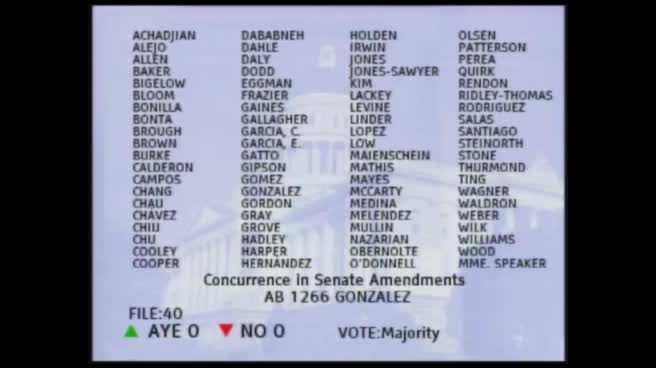 3MIN
Assembly Floor
 2MIN
Senate Floor
 9MIN
Senate Floor
 7MIN
Assembly Floor
Bill Author

Bill Co-Author(s):