AB 1337: Medical records: electronic delivery.
- Session Year: 2015-2016
- House: Assembly
- Latest Version Date: 2015-10-06
Existing law requires certain enumerated medical providers and medical employers to make a patients records available for inspection and copying by an attorney, or his or her representative, who presents a written authorization therefor, as specified.
This bill would require a medical provider or attorney, as defined, to provide an electronic copy of a medical record that is maintained electronically, upon request. The bill would also require a medical provider to accept a prescribed authorization form once completed and signed by the patient if the medical provider determines that the form is valid.
Existing law requires certain enumerated medical providers and medical employers to make a patients records available for inspection and copying by an attorney, or his or her representative, who presents a written authorization therefor, as specified.
This bill would require a medical provider or employer, or an agent thereof, provider or attorney, as defined, to provide an electronic copy of a medical record, when an electronic a copy is requested, if the medical record exists in digital or electronic format and the medical record can be delivered that is maintained electronically, upon request. The bill would also require a medical provider or employer to accept a prescribed authorization form once completed and signed by the patient, as specified, and would prohibit a medical provider or employer from conditioning treatment, payment, enrollment, or eligibility for benefits on the submission of an authorization for the release of records if the medical provider determines that the form is valid.
Existing law requires certain enumerated medical providers and medical employers to make a patients records available for inspection and copying by an attorney, or his or her representative, who presents a written authorization therefor, as specified.
This bill would require a medical provider or employer, or an agent thereof, to provide an electronic copy of a medical record, when an electronic a copy is requested, if the medical record exists in digital or electronic format and the medical record can be delivered electronically. The bill would also require a medical provider or employer to accept a prescribed authorization form once completed and signed by the patient, as specified, and would prohibit a medical provider or employer from conditioning treatment, payment, enrollment, or eligibility for benefits on the submission of an authorization for the release of records.
Existing law requires certain enumerated medical providers and medical employers to make a patients records available for inspection and copying by an attorney, or his or her representative, who presents a written authorization therefor, as specified.
This bill would require a medical provider or employer, or an agent thereof, to provide an electronic copy of a medical record, when an electronic a copy is requested, if the medical record exists in digital or electronic format and the medical record can be delivered electronically.
(a)For purposes of this section, medical provider means physician and surgeon, dentist, registered nurse, dispensing optician, registered physical therapist, podiatrist, licensed psychologist, osteopathic physician and surgeon, chiropractor, clinical laboratory bioanalyst, clinical laboratory technologist, or pharmacist or pharmacy, duly licensed as such under the laws of the state, or a licensed hospital.
(b)Before the filing of any action or the appearance of a defendant in an action, if an attorney at law or his or her representative presents a written authorization therefor signed by an adult patient, by the guardian or conservator of his or her person or estate, or, in the case of a minor, by a parent or guardian of the minor, or by the personal representative or an heir of a deceased patient, or a copy thereof, to a medical provider, the medical provider shall promptly make all of the patients records under the medical providers custody or control available for inspection and copying by the attorney at law or his or her representative.
(c)Copying of medical records shall not be performed by a medical provider, or by an agent thereof, when the requesting attorney has employed a professional photocopier or anyone identified in Section 22451 of the Business and Professions Code as his or her representative to obtain or review the records on his or her behalf. The presentation of the authorization by the agent on behalf of the attorney shall be sufficient proof that the agent is the attorneys representative.
(d)Failure to make the records available during business hours, within five days after the presentation of the written authorization, may subject the medical provider having custody or control of the records to liability for all reasonable expenses, including attorneys fees, incurred in any proceeding to enforce this section.
(e)(1)All reasonable costs incurred by a medical provider in making patient records available pursuant to this section may be charged against the attorney who requested the records.
(2)Reasonable cost, as used in this section, shall include, but not be limited to, the following specific costs: ten cents ($0.10) per page for standard reproduction of documents of a size 81/2 by 14 inches or less; twenty cents ($0.20) per page for copying of documents from microfilm; actual costs for the reproduction of oversize documents or the reproduction of documents requiring special processing which are made in response to an authorization; reasonable clerical costs incurred in locating and making the records available to be billed at the maximum rate of sixteen dollars ($16) per hour per person, computed on the basis of four dollars ($4) per quarter hour or fraction thereof; actual postage charges; and actual costs, if any, charged to the witness by a third person for the retrieval and return of records held by that third person.
(f)If the records are delivered to the attorney or the attorneys representative for inspection or photocopying at the record custodians place of business, the only fee for complying with the authorization shall not exceed fifteen dollars ($15), plus actual costs, if any, charged to the record custodian by a third person for retrieval and return of records held offsite by the third person.
(g)If the records requested pursuant to subdivision (b) are maintained electronically and if the requesting party requests an electronic copy of such information, the medical provider shall provide the requested medical records in the electronic form and format requested by the requesting party, if it is readily producible in such form and format, or, if not, in a readable form and format as agreed to by the medical provider and the requesting party.
(h)A medical provider shall accept a signed and completed authorization form for the disclosure of health information if both of the following conditions are satisfied:
(1)The medical provider determines that the form is valid.
(2)The form is printed in a typeface no smaller than 14-point type and is in substantially the following form:
AUTHORIZATION FOR DISCLOSURE OF HEALTH INFORMATION PURSUANT TO EVIDENCE CODE SECTION 1158 The undersigned authorizes the medical provider designated below to disclose specified medical records to a designated recipient. The medical provider shall not condition treatment, payment, enrollment, or eligibility for benefits on the submission of this authorization. | ||
Medical provider: ________________ Patient name: ________________ Medical record number: ________________ Date of birth: ________________ Address: ________________ Telephone number: ________________ Email: ________________ Recipient name: ________________ Recipient address: ________________ Recipient telephone number: ________________ Recipient email: ________________ Health information requested (check all that apply): ___Records dated from ________ to ________. ___Radiology records: ________ images or films ________ reports________digital/CD, if available. ___Laboratory results dated. ___Laboratory results regarding specific test(s) only (specify)________. ___All records. ___Records related to a specific injury, treatment, or other purpose (specify):
________________. Note: records may include information related to mental health, alcohol or drug use, and HIV or AIDS. However, treatment records from mental health and alcohol or drug departments and results of HIV tests will not be disclosed unless specifically requested (check all that apply): ___Mental health records. ___Alcohol or drug records. ___HIV test results. Method of delivery of requested records: ___Mail ___Pick up ___Electronic delivery, recipient email:________________ This authorization is effective for one year from the date of the
signature unless a different date is specified here: ________________. This authorization may be revoked upon written request, but any revocation will not apply to information disclosed before receipt of the written request. A copy of this authorization is as valid as the original. The undersigned has the right to receive a copy of this authorization. Notice: Once the requested health information is disclosed, any disclosure of the information by the recipient may no longer be protected under the federal Health Insurance Portability and Accountability Act of 1996 (HIPAA). Patient signature*: ________________ Date: ________________ Print name: ________________ *If not signed by the patient, please indicate relationship to the patient (check one, if applicable): ___Parent or guardian of minor patient who could not have consented to health care. ___Guardian or conservator of an incompetent patient. ___Beneficiary or personal representative of deceased patient. |
(a)For purposes of this section, medical provider and or employer provider means physician and surgeon, dentist, registered nurse, dispensing optician, registered physical therapist, podiatrist, licensed psychologist, osteopathic physician and surgeon, chiropractor, clinical laboratory bioanalyst, clinical laboratory technologist, or pharmacist or pharmacy, duly licensed as such under the laws of the state, or a licensed hospital.
(b)Before the filing of any action or the appearance of a defendant in an action, if an attorney at law or his or her representative presents a written authorization therefor signed by an adult patient, by the guardian or conservator of his or her person or estate, or, in the case of a minor, by a parent or guardian of the minor, or by the personal representative or an heir of a deceased patient, or a copy thereof, to a medical provider or employer, provider, the medical provider or employer shall promptly make all of the patients records under the medical provider or employers providers custody or control available for inspection and copying by the attorney at law or his or her representative.
(c)Copying of medical records shall not be performed by a medical provider or employer, provider, or by an agent thereof, when the requesting attorney has employed a professional photocopier or anyone identified in Section 22451 of the Business and Professions Code as his or her representative to obtain or review the records on his or her behalf. The presentation of the authorization by the agent on behalf of the attorney shall be sufficient proof that the agent is the attorneys representative.
(d)Failure to make the records available during business hours, within five days after the presentation of the written authorization, may subject the medical provider or employer having custody or control of the records to liability for all reasonable expenses, including attorneys fees, incurred in any proceeding to enforce this section.
(e)(1)All reasonable costs incurred by a medical provider or employer in making patient records available pursuant to this section may be charged against the attorney who requested the records.
(2)Reasonable cost, as used in this section, shall include, but not be limited to, the following specific costs: ten cents ($0.10) per page for standard reproduction of documents of a size 81/2 by 14 inches or less; twenty cents ($0.20) per page for copying of documents from microfilm; actual costs for the reproduction of oversize documents or the reproduction of documents requiring special processing which are made in response to an authorization; reasonable clerical costs incurred in locating and making the records available to be billed at the maximum rate of sixteen dollars ($16) per hour per person, computed on the basis of four dollars ($4) per quarter hour or fraction thereof; actual postage charges; and actual costs, if any, charged to the witness by a third person for the retrieval and return of records held by that third person.
(f)If the records are delivered to the attorney or the attorneys representative for inspection or photocopying at the record custodians place of business, the only fee for complying with the authorization shall not exceed fifteen dollars ($15), plus actual costs, if any, charged to the record custodian by a third person for retrieval and return of records held offsite by the third person.
(g)If a medical record requested pursuant to subdivision (b) is maintained electronically, a medical provider shall, upon request, provide an electronic copy of the medical record in the format requested by the requesting party, or, if that format is unavailable, in another agreed-upon format. If the records requested pursuant to subdivision (b) are maintained electronically and if the requesting party requests an electronic copy of such information, the medical provider shall provide the requested medical records in the electronic form and format requested by the requesting party, if it is readily producible in such form and format, or, if not, in a readable form and format as agreed to by the medical provider and the requesting party.
(h)A medical provider shall accept a signed and completed authorization form for the disclosure of health information if both of the following conditions are satisfied:
(1)The medical provider determines that the form is valid.
(2)The form is printed in a typeface no smaller than 14-point type and is in substantially the following form:
AUTHORIZATION FOR DISCLOSURE OF HEALTH INFORMATION PURSUANT TO EVIDENCE CODE SECTION 1158 The undersigned authorizes the medical provider designated below to disclose specified medical records to a designated recipient. The medical provider shall not condition treatment, payment, enrollment, or eligibility for benefits on the submission of this authorization. | ||
Medical provider: ________________ Patient name: ________________ Medical record number: ________________ Date of birth: ________________ Address: ________________ Telephone number: ________________ Email: ________________ Recipient name: ________________ Recipient address: ________________ Recipient telephone number: ________________ Recipient email: ________________ Health information requested (check all that apply): ___Records dated from ________ to ________. ___Radiology records: ________ images or films ________ reports________digital/CD, if available. ___Laboratory results dated. ___Laboratory results regarding specific test(s) only (specify)________. ___All records. ___Records related to a specific injury, treatment, or other purpose (specify):
________________. Note: records may include information related to mental health, alcohol or drug use, and HIV or AIDS. However, treatment records from mental health and alcohol or drug departments and results of HIV tests will not be disclosed unless specifically requested (check all that apply): ___Mental health records. ___Alcohol or drug records. ___HIV test results. Method of delivery of requested records: ___Mail ___Pick up ___Electronic delivery, recipient email:________________ This authorization is effective for one year from the date of the
signature unless a different date is specified here: ________________. This authorization may be revoked upon written request, but any revocation will not apply to information disclosed before receipt of the written request. A copy of this authorization is as valid as the original. The undersigned has the right to receive a copy of this authorization. Notice: Once the requested health information is disclosed, any disclosure of the information by the recipient may no longer be protected under the federal Health Insurance Portability and Accountability Act of 1996 (HIPAA). Patient signature*: ________________ Date: ________________ Print name: ________________ *If not signed by the patient, please indicate relationship to the patient (check one, if applicable): ___Parent or guardian of minor patient who could not have consented to health care. ___Guardian or conservator of an incompetent patient. ___Beneficiary or personal representative of deceased patient. |
(a)For purposes of this section, medical provider and or employer means physician and surgeon, dentist, registered nurse, dispensing optician, registered physical therapist, podiatrist, licensed psychologist, osteopathic physician and surgeon, chiropractor, clinical laboratory bioanalyst, clinical laboratory technologist, or pharmacist or pharmacy, duly licensed as such under the laws of the state, or a licensed hospital.
(b)Before the filing of any action or the appearance of a defendant in an action, if an attorney at law or his or her representative presents a written authorization therefor signed by an adult patient, by the guardian or conservator of his or her person or estate, or, in the case of a minor, by a parent or guardian of the minor, or by the personal representative or an heir of a deceased patient, or a copy thereof, to a physician and surgeon, dentist, registered nurse, dispensing optician, registered physical therapist, podiatrist, licensed psychologist, osteopathic physician and surgeon, chiropractor, clinical laboratory bioanalyst, clinical laboratory technologist, or pharmacist or pharmacy, duly licensed as such under the laws of the state, or a licensed hospital shall, upon presentation of the written authorization, medical provider or employer, the medical provider or employer promptly make all of the patients records under that person or entitys the medical provider or employers custody or control available for inspection and copying by the attorney at law or his or her representative.
(b)
(c)Copying of medical records shall not be performed by any a medical provider or employer described in subdivision (a), employer, or by an agent thereof, when the requesting attorney has employed a professional photocopier or anyone identified in Section 22451 of the Business and Professions Code as his or her representative to obtain or review the records on his or her behalf. The presentation of the authorization by the agent on behalf of the attorney shall be sufficient proof that the agent is the attorneys representative.
(c)
(d)Failure to make the records available during business hours, within five days after the presentation of the written authorization, may subject the person or entity medical provider or employer having custody or control of the records to liability for all reasonable expenses, including attorneys fees, incurred in any proceeding to enforce this section.
(d)
(e)(1)All reasonable costs incurred by any person or entity described in subdivision (a) a medical provider or employer in making patient records available pursuant to this section may be charged against the person whose written authorization required the availability of attorney who requested the records.
(2)Reasonable cost, as used in this section, shall include, but not be limited to, the following specific costs: ten cents ($0.10) per page for standard reproduction of documents of a size 81/2 by 14 inches or less; twenty cents ($0.20) per page for copying of documents from microfilm; actual costs for the reproduction of oversize documents or the reproduction of documents requiring special processing which are made in response to an authorization; reasonable clerical costs incurred in locating and making the records available to be billed at the maximum rate of sixteen dollars ($16) per hour per person, computed on the basis of four dollars ($4) per quarter hour or fraction thereof; actual postage charges; and actual costs, if any, charged to the witness by a third person for the retrieval and return of records held by that third person.
(e)
(f)If the records are delivered to the attorney or the attorneys representative for inspection or photocopying at the record custodians place of business, the only fee for complying with the authorization shall not exceed fifteen dollars ($15), plus actual costs, if any, charged to the record custodian by a third person for retrieval and return of records held offsite by the third person.
(f)
(g)If an electronic copy of a medical record is requested, the requested pursuant to subdivision (b) is maintained electronically, a medical provider or employer described in subdivision (a), or an agent thereof, shall, upon request, provide an electronic copy of the requested medical record if the medical record exists in a digital or electronic format that can be delivered electronically. in the format requested by the requesting party, or, if that format is unavailable, in another agreed-upon format.
(g)(1)A medical provider or employer described in subdivision (a) shall not condition treatment, payment, enrollment, or eligibility for benefits on the submission of an authorization form pursuant to subdivision (a).
(2)
(h)A medical provider or employer described in subdivision (a) shall accept a signed and completed authorization form for the disclosure of health information that is if both of the following conditions are satisfied:
(1)The medical provider determines that the form is valid.
(2)The form is in substantially the following form:
AUTHORIZATION FOR DISCLOSURE OF HEALTH INFORMATION PURSUANT TO EVIDENCE CODE SECTION 1158 The undersigned authorizes the medical provider or employer designated below to disclose specified medical records to a designated recipient. The medical provider or employer shall not condition treatment, payment, enrollment, or eligibility for benefits on the submission of this authorization. | ||
Medical provider or employer: ________________ Patient name: ________________ Medical record number: ________________ Date of birth: ________________ Address: ________________ Telephone number: ________________ Email: ________________ Recipient name: ________________ Recipient address: ________________ Recipient telephone number: ________________ Recipient email: ________________ Health information requested (check all that apply): ___Records dated from ________ to ________. ___Radiology records: ________ images or films ________ reports________digital/CD, if available. ___Laboratory results dated from ________ to ________. ___Laboratory results regarding specific test(s) only (specify)________. ___All records. ___Records related to a specific injury, treatment, or other purpose (specify):
________________. Note: records may include information related to mental health, alcohol or drug use, and HIV or AIDS. However, treatment records from mental health and alcohol or drug departments and results of HIV tests will not be disclosed unless specifically requested (check all that apply): ___Mental health records dated from ________ to ________. ___Alcohol or drug records dated from ________ to ________. ___HIV test results dated from ________ to _______. Method of delivery of requested records: ___Mail ___Pick up ___Electronic delivery, recipient email:________________ This authorization is effective for one year from the date of the signature unless a different date is specified here: ________________. This authorization may be revoked upon written request, but any revocation will not apply to information disclosed before receipt of the written
request. A copy of this authorization is as valid as the original. The undersigned has the right to receive a copy of this authorization. Notice: Once the requested health information is disclosed, any disclosure of the information by the recipient may no longer be protected under the federal Health Insurance Portability and Accountability Act of 1996 (HIPAA). Patient signature*: ________________ Date: ________________ Print name: ________________ *If not signed by the patient, please indicate relationship to the patient (check one, if applicable): ___Parent or guardian of minor patient who could not have consented to health care. ___Guardian or conservator of an incompetent patient. ___Beneficiary or personal representative of deceased patient. |
(a)Before the filing of any action or the appearance of a defendant in an action, if an attorney at law or his or her representative presents a written authorization therefor signed by an adult patient, by the guardian or conservator of his or her person or estate, or, in the case of a minor, by a parent or guardian of the minor, or by the personal representative or an heir of a deceased patient, or a copy thereof, a physician and surgeon, dentist, registered nurse, dispensing optician, registered physical therapist, podiatrist, licensed psychologist, osteopathic physician and surgeon, chiropractor, clinical laboratory bioanalyst, clinical laboratory technologist, or pharmacist or pharmacy, duly licensed as such under the laws of the state, or a licensed hospital, hospital shall, upon presentation of the written authorization, promptly make all of the patients records under that person or entitys custody or control available for inspection and copying by the attorney at law or his or her representative, promptly upon the presentation of the written authorization. representative.
(b)Copying of medical records shall not be performed by any medical provider or employer described in subdivision (a), or by an agent thereof, when the requesting attorney has employed a professional photocopier or anyone identified in Section 22451 of the Business and Professions Code as his or her representative to obtain or review the records on his or her behalf. The presentation of the authorization by the agent on behalf of the attorney shall be sufficient proof that the agent is the attorneys representative.
(c)Failure to make the records available during business hours, within five days after the presentation of the written authorization, may subject the person or entity having custody or control of the records to liability for all reasonable expenses, including attorneys fees, incurred in any proceeding to enforce this section.
(d)(1)All reasonable costs incurred by any person or entity described in subdivision (a) in making patient records available pursuant to this section may be charged against the person whose written authorization required the availability of the records.
(2)Reasonable cost, as used in this section, shall include, but not be limited to, the following specific costs: ten cents ($0.10) per page for standard reproduction of documents of a size 81/2 by 14 inches or less; twenty cents ($0.20) per page for copying of documents from microfilm; actual costs for the reproduction of oversize documents or the reproduction of documents requiring special processing which are made in response to an authorization; reasonable clerical costs incurred in locating and making the records available to be billed at the maximum rate of sixteen dollars ($16) per hour per person, computed on the basis of four dollars ($4) per quarter hour or fraction thereof; actual postage charges; and actual costs, if any, charged to the witness by a third person for the retrieval and return of records held by that third person.
(e)If the records are delivered to the attorney or the attorneys representative for inspection or photocopying at the record custodians place of business, the only fee for complying with the authorization shall not exceed fifteen dollars ($15), plus actual costs, if any, charged to the record custodian by a third person for retrieval and return of records held offsite by the third person.
(f)If an electronic copy of a medical record is requested, the medical provider or employer described in subdivision (a), or an agent thereof, shall provide an electronic copy of the requested medical record if the medical record exists in a digital or electronic format that can be delivered electronically.
(g)(1)A medical provider or employer described in subdivision (a) shall not condition treatment, payment, enrollment, or eligibility for benefits on the submission of an authorization form pursuant to subdivision (a).
(2)A medical provider or employer described in subdivision (a) shall accept a signed and completed authorization form for the disclosure of health information that is in substantially the following form:
AUTHORIZATION FOR DISCLOSURE OF HEALTH INFORMATION PURSUANT TO EVIDENCE CODE SECTION 1158 The undersigned authorizes the medical provider or employer designated below to disclose specified medical records to a designated recipient. The medical provider or employer shall not condition treatment, payment, enrollment, or eligibility for benefits on the submission of this authorization. | ||
Medical provider or employer: ________________ Patient name: ________________ Medical record number: ________________ Date of birth: ________________ Address: ________________ Telephone number: ________________ Email: ________________ Recipient name: ________________ Recipient address: ________________ Recipient telephone number: ________________ Recipient email: ________________ Health information requested (check all that apply): ___Records dated from ________ to ________. ___Radiology records: ________ images or films ________ reports. ___Laboratory results dated from ________ to ________. ___All records. ___Records related to a specific injury, treatment, or other purpose (specify): ________________. Note: records may include information related to mental health, alcohol or drug use, and HIV or AIDS. However, treatment records from mental health and alcohol or drug departments and results of HIV tests will not be disclosed unless specifically requested (check all that apply): ___Mental health records dated from ________ to ________. ___Alcohol or drug records dated from ________ to ________. ___HIV test results dated from ________ to _______. Method of delivery of requested records: ___Mail ___Pick up ___Electronic delivery This authorization is effective for one year from the date of the signature unless a different date is specified here: ________________. This authorization may be revoked upon written request, but any revocation will not apply to information disclosed before receipt of the written request. A copy of this authorization is as valid as the original. The undersigned has the right to receive a copy of this authorization. Notice: Once the requested health information is disclosed, any disclosure of the information by the recipient may no longer be protected under the federal Health Insurance Portability and Accountability Act of 1996 (HIPAA). Patient signature*: ________________ Date: ________________ Print name: ________________ *If not signed by the patient, please indicate relationship to the patient (check one, if applicable): ___Parent or guardian of minor patient who could not have consented to health care. ___Guardian or conservator of an incompetent patient. ___Beneficiary or personal representative of deceased patient. |
Whenever, prior to (a)Before the filing of any action or the appearance of a defendant in an action, an attorney at law or his or her representative presents a written authorization therefor signed by an adult patient, by the guardian or conservator of his or her person or estate, or, in the case of a minor, by a parent or guardian of the minor, or by the personal representative or an heir of a deceased patient, or a copy thereof, a physician and surgeon, dentist, registered nurse, dispensing optician, registered physical therapist, podiatrist, licensed psychologist, osteopathic physician and surgeon, chiropractor, clinical laboratory bioanalyst, clinical laboratory technologist, or pharmacist or pharmacy, duly licensed as such under the laws of the state, or a licensed hospital, shall make all of the patients records under his, hers or its that person or entitys custody or control available for inspection and copying by the attorney at law or his, or her, his or her representative, promptly upon the presentation of the written authorization.
No copying may
(b)Copying of medical records shall not be performed by any medical provider or employer enumerated above, described in subdivision (a), or by an agent thereof, when the requesting attorney has employed a professional photocopier or anyone identified in Section 22451 of the Business and Professions Code as his or her representative to obtain or review the records on his or her behalf. The presentation of the authorization by the agent on behalf of the attorney shall be sufficient proof that the agent is the attorneys representative.
Failure
(c)Failure to make the records available, available during business hours, within five days after the presentation of the written authorization, may subject the person or entity having custody or control of the records to liability for all reasonable expenses, including attorneys fees, incurred in any proceeding to enforce this section.
All
(d)(1)All reasonable costs incurred by any person or entity enumerated above described in subdivision (a) in making patient records available pursuant to this section may be charged against the person whose written authorization required the availability of the records.
Reasonable
(2)Reasonable cost, as used in this section, shall include, but not be limited to, the following specific costs: ten cents ($0.10) per page for standard reproduction of documents of a size 81/2 by 14 inches or less; twenty cents ($0.20) per page for copying of documents from microfilm; actual costs for the reproduction of oversize documents or the reproduction of documents requiring special processing which are made in response to an authorization; reasonable clerical costs incurred in locating and making the records available to be billed at the maximum rate of sixteen dollars ($16) per hour per person, computed on the basis of four dollars ($4) per quarter hour or fraction thereof; actual postage charges; and actual costs, if any, charged to the witness by a third person for the retrieval and return of records held by that third person.
Where
(e)If the records are delivered to the attorney or the attorneys representative for inspection or photocopying at the record custodians place of business, the only fee for complying with the authorization shall not exceed fifteen dollars ($15), plus actual costs, if any, charged to the record custodian by a third person for retrieval and return of records held offsite by the third person.
(f)If an electronic copy of a medical record is requested, the medical provider or employer described in subdivision (a), or an agent thereof, shall provide an electronic copy of the requested medical record if the medical record exists in a digital or electronic format that can be delivered electronically.
|
Date
|
Status
|
|---|---|
| Jun 22, 2015 | From committee chair, with author's amendments: Amend, and re-refer to committee. Read second time, amended, and re-referred to Com. on HEALTH. |
| Oct 6, 2015 | Chaptered by Secretary of State - Chapter 528, Statutes of 2015. |
| Oct 6, 2015 | Approved by the Governor. |
| Sep 1, 2015 | Enrolled and presented to the Governor at 4 p.m. |
| Aug 24, 2015 | Senate amendments concurred in. To Engrossing and Enrolling. (Ayes 80. Noes 0. Page 2561.). |
| Aug 24, 2015 | Senate amendments concurred in. To Engrossing and Enrolling. |
| Aug 20, 2015 | Read third time. Passed. Ordered to the Assembly. (Ayes 38. Noes 0. Page 2116.). |
| Aug 20, 2015 | Read third time. Passed. Ordered to the Assembly. |
| Aug 20, 2015 | In Assembly. Concurrence in Senate amendments pending. May be considered on or after August 22 pursuant to Assembly Rule 77. |
| Jul 16, 2015 | Read second time and amended. Ordered to consent calendar. |
| Jul 15, 2015 | From committee: Amend, and do pass as amended. To Consent Calendar. (Ayes 7. Noes 0.) (July 14). |
| Jul 9, 2015 | From committee: Do pass and re-refer to Com. on JUD. (Ayes 8. Noes 0.) (July 8). Re-referred to Com. on JUD. |
| Jun 30, 2015 | In committee: Set, first hearing. Hearing canceled at the request of author. |
| Feb 27, 2015 | Introduced. To print. |
| May 21, 2015 | Referred to Coms. on HEALTH and JUD. |
| May 7, 2015 | Read third time. Passed. Ordered to the Senate. (Ayes 77. Noes 0. Page 1344.) |
| May 7, 2015 | Read third time. Passed. Ordered to the Senate. |
| May 7, 2015 | In Senate. Read first time. To Com. on RLS. for assignment. |
| May 6, 2015 | Read second time. Ordered to third reading. |
| May 5, 2015 | From committee: Do pass. (Ayes 17. Noes 0.) (May 5). |
| Apr 22, 2015 | Re-referred to Com. on HEALTH. |
| Apr 21, 2015 | From committee chair, with author's amendments: Amend, and re-refer to Com. on HEALTH. Read second time and amended. |
| Mar 23, 2015 | Referred to Com. on HEALTH. |
| Mar 2, 2015 | Read first time. |
| Mar 1, 2015 | From printer. May be heard in committee March 31. |
|
Date
|
Description
|
Location
|
Votes
|
|
|---|---|---|---|---|
| Aug 24, 2015 | AB 1337 LINDER Concurrence in Senate Amendments | Assembly Floor |
Passed |
|
| Aug 20, 2015 | Consent Calendar 2nd AB1337 Linder | Senate Floor |
Passed |
|
| Jul 14, 2015 | Do pass as amended, and be ordered to the Consent Calendar | Senate Standing Committee on Judiciary |
Passed |
|
| Jul 8, 2015 | Do pass, but first be re-referred to the Committee on [Judiciary] | Senate Standing Committee on Health |
Passed |
|
| May 7, 2015 | AB 1337 LINDER Assembly Third Reading | Assembly Floor |
Passed |
|
| May 5, 2015 | Do pass. | Assembly Standing Committee on Health |
Passed |
This list shows positions taken on this bill by organizations on the date displayed, which is linked to the original source.
Positions by individuals are not included.
|
Organization
|
Position
|
Date
|
|---|---|---|
| California Hospital Association | ** Support | Aug 24, 2015 |
| Consumer Attorneys Of California | ** Support | Aug 24, 2015 |
AB 1337
Page 2
CONCURRENCE IN SENATE AMENDMENTS
AB 1337
(Linder)
As Amended July 16, 2015
Majority vote
ASSEMBLY: |
77-0 |
(May 7, 2015) |
SENATE: |
38-0 |
(August 20, 2015) |
Original Committee Reference: HEALTH
SUMMARY: Provides a standardized authorization form for medical records requests and requires a medical provider, as defined, to provide electronic copies of medical records, as specified.
The Senate amendments delete references to employers in the bill's definition of medical providers and throughout this bill. Make other technical nonsubstantive changes to this bill.
EXISTING LAW:
Requires health care providers to make a patient's medical records available for inspection and copying by an attorney, prior to the filing of any action or the appearance of a defendant in an action, when the attorney presents written authorization from a patient, or the patient's designated representative, as specified.
Prohibits a health care provider from copying requested medical records when the requesting attorney has employed a professional photocopier, as specified.
Makes the person or entity having custody of the medical records liable for all reasonable expenses, including attorney's fees, incurred in any proceeding when the medical records are not made available within five days of the written request.
Permits all reasonable costs incurred by a health care provider in making patient records available to be charged against the person requesting the records.
Grants, under the federal Health Information Portability and Accountability Act, patients the right to obtain a copy of their medical records from any medical provider, with exceptions.
FISCAL EFFECT: None
COMMENTS: According to the author, health care facilities use individualized authorization forms used to release patient health records which vary widely depending on the individual health care provider, facility, or health plan or insurer. The author asserts that the use of provider-specific authorization forms is burdensome and results in delays in obtaining records, as patients and/or their representatives must contact individual providers to obtain their specific authorization forms in order to request records.
Existing federal and California Law gives patients the right to access their medical records. According to the Health Consumer Alliance, medical records requests fall under various sections of California law, including the federal Patient Access to Health Records Act, the Confidentiality of Medical Information Act, and the Information Practices Act of 1977. The California Evidence Code also contains provisions that give special access to medical records to attorneys or their representatives with patient authorization.
Analysis Prepared by: Rylan Gervase / HEALTH / (916) 319-2097 FN: 0001291
AB 1337
Page 4
|
Office of Senate Floor Analyses (916) 651-1520 Fax: (916) 327-4478 |
CONSENT
Bill No: AB 1337
Amended: 7/16/15 in Senate
SENATE HEALTH COMMITTEE: 8-0, 7/8/15
AYES: Hernandez, Nguyen, Hall, Monning, Nielsen, Pan, Roth, Wolk
NO VOTE RECORDED: Mitchell
SENATE JUDICIARY COMMITTEE: 7-0, 7/14/15
AYES: Jackson, Moorlach, Anderson, Hertzberg, Leno, Monning, Wieckowski
ASSEMBLY FLOOR: 77-0, 5/7/15 - See last page for vote
SUBJECT: Medical records: electronic delivery
SOURCE: Consumer Attorneys of California
DIGEST: This bill creates an authorization form for disclosure of health information by medical providers, and requires electronic medical records requested prior to the filing of any action or appearance of a defendant in an action to be provided electronically if requested in an electronic format, and if it is readily producible in that format.
Existing law:
Requires, prior to the filing of any action or the appearance of a defendant in an action, medical providers or employers, as specified, to make all of the patient’s records under his, her or its custody or control available for inspection and copying by the attorney at law or his or her representative, promptly upon the presentation of a written authorization signed by the patient or representative of the patient.
Describes as “medical providers” physician and surgeon, dentist, registered nurse, dispensing optician, registered physical therapist, podiatrist, licensed psychologist, osteopathic physician and surgeon, chiropractor, clinical laboratory bioanalyst, clinical laboratory technologist, or pharmacist or pharmacy, duly licensed, or a licensed hospital.
Subjects the person or entity having custody or control of the records to liability for all reasonable expenses, including attorney’s fees, incurred for failure to make the records available, during business hours, within five days after the presentation of the written authorization.
Requires reasonable costs, as defined, incurred in making patient records available pursuant to existing law to be charged against the person whose written authorization required the availability of the records.
This bill:
Permits reasonable costs incurred under this bill to be charged against the attorney who requested the records, not the person who authorized the request.
Requires if the records are maintained electronically and if the requesting party requests an electronic copy of such information, the health care provider to provide the requested medical records in the electronic form and format requested by the requesting party, if it is readily producible in such form and format; or, if not, in a readable electronic form and format as agreed to by the health care provider and the requesting party.
Requires a medical provider to accept a signed and completed authorization form for the disclosure of health information if the medical provider determines that the form is valid, printed in a typeface no smaller than 14-point type, and in substantially the form specified in this bill.
Comments
Author’s statement. According to the author, AB 1337 will create a standardized medical records request form. Currently, authorization forms vary widely between health care facilities, depending on the provider, hospital or plan. The process is very burdensome and the use of provider specific forms results in delay in obtaining records. The patient or their representative must contact the applicable health care facility, obtain a specific form, have the client sign that form, and then submit it to the health care facility. Often times, this must be completed for each health care facility in order to obtain a complete medical history.
Health care facilities also find this process burdensome, often
receiving a medical records request form that differs from their own
or that a patient’s representative drafted themselves resulting in
a delay in processing the patient’s health records request. By
creating a standardized form, both providers and patients would be
able to streamline their ability to access medical records and lessen
any chances for unneeded delays wasting time and money.
Prior Legislation
AB 2059 (Muratsuchi, 2014) would have required a health care provider to provide an electronic copy of an electronic medical record or electronic health record, when an electronic copy is requested, if the medical record exists in digital or electronic format and can be delivered electronically. The bill also would have authorized the provider to charge feels for processing the request. The bill was held on the Senate Floor.
FISCAL EFFECT: Appropriation: No Fiscal Com.: No Local: No
Consumer Attorneys of California (source)
California Hospital Association
OPPOSITION: (Verified 8/11/15)
None received
ARGUMENTS IN SUPPORT: The Consumer Attorneys of California is the sponsor of this bill and indicates that they have been collectively working with the hospitals and providers to develop a standardized Evidence Code medical request form that hospitals, providers and patients can rely upon as an acceptable form. A uniform record request procedure will help providers and patients who seek medical records.
The California Hospital Association writes in support that lawyers, physicians and hospitals make up their own forms today, which leads to a lot of paperwork crossing in the mail, multiple forms signed and delays in getting medical records to the attorneys who requested them. Having one easily recognizable form will help hospitals and physicians identify when a request has been made.
ASSEMBLY FLOOR: 77-0, 5/7/15
AYES: Achadjian, Alejo, Travis Allen, Baker, Bigelow, Bloom, Bonilla, Bonta, Brough, Brown, Burke, Calderon, Chang, Chau, Chávez, Chiu, Chu, Cooley, Cooper, Dababneh, Dahle, Daly, Dodd, Eggman, Frazier, Beth Gaines, Gallagher, Cristina Garcia, Eduardo Garcia, Gatto, Gipson, Gomez, Gonzalez, Gordon, Gray, Grove, Hadley, Harper, Holden, Irwin, Jones, Jones-Sawyer, Kim, Lackey, Levine, Linder, Lopez, Low, Maienschein, Mathis, Mayes, McCarty, Medina, Melendez, Mullin, Nazarian, Obernolte, O'Donnell, Olsen, Patterson, Perea, Quirk, Rendon, Ridley-Thomas, Rodriguez, Salas, Santiago, Mark Stone, Thurmond, Ting, Wagner, Waldron, Weber, Wilk, Williams, Wood, Atkins
NO VOTE RECORDED: Campos, Roger Hernández, Steinorth
Prepared by: Teri Boughton / HEALTH /
8/13/15 13:07:39
**** END ****
AB 1337 (Linder)
Page 7 of 7
Senator Hannah-Beth Jackson, Chair
2015-2016 Regular Session
AB 1337 (Linder)
Version: July 22, 2015
Hearing Date: July 14, 2015
Fiscal: No
Urgency: No
NR
SUBJECT
Medical records: electronic delivery
DESCRIPTION
This bill would require a medical provider, as defined, to provide an electronic copy of a medical record that is maintained electronically, upon request. This bill would also create a standard form for the disclosure of health information, and require a medical provider to accept that form once completed and signed by the patient, if the medical provider determines that the form is valid. This bill would make other clarifying and technical changes.
(This analysis reflects author’s amendments to be offered in Committee.)
BACKGROUND
Existing law requires specified health care providers to provide, within five days, medical records for inspection when authorized by a patient and requested by an attorney prior to the filing of an action. (See Evid. Code Sec. 1158.) Ten states, including Illinois, Maine, and Texas, have enacted statutes for electronic discovery of medical records. California’s existing provision that authorizes the discovery of medical records was enacted in 1968, before electronic medical records came into existence. This bill, sponsored by the Consumer Attorneys of California, seeks to update the Evidence Code to expressly allow for discovery of electronic medical records and would create a standardized form for medical requests.
CHANGES TO EXISTING LAW
Existing law requires health care providers to make a patient’s medical records available for inspection and copying by an attorney, prior to the filing of any action or the appearance of a defendant in an action, when the attorney presents written authorization from an adult patient, the guardian or conservator of his or her person or estate, or the personal representative or an heir of a deceased patient. (Evid. Code Sec. 1158.)
Existing law prohibits a health care provider or their agent from copying requested medical records when the requesting attorney has employed a professional photocopier registered, or anyone exempt from being required to register as a professional photocopier, as specified. (Evid. Code Sec. 1158.)
Existing law makes the person or entity having custody of the medical records liable for all reasonable expenses, including attorney’s fees, incurred in any proceeding when the medical records are not made available during business hours within five days of the written request. (Evid. Code Sec. 1158.)
Existing law limits the fees, where the records are delivered to the attorney for inspection or photocopying at the record custodian’s place of business, to $15, plus actual costs, if any, charged to the witness by a third person for the retrieval and return of records held by that third person. (Evid. Code Sec. 1158.)
This bill would apply the above provisions to a “medical provider” defined as a physician and surgeon, dentist, registered nurse, dispensing optician, registered physical therapist, podiatrist, licensed psychologist, osteopathic physician and surgeon, chiropractor, clinical laboratory bioanalyst, clinical laboratory technologist, or pharmacist or pharmacy, duly licensed as such under the laws of the state, or a licensed hospital.
This bill would additionally require a medical provider to provide a medical record that is maintained electronically in the format requested by the requesting party, or, if that format is unavailable, in another agreed-upon format upon request.
Existing law authorizes all reasonable costs incurred by a health care provider in making patient records available to be paid by the person whose written authorization required the availability of the records. (Evid. Code Sec. 1158.)
This bill would instead assign reasonable costs incurred to be charged against the attorney who requested the records.
This bill would create a medical record authorization request form and require a medical provider to accept a signed and completed authorization form if the medical provider determines that the form is valid, and it is in substantially the form specified in this bill.
This bill
would prohibit the medical provider from conditioning treatment,
payment, enrollment, or eligibility for benefits on the submission of
this authorization.
This bill
would provide on the authorization form that treatment records from
mental health and alcohol or drug departments and results of HIV
tests will not be disclosed unless specifically requested.
This bill would specify in the authorization that the authorization may be revoked upon written request, but any revocation will not apply to information disclosed before receipt of the written request, and would provide that a copy of the authorization is as valid as the original.
This bill would include the following notice in the authorization: Once the requested health information is disclosed, any disclosure of the information by the recipient may no longer be protected under the federal Health Insurance Portability and Accountability Act (HIPAA).
This bill would make other clarifying and technical changes.
COMMENT
Stated need for the bill
According to the author:
Health care facilities have individualized authorization forms in order to release a patient’s health records. These forms vary widely depending on the individual health care provider, hospital, plan, etc. The process is very burdensome and the use of provider specific forms results in delay in obtaining records. The patient or their representative must contact the applicable health care facility, obtain a specific form, have the client sign that form, and then submit it to the health care facility. This process must be completed for each health care facility in order to obtain a complete copy of the patient’s health records.
AB 1337 looks to solve this problem by working with interested parties to draft a standardized medical request form, which will provide a streamlined process for patients and heath care facilities to request medical records.
Electronic medical records
An electronic medical record (EMR) is a digital record about an individual patient or a practice. EMRs are capable of being shared across different health care settings and eliminate the need to track down a patient’s previous paper medical record. Arguably, they may also assist in ensuring data is accurate and legible. As more health care providers have turned away from a paper record to an electronic one, producing medical records for litigation has encountered new challenges, some of which are noted in this excerpt from a recent law review article:
When a lawyer requests a patient’s
paper medical records, the healthcare provider simply makes a
photocopy of the binder containing the medical records and produces
that copy to the requesting lawyer. However, there has been a recent
trend toward adoption of electronic medical records. A 2011 survey by
SK&A queried 237,562 U.S. medical providers and found that 40.4
percent of physician offices use electronic medical records. The
American Recovery and Reinvestment Act of 2009 also established
funding through Medicare and Medicaid to subsidize healthcare
providers switching to electronic medical records. As electronic
medical records continue to be widely adopted across the United
States, lawyers using those records have faced a number of new
challenges.
In 2007, a patient filed a malpractice suit
against Northshore University Health System and requested all records
related to the patient’s treatment. However, the hospital had
difficulty fulfilling the request. The electronic medical record
system it was using had no print feature, so staff had to take
screenshots of every page of the record from the computer. When
printed to paper, this information filled four banker boxes and was
difficult to interpret. The court then ordered the hospital to create
a read-only electronic version of the records to be given to the
plaintiff. This was a novel issue for the hospital. It had to work
closely with the electronic medical records vendor to produce a
digital copy of the records. Unfortunately, this did not solve all
the electronic discovery problems, and the case continued for at
least three more years. (Jeffery Masor, Electronic
Medical Records and E-Discovery: With New Technology Come New
Challenges, 5 Hastings
Sci. & Tech. L.J. 245 (2013).)
Taking into account these and other challenges, this bill would require that records be produced electronically if it is already in an electronic format. Further, this bill would allow the person requesting the document to determine what format he or she would like the record in, and the medical provider would have to produce it in that format if available. Medical providers who could not satisfy a request regarding format would need to agree with the requesting party as to a different format. This will arguably ensure that parties will not be forced to purchase new software for record requests and allows parties to tailor record production to their specific needs. In addition, allowing the exchange of electronic records will arguably be more economical for parties because it significantly reduces the time and cost associated with traditional medical record production.
Standardized medical authorization form for the disclosure of health information
This bill would create a standard form for the disclosure of health information, and require a medical provider to accept that form once completed and signed by the patient, if the medical provider determines that the form is valid. The Consumer Attorneys of California, sponsor, argue that a standardized form will significantly streamline the process for hospitals, providers, and parties. The Consumer Attorneys write:
Hospitals and providers have various individualized authorization forms which are required in order to release a patient’s health records. These forms vary widely depending on the individual health care provider, hospital, plan, etc. The process is very burdensome and confusing and the use of provider specific forms results in delay in obtaining records. A patient’s attorney must contact the applicable health care facility, obtain a specific form, have the client sign that form, and then submit it to the health care facility. This process must be completed for each health care facility in order to obtain a complete copy of the patient’s health records.
Hospitals and providers also find this process burdensome. Facilities often receive a medical records request form that differs from their own or that a patient’s representative drafted themselves. This may also result in a delay and additional costs for the hospitals or providers in processing the patient’s health records request.
As drafted, this bill would ensure an arguably appropriate amount of flexibility which should help eliminate much of the burden hospitals, providers, and parties experience with requests for medical records. Specifically, this bill would not prohibit the use of any existing forms or requests, and would also not require parties to use the exact form created by this bill. Instead, the bill would require a medical provider to produce records if the form used is substantially similar to the one provided in this bill. In support, the California Hospital Association writes:
Today, lawyers, physicians and hospitals make up their own forms. This leads to a lot of paperwork crossing in the mail, clients/patients having to sign multiple forms, and delays in getting medical records to the attorneys who requested them. Having one easily-recognizable form will help hospitals and physicians identify when a request has been made pursuant to Evidence Code Section 1158, which requires a quick turnaround time…The recipient of the standard form will know immediately that the authorization complies with the requirements of both HIPAA and state law; the physician’s office or hospital medical records department won’t have to analyze the form to ensure it complies with the law.
Staff further notes that, with the exception of allowing the production of electronic records, this bill does not change any of the substantive law in Evidence Code Section 1158. Rather, it revises and recasts the Code section to better reflect how, in practice, records are currently requested and produced. Specifically, the bill would define a medical provider to mean a physician and surgeon, dentist, registered nurse, dispensing optician, registered physical therapist, podiatrist, licensed psychologist, osteopathic physician and surgeon, chiropractor, clinical laboratory bioanalyst, clinical laboratory technologist, or pharmacist or pharmacy, duly licensed as such under the laws of the state, or a licensed hospital; and would appropriately charge all reasonable costs for the production of documents to an attorney, who may then pass those costs onto a client.
4. Author’s amendments
This bill was approved by the Senate Health Committee on July 8, 2015. Due to procedural timing constraints, the author committed to taking the following amendments in this Committee to:
To delete the words “and or employer” from the definition in what is now subdivision (a), and also delete “or employer” throughout.
Revise subdivision (g) as follows: “(g) If the records requested pursuant to subdivision (a) are maintained electronically and if the requesting party requests an electronic copy of such information, the health care provider shall provide the requested medical records in the electronic form and format requested by the requesting party, if it is readily producible in such form and format: or, if not, in a readable electronic form and format as agreed to by the health care provider and the requesting party.”
3) Revise page 4, line 13: The form is shall be printed in a typeface no smaller than 14-point type and be in substantially the following form:
Support: California Hospital Association
Opposition: None Known
HISTORY
Source: Consumer Attorneys of California
Related Pending Legislation: None Known
Prior Legislation: AB 2059 (Muratsuchi, 2014) would have required a health care provider to provide an electronic copy of an electronic medical record or electronic health record, when an electronic copy is requested, if the medical record exists in digital or electronic format and can be delivered electronically. This bill also would have authorized the provider to charge fees for processing the request. The bill was held on the Senate Floor.
Prior Vote:
Senate Health Committee (Ayes 8, Noes 0)
Assembly Floor (Ayes 77, Noes 0)
Assembly Health Committee (Ayes 17, Noes 0)
**************
AB 1337 (Linder) Page 5 of 5
SENATE COMMITTEE ON HEALTH
Senator Ed Hernandez, O.D., Chair
BILL NO: AB 1337
AUTHOR: |
Linder |
||
VERSION: |
June 22, 2015 |
||
HEARING DATE: |
July 8, 2015 |
|
|
CONSULTANT: |
Teri Boughton |
||
SUBJECT: Medical records: electronic delivery.
SUMMARY:
Creates an authorization for disclosure of health information form pursuant to the Evidence Code, and requires electronic medical records requested prior to the filing of any action or appearance of a defendant in an action to be provided electronically in the format requested or another agreed upon format.
Existing law:
Requires, prior to the filing of any action or the appearance of a defendant in an action, medical providers or employers, as specified, to make all of the patient’s records under his, her or its custody or control available for inspection and copying by the attorney at law or his or her representative, promptly upon the presentation of a written authorization signed by the patient or representative of the patient.
Describes as “medical providers” physician and surgeon, dentist, registered nurse, dispensing optician, registered physical therapist, podiatrist, licensed psychologist, osteopathic physician and surgeon, chiropractor, clinical laboratory bioanalyst, clinical laboratory technologist, or pharmacist or pharmacy, duly licensed, or a licensed hospital.
Prohibits copying from being performed by any medical provider or employer, or by an agent thereof, when the requesting attorney has employed a professional photocopier or other specified individual as his or her representative to obtain or review the records on his or her behalf. Requires the presentation of the authorization by the agent on behalf of the attorney to be sufficient proof that the agent is the attorney’s representative.
Subjects the person or entity having custody or control of the records to liability for all reasonable expenses, including attorney’s fees, incurred for failure to make the records available, during business hours, within five days after the presentation of the written authorization.
Requires reasonable costs, as defined, incurred in making patient records available pursuant to existing law to be charged against the person whose written authorization required the availability of the records.
Defines under the Confidentiality of Medical Information Act, “provider of health care” as any person licensed or certified pursuant to specified sections of the Business and Professions Code; the Osteopathic Initiative Act or the Chiropractic Initiative Act; the Health and Safety Code; any clinic, health dispensary, or health facility licensed pursuant to a specified section of the Health and Safety Code. Excludes insurance institutions, as defined.
Establishes requirements for an authorization for the release of medical information by a provider of health care, health care service plan, pharmaceutical company, or contractor to be valid.
Prohibits a recipient of medical information pursuant to the authorization in 7) above from further disclosing that medical information except in accordance with a new authorization that meets requirements, as specified.
Makes any adult patient of a health care provider, any minor patient authorized to consent to medical treatment, and any patient representative entitled to inspect patient records upon presenting to the health care provider a written request for those records and upon payment of reasonable clerical costs incurred in locating and making the records available.
Requires a clinic, health facility, home health agency, or hospice to prevent the unlawful disclosure of patient’s medical records and permits the Department of Public Health to assess administrative penalties for violation of the law.
Prohibits a business from seeking and obtaining an individual’s medical information for direct marketing purposes without disclosure and consent of the individual.
Limits the disclosure of a patient’s medical information by medical providers, health plans, pharmaceutical companies and businesses organized for the purpose of maintaining medical information.
Provides for the confidentiality of the records of people who are voluntarily or involuntarily detained for psychiatric evaluation or treatment.
Prohibits a provider of health care, health care service plan, or contractor from releasing medical information to persons or entities who have requested that information and who are authorized by law to receive that information if the information specifically relates to the patient’s participation in outpatient treatment with a psychotherapist, unless the person or entity requesting that information submits to the patient and to the a written request, signed by the person requesting the information that meets specified requirements.
Establishes the California Office of Health Information Integrity (CalOHI) to provide leadership, policy formulation, coordination, and direction for federal Health Insurance Portability and Accountability Act of 1996 (HIPAA) implementation relative to state entities.
Establishes under federal law HIPAA standards for privacy of individually identifiable health information and security standards for the protection of electronic protected health information, including, through regulations, that a HIPAA covered entity may not condition the provision to an individual of treatment, payment, enrollment in the health plan, or eligibility for benefits on the provision of an authorization, except under specified circumstances.
This bill:
Permits reasonable costs incurred under this bill to be charged against the attorney who requested the records, not the person who authorized the request.
Requires if the records are maintained electronically and if the requesting party requests an electronic copy of such information, the health care provider to provide the requested medical records in the electronic form and format requested by the requesting party, if it is readily producible in such form and format; or, if not, in a readable electronic form and format as agreed to by the health care provider and the requesting party.
Requires a medical provider to accept a signed and completed authorization form for the disclosure of health information if the medical provider determines that the form is valid, and in substantially the form specified in this bill.
Includes in the authorization a disclosure that the medical provider shall not condition treatment, payment, enrollment, or eligibility for benefits on the submission of this authorization.
Includes in the authorization the following: Records may include information related to mental health, alcohol or drug use, and HIV or AIDS. However, treatment records from mental health and alcohol or drug departments and results of HIV tests will not be disclosed unless specifically requested.
Includes in the authorization that it is effective for one year from the date of the signature unless a different date is specified.
Indicates in the authorization that it may be revoked upon written request, but any revocation will not apply to information disclosed before receipt of the written request.
Indicates that a copy of the authorization is as valid as the original.
Includes the following notice: Once the requested health information is disclosed, any disclosure of the information by the recipient may no longer be protected under the federal HIPAA.
FISCAL EFFECT:
This bill is keyed non-fiscal.
PRIOR VOTES:
Assembly Floor: |
77 - 0 |
Assembly Health Committee: |
17 - 0 |
COMMENTS:
Author’s statement. According to the author, AB 1337 will create a standardized medical records request form. Currently, authorization forms vary widely between health care facilities, depending on the provider, hospital or plan. The process is very burdensome and the use of provider specific forms results in delay in obtaining records. The patient or their representative must contact the applicable health care facility, obtain a specific form, have the client sign that form, and then submit it to the health care facility. Often times, this must be completed for each health care facility in order to obtain a complete medical history.
Health care facilities also find
this process burdensome, often receiving a medical records request
form that differs from their own or that a patient’s representative
drafted themselves resulting in a delay in processing the patient’s
health records request. By creating a standardized form, both
providers and patients would be able to streamline their ability to
access medical records and lessen any chances for unneeded delays
wasting time and money.
Access to Medical Records. In general, patient protections of medical records fall under two main bodies of law: federal HIPAA and CMIA in California. HIPAA and CMIA govern requirements generally on health care providers, health plans and their business associates. According to the Medical Board of California, California law establishes a patient's right to see and receive copies of his or her medical records, under specific conditions and/or requirements. The law only addresses the patient's request for copies of his or her own medical records and does not cover a patient's request to transfer records between health care providers or to provide the records to an insurance company or an attorney. The law provides that any adult patient, any minor patient who, by law, can consent to medical treatment or certain patient representative is entitled to inspect patient records upon written request to a physician and upon payment of reasonable clerical costs to make such records available. The physician must then permit the patient to view his or her records during business hours within five working days after receipt of the written request. The patient or patient's representative may be accompanied by one other person of his or her choosing. Prior to inspection or copying of records, physicians may require reasonable verification of identity, so long as this is not used oppressively or discriminatorily to frustrate or delay compliance with this law. The patient or patient's representative is entitled to copies of all or any portion of his or her records that he or she has a right to inspect, upon written request to the physician. The physician may charge a fee to defray the cost of copying, not to exceed 25 cents per page or 50 cents per page for records that are copied from microfilm, along with reasonable clerical costs. By law, a patient's records are defined as records relating to the health history, diagnosis, or condition of a patient, or relating to treatment provided or proposed to be provided to the patient. Physicians must provide patients with copies within 15 days of receipt of the request. A physician may refuse a patient's request to see or copy his or her mental health records if the physician determines there is a substantial risk of significant adverse or detrimental consequences to the patient if such access were permitted.
Evidence Code Requirements. The subject of this bill and the Evidence Code provision it amends is the process governing requests for medical information made by an attorney representing a patient or the patient’s representatives. Disclosures, response times and reasonable costs are defined under the Evidence Code. There may be some overlap with disclosures required under HIPAA or CMIA.
Double referral. This bill is double referred. Should it pass out of this committee, it will be referred to the Senate Judiciary Committee.
Prior legislation. AB 2059 (Muratsuchi, 2014), would have required a health care provider to provide an electronic copy of an electronic medical record or electronic health record, when an electronic copy is requested, if the medical record exists in digital or electronic format and can be delivered electronically. This bill also would have authorized the provider to charge feels for processing the request. The bill was held on the Senate Floor.
Support. The Consumer Attorneys of California is the sponsor of this bill and indicates that they have been collectively working with the hospitals and providers to develop a standardized Evidence Code medical request form that hospitals, providers and patients can rely upon as an acceptable form. A uniform record request procedure will help providers and patients who seek medical records. The California Hospital Association writes in support that lawyers, physicians and hospitals make up their own forms today, which leads to a lot of paperwork crossing in the mail, multiple forms signed and delays in getting medical records to the attorneys who requested them. Having one easily recognizable form will help hospitals and physicians identify when a request has been made.
Definition of medical provider. The Confidentiality of Medical Information Act contains a definition of provider of healthcare services which encompasses more providers than the definition of medical provider contained in this bill. The author may wish to reference the Civil Code definition in existing law.
SUPPORT AND OPPOSITION:
Support: Consumer Attorneys of California (sponsor)
California
Hospital Association
Oppose: None received
-- END --
AB 1337 (Linder) Page 5 of 5
SENATE COMMITTEE ON HEALTH
Senator Ed Hernandez, O.D., Chair
BILL NO: AB 1337
AUTHOR: |
Linder |
||
VERSION: |
June 22, 2015 |
||
HEARING DATE: |
July 1, 2015 |
|
|
CONSULTANT: |
Teri Boughton |
||
SUBJECT: Medical records: electronic delivery.
SUMMARY:
Creates an authorization for disclosure of health information form pursuant to the Evidence Code, and requires electronic medical records requested prior to the filing of any action or appearance of a defendant in an action to be provided electronically in the format requested or another agreed upon format.
Existing law:
Requires, prior to the filing of any action or the appearance of a defendant in an action, medical providers or employers, as specified, to make all of the patient’s records under his, hers or its custody or control available for inspection and copying by the attorney at law or his, or her, representative, promptly upon the presentation of a written authorization signed by the patient or representative of the patient.
Describes as “medical providers” physician and surgeon, dentist, registered nurse, dispensing optician, registered physical therapist, podiatrist, licensed psychologist, osteopathic physician and surgeon, chiropractor, clinical laboratory bioanalyst, clinical laboratory technologist, or pharmacist or pharmacy, duly licensed, or a licensed hospital.
Prohibits copying from being performed by any medical provider or employer, or by an agent thereof, when the requesting attorney has employed a professional photocopier or other specified individual as his or her representative to obtain or review the records on his or her behalf. Requires the presentation of the authorization by the agent on behalf of the attorney to be sufficient proof that the agent is the attorney’s representative.
Subjects the person or entity having custody or control of the records to liability for all reasonable expenses, including attorney’s fees, incurred for failure to make the records available, during business hours, within five days after the presentation of the written authorization.
Requires reasonable costs, as defined, incurred in making patient records available pursuant to existing law to be charged against the person whose written authorization required the availability of the records.
Defines under the Confidentiality of Medical Information Act, “provider of health care” as any person licensed or certified pursuant to specified sections of the Business and Professions Code; the Osteopathic Initiative Act or the Chiropractic Initiative Act; the Health and Safety Code; any clinic, health dispensary, or health facility licensed pursuant to a specified section of the Health and Safety Code. Excludes insurance institutions, as defined.
Establishes requirements for an authorization for the release of medical information by a provider of health care, health care service plan, pharmaceutical company, or contractor to be valid.
Prohibits a recipient of medical information pursuant to the authorization in 7) above from further disclosing that medical information except in accordance with a new authorization that meets requirements, as specified.
Makes any adult patient of a health care provider, any minor patient authorized to consent to medical treatment, and any patient representative entitled to inspect patient records upon presenting to the health care provider a written request for those records and upon payment of reasonable clerical costs incurred in locating and making the records available.
Requires a clinic, health facility, home health agency, or hospice to prevent the unlawful disclosure of patient’s medical records and permits the Department of Public Health to assess administrative penalties for violation of the law.
Prohibits a business from seeking and obtaining an individual’s medical information for direct marketing purposes without disclosure and consent of the individual.
Limits the disclosure of a patient’s medical information by medical providers, health plans, pharmaceutical companies and businesses organized for the purpose of maintaining medical information.
Provides for the confidentiality of the records of people who are voluntarily or involuntarily detained for psychiatric evaluation or treatment.
Prohibits a provider of health care, health care service plan, or contractor from releasing medical information to persons or entities who have requested that information and who are authorized by law to receive that information if the information specifically relates to the patient’s participation in outpatient treatment with a psychotherapist, unless the person or entity requesting that information submits to the patient and to the a written request, signed by the person requesting the information that meets specified requirements.
Establishes the California Office of Health Information Integrity (CalOHI) to provide leadership, policy formulation, coordination, and direction for federal Health Insurance Portability and Accountability Act of 1996 (HIPAA) implementation relative to state entities.
Establishes under federal law HIPAA standards for privacy of individually identifiable health information and security standards for the protection of electronic protected health information, including, through regulations, that a HIPAA covered entity may not condition the provision to an individual of treatment, payment, enrollment in the health plan, or eligibility for benefits on the provision of an authorization, except under specified circumstances.
This bill:
Permits reasonable costs incurred under this bill to be charged against the attorney who requested the records, not the person who authorized the request.
Requires a medical provider to provide a medical record that is maintained electronically in the format requested by the requesting party, or, if that format is unavailable, in another agreed-upon format upon request.
Requires a medical provider to accept a signed and completed authorization form for the disclosure of health information if the medical provider determines that the form is valid, and it is in substantially the form specified in this bill.
Includes in the authorization a disclosure that the medical provider shall not condition treatment, payment, enrollment, or eligibility for benefits on the submission of this authorization.
Includes in the authorization the following: Records may include information related to mental health, alcohol or drug use, and HIV or AIDS. However, treatment records from mental health and alcohol or drug departments and results of HIV tests will not be disclosed unless specifically requested.
Includes in the authorization that it is effective for one year from the date of the signature unless a different date is specified.
Indicates in the authorization that it may be revoked upon written request, but any revocation will not apply to information disclosed before receipt of the written request.
Indicates that a copy of the authorization is as valid as the original.
Includes the following notice: Once the requested health information is disclosed, any disclosure of the information by the recipient may no longer be protected under the federal HIPAA.
FISCAL EFFECT:
This bill is keyed non-fiscal.
PRIOR VOTES:
Assembly Floor: |
77 - 0 |
Assembly Health Committee: |
17 - 0 |
COMMENTS:
Author’s statement. According to the author, AB 1337 will create a standardized medical records request form. Currently, authorization forms vary widely between health care facilities, depending on the provider, hospital or plan. The process is very burdensome and the use of provider specific forms results in delay in obtaining records. The patient or their representative must contact the applicable health care facility, obtain a specific form, have the client sign that form, and then submit it to the health care facility. Often times, this must be completed for each health care facility in order to obtain a complete medical history.
Health care facilities also find
this process burdensome, often receiving a medical records request
form that differs from their own or that a patient’s representative
drafted themselves resulting in a delay in processing the patient’s
health records request. By creating a standardized form, both
providers and patients would be able to streamline their ability to
access medical records and lessen any chances for unneeded delays
wasting time and money.
Access to Medical Records. According to the Medical Board of California, California law establishes a patient's right to see and receive copies of his or her medical records, under specific conditions and/or requirements. The law only addresses the patient's request for copies of his or her own medical records and does not cover a patient's request to transfer records between health care providers or to provide the records to an insurance company or an attorney. The law provides that any adult patient, any minor patient who, by law, can consent to medical treatment, or certain patient representative is entitled to inspect patient records upon written request to a physician and upon payment of reasonable clerical costs to make such records available. The physician must then permit the patient to view his or her records during business hours within five working days after receipt of the written request. The patient or patient's representative may be accompanied by one other person of his or her choosing. Prior to inspection or copying of records, physicians may require reasonable verification of identity, so long as this is not used oppressively or discriminatorily to frustrate or delay compliance with this law. The patient or patient's representative is entitled to copies of all or any portion of his or her records that he or she has a right to inspect, upon written request to the physician. The physician may charge a fee to defray the cost of copying, not to exceed 25 cents per page or 50 cents per page for records that are copied from microfilm, along with reasonable clerical costs. By law, a patient's records are defined as records relating to the health history, diagnosis, or condition of a patient, or relating to treatment provided or proposed to be provided to the patient. Physicians must provide patients with copies within 15 days of receipt of the request.
A physician
may refuse a patient's request to see or copy his or her mental
health records if the physician determines there is a substantial
risk of significant adverse or detrimental consequences to the
patient if such access were permitted.
Double referral. This bill is double referred. Should it pass out of this committee, it will be referred to the Senate Judiciary Committee.
Prior legislation. AB 2059 (Muratsuchi, 2014), would have required a health care provider to provide an electronic copy of an electronic medical record or electronic health record, when an electronic copy is requested, if the medical record exists in digital or electronic format and can be delivered electronically. This bill also would have authorized the provider to charge feels for processing the request. The bill was held on the Senate Floor.
Support. The Consumer Attorneys of California is the sponsor of this bill and indicates that they have been collectively working with the hospitals and providers to develop a standardized Evidence Code medical request form that hospitals, providers and patients can rely upon as an acceptable form. A uniform record request procedure will help providers and patients who seek medical records. The California Hospital Association writes in support that lawyers, physicians and hospitals make up their own forms today, which leads to a lot of paperwork crossing in the mail, multiple forms signed and delays in getting medical records to the attorneys who requested them. Having one easily recognizable form will help hospitals and physicians identify when a request has been made.
Amendments. The author requests the following amendments:
To delete the words "and or employer" from the definition in what is now subdivision (a), and also delete "or employer" throughout.
Revise subdivision (g) as follows: “(g) If the records requested pursuant to subdivision (a) are maintained electronically and if the requesting party requests an electronic copy of such information, the health care provider shall provide the requested medical records in the electronic form and format requested by the requesting party, if it is readily producible in such form and format; or, if not, in a readable electronic form and format as agreed to by the health care provider and the requesting party.”
CalOHI Authorization Form. CalOHI has developed an authorization for release of information form or template that is available on the agency’s website. It contains state and federally required disclosures contained in HIPAA and the California Confidentiality of Medical Information Act. Some of those disclosures are not contained in the form included in this bill, such as an existing disclosure relating to the handling of outpatient psychotherapy records. The committee may wish to require the authorization contained in this bill include all the disclosures contained in the CalOHI form or reference the CalOHI form as a template so as new requirements are developed the law will not have to be updated.
Definition of medical provider. The Confidentiality of Medical Information Act contains a definition of provider of healthcare services which is encompasses more providers than the definition of medical provider contained in this bill. The author may wish to reference the Civil Code definition in existing law.
SUPPORT AND OPPOSITION:
Support: Consumer Attorneys of California (sponsor)
California
Hospital Association
Oppose: None received
-- END --
AB 1337
Page 2
ASSEMBLY THIRD READING
AB 1337
(Linder)
As Amended April 21, 2015
Majority vote
Committee |
Votes |
Ayes |
Noes |
Health |
17-0 |
Bonta, Maienschein, Bonilla, Burke, Chávez, Chiu, Gomez, Gonzalez, Lackey, Patterson, Ridley-Thomas, Rodriguez, Santiago, Steinorth, Thurmond, Waldron, Wood |
|
SUMMARY: Provides a standardized authorization form for medical records requests and requires a medical provider or employer to provide electronic copies of medical records, as specified. Specifically, this bill:
Requires medical providers and employers to accept a signed and completed authorization form for the disclosure of health information that is substantially similar to the form specified in this bill.
Requires a medical provider or employer to provide an electronic copy of a requested medical record if the medical record exists in a digital or electronic format that can be delivered electronically.
Precludes a medical provider or employer from conditioning treatment, payment, enrollment, or eligibility for benefits on the submission of an authorization form for medical records requests.
EXISTING LAW:
Requires health care providers to make a patient's medical records available for inspection and copying by an attorney, prior to the filing of any action or the appearance of a defendant in an action, when the attorney presents written authorization from a patient, or the patient's designated representative, as specified.
Prohibits a health care provider or employer from copying requested medical records when the requesting attorney has employed a professional photocopier, as specified.
Makes the person or entity having custody of the medical records liable for all reasonable expenses, including attorney's fees, incurred in any proceeding when the medical records are not made available within five days of the written request.
Permits all reasonable costs incurred by a health care provider in making patient records available to be charged against the person requesting the records.
Grants, under the federal Health Information Portability and Accountability Act, patients the right to obtain a copy of their medical records from any medical provider, with exceptions.
FISCAL EFFECT: None
COMMENTS: According to the author, health care facilities use individualized authorization forms used to release patient health records which vary widely depending on the individual health care provider, facility, or health plan or insurer. The author asserts that the use of provider-specific authorization forms is burdensome and results in delays in obtaining records, as patients and/or their representatives must contact individual providers to obtain their specific authorization forms in order to request records. The author states that this bill will resolve this problem by establishing a standardized medical request form which will provide a streamlined process for patients and health care facilities to request medical records.
According to the sponsor, the Consumer Attorneys of California (CAOC), the wide variance among authorization forms leads to delays in processing patient health records requests. CAOC states that a patient's attorney must contact the applicable health care facility, obtain a specific form, have the client sign that form, and then submit it back to the health facility, which is a burdensome process. CAOC asserts that health care facilities receive medical records request forms that differ from their own, which results in additional delays and costs for providers to process records requests.
There is no opposition on file.
AB 2059 (Muratsuchi) of 2014 would have required a medical provider, as specified, or their employer to provide an electronic copy of the requested medical record when an attorney presents written authorization signed by the patient or patient's representative when the medical record exists in a digital or electronic format that can be delivered electronically. AB 2059 was held on the Senate inactive file.
Analysis Prepared by: Rylan Gervase / HEALTH / (916) 319-2097 FN: 0000281
AB 1337
Page 3
Date of Hearing: May 5, 2015
ASSEMBLY COMMITTEE ON HEALTH
Rob Bonta, Chair
AB 1337
(Linder) – As Amended April 21, 2015
SUBJECT: Medical records: electronic delivery.
SUMMARY: Provides a standardized authorization form for medical records requests and requires a medical provider or employer to provide electronic copies of medical records, as specified. Specifically, this bill:
Requires medical providers and employers to accept a signed and completed authorization form for the disclosure of health information that is substantially similar to the form specified in this bill.
Requires a medical provider or employer to provide an electronic copy of a requested medical record if the medical record exists in a digital or electronic format that can be delivered electronically.
Precludes a medical provider or employer from conditioning treatment, payment, enrollment, or eligibility for benefits on the submission of an authorization form for medical records requests.
EXISTING LAW:
Requires health care providers to make a patient’s medical records available for inspection and copying by an attorney, prior to the filing of any action or the appearance of a defendant in an action, when the attorney presents written authorization from a patient, or the patient’s designated representative, as specified.
Prohibits a health care provider or employer from copying requested medical records when the requesting attorney has employed a professional photocopier, as specified.
Makes the person or entity having custody of the medical records liable for all reasonable expenses, including attorney's fees, incurred in any proceeding when the medical records are not made available within five days of the written request.
Permits all reasonable costs incurred by a health care provider in making patient records available to be charged against the person requesting the records.
Grants, under the federal Health Information Portability and Accountability Act (HIPAA), patients the right to obtain a copy of their medical records from any medical provider, with exceptions.
FISCAL EFFECT: None
COMMENTS:
PURPOSE OF THIS BILL. According to the author, health care facilities use individualized authorization forms used to release patient health records which vary widely depending on the individual health care provider, facility, or health plan or insurer. The author asserts that the use of provider-specific authorization forms is burdensome and results in delays in obtaining records, as patients and/or their representatives must contact individual providers to obtain their specific authorization forms in order to request records. The author states that this bill will resolve this problem by establishing a standardized medical request form which will provide a streamlined process for patients and health care facilities to request medical records.
BACKGROUND. Existing federal and California Law gives patients the right to access their medical records. According to the Health Consumer Alliance, medical records requests fall under various sections of California law, including the federal Patient Access to Health Records Act, the Confidentiality of Medical Information Act, and the Information Practices Act of 1977. The California Evidence Code also contains provisions that give special access to medical records to attorneys or their representatives with patient authorization.
The federal HIPAA grants patients the right to copies of their own medical records. HIPAA allows providers 30 days to complete a records request. However, under California law, this time period is shorted to five days. HIPAA allows health care providers to withhold certain types of medical records, including psychotherapy notes, information the provider is compiling for lawsuits, and medical information the provider believes could reasonably endanger the life or safety of another person.
HIPAA precludes medical providers and employers from conditioning treatment, payment, enrollment, or eligibility for benefits on the signing of a medical records request authorization form. These provisions are intended to protect patients from retaliation if a medical provider or employer believes the requested medical records will be used in legal proceedings against the entity providing the records. This bill would implement these provisions in state law.
SUPPORT. According to the sponsor, the Consumer Attorneys of California (CAOC), the wide variance among authorization forms leads to delays in processing patient health records requests. CAOC states that a patient's attorney must contact the applicable health care facility, obtain a specific form, have the client sign that form, and then submit it back to the health facility, which is a burdensome process. CAOC asserts that health care facilities receive medical records request forms that differ from their own, which results in additional delays and costs for providers to process records requests.
The California Hospital Association (CHA) states in support that this bill creates a uniform authorization that all hospitals and physicians will recognize to release medical records to an attorney prior to the filing of a lawsuit. CHA states that today, lawyers, physicians and hospitals make up their own forms, and having one easily-recognizable form will help hospitals and physicians identify when a request has been made. CHA also states that with a standardized form, hospitals and physicians will not have to analyze the form to make sure it complies with medical privacy laws.PRIOR LEGISLATION. AB 2059 (Muratsuchi) of 2014 would have required a medical provider, as specified, or their employer to provide an electronic copy of the requested medical record when an attorney presents written authorization signed by the patient or patient’s representative when the medical record exists in a digital or electronic format that can be delivered electronically. AB 2059 was held on the Senate inactive file.
POLICY CONSIDERATIONS. This bill currently contains provisions to protect against blanket disclosure of sensitive patient records. Current language for the standardized form requires a requestor to check an additional box and specify a date range in order to obtain records relating to mental health, drugs and alcohol, and HIV test results. Records of this kind are subject to heightened confidentiality requirements imposed on physicians under the Lanterman-Petris-Short Act (LPS Act). The provisions of the LPS Act may require authorization not only from the patient, but also from other health care providers or administrative officers before information may be released to a third party, and requires the authorization to specify the use of the information and the specific information to be released. Additionally, some physicians may have internal policies to protect patient records from unauthorized disclosure that may require additional information or specificity from the requestor before they are comfortable releasing the records. The author may wish to consider amending the standardized form to ensure that providers have sufficient time and ability to clarify the scope and sensitivity of medical record requests before they are in violation of the time limits imposed by the law to respond to such requests.
REGISTERED SUPPORT / OPPOSITION:
Support
Consumer Attorneys of California (sponsor)
California Hospital Association
Opposition
None on File.
Analysis Prepared by: Rylan Gervase / HEALTH / (916) 319-2097
Discussed in Hearing
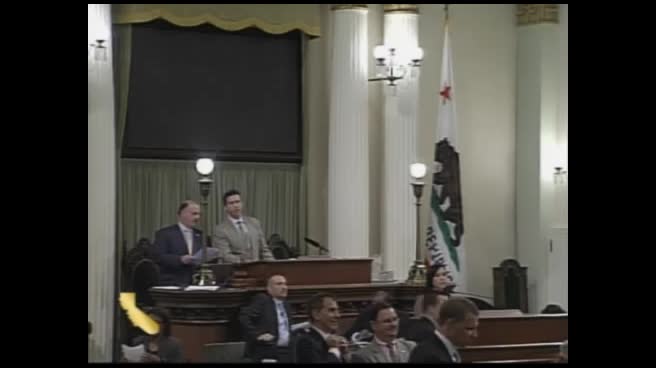 51SEC
Assembly Floor
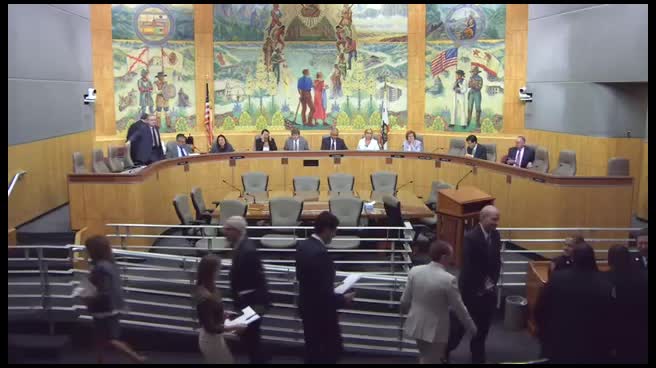 2MIN
Senate Standing Committee on Health
 1MIN
Assembly Floor
Bill Author

Bill Co-Author(s):