AB 1411: Fire protection: type 1 clothes dryers.
- Session Year: 2015-2016
- House: Assembly
- Latest Version Date: 2015-10-06
Existing law establishes the Office of the State Fire Marshal in the Department of Forestry and Fire Protection and requires the office to foster, promote, and develop ways and means of protecting life and property against fire and panic. Existing law requires the State Fire Marshal to adopt regulations and standards necessary to control the quality and installation of fire alarm systems and devices marketed, distributed, offered for sale, or sold in this state.
This bill would require, on or before December 31, 2016, the State Fire Marshal to work with fire service entities, the appliance industry, disability advocates, and related stakeholders to accomplish certain things, including gathering information, and providing findings and recommendations to the Legislature, regarding fires related to type 1 clothes dryers, as defined, and the dangers of excessive lint.
Existing law establishes the Office of the State Fire Marshal in the Department of Forestry and Fire Protection and requires the office to foster, promote, and develop ways and means of protecting life and property against fire and panic. Existing law requires the State Fire Marshal to adopt regulations and standards necessary to control the quality and installation of fire alarm systems and devices marketed, distributed, offered for sale, or sold in this state.
This bill would require, on or before December 31, 2016, the State Fire Marshal to work with fire service entities, the appliance industry, disability advocates, and related stakeholders to accomplish certain things, including gathering information, and providing fundings findings and recommendations to the Legislature, regarding fires related to type 1 clothes dryers, as defined, and the dangers of excessive lint.
Existing law establishes the Office of the State Fire Marshal in the Department of Forestry and Fire Protection and requires the office to foster, promote, and develop ways and means of protecting life and property against fire and panic. Existing law requires the State Fire Marshal to adopt regulations and standards necessary to control the quality and installation of fire alarm systems and devices marketed, distributed, offered for sale, or sold in this state. Existing law prohibits a person from marketing, distributing, offering for sale, or selling any fire alarm system or device in this state unless the system or device has been approved or listed by the State Fire Marshal. Existing law makes a violation of the above provision, and others relating to fire protection, a crime.
This bill would require, on or before July 1, 2017 December 31, 2016, the State Fire Marshal, with the advice of the State Board of Fire Services, to adopt regulations and standards requiring a visual and audible warning device on a type 1 clothes dryer, as defined, that indicates a hazardous lint buildup. The bill would prohibit, after January 1, 2018, a type 1 clothes dryer from being marketed, distributed, offered for sale, or sold in this state by a retailer unless the dryer incorporates a visual and audible warning device that indicates a hazardous lint buildup. By creating a new crime, the bill would impose a state-mandated local program. Marshal to work with fire service entities, the appliance industry, disability advocates, and related stakeholders to accomplish certain things, including gathering information, and providing fundings and recommendations to the Legislature, regarding fires related to type 1 clothes dryers, as defined, and the dangers of excessive lint.
The California Constitution requires the state to reimburse local agencies and school districts for certain costs mandated by the state. Statutory provisions establish procedures for making that reimbursement.
This bill would provide that no reimbursement is required by this act for a specified reason.
Existing law establishes the Office of the State Fire Marshal in the Department of Forestry and Fire Protection and requires the office to foster, promote, and develop ways and means of protecting life and property against fire and panic. Existing law requires the State Fire Marshal to adopt regulations and standards necessary to control the quality and installation of fire alarm systems and devices marketed, distributed, offered for sale, or sold in this state. Existing law prohibits a person from marketing, distributing, offering for sale, or selling any fire alarm system or device in this state unless the system or device has been approved or listed by the State Fire Marshal. Existing law makes a violation of the above provision, and others relating to fire protection, a crime.
This bill would require, on or before July 1, 2017, the State Fire Marshal, with the advice of the State Board of Fire Services, to adopt regulations and standards requiring a visual and audible warning device on a type 1 clothes dryer, as defined, that indicates a hazardous lint buildup. The bill would prohibit, after January 1, 2018, a type 1 clothes dryer from being marketed, distributed, offered for sale, or sold in this state by a retailer unless the dryer incorporates a visual and audible warning device that indicates a hazardous lint buildup. By creating a new crime, the bill would impose a state-mandated local program.
The California Constitution requires the state to reimburse local agencies and school districts for certain costs mandated by the state. Statutory provisions establish procedures for making that reimbursement.
This bill would provide that no reimbursement is required by this act for a specified reason.
Existing law establishes the Office of the State Fire Marshal in the Department of Forestry and Fire Protection and requires the office to foster, promote, and develop ways and means of protecting life and property against fire and panic. Existing law requires the State Fire Marshal to adopt regulations and standards necessary to control the quality and installation of fire alarm systems and devices marketed, distributed, offered for sale, or sold in this state. Existing law prohibits a person from marketing, distributing, offering for sale, or selling any fire alarm system or device in this state unless the system or device has been approved or listed by the State Fire Marshal. Existing law makes a violation of the above provision, and others relating to fire protection, a crime.
This bill would require, on or before July 1, 2017, the State Fire Marshal, with the advice of the State Board of Fire Services, to adopt regulations and standards requiring a visual warning device on a type 1 clothes dryer, as defined, that indicates a hazardous lint buildup. The bill would prohibit, after January 1, 2018, a type 1 clothes dryer from being marketed, distributed, offered for sale, or sold in this state by a retailer unless the dryer incorporates a visual warning device that indicates a hazardous lint buildup. By creating a new crime, the bill would impose a state-mandated local program.
The California Constitution requires the state to reimburse local agencies and school districts for certain costs mandated by the state. Statutory provisions establish procedures for making that reimbursement.
This bill would provide that no reimbursement is required by this act for a specified reason.
The Legislature finds and declares all of the following:
(a)Fire safety experts identify excess dryer lint as a potential contributing factor in residential fires in California each year.
A 2011 report released by the United States Consumer Product Safety Commission identified fires originating in dryers as nearly 5 percent of all residential fires occurring annually in the country. Some experts believe that this number is grossly underestimated, however, because nearly one-half of all fires that originate in dryers are identified as electrical fires rather than being reported as fires that began in dryers. It is more likely that 10 percent of all national home fires begin in washers and dryers.
(b)The National Fire Prevention Association (NFPA) reported that in 2006-2010, there were 16,950 home structure fires per year reported to fire departments throughout the country where clothes dryers or washing machines were the equipment involved in ignition, with associated annual losses of 34 civilian deaths, 430 civilian injuries, and $209 million in direct property damage. Dryers alone accounted for 92 percent of these fires and 87 percent of the reported deaths. The leading factor contributing to ignition was failure to clean out the lint buildup.
(c)Across the United States, nearly 70 percent of households own or have access to a clothes dryer. These appliances are relied upon and are used largely without incident. Clothes dryer manufacturers have continually worked to improve safety standards based on new innovations, including work on a recent fire containment standard, and will continue to do so to reduce potential risks and further improve consumer safety.
(d)The Association of Home Appliance Manufacturers (AHAM) has developed a clothes dryer safety brochure titled Helpful hints for using your clothes dryer safely and effectively, which has been distributed to more than one million appliance owners in the United States. AHAM makes this important resource available to fire educators and consumers for free.
(e)Lint is a fire hazard. The UL standard, UL2158, specifies in Section 7.1.2. relating to appliance marking, that an appliance shall be permanently marked as follows:
(1)At or near the exhaust opening of the appliance with the word CAUTION and the following statement or the equivalent:
Risk of Fire. A clothes dryer produces combustible lint. The dryer must be connected to an exhaust to the outdoors. See Installation Instructions.
(2)On a surface readily visible to the user after installation of the appliance with the word CAUTION and the following statement or the equivalent:
Risk of Fire. A clothes dryer produces combustible lint.
(f)Technology may exist today that could indirectly monitor the buildup of highly combustible lint in some locations inside the dryer, and alert consumers when the technology predicts the accumulation reaches dangerous levels and the dryer interior requires servicing. Unfortunately, no regulations or standards currently exist regarding clothes dryers and the notification of the user when dangerous and excessive lint has built up in a clothes dryer.
(g)If standards for excessive lint notification systems in clothes dryers are established, it is the intent of the Legislature to encourage the adoption of the standards and encourage that all dryers sold in California conform to those standards.
SEC. 2.Section 13113.95 is added to the Health and Safety Code, to read:13113.95.(a)On or before December 31, 2016, the State Fire Marshal shall work with fire service entities, the appliance industry, disability advocates, and related stakeholders to accomplish all of the following:
(1)Gather information regarding type 1 clothes dryer-related fires and the dangers of excessive lint.
(2)Provide findings and recommendations to the Legislature, pursuant to Section 9795 of the Government Code, regarding the information gathered pursuant to paragraph (1).
(3)Encourage the appropriate clothes dryer fire prevention standard setting entity to amend an appropriate voluntary national safety standard to improve fire safety, and to include provisions based on any recommendations pursuant to paragraph (2) that will reduce the likelihood of lint-related clothes dryer fires.
(b)For purposes of this section, type 1 clothes dryer means an appliance used in a residential living environment, including one that is coin-operated for public use in a residential living environment. Type 1 clothes dryer does not include dryers used for commercial purposes.
(c)This section shall remain in effect only until January 1, 2017, and as of that date is repealed, unless a later enacted statute, that is enacted before January 1, 2017, deletes or extends that date.
The Legislature finds and declares all of the following:
(a)Fire safety experts identify excess dryer lint as one of the leading causes of a potential contributing factor in residential fires in California each year.
(b)A
A 2011 report released by the United States Consumer Product Safety Commission identified fires originating in dryers as nearly 5 percent of all residential fires occurring annually in the country. Experts widely agree Some experts believe that this number is grossly underestimated, however, because nearly one-half of all fires that originate in dryers are identified as electrical fires rather than being reported as fires that began in dryers. It is more likely that 10 percent of all national home fires begin in washers and dryers.
(c)
(b)The National Fire Prevention Association (NFPA) reported that in 2006-2010, there were 16,950 home structure fires per year reported to fire departments throughout the country where clothes dryers or washing machines were the equipment involved in ignition, with associated annual losses of 34 civilian deaths, 430 civilian injuries, and $209 million in direct property damage. Dryers alone accounted for 92 percent of these fires and 87 percent of the reported deaths. The leading factor contributing to ignition was failure to clean out the lint buildup.
(d)Statistics are not available about the number of home fires in California, specifically, so it is not possible to calculate what percentage of California home fires are caused by lint buildup in dryers. If we consider that 12 percent of the nations population are Californians, however, we can imagine the magnitude of California home fires that likely are caused by lint buildup in clothes dryers. These fires are entirely preventable.
(c)Across the United States, nearly 70 percent of households own or have access to a clothes dryer. These appliances are relied upon and are used largely without incident. Clothes dryer manufacturers have continually worked to improve safety standards based on new innovations, including work on a recent fire containment standard, and will continue to do so to reduce potential risks and further improve consumer safety.
(d)The Association of Home Appliance Manufacturers (AHAM) has developed a clothes dryer safety brochure titled Helpful hints for using your clothes dryer safely and effectively, which has been distributed to more than one million appliance owners in the United States. AHAM makes this important resource available to fire educators and consumers for free.
(e)Lint is a fire hazard. The UL standard, UL2158, specifies in Section 7.1.2. relating to appliance marking, that an appliance shall be permanently marked as follows:
(1)At or near the exhaust opening of the appliance with the word CAUTION and the following statement or the equivalent:
Risk of Fire. A clothes dryer produces combustible lint. The dryer must be connected to an exhaust to the outdoors. See Installation Instructions.
(2)On a surface readily visible to the user after installation of the appliance with the word CAUTION and the following statement or the equivalent:
Risk of Fire. A clothes dryer produces combustible lint.
(f)Lint is a highly combustible material. When it accumulates in excess in a dryers filter, heat from the dryer can cause it to ignite, starting a fire that quickly spreads throughout the house. Keeping the machine clean, and having it regularly serviced, can help prevent a dryer fire, but it is hard to tell when a dangerous amount of lint has built up.
(g)
(f)Technology exists may exist today that monitors could indirectly monitor the buildup of highly combustible lint in some locations inside the dryer, and alerts alert consumers when the technology predicts the accumulation reaches dangerous levels and the dryer interior requires servicing. Unfortunately, no regulations or standards currently exist regarding clothes dryers and the notification of the user when dangerous and excessive lint has built up in a clothes dryer.
(h)Once standards for excessive lint notification systems in clothes dryers are established by the entities that establish the standards, it is the intent of Legislature to seek legislation to adopt the standard and make it a requirement that all dryers sold in California conform to those standards.
(g)If standards for excessive lint notification systems in clothes dryers are established, it is the intent of the Legislature to encourage the adoption of the standards and encourage that all dryers sold in California conform to those standards.
SEC. 2.Section 13113.95 is added to the Health and Safety Code, to read:13113.95.(a)On or before December 31, 2016, the State Fire Marshal shall work with fire service entities, the appliance industry, disability advocates, and related stakeholders to accomplish all of the following:
(1)Gather information regarding type 1 clothes dryer-related fires and the dangers of excessive lint.
(2)Provide findings and recommendations to the Legislature, pursuant to Section 9795 of the Government Code, regarding the information gathered pursuant to paragraph (1).
(3)Encourage all the appropriate clothes dryer fire prevention standard setting entities entity to establish a amend an appropriate voluntary national safety standard regarding the detection of excessive lint and notification of the excessive lint to the consumer. to improve fire safety, and to include provisions based on any recommendations pursuant to paragraph (2) that will reduce the likelihood of lint-related clothes dryer fires.
(b)For purposes of this section, type 1 clothes dryer means an appliance used in a residential living environment, including one that is coin-operated for public use in a residential living environment. Type 1 clothes dryer does not include dryers used for commercial purposes.
(c)This repeal section shall remain in effect only until January 1, 2017, and as of that date is repealed, unless a later enacted statute, that is enacted before January 1, 2017, deletes or extends that date.
The Legislature finds and declares all of the following:
(a)Fire safety experts identify excess dryer lint as one of the leading causes of residential fires in California each year.
(b)A 2011 report released by the United States Consumer Product Safety Commission identified fires originating in dryers as nearly 5 percent of all residential fires occurring annually in the country. Experts widely agree that this number is grossly underestimated, however, because nearly one-half of all fires that originate in dryers are identified as electrical fires rather than being reported as fires that began in dryers. It is more likely that 10 percent of all national home fires begin in washers and dryers.
(c)The National Fire Prevention Association (NFPA) reported that in 2006-2010, there were 16,950 home structure fires per year reported to fire departments throughout the country where clothes dryers or washing machines were the equipment involved in ignition, with associated annual losses of 34 civilian deaths, 430 civilian injuries, and $209 million in direct property damage. Dryers alone accounted for 92 percent of these fires and 87 percent of the reported deaths. The leading factor contributing to ignition was failure to clean out the lint buildup.
(d)Statistics are not available about the number of home fires in California, specifically, so it is not possible to calculate what percentage of California home fires are caused by lint buildup in dryers. If we consider that 12 percent of the nations population are Californians, however, we can imagine the magnitude of California home fires that likely are caused by lint buildup in clothes dryers. These fires are entirely preventable.
(e)Lint is a fire hazard. The UL standard, UL2158, specifies in Section 7.1.2. relating to appliance marking, that an appliance shall be permanently marked as follows:
(1)At or near the exhaust opening of the appliance with the word CAUTION and the following statement or the equivalent:
Risk of Fire. A clothes dryer produces combustible lint. The dryer must be connected to an exhaust to the outdoors. See Installation Instructions.
(2)On a surface readily visible to the user after installation of the appliance with the word CAUTION and the following statement or the equivalent:
Risk of Fire. A clothes dryer produces combustible lint.
(f)Lint is a highly combustible material. When it accumulates in excess in a dryers filter, heat from the dryer can cause it to ignite, starting a fire that quickly spreads throughout the house. Keeping the machine clean, and having it regularly serviced, can help prevent a dryer fire, but it is hard to tell when a dangerous amount of lint has built up.
(g)Technology exists today that monitors the buildup of highly combustible lint inside the dryer, and alerts consumers when accumulation reaches dangerous levels and the dryer interior requires servicing. Unfortunately, no regulations or standards currently exist regarding clothes dryers and the notification of the user when dangerous and excessive lint has built up in a clothes dryer.
(h)Once standards for excessive lint notification systems in clothes dryers are established by the entities that establish the standards, it is the intent of Legislature to seek legislation to adopt the standard and make it a requirement that all dryers sold in California conform to those standards.
SEC. 2.Section 13113.95 is added to the Health and Safety Code, to read:13113.95.(a)On or before December 31, 2016, the State Fire Marshal shall work with fire service entities, the appliance industry, disability advocates, and related stakeholders to accomplish all of the following:
(1)Gather information regarding type 1 clothes dryer-related fires and the dangers of excessive lint.
(2)Provide findings and recommendations to the Legislature, pursuant to Section 9795 of the Government Code, regarding the information gathered pursuant to paragraph (1).
(3)Encourage all appropriate clothes dryer fire prevention standard setting entities to establish a standard regarding the detection of excessive lint and notification of the excessive lint to the consumer.
(b)For purposes of this section, type 1 clothes dryer means an appliance used in a residential living environment, including one that is coin-operated for public use in a residential living environment. Type 1 clothes dryer does not include dryers used for commercial purposes.
(c)This repeal section shall remain in effect only until January 1, 2017, and as of that date is repealed, unless a later enacted statute, that is enacted before January 1, 2017, deletes or extends that date.
SECTION 1.Section 13113.95 is added to the Health and Safety Code, to read:13113.95.(a)On or before July 1, 2017, the State Fire Marshal, with the advice of the State Board of Fire Services, shall adopt regulations and standards requiring a visual and audible warning device on a type 1 clothes dryer that indicates a hazardous lint buildup.
(b)After January 1, 2018, a type 1 clothes dryer shall not be marketed, distributed, offered for sale, or sold in this state by a retailer unless the dryer incorporates a visual and audible warning device that indicates a hazardous lint buildup pursuant to regulations adopted pursuant to subdivision (a).
(c)For purposes of this section, type 1 clothes dryer means an appliance used in a residential living environment, including one that is coin-operated for public use in a residential living environment. Type 1 clothes dryer does not include dryers used for commercial purposes.
SEC. 2.No reimbursement is required by this act pursuant to Section 6 of Article XIIIB of the California Constitution because the only costs that may be incurred by a local agency or school district will be incurred because this act creates a new crime or infraction, eliminates a crime or infraction, or changes the penalty for a crime or infraction, within the meaning of Section 17556 of the Government Code, or changes the definition of a crime within the meaning of Section 6 of Article XIIIB of the California Constitution.
(a)On or before July 1, 2017, the State Fire Marshal, with the advice of the State Board of Fire Services, shall adopt regulations and standards requiring a visual and audible warning device on a type 1 clothes dryer that indicates a hazardous lint buildup.
(b)After January 1, 2018, no a type 1 clothes dryer shall not be marketed, distributed, offered for sale, or sold in this state by a retailer unless the dryer incorporates a visual and audible warning device that indicates a hazardous lint buildup pursuant to regulations adopted pursuant to subdivision (a).
(c)For purposes of this section, type 1 clothes dryer means an appliance used in a residential living environment, including one that is coin-operated for public use in a residential living environment. Type 1 clothes dryer does not include dryers used for commercial purposes.
SEC. 2.No reimbursement is required by this act pursuant to Section 6 of Article XIIIB of the California Constitution because the only costs that may be incurred by a local agency or school district will be incurred because this act creates a new crime or infraction, eliminates a crime or infraction, or changes the penalty for a crime or infraction, within the meaning of Section 17556 of the Government Code, or changes the definition of a crime within the meaning of Section 6 of Article XIIIB of the California Constitution.
(a)On or before July 1, 2017 the State Fire Marshal, with the advice of the State Board of Fire Services, shall adopt regulations and standards requiring a visual warning device on a type 1 clothes dryer that indicates a hazardous lint buildup.
(b)After January 1, 2018, no type 1 clothes dryer shall be marketed, distributed, offered for sale, or sold in this state by a retailer unless the dryer incorporates a visual warning device that indicates a hazardous lint buildup pursuant to regulations adopted pursuant to subdivision (a).
(c)For purposes of this section, type 1 clothes dryer means an appliance used in a residential living environment, including one that is coin-operated for public use in a residential living environment. Type 1 clothes dryer does not include dryers used for commercial purposes.
SEC. 2.No reimbursement is required by this act pursuant to Section 6 of Article XIIIB of the California Constitution because the only costs that may be incurred by a local agency or school district will be incurred because this act creates a new crime or infraction, eliminates a crime or infraction, or changes the penalty for a crime or infraction, within the meaning of Section 17556 of the Government Code, or changes the definition of a crime within the meaning of Section 6 of Article XIIIB of the California Constitution.
|
Date
|
Status
|
|---|---|
| Jun 3, 2015 | Read third time. Passed. Ordered to the Senate. (Ayes 74. Noes 3. Page 1883.) |
| Oct 6, 2015 | Chaptered by Secretary of State - Chapter 530, Statutes of 2015. |
| Oct 6, 2015 | Approved by the Governor. |
| Sep 16, 2015 | Enrolled and presented to the Governor at 4 p.m. |
| Sep 3, 2015 | Senate amendments concurred in. To Engrossing and Enrolling. (Ayes 75. Noes 3.). |
| Sep 3, 2015 | Senate amendments concurred in. To Engrossing and Enrolling. (Ayes 75. Noes 3. Page 2834.). |
| Sep 1, 2015 | Read third time. Passed. Ordered to the Assembly. (Ayes 30. Noes 10. Page 2372.). |
| Sep 1, 2015 | Read third time. Passed. Ordered to the Assembly. |
| Sep 1, 2015 | In Assembly. Concurrence in Senate amendments pending. May be considered on or after September 3 pursuant to Assembly Rule 77. |
| Aug 18, 2015 | Read second time. Ordered to third reading. |
| Aug 17, 2015 | From committee: Be placed on second reading file pursuant to Senate Rule 28.8. |
| Jul 14, 2015 | From committee: Do pass and re-refer to Com. on APPR. (Ayes 10. Noes 3.) (July 14). Re-referred to Com. on APPR. |
| Jul 8, 2015 | From committee chair, with author's amendments: Amend, and re-refer to committee. Read second time, amended, and re-referred to Com. on G.O. |
| Jun 18, 2015 | Referred to Com. on G.O. |
| Feb 27, 2015 | Introduced. To print. |
| Jun 3, 2015 | Read third time. Passed. Ordered to the Senate. |
| Jun 3, 2015 | In Senate. Read first time. To Com. on RLS. for assignment. |
| Jun 2, 2015 | Read second time. Ordered to third reading. |
| Jun 1, 2015 | Read second time and amended. Ordered returned to second reading. |
| May 28, 2015 | From committee: Amend, and do pass as amended. (Ayes 13. Noes 0.) (May 28). |
| May 20, 2015 | In committee: Set, first hearing. Referred to APPR. suspense file. |
| May 20, 2015 | In committee: Set, first hearing. Referred to suspense file. |
| Apr 23, 2015 | From committee: Do pass and re-refer to Com. on APPR. (Ayes 17. Noes 0.) (April 22). Re-referred to Com. on APPR. |
| Apr 15, 2015 | Re-referred to Com. on G.O. |
| Apr 14, 2015 | From committee chair, with author's amendments: Amend, and re-refer to Com. on G.O. Read second time and amended. |
| Mar 26, 2015 | Referred to Com. on G.O. |
| Mar 2, 2015 | Read first time. |
| Mar 1, 2015 | From printer. May be heard in committee March 31. |
|
Date
|
Description
|
Location
|
Votes
|
|
|---|---|---|---|---|
| Sep 3, 2015 | AB 1411 GARCIA, E. Concurrence in Senate Amendments | Assembly Floor |
Passed |
|
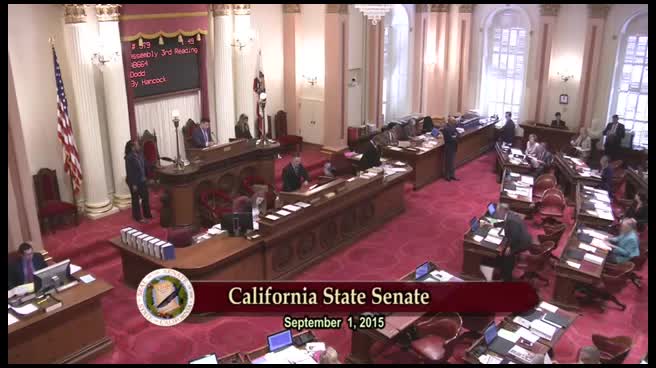
| Sep 1, 2015 | Assembly 3rd Reading AB1411 Eduardo Garcia By McGuire | Senate Floor |
Passed |
|
| Jul 14, 2015 | Do pass, but first be re-referred to the Committee on [Appropriations] | Senate Standing Committee on Governmental Organization |
Passed |
|
| Jun 3, 2015 | AB 1411 GARCIA, E. Assembly Third Reading | Assembly Floor |
Passed |
|
| May 28, 2015 | Do pass as amended. | Assembly Standing Committee on Appropriations |
Passed |
|
| Apr 22, 2015 | Do pass and be re-referred to the Committee on [Appropriations] | Assembly Standing Committee on Governmental Organization |
Passed |
This list shows positions taken on this bill by organizations on the date displayed, which is linked to the original source.
Positions by individuals are not included.
|
Organization
|
Position
|
Date
|
|---|---|---|
| Association Of Home Appliance Manufacturers | ** Support | Sep 1, 2015 |
| California Bay Fire | ** Support | Apr 22, 2015 |
| California Council Of The Blind | ** Support | Sep 1, 2015 |
| California Fire Chiefs Association | ** Support | Sep 1, 2015 |
| California State Firefighters' Association | ** Support | Sep 1, 2015 |
| Consumer Federation Of California | ** Support | Sep 1, 2015 |
| Home Appliance Manufacturers | ** Support | Sep 1, 2015 |
| Humboldt Bay Fire | ** Support | Sep 1, 2015 |
| Independent Insurance Agents & Brokers of California | ** Support | Sep 1, 2015 |
| Personal Insurance Federation Of California | ** Support | Sep 1, 2015 |
| The McMullen Company, Inc. | ** Support | Sep 1, 2015 |
| U.S. Consumer Product Safety Commission | ** Support | Apr 22, 2015 |
AB 1411
Page 3
CONCURRENCE IN SENATE AMENDMENTS
AB 1411
(Eduardo Garcia)
As Amended July 8, 2015
Majority vote
ASSEMBLY: |
74-3 |
(June 3, 2015) |
SENATE: |
30-10 |
(September 1, 2015) |
Original Committee Reference: G.O.
SUMMARY: Requires the State Fire Marshall (SFM), on or before December 31, 2016, to work with fire service entities, the appliance industry, disability advocates, and related stakeholders to gather information regarding type 1 clothes dryer-related fires and the dangers of excessive lint. Specifically, this bill:
Requires the SFM, on or before December 31, 2016, to work with fire service entities, the appliance industry, disability advocates, and related stakeholders to accomplish all of the following:
Gather information regarding type 1 clothes dryer-related fires and the dangers of excessive lint.
Provide findings and recommendations to the Legislature regarding the information gathered.
Encourage the appropriate clothes dryer fire prevention standard setting entity to amend an appropriate voluntary national safety standard to improve fire safety, and to include provisions based on any recommendations that will reduce the likelihood of lint-related clothes dryer fires.
Defines "type 1 clothes dryer" as an appliance used in a residential living environment, including one that is coin-operated for public use in a residential living environment.
Specifies that "type 1 clothes dryer" does not include dryers used for commercial purposes.
Includes a repeal date of January 1, 2017.
Makes Legislative findings and declarations.
The Senate amendments:
Encourage the appropriate clothes dryer fire prevention standard setting entity to amend an appropriate voluntary national safety standard to improve fire safety, and to include provisions based on any recommendations that will reduce the likelihood of lint-related clothes dryer fires.
Make changes and additions to the Legislative findings and declarations.
Make clarifying changes.
EXISTING LAW:
Establishes the SFM in the Department of Forestry and Fire Protection and requires the SFM to foster, promote, and develop ways and means of protecting life and property against fire and panic.
Requires the SFM to adopt regulations and standards necessary to control the quality and installation of fire alarm systems and devices marketed, distributed, offered for sale, or sold in California.
Prohibits a person from marketing, distributing, offering for sale, or selling any fire alarm system or device in this state unless the system or device has been approved or listed by the SFM.
AS PASSED BY THE ASSEMBLY, this bill required the SFM to work with fire service entities, the appliance industry, disability advocates, and related stakeholders to gather information regarding type 1 clothes dryer-related fires and the dangers of excessive lint.
FISCAL EFFECT: According to the Senate Appropriations Committee, pursuant to Senate Rule 28.8, negligible state costs.
COMMENTS: This bill, as amended in the Senate is consistent with Assembly actions.
Purpose of the bill. According to the author, "lint is a highly combustible material. When it accumulates in excess in a dryer's filter, heat from the dryer can cause it to ignite, starting a fire that quickly spreads throughout the house. Keeping the machine clean, and having it regularly serviced, can help prevent a dryer fire, but it’s hard to tell when a dangerous amount of lint has built up."
The author further argues that, "detection technology exists today that monitors the build-up of highly combustible lint inside the dryer, and alerts consumers with a light and an alarm sound when accumulation reaches dangerous levels and the dryer interior requires cleaning or servicing. Unfortunately, no regulations or standards currently require this technology in clothes dryers. To address this problem, AB 1411 would coordinate stakeholders together to study this problem and provide recommendations to the Legislature regarding a solution to prevent future fires resulting from lint accumulation."
Type 1 Dryers. Type 1 dryers are domestic dryers, which are primarily used in residences, individual apartments or condominiums. According to the National Fire Protection Association (NFPA), lint and other debris can build up in a dryer's hose and vent duct, reducing airflow, backing up exhaust gases and eventually creating a fire. In addition, many newer homes tend to have dryers located away from an outside wall: in bedrooms, kitchens, bathrooms and hall closets. This results in longer dryer venting conduit hidden in walls and ceilings. This increases the risk of lint accumulations inside inaccessible areas. The dryer has to work harder to force the air up the wall, across the ceiling to the outside exhaust hood. Cleaning the lint trap after every use will only remove a portion of lint generated. Over time, even with proper care, lint will collect inside a dryer's lint filter housing and restrict the airflow, increasing the risk of overheating and fires. When an obstruction builds up in the vent line, it reduces the airflow of the dryer. Once the airflow of the dryer becomes reduced, the dryer can overheat and induce a fire.
According to the NFPA, in 2010 an estimated 16,800 reported United States non-confined or confined home structures fires involved clothes dryers or washing machines resulted in 51 civilian deaths, 380 civilian injuries and $236 million in direct property damage in the Unites States. The NFPA also states that clothes dryers accounted for 92% of the fires and the leading cause of home clothes dryer and washer fires was failure to clean, at approximately 32 %.
Prior/Related Legislation: SB 763 (Leno) of the current legislative session, requires a juvenile product manufacturer, as defined, to include a label indicating whether the product has added flame retardant chemicals, and requires the Bureau of Electronic and Appliance Repair, Home Furnishing and Thermal Insulation to ensure compliance with labeling and documentation requirements, as specified. (Pending in Assembly Appropriations Committee)
SB 1019 (Leno), Chapter 862, Statutes of 2014, required an upholstered furniture manufacturer to indicate on the product label whether or not a product contains added flame retardant chemicals, by including a specified statement.
AB 127 (Skinner), Chapter 579, Statutes of 2013002C required the SFM to review the flammability standards for building insulation materials and if deemed appropriate by the SFM based on this review require the SFM to by July 1, 2015, propose updating insulation flammability standards to the Building Standards Commission.
Analysis Prepared by: Eric Johnson / G.O. / (916) 319-2531 FN: 0001428
AB 1411
Page 5
|
Office of Senate Floor Analyses (916) 651-1520 Fax: (916) 327-4478 |
THIRD READING
Bill No: AB 1411
Amended: 7/8/15 in Senate
SENATE GOVERNMENTAL ORG. COMMITTEE: 10-3, 7/14/15
AYES: Hall, Block, Gaines, Galgiani, Glazer, Hernandez, Hill, Hueso, Lara, McGuire
NOES: Berryhill, Runner, Vidak
SENATE APPROPRIATIONS COMMITTEE: Senate Rule 28.8
ASSEMBLY FLOOR: 74-3, 6/3/15 - See last page for vote
SUBJECT: Fire protection: type 1 clothes dryers
SOURCE: California State Firefighters’ Association
DIGEST: This bill requires the State Fire Marshal (SFM), on or before December 31, 2016, to work with fire service entities, the appliance industry, disability advocates, and related stakeholders to gather information regarding type 1 clothes dryer-related fires and the dangers of excessive lint.
ANALYSIS:
Existing law:
Establishes the SFM in the Department of Forestry and Fire Protection and requires the SFM to foster, promote, and develop ways and means of protecting life and property against fire and panic.
Requires the SFM to adopt regulations and standards necessary to control the quality and installation of fire alarm systems and devices marketed, distributed, offered for sale, or sold in California.
Prohibits a person from marketing, distributing, offering for sale, or selling any fire alarm system or device in this state unless the system or device has been approved or listed by the SFM.
This bill:
Requires the SFM, on or before December 31, 2016, to work with fire service entities, the appliance industry, disability advocates, and related stakeholders to accomplish all of the following:
Gather information regarding type 1 clothes dryer-related fires and the dangers of excessive lint.
Provide findings and recommendations to the Legislature regarding the information gathered.
Encourage the appropriate clothes dryer fire prevention standard setting entity to amend an appropriate voluntary national safety standard to improve fire safety, and to include provisions based on any recommendations that will reduce the likelihood of lint-related clothes dryer fires.
Defines “type 1 clothes dryer” as an appliance used in a residential living environment, including one that is coin-operated for public use in a residential living environment.
Specifies that “type 1 clothes dryer” does not include dryers used for commercial purposes.
Includes a repeal date of January 1, 2017.
Makes Legislative findings and declarations.
Background
Purpose of the bill. According to the author, “lint is a highly combustible material. When it accumulates in excess in a dryer’s filter, heat from the dryer can cause it to ignite, starting a fire that quickly spreads throughout the house. Keeping the machine clean, and having it regularly serviced, can help prevent a dryer fire, but it’s hard to tell when a dangerous amount of lint has built up.”
The author further argues that, “detection technology exists today that monitors the build-up of highly combustible lint inside the dryer, and alerts consumers with a light and an alarm sound when accumulation reaches dangerous levels and the dryer interior requires cleaning or servicing. Unfortunately, no regulations or standards currently require this technology in clothes dryers. To address this problem, AB 1411 would coordinate stakeholders together to study this problem and provide recommendations to the Legislature regarding a solution to prevent future fires resulting from lint accumulation.”
Type 1 Dryers. Type 1 dryers are domestic dryers, which are primarily used in residences, individual apartments or condominiums. According to the National Fire Protection Association (NFPA), lint and other debris can build up in a dryer's hose and vent duct, reducing airflow, backing up exhaust gases and eventually creating a fire. In addition, many newer homes tend to have dryers located away from an outside wall: in bedrooms, kitchens, bathrooms and hall closets. This results in longer dryer venting conduit hidden in walls and ceilings. This increases the risk of lint accumulations inside inaccessible areas. The dryer has to work harder to force the air up the wall, across the ceiling to the outside exhaust hood. Cleaning the lint trap after every use will only remove a portion of lint generated. Over time, even with proper care, lint will collect inside a dryer's lint filter housing and restrict the airflow, increasing the risk of overheating and fires. When an obstruction builds up in the vent line, it reduces the airflow of the dryer. Once the airflow of the dryer becomes reduced, the dryer can overheat and induce a fire.
According to the NFPA, in 2010 an estimated 16,800 reported U.S. non-confined or confined home structures fires involved clothes dryers or washing machines resulted in 51 civilian deaths, 380 civilian injuries and $236 million in direct property damage in the Unites States. The NFPA also states that clothes dryers accounted for 92% of the fires and the leading cause of home clothes dryer and washer fires was failure to clean, at approximately 32 %.
Prior/Related Legislation
SB 763 (Leno, 2015) requires a juvenile product manufacturer, as defined, to include a label indicating whether the product has added flame retardant chemicals, and requires the Bureau of Electronic and Appliance Repair, Home Furnishing and Thermal Insulation to ensure compliance with labeling and documentation requirements, as specified. (Pending in Assembly Appropriations Committee)
SB 1019 (Leno, Chapter 862, Statutes of 2014) required an upholstered furniture manufacturer to indicate on the product label whether or not a product contains added flame retardant chemicals, by including a specified statement.
AB 127 (Skinner, Chapter 579, Statutes of 2013) required the SFM to review the flammability standards for building insulation materials and if deemed appropriate by the SFM based on this review require the SFM to by July 1, 2015, propose updating insulation flammability standards to the Building Standards Commission.
FISCAL EFFECT: Appropriation: No Fiscal Com.: Yes Local: No
California State Firefighters’ Association (source)
Association of Home Appliance Manufacturers
California Council of the Blind
California Fire Chiefs Association
Consumer Federation of California
Home Appliance Manufacturers
Humboldt Bay Fire
Independent Insurance Agents & Brokers of California
The McMullen Company, Inc.
Personal Insurance Federation of California
OPPOSITION: (Verified 8/18/18)
None received
ARGUMENTS IN SUPPORT: The Independent Insurance Agents & Brokers of California argues that, “household fires impose significant health dangers to residents and community members while presenting substantial financial costs that often wreak havoc on the lives of Californians impacted by these tragedies. A report issued by the U.S. Consumer Product Safety Commission in 2011 illustrated that 5 percent of all home fires in the United States originate in washers and dryers. However, that number is likely much higher because fires that originate from washers and dryers are commonly identified as simply electrical fires.”
Supporters further argue that, “AB 1411 is a reasonable solution to a costly problem. This bill ensures that well-crafted standards based on a thorough analysis of existing technology will be developed by December 31, 2016, that provide meaningful safeguards to shield consumers from preventable fires resulting from excessive lint buildup.”
ASSEMBLY FLOOR: 74-3, 6/3/15
AYES: Achadjian, Alejo, Baker, Bigelow, Bloom, Bonilla, Bonta, Brough, Brown, Burke, Calderon, Campos, Chang, Chau, Chávez, Chiu, Chu, Cooley, Cooper, Dababneh, Dahle, Daly, Dodd, Eggman, Frazier, Beth Gaines, Gallagher, Cristina Garcia, Eduardo Garcia, Gatto, Gipson, Gomez, Gonzalez, Gordon, Gray, Grove, Hadley, Harper, Roger Hernández, Holden, Irwin, Jones-Sawyer, Lackey, Levine, Linder, Lopez, Low, Maienschein, McCarty, Medina, Melendez, Mullin, Nazarian, Obernolte, O'Donnell, Olsen, Patterson, Perea, Quirk, Rendon, Ridley-Thomas, Rodriguez, Salas, Santiago, Steinorth, Mark Stone, Ting, Wagner, Waldron, Weber, Wilk, Williams, Wood, Atkins
NOES: Travis Allen, Jones, Mathis
NO VOTE RECORDED: Kim, Mayes, Thurmond
Prepared by: Felipe Lopez / G.O. / (916) 651-1530
8/20/15 14:39:22
**** END ****
AB 1411 (Eduardo Garcia) Page 4 of 4
SENATE COMMITTEE ON GOVERNMENTAL ORGANIZATION
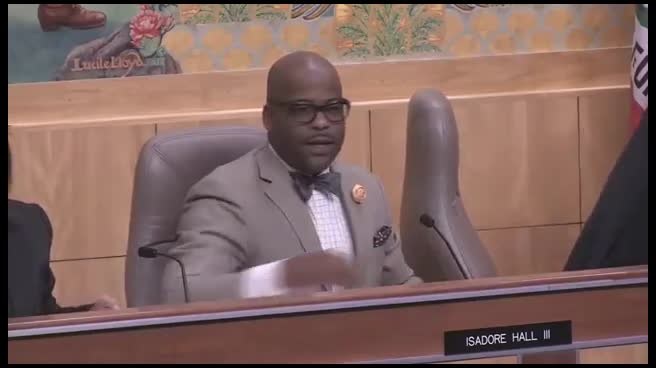
Senator Isadore Hall, III
Chair
2015 - 2016 Regular
Bill No: AB 1411 Hearing Date: 7/14/2015
Author: |
Eduardo Garcia |
||
Version: |
7/8/2015 Amended |
||
Urgency: |
No |
Fiscal: |
Yes |
Consultant: |
Felipe Lopez |
||
SUBJECT: Fire protection: type 1 clothes dryers
DIGEST: This bill requires the State Fire Marshall (SFM), on or before December 31, 2016, to work with fire service entities, the appliance industry, disability advocates, and related stakeholders to gather information regarding type 1 clothes dryer-related fires and the dangers of excessive lint.
ANALYSIS:
Existing law:
Establishes the SFM in the Department of Forestry and Fire Protection and requires the SFM to foster, promote, and develop ways and means of protecting life and property against fire and panic.
Requires the SFM to adopt regulations and standards necessary to control the quality and installation of fire alarm systems and devices marketed, distributed, offered for sale, or sold in California.
Prohibits a person from marketing, distributing, offering for sale, or selling any fire alarm system or device in this state unless the system or device has been approved or listed by the SFM.
This bill:
Requires the SFM, on or before December 31, 2016, to work with fire service entities, the appliance industry, disability advocates, and related stakeholders to accomplish all of the following:
Gather information regarding type 1 clothes dryer-related fires and the dangers of excessive lint.
Provide findings and recommendations to the Legislature regarding the information gathered.
Encourage the appropriate clothes dryer fire prevention standard setting entity to amend an appropriate voluntary national safety standard to improve fire safety, and to include provisions based on any recommendations that will reduce the likelihood of lint-related clothes dryer fires.
Defines “type 1 clothes dryer” as an appliance used in a residential living environment, including one that is coin-operated for public use in a residential living environment.
Specifies that “type 1 clothes dryer” does not include dryers used for commercial purposes.
Includes a repeal date of January 1, 2017.
Makes Legislative findings and declarations.
Background
Purpose of the bill. According to the author, “lint is a highly combustible material. When it accumulates in excess in a dryer’s filter, heat from the dryer can cause it to ignite, starting a fire that quickly spreads throughout the house. Keeping the machine clean, and having it regularly serviced, can help prevent a dryer fire, but it’s hard to tell when a dangerous amount of lint has built up.”
The author further argues that, “detection technology exists today that monitors the build-up of highly combustible lint inside the dryer, and alerts consumers with a light and an alarm sound when accumulation reaches dangerous levels and the dryer interior requires cleaning or servicing. Unfortunately, no regulations or standards currently require this technology in clothes dryers. To address this problem, AB 1411 would coordinate stakeholders together to study this problem and provide recommendations to the Legislature regarding a solution to prevent future fires resulting from lint accumulation.”
Type 1 Dryers. Type 1 dryers are domestic dryers, which are primarily used in residences, individual apartments or condominiums. According to the National Fire Protection Association (NFPA), lint and other debris can build up in a dryer's hose and vent duct, reducing airflow, backing up exhaust gases and eventually creating a fire. In addition, many newer homes tend to have dryers located away from an outside wall: in bedrooms, kitchens, bathrooms and hall closets. This results in longer dryer venting conduit hidden in walls and ceilings. This increases the risk of lint accumulations inside inaccessible areas. The dryer has to work harder to force the air up the wall, across the ceiling to the outside exhaust hood. Cleaning the lint trap after every use will only remove a portion of lint generated. Over time, even with proper care, lint will collect inside a dryer's lint filter housing and restrict the airflow, increasing the risk of overheating and fires. When an obstruction builds up in the vent line, it reduces the airflow of the dryer. Once the airflow of the dryer becomes reduced, the dryer can overheat and induce a fire.
According to the NFPA, in 2010 an estimated 16,800 reported U.S. non-confined or confined home structures fires involved clothes dryers or washing machines resulted in 51 civilian deaths, 380 civilian injuries and $236 million in direct property damage in the Unites States. The NFPA also states that clothes dryers accounted for 92% of the fires and the leading cause of home clothes dryer and washer fires was failure to clean, at approximately 32 %.
Prior/Related Legislation
SB 763 (Leno, 2015) would require a juvenile product manufacturer, as defined, to include a label indicating whether the product has added flame retardant chemicals, and requires the Bureau of Electronic and Appliance Repair, Home Furnishing and Thermal Insulation to ensure compliance with labeling and documentation requirements, as specified. (Pending in Assembly Environmental Safety and Toxic Materials Committee)
SB 1019 (Leno, Chapter 862, Statutes of 2014) required an upholstered furniture manufacturer to indicate on the product label whether or not a product contains added flame retardant chemicals, by including a specified statement.
AB 127 (Skinner, Chapter 579, Statutes of 2013) required the SFM to review the flammability standards for building insulation materials and if deemed appropriate by the SFM based on this review require the SFM to by July 1, 2015, propose updating insulation flammability standards to the Building Standards Commission.
FISCAL EFFECT: Appropriation: No Fiscal Com.: Yes Local: No
SUPPORT:
California State Firefighters’ Association (Source)
Association of Home Appliance Manufacturers
California Council of the Blind
California Fire Chiefs Association
Consumer Federation of California
Home Appliance Manufacturers
Humboldt Bay Fire
Independent Insurance Agents & Brokers of California
The McMullen Company, Inc.
Personal Insurance Federation of California
OPPOSITION:
None received
ARGUMENTS IN SUPPORT: The Independent Insurance Agents & Brokers of California argues that, “household fires impose significant health dangers to residents and community members while presenting substantial financial costs that often wreak havoc on the lives of Californians impacted by these tragedies. A report issued by the U.S. Consumer Product Safety Commission in 2011 illustrated that 5 percent of all home fires in the United States originate in washers and dryers. However, that number is likely much higher because fires that originate from washers and dryers are commonly identified as simply electrical fires.”
Supporters further argue that, “AB 1411 is a reasonable solution to a costly problem. This bill ensures that well-crafted standards based on a thorough analysis of existing technology will be developed by December 31, 2016, that provide meaningful safeguards to shield consumers from preventable fires resulting from excessive lint buildup.”
AB 1411
Page 3
ASSEMBLY THIRD READING
AB 1411
(Eduardo Garcia)
As Amended June 1, 2015
Majority vote
Committee |
Votes |
Ayes |
Noes |
Governmental Organization |
17-0 |
Gray, Linder, Achadjian, Alejo, Bigelow, Cooley, Cooper, Daly, Cristina Garcia, Eduardo Garcia, Gipson, Roger Hernández, Jones-Sawyer, Levine, Perea, Salas, Steinorth |
|
Appropriations |
13-0 |
Gomez, Bigelow, Bonta, Calderon, Daly, Eggman, Eduardo Garcia, Gordon, Holden, Quirk, Rendon, Weber, Wood |
|
SUMMARY: Requires the State Fire Marshall (SFM) to work with fire service entities, the appliance industry, disability advocates, and related stakeholders to gather information regarding type 1 clothes dryer-related fires and the dangers of excessive lint. Specifically, this bill:
Provides SFM shall work with fire service entities, the appliance industry, disability advocates, and related stakeholders to accomplish the following:
Gather information regarding type 1 clothes dryer-related fires and the dangers of excessive lint.
Provide findings and recommendations to the Legislature, as defined.
Encourage all appropriate clothes dryer fire prevention standard setting entities to establish a standard regarding the detection of excessive lint and notification to the consumer.
Defines "type 1 clothes dryer" as an appliance used in a residential living environment, including one that is coin-operated for public use in a residential living environment. "Type 1 clothes dryer" does not include dryers used for commercial purposes.
Contains a January 1, 2017, sunset date.
Makes related legislative findings and declarations.
EXISTING LAW:
Establishes the SFM in the Department of Forestry and Fire Protection and requires the office to foster, promote, and develop ways and means of protecting life and property against fire and panic.
Requires the SFM to adopt regulations and standards necessary to control the quality and installation of fire alarm systems and devices marketed, distributed, offered for sale, or sold in this state.
Prohibits a person from marketing, distributing, offering for sale, or selling any fire alarm system or device in this state unless the system or device has been approved or listed by the SFM.
FISCAL EFFECT: According to the Assembly Appropriations Committee analysis, minor and absorbable costs to SFM and participating fire agencies.
COMMENTS:
Purpose of the bill: According to the author's office, "California is a leader in adopting fire safety policies that set a national example and are later adopted in other states. Dryer lint may seem like a trivial matter, but fire policy experts identify excess dryer lint as one of the leading causes of home fires in California each year. These tragedies could easily be avoided if clothes dryers were equipped with a warning system to notify users that there is a dangerous build-up of lint in the machine.
According to information provided by the author's office:
A 2011 report released by the U.S. [United States] Consumer Product Safety Commission identified fires originating in washers and dryers as nearly 5 percent of all home fires occurring annually in the United States. This number is likely to be grossly underestimated, however, because nearly half of all fires that originate in washers and dryers are identified as "electrical fires" rather than being reported as fires that began in washers and dryers. In other words, it is more likely that 10 percent of all national home fires begin in washers and dryers. Of this number, the great majority of fires (92%) begin in dryers rather than washers, as is indicated by a 2012 report released by the National Fire Prevention Association (NFPA). The NFPA report also states that of the 15,456 reported home fires that originated in dryers, 29% of the material first ignited was dust, fiber, or lint that had built up in the machine. Statistics are not available about the number of home fires in California, specifically, so it is not possible to calculate what percentage of California home fires are caused by lint build-up in dryers.
Lint is a highly combustible material. When it accumulates in excess in a dryer's filter, heat from the dryer can cause it to ignite, starting a fire that quickly spreads throughout the house. Keeping the machine clean, and having it regularly serviced, can help prevent a dryer fire, but it is hard to tell when a dangerous amount of lint has built up. Detection technology exists today that monitors the build-up of highly combustible lint inside the dryer, and alerts consumers with a light and an alarm sound when accumulation reaches dangerous levels and the dryer interior requires servicing. Unfortunately, no regulations or standards currently require this technology in clothes dryers.
Technology exists to prevent dryer fires, but we are not requiring it. When the technology emerged to detect smoke, we required smoke detectors. When the technology emerged to detect carbon monoxide, we required carbon monoxide detectors. It's time, once again, to take a lead in requiring the installation of basic, available, technology to keep our people and our firefighters safer.
Background: Type 1 dryers are domestic dryers, which are primarily used in residences, individual apartments or condominiums. According to the NFPA, lint and other debris can build up in a dryer's hose and vent duct, reducing airflow, backing up exhaust gases and eventually creating a fire. In addition, many newer homes tend to have dryers located away from an outside wall: in bedrooms, kitchens, bathrooms and hall closets. This results in longer dryer venting conduit hidden in walls and ceilings. This increases the risk of lint accumulations inside inaccessible areas. The dryer has to work harder to force the air up the wall, across the ceiling to the outside exhaust hood. Cleaning the lint trap after every use will only remove a portion of lint generated. Over time, even with proper care, lint will collect inside a dryer's lint filter housing and restrict the airflow, increasing the risk of overheating and fires. When an obstruction builds up in the vent line, it reduces the airflow of the dryer. Once the airflow of the dryer becomes reduced, the dryer can overheat and induce a fire.
In support: According to the sponsor, the California State Firefighters' Association [CSFA] , this bill would help to prevent a leading cause of residential structural fires in California. "Existing law requires the SFM to adopt regulations and standards necessary to control the quality and installation of fire alarm systems and devices marketed, distributed, offered for sale, or sold in this state. Oversight of lint build up alarm systems for clothes dryers is in close keeping with those duties. In order to promote fire safety for our citizens and firefighters, CSFA supports AB 1411."
The Consumer Federation of California writes, "Many consumers are not aware of the dangers of lint buildup in dryers. The lint inside of a dryer tends to accumulate in places such as inside of the dryer and in the vent. Even if filters are cleaned out regularly, the accumulation over the years can easily be overlooked. Moreover, lint is a highly combustible material, and in combination with heat omitted by the dryer, the chances of a fire are highly probable. However, current technology is available today that can alert consumers with a light or alarm if buildup of lint, a highly combustible material, has reached a dangerous level. Unfortunately, these regulations or standards, that can prevent disastrous home fires, are not yet required."
Analysis Prepared by: Eric Johnson / G.O. / (916) 319-2531 FN: 0000910
AB 1411
Page 2
Date of Hearing: May 20, 2015
ASSEMBLY COMMITTEE ON APPROPRIATIONS
Jimmy Gomez, Chair
AB 1411
(Eduardo Garcia) – As Amended April 14, 2015
Policy Committee: |
Governmental Organization |
Vote: |
17 - 0 |
Urgency: No State Mandated Local Program: Yes Reimbursable: No
SUMMARY:
This bill requires, on or before July 1, 2017, the State Fire Marshal, with the advice of the State Board of Fire Services, to develop a standard and adopt regulations to require manufacturers to include a visual and audible warning device on a residential clothes dryer that indicates hazardous lint buildup. The bill further prohibits the marketing, distribution, and sale of any residential clothes dryer after January 1, 2018, unless it incorporates a visual and audible warning device that meets the State Fire Marshal's adopted standard.
FISCAL EFFECT:
1) One-time GF costs of approximately $515,000 to the State Fire Marshal to establish function, pay for laboratory testing to develop device standard, and adopt regulations.
2) Annual GF costs of approximately $275,000 to the State Fire Marshal to administer and enforce the new device standard.
COMMENTS:
1) Purpose. According to the author, excess dryer lint is a leading cause of home fires in California. The author claims clothes dryers are a source of at least 5% of home fires, though likely much more, and excess dryer lint is one of the key sources of combustible material for those fires. The author believes these fires could be avoided if clothes dryers were equipped with a visual and audible warning system that notified users of hazardous lint accumulation. The author further asserts adequate detection technology currently exists, but there are no industry standards or regulations for its use.
According to the sponsor, the California State Firefighters' Association, existing law requires the State Fire Marshal to adopt regulations to control the quality and installation of fire alarm systems, and therefore mandating the State Fire Marshal to oversee hazardous lint alarm systems for clothes dryers is appropriate. In addition, the Consumer Federation of California believes many consumers are not aware of the dangers posed by lint build-up in dryers, particularly inside the dryer system beyond the lint screen, and therefore a warning system is needed to ensure consumers address and maintain their dryer's safety.
2) Nasty Fluff. Residential clothes dryers, also known as "Type 1" dryers, are commonly used in single homes and apartments. According to the National Fire Protection Association, lint and other debris can accumulate in a dryer's internal ventilation system as well as the duct that vents the dryer to the outside. Significant accumulation of lint and debris may reduce airflow, restricting exhaust and causing excessive heat build-up. This can be more common in newer homes and apartments, where dryers are frequently located away from exterior walls and require longer ducting that increases opportunities for lint accumulation. Regular cleaning of a dryer's lint screen can reduce lint buildup in the ventilation system, but the screen does not remove all lint. Over time, even a well-maintained dryer will eventually accumulate lint in the ventilation system and should be cleaned to reduce risk of fire.
3) Industry Opposition. Opponents, led by the Association of Home Appliance Manufacturers, argue the industry has looked closely at the issue of hazardous dryer lint and its role in dryer fires, and has established safety standards through its normal processes including fire containment technology for new dryers. The industry expects to continue addressing dryer lint, but believes the political process is an improper forum for resolving product safety issues. The industry maintains the effectiveness of dryer lint detection systems has been tested yet remains unproven, and the current technology does not offer a discernable safety enhancement. Opponents argue this bill will add significant costs and burdens to manufacturers without achieving meaningful benefits for consumers.
4) Standard Bearers. Most product safety standards in the US are developed by private labs, the best known being UL and the American National Standards Institute (ANSI). These labs work with a variety of stakeholders, including retailers, manufacturers, and governments, to develop, validate, and test safety standards as well as certify products for compliance. Many of the standards adopted in regulation by California's government agencies, including those adopted by the State Fire Marshal with respect to smoke detectors, specifically reference the UL and ANSI standards, requiring manufacturers and retailers to distribute and sell only those products that have been tested and certified by the labs.
At present, there is no accepted standard for dryer lint detection systems, though UL has looked into lint detection technologies in the past. The State Fire Marshal currently does not have the expertise, capability, or a laboratory to develop its own industry standard, but could be required to do so under this bill if private labs are unwilling or unable. If so, there is no guarantee the Fire Marshal could develop a workable standard by the January 1, 2017, deadline, if at all.
The Committee may wish to consider whether it would be more appropriate to direct the State Fire Marshal to consult with firefighters and industry, and file a formal proposal with UL or another lab for a new device standard. While there is no guarantee UL will be able to develop a workable standard, it may be the more prudent approach to addressing this issue.
Analysis Prepared by: Joel Tashjian / APPR. / (916) 319-2081
AB 1411
Page 3
Date of Hearing: April 22, 2015
ASSEMBLY COMMITTEE ON GOVERNMENTAL ORGANIZATION
Adam Gray, Chair
AB 1411
Eduardo Garcia – As Amended April 14, 2015
SUBJECT: Fire protection: type 1 clothes dryers
SUMMARY: Would require, on or before July 1, 2017, the State Fire Marshal (SFM), with the advice of the State Board of Fire Services, to adopt regulations and standards requiring a visual and audible warning device on a type 1 clothes dryer, which indicates a lint buildup. The bill would prohibit, after January 1, 2018, a type 1 clothes dryer from being marketed, distributed, offered for sale, or sold in this state by a retailer unless the dryer incorporates a visual and audible warning device that indicates a hazardous lint buildup. Specifically, this bill:
1) Provides on or before July 1, 2017 the SFM, with the advice of the State Board of Fire Services, shall adopt regulations and standards requiring a visual and audible warning device on a type 1 clothes dryer that indicates a hazardous lint buildup.
2) Provides that after January 1, 2018, no type 1 clothes dryer shall be marketed, distributed, offered for sale, or sold in this state by a retailer unless the dryer incorporates a visual and audible warning device that indicates a hazardous lint buildup pursuant to regulations adopted by SFM.
3) States that a “type 1 clothes dryer” means an appliance used in a residential living environment, including one that is coin-operated for public use in a residential living environment. “Type 1 clothes dryer” does not include dryers used for commercial purposes.
EXISTING LAW:
1) Establishes the SFM in the Department of Forestry and Fire Protection and requires the office to foster, promote, and develop ways and means of protecting life and property against fire and panic.
2) Requires the SFM to adopt regulations and standards necessary to control the quality and installation of fire alarm systems and devices marketed, distributed, offered for sale, or sold in this state.
3) Prohibits a person from marketing, distributing, offering for sale, or selling any fire alarm system or device in this state unless the system or device has been approved or listed by the SFM.
FISCAL EFFECT: Unknown
COMMENTS:
Purpose of the bill: According to the author's office, "California is a leader in adopting fire safety policies that set a national example and are later adopted in other states. Dryer lint may seem like a trivial matter, but fire policy experts identify excess dryer lint as one of the leading causes of home fires in California each year. These tragedies could easily be avoided if clothes dryers were equipped with a warning system to notify users that there is a dangerous build-up of lint in the machine.
According to information provided by the author's office, "a 2011 report released by the U.S. Consumer Product Safety Commission identified fires originating in washers and dryers as nearly 5 percent of all home fires occurring annually in the United States. This number is likely to be grossly underestimated, however, because nearly half of all fires that originate in washers and dryers are identified as “electrical fires” rather than being reported as fires that began in washers and dryers. In other words, it is more likely that 10 percent of all national home fires begin in washers and dryers. Of this number, the great majority of fires (92%) begin in dryers rather than washers, as is indicated by a 2012 report released by the National Fire Prevention Association (NFPA). The NFPA report also states that of the 15,456 reported home fires that originated in dryers, 29% of the material first ignited was dust, fiber, or lint that had built up in the machine. Statistics are not available about the number of home fires in California, specifically, so it is not possible to calculate what percentage of California home fires are caused by lint build-up in dryers."
According to the author's office, "lint is a highly combustible material. When it accumulates in excess in a dryer's filter, heat from the dryer can cause it to ignite, starting a fire that quickly spreads throughout the house. Keeping the machine clean, and having it regularly serviced, can help prevent a dryer fire, but it is hard to tell when a dangerous amount of lint has built up. Detection technology exists today that monitors the build-up of highly combustible lint inside the dryer, and alerts consumers with a light and an alarm sound when accumulation reaches dangerous levels and the dryer interior requires servicing. Unfortunately, no regulations or standards currently require this technology in clothes dryers."
The author maintains, "Technology exists to prevent dryer fires, but we are not requiring it. When the technology emerged to detect smoke, we required smoke detectors. When the technology emerged to detect carbon monoxide, we required carbon monoxide detectors. It’s time, once again, to take a lead in requiring the installation of basic, available, technology to keep our people and our firefighters safer.”
Background: Type 1 dryers are domestic dryers, which are primarily used in residences, individual apartments or condominiums. According to the National Fire Protection Association, lint and other debris can build up in a dryer's hose and vent duct, reducing airflow, backing up exhaust gases and eventually creating a fire. In addition, many newer homes tend to have dryers located away from an outside wall: in bedrooms, kitchens, bathrooms and hall closets. This results in longer dryer venting conduit hidden in walls and ceilings. This increases the risk of lint accumulations inside inaccessible areas. The dryer has to work harder to force the air up the wall, across the ceiling to the outside exhaust hood. Cleaning the lint trap after every use will only remove a portion of lint generated. Over time, even with proper care, lint will collect inside a dryer's lint filter housing and restrict the airflow, increasing the risk of overheating and fires. When an obstruction builds up in the vent line, it reduces the airflow of the dryer. Once the airflow of the dryer becomes reduced, the dryer can overheat and induce a fire.
In support: According to the sponsor, the California State Firefighters' Association, this bill would help to prevent a leading cause of residential structural fires in California. "Existing law requires the SFM to adopt regulations and standards necessary to control the quality and installation of fire alarm systems and devices marketed, distributed, offered for sale, or sold in this state. Oversight of lint build up alarm systems for clothes dryers is in close keeping with those duties. In order to promote fire safety for our citizens and firefighters, CSFA supports AB 1411."
The Consumer Federation of California writes, "Many consumers are not aware of the dangers of lint buildup in dryers. The lint inside of a dryer tends to accumulate in places such as inside of the dryer and in the vent. Even if filters are cleaned out regularly, the accumulation over the years can easily be overlooked. Moreover, lint is a highly combustible material, and in combination with heat omitted by the dryer, the chances of a fire are highly probable. However, current technology is available today that can alert consumers with a light or alarm if buildup of lint, a highly combustible material, has reached a dangerous level. Unfortunately, these regulations or standards, that can prevent disastrous home fires, are not yet required."
In opposition: The Association of Home Appliance Manufacturers (AHAM) writes, "AHAM member companies are committed to improving the safety of all of the products they make, and clothes dryers are no different. Our industry has looked closely at the issue of dryer lint and any possible link to dryer fire incidents, and we have taken appropriate steps to address any concerns through the established safety standard process. This work will continue in the future, but we strongly believe that this should be addressed in the appropriate venue and not through the political process. As a result, we oppose AB 1411 and strongly believe that its inclusion in California law would be a mistake. The requirements proposed in the bill would add unnecessary costs and burdens to manufacturers, and they could increase the costs of clothes dryers to consumers without offering any discernible safety enhancement."
REGISTERED SUPPORT / OPPOSITION:
Support
California Bay Fire
California Council of the Blind
California State Firefighters' Association
Consumer Federation of California
Humboldt Bay Fire
The McMullen Company
U.S. Consumer Product Safety Commission
Opposition
Association of Home Appliance Manufacturers
Analysis Prepared by: Eric Johnson / G.O. / (916) 319-2531
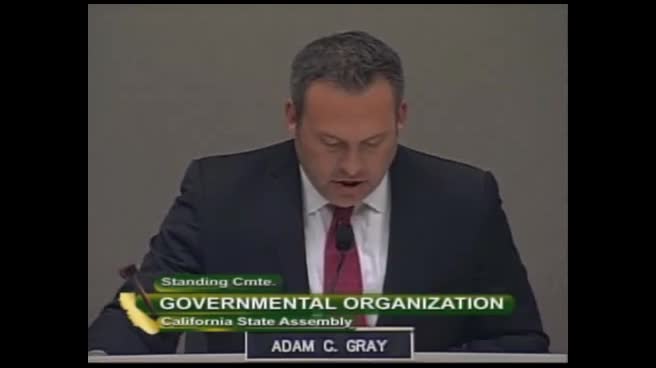
Bill Author

Bill Co-Author(s):