AB 1526: Behavioral Risk Factor Surveillance System survey: caregiver module.
- Session Year: 2015-2016
- House: Assembly
- Latest Version Date: 2015-09-15
Existing law creates the State Department of Public Health and requires it to carry out various duties related to public health programs.
This bill would require, by January 1, 2017, the State Department of Public Health to include the federal Centers for Disease Control and Preventions Caregiver Module on at least one track in the annual Behavioral Risk Factor Surveillance System survey, as specified.
Existing law creates the State Department of Public Health and requires it to carry out various duties related to public health programs.
This bill would require, beginning by January 1, 2016, and until January 1, 2021, 2017, the State Department of Public Health to include the federal Centers for Disease Control and Preventions Caregiver Module on at least one track in the annual Behavioral Risk Factor Surveillance System survey, as specified.
Existing law creates the State Department of Public Health and requires it to carry out various duties related to public health programs.
This bill would require, beginning January 1, 2016, and until January 1, 2021, the State Department of Public Health to include the federal Centers for Disease Control and Preventions Caregiver Module in the annual Behavioral Risk Factor Surveillance System survey, as specified.
The Legislature finds and declares that caregiving represents challenges for public health about which too little is known. Californias informal caregivers form an integral and frequently unrecognized part of the health care system, providing billions of dollars worth of unpaid care to individuals with disabilities and chronic diseases. There are both positive and negative health outcomes and experiences associated with caregiving.
Public health staff, agencies, and researchers are working to understand caregivers and their health outcomes. They also seek to answer questions such as how many caregivers there are in California, what types of care they provide, and for how long they provide this care. Understanding caregiving across multiple levels allows us to understand the impact of caregiving, plan for services and other needs to support caregivers and care recipients, and deliver appropriate interventions to caregivers.
SEC. 2.Chapter 5 (commencing with Section 103950) is added to Part 2 of Division 102 of the Health and Safety Code, to read:5.Health Care Surveys103950.The State Department of Public Health shall include the federal Centers for Disease Control and Preventions Caregiver Module in the annual Behavioral Risk Factor Surveillance System survey, on at least one track, by January 1, 2017.
The Legislature finds and declares that caregiving represents challenges for public health about which too little is known. Californias informal caregivers form an integral and frequently unrecognized part of the health care system, providing billions of dollars worth of unpaid care to individuals with disabilities and chronic diseases. There are both positive and negative health outcomes and experiences associated with caregiving.
Public health staff, agencies, and researchers are working to understand caregivers and their health outcomes. They also seek to answer questions such as how many caregivers there are in California, what types of care they provide, and for how long they provide this care. Understanding caregiving across multiple levels allows us to understand the impact of caregiving, plan for services and other needs to support caregivers and care recipients, and deliver appropriate interventions to caregivers.
SEC. 2.Chapter 5 (commencing with Section 103950) is added to Part 2 of Division 102 of the Health and Safety Code, to read:5.Health Care Surveys103950.The State Department of Public Health shall include the federal Centers for Disease Control and Preventions Caregiver Module in the annual Behavioral Risk Factor Surveillance System survey beginning survey, on at least one track, by January 1, 2016, and until January 1, 2021, unless another act to extend the survey is enacted before January 1, 2021. 2017.
The Legislature finds and declares that caregiving represents challenges for public health about which too little is known. Californias informal caregivers form an integral and frequently unrecognized part of the health care system, providing billions of dollars worth of unpaid care to individuals with disabilities and chronic diseases. There are both positive and negative health outcomes and experiences associated with caregiving.
Public health staff, agencies, and researchers are working to understand caregivers and their health outcomes. They also seek to answer questions such as how many caregivers there are in California, what types of care they provide, and for how long they provide this care. Understanding caregiving across multiple levels allows us to understand the impact of caregiving, plan for services and other needs to support caregivers and care recipients, and deliver appropriate interventions to caregivers.
SEC. 2.Chapter 5 (commencing with Section 103950) is added to Part 2 of Division 102 of the Health and Safety Code, to read:5.Health Care Surveys103950.The State Department of Public Health shall include the federal Centers for Disease Control and Preventions Caregiver Module in the annual Behavioral Risk Factor Surveillance System survey beginning January 1, 2016, and until January 1, 2021, unless another act to extend the survey is enacted before January 1, 2021.
|
Date
|
Status
|
|---|---|
| Aug 17, 2015 | In committee: Referred to APPR. suspense file. |
| Jan 15, 2016 | Consideration of Governor's veto stricken from file. |
| Oct 7, 2015 | Vetoed by Governor. |
| Sep 18, 2015 | Enrolled and presented to the Governor at 4 p.m. |
| Sep 10, 2015 | Senate amendments concurred in. To Engrossing and Enrolling. (Ayes 80. Noes 0.). |
| Sep 10, 2015 | Senate amendments concurred in. To Engrossing and Enrolling. (Ayes 80. Noes 0. Page 3084.). |
| Sep 10, 2015 | Senate amendments concurred in. To Engrossing and Enrolling. |
| Sep 9, 2015 | Read third time. Passed. Ordered to the Assembly. (Ayes 40. Noes 0. Page 2621.). |
| Sep 9, 2015 | Read third time. Passed. Ordered to the Assembly. |
| Sep 9, 2015 | In Assembly. Concurrence in Senate amendments pending. |
| Sep 8, 2015 | Read second time. Ordered to third reading. |
| Sep 4, 2015 | Read third time and amended. Ordered to second reading. |
| Aug 31, 2015 | Read second time. Ordered to third reading. |
| Aug 27, 2015 | From committee: Do pass. (Ayes 7. Noes 0.) (August 27). |
| Mar 16, 2015 | Read first time. To print. |
| Jul 2, 2015 | From committee: Do pass and re-refer to Com. on APPR. with recommendation: To Consent Calendar. (Ayes 8. Noes 0.) (July 1). Re-referred to Com. on APPR. |
| Jun 11, 2015 | Referred to Com. on HEALTH. |
| Jun 1, 2015 | Read third time. Passed. Ordered to the Senate. (Ayes 79. Noes 0. Page 1734.) |
| Jun 1, 2015 | Read third time. Passed. Ordered to the Senate. |
| Jun 1, 2015 | In Senate. Read first time. To Com. on RLS. for assignment. |
| May 28, 2015 | Read second time. Ordered to third reading. |
| May 28, 2015 | From committee: Do pass. (Ayes 17. Noes 0.) (May 28). |
| May 6, 2015 | In committee: Set, first hearing. Referred to APPR. suspense file. |
| Apr 29, 2015 | From committee: Do pass and re-refer to Com. on APPR. (Ayes 13. Noes 0.) (April 28). Re-referred to Com. on APPR. |
| Apr 22, 2015 | From committee: Do pass and re-refer to Com. on HEALTH. (Ayes 6. Noes 0.) (April 21). Re-referred to Com. on HEALTH. |
| Mar 26, 2015 | Referred to Coms. on AGING & L.T.C. and HEALTH. |
| Mar 17, 2015 | From printer. May be heard in committee April 16. |
|
Date
|
Description
|
Location
|
Votes
|
|
|---|---|---|---|---|
| Sep 10, 2015 | AB 1526 AGING & L.T.C. Concurrence in Senate Amendments By BROWN | Assembly Floor |
Passed |
|
| Sep 9, 2015 | Assembly 3rd Reading AB1526 Committee On AGING & LTC. (Brown) By Allen | Senate Floor |
Passed |
|
| Aug 27, 2015 | Do pass | Senate Standing Committee on Appropriations |
Passed |
|
| Aug 17, 2015 | Placed on suspense file | Senate Standing Committee on Appropriations |
Passed |
|
| Jul 1, 2015 | Do pass, but first be re-referred to the Committee on [Appropriations] with the recommendation: To Consent Calendar | Senate Standing Committee on Health |
Passed |
|
| Jun 1, 2015 | AB 1526 AGING & L.T.C. Assembly Third Reading By BROWN | Assembly Floor |
Passed |
|
| May 28, 2015 | Do pass. | Assembly Standing Committee on Appropriations |
Passed |
|
| Apr 28, 2015 | Do pass and be re-referred to the Committee on [Appropriations] | Assembly Standing Committee on Health |
Passed |
|
| Apr 21, 2015 | Do pass and be re-referred to the Committee on [Health] | Assembly Standing Committee on Aging and Long-Term Care |
Passed |
This list shows positions taken on this bill by organizations on the date displayed, which is linked to the original source.
Positions by individuals are not included.
|
Organization
|
Position
|
Date
|
|---|---|---|
| Alzheimer's Association | ** Support | Sep 9, 2015 |
| Association of California Caregiver Resource Centers | ** Support | Sep 9, 2015 |
| California Commission on Aging | ** Support | Sep 9, 2015 |
| California Department of Public Health | ** Against | Sep 9, 2015 |
| Justice in Aging | ** Support | Sep 9, 2015 |
| Mental Health America of California | ** Support | Sep 9, 2015 |
GOVERNOR'S VETO
AB 1526
(Committee on Aging and Long-Term Care)
As Enrolled September 15, 2015
2/3 vote
ASSEMBLY: |
79-0 |
(June 1, 2015) |
SENATE: |
40-0 |
(September 9, 2015) |
ASSEMBLY: |
80-0 |
(September 10, 2015) |
|
|
|
Original Committee Reference: AGING & L.T.C.
SUMMARY: Directs the Department of Public Health (DPH), by January 1, 2017, to include the federal Centers for Disease Control and Prevention's (CDC) Caregiver Module in the annual Behavioral Risk Factor Surveillance System (BRFSS) survey.
The Senate amendments limit inclusion of the Caregiver Module in the CDC's BRFSS to once before 2017, and allows the Caregiver Module to be administered on one track to limit potential costs.
Background: The Behavioral Risk Factor Surveillance System (BRFSS) is a cross-sectional telephone survey that state health departments conduct with a standardized questionnaire, and technical and methodological assistance from CDC. BRFSS is used to collect prevalence data among United States residents regarding behaviors that create health risks, as well as preventive practices that reduce health risks. Data is forwarded to CDC, aggregated for each state, returned with standard tabulations, and published at year's end. In 2011, more than 500,000 interviews were conducted nationwide. By collecting behavioral health risk data at the state and local level, BRFSS has become a powerful tool for targeting and building health promotion activities. As a result, BRFSS users have increasingly demanded more data and asked for more questions on the survey.
BRFSS Caregiver Module: Beginning in 2009, a special set of 10 questions have been available to examine various aspects of caregiving, referred to as the "Caregiver Module." The questions allow states to determine who is a caregiver; the relationship between the caregiver and the care recipient; the average hours of caregiving per week; the most difficult problem facing the caregiver; the age and gender of the care recipient; the types of assistance needed by the care recipient; the major health problem, long-term illness, or disability of the care recipient; the duration of caregiving; and whether the person has had more difficulty with thinking or remembering in the past year. The responses from the caregiver module are then paired with information from the main BRFSS questionnaire, which allow for additional information about the health and well-being of caregivers.
Caregiving: California is home to the largest number of seniors in the nation and their numbers are expanding at a pace unprecedented in history. Caregivers support the needs of dependent individuals in a variety of ways, performing a range of tasks, including companionship, light house-keeping, meal preparation, and personal care to name just a few. More complex and sensitive tasks include money management, medication management, communicating with health professionals, and coordinating care. The Family Caregiver Alliance finds that many family members and friends do not consider such assistance and care "caregiving" – they are just doing what comes naturally to them: taking care of someone they love. But that care may be required for months or years, and may take an emotional, physical and financial toll on caregiving families.
The value of the services family caregivers provide for "free," when caring, was estimated to be $450 billion in 2009. The estimated value of unpaid care in California is $47 billion, accounting for over 3.8 billion hours of care. On the personal side, long-term caregiving has significant financial consequences for caregivers, particularly for women. Informal caregivers personally lose about $659,139 over a lifetime: $25,494 in Social Security benefits; $67,202 in pension benefits; and $566,443 in forgone wages. Caregivers face the loss of income of the care recipient, loss of their own income if they reduce their work hours or leave their jobs, loss of employer-based medical benefits, shrinking of savings to pay caregiving costs, and a threat to their retirement income due to fewer contributions to pensions and other retirement vehicles.
FISCAL EFFECT: According to the Senate Appropriations Committee, annual costs of $150,000 per year to expand the existing survey to include the optional caregiving module (General Fund). The DPH indicates that it costs $7,500 per additional question to expand the existing survey, including the costs to conduct phone interviews and compile responses. Amendments taken in response to the Senate Appropriations Committee cost estimates limit the survey to once (instead of once each year, for five years) before 2017, and limit the survey to a single track (instead of the typical dual track survey).
This bill would require the California Department of Public Health to include questions from the federal Centers for Disease Control and Prevention's Caregiver Module in its annual public health survey.
The department already has a process to determine the questions to be included in the survey each year. This law bypassed that process, and for that reason I am vetoing it.
Analysis Prepared by: Robert MacLaughlin / AGING & L.T.C. / (916) 319-3990 FN: 0002500
AB 1526
Page 2
CONCURRENCE IN SENATE AMENDMENTS
AB 1526
(Committee on Aging and Long-Term Care)
As Amended September 4, 2015
Majority vote
ASSEMBLY: |
79-0 |
(June 1, 2015) |
SENATE: |
40-0 |
(September 9, 2015) |
Original Committee Reference: AGING & L.T.C.
SUMMARY: Directs the Department of Public Health (DPH), by January 1, 2017, to include the federal Centers for Disease Control and Prevention's (CDC) Caregiver Module in the annual Behavioral Risk Factor Surveillance System (BRFSS) survey.
The Senate amendments limit inclusion of the Caregiver Module in the CDC's BRFSS to once before 2017, and allows the Caregiver Module to be administered on one track to limit potential costs.
Background: The Behavioral Risk Factor Surveillance System (BRFSS) is a cross-sectional telephone survey that state health departments conduct with a standardized questionnaire, and technical and methodological assistance from CDC. BRFSS is used to collect prevalence data among United States residents regarding behaviors that create health risks, as well as preventive practices that reduce health risks. Data is forwarded to CDC, aggregated for each state, returned with standard tabulations, and published at year's end. In 2011, more than 500,000 interviews were conducted nationwide. By collecting behavioral health risk data at the state and local level, BRFSS has become a powerful tool for targeting and building health promotion activities. As a result, BRFSS users have increasingly demanded more data and asked for more questions on the survey.
BRFSS Caregiver Module: Beginning in 2009, a special set of 10 questions have been available to examine various aspects of caregiving, referred to as the "Caregiver Module." The questions allow states to determine who is a caregiver; the relationship between the caregiver and the care recipient; the average hours of caregiving per week; the most difficult problem facing the caregiver; the age and gender of the care recipient; the types of assistance needed by the care recipient; the major health problem, long-term illness, or disability of the care recipient; the duration of caregiving; and whether the person has had more difficulty with thinking or remembering in the past year. The responses from the caregiver module are then paired with information from the main BRFSS questionnaire, which allow for additional information about the health and well-being of caregivers.
Caregiving: California is home to the largest number of seniors in the nation and their numbers are expanding at a pace unprecedented in history. Caregivers support the needs of dependent individuals in a variety of ways, performing a range of tasks, including companionship, light house-keeping, meal preparation, and personal care to name just a few. More complex and sensitive tasks include money management, medication management, communicating with health professionals, and coordinating care. The Family Caregiver Alliance finds that many family members and friends do not consider such assistance and care "caregiving" – they are just doing what comes naturally to them: taking care of someone they love. But that care may be required for months or years, and may take an emotional, physical and financial toll on caregiving families.
The value of the services family caregivers provide for "free," when caring, was estimated to be $450 billion in 2009. The estimated value of unpaid care in California is $47 billion, accounting for over 3.8 billion hours of care. On the personal side, long-term caregiving has significant financial consequences for caregivers, particularly for women. Informal caregivers personally lose about $659,139 over a lifetime: $25,494 in Social Security benefits; $67,202 in pension benefits; and $566,443 in forgone wages. Caregivers face the loss of income of the care recipient, loss of their own income if they reduce their work hours or leave their jobs, loss of employer-based medical benefits, shrinking of savings to pay caregiving costs, and a threat to their retirement income due to fewer contributions to pensions and other retirement vehicles.
FISCAL EFFECT: According to the Senate Appropriations Committee, annual costs of $150,000 per year to expand the existing survey to include the optional caregiving module (General Fund). The DPH indicates that it costs $7,500 per additional question to expand the existing survey, including the costs to conduct phone interviews and compile responses. Amendments taken in the Senate limit the survey to once (instead of once each year, for five years) before 2017, and limit the survey to a single track (instead of the typical dual track survey).
Analysis Prepared by: Robert MacLaughlin / AGING & L.T.C. / (916) 319-3990 FN: 0002329
AB 1526
Page 5
|
Office of Senate Floor Analyses (916) 651-1520 Fax: (916) 327-4478 |
THIRD READING
Bill No: AB 1526
Author: Committee on Aging and Long-Term Care
Amended: 9/4/15 in Senate
SENATE HEALTH COMMITTEE: 8-0, 7/1/15
AYES: Hernandez, Nguyen, Hall, Mitchell, Monning, Nielsen, Pan, Roth
NO VOTE RECORDED: Wolk
SENATE APPROPRIATIONS COMMITTEE: 7-0, 8/27/15
AYES: Lara, Bates, Beall, Hill, Leyva, Mendoza, Nielsen
ASSEMBLY FLOOR: 79-0, 6/1/15 - See last page for vote
SUBJECT: Behavioral Risk Factor Surveillance System survey: caregiver module
SOURCE: Alzheimer’s Association
DIGEST: This bill requires the Department of Public Health to include the federal Centers for Disease Control and Prevention’s Caregiver Module in the annual Behavioral Risk Factor Surveillance System survey for five years, beginning on January 1, 2016, unless another act extends before that time.
Senate Floor Amendments of 9/4/15 limit the survey to one Behavioral Risk Factor Surveillance System survey track, and lower the required number of years in which the survey must be administered to one.
Existing law:
Establishes, under state law, the Department of Public Health (DPH) to produce and disseminate data to inform and evaluate public health status, strategies and programs.
Authorizes, under federal law, the Centers for Disease Control and Prevention (CDC) to determine behaviors that place the nation at risk for threats to public health, and conduct state surveys to assess factors affecting the nation’s public health, such as the Behavioral Risk Factor Surveillance System (BRFSS) survey.
This bill:
States legislative intent that informal caregivers in California contribute billions of dollars’ worth of unpaid care to people with disabilities and chronic conditions, and that public health staff seek to know how many caregivers there are, the types of care they provide, and a the amount of care they give in an effort to understand caregivers’ needs, which will allow decision makers to support caregivers and recipients.
Requires DPH to include CDC's Caregiver Module in one track of the annual BRFSS survey by January 1, 2017.
Comments
Author’s statement. According to the author, an important point that bears repeating over and over again is that 1,000 people in California turn 65 each day for the next 14 years. This reality will transform our state, resulting in a diverse and vibrant population where one-in-five people are 65 or older. Corresponding with change will be an increase in the number of disabilities, and the corresponding reliance upon others for support and care. Family caregivers know first-hand the financial, emotional and physical demands associated with placing one's life aside in order to care for loved one. Today, more than one-in-six American workers cares for an elderly or disabled family member. These extraordinary individuals sacrifice their own health, their emotional well-being, and in many cases, their financial security to fill the gaps in our fragile system of long-term services and supports. Combined, caregivers contribute $450 billion in economic value to our nation’s economy and they save Medicare, Medi-Cal, In-Home Supportive Services and other public programs scarce government dollars. This bill calls for a statewide survey of caregiver burden to help us understand and support this population, as their contributions are vital in their homes, communities and to society.
Caregiving. According to the Family Caregiving Alliance, informal caregiving is any help provided to an older, chronically ill, or disabled family member, neighbor, or friend. Caregiving can include buying groceries, cooking, cleaning, driving someone to the doctor, or helping someone get dressed, take a shower, or take medication. A 2013 study by the Pew Research Center states that 39% of adults in the U.S. are caregivers, and a report by MetLife states that 10 million caregivers over 50 who care for their parents lose an estimated $3 trillion in lost wages, pensions, retirement funds and benefits. The AARP states that researchers have long known that caregiving can have deleterious mental health effects and serious health consequences for caregivers, with 17% of caregivers feeling their health has become generally worse as a result of their caregiving responsibilities.
BRFSS. According to DPH, BRFSS is a national ongoing telephone survey whereby participating states and U.S. territories utilize a standardized survey research methodology. BRFSS surveys randomly selected adults to collect information on a wide variety of health-related behaviors such as obesity, immunization, AIDS, tobacco use, access to care, diabetes, physical activity, diet, cancer screening, and emerging health issues that have significant impacts on society, such as asthma and the flu vaccine. DPH, in collaboration with CDC, has conducted BRFSS since 1984. BRFSS is the main source of data in California for monitoring at least half of the leading health indicators established by the Healthy People 2020 Objectives. Many programs within DPH, local health departments, the American Cancer Society, universities, and other nonprofit organizations use the data collected by BRFSS. BRFSS allows for trend analysis and direct comparison to the nation and other states. Data are not only used for research, but also for planning of programs, program evaluation, and resource allocation.
BRFSS structure. The BRFSS questionnaire is divided into three parts: the core component; optional modules; and, state-added questions. The core component includes queries about current health-related perceptions, conditions, and behaviors such as health status, health care access, alcohol consumption, tobacco use, disability, and HIV/AIDS risks, as well as demographic questions. The optional modules contain sets of questions on topics such as excess sun exposure, cancer survivorship, mental illness, and stigma. States can also add their own questions outside of the optional CDC modules. According to CPD, there are currently 12 programs within DPH participating in BRFSS, adding a total of 131 questions to the survey. In 2014, nine programs participated, adding 141 questions to the survey. DPH programs that have consistently participated on an annual basis include, but are not limited to: Nutrition Education Obesity and Prevention Branch, California Tobacco Control Branch, Chronic Disease Control Branch Diabetes Program, Immunization Branch, Childhood Lead Poisoning Prevention Branch, Chronic Disease Surveillance and Research Branch’s Comprehensive Cancer Control Program, Environmental Health Investigations Branch, and the Office of Health Equity.
Optional caregiver module. The BRFSS Caregiver Module contains nine questions regarding caregiving, including the caregiver’s relationship to the recipient, the amount of time care has been provided, the number of hours per week the caregiver provides assistance, that nature of the care, the condition from which the recipient suffers, and support services needed by the caregiver.
FISCAL EFFECT: Appropriation: No Fiscal Com.: Yes Local: No
According to the Senate Appropriations Committee, annual costs of $150,000 per year to expand the existing survey to include the optional caregiving module (General Fund). DPH indicates that it costs $7,500 per additional question to expand the existing survey, including the costs to conduct phone interviews and compile responses.
Alzheimer’s Association (source)
Association of California Caregiver Resource Centers
California Commission on Aging
Justice in Aging
Mental Health America of California
California Department of Public Health
ARGUMENTS IN SUPPORT: The Alzheimer’s Association, the sponsor of this bill, states that an efficient and effective infrastructure to support caregivers requires high-level, evidence-based data such as the BRFSS. As California’s population ages and demographics shift, the pool of available family caregivers is diminishing, and will significantly impact public health programs such as Medi-Cal and other state and federally funded health, education and human services. The sponsor also states that greater data on the scope of caregiving within California will help the state better prepare support systems for caregivers in the future.
A coalition of supporters including the Association of California Caregiver Resource Centers, Mental Health America, and Justice in Aging state that California’s health and human service programs benefit from unpaid, informal caregivers who provide direct services to family members and friends who need assistance with activities of daily living. They assert that California’s economy relies on informal caregivers to share the cost of health and human service programs, yet there is no formal mechanism to effectively evaluate the impact of caregiving statewide. Inclusion of the Caregiver Module within the 2016 BRFSS survey will help collect reliable data for future use by the Legislature and stakeholders on this important population.
ARGUMENTS IN OPPOSITION: The California Department of Public Health states that this bill is unnecessary because other Modules have been added to BRFSS without a legislative mandate. DPH also states that funding for additional question is required from departmental programs, agencies, or stakeholder groups, and that this bill does not address the costs associated with the survey, nor does it identify funding.
ASSEMBLY FLOOR: 79-0, 6/1/15
AYES: Achadjian, Alejo, Travis Allen, Baker, Bigelow, Bloom, Bonilla, Bonta, Brough, Brown, Burke, Calderon, Campos, Chang, Chau, Chávez, Chiu, Chu, Cooley, Cooper, Dababneh, Dahle, Daly, Dodd, Eggman, Frazier, Beth Gaines, Gallagher, Cristina Garcia, Eduardo Garcia, Gatto, Gomez, Gonzalez, Gordon, Gray, Grove, Hadley, Harper, Roger Hernández, Holden, Irwin, Jones, Jones-Sawyer, Kim, Lackey, Levine, Linder, Lopez, Low, Maienschein, Mathis, Mayes, McCarty, Medina, Melendez, Mullin, Nazarian, Obernolte, O'Donnell, Olsen, Patterson, Perea, Quirk, Rendon, Ridley-Thomas, Rodriguez, Salas, Santiago, Steinorth, Mark Stone, Thurmond, Ting, Wagner, Waldron, Weber, Wilk, Williams, Wood, Atkins
NO VOTE RECORDED: Gipson
Prepared by: Shannon Muir / HEALTH /
9/8/15 15:00:10
**** END ****
AB 1526
Page 5
|
Office of Senate Floor Analyses (916) 651-1520 Fax: (916) 327-4478 |
THIRD READING
Bill No: AB 1526
Author: Committee on Aging and Long-Term Care
Introduced 3/16/15
SENATE HEALTH COMMITTEE: 8-0, 7/1/15
AYES: Hernandez, Nguyen, Hall, Mitchell, Monning, Nielsen, Pan, Roth
NO VOTE RECORDED: Wolk
SENATE APPROPRIATIONS COMMITTEE: 7-0, 8/27/15
AYES: Lara, Bates, Beall, Hill, Leyva, Mendoza, Nielsen
ASSEMBLY FLOOR: 79-0, 6/1/15 - See last page for vote
SUBJECT: Behavioral Risk Factor Surveillance System survey: caregiver module
SOURCE: Alzheimer’s Association
DIGEST: This bill requires the Department of Public Health to include the federal Centers for Disease Control and Prevention’s Caregiver Module in the annual Behavioral Risk Factor Surveillance System survey for five years, beginning on January 1, 2016, unless another act extends before that time.
Existing law:
Establishes, under state law, the Department of Public Health (DPH) to produce and disseminate data to inform and evaluate public health status, strategies and programs.
Authorizes, under federal law, the Centers for Disease Control and Prevention (CDC) to determine behaviors that place the nation at risk for threats to public health, and conduct state surveys to assess factors affecting the nation’s public health, such as the Behavioral Risk Factor Surveillance System (BRFSS) survey.
This bill:
States legislative intent that informal caregivers in California contribute billions of dollars’ worth of unpaid care to people with disabilities and chronic conditions, and that public health staff seek to know how many caregivers there are, the types of care they provide, and a the amount of care they give in an effort to understand caregivers’ needs, which will allow decision makers to support caregivers and recipients.
Requires DPH to include CDC's Caregiver Module in the annual BRFSS survey beginning January 1, 2016, and until January 1, 2021.
Comments
Author’s statement. According to the author, an important point that bears repeating over and over again is that 1,000 people in California turn 65 each day for the next 14 years. This reality will transform our state, resulting in a diverse and vibrant population where one-in-five people are 65 or older. Corresponding with change will be an increase in the number of disabilities, and the corresponding reliance upon others for support and care. Family caregivers know first-hand the financial, emotional and physical demands associated with placing one's life aside in order to care for loved one. Today, more than one-in-six American workers cares for an elderly or disabled family member. These extraordinary individuals sacrifice their own health, their emotional well-being, and in many cases, their financial security to fill the gaps in our fragile system of long-term services and supports. Combined, caregivers contribute $450 billion in economic value to our nation’s economy and they save Medicare, Medi-Cal, In-Home Supportive Services and other public programs scarce government dollars. This bill calls for a statewide survey of caregiver burden to help us understand and support this population, as their contributions are vital in their homes, communities and to society.
Caregiving. According to the Family Caregiving Alliance, informal caregiving is any help provided to an older, chronically ill, or disabled family member, neighbor, or friend. Caregiving can include buying groceries, cooking, cleaning, driving someone to the doctor, or helping someone get dressed, take a shower, or take medication. A 2013 study by the Pew Research Center states that 39% of adults in the U.S. are caregivers, and a report by MetLife states that 10 million caregivers over 50 who care for their parents lose an estimated $3 trillion in lost wages, pensions, retirement funds and benefits. The AARP states that researchers have long known that caregiving can have deleterious mental health effects and serious health consequences for caregivers, with 17% of caregivers feeling their health has become generally worse as a result of their caregiving responsibilities.
BRFSS. According to DPH, BRFSS is a national ongoing telephone survey whereby participating states and U.S. territories utilize a standardized survey research methodology. BRFSS surveys randomly selected adults to collect information on a wide variety of health-related behaviors such as obesity, immunization, AIDS, tobacco use, access to care, diabetes, physical activity, diet, cancer screening, and emerging health issues that have significant impacts on society, such as asthma and the flu vaccine. DPH, in collaboration with CDC, has conducted BRFSS since 1984. BRFSS is the main source of data in California for monitoring at least half of the leading health indicators established by the Healthy People 2020 Objectives. Many programs within DPH, local health departments, the American Cancer Society, universities, and other nonprofit organizations use the data collected by BRFSS. BRFSS allows for trend analysis and direct comparison to the nation and other states. Data are not only used for research, but also for planning of programs, program evaluation, and resource allocation.
BRFSS structure. The BRFSS questionnaire is divided into three parts: the core component; optional modules; and, state-added questions. The core component includes queries about current health-related perceptions, conditions, and behaviors such as health status, health care access, alcohol consumption, tobacco use, disability, and HIV/AIDS risks, as well as demographic questions. The optional modules contain sets of questions on topics such as excess sun exposure, cancer survivorship, mental illness, and stigma. States can also add their own questions outside of the optional CDC modules. According to CPD, there are currently 12 programs within DPH participating in BRFSS, adding a total of 131 questions to the survey. In 2014, nine programs participated, adding 141 questions to the survey. DPH programs that have consistently participated on an annual basis include, but are not limited to: Nutrition Education Obesity and Prevention Branch, California Tobacco Control Branch, Chronic Disease Control Branch Diabetes Program, Immunization Branch, Childhood Lead Poisoning Prevention Branch, Chronic Disease Surveillance and Research Branch’s Comprehensive Cancer Control Program, Environmental Health Investigations Branch, and the Office of Health Equity.
Optional caregiver module. The BRFSS Caregiver Module contains nine questions regarding caregiving, including the caregiver’s relationship to the recipient, the amount of time care has been provided, the number of hours per week the caregiver provides assistance, that nature of the care, the condition from which the recipient suffers, and support services needed by the caregiver.
FISCAL EFFECT: Appropriation: No Fiscal Com.: Yes Local: No
According to the Senate Appropriations Committee, annual costs of $150,000 per year to expand the existing survey to include the optional caregiving module (General Fund). DPH indicates that it costs $7,500 per additional question to expand the existing survey, including the costs to conduct phone interviews and compile responses.
Alzheimer’s Association (source)
Association of California Caregiver Resource Centers
California Commission on Aging
Justice in Aging
Mental Health America of California
OPPOSITION: (Verified 8/28/15)
California Department of Public Health
ARGUMENTS IN SUPPORT: The Alzheimer’s Association, the sponsor of this bill, states that an efficient and effective infrastructure to support caregivers requires high-level, evidence-based data such as the BRFSS. As California’s population ages and demographics shift, the pool of available family caregivers is diminishing, and will significantly impact public health programs such as Medi-Cal and other state and federally funded health, education and human services. The sponsor also states that greater data on the scope of caregiving within California will help the state better prepare support systems for caregivers in the future.
A coalition of supporters including the Association of California Caregiver Resource Centers, Mental Health America, and Justice in Aging state that California’s health and human service programs benefit from unpaid, informal caregivers who provide direct services to family members and friends who need assistance with activities of daily living. They assert that California’s economy relies on informal caregivers to share the cost of health and human service programs, yet there is no formal mechanism to effectively evaluate the impact of caregiving statewide. Inclusion of the Caregiver Module within the 2016 BRFSS survey will help collect reliable data for future use by the Legislature and stakeholders on this important population.
ARGUMENTS IN OPPOSITION: The California Department of Public Health states that this bill is unnecessary because other Modules have been added to BRFSS without a legislative mandate. DPH also states that funding for additional question is required from departmental programs, agencies, or stakeholder groups, and that this bill does not address the costs associated with the survey, nor does it identify funding.
ASSEMBLY FLOOR: 79-0, 6/1/15
AYES: Achadjian, Alejo, Travis Allen, Baker, Bigelow, Bloom, Bonilla, Bonta, Brough, Brown, Burke, Calderon, Campos, Chang, Chau, Chávez, Chiu, Chu, Cooley, Cooper, Dababneh, Dahle, Daly, Dodd, Eggman, Frazier, Beth Gaines, Gallagher, Cristina Garcia, Eduardo Garcia, Gatto, Gomez, Gonzalez, Gordon, Gray, Grove, Hadley, Harper, Roger Hernández, Holden, Irwin, Jones, Jones-Sawyer, Kim, Lackey, Levine, Linder, Lopez, Low, Maienschein, Mathis, Mayes, McCarty, Medina, Melendez, Mullin, Nazarian, Obernolte, O'Donnell, Olsen, Patterson, Perea, Quirk, Rendon, Ridley-Thomas, Rodriguez, Salas, Santiago, Steinorth, Mark Stone, Thurmond, Ting, Wagner, Waldron, Weber, Wilk, Williams, Wood, Atkins
NO VOTE RECORDED: Gipson
Prepared by: Shannon Muir / HEALTH /
8/31/15 12:47:46
**** END ****
AB 1526 (Committee on Aging and Long-Term Care) Page 2 of 2
SENATE COMMITTEE ON APPROPRIATIONS
Senator Ricardo Lara, Chair
2015 - 2016 Regular Session
AB 1526 (Committee on Aging and Long-Term Care) - Behavioral Risk Factor Surveillance System survey: caregiver module
|
|
Version: March 16, 2015 |
Policy Vote: HEALTH 8 - 0 |
Urgency: No |
Mandate: No |
Hearing Date: August 17, 2015 |
Consultant: Brendan McCarthy |
This bill meets the criteria for referral to the Suspense File.
Bill Summary:
AB 1526 would require the Department of Public Health to include additional questions relating to caregiving in the annual Behavioral Risk Factor Surveillance System survey.
Fiscal Impact:
Annual costs of $150,000 per year to expand the existing survey to include the optional caregiving module (General Fund). The Department of Public Health indicates that it costs $7,500 per additional question to expand the existing survey, including the costs to conduct phone interviews and compile responses.
Background:
Under current federal and state law, the Department of Public Health conducts telephone survey each year, entitled the Behavioral Risk Factor Surveillance System survey. This survey includes questions relating to health status and health-impacting behaviors such as smoking, diet, and exercise. The Department of Public Health includes standard health questions developed by the federal Centers for Disease Control and Prevention as well as 131 additional questions added by the Department relating to public health. In addition to the core questions, the Centers for Disease Control and Prevention has developed optional modules, including an optional module on caregiving.
Proposed Law:
AB 1526 would require the Department of Public Health to include additional questions relating to caregiving in the annual Behavioral Risk Factor Surveillance System survey. The bill would require the additional questions to be included each year from 2016 to 2021.
Staff Comments:
Currently, the response rate (which reflects completed surveys) is 39%. According to the Department, expanding the number of questions in the survey does reduce the response rate, as some respondents do not wish to complete the full survey. It is not known whether adding nine additional questions will have a significant impact on the current response rate.
-- END --
AB 1526 (Committee on Aging and Long-Term Care) Page 3 of 3
SENATE COMMITTEE ON HEALTH
Senator Ed Hernandez, O.D., Chair
BILL NO: AB 1526
AUTHOR: |
Committee on Aging and Long-Term Care |
||
VERSION: |
March 16, 2015 |
||
HEARING DATE: |
July 1, 2015 |
|
|
CONSULTANT: |
Shannon Muir |
||
SUBJECT: Behavioral Risk Factor Surveillance System survey: caregiver module.
SUMMARY:
Requires the Department of Public
Health to include the federal Centers for Disease Control and
Prevention’s Caregiver Module in the annual Behavioral Risk Factor
Surveillance System survey for five years, beginning on January 1,
2016, unless another act extends before that time.
Existing law:
Establishes, under state law, the Department of Public Health (DPH) to produce and disseminate data to inform and evaluate public health status, strategies and programs.
Authorizes, under federal law, the Centers for Disease Control and Prevention (CDC) to determine behaviors that place the nation at risk for threats to public health, and conduct state surveys to assess factors affecting the nation’s public health, such as the Behavioral Risk Factor Surveillance System (BRFSS) survey.
This bill:
States legislative intent that informal caregivers in California contribute billions of dollars’ worth of unpaid care to people with disabilities and chronic conditions, and that public health staff seek to know how many caregivers there are, the types of care they provide, and a the amount of care they give in an effort to understand caregivers’ needs, which will allow decision makers to support caregivers and recipients.
Requires DPH to include CDC's Caregiver Module in the annual BRFSS survey beginning January 1, 2016, and until January 1, 2021.
FISCAL EFFECT:
According to the Assembly Appropriations Committee, General Fund costs to DPH of $150,000 General Fund per year for five years, assuming costs stay the same over the five year period. At the current time, the cost for inclusion in the 2015 BRFSS survey is $7,500 per question, and the module contains ten questions. Over one calendar year, there are two survey tracks that are administered, bringing the annual cost per question to $15,000.
PRIOR VOTES:
Assembly Floor: |
79 - 0 |
Assembly Appropriations Committee: |
17 - 0 |
Assembly Aging and Long Term Care Committee: |
6 - 0 |
COMMENTS:
Author’s statement. According to the author, an important point that bears repeating over and over again is that 1,000 people in California turn 65 each day for the next 14 years. This reality will transform our state, resulting in a diverse and vibrant population where one-in-five people are 65 or older. Corresponding with change will be an increase in the number of disabilities, and the corresponding reliance upon others for support and care. Family caregivers know first-hand the financial, emotional and physical demands associated with placing one's life aside in order to care for loved one. Today, more than one-in-six American workers cares for an elderly or disabled family member. These extraordinary individuals sacrifice their own health, their emotional well-being, and in many cases, their financial security to fill the gaps in our fragile system of long-term services and supports. Combined, caregivers contribute $450 billion in economic value to our nation’s economy and they save Medicare, Medi-Cal, IHSS and other public programs scarce government dollars. This bill calls for a statewide survey of caregiver burden to help us understand and support this population, as their contributions are vital in their homes, communities and to society.
Caregiving. According to the Family Caregiving Alliance, informal caregiving is any help provided to an older, chronically ill, or disabled family member, neighbor, or friend. Caregiving can include buying groceries, cooking, cleaning, driving someone to the doctor, or helping someone get dressed, take a shower, or take medication. A 2013 study by the Pew Research Center states that 39% of adults in the U.S. are caregivers, and a report by MetLife states that 10 million caregivers over 50 who care for their parents lose an estimated $3 trillion in lost wages, pensions, retirement funds and benefits. The AARP states that researchers have long known that caregiving can have deleterious mental health effects and serious health consequences for caregivers, with 17% of caregivers feeling their health has become generally worse as a result of their caregiving responsibilities.
BRFSS. According to DPH, BRFSS is a national ongoing telephone survey whereby participating states and U.S. territories utilize a standardized survey research methodology. BRFSS surveys randomly selected adults to collect information on a wide variety of health-related behaviors such as obesity, immunization, AIDS, tobacco use, access to care, diabetes, physical activity, diet, cancer screening, and emerging health issues that have significant impacts on society, such as asthma and the flu vaccine. DPH, in collaboration with CDC, has conducted BRFSS since 1984. BRFSS is the main source of data in California for monitoring at least half of the leading health indicators established by the Healthy People 2020 Objectives. Many programs within DPH, local health departments, the American Cancer Society, universities, and other nonprofit organizations use the data collected by BRFSS. BRFSS allows for trend analysis and direct comparison to the nation and other states. Data are not only used for research, but also for planning of programs, program evaluation, and resource allocation.
BRFSS structure. The BRFSS questionnaire is divided into three parts: the core component; optional modules; and, state-added questions. The core component includes queries about current health-related perceptions, conditions, and behaviors such as health status, health care access, alcohol consumption, tobacco use, disability, and HIV/AIDS risks, as well as demographic questions. The optional modules contain sets of questions on topics such as excess sun exposure, cancer survivorship, mental illness, and stigma. States can also add their own questions outside of the optional CDC modules. According to CPD, there are currently 12 programs within DPH participating in BRFSS, adding a total of 131 questions to the survey. In 2014, nine programs participated, adding 141 questions to the survey. DPH programs that have consistently participated on an annual basis include, but are not limited to: Nutrition Education Obesity and Prevention Branch, California Tobacco Control Branch, Chronic Disease Control Branch Diabetes Program, Immunization Branch, Childhood Lead Poisoning Prevention Branch, Chronic Disease Surveillance and Research Branch’s Comprehensive Cancer Control Program, Environmental Health Investigations Branch, and the Office of Health Equity.
Optional caregiver module. The BRFSS Caregiver Module contains nine questions regarding caregiving, including the caregiver’s relationship to the recipient, the amount of time care has been provided, the number of hours per week the caregiver provides assistance, that nature of the care, the condition from which the recipient suffers, and support services needed by the caregiver.
Support. The Alzheimer’s Association, the sponsor of this bill, states that an efficient and effective infrastructure to support caregivers requires high-level, evidence-based data such as the BRFSS. As California’s population ages and demographics shift, the pool of available family caregivers is diminishing, and will significantly impact public health programs such as Medi-Cal and other state and federally funded health, education and human services. The sponsor also states that greater data on the scope of caregiving within California will help the state better prepare support systems for caregivers in the future.
A coalition of supporters including the Association of California Caregiver Resource Centers, Mental Health America, and Justice in Aging state that California’s health and human service programs benefit from unpaid, informal caregivers who provide direct services to family members and friends who need assistance with activities of daily living. They assert that California’s economy relies on informal caregivers to share the cost of health and human service programs, yet there is no formal mechanism to effectively evaluate the impact of caregiving statewide. Inclusion of the Caregiver Module within the 2016 BRFSS survey will help collect reliable data for future use by the Legislature and stakeholders on this important population.
SUPPORT AND OPPOSITION:
Support: Alzheimer’s Association (sponsor)
Association of California Caregiver Resource Centers
California Commission on Aging
Justice in Aging
Mental Health America of California
Oppose: None received.
-- END --
AB 1526
Page 2
ASSEMBLY THIRD READING
AB 1526
(Committee on Aging and Long-Term Care)
As Introduced March 16, 2015
Majority vote
Committee |
Votes |
Ayes |
Noes |
Aging |
6-0 |
Brown, Hadley, Gray, Levine, Lopez, Mathis |
|
Health |
13-0 |
Bonta, Maienschein, Burke, Chiu, Gomez, Lackey, Nazarian, Patterson, Ridley-Thomas, Rodriguez, Steinorth, Waldron, Wood |
|
Appropriations |
17-0 |
Gomez, Bigelow, Bonta, Calderon, Chang, Daly, Eggman, Gallagher, Eduardo Garcia, Gordon, Holden, Jones, Quirk, Rendon, Wagner, Weber, Wood |
|
SUMMARY: Directs the Department of Public Health (DPH), beginning January 1, 2016, to include the federal Centers for Disease Control and Prevention’s (CDC) Caregiver Module in the annual Behavioral Risk Factor Surveillance System survey.
Background: The Behavioral Risk Factor Surveillance System (BRFSS) is a cross-sectional telephone survey that state health departments conduct with a standardized questionnaire, and technical and methodological assistance from CDC. BRFSS is used to collect prevalence data among United States residents regarding behaviors that create health risks, as well as preventive practices that reduce health risks. Data is forwarded to CDC, aggregated for each state, returned with standard tabulations, and published at year’s end. In 2011, more than 500,000 interviews were conducted nationwide. By collecting behavioral health risk data at the state and local level, BRFSS has become a powerful tool for targeting and building health promotion activities. As a result, BRFSS users have increasingly demanded more data and asked for more questions on the survey.
BRFSS Caregiver Module: Beginning in 2009, a special set of 10 questions have been available to examine various aspects of caregiving, referred to as the "Caregiver Module." The questions allow states to determine who is a caregiver; the relationship between the caregiver and the care recipient; the average hours of caregiving per week; the most difficult problem facing the caregiver; the age and gender of the care recipient; the types of assistance needed by the care recipient; the major health problem, long-term illness, or disability of the care recipient; the duration of caregiving; and whether the person has had more difficulty with thinking or remembering in the past year. The responses from the caregiver module are then paired with information from the main BRFSS questionnaire, which allow for additional information about the health and well-being of caregivers.
Caregiving: California is home to the largest number of seniors in the nation and their numbers are expanding at a pace unprecedented in history. Caregivers support the needs of dependent individuals in a variety of ways, performing a range of tasks, including companionship, light house-keeping, meal preparation, and personal care to name just a few. More complex and sensitive tasks include money management, medication management, communicating with health professionals, and coordinating care. The Family Caregiver Alliance finds that many family members and friends do not consider such assistance and care "caregiving" – they are just doing what comes naturally to them: taking care of someone they love. But that care may be required for months or years, and may take an emotional, physical and financial toll on caregiving families.
The value of the services family caregivers provide for "free," when caring, was estimated to be $450 billion in 2009. The estimated value of unpaid care in California is $47 billion, accounting for over 3.8 billion hours of care. On the personal side, long-term caregiving has significant financial consequences for caregivers, particularly for women. Informal caregivers personally lose about $659,139 over a lifetime: $25,494 in Social Security benefits; $67,202 in pension benefits; and $566,443 in forgone wages. Caregivers face the loss of income of the care recipient, loss of their own income if they reduce their work hours or leave their jobs, loss of employer-based medical benefits, shrinking of savings to pay caregiving costs, and a threat to their retirement income due to fewer contributions to pensions and other retirement vehicles.
FISCAL EFFECT: According to the Assembly Committee on Appropriations, General Fund (GF) costs to CDPH of $150,000 GF per year for five years, assuming costs stay the same over the five year period.
Analysis Prepared by: Robert MacLaughlin / AGING & L.T.C. / (916) 319-3990 FN: 0000619
AB 1526
Page 2
Date of Hearing: May 6, 2015
ASSEMBLY COMMITTEE ON APPROPRIATIONS
Jimmy Gomez, Chair
AB 1526
(Committee on Aging and Long-Term Care) – As Introduced March 16, 2015
Policy Committee: |
Aging and Long Term Care |
Vote: |
6 - 0 |
|
Health |
|
13 - 0 |
|
|
|
|
Urgency: No State Mandated Local Program: No Reimbursable: No
SUMMARY:
This bill requires the California Department of Public Health (CDPH) to include the federal Centers for Disease Control and Prevention’s (CDC’s) Caregiver Module in the annual Behavioral Risk Factor Surveillance System (BRFSS) survey for five years, beginning on January 1, 2016.
FISCAL EFFECT:
GF costs to CDPH of $150,000 GF per year for five years, assuming costs stay the same over the five year period. At the current time, the cost for inclusion in the 2015 CA BRFSS survey is $7,500 per question, and the module contains ten questions. Over one calendar year, there are two survey tracks that are administered, bringing the annual cost per question to $15,000.
COMMENTS:
Purpose. The author states California currently does not have reliable, valid public health data regarding the burden of caregiving. Conducting the survey is necessary to better assess the scope and extent of caregiving in California, and subsequently develop the most effective infrastructure and support for our state’s caregivers.
BRFSS. According to the CDC, the BRFSS is the nation's premier system of health-related telephone surveys that collect state data about U.S. residents regarding their health-related risk behaviors, chronic health conditions, and use of preventive services. BRFSS typically completes over 400,000 adult interviews each year.
Caregiver optional module. In 2009, the CDC offered the Caregiver optional module as part of the BRFSS. The module contains ten questions to determine basic demographic information about the individual receiving care, the relationship of the caregiver to the individual, the length of time the caregiver had been providing care, and related questions. Several other states have opted to use the Caregiver Module.
Staff Comments. The burden of caregiving is a significant social issue and BRFSS seems an efficient way to collect California data. However, the author may wish to examine the frequency of data collection. Some surveys are done on a biennial basis, for example, and provide a useful snapshot at a lower cost than annual data collection. Must caregiving be examined every year for five years? Would a biennial basis suffice?
Analysis Prepared by: Lisa Murawski / APPR. / (916) 319-2081
AB 1526
Page 4
Date of Hearing: April 28, 2015
ASSEMBLY COMMITTEE ON HEALTH
Bonta, Chair
AB 1526
(Committee on Aging and Long-Term Care) – As Introduced March 16, 2015
SUBJECT:
Behavioral Risk Factor Surveillance System survey: caregiver module.
SUMMARY:
Requires the Department of Public Health (DPH) to include the federal
Centers for Disease Control and Prevention’s (CDC’s) Caregiver
Module in the annual Behavioral Risk Factor Surveillance System
(BRFSS) survey for five years, beginning on January 1, 2016, unless
another act extends before that time.
EXISTING
LAW:
Establishes, under state law, DPH to carry out various duties regarding public health programs.
Authorizes, under federal law, CDC to determine behaviors that place the nation at risk for threats to public health, and conduct state surveys to assess factors affecting the nation’s public health, such as the BRFSS survey.
FISCAL EFFECT: This bill has not yet been analyzed by a fiscal committee.
COMMENTS:
PURPOSE OF THIS BILL.
The author states that California currently does not have reliable, valid public health data regarding the burden of caregiving. The author states there is a growing body of evidence that reveals that providing care for a chronically ill individual can have harmful physical, mental, and emotional consequences for the caregiver. The author asserts that accurately identifying, thoroughly analyzing, and thoughtfully planning to address caregiver burden in California will improve the health outcomes for the individual in need and the caregiver, in addition to lowering the costs of healthcare and social services. The author contends when the state supports caregivers, it effectively also cares for individuals affected by various diseases, such as Alzheimer’s, autism, cancer, and mental health disorders. The author concludes that conducting the survey is necessary to better assess the scope and extent of caregiving in California, and subsequently develop the most effective infrastructure and support for our state’s caregivers.
BACKGROUND.
Caregivers in California. California is home to the largest number of seniors in the nation and their numbers continue to expand at a rapid rate. Many within this population become dependent over time and require additional care to perform daily tasks. Oftentimes family members, friends, and others become caregivers to help support the daily needs of dependent individuals. The California Caregiver Alliance estimates that the value of services family caregivers provide at no charge was estimated to be $47 billion in California for 2009. The state has established eleven Caregiver Resource Centers throughout the state to help serve thousands of families and caregivers of those with Alzheimer's disease, stroke, Parkinson's disease, and other disorders. California was the first state in the nation to establish a statewide network of support organizations for caregivers; every resident has access to a Caregiver Resource Center in their area.
BRFSS. According to the CDC, the BRFSS is the nation's premier system of health-related telephone surveys that collect state data about U.S. residents regarding their health-related risk behaviors, chronic health conditions, and use of preventive services. Established in 1984 with 15 states, BRFSS now collects data in all 50 states as well as the District of Columbia and three U.S. territories. BRFSS typically completes over 400,000 adult interviews each year, making it the largest continuously conducted health survey system in the world.
BRFSS
collects state data about U.S. residents regarding their
health-related risk behaviors and events, chronic health conditions,
and use of preventive services. BRFSS also collects data on important
emerging health issues such as vaccine shortage and influenza-like
illness. Since September 2009, federal, state, and local health
agencies have used BRFSS to monitor the prevalence rates of
influenza-like illness to help with pandemic planning. Interviewers
administer the annual BRFSS surveys continuously through the year.
By
collecting behavioral health risk data at the state and local level,
BRFSS has become a powerful tool for targeting and building health
promotion activities. As a result, BRFSS users have increasingly
demanded more data and asked for more questions on the survey.
Currently,
there is a wide sponsorship of the BRFSS survey, including most
divisions in the CDC National Center for Chronic Disease Prevention
and Health Promotion; other CDC centers; and federal agencies, such
as the Health Resources and Services Administration, Administration
on Aging, Department
of Veterans Affairs, and Substance Abuse and Mental Health Services
Administration.
BRFSS structure. The BRFSS questionnaire is divided into three parts: i) the core component; ii) optional modules; and, iii) state-added questions. The core component includes queries about current health-related perceptions, conditions, and behaviors (e.g., health status, health care access, alcohol consumption, tobacco use, disability, and HIV/AIDS risks), as well as demographic questions. The optional modules contain sets of questions on specific topics, such as excess sun exposure, cancer survivorship, mental illness, and stigma, which states elect to use on their questionnaires depending on their individual needs. In 2013, 22 optional modules were supported by the BRFSS; California chose to complete the modules on Childhood Asthma Prevalence, Health Care Access, and Random Child Selection. The state-added questions are also optional for completion. Individual states develop or acquire these questions and add them to their BRFSS questionnaires. CDC neither edits nor evaluates these questions.
Caregiver optional module. In 2009, the CDC offered the Caregiver optional module as part of the BRFSS. The survey contained nine questions to determine basic demographic information about the individual receiving care; the relationship of the caregiver to the individual; the length of time the caregiver had been providing care; the major health problem with the individual; in what areas the individual needs the most assistance; the amount of time per week the caregiver provides care; the difficulties faced by the caregiver; and whether or not the individual receiving care has experienced changes in thinking and remembering. Illinois, Louisiana, and the District of Columbia opted to use the Caregiver Module in 2009.
SUPPORT. The Alzheimer’s Association, this sponsor of this bill, states that prudent planning to create the most efficient and effective infrastructure to support caregivers requires high-level, evidence-based data such as the BRFSS under the appropriate jurisdiction of DPH. The sponsor asserts that as the state’s population ages and demographics shift, the pool of available family caregivers to assist individuals is diminishing, and will significantly impact public health programs such as Medi-Cal and other state and federally funded health, education and human services. The sponsor contends that greater data on the scope of caregiving within California will help the state better prepare support systems for caregivers in the future.
The Association of California Caregiver Resource Centers support the bill, stating California’s health and human service programs benefit from unpaid, informal caregivers who provide direct services to family members and friends who need assistance with activities of daily living. The support asserts the state’s economy relies on informal caregivers to share the cost of health and human service programs, yet there is no formal mechanism to effectively evaluate the impact of caregiving statewide. Support concludes the inclusion of the Caregiver Module within the 2016 BRFSS survey will help collect reliable data for future use by the Legislature and stakeholders on this important population.
RELATED LEGISLATION. ACR 38 (Brown) establishes the California Task Force on Family Caregiving, to collaborate with a broad range of stakeholders to examine resources available to caregivers and make legislative recommendations regarding the development of an Internet Website containing resources for caregivers, the enhancement of outreach and education efforts, and the development of a caregiver screening and assessment tool. The task force would be required to submit an interim report to the Legislature no later than January 1, 2017, and a final report no later than July 1, 2018.
PREVIOUS LEGISLATION. AB 1744 (Brown) of 2014 would have required CDA, until January 1, 2018, to establish a blue-ribbon task force comprised of at least 13 members to make recommendations to improve services for unpaid and family caregivers in California. AB 1744 was vetoed by the Governor. The Governor’s veto message stated the legislation was not necessary because there is already ample data and evidence from existing sources.
DOUBLE REFERRAL. This bill is double referred; it passed out of the Assembly Committee on Aging and Long-term Care with a vote of 6-0 on April 21, 2015.
REGISTERED SUPPORT / OPPOSITION:
Support
Alzheimer’s Association (sponsor)
Association of California
Caregiver Resource Centers
Opposition
None on file.
Analysis Prepared by:
An-Chi Tsou / HEALTH / (916) 319-2097
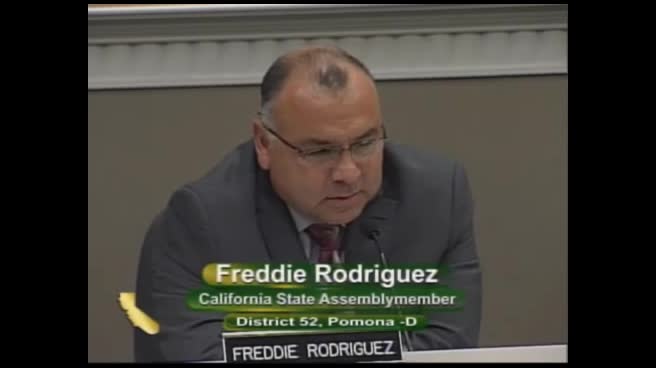
Bill Author
Bill Co-Author(s):