AB 1561: Sales and use taxes: exemption: sanitary napkins: tampons: menstrual sponges and menstrual cups.
- Session Year: 2015-2016
- House: Assembly
- Latest Version Date: 2016-08-25
Existing sales and use tax laws impose a tax on retailers measured by the gross receipts from the sale of tangible personal property sold at retail in this state, or on the storage, use, or other consumption in this state of tangible personal property purchased from a retailer for storage, use, or other consumption in this state. Those laws provide various exemptions from those taxes.
This bill, on and after January 1, 2017, and before January 1, 2022, would exempt from those taxes the gross receipts from the sale in this state of, and the storage, use, or other consumption in this state of, tampons, sanitary napkins, menstrual sponges, and menstrual cups.
The Bradley-Burns Uniform Local Sales and Use Tax Law authorizes counties and cities to impose local sales and use taxes in conformity with the Sales and Use Tax Law, and existing law authorizes districts, as specified, to impose transactions and use taxes in accordance with the Transactions and Use Tax Law, which conforms to the Sales and Use Tax Law. Amendments to state sales and use taxes are incorporated into these laws.
Section 2230 of the Revenue and Taxation Code provides that the state will reimburse counties and cities for revenue losses caused by the enactment of sales and use tax exemptions.
This bill would provide that, notwithstanding Section 2230 of the Revenue and Taxation Code, no appropriation is made and the state shall not reimburse any local agencies for sales and use tax revenues lost by them pursuant to this bill.
This bill would take effect immediately as a tax levy.
Existing sales and use tax laws impose a tax on retailers measured by the gross receipts from the sale of tangible personal property sold at retail in this state, or on the storage, use, or other consumption in this state of tangible personal property purchased from a retailer for storage, use, or other consumption in this state. Those laws provide various exemptions from those taxes.
This bill, until on and after January 1, 2017, and before January 1, 2022, would exempt from those taxes the gross receipts from the sale in this state of, and the storage, use, or other consumption in this state of, tampons, sanitary napkins, menstrual sponges, and menstrual cups.
The Bradley-Burns Uniform Local Sales and Use Tax Law authorizes counties and cities to impose local sales and use taxes in conformity with the Sales and Use Tax Law, and existing law authorizes districts, as specified, to impose transactions and use taxes in accordance with the Transactions and Use Tax Law, which conforms to the Sales and Use Tax Law. Amendments to state sales and use taxes are incorporated into these laws.
Section 2230 of the Revenue and Taxation Code provides that the state will reimburse counties and cities for revenue losses caused by the enactment of sales and use tax exemptions.
This bill would provide that, notwithstanding Section 2230 of the Revenue and Taxation Code, no appropriation is made and the state shall not reimburse any local agencies for sales and use tax revenues lost by them pursuant to this bill.
This bill would take effect immediately as a tax levy, but its operative date would depend on its effective date.
This bill would take effect immediately as a tax levy.
Existing sales and use tax laws impose a tax on retailers measured by the gross receipts from the sale of tangible personal property sold at retail in this state, or on the storage, use, or other consumption in this state of tangible personal property purchased from a retailer for storage, use, or other consumption in this state. Those laws provide various exemptions from those taxes.
This bill, until January 1, 2022, would exempt from those taxes the gross receipts from the sale in this state of, and the storage, use, or other consumption in this state of, tampons, sanitary napkins, menstrual cups, and menstrual sponges. sponges, and menstrual cups.
The Bradley-Burns Uniform Local Sales and Use Tax Law authorizes counties and cities to impose local sales and use taxes in conformity with the Sales and Use Tax Law, and existing law authorizes districts, as specified, to impose transactions and use taxes in accordance with the Transactions and Use Tax Law, which conforms to the Sales and Use Tax Law. Amendments to state sales and use taxes are incorporated into these laws.
Section 2230 of the Revenue and Taxation Code provides that the state will reimburse counties and cities for revenue losses caused by the enactment of sales and use tax exemptions.
This bill would provide that, notwithstanding Section 2230 of the Revenue and Taxation Code, no appropriation is made and the state shall not reimburse any local agencies for sales and use tax revenues lost by them pursuant to this bill.
This bill would take effect immediately as a tax levy, but its operative date would depend on its effective date.
Existing sales and use tax laws impose a tax on retailers measured by the gross receipts from the sale of tangible personal property sold at retail in this state, or on the storage, use, or other consumption in this state of tangible personal property purchased from a retailer for storage, use, or other consumption in this state. Those laws provides provide various exemptions from those taxes.
This bill, until January 1, 2027, 2022, would exempt from those taxes the gross receipts from the sale in this state of, and the storage, use, or other consumption in this state of, tampons, sanitary napkins, menstrual cups, and menstrual sponges.
The Bradley-Burns Uniform Local Sales and Use Tax Law authorizes counties and cities to impose local sales and use taxes in conformity with the Sales and Use Tax Law, and existing law authorizes districts, as specified, to impose transactions and use taxes in accordance with the Transactions and Use Tax Law, which conforms to the Sales and Use Tax Law. Amendments to state sales and use taxes are incorporated into these laws.
Section 2230 of the Revenue and Taxation Code provides that the state will reimburse counties and cities for revenue losses caused by the enactment of sales and use tax exemptions.
This bill would provide that, notwithstanding Section 2230 of the Revenue and Taxation Code, no appropriation is made and the state shall not reimburse any local agencies for sales and use tax revenues lost by them pursuant to this bill.
This bill would take effect immediately as a tax levy, but its operative date would depend on its effective date.
Existing sales and use tax laws impose a tax on retailers measured by the gross receipts from the sale of tangible personal property sold at retail in this state, or on the storage, use, or other consumption in this state of tangible personal property purchased from a retailer for storage, use, or other consumption in this state. Those laws provides various exemptions from those taxes.
This bill, until January 1, 2027, would exempt from those taxes the gross receipts from the sale in this state of, and the storage, use, or other consumption in this state of, tampons, sanitary napkins, menstrual cups, and menstrual sponges.
The Bradley-Burns Uniform Local Sales and Use Tax Law authorizes counties and cities to impose local sales and use taxes in conformity with the Sales and Use Tax Law, and existing law authorizes districts, as specified, to impose transactions and use taxes in accordance with the Transactions and Use Tax Law, which conforms to the Sales and Use Tax Law. Amendments to state sales and use taxes are incorporated into these laws.
Section 2230 of the Revenue and Taxation Code provides that the state will reimburse counties and cities for revenue losses caused by the enactment of sales and use tax exemptions.
This bill would provide that, notwithstanding Section 2230 of the Revenue and Taxation Code, no appropriation is made and the state shall not reimburse any local agencies for sales and use tax revenues lost by them pursuant to this bill.
This bill would take effect immediately as a tax levy, but its operative date would depend on its effective date.
Existing sales and use tax laws impose a tax on retailers measured by the gross receipts from the sale of tangible personal property sold at retail in this state, or on the storage, use, or other consumption in this state of tangible personal property purchased from a retailer for storage, use, or other consumption in this state. That law Those laws provides various exemptions from those taxes.
This bill would exempt from those taxes the gross receipts from the sale in this state of, and the storage, use, or other consumption in this state of, sanitary napkins and tampons. tampons and sanitary napkins.
The Bradley-Burns Uniform Local Sales and Use Tax Law authorizes counties and cities to impose local sales and use taxes in conformity with the Sales and Use Tax Law, and existing law authorizes districts, as specified, to impose transactions and use taxes in accordance with the Transactions and Use Tax Law, which conforms to the Sales and Use Tax Law. Amendments to state sales and use taxes are incorporated into these laws.
Section 2230 of the Revenue and Taxation Code provides that the state will reimburse counties and cities for revenue losses caused by the enactment of sales and use tax exemptions.
This bill would provide that, notwithstanding Section 2230 of the Revenue and Taxation Code, no appropriation is made and the state shall not reimburse any local agencies for sales and use tax revenues lost by them pursuant to this bill.
This bill would take effect immediately as a tax levy, but its operative date would depend on its effective date.
Existing sales and use tax laws impose a tax on retailers measured by the gross receipts from the sale of tangible personal property sold at retail in this state, or on the storage, use, or other consumption in this state of tangible personal property purchased from a retailer for storage, use, or other consumption in this state. That law provides various exemptions from those taxes.
This bill would exempt from those taxes the gross receipts from the sale in this state of, and the storage, use, or other consumption in this state of, sanitary napkins and tampons.
The Bradley-Burns Uniform Local Sales and Use Tax Law authorizes counties and cities to impose local sales and use taxes in conformity with the Sales and Use Tax Law, and existing law authorizes districts, as specified, to impose transactions and use taxes in accordance with the Transactions and Use Tax Law, which conforms to the Sales and Use Tax Law. Amendments to state sales and use taxes are incorporated into these laws.
Section 2230 of the Revenue and Taxation Code provides that the state will reimburse counties and cities for revenue losses caused by the enactment of sales and use tax exemptions.
This bill would provide that, notwithstanding Section 2230 of the Revenue and Taxation Code, no appropriation is made and the state shall not reimburse any local agencies for sales and use tax revenues lost by them pursuant to this bill.
This bill would take effect immediately as a tax levy, but its operative date would depend on its effective date.
(a)There are exempted from the taxes imposed by this part the gross receipts from the sale in this state of, and the storage, use, or other consumption in this state of, tampons, sanitary napkins, menstrual sponges, and menstrual cups.
(b)This section shall become operative on January 1, 2017, and shall become inoperative on January 1, 2022, and as of that date is repealed.
SEC. 2.Notwithstanding Section 2230 of the Revenue and Taxation Code, no appropriation is made by this act and the state shall not reimburse any local agency for any sales and use tax revenues lost by it under this act.
SEC. 3.This act provides for a tax levy within the meaning of Article IV of the Constitution and shall go into immediate effect.
(a)There are exempted from the taxes imposed by this part the gross receipts from the sale in this state of, and the storage, use, or other consumption in this state of, tampons, sanitary napkins, menstrual sponges, and menstrual cups.
(b)This section shall become operative on January 1, 2017, and shall become inoperative on January 1, 2022, and as of that date is repealed.
SEC. 2.Notwithstanding Section 2230 of the Revenue and Taxation Code, no appropriation is made by this act and the state shall not reimburse any local agency for any sales and use tax revenues lost by it under this act.
SEC. 3.This act provides for a tax levy within the meaning of Article IV of the Constitution and shall go into immediate effect. However, the provisions of this act shall become operative on the first day of the first calendar quarter commencing more than 90 days after the effective date of this act.
SEC. 3.This act provides for a tax levy within the meaning of Article IV of the Constitution and shall go into immediate effect.
(a)There are exempted from the taxes imposed by this part the gross receipts from the sale in this state of, and the storage, use, or other consumption in this state of, tampons, sanitary napkins, menstrual cups, and menstrual sponges. sponges, and menstrual cups.
(b)This section shall become inoperative on January 1, 2022, and as of that date is repealed.
SEC. 2.Notwithstanding Section 2230 of the Revenue and Taxation Code, no appropriation is made by this act and the state shall not reimburse any local agency for any sales and use tax revenues lost by it under this act.
SEC. 3.This act provides for a tax levy within the meaning of Article IV of the Constitution and shall go into immediate effect. However, the provisions of this act shall become operative on the first day of the first calendar quarter commencing more than 90 days after the effective date of this act.
(a)There are exempted from the taxes imposed by this part the gross receipts from the sale in this state of, and the storage, use, or other consumption in this state of, tampons, sanitary napkins, menstrual cups, and menstrual sponges.
(b)This section shall become inoperative on January 1, 2027, 2022, and as of that date is repealed.
SEC. 2.Notwithstanding Section 2230 of the Revenue and Taxation Code, no appropriation is made by this act and the state shall not reimburse any local agency for any sales and use tax revenues lost by it under this act.
SEC. 3.This act provides for a tax levy within the meaning of Article IV of the Constitution and shall go into immediate effect. However, the provisions of this act shall become operative on the first day of the first calendar quarter commencing more than 90 days after the effective date of this act.
(a)There are exempted from the taxes imposed by this part the gross receipts from the sale in this state of, and the storage, use, or other consumption in this state of, tampons and tampons, sanitary napkins napkins, menstrual cups, and menstrual sponges.
(b)This section shall become inoperative on January 1, 2027, and as of that date is repealed.
SEC. 2.Notwithstanding Section 2230 of the Revenue and Taxation Code, no appropriation is made by this act and the state shall not reimburse any local agency for any sales and use tax revenues lost by it under this act.
SEC. 3.This act provides for a tax levy within the meaning of Article IV of the Constitution and shall go into immediate effect. However, the provisions of this act shall become operative on the first day of the first calendar quarter commencing more than 90 days after the effective date of this act.
There are exempted from the taxes imposed by this part the gross receipts from the sale in this state of, and the storage, use, or other consumption in this state of, sanitary napkins and tampons. tampons and sanitary napkins.
SEC. 2.Notwithstanding Section 2230 of the Revenue and Taxation Code, no appropriation is made by this act and the state shall not reimburse any local agency for any sales and use tax revenues lost by it under this act.
SEC. 3.This act provides for a tax levy within the meaning of Article IV of the Constitution and shall go into immediate effect. However, the provisions of this act shall become operative on the first day of the first calendar quarter commencing more than 90 days after the effective date of this act.
There are exempted from the taxes imposed by this part the gross receipts from the sale in this state of, and the storage, use, or other consumption in this state of, sanitary napkins and tampons.
SEC. 2.Notwithstanding Section 2230 of the Revenue and Taxation Code, no appropriation is made by this act and the state shall not reimburse any local agency for any sales and use tax revenues lost by it under this act.
SEC. 3.This act provides for a tax levy within the meaning of Article IV of the Constitution and shall go into immediate effect. However, the provisions of this act shall become operative on the first day of the first calendar quarter commencing more than 90 days after the effective date of this act.
|
Date
|
Status
|
|---|---|
| Jun 2, 2016 | Read third time. Passed. Ordered to the Senate. (Ayes 78. Noes 0.) |
| Sep 13, 2016 | Vetoed by Governor. |
| Aug 30, 2016 | Enrolled and presented to the Governor at 4 p.m. |
| Aug 23, 2016 | Senate amendments concurred in. To Engrossing and Enrolling. (Ayes 77. Noes 0. Page 6154.). |
| Aug 23, 2016 | Senate amendments concurred in. To Engrossing and Enrolling. |
| Aug 19, 2016 | In Assembly. Concurrence in Senate amendments pending. May be considered on or after August 21 pursuant to Assembly Rule 77. |
| Aug 18, 2016 | Read third time. Passed. Ordered to the Assembly. (Ayes 38. Noes 0.). |
| Aug 18, 2016 | Read third time. Passed. Ordered to the Assembly. (Ayes 38. Noes 0. Page 5116.). |
| Aug 18, 2016 | Read third time. Passed. Ordered to the Assembly. |
| Aug 15, 2016 | Read second time and amended. Ordered to third reading. |
| Aug 11, 2016 | From committee: Amend, and do pass as amended. (Ayes 7. Noes 0.) (August 11). |
| Aug 1, 2016 | In committee: Referred to APPR. suspense file. |
| Jun 22, 2016 | From committee: Do pass and re-refer to Com. on APPR. (Ayes 5. Noes 0.) (June 22). Re-referred to Com. on APPR. |
| Jun 15, 2016 | From committee chair, with author's amendments: Amend, and re-refer to committee. Read second time, amended, and re-referred to Com. on GOV. & F. |
| Jun 9, 2016 | Referred to Com. on GOV. & F. |
| Jun 6, 2016 | In Senate. Read first time. To Com. on RLS. for assignment. |
| Jan 4, 2016 | Read first time. To print. |
| Jun 2, 2016 | Read third time. Passed. Ordered to the Senate. (Ayes 78. Noes 0. Page 5203.) |
| Jun 2, 2016 | Read third time. Passed. Ordered to the Senate. |
| Jun 1, 2016 | Read second time. Ordered to third reading. |
| May 31, 2016 | Read second time and amended. Ordered returned to second reading. |
| May 27, 2016 | From committee: Amend, and do pass as amended. (Ayes 18. Noes 1.) (May 27). |
| May 18, 2016 | In committee: Set, first hearing. Referred to APPR. suspense file. |
| May 10, 2016 | From committee: Do pass and re-refer to Com. on APPR. (Ayes 9. Noes 0.) (May 9). Re-referred to Com. on APPR. |
| May 2, 2016 | Re-referred to Com. on REV. & TAX. |
| Apr 28, 2016 | From committee chair, with author's amendments: Amend, and re-refer to Com. on REV. & TAX. Read second time and amended. |
| Apr 4, 2016 | In committee: Set, second hearing. Referred to suspense file. |
| Mar 29, 2016 | Re-referred to Com. on REV. & TAX. |
| Mar 28, 2016 | From committee chair, with author's amendments: Amend, and re-refer to Com. on REV. & TAX. Read second time and amended. |
| Mar 10, 2016 | In committee: Set, first hearing. Hearing canceled at the request of author. |
| Feb 1, 2016 | Referred to Com. on REV. & TAX. |
| Jan 5, 2016 | From printer. May be heard in committee February 4. |
|
Date
|
Description
|
Location
|
Votes
|
|
|---|---|---|---|---|
| Aug 23, 2016 | AB 1561 GARCIA, C. Concurrence in Senate Amendments | Assembly Floor |
Passed |
|
| Aug 18, 2016 | Assembly 3rd Reading AB1561 Cristina Garcia By Jackson | Senate Floor |
Passed |
|
| Aug 11, 2016 | Do pass as amended | Senate Standing Committee on Appropriations |
Passed |
|
| Aug 1, 2016 | Placed on suspense file | Senate Standing Committee on Appropriations |
Passed |
|
| Jun 22, 2016 | Do pass, but first be re-referred to the Committee on [Appropriations] | Senate Standing Committee on Governance and Finance |
Passed |
|
| Jun 2, 2016 | AB 1561 GARCIA, C. Assembly Third Reading | Assembly Floor |
Passed |
|
| May 27, 2016 | Do pass as amended. | Assembly Standing Committee on Appropriations |
Passed |
|
| May 9, 2016 | Do pass and be re-referred to the Committee on [Appropriations] | Assembly Standing Committee on Revenue and Taxation |
Passed |
This list shows positions taken on this bill by organizations on the date displayed, which is linked to the original source.
Positions by individuals are not included.
|
Organization
|
Position
|
Date
|
|---|---|---|
| Act for Women and Girls | ** Support | Aug 18, 2016 |
| American Academy of Pediatrics | ** Support | Aug 18, 2016 |
| Asian Pacific Islander American Public Affairs Association | ** Support | Aug 18, 2016 |
| Bayer | ** Support | Aug 18, 2016 |
| black women for wellness | ** Support | Aug 18, 2016 |
| California Asian Pacific Chamber Of Commerce | ** Support | Aug 18, 2016 |
| California Grocers Association | ** Support | Aug 18, 2016 |
| California Latinas for Reproductive Justice | ** Support | Aug 18, 2016 |
| California Primary Care Association | ** Support | Aug 18, 2016 |
| California Retailers Association | ** Support | Aug 18, 2016 |
| California State Association Of Counties | ** Against | Aug 18, 2016 |
| California State Board of Equalization | ** Support | Aug 18, 2016 |
| California Women's Law Center | ** Support | Aug 18, 2016 |
| California Young Democrats | ** Support | Aug 18, 2016 |
| City of West Hollywood | ** Support | Aug 18, 2016 |
| Conscious Period | ** Support | Aug 18, 2016 |
| Equal Rights Advocates | ** Support | Aug 18, 2016 |
| Forward Together | ** Support | Aug 18, 2016 |
| Glendale, City Of | ** Support | Aug 18, 2016 |
| Hispanics Organized for Political Equality | ** Support | Aug 18, 2016 |
| Junior League of Long Beach | ** Support | Aug 18, 2016 |
| Junior Leagues of California State Public Affairs Committee | ** Support | Aug 18, 2016 |
| League Of California Cities | ** Against | Aug 18, 2016 |
| NARAL Pro-Choice California | ** Support | Aug 18, 2016 |
| National Association of Social Workers-California Chapter | ** Support | Aug 18, 2016 |
| National Center for Youth Law | ** Support | Aug 18, 2016 |
| National Council of Jewish Women | ** Support | Aug 18, 2016 |
| Page I | ** Against | May 18, 2016 |
| Page J | ** Support | May 18, 2016 |
| Page K | ** Support | May 18, 2016 |
| Page L | ** Against | May 18, 2016 |
| Physicians for Reproductive Health | ** Support | Aug 18, 2016 |
| Planned Parenthood Action Fund of the Pacific Southwest | ** Support | Aug 18, 2016 |
| Planned Parenthood Advocacy Project Los Angeles County | ** Support | Aug 18, 2016 |
| Planned Parenthood Advocates Pasadena and San Gabriel Valley | ** Support | Aug 18, 2016 |
| Planned Parenthood Affiliates Of California | ** Support | Aug 18, 2016 |
| Planned Parenthood Mar Monte | ** Support | Aug 18, 2016 |
| Planned Parenthood Northern California Action Fund | ** Support | Aug 18, 2016 |
| REV. & TAX. | ** Against | May 18, 2016 |
| State Board of Equalization Member Fiona Ma | ** Support | Aug 18, 2016 |
| State Board of Equalization Member George Runner | ** Support | Aug 18, 2016 |
| Target | ** Support | Aug 18, 2016 |
| undefined | * Support | May 18, 2016 |
| Unite for Reproductive and Gender Equity | ** Support | Aug 18, 2016 |
| Walmart | ** Support | Aug 18, 2016 |
| Women Lawyers of Sacramento | ** Support | Aug 18, 2016 |
GOVERNOR'S VETO
GV Bill Id:AB 1561
Author:(Cristina Garcia and Chang)
As Enrolled Ver:August 30, 2016
2/3 vote
ASSEMBLY: | 78-0 | (June 2, 2016) | SENATE: | 38-0 | (August 18, 2016) |
ASSEMBLY: | 77-0 | (August 23, 2016) |
|
|
|
Original Committee Reference: REV. & TAX.
SUMMARY: Establishes a sales and use tax (SUT) exemption for tampons, sanitary napkins, menstrual sponges, and menstrual cups.
The Senate amendments:
- Provide that the exemption shall become operative on January 1, 2017.
- Add coauthors.
EXISTING LAW:
- Imposes a sales tax on retailers for the privilege of selling tangible personal property (TPP), absent a specific exemption. The tax is based upon the retailer's gross receipts from TPP sales in this state.
- Imposes a complimentary use tax on the storage, use, or other consumption of TPP purchased out-of-state and brought into California. The use tax is imposed on the purchaser; and unless the purchaser pays the use tax to an out-of-state retailer registered to collect California's use tax, the purchaser remains liable for the tax. The use tax is set at the same rate as the state's sales tax and must generally be remitted to the State Board of Equalization (BOE).
AS PASSED BY THE ASSEMBLY, this bill:
- Provided that, notwithstanding existing law, the state shall not reimburse any local agency for SUT revenues lost as a result of this exemption.
- Took immediate effect as a tax levy, but only became operative on the first day of the first calendar quarter commencing more than 90 days after this bill's effective date.
- Sunset after five years.
FISCAL EFFECT: According to the Senate Appropriations Committee, the BOE indicates that this bill would result in a 2016-17 state and local revenue loss of $20 million, $10 million of which would be General Fund. The agency would incur absorbable implementation costs.
COMMENTS:
- The author has provided the following statement in support of this bill:
AB 1561 is a bipartisan effort to make menstrual products exempt from the sales and use tax at both the state and local level. California women pay over 20 million dollars annually for taxing tampons and sanitary napkins, which are essential health items for women. As a state we should not be taxing women for being born women. The tax is especially unjust for women who are low-income or homeless who struggle to pay for these basic necessities each month for the majority of their adult life. Menstrual products need to be more accessible and eliminating the tax on tampons and sanitary napkins is an important first step in making them more affordable. California's tax code exempts health items like walkers, medical identification tags, and prescription medication, including Viagra®. Tampons and sanitary napkins are not exempt even though women do not have the choice to ignore their periods and are far from being luxuries items. When these items are labeled as "feminine hygiene" products, it makes people forget that the FDA [Food and Drug Administration] regulates both products as medical devices. There is no equivalent health product that is used only by one gender on a monthly basis for 40 years of life. Across the world, countries as well as select states in the [United States] are organizing to repeal the sales tax on feminine hygiene products. California should continue to be a leader by addressing the gender inequality in our tax code and exempt menstrual products.
- The BOE notes the following in its staff analysis of this bill:
Certain care providers and hospitals would additionally benefit from the proposed exemption: "Since sales of these products to these service enterprises are currently subject to tax, this bill would provide an additional benefit to these entities that purchase these products for their clients or patients."
- Assembly Revenue and Taxation Committee Comments:
- An inherently regressive tax: The SUT has been widely criticized as a regressive exaction that most heavily impacts those least able to pay. For example, a survey by the Nevada Legislative Counsel Bureau long ago concluded that in the case of a retail sales tax with food exempt, "the lowest income group would experience the highest ratio of tax to income..." (Survey of Sales Taxes Applicable to Nevada 59 (Bull. No. 3, May, 1948).) Others, however, contend that a degree of progressivity is provided via the various exemptions built into most state SUT laws (i.e., for certain necessities of life such as food, housing, and medical care).
Proponents of this bill might argue that an exemption for sanitary napkins and tampons would further promote a degree of progressivity in an already regressive tax regime. Proponents might also note that, to reduce the regressive nature of the SUT tax, exemptions have been enacted for numerous necessities of life, including food and prescription medications. Critics, however, might contend that SUT exemptions are a blunt instrument for affecting social policy. While this bill would provide financial relief to low-income women struggling to make ends meet, it would also provide relief indiscriminately to wealthy consumers who might not even notice the exemption.[1]
- Taking a different tact: A recent editorial in the New York Times noted that even without being taxed, tampons and pads are unaffordable for some individuals. As a result, the editorial noted that policymakers around the country are offering different proposals for ensuring that women have access to these products. Specifically, New York City Councilmember Julissa Ferreras-Copeland is working on legislation to require all public schools in the city to provide free tampons and pads in restrooms. Moreover, in Congress, Representative Grace Meng of New York introduced legislation allowing individuals to pay for feminine hygiene products with their health care spending accounts. ("End the Tampon Tax." Editorial. New York Times 8 Feb. 2016, page A24.)
I am returning the following seven bills without my signature:
Assembly Bill 717
Assembly Bill 724
Assembly Bill 1561
Assembly Bill 2127
Assembly Bill 2728
Senate Bill 898
Senate Bill 907
Each of these bills creates a new tax break or expands an existing tax break. In total, these bills would reduce revenues by about $300 million through 2017-18.
As I said last year, tax breaks are the same as new spending – they both cost the General Fund money. As such, they must be considered during budget deliberations so that all spending proposals are weighed against each other at the same time. This is even more important when the state's budget remains precariously balanced.
Therefore, I cannot sign these measures.
Analysis Prepared by: M. David Ruff / REV. & TAX. / (916) 319-2098 FN: 0005055
The author's office notes that women in California pay roughly $7 per month on sanitary napkins and tampons. Applying the statewide average SUT rate of 8.335%, purchasers are paying roughly $0.58 per month in SUT on these products. ↑
CONCURRENCE IN SENATE AMENDMENTS
CSA1 Bill Id:AB 1561
Author:(Cristina Garcia and Chang)
As Amended Ver:August 15, 2016
Majority vote. Tax levy
ASSEMBLY: | 78-0 | (June 2, 2016) | SENATE: | 38-0 | (August 18, 2016) |
Original Committee Reference: REV. & TAX.
SUMMARY: Establishes a sales and use tax (SUT) exemption for tampons, sanitary napkins, menstrual sponges, and menstrual cups.
The Senate Amendments:
- Provide that the exemption shall become operative on January 1, 2017.
- Add coauthors.
EXISTING LAW:
- Imposes a sales tax on retailers for the privilege of selling tangible personal property (TPP), absent a specific exemption. The tax is based upon the retailer's gross receipts from TPP sales in this state.
- Imposes a complimentary use tax on the storage, use, or other consumption of TPP purchased out-of-state and brought into California. The use tax is imposed on the purchaser; and unless the purchaser pays the use tax to an out-of-state retailer registered to collect California's use tax, the purchaser remains liable for the tax. The use tax is set at the same rate as the state's sales tax and must generally be remitted to the State Board of Equalization (BOE).
AS PASSED BY THE ASSEMBLY, this bill:
- Provided that, notwithstanding existing law, the state shall not reimburse any local agency for SUT revenues lost as a result of this exemption.
- Took immediate effect as a tax levy, but only became operative on the first day of the first calendar quarter commencing more than 90 days after this bill's effective date.
- Sunset after five years.
FISCAL EFFECT: According to the Senate Appropriations Committee, the BOE indicates that this bill would result in a 2016-17 state and local revenue loss of $20 million, $10 million of which would be General Fund. The agency would incur absorbable implementation costs.
COMMENTS:
- The author has provided the following statement in support of this bill:
AB 1561 is a bipartisan effort to make menstrual products exempt from the sales and use tax at both the state and local level. California women pay over 20 million dollars annually for taxing tampons and sanitary napkins, which are essential health items for women. As a state we should not be taxing women for being born women. The tax is especially unjust for women who are low-income or homeless who struggle to pay for these basic necessities each month for the majority of their adult life. Menstrual products need to be more accessible and eliminating the tax on tampons and sanitary napkins is an important first step in making them more affordable. California's tax code exempts health items like walkers, medical identification tags, and prescription medication, including Viagra®. Tampons and sanitary napkins are not exempt even though women do not have the choice to ignore their periods and are far from being luxuries items. When these items are labelled as "feminine hygiene" products, it makes people forget that the FDA regulates both products as medical devices. There is no equivalent health product that is used only by one gender on a monthly basis for 40 years of life. Across the world, countries as well as select states in the [United States] are organizing to repeal the sales tax on feminine hygiene products. California should continue to be a leader by addressing the gender inequality in our tax code and exempt menstrual products.
- The BOE notes the following in its staff analysis of this bill:
Certain care providers and hospitals would additionally benefit from the proposed exemption: "Since sales of these products to these service enterprises are currently subject to tax, this bill would provide an additional benefit to these entities that purchase these products for their clients or patients."
- Assembly Revenue and Taxation Committee Comments:
- An inherently regressive tax: The SUT has been widely criticized as a regressive exaction that most heavily impacts those least able to pay. For example, a survey by the Nevada Legislative Counsel Bureau long ago concluded that in the case of a retail sales tax with food exempt, "the lowest income group would experience the highest ratio of tax to income..." (Survey of Sales Taxes Applicable to Nevada 59 (Bull. No. 3, May, 1948).) Others, however, contend that a degree of progressivity is provided via the various exemptions built into most state SUT laws (i.e., for certain necessities of life such as food, housing, and medical care).
Proponents of this bill might argue that an exemption for sanitary napkins and tampons would further promote a degree of progressivity in an already regressive tax regime. Proponents might also note that, to reduce the regressive nature of the SUT tax, exemptions have been enacted for numerous necessities of life, including food and prescription medications. Critics, however, might contend that SUT exemptions are a blunt instrument for affecting social policy. While this bill would provide financial relief to low-income women struggling to make ends meet, it would also provide relief indiscriminately to wealthy consumers who might not even notice the exemption.[1]
- Taking a different tact: A recent editorial in the New York Times noted that even without being taxed, tampons and pads are unaffordable for some individuals. As a result, the editorial noted that policymakers around the country are offering different proposals for ensuring that women have access to these products. Specifically, New York City Councilmember Julissa Ferreras-Copeland is working on legislation to require all public schools in the city to provide free tampons and pads in restrooms. Moreover, in Congress, Representative Grace Meng of New York introduced legislation allowing individuals to pay for feminine hygiene products with their health care spending accounts. ("End the Tampon Tax." Editorial. New York Times 8 Feb. 2016, page A24.)
Analysis Prepared by: M. David Ruff / REV. & TAX. / (916) 319-2098 FN: 0004312
The author's office notes that women in California pay roughly $7 per month on sanitary napkins and tampons. Applying the statewide average SUT rate of 8.335%, purchasers are paying roughly $0.58 per month in SUT on these products. ↑
Office of Senate Floor Analyses (916) 651-1520 Fax: (916) 327-4478 | AB |
THIRD READING
Bill No: AB 1561
:
SENATE GOVERNANCE & FIN. COMMITTEE: 5-0, 6/22/16
AYES: Hertzberg, Nguyen, Beall, Hernandez, Pavley
NO VOTE RECORDED: Lara, Moorlach
SENATE APPROPRIATIONS COMMITTEE: 7-0, 8/11/16
AYES: Lara, Bates, Beall, Hill, McGuire, Mendoza, Nielsen
ASSEMBLY FLOOR: 78-0, 6/2/16 - See last page for vote
DIGEST: This bill establishes a temporary sales and use tax (SUT) exemption for tampons, sanitary napkins, menstrual cups, and menstrual sponges.
Existing law:
- Imposes a SUT on the sale, storage, or use of tangible personal property unless exempted by state law.
- Provides that the current state SUT is 7.5%, but beginning January 1, 2017, the state SUT rate on tangible personal property will be 7.25%
- Allows cities and counties to increase the SUT rate up to 2% as a transactions and use tax for either specific or general purposes with voter approval as required by the California Constitution.
This bill:
- Establishes a temporary SUT exemption for tampons, sanitary napkins, menstrual sponges, and menstrual cups.
- Provides that the state shall not reimburse any local agency for SUT revenues lost as a result of this exemption.
- Provides that the bill shall remain in effect until January 1, 2022.
Background
Current state provides sales and use exemptions for goods that are considered “necessities of life.” The exemption includes most food items, prescription medication, and gas, electricity and water utilities sold to consumers through mains, lines, and pipes. Tampons, sanitary napkins, menstrual cups, and menstrual sponges are medical necessities for women’s health, but are subject to sales and use tax. The author of this bill argues that other health related necessities of life are exempt from SUT, and as a necessity of life for women, tampons, sanitary napkins, menstrual sponges, and menstrual cups should also be exempt from sales and use tax.
FISCAL EFFECT: Appropriation: Fiscal Com.: Local:
According to the Senate Appropriations Committee:
- The Board of Equalization (BOE) indicates that this bill would result in a 2016-17 state and local revenue loss of $20 million, $10 million of which would be General Fund.
- The BOE would incur absorbable implementation costs.
Act for Women and Girls
American Academy of Pediatrics
Asian Pacific Islander American Public Affairs Association
Bayer
Black Women for Wellness
California Asian Pacific Chamber of Commerce
California Grocers Association
California Latinas for Reproductive Justice
California Primary Care Association
California Retailers Association
California State Board of Equalization
California Women’s Law Center
California Young Democrats
City of Glendale
City of West Hollywood
Community Action Fund of Planned Parenthood of Orange and San Bernardino Counties
Conscious Period
Equal Rights Advocates
Forward Together
Hispanics Organized for Political Equality
Junior League of Long Beach
Junior Leagues of California State Public Affairs Committee
NARAL Pro-Choice California
National Association of Social Workers-California Chapter
National Center for Youth Law
National Council of Jewish Women
Physicians for Reproductive Health
Planned Parenthood Action Fund of Orange and San Bernardino Counties
Planned Parenthood Action Fund of Santa Barbara, Ventura, and San Luis Obispo Counties
Planned Parenthood Action Fund of the Pacific Southwest
Planned Parenthood Advocacy Project Los Angeles County
Planned Parenthood Advocates Pasadena and San Gabriel Valley
Planned Parenthood Affiliates of California
Planned Parenthood Mar Monte
Planned Parenthood Northern California Action Fund
State Board of Equalization Member Fiona Ma
State Board of Equalization Member George Runner
Target
Unite for Reproductive and Gender Equity
Walmart
Women Lawyers of Sacramento
OPPOSITION: (Verified 8/12/16)
California State Association of Counties
League of California Cities
ARGUMENTS IN SUPPORT: According to the author, “AB 1561 is a bipartisan effort to make menstrual products exempt from the sales and use tax at both the state and local level. California women pay over 20 million dollars annually for taxing tampons and sanitary napkins, which are essential health items for women. As a state we should not be taxing women for being born women. The tax is especially unjust for women who are low-income or homeless who struggle to pay for these basic necessities each month for the majority of their adult life. Menstrual products need to be more accessible and eliminating the tax on tampons and sanitary napkins is an important first step in making them more affordable. California’s tax code exempts health items like walkers, medical identification tags, and prescription medication, including Viagra®. Tampons and sanitary napkins are not exempt even though women do not have the choice to ignore their periods and are far from being luxuries items. When these items are labeled as “feminine hygiene” products, it makes people forget that the FDA regulates both products as medical devices. There is no equivalent health product that is used only by one gender on a monthly basis for 40 years of life. Across the world, countries as well as select states in the US are organizing to repeal the sales tax on feminine hygiene products. California should continue to be a leader by addressing the gender inequality in our tax code and exempt menstrual products.”
ARGUMENTS IN OPPOSITION: Opponents argue that SUT exemptions continue to erode the already shrinking local sales tax base. Cities and counties continue to struggle financially, and SUT exemptions only further exacerbate the issue.
ASSEMBLY FLOOR: 78-0, 6/2/16
AYES: Achadjian, Alejo, Travis Allen, Arambula, Atkins, Baker, Bigelow, Bloom, Bonilla, Bonta, Brough, Brown, Burke, Calderon, Campos, Chang, Chau, Chávez, Chiu, Chu, Cooley, Cooper, Dababneh, Dahle, Daly, Dodd, Eggman, Frazier, Beth Gaines, Cristina Garcia, Eduardo Garcia, Gatto, Gipson, Gomez, Gonzalez, Gordon, Gray, Grove, Hadley, Harper, Roger Hernández, Holden, Irwin, Jones, Jones-Sawyer, Kim, Lackey, Levine, Linder, Lopez, Low, Maienschein, Mathis, Mayes, McCarty, Medina, Melendez, Mullin, Nazarian, O'Donnell, Olsen, Patterson, Quirk, Ridley-Thomas, Rodriguez, Salas, Santiago, Steinorth, Mark Stone, Thurmond, Ting, Wagner, Waldron, Weber, Wilk, Williams, Wood, Rendon
NO VOTE RECORDED: Gallagher, Obernolte
8/15/16 20:10:05
**** END ****
SENATE COMMITTEE ON
Senator Ricardo Lara, Chair
2015 - 2016 Regular Session
AB 1561 (Cristina Garcia) - Sales and use taxes: exemption: sanitary napkins: tampons: menstrual sponges and menstrual cups
Version: | Policy Vote: |
Urgency: | Mandate: |
Hearing Date: | Consultant: |
*********** ANALYSIS ADDENDUM – SUSPENSE FILE ***********
The following information is revised to reflect amendments
adopted by the committee on August 11, 2016
Bill Summary:
AB 1561 would provide a temporary sales and use tax (SUT) exemption for specified feminine hygiene products.
Fiscal Impact:
The Board of Equalization (BOE) indicates that this bill would result in a 2016-17 state and local revenue loss of $20 million, $10 million of which would be General Fund. The agency would incur absorbable implementation costs.
Author Amendments:
Add coauthors and make clarifying changes.
-- END --
SENATE COMMITTEE ON APPROPRIATIONS
Senator Ricardo Lara, Chair
2015 - 2016 Regular Session
AB 1561 (Cristina Garcia) - Sales and use taxes: exemption: sanitary napkins: tampons: menstrual sponges and menstrual cups
Version: June 15, 2016 | Policy Vote: GOV. & F. 5 - 0 |
Urgency: No | Mandate: No |
Hearing Date: August 1, 2016 | Consultant: Robert Ingenito |
This bill meets the criteria for referral to the Suspense File.
Bill Summary:
AB 1561 would provide a temporary sales and use tax (SUT) exemption for specified feminine hygiene products.
Fiscal Impact:
The Board of Equalization (BOE) indicates that this bill would result in a 2016-17 state and local revenue loss of $20 million, $10 million of which would be General Fund. The agency would incur absorbable implementation costs.
Background:
Except where a specific exemption or exclusion is provided, current law imposes the SUT on all retailers for the privilege of selling tangible personal property (TPP) at retail in California, or on the storage, use, or other consumption in this state of TPP purchased from a retailer.
After the State collects SUT revenue ($48 billion in 2013-14), it allocates the money to various state and local funds. Roughly half—collected from an approximately 3.9 percent rate—goes to the General Fund and can be spent on any state program, such as education, health care, and criminal justice. Another 1.25 percent, known as the Bradley-Burns rate, goes to cities and counties for general purposes. Three sales tax funds have uniform state rates and support specified programs—an approximately 1.1 percent rate for 2011 realignment (county-administered criminal justice, mental health, and social service programs); a 0.5 percent rate for 1991 realignment (county-administered health and social services programs); and a 0.5 percent rate for city and county public safety programs pursuant to Proposition 172 (1993). Additionally, some local governments levy optional local rates—known as Transactions and Use Taxes (TUTs)—and a small portion of these funds are used for general purposes. As of January 1, 2017, the average statewide SUT rate will be 8.21 percent.
State law fully exempts many items from SUT (such as prescription drugs, food, electricity, and poultry litter), while other items are exempted from the state sales tax, but not the local share, such as farm equipment and machinery, diesel fuel used for farming and food processing, teleproduction and postproduction equipment, timber harvesting equipment and machinery, and racehorse breeding stock. Partial SUT exemptions are difficult for both retailers and the BOE, and complicate return preparation and processing. Moreover, errors attributable to these partial exemptions occur frequently, resulting in additional return processing workload for BOE.
Proposed Law:
This bill would establish a temporary SUT exemption for tampons, sanitary napkins, menstrual sponges, and menstrual cups. As a tax levy, the bill would take effect immediately, and remain in effect until January 1, 2022.
Staff Comments:
The BOE revenue estimate assumes that national sales of affected feminine hygiene products total $2 billion annually; BOE assumes annual California sales of $240 million (12 percent of the national total).
-- END --
SENATE COMMITTEE ON GOVERNANCE AND FINANCE
Senator Robert M. Hertzberg, Chair
2015 - 2016 Regular
Bill No: | AB 1561 | Hearing Date: | 6/22/16 |
Author: | Cristina Garcia | Tax Levy: | Yes |
Version: | 6/15/16 | Fiscal: | Yes |
Consultant: | Bouaziz | ||
Sales and use taxes: exemption: sanitary napkins: tampons: menstrual cups and sponges
Establishes a temporary sales and use tax exemption for tampons, sanitary napkins, menstrual cups, and menstrual sponges.
Background
California law allows various income tax credits, deductions, and sales and use tax exemptions to provide incentives to compensate taxpayers that incur certain expenses, such as child adoption, or to influence behavior, including business practices and decisions, such as research and development credits. The Legislature typically enacts such tax incentives to encourage taxpayers to do something that but for the tax credit, they would not do. The Department of Finance is required to annually publish a list of tax expenditures. Currently, tax expenditures exceed $57 billion dollars.
State law imposes a sales and use tax (SUT) on the sale, storage, or use of tangible personal property unless exempted by state law. Cities and Counties may increase the SUT rate up to 2% as a transactions and use tax for either specific or general purposes with voter approval as required by the California Constitution.
The current state SUT is 7.5%, but beginning January 1, 2017, the state SUT rate on tangible personal property will be 7.25% and imposed as follows:
Rate | Jurisdiction | Purpose/Authority |
|---|---|---|
3.9375% | State (General Fund) | State general purposes |
1.0625% | Local Revenue Fund 2011 | Realignment of local public safety services |
0.50% | State (Local Revenue Fund) | Local governments to fund health and welfare programs |
0.50% | State (Local Public Safety Fund) | Local governments to fund public safety services |
1.25% | Local (City/County) 1.00% City and County | City and county general operations. Dedicated to county transportation purposes |
Proposed Law
Assembly Bill 1561 establishes a temporary sales and use tax exemption for tampons, sanitary napkins, menstrual sponges, and menstrual cups. As a tax levy, the bill would take effect immediately, and remains in effect until January 1, 2022.
AB 1561 provides that, notwithstanding existing law, the state shall not reimburse any local agency for SUT revenues lost as a result of this exemption.
State Revenue Impact
According to the Board of Equalization, AB 1561 would result in an annual state revenue loss of $20 million.
Comments
1. Purpose of the bill. According to the author, “AB 1561 is a bipartisan effort to make menstrual products exempt from the sales and use tax at both the state and local level. California women pay over 20 million dollars annually for taxing tampons and sanitary napkins, which are essential health items for women. As a state we should not be taxing women for being born women. The tax is especially unjust for women who are low-income or homeless who struggle to pay for these basic necessities each month for the majority of their adult life. Menstrual products need to be more accessible and eliminating the tax on tampons and sanitary napkins is an important first step in making them more affordable. California’s tax code exempts health items like walkers, medical identification tags, and prescription medication, including Viagra®. Tampons and sanitary napkins are not exempt even though women do not have the choice to ignore their periods and are far from being luxuries items. When these items are labelled as “feminine hygiene” products, it makes people forget that the FDA regulates both products as medical devices. There is no equivalent health product that is used only by one gender on a monthly basis for 40 years of life. Across the world, countries as well as select states in the US are organizing to repeal the sales tax on feminine hygiene products. California should continue to be a leader by addressing the gender inequality in our tax code and exempt menstrual products.”
2. A new tax expenditure. Existing law provides various credits, deductions, exclusions, and exemptions for particular taxpayer groups. In the late 1960s, U.S. Treasury officials began arguing that these features of the tax law should be referred to as "expenditures," since they are generally enacted to accomplish some governmental purpose and there is a determinable cost associated with each (in the form of foregone revenues). This bill would create a new tax expenditure, costing the general fund $20 million dollars in foregone revenue each year. The tradeoff for providing new tax expenditure, resulting in revenue losses, is higher taxes or reductions to other services or programs.
3. How is tax expenditure different from a direct expenditure? As the Department of Finance notes in its annual Tax Expenditure Report, there are several key differences between tax expenditures and direct expenditures. First, tax expenditures are reviewed less frequently than direct expenditures once they are put in place. This can offer taxpayers greater certainty, but it can also result in tax expenditures remaining a part of the tax code without demonstrating any public benefit. Second, there is generally no control over the amount of revenue losses associated with any given tax expenditure. Finally, once enacted, it takes a two-thirds vote to rescind an existing tax expenditure absent a sunset date. AB 1561 has a sunset date.
4. Regressive tax. The sales tax is considered by most tax experts to be regressive, meaning that the incidence falls more on low-income individuals than high-income individuals. While this bill would provide important financial relief to low-income women struggling to make ends meet, it would also provide relief to women regardless of income, as women of all incomes purchase tampons, sanitary napkins, menstrual sponges, and menstrual cups.
5. Necessities of life. Current state provides sales and use exemptions for goods that are considered “necessities of life.” The exemption includes most food items, prescription medication, and gas, electricity and water utilities sold to consumers through mains, lines, and pipes. Tampons, sanitary napkins, menstrual cups, and menstrual sponges are medical necessities for women’s health, but are subject to sales and use tax. The author of the bill argues that other health related necessities of life are exempt from sales and use tax, and as a necessity of life for women, tampons, sanitary napkins, menstrual sponges, and menstrual cups should also be exempt from sales and use tax.
6. Is it enough? A recent editorial in the New York Times noted, that even without being taxed, tampons and pads are unaffordable for some individuals. As a result, the editorial noted that policymakers around the country are offering different proposals for ensuring that women have access to these products. Specifically, New York City Councilmember Julissa Ferreras-Copeland is working on legislation to require all public schools in the city to provide free tampons and pads in restrooms. Moreover, in Congress, Representative Grace Meng introduced legislation allowing individuals to pay for feminine hygiene products with their health care spending accounts.
Assembly Actions
Assembly Revenue and Taxation 9-0
Assembly Appropriations 18-1
Assembly Floor 78-0
Support and Opposition
(6/15/16)
Support: Act for Women and Girls; American Academy of Pediatrics; Asian Pacific Islander American Public Affairs Association; Bayer; Black Women for Wellness; California Asian Pacific Chamber of Commerce; California Grocers Association; California Latinas for Reproductive Justice; California Primary Care Association; California Retailers Association; California State Board of Equalization; California Women’s Law Center; City of Glendale; City of West Hollywood; Community Action Fund of Planned Parenthood of Orange and San Bernardino Counties; Conscious Period; Equal Rights Advocates; Fiona Ma, State Board of Equalization Member; Forward Together; George Runner, State Board of Equalization Member; Hispanas Organized for Political Equality; Junior Leagues of California State Public Affairs Committee; Junior League of Long Beach; NARAL Pro-Choice California; National Association of Social Workers-CA Chapter; National Center for Youth Law; National Council of Jewish Women; Physicians for Reproductive Health; Planned Parenthood Action Fund of Orange and San Bernardino Counties; Planned Parenthood Action Fund of Santa Barbara, Ventura, & San Luis Obispo Counties; Planned Parenthood Action Fund of the Pacific Southwest; Planned Parenthood Advocacy Project Los Angeles County; Planned Parenthood Advocates Pasadena and San Gabriel Valley; Planned Parenthood Affiliates of California; Planned Parenthood Mar Monte; Planned Parenthood Northern California Action Fund; Target; Unite for Reproductive and Gender Equity; Walmart; Women Lawyers of Sacramento.
Opposition: California State Association of Counties; League of California Cities.
-- END --
ASSEMBLY THIRD READING
ATR Bill Id:AB 1561
Author:(Cristina Garcia and Chang)
As Amended Ver:May 31, 2016
Majority vote. Tax levy
Committee | Votes | Ayes | Noes |
Revenue & Taxation | 9-0 | Ridley-Thomas, Brough, Dababneh, Gipson, Mullin, O'Donnell, Patterson, Quirk, Wagner | |
Appropriations | 18-1 | Gonzalez, Bigelow, Bloom, Bonilla, Bonta, Calderon, Chang, Daly, Eggman, Eduardo Garcia, Roger Hernández, Holden, Jones, Quirk, Santiago, Wagner, Weber, Wood | Gallagher |
SUMMARY: Establishes a sales and use tax (SUT) exemption for tampons, sanitary napkins, menstrual cups, and menstrual sponges. Specifically, this bill:
- Provides that, notwithstanding existing law, the state shall not reimburse any local agency for SUT revenues lost as a result of this exemption.
- Takes immediate effect as a tax levy, but only becomes operative on the first day of the first calendar quarter commencing more than 90 days after this bill's effective date.
- Sunsets after five years.
EXISTING LAW:
- Imposes a sales tax on retailers for the privilege of selling tangible personal property (TPP), absent a specific exemption. The tax is based upon the retailer's gross receipts from TPP sales in this state.
- Imposes a complimentary use tax on the storage, use, or other consumption of TPP purchased out-of-state and brought into California. The use tax is imposed on the purchaser; and unless the purchaser pays the use tax to an out-of-state retailer registered to collect California's use tax, the purchaser remains liable for the tax. The use tax is set at the same rate as the state's sales tax and must generally be remitted to the State Board of Equalization (BOE).
FISCAL EFFECT: According to the Assembly Appropriations Committee, estimated annual state and local revenue loss of $20 million, including $9.5 million from the General Fund.
COMMENTS:
- The author has provided the following statement in support of this bill:
AB 1561 is a bipartisan effort to make menstrual products exempt from the sales and use tax at both the state and local level. California women pay over 20 million dollars annually for taxing tampons and sanitary napkins, which are essential health items for women. As a state we should not be taxing women for being born women. The tax is especially unjust for women who are low-income or homeless who struggle to pay for these basic necessities each month for the majority of their adult life. Menstrual products need to be more accessible and eliminating the tax on tampons and sanitary napkins is an important first step in making them more affordable. California's tax code exempts health items like walkers, medical identification tags, and prescription medication, including Viagra®. Tampons and sanitary napkins are not exempt even though women do not have the choice to ignore their periods and are far from being luxuries items. When these items are labelled as "feminine hygiene" products, it makes people forget that the FDA regulates both products as medical devices. These is no equivalent health product that is used only by one gender on a monthly basis for 40 years of life. Across the world, countries as well as select states in the US are organizing to repeal the sales tax on feminine hygiene products. California should continue to be a leader by addressing the gender inequality in our tax code and exempt menstrual products.
- The BOE notes the following in its staff analysis of this bill:
Certain care providers and hospitals would additionally benefit from the proposed exemption: "Since sales of these products to these service enterprises are currently subject to tax, this bill would provide an additional benefit to these entities that purchase these products for their clients or patients."
- Assembly Revenue and Taxation Committee Comments:
- An inherently regressive tax: The SUT has been widely criticized as a regressive exaction that most heavily impacts those least able to pay. For example, a survey by the Nevada Legislative Counsel Bureau long ago concluded that in the case of a retail sales tax with food exempt, "the lowest income group would experience the highest ratio of tax to income ...." (Survey of Sales Taxes Applicable to Nevada 59 (Bull. No. 3, May, 1948).) Others, however, contend that a degree of progressivity is provided via the various exemptions built into most state SUT laws (i.e., for certain necessities of life such as food, housing, and medical care).
Proponents of this bill might argue that an exemption for sanitary napkins and tampons would further promote a degree of progressivity in an already regressive tax regime. Proponents might also note that, to reduce the regressive nature of the SUT tax, exemptions have been enacted for numerous necessities of life, including food and prescription medications. Critics, however, might contend that SUT exemptions are a blunt instrument for affecting social policy. While this bill would provide financial relief to low-income women struggling to make ends meet, it would also provide relief indiscriminately to wealthy consumers who might not even notice the exemption.[1]
- Taking a different tact: A recent editorial in the New York Times noted that even without being taxed, tampons and pads are unaffordable for some individuals. As a result, the editorial noted that policymakers around the country are offering different proposals for ensuring that women have access to these products. Specifically, New York City Councilmember Julissa Ferreras-Copeland is working on legislation to require all public schools in the city to provide free tampons and pads in restrooms. Moreover, in Congress, Representative Grace Meng of New York introduced legislation allowing individuals to pay for feminine hygiene products with their health care spending accounts. ("End the Tampon Tax." Editorial. New York Times 8 February 2016, page A24.)
Analysis Prepared by: M. David Ruff / REV. & TAX. / (916) 319-2098 FN: 0003110
The author's office notes that women in California pay roughly $7 per month on sanitary napkins and tampons. Applying the statewide average SUT rate of 8.335%, purchasers are paying roughly $0.58 per month in SUT on these products. ↑
Date of Hearing: May 18, 2016
ASSEMBLY COMMITTEE ON APPROPRIATIONS
Lorena Gonzalez, Chair
ABPCA Bill Id:AB 1561
Author:(Cristina Garcia) – As Amended Ver:April 28, 2016
Policy Committee: | Revenue and Taxation | Vote: | 9 - 0 |
Urgency: No State Mandated Local Program: No Reimbursable: No
SUMMARY:
This bill establishes a sales and use tax exemption for tampons, sanitary napkins, menstrual cups, and menstrual sponges. The bill sunsets the exemption on January 1, 2027.
FISCAL EFFECT:
Estimated annual state and local revenue loss of $20 million, including $9.5 million GF.
COMMENTS:
- Purpose and background. According to the author, this bill will end an unfair tax that disproportionately harms low-income women. The author notes that California women pay over $20 million annually for taxing tampons and sanitary napkins, which are essential health items for women. Exempting these products from the sales and use tax, like other health items such as prescription medication or walkers, will make the tax code more equitable and help low-income women afford these necessities.
- Sales tax exemptions are generally not a cost-effective tool. The sales and use tax is inherently regressive. Those with the lowest incomes pay the highest percentage of their income in sales and use tax. To balance the tax's regressivity, various exemptions are built in to provide relief for certain necessities, such as food. Allowing an additional exemption for tampons will undoubtedly help low-income women, but it will also provide similar tax relief to higher-income taxpayers who arguably do not need it. A more targeted approach, such as subsidies directed at low-income women, could produce the same benefit for that population but at lower cost to the state.
- Opposition and impact on counties. The California State Association of Counties (CSAC) opposes this bill because it exempts the full sales and use tax, and not just the state portion. As a result, this bill will have an impact on revenues that are reserved for local governments.
A partial exemption is one solution that would minimize the revenue impact on local governments. However, partial exemptions, while cheaper for local governments, result in an even lower tax cut for women and would be more difficult for the Board of Equalization (BOE) to administer.
Analysis Prepared by: Luke Reidenbach / APPR. / (916) 319-2081
Date of Hearing: May 9, 2016
ASSEMBLY COMMITTEE ON REVENUE AND TAXATION
Sebastian Ridley-Thomas, Chair
ABPCA Bill Id:AB 1561 (
Author:Cristina Garcia) – As Amended Ver:April 28, 2016
SUSPENSE
Majority vote. Tax levy. Fiscal committee.
SUBJECT: Sales and use taxes: exemption: sanitary napkins: tampons: menstrual cups and sponges
SUMMARY: Establishes a sales and use tax (SUT) exemption for tampons, sanitary napkins, menstrual cups, and menstrual sponges. Specifically, this bill:
- Provides that, notwithstanding existing law, the state shall not reimburse any local agency for SUT revenues lost as a result of this exemption.
- Takes immediate effect as a tax levy, but only becomes operative on the first day of the first calendar quarter commencing more than 90 days after this bill's effective date.
- Sunsets the statutory exemption on January 1, 2027.
EXISTING LAW:
- Imposes a sales tax on retailers for the privilege of selling tangible personal property (TPP), absent a specific exemption. The tax is based upon the retailer's gross receipts from TPP sales in this state.
- Imposes a complimentary use tax on the storage, use, or other consumption of TPP purchased out-of-state and brought into California. The use tax is imposed on the purchaser; and unless the purchaser pays the use tax to an out-of-state retailer registered to collect California's use tax, the purchaser remains liable for the tax. The use tax is set at the same rate as the state's sales tax and must generally be remitted to the State Board of Equalization (BOE).
FISCAL EFFECT: The BOE estimates that this bill would reduce state and local revenues by $20 million annually.
COMMENTS:
- The author has provided the following statement in support of this bill:
AB 1561 is a bipartisan effort to make menstrual products exempt from the sales and use tax at both the state and local level. California women pay over 20 million dollars annually for taxing tampons and sanitary napkins, which are essential health items for women. As a state we should not be taxing women for being born women. The tax is especially unjust for women who are low-income or homeless who struggle to pay for these basic necessities each month for the majority of their adult life. Menstrual products need to be more accessible and eliminating the tax on tampons and sanitary napkins is an important first step in making them more affordable. California's tax code exempts health items like walkers, medical identification tags, and prescription medication, including Viagra®. Tampons and sanitary napkins are not exempt even though women do not have the choice to ignore their periods and are far from being luxuries items. When these items are labelled as "feminine hygiene" products, it makes people forget that the FDA regulates both products as medical devices. These is no equivalent health product that is used only by one gender on a monthly basis for 40 years of life. Across the world, countries as well as select states in the US are organizing to repeal the sales tax on feminine hygiene products. California should continue to be a leader by addressing the gender inequality in our tax code and exempt menstrual products.
- The BOE notes the following in its staff analysis of this bill:
Certain care providers and hospitals would additionally benefit from the proposed exemption: "Since sales of these products to these service enterprises are currently subject to tax, this bill would provide an additional benefit to these entities that purchase these products for their clients or patients."
- This bill is supported by ACT for Women and Girls, which notes the following:
California women pay $20 million in taxes on tampons and sanitary napkins each year. This is not insignificant to women, especially poor women on a tight budget who struggle to pay for basic necessities like a box of tampons or pads every month for their adult life. Women face more expenses than men and at the same time are paid less. Gender pricing leads to women paying an average of $1,351 more than men per year on goods and services. At the same time women make 79 cents on the dollar when compared to men. The pay gap and gender pricing make the fact that California's tax law unfairly targets women that much more unjust.
- This bill is opposed by the California State Association of Counties, which notes the following:
We recognize the intent of this measure but unfortunately AB 1561 would result in a direct loss of revenue for counties. The State is in its seventh year of economic growth but many counties are still not realizing the same level of economic stability compared to pre-recession standards. At the same time, California's counties are preparing for the next inevitable downturn and associated demands on county services.
After the past thirty years of changes to sales and use tax allocations, counties now receive almost half of sales and use tax revenues. About two-thirds of that revenue is constitutionally dedicated to providing local public safety services and federal and state programs, including social services, incarceration, and rehabilitation. The State Board of Equalization estimates an annual loss of $20 million statewide will result if AB 1561 is enacted.
- Committee Staff Comments
- What is a "tax expenditure"? Existing law provides various credits, deductions, exclusions, and exemptions for particular taxpayer groups. In the late 1960s, U.S. Treasury officials began arguing that these features of the tax law should be referred to as "expenditures" since they are generally enacted to accomplish some governmental purpose and there is a determinable cost associated with each (in the form of foregone revenues).
- How is a tax expenditure different from a direct expenditure? As the Department of Finance notes in its annual Tax Expenditure Report, there are several key differences between tax expenditures and direct expenditures. First, tax expenditures are reviewed less frequently than direct expenditures once they are put in place. Second, there is generally no control over the amount of revenue losses associated with any given tax expenditure. Finally, it should also be noted that, once enacted, it takes a two-thirds vote to rescind an existing tax expenditure absent a sunset date. This effectively results in a "one-way ratchet" whereby tax expenditures can be conferred by majority vote, but cannot be rescinded, irrespective of their efficacy or cost, without a supermajority vote.
- An overview of the SUT Law: California's SUT Law imposes a sales tax on retailers for the privilege of selling TPP, absent a specific exemption. The tax is based upon a retailer's gross receipts from TPP sales in California. The SUT Law also imposes a mirror "use tax" on the storage, use, or other consumption of TPP purchased out-of-state and brought into California. The use tax is imposed on the purchaser, and unless the purchaser pays the use tax to an out-of-state retailer registered to collect California's use tax, the purchaser remains liable for the tax. The use tax is set at the same rate as the state's sales tax and must generally be remitted to the BOE.
- What is a "tax expenditure"? Existing law provides various credits, deductions, exclusions, and exemptions for particular taxpayer groups. In the late 1960s, U.S. Treasury officials began arguing that these features of the tax law should be referred to as "expenditures" since they are generally enacted to accomplish some governmental purpose and there is a determinable cost associated with each (in the form of foregone revenues).
The SUT represents the state's second largest source of General Fund (GF) revenues. Nevertheless, the past 60 years have seen a dramatic reduction in the state's reliance on the SUT and a corresponding increase in its reliance on personal income tax revenues. In fiscal year (FY) 2014-15, SUT revenues were estimated to comprise 23% of the state's GF revenues, down from nearly 60% in FY 1950-51.
- What accounts for the state's reduced reliance on SUT revenues? The SUT Law was enacted in a very different era. In the 1930s, California's economy was largely dominated by manufacturing, and residents mostly bought and sold tangible goods. Thus, in establishing the base for a new consumption tax, it made sense to impose the tax on sales of TPP, defined as personal property that may be "seen, weighed, measured, felt, or touched." Over the past 80 years, however, California's economy has seen dramatic growth in the service and information sectors, resulting in a significant erosion of the SUT base. For example, the Commission on the 21st Century Economy noted that spending on taxable goods represented 34.6% of personal income in 2008, down from 55.4% in 1980. As a result, tax experts and economists from across the political spectrum argue that California should expand its SUT base.
It could be argued that, while well-intentioned, additional SUT exemptions further erode an already shrinking SUT base. This, in turn, increases fiscal pressures to maintain or even increase California's relatively high SUT rate. High rates arguably promote non-compliance and encourage out-of-state purchases, placing California retailers at a competitive disadvantage. High rates also risk impacting consumer decision-making, which runs counter to widely accepted principles of sound tax policy.
- What would this bill do? This bill would provide a complete SUT exemption for tampons, sanitary napkins, menstrual cups, and menstrual sponges.
- An inherently regressive tax: The SUT has been widely criticized as a regressive exaction that most heavily impacts those least able to pay. For example, a survey by the Nevada Legislative Counsel Bureau long ago concluded that in the case of a retail sales tax with food exempt, "the lowest income group would experience the highest ratio of tax to income . . . ." (Survey of Sales Taxes Applicable to Nevada 59 (Bull. No. 3, May, 1948).) Others, however, contend that a degree of progressivity is provided via the various exemptions built into most state SUT laws (i.e., for certain necessities of life such as food, housing, and medical care).
Proponents of this bill might argue that an exemption for sanitary napkins and tampons would further promote a degree of progressivity in an already regressive tax regime. Proponents might also note that, to reduce the regressive nature of the SUT tax, exemptions have been enacted for numerous necessities of life, including food and prescription medications. Critics, however, might contend that SUT exemptions are a blunt instrument for affecting social policy. While this bill would provide financial relief to low-income women struggling to make ends meet, it would also provide relief indiscriminately to wealthy consumers who might not even notice the exemption.[1]
- Taking a different tact: A recent editorial in the New York Times noted that even without being taxed, tampons and pads are unaffordable for some individuals. As a result, the editorial noted that policymakers around the country are offering different proposals for ensuring that women have access to these products. Specifically, New York City Councilmember Julissa Ferreras-Copeland is working on legislation to require all public schools in the city to provide free tampons and pads in restrooms. Moreover, in Congress, Representative Grace Meng of New York introduced legislation allowing individuals to pay for feminine hygiene products with their health care spending accounts. ("End the Tampon Tax." Editorial. New York Times 8 Feb. 2016, page A24.)
- A note on sunsets: In its current form, this bill's proposed tax expenditure applies for 10 years. This Committee has a longstanding policy favoring the inclusion of five-year sunset dates to allow more frequent review of tax expenditure programs. The Committee may wish to consider shortening the sunset period for this bill.
REGISTERED SUPPORT / OPPOSITION:
Support
ACT for Women and Girls
Opposition
California State Association of Counties
Analysis Prepared by: M. David Ruff / REV. & TAX. / (916) 319-2098
The author's office notes that women in California pay roughly $7 per month on sanitary napkins and tampons. Applying the statewide average SUT rate of 8.335%, purchasers are paying roughly $0.58 per month in SUT on these products. ↑
Date of Hearing: April 4, 2016
ASSEMBLY COMMITTEE ON REVENUE AND TAXATION
Sebastian Ridley-Thomas, Chair
ABPCA Bill Id:AB 1561 (
Author:Cristina Garcia) – As Amended Ver:March 28, 2016
Majority vote. Tax levy. Fiscal committee.
SUBJECT: Sales and use taxes: exemption: sanitary napkins: tampons
SUMMARY: Establishes a sales and use tax (SUT) exemption for sanitary napkins and tampons. Specifically, this bill:
- Provides that, notwithstanding existing law, the state shall not reimburse any local agency for SUT revenues lost as a result of this exemption.
- Takes immediate effect as a tax levy, but only becomes operative on the first day of the first calendar quarter commencing more than 90 days after this bill's effective date.
EXISTING LAW:
- Imposes a sales tax on retailers for the privilege of selling tangible personal property (TPP), absent a specific exemption. The tax is based upon the retailer's gross receipts from TPP sales in this state.
- Imposes a complimentary use tax on the storage, use, or other consumption of TPP purchased out-of-state and brought into California. The use tax is imposed on the purchaser; and unless the purchaser pays the use tax to an out-of-state retailer registered to collect California's use tax, the purchaser remains liable for the tax. The use tax is set at the same rate as the state's sales tax and must generally be remitted to the State Board of Equalization (BOE).
FISCAL EFFECT: The BOE estimates that this bill would reduce state and local revenues by $20 million annually.
COMMENTS:
- The author has provided the following statement in support of this bill:
AB 1561 is a bipartisan effort to make menstrual products exempt from the sales and use tax at both the state and local level. California women pay over 20 million dollars annually for taxing tampons and sanitary napkins, which are essential health items for women. As a state we should not be taxing women for being born women. The tax is especially unjust for women who are low-income or homeless who struggle to pay for these basic necessities each month for the majority of their adult life. Menstrual products need to be more accessible and eliminating the tax on tampons and sanitary napkins is an important first step in making them more affordable. California's tax code exempts health items like walkers, medical identification tags, and prescription medication, including Viagra®. Tampons and sanitary napkins are not exempt even though women do not have the choice to ignore their periods and are far from being luxuries items. When these items are labelled as "feminine hygiene" products, it makes people forget that the FDA regulates both products as medical devices. These is no equivalent health product that is used only by one gender on a monthly basis for 40 years of life. Across the world, countries as well as select states in the US are organizing to repeal the sales tax on feminine hygiene products. California should continue to be a leader by addressing the gender inequality in our tax code and exempt menstrual products.
- Supporters of this bill note the following:
Women on average spend $1,400 dollars more a year for the price of goods than males. While paying more for the price of goods, women make 79 cents on the dollar when compared to men. Women pay at least 20 million dollars annually in sales and use taxes on feminine hygiene products to the State of California. To date, feminine hygiene products in 5 states (Maryland, Massachusetts, Minnesota, Pennsylvania and New Jersey) are exempted from sales and use taxes.
Feminine hygiene products are a basic necessity for women; therefore, these products should be considered a "necessity of life" under California law and should be exempt from state sales and use taxes. AB 1561 will end a long standing tax on women.
- This bill is opposed by the California State Association of Counties, which notes:
After the past thirty years of changes to sales and use tax allocations, counties now receive almost half of sales and use tax revenues. About two-thirds of that revenue is constitutionally dedicated to providing local public safety services and federal and state programs, including social services, incarceration, and rehabilitation. The State Board of Equalization estimates an annual loss of revenue [of] $20 million annually will result if AB 1561 is enacted.
We respectfully request that the proposed sales and use taxes exemption is limited to only the state share so that vital dollars continue to flow to critical service needs. We have no concern with the state's share being exempt to promote the goals of AB 1561 as statewide policy.
- The BOE notes the following in its staff analysis of this bill:
- Terms should be defined: "The difficulty with both administering and complying with new exemptions is determining the sales that qualify for the exemption under the statutory language. This bill provides no definitions for the products proposed to be exempted. Women use other products for menstrual hygiene purposes that may not fall within the commonly understood term, 'sanitary napkin' or 'tampon,' such as cloth menstrual pads and feminine protection cups. As the bill progresses, staff will work with the author to clearly define these terms consistent with the author's intent."
- Certain care providers and hospitals would additionally benefit from the proposed exemption: "Since sales of these products to these service enterprises are currently subject to tax, this bill would provide an additional benefit to these entities that purchase these products for their clients or patients."
- Committee Staff Comments
- What is a "tax expenditure"? Existing law provides various credits, deductions, exclusions, and exemptions for particular taxpayer groups. In the late 1960s, U.S. Treasury officials began arguing that these features of the tax law should be referred to as "expenditures" since they are generally enacted to accomplish some governmental purpose and there is a determinable cost associated with each (in the form of foregone revenues).
- How is a tax expenditure different from a direct expenditure? As the Department of Finance notes in its annual Tax Expenditure Report, there are several key differences between tax expenditures and direct expenditures. First, tax expenditures are reviewed less frequently than direct expenditures once they are put in place. Second, there is generally no control over the amount of revenue losses associated with any given tax expenditure. Finally, it should also be noted that, once enacted, it takes a two-thirds vote to rescind an existing tax expenditure absent a sunset date. This effectively results in a "one-way ratchet" whereby tax expenditures can be conferred by majority vote, but cannot be rescinded, irrespective of their efficacy or cost, without a supermajority vote.
- An overview of the SUT Law: California's SUT Law imposes a sales tax on retailers for the privilege of selling TPP, absent a specific exemption. The tax is based upon a retailer's gross receipts from TPP sales in California. The SUT Law also imposes a mirror "use tax" on the storage, use, or other consumption of TPP purchased out-of-state and brought into California. The use tax is imposed on the purchaser, and unless the purchaser pays the use tax to an out-of-state retailer registered to collect California's use tax, the purchaser remains liable for the tax. The use tax is set at the same rate as the state's sales tax and must generally be remitted to the BOE.
- What is a "tax expenditure"? Existing law provides various credits, deductions, exclusions, and exemptions for particular taxpayer groups. In the late 1960s, U.S. Treasury officials began arguing that these features of the tax law should be referred to as "expenditures" since they are generally enacted to accomplish some governmental purpose and there is a determinable cost associated with each (in the form of foregone revenues).
The SUT represents the state's second largest source of General Fund (GF) revenues. Nevertheless, the past 60 years have seen a dramatic reduction in the state's reliance on the SUT and a corresponding increase in its reliance on personal income tax revenues. In fiscal year (FY) 2014-15, SUT revenues were estimated to comprise 23% of the state's GF revenues, down from nearly 60% in FY 1950-51.
- What accounts for the state's reduced reliance on SUT revenues? The SUT Law was enacted in a very different era. In the 1930s, California's economy was largely dominated by manufacturing, and residents mostly bought and sold tangible goods. Thus, in establishing the base for a new consumption tax, it made sense to impose the tax on sales of TPP, defined as personal property that may be "seen, weighed, measured, felt, or touched." Over the past 80 years, however, California's economy has seen dramatic growth in the service and information sectors, resulting in a significant erosion of the SUT base. For example, the Commission on the 21st Century Economy noted that spending on taxable goods represented 34.6% of personal income in 2008, down from 55.4% in 1980. As a result, tax experts and economists from across the political spectrum argue that California should expand its SUT base.
It could be argued that, while well-intentioned, additional SUT exemptions further erode an already shrinking SUT base. This, in turn, increases fiscal pressures to maintain or even increase California's relatively high SUT rate. High rates arguably promote non-compliance and encourage out-of-state purchases, placing California retailers at a competitive disadvantage. High rates also risk impacting consumer decision-making, which runs counter to widely accepted principles of sound tax policy.
- What would this bill do? This bill would provide a complete SUT exemption for both sanitary napkins and tampons. In addition, the author has expressed her intent to extend this exemption to both menstrual cups and menstrual sponges.
- An inherently regressive tax: The SUT has been widely criticized as a regressive exaction that most heavily impacts those least able to pay. For example, a survey by the Nevada Legislative Counsel Bureau long ago concluded that in the case of a retail sales tax with food exempt, "the lowest income group would experience the highest ratio of tax to income . . . ." (Survey of Sales Taxes Applicable to Nevada 59 (Bull. No. 3, May, 1948).) Others, however, contend that a degree of progressivity is provided via the various exemptions built into most state SUT laws (i.e., for certain necessities of life such as food, housing, and medical care).
Proponents of this bill might argue that an exemption for sanitary napkins and tampons would further promote a degree of progressivity in an already regressive tax regime. Proponents might also note that, to reduce the regressive nature of the SUT tax, exemptions have been enacted for numerous necessities of life, including food and prescription medications. Critics, however, might contend that SUT exemptions are a blunt instrument for affecting social policy. While this bill would provide financial relief to low-income women struggling to make ends meet, it would also provide relief indiscriminately to wealthy consumers who might not even notice the exemption.[1]
- Taking a different tact: A recent editorial in the New York Times noted that even without being taxed, tampons and pads are unaffordable for some individuals. As a result, the editorial noted that policymakers around the country are offering different proposals for ensuring that women have access to these products. Specifically, New York City Councilmember Julissa Ferreras-Copeland is working on legislation to require all public schools in the city to provide free tampons and pads in restrooms. Moreover, in Congress, Representative Grace Meng of New York introduced legislation allowing individuals to pay for feminine hygiene products with their health care spending accounts. ("End the Tampon Tax." Editorial. New York Times 8 Feb. 2016, page A24.)
- Absence of a sunset date: In its current form, this bill's proposed tax expenditure lacks an automatic sunset provision. This Committee has a longstanding policy favoring the inclusion of sunset dates to allow the Legislature periodically to review the efficacy and cost of such programs. The author may wish to consider the addition of an appropriate sunset provision.
REGISTERED SUPPORT / OPPOSITION:
Support
ACT for Women and Girls
American Academy of Pediatrics, California
Asian Pacific Islander American Public Affairs Association
Bayer
Black Women for Wellness
California Asian Pacific Chamber of Commerce
California Grocers Association
California Latinas for Reproductive Justice
California Primary Care Association
California Retailers Association
California Women's Law Center
City of West Hollywood
Community Action Fund of Planned Parenthood of Orange and San Bernardino Counties
Conscious Period
Equal Rights Advocates
Forward Together
NARA Pro-Choice California
National Association of Social Workers, California Chapter
National Center for Youth Law
National Council of Jewish Women
Physicians for Reproductive Health
Planned Parenthood Action Fund of the Pacific Southwest
Planned Parenthood Action Fund of Santa Barbara, Ventura, & San Luis Obispo Counties
Planned Parenthood Advocates Pasadena and San Gabriel Valley
Planned Parenthood Affiliates of California
Planned Parenthood of Mar Monte
Planned Parenthood Northern California Action Fund
State Board of Equalization
State Board of Equalization Member Fiona Ma
Target
URGE: Unite for Reproductive & Gender Equity
Walmart
Opposition
California State Association of Counties
Analysis Prepared by: M. David Ruff / REV. & TAX. / (916) 319-2098
The author's office notes that women in California pay roughly $7 per month on sanitary napkins and tampons. Applying the statewide average SUT rate of 8.335%, purchasers are paying roughly $0.58 per month in SUT on these products. ↑
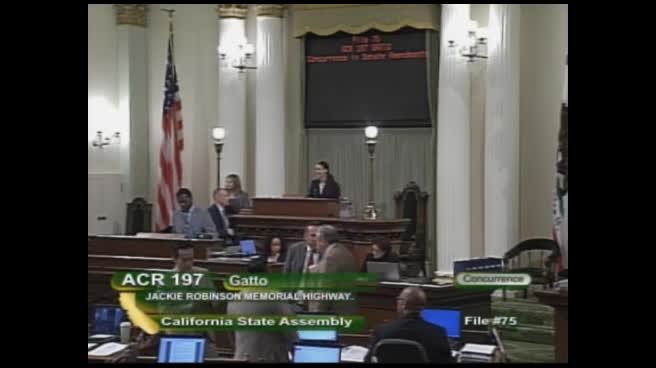


Bill Co-Author(s):