AB 162: State highways: wrong-way driving.
- Session Year: 2015-2016
- House: Assembly
- Latest Version Date: 2015-07-15
Existing law requires a vehicle to be driven on the right half of a roadway, subject to specified exceptions. On a highway that has been divided into 2 or more roadways by means of intermittent barriers or by means of specified kinds of dividing sections, existing law makes it unlawful to drive a vehicle on that highway, except to the right of the intermittent barrier or dividing section that separates 2 or more opposing lanes of traffic.
This bill would require the Department of Transportation, in consultation with the Department of the California Highway Patrol, to update a 1989 report on wrong-way driving on state highways to account for technological advancements and innovation, to include a review of methods studied or implemented by other jurisdictions and entities to prevent wrong-way drivers from entering state highways, and to provide a preliminary version of the report to specified legislative committees on or before December 1, 2015, and the final report on or before July 1, 2016. The bill would require the report to identify any additional treatments and technologies with the potential to reduce the number of instances of wrong-way driving on state highways and to include a plan to incorporate those treatments and technologies into the Department of Transportations wrong way monitoring and mitigation program. The bill would make related findings and declarations.
The bill would provide that its provisions are repealed as of January 1, 2021.
This bill would declare that it is to take effect immediately as an urgency statute.
Existing law requires a vehicle to be driven on the right half of a roadway, subject to specified exceptions. On a highway that has been divided into 2 or more roadways by means of intermittent barriers or by means of specified kinds of dividing sections, existing law makes it unlawful to drive a vehicle on that highway, except to the right of the intermittent barrier or dividing section that separates 2 or more opposing lanes of traffic.
This bill would require the Department of Transportation, in consultation with the Department of the California Highway Patrol, to update a 1989 report on wrong-way driving on state highways to account for technological advancements and innovation, to include a review of methods studied or implemented by other jurisdictions and entities to prevent wrong-way drivers from entering state highways, and to provide a preliminary version of the report to specified legislative committees on or before January December 1, 2017. 2015, and the final report on or before July 1, 2016. The bill would require the report to identify any additional treatments and technologies with the potential to reduce the number of instances of wrong-way driving on state highways and to include a plan to incorporate those treatments and technologies into the Department of Transportations wrong way monitoring and mitigation program. The bill would make related findings and declarations.
The bill would provide that its provisions are repealed as of January 1, 2021.
This bill would declare that it is to take effect immediately as an urgency statute.
Existing law requires a vehicle to be driven on the right half of a roadway, subject to specified exceptions. On a highway that has been divided into 2 or more roadways by means of intermittent barriers or by means of specified kinds of dividing sections, existing law makes it unlawful to drive a vehicle on that highway, except to the right of the intermittent barrier or dividing section that separates 2 or more opposing lanes of traffic.
This bill would require the Department of Transportation, in consultation with the Department of Motor Vehicles the California Highway Patrol, to initiate a 12-month study update a 1989 report on wrong-way driving on state highways to account for technological advancements and innovation, to include a review of methods studied or implemented by other jurisdictions and entities to prevent wrong-way drivers from entering state highways, and to provide the report to specified legislative committees on or before January 1, 2017. The bill would require the study report to incorporate findings and recommendations to the appropriate policy and fiscal committees of the Legislation, including solutions to reduce the number of instances of wrong-way driving and a proposed schedule for implementation of those solutions identify any additional treatments and technologies with the potential to reduce the number of instances of wrong-way driving on state highways and to include a plan to incorporate those treatments and technologies into the Department of Transportations wrong way monitoring and mitigation program. The bill would make related findings and declarations.
The bill would provide that its provisions are repealed as of January 1, 2021.
Existing law requires a vehicle to be driven on the right half of a roadway, subject to specified exceptions. On a highway that has been divided into 2 or more roadways by means of intermittent barriers or by means of specified kinds of dividing sections, existing law makes it unlawful to drive a vehicle on that highway, except to the right of the intermittent barrier or dividing section that separates 2 or more opposing lanes of traffic.
This bill would require the Department of Transportation, in consultation with the Department of Motor Vehicles, to initiate a 12-month study on wrong-way driving on state highways. The bill would require the study to incorporate findings and recommendations to the appropriate policy and fiscal committees of the Legislation, including solutions to reduce the number of instances of wrong-way driving and a proposed schedule for implementation of those solutions. The bill would make related findings and declarations.
The bill would provide that its provisions are repealed as of January 1, 2021.
The Legislature finds and declares all of the following:
(a)Wrong-way driving on state highways kills or injures numerous Californians each year.
(b)Accidents caused by wrong-way driving on highways are more likely to result in fatal or serious injuries than other types of accidents.
(c)According to the Department of the California Highway Patrol, from 2001 to 2014, inclusive, a total of 193 fatal collisions and 685 injury collisions occurred on state highways in this state as a result of wrong-way driving.
(d)Innovative countermeasures are needed to prevent drivers from entering the highway the wrong way.
SEC. 2.Section 21651.1 is added to the Vehicle Code, to read:21651.1.(a)The Department of Transportation, in consultation with the Department of the California Highway Patrol, shall update the June 1989 report entitled Prevention of Wrong-Way Accidents prepared by the Department of Transportation pursuant to Chapter 153 of the Statutes of 1987. The update shall account for technological advancements and innovation since publication of the 1989 report and shall include a review of methods studied or implemented by other jurisdictions, including state or local agencies within or outside the state, and methods studied by nongovernmental entities to prevent wrong-way drivers from entering state highways. A preliminary version of the updated report shall be provided to the Senate Committee on Housing and Transportation and the Assembly Committee on Transportation on or before December 1, 2015, and the final report shall be provided to those committees on or before July 1, 2016. The report shall identify any additional treatments and technologies with the potential to reduce the number of instances of wrong-way driving on state highways and shall include a plan to incorporate those treatments and technologies into the Department of Transportations wrong way monitoring and mitigation program for the state highway system.
(b)This section is repealed on January 1, 2021, pursuant to Section 10231.5 of the Government Code.
SEC. 3.This act is an urgency statute necessary for the immediate preservation of the public peace, health, or safety within the meaning of Article IV of the Constitution and shall go into immediate effect. The facts constituting the necessity are:
In order to make progress on prevention of wrong-way accidents as quickly as possible, it is necessary that this act take effect immediately.
The Legislature finds and declares all of the following:
(a)Wrong-way driving on state highways kills or injures numerous Californians each year.
(b)Accidents caused by wrong-way driving on highways are more likely to result in fatal or serious injuries than other types of accidents.
(c)According to the Department of the California Highway Patrol, from 2001 to 2014, inclusive, a total of 193 fatal collisions and 685 injury collisions occurred on state highways in this state as a result of wrong-way driving.
(d)Innovative countermeasures are needed to prevent drivers from entering the highway the wrong way.
SEC. 2.Section 21651.1 is added to the Vehicle Code, to read:21651.1.(a)The Department of Transportation, in consultation with the Department of the California Highway Patrol, shall update the June 1989 report entitled Prevention of Wrong-Way Accidents prepared by the Department of Transportation pursuant to Chapter 153 of the Statutes of 1987. The update shall account for technological advancements and innovation since publication of the 1989 report and shall include a review of methods studied or implemented by other jurisdictions, including state or local agencies within or outside the state, and methods studied by nongovernmental entities to prevent wrong-way drivers from entering state highways. The A preliminary version of the updated report shall be provided to the Senate Committee on Housing and Transportation and the Assembly Committee on Transportation on or before January December 1, 2017. 2015, and the final report shall be provided to those committees on or before July 1, 2016. The report shall identify any additional treatments and technologies with the potential to reduce the number of instances of wrong-way driving on state highways and shall include a plan to incorporate those treatments and technologies into the Department of Transportations wrong way monitoring and mitigation program for the state highway system.
(b)This section is repealed on January 1, 2021, pursuant to Section 10231.5 of the Government Code.
SEC. 3.This act is an urgency statute necessary for the immediate preservation of the public peace, health, or safety within the meaning of Article IV of the Constitution and shall go into immediate effect. The facts constituting the necessity are:
In order to make progress on prevention of wrong-way accidents as quickly as possible, it is necessary that this act take effect immediately.
The Legislature finds and declares all of the following:
(a)Wrong-way driving on state highways kills or injures hundreds of numerous Californians each year.
(b)Accidents caused by wrong-way driving on highways are more likely to result in fatal and or serious injuries than other types of accidents.
(c)From 2003 to 2012, drivers traveling the wrong way caused 436 fatal collisions and 5,006 injury collisions in California, as reported by According to the Department of the California Highway Patrol, from 2001 to 2014, inclusive, a total of 193 fatal collisions and 685 injury collisions occurred on state highways in this state as a result of wrong-way driving.
(d)Innovative countermeasures are needed to prevent drivers from entering the highway the wrong way.
SEC. 2.Section 21651.1 is added to the Vehicle Code, to read:21651.1.(a)The Department of Transportation, in consultation with the Department of Motor Vehicles the California Highway Patrol, shall initiate a 12-month study on wrong-way driving on state highways and shall provide, on or before January 1, 2017, its recommendations to the appropriate policy and fiscal committees of the Senate and the Assembly. The study shall incorporate findings and any other information that the Department of Transportation deems helpful. update the June 1989 report entitled Prevention of Wrong-Way Accidents prepared by the Department of Transportation pursuant to Chapter 153 of the Statutes of 1987. The update shall account for technological advancements and innovation since publication of the 1989 report and shall include a review of methods studied or implemented by other jurisdictions, including state or local agencies within or outside the state, and methods studied by nongovernmental entities to prevent wrong-way drivers from entering state highways. The updated report shall be provided to the Senate Committee on Housing and Transportation and the Assembly Committee on Transportation on or before January 1, 2017. The study report shall include proposed solutions identify any additional treatments and technologies with the potential to reduce the number of instances of wrong-way driving on state highways and a proposed schedule for implementing those solutions. shall include a plan to incorporate those treatments and technologies into the Department of Transportations wrong way monitoring and mitigation program for the state highway system.
(b)This section is repealed on January 1, 2021, pursuant to Section 10231.5 of the Government Code.
The Legislature finds and declares all of the following:
(a)Wrong-way driving on state highways kills or injures hundreds of Californians each year.
(b)Accidents caused by wrong-way driving on highways are more likely to result in fatal and serious injuries than other types of accidents.
(c)From 2003 to 2012, drivers traveling the wrong way caused 436 fatal collisions and 5,006 injury collisions in California, as reported by the Department of the California Highway Patrol.
(d)Innovative countermeasures are needed to prevent drivers from entering the highway the wrong way.
SEC. 2.Section 21651.1 is added to the Vehicle Code, to read:21651.1.(a)The Department of Transportation, in consultation with the Department of Motor Vehicles, shall initiate a 12-month study on wrong-way driving on state highways and shall provide, on or before January 1, 2017, its recommendations to the appropriate policy and fiscal committees of the Senate and the Assembly. The study shall incorporate findings and any other information that the Department of Transportation deems helpful. The study shall include proposed solutions to reduce the number of instances of wrong-way driving on state highways and a proposed schedule for implementing those solutions.
(b)This section is repealed on January 1, 2021, pursuant to Section 10231.5 of the Government Code.
|
Date
|
Status
|
|---|---|
| May 19, 2015 | From committee chair, with author's amendments: Amend, and re-refer to committee. Read second time, amended, and re-referred to Com. on T. & H. |
| Jul 15, 2015 | Chaptered by Secretary of State - Chapter 101, Statutes of 2015. |
| Jul 15, 2015 | Approved by the Governor. |
| Jul 9, 2015 | Enrolled and presented to the Governor at 2 p.m. |
| Jun 29, 2015 | Urgency clause adopted. Senate amendments concurred in. To Engrossing and Enrolling. (Ayes 77. Noes 0. Page 2169.). |
| Jun 29, 2015 | Urgency clause adopted. Senate amendments concurred in. To Engrossing and Enrolling. |
| Jun 25, 2015 | Read third time. Urgency clause adopted. Passed. Ordered to the Assembly. (Ayes 38. Noes 0. Page 1613.). |
| Jun 25, 2015 | Read third time. Urgency clause adopted. Passed. Ordered to the Assembly. |
| Jun 25, 2015 | In Assembly. Concurrence in Senate amendments pending. May be considered on or after June 27 pursuant to Assembly Rule 77. |
| Jun 23, 2015 | Read second time. Ordered to third reading. |
| Jun 22, 2015 | From committee: Be placed on second reading file pursuant to Senate Rule 28.8. |
| Jun 10, 2015 | From committee: Do pass and re-refer to Com. on APPR. (Ayes 11. Noes 0.) (June 9). Re-referred to Com. on APPR. |
| Jan 21, 2015 | Read first time. To print. |
| May 14, 2015 | Referred to Com. on T. & H. |
| Apr 30, 2015 | Read third time. Passed. Ordered to the Senate. (Ayes 77. Noes 0. Page 1222.) |
| Apr 30, 2015 | Read third time. Passed. Ordered to the Senate. |
| Apr 30, 2015 | In Senate. Read first time. To Com. on RLS. for assignment. |
| Apr 23, 2015 | Read second time. Ordered to Consent Calendar. |
| Apr 22, 2015 | From committee: Do pass. To Consent Calendar. (Ayes 17. Noes 0.) (April 22). |
| Apr 7, 2015 | From committee: Do pass and re-refer to Com. on APPR. with recommendation: To Consent Calendar. (Ayes 15. Noes 0.) (April 6). Re-referred to Com. on APPR. |
| Mar 25, 2015 | Re-referred to Com. on TRANS. |
| Mar 24, 2015 | From committee chair, with author's amendments: Amend, and re-refer to Com. on TRANS. Read second time and amended. |
| Feb 2, 2015 | Referred to Com. on TRANS. |
| Jan 22, 2015 | From printer. May be heard in committee February 21. |
|
Date
|
Description
|
Location
|
Votes
|
|
|---|---|---|---|---|
| Jun 29, 2015 | AB 162 RODRIGUEZ Concurrence - Urgency Added | Assembly Floor |
Passed |
|
| Jun 25, 2015 | Assembly 3rd Reading AB162 Rodriguez By Pan Urgency Clause | Senate Floor |
Passed |
|
| Jun 9, 2015 | Do pass, but first be re-referred to the Committee on [Appropriations] | Senate Standing Committee on Transportation and Housing |
Passed |
|
| Apr 30, 2015 | AB 162 RODRIGUEZ Consent Calendar Second Day | Assembly Floor |
Passed |
|
| Apr 22, 2015 | Do pass. To Consent Calendar. | Assembly Standing Committee on Appropriations |
Passed |
|
| Apr 6, 2015 | Do pass and be re-referred to the Committee on [Appropriations] with recommendation: To Consent Calendar | Assembly Standing Committee on Transportation |
Passed |
This list shows positions taken on this bill by organizations on the date displayed, which is linked to the original source.
Positions by individuals are not included.
|
Organization
|
Position
|
Date
|
|---|---|---|
| American Medical Response | ** Support | Jun 9, 2015 |
| California Ambulance Association | ** Support | Jun 25, 2015 |
| California Association Of Highway Patrolmen | ** Support | Jun 25, 2015 |
| California Emergency Nurses Association | ** Support | Jun 25, 2015 |
| Riverside County Board of Supervisors | * Support | Jul 2, 2018 |
AB 162
Page 3
CONCURRENCE IN SENATE AMENDMENTS
AB 162
(Rodriguez)
As Amended May 19, 2015
2/3 vote. Urgency
ASSEMBLY: |
77-0 |
(April 30, 2015) |
SENATE: |
38-0 |
(June 25, 2015) |
Original Committee Reference: TRANS.
SUMMARY: Requires the California Department of Transportation (Caltrans) by January 1, 2017, to update their 1989 report on wrong-way driving to reflect recent technological advancements.
The Senate amendments:
Require that Caltrans submit the preliminary version of the updated Prevention of Wrong-Way Accidents report to the Legislature on or before December 1, 2015, and that the final report be submitted to the Legislature on or before July 1, 2016.
Add an urgency.
EXISTING LAW:
Generally requires that vehicles drive on the right hand side of the road.
Specifies that willful violation of the requirement to drive on the right hand side of a highway barrier or dividing section that results in injury or death is punishable by imprisonment.
Required Caltrans to prepare a one-time study on the prevention of wrong-way accidents on freeways.
AS PASSED BY THE ASSEMBLY, this bill:
Made findings and declarations about the dangers of wrong-way driving, the frequency of its occurrence in California, and the need for preventative countermeasures.
Required Caltrans, in consultation with the California Department of Highway Patrol (CHP), to update the report entitled Prevention of Wrong-Way Accidents, dated June 1989.
Required that the updated report include a review of methods studied and/or implemented by other states, as well as local or non-governmental entities that could help to prevent wrong-way drivers from entering state highways.
Required that the updated report include a plan to incorporate the identified treatments and technologies into Caltrans' annual wrong-way monitoring and mitigation program for the state highway system.
Required that the updated report be provided to the Legislature on or before January 1, 2017.
FISCAL EFFECT: According to the Senate Appropriations Committee, pursuant to Senate Rule 28.8, negligible state costs.
COMMENTS: Although wrong-way crashes occur relatively infrequently, these types of crashes often result in fatalities and serious injuries. The author points out that wrong-way driving has been a persistent traffic safety problem in California despite Caltrans' efforts to reduce it. The author contends that recent reports produced by the National Transportation Safety Board (NTSB) as well as those produced in other states indicate that there may be additional wrong-way driving countermeasures that could be effectively utilized in California.
To ensure that all potentially effective wrong-way driving countermeasures are considered and utilized in California, the author has introduced this bill which would require Caltrans, in consultation with CHP, to update its 1989 wrong-way accident prevention report to include recent technological advances. This bill also requires Caltrans to include in the updated report, a plan to incorporate the treatments and countermeasures into Caltrans' annual wrong-way mitigation and monitoring program for state highways.
Wrong-way driving, as the name implies, involves driving a motor vehicle against the direction of traffic. Wrong-way driving can occur on any roadway, but on divided highways and especially on freeways and expressways, wrong-way driving typically results in catastrophic head-on collisions. According to the NTSB, 360 lives were lost annually between 2004 and 2009 as a result of wrong-way driving. According to CHP, in California between 2001 and 2014, there have been a total of 1,541 wrong-way driving collisions resulting in 1,687 injuries and 271 fatalities.
Wrong way drivers typically enter divided highways at intersections and off-ramps. The cause of these wrong-way entries has reportedly shifted over time. An investigation of contributing factors for wrong-way driving prepared for the Illinois Center for Transportation in 2012 reported that in the past, most wrong-way entries were caused by drivers who were confused by ramp configurations. Improved ramp designs, signage, pavement markings, and lighting, however, have reduced driver confusion and associated wrong-way entries. Currently, the NTSB indicates that the majority (60%) of wrong-way crashes are associated with driving under the influence of drugs and/or alcohol (DUI). The NTSB also reports, and the CHP concurs, that elderly and fatigued drivers also contribute to the number wrong-way driving accidents nationwide.
In 1989, as a requirement of SB 233 (Davis), Chapter 153, Statutes of 1987, Caltrans produced a report entitled Prevention of Wrong-Way Accidents on Freeways. The purpose of the report was to determine actions and measures needed to prevent wrong-way entries onto state highways. The report, among other things, recommended specific countermeasures and encouraged Caltrans to continue its pro-active annual monitoring and reporting program for wrong-way accidents that was initiated in 1985. Specifically, the annual monitoring program, which is still conducted today, serves to identify locations where wrong-way entries occur statewide, followed by thorough site investigations that include, among other things, follow-up officer interviews with those involved in the accident as well as eyewitnesses. Based on the information gathered in these investigations, Caltrans installs countermeasures where appropriate. Caltrans notes that these safety improvements are the department's top priority and that they are initiated, programmed, and completed as soon as possible.
While Caltrans continues to rely upon the 1989 report to for countermeasures, they also utilize information and countermeasures contained in more recent studies and reports, including those prepared by NTSB. Regardless, updating the 1989 wrong-way driving report as required by this bill would no doubt offer Caltrans the opportunity to evaluate newly available countermeasures and technologies that have been developed and are currently being effectively deployed in other states. A more up-to-date report would undoubtedly allow for broader consideration and deployment of programs and technologies to reduce wrong-way accidents in California.
Analysis Prepared by: Victoria Alvarez / TRANS. / (916) 319-2093 FN: 0001063
AB 162
Page 3
|
Office of Senate Floor Analyses (916) 651-1520 Fax: (916) 327-4478 |
THIRD READING
Bill No: AB 162
Amended: 5/19/15 in Senate
SENATE TRANS. & HOUSING COMMITTEE: 11-0, 6/9/15
AYES: Beall, Cannella, Allen, Bates, Gaines, Galgiani, Leyva, McGuire, Mendoza, Roth, Wieckowski
SENATE APPROPRIATIONS COMMITTEE: Senate Rule 28.8
ASSEMBLY FLOOR: 77-0, 4/30/15 - See last page for vote
SUBJECT: State highways: wrong-way driving
DIGEST: This bill requires the state Department of Transportation (Caltrans) to update a 1989 report relating to prevention of wrong-way accidents on state highways.
Existing law requires a vehicle to be driven on the right side of the highway except under limited circumstances, such as overtaking and passing another vehicle.
This bill:
Requires Caltrans, in consultation with the California Highway Patrol (CHP), to update its June 1989 report entitled “Prevention of Wrong-Way Accidents.”
Requires the report to account for technological advancements and innovation occurring since 1989 and to review methods studied or implemented by other jurisdictions, including state or local agencies inside or outside California, as well as methods studied by non-governmental entities to prevent wrong-way drivers from entering state highways.
Requires the report to identify any additional treatments and technologies with the potential to reduce the number of instances of wrong-way driving on state highways and to include a plan to incorporate those treatments and technologies into Caltrans’ wrong-way monitoring and mitigation program for the state highway system.
Requires Caltrans to provide a preliminary report to the Legislature by December 1, 2015, and a final report by July 1, 2016.
Comments
Purpose. The author states that although wrong-way crashes occur relatively infrequently, they are the deadliest type of motor vehicle accident. According to the CHP, there have been more than 1,500 wrong-way driving collisions in the state since 2001, resulting in more than 270 deaths and nearly 1,700 injuries. Of these crashes, nearly half (700) were attributable to drivers under the influence of alcohol or drugs. Technological advancements have produced more sophisticated countermeasures, detection devices, and warning systems that could help prevent these incidents. The National Transportation Safety Board and several states have initiated studies to reduce wrong-way driving incidents. This bill directs Caltrans to examine and evaluate technological advancements that have occurred since Caltrans last studied the issue.
1989 report findings. SB 233 (Davis, Chapter 153, Statutes of 1987) required Caltrans to study methods of reducing the incidence of wrong-way drivers on freeway ramps. Caltrans published “Prevention of Wrong-Way Accidents on Freeways” in June 1989. The report found that half of wrong-way driving on freeways was attributable to deliberate, illegal U-turns, and three quarters of fatal wrong-way accidents were caused by drivers under the influence of alcohol or drugs. The report recommended treatments such as repainting or adding wrong-way pavement arrows; reorienting, moving, or adding wrong-way signs; modifying freeway entrances; placing edge lines and pavement markers; upgrading signs with high-intensity reflective sheeting; and modifying lighting.
FISCAL EFFECT: Appropriation: No Fiscal Com.: Yes Local: No
California Ambulance Association
California Association of Highway Patrolmen
California Emergency Nurses Association
OPPOSITION: (Verified 6/22/15)
None received
ASSEMBLY FLOOR: 77-0, 4/30/15
AYES: Achadjian, Alejo, Travis Allen, Baker, Bigelow, Bloom, Bonilla, Bonta, Brough, Brown, Burke, Calderon, Chang, Chau, Chiu, Chu, Cooley, Cooper, Dababneh, Dahle, Daly, Dodd, Eggman, Frazier, Beth Gaines, Gallagher, Cristina Garcia, Eduardo Garcia, Gatto, Gipson, Gonzalez, Gordon, Gray, Grove, Hadley, Harper, Roger Hernández, Holden, Irwin, Jones, Jones-Sawyer, Kim, Lackey, Levine, Linder, Lopez, Low, Maienschein, Mathis, Mayes, McCarty, Medina, Melendez, Mullin, Nazarian, Obernolte, O'Donnell, Olsen, Patterson, Perea, Quirk, Rendon, Ridley-Thomas, Rodriguez, Salas, Santiago, Steinorth, Mark Stone, Thurmond, Ting, Wagner, Waldron, Weber, Wilk, Williams, Wood, Atkins
NO VOTE RECORDED: Campos, Chávez, Gomez
Prepared by: Erin Riches / T. & H. / (916) 651-4121
6/23/15 15:00:38
**** END ****
AB 162 (Rodriguez) Page 3 of 3
SENATE COMMITTEE ON TRANSPORTATION AND HOUSING
Senator Jim Beall, Chair
2015 - 2016 Regular
Bill No: AB 162 Hearing Date: 6/9/2015
Author: |
Rodriguez |
||
Version: |
5/19/2015 |
||
Urgency: |
Yes |
Fiscal: |
Yes |
Consultant: |
Erin Riches |
||
SUBJECT: State highways: wrong-way driving
DIGEST: This bill requires the state Department of Transportation (Caltrans) to update a 1989 report relating to prevention of wrong-way accidents on state highways.
ANALYSIS:
Existing law requires a vehicle to be driven on the right side of the highway except under limited circumstances, such as overtaking and passing another vehicle.
This bill:
Requires Caltrans, in consultation with the California Highway Patrol (CHP), to update its June 1989 report entitled “Prevention of Wrong-Way Accidents.”
Requires the report to account for technological advancements and innovation occurring since 1989 and to review methods studied or implemented by other jurisdictions, including state or local agencies inside or outside California, as well as methods studied by non-governmental entities to prevent wrong-way drivers from entering state highways.
Requires the report to identify any additional treatments and technologies with the potential to reduce the number of instances of wrong-way driving on state highways and to include a plan to incorporate those treatments and technologies into Caltrans’ wrong-way monitoring and mitigation program for the state highway system.
Requires Caltrans to provide a preliminary report to the Legislature by December 1, 2015, and a final report by July 1, 2016.
COMMENTS:
Purpose. The author states that although wrong-way crashes occur relatively infrequently, they are the deadliest type of motor vehicle accident. According to the CHP, there have been more than 1,500 wrong-way driving collisions in the state since 2001, resulting in more than 270 deaths and nearly 1,700 injuries. Of these crashes, nearly half (700) were attributable to drivers under the influence of alcohol or drugs. Technological advancements have produced more sophisticated countermeasures, detection devices, and warning systems that could help prevent these incidents. The National Transportation Safety Board and several states have initiated studies to reduce wrong-way driving incidents. This bill directs Caltrans to examine and evaluate technological advancements that have occurred since Caltrans last studied the issue.
1989 report findings. SB 233 (Davis, Chapter 153, Statutes of 1987) required Caltrans to study methods of reducing the incidence of wrong-way drivers on freeway ramps. Caltrans published “Prevention of Wrong-Way Accidents on Freeways” in June 1989. The report found that half of wrong-way driving on freeways was attributable to deliberate, illegal U-turns, and three quarters of fatal wrong-way accidents were caused by drivers under the influence of alcohol or drugs. The report recommended treatments such as repainting or adding wrong-way pavement arrows; reorienting, moving, or adding wrong-way signs; modifying freeway entrances; placing edge lines and pavement markers; upgrading signs with high-intensity reflective sheeting; and modifying lighting.
Assembly Votes:
Floor: 77-0
Appr: 17-0
Trans: 15-0
FISCAL EFFECT: Appropriation: No Fiscal Com.: Yes Local: No
POSITIONS: (Communicated to the committee before noon on Wednesday,
June 3, 2015.)
SUPPORT:
California Ambulance Association
California Association of Highway Patrolmen
OPPOSITION:
None received
-- END --
AB 162
Page 2
Date of Hearing: April 22, 2015
ASSEMBLY COMMITTEE ON APPROPRIATIONS
Jimmy Gomez, Chair
AB 162
(Rodriguez) – As Amended March 24, 2015
Policy Committee: |
Transportation |
Vote: |
15 - 0 |
|
|
|
|
|
|
|
|
Urgency: No State Mandated Local Program: No Reimbursable: No
SUMMARY:
This bill requires Caltrans, by January 1, 2017 and in consultation with the CHP, to update, as specified, its 1989 report, Prevention of Wrong-Way Driving Accidents to account for technological advances.
FISCAL EFFECT:
Minor one-time special fund costs (under $25,000) to update the 1989 report by reviewing state of the art practices in other states and incorporating recommended innovative measures to reduce the potential for wrong-way collisions on state highways. [State Highway Account]
COMMENTS:
Purpose. Although wrong-way crashes occur relatively infrequently, these types of crashes often result in fatalities and serious injuries. The author contends that wrong-way driving has been a persistent traffic safety problem in California despite Caltrans' efforts to reduce it. The author contends that recent reports produced by the National Transportation Safety Board (NTSB), as well as those produced in other states, indicate that there may be additional wrong-way driving countermeasures that could be effectively utilized in California.
Background. Wrong-way driving can occur on any roadway, but on divided highways and especially on freeways and expressways, wrong-way driving typically results in catastrophic head-on collisions. Wrong way drivers typically enter divided highways at intersections and off-ramps. According to CHP, in California between 2001 and 2014, there have been a total of 1,541 wrong-way driving collisions resulting in 1,687 injuries and 271 fatalities.
Pursuant to legislation enacted in 1987, Caltrans in 1989 released the report Prevention of Wrong-Way Driving Accidents, which was intended to determine actions needed to prevent wrong-way entries onto state highways. Since 1985, Caltrans has conducted an annual monitoring program to identify locations where wrong-way entries occur statewide, and following thorough investigations at these sites, Caltrans installs countermeasures where appropriate.
Improved ramp designs, signage, pavement markings, and lighting, however, have reduced driver confusion and associated wrong-way entries. Currently, the National Traffic Safety Board (NTSB) indicates that the majority (60%) of wrong-way crashes are associated with driving under the influence of drugs and/or alcohol (DUI). The NTSB also reports, and the CHP concurs, that elderly and fatigued drivers also contribute to the number wrong-way driving accidents nationwide.
Analysis Prepared by: Chuck Nicol / APPR. / (916) 319-2081
AB 162
Page 3
Date of Hearing: April 6, 2015
ASSEMBLY COMMITTEE ON TRANSPORTATION
Jim Frazier, Chair
AB 162
(Rodriguez) – As Amended March 24, 2015
SUBJECT: State highways: wrong-way driving
SUMMARY: Requires the California Department of Transportation (Caltrans) by January 1, 2017 to update their 1989 report on wrong-way driving to reflect recent technological advancements. Specifically, this bill:
Makes findings and declarations about the dangers of wrong-way driving, the frequency of its occurrence in California, and the need for preventative countermeasures.
Requires Caltrans, in consultation with the California Department of Highway Patrol (CHP), to update the report entitled Prevention of Wrong-Way Accidents, dated June, 1989.
Requires that the updated report include a review of methods studied and/or implemented by other states, as well as local or non-governmental entities that could help to prevent wrong-way drivers from entering state highways.
Requires that the updated report include a plan to incorporate the identified treatments and technologies into Caltrans' annual wrong-way monitoring and mitigation program for the state highway system.
Requires that the updated report be provided to the Legislature on or before January 1, 2017.
EXISTING LAW:
Generally requires that vehicles drive on the right hand side of the road.
Specifies that willful violation of the requirement to drive on the right hand side of a highway barrier or dividing section that results in injury or death is punishable by imprisonment.
Required Caltrans to prepare a one-time study on the prevention of wrong-way accidents on freeways.
FISCAL EFFECT: Unknown
COMMENTS: Although wrong-way crashes occur relatively infrequently, these types of crashes often result in fatalities and serious injuries. The author points out that wrong-way driving has been a persistent traffic safety problem in California despite Caltrans' efforts to reduce it. The author contends that recent reports produced by the National Transportation Safety Board (NTSB) as well as those produced in other states indicate that there may be additional wrong-way driving countermeasures that could be effectively utilized in California.
To ensure that all potentially effective wrong-way driving countermeasures are considered and utilized in California, the author has introduced this bill which would require Caltrans, in consultation with CHP, to update its 1989 wrong-way accident prevention report to include recent technological advances. The bill also requires Caltrans to include in the updated report, a plan to incorporate the treatments and countermeasures into Caltrans' annual wrong-way mitigation and monitoring program for state highways.
Wrong-way driving, as the name implies, involves driving a motor vehicle against the direction of traffic. Wrong-way driving can occur on any roadway, but on divided highways and especially on freeways and expressways, wrong-way driving typically results in catastrophic head-on collisions. According to the NTSB, 360 lives were lost annually between 2004 and 2009 as a result of wrong-way driving. According to CHP, in California between 2001 and 2014, there have been a total of 1,541 wrong-way driving collisions resulting in 1,687 injuries and 271 fatalities.
Wrong way drivers typically enter divided highways at intersections and off-ramps. The cause of these wrong-way entries has reportedly shifted over time. An investigation of contributing factors for wrong-way driving prepared for the Illinois Center for Transportation in 2012 reported that in the past, most wrong-way entries were caused by drivers who were confused by ramp configurations. Improved ramp designs, signage, pavement markings, and lighting, however, have reduced driver confusion and associated wrong-way entries. Currently, the NTSB indicates that the majority (60%) of wrong-way crashes are associated with driving under the influence of drugs and/or alcohol (DUI). The NTSB also reports, and the CHP concurs, that elderly and fatigued drivers also contribute to the number wrong-way driving accidents nationwide.
In 1989, as a requirement of SB 233 (Davis), Chapter 153, Statutes of 1987, Caltrans produced a report entitled Prevention of Wrong-Way Accidents on Freeways. The purpose of the report was to determine actions and measures needed to prevent wrong-way entries onto state highways. The report, among other things, recommended specific countermeasures and encouraged Caltrans to continue its pro-active annual monitoring and reporting program for wrong-way accidents that was initiated in 1985. Specifically, the annual monitoring program, which is still conducted today, serves to identify locations where wrong-way entries occur statewide, followed by thorough site investigations that include, among other things, follow-up officer interviews with those involved in the accident as well as eyewitnesses. Based on the information gathered in these investigations, Caltrans installs countermeasures where appropriate. Caltrans notes that these safety improvements are the department's top priority and that they are initiated, programmed, and completed as soon as possible.
While Caltrans continues to rely upon the 1989 report to for countermeasures, they also utilize information and countermeasures contained in more recent studies and reports, including those prepared by NTSB. Regardless, updating the 1989 wrong-way driving report as required by this bill would no doubt offer Caltrans the opportunity to evaluate newly available countermeasures and technologies that have been developed and are currently being effectively deployed in other states. A more up-to-date report would undoubtedly allow for broader consideration and deployment of programs and technologies to reduce wrong-way accidents in California.
Previous legislation: SB 233 (Davis), Chapter 153, Statutes of 1987, required Caltrans to produce a study on the wrong-way driving problem on state freeways.
REGISTERED SUPPORT / OPPOSITION:
Support
American Medical Response
California Ambulance Association
California Association of Highway Patrolmen
Opposition
None on file
Analysis Prepared by: Victoria Alvarez / TRANS. / (916) 319-2093
Discussed in Hearing
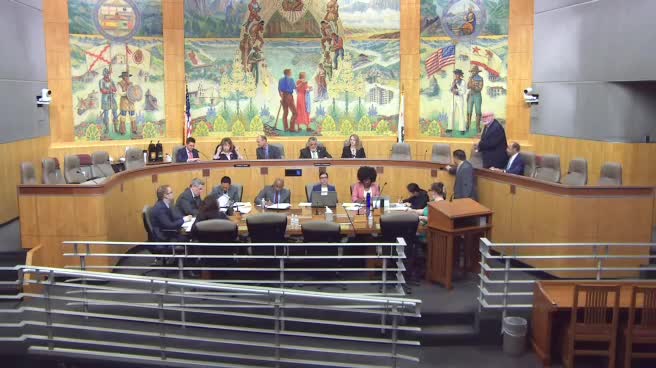 3MIN
Senate Standing Committee on Appropriations
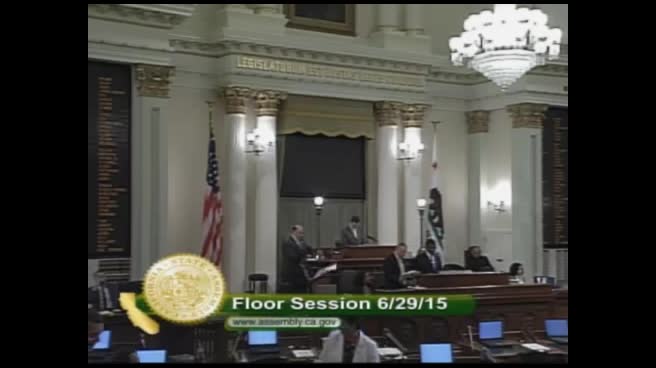 1MIN
Assembly Floor
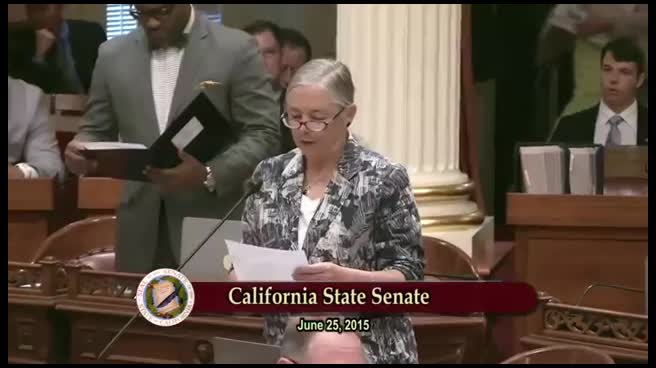 3MIN
Senate Floor
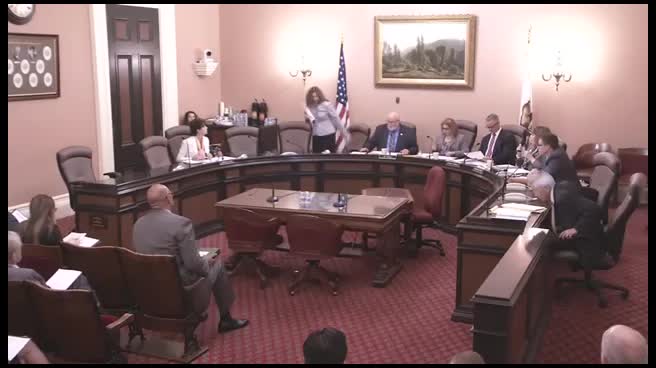 2MIN
Senate Standing Committee on Transportation and Housing
Bill Author




