AB 1677: Vehicles: tour buses: safety inspections.
- Session Year: 2015-2016
- House: Assembly
- Latest Version Date: 2016-09-27
Existing law requires the Department of the California Highway Patrol to regulate the safe operation of tour buses, as defined, and requires the department to adopt rules and regulations relating to the equipment and maintenance of tour buses. At least once every 13 months, existing law requires the department to inspect every maintenance facility or terminal of any person who at any time operates any bus, including a tour bus, and makes it unlawful for any person to operate a bus without this inspection having been conducted. In addition to the systematic inspection required of all motor carriers, existing law requires tour bus operators to require each tour bus to be inspected at least every 45 days, or more often if necessary to ensure safe operation.
This bill would require the department to, upon the request of, and in consultation with, representatives of a local government in a jurisdiction where tour buses operate, develop protocols for entering into memoranda of understanding with local governments to allow the department to increase the number of the locally operating tour buses that are being inspected by the department. The bill would require a memorandum of understanding entered into with a local government pursuant to these provisions to include a provision that the local government will reimburse the department for all actual costs associated with conducting additional inspections. The bill would prohibit any inspection conducted pursuant to these provisions from being duplicative of any inspection conducted by the department to meet those specified existing inspection requirements.
Existing law requires the Department of the California Highway Patrol to regulate the safe operation of tour buses, as defined, and requires the department to adopt rules and regulations relating to the equipment and maintenance of tour buses. At least once every 13 months, existing law requires the department to inspect every maintenance facility or terminal of any person who at any time operates any bus, including a tour bus, and makes it unlawful for any person to operate a bus without this inspection having been conducted. In addition to the systematic inspection required of all motor carriers, existing law requires tour bus operators to require each tour bus to be inspected at least every 45 days, or more often if necessary to ensure safe operation.
This bill would require the department to develop protocols, in consultation with representatives of local governments in jurisdictions where tour buses operate, to, upon the request of, and in consultation with, representatives of a local government in a jurisdiction where tour buses operate, develop protocols for entering into memoranda of understanding with local governments to allow the department to, upon the request of the local government, to increase the number of the locally operating tour buses that are being inspected by the department. The bill would require a memorandum of understanding entered into with a local government pursuant to these provisions to include a provision that the local government will reimburse the department for all actual costs associated with conducting additional inspections. The bill would prohibit any inspection conducted pursuant to these provisions from being duplicative of any inspection conducted by the department to meet those specified existing inspection requirements.
Existing law requires the Department of the California Highway Patrol to regulate the safe operation of tour buses, as defined, and requires the department to adopt rules and regulations relating to the equipment and maintenance of tour buses. At least once every 13 months, existing law requires the department to inspect every maintenance facility or terminal of any person who at any time operates any bus, including a tour bus, and makes it unlawful for any person to operate a bus without this inspection having been conducted. In addition to the systematic inspection required of all motor carriers, existing law requires tour bus operators to require each tour bus to be inspected at least every 45 days, or more often if necessary to ensure safe operation.
This bill would require the department to develop protocols, in consultation with representatives of local government, to allow for the inspection of tour buses by a designated local agency of the local jurisdiction in which the tour bus operates, and would require these protocols to include, at a minimum, a requirement that, upon completion of an inspection of a tour bus, the designated local agency report its findings to the Public Utilities Commission. The bill would provide that any inspection conducted by a designated local agency pursuant to these protocols shall be in addition to, and not in lieu of, any other inspection requirements imposed under law. governments in jurisdictions where tour buses operate, for entering into memoranda of understanding with local governments to allow the department to, upon the request of the local government, increase the number of the locally operating tour buses that are being inspected by the department. The bill would prohibit any inspection conducted pursuant to these provisions from being duplicative of any inspection conducted by the department to meet those specified existing inspection requirements.
Existing law requires the Department of the California Highway Patrol to regulate the safe operation of tour buses, as defined, and requires the department to adopt rules and regulations relating to the equipment and maintenance of tour buses. At least once every 13 months, existing law requires the department to inspect every maintenance facility or terminal of any person who at any time operates any bus, including a tour bus, and makes it unlawful for any person to operate a bus without this inspection having been conducted. In addition to the systematic inspection required of all motor carriers, existing law requires tour bus operators to require each tour bus to be inspected at least every 45 days, or more often if necessary to ensure safe operation.
This bill would require the department to develop protocols, in consultation with representatives of local government, to allow for the inspection of tour buses by a designated local agency of the local jurisdiction in which the tour bus operates, and would require these protocols to include, at a minimum, a requirement that, upon completion of an inspection of a tour bus, the designated local agency report its findings to the Public Utilities Commission. The bill would provide that any inspection conducted by a designated local agency pursuant to these protocols shall be in addition to, and not in lieu of, any other inspection requirements imposed under law.
(a)In furtherance of the requirements specified in subdivision (c) of Section 34501, upon the request of, and in consultation with, representatives of a local government in a jurisdiction where tour buses operate, the Department of the California Highway Patrol shall develop protocols for entering into memoranda of understanding with local governments to allow the department to increase the number of the locally operating tour buses that are being inspected by the department.
(b)A memorandum of understanding entered into with a local government pursuant to subdivision (a) shall include a provision that the local government will reimburse the department for all actual costs associated with conducting additional inspections.
(c)Any inspection conducted pursuant to subdivision (a) shall not be duplicative of an inspection conducted by the department to meet the requirements specified in subdivision (c) of Section 34501.
(a)In furtherance of the requirements specified in subdivision (c) of Section 34501, upon the request of, and in consultation with, representatives of a local government in a jurisdiction where tour buses operate, the Department of the California Highway Patrol shall develop protocols, in consultation with representatives of local governments in jurisdictions where tour buses operate, protocols for entering into memoranda of understanding with local governments to allow the department to, upon the request of the local government, to increase the number of the locally operating tour buses that are being inspected by the department.
(b)A memorandum of understanding entered into with a local government pursuant to subdivision (a) shall include a provision that the local government will reimburse the department for all actual costs associated with conducting additional inspections.
(b)
(c)Any inspection conducted pursuant to subdivision (a) shall not be duplicative of an inspection conducted by the department to meet the requirements specified in subdivision (c) of Section 34501.
(a)The In furtherance of the requirements specified in subdivision (c) of Section 34501, the Department of the California Highway Patrol shall develop protocols, in consultation with representatives of local government, to allow for the inspection of tour buses by a designated local agency of the local jurisdiction in which the tour bus operates. The protocols shall include, at a minimum, a requirement that, upon completion of an inspection of a tour bus, the designated local agency report its findings to the Public Utilities Commission. governments in jurisdictions where tour buses operate, for entering into memoranda of understanding with local governments to allow the department to, upon the request of the local government, increase the number of the locally operating tour buses that are being inspected by the department.
(b)Any inspection conducted by a designated local agency pursuant to the protocols developed under subdivision (a) shall be in addition to, and not in lieu of, any inspection requirements imposed under this code or any regulations adopted under this code relating to motor carrier safety. not be duplicative of an inspection conducted by the department to meet the requirements specified in subdivision (c) of Section 34501.
(a)The Department of the California Highway Patrol shall develop protocols, in consultation with representatives of local government, to allow for the inspection of tour buses by a designated local agency of the local jurisdiction in which the tour bus operates. The protocols shall include, at a minimum, a requirement that, upon completion of an inspection of a tour bus, the designated local agency report its findings to the Public Utilities Commission.
(b)Any inspection conducted by a designated local agency pursuant to the protocols developed under subdivision (a) shall be in addition to, and not in lieu of, any inspection requirements imposed under this code or any regulations adopted under this code relating to motor carrier safety.
|
Date
|
Status
|
|---|---|
| Jun 2, 2016 | Read third time. Passed. Ordered to the Senate. (Ayes 52. Noes 26. Page 5210.) |
| Aug 22, 2016 | Enrolled and presented to the Governor at 4 p.m. |
| Aug 16, 2016 | In Assembly. Ordered to Engrossing and Enrolling. |
| Aug 15, 2016 | Read third time. Passed. Ordered to the Assembly. (Ayes 26. Noes 12.). |
| Aug 15, 2016 | Read third time. Passed. Ordered to the Assembly. (Ayes 26. Noes 12. Page 4961.). |
| Aug 15, 2016 | Read third time. Passed. Ordered to the Assembly. |
| Aug 2, 2016 | Read second time. Ordered to third reading. |
| Aug 1, 2016 | From committee: Be placed on second reading file pursuant to Senate Rule 28.8. |
| Jun 29, 2016 | From committee: Do pass and re-refer to Com. on APPR. (Ayes 8. Noes 3.) (June 28). Re-referred to Com. on APPR. |
| Jun 9, 2016 | Referred to Com. on T. & H. |
| Jun 6, 2016 | In Senate. Read first time. To Com. on RLS. for assignment. |
| Jun 2, 2016 | Read third time. Passed. Ordered to the Senate. (Ayes 52. Noes 26.) |
| Jan 19, 2016 | Read first time. To print. |
| Jun 2, 2016 | Read third time. Passed. Ordered to the Senate. |
| Jun 1, 2016 | Read second time. Ordered to third reading. |
| May 31, 2016 | Read second time and amended. Ordered returned to second reading. |
| May 27, 2016 | From committee: Amend, and do pass as amended. (Ayes 14. Noes 6.) (May 27). |
| May 11, 2016 | In committee: Set, first hearing. Referred to APPR. suspense file. |
| Apr 21, 2016 | Re-referred to Com. on APPR. |
| Apr 20, 2016 | Read second time and amended. |
| Apr 19, 2016 | From committee: Amend, and do pass as amended and re-refer to Com. on APPR. (Ayes 10. Noes 4.) (April 18). |
| Apr 11, 2016 | In committee: Set, first hearing. Held without recommendation. |
| Feb 4, 2016 | Referred to Com. on TRANS. |
| Jan 20, 2016 | From printer. May be heard in committee February 19. |
|
Date
|
Description
|
Location
|
Votes
|
|
|---|---|---|---|---|
| Aug 15, 2016 | Assembly 3rd Reading AB1677 Ting By Hill | Senate Floor |
Passed |
|
| Jun 28, 2016 | Do pass, but first be re-referred to the Committee on [Appropriations] | Senate Standing Committee on Transportation and Housing |
Passed |
|
| Jun 2, 2016 | AB 1677 TING Assembly Third Reading | Assembly Floor |
Passed |
|
| May 27, 2016 | Do pass as amended. | Assembly Standing Committee on Appropriations |
Passed |
|
| Apr 18, 2016 | Do pass as amended and be re-referred to the Committee on [Appropriations] | Assembly Standing Committee on Transportation |
Passed |
This list shows positions taken on this bill by organizations on the date displayed, which is linked to the original source.
Positions by individuals are not included.
|
Organization
|
Position
|
Date
|
|---|---|---|
| California Association Of Highway Patrolmen | ** Against | Jun 2, 2016 |
| California Bicycle Coalition | * Support | Apr 11, 2016 |
| California Bus Association | ** Against | Jun 2, 2016 |
| Consumer Attorneys Of California | ** Support | Aug 15, 2016 |
| San Francisco Bicycle Coalition | ** Support | Aug 15, 2016 |
| San Francisco, City And County Of | ** Support | Aug 15, 2016 |
| Walk San Francisco | ** Support | Aug 15, 2016 |
Office of Senate Floor Analyses (916) 651-1520 Fax: (916) 327-4478 | AB |
THIRD READING
Bill No: AB 1677
:
SENATE TRANS. & HOUSING COMMITTEE: 8-3, 6/28/16
AYES: Beall, Allen, Galgiani, Leyva, McGuire, Mendoza, Roth, Wieckowski
NOES: Cannella, Bates, Gaines
SENATE APPROPRIATIONS COMMITTEE: Senate Rule 28.8
ASSEMBLY FLOOR: 52-26, 6/2/16 - See last page for vote
DIGEST: This bill requires the California Highway Patrol (CHP) to develop protocols for collaborating with representatives of local government to increase the number of tour bus inspections within their jurisdictions.
Existing law:
- Defines “charter-party carriers of passengers” (CPCs) as persons engaged in the transportation of persons by motor vehicle for compensation over any public highway.
- Defines “passenger stage corporations” (PSCs) as corporations or persons engaged as a common carrier, for compensation, in the ownership, control, operation, or management of any passenger stage over any public highway in the state between fixed termini or over a regular route, as specified.
- Defines a “bus” as a vehicle designed, used, or maintained for carrying more than 10 persons, including the driver, which is used to transport persons for compensation or profit, or is used by any non-profit organization or group.
- Defines a “tour bus” as a bus operated by or for a CPC or PSC.
- Requires that CPCs and PSCs obtain a permit from and register all individual buses with the California Public Utilities Commission (CPUC).
- Requires the CHP to regulate the equipment, maintenance, and safe operation of tour buses.
- Requires all tour buses to be inspected every 45 days by the tour bus operator, or more often if necessary to ensure safe operation, to correct any defects that are found during an inspection before transporting passengers, and to keep detailed records of inspections and repairs performed.
- Requires the CHP to conduct annual terminal inspections on a representative subset of each carrier’s buses and records to verify that buses are being maintained in accordance with the law. For companies with fewer than 100 buses, inspections are scheduled in advance.
- Requires that a terminal that receives an “unsatisfactory” rating in an inspection must be inspected again within 120 days.
This bill:
- Requires the CHP to develop protocols for entering into memoranda of understanding (MOUs) with local governments, upon the request of and in consultation with those entities, to allow the CHP to increase the number of inspections of locally operating tour buses.
- Provides that any such MOU must contain a provision requiring the local government entity to reimburse the CHP for all costs associated with the additional inspections.
- Requires that any additional inspections conducted by the CHP pursuant to such an agreement not be duplicative of the inspections the CHP must conduct under existing law.
Comments
- Purpose. According to the author, dangerous vehicles fall through the cracks of the existing tour bus regulatory system, causing preventable tragedies on our streets. In a 2013 report, the California State Auditor concluded that CPUC’s oversight of passenger carriers is insufficient to ensure consumer and public safety. The CHP inspects tour bus terminals for the CPUC, but inspections cover only a sample of each bus company’s fleet each year. This results in the inspection of a fraction of all buses, about 30%. The author argues that, as the entities most closely impacted by the tour bus industry, local governments would benefit from uniform guidelines and statutory authority to collaborate with CHP to inspect tour buses that directly affect their communities and visitors. This bill requires the CHP to develop protocols for entering into MOUs with local governments in order to increase the number of tour buses being inspected.
- Background: San Francisco tour bus accidents. On November 13, 2015, 19 people were injured when a City Sightseeing bus crashed into construction scaffolding in San Francisco’s Union Square. Despite early speculation that the vehicle’s brakes may have failed, on March 23, 2016, the CHP announced that the cause of the crash was driver error. Post-crash investigations revealed that City Sightseeing had not notified the CPUC when it added the bus to its fleet, as required by law, and the CHP identified other safety violations at the company in a December 2015 terminal inspection. Tour buses have caused two pedestrian fatalities in the last two years, most recently in January, when an 82-year-old man was struck and killed as he attempted to cross a busy street in the Western Addition neighborhood. The other incident occurred in the crosswalk in front of City Hall, and prompted San Francisco to pass an ordinance preventing tour bus drivers from narrating their tours while driving. A tour bus burst into flames on Haight Street in May of 2015. Summer of 2013 saw a similar tour bus fire, as well as an incident in which a tour bus struck a power line in the Richmond District.
- Terminal inspections: What they do and what they don’t do. Buses must undergo frequent maintenance, which is why existing law requires operators to perform their own safety checks and routine repairs on every vehicle at least once every 45 days — far more often than regulators could be called in for inspections. There are also tradeoffs between the number of buses that are checked in an inspection and the amount of notice given to operators, on the one hand, and the impact to an operator’s service on the other. While the ideal inspection program might involve surprise terminal visits in which all buses are physically examined, this approach would severely compromise an operator’s ability to deliver reliable service to paying customers. The current terminal inspection program balances these tradeoffs by checking a subset of vehicles and examining terminal records to determine whether operators have established systems that ensure that all of their vehicles are safely maintained. One assumption underlying this approach is that it would be extraordinarily difficult for operators to persuasively “fake” correspondence between maintenance records and actual under-the-hood conditions. Importantly, terminal inspections also include examination of records related to driver safety, so these inspections are relevant to accidents caused by driver error as well as those caused by mechanical failures.
- Uniformity versus vigilance. This bill provides a pathway for local governments to increase oversight of tour buses operating within their jurisdictions if they perceive a need for additional scrutiny. As originally written, the bill would have granted local governments the authority to conduct supplemental inspections themselves. This provision prompted concerns that the bill would erode the statewide consistency conveyed by the CHP inspection system and subject carriers to multiple, differing enforcement schemes in each jurisdiction in which they operate. Amendments taken in the Assembly require additional inspections to be conducted by the CHP at the expense of local entities, and specify that additional inspections may not be duplicative of those conducted under the existing program. The current version of the bill does disrupt the uniformity of the current system, but to a much lesser degree than the original proposal.
FISCAL EFFECT: Appropriation: Fiscal Com.: Local:
Consumer Attorneys of California
San Francisco, City and County of
San Francisco Bicycle Coalition
Walk San Francisco
None received
ASSEMBLY FLOOR: 52-26, 6/2/16
AYES: Alejo, Arambula, Atkins, Bloom, Bonilla, Bonta, Brown, Burke, Calderon, Campos, Chau, Chiu, Chu, Cooley, Cooper, Dababneh, Daly, Dodd, Eggman, Frazier, Cristina Garcia, Eduardo Garcia, Gatto, Gipson, Gomez, Gonzalez, Gordon, Roger Hernández, Holden, Irwin, Jones-Sawyer, Levine, Lopez, Low, Maienschein, McCarty, Medina, Mullin, Nazarian, O'Donnell, Quirk, Ridley-Thomas, Rodriguez, Salas, Santiago, Mark Stone, Thurmond, Ting, Weber, Williams, Wood, Rendon
NOES: Achadjian, Travis Allen, Baker, Brough, Chang, Chávez, Dahle, Gallagher, Gray, Grove, Hadley, Harper, Jones, Kim, Lackey, Linder, Mathis, Mayes, Melendez, Obernolte, Olsen, Patterson, Steinorth, Wagner, Waldron, Wilk
NO VOTE RECORDED: Bigelow, Beth Gaines
8/3/16 18:21:33
**** END ****
SENATE COMMITTEE ON TRANSPORTATION AND HOUSING
Senator Jim Beall, Chair
2015 - 2016 Regular
Bill No: AB 1677 Hearing Date: 6/28/2016
Author: | Ting | ||
Version: | 5/31/2016 | ||
Urgency: | No | Fiscal: | Yes |
Consultant: | Sarah Carvill | ||
SUBJECT: Vehicles: tour buses: safety inspections
DIGEST: This bill requires the California Highway Patrol (CHP) to develop protocols for collaborating with representatives of local government to increase the number of tour bus inspections within their jurisdictions.
ANALYSIS:
Existing law:
- Defines “charter-party carriers of passengers” (CPCs) as persons engaged in the transportation of persons by motor vehicle for compensation over any public highway.
- Defines “passenger stage corporations” (PSCs) as corporations or persons engaged as a common carrier, for compensation, in the ownership, control, operation, or management of any passenger stage over any public highway in the state between fixed termini or over a regular route, as specified.
- Defines a “bus” as a vehicle designed, used, or maintained for carrying more than 10 persons, including the driver, which is used to transport persons for compensation or profit, or is used by any non-profit organization or group.
- Defines a “tour bus” as a bus operated by or for a CPC or PSC.
- Requires that CPCs and PSCs obtain a permit from and register all individual buses with the California Public Utilities Commission (CPUC).
- Requires the CHP to regulate the equipment, maintenance, and safe operation of tour buses.
- Requires all tour buses to be inspected every 45 days by the tour bus operator, or more often if necessary to ensure safe operation, to correct any defects that are found during an inspection before transporting passengers, and to keep detailed records of inspections and repairs performed.
- Requires the CHP to conduct annual terminal inspections on a representative subset of each carrier’s buses and records to verify that buses are being maintained in accordance with the law. For companies with fewer than 100 buses, inspections are scheduled in advance.
- Requires that a terminal that receives an “unsatisfactory” rating in an inspection must be inspected again within 120 days.
This bill:
- Requires the CHP to develop protocols for entering into memoranda of understanding (MoUs) with local governments, upon the request of and in consultation with those entities, to allow the CHP to increase the number of inspections of locally-operating tour buses.
- Provides that any such MoU must contain a provision requiring the local government entity to reimburse the CHP for all costs associated with the additional inspections.
- Requires that any additional inspections conducted by the CHP pursuant to such an agreement not be duplicative of the inspections the CHP must conduct under existing law.
COMMENTS:
- Purpose. According to the author, dangerous vehicles fall through the cracks of the existing tour bus regulatory system, causing preventable tragedies on our streets. In a 2013 report, the California State Auditor concluded that CPUC’s oversight of passenger carriers is insufficient to ensure consumer and public safety. The CHP inspects tour bus terminals for the CPUC, but inspections cover only a sample of each bus company’s fleet each year. This results in the inspection of a fraction of all buses, about 30 %. The author argues that, as the entities most closely impacted by the tour bus industry, local governments would benefit from uniform guidelines and statutory authority to collaborate with CHP to inspect tour buses that directly affect their communities and visitors. This bill requires the CHP to develop protocols for entering into memoranda of understanding (MOUs) with local governments in order to increase the number of tour buses being inspected.
- Background: San Francisco tour bus accidents. On November 13, 2015, 19 people were injured when a City Sightseeing bus crashed into construction scaffolding in San Francisco’s Union Square. Despite early speculation that the vehicle’s brakes may have failed, on March 23, 2016, the CHP announced that the cause of the crash was driver error. Post-crash investigations revealed that City Sightseeing had not notified the CPUC when it added the bus to its fleet, as required by law, and the CHP identified other safety violations at the company in a December 2015 terminal inspection. Tour buses have caused two pedestrian fatalities in the last two years, most recently in January, when an 82-year-old man was struck and killed as he attempted to cross a busy street in the Western Addition neighborhood. The other incident occurred in the crosswalk in front of City Hall, and prompted San Francisco to pass an ordinance preventing tour bus drivers from narrating their tours while driving. A tour bus burst into flames on Haight Street in May of 2015. Summer of 2013 saw a similar tour bus fire, as well as an incident in which a tour bus struck a power line in the Richmond District.
- Terminal inspections: What they do and what they don’t do. Buses must undergo frequent maintenance, which is why existing law requires operators to perform their own safety checks and routine repairs on every vehicle at least once every 45 days — far more often than regulators could be called in for inspections. There are also tradeoffs between the number of buses that are checked in an inspection and the amount of notice given to operators, on the one hand, and the impact to an operator’s service on the other. While the ideal inspection program might involve surprise terminal visits in which all buses are physically examined, this approach would severely compromise an operator’s ability to deliver reliable service to paying customers. The current terminal inspection program balances these tradeoffs by checking a subset of vehicles and examining terminal records to determine whether operators have established systems that ensure that all of their vehicles are safely maintained. One assumption underlying this approach is that it would be extraordinarily difficult for operators to persuasively “fake” correspondence between maintenance records and actual under-the-hood conditions. Importantly, terminal inspections also include examination of records related to driver safety, so these inspections are relevant to accidents caused by driver error as well as those caused by mechanical failures.
- Uniformity versus vigilance. This bill provides a pathway for local governments to increase oversight of tour buses operating within their jurisdictions if they perceive a need for additional scrutiny. As originally written, the bill would have granted local governments the authority to conduct supplemental inspections themselves. This provision prompted concerns that the bill would erode the statewide consistency conveyed by the CHP inspection system and subject carriers to multiple, differing enforcement schemes in each jurisdiction in which they operate. Amendments taken in the Assembly require additional inspections to be conducted by the CHP at the expense of local entities, and specify that additional inspections may not be duplicative of those conducted under the existing program. The current version of the bill does disrupt the uniformity of the current system, but to a much lesser degree than the original proposal.
Related Legislation:
AB 1574 (Chiu, 2016) — requires the CPUC to verify with the Department of Motor Vehicles that the buses, limousines, and modified limousines used by PSCs and CPCs have been reported and meet safety requirements. This bill is also being heard in this committee today.
SB 812 (Hill, 2016) — changes existing terminal inspection program administered by the CHP to make it more performance-based. This bill is pending hearing in the Assembly Transportation Committee.
Assembly Votes:
Floor: 52-26
Appr: 14-6
Trans: 10-4
FISCAL EFFECT: Appropriation: Fiscal Com.: Local:
POSITIONS: (Communicated to the committee before noon on Wednesday,
June 22, 2016.)
SUPPORT:
Consumer Attorneys of California
San Francisco, City and County of
San Francisco Bicycle Coalition
Walk San Francisco
OPPOSITION:
None received
-- END --
ASSEMBLY THIRD READING
ATR Bill Id:
Author:(Ting)
As Amended Ver:May 31, 2016
Majority vote
Committee | Votes | Ayes | Noes |
Transportation | 10-4 | Frazier, Bloom, Brown, Chu, Daly, Dodd, Gomez, Medina, Nazarian, O'Donnell | Linder, Baker, Kim, Mathis |
Appropriations | 14-6 | Gonzalez, Bloom, Bonilla, Bonta, Calderon, Daly, Eggman, Eduardo Garcia, Roger Hernández, Holden, Quirk, Santiago, Weber, Wood | Bigelow, Chang, Gallagher, Jones, Obernolte, Wagner |
SUMMARY: Requires the California Highway Patrol (CHP) to develop protocols for the inspection of tour buses by local agencies. Specifically, this bill:
- Requires CHP to develop protocols, in consultation with representatives of local government in which tour buses operate, for entering into memoranda of understanding with local governments to increase the number of tour buses inspected by CHP.
- Requires any such memorandum of understanding to include a provision that the local government will reimburse CHP for all actual costs associated with conducting additional inspections.
- Requires that any inspection conducted pursuant to CHP's protocols not be duplicative of existing inspection requirements imposed by state law.
EXISTING LAW:
- Defines "charter-party carrier of passengers" (CPC) as a person engaged in the transportation of persons by motor vehicle for compensation over any public highway.
- Defines "passenger stage corporation" (PSC) as a corporation or person engaged as a common carrier, for compensation, in the ownership, control, operation, or management of any passenger stage over any public highway in the state between a fixed termini or over a regular route, as specified.
- Establishes the "Passenger Charter-Party Carriers Act," which directs the California Public Utilities Commission (CPUC) to issue permits or certificates to charter-party carriers, investigate complaints against carriers, and cancel, revoke, or suspend permits and certificates for specific violations.
- Defines a "bus" as a vehicle designed, used, or maintained for carrying more than 10 persons, including the driver, which is used to transport persons for compensation or profit, or is used by any non-profit organization or group.
- Defines a "tour bus" as a bus operated by or for a CPC or PSC.
- Requires CHP to regulate the equipment, maintenance, and safe operation of tour buses.
- Requires CHP to inspect every maintenance facility or terminal of any person who operates any bus and prohibits a person from operating a bus without this inspection having been conducted.
- Additionally requires all tour buses to be inspected every 45 days by the tour bus operator, or more often if necessary to ensure safe operation.
FISCAL EFFECT: According to the Assembly Appropriations Committee, Costs for CHP to develop the protocols and memorandums of understanding (MOUs) would be absorbable. Costs for additional inspections would depend on the added workload, which is unknown. CHP indicates that, for an additional 2,500 bus inspections, annual costs would be about $210,000 (Motor Vehicle Account). Per the most recent amendments, the CHP's inspection costs would be reimbursed by local entities requesting the inspection.
COMMENTS: Existing law generally vests CPUC with the responsibility to regulate CPCs and PSCs. Tour buses operated by CPCs and PSCs are required to be inspected every 13 months by CHP and additionally every 45 days by the tour bus operator. The findings of the inspections carried out by CHP are reported to CPUC, and tour buses may not legally operate unless the bus operator's terminal and maintenance facilities have been inspected. Terminal inspections typically include inspections of a vehicle's registration, the driver's licensure, and the condition of the vehicle itself.
Due to the size of tour bus fleets, CHP only inspects a representative sample of each carrier's fleet in the annual inspection. According to some estimates, CHP inspects less than 1/3 of all buses, leaving some buses uninspected. Data from CHP and CPUC indicating the true proportion of vehicles inspected is not readily available.
This bill would require CHP to develop protocols for entering into memoranda of understanding with local governments to allow the local government to request that CHP increase the number of locally operating tour buses inspected by the department pursuant to existing 13-month inspection requirements. The author cites a number of incidents occurring in San Francisco that resulted in fatalities and injuries in recent years as demonstrative of the need to fully inspect tour buses operating in California. The author believes that if CHP is unable to adequately inspect the state's tour bus fleet with its current resources, local agencies should be empowered to perform those inspections under a standard set by CHP, leaving a smaller proportion of buses uninspected, and potentially, a smaller proportion of unsafe vehicles on the road. According to the author, this bill would ensure that local communities in which tour buses operate have the authority to flag and inspect problem buses and companies.
Please see the policy committee analysis for full discussion of this bill.
Analysis Prepared by: Justin Behrens / TRANS. / (916) 319-2093 FN: 0003186
Date of Hearing: May 11, 2016
ASSEMBLY COMMITTEE ON APPROPRIATIONS
Lorena Gonzalez, Chair
ABPCA Bill Id:AB 1677
Author:(Ting) – As Amended Ver:April 20, 2016
Policy Committee: | Transportation | Vote: | 10 - 4 |
Urgency: No State Mandated Local Program: No Reimbursable: No
SUMMARY:
This bill authorizes additional tour bus inspections by the CHP, in conjunction with local governments. Specifically, this bill:
- Requires the CHP to develop protocols, in consultation with representatives of local jurisdictions where tour buses operate, for entering into memoranda of understanding (MOUs) with local governments to increase the number of tour buses inspected by the CHP.
- Stipulates that any inspection conducted pursuant to CHP’s protocols not be duplicative of existing inspection requirements imposed by state law.
FISCAL EFFECT:
Costs for CHP to develop the protocols and MOUs would be absorbable. Costs for additional inspections would depend on the added workload, which is unknown. CHP indicates that, for an additional 2,500 bus inspections, annual costs would be about $210,000 (Motor Vehicle Account). (The bill should be amended to specify that the MOUs include language requiring locals to reimburse the CHP for inspections performed pursuant to an MOU.)
COMMENTS:
- Background. Current law generally vests the Public Utilities Commission (PUC) with the responsibility to regulate charter party carriers (CPCs) and passenger stage corporations (PSCs). Tour buses operated by CPCs and PSCs are required to be inspected every 13 months by the CHP and every 45 days by the tour bus operator. The findings of the inspections carried out by the CHP are reported to the PUC, and tour buses may not legally operate unless the bus operator’s terminal and maintenance facilities have been inspected. Terminal inspections typically include inspections of a vehicle’s registration, the driver’s licensure, and the condition of the vehicles. Due to the size of tour bus fleets, the CHP only inspects a representative sample of each carrier’s fleet in the annual inspection. According to some estimates, the CHP inspects less than 1/3 of all buses, leaving some buses uninspected.
- Purpose. This bill requires the CHP to develop protocols for entering into memoranda of understanding with local governments to allow the local government to request that CHP increase the number of locally operating tour buses inspected by the department pursuant to existing 13-month inspection requirements. The author cites a number of incidents occurring in San Francisco that resulted in fatalities and injuries in recent years as demonstrative of the need to fully inspect tour buses operating in California.
- Related Legislation. AB 1574 (Chiu), pending on this committee's Suspense file, requires the PUC to verify with DMV that the buses, limousines, and modified limousines used by a PSC or CPC have been reported and meet safety requirements.
Analysis Prepared by: Chuck Nicol / APPR. / (916) 319-2081
Date of Hearing: April 18, 2016
ASSEMBLY COMMITTEE ON TRANSPORTATION
Jim Frazier, Chair
ABPCA Bill Id:AB 1677 (
Author:Ting) – As Amended Ver:April 20, 2016
SUBJECT: Vehicles: tour buses: safety inspections
SUMMARY: Requires the California Highway Patrol (CHP) to develop protocols for the inspection of tour buses by local agencies. Specifically, this bill:
- Requires CHP to develop protocols, in consultation with representatives of local government in which tour buses operate, for entering into memoranda of understanding with local governments to increase the number of tour buses inspected by CHP.
- Requires that any inspection conducted pursuant to CHP’s protocols not be duplicative of existing inspection requirements imposed by state law.
EXISTING LAW:
- Defines “charter-party carrier of passengers” (CPC) as a person engaged in the transportation of persons by motor vehicle for compensation over any public highway.
- Defines “passenger stage corporation” (PSC) as a corporation or person engaged as a common carrier, for compensation, in the ownership, control, operation, or management of any passenger stage over any public highway in the state between a fixed termini or over a regular route, as specified.
- Establishes the “Passenger Charter-Party Carriers Act,” which directs the CPUC to issue permits or certificates to charter-party carriers, investigate complaints against carriers, and cancel, revoke, or suspend permits and certificates for specific violations.
- Defines a “bus” as a vehicle designed, used, or maintained for carrying more than 10 persons, including the driver, which is used to transport persons for compensation or profit, or is used by any non-profit organization or group.
- Defines a “tour bus” as a bus operated by or for a CPC or PSC.
- Requires CHP to regulate the equipment, maintenance, and safe operation of tour buses.
- Requires CHP to inspect every maintenance facility or terminal of any person who operates any bus and prohibits a person from operating a bus without this inspection having been conducted.
- Additionally requires all tour buses to be inspected every 45 days by the tour bus operator, or more often if necessary to ensure safe operation.
FISCAL EFFECT: Unknown
COMMENTS: Existing law generally vests CPUC with the responsibility to regulate CPCs and PSCs. Tour buses operated by CPCs and PSCs are required to be inspected every 13 months by CHP and additionally every 45 days by the tour bus operator. The findings of the inspections carried out by CHP are reported to CPUC, and tour buses may not legally operate unless the bus operator’s terminal and maintenance facilities have been inspected. Terminal inspections typically include inspections of a vehicle’s registration, the driver’s licensure, and the condition of the vehicle itself.
Due to the size of tour bus fleets, CHP only inspects a representative sample of each carrier’s fleet in the annual inspection. According to some estimates, CHP inspects less than 1/3 of all buses, leaving some buses uninspected. Data from CHP and CPUC indicating the true proportion of vehicles inspected is not readily available.
This bill would require CHP to develop protocols for entering into memoranda of understanding with local governments to allow the local government to request that CHP increase the number of locally operating tour buses inspected by the department pursuant to existing 13-month inspection requirements. The author cites a number of incidents occurring in San Francisco that resulted in fatalities and injuries in recent years as demonstrative of the need to fully inspect tour buses operating in California. The author believes that if CHP is unable to adequately inspect the state’s tour bus fleet with its current resources, local agencies should be empowered to perform those inspections under a standard set by CHP, leaving a smaller proportion of buses uninspected, and potentially, a smaller proportion of unsafe vehicles on the road. According to the author, this bill would ensure that local communities in which tour buses operate have the authority to flag and inspect problem buses and companies.
Related legislation: AB 1574 (Chiu), requires CPUC to verify with DMV that the buses, limousines, and modified limousines used by a PSC or CPC have been reported and meet safety requirements. AB 1574 passed out of the Assembly Utilities and Commerce on March 30, 2016, with a 13-0 vote and is scheduled to be heard by this committee on April 18, 2016.
SB 812 (Hill), requires CHP to develop inspection fees for CPCs and requires CPCs or PSCs to schedule CHP inspections, as specified. SB 812 is scheduled to be heard by the Senate Energy, Utilities and Communications Committee on April 19, 2016.
Previous legislation: SB 541 (Hill), Chapter 718, Statutes of 2015, codified the State Auditor report’s recommendation on strengthening CPUC’s oversight of transportation-related activities of household good carrier and CPCs.
SB 611 (Hill), Chapter 860, Statutes of 2014, required all modified limousines, as defined, to be equipped with two fire extinguishers and required the CHP to develop and implement an inspection program for modified limousines, as specified.
REGISTERED SUPPORT / OPPOSITION:
Support
City and County of San Francisco
Consumer Attorneys of California
Honorable Norman Yee, San Francisco Board of Supervisors, District 7
Opposition
California Association of Highway Patrolmen
California Bus Association
Analysis Prepared by: Justin Behrens / TRANS. / (916) 319-2093
Date of Hearing: April 18, 2016
ASSEMBLY COMMITTEE ON TRANSPORTATION
Jim Frazier, Chair
ABPCA Bill Id:AB 1677 (
Author:Ting) – As Introduced Ver:January 19, 2016
SUBJECT: Vehicles: tour buses: safety inspections
SUMMARY: Requires the California Highway Patrol (CHP) to develop protocols for the inspection of tour buses by local agencies. Specifically, this bill:
- Requires CHP to develop protocols, in consultation with representatives of local government, to allow for the inspection of tour buses by a local agency of a jurisdiction in which the tour bus operates.
- Requires that the protocols include a requirement that the local agency report its findings to the Public Utilities Commission (CPUC).
- Requires that any inspection conducted by a local agency pursuant to CHP’s protocols be in addition to, and not in lieu of, any existing inspection requirements imposed by state law.
EXISTING LAW:
- Defines “charter-party carrier of passengers” (CPC) as a person engaged in the transportation of persons by motor vehicle for compensation over any public highway.
- Defines “passenger stage corporation” (PSC) as a corporation or person engaged as a common carrier, for compensation, in the ownership, control, operation, or management of any passenger stage over any public highway in the state between a fixed termini or over a regular route, as specified.
- Establishes the “Passenger Charter-Party Carriers Act,” which directs the CPUC to issue permits or certificates to charter-party carriers, investigate complaints against carriers, and cancel, revoke, or suspend permits and certificates for specific violations.
- Defines a “bus” as a vehicle designed, used, or maintained for carrying more than 10 persons, including the driver, which is used to transport persons for compensation or profit, or is used by any non-profit organization or group.
- Defines a “tour bus” as a bus operated by or for a CPC or PSC.
- Requires CHP to regulate the equipment, maintenance, and safe operation of tour buses.
- Requires CHP to inspect every maintenance facility or terminal of any person who operates any bus and prohibits a person from operating a bus without this inspection having been conducted.
- Additionally requires all tour buses to be inspected every 45 days by the tour bus operator, or more often if necessary to ensure safe operation.
FISCAL EFFECT: Unknown
COMMENTS: Existing law generally vests CPUC with the responsibility to regulate CPCs and PSCs. Tour buses operated by CPCs and PSCs are required to be inspected every 13 months by CHP and additionally every 45 days by the tour bus operator. The findings of the inspections carried out by CHP are reported to CPUC, and tour buses may not legally operate unless the bus operator’s terminal and maintenance facilities have been inspected. Terminal inspections typically include inspections of a vehicle’s registration, the driver’s licensure, and the condition of the vehicle itself.
Due to the size of tour bus fleets, CHP only inspects a representative sample of each carrier’s fleet in the annual inspection. According to some estimates, CHP inspects less than 1/3 of all buses, leaving some buses uninspected. Data from CHP and CPUC indicating the true proportion of vehicles inspected is not readily available.
This bill would require CHP to develop protocols for a state standard of tour bus inspections that could be performed by local agencies of a jurisdiction in which a tour bus operates. The author cites a number of incidents occurring in San Francisco that resulted in fatalities and injuries in recent years as demonstrative of the need to fully inspect tour buses operating in California. The author believes that if CHP is unable to adequately inspect the state’s tour bus fleet with its current resources, local agencies should be empowered to perform those inspections under a standard set by CHP, leaving a smaller proportion of buses uninspected, and potentially, a smaller proportion of unsafe vehicles on the road. According to the author, this bill would ensure that local communities in which tour buses operate have the authority to flag and inspect problem buses and companies.
Committee concerns: Although the author does not intend to completely duplicate CHP inspections or create local inspections with differing standards in different jurisdictions, it is unclear if this bill will restrict the authority of CHP to conduct its operations and cause a detrimental patchwork of local regulations to emerge. By authorizing local agencies to perform some CHP functions, this bill may erode the statewide consistency of enforcement brought by CHP inspections. The author should continue to work with CHP, CPUC and organizations in opposition to this bill to ensure that the functions performed by local agencies supplement the efforts of CHP, but do not add a burdensome additional level of local regulation that subjects a carrier to multiple, differing enforcement schemes in each jurisdiction in which it operates. This could potentially be accomplished by requiring local agencies contract with CHP to augment the department’s resources in local jurisdictions and increase the inspection rate of tour buses or by specifying under what conditions and what types of inspections a local agency may perform.
Author’s proposed amendments: In order to address the concerns of a patchwork of local regulation conducting inspections to inconsistent or potentially duplicative standards, the author proposes to amend the bill to do the following:
- Clarify that CHP shall develop protocols, in consultation with representatives of local governments in jurisdictions where tour buses operate, for entering into memoranda of understanding with those local governments to allow CHP to, upon request of the local government, increase the number of locally operating tour buses that are being inspected by CHP, in furtherance of existing 13-month inspection requirements.
- Require that any inspection conducted pursuant to those protocols not be duplicative of any inspection conducted by CHP to meet the existing 13-month inspection requirements.
Related legislation: AB 1574 (Chiu), requires CPUC to verify with DMV that the buses, limousines, and modified limousines used by a PSC or CPC have been reported and meet safety requirements. AB 1574 passed out of the Assembly Utilities and Commerce on March 30, 2016, with a 13-0 vote and is scheduled to be heard by this committee on April 18, 2016.
SB 812 (Hill), requires CHP to develop inspection fees for CPCs and requires CPCs or PSCs to schedule CHP inspections, as specified. SB 812 is scheduled to be heard by the Senate Energy, Utilities and Communications Committee on April 19, 2016.
Previous legislation: SB 541 (Hill), Chapter 718, Statutes of 2015, codified the State Auditor report’s recommendation on strengthening CPUC’s oversight of transportation-related activities of household good carrier and CPCs.
SB 611 (Hill), Chapter 860, Statutes of 2014, required all modified limousines, as defined, to be equipped with two fire extinguishers and required the CHP to develop and implement an inspection program for modified limousines, as specified.
REGISTERED SUPPORT / OPPOSITION:
Support
City and County of San Francisco
Consumer Attorneys of California
Honorable Norman Yee, San Francisco Board of Supervisors, District 7
Opposition
California Association of Highway Patrolmen
California Bus Association
Analysis Prepared by: Justin Behrens / TRANS. / (916) 319-2093
Date of Hearing: April 11, 2016
ASSEMBLY COMMITTEE ON TRANSPORTATION
Jim Frazier, Chair
ABPCA Bill Id:AB 1677 (
Author:Ting) – As Introduced Ver:January 19, 2016
SUBJECT: Vehicles: tour buses: safety inspections
SUMMARY: Requires the California Highway Patrol (CHP) to develop protocols for the inspection of tour buses by local agencies. Specifically, this bill:
- Requires CHP to develop protocols, in consultation with representatives of local government, to allow for the inspection of tour buses by a local agency of a jurisdiction in which the tour bus operates.
- Requires that the protocols include a requirement that the local agency report its findings to the Public Utilities Commission (CPUC).
- Requires that any inspection conducted by a local agency pursuant to CHP’s protocols be in addition to, and not in lieu of, any existing inspection requirements imposed by state law.
EXISTING LAW:
- Defines “charter-party carrier of passengers” (CPC) as a person engaged in the transportation of persons by motor vehicle for compensation over any public highway.
- Defines “passenger stage corporation” (PSC) as a corporation or person engaged as a common carrier, for compensation, in the ownership, control, operation, or management of any passenger stage over any public highway in the state between a fixed termini or over a regular route, as specified.
- Establishes the “Passenger Charter-Party Carriers Act,” which directs the CPUC to issue permits or certificates to charter-party carriers, investigate complaints against carriers, and cancel, revoke, or suspend permits and certificates for specific violations.
- Defines a “bus” as a vehicle designed, used, or maintained for carrying more than 10 persons, including the driver, which is used to transport persons for compensation or profit, or is used by any non-profit organization or group.
- Defines a “tour bus” as a bus operated by or for a CPC or PSC.
- Requires CHP to regulate the equipment, maintenance, and safe operation of tour buses.
- Requires CHP to inspect every maintenance facility or terminal of any person who operates any bus and prohibits a person from operating a bus without this inspection having been conducted.
- Additionally requires all tour buses to be inspected every 45 days by the tour bus operator, or more often if necessary to ensure safe operation.
FISCAL EFFECT: Unknown
COMMENTS: Existing law generally vests CPUC with the responsibility to regulate CPCs and PSCs. Tour buses operated by CPCs and PSCs are required to be inspected every 13 months by CHP and additionally every 45 days by the tour bus operator. The findings of the inspections carried out by CHP are reported to CPUC, and tour buses may not legally operate unless the bus operator’s terminal and maintenance facilities have been inspected. Terminal inspections typically include inspections of a vehicle’s registration, the driver’s licensure, and the condition of the vehicle itself.
Due to the size of tour bus fleets, CHP only inspects a representative sample of each carrier’s fleet in the annual inspection. According to some estimates, CHP inspects less than 1/3 of all buses, leaving some buses uninspected. Data from CHP and CPUC indicating the true proportion of vehicles inspected is not readily available.
This bill would require CHP to develop protocols for a state standard of tour bus inspections that could be performed by local agencies of a jurisdiction in which a tour bus operates. The author cites a number of incidents occurring in San Francisco that resulted in fatalities and injuries in recent years as demonstrative of the need to fully inspect tour buses operating in California. The author believes that if CHP is unable to adequately inspect the state’s tour bus fleet with its current resources, local agencies should be empowered to perform those inspections under a standard set by CHP, leaving a smaller proportion of buses uninspected, and potentially, a smaller proportion of unsafe vehicles on the road. According to the author, this bill would ensure that local communities in which tour buses operate have the authority to flag and inspect problem buses and companies.
Committee concerns: Although the author does not intend to completely duplicate CHP inspections or create local inspections with differing standards in different jurisdictions, it is unclear if this bill will restrict the authority of CHP to conduct its operations and cause a detrimental patchwork of local regulations to emerge. By authorizing local agencies to perform some CHP functions, this bill may erode the statewide consistency of enforcement brought by CHP inspections. The author should continue to work with CHP, CPUC and organizations in opposition to this bill to ensure that the functions performed by local agencies supplement the efforts of CHP, but do not add a burdensome additional level of local regulation that subjects a carrier to multiple, differing enforcement schemes in each jurisdiction in which it operates. This could potentially be accomplished by requiring local agencies contract with CHP to augment the department’s resources in local jurisdictions and increase the inspection rate of tour buses or by specifying under what conditions and what types of inspections a local agency may perform.
Related legislation: AB 1574 (Chiu), requires CPUC to verify with the Department of Motor Vehicles (DMV) that the buses, limousines, and modified limousines used by a PSC or CPC have been reported and meet safety requirements. AB 1574 passed out of the Assembly Utilities and Commerce on March 30, 2016, with a 13-0 vote and is scheduled to be heard by this committee on April 18, 2016.
SB 812 (Hill), requires CHP to develop inspection fees for CPCs and requires CPCs or PSCs to schedule CHP inspections, as specified. SB 812 is awaiting a hearing in the Senate Transportation and Housing Committee.
Previous legislation: SB 541 (Hill), Chapter 718, Statutes of 2015, codified the State Auditor report’s recommendation on strengthening CPUC’s oversight of transportation-related activities of household good carrier and CPCs.
SB 611 (Hill), Chapter 860, Statutes of 2014, required all modified limousines, as defined, to be equipped with two fire extinguishers and required the CHP to develop and implement an inspection program for modified limousines, as specified.
REGISTERED SUPPORT / OPPOSITION:
Support
City and County of San Francisco
Consumer Attorneys of California
Honorable Norman Yee, San Francisco Board of Supervisors, District 7
Opposition
California Association of Highway Patrolmen
California Bus Association
Analysis Prepared by: Justin Behrens / TRANS. / (916) 319-2093
Discussed in Hearing
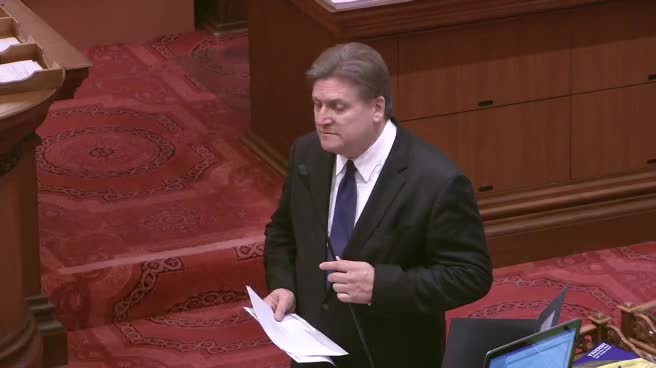 2MIN
Senate Floor
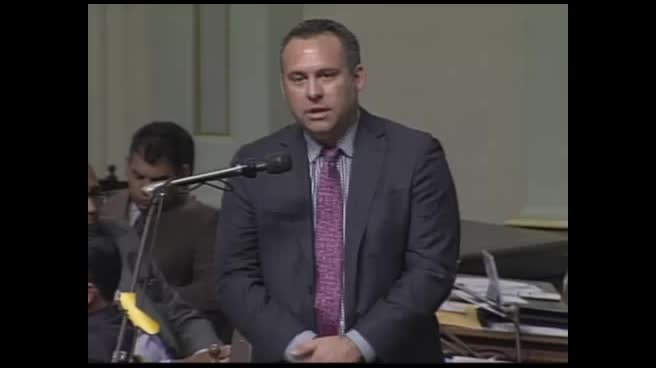 1MIN
Assembly Floor
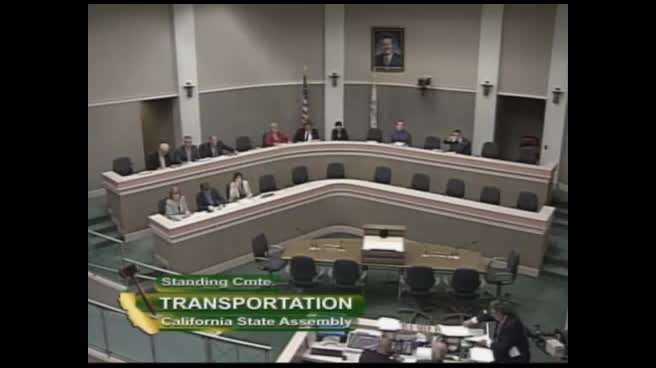 8MIN
Assembly Standing Committee on Transportation
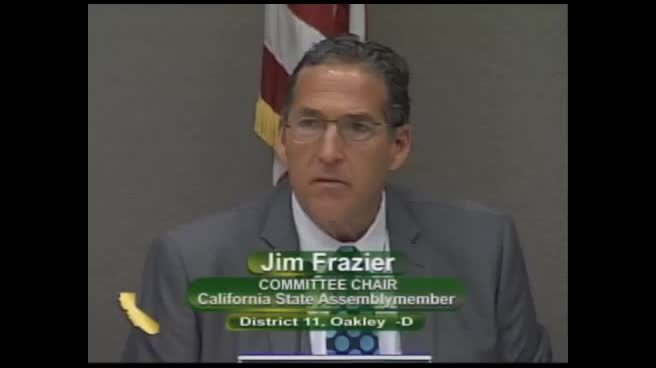 27MIN
Senate Standing Committee on Transportation and Housing
Bill Author


