AB 1808: Minors: mental health treatment or counseling services.
- Session Year: 2015-2016
- House: Assembly
- Latest Version Date: 2016-09-12
Existing law authorizes a minor who is 12 years of age or older to consent to outpatient mental health treatment or counseling services, notwithstanding any provision of law to the contrary, if, in the opinion of the attending professional person, the minor is mature enough to participate intelligently in those services. Existing law defines professional person, for the purposes of those provisions, to include, among others, a marriage and family therapist, a marriage and family therapist intern, a professional clinical counselor, a clinical counselor intern, a clinical psychologist, and a clinical social worker, as specified.
This bill would additionally authorize a marriage and family therapist trainee, a clinical counselor trainee, a registered psychologist, a registered psychological assistant, a psychology trainee, an associate clinical social worker, and a social work intern, while working under the supervision of certain licensed professionals, respectively, to provide those services. The bill would require the marriage and family therapist trainee, the clinical counselor trainee, the psychology trainee, or the social work intern to notify his or her supervisor or an on-call supervisor, as specified, at the site where the trainee or intern volunteers or is employed within 24 hours of treating or counseling a minor. The bill would require the trainee or intern, if upon the initial assessment of the minor the trainee or intern believes that the minor is a danger to self or to others, to notify the supervisor, as specified, immediately after the treatment or counseling session. The bill would also change the definition of clinical psychologist for these purposes and would make a technical, nonsubstantive change.
Existing law authorizes a minor who is 12 years of age or older to consent to outpatient mental health treatment or counseling services, notwithstanding any provision of law to the contrary, if, in the opinion of the attending professional person, the minor is mature enough to participate intelligently in those services. Existing law defines professional person, for the purposes of those provisions, to include, among others, a marriage and family therapist, a marriage and family therapist intern, a professional clinical counselor, and a clinical counselor intern. intern, a clinical psychologist, and a clinical social worker, as specified.
This bill would additionally authorize a marriage and family therapist trainee and trainee, a clinical counselor trainee, a registered psychologist, a registered psychological assistant, a psychology trainee, an associate clinical social worker, and a social work intern, while working under the supervision of certain licensed professionals, respectively, to provide those services. The bill would require the marriage and family therapist trainee or trainee, the clinical counselor trainee trainee, the psychology trainee, or the social work intern to notify his or her supervisor or an on-call supervisor, as specified, at the site where the trainee or intern volunteers or is employed within 24 hours of treating or counseling a minor. The bill would require the trainee, trainee or intern, if upon the initial assessment of the minor the trainee or intern believes that the minor is a danger to self or to others, to notify the supervisor, as specified, immediately after the treatment or counseling session. The bill would also change the definition of clinical psychologist for these purposes and would make a technical, nonsubstantive change.
Existing law authorizes a minor who is 12 years of age or older to consent to outpatient mental health treatment or counseling services on an outpatient basis, or to residential shelter services, when certain requirements are satisfied, including a determination that the minor, services, notwithstanding any provision of law to the contrary, if, in the opinion of the attending professional person, as specified, the minor is mature enough to participate intelligently in those services. Existing law defines professional person, for the purposes of those provisions, to include, among others, a marriage and family therapist, a marriage and family therapist intern, a professional clinical counselor, and a clinical counselor intern.
This bill would additionally authorize a marriage and family therapist trainee and a clinical counselor trainee, while working under the supervision of certain licensed professionals, to provide those services. The bill would require the marriage and family therapist trainee or the clinical counselor trainee to consult with his or her supervisor, as soon as reasonably possible, when assessing the maturity of the minor. The bill would also make technical changes. notify his or her supervisor or an on-call supervisor, as specified, at the site where the trainee volunteers or is employed within 24 hours of treating or counseling a minor. The bill would require the trainee, if upon the initial assessment of the minor the trainee believes that the minor is a danger to self or to others, to notify the supervisor, as specified, immediately after the treatment or counseling session. The bill would also make a technical, nonsubstantive change.
Existing law authorizes a minor who is 12 years of age or older to consent to mental health treatment or counseling services on an outpatient basis, or to residential shelter services, under when certain circumstances, where those services are provided by any one of specified professionals, including requirements are satisfied, including a determination that the minor, in the opinion of the attending professional person, as specified, is mature enough to participate intelligently in those services. Existing law defines professional person, for the purposes of those provisions, to include, among others, a marriage and family therapist, a marriage and family therapist intern, a professional clinical counselor, and a clinical counselor intern.
This bill would additionally authorize a marriage and family therapist trainee and a clinical counselor trainee, while working under the supervision of certain licensed professionals, to provide those services. The bill would require the marriage and family therapist trainee or the clinical counselor trainee to consult with his or her supervisor, as soon as reasonably possible, when assessing the maturity of the minor. The bill would also make technical changes.
Existing law authorizes a minor who is 12 years of age or older to consent to mental health treatment or counseling services on an outpatient basis, or to residential shelter services, under certain circumstances, where those services are provided by any one of specified professionals, including a marriage and family therapist, a marriage and family therapist intern, a professional clinical counselor, and a clinical counselor intern.
This bill would additionally authorize a marriage and family therapist trainee and a clinical counselor trainee, while working under the supervision of certain licensed professionals, to provide those services. The bill would also make technical changes.
(a)As used in this section:
(1)Mental health treatment or counseling services means the provision of outpatient mental health treatment or counseling by a professional person, as defined in paragraph (2).
(2)Professional person means any of the following:
(A)A person designated as a mental health professional in Sections 622 to 626, inclusive, of Title 9 of the California Code of Regulations.
(B)A marriage and family therapist, as defined in Chapter 13 (commencing with Section 4980) of Division 2 of the Business and Professions Code.
(C)A licensed educational psychologist, as defined in Chapter 13.5 (commencing with Section 4989.10) of Division 2 of the Business and Professions Code.
(D)A credentialed school psychologist, as described in Section 49424 of the Education Code.
(E)A clinical psychologist licensed under Chapter 6.6 (commencing with Section 2900) of Division 2 of the Business and Professions Code.
(F)Any of the following persons, while working under the supervision of a licensed professional specified in Section 2902 of the Business and Professions Code:
(i)A registered psychologist, as defined in Section 2909.5 of the Business and Professions Code.
(ii)A registered psychological assistant, as defined in Section 2913 of the Business and Professions Code.
(iii)A psychology trainee, as defined in Section 1387 of Title 16 of the California Code of Regulations.
(G)A licensed clinical social worker, as defined in Chapter 14 (commencing with Section 4991) of Division 2 of the Business and Professions Code.
(H)An associate clinical social worker, or a social work intern, as defined in Chapter 14 (commencing with Section 4991) of Division 2 of the Business and Professions Code, while working under the supervision of a licensed professional specified in paragraph (1) of subdivision (a) of Section 4996.23 of the Business and Professions Code.
(I)A person registered as a marriage and family therapist intern, or a marriage and family therapist trainee, as defined in Chapter 13 (commencing with Section 4980) of Division 2 of the Business and Professions Code, while working under the supervision of a licensed professional specified in subdivision (g) of Section 4980.03 of the Business and Professions Code.
(J)A board certified, or board eligible, psychiatrist.
(K)A licensed professional clinical counselor, as defined in Chapter 16 (commencing with Section 4999.10) of Division 2 of the Business and Professions Code.
(L)A person registered as a clinical counselor intern, or a clinical counselor trainee, as defined in Chapter 16 (commencing with Section 4999.10) of Division 2 of the Business and Professions Code, while working under the supervision of a licensed professional specified in subdivision (h) of Section 4999.12 of the Business and Professions Code.
(b)(1)Notwithstanding any provision of law to the contrary, a minor who is 12 years of age or older may consent to mental health treatment or counseling services if, in the opinion of the attending professional person, the minor is mature enough to participate intelligently in the mental health treatment or counseling services.
(2)A marriage and family therapist trainee, a clinical counselor trainee, a psychology trainee, or a social work intern, as specified in paragraph (2) of subdivision (a), shall notify his or her supervisor or, if the supervisor is unavailable, an on-call supervisor at the site where the trainee or intern volunteers or is employed within 24 hours of treating or counseling a minor pursuant to paragraph (1). If upon the initial assessment of the minor the trainee or intern believes that the minor is a danger to self or to others, the trainee or intern shall notify the supervisor or, if the supervisor is unavailable, the on-call supervisor immediately after the treatment or counseling session.
(3)Nothing in paragraph (2) is intended to supplant, alter, expand, or remove any other reporting responsibilities required of trainees or interns under law.
(c)Notwithstanding any provision of law to the contrary, the mental health treatment or counseling of a minor authorized by this section shall include involvement of the minors parent or guardian, unless the professional person who is treating or counseling the minor, after consulting with the minor, determines that the involvement would be inappropriate. The professional person who is treating or counseling the minor shall state in the client record whether and when the person attempted to contact the minors parent or guardian, and whether the attempt to contact was successful or unsuccessful, or the reason why, in the professional persons opinion, it would be inappropriate to contact the minors parent or guardian.
(d)The minors parent or guardian is not liable for payment for mental health treatment or counseling services provided pursuant to this section unless the parent or guardian participates in the mental health treatment or counseling, and then only for services rendered with the participation of the parent or guardian.
(e)This section does not authorize a minor to receive convulsive treatment or psychosurgery, as defined in subdivisions (f) and (g) of Section 5325 of the Welfare and Institutions Code, or psychotropic drugs without the consent of the minors parent or guardian.
(a)As used in this section:
(1)Mental health treatment or counseling services means the provision of outpatient mental health treatment or counseling by a professional person, as defined in paragraph (2).
(2)Professional person means any of the following:
(A)A person designated as a mental health professional in Sections 622 to 626, inclusive, of Title 9 of the California Code of Regulations.
(B)A marriage and family therapist, as defined in Chapter 13 (commencing with Section 4980) of Division 2 of the Business and Professions Code.
(C)A licensed educational psychologist, as defined in Chapter 13.5 (commencing with Section 4989.10) of Division 2 of the Business and Professions Code.
(D)A credentialed school psychologist, as described in Section 49424 of the Education Code.
(E)A clinical psychologist, as defined in Section 1316.5 of the Health and Safety Code. psychologist licensed under Chapter 6.6 (commencing with Section 2900) of Division 2 of the Business and Professions Code.
(F)Any of the following persons, while working under the supervision of a licensed professional specified in Section 2902 of the Business and Professions Code:
(i)A registered psychologist, as defined in Section 2909.5 of the Business and Professions Code.
(ii)A registered psychological assistant, as defined in Section 2913 of the Business and Professions Code.
(iii)A psychology trainee, as defined in Section 1387 of Title 16 of the California Code of Regulations.
(F)
(G)A licensed clinical social worker, as defined in Chapter 14 (commencing with Section 4991) of Division 2 of the Business and Professions Code.
(H)An associate clinical social worker, or a social work intern, as defined in Chapter 14 (commencing with Section 4991) of Division 2 of the Business and Professions Code, while working under the supervision of a licensed professional specified in paragraph (1) of subdivision (a) of Section 4996.23 of the Business and Professions Code.
(G)
(I)A person registered as a marriage and family therapist intern, or a marriage and family therapist trainee, as defined in Chapter 13 (commencing with Section 4980) of Division 2 of the Business and Professions Code, while working under the supervision of a licensed professional specified in subdivision (g) of Section 4980.03 of the Business and Professions Code.
(H)
(J)A board certified, or board eligible, psychiatrist.
(I)
(K)A licensed professional clinical counselor, as defined in Chapter 16 (commencing with Section 4999.10) of Division 2 of the Business and Professions Code.
(J)
(L)A person registered as a clinical counselor intern, or a clinical counselor trainee, as defined in Chapter 16 (commencing with Section 4999.10) of Division 2 of the Business and Professions Code, while working under the supervision of a licensed professional specified in subdivision (h) of Section 4999.12 of the Business and Professions Code.
(b)(1)Notwithstanding any provision of law to the contrary, a minor who is 12 years of age or older may consent to mental health treatment or counseling services if, in the opinion of the attending professional person, the minor is mature enough to participate intelligently in the mental health treatment or counseling services.
(2)A marriage and family therapist trainee or trainee, a clinical counselor trainee, a psychology trainee, or a social work intern, as specified in paragraph (2) of subdivision (a), shall notify his or her supervisor or, if the supervisor is unavailable, an on-call supervisor at the site where the trainee or intern volunteers or is employed within 24 hours of treating or counseling a minor pursuant to paragraph (1). If upon the initial assessment of the minor the trainee or intern believes that the minor is a danger to self or to others, the trainee or intern shall notify the supervisor or, if the supervisor is unavailable, the on-call supervisor immediately after the treatment or counseling session.
(3)Nothing in paragraph (2) is intended to supplant, alter, expand, or remove any other reporting responsibilities required of trainees or interns under law.
(c)Notwithstanding any provision of law to the contrary, the mental health treatment or counseling of a minor authorized by this section shall include involvement of the minors parent or guardian, unless the professional person who is treating or counseling the minor, after consulting with the minor, determines that the involvement would be inappropriate. The professional person who is treating or counseling the minor shall state in the client record whether and when the person attempted to contact the minors parent or guardian, and whether the attempt to contact was successful or unsuccessful, or the reason why, in the professional persons opinion, it would be inappropriate to contact the minors parent or guardian.
(d)The minors parent or guardian is not liable for payment for mental health treatment or counseling services provided pursuant to this section unless the parent or guardian participates in the mental health treatment or counseling, and then only for services rendered with the participation of the parent or guardian.
(e)This section does not authorize a minor to receive convulsive treatment or psychosurgery, as defined in subdivisions (f) and (g) of Section 5325 of the Welfare and Institutions Code, or psychotropic drugs without the consent of the minors parent or guardian.
(a)As used in this section:
(1)Mental health treatment or counseling services means the provision of mental health treatment or counseling on an outpatient basis by any of the following:
(A)A governmental agency.
(B)A person or agency having a contract with a governmental agency to provide the services.
(C)An agency that receives funding from community united funds.
(D)A runaway house or crisis resolution center.
(E)A professional person, as defined in paragraph (2).
(2)Professional person means any of the following:
(A)A person designated as a mental health professional in Sections 622 to 626, inclusive, of Article 8 of Subchapter 3 of Chapter 1 of Title 9 of the California Code of Regulations.
(B)A marriage and family therapist as defined in Chapter 13 (commencing with Section 4980) of Division 2 of the Business and Professions Code.
(C)A licensed educational psychologist as defined in Chapter 13.5 (commencing with Section 4989.10) of Division 2 of the Business and Professions Code.
(D)A credentialed school psychologist as described in Section 49424 of the Education Code.
(E)A clinical psychologist as defined in Section 1316.5 of the Health and Safety Code.
(F)The chief administrator of an agency referred to in paragraph (1) or (3).
(G)A person registered as a marriage and family therapist intern, or a marriage and family therapist trainee, as defined in Chapter 13 (commencing with Section 4980) of Division 2 of the Business and Professions Code, while working under the supervision of a licensed professional specified in subdivision (g) of Section 4980.03 of the Business and Professions Code.
(H)A licensed professional clinical counselor, as defined in Chapter 16 (commencing with Section 4999.10) of Division 2 of the Business and Professions Code.
(I)A person registered as a clinical counselor intern, or a clinical counselor trainee, as defined in Chapter 16 (commencing with Section 4999.10) of Division 2 of the Business and Professions Code, while working under the supervision of a licensed professional specified in subdivision (h) of Section 4999.12 of the Business and Professions Code.
(3)Residential shelter services means any of the following:
(A)The provision of residential and other support services to minors on a temporary or emergency basis in a facility that services only minors by a governmental agency, a person or agency having a contract with a governmental agency to provide these services, an agency that receives funding from community funds, or a licensed community care facility or crisis resolution center.
(B)The provision of other support services on a temporary or emergency basis by any professional person as defined in paragraph (2).
(b)A minor who is 12 years of age or older may consent to mental health treatment or counseling on an outpatient basis, or to residential shelter services, if both of the following requirements are satisfied:
(1)The minor, in the opinion of the attending professional person, is mature enough to participate intelligently in the outpatient services or residential shelter services.
(2)The minor (A) would present a danger of serious physical or mental harm to self or to others without the mental health treatment or counseling or residential shelter services, or (B) is the alleged victim of incest or child abuse.
(c)A marriage and family therapist trainee or a clinical counselor trainee, as specified in paragraph (2) of subdivision (a), shall consult with his or her supervisor, as soon as reasonably possible, when assessing the maturity of the minor pursuant to paragraph (1) of subdivision (b).
(d)A professional person offering residential shelter services, whether as an individual or as a representative of an entity specified in paragraph (3) of subdivision (a), shall make his or her best efforts to notify the parent or guardian of the provision of services.
(e)The mental health treatment or counseling of a minor authorized by this section shall include involvement of the minors parent or guardian unless, in the opinion of the professional person who is treating or counseling the minor, the involvement would be inappropriate. The professional person who is treating or counseling the minor shall state in the client record whether and when the person attempted to contact the minors parent or guardian, and whether the attempt to contact was successful or unsuccessful, or the reason why, in the professional persons opinion, it would be inappropriate to contact the minors parent or guardian.
(f)The minors parents or guardian are not liable for payment for mental health treatment or counseling services provided pursuant to this section unless the parent or guardian participates in the mental health treatment or counseling, and then only for services rendered with the participation of the parent or guardian. The minors parents or guardian are not liable for payment for any residential shelter services provided pursuant to this section unless the parent or guardian consented to the provision of those services.
(g)This section does not authorize a minor to receive convulsive treatment or psychosurgery as defined in subdivisions (f) and (g) of Section 5325 of the Welfare and Institutions Code, or psychotropic drugs without the consent of the minors parent or guardian.
SEC. 2.SECTION 1.Section 124260 of the Health and Safety Code is amended to read:124260.(a)As used in this section:
(1)Mental health treatment or counseling services means the provision of outpatient mental health treatment or counseling by a professional person, as defined in paragraph (2).
(2)Professional person means any of the following:
(A)A person designated as a mental health professional in Sections 622 to 626, inclusive, of Title 9 of the California Code of Regulations.
(B)A marriage and family therapist, as defined in Chapter 13 (commencing with Section 4980) of Division 2 of the Business and Professions Code.
(C)A licensed educational psychologist, as defined in Chapter 13.5 (commencing with Section 4989.10) of Division 2 of the Business and Professions Code.
(D)A credentialed school psychologist, as described in Section 49424 of the Education Code.
(E)A clinical psychologist, as defined in Section 1316.5 of the Health and Safety Code.
(F)A licensed clinical social worker, as defined in Chapter 14 (commencing with Section 4991) of Division 2 of the Business and Professions Code.
(G)A person registered as a marriage and family therapist intern, or a marriage and family therapist trainee, as defined in Chapter 13 (commencing with Section 4980) of Division 2 of the Business and Professions Code, while working under the supervision of a licensed professional specified in subdivision (g) of Section 4980.03 of the Business and Professions Code.
(H)A board certified, or board eligible, psychiatrist.
(I)A licensed professional clinical counselor, as defined in Chapter 16 (commencing with Section 4999.10) of Division 2 of the Business and Professions Code.
(J)A person registered as a clinical counselor intern, or a clinical counselor trainee, as defined in Chapter 16 (commencing with Section 4999.10) of Division 2 of the Business and Professions Code, while working under the supervision of a licensed professional specified in subdivision (h) of Section 4999.12 of the Business and Professions Code.
(b)(1)Notwithstanding any provision of law to the contrary, a minor who is 12 years of age or older may consent to mental health treatment or counseling services if, in the opinion of the attending professional person, the minor is mature enough to participate intelligently in the mental health treatment or counseling services.
(2)A marriage and family therapist trainee or a clinical counselor trainee, as specified in paragraph (2) of subdivision (a), shall consult with his or her supervisor, as soon as reasonably possible, when assessing the maturity of the minor pursuant to paragraph (1).
(2)A marriage and family therapist trainee or a clinical counselor trainee, as specified in paragraph (2) of subdivision (a), shall notify his or her supervisor or, if the supervisor is unavailable, an on-call supervisor at the site where the trainee volunteers or is employed within 24 hours of treating or counseling a minor pursuant to paragraph (1). If upon the initial assessment of the minor the trainee believes that the minor is a danger to self or to others, the trainee shall notify the supervisor or, if the supervisor is unavailable, the on-call supervisor immediately after the treatment or counseling session.
(3)Nothing in paragraph (2) is intended to supplant, alter, expand, or remove any other reporting responsibilities required of trainees under law.
(c)Notwithstanding any provision of law to the contrary, the mental health treatment or counseling of a minor authorized by this section shall include involvement of the minors parent or guardian, unless the professional person who is treating or counseling the minor, after consulting with the minor, determines that the involvement would be inappropriate. The professional person who is treating or counseling the minor shall state in the client record whether and when the person attempted to contact the minors parent or guardian, and whether the attempt to contact was successful or unsuccessful, or the reason why, in the professional persons opinion, it would be inappropriate to contact the minors parent or guardian.
(d)The minors parent or guardian is not liable for payment for mental health treatment or counseling services provided pursuant to this section unless the parent or guardian participates in the mental health treatment or counseling, and then only for services rendered with the participation of the parent or guardian.
(e)This section does not authorize a minor to receive convulsive treatment or psychosurgery, as defined in subdivisions (f) and (g) of Section 5325 of the Welfare and Institutions Code, or psychotropic drugs without the consent of the minors parent or guardian.
(a)As used in this section:
(1)Mental health treatment or counseling services means the provision of mental health treatment or counseling on an outpatient basis by any of the following:
(A)A governmental agency.
(B)A person or agency having a contract with a governmental agency to provide the services.
(C)An agency that receives funding from community united funds.
(D)A runaway house or crisis resolution center.
(E)A professional person, as defined in paragraph (2).
(2)Professional person means any of the following:
(A)A person designated as a mental health professional in Sections 622 to 626, inclusive, of Article 8 of Subchapter 3 of Chapter 1 of Title 9 of the California Code of Regulations.
(B)A marriage and family therapist as defined in Chapter 13 (commencing with Section 4980) of Division 2 of the Business and Professions Code.
(C)A licensed educational psychologist as defined in Chapter 13.5 (commencing with Section 4989.10) of Division 2 of the Business and Professions Code.
(D)A credentialed school psychologist as described in Section 49424 of the Education Code.
(E)A clinical psychologist as defined in Section 1316.5 of the Health and Safety Code.
(F)The chief administrator of an agency referred to in paragraph (1) or (3).
(G)A person registered as a marriage and family therapist intern, or a marriage and family therapist trainee, as defined in Chapter 13 (commencing with Section 4980) of Division 2 of the Business and Professions Code, while working under the supervision of a licensed professional specified in subdivision (g) of Section 4980.03 of the Business and Professions Code.
(H)A licensed professional clinical counselor, as defined in Chapter 16 (commencing with Section 4999.10) of Division 2 of the Business and Professions Code.
(I)A person registered as a clinical counselor intern, or a clinical counselor trainee, as defined in Chapter 16 (commencing with Section 4999.10) of Division 2 of the Business and Professions Code, while working under the supervision of a licensed professional specified in subdivision (h) of Section 4999.12 of the Business and Professions Code.
(3)Residential shelter services means any of the following:
(A)The provision of residential and other support services to minors on a temporary or emergency basis in a facility that services only minors by a governmental agency, a person or agency having a contract with a governmental agency to provide these services, an agency that receives funding from community funds, or a licensed community care facility or crisis resolution center.
(B)The provision of other support services on a temporary or emergency basis by any professional person as defined in paragraph (2).
(b)A minor who is 12 years of age or older may consent to mental health treatment or counseling on an outpatient basis, or to residential shelter services, if both of the following requirements are satisfied:
(1)The minor, in the opinion of the attending professional person, is mature enough to participate intelligently in the outpatient services or residential shelter services.
(2)The minor (A) would present a danger of serious physical or mental harm to self or to others without the mental health treatment or counseling or residential shelter services, or (B) is the alleged victim of incest or child abuse.
(c)A marriage and family therapist trainee or a clinical counselor trainee, as specified in paragraph (2) of subdivision (a), shall consult with his or her supervisor, as soon as reasonably possible, when assessing the maturity of the minor pursuant to paragraph (1) of subdivision (b).
(c)
(d)A professional person offering residential shelter services, whether as an individual or as a representative of an entity specified in paragraph (3) of subdivision (a), shall make his or her best efforts to notify the parent or guardian of the provision of services.
(d)
(e)The mental health treatment or counseling of a minor authorized by this section shall include involvement of the minors parent or guardian unless, in the opinion of the professional person who is treating or counseling the minor, the involvement would be inappropriate. The professional person who is treating or counseling the minor shall state in the client record whether and when the person attempted to contact the minors parent or guardian, and whether the attempt to contact was successful or unsuccessful, or the reason why, in the professional persons opinion, it would be inappropriate to contact the minors parent or guardian.
(e)
(f)The minors parents or guardian are not liable for payment for mental health treatment or counseling services provided pursuant to this section unless the parent or guardian participates in the mental health treatment or counseling, and then only for services rendered with the participation of the parent or guardian. The minors parents or guardian are not liable for payment for any residential shelter services provided pursuant to this section unless the parent or guardian consented to the provision of those services.
(f)
(g)This section does not authorize a minor to receive convulsive treatment or psychosurgery as defined in subdivisions (f) and (g) of Section 5325 of the Welfare and Institutions Code, or psychotropic drugs without the consent of the minors parent or guardian.
SEC. 2.Section 124260 of the Health and Safety Code is amended to read:124260.(a)As used in this section:
(1)Mental health treatment or counseling services means the provision of outpatient mental health treatment or counseling by a professional person, as defined in paragraph (2).
(2)Professional person means any of the following:
(A)A person designated as a mental health professional in Sections 622 to 626, inclusive, of Title 9 of the California Code of Regulations.
(B)A marriage and family therapist, as defined in Chapter 13 (commencing with Section 4980) of Division 2 of the Business and Professions Code.
(C)A licensed educational psychologist, as defined in Chapter 13.5 (commencing with Section 4989.10) of Division 2 of the Business and Professions Code.
(D)A credentialed school psychologist, as described in Section 49424 of the Education Code.
(E)A clinical psychologist, as defined in Section 1316.5 of the Health and Safety Code.
(F)A licensed clinical social worker, as defined in Chapter 14 (commencing with Section 4991) of Division 2 of the Business and Professions Code.
(G)A person registered as a marriage and family therapist intern, or a marriage and family therapist trainee, as defined in Chapter 13 (commencing with Section 4980) of Division 2 of the Business and Professions Code, while working under the supervision of a licensed professional specified in subdivision (g) of Section 4980.03 of the Business and Professions Code.
(H)A board certified, or board eligible, psychiatrist.
(I)A licensed professional clinical counselor, as defined in Chapter 16 (commencing with Section 4999.10) of Division 2 of the Business and Professions Code.
(J)A person registered as a clinical counselor intern, or a clinical counselor trainee, as defined in Chapter 16 (commencing with Section 4999.10) of Division 2 of the Business and Professions Code, while working under the supervision of a licensed professional specified in subdivision (h) of Section 4999.12 of the Business and Professions Code.
(b)(1)Notwithstanding any provision of law to the contrary, a minor who is 12 years of age or older may consent to mental health treatment or counseling services if, in the opinion of the attending professional person, the minor is mature enough to participate intelligently in the mental health treatment or counseling services.
(2)A marriage and family therapist trainee or a clinical counselor trainee, as specified in paragraph (2) of subdivision (a), shall consult with his or her supervisor, as soon as reasonably possible, when assessing the maturity of the minor pursuant to paragraph (1).
(c)Notwithstanding any provision of law to the contrary, the mental health treatment or counseling of a minor authorized by this section shall include involvement of the minors parent or guardian, unless the professional person who is treating or counseling the minor, after consulting with the minor, determines that the involvement would be inappropriate. The professional person who is treating or counseling the minor shall state in the client record whether and when the person attempted to contact the minors parent or guardian, and whether the attempt to contact was successful or unsuccessful, or the reason why, in the professional persons opinion, it would be inappropriate to contact the minors parent or guardian.
(d)The minors parent or guardian is not liable for payment for mental health treatment or counseling services provided pursuant to this section unless the parent or guardian participates in the mental health treatment or counseling, and then only for services rendered with the participation of the parent or guardian.
(e)This section does not authorize a minor to receive convulsive treatment or psychosurgery, as defined in subdivisions (f) and (g) of Section 5325 of the Welfare and Institutions Code, or psychotropic drugs without the consent of the minors parent or guardian.
(a)As used in this section:
(1)Mental health treatment or counseling services means the provision of mental health treatment or counseling on an outpatient basis by any of the following:
(A)A governmental agency.
(B)A person or agency having a contract with a governmental agency to provide the services.
(C)An agency that receives funding from community united funds.
(D)A runaway house or crisis resolution center.
(E)A professional person, as defined in paragraph (2).
(2)Professional person means any of the following:
(A)A person designated as a mental health professional in Sections 622 to 626, inclusive, of Article 8 of Subchapter 3 of Chapter 1 of Title 9 of the California Code of Regulations.
(B)A marriage and family therapist as defined in Chapter 13 (commencing with Section 4980) of Division 2 of the Business and Professions Code.
(C)A licensed educational psychologist as defined in Article 5 Chapter 13.5 (commencing with Section 4986) of Chapter 13 4989.10) of Division 2 of the Business and Professions Code.
(D)A credentialed school psychologist as described in Section 49424 of the Education Code.
(E)A clinical psychologist as defined in Section 1316.5 of the Health and Safety Code.
(F)The chief administrator of an agency referred to in paragraph (1) or (3).
(G)A person registered as a marriage and family therapist intern, or a marriage and family therapist trainee, as defined in Chapter 13 (commencing with Section 4980) of Division 2 of the Business and Professions Code, while working under the supervision of a licensed professional specified in subdivision (g) of Section 4980.03 of the Business and Professions Code.
(H)A licensed professional clinical counselor, as defined in Chapter 16 (commencing with Section 4999.10) of Division 2 of the Business and Professions Code.
(I)A person registered as a clinical counselor intern, or a clinical counselor trainee, as defined in Chapter 16 (commencing with Section 4999.10) of Division 2 of the Business and Professions Code, while working under the supervision of a licensed professional specified in subdivision (h) of Section 4999.12 of the Business and Professions Code.
(3)Residential shelter services means any of the following:
(A)The provision of residential and other support services to minors on a temporary or emergency basis in a facility that services only minors by a governmental agency, a person or agency having a contract with a governmental agency to provide these services, an agency that receives funding from community funds, or a licensed community care facility or crisis resolution center.
(B)The provision of other support services on a temporary or emergency basis by any professional person as defined in paragraph (2).
(b)A minor who is 12 years of age or older may consent to mental health treatment or counseling on an outpatient basis, or to residential shelter services, if both of the following requirements are satisfied:
(1)The minor, in the opinion of the attending professional person, is mature enough to participate intelligently in the outpatient services or residential shelter services.
(2)The minor (A) would present a danger of serious physical or mental harm to self or to others without the mental health treatment or counseling or residential shelter services, or (B) is the alleged victim of incest or child abuse.
(c)A professional person offering residential shelter services, whether as an individual or as a representative of an entity specified in paragraph (3) of subdivision (a), shall make his or her best efforts to notify the parent or guardian of the provision of services.
(d)The mental health treatment or counseling of a minor authorized by this section shall include involvement of the minors parent or guardian unless, in the opinion of the professional person who is treating or counseling the minor, the involvement would be inappropriate. The professional person who is treating or counseling the minor shall state in the client record whether and when the person attempted to contact the minors parent or guardian, and whether the attempt to contact was successful or unsuccessful, or the reason why, in the professional persons opinion, it would be inappropriate to contact the minors parent or guardian.
(e)The minors parents or guardian are not liable for payment for mental health treatment or counseling services provided pursuant to this section unless the parent or guardian participates in the mental health treatment or counseling, and then only for services rendered with the participation of the parent or guardian. The minors parents or guardian are not liable for payment for any residential shelter services provided pursuant to this section unless the parent or guardian consented to the provision of those services.
(f)This section does not authorize a minor to receive convulsive therapy treatment or psychosurgery as defined in subdivisions (f) and (g) of Section 5325 of the Welfare and Institutions Code, or psychotropic drugs without the consent of the minors parent or guardian.
SEC. 2.Section 124260 of the Health and Safety Code is amended to read:124260.(a)As used in this section:
(1)Mental health treatment or counseling services means the provision of outpatient mental health treatment or counseling by a professional person, as defined in paragraph (2).
(2)Professional person means any of the following:
(A)A person designated as a mental health professional in Sections 622 to 626, inclusive, of Title 9 of the California Code of Regulations.
(B)A marriage and family therapist, as defined in Chapter 13 (commencing with Section 4980) of Division 2 of the Business and Professions Code.
(C)A licensed educational psychologist, as defined in Chapter 13.5 (commencing with Section 4989.10) of Division 2 of the Business and Professions Code.
(D)A credentialed school psychologist, as described in Section 49424 of the Education Code.
(E)A clinical psychologist, as defined in Section 1316.5 of the Health and Safety Code.
(F)A licensed clinical social worker, as defined in Chapter 14 (commencing with Section 4991) of Division 2 of the Business and Professions Code.
(G)A person registered as a marriage and family therapist intern, or a marriage and family therapist trainee, as defined in Chapter 13 (commencing with Section 4980) of Division 2 of the Business and Professions Code, while working under the supervision of a licensed professional specified in subdivision (g) of Section 4980.03 of the Business and Professions Code.
(H)A board certified, or board eligible, psychiatrist.
(I)A licensed professional clinical counselor, as defined in Chapter 16 (commencing with Section 4999.10) of Division 2 of the Business and Professions Code.
(J)A person registered as a clinical counselor intern, or a clinical counselor trainee, as defined in Chapter 16 (commencing with Section 4999.10) of Division 2 of the Business and Professions Code, while working under the supervision of a licensed professional specified in subdivision (h) of Section 4999.12 of the Business and Professions Code.
(b)Notwithstanding any provision of law to the contrary, a minor who is 12 years of age or older may consent to mental health treatment or counseling services if, in the opinion of the attending professional person, the minor is mature enough to participate intelligently in the mental health treatment or counseling services.
(c)Notwithstanding any provision of law to the contrary, the mental health treatment or counseling of a minor authorized by this section shall include involvement of the minors parent or guardian, unless the professional person who is treating or counseling the minor, after consulting with the minor, determines that the involvement would be inappropriate. The professional person who is treating or counseling the minor shall state in the client record whether and when the person attempted to contact the minors parent or guardian, and whether the attempt to contact was successful or unsuccessful, or the reason why, in the professional persons opinion, it would be inappropriate to contact the minors parent or guardian.
(d)The minors parent or guardian is not liable for payment for mental health treatment or counseling services provided pursuant to this section unless the parent or guardian participates in the mental health treatment or counseling, and then only for services rendered with the participation of the parent or guardian.
(e)This section does not authorize a minor to receive convulsive therapy treatment or psychosurgery, as defined in subdivisions (f) and (g) of Section 5325 of the Welfare and Institutions Code, or psychotropic drugs without the consent of the minors parent or guardian.
|
Date
|
Status
|
|---|---|
| Aug 1, 2016 | From committee: Be placed on second reading file pursuant to Senate Rule 28.8. |
| Sep 12, 2016 | Chaptered by Secretary of State - Chapter 292, Statutes of 2016. |
| Sep 12, 2016 | Approved by the Governor. |
| Aug 30, 2016 | Enrolled and presented to the Governor at 4 p.m. |
| Aug 23, 2016 | Senate amendments concurred in. To Engrossing and Enrolling. (Ayes 77. Noes 2. Page 6162.). |
| Aug 23, 2016 | Senate amendments concurred in. To Engrossing and Enrolling. |
| Aug 19, 2016 | In Assembly. Concurrence in Senate amendments pending. May be considered on or after August 21 pursuant to Assembly Rule 77. |
| Aug 18, 2016 | Read third time. Passed. Ordered to the Assembly. (Ayes 37. Noes 1.). |
| Aug 18, 2016 | Read third time. Passed. Ordered to the Assembly. (Ayes 37. Noes 1. Page 5126.). |
| Aug 18, 2016 | Read third time. Passed. Ordered to the Assembly. |
| Aug 17, 2016 | Read second time. Ordered to third reading. |
| Aug 16, 2016 | Read third time and amended. Ordered to second reading. |
| Aug 2, 2016 | Read second time. Ordered to third reading. |
| Feb 8, 2016 | Read first time. To print. |
| Jun 22, 2016 | From committee: Do pass and re-refer to Com. on APPR. (Ayes 7. Noes 0.) (June 21). Re-referred to Com. on APPR. |
| Jun 6, 2016 | From committee: Do pass and re-refer to Com. on JUD. (Ayes 7. Noes 0.) (June 6). Re-referred to Com. on JUD. |
| Jun 2, 2016 | From committee chair, with author's amendments: Amend, and re-refer to committee. Read second time, amended, and re-referred to Com. on B., P. & E.D. |
| May 5, 2016 | Referred to Coms. on B., P. & E.D., JUD. and APPR. |
| Apr 21, 2016 | Read third time. Passed. Ordered to the Senate. (Ayes 74. Noes 1. Page 4458.) |
| Apr 21, 2016 | Read third time. Passed. Ordered to the Senate. |
| Apr 21, 2016 | In Senate. Read first time. To Com. on RLS. for assignment. |
| Apr 5, 2016 | Read second time. Ordered to third reading. |
| Apr 4, 2016 | Read second time and amended. Ordered returned to second reading. |
| Mar 31, 2016 | From committee: Amend, and do pass as amended. (Ayes 14. Noes 0.) (March 29). |
| Feb 25, 2016 | Referred to Com. on B. & P. |
| Feb 9, 2016 | From printer. May be heard in committee March 10. |
|
Date
|
Description
|
Location
|
Votes
|
|
|---|---|---|---|---|
| Aug 23, 2016 | AB 1808 WOOD Concurrence in Senate Amendments | Assembly Floor |
Passed |
|
| Aug 18, 2016 | Assembly 3rd Reading AB1808 Wood By Hill | Senate Floor |
Passed |
|
| Jun 21, 2016 | Do pass, but first be re-referred to the Committee on [Appropriations] | Senate Standing Committee on Judiciary |
Passed |
|
| Jun 6, 2016 | Do pass, but first be re-referred to the Committee on [Judiciary] | Senate Standing Committee on Business, Professions and Economic Development |
Passed |
|
| Apr 21, 2016 | AB 1808 WOOD Assembly Third Reading | Assembly Floor |
Passed |
|
| Mar 29, 2016 | Do pass as amended. | Assembly Standing Committee on Business and Professions |
Passed |
This list shows positions taken on this bill by organizations on the date displayed, which is linked to the original source.
Positions by individuals are not included.
|
Organization
|
Position
|
Date
|
|---|---|---|
| Alliant International University | * Support | Jun 6, 2016 |
| ASPIRANET | ** Support | Aug 18, 2016 |
| Association of California Healthcare Districts | ** Support | Aug 18, 2016 |
| Board of Behavioral Sciences | ** Support | Aug 18, 2016 |
| California Association for Licensed Professional Clinical Counselors | ** Support | Aug 18, 2016 |
| California Association Of Marriage And Family Therapists | ** Support | Aug 18, 2016 |
| California Council Of Community Behavioral Health Agencies | ** Support | Aug 18, 2016 |
| California Psychological Association | ** Support | Aug 18, 2016 |
| California Right to Life Committee, Inc. | ** Against | Aug 18, 2016 |
| California State PTA | ** Support | Aug 18, 2016 |
| California Youth Empowerment Network | ** Support | Aug 18, 2016 |
| County Behavioral Health Directors Association | ** Support | Aug 18, 2016 |
| National Association Of Social Workers, California Chapter | ** Support | Aug 18, 2016 |
| One individual | ** Against | Aug 18, 2016 |
| University of Phoenix | * Support | Jun 6, 2016 |
CONCURRENCE IN SENATE AMENDMENTS
CSA1 Bill Id:AB 1808
Author:(Wood)
As Amended Ver:August 16, 2016
Majority vote
ASSEMBLY: | 74-1 | (April 21, 2016) | SENATE: | 37-1 | (August 18, 2016) |
Original Committee Reference: B. & P.
SUMMARY: Amends the definition of a "professional person" to include a marriage and family therapist (MFT) trainee, a licensed professional clinical counselor (LPCC) trainee, a registered psychological assistant, a psychology trainee, an associate clinical social worker (ACSW), or a social work intern while working under supervision, in order to provide specified mental health services to a minor 12 years of age or older under specified circumstances, and requires a trainee or intern to consult with his or her supervisor, as specified. Specifically, this bill:
- Adds a MFT trainee, a LPCC trainee, a registered psychological assistant, a psychology trainee, an ACSW, or a social work intern, as specified, who works under the supervision of a licensed professional to the list of individuals who qualify as a "professional person" for purposes of providing specified mental health services.
- Requires a MFT trainee, a LPCC trainee, a psychology trainee, or a social work intern to notify his or her supervisor, or if the supervisor is unavailable, an on-call supervisor from the site the trainee is employed or by volunteering at within 24 hours of treating or counseling a minor, as specified. If upon the initial assessment of the minor, the trainee or intern believes that the minor is a danger to self or to others, the trainee or intern shall notify the supervisor, or if the supervisor is unavailable, the on-call supervisor immediately after the treatment or counseling session.
- Specifies that nothing in 2) above is intended to supplant, alter, expand, or remove any other reporting responsibilities required of trainees under existing law.
- Makes technical changes.
The Senate Amendments: add a registered psychological assistant, a psychology trainee, an ACSW, or a social work intern who works under the supervision of a licensed professional to the list of individuals who qualify as a "professional person" for purposes of providing mental health services; requires a specified trainee or inter to notify his or her supervisor, or if the supervisor is unavailable, an on-call supervisor within 24 hours of treating or counseling a minor; further specifies if a trainee or intern believes the minor to be a danger to themselves or others, the trainee or intern must immediately notify a supervisor; and make other technical changes.
FISCAL EFFECT: According to the Senate Appropriations Committee, pursuant to Senate Rule 28.8, this bill will result in negligible state costs.
COMMENTS:
Purpose. This bill adds MFT , PCC trainees, registered psychological assistants, psychology trainees, ACSWs, or social work interns under the appropriate supervision, to the list of mental health professionals who may provide specified mental health services to a minor age 12 years of age or older. This bill is sponsored by the California Association of Marriage and Family Therapists and the California Association for Licensed Professional Clinical Counselors. According to the author, "[this bill] would permit trainees, working under the supervision of a [LMFT] or [LPCC] to treat a minor under the same limited terms and conditions as interns. Trainees must be enrolled in a master or doctoral degree program and must have completed at least 12 semester units in the postgraduate degree program. Currently, trainees routinely work with minors as part of their training towards licensure. By allowing trainees to provide services to minors [this bill] will increase the availability of mental health services to young people and provide more opportunities for trainees to gain the 3,000 hours of counseling experience needed to qualify to apply for licensure."
Background. The California Board of Behavioral Sciences is responsible for consumer protection through the regulation MFT interns; ACSWs; and PCC interns and the California Board of Psychology regulates psychologists, registered psychologists, registered psychological assistants, and psychology trainees.
Counseling Services for Minors. Under current law, a minor may consent to specified medical care including mental health services. Family Code Section (FC) 6924 and Health and Safety Code Section (HSC) 124260 authorize a minor who is 12 years of age or older to consent to mental health treatment or counseling services. FC Section 6924 provides the list of licensed professionals who are authorized to provide specified mental health services to minors including licensed social workers, LMFTs, LPCCs, psychologists, psychiatrists, educational psychologist, credentialed school psychologists, and both LMFT and LPCC interns while working under the supervision of a licensed LMFT, LPCC, psychologist, or social worker. The minor may only consent to the specified mental health treatment or counseling services if, in the attending mental health professional's opinion, the minor is mature enough to participate intelligently in the services and if the minor presents a danger of serious physical or mental harm to self or others without treatment services or if the minor is a victim of alleged incest or child abuse.
This bill would add MFT, PCC trainees, registered psychological assistants, psychology trainees, ACSWs, or social work interns to the list of professional persons who can provide mental health services to minors under the specified conditions. In addition, this bill would require a trainee or intern to consult with his or her supervisor or if the supervisor is unavailable, an on-call supervisor from the site the trainee or intern is employed or by volunteering at within 24 hours of treating or counseling a minor pursuant to specified requirements. If upon the initial assessment of the minor, the trainee or intern believes that the minor is a danger to self or to others, the trainee or intern shall notify the supervisor, or if the supervisor is unavailable, the on-call supervisor immediately after the treatment or counseling session. Under the current provisions, the only non-licensed professionals who are authorized to provide specified mental health services to minors are LMFT and LPCC interns who are required to be registered with the California Board of Behavioral Sciences (BBS) and have completed a master's or doctoral degree program. Under current law, trainees are not required to register with the BBS, and they have not completed a degree program. This bill does not change minor consent laws; but rather expands the list of professional persons who may provide those mental health services to a minor, under specified circumstances, to include LMFT and LPCC trainees.
Analysis Prepared by: Elissa Silva / B. & P. / (916) 319-3301 FN: 0004606
Office of Senate Floor Analyses (916) 651-1520 Fax: (916) 327-4478 | AB |
THIRD READING
Bill No: AB 1808
:
SENATE BUS., PROF. & ECON. DEV. COMMITTEE: 7-0, 6/6/16
AYES: Hill, Block, Gaines, Galgiani, Hernandez, Mendoza, Wieckowski
NO VOTE RECORDED: Bates, Jackson
SENATE JUDICIARY COMMITTEE: 7-0, 6/21/16
AYES: Jackson, Moorlach, Anderson, Hertzberg, Leno, Monning, Wieckowski
SENATE APPROPRIATIONS COMMITTEE: Senate Rule 28.8
ASSEMBLY FLOOR: 74-1, 4/21/16 - See last page for vote
SOURCE: California Association for Licensed Professional Clinical Counselors
California Association of Marriage and Family Therapists
DIGEST: This bill adds the following individuals working under the supervision of a specified licensee to the definition of a “professional person” for purposes of providing mental health treatment or counseling services: a marriage and family therapist (MFT) trainee, a licensed professional clinical counselor (LPCC) trainee, a registered psychologist, a registered psychological assistant, a psychology trainee, an associate clinical social worker, and a social work intern. Establishes supervision requirements for the treatment of a minor by an MFT trainee, LPCC trainee, a psychology trainee, and a social work intern.
Senate Floor Amendments of 8/16/16 add a psychological trainee, a registered psychological assistant, registered psychologist, an associate clinical social worker, and a social work intern to the provisions of this bill.
Existing law:
- Establishes the Board of Behavioral Science (BBS) to administer the Social Work Licensing Law, the Licensed Professional Clinical Counselor Act, and the Licensed Marriage and Family Therapist Act. (Business and Professions Code (BPC) § 4980.34)
- Establishes the Board of Psychology to enforce and administer the Psychology Licensing Law. (BPC § 2920)
- Defines “mental health treatment or counseling services” as the provision of outpatient mental health treatment or counseling by a professional person, as specified. (Health and Safety Code (HSC) § 124260)
- Defines a “professional person” for purposes of providing mental health treatment as an MFT; a licensed educational psychologist; a credentialed school psychologist; a clinical psychologist; a licensed clinical social worker (LCSW); a person registered as an MFT intern while working under the supervision of a licensed professional; a board certified, or board eligible, psychiatrist; an LPCC; or a person registered as an LPCC intern while working under the supervision of a specified licensed professional. (HSC § 124260)
- Defines both an MFT intern and an LPCC intern as an unlicensed person who has earned his or her master’s or doctoral degree qualifying him or her for licensure and is registered with the BBS, as specified. (BPC §§ 4980.3, 4999.12)
- Defines an MFT trainee and an LPCC trainee as an unlicensed person who is currently enrolled in a master’s or doctoral degree program that is designed to qualify him or her for licensure, and who has completed no less than 12 semester units or 18 quarter units of coursework in any qualifying degree program. (BPC §§ 4980.3, 4999.12)
- Defines an associate clinical social worker as someone who has already completed studies and has a master’s degree. (BPC § 4996.18)
- Defines a social work intern as a person enrolled in a master’s or doctoral training program in social work in an accredited school or department of social work. (BPC § 4996.15)
- Defines a registered psychologist as an individual meeting specified educational and experience requirements who is employed by a nonprofit community agency, as specified, provided this person is performing psychological activities as part of the duties for which they are employed, are performing those activities solely within the confines of or under the jurisdiction of the organization in which they are employed and do not render or offer to render psychological services, as specified. (BPC § 2909.5)
- Defines a registered psychological assistant as an individual who has completed a master’s degree in psychology or education with the field of specialization in psychology or counseling psychology, or has been admitted to candidacy for a doctoral degree in psychology or education with the field of specialization in psychology or counseling psychology, after having satisfactorily completed three or more years of postgraduate education in psychology and having passed preliminary doctoral examinations, or has completed a doctoral degree that qualifies for licensure in an accredited or approved university, college, or professional school located in the United States or Canada. Requires this person to be under the immediate supervision of a licensed psychologist, or board certified psychiatrist who shall be responsible for insuring that the extent, kind, and quality of the psychological services he or she performs are consistent with his or her training and experience and be responsible for his or her compliance with this chapter and regulations duly adopted hereunder. (BPC § 2913)
- Defines a psychology trainee as an individual working under specified conditions toward licensure, who may or may not be a registered psychologist or registered psychological assistant. (Title 16 Code of California Regulations § 1387)
This bill:
- Adds the following individuals working under the supervision of a specified licensee to the definition of a “professional person” for purposes of providing mental health treatment: an MFT trainee, an LPCC trainee, a registered psychologist, a registered psychological assistant, a psychology trainee, an associate clinical social worker, and a social work intern.
- Requires an MFT trainee, an LPCC trainee, a clinical counselor trainee, a psychology trainee, or social work intern to notify his or her supervisor, or if the supervisor is unavailable, an on-call supervisor from the site the trainee or intern is employed or volunteering at within 24 hours of treating the minor. If upon the initial assessment of the minor, the trainee or intern believes that the minor is a danger to self or to others, the trainee or intern shall notify the supervisor, or if the supervisor is unavailable, the on-call supervisor immediately after the treatment or counseling.
- Specifies that nothing in the notification requirements regarding a minor is intended to supplant, alter, expand, or remove any other reporting responsibilities required of trainees or interns under existing law.
- Makes technical changes.
Background
Regulation of LMFTs, LCSW, LPCCs, interns, associates and trainees. The BBS is responsible for consumer protection through the regulation of LMFTs, LCSWs; Licensed Educational Psychologists; LPCCs; MFT Interns; Associate Clinical Social Workers; and Professional Clinical Counselor Interns in the State of California.
The California Board of Psychology regulates psychologists, registered psychologists, registered psychological assistants, and psychology trainees.
FISCAL EFFECT: Appropriation: Fiscal Com.: Local:
California Association for Licensed Professional Clinical Counselors (co-source)
California Association of Marriage and Family Therapists (co-source)
Aspiranet
Association of California Healthcare Districts
Board of Behavioral Sciences
California Council of Community Behavioral Health Agencies
California Psychological Association
California State PTA
California Youth Empowerment Network
County Behavioral Health Directors Association
National Association of Social Workers, California Chapter
OPPOSITION: (Verified 8/17/16)
California Right to Life Committee, Inc.
ARGUMENTS IN SUPPORT: The California Association for Licensed Professional Clinical Counselors writes, “This bill will increase access to essential mental health services by minors by enlarging the pool of those who may provide services, and also allow those trainees to gain vital experience in the counseling field. These changes will help meet the mental health needs of consumers in California.”
ARGUMENTS IN OPPOSITION: The California Right to Life Committee, Inc. (CRLC) writes, “CRLC has noted in the past that the growing CA population of persons requiring medical care and treatment has precipitated the development of new categories for medical personnel. These new categories would not require the complete training required of the certified or degreed professional, but it would provide service and at a lesser cost to the medical program. CRLC is concerned about the inexperience of a trainee in counseling a minor in such a vulnerable state of mind and body when seeking mental health treatment.”
ASSEMBLY FLOOR: 74-1, 4/21/16
AYES: Achadjian, Alejo, Arambula, Atkins, Baker, Bloom, Bonilla, Bonta, Brough, Brown, Burke, Calderon, Campos, Chang, Chau, Chiu, Chu, Cooley, Cooper, Dababneh, Dahle, Daly, Dodd, Eggman, Frazier, Beth Gaines, Gallagher, Cristina Garcia, Eduardo Garcia, Gatto, Gipson, Gomez, Gonzalez, Gordon, Gray, Grove, Hadley, Holden, Irwin, Jones-Sawyer, Kim, Lackey, Levine, Linder, Lopez, Low, Maienschein, Mathis, Mayes, McCarty, Medina, Melendez, Mullin, Nazarian, Obernolte, O'Donnell, Olsen, Patterson, Quirk, Ridley-Thomas, Rodriguez, Salas, Santiago, Steinorth, Mark Stone, Thurmond, Ting, Wagner, Waldron, Weber, Wilk, Williams, Wood, Rendon
NOES: Travis Allen
NO VOTE RECORDED: Bigelow, Chávez, Harper, Roger Hernández, Jones
8/17/16 15:44:28
**** END ****
Office of Senate Floor Analyses (916) 651-1520 Fax: (916) 327-4478 | AB |
THIRD READING
Bill No: AB 1808
:
SENATE BUS., PROF. & ECON. DEV. COMMITTEE: 7-0, 6/6/16
AYES: Hill, Block, Gaines, Galgiani, Hernandez, Mendoza, Wieckowski
NO VOTE RECORDED: Bates, Jackson
SENATE JUDICIARY COMMITTEE: 7-0, 6/21/16
AYES: Jackson, Moorlach, Anderson, Hertzberg, Leno, Monning, Wieckowski
SENATE APPROPRIATIONS COMMITTEE: Senate Rule 28.8
ASSEMBLY FLOOR: 74-1, 4/21/16 - See last page for vote
SOURCE: California Association for Licensed Professional Clinical Counselors
California Association of Marriage and Family Therapists
DIGEST: This bill adds a marriage and family therapist (MFT) trainee and a licensed professional clinical counselor (LPCC) trainee who works under the supervision of a licensed professional to the list of individuals who qualify as a “professional person” for purposes of providing mental health services in the Health and Safety Code (HSC) and Family Code (FC). Establishes supervision requirements for the treatment of a minor by an MFT trainee and an LPCC trainee.
Existing law:
- Establishes the Board of Behavioral Science (BBS) to administer the Social Work Licensing Law, the Licensed Professional Clinical Counselor Act, and the Licensed Marriage and Family Therapist Act. (Business and Professions Code (BPC) § 4980.34)
- Defines “mental health treatment or counseling services” as the provision of mental health treatment or counseling on an outpatient basis by a governmental agency, a person or agency having a contract with a governmental agency to provide the services, an agency that receives funding from community united funds, a runaway house or crisis resolution center, or, a professional person. (FC § 6924 (a)(1))
- Defines a “professional person” as a person designated as a mental health professional, as specified; an MFT; a licensed educational psychologist; a credentialed school psychologist; a clinical psychologist; the chief administrator of specified agencies; a person registered as an MFT intern while working under the supervision of a licensed professional; an LPCC; and a person registered as a clinical counselor intern while working under the supervision of a licensed professional. (FC § 6924 (a)(2))
- Defines “mental health treatment or counseling services” as the provision of outpatient mental health treatment or counseling by a professional person, as specified. (HSC § 124260)
- Defines a “professional person” as a person designated as a mental health professional, as specified; an MFT; a licensed educational psychologist; a credentialed school psychologist; a clinical psychologist; a licensed clinical social worker (LCSW); a person registered as an MFT intern, while working under the supervision of a licensed professional; a board certified, or board eligible, psychiatrist; an LPCC; or a person registered as an LPCC intern while working under the supervision of a licensed professional. (HSC § 124260)
- Authorizes a minor who is 12 years of age or older to consent to mental health treatment or counseling on an outpatient basis or to residential shelter services if both of the following are satisfied: (FC § 6924 (b))
- The minor, in the opinion of the attending professional person, is mature enough to participate intelligently in the outpatient services or residential shelter services; and,
- The minor would present a danger of serious physical or mental harm to him or herself or to others without the mental health treatment or counseling or residential shelter services, or is the alleged victim of incest or child abuse.
- Authorizes a minor who is 12 years of age or older to consent to mental health treatment or counseling services if, in the opinion of the attending professional person, the minor is mature enough to participate intelligently in the mental health treatment or counseling services. (HSC § 12460)
- Defines both an MFT intern and an LPCC intern as an unlicensed person who has earned his or her master’s or doctoral degree qualifying him or her for licensure and is registered with the BBS, as specified. (BPC §§ 4980.3, 4999.12)
- Defines an MFT trainee and an LPCC trainee as an unlicensed person who is currently enrolled in a master’s or doctoral degree program that is designed to qualify him or her for licensure, and who has completed no less than 12 semester units or 18 quarter units of coursework in any qualifying degree program. (BPC §§ 4980.3, 4999.12)
This bill:
- Adds an MFT trainee and LPCC trainee who work under the supervision of a licensed professional to the list of individuals who qualify as a “professional person” for purposes of providing mental health services in the HSC and FC.
- Requires an MFT trainee or an LPCC trainee to notify his or her supervisor, or if the supervisor is unavailable, an on-call supervisor from the site the trainee is employed or by volunteering at within 24 hour of treating the minor pursuant to FC requirements. If upon the initial assessment of the minor, the trainee believes that the minor is a danger to self or to others, the trainee shall notify the supervisor, or if the supervisor is unavailable, the on-call supervisor immediately after the treatment or counseling.
- Specifies that nothing in the amendment is intended to supplant, alter, expand, or remove any other reporting responsibilities required of trainees under existing law.
- Requires an MFT trainee or an LPCC trainee to consult with his or her supervisor as soon as reasonably possible when assessing the maturity of the minor pursuant HSC requirements.
- Makes technical changes.
Background
According to the author’s office, this bill is necessary because currently, an MFT, clinical counselor, or interns of either of those professions can provide services to a patient 12 years or older, in certain circumstances. However, LMFT and LPCC “trainees” are not included as eligible providers. “This oversight impacts the number of providers available to treat minors, and contributes to the lack of mental health services available in schools. Additionally, this oversight limits the opportunities for trainees to gain the 3,000 hours of counseling experience needed to qualify to apply for licensure.”
Regulation of LMFTs and LPCCs and Interns and Trainees by BBS . The BBS is responsible for consumer protection through the regulation of LMFTs, LCSWs; Licensed Educational Psychologists; LPCCs; MFT Interns; Associate Clinical Social Workers; and Professional Clinical Counselor Interns in the State of California. The 2015 licensee statistics are as follows:
MFT: 36,600
MFT Interns: 22, 275
LPCC: 930
LPCC Intern: 658
“Interns” are those individuals who have completed their academic training and are seeking counselling hours for licensure. “Trainees” are those individuals who are currently enrolled in a master’s or doctoral degree program that is designed to qualify him or her for LMFT or LPCC licensure, and who have completed no less than 12 semester units or 18 quarter units of coursework in any qualifying degree program. Current law places numerous parameters upon the work of MFT and LPCC trainees to ensure the safety of the clients and appropriate supervision and learning experience for the trainees. For example, an MFT and LPCC trainee’s school must approve each site at which the trainee provides counseling, ensuring that there is a written agreement that details each party’s responsibilities, including the methods by which supervision shall be provided, regular progress reports, and evaluations of the student’s performance at the site. A trainee must also notify each client or patient prior to providing services that he or she is an unlicensed and that he or she is under supervision.
This bill provides additional protections for a client of an MFT or LPCC trainee by requiring a trainee to notify or consult with a supervisor under specified circumstances when providing services to a minor.
FISCAL EFFECT: Appropriation: Fiscal Com.: Local:
California Association for Licensed Professional Clinical Counselors (co-source)
California Association of Marriage and Family Therapists (co-source)
Aspiranet
Board of Behavioral Sciences
California Council of Community Behavioral Health Agencies
California State PTA
County Behavioral Health Directors Association
California Right to Life Committee, Inc.
One individual
ARGUMENTS IN SUPPORT: The California Association for Licensed Professional Clinical Counselors writes, “This bill will increase access to essential mental health services by minors by enlarging the pool of those who may provide services, and also allow those trainees to gain vital experience in the counseling field. These changes will help meet the mental health needs of consumers in California.”
ARGUMENTS IN OPPOSITION: The California Right to Life Committee, Inc. (CRLC) writes, “CRLC has noted in the past that the growing CA population of persons requiring medical care and treatment has precipitated the development of new categories for medical personnel. These new categories would not require the complete training required of the certified or degreed professional, but it would provide service and at a lesser cost to the medical program. CRLC is concerned about the inexperience of a trainee in counseling a minor in such a vulnerable state of mind and body when seeking mental health treatment.”
ASSEMBLY FLOOR: 74-1, 4/21/16
AYES: Achadjian, Alejo, Arambula, Atkins, Baker, Bloom, Bonilla, Bonta, Brough, Brown, Burke, Calderon, Campos, Chang, Chau, Chiu, Chu, Cooley, Cooper, Dababneh, Dahle, Daly, Dodd, Eggman, Frazier, Beth Gaines, Gallagher, Cristina Garcia, Eduardo Garcia, Gatto, Gipson, Gomez, Gonzalez, Gordon, Gray, Grove, Hadley, Holden, Irwin, Jones-Sawyer, Kim, Lackey, Levine, Linder, Lopez, Low, Maienschein, Mathis, Mayes, McCarty, Medina, Melendez, Mullin, Nazarian, Obernolte, O'Donnell, Olsen, Patterson, Quirk, Ridley-Thomas, Rodriguez, Salas, Santiago, Steinorth, Mark Stone, Thurmond, Ting, Wagner, Waldron, Weber, Wilk, Williams, Wood, Rendon
NOES: Travis Allen
NO VOTE RECORDED: Bigelow, Chávez, Harper, Roger Hernández, Jones
8/3/16 18:54:24
**** END ****
Senator Hannah-Beth Jackson, Chair
2015-2016 Regular Session
Bill No: AB 1808 (Author:Wood)
Version: June 2, 2016
Hearing Date: June 21, 2016
Fiscal: No
Urgency: No
Consultant: NR
SUBJECT
Minors: mental health treatment or counseling services
DESCRIPTION
This bill would authorize a marriage and family therapist trainee and a clinical counselor trainee, while working under the supervision of certain licensed professionals, to provide outpatient mental health services to a minor who is at least 12 years of age, as specified.
BACKGROUND
Nearly one in every 10 school-age children in the United States has a mental health condition, and there are not enough child psychiatrists to care for them. Children and adolescents involved with child welfare have even higher rates of mental health conditions stemming from serious physical, mental health, developmental, and psychosocial problems rooted in childhood adversity and trauma. This is especially true for those who are removed from their family of origin and placed in out-of-home care.
This bill, seeking to ensure that children and adolescents receive the mental health services they need, would expressly provide that licensed marriage and family therapist (LMFT) trainees and clinical counselor trainees are able to counsel specified minors.
CHANGES TO EXISTING LAW
Existing law defines a “professional person” as a person designated as a mental health professional, as specified; an LMFT; a licensed educational psychologist; a credentialed school psychologist; a clinical psychologist; a licensed clinical social worker (LCSW); a person registered as an LMFT intern, while working under the supervision of a licensed professional; a board certified, or board eligible, psychiatrist; a licensed professional clinical counselor (LPCC); or a person registered as an LPCC intern while working under the supervision of a licensed professional. (Health & Saf. Code Sec. 124260.)
Existing law authorizes a minor who is 12 years of age or older to consent to mental health treatment or counseling on an outpatient basis or to residential shelter services if both of the following are satisfied:
- the minor, in the opinion of the attending professional person, is mature enough to participate intelligently in the outpatient services or residential shelter services; and,
- the minor would present a danger of serious physical or mental harm to him or herself or to others without the mental health treatment or counseling or residential shelter services, or is the alleged victim of incest or child abuse. (Fam. Code Sec. 6924 (b).)
Existing law authorizes a minor who is 12 years of age or older to consent to mental health treatment or counseling services if, in the opinion of the attending professional person, the minor is mature enough to participate intelligently in the mental health treatment or counseling services. (Health & Saf. Code Sec. 12460.)
Existing law defines both an LMFT intern and an LPCC intern as an unlicensed person who has earned his or her master’s or doctoral degree qualifying him or her for licensure and is registered with the BBS, as specified. (Bus. & Prof. Code Secs. 4980.3, 4999.12.)
Existing law defines an LMFT trainee and an LPCC trainee as an unlicensed person who is currently enrolled in a master’s or doctoral degree program that is designed to qualify him or her for licensure, and who has completed no less than 12 semester units or 18 quarter units of coursework in any qualifying degree program. (Bus. & Prof. Code Secs. 4980.3, 4999.12.)
Existing law provides that a patient has a privilege to refuse to disclose, and to prevent another from disclosing, a confidential communication between the patient and a psychotherapist. Existing law extends this privilege to registered psychotherapist interns or trainees (defined to include licensed psychologists, licensed physicians specializing in psychiatrics, licensed clinical social workers, professional clinical counselors, and licensed marriage and family therapists). (Evid. Code Sec. 1010.)
This bill would add an LMFT trainee and an LPCC trainee who work under the supervision of a licensed professional to the list of individuals who qualify as a “professional person” for purposes of providing mental health services.
This bill would require a trainee to notify his or her supervisor, or if the supervisor is unavailable, an on-call supervisor from the site where the trainee is employed or volunteering at within 24 hour of treating the minor pursuant to requirements under the Family Code. If upon the initial assessment of the minor, the trainee believes that the minor is a danger to self or to others, the trainee shall notify the supervisor, or if the supervisor is unavailable, the on-call supervisor immediately after the treatment or counseling.
COMMENT
- Stated need for the bill
According to the author:
Currently, a therapist, clinical counselor, or intern can provide services to a minor, 12 years or older in certain circumstances. However, registered Licensed Marriage and Family Therapists (LMFT) and Licensed Professional Clinical Counselors (LPCC) interns are listed as appropriate providers, LMFT and LPCC “trainees” have been left off the list of eligible providers.
Leaving LMFT and LPCC trainees out of the list of eligible providers creates an oversight that impacts the number of providers available to treat minors, and contributes to the lack of mental health services that is available in schools. AB 1808 will add clinical counselor trainees and marriage and family therapist trainees to the list of approved professionals able to provide services to minors over 12 years old.
- Consistent with existing law
This bill would expressly authorize LMFT trainees and an LPCC trainees, while working under the supervision of a licensed professional, to provide mental health services to a minor who is 12 years of age or older. A trainee is an “unlicensed person who is currently enrolled in a master’s or doctor’s degree program . . . that is designed to qualify him or her for licensure . . . and who has completed no less than 12 semester units or 18 quarter units of coursework in any qualifying degree program.” (Bus. & Prof. Code Secs. 4999.42-4999.46 and 4999.12.) Aspiranet, one of the largest providers of foster care in California, argues that this bill is necessary because it is difficult to ensure that youth are receiving timely access to mental health care with the current shortage of mental health professionals.
In support, the California Association for Licensed Professional Clinical Counselors (CALPCC) writes:
Currently Health and Safety Code Sec. 124260 and Family Code Sec. 6924, authorize a psychotherapist or a clinical counselor to provide services to a minor, 12 years or older in certain circumstances. While LMFTs and LPCCs, and registered interns gaining hours towards licensure are listed as appropriate providers, LMFT and LPCC trainees gaining hours towards LMFT or LPCC licensure have been left off the list of eligible providers. AB 1808 would also permit an LMFT or LPCC trainee to provide treatment or counseling to such a minor who consents to treatment or counseling.
Staff notes that existing law, which establishes the psychotherapist-patient privilege[1], already extends the privilege to communications between a patient and an LMFT or LPCC trainee, thereby indicating that the Legislature anticipated that such trainees would be providing mental health services. Thus, this bill is entirely consistent, and arguably clarifying, of existing law.
- Opposition’s concerns
The California Right to Life Committee, Inc. writes, “mental health issues are serious, affecting the entire family of the individual. Families, and especially parents, need to be involved. […] CRLC has noted in the past that the growing California population of persons requiring medical care and treatment has precipitated the development of new categories for medical personnel. These new categories would not require the complete training required of the certified or degreed professional, but it would provide service at a lessor cost to the medical program. CLRC is concerned about the inexperience of a trainee in counseling a minor in such a vulnerable state of mind and body when seeking mental health treatment.”
The author responds, “California Right to Life Committee has an opposed position to the bill. The organization is concerned by the lack of parental decisions made by allowing a minor to request their own mental health services to be cared for by an ‘undertrained’ therapist trainee. We argue that registered LMFT and LPCC interns are listed as appropriate providers while LMFT and LPCC trainees are left out of the eligibility list.”
Staff further notes that the author has amended the bill to ensure that a trainee immediately notify his or her supervisor if a patient appears to be a danger to himself or herself or others, so that the minor may quickly receive appropriate services when he or she needs them most.
Support: Aspiranet; Association of California Healthcare Districts; Board of Behavioral Sciences; California Association for Licensed Professional Clinical Counselors; California Association of Marriage and Family Therapists; California Council of Community Behavioral Health Agencies; California Health + Advocates; California State PTA; County Behavioral Health Directors Association
Opposition: California Right to Life Committee, Inc.
HISTORY
Source: California Association for Licensed Professional Clinical Counselors;
California Association of Marriage and Family Therapists
Related Pending Legislation: None Known
Prior Legislation:
AB 250 (Obernolte, Ch. 50, Stats. 2015), authorized LMFT interns and trainees to provide services via telehealth, under specified supervision, in order to gain supervised hours required for licensure, as specified.
AB 1012 (Wyland, Ch. 435, Stats. 2014), increased the number of hours which an LMFT trainee or intern and a professional clinical counselor intern, may count towards their weekly supervision requirement from five to six.
SB 632 (Emmerson, Ch. 50, Stats. 2012), clarified which LMFT trainees are allowed to counsel clients outside of a practicum course, and clarified a limited exemption for trainees who are not allowed to counsel clients outside of a practicum course.
AB 956 (Roger Hernández, Ch. 166, Stats. 2011), required a marriage and family therapist intern and an LMFT trainee, prior to performing professional services, to provide each client or patient with the name of his or her employer, and indicate that he or she is under the supervision of a licensed person, as specified, and required any advertisement by or on behalf of an intern or trainee to include specified information; required an intern’s registration number to be disclosed to clients and patients and in advertisements.
SB 543 (Leno, Ch. 503, Stats. 2010), expanded the rights of minors to receive outpatient mental health treatment or counseling services, as specified.
Prior Vote:
Senate Business, Professions and Economic Development Committee (Ayes 7, Noes 0)
Assembly Floor (Ayes 74, Noes 1)
Assembly Business and Professions Committee (Ayes 14, Noes 0)
**************
The psychotherapist-patient privilege provides that a patient may refuse to disclose, and prevent another from disclosing, a confidential communication between himself or herself and a psychotherapist, and is defined to include the following: licensed psychologists; licensed physicians specializing in psychiatrics; licensed clinical social workers; professional clinical counselors; and licensed marriage and family therapists; and each of these professional’s interns or trainees. (Evid. Code Sec. 1010.) ↑
SENATE COMMITTEE ON
BUSINESS, PROFESSIONS AND ECONOMIC DEVELOPMENT
Senator Jerry Hill, Chair
2015 - 2016 Regular
Bill No: AB 1808 Hearing Date: June 6, 2016
Author: | Wood | ||
Version: |
| ||
Urgency: | Fiscal: | ||
Consultant: | |||
Subject: Minors: mental health services
SUMMARY:
Adds a marriage and family therapist (MFT) trainee and a licensed professional clinical counselor (LPCC) trainee who works under the supervision of a licensed professional to the list of individuals who qualify as a “professional person” for purposes of providing mental health services in the Health and Safety Code (HSC) and Family Code (FC). Establishes supervision requirements for the treatment of a minor by a MFT trainee and a LPCC trainee.
Existing law:
- Establishes the Board of Behavioral Science (BBS) to administer the Social Work Licensing Law, the Licensed Professional Clinical Counselor Act, and the Licensed Marriage and Family Therapist Act. (Business and Professions Code (BPC) § 4980.34)
- Defines “mental health treatment or counseling services” as the provision of mental health treatment or counseling on an outpatient basis by a governmental agency, a person or agency having a contract with a governmental agency to provide the services, an agency that receives funding from community united funds, a runaway house or crisis resolution center, or, a professional person. (FC § 6924 (a)(1))
- Defines a “professional person” as a person designated as a mental health professional, as specified; a MFT; a licensed educational psychologist; a credentialed school psychologist; a clinical psychologist; the chief administrator of specified agencies; a person registered as a MFT intern while working under the supervision of a licensed professional; a LPCC; and a person registered as a clinical counselor intern while working under the supervision of a licensed professional.
(FC § 6924 (a)(2)) - Defines “mental health treatment or counseling services” as the provision of outpatient mental health treatment or counseling by a professional person, as specified. (Health and Safety Code (HSC § 124260)
- Defines a “professional person” as a person designated as a mental health professional, as specified; a MFT; a licensed educational psychologist; a credentialed school psychologist; a clinical psychologist; a licensed clinical social worker (LCSW); a person registered as MFT intern, while working under the supervision of a licensed professional; a board certified, or board eligible, psychiatrist; a LPCC; or a person registered as a LPCC intern while working under the supervision of a licensed professional. (HSC § 124260)
- Authorizes a minor who is 12 years of age or older to consent to mental health treatment or counseling on an outpatient basis or to residential shelter services if both of the following are satisfied: (FC § 6924 (b))
- The minor, in the opinion of the attending professional person, is mature enough to participate intelligently in the outpatient services or residential shelter services; and,
- The minor would present a danger of serious physical or mental harm to him or herself or to others without the mental health treatment or counseling or residential shelter services, or is the alleged victim of incest or child abuse.
- Authorizes a minor who is 12 years of age or older to consent to mental health treatment or counseling services if, in the opinion of the attending professional person, the minor is mature enough to participate intelligently in the mental health treatment or counseling services. (HSC § 12460)
- Defines both a MFT intern and a LPCC intern as an unlicensed person who has earned his or her master’s or doctoral degree qualifying him or her for licensure and is registered with the BBS, as specified. (BPC §§ 4980.3, 4999.12)
- Defines a MFT trainee and a LPCC trainee as an unlicensed person who is currently enrolled in a master’s or doctoral degree program that is designed to qualify him or her for licensure, and who has completed no less than 12 semester units or 18 quarter units of coursework in any qualifying degree program. (BPC §§ 4980.3, 4999.12)
This bill:
- Adds a MFT trainee and LPCC trainee who work under the supervision of a licensed professional to the list of individuals who qualify as a “professional person” for purposes of providing mental health services in the HSC and FC.
- Requires a MFT trainee or a LPCC trainee to notify his or her supervisor, or if the supervisor is unavailable, an on-call supervisor from the site the trainee is employed or by volunteering at within 24 hour of treating the minor pursuant to FC requirements. If upon the initial assessment of the minor, the trainee believes that the minor is a danger to self or to others, the trainee shall notify the supervisor, or if the supervisor is unavailable, the on-call supervisor immediately after the treatment or counseling.
- Specifies that nothing in the amendment is intended to supplant, alter, expand, or remove any other reporting responsibilities required of trainees under existing law.
- Requires a MFT trainee or a LPCC trainee to consult with his or her supervisor as soon as reasonably possible when assessing the maturity of the minor pursuant HSC requirements.
- Makes technical changes.
FISCAL EFFECT:
None. This bill is not keyed “fiscal” by the Legislative Counsel.
COMMENTS:
- Purpose. This bill is sponsored by the California Association for Licensed Professional Clinical Counselors and the California Association of Marriage and Family Therapists. According to the Author’s office, this bill is necessary because currently, a MFT, clinical counselor, or interns of either of those professions can provide services to a patient twelve years or older, in certain circumstances. However, LMFT and LPCC “trainees” are not included as eligible providers. “This oversight impacts the number of providers available to treat minors, and contributes to the lack of mental health services available in schools. Additionally, this oversight limits the opportunities for trainees to gain the 3,000 hours of counseling experience needed to qualify to apply for licensure.”
- Background. The BBS is responsible for consumer protection through the regulation of LMFTs, LCSWs; Licensed Educational Psychologists; LPCCs; MFT Interns; Associate Clinical Social Workers (ASW); and Professional Clinical Counselor Interns (PCCI) in the State of California. The 2015 licensee statistics are as follows:
MFT: 36,600
MFT Interns: 22, 275
LPCC: 930
LPCC Intern: 658
“Interns” are those individuals who have completed their academic training and are seeking counselling hours for licensure. “Trainees” are those individuals who are currently enrolled in a master’s or doctoral degree program that is designed to qualify him or her for LMFT or LPCC licensure, and who have completed no less than 12 semester units or 18 quarter units of coursework in any qualifying degree program. Current law places numerous parameters upon the work of MFT and LPCC trainees to ensure the safety of the clients and appropriate supervision and learning experience for the trainees. For example, an MFT and LPCC trainee’s school must approve each site at which the trainee provides counseling, ensuring that there is a written agreement that details each party’s responsibilities, including the methods by which supervision shall be provided, regular progress reports, and evaluations of the student’s performance at the site. A trainee must also notify each client or patient prior to providing services that he or she is an unlicensed and that he or she is under supervision.
This bill provides additional protections for a client of an MFT or LPCC trainee by requiring a trainee to notify or consult with a supervisor under specified circumstances when providing services to a minor.
- Arguments in Support. The California Association for Licensed Professional Clinical Counselors writes, “This bill will increase access to essential mental health services by minors by enlarging the pool of those who may provide services, and also allow those trainees to gain vital experience in the counseling field. These changes will help meet the mental health needs of consumers in California.”
Aspiranet, a provider of foster care, writes “Foster youth have unique life circumstances and most require some level of mental health services. Also, they are more likely than their peers to suffer from depression, PTSD, child abuse, and suicide. These are the same areas of focus which LMFT and LPCC supervised Trainees are receiving Masters and Doctoral degrees in, and would be able to provide quality, immediate care, ensuring the safety of youth populations. With the current shortage of LMFTs and LPCCs, it is challenging to ensure youth are receiving timely access to mental health care.
“Getting to these youth promptly is vital and making treatment available will increase their chances to heal and lead healthy lives. AB 1808 will increase the availability of mental health services to young people immediately and provide more opportunities for trainees to gain the 3,000 hours of counseling experience needed to qualify to apply for licensure, creating more licensed mental health professionals. This bill will help increase timely and adequate access to mental health services for youth.”
- Arguments in Opposition. The California Right to Life Committee, Inc. (CLRC) writes, “CRLC has noted in the past that the growing CA population of persons requiring medical care and treatment has precipitated the development of new categories for medical personnel. These new categories would not require the complete training required of the certified or degreed professional, but it would provide service and at a lesser cost to the medical program. CRLC is concerned about the inexperience of a trainee in counseling a minor in such a vulnerable state of mind and body when seeking mental health treatment.”
- Prior legislation. AB 250 (Obernolte), Chapter 50, Statutes of 2015, authorized LMFT interns and trainees to provide services via telehealth, under specified supervision, in order to gain supervised hours required for licensure, as specified.
AB 1012 (Wyland), Chapter, 435, Statutes of 2014, increased the number of hours which a LMFT trainee or intern and a professional clinical counselor intern, may count towards their weekly supervision requirement from five to six.
SB 632 (Emmerson), Chapter 50, Statutes of 2012, clarified which LMFT trainees are allowed to counsel clients outside of a practicum course, and clarified a limited exemption for trainees who are not allowed to counsel clients outside of a practicum course.
AB 956 (Roger Hernández), Chapter 166, Statutes of 2011, required a marriage and family therapist intern and a LMFT trainee, prior to performing professional services, to provide each client or patient with the name of his or her employer, and indicate that he or she is under the supervision of a licensed person, as specified, and required any advertisement by or on behalf of an intern or trainee to include specified information; required an intern’s registration number to be disclosed to clients and patients and in advertisements.
SB 543 (Leno), Chapter 503, Statutes of 2010, expanded the rights of minors to receive outpatient mental health treatment or counseling services, as specified.
- Policy Consideration. There have been increasing efforts to parallel the licensure requirements for MFTs, LPCCs, and LCSWs. The Social Work Licensing Law uses the term “associate clinical social worker” to describe a person who has graduated from an academic program and is amassing clinical hours towards licensure, and “intern” to describe someone who is still in school and may provide services. HSC affected by this bill authorizes an LCSW as a “professional person” to perform mental health services, but not an associate, while it allows MFT and LPCC interns. It is unclear why associate and intern clinical social workers are not included in this bill.
NOTE:
Double-referral to the Senate Committee on Judiciary.
SUPPORT AND OPPOSITION:
Support:
California Association for Licensed Professional Clinical Counselors (Sponsor)
California Association of Marriage and Family Therapists (Sponsor)
Aspiranet
Board of Behavioral Sciences
California Council of Community Behavioral Health Agencies
California Council of Community Behavioral Health Agencies
California State PTA
County Behavioral Health Directors Association
Opposition:
California Right to Life Committee, Inc.
One individual
-- END --
ASSEMBLY THIRD READING
ATR Bill Id:
Author:(Wood)
As Amended Ver:April 4, 2016
Majority vote
Committee | Votes | Ayes | Noes |
Business & Professions | 14-0 | Salas, Brough, Baker, Bloom, Campos, Dahle, Dodd, Burke, Gatto, Gomez, Holden, Mullin, Ting, Wood |
SUMMARY: Amends the definition of a "professional person" to include licensed marriage and family therapist (LMFT) trainees and licensed professional clinical counselor (LPCC) trainees, while working under supervision, in order to provide specified mental health services to a minor 12 years of age or older under specified circumstances, and requires a trainee to consult with his or her supervisor as soon as reasonably possible, as specified. Specifically, this bill:
- Adds a LMFT trainee and a LPCC trainee to the list of professional persons who can provide mental health treatment or counseling services, or residential shelter services, to a consenting minor 12 years of age or older, as specified.
- Requires a trainee to consult with his or her supervisor, as soon as reasonably possible, when assessing the maturity of the minor, as specified.
- Makes other technical and clarifying amendments.
FISCAL EFFECT: None. This bill is keyed non-fiscal by the Legislative Counsel.
COMMENTS:
Purpose. This bill adds LMFT and LPCC trainees, under the appropriate supervision, to the list of mental health professionals who may provide specified mental health services to a minor age 12 years of age or older. This bill is sponsored by the California Association of Marriage and Family Therapists and the California Association for Licensed Professional Clinical Counselors. According to the author, "[this bill] would permit trainees, working under the supervision of a [LMFT] or [LPCC] to treat a minor under the same limited terms and conditions as interns. Trainees must be enrolled in a master or doctoral degree program and must have completed at least 12 semester units in the postgraduate degree program. Currently, trainees routinely work with minors as part of their training towards licensure. By allowing trainees to provide services to minors [this bill] will increase the availability of mental health services to young people and provide more opportunities for trainees to gain the 3,000 hours of counseling experience needed to qualify to apply for licensure."
Background. LMFTs are employed in clinics, counseling centers, and private practice. They use counseling or psychotherapeutic techniques to assist individuals, couples, families, and groups with a focus on marriage and family relationship issues. The minimum educational and experience requirements for LMFTs include a master's degree or doctoral degree in an area such as marriage, family, and child counseling, marriage and family therapy, couple and family therapy, psychology, clinical psychology, or counseling psychology from an accredited school. LPCCs are employed in a variety of settings such as hospitals, community-based mental health organizations and private practice. LPCC's apply counseling interventions and psychotherapeutic techniques to identify and remediate cognitive, mental and emotional issues. The minimum education requirements for LPCCs include a master's degree that includes training in psychotherapy or counseling.
Both LMFT and LPCC degree programs require students to gain practicum hours of specified counseling experience. In addition, LMFTs and LPCCs must complete supervised work experience of at least 3,000 hours within a period of two years. In order to accumulate supervised hours, a person must register with the Board of Behavioral Sciences (BBS) as an intern, or function as a trainee. LMFTs can obtain up to 1,300 hours of supervised experience during their degree program, while LPCCs can only obtain supervised experience after completing their degree program. Both LMFT and LPCC trainees are individuals who have been enrolled in graduate programs and have completed at least 12 semester or 18 quarter units of coursework. LMFT and LPCC trainees are not required to register with the BBS. Trainees are not authorized to attain supervised experience hours in a licensee's private practice and can only gain experience hours in settings such as a governmental entity, a school, college, university, or an institution that is both nonprofit and charitable.
For purpose of licensure, trainees can only count those hours of supervised experience gained under the direct supervision of a BBS-licensed individual who has been licensed for at least two years, whose license is not under probation or suspension, and has not provided therapeutic services to the trainee. This bill adds LMFT and LPCC trainees to the current list of professional persons who may provide mental health counseling or treatment services or residential shelter services to a minor who is 12 years of age or older under specified circumstances. LMFT trainees would be permitted to count these hours of supervised experience towards licensure, as specified under their practice act, while LPCCs would only be able to count these supervised hours as practicum hours for completing the degree requirements.
Counseling Services for Minors. Under current law, a minor may consent to specified medical care including mental health services. Family Code Section (FC) 6924 and Health and Safety Code Section (HSC) 124260 authorize a minor who is 12 years of age or older to consent to mental health treatment or counseling services. FC Section 6924 provides the list of licensed professionals who are authorized to provide specified mental health services to minors including licensed social workers, LMFTs, LPCCs, psychologists, psychiatrists, educational psychologist, credentialed school psychologists, and both LMFT and LPCC interns while working under the supervision of a licensed LMFT, LPCC, psychologist, or social worker. The minor may only consent to the specified mental health treatment or counseling services if, in the attending mental health professional's opinion, the minor is mature enough to participate intelligently in the services and if the minor presents a danger of serious physical or mental harm to self or others without treatment services or if the minor is a victim of alleged incest or child abuse.
This bill would add LMFT and LPCC trainees to the list of professional persons who can provide mental health services to minors under the specified conditions. In addition, this bill would require a trainee to consult with his or her supervisor, as soon as reasonably possible, when assessing the maturity of a minor. Under the current provisions, the only non-licensed professionals who are authorized to provide specified mental health services to minors are LMFT and LPCC interns who are required to be registered with the BBS and have completed a master's or doctoral degree program. Under current law, trainees are not required to register with the BBS, and they have not completed a degree program. This bill does not change minor consent laws; but rather expands the list of professional persons who may provide those mental health services to a minor, under specified circumstances, to include LMFT and LPCC trainees.
Analysis Prepared by: Elissa Silva / B. & P. / (916) 319-3301 FN: 0002694
Date of Hearing:
ASSEMBLY COMMITTEE ON BUSINESS AND PROFESSIONS
Rudy Salas, Chair
ABPCA Bill Id:AB 1808
Author:(Wood) – As Introduced Ver:February 8, 2016
SUBJECT: Minors: mental health services.
SUMMARY: Amends the definition of a "professional person" to include licensed marriage and family therapist (LMFT) trainees and licensed professional clinical counselor (LPCC) trainees, while working under supervision, in order to provide specified mental health services to a minor 12 years of age or older under specified circumstances.
EXISTING LAW:
- Defines "mental health treatment or counseling services" to mean the provision of outpatient mental health treatment or counseling by a professional person, as specified. (Health and Safety Code HSC Section 124260)
- Defines "mental health treatment or counseling services" to mean the provision of mental health treatment or counseling on an outpatient basis by any of the following: (Family Code (FC) Section 6924(1))
- A governmental agency;
- A person or agency having a contract with a governmental agency to provide the services;
- An agency that receives funding from community united funds;
- A runaway house or crisis resolution center; or,
- A professional person, as specified.
- Defines a "professional person" as any of the following: (FC Section 6924(2))
- A person designated as a mental health professional including a licensed marriage, family and child counselor, licensed social worker, psychiatrist, or licensed psychologist, as specified in Chapter 1, Title 9 of the California Code of Regulations;
- A licensed marriage and family therapist;
- A licensed educational psychologist;
- A credentialed school psychologist;
- A clinical psychologist;
- The chief administrator of a mental health treatment or counseling services agency, or a residential shelter services agency, as specified;
- A person registered as a marriage and family therapist intern or clinical counselor intern, while working under the supervision of a licensed professional, as specified; or,
- A licensed professional clinical counselor.
- Defines "residential shelter services" to mean any of the following: (FC Section 6924(3))
- The provision of residential and other support services to minors on a temporary or emergency basis in a facility that services only minors by a governmental agency, a person or agency having a contract with a governmental agency to provide these services, an agency that receives funding from community funds, or a licensed community care facility or crisis resolution; and,
- The provision of other support services on a temporary or emergency basis by any professional person, as specified.
- Authorizes a minor, who is 12 years of age or older, to consent to mental health treatment, or counseling on an outpatient basis, or to residential shelter services if both of the following requirements are satisfied:
- the minor, in the opinion of the attending professional person, is mature enough to participate intelligently in the outpatient services or residential shelter services; and,
- the minor would present a danger of serious physical or mental harm to self or to others without the mental health treatment or counseling or resident services, or is the alleged victim of incest or child abuse. (FC Section 6924(3)(b))
- Defines a "marriage and family therapist intern" as an unlicensed person who has earned his or her master's or doctoral degree qualifying the individual for licensure and is registered with the Board of Behavioral Sciences (BBS). (BPC Section 4980.03(b))
- Defines a "marriage and family therapist trainee" as an unlicensed person who is currently enrolled in a master's or doctoral degree program designed to qualify the individual for licensure, and has completed no less than 12 semester or 18 quarter units in a qualifying degree program. (BPC Section 4980.03(c))
- Prohibits a trainee from acquiring supervised experience hours while working in a private practice. (BPC Section 4980.43(e)(1)(C))
- Defines a "clinical counselor intern" as a person who has earned his or her master's or doctoral degree, as specified, and is registered with the BBS. (BPC Section 4999.12(f))
- Defines a "clinical counselor trainee" as an unlicensed person who is currently enrolled in a master's or doctoral degree program, that is designed to qualify the individual for licensure, and who has completed no less than 12 semester or 18 quarter units in a qualifying degree program. (BPC Section 4999.12(g))
- Requires a clinical counselor trainee, prior to performing any professional services, to inform each client or patient that he or she is unlicensed and under supervision. (BPC Section 4999.36(d))
THIS BILL:
- Adds a LMFT trainee and a LPCC trainee to the list of professional persons who can provide mental health treatment or counseling services, or residential shelter services, to a consenting minor 12 years of age or older, as specified, and makes other minor and technical clarifications.
FISCAL EFFECT: None. This bill is keyed non-fiscal by the Legislative Counsel.
COMMENTS:
Purpose. This bill adds LMFT and LPCC trainees, under the appropriate supervision, to the list of mental health professionals who may provide specified mental health services to a minor age 12 years of age or older. This bill is sponsored by the California Association of Marriage and Family Therapists and the California Association for Licensed Professional Clinical Counselors. According to the author, "[this bill] would permit trainees, working under the supervision of a [LMFT] or [LPCC] to treat a minor under the same limited terms and conditions as interns. Trainees must be enrolled in a master or doctoral degree program and must have completed at least 12 semester units in the postgraduate degree program. Currently, trainees routinely work with minors as part of their training towards licensure. By allowing trainees to provide services to minors [this bill] will increase the availability of mental health services to young people and provide more opportunities for trainees to gain the 3,000 hours of counseling experience needed to qualify to apply for licensure."
Background. LMFTs are employed in clinics, counseling centers, and private practice. They use counseling or psychotherapeutic techniques to assist individuals, couples, families, and groups with a focus on marriage and family relationship issues. The minimum educational and experience requirements for LMFTs include a master's degree or doctoral degree in an area such as marriage, family, and child counseling, marriage and family therapy, couple and family therapy, psychology, clinical psychology, or counseling psychology from an accredited school. LPCCs are employed in a variety of settings such as hospitals, community-based mental health organizations and private practice. LPCC's apply counseling interventions and psychotherapeutic techniques to identify and remediate cognitive, mental and emotional issues. The minimum education requirements for LPCCs include a master's degree that includes training in psychotherapy or counseling.
Both LMFT and LPCC degree programs require students to gain practicum hours of specified counseling experience. In addition, LMFTs and LPCCs must complete supervised work experience of at least 3,000 hours within a period of two years. In order to accumulate supervised hours, a person must register with the BBS as an intern, or function as a trainee. LMFTs can obtain up to 1,300 hours of supervised experience during their degree program, while LPCCs can only obtain supervised experience after completing their degree program. Both LMFT and LPCC trainees are individuals who have been enrolled in graduate programs and have completed at least 12 semester or 18 quarter units of coursework. LMFT and LPCC trainees are not required to register with the BBS. Trainees are not authorized to attain supervised experience hours in a licensee's private practice and can only gain experience hours in settings such as a governmental entity, a school, college, university, or an institution that is both nonprofit and charitable.
For purpose of licensure, trainees can only count those hours of supervised experience gained under the direct supervision of a BBS-licensed individual who has been licensed for at least two years, whose license is not under probation or suspension, and has not provided therapeutic services to the trainee. This bill adds LMFT and LPCC trainees to the current list of professional persons who may provide mental health counseling or treatment services or residential shelter services to a minor who is 12 years of age or older under specified circumstances. LMFT trainees would be permitted to count these hours of supervised experience towards licensure, as specified under their practice act, while LPCCs would only be able to count these supervised hours as practicum hours for completing the degree requirements.
Counseling Services for Minors. Under current law, a minor may consent to specified medical care including mental health services. FC 6924 and HSC 124260 authorize a minor who is 12 years of age or older to consent to mental health treatment or counseling services. FC 6924 provides the list of licensed professionals who are authorized to provide specified mental health services to minors including licensed social workers, LMFTs, LPCCs, psychologists, psychiatrists, educational psychologist, credentialed school psychologists, and both LMFT and LPCC interns while working under the supervision of a licensed LMFT, LPCC, psychologist, or social worker. The minor may only consent to the specified mental health treatment or counseling services if, in the attending mental health professional's opinion, the minor is mature enough to participate intelligently in the services and if the minor presents a danger of serious physical or mental harm to self or others without treatment services or if the minor is a victim of alleged incest or child abuse.
This bill would add LMFT and LPCC trainees to the list of professional persons who can provide mental health services to minors under the specified conditions. Under the current provisions, the only non-licensed professionals who are authorized to provide specified mental health services to minors are LMFT and LPCC interns who are required to be registered with the BBS and have completed a master's or doctoral degree program. Under current law, trainees are not required to register with the BBS, and they have not completed a degree program. This bill does not change minor consent laws; but rather expands the list of professional persons who may provide those mental health services to a minor, under specified circumstances, to include LMFT and LPCC trainees.
Prior Related Legislation. AB 250 (Obernolte), Chapter 50, Statutes of 2015, authorized LMFT interns and trainees to provide services via telehealth, under specified supervision, in order to gain supervised hours required for licensure, as specified.
AB 1012 (Wyland), Chapter, 435, Statutes of 2014, increased the number of hours which a LMFT trainee or intern, and a professional clinical counselor intern, may count towards their weekly supervision requirement from five to six.
SB 632 (Emmerson), Chapter 50, Statutes of 2012, clarified which LMFT trainees are allowed to counsel clients outside of a practicum course, and clarified a limited exemption for trainees who are not allowed to counsel clients outside of a practicum course.
AB 956 (Roger Hernández), Chapter 166, Statutes of 2011, required a marriage and family therapist intern and a LMFT trainee, prior to performing professional services, to provide each client or patient with the name of his or her employer, and indicate that he or she is under the supervision of a licensed person, as specified, and required any advertisement by or on behalf of an intern or trainee to include specified information; required an intern’s registration number to be disclosed to clients and patients and in advertisements.
SB 543 (Leno), Chapter 503, Statutes of 2010, expanded the rights of minors to receive outpatient mental health treatment or counseling services, as specified.
ARGUMENTS IN SUPPORT:
The California Association for Licensed Professional Clinical Counselors writes in support, "[this bill] would also permit a LMFT or LPCC trainee to provide treatment or counseling to such a minor who consents to treatment or counseling. As with other counseling professionals, the trainee would be required to make his or her best effort to notify the minor's parent or guardian of the services being provided, and to involve the parents unless such involvement is inappropriate. These are the very same provisions in current law applicable to psychologists, clinical social workers, psychiatrists, as well as LMFTs and LMFT interns and LPCCs and LPCC interns. This bill will increase access to essential mental health services by minors by enlarging the pool of those who may provide services, and also allow those trainees to gain vital experience in the counseling field. These changes will help meet the mental health needs of consumers in California."
ARGUMENTS IN OPPOSITION:
The California Right to Life Committee (CRLC) writes in opposition, "Minors would be counseled by [LMFT] and [LPCC] trainees. CRLC has noted in the past that the growing CA population of persons requiring medical care and treatment has precipitated the development of new categories of medical personnel. These new categories would not require the complete training required of the certified or degreed professional, but it would provide service and at a lesser cost to the medical program. CRLC is concerned about the inexperience of a trainee in counseling a minor in such a vulnerable state of mind and body when seeking mental health treatment."
POLICY ISSUE FOR CONSIDERATION:
Under current law, a minor who is 12 years of age or older may consent to mental health treatment or counseling, on an outpatient basis, or residential shelter services if the attending professional determines the minor is mature enough to participate in the services, and if the minor presents a danger to themselves or to the public or is an alleged victim of incest or child abuse.
Although this bill would require trainees to work under supervision, it is unclear who would be responsible (the supervisor or the trainee) for determining the minor's ability to participate in counseling services. Given that trainees must only complete a limited 12 semester or 18 quarter units of their degree program in order to provide those mental health services to a minor, the Committee may wish to request the author to clarify who would be responsible for determining the appropriateness of the minor to receive those services.
AMENDMENT:
To address the policy issue raised above, the author may wish to consider the following amendment:
A trainee shall consult with a supervisor, as soon as reasonably possible, when assessing if a minor is mature enough to participate in mental health treatment or counseling services.
REGISTERED SUPPORT:
California Association of Marriage and Family Therapists (co-sponsor)
California Association for Licensed Professional Clinical Counselors (co-sponsor)
Community Clinic Association of Los Angeles County
REGISTERED OPPOSITION:
California Right to Life Committee
Analysis Prepared by: Elissa Silva / B. & P. / (916) 319-3301
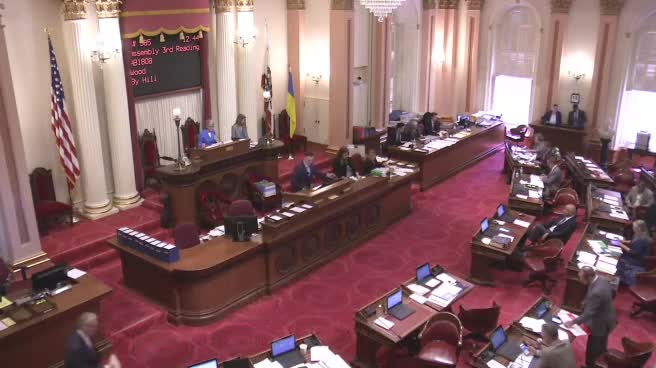
Bill Author

Bill Co-Author(s):