AB 1842: Water: pollution: fines.
- Session Year: 2015-2016
- House: Assembly
- Latest Version Date: 2016-09-14
Existing law imposes a maximum civil penalty of $25,000 on a person who discharges various pollutants or other designated materials into the waters of the state.
This bill would impose an additional civil penalty of not more than $10 for each gallon or pound of material discharged. The bill would require that the civil penalty be reduced for every gallon or pound of the illegally discharged material that is recovered and properly disposed of by the responsible party.
The Lempert-Keene-Seastrand Oil Spill Prevention and Response Act establishes various civil penalties for conduct in connection with the intentional or negligent discharging of oil into waters of the state. Existing law requires civil and criminal penalties provided in the act to be separate from, and in addition to, and to not supersede or limit, any and all other remedies, civil or criminal.
This bill would prohibit a person from being subject to both a civil penalty described above and a civil penalty imposed pursuant to the Lempert-Keene-Seastrand Oil Spill Prevention and Response Act for the same act or failure to act.
Existing law imposes a maximum civil penalty of $25,000 on a person who discharges various pollutants or other designated materials into the waters of the state.
This bill would impose an additional civil penalty of not more than $10 for each gallon or pound of polluting material discharged. The bill would require that the civil penalty be reduced for every gallon or pound of the illegally discharged material that is recovered and properly disposed of by the responsible party.
The Lempert-Keene-Seastrand Oil Spill Prevention and Response Act establishes various civil penalties for conduct in connection with the intentional or negligent discharging of oil into waters of the state. Existing law requires civil and criminal penalties provided in the act to be separate separate from, and in addition to, and to not supersede or limit, any and all other remedies, civil or criminal.
This bill would prohibit a person from being subject to both a civil penalty described above and a civil penalty imposed pursuant to the Lempert-Keene-Seastrand Oil Spill Prevention and Response Act for the same act or failure to act.
Existing law imposes a maximum civil penalty of $25,000 on a person who discharges various pollutants or other designated materials into the waters of the state.
This bill would impose an additional civil penalty of not more than $10 for each gallon or pound of polluting material discharged. The bill would require that the civil penalty be reduced for every gallon or pound of the illegally discharged material that is recovered and properly disposed of by the responsible party.
The Lempert-Keene-Seastrand Oil Spill Prevention and Response Act establishes various civil penalties for conduct in connection with the intentional or negligent discharging of oil into waters of the state. Existing law requires civil and criminal penalties provided in the act to be separate and in addition to, and to not supersede or limit, any and all other remedies, civil or criminal.
This bill would prohibit a person from being subject to both a civil penalty described above and a civil penalty imposed pursuant to the Lempert-Keene-Seastrand Oil Spill Prevention and Response Act for the same act or failure to act.
Existing law imposes a maximum civil penalty of $25,000 on a person who discharges various pollutants or other designated materials into the waters of the state.
This bill would impose an additional civil penalty of not more than $10 for each gallon or pound of polluting material discharged. The bill would require that the civil penalty be reduced for every gallon or pound of the illegally discharged material that is recovered and properly disposed of by the responsible party.
(a)A person who violates Section 5650 is subject to a civil penalty of not more than twenty-five thousand dollars ($25,000) for each violation.
(b)The civil penalty imposed for each separate violation pursuant to this section is separate, and in addition to, any other civil penalty imposed for a separate violation pursuant to this section or any other provision of law, except as provided in subdivision (j).
(c)In determining the amount of a civil penalty imposed pursuant to this section, the court shall take into consideration all relevant circumstances, including, but not limited to, the nature, circumstance, extent, and gravity of the violation. In making this determination, the court shall consider the degree of toxicity and volume of the discharge, the extent of harm caused by the violation, whether the effects of the violation may be reversed or mitigated, and with respect to the defendant, the ability to pay, the effect of any civil penalty on the ability to continue in business, any voluntary cleanup efforts undertaken, any prior history of violations, the gravity of the behavior, the economic benefit, if any, resulting from the violation, and any other matters the court determines justice may require.
(d)Every civil action brought under this section shall be brought by the Attorney General upon complaint by the department, or by the district attorney or city attorney in the name of the people of the State of California, and any actions relating to the same violation may be joined or consolidated.
(e)In a civil action brought pursuant to this chapter in which a temporary restraining order, preliminary injunction, or permanent injunction is sought, it is not necessary to allege or prove at any stage of the proceeding that irreparable damage will occur if the temporary restraining order, preliminary injunction, or permanent injunction is not issued, or that the remedy at law is inadequate.
(f)After the party seeking the injunction has met its burden of proof, the court shall determine whether to issue a temporary restraining order, preliminary injunction, or permanent injunction without requiring the defendant to prove that it will suffer grave or irreparable harm. The court shall make the determination whether to issue a temporary restraining order, preliminary injunction, or permanent injunction by taking into consideration, among other things, the nature, circumstance, extent, and gravity of the violation, the quantity and characteristics of the substance or material involved, the extent of environmental harm caused by the violation, measures taken by the defendant to remedy the violation, the relative likelihood that the material or substance involved may pass into waters of the state, and the harm likely to be caused to the defendant.
(g)The court, to the maximum extent possible, shall tailor a temporary restraining order, preliminary injunction, or permanent injunction narrowly to address the violation in a manner that will otherwise allow the defendant to continue business operations in a lawful manner.
(h)All civil penalties collected pursuant to this section shall not be considered fines or forfeitures as defined in Section 13003 and shall be apportioned in the following manner:
(1)Fifty percent shall be distributed to the county treasurer of the county in which the action is prosecuted. Amounts paid to the county treasurer shall be deposited in the county fish and wildlife propagation fund established pursuant to Section 13100.
(2)Fifty percent shall be distributed to the department for deposit in the Fish and Game Preservation Fund. These funds may be expended to cover the costs of legal actions or for any other law enforcement purpose consistent with Section 9 of Article XVI of the California Constitution.
(i)Except as provided in subdivision (j), in addition to any other penalty provided by law, a person who violates Section 5650 is subject to a civil penalty of not more than ten dollars ($10) for each gallon or pound of material discharged. The total amount of the civil penalty shall be reduced for every gallon or pound of the illegally discharged material that is recovered and properly disposed of by the responsible party.
(j)A person shall not be subject to a civil penalty imposed under this section and to a civil penalty imposed pursuant to Article 9 (commencing with Section 8670.57) of Chapter 7.4 of Division 1 of Title 2 of the Government Code for the same act or failure to act.
SEC. 2.Section 8670.61 of the Government Code is amended to read:8670.61.The civil and criminal penalties provided in this chapter and Division 7.8 (commencing with Section 8750) of the Public Resources Code shall be separate from, and in addition to, and do not supersede or limit, any and all other remedies, civil or criminal, except as provided in subdivision (j) of Section 5650.1 of the Fish and Game Code.
(a)A person who violates Section 5650 is subject to a civil penalty of not more than twenty-five thousand dollars ($25,000) for each violation.
(b)The civil penalty imposed for each separate violation pursuant to this section is separate, and in addition to, any other civil penalty imposed for a separate violation pursuant to this section or any other provision of law, except as provided in subdivision (j).
(c)In determining the amount of a civil penalty imposed pursuant to this section, the court shall take into consideration all relevant circumstances, including, but not limited to, the nature, circumstance, extent, and gravity of the violation. In making this determination, the court shall consider the degree of toxicity and volume of the discharge, the extent of harm caused by the violation, whether the effects of the violation may be reversed or mitigated, and with respect to the defendant, the ability to pay, the effect of any civil penalty on the ability to continue in business, any voluntary cleanup efforts undertaken, any prior history of violations, the gravity of the behavior, the economic benefit, if any, resulting from the violation, and any other matters the court determines justice may require.
(d)Every civil action brought under this section shall be brought by the Attorney General upon complaint by the department, or by the district attorney or city attorney in the name of the people of the State of California, and any actions relating to the same violation may be joined or consolidated.
(e)In a civil action brought pursuant to this chapter in which a temporary restraining order, preliminary injunction, or permanent injunction is sought, it is not necessary to allege or prove at any stage of the proceeding that irreparable damage will occur if the temporary restraining order, preliminary injunction, or permanent injunction is not issued, or that the remedy at law is inadequate.
(f)After the party seeking the injunction has met its burden of proof, the court shall determine whether to issue a temporary restraining order, preliminary injunction, or permanent injunction without requiring the defendant to prove that it will suffer grave or irreparable harm. The court shall make the determination whether to issue a temporary restraining order, preliminary injunction, or permanent injunction by taking into consideration, among other things, the nature, circumstance, extent, and gravity of the violation, the quantity and characteristics of the substance or material involved, the extent of environmental harm caused by the violation, measures taken by the defendant to remedy the violation, the relative likelihood that the material or substance involved may pass into waters of the state, and the harm likely to be caused to the defendant.
(g)The court, to the maximum extent possible, shall tailor a temporary restraining order, preliminary injunction, or permanent injunction narrowly to address the violation in a manner that will otherwise allow the defendant to continue business operations in a lawful manner.
(h)All civil penalties collected pursuant to this section shall not be considered fines or forfeitures as defined in Section 13003 and shall be apportioned in the following manner:
(1)Fifty percent shall be distributed to the county treasurer of the county in which the action is prosecuted. Amounts paid to the county treasurer shall be deposited in the county fish and wildlife propagation fund established pursuant to Section 13100.
(2)Fifty percent shall be distributed to the department for deposit in the Fish and Game Preservation Fund. These funds may be expended to cover the costs of legal actions or for any other law enforcement purpose consistent with Section 9 of Article XVI of the California Constitution.
(i)Except as provided in subdivision (j), in addition to any other penalty provided by law, a person who violates Section 5650 is subject to a civil penalty of not more than ten dollars ($10) for each gallon or pound of polluting material discharged. The total amount of the civil penalty shall be reduced for every gallon or pound of the illegally discharged material that is recovered and properly disposed of by the responsible party.
(j)A person shall not be subject to a civil penalty imposed under this section and to a civil penalty imposed pursuant to Article 9 (commencing with Section 8670.57) of Chapter 7.4 of Division 1 of Title 2 of the Government Code for the same act or failure to act.
SEC. 2.Section 8670.61 of the Government Code is amended to read:8670.61.The civil and criminal penalties provided in this chapter and Division 7.8 (commencing with Section 8750) of the Public Resources Code shall be separate separate from, and in addition to, and do not supersede or limit, any and all other remedies, civil or criminal, except as provided in subdivision (j) of Section 5650.1 of the Fish and Game Code.
(a)A person who violates Section 5650 is subject to a civil penalty of not more than twenty-five thousand dollars ($25,000) for each violation.
(b)The civil penalty imposed for each separate violation pursuant to this section is separate, and in addition to, any other civil penalty imposed for a separate violation pursuant to this section or any other provision of law. law, except as provided in subdivision (j).
(c)In determining the amount of a civil penalty imposed pursuant to this section, the court shall take into consideration all relevant circumstances, including, but not limited to, the nature, circumstance, extent, and gravity of the violation. In making this determination, the court shall consider the degree of toxicity and volume of the discharge, the extent of harm caused by the violation, whether the effects of the violation may be reversed or mitigated, and with respect to the defendant, the ability to pay, the effect of any civil penalty on the ability to continue in business, any voluntary cleanup efforts undertaken, any prior history of violations, the gravity of the behavior, the economic benefit, if any, resulting from the violation, and any other matters the court determines justice may require.
(d)Every civil action brought under this section shall be brought by the Attorney General upon complaint by the department, or by the district attorney or city attorney in the name of the people of the State of California, and any actions relating to the same violation may be joined or consolidated.
(e)In a civil action brought pursuant to this chapter in which a temporary restraining order, preliminary injunction, or permanent injunction is sought, it is not necessary to allege or prove at any stage of the proceeding that irreparable damage will occur if the temporary restraining order, preliminary injunction, or permanent injunction is not issued, or that the remedy at law is inadequate.
(f)After the party seeking the injunction has met its burden of proof, the court shall determine whether to issue a temporary restraining order, preliminary injunction, or permanent injunction without requiring the defendant to prove that it will suffer grave or irreparable harm. The court shall make the determination whether to issue a temporary restraining order, preliminary injunction, or permanent injunction by taking into consideration, among other things, the nature, circumstance, extent, and gravity of the violation, the quantity and characteristics of the substance or material involved, the extent of environmental harm caused by the violation, measures taken by the defendant to remedy the violation, the relative likelihood that the material or substance involved may pass into waters of the state, and the harm likely to be caused to the defendant.
(g)The court, to the maximum extent possible, shall tailor a temporary restraining order, preliminary injunction, or permanent injunction narrowly to address the violation in a manner that will otherwise allow the defendant to continue business operations in a lawful manner.
(h)All civil penalties collected pursuant to this section shall not be considered fines or forfeitures as defined in Section 13003 and shall be apportioned in the following manner:
(1)Fifty percent shall be distributed to the county treasurer of the county in which the action is prosecuted. Amounts paid to the county treasurer shall be deposited in the county fish and wildlife propagation fund established pursuant to Section 13100.
(2)Fifty percent shall be distributed to the department for deposit in the Fish and Game Preservation Fund. These funds may be expended to cover the costs of legal actions or for any other law enforcement purpose consistent with Section 9 of Article XVI of the California Constitution.
(i)In Except as provided in subdivision (j), in addition to any other penalty provided by law, a person who violates Section 5650 is subject to a civil penalty of not more than ten dollars ($10) for each gallon or pound of polluting material discharged. The total amount of the civil penalty shall be reduced for every gallon or pound of the illegally discharged material that is recovered and properly disposed of by the responsible party.
(j)A person shall not be subject to a civil penalty imposed under this section and to a civil penalty imposed pursuant to Article 9 (commencing with Section 8670.57) of Chapter 7.4 of Division 1 of Title 2 of the Government Code for the same act or failure to act.
SEC. 2.Section 8670.61 of the Government Code is amended to read:8670.61.The civil and criminal penalties provided in this chapter and Division 7.8 (commencing with Section 8750) of the Public Resources Code shall be separate and in addition to, and do not supersede or limit, any and all other remedies, civil or criminal. criminal, except as provided in subdivision (j) of Section 5650.1 of the Fish and Game Code.
(a)Every A person who violates Section 5650 is subject to a civil penalty of not more than twenty-five thousand dollars ($25,000) for each violation.
(b)The civil penalty imposed for each separate violation pursuant to this section is separate, and in addition to, any other civil penalty imposed for a separate violation pursuant to this section or any other provision of law.
(c)In determining the amount of any a civil penalty imposed pursuant to this section, the court shall take into consideration all relevant circumstances, including, but not limited to, the nature, circumstance, extent, and gravity of the violation. In making this determination, the court shall consider the degree of toxicity and volume of the discharge, the extent of harm caused by the violation, whether the effects of the violation may be reversed or mitigated, and with respect to the defendant, the ability to pay, the effect of any civil penalty on the ability to continue in business, any voluntary cleanup efforts undertaken, any prior history of violations, the gravity of the behavior, the economic benefit, if any, resulting from the violation, and any other matters the court determines justice may require.
(d)Every civil action brought under this section shall be brought by the Attorney General upon complaint by the department, or by the district attorney or city attorney in the name of the people of the State of California, and any actions relating to the same violation may be joined or consolidated.
(e)In any a civil action brought pursuant to this chapter in which a temporary restraining order, preliminary injunction, or permanent injunction is sought, it is not necessary to allege or prove at any stage of the proceeding that irreparable damage will occur if the temporary restraining order, preliminary injunction, or permanent injunction is not issued, or that the remedy at law is inadequate.
(f)After the party seeking the injunction has met its burden of proof, the court shall determine whether to issue a temporary restraining order, preliminary injunction, or permanent injunction without requiring the defendant to prove that it will suffer grave or irreparable harm. The court shall make the determination whether to issue a temporary restraining order, preliminary injunction, or permanent injunction by taking into consideration, among other things, the nature, circumstance, extent, and gravity of the violation, the quantity and characteristics of the substance or material involved, the extent of environmental harm caused by the violation, measures taken by the defendant to remedy the violation, the relative likelihood that the material or substance involved may pass into waters of the state, and the harm likely to be caused to the defendant.
(g)The court, to the maximum extent possible, shall tailor any a temporary restraining order, preliminary injunction, or permanent injunction narrowly to address the violation in a manner that will otherwise allow the defendant to continue business operations in a lawful manner.
(h)All civil penalties collected pursuant to this section shall not be considered fines or forfeitures as defined in Section 13003 and shall be apportioned in the following manner:
(1)Fifty percent shall be distributed to the county treasurer of the county in which the action is prosecuted. Amounts paid to the county treasurer shall be deposited in the county fish and wildlife propagation fund established pursuant to Section 13100.
(2)Fifty percent shall be distributed to the department for deposit in the Fish and Game Preservation Fund. These funds may be expended to cover the costs of legal actions or for any other law enforcement purpose consistent with Section 9 of Article XVI of the California Constitution.
(i)In addition to any other penalty provided by law, a person who violates Section 5650 is subject to a civil penalty of not more than ten dollars ($10) for each gallon or pound of polluting material discharged. The total amount of the civil penalty shall be reduced for every gallon or pound of the illegally discharged material that is recovered and properly disposed of by the responsible party.
|
Date
|
Status
|
|---|---|
| Aug 1, 2016 | From committee: Amend, and do pass as amended and re-refer to Com. on APPR. (Ayes 5. Noes 1.) (June 29). |
| Sep 14, 2016 | Chaptered by Secretary of State - Chapter 349, Statutes of 2016. |
| Sep 14, 2016 | Approved by the Governor. |
| Aug 26, 2016 | Enrolled and presented to the Governor at 4:30 p.m. |
| Aug 22, 2016 | Senate amendments concurred in. To Engrossing and Enrolling. (Ayes 61. Noes 17. Page 6030.). |
| Aug 22, 2016 | Senate amendments concurred in. To Engrossing and Enrolling. |
| Aug 16, 2016 | In Assembly. Concurrence in Senate amendments pending. May be considered on or after August 18 pursuant to Assembly Rule 77. |
| Aug 15, 2016 | Read third time. Passed. Ordered to the Assembly. (Ayes 26. Noes 11.). |
| Aug 15, 2016 | Read third time. Passed. Ordered to the Assembly. (Ayes 26. Noes 11. Page 4974.). |
| Aug 15, 2016 | Read third time. Passed. Ordered to the Assembly. |
| Aug 9, 2016 | Read second time. Ordered to third reading. |
| Aug 8, 2016 | From committee: Be placed on second reading file pursuant to Senate Rule 28.8. |
| Aug 2, 2016 | Read second time and amended. Re-referred to Com. on APPR. |
| Feb 9, 2016 | Read first time. To print. |
| Jun 9, 2016 | Referred to Com. on E.Q. |
| Jun 2, 2016 | In Senate. Read first time. To Com. on RLS. for assignment. |
| Jun 1, 2016 | Read third time. Passed. Ordered to the Senate. (Ayes 66. Noes 7.) |
| Jun 1, 2016 | Read third time. Passed. Ordered to the Senate. (Ayes 66. Noes 7. Page 5079.) |
| Jun 1, 2016 | Read third time. Passed. Ordered to the Senate. |
| May 12, 2016 | Read second time. Ordered to third reading. |
| May 11, 2016 | From committee: Do pass. (Ayes 15. Noes 1.) (May 11). |
| Apr 28, 2016 | Re-referred to Com. on APPR. |
| Apr 27, 2016 | From committee chair, with author's amendments: Amend, and re-refer to Com. on APPR. Read second time and amended. |
| Mar 29, 2016 | From committee: Do pass and re-refer to Com. on APPR. (Ayes 13. Noes 0.) (March 29). Re-referred to Com. on APPR. |
| Feb 25, 2016 | Referred to Com. on W., P., & W. |
| Feb 10, 2016 | From printer. May be heard in committee March 11. |
|
Date
|
Description
|
Location
|
Votes
|
|
|---|---|---|---|---|
| Aug 22, 2016 | AB 1842 LEVINE Concurrence in Senate Amendments | Assembly Floor |
Passed |
|
| Aug 15, 2016 | Assembly 3rd Reading AB1842 Levine By Pavley | Senate Floor |
Passed |
|
| Jun 29, 2016 | Do pass as amended, but first amend, and re-refer to the Committee on [Appropriations] | Senate Standing Committee on Environmental Quality |
Passed |
|
| Jun 1, 2016 | AB 1842 LEVINE Assembly Third Reading | Assembly Floor |
Passed |
|
| May 11, 2016 | Do pass. | Assembly Standing Committee on Appropriations |
Passed |
|
| Mar 29, 2016 | Do pass and be re-referred to the Committee on [Appropriations] | Assembly Standing Committee on Water, Parks, and Wildlife |
Passed |
This list shows positions taken on this bill by organizations on the date displayed, which is linked to the original source.
Positions by individuals are not included.
|
Organization
|
Position
|
Date
|
|---|---|---|
| Association Of California Water Agencies | ** Against | Aug 15, 2016 |
| California Association of Sanitation Districts | ** Against | Aug 15, 2016 |
| California District Attorneys Association | ** Support | Aug 15, 2016 |
| California Farm Bureau Federation | * Indeterminate | Mar 29, 2016 |
| California League Of Conservation Voters | ** Support | Aug 15, 2016 |
| El Dorado Irrigation District | ** Against | Aug 15, 2016 |
| Natural Resources Defense Council | ** Support | Aug 15, 2016 |
| u Sierra Club | ** Support | Aug 15, 2016 |
CONCURRENCE IN SENATE AMENDMENTS
CSA1 Bill Id:AB 1842
Author:(Levine)
As Amended Ver:August 2, 2016
Majority vote
ASSEMBLY: | 66-7 | (June 1, 2016) | SENATE: | 26-11 | August 15, 2016) |
Original Committee Reference: W., P., & W.
SUMMARY: Imposes an additional civil penalty of up to $10 per gallon or pound of material illegally discharged into state waterways. This bill requires the penalty to be reduced by every gallon or pound of the illegally discharged material recovered and properly disposed of by the responsible party. Additionally, this bill prohibits a person from being subject to both this penalty and the civil penalties imposed under the Lempert-Keene-Seastrand Oil Spill Prevention and Response Act.
The Senate amendments are technical and clarifies what a violation is and how penalties apply.
EXISTING LAW:
- Provides for a base fine/penalty of up to $2000 on criminal or $25,000 on civil polluters of state waters.
- Under criminal proceedings, provides for up to a $10 additional fine/penalty per gallon or pound of material that is not removed from state waters. Provides for a similar penalty under administrative proceedings.
FISCAL EFFECT: According to the Assembly Appropriations Committee, this bill creates potential increased state and local revenues, and costs of implementation are minor and absorbable.
COMMENTS: Penalties for violations of the law help ensure that polluters meet the requirements of the law. Under existing law the material surcharge that exists through both a criminal and administrative action is not available to be applied in a civil case. Which limits the flexibility of a prosecutor, especially, in the case where they believe that a criminal action will not be provable. This leaves a prosecutor with a choice between suggesting an administrative action where the surcharge would apply, or pursing a civil action where the surcharge would not apply. Ultimately, this can serve to hinder environmental enforcement. This bill remedies this problem by applying the polluting material surcharge in civil cases as well.
Earlier in the legislative process, concerns were raised that the bill would allow for double penalties for the same event. Generally speaking, statutory penalty schemes under California law are non-exclusive. One event may violate multiple laws, and currently is subject to those multiple laws. This bill does not permit a double penalty for the same specific violation of illegal discharge into state waterways, but maintains the protections of multiple laws that currently may apply to one event.
Analysis Prepared by: Ryan Ojakian / W., P., & W. / (916) 319-2096 FN: 0003918
Office of Senate Floor Analyses (916) 651-1520 Fax: (916) 327-4478 | AB |
THIRD READING
Bill No: AB 1842
:
SENATE ENVIRONMENTAL QUALITY COMMITTEE: 5-1, 6/29/16
AYES: Wieckowski, Hill, Jackson, Leno, Pavley
NOES: Gaines
NO VOTE RECORDED: Bates
SENATE APPROPRIATIONS COMMITTEE: Senate Rule 28.8
ASSEMBLY FLOOR: 66-7, 6/1/16 - See last page for vote
SOURCE: California District Attorneys Association
DIGEST: This bill imposes an additional civil penalty of up to $10 per gallon or pound of polluting material illegally discharged into state waterways. This bill requires the penalty to be reduced by every gallon or pound of the illegally discharged material recovered and properly disposed of by the responsible party. This bill prohibits a person from being subject to both this penalty and the civil penalties imposed under the Oil Spill Prevention and Response Act.
Existing law:
- Provides for a base fine/ penalty of up to $2,000 on criminal or $25,000 on civil polluters of state waters.
- Provides, under criminal proceedings, for up to a $10 additional fine/penalty per gallon or pound of material that is not removed from state waters. Provides for a similar penalty under administrative proceedings.
This bill:
- Imposes an additional civil penalty of up to $10 per gallon or pound of polluting material illegally discharged into state waterways.
- Requires the penalty to be reduced for every gallon or pound of the illegally discharged material recovered and properly disposed of by the responsible party.
- Prohibits a person from being subject to both this penalty and the civil penalties imposed under the Lempert-Keene-Seastrand Oil Spill Prevention and Response Act.
Comments
- Purpose of Bill. According to the author, AB 1842 protects California’s waterways by underscoring the importance of appropriate sanctions that reflect the severity of a violation. California is home to some of the most beautiful coastline, bays, estuaries, streams, and rivers in the nation. Gross polluters of our waterways must be held accountable and strong enforcement is needed.
FISCAL EFFECT: Appropriation: Fiscal Com.: Local:
California District Attorneys Association (source)
California League of Conservation Voters
Natural Resources Defense Council
Sierra Club
Association of California Water Agencies
California Association of Sanitation Districts
El Dorado Irrigation District
ARGUMENTS IN SUPPORT: According to the California District Attorneys Association, which is the sponsor of the legislation, the inability to utilize the surcharge as an enforcement tool for civil actions hampers a prosecutors flexibility and in many cases is an impediment to environmental protection.
Environmental prosecution units throughout California help ensure that those who pollute state waters are held accountable for their conduct.
When a polluter fouls state waters, the violator may face an administrative, civil, or criminal proceeding.
The polluter is also required to take clean up action and is held responsible for removing and properly disposing of the pollutant.
To help ensure that the polluter did as much clean up as possible, the law also provides for a surcharge of $1 to $10 per gallon or pound of material that is not removed from state waters. Unfortunately, as previously mentioned, this surcharge is available only for criminal and administrative proceedings. Not authorized for civil proceedings.
ARGUMENTS IN OPPOSITION: According to the opposition the disparity in existing law creates a loophole. A prosecutor who cannot bring an administrative action, and believes that the conduct fell short of a criminal action, must then forego the surcharge when filing a civil action.
AB 1842 would expose public wastewater agencies to double penalties for the same event. The bill would expand existing penalty authority under the Fish and Game Code by authorizing all 58 California District Attorneys (DAs) to pursue per gallon penalties for pollutant discharges to state waters in a civil proceeding. DAs are already allowed to pursue these penalties criminally, and may also pursue a penalty of $25,000 for such violations civilly. While expanding the DAs ability to pursue per gallon penalties civilly may be warranted to fill a gap, the bill would result in the possibility of double penalties from multiple sources being imposed on our members.
California Association of Sanitation Districts states that “dischargers, including local wastewater agencies, which have already paid penalties to the State Water Resources Control Board and/or Regional Water Quality Control Boards (Water Boards) on a per gallon basis, could face another set of per gallon penalties from local DAs for the same discharge. This is both duplicative and unnecessarily punitive.”
ASSEMBLY FLOOR: 66-7, 6/1/16
AYES: Achadjian, Alejo, Travis Allen, Arambula, Atkins, Baker, Bloom, Bonilla, Bonta, Brown, Burke, Calderon, Campos, Chang, Chau, Chiu, Chu, Cooley, Cooper, Dababneh, Daly, Dodd, Eggman, Frazier, Cristina Garcia, Eduardo Garcia, Gatto, Gipson, Gomez, Gonzalez, Gordon, Gray, Hadley, Roger Hernández, Holden, Irwin, Jones, Jones-Sawyer, Kim, Lackey, Levine, Linder, Lopez, Low, Maienschein, Mathis, Mayes, McCarty, Medina, Mullin, Nazarian, O'Donnell, Olsen, Quirk, Ridley-Thomas, Rodriguez, Salas, Santiago, Mark Stone, Thurmond, Ting, Weber, Wilk, Williams, Wood, Rendon
NOES: Brough, Chávez, Dahle, Gallagher, Grove, Melendez, Wagner
NO VOTE RECORDED: Bigelow, Beth Gaines, Harper, Obernolte, Patterson, Steinorth, Waldron
8/10/16 15:53:16
**** END ****
SENATE COMMITTEE ON ENVIRONMENTAL QUALITY
Senator Wieckowski, Chair
2015 - 2016 Regular
Bill No: AB 1842
Author: | Levine | ||
Version: | 4/27/2016 | Hearing Date: | 6/29/2016 |
Urgency: | No | Fiscal: | Yes |
Consultant: | Rachel Machi Wagoner | ||
SUBJECT: Water: pollution: fines.
ANALYSIS:
Existing law:
- Provides for a base fine/ penalty of up to $2,000 on criminal or $25,000 on civil polluters of state waters.
- Under criminal proceedings provides for up to a $10 additional fine/ penalty per gallon or pound of material that is not removed from state waters. Provides for a similar penalty under administrative proceedings.
This bill:
- Imposes an additional civil penalty of up to $10 per gallon or pound of polluting material illegally discharged into state waterways.
- Requires the penalty to be reduced for every gallon or pound of the illegally discharged material recovered and properly disposed of by the responsible party.
- Prohibits a person from being subject to both this penalty and the civil penalties imposed under the Lempert-Keene-Seastrand Oil Spill Prevention and Response Act.
Comments
- Purpose of Bill. According to the author, AB 1842 protects California’s waterways by underscoring the importance of appropriate sanctions that reflect the severity of a violation. California is home to some of the most beautiful coastline, bays, estuaries, streams, and rivers in the nation. Gross polluters of our waterways must be held accountable and strong enforcement is needed.
- The Department of Fish and Wildlife has asked for a technical amendment. The Department would like the word “polluting” stricken in reference to “polluting material discharged”. Because the Fish and Game Code Section 5650 prohibits specific substances from being discharged, the word “polluting” may imply that the civil penalty does not apply to the discharge but rather whether the discharge is considered pollution.
SOURCE:
California District Attorneys Association
SUPPORT:
California League of Conservation Voters
Natural Resources Defense Council
Sierra Club
OPPOSITION:
Association of California Water Agencies
California Association of Sanitation Districts (CASA)
El Dorado Irrigation District
ARGUMENTS IN SUPPORT:
According to the California District Attorneys Association, which is the sponsor of the legislation, the inability to utilize the surcharge as an enforcement tool for civil actions hampers a prosecutors flexibility and in many cases is an impediment to environmental protection.
Environmental prosecution units throughout California help ensure that those who pollute state waters are held accountable for their conduct.
When a polluter fouls state waters, the violator may face an administrative, civil, or criminal proceeding.
The polluter is also required to take clean up action and is held responsible for removing and properly disposing of the pollutant.
To help ensure that the polluter did as much clean up as possible, the law also provides for a surcharge of $1 to $10 per gallon or pound of material that is not removed from state waters. Unfortunately, as previously mentioned, this surcharge is available only for criminal and administrative proceedings. Not authorized for civil proceedings.
The disparity in existing law creates a loophole. A prosecutor who cannot bring an administrative action, and believes that the conduct fell short of a criminal action, must then forego the surcharge when filing a civil action.
ARGUMENTS IN OPPOSITION:
AB 1842 would expose public wastewater agencies to double penalties for the same event. The bill would expand existing penalty authority under the Fish and Game Code by authorizing all 58 California District Attorneys (DAs) to pursue per gallon penalties for pollutant discharges to state waters in a civil proceeding. DAs are already allowed to pursue these penalties criminally, and may also pursue a penalty of $25,000 for such violations civilly. While expanding the DAs ability to pursue per gallon penalties civilly may be warranted to fill a gap, the bill would result in the possibility of double penalties from multiple sources being imposed on our members.
CSA states that “dischargers, including local wastewater agencies, which have already paid penalties to the State Water Resources Control Board and/or Regional Water Quality Control Boards (Water Boards) on a per gallon basis, could face another set of per gallon penalties from local DAs for the same discharge. This is both duplicative and unnecessarily punitive.”
The opposition requests an amendment that would preclude a district attorney from pursuing a civil penalty under the provisions of this bill if SWRCB or a regional board has recovered a civil penalty under the water code for the same event and vice versa.
The concern with the CASA proposed amendment is that this amendment would inappropriately try to limit civil liability for discharges that violate both the Fish and Game Code and the Water Code. California law makes specific agencies responsible for implementing specific statutes and regulations in order to protect different aspects of the public interest, as identified by the Legislature. The Department of Fish and Wildlife is charged with implementing provisions of the Fish and Game Code, including regulating activities to protect fish and wildlife and taking enforcement actions against parties that violate the Fish and Game Code and associated regulations and can thereby adversely affect fish and wildlife. Similarly, the State Water Resources Control Board and Regional Water Quality Control Boards are charged with implementing provisions of the Water Code, including regulating discharges to protect water quality and taking enforcement against parties who violate the Water Code and associated regulations and can thereby adversely affect water quality.
A party that conducts an activity that adversely affects both fish and wildlife and water quality should appropriately be subject to enforcement actions for both harms to the public interest. For example, on the Costco Busan Oil spill which resulted in a release of 64,000 gallons of oil into San Francisco Bay, both the State Water Board and the Department of Fish and Wildlife took enforcement actions under their respective authorities to protect water quality and to protect fish and wildlife. Similarly, in the area of underground storage tank regulation, a single action by an operator that leads to an unauthorized release of petroleum from an underground storage tank could lead to enforcement actions by the Department of Toxic Substances Control or a Certified Unified Program Agency for violation of hazardous waste laws and as well by a Regional Water Board for adverse impacts to ground water. Most statutory penalty schemes under California law are non-exclusive. Therefore, the requested amendment would have deleterious effects on enforcement action taken by either entity.
-- END --
ASSEMBLY THIRD READING
ATR Bill Id:AB 1842
Author:(Levine)
As Amended Ver:April 27, 2016
Majority vote
Committee | Votes | Ayes | Noes |
Water | 13-0 | Levine, Bigelow, Dababneh, Dodd, Gordon, Cristina Garcia, Gomez, Lopez, Mathis, Medina, Olsen, Salas, Williams | |
Appropriations | 15-1 | Gonzalez, Bloom, Bonilla, Bonta, Calderon, McCarty, Eggman, Eduardo Garcia, Chau, Holden, Obernolte, Quirk, Santiago, Weber, Wood | Gallagher |
SUMMARY: This bill imposes an additional civil penalty of up to $10 per gallon or pound of polluting material illegally discharged into state waterways. This bill requires the penalty to be reduced by every gallon or pound of the illegally discharged material recovered and properly disposed of by the responsible party. This bill prohibits a person from being subject to both this penalty and the civil penalties imposed under the Oil Spill Prevention and Response Act.
EXISTING LAW:
- Provides for a base fine/ penalty of up to $2000 on criminal or $25,000 on civil polluters of state waters.
- Under criminal proceedings provides for up to a $10 additional fine/ penalty per gallon or pound of material that is not removed from state waters. Provides for a similar penalty under administrative proceedings.
FISCAL EFFECT: According to the Assembly Appropriations Committee, this bill creates potential increased state and local revenues, and costs of implementation are minor and absorbable.
COMMENTS: Penalties for violations of the law help ensure that polluters meet the requirements of the law. Under existing law the polluting material surcharge that exists through both a criminal and administrative action is not available to be applied in a civil case.
This limits the flexibility of a prosecutor especially in the case where they believe that a criminal action will not be provable. This leaves a prosecutor with a choice between suggesting an administrative action where the surcharge would apply, or pursing a civil action where the surcharge would not apply. Ultimately this can serve to hinder environmental enforcement. This bill remedies this problem by applying the polluting material surcharge in civil cases as well.
Opponents assert this bill could potentially increase liability by subjecting public agencies to double liability, and urge the bill be amended to allow for only one penalty to be assessed. The recent amendments respond to this concern by prohibiting a person form being assessed civil penalties under both this bill and the Oil Spill Prevention and Response Act.
Analysis Prepared by: Ryan Ojakian / W., P., & W. / (916) 319-2096 FN: 0002961
Date of Hearing: May 11, 2016
ASSEMBLY COMMITTEE ON APPROPRIATIONS
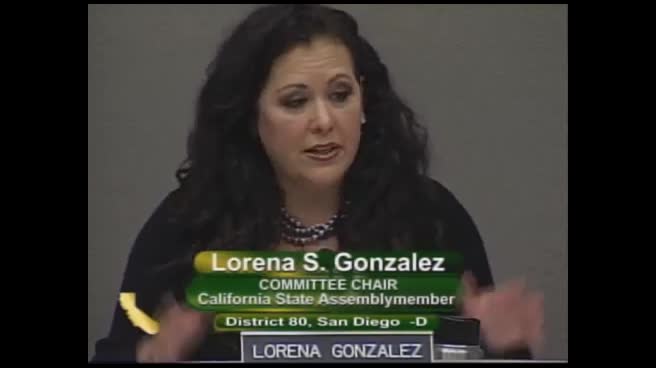
Lorena Gonzalez, Chair
ABPCA Bill Id:AB 1842
Author:(Levine) – As Amended Ver:April 27, 2016
Policy Committee: | Water, Parks and Wildlife | Vote: | 13 - 0 |
|
| ||
|
|
Urgency: No State Mandated Local Program: No Reimbursable: No
SUMMARY:
This bill imposes an additional civil penalty of up to $10 per gallon or pound of polluting material illegally discharged into state waterways. This bill requires the penalty to be reduced by every gallon or pound of the illegally discharged material recovered and properly disposed of by the responsible party. This bill prohibits a person from being subject to both this penalty and the civil penalties imposed under the Oil Spill Prevention and Response Act.
FISCAL EFFECT:
- Potential increased state (Fish and Wildlife Pollution Account) and local revenues from civilly-imposed penalties.
As an example, for the 2014/2015 fiscal year, penalty assessments for marine oil spills were approximately $148,000, but this figure includes all penalty monies (administrative, civil and criminal) and varies from year-to-year.
- The initial and long-term costs to DFW for implementation of this authority is minor and absorbable.
COMMENTS:
- Purpose. According to the author, California is home to some of the most beautiful coastline, bays, estuaries, streams, and rivers in the nation. The author intends this bill to protect California’s waterways by providing sanctions that reflect the severity of a pollution violation.
- Background. Existing law provides a base fine or penalty of up to $2,000 for criminal violations or $25,000 for civil violations of the laws that protect the waters of the state from illegal discharges. In addition these criminal and civil penalties, a surcharge of between $1 and $10 per gallon or pound may be imposed for material that is not removed from state waters. However, this surcharge is not available for civil proceedings.
Criminal proceedings require an offender to be proven guilty beyond a reasonable doubt. A prosecutor who believes the illegal discharge falls short of a provable crime must forgo the surcharge when filing a civil action, or file less severe administrative actions and pursue the surcharge. This bill extends the surcharge for administrative and criminal penalties to civil actions.
- The Oil Spill Prevention and Response Act. The Act establishes various criminal and civil penalties for the intentional or negligent discharge of oil into waters of the state. Civil and criminal penalties are in addition to any other civil or criminal remedies. Instead, this bill prohibits subjecting violators to both the civil penalties imposed under the Act and this bill.
Analysis Prepared by: Jennifer Galehouse / APPR. / (916) 319-2081
Date of Hearing: March 29, 2016
ASSEMBLY COMMITTEE ON WATER, PARKS, AND WILDLIFE
Marc Levine, Chair
ABPCA Bill Id:AB 1842 (
Author:Levine) – As Introduced Ver:February 9, 2016
SUBJECT: Water: pollution: fines
SUMMARY: Creates a civil penalty of up to $10 per gallon or pound of polluting material discharged into waterways for those found to have polluted. Reduces the penalty on every gallon or pound for every gallon or pound recovered.
EXISTING LAW:
- Provides for a base fine/ penalty of up to $2000 on criminal or $25,000 on civil polluters of state waters.
- Under criminal proceedings provides for up to a $10 fine/ penalty per gallon or pound of material that is not removed from state waters. Provides for a similar penalty under administrative proceedings.
FISCAL EFFECT: Unknown.
COMMENTS: Creates a civil penalty identical to penalties that exist for polluting waterways under criminal and administrative actions.
- Author’s Statement: AB 1842 protects California’s waterways by underscoring the importance of appropriate sanctions that reflect the severity of a violation.
California is home to some of the most beautiful coastline, bays, estuaries, streams, and rivers in the nation. Gross polluters of our waterways must be held accountable and strong enforcement is needed.
- Background: Since the early 70’s environmental law has been central to implementing a wide range of environmental programs designed to protect air, water, natural resources, wildlife and public health. In the case of pollution of our waterways, including our drinking water, environmental laws help address problems with discharge. However, simply having environmental laws in place is not enough to ensure problems of discharge do not arise. Having penalties for violations of the law help ensure that polluters meet the requirements of the law. Additionally the law must always be adapting to ensure that compliance is more desirable than non-compliance.
Under existing law, to face the most severe penalties through a criminal violation of polluting the waters of the state an offender must be proven guilty beyond a reasonable doubt, the highest standard in law. In additional to prison time and a fine, a criminally, liable offender may have to pay a surcharge of up to $10 per gallon or pound of polluting material. The surcharge per gallon or pound is reduced for every gallon or pound of material that is recovered and properly disposed of.
Under existing law, a fine and an up to $20 per gallon surcharge for a criminal violation can be applied through administrative actions on certain pollution.
In a civil proceeding the defendant must show by a preponderance of the evidence, the lowest standard in law, that they acted in good faith. The polluting material surcharge that exists through both the criminal and administrative action is not available to be applied in the civil case.
This limits the flexibility of a prosecutor especially in the case where they believe that a criminal action will not be provable. This leaves a prosecutor with a choice between suggesting an administrative action where the surcharge would apply, or purse a civil action where the surcharge would not apply. Ultimately this can serve to hinder environmental enforcement.
- Supporting Arguments: A prosecutor who believes that conduct fell short of a provable crime must forego the surcharge when filing a civil action. This is not only ironic in that the most severe criminal and least sever administrative remedies allow for the surcharge, but the middle remedy- civil action – does not, but also hampers prosecutors’ filing flexibility and may be an impediment to environmental enforcement.
The penalty provisions create an incentive for polluter to remedy the pollution, reducing the penalty for the illegally discharged materials that are recovered and responsibly disposed of.
This simple change will help enforce water quality laws and ensure timely cleanup of accidents.
- Opposing Arguments: This bill could potentially increase liability by subjecting public agencies to double liability. The bill should be amended to allow for only one penalty to be assessed. The bill should provide for a notification process between the Attorney General, the department, and the applicable regional or state water board so that a person who discharges illegally is assessed only once.
REGISTERED SUPPORT / OPPOSITION:
Support
California District Attorneys Association (Sponsor)
California League of Conservation Voters
Sierra Club California
Natural Resources Defense Council
Opposition
Association of California Water Agencies (unless amended)
Analysis Prepared by: Ryan Ojakian / W., P., & W. / (916) 319-2096
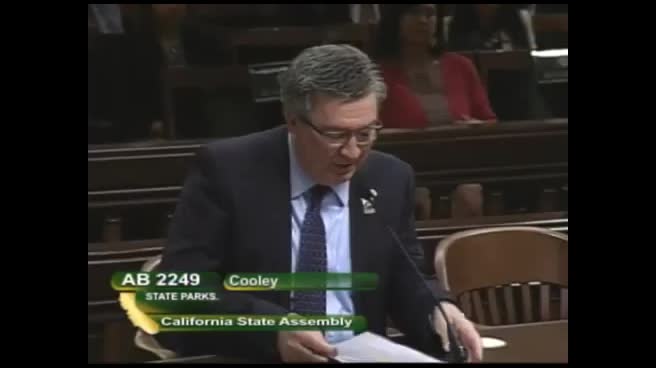
Bill Author

Bill Co-Author(s):