AB 189: Arts Council: cultural districts.
- Session Year: 2015-2016
- House: Assembly
- Latest Version Date: 2015-10-01
The Dixon-Zenovich-Maddy California Arts Act of 1975 establishes the Arts Council, consisting of 11 appointed members, sets forth the duties of the council, and authorizes the council to accept federal grants and unrestricted gifts, donations, bequests, or grants of funds from private sources and public agencies for the purposes of encouraging artistic awareness, promoting the employment of artists, and providing for the exhibition of art works in public buildings, among others.
This bill would additionally require the Arts Council to establish criteria and guidelines for state-designated cultural districts, as defined. The bill would require the council to establish a competitive application system for certification, provide technical and promotional support for certified state-designated cultural districts, and collaborate with public agencies and private entities to maximize the benefits of state-designated cultural districts. The bill would provide that a geographical area within the state may be certified as a state-designated cultural district by applying to the council for certification, as provided. The bill would also provide that certification as a state-designated cultural district is effective for 5 years, after which the district may renew certification every 3 years.
This bill would authorize the council to solicit and receive gifts, donations, bequests, grants of funds, or any other revenues, from public or private sources and to expend those moneys, upon appropriation by the Legislature, for a state-designated cultural district program and for any other purpose it deems necessary to implement these provisions.
The Dixon-Zenovich-Maddy California Arts Act of 1975 establishes the Arts Council, consisting of 11 appointed members, sets forth the duties of the council, and authorizes the council to receive and spend moneys for the purpose of promoting arts in the state. accept federal grants and unrestricted gifts, donations, bequests, or grants of funds from private sources and public agencies for the purposes of encouraging artistic awareness, promoting the employment of artists, and providing for the exhibition of art works in public buildings, among others.
This bill would additionally require the Arts Council to establish criteria and guidelines for state-designated cultural districts, as defined. The bill would require the council to establish a competitive application system for certification, provide technical and promotional support for certified state-designated cultural districts, and collaborate with public agencies and private entities to maximize the benefits of state-designated cultural districts. The bill would provide that a geographical area within the state may be certified as a state-designated cultural district by applying to the council for certification, as provided. The bill would also provide that certification as a state-designated cultural district is effective for 5 years, after which the district may renew certification every 3 years.
This bill would authorize the council to solicit and receive gifts, donations, bequests, grants of funds, or any other revenues, from public or private sources and to expend those moneys, upon appropriation by the Legislature, for a state-designated cultural district program and for any other purpose it deems necessary to implement these provisions.
The Dixon-Zenovich-Maddy California Arts Act of 1975 establishes the Arts Council, consisting of 11 appointed members, sets forth the duties of the council, and authorizes the council to receive and spend moneys for the purpose of promoting arts in the state.
This bill would require the Arts Council to establish criteria and guidelines for state-designated cultural districts, as defined. The bill would require the council to establish a competitive application system for certification, provide technical and promotional support for certified state-designated cultural districts, and collaborate with public agencies and private entities to maximize the benefits of state-designated cultural districts. The bill would provide that a geographical area within the state may be certified as a state-designated cultural district by applying to the council for certification, as provided. The bill would also provide that certification as a state-designated cultural district is effective for 5 years, after which the district may renew certification every 3 years.
This bill would authorize the council to solicit and receive gifts, donations, bequests, grants of funds, or any other revenues, from public or private sources and to expend those moneys, upon appropriation by the Legislature, for a state-designated cultural district program and for any other purposes purpose it deems necessary to implement these provisions.
The Dixon-Zenovich-Maddy California Arts Act of 1975 establishes the Arts Council, consisting of 11 appointed members, sets forth the duties of the council, and authorizes the council to receive and spend moneys for the purpose of promoting arts in the state.
This bill would require the Arts Council to establish criteria and guidelines for state-designated cultural districts, as defined. The bill would require the council to establish a competitive application system for certification, provide technical and promotional support for certified state-designated cultural districts, and collaborate with public agencies and private entities to maximize the benefits of state-designated cultural districts. The bill would provide that a geographical area within the state may be certified as a state-designated cultural district by applying to the council for certification, as provided. The bill would also provide that certification as a state-designated cultural district is effective for 5 years, after which the district may renew certification every 3 years.
This bill would authorize the council to solicit and receive gifts, donations, bequests, grants of funds, or any other revenues, from public or private sources and to expend those moneys, upon appropriation by the Legislature, for a state-designated cultural district program and for any other purposes it deems necessary to implement these provisions.
(a)As used in this chapter, state-designated cultural district means a geographical area certified pursuant to this chapter with a concentration of cultural facilities, creative enterprises, or arts venues that does any of the following:
(1)Attracts artists, creative entrepreneurs, and cultural enterprises.
(2)Encourages economic development and supports entrepreneurship in the creative community.
(3)Encourages the preservation and reuse of historic buildings and other artistic and culturally significant structures.
(4)Fosters local cultural development.
(5)Provides a focal point for celebrating and strengthening the unique cultural identity of the community.
(6)Promotes opportunity without generating displacement or expanding inequality.
(b)The Arts Council shall establish criteria and guidelines for state-designated cultural districts. In executing its powers and duties under this chapter, the council shall do all of the following:
(1)Establish a competitive application system by which a community may apply for certification as a state-designated cultural district.
(2)Provide technical assistance for state-designated cultural districts from, among others, artists who have experience with cultural districts and provide promotional support for state-designated cultural districts.
(3)Collaborate with other public agencies and private entities to maximize the benefits of state-designated cultural districts.
(c)A geographical area within the state may be certified as a state-designated cultural district by applying to the council for certification. Certification as a state-designated cultural district shall be for a period of five years, after which the district may renew certification every three years.
8758.1.The council may solicit and receive gifts, donations, bequests, grants of funds, or any other revenues, from public or private sources, and expend those moneys, upon appropriation by the Legislature, for a state-designated cultural district program and for any other purpose it deems necessary to implement this chapter.
(a)As used in this chapter, state-designated cultural district means a geographical area certified pursuant to this chapter with a concentration of cultural facilities, creative enterprises, or arts venues that does any of the following:
(1)Attracts artists, creative entrepreneurs, and cultural enterprises.
(2)Encourages economic development and supports entrepreneurship in the creative community.
(3)Encourages the preservation and reuse of historic buildings and other artistic and culturally significant structures.
(4)Fosters local cultural development.
(5)Provides a focal point for celebrating and strengthening the unique cultural identity of the community.
(b)The Arts Council shall establish criteria and guidelines for state-designated cultural districts. In executing its powers and duties under this chapter, the council shall do all of the following:
(1)Establish a competitive application system by which a community may apply for certification as a state-designated cultural district.
(2)Provide technical assistance and promotional support for state-designated cultural districts.
(3)Collaborate with other public agencies and private entities to maximize the benefits of state-designated cultural districts.
(c)A geographical area within the state may be certified as a state-designated cultural district by applying to the council for certification. Certification as a state-designated cultural district shall be for a period of five years, after which the district may renew certification every three years.
8758.1.The council may solicit and receive gifts, donations, bequests, grants of funds, or any other revenues, from public or private sources, and expend those moneys, upon appropriation of by the Legislature, for a state-designated cultural district program and for any other purpose it deems necessary to implement this chapter.
(a)As used in this chapter, state-designated cultural district means a geographical area certified pursuant to this chapter with a concentration of cultural facilities, creative enterprises, or arts venues that does any of the following:
(1)Attracts artists, creative entrepreneurs, and cultural enterprises.
(2)Encourages economic development and supports entrepreneurship in the creative community.
(3)Encourages the preservation and reuse of historic buildings and other artistic and culturally significant structures.
(4)Fosters local cultural development.
(5)Provides a focal point for celebrating and strengthening the unique cultural identity of the community.
(b)The Arts Council shall establish criteria and guidelines for state-designated cultural districts. In executing its powers and duties under this chapter, the council shall do all of the following:
(1)Establish a competitive application system by which a community may apply for certification as a state-designated cultural district.
(2)Provide technical assistance and promotional support for state-designated cultural districts.
(3)Collaborate with other public agencies and private entities to maximize the benefits of state-designated cultural districts.
(c)A geographical area within the state may be certified as a state-designated cultural district by applying to the council for certification. Certification as a state-designated cultural district shall be for a period of five years, after which the district may renew certification every three years.
8758.1.The council may solicit and receive gifts, donations, bequests, grants of funds, or any other revenues, from public or private sources, and expend those moneys, upon appropriation of the Legislature, for a state-designated cultural district program and for any other purpose it deems necessary to implement this chapter.
|
Date
|
Status
|
|---|---|
| Aug 17, 2015 | From committee: Be placed on second reading file pursuant to Senate Rule 28.8. |
| Oct 1, 2015 | Chaptered by Secretary of State - Chapter 396, Statutes of 2015. |
| Oct 1, 2015 | Approved by the Governor. |
| Sep 17, 2015 | Enrolled and presented to the Governor at 11:30 a.m. |
| Sep 8, 2015 | Senate amendments concurred in. To Engrossing and Enrolling. (Ayes 79. Noes 0.). |
| Sep 8, 2015 | Senate amendments concurred in. To Engrossing and Enrolling. (Ayes 79. Noes 0. Page 2939.). |
| Sep 8, 2015 | Senate amendments concurred in. To Engrossing and Enrolling. |
| Sep 2, 2015 | Read third time. Passed. Ordered to the Assembly. (Ayes 31. Noes 9. Page 2431.). |
| Sep 2, 2015 | Read third time. Passed. Ordered to the Assembly. |
| Sep 2, 2015 | In Assembly. Concurrence in Senate amendments pending. May be considered on or after September 4 pursuant to Assembly Rule 77. |
| Aug 26, 2015 | Read second time. Ordered to third reading. |
| Aug 25, 2015 | Read third time and amended. Ordered to second reading. |
| Aug 18, 2015 | Read second time. Ordered to third reading. |
| Jan 27, 2015 | Read first time. To print. |
| Jul 14, 2015 | From committee: Do pass and re-refer to Com. on APPR. (Ayes 11. Noes 1.) (July 14). Re-referred to Com. on APPR. |
| Jul 7, 2015 | From committee chair, with author's amendments: Amend, and re-refer to committee. Read second time, amended, and re-referred to Com. on G.O. |
| May 21, 2015 | Referred to Com. on G.O. |
| May 7, 2015 | Read third time. Passed. Ordered to the Senate. (Ayes 77. Noes 0. Page 1346.) |
| May 7, 2015 | Read third time. Passed. Ordered to the Senate. |
| May 7, 2015 | In Senate. Read first time. To Com. on RLS. for assignment. |
| Apr 30, 2015 | Read second time. Ordered to Consent Calendar. |
| Apr 29, 2015 | From committee: Do pass. To Consent Calendar. (Ayes 17. Noes 0.) (April 29). |
| Apr 16, 2015 | From committee: Do pass and re-refer to Com. on APPR. (Ayes 9. Noes 0.) (April 15). Re-referred to Com. on APPR. |
| Apr 7, 2015 | From committee: Do pass and re-refer to Com. on L. GOV. (Ayes 6. Noes 0.) (April 7). Re-referred to Com. on L. GOV. |
| Feb 9, 2015 | Referred to Coms. on A.,E.,S.,T., & I.M. and L. GOV. |
| Jan 28, 2015 | From printer. May be heard in committee February 27. |
|
Date
|
Description
|
Location
|
Votes
|
|
|---|---|---|---|---|
| Sep 8, 2015 | AB 189 BLOOM Concurrence in Senate Amendments | Assembly Floor |
Passed |
|
| Sep 2, 2015 | Assembly 3rd Reading AB189 Bloom By Allen | Senate Floor |
Passed |
|
| Jul 14, 2015 | Do pass, but first be re-referred to the Committee on [Appropriations] | Senate Standing Committee on Governmental Organization |
Passed |
|
| May 7, 2015 | AB 189 BLOOM Consent Calendar Second Day Regular Session | Assembly Floor |
Passed |
|
| Apr 29, 2015 | Do pass. To Consent Calendar. | Assembly Standing Committee on Appropriations |
Passed |
|
| Apr 15, 2015 | Do pass and be re-referred to the Committee on [Appropriations] | Assembly Standing Committee on Local Government |
Passed |
|
| Apr 7, 2015 | Do pass and be re-referred to the Committee on [Local Government] | Assembly Standing Committee on Arts, Entertainment, Sports, Tourism, and Internet Media |
Passed |
This list shows positions taken on this bill by organizations on the date displayed, which is linked to the original source.
Positions by individuals are not included.
|
Organization
|
Position
|
Date
|
|---|---|---|
| A.,E.,S.,T., & I.M. | ** Against | Apr 7, 2015 |
| Arts Orange County | ** Support | Apr 15, 2015 |
| Artspace Projects | ** Support | Apr 15, 2015 |
| California Alliance For Arts Education | ** Support | Sep 2, 2015 |
| California Alliance of Museums | ** Support | Sep 2, 2015 |
| California Arts Advocates | * Support | Apr 15, 2015 |
| California Arts Council | ** Support | Sep 2, 2015 |
| California Arts Council [SPONSOR] | ** Support | Apr 15, 2015 |
| California Association Of Museums | ** Support | Sep 2, 2015 |
| Californians for the Arts | ** Support | Apr 15, 2015 |
| City and County of San Francisco | ** Support | Sep 2, 2015 |
| City of San Francisco | * Support | Apr 15, 2015 |
| County of San Francisco | * Support | Apr 15, 2015 |
| Department of Cultural Affairs | * Support | Apr 7, 2015 |
| La Raza Galeria Posada | * Support | Apr 7, 2015 |
| Latino Arts Network | * Support | Apr 7, 2015 |
| Los Angeles Chamber Orchestra | ** Support | Sep 2, 2015 |
| MACLA | ** Support | Apr 15, 2015 |
| Movimiento de Arte y Cultura Latino Americana | ** Support | Sep 2, 2015 |
| Pasadena Playhouse | * Support | Apr 7, 2015 |
| San Francisco Arts Commission | ** Support | Sep 2, 2015 |
| San Francisco Arts Council | * Support | Apr 15, 2015 |
| San Luis Obispo Symphony | ** Support | Apr 15, 2015 |
| Santa Monica, City Of | ** Support | Sep 2, 2015 |
| Silicon Valley Creates | ** Support | Apr 7, 2015 |
| Theater Bay Area | * Support | Apr 7, 2015 |
| Theatre Bay Area | ** Support | Apr 15, 2015 |
| Theatre West | ** Support | Sep 2, 2015 |
AB 189
Page 2
CONCURRENCE IN SENATE AMENDMENTS
AB 189
(Bloom)
As Amended August 25, 2015
Majority vote
ASSEMBLY: |
77-0 |
(May 7, 2015) |
SENATE: |
31-9 |
(September 2, 2015) |
Original Committee Reference: A.,E.,S.,T., & I.M.
SUMMARY: Requires the California Arts Council (CAC) to establish criteria and guidelines for, and to certify, "state-designated cultural districts", as defined. Specifically, this bill:
Establishes a competitive application system whereby a community may apply for certification as a state-designative cultural district.
Provides that a certification is for five years, after which a district may renew its certification every three years.
Requires the CAC to provide technical assistance for state-designated cultural districts from, among others, artists who have experience with cultural districts and provide promotional support for state-designated cultural districts.
Defines a "state-designated cultural district" as a certified geographical area with a concentration of cultural facilities, creative enterprises, or arts venues that does any of the following:
Attracts artists, creative entrepreneurs, and cultural enterprises;
Encourages economic development and supports entrepreneurship in the creative community;
Encourages the preservation and reuse of historic buildings and other artistic and culturally significant structures;
Fosters local cultural development;
Provides a focal point for celebrating and strengthening the unique cultural identity of the community; and,
Promotes opportunity without generating displacement or expanding inequality.
The Senate amendments:
Declare that state designated cultural districts may promote opportunity without generating displacement or expanding inequality.
Require that the CAC shall provide technical assistance for state-designated cultural districts from, among others, artists who have experience with cultural districts and provide promotional support for state-designated cultural districts.
FISCAL EFFECT: According to the Senate Appropriations Committee, pursuant to Senate Rule 28.8, negligible state costs.
COMMENTS: This bill would allow the California Arts Council to designate official California Cultural Districts. According to the author, "establishing state-designated cultural districts will help to draw more tourism and commerce to these creative clusters… Arts and cultural districts in other states have spurred new business, increased community interaction, attracted more tourism, and increased government revenue based on the economic growth."
The author's office states that Senate amendments are intended to address concerns raised that creating state-designated cultural districts would result in gentrification of neighborhoods which could displace existing residents and artists.
Analysis Prepared by: Dana Mitchell / A.,E.,S.,T., & I.M. / (916) 319-3450 FN: 0001543
AB 189
Page 6
|
Office of Senate Floor Analyses (916) 651-1520 Fax: (916) 327-4478 |
THIRD READING
Bill No: AB 189
Amended: 8/25/15 in Senate
SENATE GOVERNMENTAL ORG. COMMITTEE: 11-1, 7/14/15
AYES: Hall, Block, Gaines, Galgiani, Glazer, Hernandez, Hill, Hueso, Lara, McGuire, Runner
NOES: Vidak
NO VOTE RECORDED: Berryhill
SENATE APPROPRIATIONS COMMITTEE: Senate Rule 28.8
ASSEMBLY FLOOR: 77-0, 5/7/15 (Consent) - See last page for vote
SUBJECT: Arts Council: cultural districts
DIGEST: This bill requires the California Arts Council (CAC) to establish criteria and guidelines for state-designated cultural districts, as defined, and establishes a competitive application system by which a community may apply for certification as a state-designated cultural district.
Senate Floor Amendments of 8/25/15 specify that a state-designated cultural district shall promote opportunity without generating displacement or expanding inequality. The amendments also specify that the CAC shall provide technical assistance for state-designated cultural districts from, among others, artists who have experience with cultural districts. Finally, the amendments add Senator Ben Allen as coauthor.
ANALYSIS:
Existing law:
Establishes the CAC which shall, among other things, do all of the following:
Encourage artistic awareness, participation and expression.
Help independent local groups develop their own art programs.
Promote the employment of artists and those skilled in crafts in both the public and private sector.
Provide for the exhibition of art works in public buildings throughout California.
Provides that the CAC shall be composed of 11 members.
Specifies that the Speaker of the Assembly and the Senate Rules Committee shall each appoint one member to the CAC.
Provides that the Governor shall appoint nine members to the CAC which shall be subject to confirmation by the Senate.
Specifies that members of the CAC shall be reimbursed one hundred dollars ($100) per meeting and shall be reimbursed for necessary traveling and other expenses incurred in the performance of official duties.
Species that the CAC shall meet at the call of the chairperson no more than eight times each calendar year.
Provides that unless there are extraordinary circumstances, all meetings are to be preceded by at least eight days public notice and shall be held in various places throughout the state so as to encourage broad and diverse attendance.
This bill:
Requires the CAC to establish criteria and guidelines for state-designated cultural districts.
Requires the CAC to do all of the following:
Establish a competitive application system by which a community may apply for certification as a state-designated cultural district.
Provide technical assistance for state-designated cultural districts from, among others, artists who have experience with cultural districts and provide promotional support for state-designated cultural districts.
Collaborate with other public agencies and private entities to maximize the benefits of state-designated cultural districts.
Defines “state-designated cultural district” as a geographical area certified pursuant to the provisions of this bill with a concentration of cultural facilities, creative enterprises, or arts venues that does any of the following:
Attracts artists, creative entrepreneurs, and cultural enterprises.
Encourages economic development and supports entrepreneurship in the creative community.
Encourages the preservation and reuse of historic buildings and other artistic and culturally significant structures.
Fosters local cultural development.
Provides a focal point for celebrating and strengthening the unique cultural identity of the community.
Promotes opportunity without generating displacement or expanding inequality.
Specifies that a geographical area within the state may be certified as a state-designated cultural district by applying to the CAC for certification.
Provides that a certification as a state-designated cultural district shall be for a period of five years, after which the district may renew certification every three years.
Specifies that the CAC may solicit and receive gifts, donations, bequests, grants of funds, or any other revenues, from public or private sources, and expend those moneys, upon appropriation of the Legislature, for a state-designated cultural district program and for any other purpose it deems necessary to implement the provisions of this bill.
Background
Purpose of this bill. According to the author, “studies have shown that creative economy jobs and commerce tend to cluster into particular regions that greatly benefit from the exchange and sharing of resources, entrepreneurial dialogue, and economic activity. Whether it be the Hollywood Walk of Fame or San Diego’s historic Gaslamp Quarter, certain areas of the state have defined themselves by a community focus on arts and culture. Cultural districts have the potential to draw in tourism and invigorate local economies.”
The author further argues that, “other states, such as Massachusetts and Louisiana, that have Arts & Culture District programs have seen substantial economic benefit over time: the creation of new business, increased community interaction and out-of-area visitors, as well as increased government revenue based on economic growth.”
Cultural Districts. According to information supplied by supporters, cultural districts are well-recognized, labeled areas of a city in which a high concentration of cultural facilities and programs serve as the main anchor of attraction and creative business development. Supporters argue that a cultural district designation helps strengthen local economies, create an enhanced sense of place, and deepen local cultural capacity. There are 14 other states that have established official state Arts & Cultural Districts programs.
Economic Impact of Cultural Districts in Maryland. In 2013, the Maryland State Arts Council sought a report detailing the economic and fiscal impacts of the 20 Maryland Arts and Entertainment Districts that were currently in place. In a February 2014 report titled “Maryland Arts and Entertainment Districts Impact Analysis” by the Regional Economic Studies Institute it was concluded that the 20 arts and entertainment districts collectively supported approximately 5,144 jobs and had generated more than $458.2 million and nearly $149.2 million in output and wages, respectively, during fiscal year 2013 based on provided data.
While those numbers seem to suggest that cultural districts are an economic benefit to states, a 2014 report titled “National Cultural Districts Exchange” by the Americans for the Arts concluded that, “even with robust data collection, providing the influence of arts based initiatives on community well-being remains difficult.”
Prior Legislation
AB 1432 (Lieu, 2014) would have continuously appropriated $25 million from the General Fund annually to the CAC to issue grants. (Held in the Assembly Appropriations Committee)
AB 1625 (Nazarian, Chapter 102, Statutes of 2014) established the California Arts Council Contribution and Donations Fund to receive monies donated to the CAC.
AB 1777 (Portantino, 2010) would have diverted $24 million in revenues from General Fund programs to a new local grant program for the arts. (Held in the Assembly Appropriations Committee)
AB 2610 (Niello, Chapter 100, Statutes of 2010) removed the Governor’s authority to appoint the director and two deputies to the CAC and instead required the council to select a director, who is responsible for hiring council staff, including deputy directors.
FISCAL EFFECT: Appropriation: No Fiscal Com.: Yes Local: No
California Alliance for Arts Education
California Alliance of Museums
California Arts Council
California Association of Museums
City and County of San Francisco
City of Santa Monica
Los Angeles Chamber Orchestra
Movimiento de Arte y Cultura Latino Americana
San Francisco Arts Commission
Theatre West
OPPOSITION: (Verified 8/26/15)
None received
ARGUMENTS IN SUPPORT: According to the California Alliance for Arts Education, “designated cultural districts have the potential to positively impact California’s economy and to increase access to arts experiences for all Californians. Relevant cultural experiences clearly enhance students’ appreciation of the arts and deepen their understanding of the role they might play both in school and in the community.”
Similarly, the San Francisco Arts Commission argues that, “cultural designations are extremely valuable in the face of changing neighborhoods, especially in communities where a rebounding economy triggers a steep decrease in vacancies and a highly competitive real estate market. Legislation that aids in maintaining existing artists and creative businesses while welcoming in new residential and commercial tenants is critical.”
ASSEMBLY FLOOR: 77-0, 5/7/15
AYES: Achadjian, Alejo, Travis Allen, Baker, Bigelow, Bloom, Bonilla, Bonta, Brough, Brown, Burke, Calderon, Chang, Chau, Chávez, Chiu, Chu, Cooley, Cooper, Dababneh, Dahle, Daly, Dodd, Eggman, Frazier, Beth Gaines, Gallagher, Cristina Garcia, Eduardo Garcia, Gatto, Gipson, Gomez, Gonzalez, Gordon, Gray, Grove, Hadley, Harper, Holden, Irwin, Jones, Jones-Sawyer, Kim, Lackey, Levine, Linder, Lopez, Low, Maienschein, Mathis, Mayes, McCarty, Medina, Melendez, Mullin, Nazarian, Obernolte, O'Donnell, Olsen, Patterson, Perea, Quirk, Rendon, Ridley-Thomas, Rodriguez, Salas, Santiago, Mark Stone, Thurmond, Ting, Wagner, Waldron, Weber, Wilk, Williams, Wood, Atkins
NO VOTE RECORDED: Campos, Roger Hernández, Steinorth
Prepared by: Felipe Lopez / G.O. / (916) 651-1530
8/26/15 12:15:47
**** END ****
AB 189
Page 6
|
Office of Senate Floor Analyses (916) 651-1520 Fax: (916) 327-4478 |
THIRD READING
Bill No: AB 189
Amended: 7/7/15 in Senate
SENATE GOVERNMENTAL ORG. COMMITTEE: 11-1, 7/14/15
AYES: Hall, Block, Gaines, Galgiani, Glazer, Hernandez, Hill, Hueso, Lara, McGuire, Runner
NOES: Vidak
NO VOTE RECORDED: Berryhill
SENATE APPROPRIATIONS COMMITTEE: Senate Rule 28.8
ASSEMBLY FLOOR: 77-0, 5/7/15 (Consent) - See last page for vote
SUBJECT: Arts Council: cultural districts
DIGEST: This bill requires the California Arts Council (CAC) to establish criteria and guidelines for state-designated cultural districts, as defined, and establishes a competitive application system by which a community may apply for certification as a state-designated cultural district.
ANALYSIS:
Existing law:
Establishes the CAC which shall, among other things, do all of the following:
Encourage artistic awareness, participation and expression.
Help independent local groups develop their own art programs.
Promote the employment of artists and those skilled in crafts in both the public and private sector.
Provide for the exhibition of art works in public buildings throughout California.
Provides that the CAC shall be composed of 11 members.
Specifies that the Speaker of the Assembly and the Senate Rules Committee shall each appoint one member to the CAC.
Provides that the Governor shall appoint nine members to the CAC which shall be subject to confirmation by the Senate.
Specifies that members of the CAC shall be reimbursed one hundred dollars ($100) per meeting and shall be reimbursed for necessary traveling and other expenses incurred in the performance of official duties.
Species that the CAC shall meet at the call of the chairperson no more than eight times each calendar year.
Provides that unless there are extraordinary circumstances, all meetings are to be preceded by at least eight days public notice and shall be held in various places throughout the state so as to encourage broad and diverse attendance.
This bill:
Requires the CAC to establish criteria and guidelines for state-designated cultural districts.
Requires the CAC to do all of the following:
Establish a competitive application system by which a community may apply for certification as a state-designated cultural district.
Provide technical assistance and promotional support for state-designated cultural districts.
Collaborate with other public agencies and private entities to maximize the benefits of state-designated cultural districts.
Defines “state-designated cultural district” as a geographical area certified pursuant to the provisions of this bill with a concentration of cultural facilities, creative enterprises, or arts venues that does any of the following:
Attracts artists, creative entrepreneurs, and cultural enterprises.
Encourages economic development and supports entrepreneurship in the creative community.
Encourages the preservation and reuse of historic buildings and other artistic and culturally significant structures.
Fosters local cultural development.
Provides a focal point for celebrating and strengthening the unique cultural identity of the community.
Specifies that a geographical area within the state may be certified as a state-designated cultural district by applying to the CAC for certification.
Provides that a certification as a state-designated cultural district shall be for a period of five years, after which the district may renew certification every three years.
Specifies that the CAC may solicit and receive gifts, donations, bequests, grants of funds, or any other revenues, from public or private sources, and expend those moneys, upon appropriation of the Legislature, for a state-designated cultural district program and for any other purpose it deems necessary to implement the provisions of this bill.
Background
Purpose of this bill. According to the author, “studies have shown that creative economy jobs and commerce tend to cluster into particular regions that greatly benefit from the exchange and sharing of resources, entrepreneurial dialogue, and economic activity. Whether it be the Hollywood Walk of Fame or San Diego’s historic Gaslamp Quarter, certain areas of the state have defined themselves by a community focus on arts and culture. Cultural districts have the potential to draw in tourism and invigorate local economies.”
The author further argues that, “other states, such as Massachusetts and Louisiana, that have Arts & Culture District programs have seen substantial economic benefit over time: the creation of new business, increased community interaction and out-of-area visitors, as well as increased government revenue based on economic growth.”
Cultural Districts. According to information supplied by supporters, cultural districts are well-recognized, labeled areas of a city in which a high concentration of cultural facilities and programs serve as the main anchor of attraction and creative business development. Supporters argue that a cultural district designation helps strengthen local economies, create an enhanced sense of place, and deepen local cultural capacity. There are 14 other states that have established official state Arts & Cultural Districts programs.
Economic Impact of Cultural Districts in Maryland. In 2013, the Maryland State Arts Council sought a report detailing the economic and fiscal impacts of the 20 Maryland Arts and Entertainment Districts that were currently in place. In a February 2014 report titled “Maryland Arts and Entertainment Districts Impact Analysis” by the Regional Economic Studies Institute it was concluded that the 20 arts and entertainment districts collectively supported approximately 5,144 jobs and had generated more than $458.2 million and nearly $149.2 million in output and wages, respectively, during fiscal year 2013 based on provided data.
While those numbers seem to suggest that cultural districts are an economic benefit to states, a 2014 report titled “National Cultural Districts Exchange” by the Americans for the Arts concluded that, “even with robust data collection, providing the influence of arts based initiatives on community well-being remains difficult.”
Prior Legislation
AB 1432 (Lieu, 2014) would have continuously appropriated $25 million from the General Fund annually to the CAC to issue grants. (Held in the Assembly Appropriations Committee)
AB 1625 (Nazarian, Chapter 102, Statutes of 2014) established the California Arts Council Contribution and Donations Fund to receive monies donated to the CAC.
AB 1777 (Portantino, 2010) would have diverted $24 million in revenues from General Fund programs to a new local grant program for the arts. (Held in the Assembly Appropriations Committee)
AB 2610 (Niello, Chapter 100, Statutes of 2010) removed the Governor’s authority to appoint the director and two deputies to the CAC and instead required the council to select a director, who is responsible for hiring council staff, including deputy directors.
FISCAL EFFECT: Appropriation: No Fiscal Com.: Yes Local: No
California Alliance for Arts Education
California Arts Council
California Association of Museums
City and County of San Francisco
City of Santa Monica
Los Angeles Chamber Orchestra
Movimiento de Arte y Cultura Latino Americana
San Francisco Arts Commission
Theatre West
OPPOSITION: (Verified 8/18/15)
None received
ARGUMENTS IN SUPPORT: According to the California Alliance for Arts Education, “designated cultural districts have the potential to positively impact California’s economy and to increase access to arts experiences for all Californians. Relevant cultural experiences clearly enhance students’ appreciation of the arts and deepen their understanding of the role they might play both in school and in the community.”
Similarly, the San Francisco Arts Commission argues that, “cultural designations are extremely valuable in the face of changing neighborhoods, especially in communities where a rebounding economy triggers a steep decrease in vacancies and a highly competitive real estate market. Legislation that aids in maintaining existing artists and creative businesses while welcoming in new residential and commercial tenants is critical.”
ASSEMBLY FLOOR: 77-0, 5/7/15
AYES: Achadjian, Alejo, Travis Allen, Baker, Bigelow, Bloom, Bonilla, Bonta, Brough, Brown, Burke, Calderon, Chang, Chau, Chávez, Chiu, Chu, Cooley, Cooper, Dababneh, Dahle, Daly, Dodd, Eggman, Frazier, Beth Gaines, Gallagher, Cristina Garcia, Eduardo Garcia, Gatto, Gipson, Gomez, Gonzalez, Gordon, Gray, Grove, Hadley, Harper, Holden, Irwin, Jones, Jones-Sawyer, Kim, Lackey, Levine, Linder, Lopez, Low, Maienschein, Mathis, Mayes, McCarty, Medina, Melendez, Mullin, Nazarian, Obernolte, O'Donnell, Olsen, Patterson, Perea, Quirk, Rendon, Ridley-Thomas, Rodriguez, Salas, Santiago, Mark Stone, Thurmond, Ting, Wagner, Waldron, Weber, Wilk, Williams, Wood, Atkins
NO VOTE RECORDED: Campos, Roger Hernández, Steinorth
Prepared by: Felipe Lopez / G.O. / (916) 651-1530
8/18/15 16:54:19
**** END ****
AB 189 (Bloom) Page 5 of 5
SENATE COMMITTEE ON GOVERNMENTAL ORGANIZATION
Senator Isadore Hall, III
Chair
2015 - 2016 Regular
Bill No: AB 189 Hearing Date: 7/14/2015
Author: |
Bloom |
||
Version: |
7/7/2015 Amended |
||
Urgency: |
No |
Fiscal: |
Yes |
Consultant: |
Felipe Lopez |
||
SUBJECT: Arts Council: cultural districts
DIGEST: This bill requires the California Arts Council (CAC) to establish criteria and guidelines for state-designated cultural districts, as defined, and establishes a competitive application system by which a community may apply for certification as a state-designated cultural district.
ANALYSIS:
Existing law:
Establishes the CAC which shall, among other things, do all of the following:
Encourage artistic awareness, participation and expression.
Help independent local groups develop their own art programs.
Promote the employment of artists and those skilled in crafts in both the public and private sector.
Provide for the exhibition of art works in public buildings throughout California.
Provides that the CAC shall be composed of 11 members.
Specifies that the Speaker of the Assembly and the Senate Rules Committee shall each appoint one member to the CAC.
Provides that the Governor shall appoint nine members to the CAC which shall be subject to confirmation by the Senate.
Specifies that members of the CAC shall be reimbursed one hundred dollars ($100) per meeting and shall be reimbursed for necessary traveling and other expenses incurred in the performance of official duties.
Species that the CAC shall meet at the call of the chairperson no more than eight times each calendar year.
Provides that unless there are extraordinary circumstances, all meeting are to be preceded by at least eight days public notice and shall be held in various places throughout the state so as to encourage broad and diverse attendance.
This bill:
Requires the CAC to establish criteria and guidelines for state-designated cultural districts.
Requires the CAC to do all of the following:
Establish a competitive application system by which a community may apply for certification as a state-designated cultural district.
Provide technical assistance and promotional support for state-designated cultural districts.
Collaborate with other public agencies and private entities to maximize the benefits of state-designated cultural districts.
Defines “state-designated cultural district” as a geographical area certified pursuant to the provisions of this bill with a concentration of cultural facilities, creative enterprises, or arts venues that does any of the following:
Attracts artists, creative entrepreneurs, and cultural enterprises.
Encourages economic development and supports entrepreneurship in the creative community.
Encourages the preservation and reuse of historic buildings and other artistic and culturally significant structures.
Fosters local cultural development.
Provides a focal point for celebrating and strengthening the unique cultural identity of the community.
Specifies that a geographical area within the state may be certified as a state-designated cultural district by applying to the CAC for certification.
Provides that a certification as a state-designated cultural district shall be for a period of five years, after which the district may renew certification every three years.
Specifies that the CAC may solicit and receive gifts, donations, bequests, grants of funds, or any other revenues, from public or private sources, and expend those moneys, upon appropriation of the Legislature, for a state-designated cultural district program and for any other purpose it deems necessary to implement the provisions of this bill.
Background
Purpose of the bill. According to the author, “studies have shown that creative economy jobs and commerce tend to cluster into particular regions that greatly benefit from the exchange and sharing of resources, entrepreneurial dialogue, and economic activity. Whether it be the Hollywood Walk of Fame or San Diego’s historic Gaslamp Quarter, certain areas of the state have defined themselves by a community focus on arts and culture. Cultural districts have the potential to draw in tourism and invigorate local economies.”
The author further argues that, “other states, such as Massachusetts and Louisiana, that have Arts & Culture District programs have seen substantial economic benefit over time: the creation of new business, increased community interaction and out-of-area visitors, as well as increased government revenue based on economic growth.”
Cultural Districts. According to information supplied by supporters, cultural districts are well-recognized, labeled areas of a city in which a high concentration of cultural facilities and programs serve as the main anchor of attraction and creative business development. Supporters argue that a cultural district designation helps strengthen local economies, create an enhanced sense of place, and deepen local cultural capacity. There are 14 other states that have established official state Arts & Cultural Districts programs.
Economic Impact of Cultural Districts in Maryland. In 2013, the Maryland State Arts Council sought a report detailing the economic and fiscal impacts of the 20 Maryland Arts and Entertainment Districts that were currently in place. In a February, 2014 report titled “Maryland Arts and Entertainment Districts Impact Analysis” by the Regional Economic Studies Institute it was concluded that the 20 arts and entertainment districts collectively supported approximately 5,144 jobs and had generated more than $458.2 million and nearly $149.2 million in output and wages, respectively, during FY 2013 based on provided data.
While those numbers seem to suggest that cultural districts are an economic benefit to states, a 2014 report titled “National Cultural Districts Exchange” by the Americans for the Arts concluded that, “even with robust data collection, providing the influence of arts based initiatives on community well-being remains difficult.”
Prior/Related Legislation
AB 1432 (Lieu, 2014) would have continuously appropriated $25 million from the General Fund annually to the CAC to issue grants. (Held in the Assembly Appropriations Committee)
AB 1625 (Nazarian, Chapter 102, Statutes of 2014) established the California Arts Council Contribution and Donations Fund to receive monies donated to the CAC.
AB 1777 (Portantino, 2010) would have diverted $24 million in revenues from General Fund programs to a new local grant program for the arts. (Held in the Assembly Appropriations Committee)
AB 2610 (Niello, Chapter 100, Statutes of 2010) removed the Governor’s authority to appoint the director and two deputies to the CAC and instead requires the council to select a director, who is responsible for hiring council staff, including deputy directors.
FISCAL EFFECT: Appropriation: No Fiscal Com.: Yes Local: No
SUPPORT:
California Alliance for Arts Education
City and County of San Francisco
City of Santa Monica
San Francisco Arts Commission
OPPOSITION:
None received
ARGUMENTS IN SUPPORT: According to the California Alliance for Arts Education, “designated cultural districts have the potential to positively impact California’s economy and to increase access to arts experiences for all Californians. Relevant cultural experiences clearly enhance students’ appreciation of the arts and deepen their understanding of the role they might play both in school and in the community.”
Similarly, the San Francisco Arts Commission argues that, “cultural designations are extremely valuable in the face of changing neighborhoods, especially in communities where a rebounding economy triggers a steep decrease in vacancies and a highly competitive real estate market. Legislation that aids in maintaining existing artists and creative businesses while welcoming in new residential and commercial tenants is critical.”
AB 189
Page 2
Date of Hearing: April 29, 2015
ASSEMBLY COMMITTEE ON APPROPRIATIONS
Jimmy Gomez, Chair
AB 189
(Bloom) – As Introduced January 27, 2015
Policy Committee: |
Arts, Entertainment, Sports, Tourism, and Internet Media |
Vote: |
6 - 0 |
|
Local Government |
|
9 - 0 |
|
|
|
|
Urgency: No State Mandated Local Program: No Reimbursable: No
SUMMARY:
This bill requires the California Arts Council (CAC) to establish criteria and guidelines for, and to certify, "state-designated cultural districts", as defined. Specifically, this bill:
Establishes a competitive application system whereby a community may apply for certification as a state-designative cultural district.
Provides that a certification is for five years, after which a district may renew its certification every three years.
Requires the CAC to provide technical assistance and promotional support for state-designated cultural districts.
Defines a “state-designated cultural district” as a certified geographical area with a concentration of cultural facilities, creative enterprises, or arts venues that does any of the following:
Attracts artists, creative entrepreneurs, and cultural enterprises;
Encourages economic development and supports entrepreneurship in the creative community;
Encourages the preservation and reuse of historic buildings and other artistic and culturally significant structures;
Fosters local cultural development; and,
Provides a focal point for celebrating and strengthening the unique cultural identity of the community.
FISCAL EFFECT:
Any costs for the CAC to establish the criteria and guidelines and provide certifications and technical assistance will be minor and absorbable. The council's budget for 2014-15 is $12 million, of which about one-half is from the General Fund.
COMMENTS:
Purpose.
According to the author, "Studies have shown that creative
entities and business often cluster into certain areas, likely due to
the benefits from exchanging and sharing resources, entrepreneurial
dialogue, and economic activity. These clusters are often well-loved
parts
of cities and can be found throughout the state…AB 189
would allow the California Arts Council to designate these kinds of
areas as official California Cultural Districts. Establishing
state-designated cultural districts will help to draw more tourism
and commerce to these creative clusters…Arts and cultural districts
in other states have spurred new business, increased community
interaction, attracted more tourism, and increased government revenue
based on the economic growth."
Analysis Prepared by: Chuck Nicol / APPR. / (916) 319-2081
AB 189
Page 4
Date of Hearing: April 15, 2015
ASSEMBLY COMMITTEE ON LOCAL GOVERNMENT
Brian Maienschein, Chair
AB 189
(Bloom) – As Introduced January 27, 2015
SUBJECT: Arts Council: cultural districts.
SUMMARY: Requires the California Arts Council to establish criteria and guidelines for state-designated cultural districts, and defines state-designated cultural districts. Specifically, this bill:
Requires the California Arts Council (Arts Council) to establish criteria and guidelines for state-designated cultural districts.
Defines a “state-designated cultural district” to mean a geographical area certified pursuant to this chapter with a concentration of cultural facilities, creative enterprises, or arts venues that does any of the following:
Attracts artists, creative entrepreneurs, and cultural enterprises;
Encourages economic development and supports entrepreneurship in the creative community;
Encourages the preservation and reuse of historic buildings and other artistic and culturally significant structures;
Fosters local cultural development; and,
Provides a focal point for celebrating and strengthening the unique cultural identity of the community.
Requires the Arts Council, in executing its powers and duties under this chapter, to do all of the following:
Establish a competitive application system by which a community may apply for certification as a state-designated cultural district;
Provide technical assistance and promotional support for state-designated cultural districts; and,
Collaborate with other public agencies and private entities to maximize the benefits
of state-designated cultural districts.
Provides that initial certification as a state-designated cultural district shall be for a period
of five years, after which a certified district may renew certification every three years.
Authorizes the Arts Council to solicit and receive gifts, donations, bequests, grant of funds, or any other revenues from public or private sources and expend those moneys, upon appropriation of the Legislature, for a state-designated cultural district program and for any other purpose it deems necessary.
EXISTING LAW:
Creates the Arts Council, consisting of 11 members who serve four-year, staggered terms. Nine members are appointed by the Governor, subject to Senate confirmation, and the Speaker of the Assembly and the Senate Committee on Rules appoint one member each.
Directs the Arts Council to encourage artistic awareness, participation, and expression; to help independent local groups develop their own arts programs; to promote employment
of artists and those skilled in crafts in the public and private sector; to provide for exhibition of artistic works in public buildings; and, to enlist the aid of all state agencies in the task of ensuring the fullest expression of artistic potential.
FISCAL EFFECT: This bill is keyed fiscal.
COMMENTS:
Bill Summary. This bill requires the Arts Council to establish criteria and guidelines for state-designated cultural districts. This bill defines a “state-designated cultural district” as a geographical area with a concentration of cultural facilities, creative enterprises, or arts venues that does any of the following: Attracts artists, creative entrepreneurs, and cultural enterprises; encourages economic development and supports entrepreneurship in the creative community; encourages the preservation and reuse of historic buildings and other artistic and culturally significant structures; fosters local cultural development; and, provides a focal point for celebrating and strengthening the unique cultural identity of the community. Under this bill, the Arts Council will establish a competitive application system, provide technical assistance and promotional support, and collaborate with other public agencies and private entities to maximize the benefits of state-designated cultural districts.
This bill is sponsored by the California Arts Council.
Author's Statement. According to the author, "The Creative Economy is a major powerhouse of jobs and revenue in California, generating over 7% of the state’s economic activity and supporting 1.4 million jobs. Whether it is music, film or visual arts, California’s creative economy has long been an important part of our state’s cultural and economic infrastructure. Studies have shown that creative entities and business often cluster into certain areas, likely due to the benefits from exchanging and sharing resources, entrepreneurial dialogue, and economic activity. These clusters are often well-loved parts
of cities and can be found throughout the state.
"The creative clusters around California could benefit greatly from being designated as official state cultural districts. Almost three quarters of "leisure travel" in the U.S. is spent on arts and cultural experiences. Establishing cultural districts will create resources for this sector of the tourism industry and would be very beneficial to local economies. Other states, such as Maryland, have successfully implemented their own cultural district programs and seen noticeable economic benefits for the designated areas. Arts and cultural districts in other states have spurred new business, increased community interaction, attracted more tourism, and increased government revenue based on the economic growth.
"This bill would allow the California Arts Council to designate these kinds of areas as official California Cultural Districts. Establishing state-designated cultural districts will help to draw more tourism and commerce to these creative clusters. The California Arts Council is the ideal state agency to administer a cultural districts program. The main focus of the Council is to advance California through the arts and creativity, a mission that aligns with the intended purpose of cultural districts. The agency is familiar with thousands of nonprofits and supports a network of local arts agencies and arts support organizations. The Council works closely with other state and local agencies on arts and culture subjects and promotes workforce development in the creative economy. Therefore, the Council is well equipped to help future districts reach their full potential. Almost all states with arts and cultural districts programs have designated their state arts agency as the lead for their programs. Through technical support provided by the Council, the California Cultural Districts program has the potential to significantly increase tourism and encourage commerce in creative communities."
Policy Considerations. The Committee may wish to consider the following:
Applicant. The Committee may wish to ask the author to further specify what entity will be applying to the Arts Council for certification as a state-designated cultural district. This bill allows a community to apply for certification, but does not define what a community is. If the author's intent is to have local agencies - cities and counties - be the applicant, the bill should reflect that.
Under existing law, many businesses choose to create a business improvement district, or specifically a tourism marketing district, to levy assessments on themselves as business owners to pay for marketing and other activities that promote tourism within the district. The Committee may wish to ask the author if the intent is also to allow business improvement districts or other similar financing districts to qualify to as an applicant.
Funding. If the Arts Council intends to provide all of the funding from their existing budget, the Committee may wish to ask the sponsor if applicants will be required to pay for certification. Similar legislation in other states has provided financial incentives to participate. For example, Maryland's Arts & Entertainment Districts have tax-related incentives and funding through technical assistance grants.
Arguments in Support. Supporters argue that this bill would allow the Council to help local communities, along with their partners in the arts, community development, and municipal government to improve the quality and vitality of these areas. Additionally, cultural districts would enhance the experience for visitors, attracting more tourist dollars, tax revenue, and community pride.
Arguments in Opposition. None on file.
Double-Referral. This bill was heard by the Arts, Entertainment, Sports, Tourism, and Internet Media Committee on April 7, 2015, and passed with a 6-0 vote.
REGISTERED SUPPORT / OPPOSITION:
Support
California Arts Council [SPONSOR]
Arts Orange County
Artspace Projects
California Alliance for Arts Education
California Arts Advocates
California Association of Museums
Californians for the Arts
MACLA (Movimiento de Arte y Cultura Latino Americana)
San Luis Obispo Symphony
Theatre Bay Area
Opposition
None on file
Analysis Prepared by: Misa Lennox / L. GOV. / (916) 319-3958
AB 189
Page 6
Date of Hearing: April 7, 2015
ASSEMBLY COMMITTEE ON ARTS, ENTERTAINMENT, SPORTS, TOURISM, AND INTERNET MEDIA
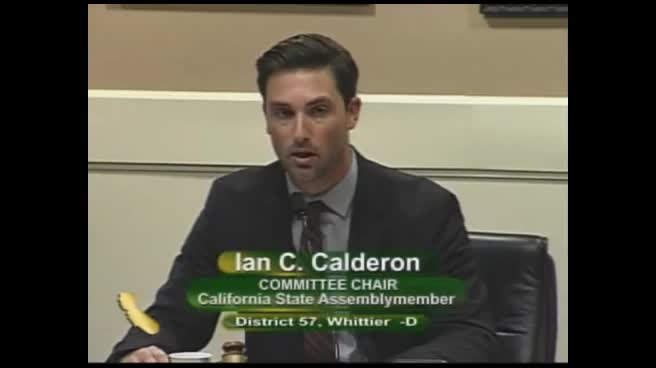
Calderon, Chair
AB 189
(Bloom) – As Introduced January 27, 2015
SUBJECT:
California Arts Council: cultural districts.
SUMMARY:
Directs the California Arts Council (CAC) to establish criteria and guidelines for state-designated cultural districts. Specifically, this bill:
Requires that the CAC establish criteria and guidelines for state-designated cultural districts, as defined.
Provides that executing its powers and duties under this chapter, the council shall do all of the following:
Establish a competitive application system by which a community may apply for certification as a state-designated cultural district.
Provide technical assistance and promotional support for state-designated cultural districts.
Collaborate with other public agencies and private entities to maximize the benefits of state-designated cultural districts.
Provides that initial certification as a state-designated cultural district shall be for a period of five years.
Further provides that a certified district may renew certification every three years after expiration of the initial five year period.
Defines a, “state-designated cultural district” to mean a geographical area certified pursuant to this chapter with a concentration of cultural facilities, creative enterprises, or arts venues that does any of the following:
Attracts artists, creative entrepreneurs, and cultural enterprises.
Encourages economic development and supports entrepreneurship in the creative community.
Encourages the preservation and reuse of historic buildings and other artistic and culturally significant structures.
Fosters local cultural development.
Provides a focal point for celebrating and strengthening the unique cultural identity of the community.
EXISTING LAW:
Creates the CAC, consisting of 11-members who serve four-year, staggered terms. Nine members are appointed by the Governor, subject to Senate confirmation, and the Speaker of the Assembly and the Senate Committee on Rules appoint one member each.
Directs CAC to encourage artistic awareness, participation, and expression; to help independent local groups develop their own arts programs; to promote employment of artists and those skilled in crafts in the public and private sector; to provide for exhibition of artistic works in public buildings; and, to enlist the aid of all state agencies in the task of ensuring the fullest expression of artistic potential.
Authorizes CAC to hold hearings, execute agreements, and perform any acts necessary and proper to carry out their designated purposes.
FISCAL EFFECT:
Unknown
COMMENTS:
Author's Statement and Support for Legislation. According to the author, "The Creative Economy is a major powerhouse of jobs and revenue in California, generating over 7% of the state’s economic activity and supporting 1.4 million jobs. Whether it is music, film or visual arts, California’s creative economy has long been an important part of our state’s cultural and economic infrastructure. Studies have shown that creative entities and business often cluster into certain areas, likely due to the benefits from exchanging and sharing resources, entrepreneurial dialogue, and economic activity. These clusters are often well-loved parts of cities and can be found throughout the state.
"AB 189 would allow the California Arts Council to designate these kinds of areas as official California Cultural Districts. Establishing state-designated cultural districts will help to draw more tourism and commerce to these creative clusters. Almost three quarters of "leisure travel" in the U.S. is spent on arts and cultural experiences. Establishing cultural district will create resources for this sector of the tourism industry and would be very beneficial to local economies. Other states, such as Maryland, have successfully implemented their own cultural district programs and seen noticeable economic benefits for the designated areas. Arts and cultural districts in other states have spurred new business, increased community interaction, attracted more tourism, and increased government revenue based on the economic growth.
"The California Arts Council is the ideal state agency to administer a cultural districts program. The main focus of the council is to advance California through the arts and creativity, a mission that aligns with the intended purpose of cultural districts. The agency is familiar with thousands of nonprofits and supports a network of local arts agencies and arts support organizations. The Council works closely with other state and local agencies on arts and culture subjects and promotes workforce development in the creative economy. Therefore, the Council is well equipped to help future districts reach their full potential. Almost all states with arts and cultural districts programs have designated their state arts agency as the lead for their programs. Through technical support provided by the Council, the California Cultural Districts program has the potential to significantly increase tourism and encourage commerce in creative communities."
The California Arts Council states the following in strong support, "AB 189 would authorize and direct the Arts Council to establish criteria and guidelines for a program of state-designated cultural districts. The bill would require the council to establish a competitive application system for certification, provide technical and promotional support for certified state-designated cultural districts, and collaborate with public agencies and private entities to maximize the benefits of state-designated cultural districts. State arts agencies have a potentially unique role in identifying and cultivating creative places and neighborhoods in a variety of areas across a state. Recognition of locations in both urban and rural settings allows the California Arts Council to strategically cultivate and encourage cultural growth from a regional and local perspective.
"The requirements and procedures for certifying districts vary from state to state and may be defined in enabling legislation. However, the enabling legislation for the California Arts Council, Government Code Section 8750-8756, is devoid of this language, and this legislation will clarify and name the California Arts Council as the agency responsible for establishing and implementing this program."
Background.
California Arts Council. The Californian Arts Council was created in 1975 under then Governor Jerry Brown to increase access to the arts for all Californians. Over the course of 25 years, the CAC’s impact grew especially through efforts that brought arts programming to underserved communities and populations across the state (such as rural communities, inner city neighborhoods, prisons and schools). Examples of programs the CAC has offered over the years include:
Artists in Schools – Support for arts organizations that partner with schools and/or school districts to facilitate artists-in-residence activities in the classroom and after-school programs.
Creating Public Value – Support for arts organizations in rural or underserved areas to implement projects making a positive contribution to their communities.
Statewide Service Networks – Support for discipline-based arts service organizations and statewide arts networks to strengthen their constituencies and promote the public value of the arts in their communities.
State-Local Partnership – Support for local arts agencies designated by county boards of supervisors to provide arts in local communities.
My California Story Slam – Encourages educators to explore creative writing in their high school classrooms and to draw upon the expressive skills of their students.
Poetry Out Loud – National recitation contest that encourages high school students to experience poetry through memorization, performance, and competition. Poetry Out Loud is an initiative of the National Endowment for the Arts (NEA).
American Masterpieces: California – An initiative of the NEA developed to introduce Americans to the best of their artistic and cultural legacy. Two tours are being promoted for 2007-08 presentations in California: American Tap Masterpieces – The Hollywood Journey, and Música Festiva de las Misiones.
California Music Project – To help restore music education in public schools, K-12.
Convenings – Annual statewide arts conference, professional development sessions, with the multicultural infrastructure (9 discipline-based arts service organizations) and statewide service network organizations (6 organizations).
Poet Laureate – Overview, nomination process, eligibility and criteria for two-year gubernatorial appointment to the position of Poet Laureate and related literary tour.
Marketing: Public Awareness – Using social change models, marketing & advocacy to reframe the arts as a public value--essential to a healthy society, as critical as free speech.
Cultural District Programs. According to information supplied by supporters, cultural districts are well-recognized, labeled areas of a city in which a high concentration of cultural facilities and programs serve as the main anchor of attraction and creative business development. They help strengthen local economies, create an enhanced sense of place, and deepen local cultural capacity. There are 14 other states that have established official state Arts & Cultural Districts programs.
Under AB 189, a, “state-designated cultural district” would be defined as a geographical area with a concentration of cultural facilities, creative enterprises, or arts venues that does any of the following: Attracts artists, creative entrepreneurs, and cultural enterprises; Encourages economic development and supports entrepreneurship in the creative community; Encourages the preservation and reuse of historic buildings and other artistic and culturally significant structures; Fosters local cultural development; Provides a focal point for celebrating and strengthening the unique cultural identity of the community.
Economic Impact of Cultural Districts and the Arts. The National Cultural Districts Exchange, a national organization comprised of state and jurisdictional arts agencies, recently published a paper entitled, "State Cultural Districts: Policies, Metrics, and Evaluation" which details the various models states have adopted or are considering for Cultural Districts. The paper highlights the 14 existing programs, and offers an upbeat analysis of the future of this hybrid of urban planning and cultural amenity. In the "Evaluation" portion of their paper, the authors admit, "Even with robust data collection, proving the influence of arts based initiatives on community well-being remains difficult…"
However, The Maryland State Arts Council was able to quantify the economic benefit of the 20 Maryland Arts and Entertainment Districts currently in place. They found that 5,144 direct, indirect, and induced jobs were created during their study period (2013); more than $458.2 million in total state GDP were supported; $149.2 million in total wages were paid, and the total tax revenue attributed to the districts was approximately $36.3 million. (Irani, Grimm, Maryland Arts and Entertainment Districts Impact Analysis FY 2103, [February 25, 2014], Regional Economic Studies Institute of Townson University.)
Supporters of AB 189 also provided the committee staff with information to support their assertions that public investment in the non-profit arts has been proven to both spark economic activity in communities and return tax dollars to public coffers. Pointing out recent research which shows that arts investments made by the state of Pennsylvania generated $2.50 for the state’s treasury for every one dollar spent. In California, the Los Angeles County Economic Development Commission issues an annual report on the Creative Economy, The 2013 Otis Report on the Creative Economy, which tabulated the economic activity of the entire creative economy, found that 1 in 10 jobs in California are part of the creative industries, the creative industries of California generated $273.5 billion in total (direct, indirect, and induced) economic output, and employ 1.4 million workers. The tax contributions of the creative industries to the state are an impressive $13 billion dollars annually when one combines the total property, state and local personal income, sales and other taxes.
5) Prior and Related Legislation. ACR 46 (Calderon), of 2015, would declare the importance of the arts to the state and the essential role of the Arts Council in promoting the arts throughout the state, and urge a unified effort between the Legislature and the Governor to provide a substantial increase in the General Fund appropriation to the California Arts Council in the 2015–16 Budget Act. Status: Currently pending before this Committee.
6) Double-referral: Should this bill pass out of this committee, it will be re-referred to the Assembly Committee on Local Government.
REGISTERED SUPPORT / OPPOSITION:
Support
Arts Orange County
California Alliance for Arts Education
California Arts Council
California Arts Advocates
MACLA/Movimiento de Arte y Cultura Latino Americana
Silicon Valley Creates
Theatre West
ZERO1: The Art & Technology Network
Opposition
There is no opposition on file.
Analysis Prepared by:
Dana Mitchell / A.,E.,S.,T., & I.M. / (916) 319-3450
Discussed in Hearing
 1MIN
Assembly Floor
 5MIN
Senate Floor
 8MIN
Senate Standing Committee on Governmental Organization
 8MIN
Assembly Standing Committee on Local Government
 24MIN
Assembly Standing Committee on Arts, Entertainment, Sports, Tourism, and Internet Media
Bill Author



