AB 2116: School bonds: projections of assessed property valuations.
- Session Year: 2015-2016
- House: Assembly
- Latest Version Date: 2016-08-17
Existing law authorizes the governing board of any school district or community college district to order an election and submit to the electors of the district the question whether the bonds of the district should be issued and sold for the purpose of raising money for specified purposes, including, among other things, the supplying of school buildings and grounds with furniture, equipment, or necessary apparatus of a permanent nature.
This bill would require the governing board of a school district and the governing board of a community college district to obtain reasonable and informed projections of assessed property valuations that take into consideration projections of assessed property valuations made by the county assessor. The bill would also delete obsolete references and make other nonsubstantive changes.
(1)Existing
Existing law authorizes the governing board of any school district or community college district to order an election and submit to the electors of the district the question whether the bonds of the district should be issued and sold for the purpose of raising money for specified purposes, including, among other things, the supplying of school buildings and grounds with furniture, equipment, or necessary apparatus of a permanent nature.
This bill would require the governing board of a school district to obtain reasonable and informed projections of assessed property valuations from an independent third party not associated with the bond measure before placing a bond measure on a ballot. that take into consideration projections of assessed property valuations made by the county assessor. The bill would also delete obsolete references and make other nonsubstantive changes.
(2)Existing law requires the governing board of a school district or community college district to establish and appoint members to an independent citizens oversight committee, as specified, if a bond measure authorized pursuant to certain provisions of the California Constitution is approved by 55% of the voters. Existing law requires the citizens oversight committee to convene to at least ensure the bond revenues are expended only for specified purposes and not used for any teacher or administrative salaries or other school operating expenses.
This bill would additionally require a citizens oversight committee that is established by the governing board of a school district to annually review the school districts arrangements for issuing and repaying its bonds.
(3)Existing law authorizes an action to obtain an order restraining and preventing any expenditure of funds received by a school district or community college district through the sale of bonds described above against any officer, agent, or other person acting on behalf of, that school district or community college district, by citizens who are or were liable to pay an ad valorem tax on real property within the school or community college district if it appears by the complaint or affidavits that certain conditions are present, including, among others, that the governing board of a school district or community college district has willfully failed to appoint the citizens oversight committee. Existing law defines these actions as a School Bond Waste Prevention Action.
This bill would, in the case of a school district only, authorize a county auditor with jurisdiction over the school district to also bring a School Bond Waste Prevention Action.
(4)This bill also would delete obsolete references and make other nonsubstantive changes.
(1)Existing law authorizes the governing board of any school district or community college district to order an election and submit to the electors of the district the question whether the bonds of the district should be issued and sold for the purpose of raising money for specified purposes, including, among other things, the supplying of school buildings and grounds with furniture, equipment, or necessary apparatus of a permanent nature.
This bill would require the governing board of a school district to obtain reasonable and informed projections of assessed property valuations from an independent third party not associated with the bond measure before placing a bond measure on a ballot.
(2)Existing law requires the governing board of a school district or community college district to establish and appoint members to an independent citizens oversight committee, as specified, if a bond measure authorized pursuant to certain provisions of the California Constitution is approved by 55% of the voters. Existing law requires the citizens oversight committee to convene to at least ensure the bond revenues are expended only for specified purposes and not used for any teacher or administrative salaries or other school operating expenses.
This bill would additionally require a citizens oversight committee that is established by the governing board of a school district to annually review the school districts arrangements for issuing and repaying its bonds.
(3)Existing law authorizes an action to obtain an order restraining and preventing any expenditure of funds received by a school district or community college district through the sale of bonds described above against any officer, agent, or other person acting on behalf of, that school district or community college district, by citizens who are or were liable to pay an ad valorem tax on real property within the school or community college district if it appears by the complaint or affidavits that certain conditions are present, including, among others, that the governing board of a school district or community college district has willfully failed to appoint the citizens oversight committee. Existing law defines these actions as a School Bond Waste Prevention Action.
This bill would, in the case of a school district only, authorize a county auditor with jurisdiction over the school district to also bring a School Bond Waste Prevention Action.
(4)This bill also would delete obsolete references and make other nonsubstantive changes.
(a)Except as otherwise provided by law, the governing board of any school district or community college district may, when in its judgment it is advisable, and shall, upon a petition of the majority of the qualified electors residing in the school district or community college district, order an election and submit to the electors of the school district or community college district, as applicable, the question whether the bonds of the school district or community college district shall be issued and sold for the purpose of raising money for the following purposes:
(1)The purchasing of school lots.
(2)The building or purchasing of school buildings.
(3)The making of alterations or additions to the school building or buildings other than as may be necessary for current maintenance, operation, or repairs.
(4)The repairing, restoring, or rebuilding of any school building damaged, injured, or destroyed by fire or other public calamity.
(5)The supplying of school buildings and grounds with furniture, equipment, or necessary apparatus of a permanent nature.
(6)The permanent improvement of the school grounds.
(7)The refunding of any outstanding valid indebtedness of the school district or community college district, evidenced by bonds, or of state school building aid loans.
(8)The carrying out of the projects or purposes authorized in Section 17577.
(9)The purchase of schoolbuses the useful life of which is at least 20 years.
(10)The demolition or razing of any school building with the intent to replace it with another school building, whether in the same location or in any other location.
(b)Any one or more of the purposes enumerated in subdivision (a), except that of refunding any outstanding valid indebtedness of the school district or community college district evidenced by bonds, may, by order of the governing board of the school district or community college district, as applicable, that is entered in its minutes, be united and voted upon as one single proposition.
(c)Before the governing board of a school district or the governing board of a community college district may order an election for purposes of this section, it shall obtain reasonable and informed projections of assessed property valuations that take into consideration projections of assessed property valuations made by the county assessor.
(a)Except as otherwise provided by law, the governing board of any school district or community college district may, when in its judgment it is advisable, and shall, upon a petition of the majority of the qualified electors residing in the school district or community college district, order an election and submit to the electors of the school district or community college district, as applicable, the question whether the bonds of the school district or community college district shall be issued and sold for the purpose of raising money for the following purposes:
(1)The purchasing of school lots.
(2)The building or purchasing of school buildings.
(3)The making of alterations or additions to the school building or buildings other than as may be necessary for current maintenance, operation, or repairs.
(4)The repairing, restoring, or rebuilding of any school building damaged, injured, or destroyed by fire or other public calamity.
(5)The supplying of school buildings and grounds with furniture, equipment, or necessary apparatus of a permanent nature.
(6)The permanent improvement of the school grounds.
(7)The refunding of any outstanding valid indebtedness of the school district or community college district, evidenced by bonds, or of state school building aid loans.
(8)The carrying out of the projects or purposes authorized in Section 17577.
(9)The purchase of schoolbuses the useful life of which is at least 20 years.
(10)The demolition or razing of any school building with the intent to replace it with another school building, whether in the same location or in any other location.
(b)Any one or more of the purposes enumerated in subdivision (a), except that of refunding any outstanding valid indebtedness of the school district or community college district evidenced by bonds, may, by order of the governing board of the school district or community college district, as applicable, that is entered in its minutes, be united and voted upon as one single proposition.
(c)Before the governing board of a school district may order an election for purposes of this section, it shall obtain reasonable and informed projections of assessed property valuations from an independent third party not associated with the bond measure. that take into consideration projections of assessed property valuations made by the county assessor.
SEC. 2.Section 15278 of the Education Code is amended to read:15278.(a)If a bond measure authorized pursuant to paragraph (3) of subdivision (b) of Section 1 of Article XIIIA of the California Constitution and subdivision (b) of Section 18 of Article XVI of the California Constitution is approved, the governing board of the school district or community college shall establish and appoint members to an independent citizens oversight committee, pursuant to Section 15282, within 60 days of the date that the governing board enters the election results on its minutes pursuant to Section 15274.
(b)The purpose of the citizens oversight committee shall be to inform the public concerning the expenditure of bond revenues. The citizens oversight committee shall actively review and report on the proper expenditure of taxpayers money for school construction. The citizens oversight committee shall advise the public as to whether a school district or community college district is in compliance with the requirements of paragraph (3) of subdivision (b) of Section 1 of Article XIIIA of the California Constitution. The citizens oversight committee shall convene to provide oversight for, but not be limited to, both of the following:
(1)Ensuring that bond revenues are expended only for the purposes described in paragraph (3) of subdivision (b) of Section 1 of Article XIIIA of the California Constitution.
(2)Ensuring that, as prohibited by subparagraph (A) of paragraph (3) of subdivision (b) of Section 1 of Article XIIIA of the California Constitution, no funds are used for any teacher or administrative salaries or other school operating expenses.
(c)In furtherance of its purpose, the citizens oversight committee may engage in any of the following activities:
(1)Receiving and reviewing copies of the annual, independent performance audit required by subparagraph (C) of paragraph (3) of subdivision (b) of Section 1 of Article XIIIA of the California Constitution.
(2)Receiving and reviewing copies of the annual, independent financial audit required by subparagraph (C) of paragraph (3) of subdivision (b) of Section 1 of Article XIIIA of the California Constitution.
(3)Inspecting school facilities and grounds to ensure that bond revenues are expended in compliance with the requirements of paragraph (3) of subdivision (b) of Section 1 of Article XIIIA of the California Constitution.
(4)Receiving and reviewing copies of any deferred maintenance proposals or plans developed by a school district or community college district.
(5)Reviewing efforts by the school district or community college district to maximize bond revenues by implementing cost-saving measures, including, but not limited to, all of the following:
(A)Mechanisms designed to reduce the costs of professional fees.
(B)Mechanisms designed to reduce the costs of site preparation.
(C)Recommendations regarding the joint use of core facilities.
(D)Mechanisms designed to reduce costs by incorporating efficiencies in schoolsite design.
(E)Recommendations regarding the use of cost-effective and efficient reusable facility plans.
(d)A citizens oversight committee that is established by the governing board of a school district shall also annually review the school districts arrangements for issuing and repaying its bonds.
SEC. 3.Section 15284 of the Education Code is amended to read:15284.(a)An action to obtain an order restraining and preventing any expenditure of funds received by a school district or community college district through the sale of bonds authorized by this chapter pursuant to paragraph (3) of subdivision (b) of Section 1 of Article XIIIA of the California Constitution and subdivision (b) of Section 18 of Article XVI of the California Constitution may be maintained against any officer, agent, or other person acting on behalf of, that school district or community college district, by a citizen residing in the school district or community college district who is assessed and is liable to pay an ad valorem tax on real property within the school district or community college district, or who has paid an ad valorem tax on real property within the school district or community college district within one year before the commencement of the action, or, in the case of a school district only, a county auditor with jurisdiction over the school district, if it appears by the complaint or affidavits that any of the following conditions are present:
(1)An expenditure of funds received by a school district or community college district through the sale of bonds authorized by this chapter is for purposes other than those specified in paragraph (3) of subdivision (b) of Section 1 of Article XIIIA of the California Constitution.
(2)The expenditure is not in compliance with paragraph (3) of subdivision (b) of Section 1 of Article XIIIA of the California Constitution.
(3)That an expenditure in violation of paragraph (3) of subdivision (b) of Section 1 of Article XIIIA of the California Constitution will be made or will continue to be made during the litigation that would produce waste or great or irreparable injury.
(4)The governing board of a school district or community college district has willfully failed to appoint the citizens oversight committee in violation of the requirements of Section 15278.
(b)An action brought pursuant to this section shall take special precedence over all civil matters on the calendar of the court except those matters granted equal precedence by law.
(c)The rights, remedies, or penalties established by this section are cumulative to the rights, remedies, or penalties established under other laws, including subdivision (a) of Section 526 of the Code of Civil Procedure.
(d)If an order is obtained to restrain and prevent an expenditure of funds pursuant to subdivision (a), a court may award attorneys fees pursuant to Chapter 6 (commencing with Section 1021.5) of Title 14 of Part 2 of the Code of Civil Procedure.
(e)The action authorized by this section shall be known as a School Bond Waste Prevention Action.
(a)Except as otherwise provided by law, the governing board of any school district or community college district may, when in its judgment it is advisable, and shall, upon a petition of the majority of the qualified electors residing in the school district or community college district, order an election and submit to the electors of the district school district or community college district, as applicable, the question whether the bonds of the school district or community college district shall be issued and sold for the purpose of raising money for the following purposes:
(a)
(1)The purchasing of school lots.
(b)
(2)The building or purchasing of school buildings.
(c)
(3)The making of alterations or additions to the school building or buildings other than as may be necessary for current maintenance, operation, or repairs.
(d)
(4)The repairing, restoring, or rebuilding of any school building damaged, injured, or destroyed by fire or other public calamity.
(e)
(5)The supplying of school buildings and grounds with furniture, equipment, or necessary apparatus of a permanent nature.
(f)
(6)The permanent improvement of the school grounds.
(g)
(7)The refunding of any outstanding valid indebtedness of the school district or community college district, evidenced by bonds, or of state school building aid loans.
(h)
(8)The carrying out of the projects or purposes authorized in Section 17577 or 81613. 17577.
(i)
(9)The purchase of schoolbuses the useful life of which is at least 20 years.
(j)
(10)The demolition or razing of any school building with the intent to replace it with another school building, whether in the same location or in any other location.
Any
(b)Any one or more of the purposes enumerated, enumerated in subdivision (a), except that of refunding any outstanding valid indebtedness of the school district or community college district evidenced by bonds, may, by order of the governing board of the school district or community college district, as applicable, that is entered in its minutes, be united and voted upon as one single proposition.
(c)Before the governing board of a school district may order an election for purposes of this section, it shall obtain reasonable and informed projections of assessed property valuations from an independent third party not associated with the bond measure.
SEC. 2.Section 15278 of the Education Code is amended to read:15278.(a)If a bond measure authorized pursuant to paragraph (3) of subdivision (b) of Section 1 of Article XIIIA of the California Constitution and subdivision (b) of Section 18 of Article XVI of the California Constitution is approved, the governing board of the school district or community college shall establish and appoint members to an independent citizens oversight committee, pursuant to Section 15282, within 60 days of the date that the governing board enters the election results on its minutes pursuant to Section 15274.
(b)The purpose of the citizens oversight committee shall be to inform the public concerning the expenditure of bond revenues. The citizens oversight committee shall actively review and report on the proper expenditure of taxpayers money for school construction. The citizens oversight committee shall advise the public as to whether a school district or community college district is in compliance with the requirements of paragraph (3) of subdivision (b) of Section 1 of Article XIIIA of the California Constitution. The citizens oversight committee shall convene to provide oversight for, but not be limited to, both of the following:
(1)Ensuring that bond revenues are expended only for the purposes described in paragraph (3) of subdivision (b) of Section 1 of Article XIIIA of the California Constitution.
(2)Ensuring that, as prohibited by subparagraph (A) of paragraph (3) of subdivision (b) of Section 1 of Article XIIIA of the California Constitution, no funds are used for any teacher or administrative salaries or other school operating expenses.
(c)In furtherance of its purpose, the citizens oversight committee may engage in any of the following activities:
(1)Receiving and reviewing copies of the annual, independent performance audit required by subparagraph (C) of paragraph (3) of subdivision (b) of Section 1 of Article XIIIA of the California Constitution.
(2)Receiving and reviewing copies of the annual, independent financial audit required by subparagraph (C) of paragraph (3) of subdivision (b) of Section 1 of Article XIIIA of the California Constitution.
(3)Inspecting school facilities and grounds to ensure that bond revenues are expended in compliance with the requirements of paragraph (3) of subdivision (b) of Section 1 of Article XIIIA of the California Constitution.
(4)Receiving and reviewing copies of any deferred maintenance proposals or plans developed by a school district or community college district, including any reports required by Section 17584.1. district.
(5)Reviewing efforts by the school district or community college district to maximize bond revenues by implementing cost-saving measures, including, but not limited to, all of the following:
(A)Mechanisms designed to reduce the costs of professional fees.
(B)Mechanisms designed to reduce the costs of site preparation.
(C)Recommendations regarding the joint use of core facilities.
(D)Mechanisms designed to reduce costs by incorporating efficiencies in schoolsite design.
(E)Recommendations regarding the use of cost-effective and efficient reusable facility plans.
(d)A citizens oversight committee that is established by the governing board of a school district shall also annually review the school districts arrangements for issuing and repaying its bonds.
SEC. 3.Section 15284 of the Education Code is amended to read:15284.(a)An action to obtain an order restraining and preventing any expenditure of funds received by a school district or community college district through the sale of bonds authorized by this chapter pursuant to paragraph (3) of subdivision (b) of Section 1 of Article XIIIA of the California Constitution and subdivision (b) of Section 18 of Article XVI of the California Constitution may be maintained against any officer, agent, or other person acting on behalf of, that school district or community college district, by a citizen residing in the school district or community college district who is assessed and is liable to pay an ad valorem tax on real property within the school district or community college district, or who has paid an ad valorem tax on real property within the school district or community college district within one year before the commencement of the action action, or, in the case of a school district only, a county auditor with jurisdiction over the school district, if it appears by the complaint or affidavits that any of the following conditions are present:
(1)An expenditure of funds received by a school district or community college district through the sale of bonds authorized by this chapter is for purposes other than those specified in paragraph (3) of subdivision (b) of Section 1 of Article XIIIA of the California Constitution.
(2)The expenditure is not in compliance with paragraph (3) of subdivision (b) of Section 1 of Article XIIIA of the California Constitution.
(3)That an expenditure in violation of paragraph (3) of subdivision (b) of Section 1 of Article XIIIA of the California Constitution will be made or will continue to be made during the litigation that would produce waste or great or irreparable injury.
(4)The governing board of a school district or community college district has willfully failed to appoint the citizens oversight committee in violation of the requirements of Section 15278.
(b)An action brought pursuant to this section shall take special precedence over all civil matters on the calendar of the court except those matters granted equal precedence by law.
(c)The rights, remedies, or penalties established by this section are cumulative to the rights, remedies, or penalties established under other laws, including subdivision (a) of Section 526 of Chapter 3 of Title 7 of Part 2 of the Code of Civil Procedure.
(d)If an order is obtained to restrain and prevent an expenditure of funds pursuant to subdivision (a), a court may award attorneys fees pursuant to Chapter 6 (commencing with Section 1021.5) of Title 14 of Part 2 of the Code of Civil Procedure.
(e)The action authorized by this section shall be known as a School Bond Waste Prevention Action.
|
Date
|
Status
|
|---|---|
| Jun 14, 2016 | From committee: Amend, and do pass as amended. To Consent Calendar. (Ayes 9. Noes 0.) (June 8). |
| Aug 17, 2016 | Chaptered by Secretary of State - Chapter 129, Statutes of 2016. |
| Aug 17, 2016 | Approved by the Governor. |
| Aug 5, 2016 | Enrolled and presented to the Governor at 2:30 p.m. |
| Aug 1, 2016 | Senate amendments concurred in. To Engrossing and Enrolling. (Ayes 76. Noes 0. Page 5643.). |
| Aug 1, 2016 | Senate amendments concurred in. To Engrossing and Enrolling. |
| Jun 30, 2016 | Read third time. Passed. Ordered to the Assembly. (Ayes 37. Noes 0. Page 4644.). |
| Jun 30, 2016 | Read third time. Passed. Ordered to the Assembly. |
| Jun 30, 2016 | In Assembly. Concurrence in Senate amendments pending. May be considered on or after July 30 pursuant to Assembly Rule 77. |
| Jun 30, 2016 | In Assembly. Concurrence in Senate amendments pending. May be considered on or after July 29 pursuant to Assembly Rule 77. |
| Jun 15, 2016 | Read second time and amended. Ordered to consent calendar. |
| Feb 17, 2016 | Read first time. To print. |
| May 5, 2016 | Referred to Com. on ED. |
| Apr 21, 2016 | Read third time. Passed. Ordered to the Senate. (Ayes 79. Noes 0. Page 4464.) |
| Apr 21, 2016 | Read third time. Passed. Ordered to the Senate. |
| Apr 21, 2016 | In Senate. Read first time. To Com. on RLS. for assignment. |
| Apr 18, 2016 | Read second time. Ordered to Consent Calendar. |
| Apr 14, 2016 | Read second time and amended. Ordered returned to second reading. |
| Apr 13, 2016 | From committee: Amend, and do pass as amended. To Consent Calendar. (Ayes 7. Noes 0.) (April 6). |
| Feb 29, 2016 | Referred to Com. on ED. |
| Feb 18, 2016 | From printer. May be heard in committee March 19. |
|
Date
|
Description
|
Location
|
Votes
|
|
|---|---|---|---|---|
| Aug 1, 2016 | AB 2116 GALLAGHER Concurrence in Senate Amendments | Assembly Floor |
Passed |
|
| Jun 30, 2016 | Consent Calendar 2nd AB2116 Gallagher | Senate Floor |
Passed |
|
| Jun 8, 2016 | Do pass as amended, and be ordered to the Consent Calendar | Senate Standing Committee on Education |
Passed |
|
| Apr 21, 2016 | AB 2116 GALLAGHER Consent Calendar Second Day Regular Session | Assembly Floor |
Passed |
|
| Apr 6, 2016 | Do pass as amended. To Consent Calendar. | Assembly Standing Committee on Education |
Passed |
This list shows positions taken on this bill by organizations on the date displayed, which is linked to the original source.
Positions by individuals are not included.
|
Organization
|
Position
|
Date
|
|---|---|---|
| Howard Jarvis Taxpayers Association | ** Support | Aug 1, 2016 |
| Salinas Taxpayers Association | ** Support | Aug 1, 2016 |
| u None received. | ** Against | Aug 1, 2016 |
CONCURRENCE IN SENATE AMENDMENTS
CSA1 Bill Id:AB 2116
Author:(Gallagher)
As Amended Ver:June 15, 2016
Majority vote
ASSEMBLY: | 79-0 | (April 21, 2016) | SENATE: | 37-0 | (June 30, 2016) |
Original Committee Reference: ED.
SUMMARY: Specifies that before the governing board of a school district or the governing board of a community college district orders an election to place a general obligation bond on the ballot, it shall obtain reasonable and informed projections of assessed property valuations that take into consideration projections of assessed property valuations made by the county assessor.
The Senate amendments clarify that references to the governing board include the governing board of a community college district in addition to the governing board of a school district.
EXISTING LAW: Authorizes, under California Constitution Article XIII A, Section 1, school districts, community college districts, or county offices of education to pass a general obligation bond by 55% vote, provided that the local initiative includes the following accountability measures:
- A requirement that the proceeds from the sale of the bonds be used only for the construction, reconstruction, rehabilitation, or replacement of school facilities, including the furnishing and equipping of school facilities, or the acquisition or lease of real property for school facilities, and not for any other purpose;
- Provide a list of the specific school facilities projects to be funded and certification that the school district board, community college board, or county office of education has evaluated safety, class size reduction, and information technology needs in developing that list;
- A requirement that the school district board, community college board, or county office of education conduct an annual, independent performance audit to ensure that the funds have been expended only on the specified projects; and,
- A requirement that the school district board, community college board, or county office of education conduct an annual, independent financial audit of the proceeds from the sale of the bonds until all of those proceeds have been expended for the school facilities projects.
FISCAL EFFECT: None. This bill is keyed non-fiscal by the Legislative Counsel.
COMMENTS: In 2000, voters passed Proposition 39, a Constitutional Amendment which, among others, gave school and community college districts the opportunity to seek approval of a local school facilities bond based on 55% vote rather than 2/3 vote, provided that the local bond initiative meets specified accountability measures, including identifying the projects to be funded by the bond measure and conducting annual independent financial and performance audits.
Local bonds are paid by an ad valorem tax (up to $60 per $100,000 for a unified school district) based on property values. Higher assessed valuations would yield higher revenues to pay for a bond. According to the author, bond advisors may present overly positive revenue projections when presenting a proposed bond measure to a governing board. The author states that this bill would improve school bond oversight, accountability, and fiscal responsibility by requiring the school district governing board to consider the county assessor's projections prior to ordering an election to authorize school facilities construction bonds.
Analysis Prepared by: Sophia Kwong Kim / ED. / (916) 319-2087 FN: 0003597
Office of Senate Floor Analyses (916) 651-1520 Fax: (916) 327-4478 | AB |
CONSENT
Bill No: AB 2116
: 6/15/16 Senate
SENATE EDUCATION COMMITTEE: 9-0, 6/8/16
AYES: Liu, Block, Hancock, Huff, Leyva, Mendoza, Monning, Pan, Vidak
ASSEMBLY FLOOR: 79-0, 4/21/16 (Consent) - See last page for vote
DIGEST: This bill requires a school district or community college district governing board to consider the county assessor’s projections for property valuations prior to ordering an election to authorize bonds for school facilities construction related purposes.
Existing law authorizes the governing board of any school district or community college district and requires a district, upon a petition of the majority of the qualified electors residing in the district, to order an election and submit to the electors of the district the question whether the bonds of the district shall be issued and sold for the purpose of raising money for specified purposes, including the purchase of school lots, the building or purchase of school buildings, and other facilities and equipment related costs, as well as refunding of facilities related debt, as specified. (Education Code § 15100)
This bill:
- Requires a school or community college district to consider the county assessor’s projections of assessed property valuations prior to ordering an election to authorize bonds for school facilities construction related purposes, as specified.
- Makes a number of technical and clarifying changes applicable to both school and community college districts.
Comments
Source of the bill. In July 2015, the California Policy Center, an educational nonprofit focused on how to improve California’s democracy and economy, issued a report, For the Kids: CA Voters Must Become Way of Borrowing Billions More from Wealthy Investors for Educational Construction. Among other things, the report highlighted the need for adequate and effective oversight and accountability for bond measures. The report recommended that districts be required to obtain reasonable and informed projections of assessed property valuation from an independent source (not from their bond advisors and consultants) before placing a bond measure on the ballot. According to the author, this bill would improve school bond oversight, accountability, and fiscal responsibility by requiring the school district governing board to consider the county assessor’s projections prior to ordering an election to authorize school facilities construction bonds.
FISCAL EFFECT: Appropriation: Fiscal Com.: Local:
Howard Jarvis Taxpayers Association
Salinas Taxpayers Association
OPPOSITION: (Verified 6/14/16)
None received
ASSEMBLY FLOOR: 79-0, 4/21/16
AYES: Achadjian, Alejo, Travis Allen, Arambula, Atkins, Baker, Bigelow, Bloom, Bonilla, Bonta, Brough, Brown, Burke, Calderon, Campos, Chang, Chau, Chávez, Chiu, Chu, Cooley, Cooper, Dababneh, Dahle, Daly, Dodd, Eggman, Frazier, Beth Gaines, Gallagher, Cristina Garcia, Eduardo Garcia, Gatto, Gipson, Gomez, Gonzalez, Gordon, Gray, Grove, Hadley, Harper, Roger Hernández, Holden, Irwin, Jones, Jones-Sawyer, Kim, Lackey, Levine, Linder, Lopez, Low, Maienschein, Mathis, Mayes, McCarty, Medina, Melendez, Mullin, Nazarian, Obernolte, O'Donnell, Olsen, Patterson, Quirk, Rodriguez, Salas, Santiago, Steinorth, Mark Stone, Thurmond, Ting, Wagner, Waldron, Weber, Wilk, Williams, Wood, Rendon
NO VOTE RECORDED: Ridley-Thomas
6/15/16 17:24:39
**** END ****
SENATE COMMITTEE ON EDUCATION
Senator Carol Liu, Chair
2015 - 2016 Regular
Bill No: AB 2116
Author: | Gallagher | ||
Version: | April 14, 2016 Hearing Date: June 8, 2016 | ||
Urgency: | No | Fiscal: | No |
Consultant: | Kathleen Chavira | ||
Subject: School bonds: projections of assessed property valuations
SUMMARY
This bill requires a school district governing board to consider the county assessor’s projections for property valuations prior to ordering an election to authorize bonds for school facilities construction related purposes.
BACKGROUND
Existing law authorizes the governing board of any school district or community college district and requires a district, upon a petition of the majority of the qualified electors residing in the district, to order an election and submit to the electors of the district the question whether the bonds of the district shall be issued and sold for the purpose of raising money for specified purposes, including the purchase of school lots, the building or purchase of school buildings, and other facilities and equipment related costs, as well as refunding of facilities related debt, as specified. (Education Code § 15100)
ANALYSIS
This bill:
- Requires a school district to consider the county assessor’s projections of assessed property valuations prior to ordering an election to authorize bonds for school facilities construction related purposes, as specified.
- Makes a number of technical and clarifying changes applicable to both school and community college districts.
STAFF COMMENTS
- Source of the bill. In July 2015, the California Policy Center, an educational nonprofit focused on how to improve California’s democracy and economy, issued a report, For the Kids: CA Voters Must Become Way of Borrowing Billions More from Wealthy Investors for Educational Construction. Among other things, the report highlighted the need for adequate and effective oversight and accountability for bond measures. The report recommended that districts be required to obtain reasonable and informed projections of assessed property valuation from an independent source (not from their bond advisors and consultants) before placing a bond measure on the ballot. According to the author, this bill would improve school bond oversight, accountability, and fiscal responsibility by requiring the school district governing board to consider the county assessor’s projections prior to ordering an election to authorize school facilities construction bonds.
- Applicability to all districts? As currently drafted the requirement that county assessor property valuations be considered prior to ordering an election are applicable only to school districts. Staff recommends the bill be amended on page 3, subdivision (c) to make the new requirement applicable to community college districts as well.
SUPPORT
Howard Jarvis Taxpayers Association
Salinas Taxpayers Association
OPPOSITION
None received.
-- END --
Date of Hearing: April 6, 2016
ASSEMBLY COMMITTEE ON EDUCATION
Patrick O'Donnell, Chair
ABPCA Bill Id:AB 2116 (
Author:Gallagher) – As Introduced Ver:February 17, 2016
SUBJECT: School bonds: citizens’ oversight committees: school bond waste prevention actions
SUMMARY: Adds new requirements to the election and oversight of local general obligation education bonds. Specifically, this bill:
- Requires the governing board of a school district to obtain reasonable and informed projections of assessed property valuations from an independent third party not associated with the bond measure prior to ordering a bond election.
- Requires a citizens' oversight committee established by the governing board of a school district to annually review the school district's arrangements for issuing and repaying its bonds.
- Authorizes, in the case of a school district only, a county auditor with jurisdiction over the school district to commence an action to obtain an order restraining and preventing any expenditure of bond proceeds if it appears by the complaint or affidavits that governing board of the school district has failed to meet specified conditions.
EXISTING LAW:
- Authorizes, under Section 1 of Article XIII A of the California Constitution, school districts, community college districts, or county offices of education to pass a general obligation bond by 55% vote, provided that the local initiative includes the following accountability measures:
- A requirement that the proceeds from the sale of the bonds be used only for the construction, reconstruction, rehabilitation, or replacement of school facilities, including the furnishing and equipping of school facilities, or the acquisition or lease of real property for school facilities, and not for any other purpose;
- Provide a list of the specific school facilities projects to be funded and certification that the school district board, community college board, or county office of education has evaluated safety, class size reduction, and information technology needs in developing that list;
- A requirement that the school district board, community college board, or county office of education conduct an annual, independent performance audit to ensure that the funds have been expended only on the specified projects; and,
- A requirement that the school district board, community college board, or county office of education conduct an annual, independent financial audit of the proceeds from the sale of the bonds until all of those proceeds have been expended for the school facilities projects.
- Requires the governing board of a school district or community college district to establish and appoint members to an independent citizens' oversight committee within 60 days of the date that the governing board enters the election results on its minutes. (Education Code (EC) Section 15278(a))
- Specifies that the purpose of the citizens' oversight committee shall be to inform the public concerning the expenditure of bond revenues, including advising the public as to whether a school district or community college district is in compliance with the authorized uses of bond funds pursuant to Proposition 39 (2000). (EC Section 15278(b))
FISCAL EFFECT: None. This bill is keyed non-fiscal by the Legislative Counsel.
COMMENTS: Proposition 39. In 2000, voters passed Proposition 39, a Constitutional Amendment which, among others, gave school and community college districts the opportunity to seek approval of a local school facilities bond based on 55% vote rather than 2/3 vote, provided that the local bond initiative meets specified accountability measures, including identifying the projects to be funded by the bond measure and conducting annual independent financial and performance audits. AB 1908 (Lempert), Chapter 44, Statutes of 2000, a companion bill to Proposition 39, requires each district, within 60 days of the passage of a local bond with 55% to appoint a citizens' oversight committee (oversight committee) to monitor and review expenditures to ensure compliance with Proposition 39 requirements, and to keep the public informed about bond expenditures. The oversight committee must be comprised of a minimum of seven members. For school districts, they must include representatives of the business community, a bona fide taxpayers' organization, and a senior citizens' organization; a parent of a student attending the school district; and a parent active in a school's parent-teacher organization.
According to the author, current law is "not enough to protect the public from dodgy bond practices." This bill contains three proposals.
Assessed valuations. This bill requires a governing board of a school district to obtain "reasonable and informed" projections of assessed property valuations from an independent third party not associated with the bond measure prior to ordering a bond election. According to the author, bond advisors may present overly positive revenue projections when presenting a proposed bond measure to a governing board. Bonds are paid by an ad valorem tax (up to $60 per $100,000 for a unified school district) based on property values. Higher assessed valuations would yield higher revenues to pay for a bond. The author states that an independent third party would better inform a governing board in determining the amount of a bond to submit to voters. Staff notes that predicting future assessed valuations cannot be guaranteed due to sudden changes to market conditions and the economy. Moreover, bond issuance may be years after voters approve a bond. By the time a school district issues a bond, assessed valuations may be very different than that predicted prior to a bond election. Rather than requiring a school district to pay for an additional report, which may or may not result in more accurate projections, staff recommends requiring projections of assessed valuations to take into consideration projections made by the county assessor.
Citizens' oversight committee. The bill requires an oversight committee to annually review the school district's arrangements for issuing and repaying its bonds. Bonds are not always issued frequently. Once an issuance is made, payments are made on a regular schedule. It is unclear why oversight committees should be required to review bond arrangements on an annual basis. Education Code Section 15141 requires bond issuances to be approved through passage of a resolution at a governing board meeting containing specified information. There is nothing prohibiting oversight committee members from attending governing board meetings or reviewing bond issuance documents currently. Staff recommends striking this provision.
Bond accountability. Under current law, a citizen residing in the school or community college district who is assessed an ad valorem tax may initiate an action to obtain an order restraining or preventing expenditure of bond funds if the expenditure or purpose for the funds are not used in accordance with authorized uses of funds prescribed by Proposition 39 or if a school district has not appointed an oversight committee. This bill authorizes a county auditor with jurisdiction over the school district to initiate an action. Current law already establishes accountability measures, including requiring the establishment of citizens' oversight committees and the requirement for the district to perform an annual performance audit and an annual financial audit (both of which must be provided to the bond oversight committee). Current law, under bond issuance statutes, also prohibits the proceeds of bond funds to be used for any other purpose other than for which the bond was issued. The purpose of the provision allowing an action to be initiated is to give individuals paying the taxes recourse and should be preserved as such. Staff recommends striking this provision.
The author states, "Borrowing for school construction has exploded in the last decade. As borrowing hits record highs, it is more important than ever that school construction bond funds be fiscally sound, and their financing mechanisms transparent. AB 2116 ensures that future school construction bonds are subject to stricter scrutiny and transparency."
REGISTERED SUPPORT / OPPOSITION:
Support
Howard Jarvis Taxpayers Association
Opposition
None on file
Analysis Prepared by: Sophia Kwong Kim / ED. / (916) 319-2087
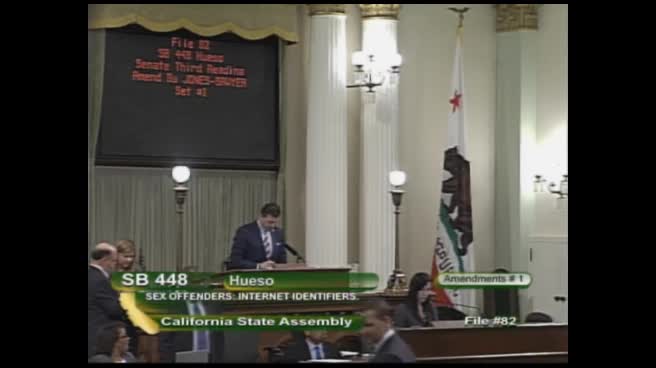
Bill Author



