AB 2288: Apprenticeship programs: building and construction trades.
- Session Year: 2015-2016
- House: Assembly
- Latest Version Date: 2016-09-27
Existing law provides that the California Workforce Development Board is responsible for assisting the Governor in the development, oversight, and continuous improvement of Californias workforce investment system. Existing law requires that the California Workforce Development Board and each local workforce development board ensure that programs and services funded by the federal Workforce Innovation and Opportunity Act of 2014 and directed to apprenticeable occupations are conducted in coordination with apprenticeship programs approved by the Division of Apprenticeship Standards, as specified. Existing law also requires the California Workforce Development Board and each local workforce development board to develop a policy of fostering collaboration between community colleges and approved apprenticeship programs in the geographic area.
This bill would require the California Workforce Development Board and each local board to ensure that federal Workforce Innovation and Opportunity Act of 2014 funds respectively awarded by them for preapprenticeship training in the building and construction trades fund programs and services that follow the Multi-Craft Core Curriculum implemented by the State Department of Education and that develop a plan to help increase the representation of women in those trades, as specified. The bill would require the California Workforce Development Board to develop policies to implement these provisions. By imposing new requirements on the local workforce development boards, this bill would impose a state-mandated local program.
The California Constitution requires the state to reimburse local agencies and school districts for certain costs mandated by the state. Statutory provisions establish procedures for making that reimbursement.
This bill would provide that no reimbursement is required by this act for a specified reason.
Existing law provides that the California Workforce Development Board is responsible for assisting the Governor in the development, oversight, and continuous improvement of Californias workforce investment system. Existing law requires that the California Workforce Development Board and each local workforce development board ensure that programs and services funded by the federal Workforce Innovation and Opportunity Act of 2014 and directed to apprenticeable occupations are conducted in coordination with apprenticeship programs approved by the Division of Apprenticeship Standards, as specified. Existing law also requires the California Workforce Development Board and each local workforce development board to develop a policy of fostering collaboration between community colleges and approved apprenticeship programs in the geographic area.
This bill would require the California Workforce Development Board and each local board to ensure that federal Workforce Innovation and Opportunity Act of 2014 funds respectively awarded by them for preapprenticeship training in the building and construction trades follows fund programs and services that follow the Multi-Craft Core Curriculum developed implemented by the California State Department of Education and that programs and services funded by the federal Workforce Innovation and Opportunity Act of 2014 and directed to apprenticeable occupations in the building and construction trades include plans to that develop a plan to help increase the percentage representation of women in those trades. trades, as specified. The bill would require the California Workforce Development Board to develop policies to implement these provisions. By imposing new requirements on the local workforce development boards, this bill would impose a state-mandated local program.
The California Constitution requires the state to reimburse local agencies and school districts for certain costs mandated by the state. Statutory provisions establish procedures for making that reimbursement.
This bill would provide that, if the Commission on State Mandates determines that the bill contains costs mandated by the state, reimbursement for those costs shall be made pursuant to these statutory provisions.
The California Constitution requires the state to reimburse local agencies and school districts for certain costs mandated by the state. Statutory provisions establish procedures for making that reimbursement.
This bill would provide that no reimbursement is required by this act for a specified reason.
Existing law provides that the California Workforce Development Board is responsible for assisting the Governor in the development, oversight, and continuous improvement of Californias workforce investment system. Existing law requires that the California Workforce Development Board and each local workforce development board ensure that programs and services funded by the federal Workforce Innovation and Opportunity Act of 2014 and directed to apprenticeable occupations are conducted in coordination with apprenticeship programs approved by the Division of Apprenticeship Standards, as specified. Existing law also requires the California Workforce Development Board and each local workforce development board to develop a policy of fostering collaboration between community colleges and approved apprenticeship programs in the geographic area.
This bill would require the California Workforce Development Board and each local board to ensure that preapprenticeship training in the building and construction trades follows the Multi-Craft Core Curriculum developed by the California Department of Education and that programs and services funded by the federal Workforce Innovation and Opportunity Act of 2014 and directed to apprenticeable occupations in the building and construction trades include plans to increase the percentage of women in those trades. By imposing new requirements on the local workforce development boards, this bill would impose a state-mandated local program.
The California Constitution requires the state to reimburse local agencies and school districts for certain costs mandated by the state. Statutory provisions establish procedures for making that reimbursement.
This bill would provide that, if the Commission on State Mandates determines that the bill contains costs mandated by the state, reimbursement for those costs shall be made pursuant to these statutory provisions.
(a)It is the intent of the Legislature that:
(1)California deliver comprehensive workforce services to jobseekers, students, and employers through a system of one-stop career centers.
(2)Services and resources target high-wage industry sectors with career advancement opportunities.
(3)Universal access to career services shall be available to adult residents regardless of income, education, employment barriers, or other eligibility requirements. Career services shall include, but not be limited to:
(A)Outreach, intake, and orientation to services available through the one-stop delivery system.
(B)Initial assessment of skill levels, aptitudes, abilities, and supportive service needs.
(C)Job search and placement assistance.
(D)Career counseling, where appropriate.
(E)Provision of labor market information.
(F)Provision of program performance and cost information on eligible providers of training services and local area performance measures.
(G)Provision of information on supportive services in the local area.
(H)Provision of information on the filing of claims for unemployment compensation benefits and unemployment compensation disability benefits.
(I)Assistance in establishing eligibility for welfare-to-work activities pursuant to Section 11325.8 of the Welfare and Institutions Code, and financial aid assistance.
(J)Comprehensive and specialized assessments of skill levels and service needs, including learning disability screening.
(K)Development of individual employment plans.
(L)Counseling.
(M)Career planning.
(N)Short-term prevocational services to prepare an individual for training or employment.
(4)State and federally funded workforce education, training, and employment programs shall be integrated in the one-stop delivery system to achieve universal access to the career services described in paragraph (3).
(5)Training services shall be made available to individuals who have met the requirements for career services, have been unable to obtain or retain employment through career services, are in need of training services to obtain or retain employment that leads to economic self-sufficiency or wages comparable to, or higher than, wages from previous employment, have the skills and qualifications to successfully participate in the training, and have selected a program of services directly linked to occupations in demand in the local or regional area. Training services may include:
(A)Occupational skill training including training for nontraditional employment.
(B)On-the-job training.
(C)Programs that combine workplace training with related instruction.
(D)Training programs operated by the private sector.
(E)Skill upgrading and retraining.
(F)Entrepreneurial training.
(G)Incumbent worker training, in accordance with Section 134(d)(4) of the federal Workforce Innovation and Opportunity Act.
(H)Transitional jobs, in accordance with Section 134(d)(5) of the federal Workforce Innovation and Opportunity Act.
(I)Job readiness training, provided in combination with any service under subparagraphs (A) to (H), inclusive.
(J)Adult education and literacy activities, including vocational English as a second language, provided in combination with subparagraphs (A) through (G), inclusive.
(K)Customized training conducted by an employer or a group of employers or a labor-management training partnership with a commitment to employ an individual upon completion of the training.
(6)As prescribed in the federal Workforce Innovation and Opportunity Act, adult recipients of public assistance, other low-income adults, and individuals who are basic skills deficient shall be given priority for training services and career services described in Section 134(d)(2)(A)(xii) of the federal Workforce Innovation and Opportunity Act.
(b)Each local workforce development board shall establish at least one full service one-stop career center in the local workforce development area. Each full service one-stop career center shall have all entities required to be partners in Section 3151 of Title 29 of the United States Code as partners and shall provide jobseekers with integrated employment, education, training, and job search services. Additionally, employers will be provided with access to comprehensive career and labor market information, job placement, economic development information, performance and program information on service providers, and other such services as the businesses in the community may require.
(c)Local boards may also establish affiliated and specialized centers, as defined in the federal Workforce Innovation and Opportunity Act of 2014, which shall act as portals into the larger local one-stop system, but are not required to have all of the partners specified for full service one-stop centers.
(d)Each local board shall develop a policy for identifying individuals who, because of their skills or experience, should be referred immediately to training services. To the extent permitted under the federal Workforce Innovation and Opportunity Act of 2014, this policy, along with the methods for referral of individuals between the one-stop operators and the one-stop partners for appropriate services and activities, shall be contained in the memorandum of understanding between the local board and the one-stop partners.
(e)(1)The California Workforce Development Board and each local board shall ensure that programs and services funded by the federal Workforce Innovation and Opportunity Act of 2014 and directed to apprenticeable occupations, including preapprenticeship training, are conducted, to the maximum extent feasible, in coordination with one or more apprenticeship programs approved by the Division of Apprenticeship Standards for the occupation and geographic area. The California Workforce Development Board and each local board shall also develop a policy of fostering collaboration between community colleges and approved apprenticeship programs in the geographic area to provide preapprenticeship training, apprenticeship training, and continuing education in apprenticeable occupations through the approved apprenticeship programs.
(2)(A)The California Workforce Development Board and each local board also shall ensure, to the maximum extent feasible, that federal Workforce Innovation and Opportunity Act of 2014 funds respectively awarded by them for purposes of preapprenticeship training in the building and construction trades fund programs and services that do both of the following:
(i)Follow the Multi-Craft Core Curriculum implemented by the State Department of Education for its pilot project with California Partnership Academies.
(ii)Develop a plan for outreach and retention for women participants in the preapprenticeship program to help increase the representation of women in the building and construction trades.
(B)The California Workforce Development Board shall develop policies for the implementation of these provisions.
(f)In light of Californias diverse population, each one-stop career center should have the capacity to provide the appropriate services to the full range of languages and cultures represented in the community served by the one-stop career center.
SEC. 2.No reimbursement is required by this act pursuant to Section 6 of Article XIIIB of the California Constitution because this act implements a federal law or regulation and results only in costs mandated by the federal government, within the meaning of Section 17556 of the Government Code.
(a)It is the intent of the Legislature that:
(1)California deliver comprehensive workforce services to jobseekers, students, and employers through a system of one-stop career centers.
(2)Services and resources target high-wage industry sectors with career advancement opportunities.
(3)Universal access to career services shall be available to adult residents regardless of income, education, employment barriers, or other eligibility requirements. Career services shall include, but not be limited to:
(A)Outreach, intake, and orientation to services available through the one-stop delivery system.
(B)Initial assessment of skill levels, aptitudes, abilities, and supportive service needs.
(C)Job search and placement assistance.
(D)Career counseling, where appropriate.
(E)Provision of labor market information.
(F)Provision of program performance and cost information on eligible providers of training services and local area performance measures.
(G)Provision of information on supportive services in the local area.
(H)Provision of information on the filing of claims for unemployment compensation benefits and unemployment compensation disability benefits.
(I)Assistance in establishing eligibility for welfare-to-work activities pursuant to Section 11325.8 of the Welfare and Institutions Code, and financial aid assistance.
(J)Comprehensive and specialized assessments of skill levels and service needs, including learning disability screening.
(K)Development of individual employment plans.
(L)Counseling.
(M)Career planning.
(N)Short-term prevocational services to prepare an individual for training or employment.
(4)State and federally funded workforce education, training, and employment programs shall be integrated in the one-stop delivery system to achieve universal access to the career services described in paragraph (3).
(5)Training services shall be made available to individuals who have met the requirements for career services, have been unable to obtain or retain employment through career services, are in need of training services to obtain or retain employment that leads to economic self-sufficiency or wages comparable to, or higher than, wages from previous employment, have the skills and qualifications to successfully participate in the training, and have selected a program of services directly linked to occupations in demand in the local or regional area. Training services may include:
(A)Occupational skill training including training for nontraditional employment.
(B)On-the-job training.
(C)Programs that combine workplace training with related instruction.
(D)Training programs operated by the private sector.
(E)Skill upgrading and retraining.
(F)Entrepreneurial training.
(G)Incumbent worker training, in accordance with Section 134(d)(4) of the federal Workforce Innovation and Opportunity Act.
(H)Transitional jobs, in accordance with Section 134(d)(5) of the federal Workforce Innovation and Opportunity Act.
(I)Job readiness training, provided in combination with any service under subparagraphs (A) to (H), inclusive.
(J)Adult education and literacy activities, including vocational English as a second language, provided in combination with subparagraphs (A) through (G), inclusive.
(K)Customized training conducted by an employer or a group of employers or a labor-management training partnership with a commitment to employ an individual upon completion of the training.
(6)As prescribed in the federal Workforce Innovation and Opportunity Act, adult recipients of public assistance, other low-income adults, and individuals who are basic skills deficient shall be given priority for training services and career services described in Section 134(d)(2)(A)(xii) of the federal Workforce Innovation and Opportunity Act.
(b)Each local workforce development board shall establish at least one full service one-stop career center in the local workforce development area. Each full service one-stop career center shall have all entities required to be partners in Section 3151 of Title 29 of the United States Code as partners and shall provide jobseekers with integrated employment, education, training, and job search services. Additionally, employers will be provided with access to comprehensive career and labor market information, job placement, economic development information, performance and program information on service providers, and other such services as the businesses in the community may require.
(c)Local boards may also establish affiliated and specialized centers, as defined in the federal Workforce Innovation and Opportunity Act of 2014, which shall act as portals into the larger local one-stop system, but are not required to have all of the partners specified for full service one-stop centers.
(d)Each local board shall develop a policy for identifying individuals who, because of their skills or experience, should be referred immediately to training services. To the extent permitted under the federal Workforce Innovation and Opportunity Act of 2014, this policy, along with the methods for referral of individuals between the one-stop operators and the one-stop partners for appropriate services and activities, shall be contained in the memorandum of understanding between the local board and the one-stop partners.
(e)(1)The California Workforce Development Board and each local board shall ensure that programs and services funded by the federal Workforce Innovation and Opportunity Act of 2014 and directed to apprenticeable occupations, including preapprenticeship training, are conducted, to the maximum extent feasible, in coordination with one or more apprenticeship programs approved by the Division of Apprenticeship Standards for the occupation and geographic area. The California Workforce Development Board and each local board shall also develop a policy of fostering collaboration between community colleges and approved apprenticeship programs in the geographic area to provide preapprenticeship training, apprenticeship training, and continuing education in apprenticeable occupations through the approved apprenticeship programs. The
(2)(A)The California Workforce Development Board and each local board also shall ensure, to the maximum extent feasible, that such federal Workforce Innovation and Opportunity Act of 2014 funds respectively awarded by them for purposes of preapprenticeship training in the building and construction trades follows fund programs and services that do both of the following:
(i)Follow the Multi-Craft Core Curriculum developed implemented by the California State Department of Education for its pilot project with California Partnership Academies. The California Workforce Development Board and each local board also shall ensure, to the maximum extent feasible, that programs and services funded by the federal Workforce Innovation and Opportunity Act of 2014 and directed to apprenticeable occupations in the building and construction trades, including preapprenticeship training, include plans for outreach and retention to increase the percentage of women in the building and construction trades.
(ii)Develop a plan for outreach and retention for women participants in the preapprenticeship program to help increase the representation of women in the building and construction trades.
(B)The California Workforce Development Board shall develop policies for the implementation of these provisions.
(f)In light of Californias diverse population, each one-stop career center should have the capacity to provide the appropriate services to the full range of languages and cultures represented in the community served by the one-stop career center.
SEC. 2.If the Commission on State Mandates determines that this act contains costs mandated by the state, reimbursement to local agencies and school districts for those costs shall be made pursuant to Part 7 (commencing with Section 17500) of Division 4 of Title 2 of the Government Code.
SEC. 2.No reimbursement is required by this act pursuant to Section 6 of Article XIIIB of the California Constitution because this act implements a federal law or regulation and results only in costs mandated by the federal government, within the meaning of Section 17556 of the Government Code.
(a)It is the intent of the Legislature that:
(1)California deliver comprehensive workforce services to jobseekers, students, and employers through a system of one-stop career centers.
(2)Services and resources target high-wage industry sectors with career advancement opportunities.
(3)Universal access to career services shall be available to adult residents regardless of income, education, employment barriers, or other eligibility requirements. Career services shall include, but not be limited to:
(A)Outreach, intake, and orientation to services available through the one-stop delivery system.
(B)Initial assessment of skill levels, aptitudes, abilities, and supportive service needs.
(C)Job search and placement assistance.
(D)Career counseling, where appropriate.
(E)Provision of labor market information.
(F)Provision of program performance and cost information on eligible providers of training services and local area performance measures.
(G)Provision of information on supportive services in the local area.
(H)Provision of information on the filing of claims for unemployment compensation benefits and unemployment compensation disability benefits.
(I)Assistance in establishing eligibility for welfare-to-work activities pursuant to Section 11325.8 of the Welfare and Institutions Code, and financial aid assistance.
(J)Comprehensive and specialized assessments of skill levels and service needs, including learning disability screening.
(K)Development of individual employment plans.
(L)Counseling.
(M)Career planning.
(N)Short-term prevocational services to prepare an individual for training or employment.
(4)State and federally funded workforce education, training, and employment programs shall be integrated in the one-stop delivery system to achieve universal access to the career services described in paragraph (3).
(5)Training services shall be made available to individuals who have met the requirements for career services, have been unable to obtain or retain employment through career services, are in need of training services to obtain or retain employment that leads to economic self-sufficiency or wages comparable to, or higher than, wages from previous employment, have the skills and qualifications to successfully participate in the training, and have selected a program of services directly linked to occupations in demand in the local or regional area. Training services may include:
(A)Occupational skill training including training for nontraditional employment.
(B)On-the-job training.
(C)Programs that combine workplace training with related instruction.
(D)Training programs operated by the private sector.
(E)Skill upgrading and retraining.
(F)Entrepreneurial training.
(G)Incumbent worker training, in accordance with Section 134(d)(4) of the federal Workforce Innovation and Opportunity Act.
(H)Transitional jobs, in accordance with Section 134(d)(5) of the federal Workforce Innovation and Opportunity Act.
(I)Job readiness training, provided in combination with any service under subparagraphs (A) to (H), inclusive.
(J)Adult education and literacy activities, including vocational English as a second language, provided in combination with subparagraphs (A) through (G), inclusive.
(K)Customized training conducted by an employer or a group of employers or a labor-management training partnership with a commitment to employ an individual upon completion of the training.
(6)As prescribed in the federal Workforce Innovation and Opportunity Act, adult recipients of public assistance, other low-income adults, and individuals who are basic skills deficient shall be given priority for training services and career services described in Section 134(d)(2)(A)(xii) of the federal Workforce Innovation and Opportunity Act.
(b)Each local workforce development board shall establish at least one full service one-stop career center in the local workforce development area. Each full service one-stop career center shall have all entities required to be partners in Section 3151 of Title 29 of the United States Code as partners and shall provide jobseekers with integrated employment, education, training, and job search services. Additionally, employers will be provided with access to comprehensive career and labor market information, job placement, economic development information, performance and program information on service providers, and other such services as the businesses in the community may require.
(c)Local boards may also establish affiliated and specialized centers, as defined in the federal Workforce Innovation and Opportunity Act of 2014, which shall act as portals into the larger local one-stop system, but are not required to have all of the partners specified for full service one-stop centers.
(d)Each local board shall develop a policy for identifying individuals who, because of their skills or experience, should be referred immediately to training services. To the extent permitted under the federal Workforce Innovation and Opportunity Act of 2014, this policy, along with the methods for referral of individuals between the one-stop operators and the one-stop partners for appropriate services and activities, shall be contained in the memorandum of understanding between the local board and the one-stop partners.
(e)The California Workforce Development Board and each local board shall ensure that programs and services funded by the federal Workforce Innovation and Opportunity Act of 2014 and directed to apprenticeable occupations, including preapprenticeship training, are conducted, to the maximum extent feasible, in coordination with one or more apprenticeship programs approved by the Division of Apprenticeship Standards for the occupation and geographic area. The California Workforce Development Board and each local board shall also develop a policy of fostering collaboration between community colleges and approved apprenticeship programs in the geographic area to provide preapprenticeship training, apprenticeship training, and continuing education in apprenticeable occupations through the approved apprenticeship programs. The California Workforce Development Board and each local board also shall ensure, to the maximum extent feasible, that such preapprenticeship training in the building and construction trades follows the Multi-Craft Core Curriculum developed by the California Department of Education for its pilot project with California Partnership Academies. The California Workforce Development Board and each local board also shall ensure, to the maximum extent feasible, that programs and services funded by the federal Workforce Innovation and Opportunity Act of 2014 and directed to apprenticeable occupations in the building and construction trades, including preapprenticeship training, include plans for outreach and retention to increase the percentage of women in the building and construction trades.
(f)In light of Californias diverse population, each one-stop career center should have the capacity to provide the appropriate services to the full range of languages and cultures represented in the community served by the one-stop career center.
SEC. 2.If the Commission on State Mandates determines that this act contains costs mandated by the state, reimbursement to local agencies and school districts for those costs shall be made pursuant to Part 7 (commencing with Section 17500) of Division 4 of Title 2 of the Government Code.
|
Date
|
Status
|
|---|---|
| Jun 8, 2016 | From committee: Do pass and re-refer to Com. on APPR. (Ayes 3. Noes 1.) (June 8). Re-referred to Com. on APPR. |
| Sep 7, 2016 | Enrolled and presented to the Governor at 12 p.m. |
| Aug 29, 2016 | Senate amendments concurred in. To Engrossing and Enrolling. (Ayes 68. Noes 12. Page 6340.). |
| Aug 29, 2016 | Senate amendments concurred in. To Engrossing and Enrolling. |
| Aug 24, 2016 | In Assembly. Concurrence in Senate amendments pending. May be considered on or after August 26 pursuant to Assembly Rule 77. |
| Aug 23, 2016 | Read third time. Passed. Ordered to the Assembly. (Ayes 27. Noes 10. Page 5305.). |
| Aug 23, 2016 | Read third time. Passed. Ordered to the Assembly. |
| Aug 17, 2016 | Read second time. Ordered to third reading. |
| Aug 16, 2016 | Read third time and amended. Ordered to second reading. |
| Aug 3, 2016 | Read second time. Ordered to third reading. |
| Aug 2, 2016 | From committee: Do pass. (Ayes 6. Noes 0.) (August 1). |
| Jun 22, 2016 | In committee: Hearing postponed by committee. |
| Feb 18, 2016 | Read first time. To print. |
| May 31, 2016 | In committee: Hearing postponed by committee. |
| May 26, 2016 | Referred to Com. on L. & I.R. |
| May 19, 2016 | Read third time. Passed. Ordered to the Senate. (Ayes 63. Noes 12.) |
| May 19, 2016 | Read third time. Passed. Ordered to the Senate. (Ayes 63. Noes 12. Page 4858.) |
| May 19, 2016 | Read third time. Passed. Ordered to the Senate. |
| May 19, 2016 | In Senate. Read first time. To Com. on RLS. for assignment. |
| May 5, 2016 | Read second time. Ordered to third reading. |
| May 4, 2016 | From committee: Do pass. (Ayes 16. Noes 4.) (May 4). |
| Apr 7, 2016 | From committee: Do pass and re-refer to Com. on APPR. (Ayes 6. Noes 1.) (April 6). Re-referred to Com. on APPR. |
| Mar 3, 2016 | Referred to Com. on L. & E. |
| Feb 19, 2016 | From printer. May be heard in committee March 20. |
|
Date
|
Description
|
Location
|
Votes
|
|
|---|---|---|---|---|
| Aug 29, 2016 | AB 2288 BURKE Concurrence in Senate Amendments | Assembly Floor |
Passed |
|
| Aug 23, 2016 | Assembly 3rd Reading AB2288 Burke By Leyva | Senate Floor |
Passed |
|
| Aug 1, 2016 | Do pass | Senate Standing Committee on Appropriations |
Passed |
|
| Jun 8, 2016 | Do pass, but first be re-referred to the Committee on [Appropriations] | Senate Standing Committee on Labor and Industrial Relations |
Passed |
|
| May 19, 2016 | AB 2288 BURKE Assembly Third Reading | Assembly Floor |
Passed |
|
| May 4, 2016 | Do pass. | Assembly Standing Committee on Appropriations |
Passed |
|
| Apr 6, 2016 | Do pass and be re-referred to the Committee on [Appropriations] | Assembly Standing Committee on Labor and Employment |
Passed |
This list shows positions taken on this bill by organizations on the date displayed, which is linked to the original source.
Positions by individuals are not included.
|
Organization
|
Position
|
Date
|
|---|---|---|
| 9 to 5 California | ** Support | Aug 23, 2016 |
| Air Conditioning Trade Association American Fire Sprinkler Association | ** Against | Aug 23, 2016 |
| Alliance Of Californians For Community Empowerment | ** Support | Aug 23, 2016 |
| American Association of University Women | ** Support | Aug 23, 2016 |
| Associated Builders And Contractors Of California | * Against Unless Amend | Jun 8, 2016 |
| California Asset Building Coalition | ** Support | Aug 23, 2016 |
| California Chapters of the National Electrical Contractors Association | ** Support | May 4, 2016 |
| California Child Care Resource and Referral Network | ** Support | Aug 23, 2016 |
| California Domestic Workers Coalition | ** Support | Aug 23, 2016 |
| California Employment Lawyers Association | ** Support | Aug 23, 2016 |
| California Latinas for Reproductive Justice | ** Support | Aug 23, 2016 |
| California Partnership | ** Support | Aug 23, 2016 |
| California State Association Of Electrical Workers | ** Support | Aug 23, 2016 |
| California State Council Of Laborers | * Support | Jun 8, 2016 |
| California State High Trades Council | * Support | Jun 8, 2016 |
| California State Pipe Trades Council | ** Support | Aug 23, 2016 |
| California Women's Law Center | ** Support | Aug 23, 2016 |
| California Work and Family Coalition | ** Support | Aug 23, 2016 |
| Child Care Law Center | ** Support | Aug 23, 2016 |
| Courage Campaign | ** Support | Aug 23, 2016 |
| District Council 16 Painters and Allied Trades of Northern California | * Support | Jun 8, 2016 |
| Equal Rights Advocates | ** Support | Aug 23, 2016 |
| International Union of Elevator Constructors | ** Support | Aug 23, 2016 |
| Legal Aid Society Employment Law Center | ** Support | Aug 23, 2016 |
| Mujeres Unidas Y Activas | ** Support | Aug 23, 2016 |
| National Center for Construction Education | * For If Amend | Jun 8, 2016 |
| National Council of Jewish Women | ** Support | Aug 23, 2016 |
| Parent Voices | ** Support | Aug 23, 2016 |
| Plumbing Heating and Cooling Contractors in California | * Against Unless Amend | Jun 8, 2016 |
| Plumbing-Heating-Cooling Contractors Association of California | ** Against | Aug 23, 2016 |
| Raising California Together | ** Support | Aug 23, 2016 |
| State Building and Construction Trades Council, AFL-CIO | ** Support | Aug 23, 2016 |
| Trades Women Inc. | * Support | Jun 8, 2016 |
| United Contractors | ** Support | May 4, 2016 |
| Voices for Progress | ** Support | Aug 23, 2016 |
| Western Center On Law And Poverty Inc. | ** Support | Aug 23, 2016 |
| Western Electrical Contractors Association | ** Against | Aug 23, 2016 |
| Western States Council Of Sheet Metal Workers | ** Support | Aug 23, 2016 |
CONCURRENCE IN SENATE AMENDMENTS
CSA1 Bill Id:AB 2288
Author:(Burke)
As Amended Ver:August 16, 2016
Majority vote
ASSEMBLY: | 63-12 | (May 19, 2016) | SENATE: | 27-10 | (August 23, 2016) |
Original Committee Reference: L. & E.
SUMMARY: Enacts provisions related to pre-apprenticeship programs in the building and construction trades.
The Senate amendments:
- Recast the bill to specify that the California Workforce Development Board (Board) and each local board shall ensure, to the maximum extent feasible, that federal Workforce Innovation and Opportunity Act of 2014 (WIOA) funds awarded by them for purposes of preapprenticeship training in the building and construction trades fund programs and services that do both of the following:
- Follow the Multi-Craft Core Curriculum implemented by the State Department of Education for its pilot project with California Partnership Academies.
- Develop a plan for outreach and retention for women participants in the preapprenticeship program to help increase the representation of women in the building and construction trades.
- Require the Board to develop policies for the implementation of these provisions.
- Make other related changes.
EXISTING LAW:
- Provides that the Board is responsible for assisting the Governor in the development, oversight, and continuous improvement of California's workforce investment system.
- Requires that the Board and each local workforce development board ensure that programs and services funded by WIOA and directed to apprenticeable occupations are conducted in coordination with apprenticeship programs approved by the Division of Apprenticeship Standards, as specified.
- Requires the Board and each local workforce development board to develop a policy of fostering collaboration between community colleges and approved apprenticeship programs in the geographic area.
FISCAL EFFECT: According to the Senate Appropriations Committee, the Board indicates that its costs to implement the bill would be up to $117,000 annually, depending upon the extent to which it would be required to review plans for compliance.
COMMENTS: This bill is sponsored by the State Building and Construction Trades Council of California and would require pre-apprenticeship programs in the building and construction trades to include a plan for outreach, recruitment, and retention of women and require the use of the Multi-Craft Core Curriculum developed for the purpose of preparing students and pre-apprenticeship participants for labor-management apprenticeship programs.
Supporters argue that this bill will expand on current efforts to support women in the trades by requiring pre-apprenticeship programs funded by WIOA dollars to create a plan for outreach, recruitment and retention of women seeking a career in the building trades. In addition, because pre-apprenticeship is a useful tool to prepare prospective construction worker apprentices for an apprenticeship program, this bill creates uniform rules for success in pre-apprenticeship training. They argue that the two parts of this bill each in different ways help ensure that the building and construction trades are as representative of society as possible.
Opponents believe that this bill essentially mandates that all programs use the Multi-Craft Core Curriculum, which will subject those in pre-apprenticeship and apprenticeship programs to outdated curriculum that can only be delivered by a local Building Trades Council. They contend that there are other pre-apprentice training programs and other nationally recognized standards that need to be given equal treatment as basis for program curricula. Opponents state that they would remove their opposition if all state and federally approved apprenticeship training programs and other nationally recognized standards are added as options to be used for this purpose, similar to what is permitted by the Federal Department of Labor.
Analysis Prepared by: Ben Ebbink / L. & E. / (916) 319-2091 FN: 0004367
Office of Senate Floor Analyses (916) 651-1520 Fax: (916) 327-4478 | AB |
THIRD READING
Bill No: AB 2288
Amended: 8/16/16 in Senate
SENATE LABOR & IND. REL. COMMITTEE: 3-1, 6/8/16
AYES: Mendoza, Leno, Mitchell
NOES: Stone
NO VOTE RECORDED: Jackson
SENATE APPROPRIATIONS COMMITTEE: 6-0, 8/1/16
AYES: Lara, Beall, Hill, McGuire, Mendoza, Nielsen
NO VOTE RECORDED: Bates
ASSEMBLY FLOOR: 63-12, 5/19/16 - See last page for vote
SOURCE: State Building and Construction Trades Council, AFL-CIO
DIGEST: This bill requires that the California Workforce Development Board and each local board ensure, to the maximum extent feasible, that federal Workforce Innovation and Opportunity Act of 2014 funds which are awarded for the purposes of preapprenticeship training in the building and construction trades fund program and services that 1) follow the Multi-Craft Core Curriculum implemented by the State Department of Education, as specified; and 2) develop a plan for outreach and retention for women participants to help increase the representation of women in the building and construction trades.
Senate Floor Amendments of 8/16/16 reorganize the requirements in the bill to provide clarity and additionally required the California Workforce Development Board to develop policies for the implementation of these provisions.
Existing law:
- Establishes the California Workforce Development Board (State Board) with the responsibility of assisting the Governor in the development, oversight, and continuous improvement of California’s workforce investment system. (Unemployment Insurance Code §14000 et al)
- Requires that the State Board and each local workforce development board ensure that programs and services funded by the federal Workforce Innovation and Opportunity Act of 2014 (WIOA) and directed to apprenticeable occupations are conducted in coordination with apprenticeship programs approved by the Division of Apprenticeship Standards (DAS), as specified. (Unemployment Insurance Code §14230)
- Requires the State Board and each local workforce development board to develop a policy of fostering collaboration between community colleges and approved apprenticeship programs in the geographic area.
This bill:
- Requires the State Board and each local board to ensure, to the maximum extent feasible, that WIOA funds which are awarded for the purposes of preapprenticeship training in the building and construction trades fund program and services that do both of the following:
- Follow the Multi-Craft Core Curriculum (MC3) implemented by the State Department of Education for its pilot project with California Partnership Academies.
- Develop a plan for outreach and retention for women participants in the preapprenticeship program to help increase the representation of women in the building and construction trades.
- Requires the State Board to develop policies for the implementation of these provisions.
Background
DAS, within the Department of Industrial Relations, administers the state’s apprenticeship laws and enforces apprenticeship standards for wages, hours, working conditions and the specific skills required for state certification as a journey person in an apprenticeable occupation. In general, apprenticeship programs provide instruction that combines a formal course of in-class instruction with practical “on-the-job” training.
Pre-apprenticeship services and programs are designed to prepare individuals to enter and succeed in registered apprenticeship programs. These programs have a documented partnership with at least one registered apprenticeship program sponsor and together, they expand the participant's career pathway opportunities with industry-based training coupled with classroom instruction.
Women in the Trades
Historically, a construction career has not been a traditional choice for women when deciding what type of career to pursue after high school, and exposure to different career options like those in the building and construction trades can be critical in opening the door to new choices and solid, living wage jobs. According to the sponsor of this bill, the State Building and Construction Trades Council, recruiting women into non-traditional careers like the construction trades has been a full time effort. They note that the state and its unions invest a great amount of time and resources working on ways to encourage women to consider a career in construction. The sponsor founded and have held the “Women in the Building Trades Conference” for over 14 years attracting over 1,000 women each year from all over the nation and other countries.
According to the DAS 2014 annual report, California continues to lead the nation with 53,366 apprentices registered in over 540 programs recognized by DAS. Minorities numbered 30,365, or 56.9% of all apprentices. Active women apprentices numbered 2,852, or 5.3% of all active apprentices. The author and sponsor believe this bill is necessary to help promote women in the trades by requiring that programs and services funded by WIOA and directed to apprenticeable occupations in the building and construction trades include plans to increase the percentage of women in those trades.
Multi-Craft Core Curriculum
According to information provided by the sponsor, MC3 was developed in 2007 by the leaders of National Building Trades to identify common elements in all building and construction trades’ apprenticeship programs and combine them into one curriculum encompassing 120 hours of training. Among other things, the curriculum includes general orientation to apprenticeships, cardiopulmonary resuscitation and first aid, an Occupational Safety and Health Administration 10-hour certification course, mathematics, and the history of the construction industry and the heritage of the American worker. It also exposes students to the tools of the various trades, the safe handling of those tools, the structure of the construction industry, the construction process, and an orientation to apprenticeship itself.
Currently, as part of State Superintendent of Public Instruction Tom Torlakson’s Career Readiness Campaign, nine California Partnership Academy high schools from across the state have implemented this curriculum to ensure students are engaged in their educational experience and to prepare them for a successful career outside of the classroom.
NOTE: See Senate Labor and Industrial Relations Committee analysis for further information.
FISCAL EFFECT: Appropriation: Fiscal Com.: Local:
According to the Senate Appropriations Committee, the California Workforce Investment Board indicates that its costs to implement this bill would be up to $117,000 annually, depending upon the extent to which it would be required to review plans for compliance. It is likely that the State Board and local workforce investment boards would both condition funding and stipulate the requirements that would need to be met when applicants seek resources directed to apprenticeable occupations.
State Building and Construction Trades Council, AFL-CIO (source)
9 to 5 California
Alliance of Californians for Community Empowerment
American Association of University Women
California Asset Building Coalition
California Child Care Resource and Referral Network
California Domestic Workers Coalition
California Employment Lawyers Association
California Latinas for Reproductive Justice
California Partnership
California State Association of Electrical Workers
California State Pipe Trades Council
California Women’s Law Center
California Work and Family Coalition
Child Care Law Center
Courage Campaign
Equal Rights Advocates
International Union of Elevator Constructors
Legal Aid Society Employment Law Center
Mujeres Unidas y Activas
National Council of Jewish Women
Parent Voices
Raising California Together
The Center for Popular Democracy
The Opportunity Institute
The Women’s Foundation of California
Tradeswomen, Inc.
Voices for Progress
Western Center on Law and Poverty
Western States Council of Sheet Metal Workers
OPPOSITION: (Verified 8/16/16)
Air Conditioning Trade Association
American Fire Sprinkler Association
Associated Builders and Contractors - San Diego Chapter
Associated Builders and Contractors of California
Plumbing-Heating-Cooling Contractors Association of California
Western Electrical Contractors Association
ARGUMENTS IN SUPPORT: Proponents argue that this bill will expand on current efforts to support women in the trades by requiring that pre-apprenticeship programs funded by WIOA dollars create a plan for outreach, recruitment and retention of women seeking a career in the building trades. In addition, because pre-apprenticeship is a useful tool to prepare prospective workers for an apprenticeship program, this bill creates uniform rules for success in pre-apprenticeship training. They argue that the two parts of this bill each in different ways help ensure that the building and construction trades are as representative of society as possible.
ARGUMENTS IN OPPOSITION: Opposition to this bill stems from the inclusion of the provision requiring the use of the MC3 which, they argue, essentially mandates that all apprenticeship programs use a very outdated union created curriculum for pre-apprenticeship purposes, and one that can only be delivered by a local Building Trades Council. They argue that there are other pre-apprentice training programs and other nationally recognized standards that need to be given equal treatment as basis for program curricula.
According to the opponents, the federal Department of Labor has approved curricula currently used by the national pre apprenticeship program, YouthBuild, which includes the AFLCIO Building Construction Trades Multi-Craft Core Curriculum, the Home Builders Institute’s PACT curriculum, and the National Center for Construction Education and Research curriculum. They argue that all programs are able to choose from one of these curriculums and they believe that California should mirror this approach and not exclude opportunities for youth looking for a good career in construction trades by using only one union-centric based curriculum.
ASSEMBLY FLOOR: 63-12, 5/19/16
AYES: Achadjian, Alejo, Arambula, Atkins, Baker, Bloom, Bonilla, Bonta, Brough, Brown, Burke, Calderon, Campos, Chau, Chávez, Chiu, Chu, Cooley, Cooper, Dababneh, Daly, Dodd, Eggman, Frazier, Gallagher, Cristina Garcia, Eduardo Garcia, Gatto, Gipson, Gomez, Gonzalez, Gordon, Gray, Hadley, Roger Hernández, Holden, Irwin, Jones-Sawyer, Levine, Linder, Lopez, Low, Maienschein, Mayes, Medina, Mullin, Nazarian, O'Donnell, Olsen, Quirk, Ridley-Thomas, Rodriguez, Salas, Santiago, Steinorth, Mark Stone, Thurmond, Ting, Waldron, Weber, Wilk, Wood, Rendon
NOES: Travis Allen, Bigelow, Dahle, Beth Gaines, Grove, Harper, Jones, Lackey, Melendez, Obernolte, Patterson, Wagner
NO VOTE RECORDED: Chang, Kim, Mathis, McCarty, Williams
8/17/16 15:57:57
**** END ****
Office of Senate Floor Analyses (916) 651-1520 Fax: (916) 327-4478 | AB |
THIRD READING
Bill No: AB 2288
:
SENATE LABOR & IND. REL. COMMITTEE: 3-1, 6/8/16
AYES: Mendoza, Leno, Mitchell
NOES: Stone
NO VOTE RECORDED: Jackson
SENATE APPROPRIATIONS COMMITTEE: 6-0, 8/1/16
AYES: Lara, Beall, Hill, McGuire, Mendoza, Nielsen
NO VOTE RECORDED: Bates
ASSEMBLY FLOOR: 63-12, 5/19/16 - See last page for vote
SOURCE: State Building and Construction Trades Council, AFL-CIO
DIGEST: This bill requires the California Workforce Development Board and each local board to ensure that preapprenticeship training in the building and construction trades follows the Multi-Craft Core Curriculum developed by the California Department of Education and that programs and services funded by the federal Workforce Innovation and Opportunity Act of 2014, and directed to apprenticeable occupations in the building and construction trades, include plans to increase the percentage of women in those trades.
Existing law:
- Establishes the California Workforce Development Board (State Board) with the responsibility of assisting the Governor in the development, oversight, and continuous improvement of California’s workforce investment system. (Unemployment Insurance Code §14000 et al)
- Requires that the State Board and each local workforce development board ensure that programs and services funded by the federal Workforce Innovation and Opportunity Act of 2014 (WIOA) and directed to apprenticeable occupations are conducted in coordination with apprenticeship programs approved by the Division of Apprenticeship Standards, as specified. (Unemployment Insurance Code §14230)
- Requires the State Board and each local workforce development board to develop a policy of fostering collaboration between community colleges and approved apprenticeship programs in the geographic area.
This bill:
- Requires the State Board and each local board to ensure, to the maximum extent feasible, that programs and services funded by WIOA and directed to apprenticeable occupations in the building and construction trades, including pre-apprenticeship training, include outreach and retention plans to increase the percentage of women in the building and construction trades.
- Requires the State Board and each local board to also ensure, to the maximum extent feasible, that pre-apprenticeship training in the building and construction trades follows the Multi-Craft Core Curriculum developed by the California Department of Education for its pilot project with California Partnership Academies.
Background
The Division of Apprenticeship Standards (DAS), within the Department of Industrial Relations, administers the state’s apprenticeship laws and enforces apprenticeship standards for wages, hours, working conditions and the specific skills required for state certification as a journey person in an apprenticeable occupation. In general, apprenticeship programs provide instruction that combines a formal course of in-class instruction with practical “on-the-job” training.
Pre-apprenticeship services and programs are designed to prepare individuals to enter and succeed in registered apprenticeship programs. These programs have a documented partnership with at least one registered apprenticeship program sponsor and together, they expand the participant's career pathway opportunities with industry-based training coupled with classroom instruction.
Women in the Trades
Historically, a construction career has not been a traditional choice for women when deciding what type of career to pursue after high school, and exposure to different career options like those in the building and construction trades can be critical in opening the door to new choices and solid, living wage jobs. According to the sponsor of this bill, the State Building and Construction Trades Council, recruiting women into non-traditional careers like the construction trades has been a full time effort. They note that the state and its unions invest a great amount of time and resources working on ways to encourage women to consider a career in construction. The sponsor founded and have held the “Women in the Building Trades Conference” for over 14 years attracting over 1,000 women each year from all over the nation and other countries.
According to the DAS 2014 annual report, California continues to lead the nation with 53,366 apprentices registered in over 540 programs recognized by DAS. Minorities numbered 30,365, or 56.9% of all apprentices. Active women apprentices numbered 2,852, or 5.3% of all active apprentices. The author and sponsor believe this bill is necessary to help promote women in the trades by requiring that programs and services funded by WIOA and directed to apprenticeable occupations in the building and construction trades include plans to increase the percentage of women in those trades.
Multi-Craft Core Curriculum
According to information provided by the sponsor, the Multi-Craft Core Curriculum (MC3) was developed in 2007 by the leaders of National Building Trades to identify common elements in all building and construction trades’ apprenticeship programs and combine them into one curriculum encompassing 120 hours of training. Among other things, the curriculum includes general orientation to apprenticeships, cardiopulmonary resuscitation and first aid, an Occupational Safety and Health Administration 10-hour certification course, mathematics, and the history of the construction industry and the heritage of the American worker. It also exposes students to the tools of the various trades, the safe handling of those tools, the structure of the construction industry, the construction process, and an orientation to apprenticeship itself.
Currently, as part of State Superintendent of Public Instruction Tom Torlakson’s Career Readiness Campaign, nine California Partnership Academy high schools from across the state have implemented this curriculum to ensure students are engaged in their educational experience and to prepare them for a successful career outside of the classroom.
NOTE: See Senate Labor and Industrial Relations Committee analysis for further information.
FISCAL EFFECT: Appropriation: Fiscal Com.: Local:
According to the Senate Appropriations Committee:
- The California Workforce Investment Board (CWIB) indicates that its costs to implement this bill would be up to $117,000 annually, depending upon the extent to which it would be required to review plans for compliance. It is likely that the State Board and local workforce investment boards (WIBs) would both condition funding and stipulate the requirements that would need to be met when applicants seek resources directed to apprenticeable occupations.
- This bill would create a reimbursable local mandate, resulting from its imposing a new duty on local WIBs. The magnitude of the mandate is unknown, but likely minor.
State Building and Construction Trades Council, AFL-CIO (source)
9 to 5 California
Alliance of Californians for Community Empowerment
American Association of University Women
California Asset Building Coalition
California Child Care Resource and Referral Network
California Domestic Workers Coalition
California Employment Lawyers Association
California Latinas for Reproductive Justice
California Partnership
California State Association of Electrical Workers
California State Pipe Trades Council
California Women’s Law Center
California Work and Family Coalition
Child Care Law Center
Courage Campaign
Equal Rights Advocates
International Union of Elevator Constructors
Legal Aid Society Employment Law Center
Mujeres Unidas y Activas
National Council of Jewish Women
Parent Voices
Raising California Together
The Center for Popular Democracy
The Opportunity Institute
The Women’s Foundation of California
Tradeswomen, Inc.
Voices for Progress
Western Center on Law and Poverty
Western States Council of Sheet Metal Workers
Air Conditioning Trade Association
American Fire Sprinkler Association
Associated Builders and Contractors - San Diego Chapter
Associated Builders and Contractors of California
Plumbing-Heating-Cooling Contractors Association of California
Western Electrical Contractors Association
ARGUMENTS IN SUPPORT: Proponents argue that this bill will expand on current efforts to support women in the trades by requiring that pre-apprenticeship programs funded by WIOA dollars create a plan for outreach, recruitment and retention of women seeking a career in the building trades. In addition, because pre-apprenticeship is a useful tool to prepare prospective workers for an apprenticeship program, this bill creates uniform rules for success in pre-apprenticeship training. They argue that the two parts of this bill each in different ways help ensure that the building and construction trades are as representative of society as possible.
ARGUMENTS IN OPPOSITION: Opposition to this bill stems from the inclusion of the provision requiring the use of the MC3 which, they argue, essentially mandates that all apprenticeship programs use a very outdated union created curriculum for pre-apprenticeship purposes, and one that can only be delivered by a local Building Trades Council. They argue that there are other pre-apprentice training programs and other nationally recognized standards that need to be given equal treatment as basis for program curricula.
According to the opponents, the federal Department of Labor has approved curricula currently used by the national pre apprenticeship program, YouthBuild, which includes the AFLCIO Building Construction Trades Multi-Craft Core Curriculum, the Home Builders Institute’s PACT curriculum, and the National Center for Construction Education and Research curriculum. They argue that all programs are able to choose from one of these curriculums and they believe that California should mirror this approach and not exclude opportunities for youth looking for a good career in construction trades by using only one union-centric based curriculum.
ASSEMBLY FLOOR: 63-12, 5/19/16
AYES: Achadjian, Alejo, Arambula, Atkins, Baker, Bloom, Bonilla, Bonta, Brough, Brown, Burke, Calderon, Campos, Chau, Chávez, Chiu, Chu, Cooley, Cooper, Dababneh, Daly, Dodd, Eggman, Frazier, Gallagher, Cristina Garcia, Eduardo Garcia, Gatto, Gipson, Gomez, Gonzalez, Gordon, Gray, Hadley, Roger Hernández, Holden, Irwin, Jones-Sawyer, Levine, Linder, Lopez, Low, Maienschein, Mayes, Medina, Mullin, Nazarian, O'Donnell, Olsen, Quirk, Ridley-Thomas, Rodriguez, Salas, Santiago, Steinorth, Mark Stone, Thurmond, Ting, Waldron, Weber, Wilk, Wood, Rendon
NOES: Travis Allen, Bigelow, Dahle, Beth Gaines, Grove, Harper, Jones, Lackey, Melendez, Obernolte, Patterson, Wagner
NO VOTE RECORDED: Chang, Kim, Mathis, McCarty, Williams
8/4/16 14:25:23
**** END ****
SENATE COMMITTEE ON APPROPRIATIONS
Senator Ricardo Lara, Chair
2015 - 2016 Regular Session
AB 2288 (Burke) - Apprenticeship programs: building and construction trades
Version: February 18, 2016 | Policy Vote: L. & I.R. 3 - 1 |
Urgency: No | Mandate: Yes |
Hearing Date: August 1, 2016 | Consultant: Robert Ingenito |
This bill does not meet the criteria for referral to the Suspense File.
Bill Summary:
AB 2288 would (1) require that state programs and services funded by federal workforce development money include outreach and retention plans to increase the percentage of women in the building and construction trades, and (2) require that the State ensure that pre-apprenticeship training in the building and construction trades follows a specific curriculum developed by the Department of Education.
Fiscal Impact:
- The California Workforce Investment Board (CWIB) indicates that its costs to implement the bill would be up to $117,000 annually, depending upon the extent to which it would be required to review plans for compliance. It is likely that the California Workforce Development Board (CWDB) and local workforce investment boards (WIBs) would both condition funding and stipulate the requirements that would need to be met when applicants seek resources directed to apprenticeable occupations.
- The bill would create a reimburseable local mandate, resulting from its imposing a new duty on local WIBs. The magnitude of the mandate is unknown, but likely minor.
Background:
The Division of Apprenticeship Standards (DAS), within the Department of Industrial Relations, (1) administers the state’s apprenticeship laws, and (2) enforces apprenticeship standards for wages, hours, working conditions and the specific skills required for state certification as a journey person in an apprenticeable occupation. In general, apprenticeship programs provide instruction that combines a formal course of in-class instruction with practical “on-the-job” training.
Pre-apprenticeship services and programs are designed to prepare individuals to enter and succeed in registered apprenticeship programs. These programs have a documented partnership with at least one registered apprenticeship program sponsor and together, they expand the participant's career pathway opportunities with industry-based training coupled with classroom instruction.
Proposed Law:
This bill would enact provisions related to pre-apprenticeship programs in the building and construction trades. Specifically, this bill would:
- Require CWDB and each local WIB, to ensure, to the maximum extent feasible, that programs and services funded by the federal Workforce Innovation and Opportunity Act of 2014 (WIOA) and directed to apprenticeable occupations in the building and construction trades, including pre-apprenticeship training, include plans for outreach and retention to increase the percentage of women in the building and construction trades.
- Require CWDB and each local WIB to ensure, to the maximum extent feasible, that preapprenticeship training in the building and construction trades follows the Multi-Craft Core Curriculum developed by the California Department of Education (CDE).
Related Legislation:
AB 554 (Atkins), Chapter 449, Statutes of 2011, requires state and local WIBs to ensure that programs and services funded by WIA were conducted in coordination with apprenticeship programs, and encourages collaboration between community colleges and apprenticeship programs.
Staff Comments:
The 2014 DAS annual report indicated that California lead the nation with 53,366 apprentices registered in over 540 recognized programs. Minorities accounted for 57 percent of all apprentices. However, active women apprentices accounted for about five percent of the total.
-- END --
SENATE COMMITTEE ON LABOR AND INDUSTRIAL RELATIONS
Senator Tony Mendoza, Chair
2015 - 2016 Regular
Bill No: AB 2288 Hearing Date: June 8, 2016
Author: | Burke | ||
Version: | February 18, 2016 | ||
Urgency: | No | Fiscal: | Yes |
Consultant: | Alma Perez-Schwab | ||
Subject: Apprenticeship programs: building and construction trades
KEY ISSUES
Should the Legislature require that state programs and services funded by federal workforce development money include outreach and retention plans to increase the percentage of women in the building and construction trades?
Should the Legislature require that the state ensure that pre-apprenticeship training in the building and construction trades follows a specific curriculum developed by the Department of Education?
ANALYSIS
Existing law:
- Establishes the California Workforce Development Board (State Board) with the responsibility of assisting the Governor in the development, oversight, and continuous improvement of California’s workforce investment system. (Unemployment Insurance Code §14000 et al)
- Requires that the State Board and each local workforce development board ensure that programs and services funded by the federal Workforce Innovation and Opportunity Act of 2014 (WIOA) and directed to apprenticeable occupations are conducted in coordination with apprenticeship programs approved by the Division of Apprenticeship Standards, as specified. (Unemployment Insurance Code §14230)
- Requires the State Board and each local workforce development board to develop a policy of fostering collaboration between community colleges and approved apprenticeship programs in the geographic area.
This Bill enacts additional provisions related to pre-apprenticeship programs in the building and construction trades. Specifically, this bill:
- Requires the California Workforce Development Board and each local board to ensure, to the maximum extent feasible, that programs and services funded by WIOA and directed to apprenticeable occupations in the building and construction trades, including pre-apprenticeship training, include outreach and retention plans to increase the percentage of women in the building and construction trades.
- Requires the State Board and each local board to also ensure, to the maximum extent feasible, that pre-apprenticeship training in the building and construction trades follows the Multi-Craft Core Curriculum developed by the Department of Education for its pilot project with California Partnership Academies.
COMMENTS
1. Background on Apprenticeship and Pre-apprenticeship Programs:
The Division of Apprenticeship Standards (DAS), within the Department of Industrial Relations, administers the state’s apprenticeship laws and enforces apprenticeship standards for wages, hours, working conditions and the specific skills required for state certification as a journey person in an apprenticeable occupation. In general, apprenticeship programs provide instruction that combines a formal course of in-class instruction with practical “on-the-job” training.
Pre-apprenticeship services and programs are designed to prepare individuals to enter and succeed in registered apprenticeship programs. These programs have a documented partnership with at least one registered apprenticeship program sponsor and together, they expand the participant's career pathway opportunities with industry-based training coupled with classroom instruction.
2. Women in the Trades and Need for this bill:
Historically, a construction career has not been a traditional choice for women when deciding what type of career to pursue after high school, and exposure to different career options like those in the building and construction trades can be critical in opening the door to new choices and solid, living wage jobs. According to the sponsor of this legislation, the State Building and Construction Trades Council, recruiting women into non-traditional careers like the construction trades has been a full time effort. They note that the state and its unions invest a great amount of time and resources working on ways to encourage women to consider a career in construction. The sponsors founded and have held the “Women in the Building Trades Conference” for over 14 years attracting over 1,000 women each year from all over the nation and other countries.
According to the DAS 2014 annual report, California continues to lead the nation with 53,366 apprentices registered in over 540 programs recognized by DAS. Minorities numbered 30,365, or 56.9% of all apprentices. Active women apprentices numbered 2,852, or 5.3% of all active apprentices. The author and sponsor believe this bill is necessary to help promote women in the trades by requiring that programs and services funded by the federal Workforce Innovation and Opportunity Act of 2014 and directed to apprenticeable occupations in the building and construction trades include plans to increase the percentage of women in those trades.
3. Multi-Core Craft Curriculum and Need for this bill:
According to information provided by the sponsor, the Multi-Craft Core Curriculum (MC3) was developed in 2007 by the leaders of National Building Trades to identify common elements in all building and construction trades’ apprenticeship programs and combine them into one curriculum encompassing 120 hours of training. Among other things, the curriculum includes general orientation to apprenticeships, cardiopulmonary resuscitation and first aid, an Occupational Safety and Health Administration 10-hour certification course, mathematics, and the history of the construction industry and the heritage of the American worker. It also exposes students to the tools of the various trades, the safe handling of those tools, the structure of the construction industry, the construction process, and an orientation to apprenticeship itself.
Currently, as part of State Superintendent of Public Instruction Tom Torlakson’s Career Readiness Campaign, nine California Partnership Academy high schools from across the state have implemented this curriculum to ensure students are engaged in their educational experience and to prepare them for a successful career outside of the classroom. An August 2014 press release from the California Department of Education states:
“Staff from the California Department of Education worked with members of the California Labor Federation, North America's Building Trades Unions, and the State Building & Construction Trades Council of California to create the MC3 program in California Partnership Academies (CPA). A CPA is three-year high school program structured as a school-within-a-school. Academies integrate academic and career technical education, business partnerships, mentoring, and internships designed to give students hands-on learning experiences. CPAs serve students at risk of dropping out, whose schools rank below average on the state's Academic Performance Index. The successful program has resulted in a 95 percent graduation rate among CPA students.
Nine career technical education teachers in the pilot project CPAs have received training from their partner industry professionals and earned certifications to teach the MC3 program. Teachers will now design lessons to assure students are prepared for each succeeding step, ultimately building up to a "capstone" course. The capstone course prepares students for a pre-apprenticeship position in the construction trade industries or for further training in college or certification programs.
Students are recruited to participate in CPAs in ninth grade and begin this coursework in tenth grade. In each year, students will learn their regular rigorous coursework, such as social studies, and English language arts and mathematics aligned with the Common Core State Standards and the Career Technical Education Model Curriculum Standards, as well as a career technical education course aligned with the MC3. The coursework will be designed to help students understand the connection between what they learn in school and what they will need to know for careers. The coursework will also meet the "A-G" requirements for entry into college. Successful students will receive a Certificate of Completion from the North America's Building Trades Unions, which is a national industry certification.
The author and the sponsors argue that the MC3 curriculum provides a gateway to postsecondary education and careers in any of the building and construction trades from high school or community college to joint industry registered apprenticeships. Therefore, this bill requires that the State Board and each local board ensure that pre-apprenticeship training in the building and construction trades use the MC3.
4. Proponent Arguments:
Proponents argue that this bill will expand on current efforts to support women in the trades by requiring that pre-apprenticeship programs funded by WIOA dollars create a plan for outreach, recruitment and retention of women seeking a career in the building trades. In addition, because pre-apprenticeship is a useful tool to prepare prospective workers for an apprenticeship program, this bill creates uniform rules for success in pre-apprenticeship training. They argue that the two parts of this bill each in different ways help ensure that the building and construction trades are as representative of society as possible.
5. Opponent Arguments:
Opposition to this measure stems from the inclusion of the provision requiring the use of the MC3 curriculum which, they argue, essentially mandates that all apprenticeship programs use a very outdated union created curriculum for pre-apprenticeship purposes, and one that can only be delivered by a local Building Trades Council. They argue that there are other pre-apprentice training programs and other nationally recognized standards that need to be given equal treatment as basis for program curricula.
According to ABC, the federal Department of Labor has approved curricula currently used by the national pre apprenticeship program, YouthBuild, which includes the AFLCIO Building Construction Trades Multi-Craft Core Curriculum, the Home Builders Institute’s (HBI) PACT curriculum, and the National Center for Construction Education and Research (NCCER) curriculum. They argue that all programs are able to choose from one of these curriculums and they believe that California should mirror this approach and not exclude opportunities for youth looking for a good career in construction trades by using only one union-centric based curriculum.
SUPPORT
State Building and Construction Trades Council, AFL-CIO (Sponsor)
Alliance of Californians for Community Empowerment
American Association of University Women
California Asset Building Coalition
California Child Care Resource and Referral Network
California Domestic Workers Coalition
California Employment Lawyers Association
California Latinas for Reproductive Justice
California Partnership
California State Association of Electrical Workers
California State Pipe Trades Council
California Women’s Law Center
California Work and Family Coalition
Child Care Law Center
Courage Campaign
Equal Rights Advocates
International Union of Elevator Constructors
Legal Aid Society Employment Law Center
Mujeres Unidas y Activas
National Council of Jewish Women
Parent Voices
Raising California Together
The Center for Popular Democracy
The Opportunity Institute
The Women’s Foundation of California
Tradeswomen, Inc.
Voices for Progress
Western Center on Law and Poverty
Western States Council of Sheet Metal Workers
9 to 5 California
OPPOSITION
Air Conditioning Trade Association
American Fire Sprinkler Association
Associated Builders and Contractors - San Diego Chapter
Associated Builders and Contractors of California
Plumbing-Heating-Cooling Contractors Association of California
Western Electrical Contractors Association
-- END --
ASSEMBLY THIRD READING
ATR Bill Id:AB 2288
Author:(Burke)
As Introduced Ver:February 18, 2016
Majority vote
Committee | Votes | Ayes | Noes |
Labor | 6-1 | Roger Hernández, Chu, Linder, McCarty, O'Donnell, Thurmond | Patterson |
Appropriations | 16-4 | Gonzalez, Bloom, Bonilla, Bonta, Calderon, Chang, Daly, Eggman, Gallagher, Eduardo Garcia, McCarty, Holden, Quirk, Santiago, Weber, Wood | Bigelow, Jones, Obernolte, Wagner |
SUMMARY: Enacts provisions related to pre-apprenticeship programs in the building and construction trades. Specifically, this bill:
- Requires the California Workforce Development Board (Board) and each local board to ensure, to the maximum extent feasible, that programs and services funded by the federal Workforce Innovation and Opportunity Act of 2014 (WIOA) and directed to apprenticeable occupations in the building and construction trades, including pre-apprenticeship training, include plans for outreach and retention to increase the percentage of women in the building and construction trades.
- Require the Board and each local board to also ensure, to the maximum extent feasible, that pre-apprenticeship training in the building and construction trades follows the Multi-Craft Core Curriculum developed by the Department of Education for its pilot project with California Partnership Academies.
EXISTING LAW:
- Provides that the Board is responsible for assisting the Governor in the development, oversight, and continuous improvement of California's workforce investment system.
- Requires that the Board and each local workforce development board ensure that programs and services funded by WIOA and directed to apprenticeable occupations are conducted in coordination with apprenticeship programs approved by the Division of Apprenticeship Standards, as specified.
- Requires the Board and each local workforce development board to develop a policy of fostering collaboration between community colleges and approved apprenticeship programs in the geographic area.
FISCAL EFFECT: According to the Assembly Appropriations Committee, costs to the Board could range from $117,000 to minor, depending upon the extent to which Board would be required to review plans for compliance. In addition, by imposing a new duty on local workforce development boards, the bill contains a reimbursable local mandate, the magnitude of which is unknown, but likely minor.
COMMENTS: This bill is sponsored by the State Building and Construction Trades Council of California and would require pre-apprenticeship programs in the building and construction trades to include a plan for outreach, recruitment, and retention of women and require the use of the Multi-Craft Core Curriculum developed for the purpose of preparing students and pre-apprenticeship participants for labor-management apprenticeship programs.
Supporters argue that this bill will expand on current efforts to support women in the trades by requiring pre-apprenticeship programs funded by WIOA dollars to create a plan for outreach, recruitment and retention of women seeking a career in the building trades. In addition, because pre-apprenticeship is a useful tool to prepare prospective construction worker apprentices for an apprenticeship program, this bill creates uniform rules for success in pre-apprenticeship training. They argue that the two parts of this bill each in different ways help ensure that the building and construction trades are as representative of society as possible.
Opponents believe that this bill essentially mandates that all programs use the Multi-Craft Core Curriculum, which will subject those in pre-apprenticeship and apprenticeship programs to outdated curriculum that can only be delivered by a local Building Trades Council. They contend that there are other pre-apprentice training programs and other nationally recognized standards that need to be given equal treatment as basis for program curricula. Opponents state that they would remove their opposition if all state and federally approved apprenticeship training programs and other nationally recognized standards are added as options to be used for this purpose, similar to what is permitted by the Federal Department of Labor.
Analysis Prepared by: Ben Ebbink / L. & E. / (916) 319-2091 FN: 0002839
Date of Hearing: May 4, 2016
ASSEMBLY COMMITTEE ON APPROPRIATIONS
Lorena Gonzalez, Chair
ABPCA Bill Id:AB 2288
Author:(Burke) – As Introduced Ver:February 18, 2016
Policy Committee: | Labor and Employment | Vote: | 6 - 1 |
|
|
Urgency: No State Mandated Local Program: Yes Reimbursable: Yes
SUMMARY:
This bill enacts provisions related to pre-apprenticeship programs in the building and construction trades. Specifically, this bill:
- Requires the California Workforce Development Board (CWDB), and each local workforce investment board (local WIB), to ensure, to the maximum extent feasible, that programs and services funded by the federal Workforce Innovation and Opportunity Act of 2014 (WIOA) and directed to apprenticeable occupations in the building and construction trades, including pre-apprenticeship training, include plans for outreach and retention to increase the percentage of women in the building and construction trades.
- Requires the CWDB, and each local WIB, to ensure, to the maximum extent feasible, that preapprenticeship training in the building and construction trades follows the Multi-Craft Core Curriculum developed by the California Department of Education (CDE).
FISCAL EFFECT:
- Costs to CWDB could range from $117,000 to minor, depending upon the extent to which CWDB would be required to review plans for compliance. It is likely the CWDB and local WIBs would simply condition funding and stipulate the requirements that would need to be met when applicants seek resources directed to apprenticeable occupations.
- By imposing a new duty on local WIBs, the bill contains a reimburseable local mandate, the magnitude of which is unknown, but likely minor.
COMMENTS:
- Purpose. This bill is sponsored by the State Building and Construction Trades Council, AFL-CIO who note that recruiting women into a "non-traditional" construction career has been a priority for the State Building and Construction Trades Council (SBCTC) and its unions. This bill builds on those efforts by requiring pre-apprenticeship programs that are applying for funding from WIOA to include a plan for outreach, recruitment, and retention of women.
Additionally, this bill requires pre-apprenticeship programs training workers for the building and construction trades crafts to utilize the NABTU Multi-Craft Core Curriculum (MC3). Developed in 2007, MC3 identifies common elements from all of the trades’ apprenticeship programs and puts them together in one curriculum encompassing 120 hours of training. The curriculum includes: building trades math, labor history, OSHA, first aid and CPR training, blueprint reading, and green construction techniques and standards. It also exposes students to the tools of the various trades, the safe handling of those tools, the structure of the construction industry, the construction process, and an orientation to apprenticeship itself. This curriculum ensures a well-rounded introduction to what it means to be a construction worker and do construction work before a young person tries to sign up to be an apprentice.
- Background. The federal Workforce Innovation and Opportunity Act (WIOA) of 2014 reauthorized the nation’s employment, training, adult education, and vocational rehabilitation programs created under WIA. California enacted conforming legislation in 2015.
The EDD administers the federal WIOA and the California Workforce Development Board (CWDB) is the policy making body that assists the Governor with duties and responsibilities of WIOA. The Governor's budget includes $397.7 million in WIOA expenditures, with $360.5 million for local assistance, rapid response, and special grants, and $37.2 million for discretionary purposes.
WIOA funds are provided to California's 49 local workforce investment boards (local WIBs). These boards are comprised of representatives from private sector businesses, organized labor, community-based organizations, local government agencies, and local education agencies. These boards provide policy guidance, designate operators for their area’s One-Stop Career Centers, and oversee the job training activities within their local areas.
- Opposition. The Associated Builders and Contractors of California are opposed to this bill. They state the bill would require all apprenticeship programs to use outdated union created curriculum. They state there are other pre-apprenticeship training programs and other nationally recognized standards that should be given equal treatment.
- Prior legislation. AB 554 (Atkins), Chapter 449, Statutes of 2011, requires state and local WIBs to ensure that programs and services funded by WIA were conducted in coordination with apprenticeship programs, and encourages collaboration between community colleges and apprenticeship programs.
Analysis Prepared by: Misty Feusahrens / APPR. / (916) 319-2081
Date of Hearing: April 6, 2016
ASSEMBLY COMMITTEE ON LABOR AND EMPLOYMENT
Roger Hernández, Chair
ABPCA Bill Id:AB 2288 (
Author:Burke) – As Introduced Ver:February 18, 2016
SUBJECT: Apprenticeship programs: building and construction trades
SUMMARY: Enacts provisions related to pre-apprenticeship programs in the building and construction trades. Specifically, this bill:
- Requires the California Workforce Development Board (Board) and each local board to ensure, to the maximum extent feasible, that programs and services funded by the federal Workforce Innovation and Opportunity Act of 2014 (WIOA) and directed to apprenticeable occupations in the building and construction trades, including pre-apprenticeship training, include plans for outreach and retention to increase the percentage of women in the building and construction trades.
- Require the Board and each local board to also ensure, to the maximum extent feasible, that pre-apprenticeship training in the building and construction trades follows the Multi-Craft Core Curriculum developed by the Department of Education for its pilot project with California Partnership Academies.
EXISTING LAW:
- Provides that the Board is responsible for assisting the Governor in the development, oversight, and continuous improvement of California’s workforce investment system.
- Requires that the Board and each local workforce development board ensure that programs and services funded by WIOA and directed to apprenticeable occupations are conducted in coordination with apprenticeship programs approved by the Division of Apprenticeship Standards, as specified.
- Requires the Board and each local workforce development board to develop a policy of fostering collaboration between community colleges and approved apprenticeship programs in the geographic area.
FISCAL EFFECT: Unknown
COMMENTS: This bill is sponsored by the State Building and Construction Trades Council of California and would require pre-apprenticeship programs in the building and construction trades to include a plan for outreach, recruitment, and retention of women and require the use of the Multi-Craft Core Curriculum developed for the purpose of preparing students and pre-apprenticeship participants for labor-management apprenticeship programs.
Women in the Trades
According to the sponsor, recruiting women into non-traditional careers like the construction trades has been a full time effort for the State Building and Construction Trades Council. They note that the state and its unions invest a great amount of time and resources working on ways to encourage women to consider a career in construction. The sponsor founded and has held the “Women in the Building Trades Conference” for over 14 years. The conference attracts over 1,000 women each year from all over the nation and other countries.
They contend that, historically, a construction career has not been a traditional choice for women when deciding what type of career to pursue after high school, and exposure to different career options like those in the building and construction trades can be critical in opening the door to new choices and solid, living wage jobs.
Therefore, this bill helps promote women in the trades by requiring programs and services funded by the WIOA and directed to apprenticeable occupations in the building and construction trades to include plans to increase the percentage of women in those trades.
Pre-Apprenticeship and the Multi-Core Craft Curriculum
According to information provided by the sponsor, the Multi-Craft Core Curriculum (MC3) was developed in 2007 by the leaders of National Building Trades to identify common elements in all building and construction trades’ apprenticeship programs and combine them together in one curriculum encompassing 120 hours of training.
The curriculum includes general orientation to apprenticeships, cardiopulmonary resuscitation and first aid, an Occupational Safety and Health Administration 10-hour certification course, blue print reading, applied mathematics for the building and construction trades, and the history of the construction industry and the heritage of the American worker. It also exposes students to the tools of the various trades, the safe handling of those tools, the structure of the construction industry, the construction process, and an orientation to apprenticeship itself.
Currently, as part of State Superintendent of Public Instruction Tom Torlakson’s Career Readiness Campaign, nine California Partnership Academy high schools from across the state have implemented this curriculum to ensure students are engaged in their educational experience and also to prepare them for a successful career outside of the classroom. An August 2014 press release from the California Department of Education states:
"Staff from the California Department of Education worked with members of the California Labor Federation, North America's Building Trades Unions, and the State Building & Construction Trades Council of California to create the MC3 program in California Partnership Academies (CPA). A CPA is three-year high school program structured as a school-within-a-school. Academies integrate academic and career technical education, business partnerships, mentoring, and internships designed to give students hands-on learning experiences. CPAs serve students at risk of dropping out, whose schools rank below average on the state's Academic Performance Index. The successful program has resulted in a 95 percent graduation rate among CPA students.
Nine career technical education teachers in the pilot project CPAs have received training from their partner industry professionals and earned certifications to teach the MC3 program. Teachers will now design lessons to assure students are prepared for each succeeding step, ultimately building up to a "capstone" course. The capstone course prepares students for a pre-apprenticeship position in the construction trade industries or for further training in college or certification programs.
Students are recruited to participate in CPAs in ninth grade and begin this coursework in tenth grade. In each year, students will learn their regular rigorous coursework, such as social studies, and English language arts and mathematics aligned with the Common Core State Standards and the Career Technical Education Model Curriculum Standards, as well as a career technical education course aligned with the MC3. The coursework will be designed to help students understand the connection between what they learn in school and what they will need to know for careers. The coursework will also meet the "A-G" requirements for entry into college. Successful students will receive a Certificate of Completion from the North America's Building Trades Unions, which is a national industry certification."
The sponsor argues that the MC3 provides a gateway to postsecondary education and careers in any of the building and construction trades from high school or community college to joint industry registered apprenticeships. Therefore, this bill requires the Board and each local board to ensure that pre-apprenticeship training in the building and construction trades use the MC3.
ARGUMENTS IN SUPPORT:
Supporters argue that this bill will expand on current efforts to support women in the trades by requiring pre-apprenticeship programs funded by WIOA dollars to create a plan for outreach, recruitment and retention of women seeking a career in the building trades. In addition, because pre-apprenticeship is a useful tool to prepare prospective construction worker apprentices for an apprenticeship program, this bill creates uniform rules for success in pre-apprenticeship training. They argue that the two parts of this bill each in different ways help ensure that the building and construction trades are as representative of society as possible.
REGISTERED SUPPORT / OPPOSITION:
Support
California Chapters of the National Electrical Contractors Association
California Legislative Council of the Plumbing, Heating and Piping Industry
Northern California Allied Trades and the Wall and Ceiling Alliance
State Building and Construction Trades Council of California (sponsor)
United Contractors
Opposition
None on file.
Analysis Prepared by: Ben Ebbink / L. & E. / (916) 319-2091
Discussed in Hearing
 1MIN
Assembly Floor
 4MIN
Senate Floor
 3MIN
Senate Standing Committee on Appropriations
 20MIN
Senate Standing Committee on Labor and Industrial Relations
 5MIN
Assembly Floor
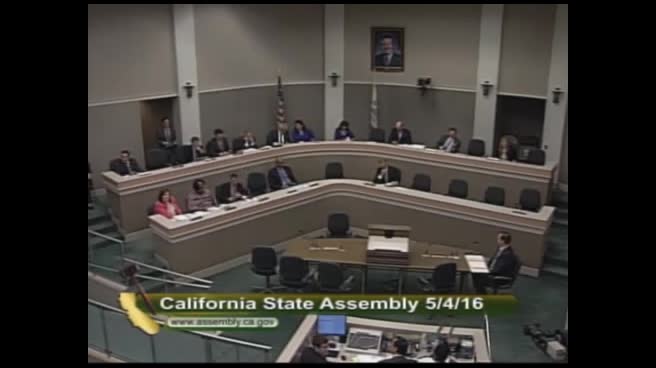 2MIN
Assembly Standing Committee on Appropriations
Bill Author

Bill Co-Author(s):